
Sewage Treatment PlantsVolume 1 · Issue 5 · October 2026
Sewage Treatment Plants, in Plain Language
Every modern Indian building now cleans its own wastewater on site — by law, and to save water. This is the library that explains how: a growing reference of 200+ guides on what an STP is, the biology and machinery that make it work, how to size and run one, and what it costs — written for an intelligent reader with no engineering background.
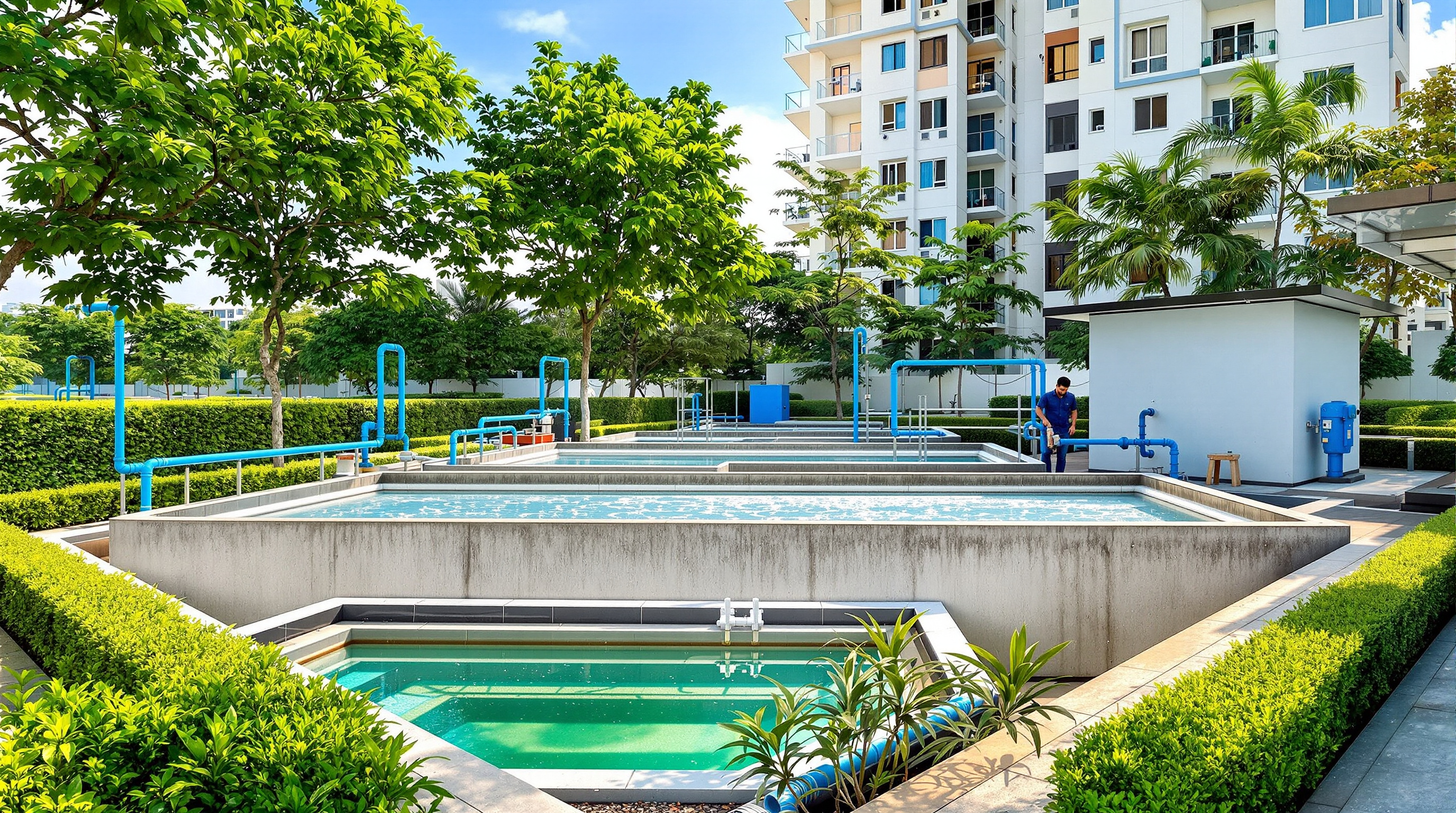
What is a Sewage Treatment Plant (STP)? The Complete Beginner's Guide
A sewage treatment plant (STP) is an on-site system that cleans the dirty water a building produces so it can be safely reused or discharged. This beginner's guide explains what an STP is, why it is required, and how it works stage by stage.
Read itIn this issue
Freshly published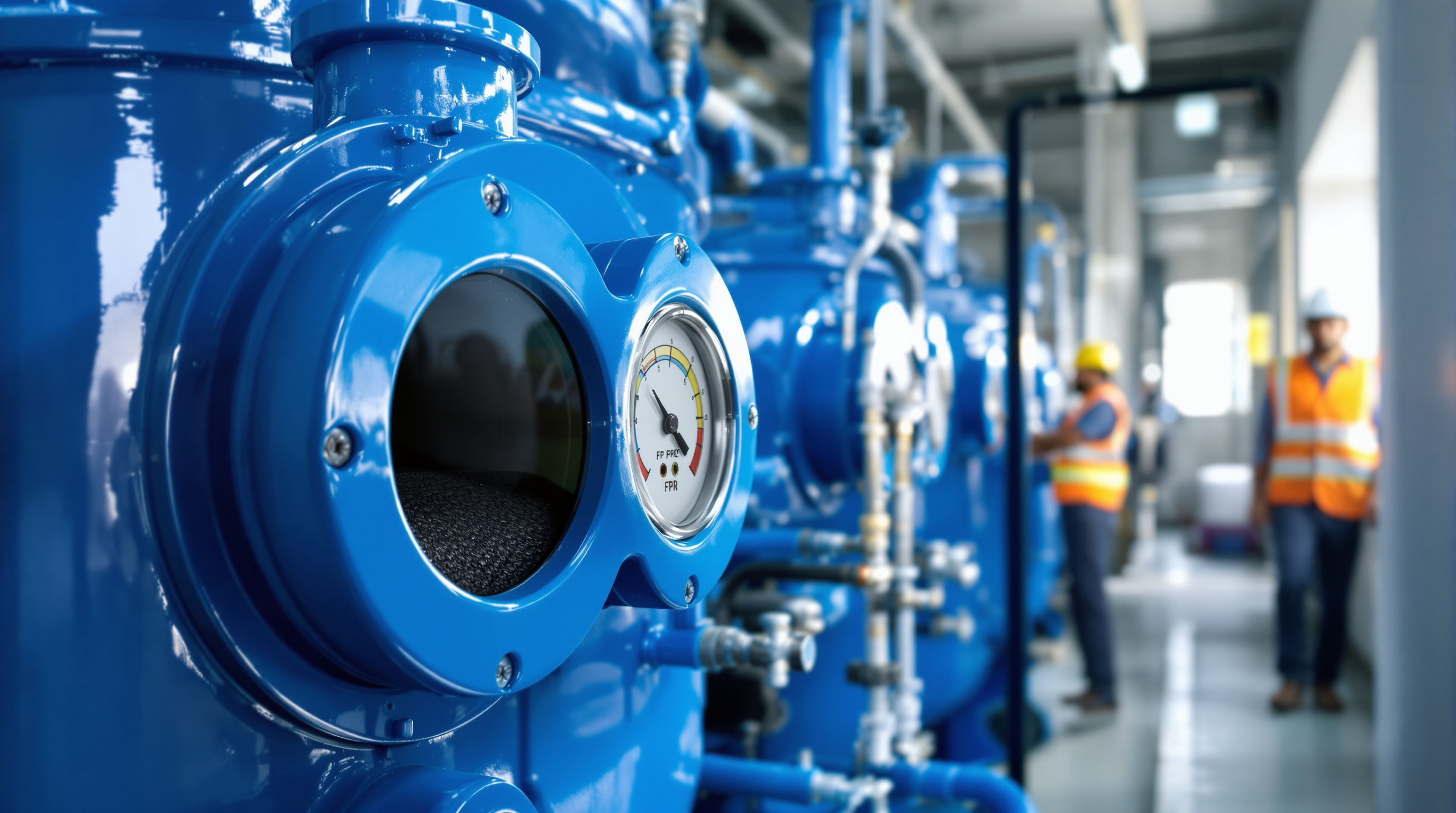 Guide01
Activated Carbon Filter (ACF) in an STP: The Polishing Filter Explained
An activated carbon filter is the polishing stage in an STP that adsorbs residual colour, odour and dissolved organics from treated water. This guide explains how adsorption works, when the carbon is exhausted, and its role in producing reuse-grade water.
 Guide02
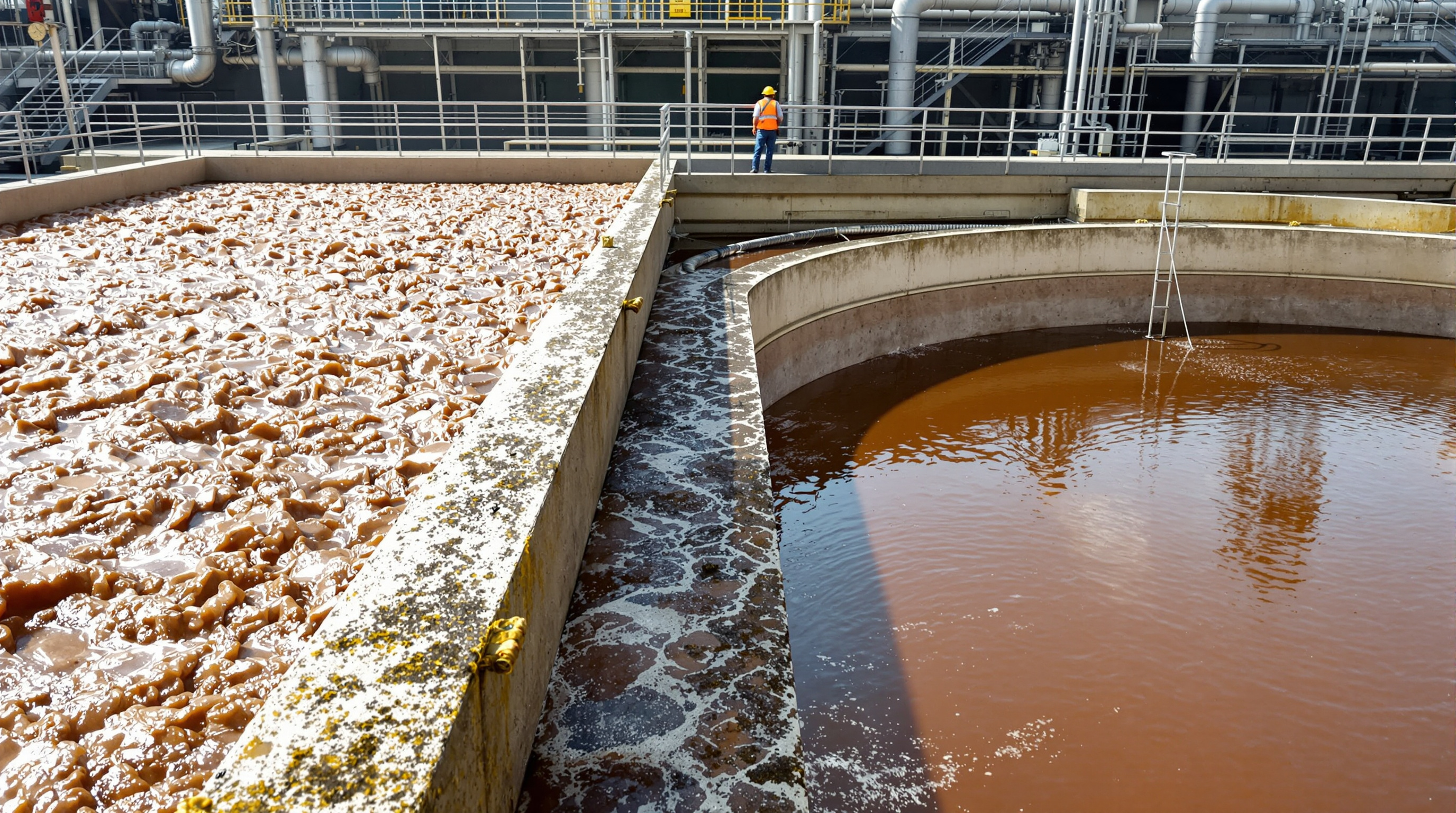
Activated Sludge Process (ASP): How It Works, Pros & Cons
The activated sludge process is the classic suspended-growth method behind most large sewage plants: an aeration tank, a secondary clarifier, and recycled microbial floc (RAS/WAS). Here is how it works, the parameters that control it, and how it compares to MBBR, SBR and MBR.
 Guide03
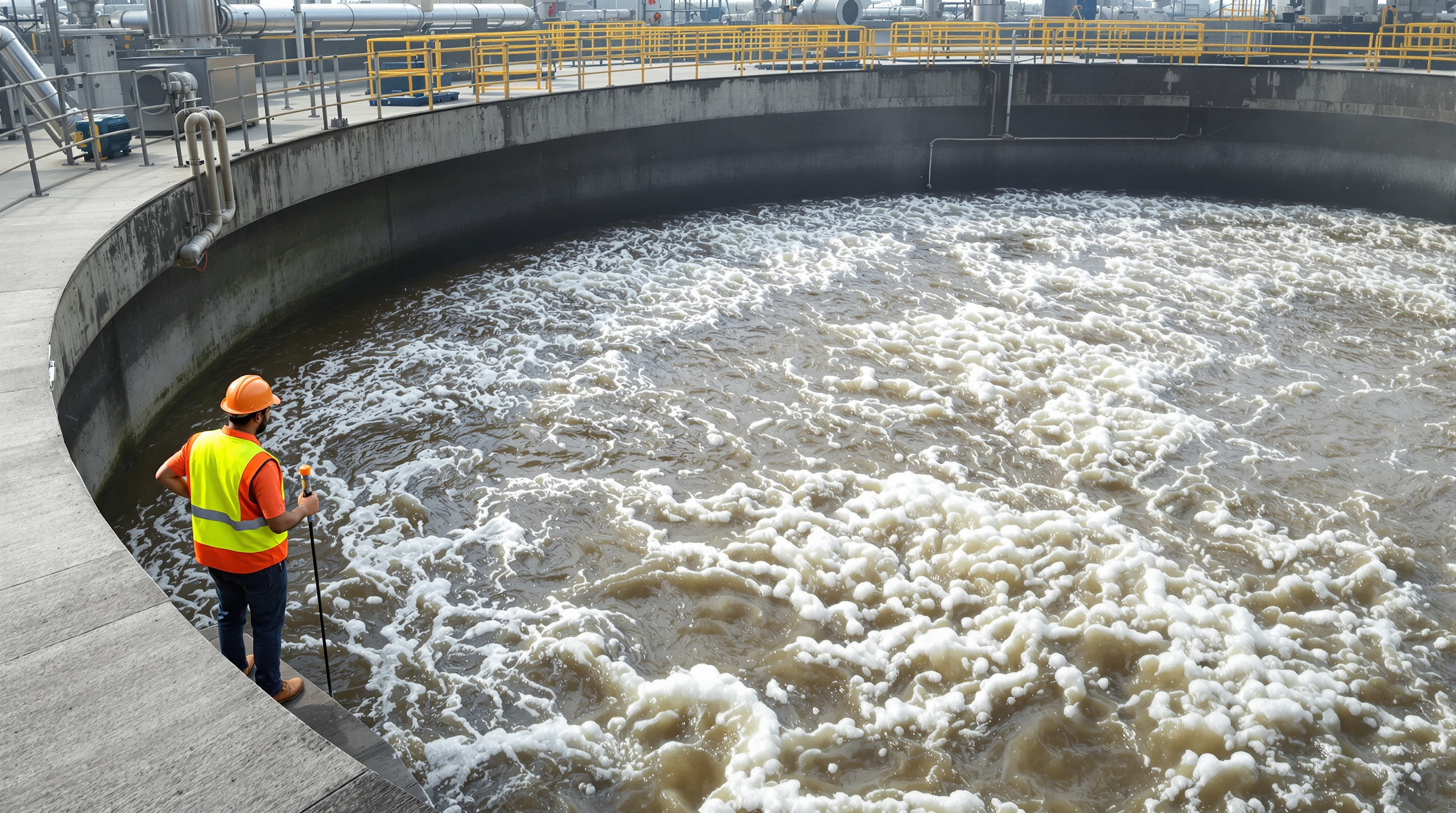
Aeration Design Principles for STPs: Oxygen Demand, Diffusers & Blower Sizing
Aeration is the single largest energy cost in a sewage treatment plant. This guide explains how it is designed — oxygen demand, alpha/beta factors, SOTE, fine versus coarse bubble diffusers and blower sizing — and how good design cuts the power bill for decades.
 Guide04
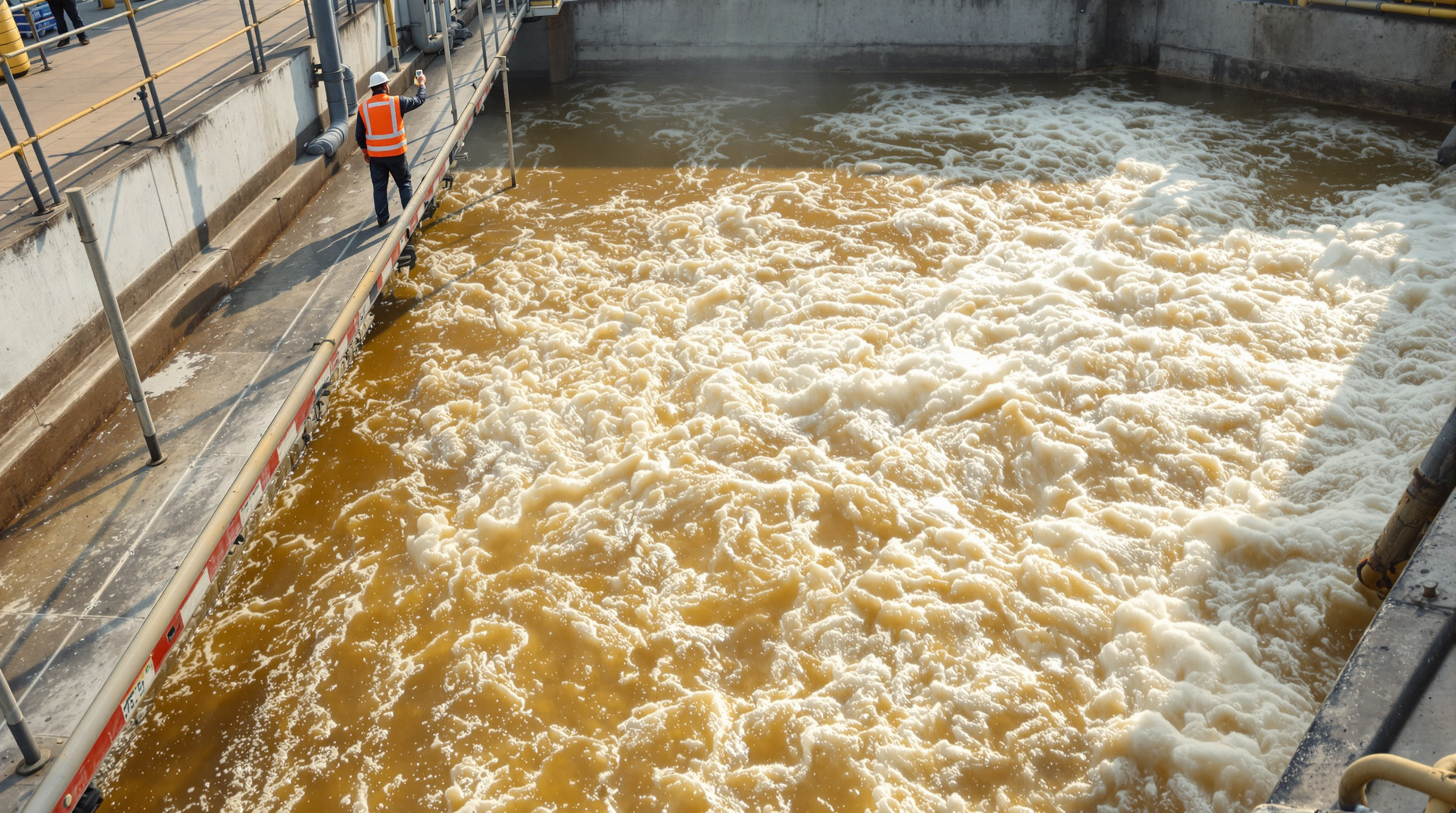
Aeration Tank: The Biological Heart of an STP
The aeration tank is where an STP actually cleans water: blowers feed oxygen to microbes that eat the organic load. Learn DO, MLSS, F/M ratio and HRT, diffused vs surface aeration, and why this one tank uses most of the plant's power.
 Guide05
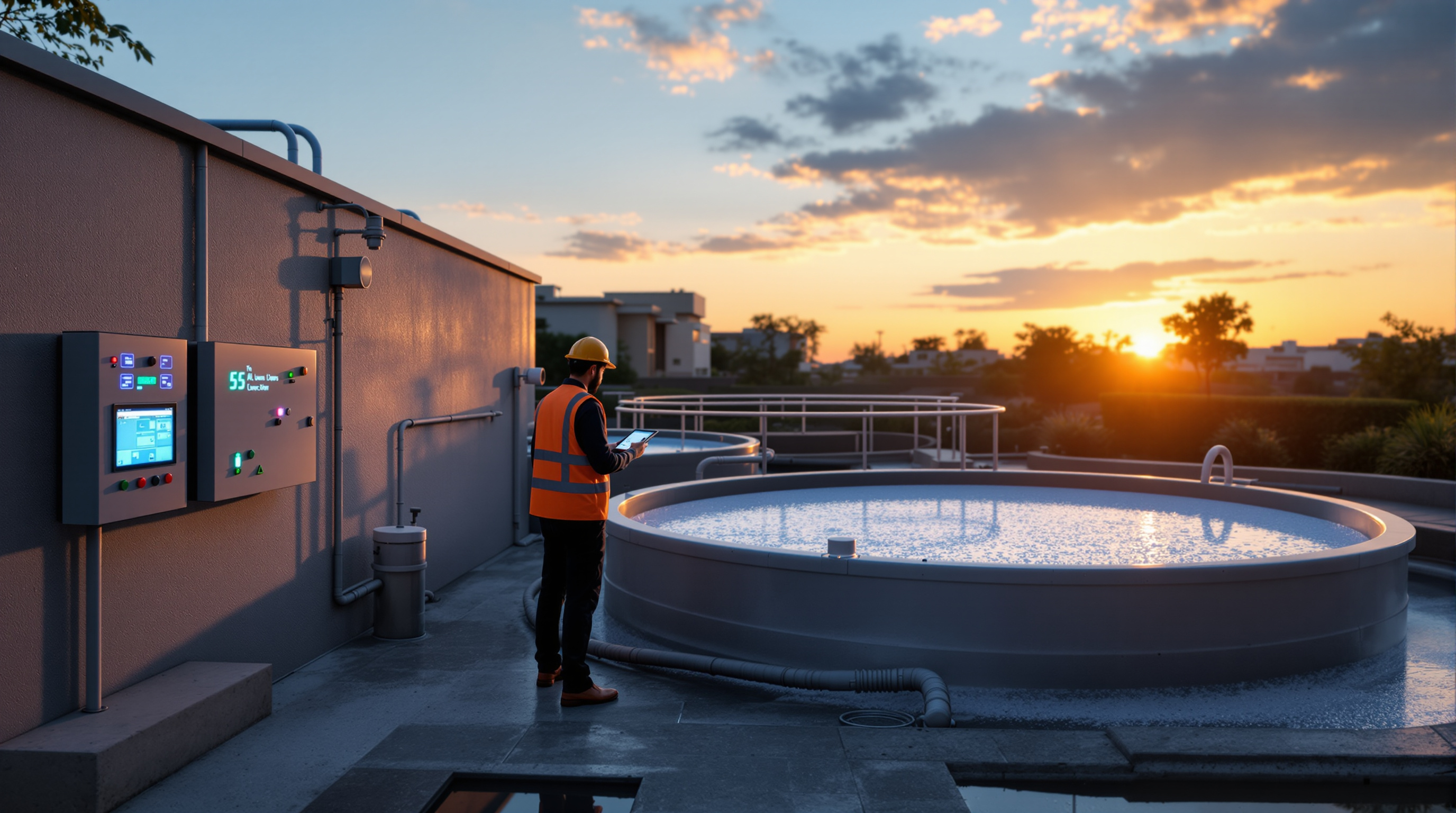
AI in STP Operations: What Actually Works Today (and What Doesn't)
AI is entering Indian STP operations through aeration control, effluent-quality prediction, anomaly detection and predictive maintenance. This guide separates what genuinely works today from vendor hype, and shows owners and consultants where AI actually cuts energy, risk and operator dependence.
 Guide06
Air Blowers & Diffusers in an STP: How Aeration Actually Works
Blowers push air, diffusers turn it into bubbles, and together they feed the microbes that clean your sewage. This guide explains fine vs coarse bubble diffusers, blower types, SOTE, sizing, standby and maintenance — the aeration system that runs most of your STP's power bill.
 Guide07
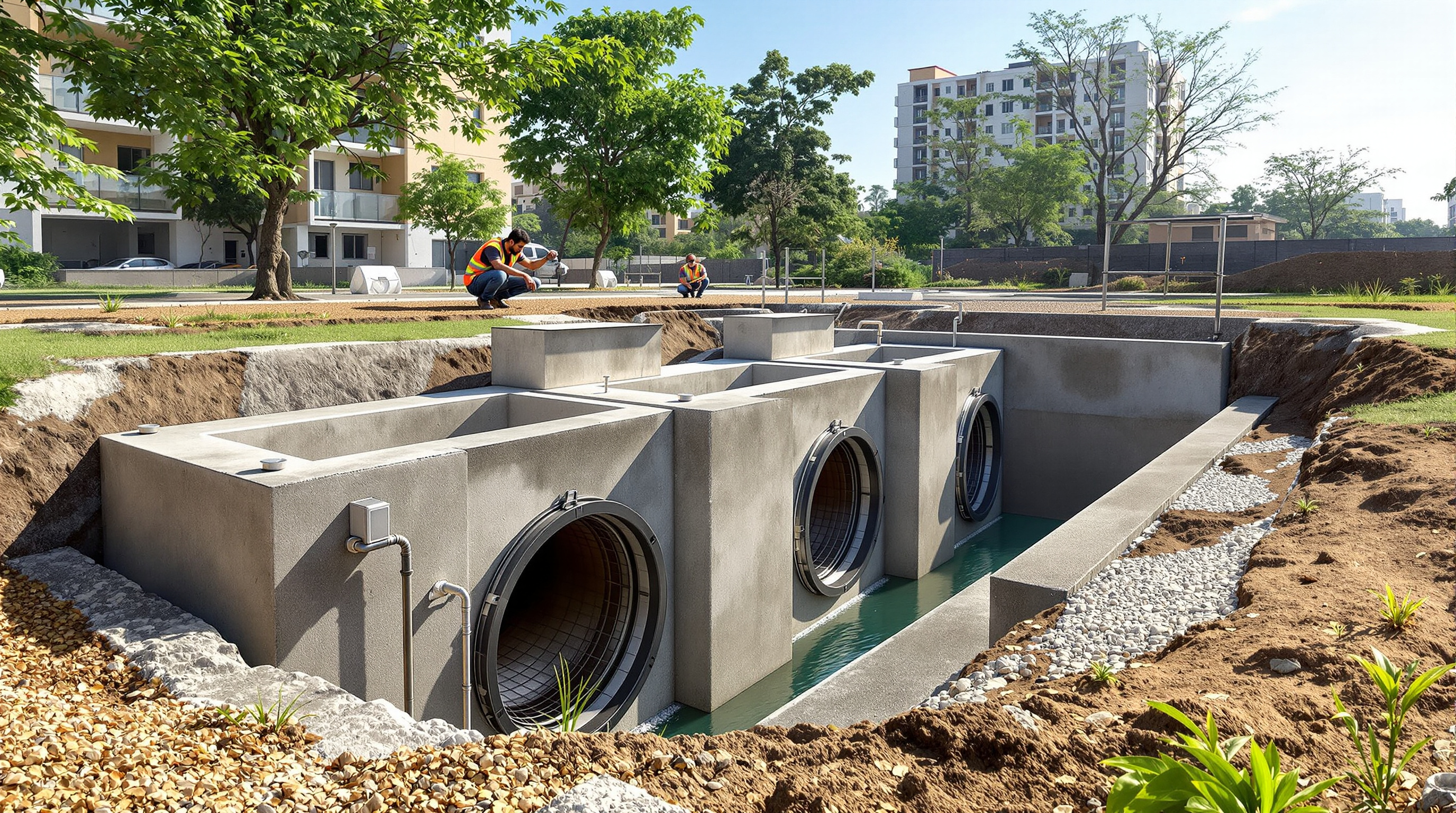
Anaerobic Baffled Reactor (ABR): The Low-Energy Heart of DEWATS Explained
The Anaerobic Baffled Reactor (ABR) is a series of baffled compartments where sewage flows up and down through blankets of anaerobic sludge, eating pollution with no power at all. The low-energy heart of DEWATS: how it works, its benefits, and why it needs a polishing step.
 Guide08
Andhra Pradesh STP Regulations & APPCB Norms: The 2026 Compliance Guide
A practical guide to Andhra Pradesh STP regulations: when a sewage treatment plant is mandatory, how the APPCB CTE and CTO consent process works, the discharge and reuse norms your plant must meet, and compliance steps for builders and RWAs.
 Guide09
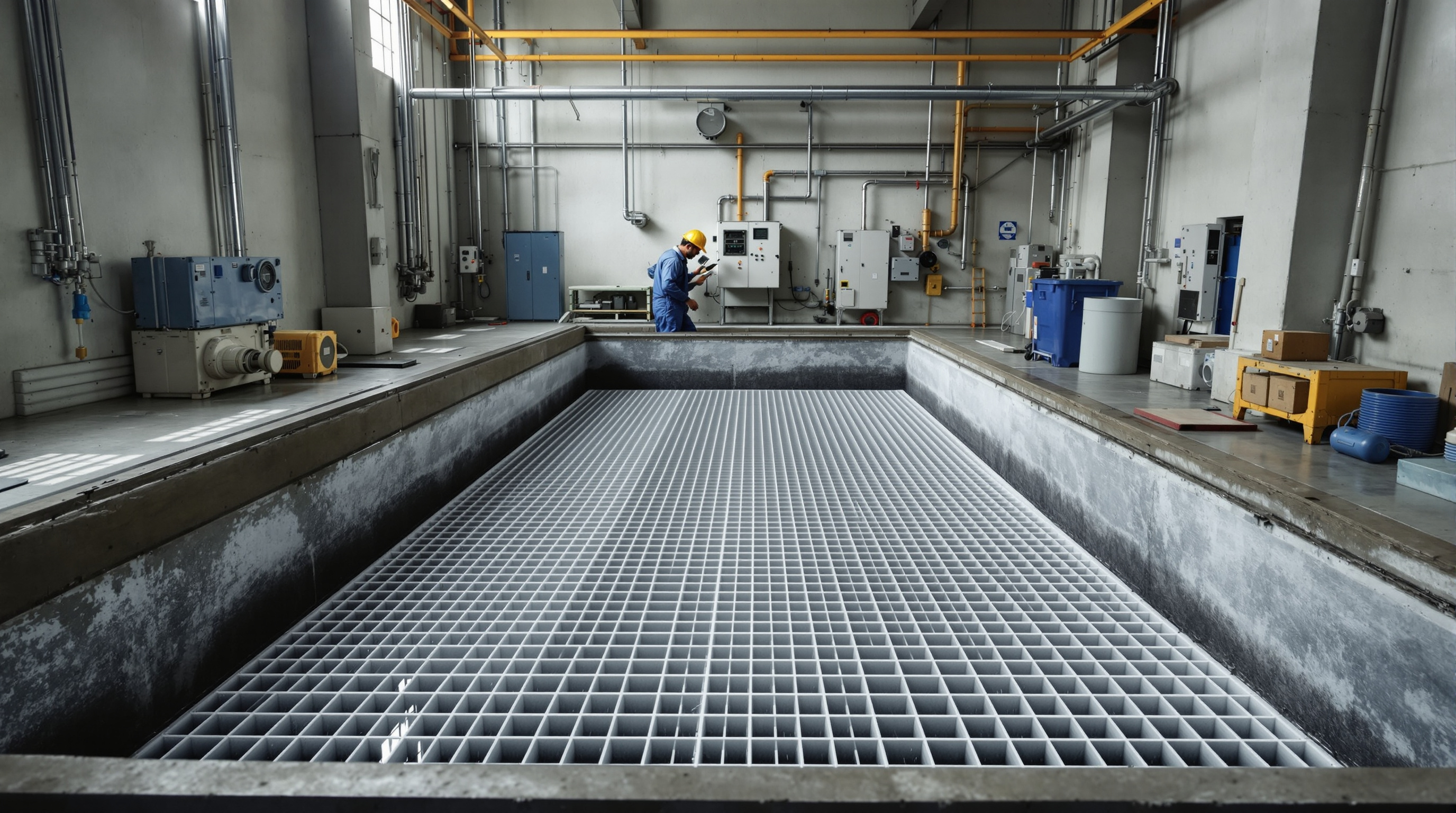
Annual STP Maintenance & Overhaul: The Complete Yearly Shutdown Checklist
The annual STP overhaul is the one shutdown that reaches what daily rounds never do: de-silting tanks, servicing blowers and pumps, deep-cleaning membranes, recalibrating instruments, checking waterproofing and reviewing the AMC. A complete, ordered yearly checklist for Indian facility managers.
 Guide10
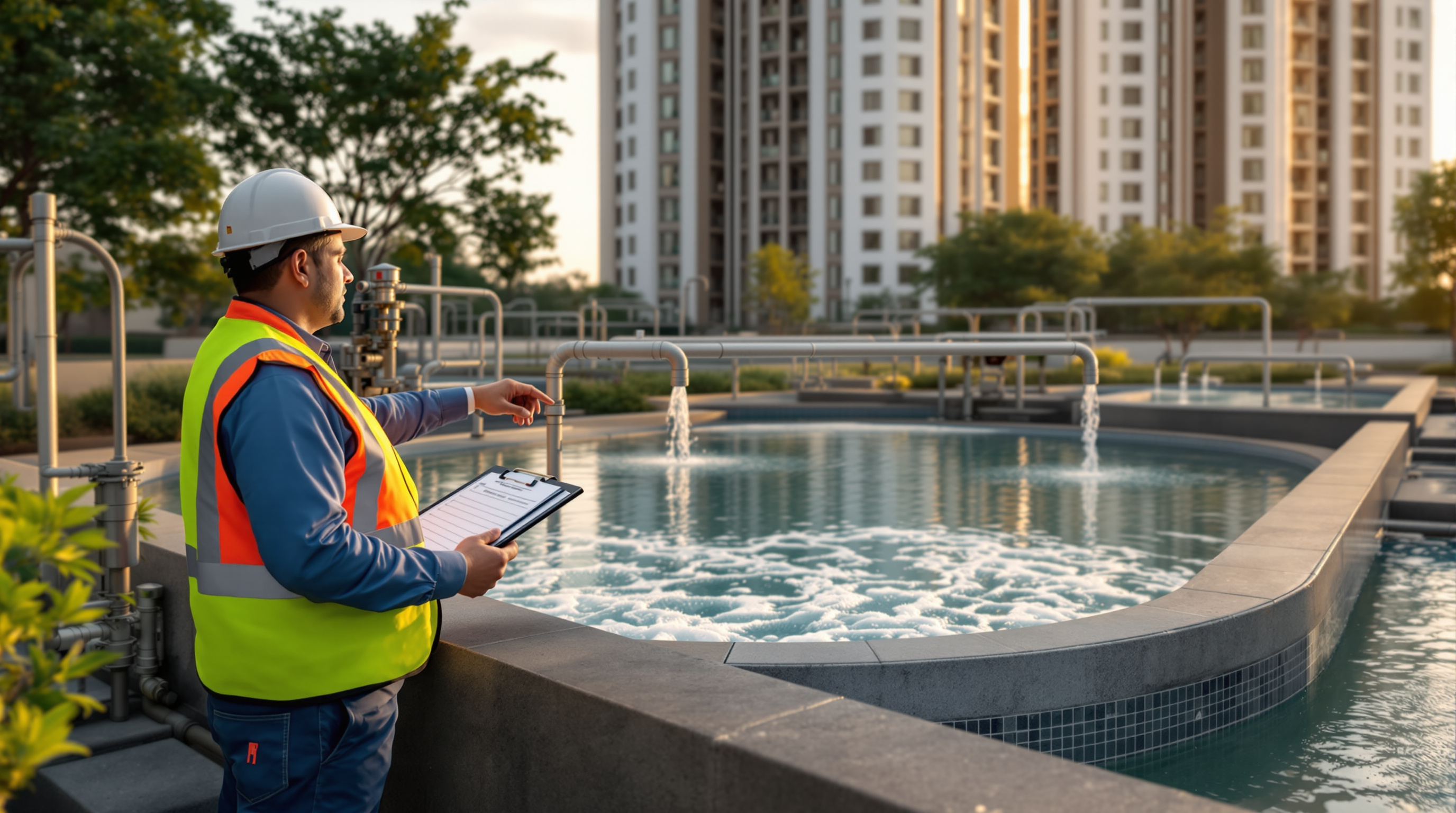
Apartment Association STP Compliance Guide: CTO, Monitoring, Records & Penalties
A practical compliance guide for RWAs and facility managers running an STP: keeping your Consent to Operate valid, the monitoring and records regulators expect, the notices and penalties that catch associations out, and a checklist to stay compliant. Norms change — verify current figures with your SPCB.
 Guide11
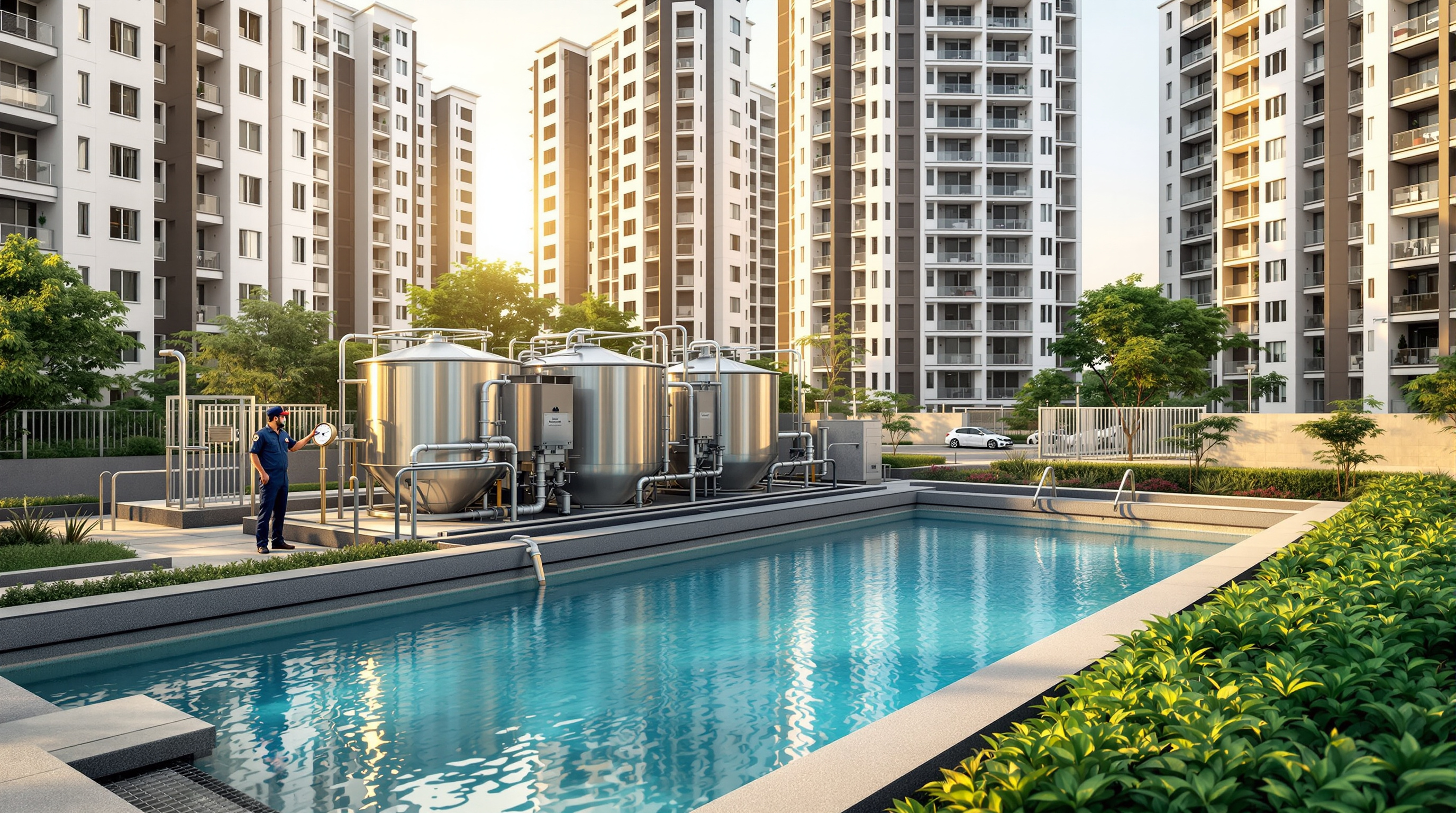
Apartment STP Cost Guide: Capex, Running Cost & Cost Per Flat in India (2026)
What a sewage treatment plant really costs an apartment complex: capital cost ranges by technology and capacity, the civil-versus-equipment split, and the monthly running cost per flat — with honest ranges and the factors that move the number.
 Guide12
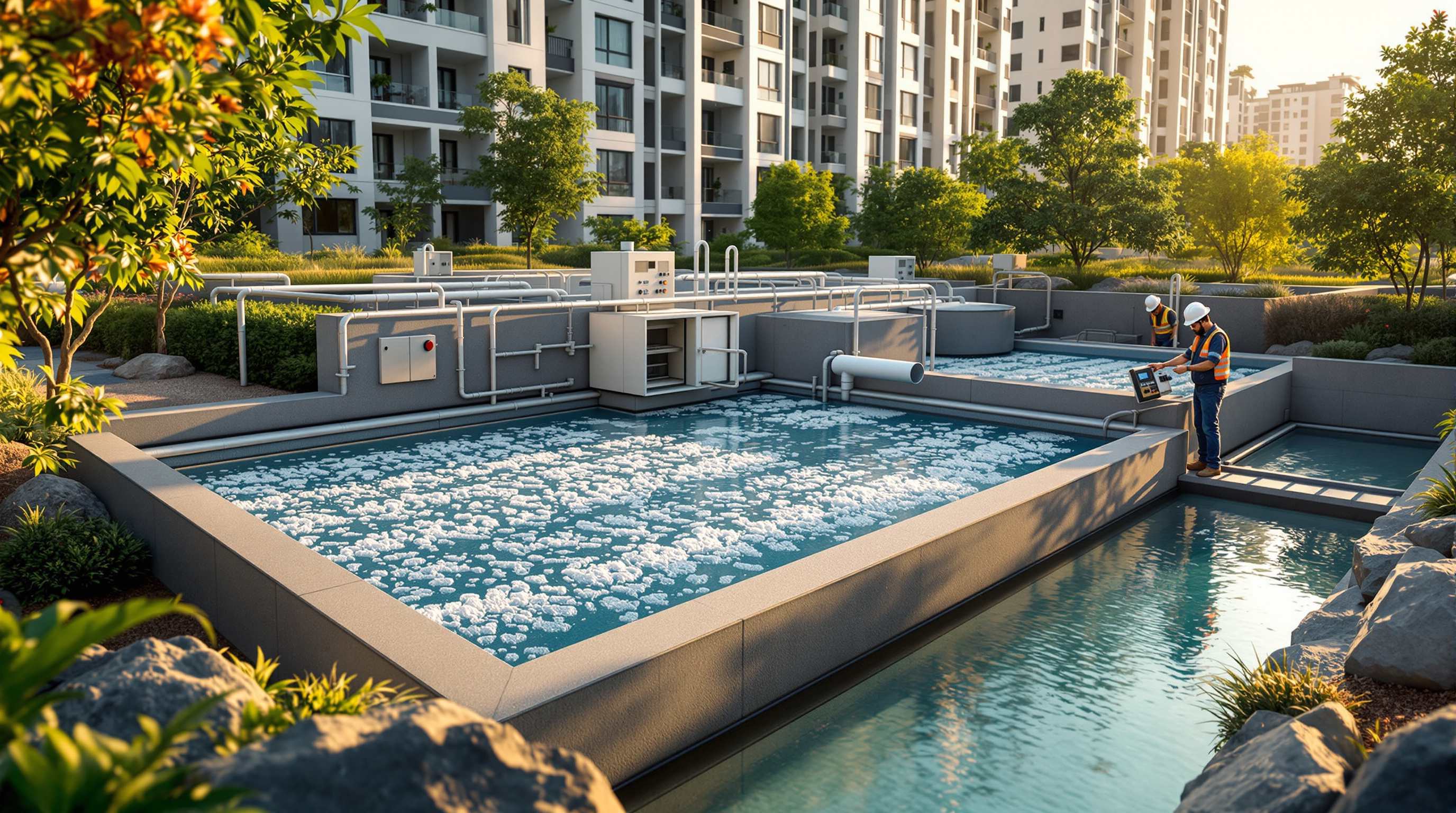
Apartment STP Planning Guide: Sizing, Space & Compliance
Planning an STP for an apartment complex means sizing it from occupancy, picking a technology that fits (usually MBBR), finding space in the basement or a corner, and plumbing for reuse. This guide walks through sizing, siting, compliance and O&M, start to finish.
 Guide13
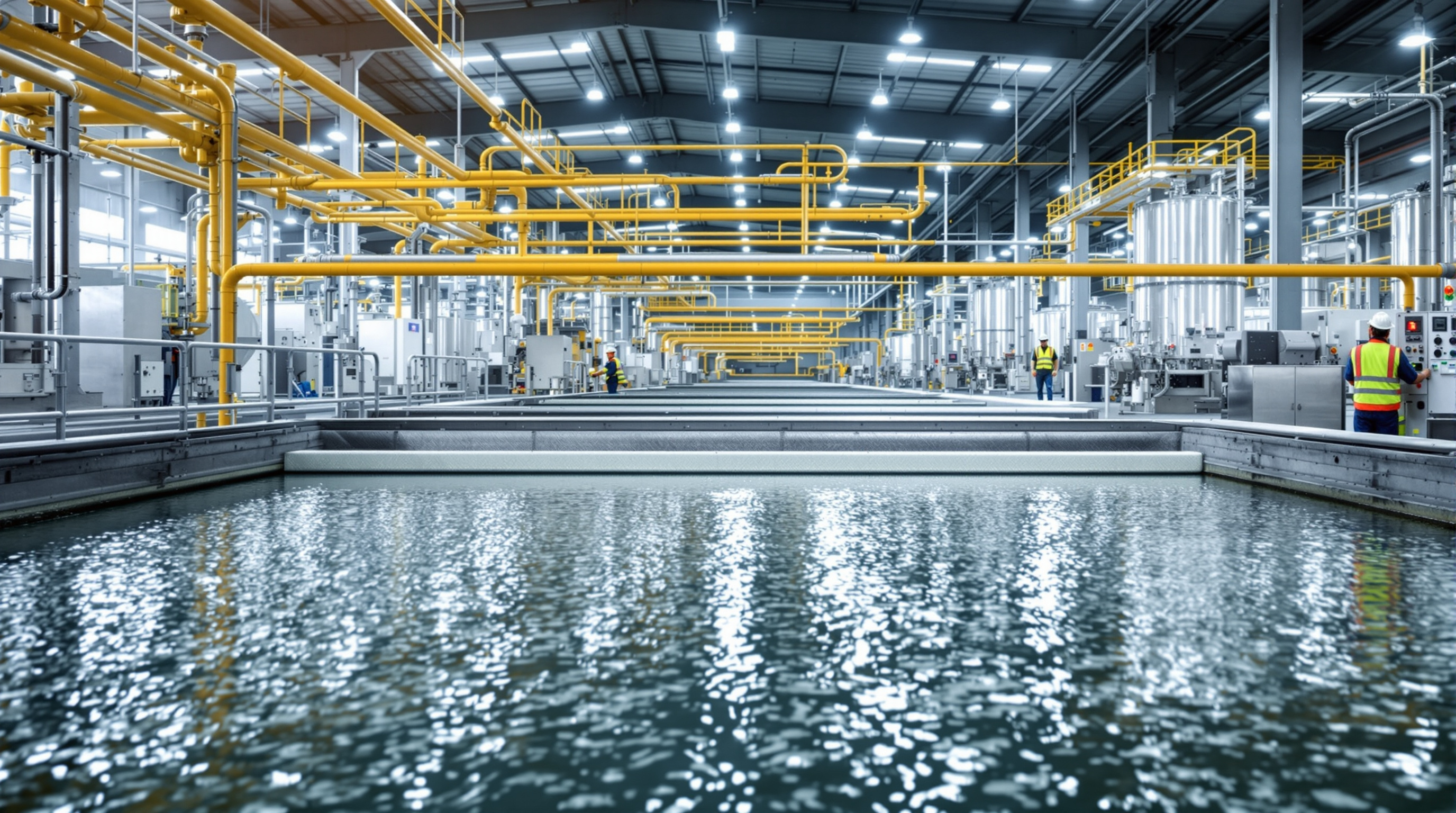
Automobile Industry Effluent Treatment: Oil, Paint-Shop Chemicals & Metals
Automobile plant wastewater carries oil, grease, phosphates, paint-shop chemicals and heavy metals that a domestic STP cannot handle. This guide explains why a car factory needs an ETP, and the oil-separation, physico-chemical, biological and metal-removal train that treats it for reuse or zero liquid discharge.
 Guide14
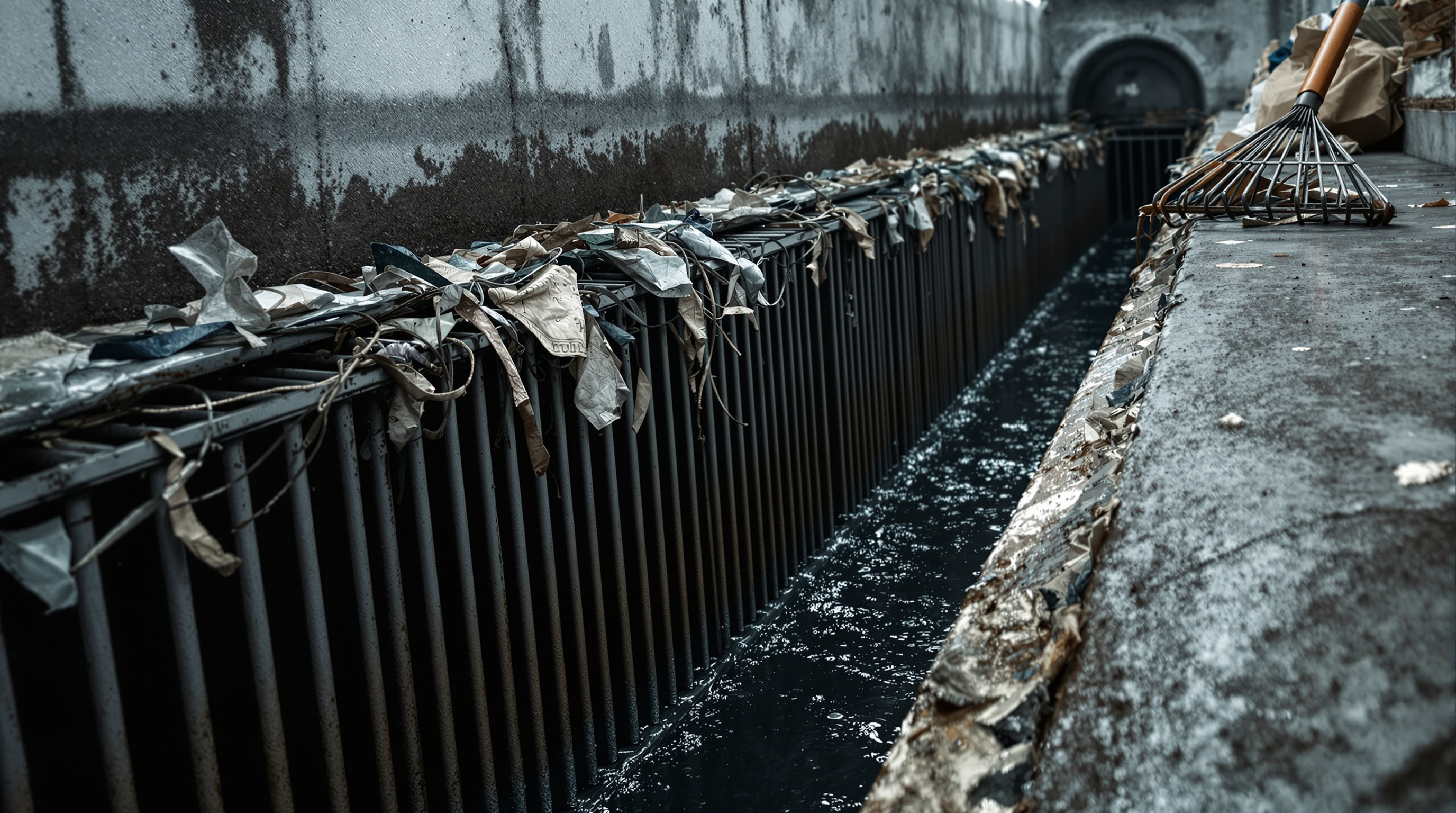
Bar Screen Chamber: The First Line of Defence in an STP
The bar screen chamber is the very first tank in a sewage treatment plant. It catches rags, plastics and coarse solids at the inlet so they never reach and damage your pumps. Here is how manual and mechanical screens work, plus bar spacing and cleaning basics.
 Guide15
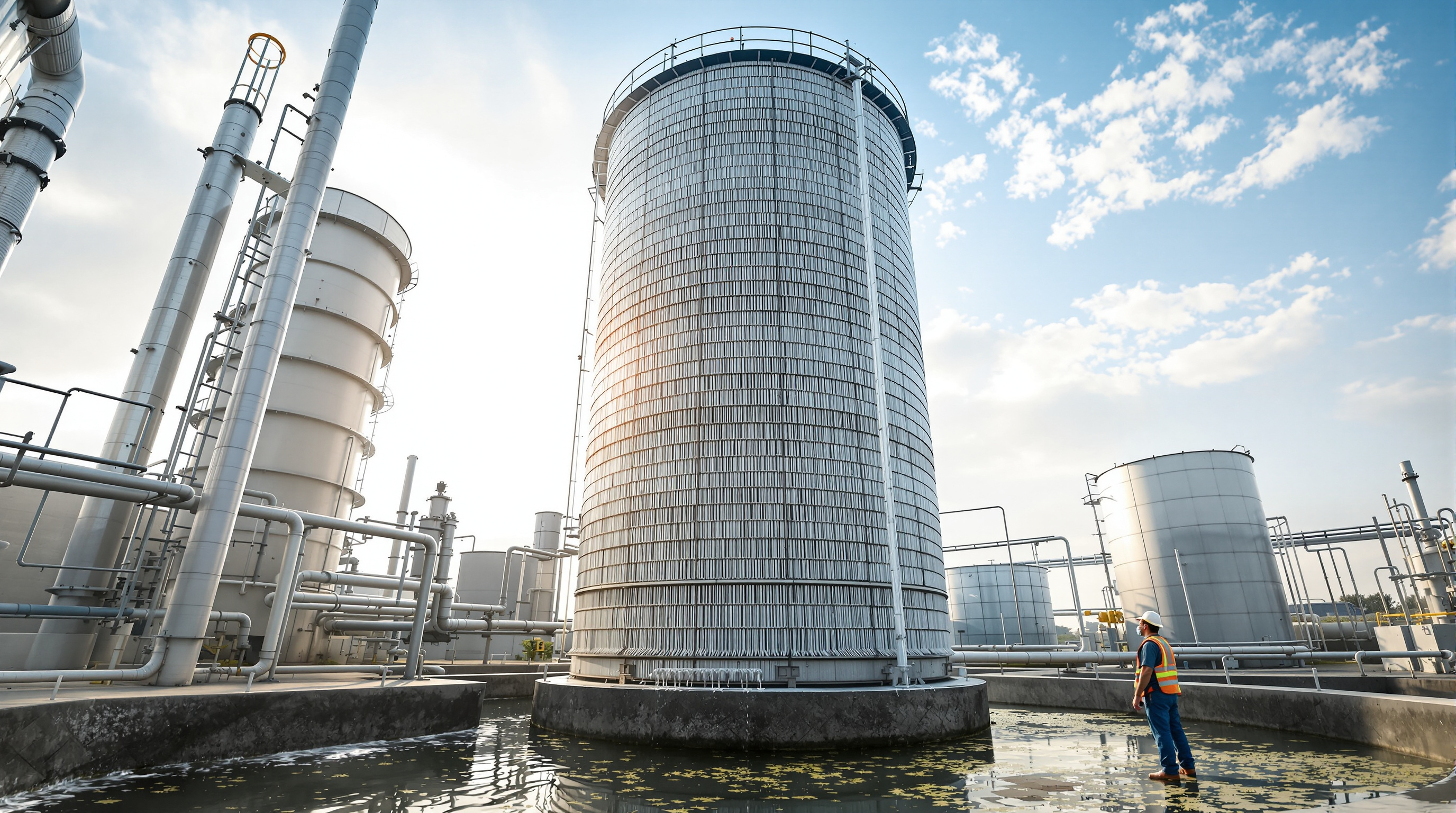
Bio Tower Systems: Packed-Media Trickling Towers for High-Load Treatment
A bio tower is a tall, packed-media trickling tower that strips heavy organic load from high-strength wastewater using an attached-growth biofilm and almost no energy. This guide explains how bio towers work, their media and airflow, and where they fit in industrial STP and ETP trains.
 Guide16
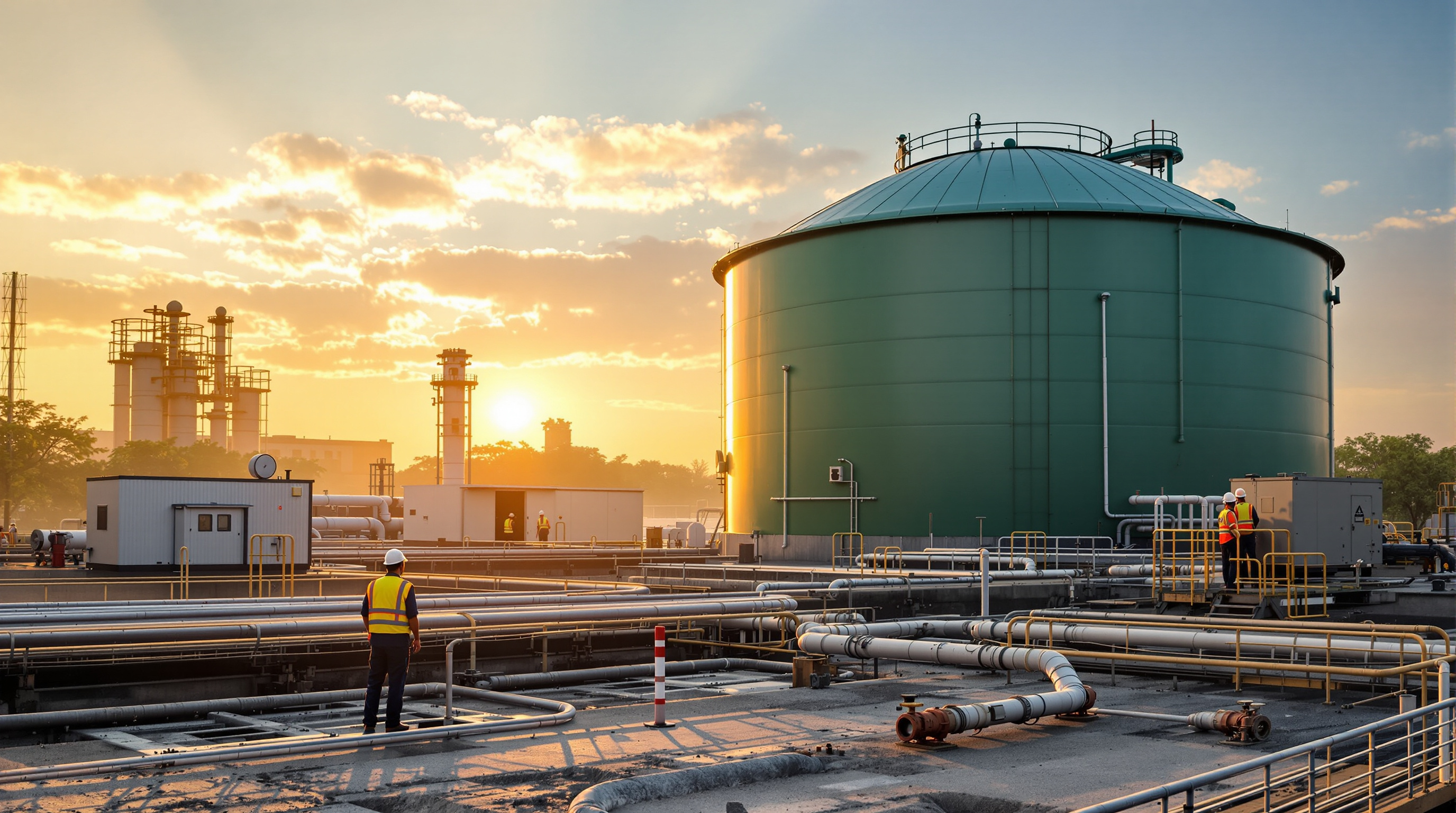
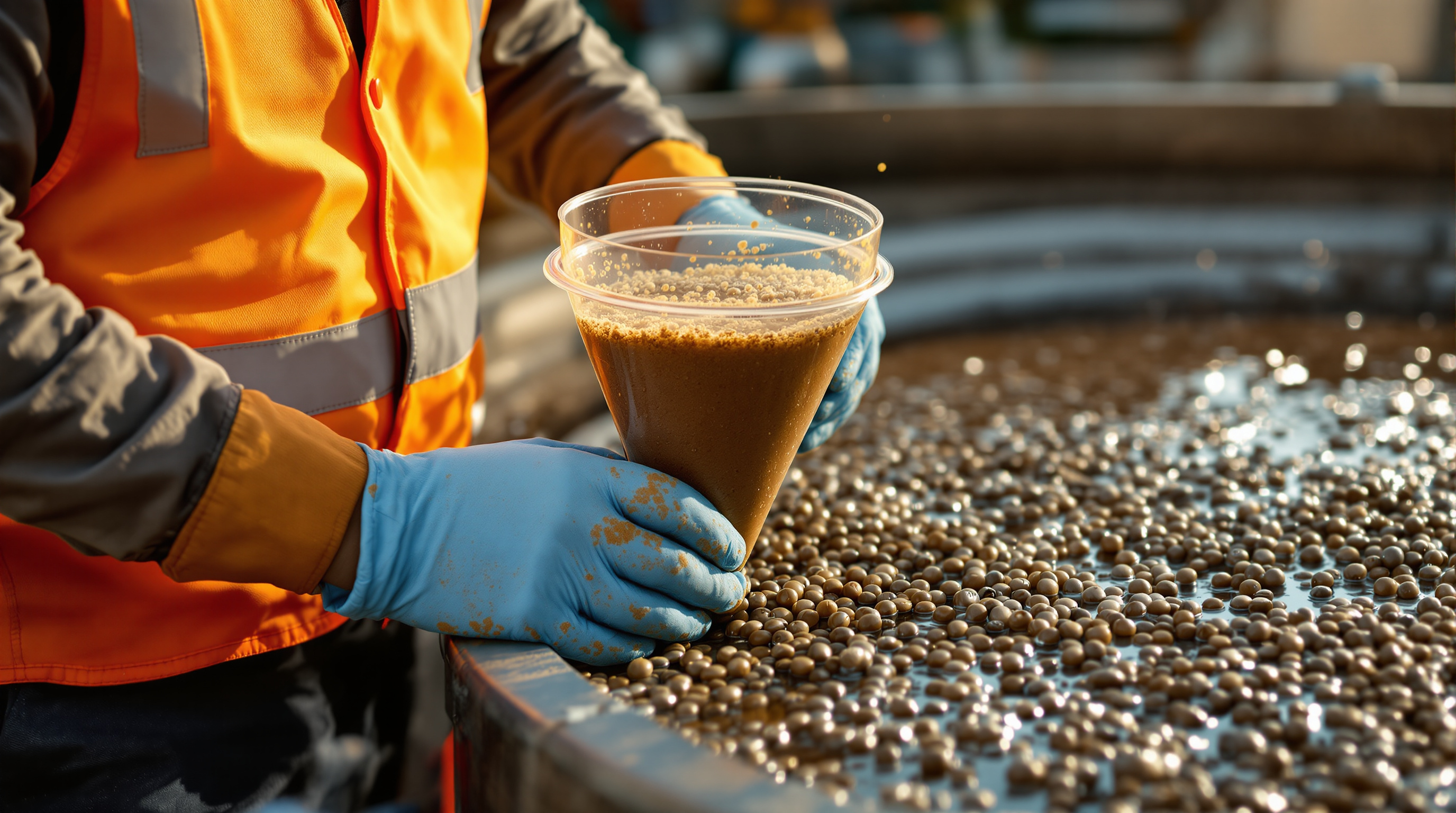
Biogas from Sewage: Energy Recovery in Indian STPs
Anaerobic treatment lets an STP recover energy from the very sludge it produces, generating methane-rich biogas for power and heat. This guide explains how biogas from sewage works, what it yields, and where it pays off in Indian STPs.
 Guide17
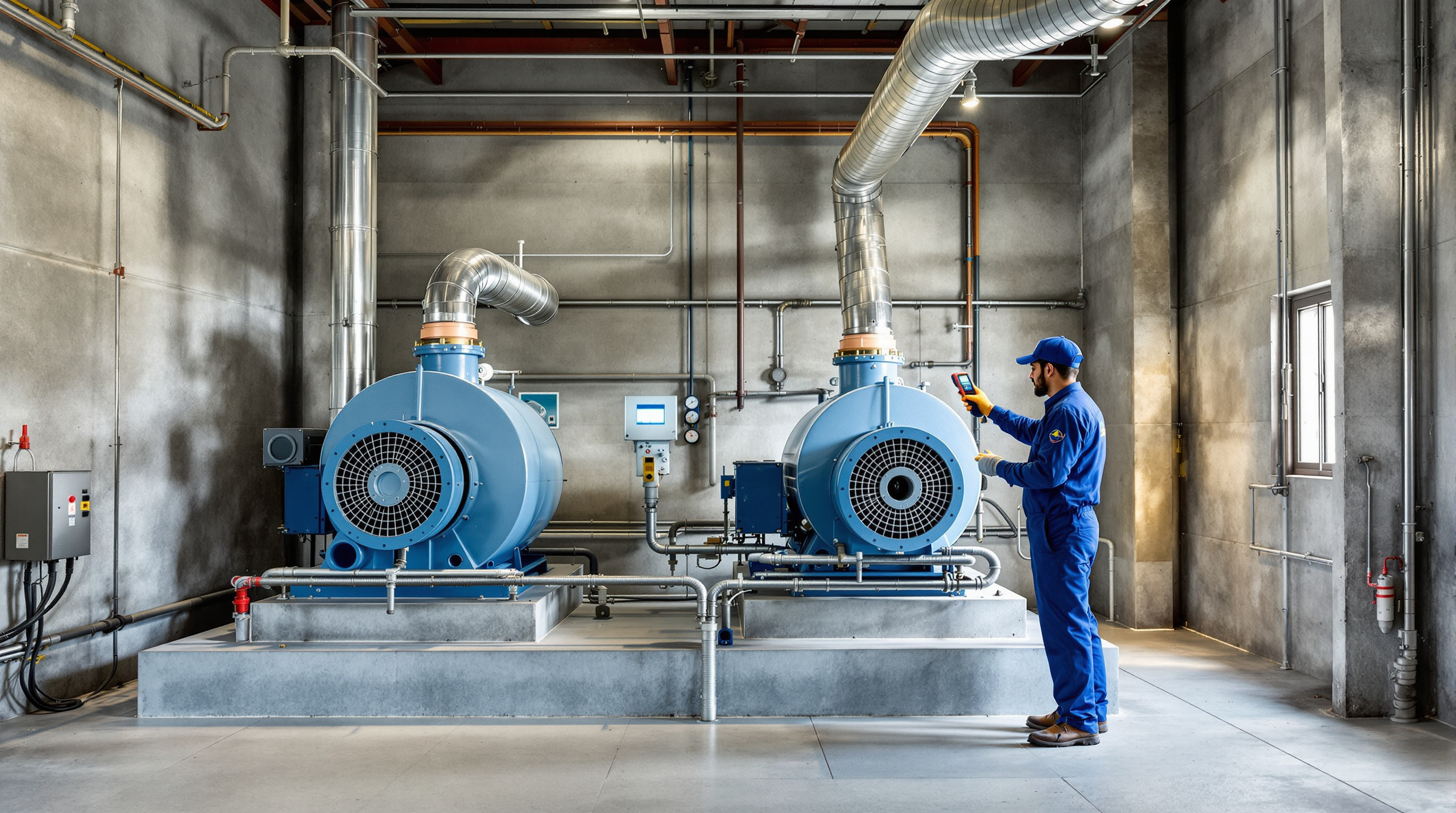
Biological Culture Management in an STP: The Heart of Good O&M
The microbes in your aeration tank do the real work of cleaning sewage. Manage MLSS, F/M ratio, dissolved oxygen and nutrients well, and you avoid most STP failures. A practical operator's guide to keeping the biological culture healthy — and reviving it after a crash.
 Guide18
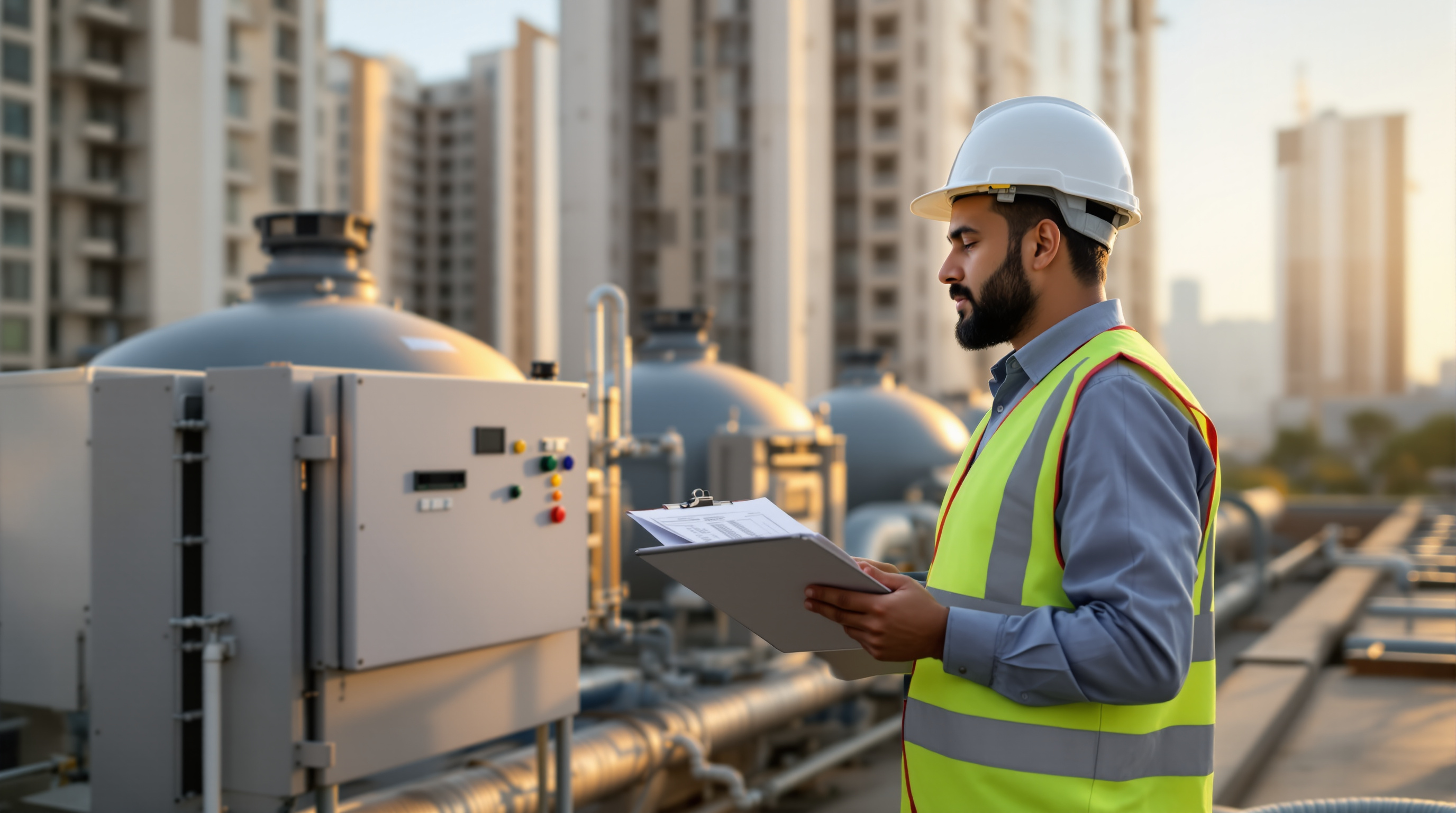
STP Blower Maintenance: The Complete O&M Guide for Air Blowers
Air blowers are the beating heart of an STP — starve them and the biology dies. This practical O&M guide covers filter cleaning, oil and belt checks, bearing and temperature monitoring, standby rotation, and the common blower faults every operator should catch early.
 Guide19
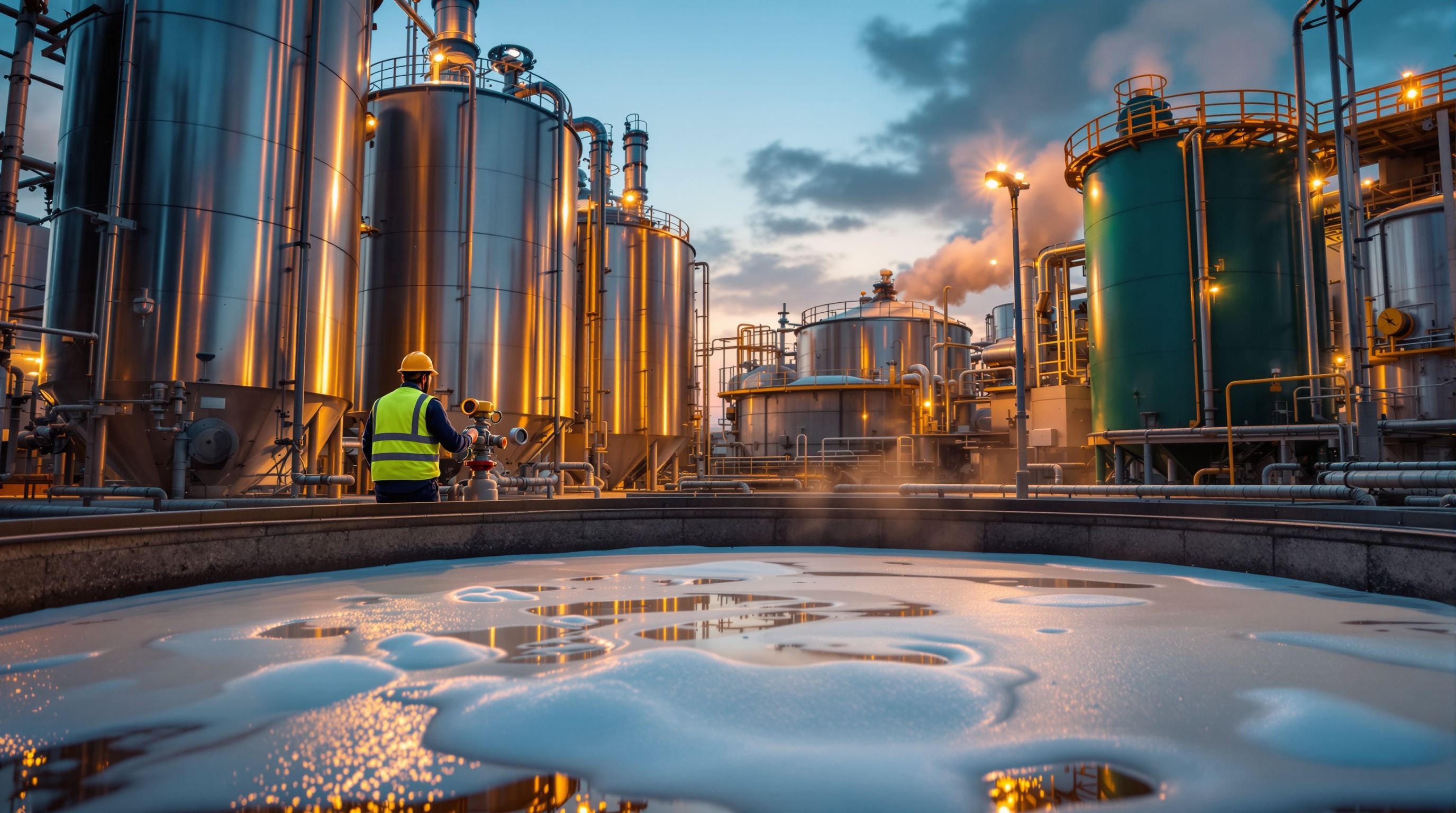
BOQ for STPs: What a Bill of Quantities Includes
A Bill of Quantities is the itemised backbone of any STP tender. This guide breaks down every civil, mechanical, electrical and instrumentation line item an STP BOQ should carry — and how to use it to compare vendor quotes fairly.
 Guide20
Brewery & Distillery Wastewater Treatment: COD, Spent Wash, Biogas & ZLD
Brewery and distillery effluent carries extreme COD, acidic pH and, for distilleries, notoriously strong spent wash. This guide explains how anaerobic digestion with biogas recovery, aerobic polishing and zero liquid discharge treat it to India's stringent norms.
 Guide21
Building Bye-laws for STPs in India: What Your Occupancy Certificate Depends On
Municipal building bye-laws and India's Model Building Bye-Laws make an on-site STP, dual plumbing and treated-water reuse mandatory above plot and built-up-area thresholds. Miss them and the occupancy certificate is withheld. Here is what triggers the requirement and how to comply.
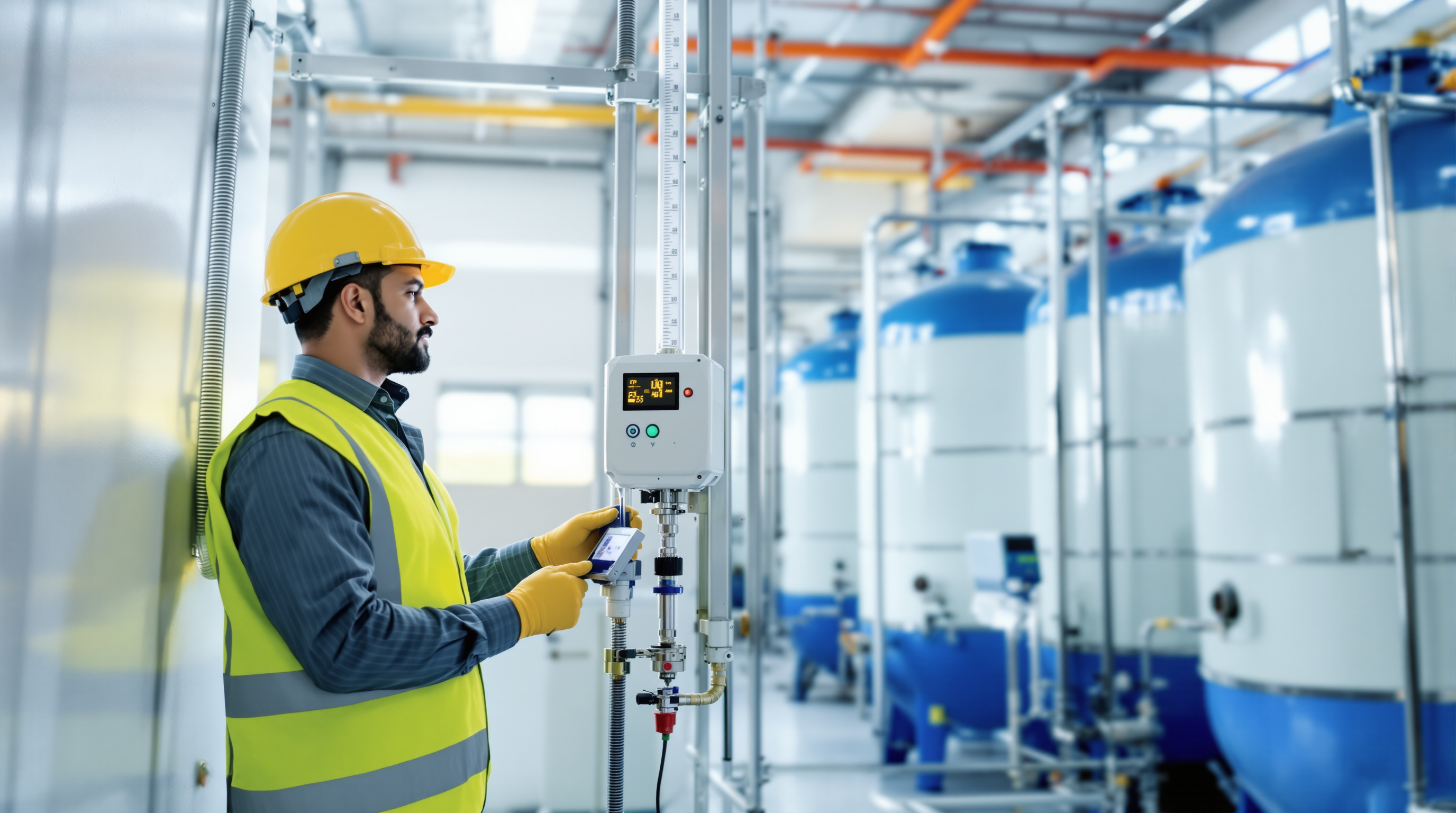 Guide22
Chemical Dosing in STPs: Chlorine, Coagulants, Antiscalants and pH Correction
A practical operator's guide to chemical dosing in STPs — chlorine, coagulants, antiscalants and pH correction. How dosing pumps work, how to set and control the dose, store chemicals safely, and avoid the costly mistakes of over- and under-dosing.
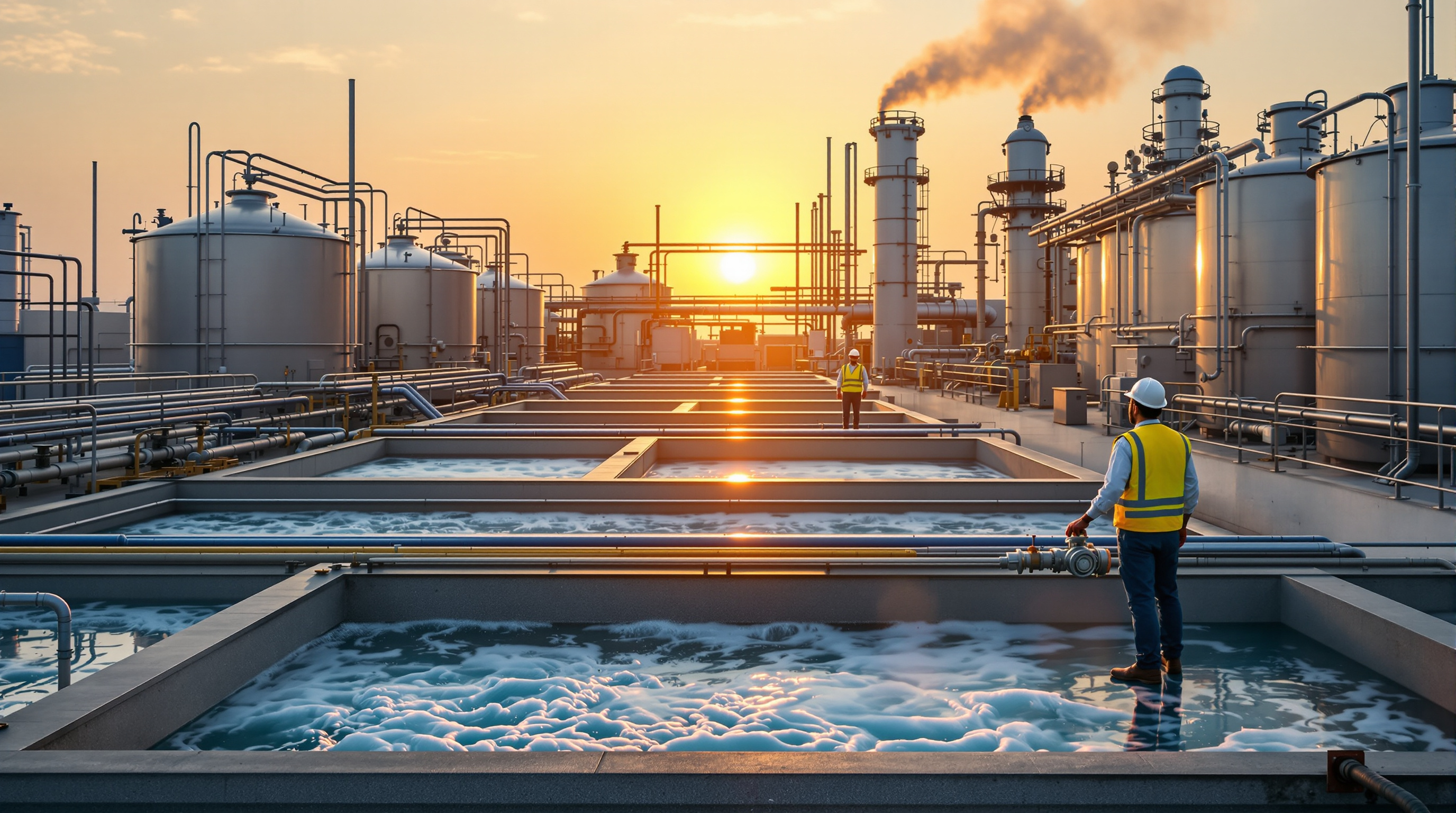 Guide23
Chemical Industry Wastewater Treatment: ETP Design for Toxic, High-COD Effluent
Chemical-industry effluent is highly variable, toxic and loaded with COD, TDS and refractory organics — far beyond a domestic STP. This guide explains the multi-stage ETP that treats it: physico-chemical, biological, advanced oxidation and zero liquid discharge, with Indian norms in view.
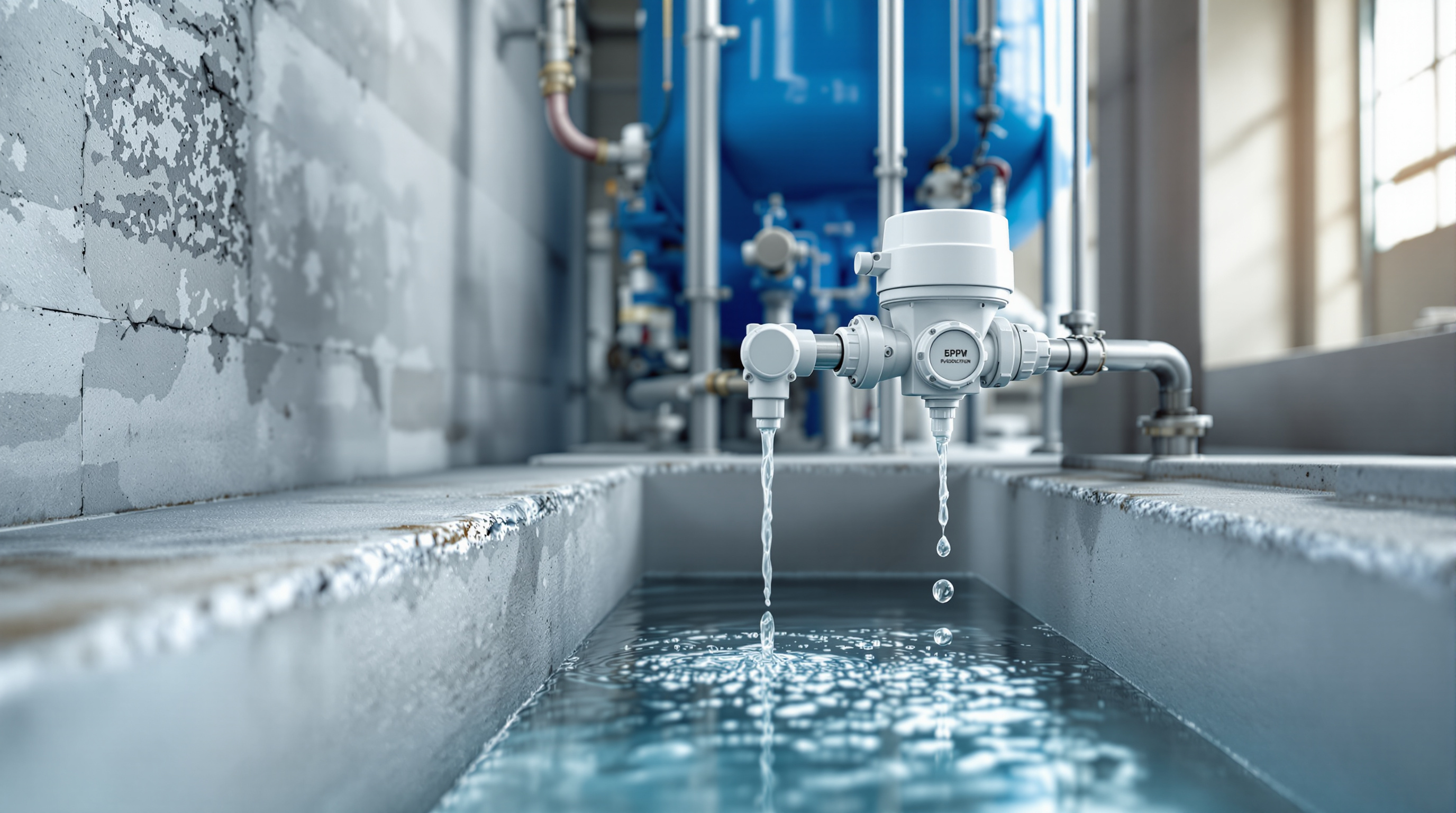 Guide24
Chlorination System in an STP: Disinfection Explained
A chlorination system is the final disinfection step in an STP, dosing sodium hypochlorite to kill the pathogens biology and filters leave behind. Learn how dose, contact time and residual work together to make treated water safe to reuse or discharge.
 Guide25
Circular Water Management for Buildings & Cities: The Closed-Loop Guide
Circular water management replaces the old take-use-discard line with a closed loop: treat, reuse, recharge, repeat. This guide shows how to design a building water system that keeps every litre in circulation, with an STP at its core, in the Indian context.
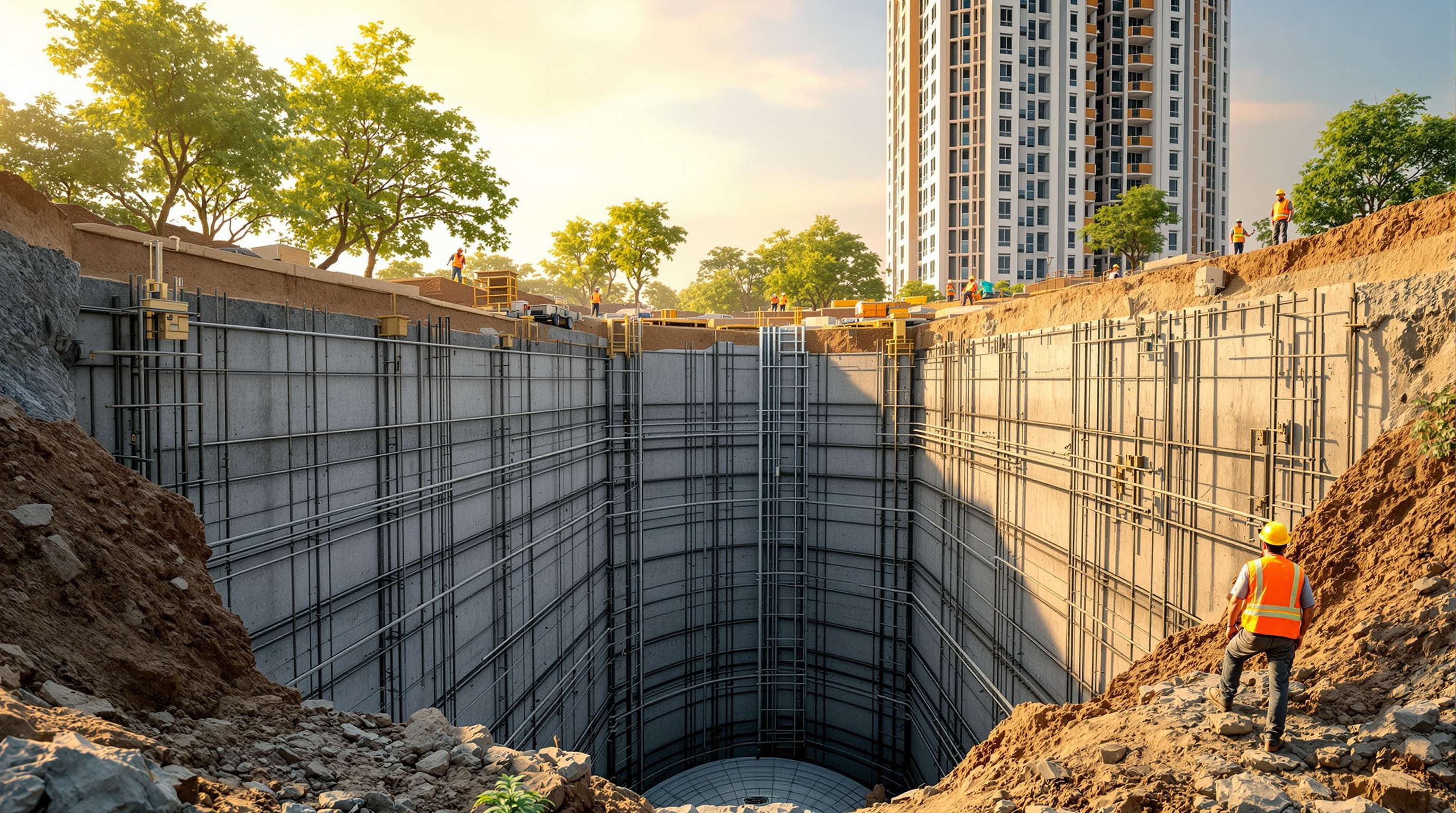 Guide26
Civil Construction of STPs: What Goes Into Building One
Every STP begins as civil works — excavation, watertight RCC tanks, baffle walls, a plant room and drainage. This guide walks through what goes into building an STP, the construction sequence, and the timelines that decide whether the plant runs.
 Guide27
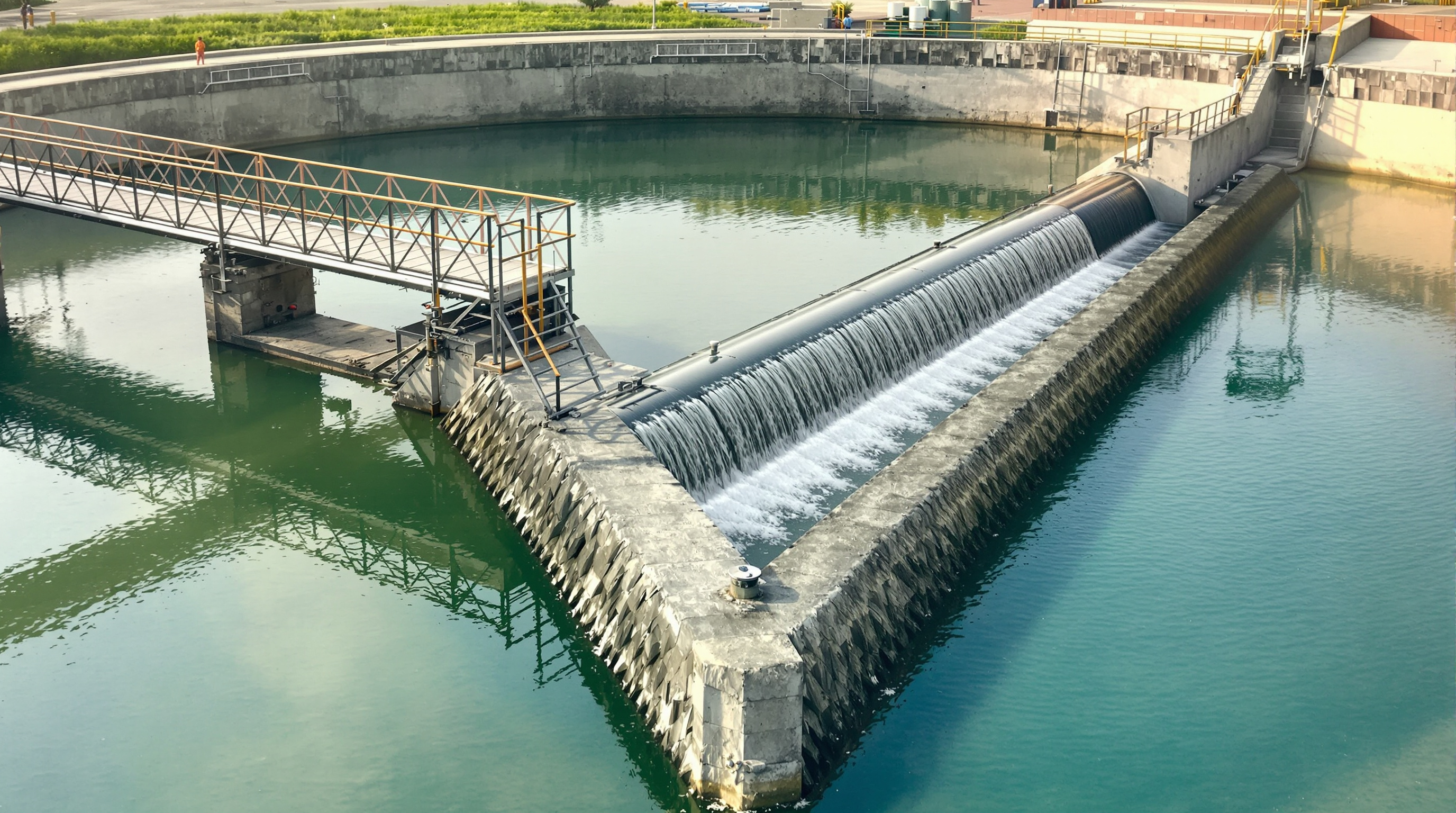
Clarifier (Settling Tank) in an STP: How It Works
A clarifier is the quiet settling tank in an STP where biological floc sinks and clear treated water rises over the weir. This guide explains how it works, what RAS and WAS mean, and the design numbers — surface overflow rate and weir loading — that decide performance.
 Guide28
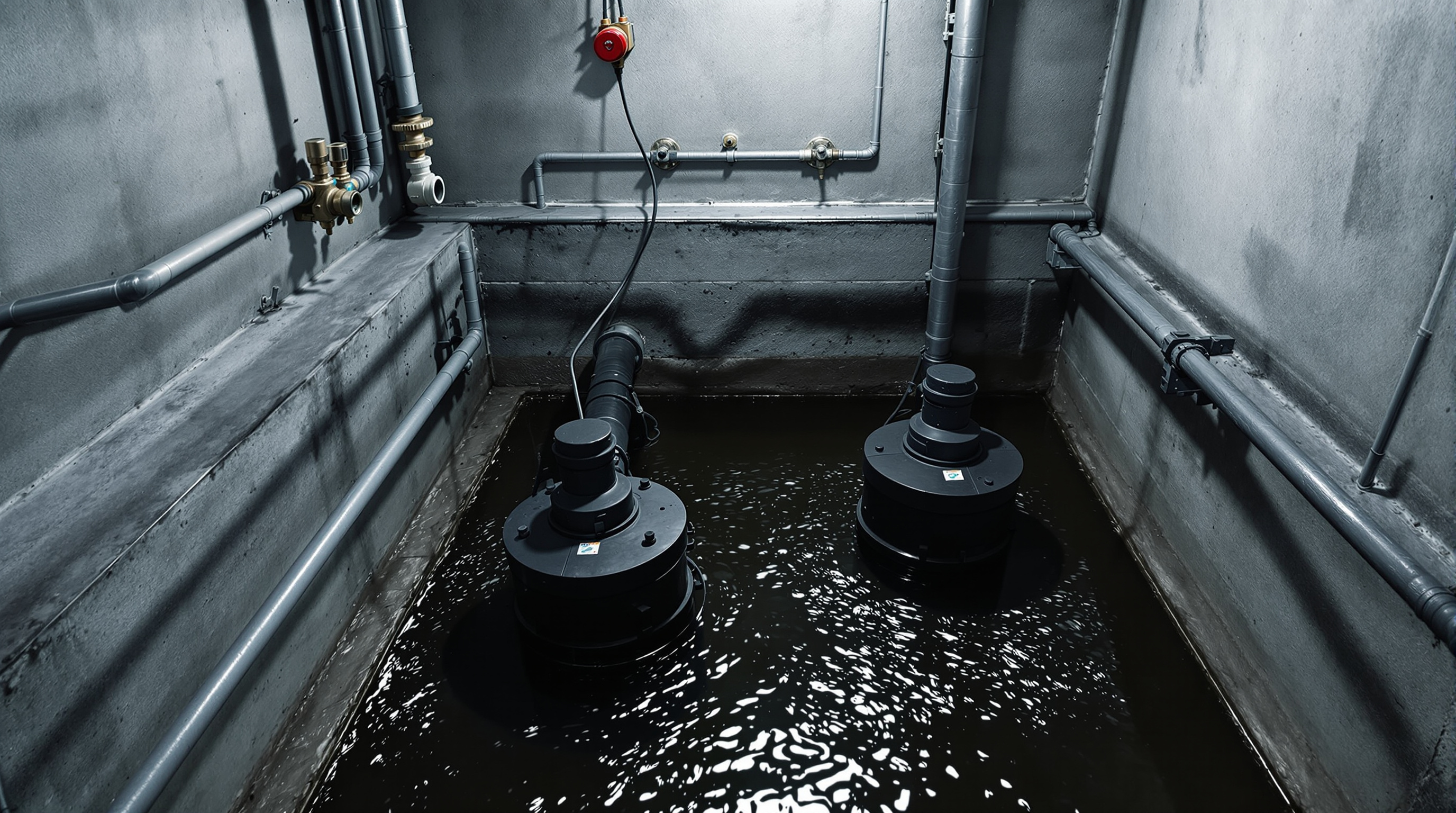
Collection Tank (Raw Sewage Sump) in an STP: The First Sump Explained
The collection tank, or raw sewage sump, is the first tank in an STP — the lowest point where every building drain empties. This guide explains its job, its level-controlled submersible transfer pumps, sizing basics, common problems, and how it differs from the equalisation tank.
 Guide29
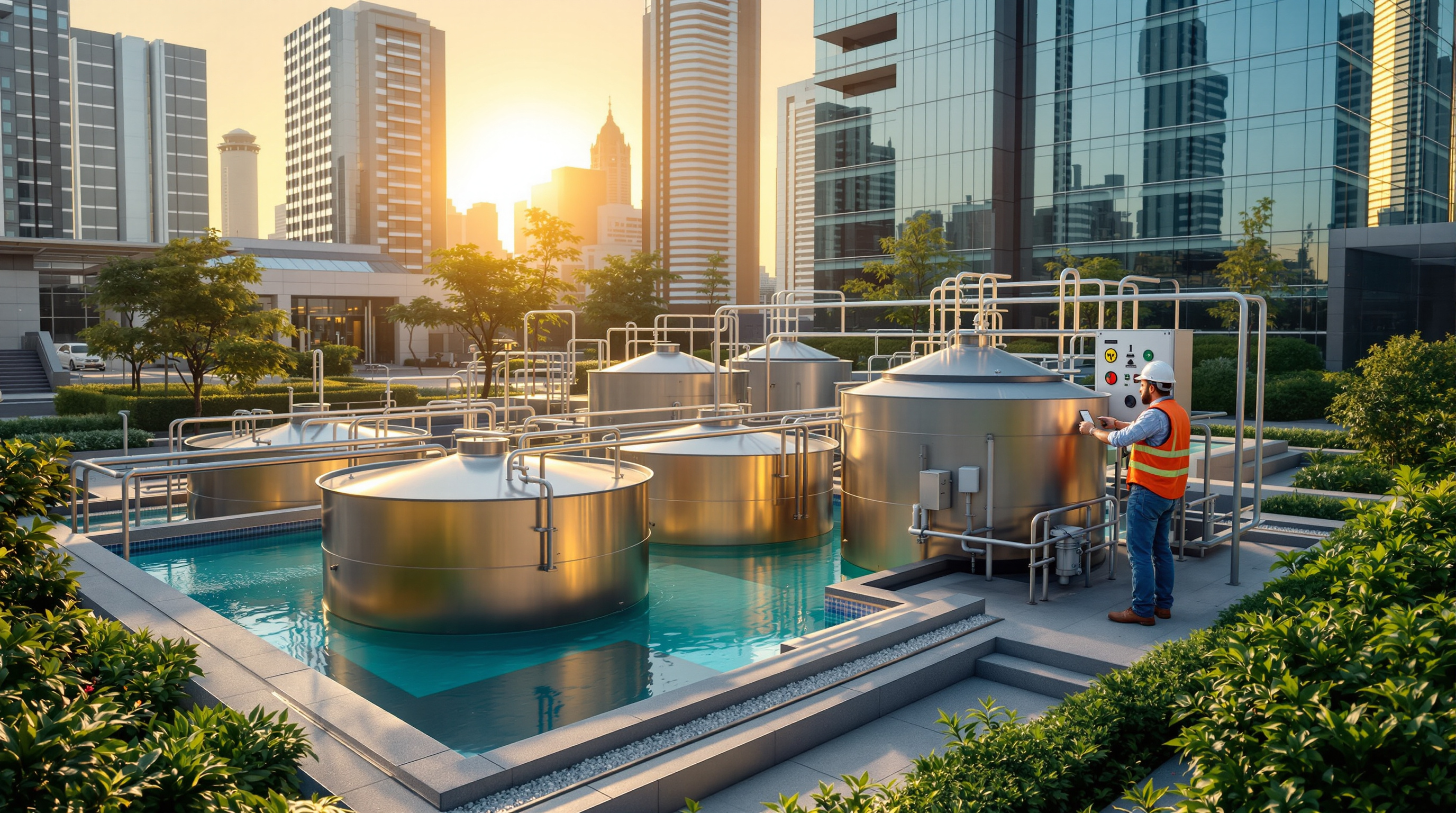
Commercial STP Cost Guide: Pricing for Hotels, Malls & Offices in India (2026)
Commercial STPs for hotels, malls and offices typically run larger capacities and higher reuse standards than homes. This guide sets out realistic 2026 India cost ranges — capital per KLD, operating costs, the tertiary-treatment premium, and how cooling-tower and flushing reuse pays it back.
 Guide30
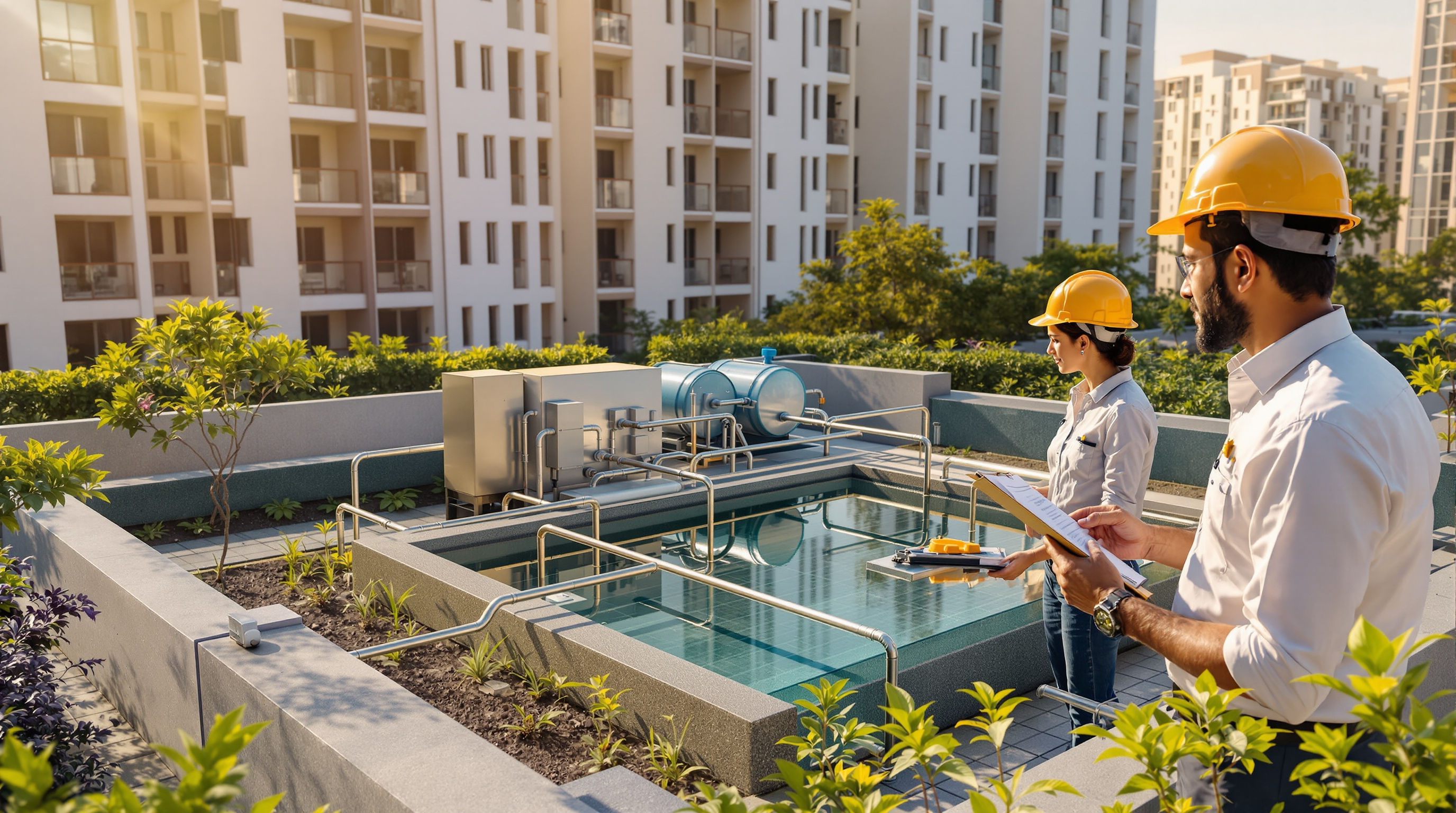
Common Mistakes While Buying an STP: 6 Costly Errors and How to Avoid Them
Most STPs disappoint not because the technology fails, but because of avoidable buying mistakes — oversizing, chasing the cheapest quote, and ignoring running cost. Here are the six most costly errors developers, owners and RWAs make, and how to avoid each.
 Guide31
Comparing STP Vendors: How to Evaluate Suppliers Fairly
Choosing an STP supplier on price alone is how buildings end up with a non-compliant plant nobody will service. This guide gives developers, owners and RWAs a fair framework to compare STP vendors on track record, technology, guarantees, after-sales and honest quotes.
 Guide32
The Complete STP Terminology Guide: 40+ Terms Explained
A grouped glossary of 40+ sewage treatment plant terms — BOD, COD, TSS, MLSS, F/M, SRT, HRT, DO, RAS/WAS, SOR, PE, KLD, CTE/CTO and more — each defined in one or two plain lines. The reference the rest of the STP library links back to.
 Guide33
Consent to Establish (CTE) for STPs: The SPCB Application Guide
Consent to Establish (CTE) is the SPCB permission you must secure before building an STP. This guide explains when it applies, the step-by-step application, the documents needed, and how your STP design fits the file — with honest notes on shifting standards.
 Guide34
Consent to Operate (CTO) for STPs: How It Works, Conditions & Renewal
Consent to Operate (CTO) is the pollution-board approval that legally permits your STP to run once it is built. This guide explains how CTO follows CTE, the discharge and monitoring conditions attached, renewal timelines by category, and the real consequences of operating an STP without it.
 Guide35
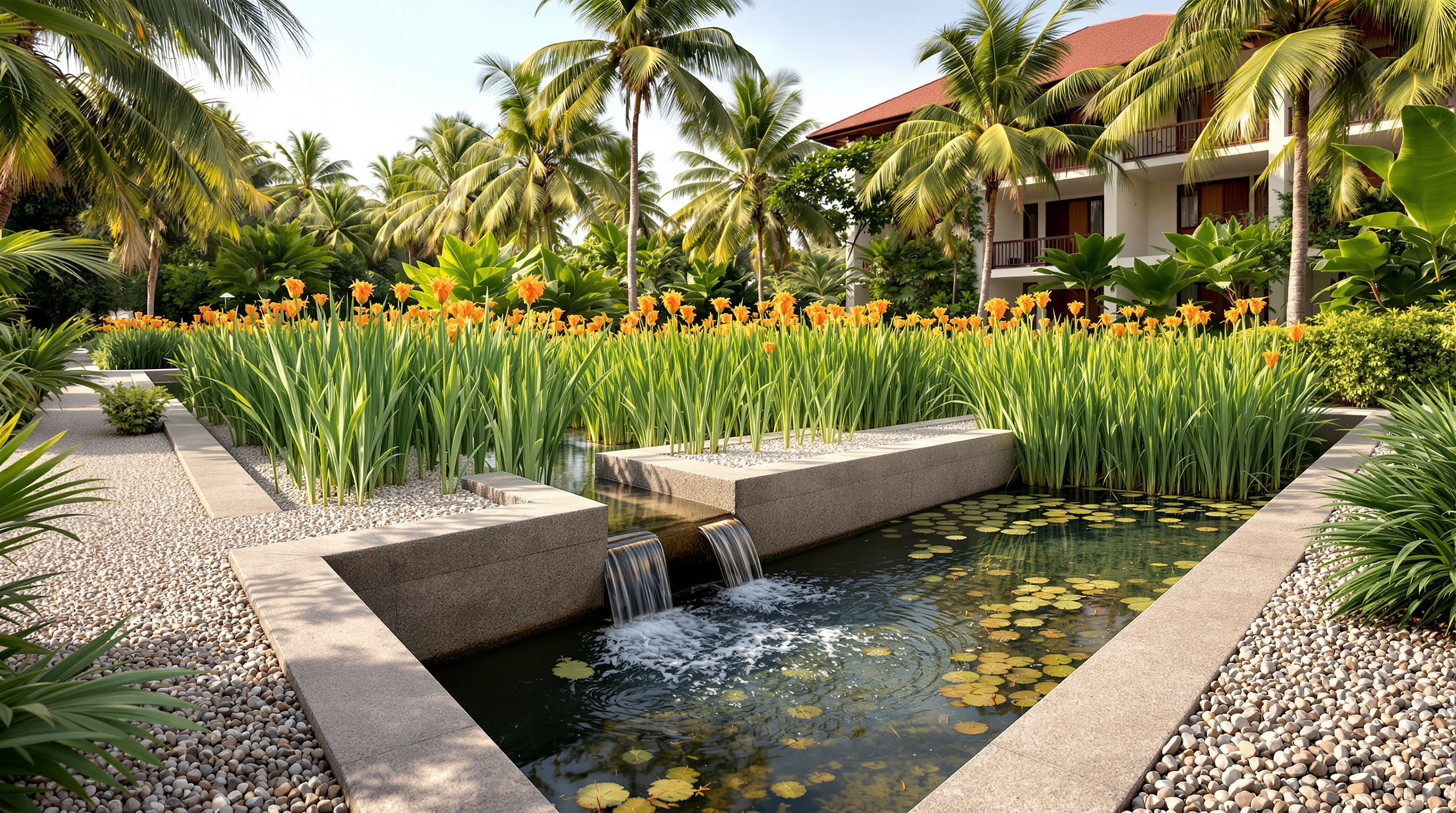
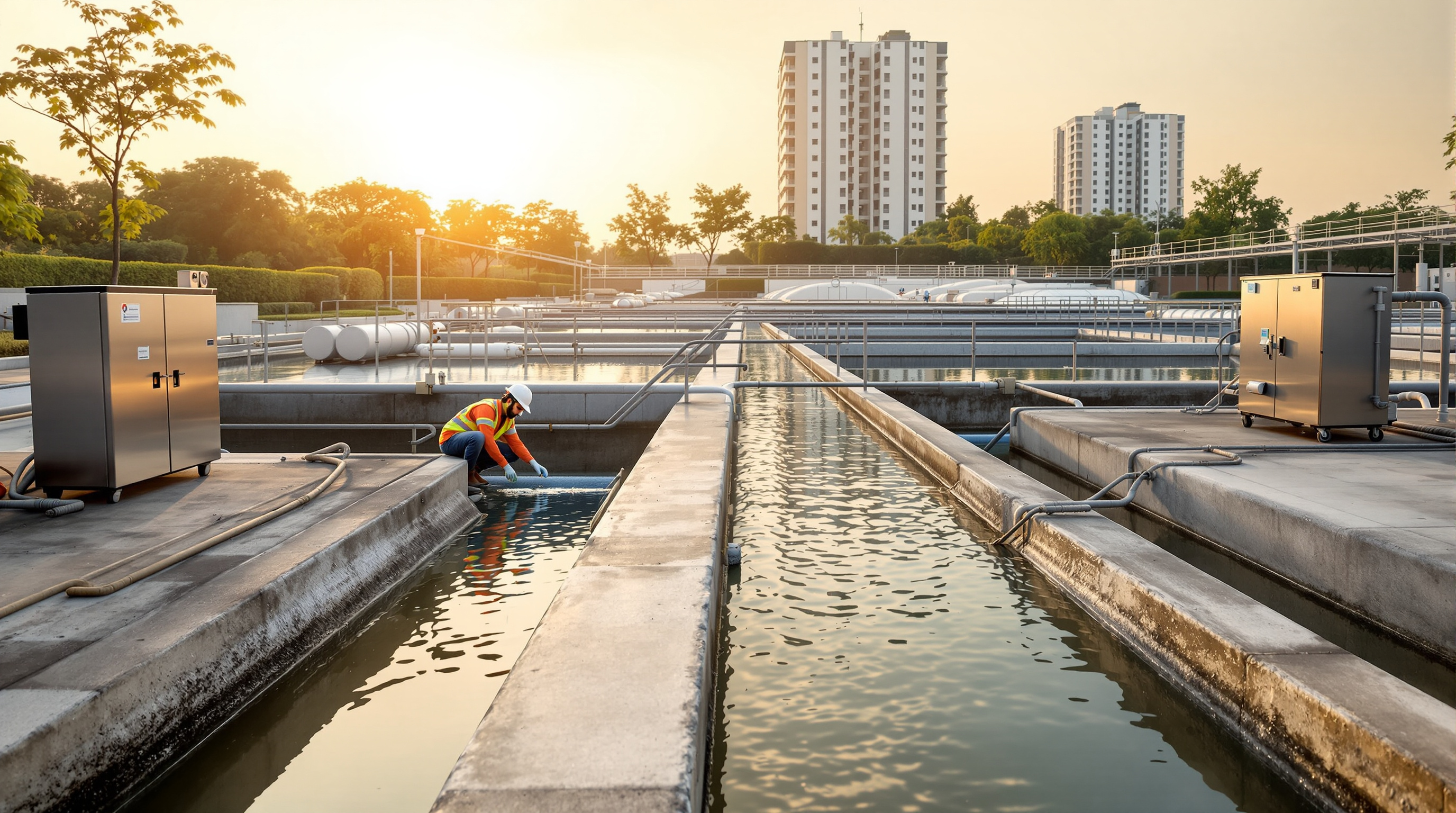
Constructed Wetlands & Root Zone Systems: Natural STPs Explained
A constructed wetland is a natural STP: an engineered gravel bed planted with reeds where roots and microbes clean sewage using almost no electricity. This guide explains surface vs subsurface flow, how it works, the land trade-off, and where it fits.
 Guide36
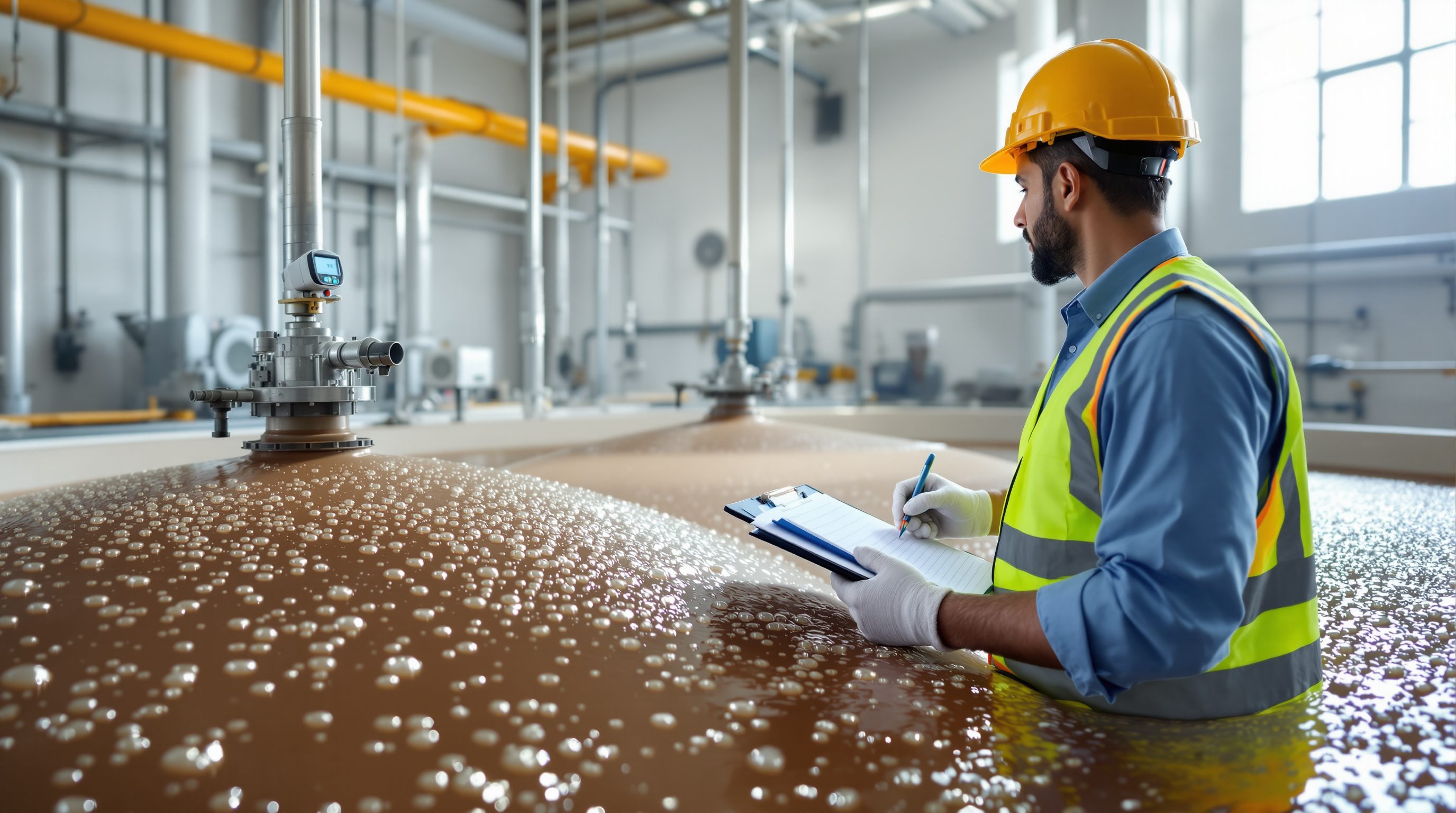
CPCB Guidelines for STPs Explained: Discharge Standards & the 2017/2019 History
The CPCB sets India's baseline discharge standards for sewage treatment plants, but the NGT tightened them and states enforce their own. This guide explains the 2015–2017–2019 timeline, the effluent parameters, which values apply today, and flags honestly where the numbers are still genuinely contested.
 Guide37
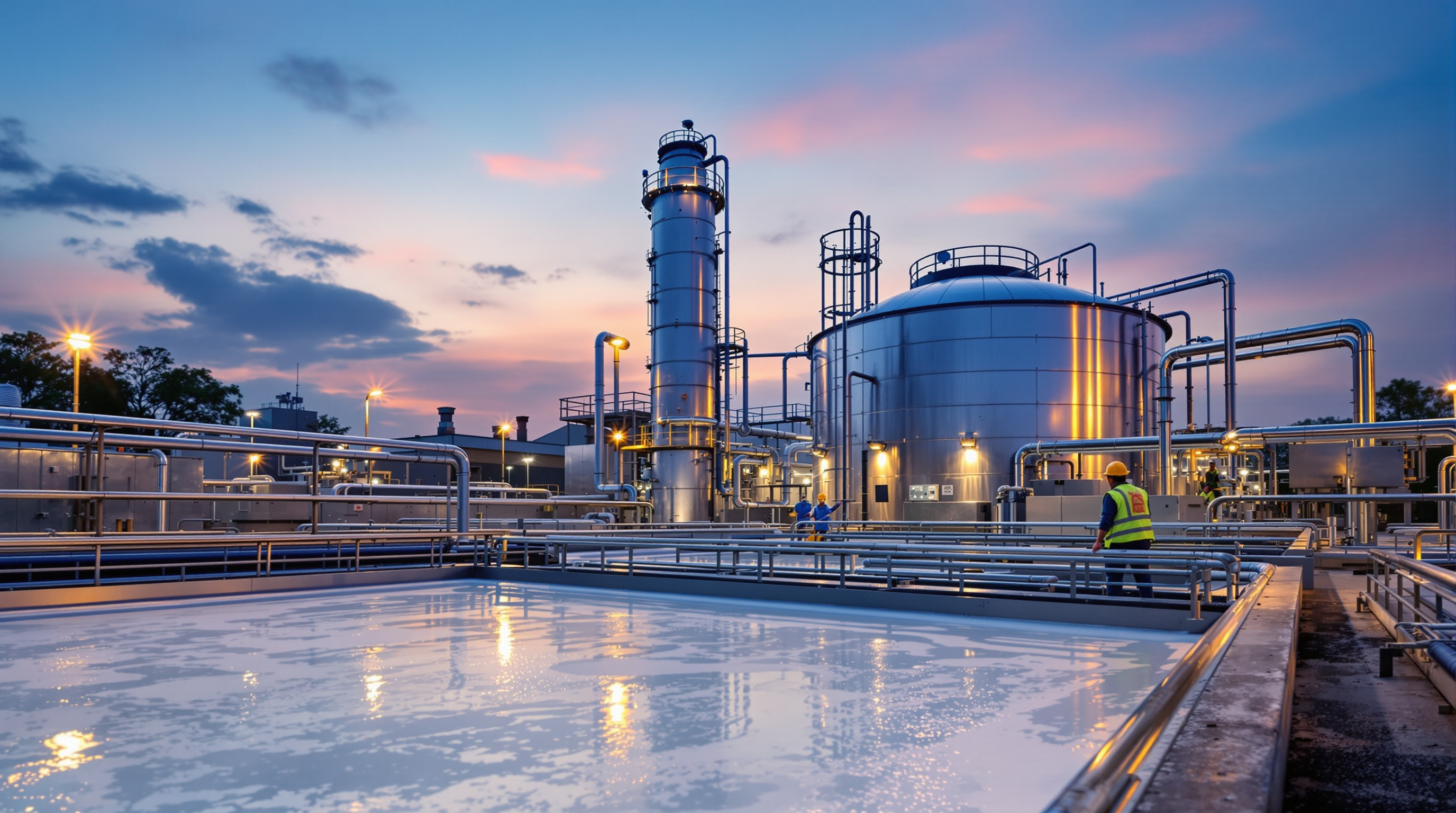
Daily STP Checklist: What Operators Must Check Every Day
A practical daily STP checklist for operators and facility managers: what to check every day — dissolved oxygen, blowers, MLSS colour and smell, flow, chlorine residual, screens, pumps — and how to log it so problems get caught before they become plant failures.
 Guide38
Dairy Industry Wastewater Treatment: ETP Design, UASB Biogas & Reuse Guide
Dairy effluent carries extreme BOD, COD and fats from spilt milk, whey and CIP washwater. This guide explains why milk processing needs an ETP, and how a DAF + UASB + aerobic train cuts the load, recovers biogas, and returns reusable water.
 Guide39
Decentralised Wastewater Treatment Systems (DEWATS): Treatment at Source
DEWATS treats sewage where it is produced — building or community scale — using modular, gravity-fed, largely anaerobic units that need little power and little supervision. This guide explains the concept, its core modules, its benefits and honest limits, and how STPs fit in.
 Guide40
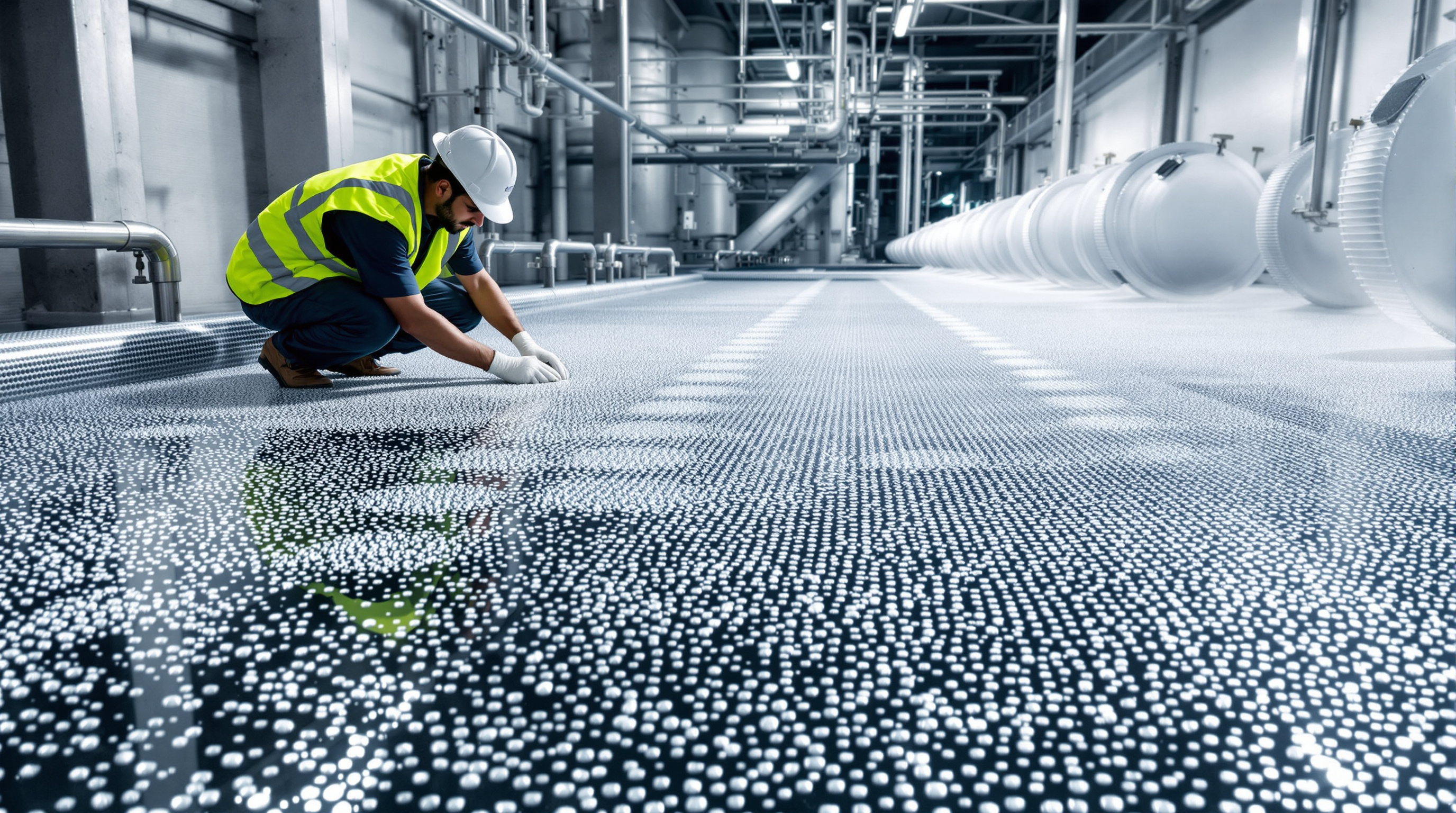
Delhi STP Rules & DPCC Norms: The Complete Compliance Guide (2026)
Is an STP mandatory in Delhi, and what does the DPCC actually require? This guide covers the consent process, discharge standards, building bye-law hooks, monitoring, and practical compliance tips for owners and RWAs across the capital.
 Guide41
Diffuser Cleaning & Maintenance in STPs: Keeping Oxygen Transfer Efficient
Fine-bubble diffusers are the quiet heart of your aeration tank — and the first thing to foul. This O&M guide covers why diffusers clog, the symptoms to watch, and the acid, air and replacement routines that keep oxygen transfer efficient.
 Guide42
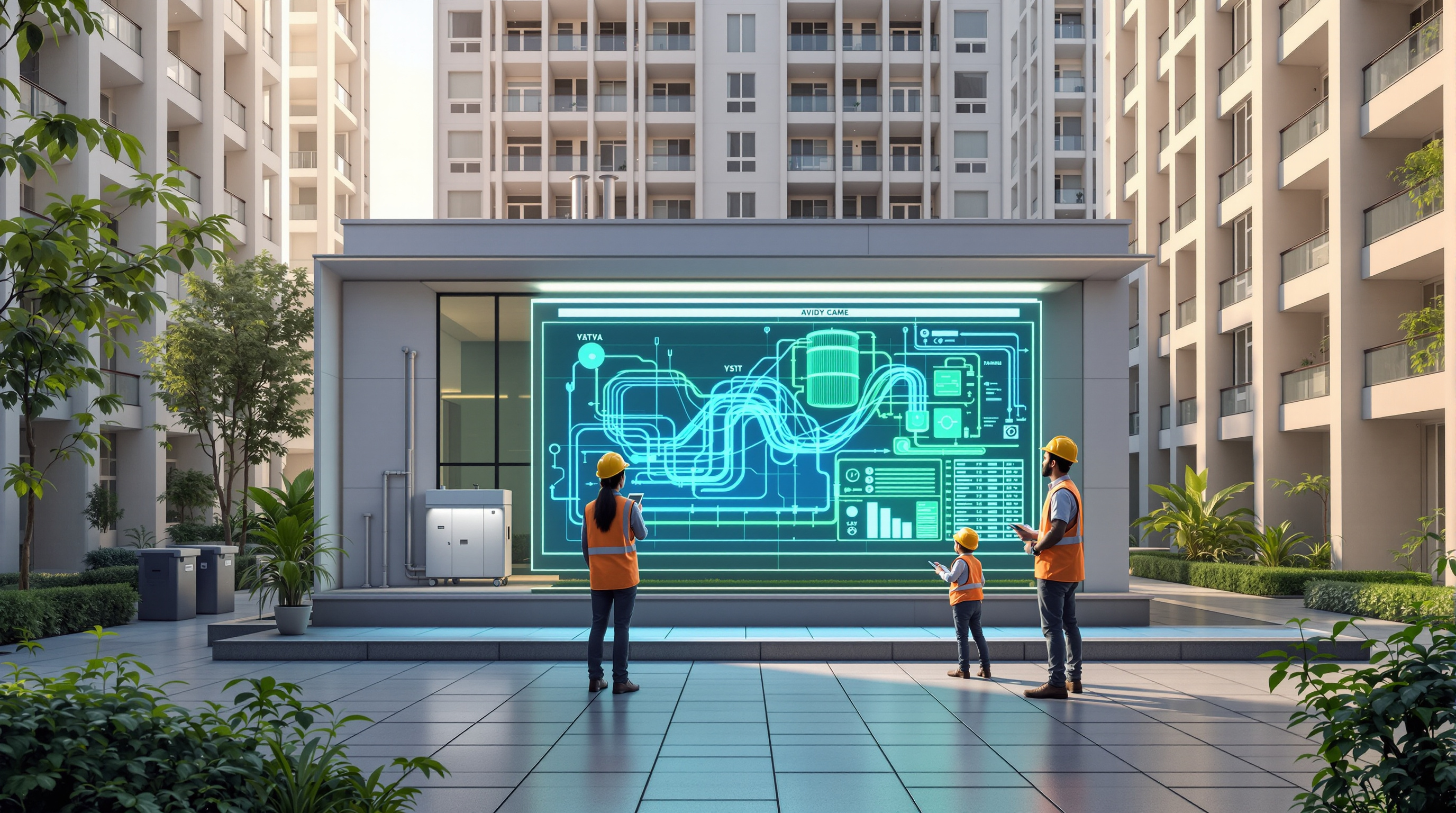
Digital Twins for STPs: A Live Simulation of Your Sewage Treatment Plant
A digital twin of an STP is a live, sensor-fed virtual model of your plant that mirrors it in real time. This guide explains what it is, how it aids operation, optimisation and training, and how mature the technology really is for building-scale plants.
 Guide43
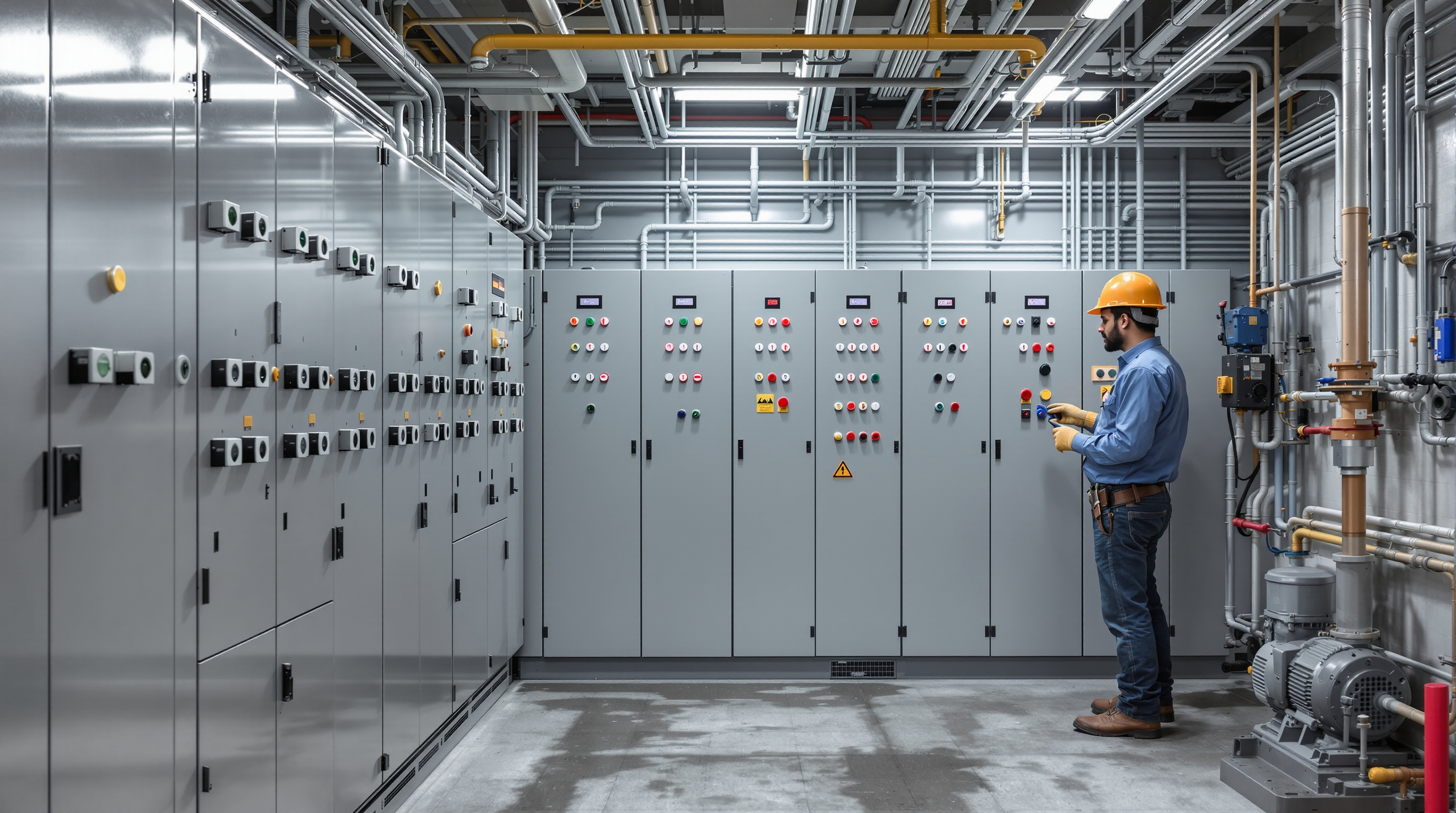
Electrical Installation for STPs: Panels, Cabling, Earthing and Safety
The electrical works decide whether an STP runs or sits idle. This guide covers the MCC panel, cabling, motor connections, earthing, DG backup and the safety rules that matter in a wet, humid plant room — and how to coordinate power with instrumentation.
 Guide44
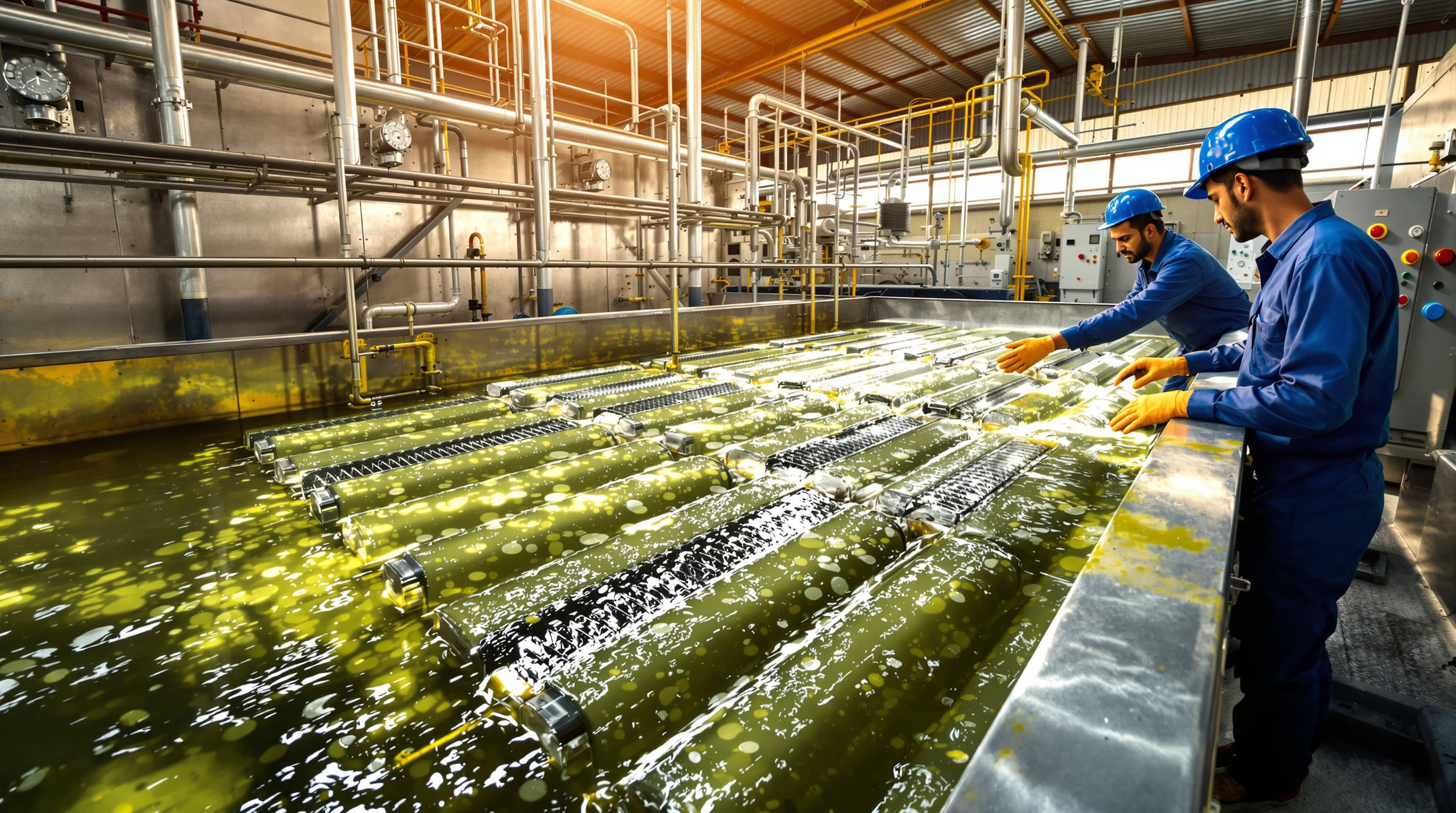
Electrocoagulation for Wastewater Treatment: How It Works and Where It Fits
Electrocoagulation replaces dosing drums with electrodes: an electric current releases coagulant metal ions in-situ to destabilise pollutants, colour and heavy metals. Here is how it works, where it fits in Indian industrial and tertiary treatment, and how it stacks up against chemical coagulation.
 Guide45
Energy-Efficient STP Design: How to Build a Plant That Sips Power
Aeration and pumping dominate an STP's power bill. Learn how right-sized blowers, fine-bubble diffusers, DO control with VFDs, gravity flow and smart technology choice cut kWh per kilolitre — designed in from day one, not retrofitted later.
 Guide46
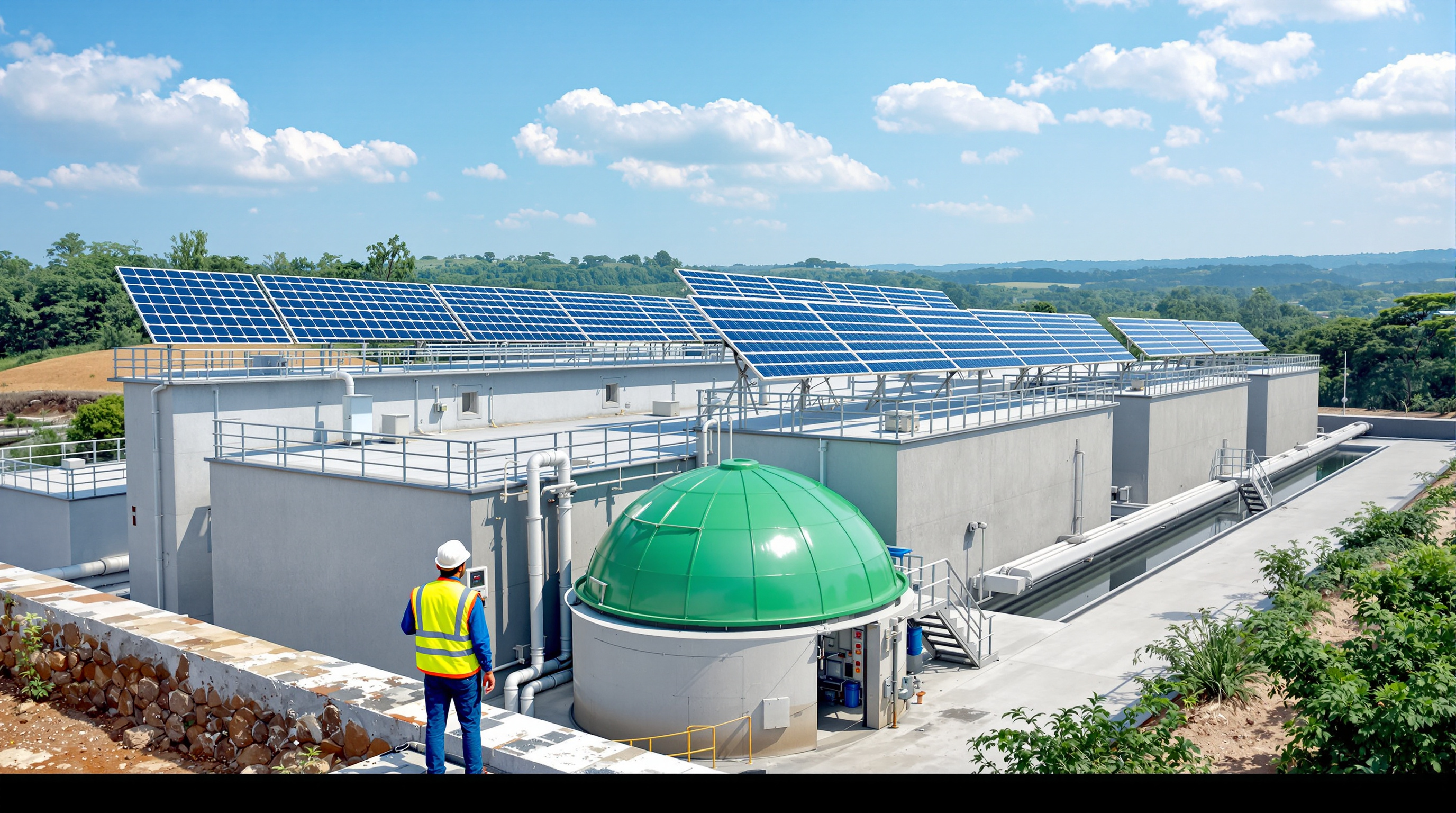
Energy-Neutral & Energy-Positive STPs: The Path from Power-Hungry to Power-Neutral
An energy-neutral STP generates as much power as it consumes. This guide explains the four levers — biogas recovery, solar, ultra-efficient aeration and heat recovery — that move a plant from power-hungry to power-neutral, and how far Indian STPs can realistically get today.
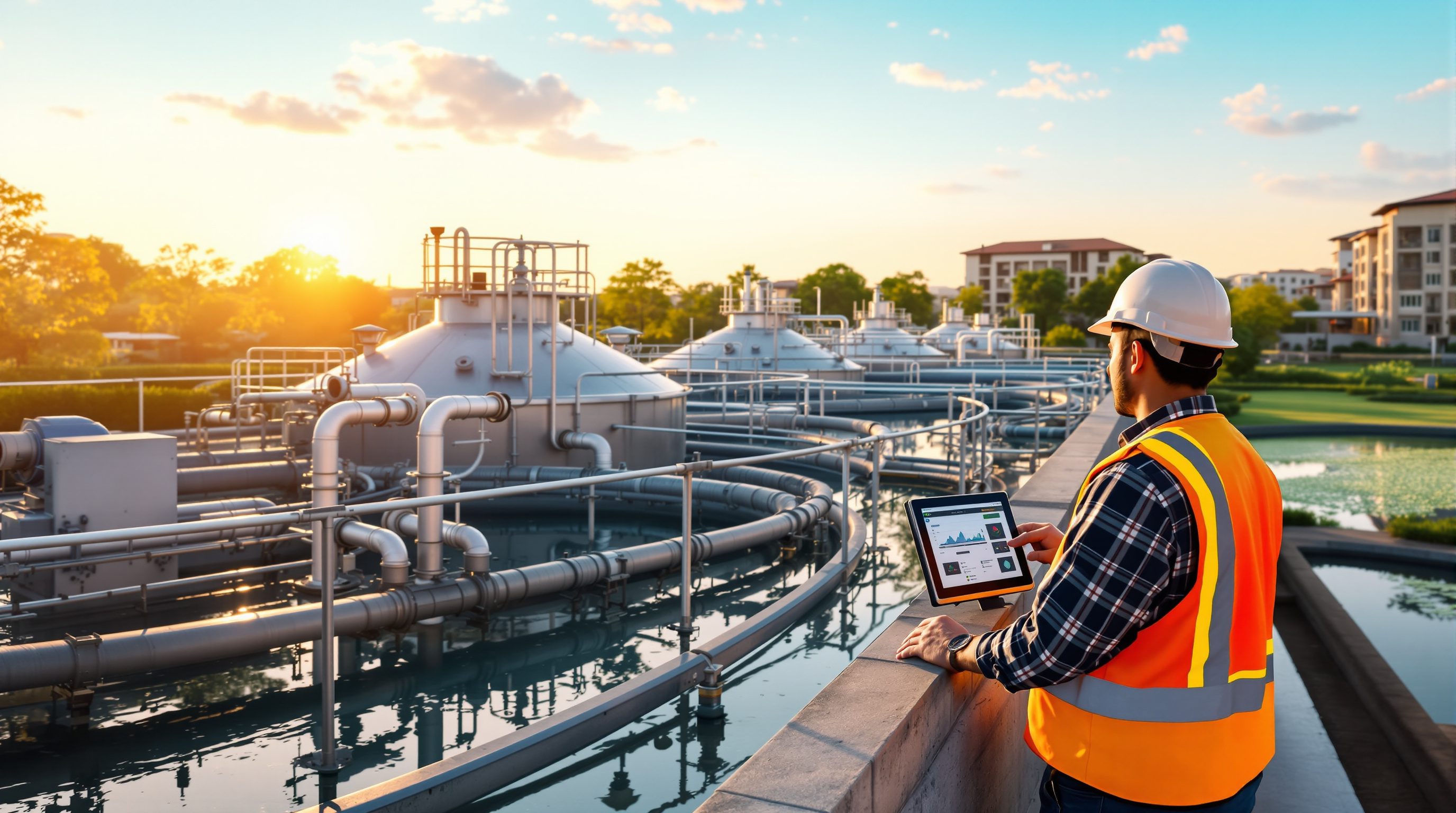 Guide47
Environmental Clearance for STPs & Projects: When Your Build Needs EC (and How the STP Fits In)
When does a building or township project need Environmental Clearance under India's EIA Notification 2006 — and how does the on-site STP become a binding condition inside it? Thresholds, the clearance-versus-consent split, the contested discharge standards, and the step-by-step process, for developers, RWAs and consultants.
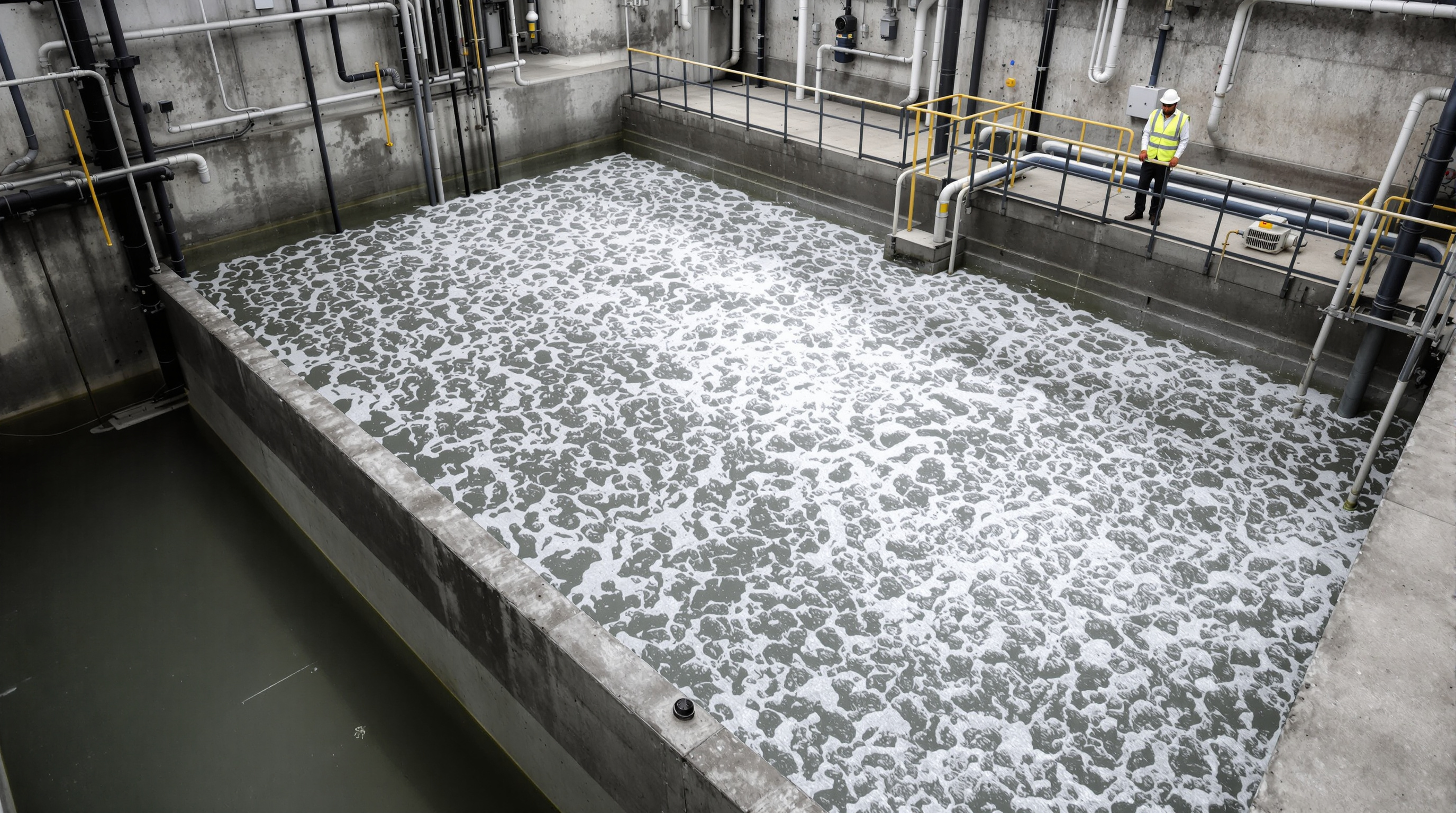 Guide48
Equalization Tank in an STP: Purpose, Working & Sizing Explained
An equalization tank is the buffer that catches an STP's peak sewage flows and releases them at a steady rate. This guide explains why flow equalisation matters, how the tank mixes and pre-aerates, how it is sized, and the O&M that keeps it working.
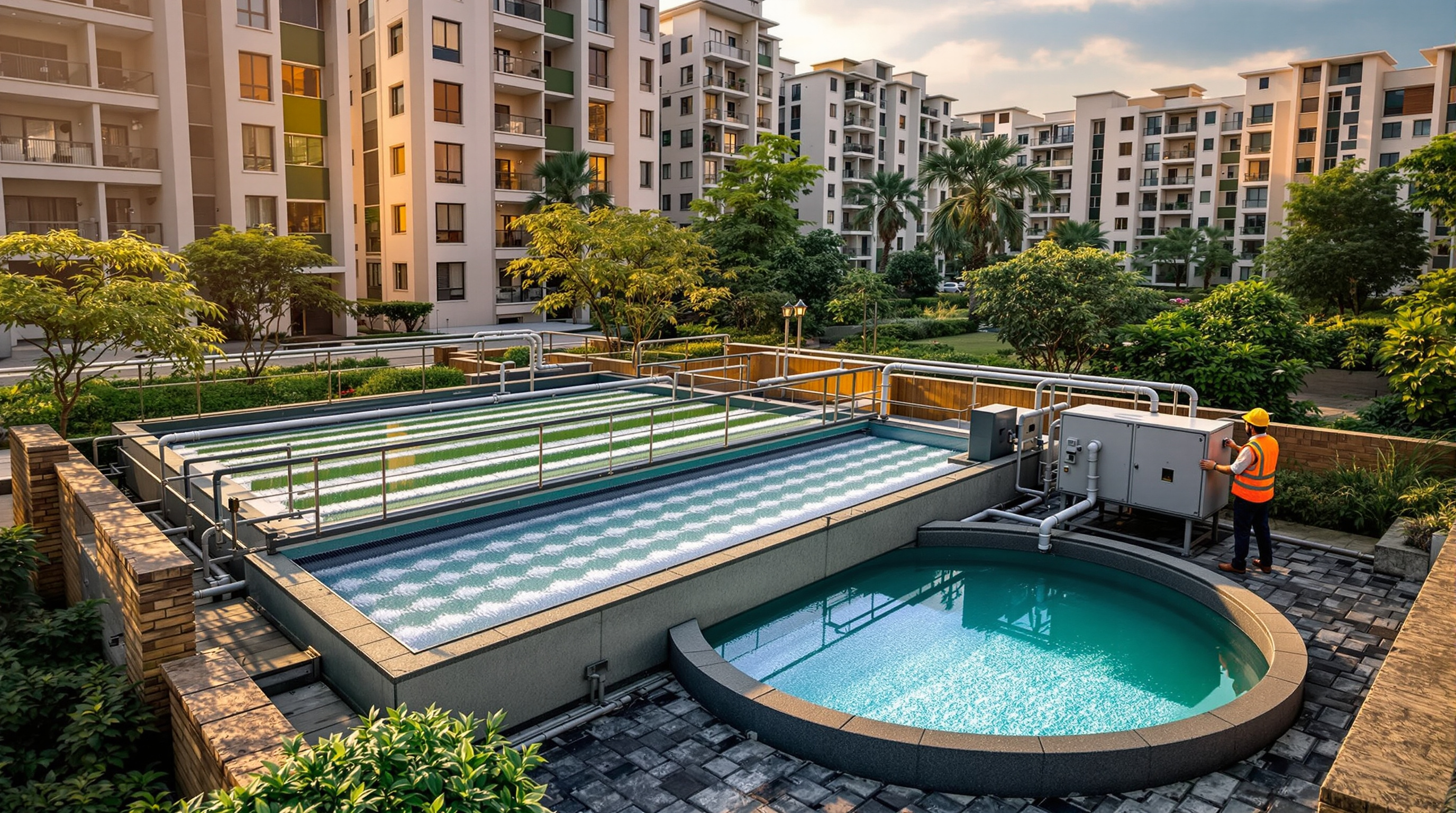 Guide49
Extended Aeration Process: The Simple, Robust STP for Small Sites
The extended aeration process is a long-HRT, low-loading version of activated sludge that stabilises its own sludge in the same tank. Simple, forgiving and low on excess sludge, it powers most packaged STPs for apartments and institutions — at the cost of higher aeration energy.
 Guide50
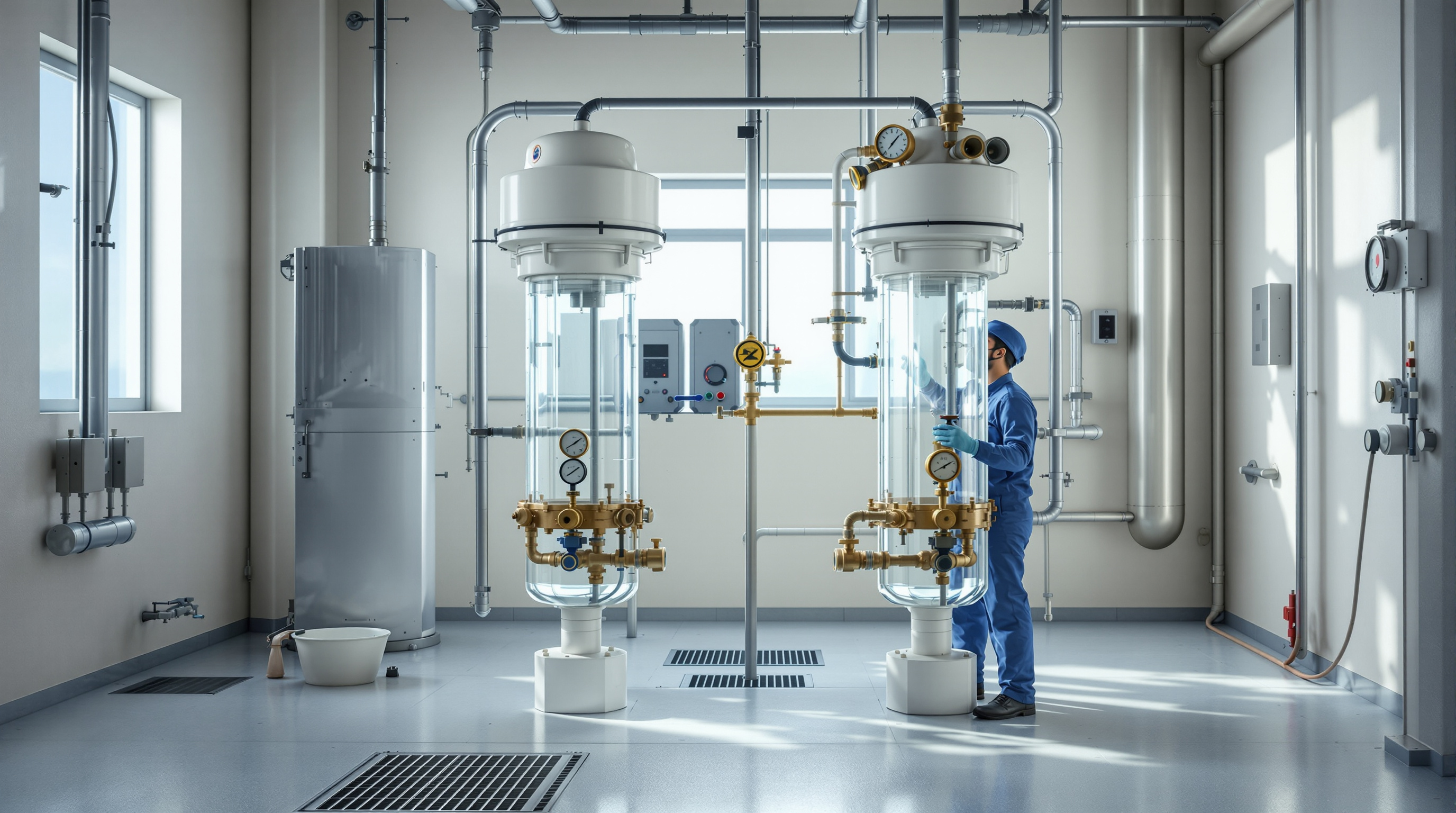
Filter Backwashing in STPs (PSF & ACF): When and How to Do It Right
Pressure sand and carbon filters silently clog until treated water turns cloudy. Learn the pressure-drop triggers, the correct air-scour and backwash sequence, and the media top-up routine that keep your STP's tertiary filters delivering clear, reuse-grade water.
 Guide51
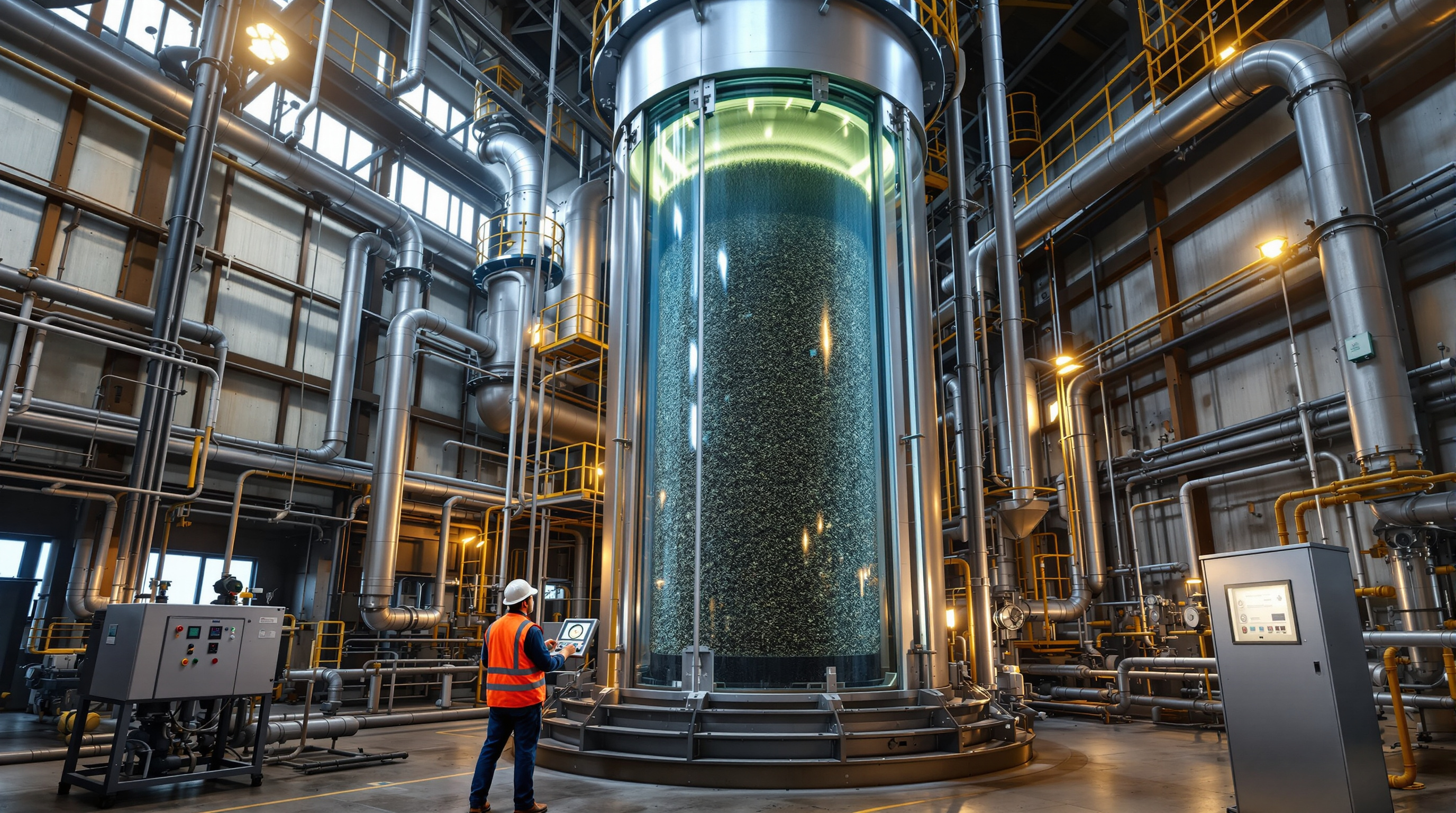
Fluidized Bed Reactor (FBR) for Wastewater: Working, Media & Trade-offs
A fluidized bed reactor (FBR) grows treatment bacteria as a biofilm on fine sand or carbon media kept suspended by upflow. This guide explains how it works, its media and hydraulics, and why it suits high-strength industrial wastewater rather than ordinary sewage.
 Guide52
Food Processing Industry Wastewater Treatment: A Practical Engineering Guide
Food and beverage effluent hits treatment plants with extreme organic load, fats, solids and lurching seasonal flows. This guide explains why food processing wastewater treatment needs an ETP — screening, DAF, anaerobic plus aerobic biology and reuse — not an ordinary STP.
 Guide53
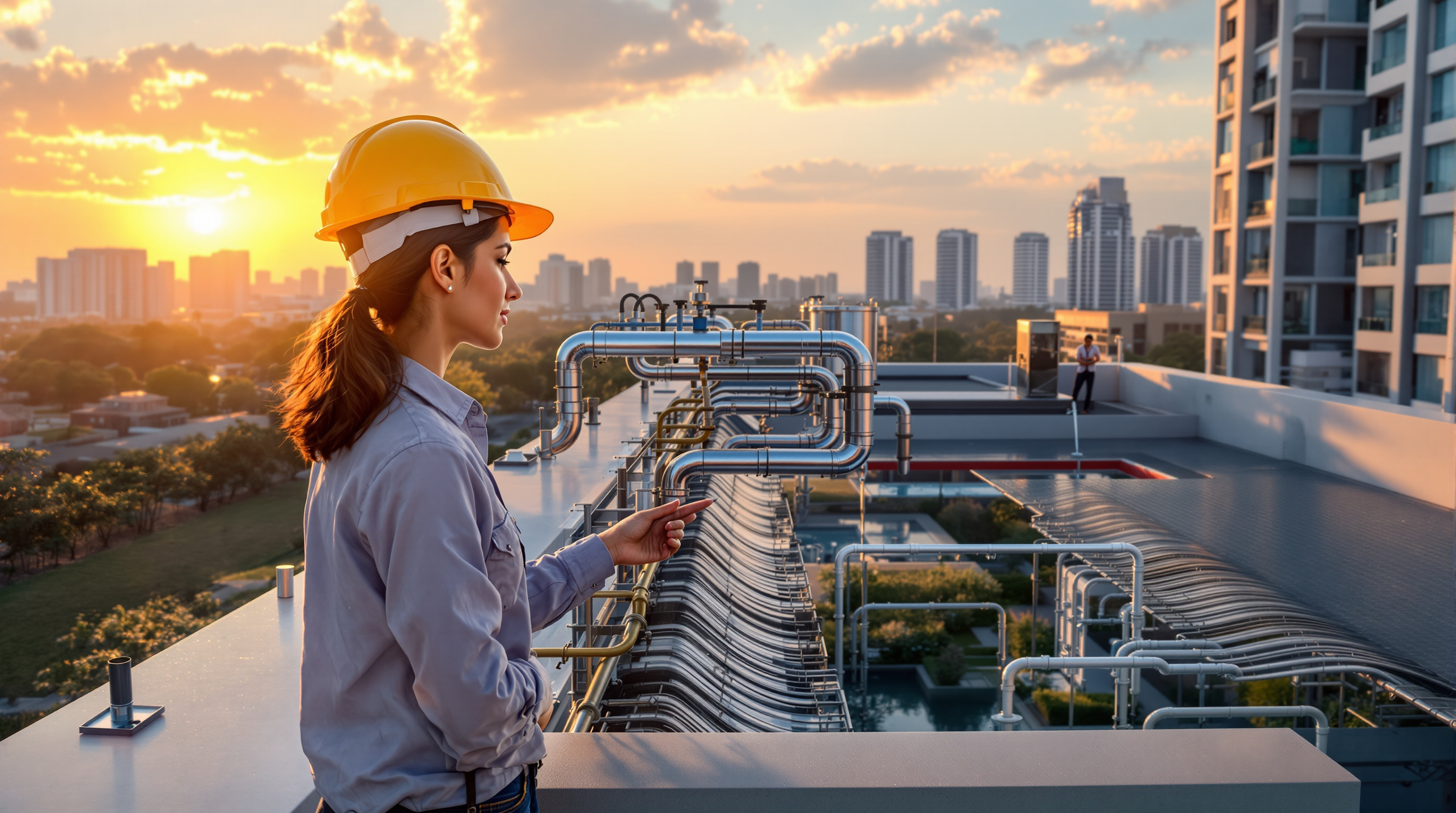
The Future of Sewage Treatment: Where STP Technology Is Heading in India
Where is sewage treatment heading? This forward-looking guide maps the shift from energy-hungry disposal plants to energy-neutral, resource-recovering, AI-run STPs built around water reuse — and gives an honest read on which technologies are ready today and which are still maturing in India.
 Guide54
The Future of Water Reuse & Recycling: Potable Reuse, City Networks and the Circular-Water City
Water reuse is moving from a compliance afterthought to the core of how Indian cities will survive water scarcity. This guide maps where reuse is heading — potable reuse, city-scale networks, tightening mandates and the circular-water city — and what to build for today.
 Guide55
Green Building Water Credits: How STPs Earn Points Under IGBC, GRIHA & LEED
STPs and water reuse quietly earn some of the easiest points in any green rating. This guide maps the water-efficiency credit categories under IGBC, GRIHA and LEED, the evidence assessors want, and exactly how an on-site STP contributes.
 Guide56
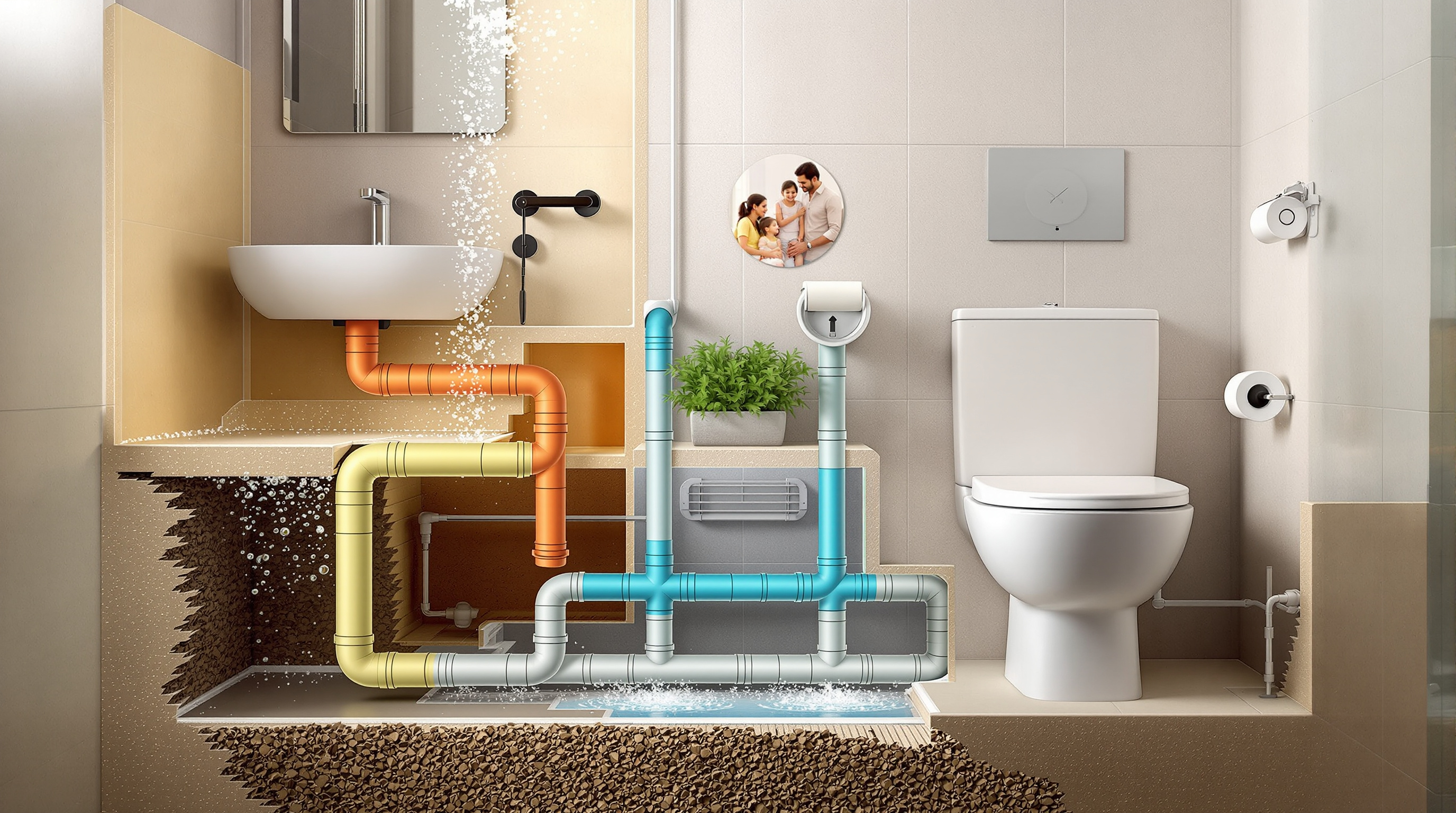
Greywater vs Blackwater Explained (And Why It Matters for Reuse)
Greywater is the lightly used water from showers, basins and washing; blackwater is the foul water from toilets and kitchens. Separating them lets you reuse greywater cheaply for flushing and gardens. Here is the difference, the treatment each needs, and why dual-plumbing matters.
 Guide57
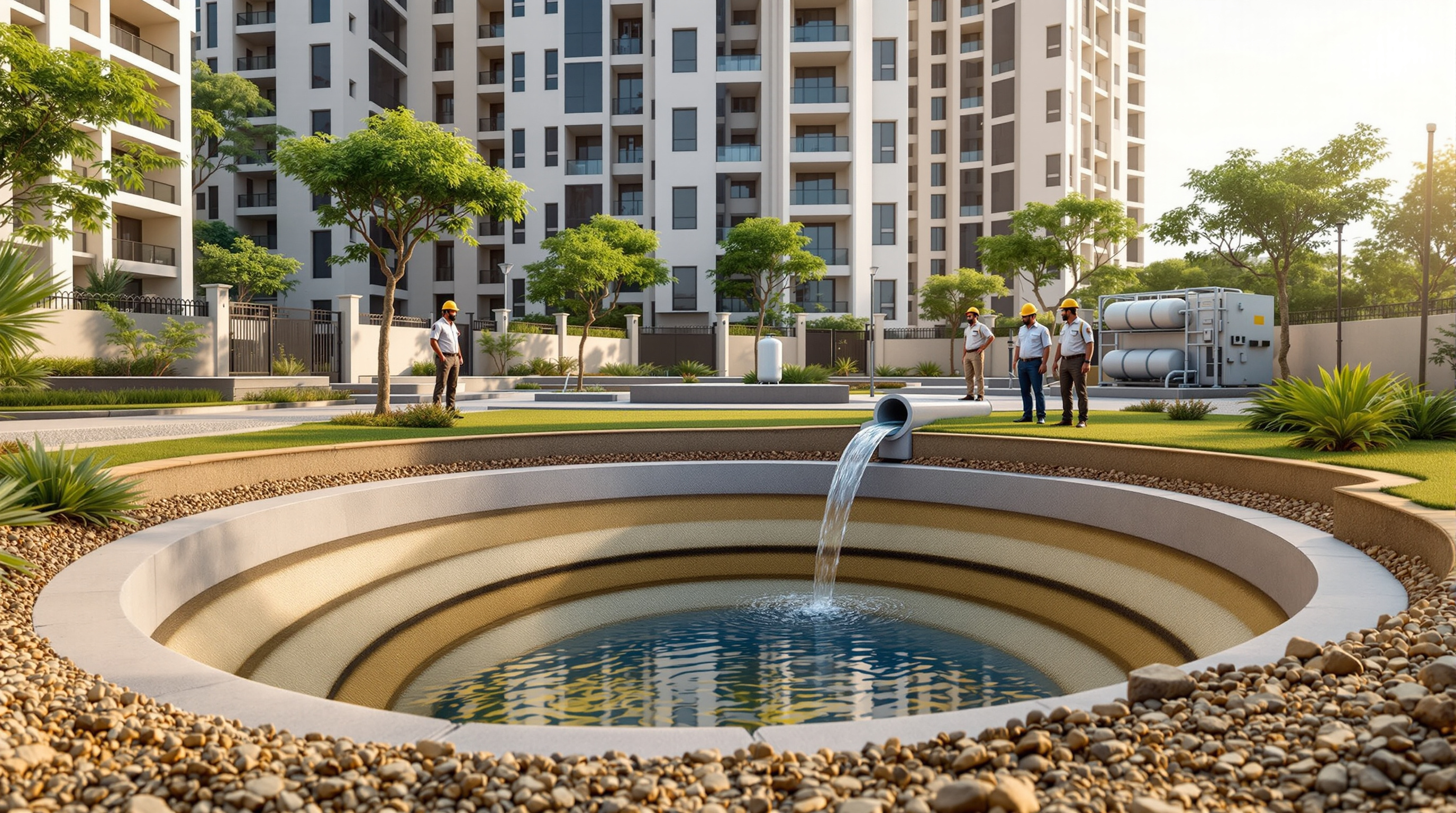
Groundwater Recharge with Treated Water: Recharge Pits, the Quality Bar, and the Rules
Surplus treated water can top up the aquifer under your site — but recharge demands the highest quality bar of any reuse, near-potable. This guide covers recharge pits and wells, the standard the water must meet, the rules, and how not to contaminate your own groundwater.
 Guide58
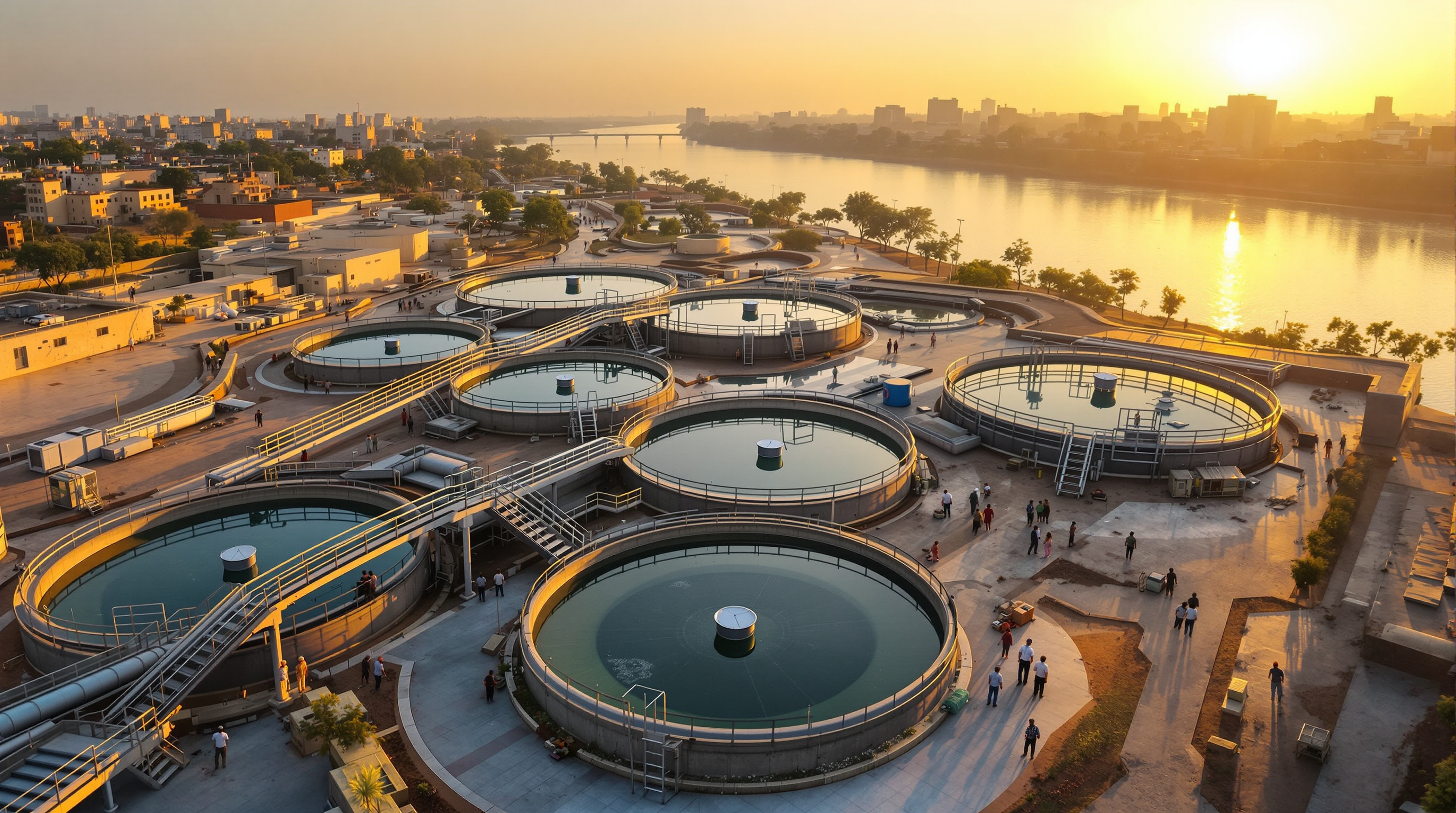
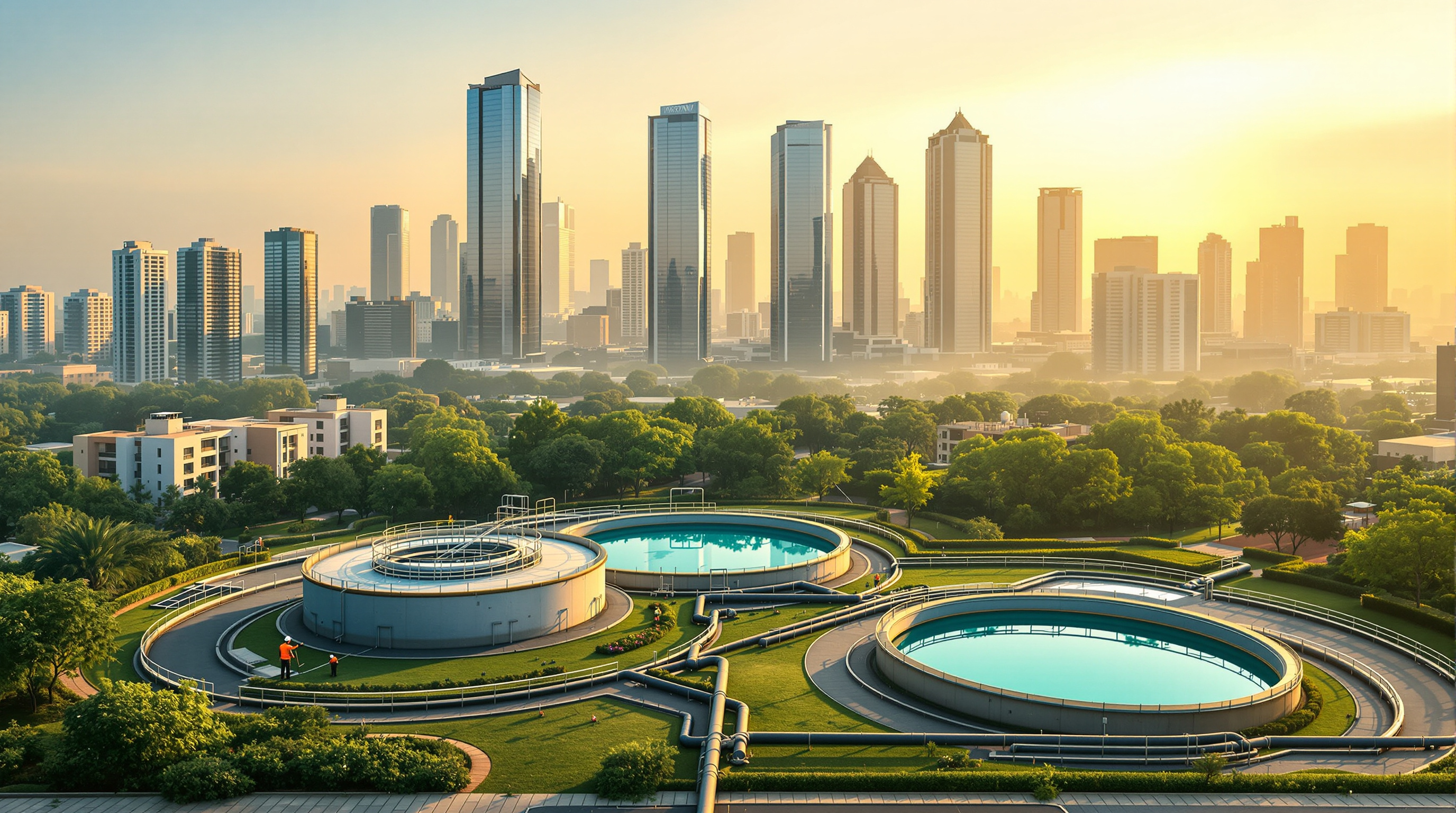
Gujarat STP Compliance & GPCB Norms: The Complete 2026 Guide
Is an STP mandatory in Gujarat, and how do you get it approved? A plain-language guide to GPCB consent (CTE/CTO), building rules, discharge and reuse norms, and practical compliance steps for owners and RWAs across Gujarat's cities.
 Guide59
Haryana STP Guidelines & HSPCB Norms: The 2026 Compliance Guide
A plain-language guide to STP rules in Haryana: when a sewage treatment plant is mandatory, how the HSPCB grants Consent to Establish and Operate, the discharge and reuse norms treated water must meet, and how Gurugram and Faridabad owners stay compliant.
 Guide60
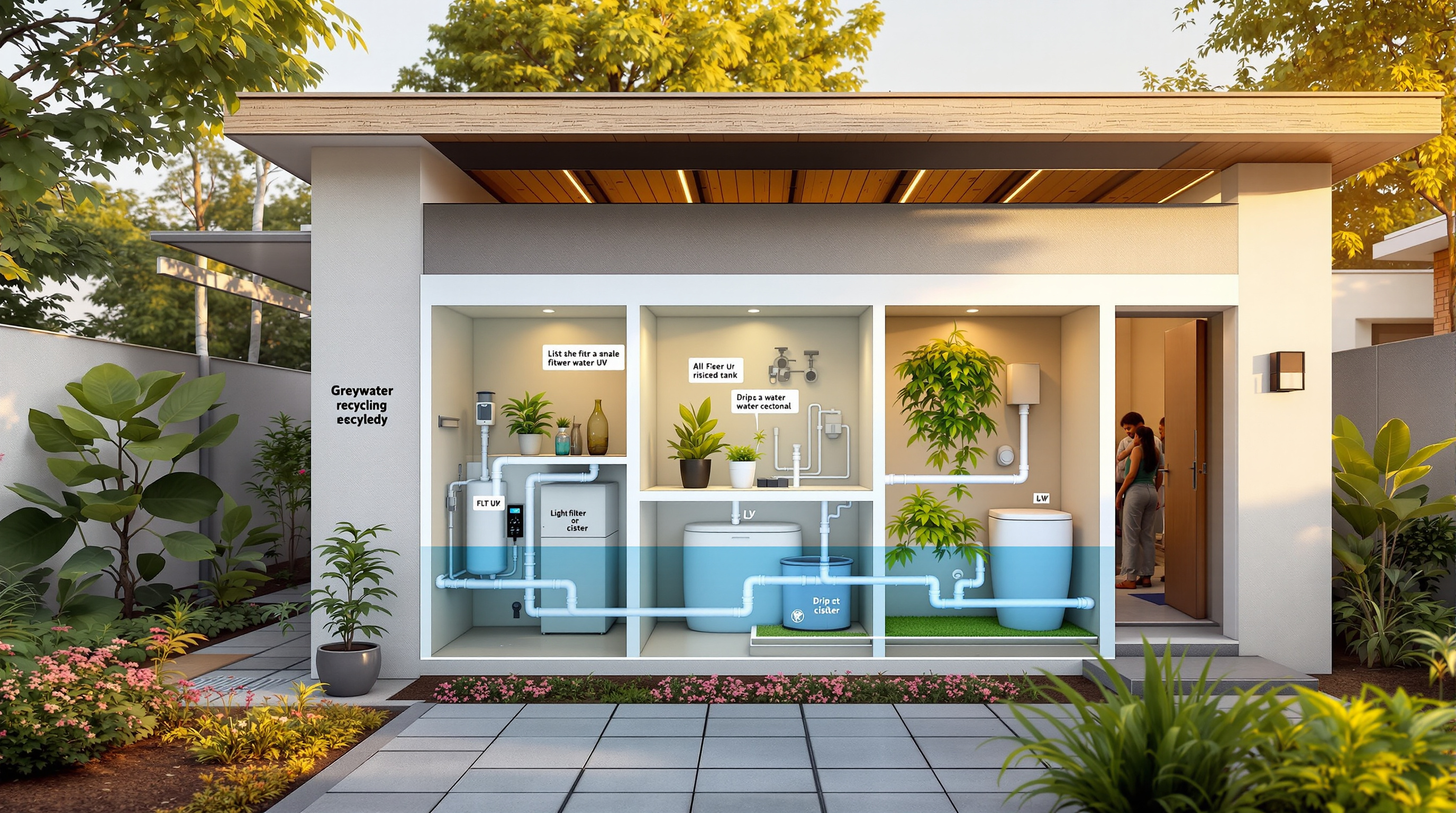
Home Greywater Recycling Systems: Simple Reuse at Home
A single home can reclaim half its water without a full STP. Divert bath, basin and laundry water, filter and disinfect it, and pipe it back for flushing and gardens. Here is how to build, size and safely run a home greywater recycling system.
 Guide61
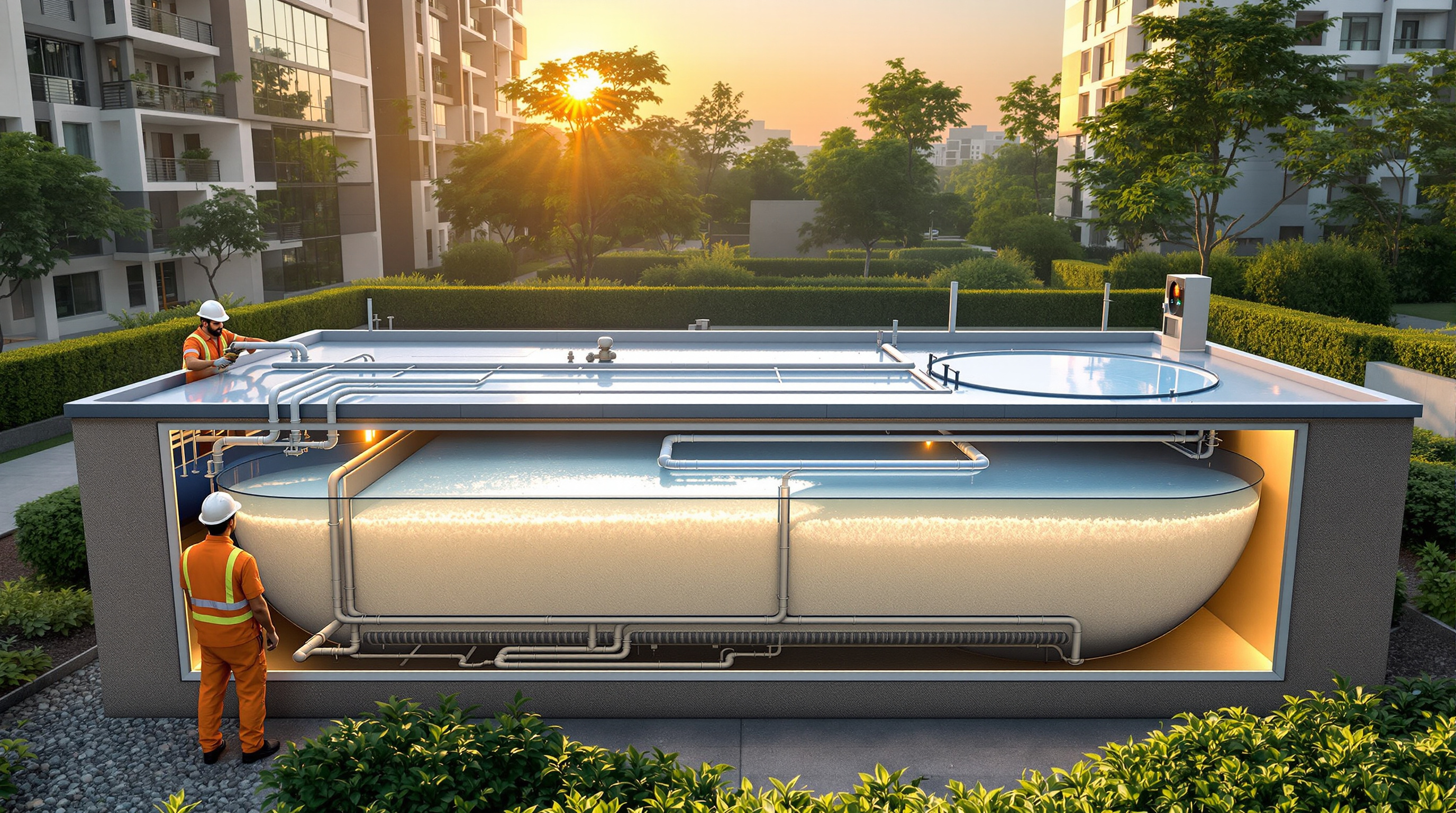
How Does an STP Work? A Step-by-Step Explanation
How does an STP work? Follow one drop of sewage from the building drain through screening, settling, microbial aeration and final disinfection into reusable water — every stage explained simply, plus the parallel sludge line that handles the solids.
 Guide62
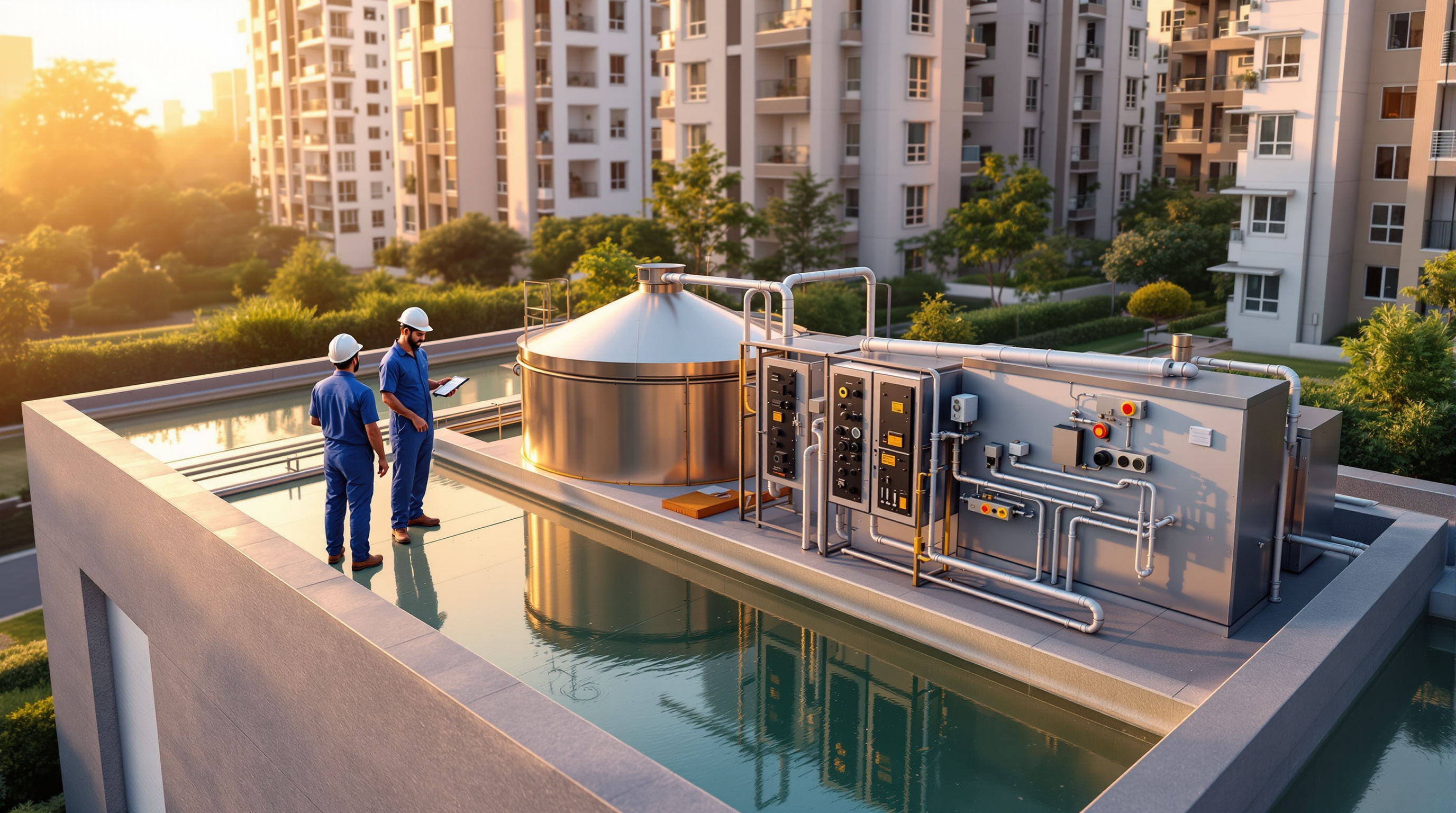
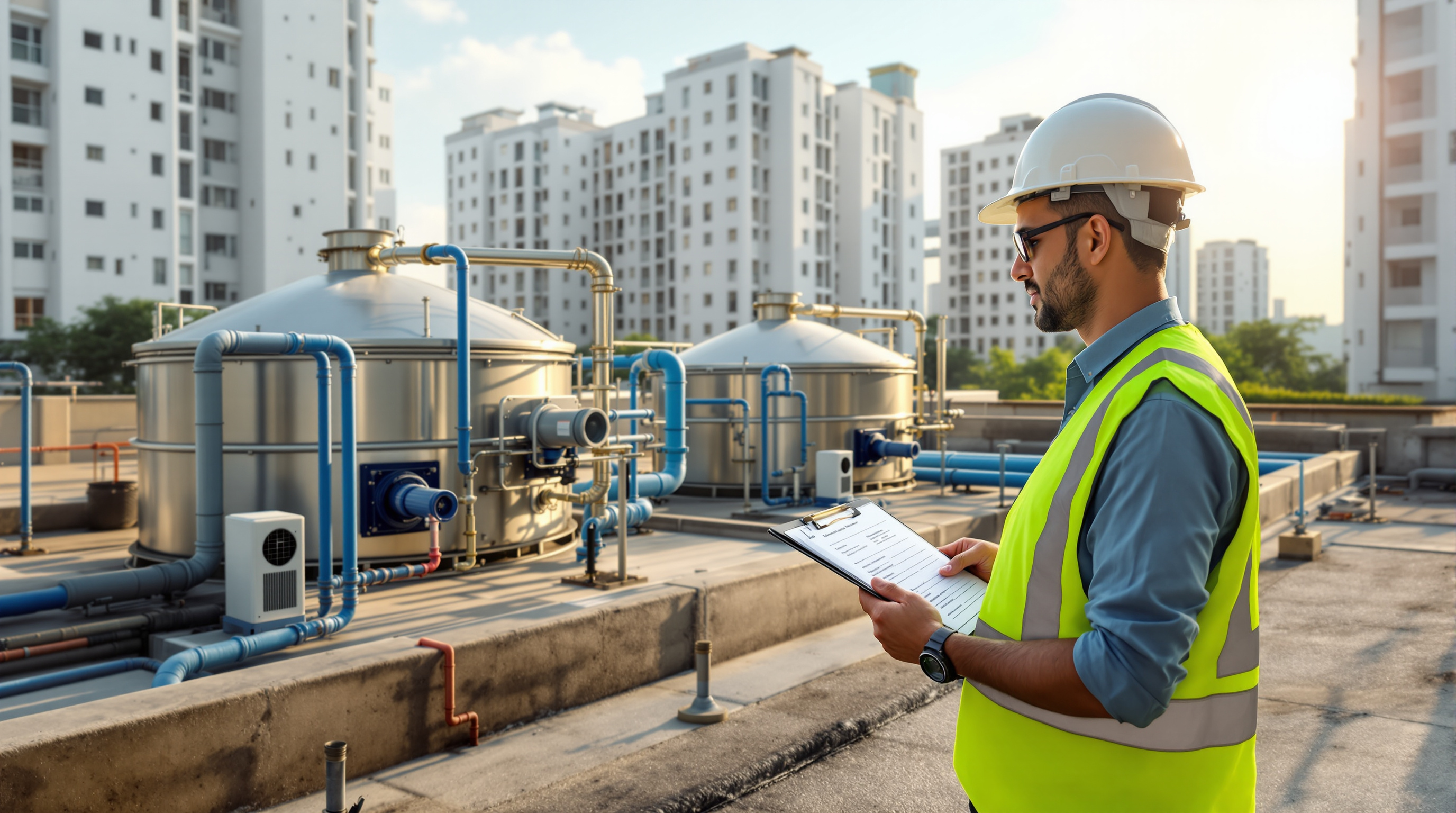
How to Choose an STP Technology: ASP vs MBBR vs SBR vs MBR
There is no single best STP technology — only the right one for your site. This decision guide compares ASP, MBBR, SBR and MBR by footprint, effluent quality, cost, power and O&M skill, with a framework to match technology to your building.
 Guide63
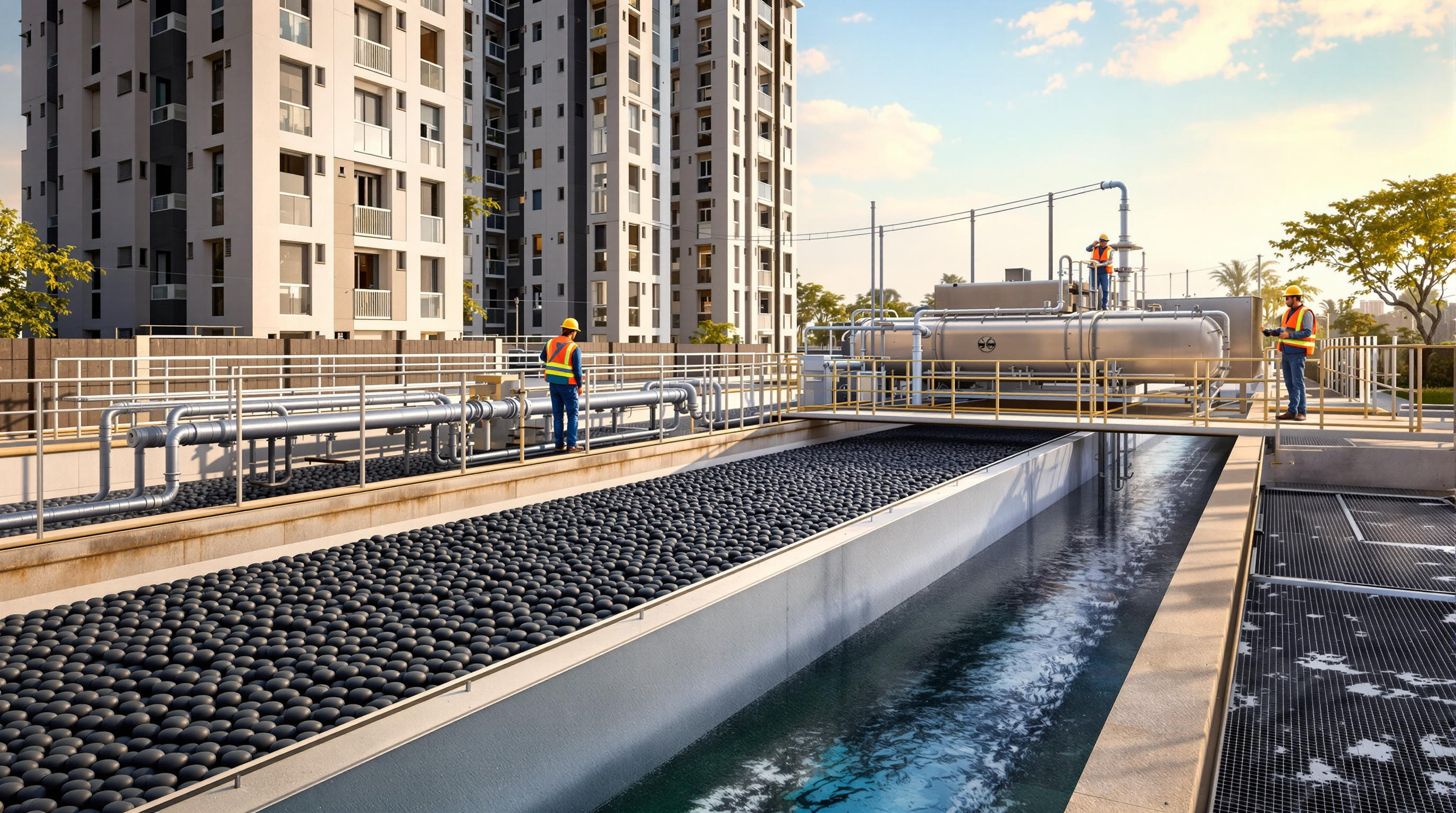
How to Size an STP: A Step-by-Step Method (With Worked Example)
Sizing an STP is a chain of simple steps: estimate population, apply LPCD, take 80% as sewage, set a peak factor, then size each tank by retention time and loading. This guide walks the full method with a worked Indian apartment example.
 Guide64
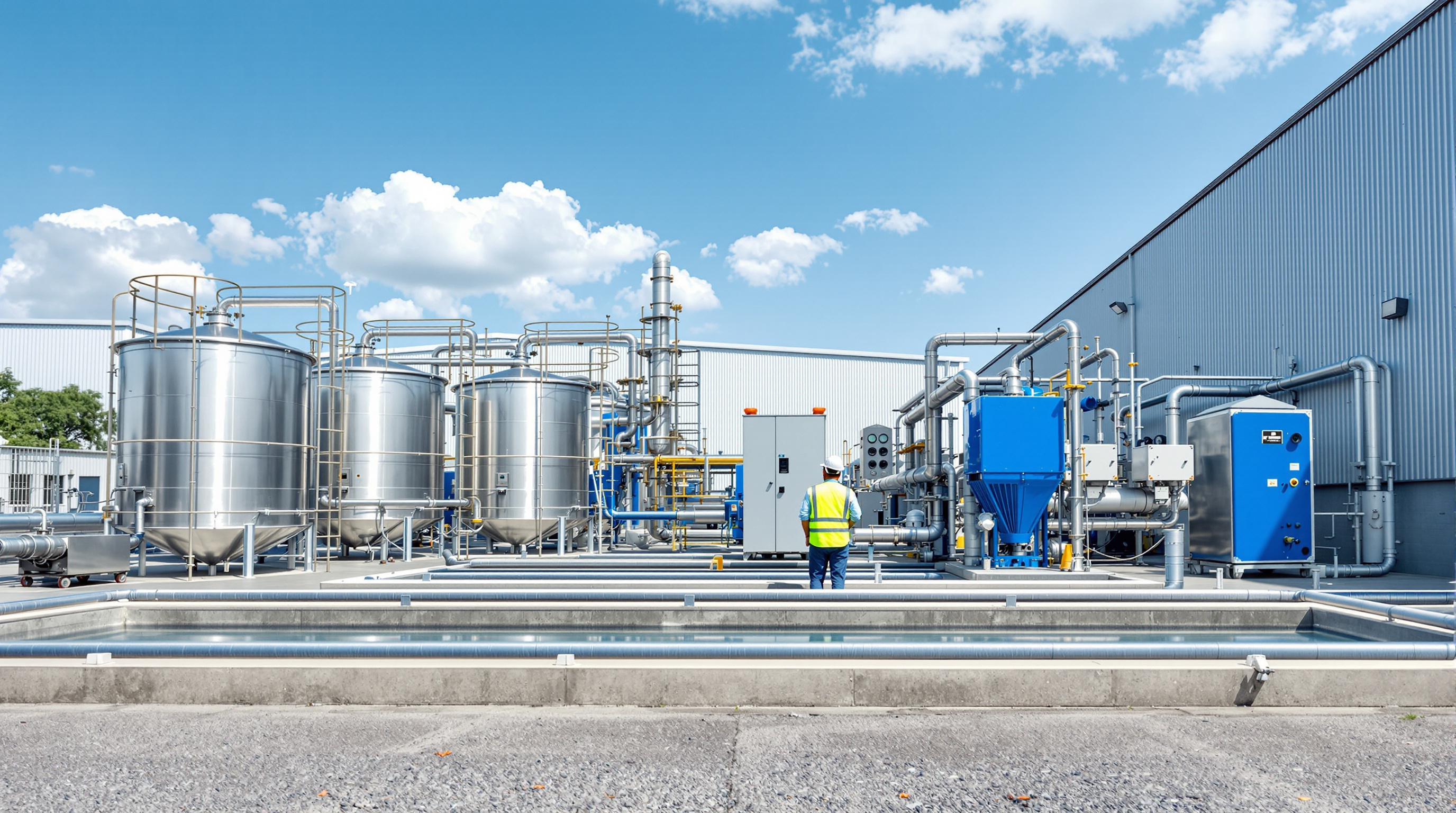
Hybrid STP Technologies: Combining MBBR, MBR, IFAS and Anaerobic-Aerobic Processes
Most high-performing sewage treatment plants are hybrids — two or more processes combined to cover each other's weaknesses. This guide explains why hybrids are used, the common combinations like MBBR+MBR, IFAS and anaerobic+aerobic, and how to choose one.
 Guide65
Industrial ETP Cost Guide: What an Effluent Treatment Plant Really Costs in India (2026)
Industrial ETPs cost far more than domestic STPs — physico-chemical treatment, RO and zero liquid discharge push capital costs to roughly Rs 60,000–2,00,000 per KLD and running costs to Rs 15–220 per KL. This guide gives honest 2026 India ranges and the cost drivers behind them.
 Guide66
IoT Monitoring for STPs: Real-Time Sensors, Dashboards & OCEMS Compliance
IoT monitoring puts sensors on the parameters that decide whether an STP works — DO, flow, level, energy and effluent quality — and streams them to a dashboard with remote alarms. This guide explains what to install, the OCEMS link, and honest costs.
 Guide67
Karnataka STP Regulations & KSPCB Norms: The Complete 2026 Compliance Guide
Karnataka requires many apartments, gated communities and commercial buildings to run an STP with KSPCB consent. This guide explains when an STP is mandatory, the CTE/CTO process, discharge and reuse standards, real-time monitoring, and practical compliance tips for owners and RWAs.
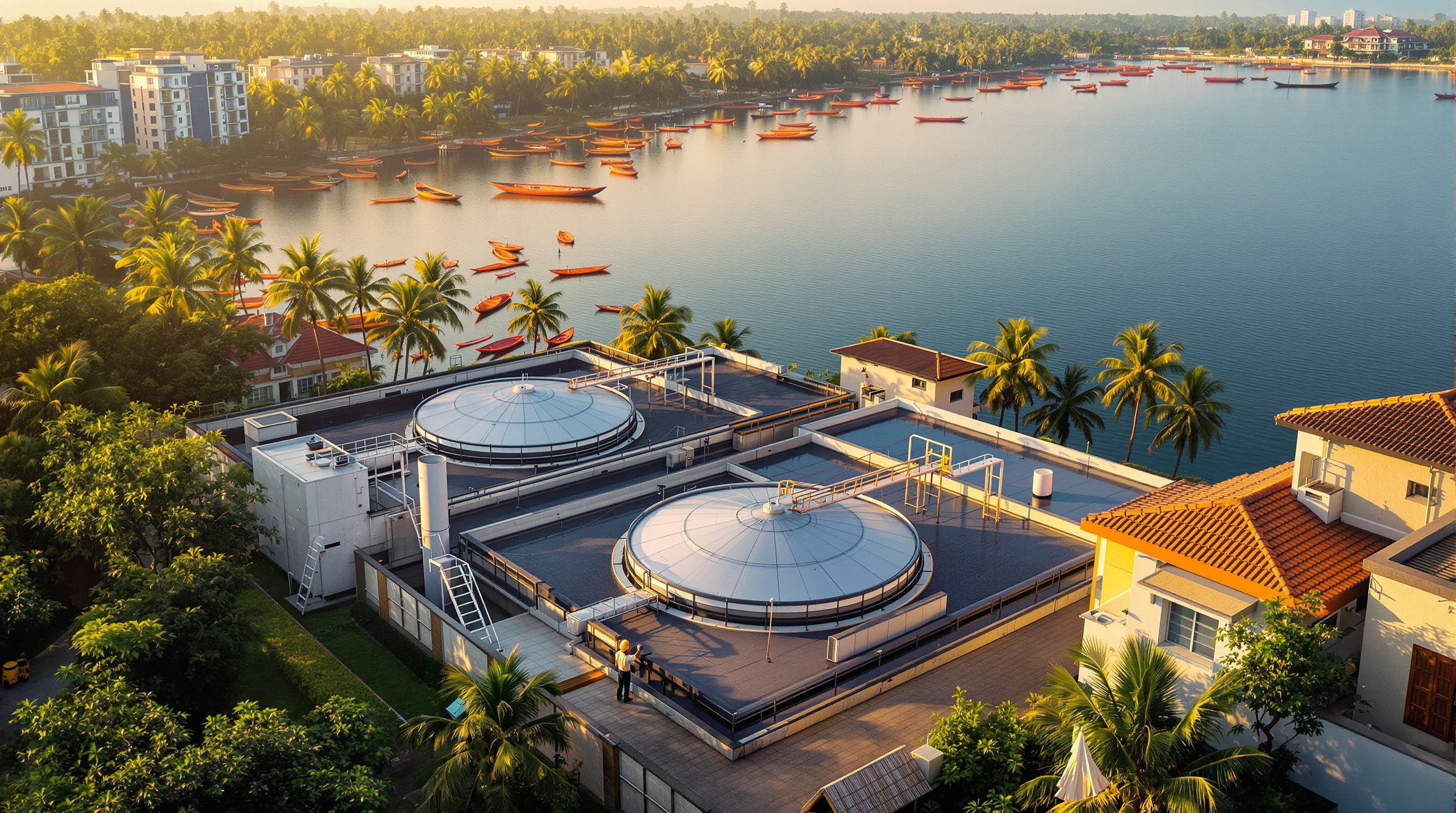 Guide68
Kerala STP Guidelines & KSPCB Norms: A 2026 Compliance Guide
A plain-language guide to STP rules in Kerala: when a sewage treatment plant is mandatory, how KSPCB consent (CTE and CTO) works, what the building rules and discharge norms require, and how owners and RWAs stay compliant. Always confirm current rules with the Kerala State Pollution Control Board.
 Guide69
Lake Rejuvenation Using Treated STP Water: Standards, Risks & Success Factors
Treated STP water is reviving India's urban lakes — but only when it clears strict nutrient and BOD limits. This guide covers the quality standards, the eutrophication risk that kills careless projects, and what makes a lake rejuvenation actually last.
 Guide70
Maharashtra STP Regulations & MPCB Norms: A 2026 Compliance Guide
A plain-language guide to sewage treatment plant rules in Maharashtra: when an STP is mandatory, how the MPCB Consent to Establish and Operate process works, what UDCPR and Mumbai's DCPR 2034 require, and the discharge, reuse and monitoring duties for builders and housing societies.
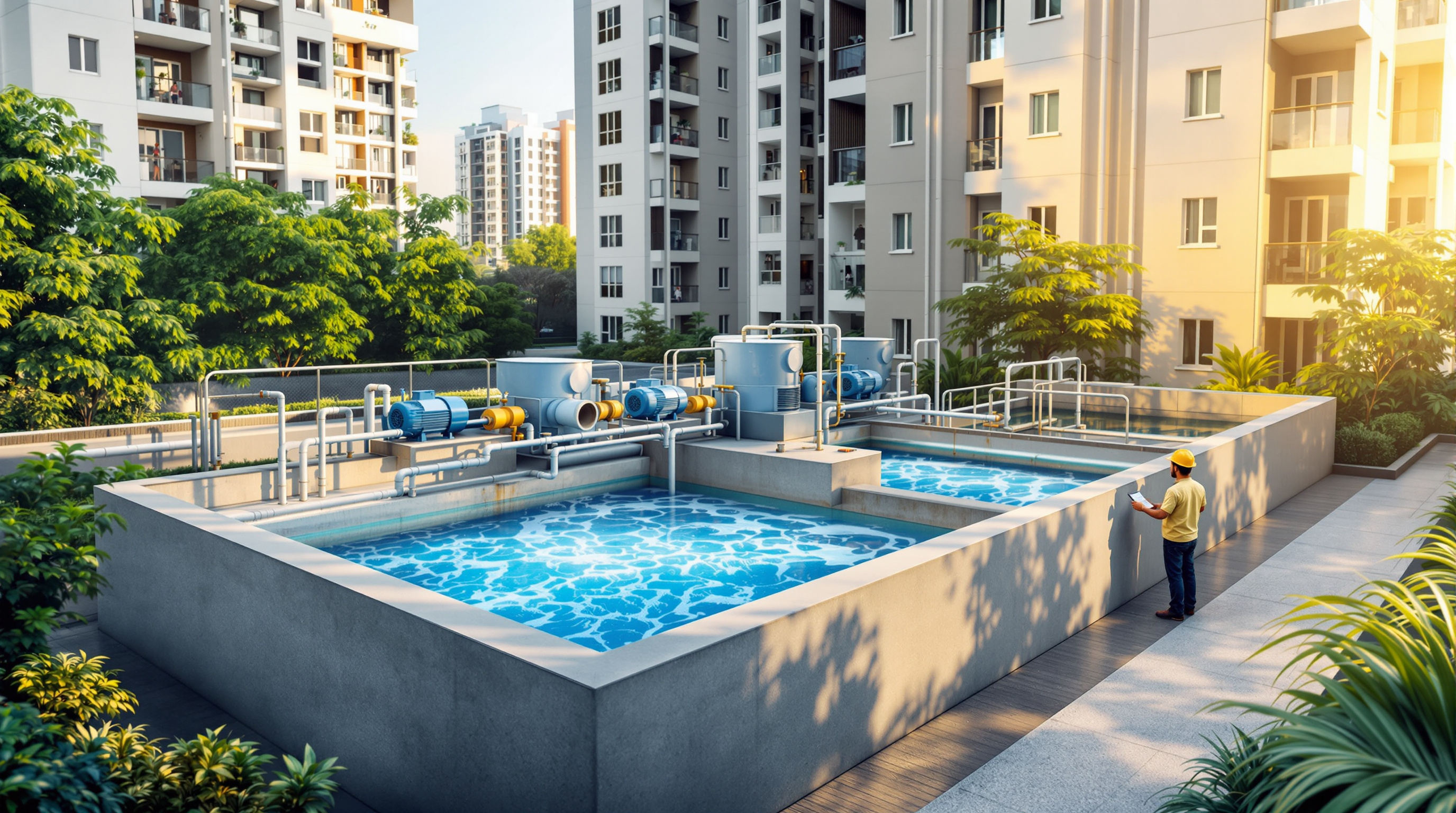 Guide71
MBBR STP Cost Guide: Capex per KLD, Media Cost & Running Cost in India
What an MBBR sewage treatment plant costs in India: capital cost of roughly Rs 30,000–70,000 per KLD, what the biofilm media adds, why MBBR is the affordable middle option, and the monthly running cost to budget for.
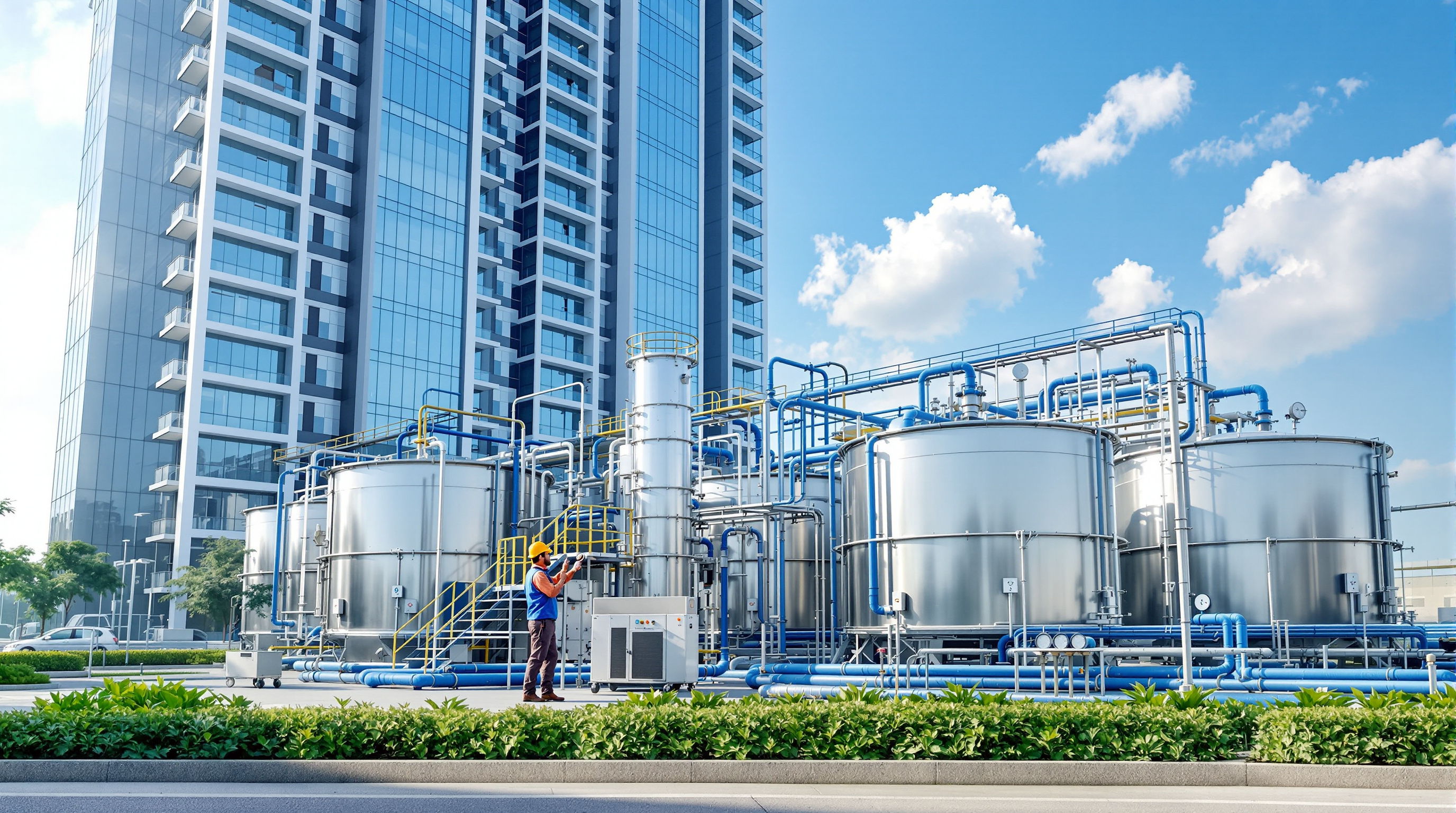 Guide72
MBR STP Cost Guide: What a Membrane Bioreactor Really Costs in India (2026)
An MBR STP costs roughly Rs 65,000–1,10,000 per KLD to build — the priciest STP technology — plus higher power and periodic membrane swaps. This guide breaks down MBR capex, opex and when reuse and footprint gains justify the premium.
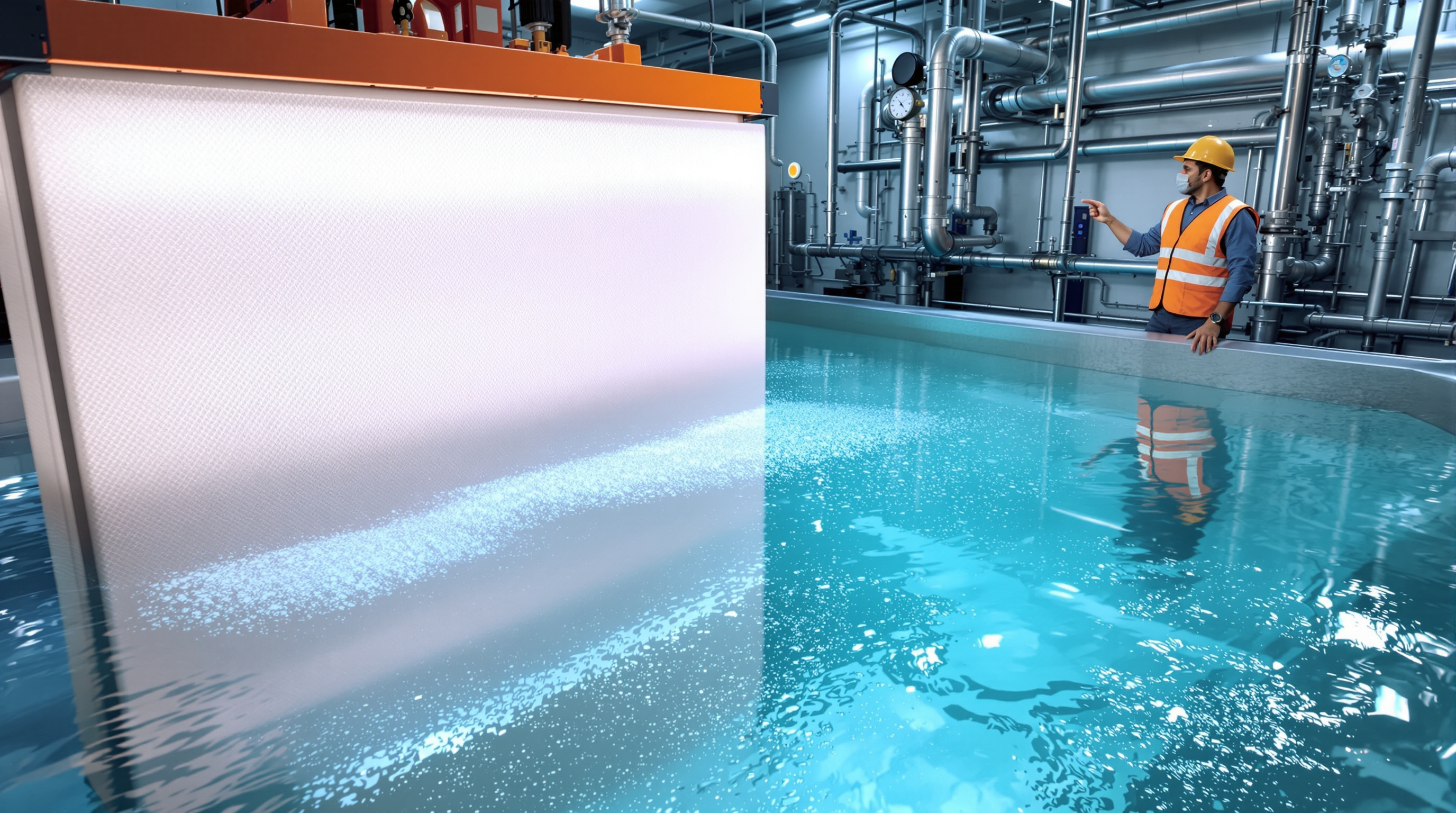
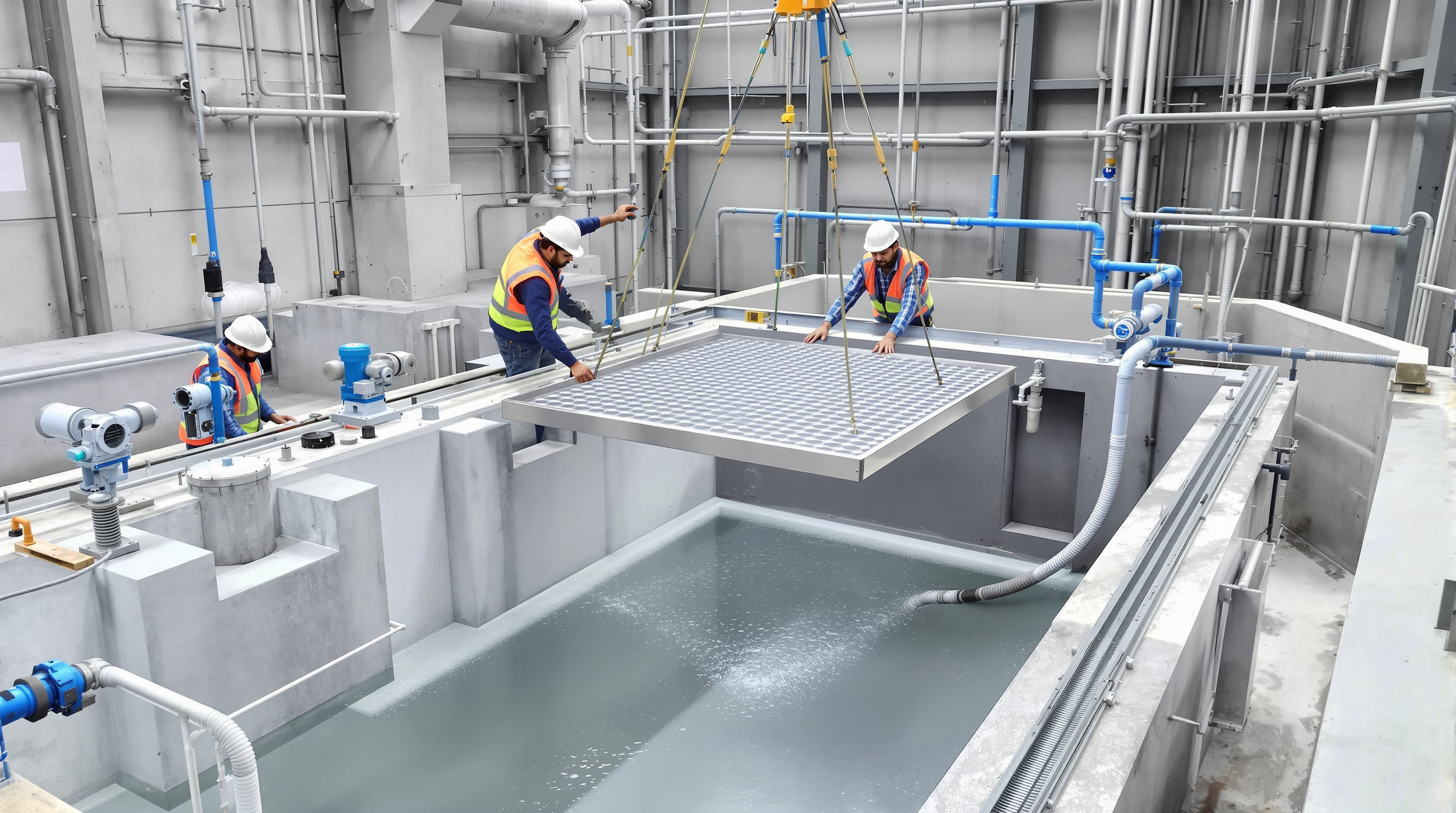 Guide73
Mechanical Installation of STP Equipment: Blowers, Pumps, Diffusers & Pipework Done Right
Once the tanks are built, the plant lives or dies on how its blowers, pumps, diffusers, media and pipework are set. This guide covers alignment, anchoring, pipe supports and the pre-commissioning mechanical checks that keep an STP running quiet and true.
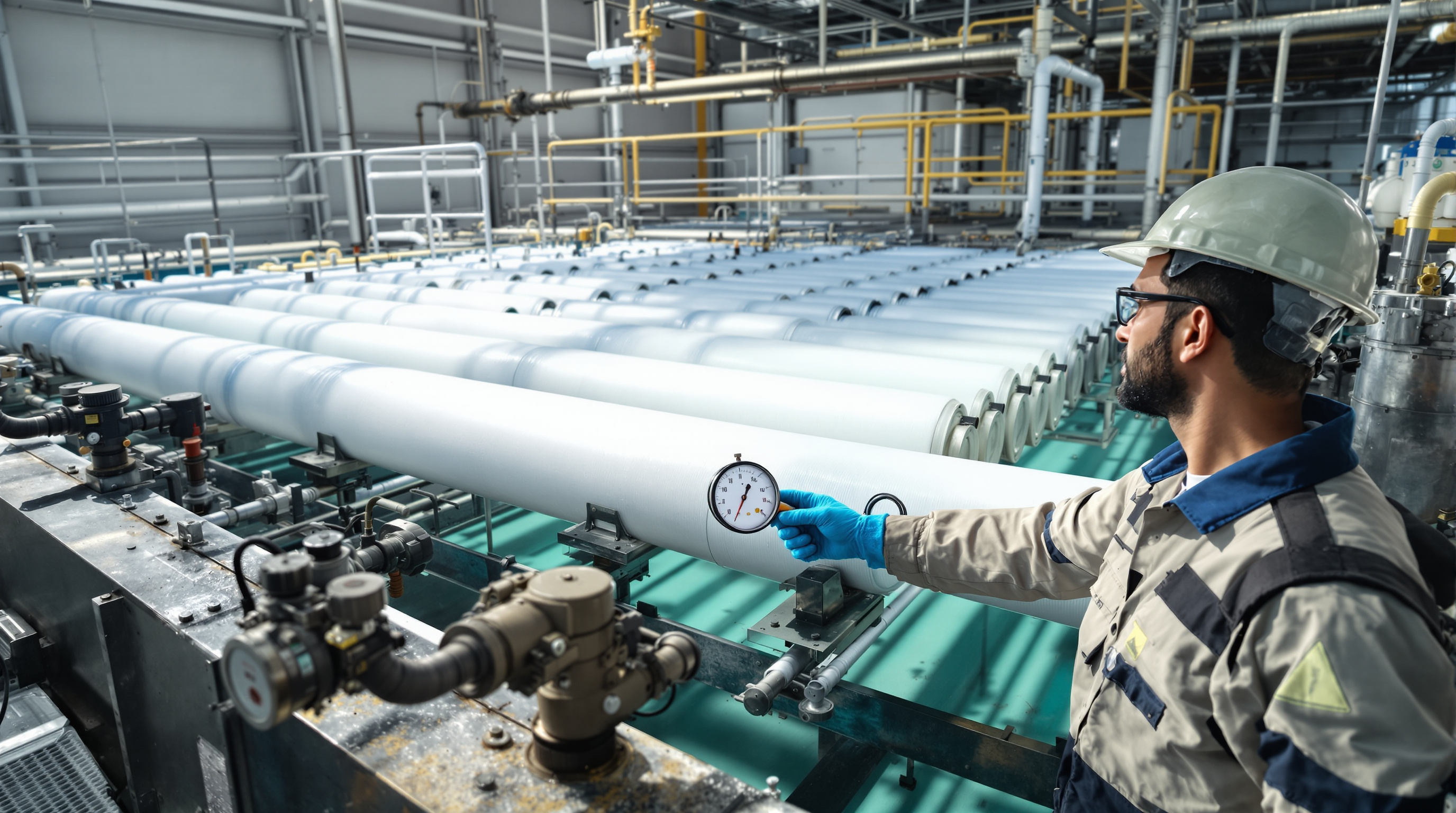
 Guide74
Membrane Bioreactor (MBR): The Highest-Quality STP Technology
A membrane bioreactor (MBR) replaces the STP clarifier with ultra-fine UF/MF membranes, producing near-reuse-grade effluent in the smallest footprint. This guide explains how submerged membranes work, why MBR wins on quality, and the real trade-offs — cost, fouling and power.
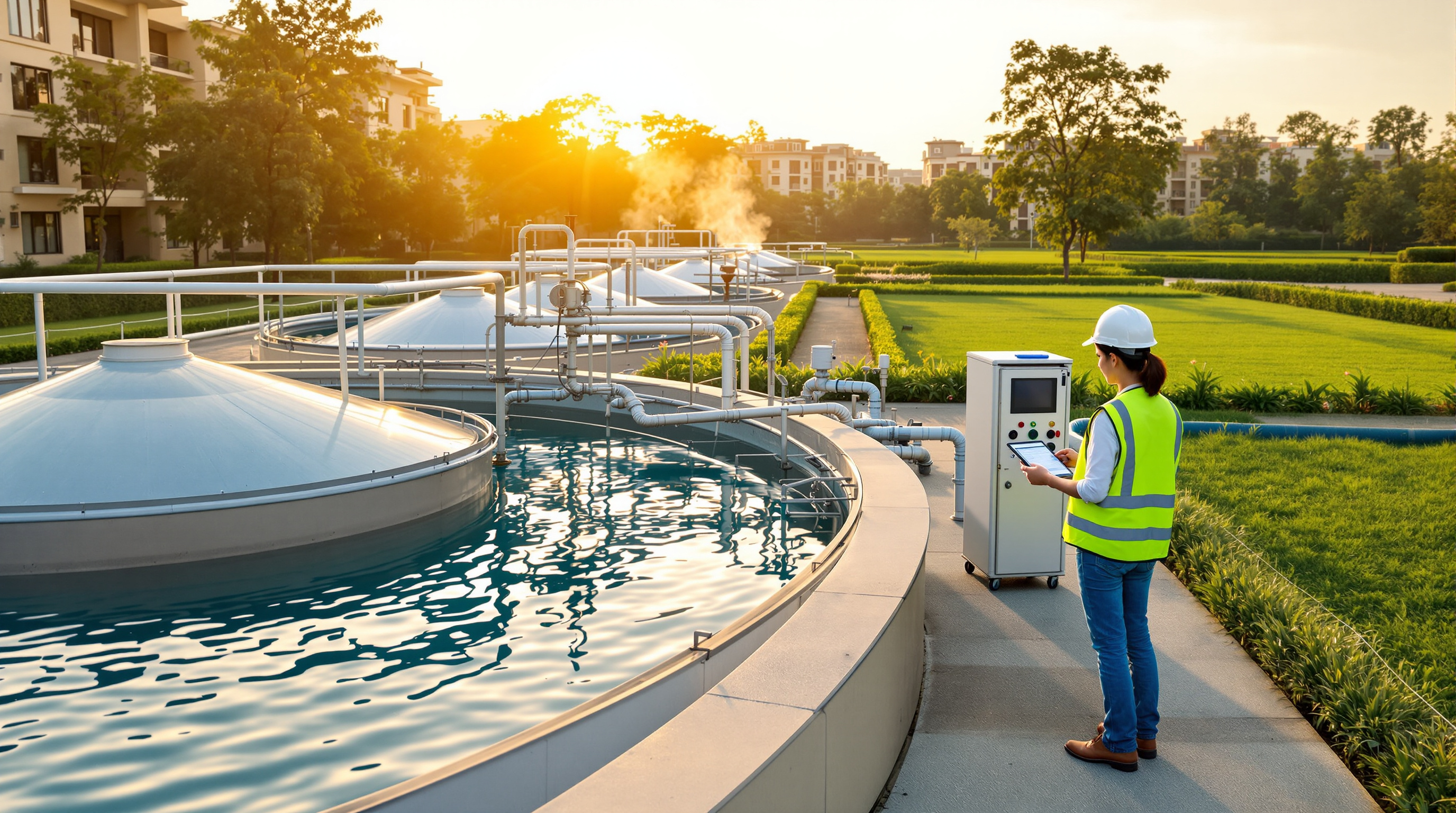
 Guide75
Membrane Cleaning in MBR/UF STPs: The Complete O&M Guide
UF and MBR membranes are the most expensive part of an STP and the first to fail when neglected. This O&M guide covers fouling types, maintenance (CIP) versus recovery cleaning, the chemicals used, flux and TMP monitoring, and how to extend membrane life.
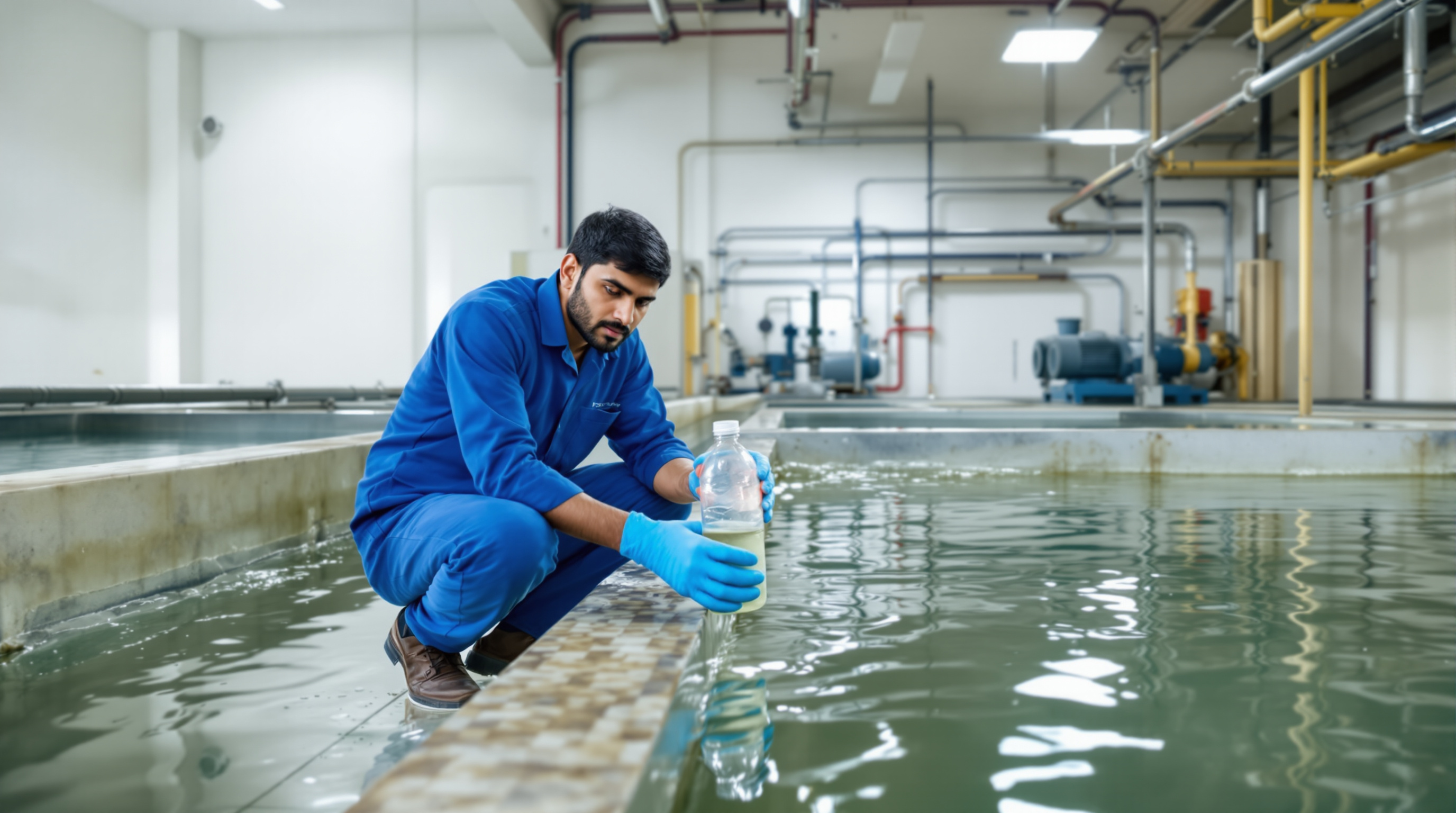
 Guide76
MoEFCC Rules Affecting STPs: How the EIA Notification 2006 Brings Sewage Treatment Into the Approval Net
How the MoEFCC's EIA Notification 2006 pulls buildings and townships into the environmental-clearance net at defined built-up-area thresholds — and makes a compliant STP, with reuse and monitoring, a condition of approval. Includes the contested discharge-standard history and a practical compliance checklist.
 Guide77
Monthly STP Maintenance Tasks: The Complete O&M Checklist
A practical monthly checklist for Indian building STPs: full lab analysis of BOD, COD and TSS, blower and pump servicing, tank inspection, sludge disposal records and compliance sampling — the once-a-month jobs that keep the plant reliable and legally compliant.
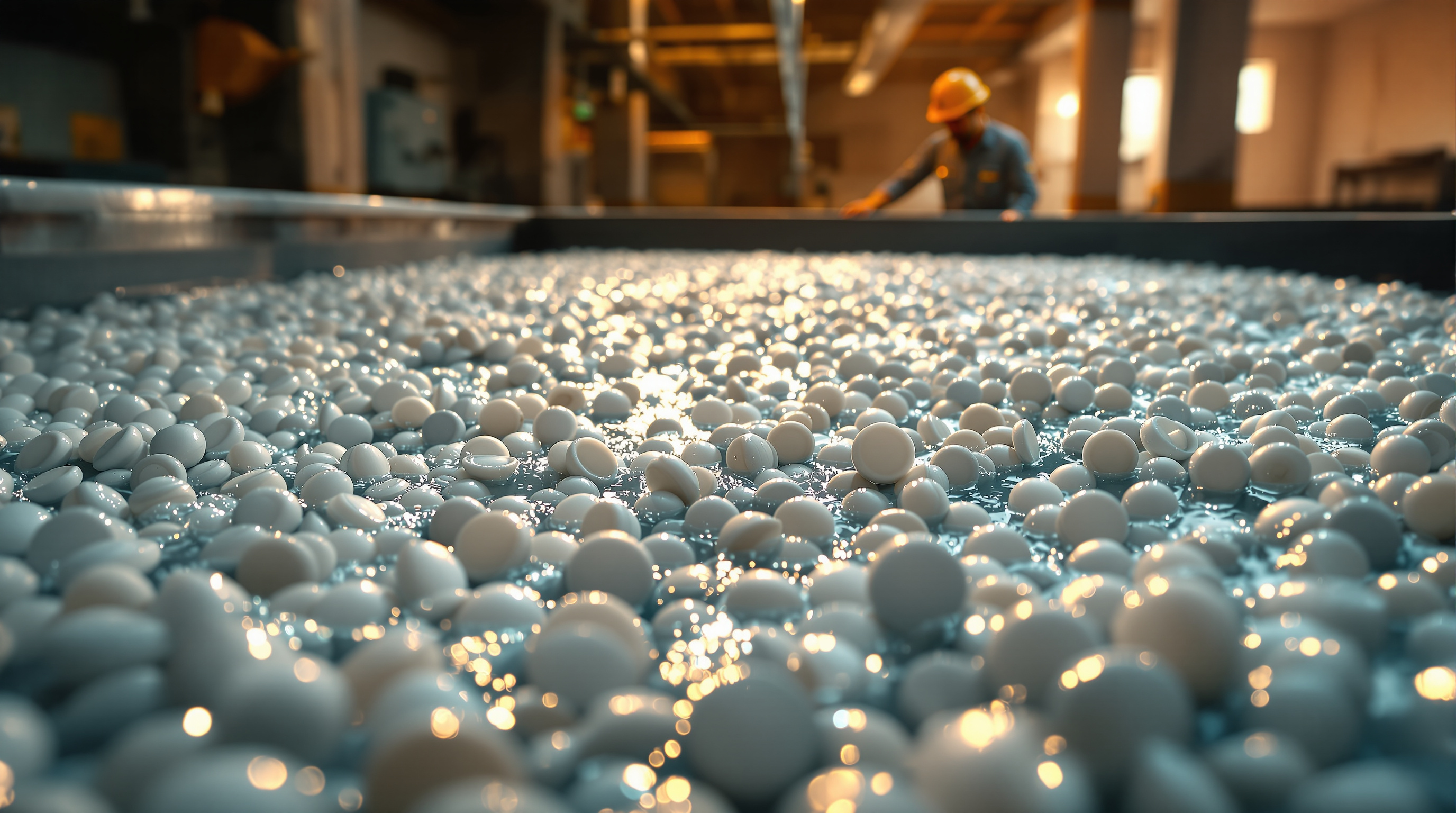 Guide78
Moving Bed Biofilm Reactor (MBBR): Media, Working & Benefits
A moving bed biofilm reactor (MBBR) grows treatment bacteria as a biofilm on thousands of free-floating plastic carriers kept churning by aeration. This guide explains the media, fill ratio, working principle and benefits, and compares MBBR to ASP and MBR for Indian apartment STPs.
 Guide79
Odisha STP Regulations & OSPCB Norms: A 2026 Compliance Guide
A plain-language guide to STP rules in Odisha: when a sewage treatment plant is mandatory, how the OSPCB consent process (CTE and CTO) works, discharge and reuse norms, monitoring, and practical compliance steps for owners and apartment associations.
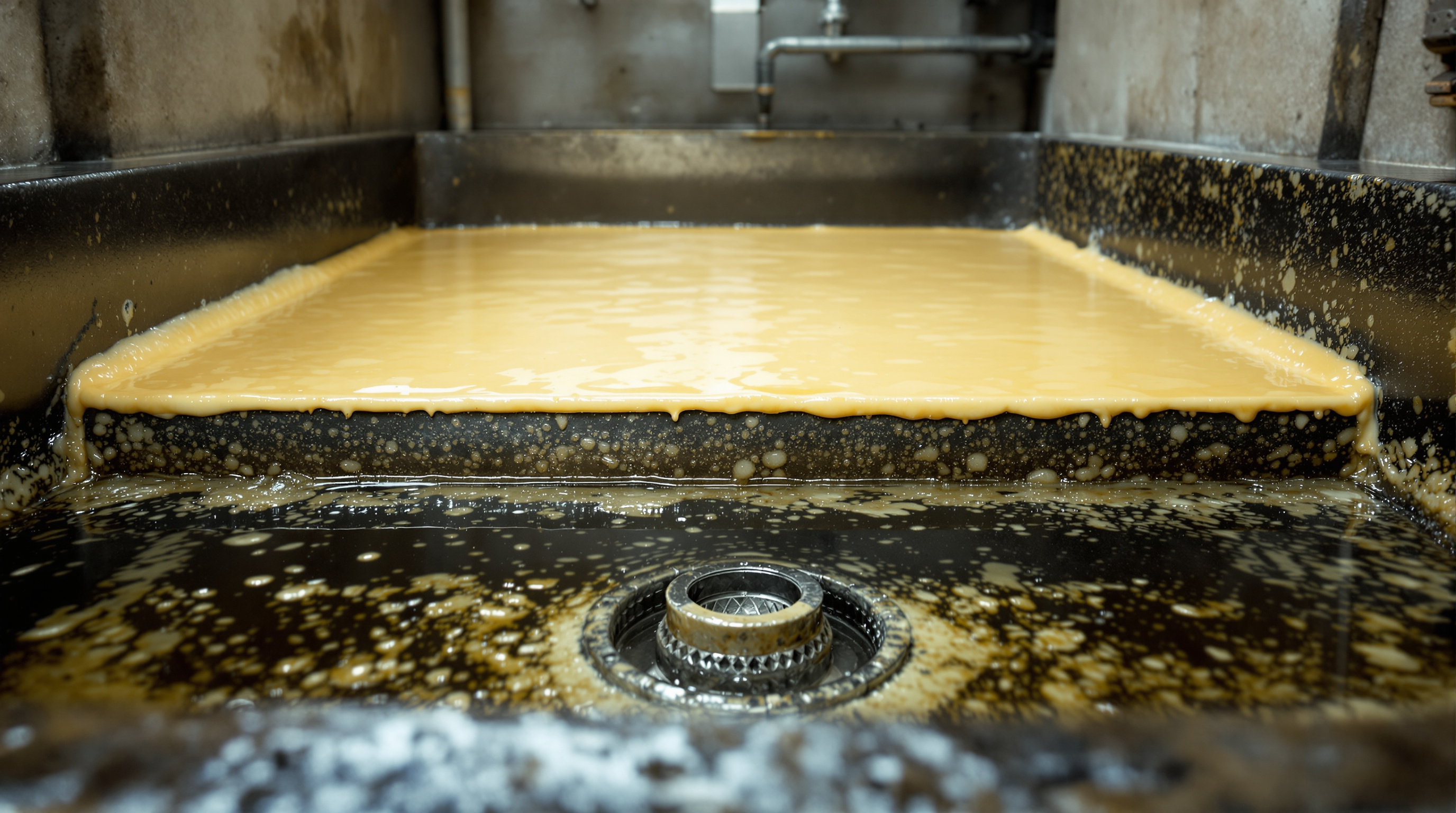 Guide80
Oil & Grease Trap in an STP: Why It Matters (FOG Removal Explained)
An oil and grease trap is the chamber that skims floating fats, oils and grease out of kitchen-heavy sewage before biological treatment. This guide explains why FOG harms the microbes, how baffle design works, sizing basics, and how often the trap must be cleaned.
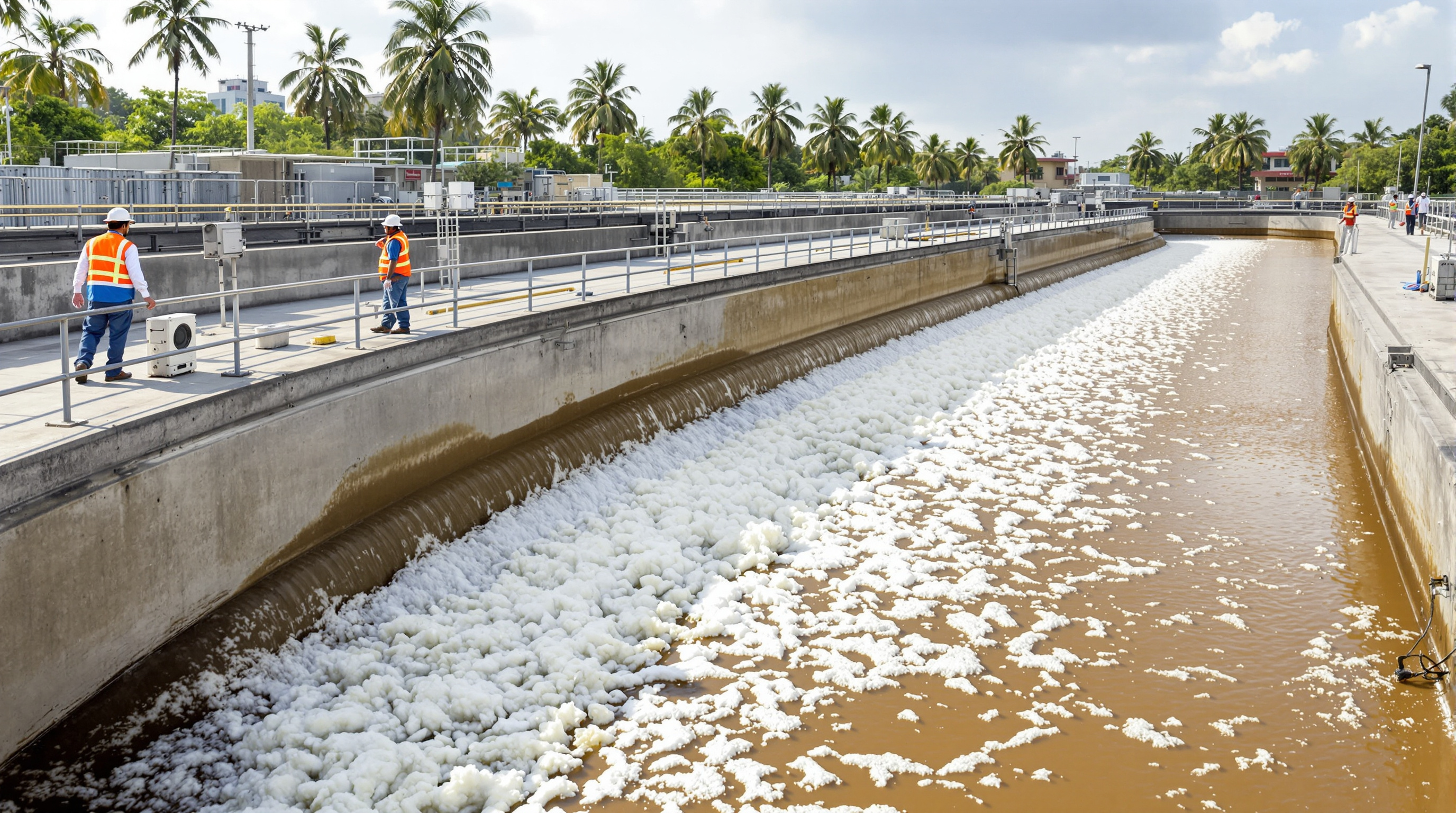 Guide81
The Oxidation Ditch Process: A Complete Guide for Indian STPs
The oxidation ditch is a looped-channel form of extended aeration: sewage circulates around a racetrack under slow surface aerators or brush rotors, at long retention times. It is robust, forgiving of load swings, and produces little sludge — but needs land and power.
 Guide82
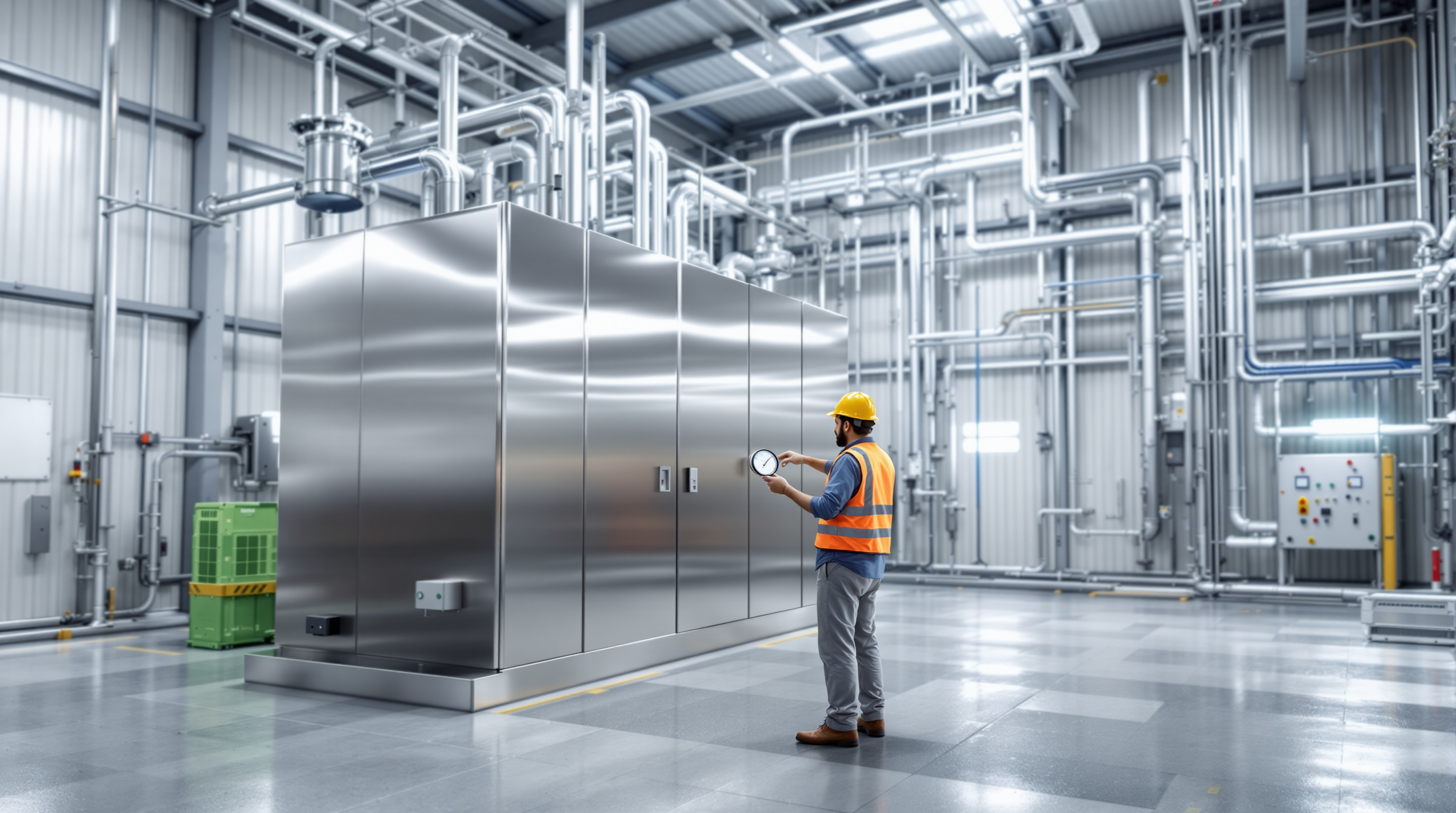
Ozonation in STPs: Ozone Disinfection, Colour and Odour Removal Explained
Ozonation uses ozone gas — one of the strongest disinfectants available — to kill pathogens and strip colour and odour from treated sewage. This guide explains how ozone works in an STP, how it compares with chlorine and UV, and where it genuinely fits.
 Guide83
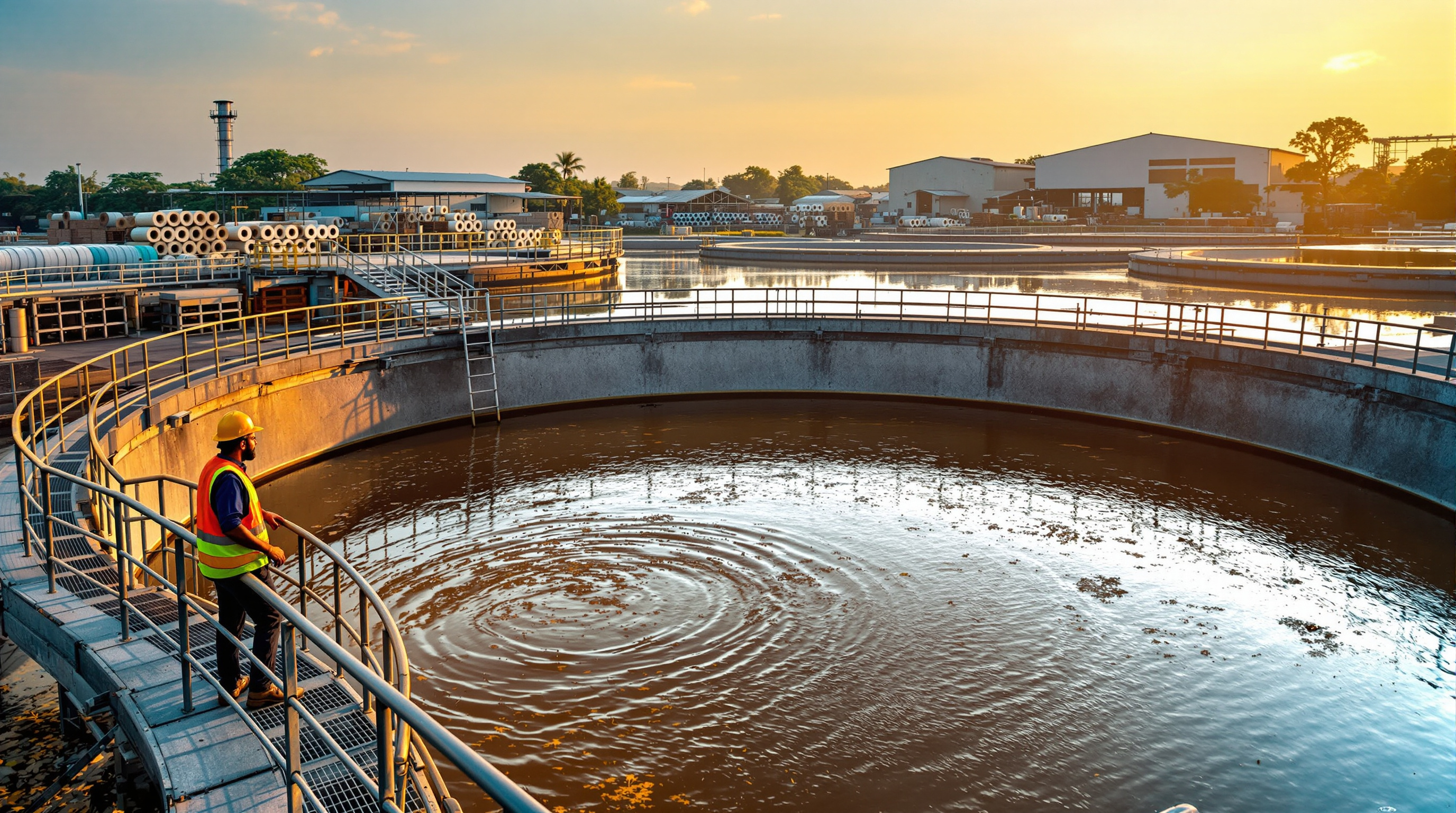
Pulp & Paper Industry Wastewater Treatment: COD, Colour, Fibre & AOX
Pulp and paper mills discharge high-COD, dark-coloured, fibre-laden effluent with AOX from bleaching. This guide explains how a paper mill ETP clarifies, biologically treats, decolourises and recovers fibre and water — and why domestic STP logic falls short for it.
 Guide84
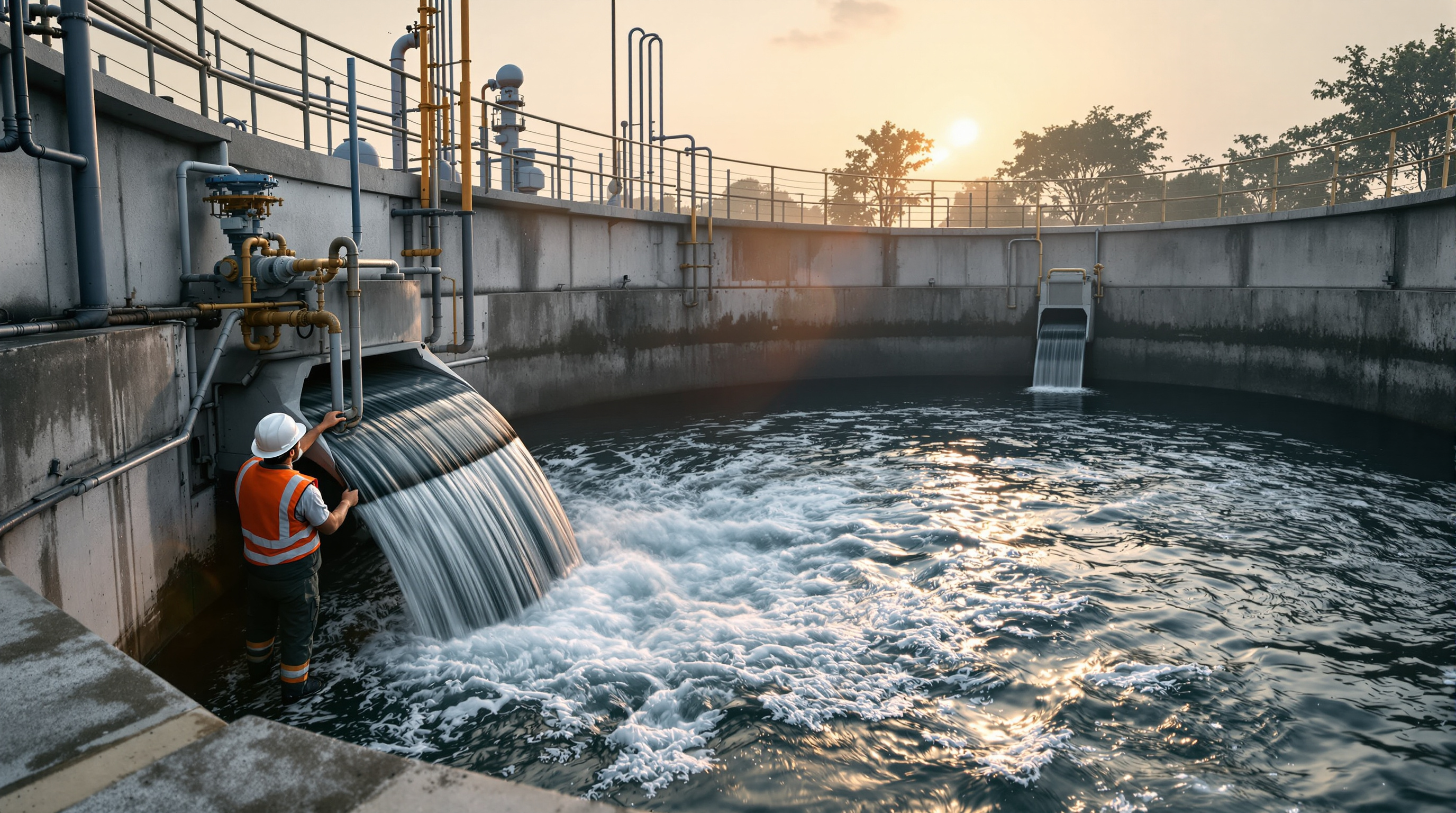
Peak Flow Design in STPs: Why Plants Are Sized for the Rush, Not the Average
Sewage arrives in surges, not a steady stream. An STP that only handled average flow would overflow every morning. This guide explains peak flow design: why STPs are sized for the peak, how the peak factor is picked, and how equalisation shrinks the peak.
 Guide85
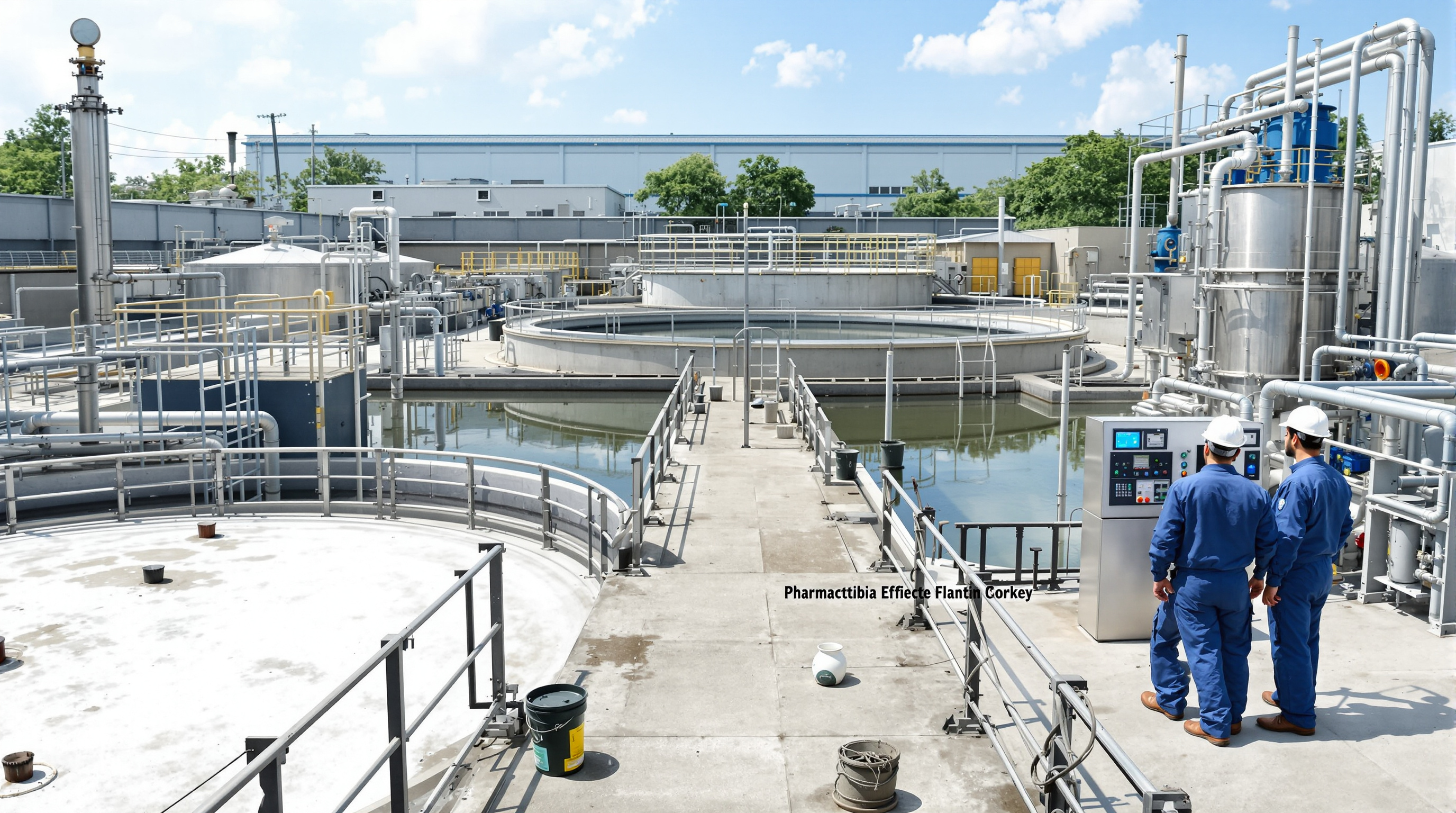
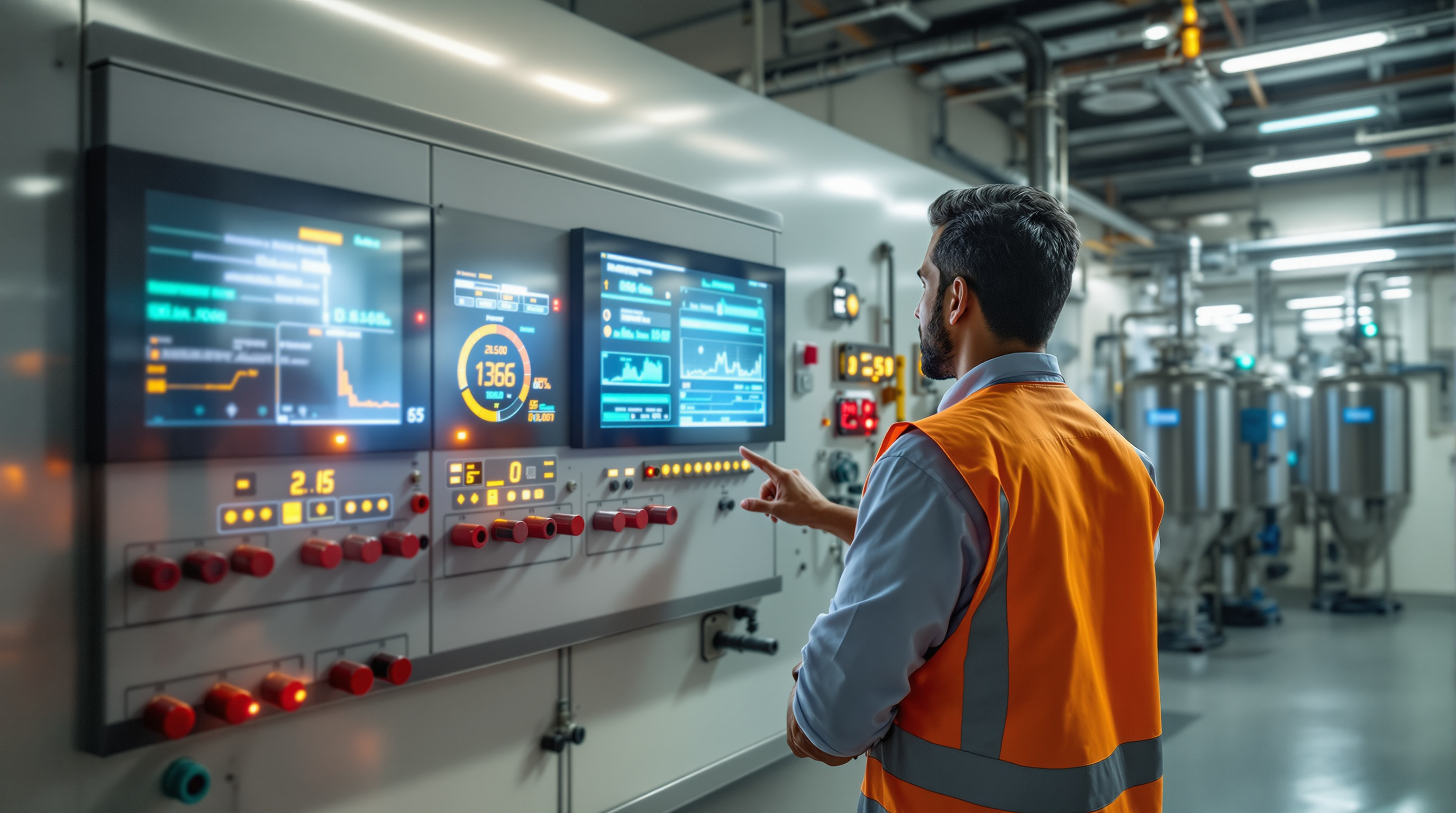
Pharmaceutical Wastewater Treatment: Why It Needs an ETP, Not an STP
Pharmaceutical wastewater carries high COD, toxic and hard-to-degrade compounds, swinging pH and active drug residues that a domestic STP cannot handle. This guide explains why pharma effluent needs a purpose-built ETP, and walks through the typical treatment train stage by stage.
 Guide86
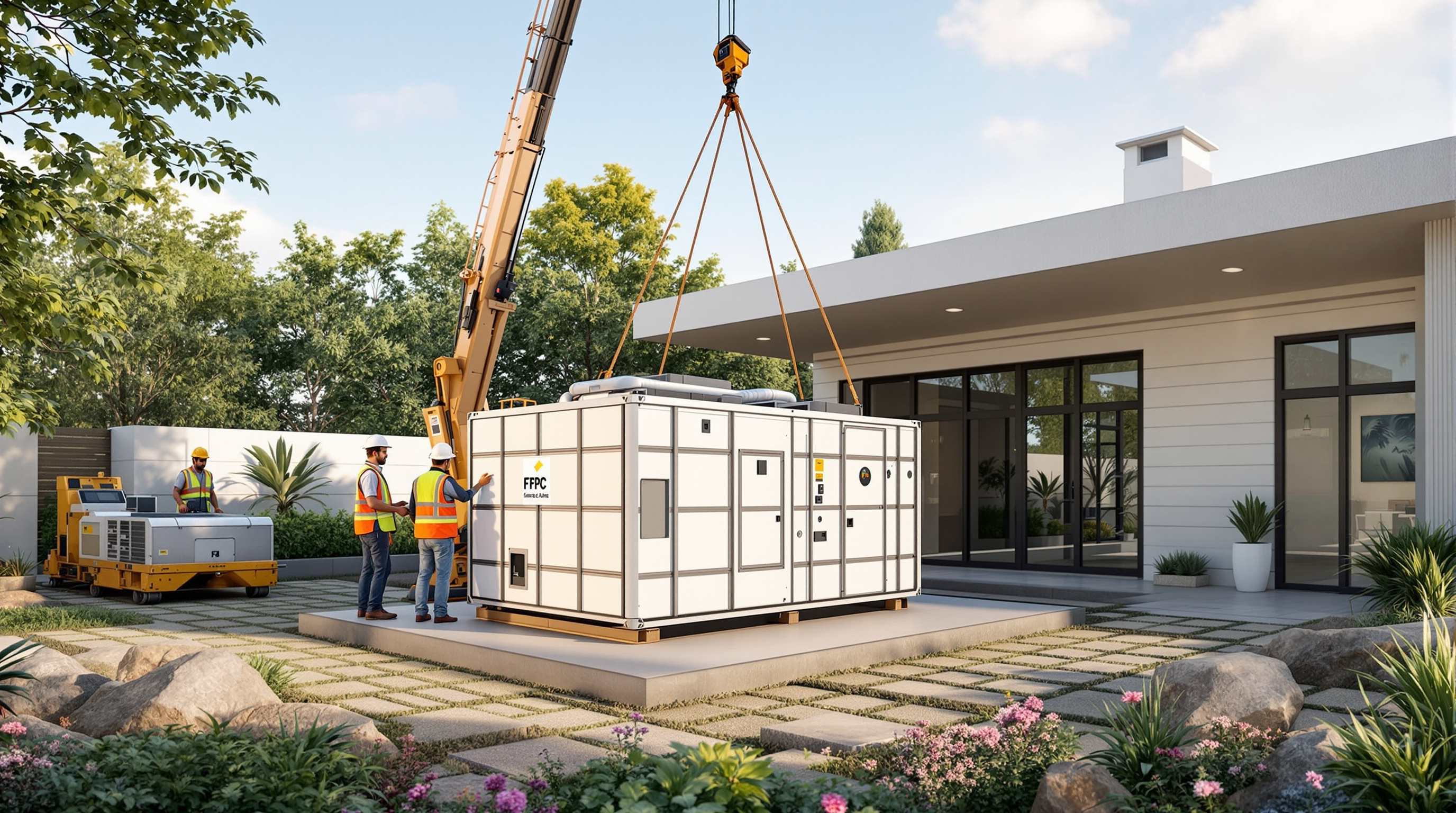
Predictive Maintenance for STPs: Fixing Equipment Before It Fails
Predictive maintenance for STPs uses sensor data and analytics to catch a failing pump or blower before it breaks, replacing rigid calendar servicing. This guide explains how it works, the real benefits, and how an Indian building can start small.
 Guide87
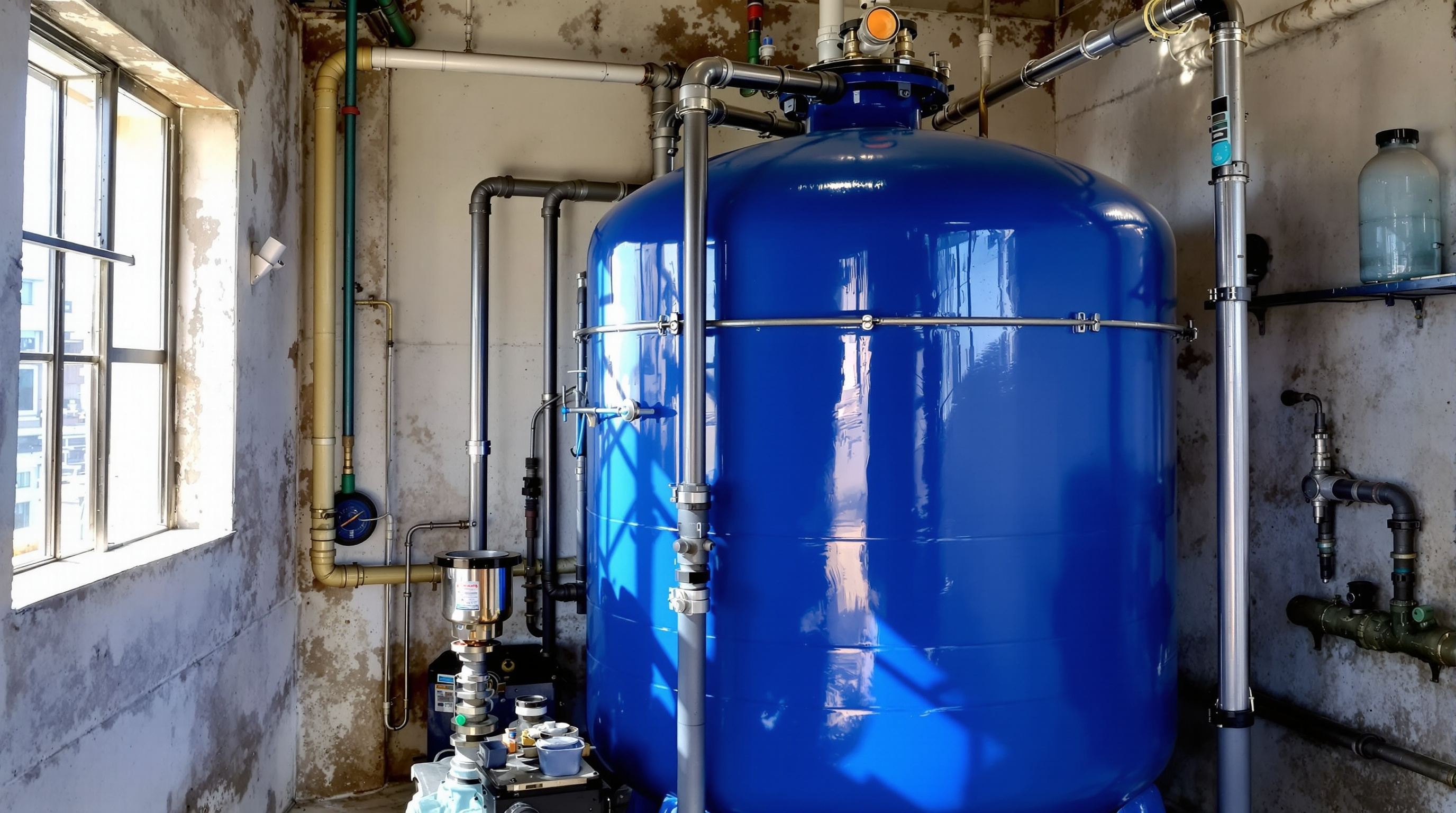
Prefabricated & Packaged STPs: The Plug-and-Play Guide for Villas and Small Buildings
A packaged STP is a complete sewage treatment plant built and tested in a factory, then delivered to site as a ready-to-run unit. This guide explains what packaged and prefabricated STPs are, their sizes, plug-and-play benefits, and where a civil-built plant still wins.
 Guide88
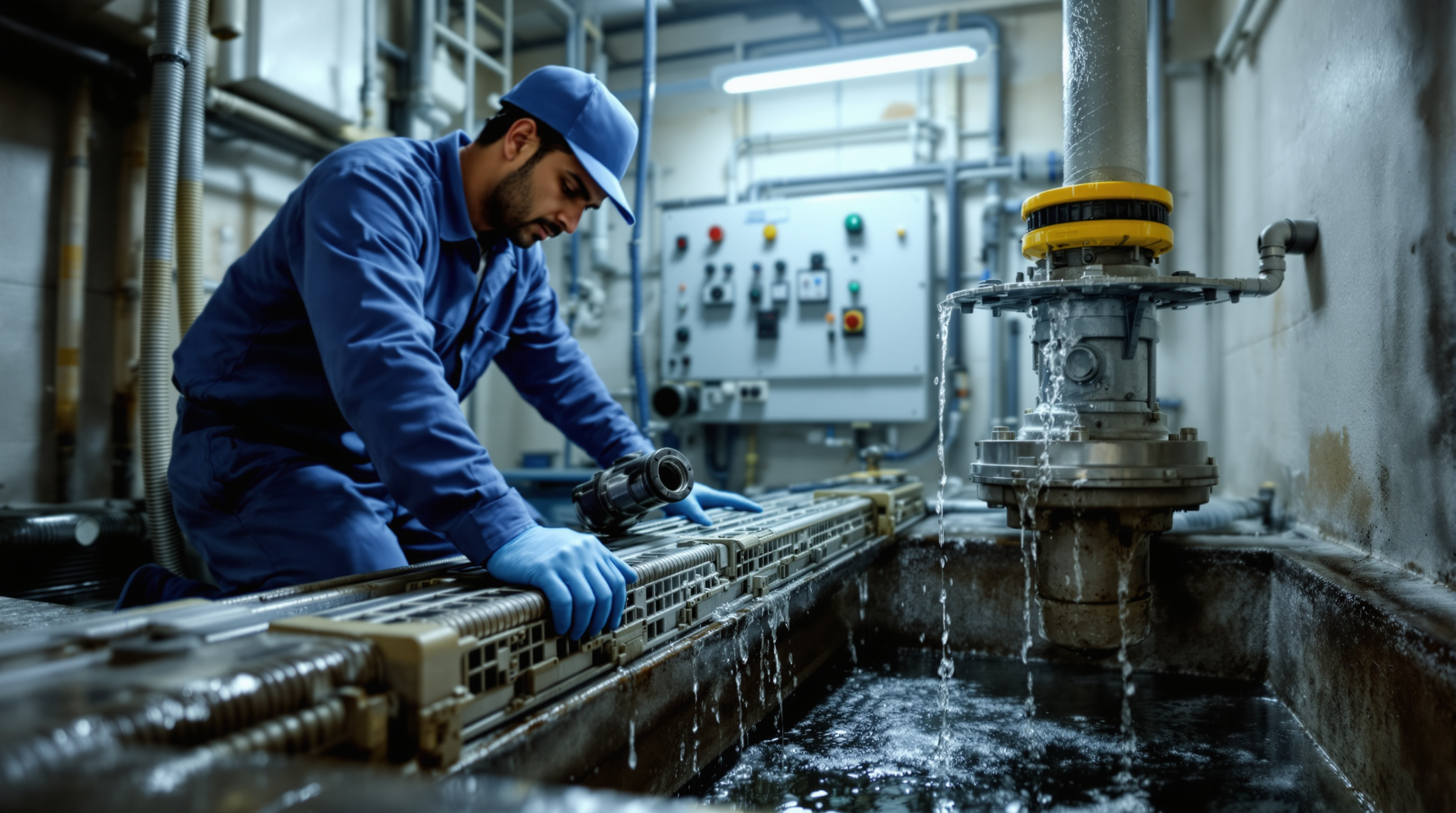
Pressure Sand Filter (PSF) in an STP: How Tertiary Sand Filtration Works
A pressure sand filter is the tertiary polishing filter in an STP that strains out fine suspended solids the clarifier leaves behind. Learn how multigrade media works, its filtration rate, backwashing, and why it sits just before carbon and disinfection.
 Guide89
STP Pump Maintenance: A Practical O&M Guide for Submersible & Dosing Pumps
Pumps are the hardest-working, most failure-prone machines in any STP. This practical O&M guide covers impeller and seal checks, clog and dry-run prevention, standby rotation, and a troubleshooting table to keep raw-sewage and dosing pumps running reliably.
 Guide90
Punjab STP Rules & PPCB Norms: The Complete Compliance Guide (2026)
A state-specific guide to Punjab's STP rules: when an on-site sewage treatment plant is mandatory, how PPCB's CTE/CTO consent works, the building-byelaw and dual-plumbing duties, discharge and reuse norms, and practical compliance tips for owners and RWAs under the state's active NGT enforcement.
 Guide91
Questions to Ask Before Buying an STP: The Buyer's Checklist
Most STP disappointments are written into the purchase, not the plant. These are the questions to ask a vendor before you buy — on capacity, guaranteed effluent, power, warranty, O&M and compliance — so you sign for performance, not just a low price.
 Guide92
Rajasthan STP Guidelines & RSPCB Norms: The 2026 Compliance Guide
A plain-language guide to Rajasthan's STP rules: when a sewage treatment plant is mandatory, how the RSPCB consent process works, what discharge and reuse norms apply, and how owners and RWAs across Jaipur, Jodhpur and Udaipur stay compliant.
 Guide93
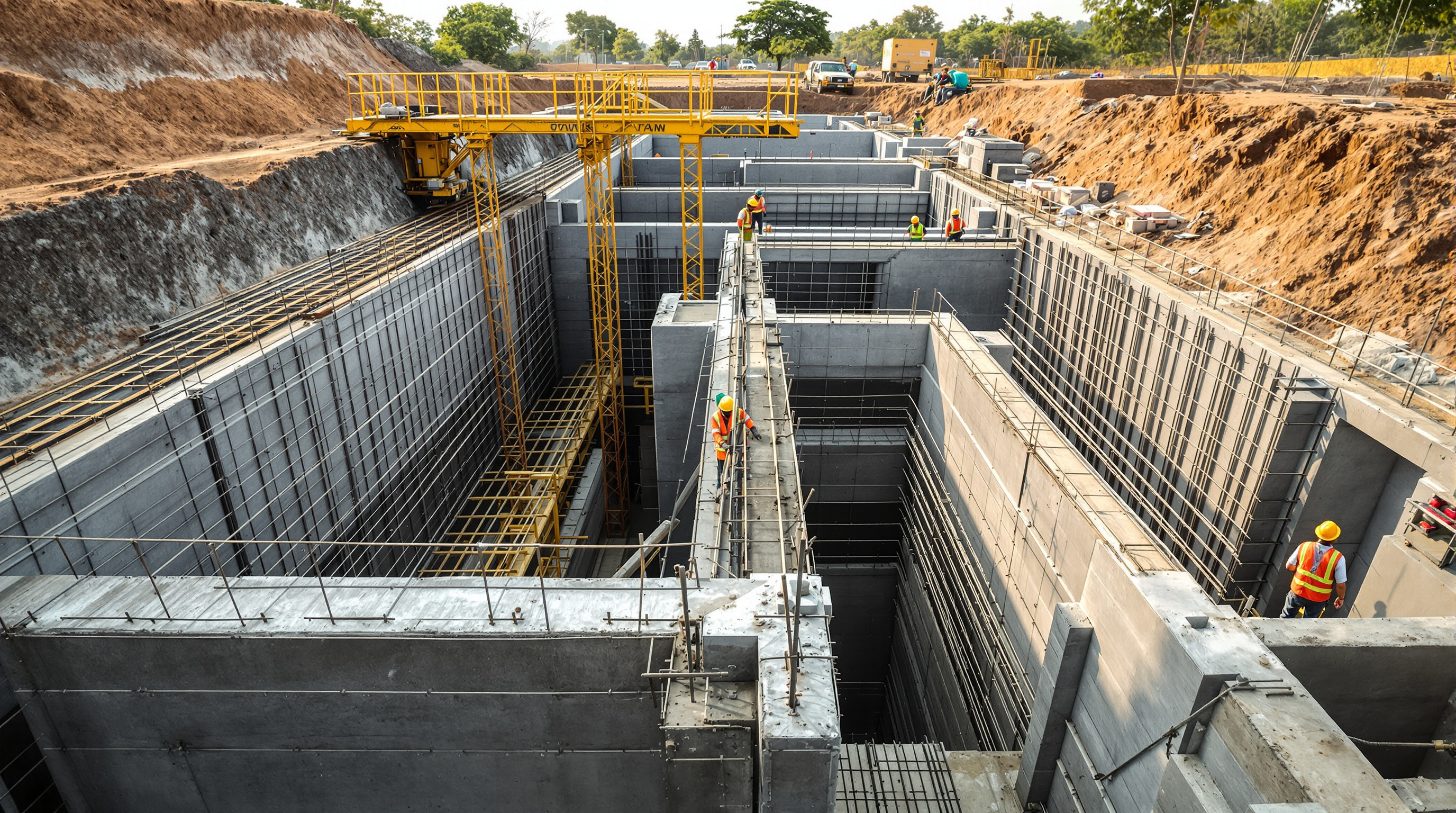
RCC Tank Design for STPs: Liquid-Retaining Structures Done Right
The tanks are the STP. This guide explains how RCC liquid-retaining tanks are designed for a sewage treatment plant — wall thickness, crack control to IS 3370, freeboard, partitioning for treatment stages, and the buoyancy checks that stop underground tanks floating.
 Guide94
Reducing STP Electricity Consumption: The O&M Guide to Cutting Your Biggest Running Cost
Aeration alone can be 50–70% of an STP's power bill. Learn how to right-size air, add DO control and VFDs, pick efficient blowers, use timers, fix air leaks, and run off-peak to slash your STP electricity consumption without breaching discharge norms.
 Guide95
Remote STP Monitoring & Operation: Running Sewage Plants from a Control Room
Remote STP monitoring lets a central control room run a building's sewage plant over the cloud — reading sensors, adjusting blowers and alerting operators without an expert on site. Here is how cloud SCADA and managed-service O&M actually work in India, and their limits.
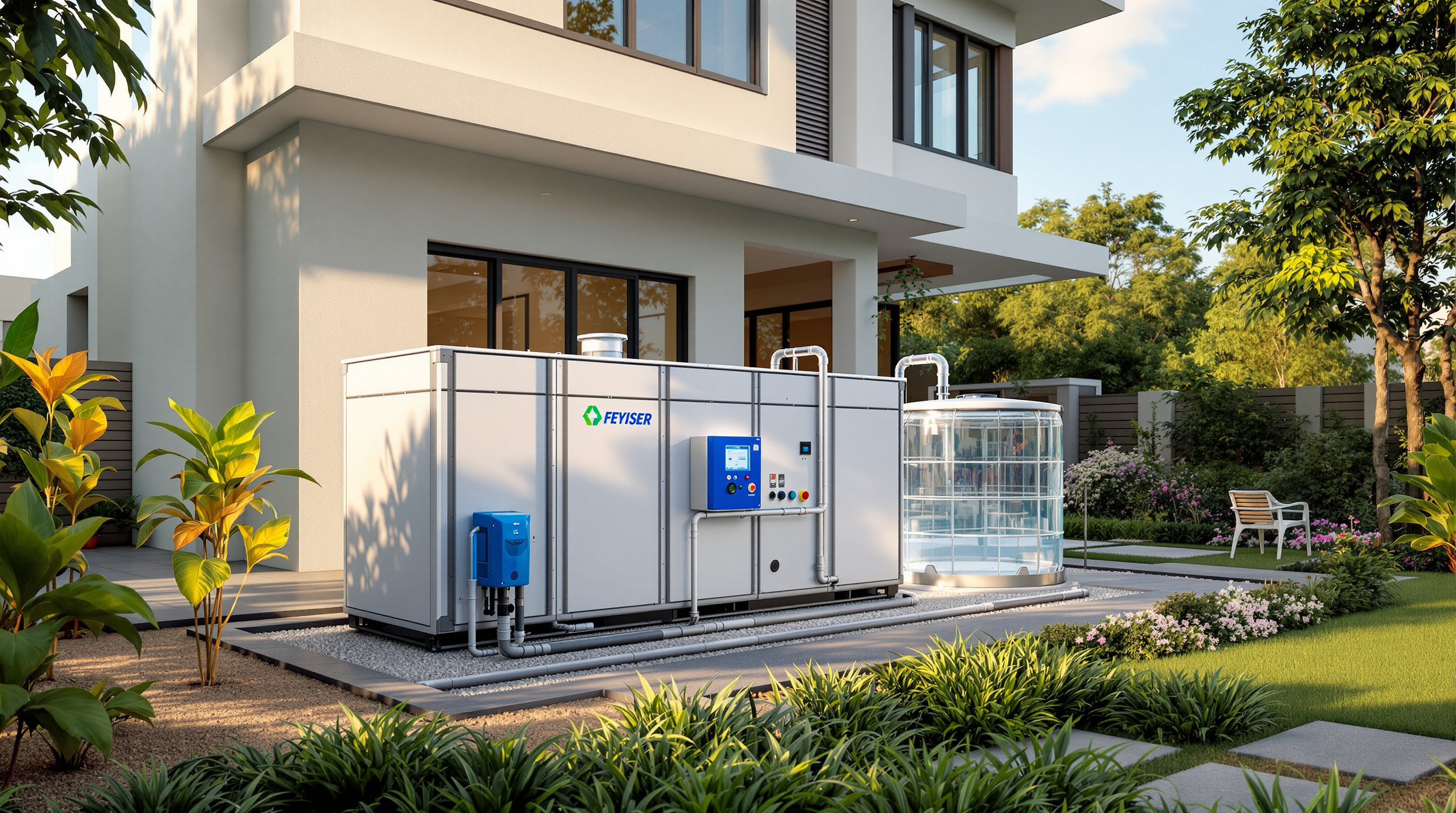 Guide96
Residential STP Cost Guide for Villas & Small Homes (2026 India Prices)
A small residential STP for a villa or building (1–10 KLD) typically costs Rs 3–12 lakh to install and a few thousand rupees a month to run. This guide breaks down realistic 2026 India capex, running and AMC cost ranges by capacity and technology.
 Guide97
Retrofitting & Upgrading Old STPs: How to Revive a Failing Plant
Old STPs fail for a handful of predictable reasons — worn blowers, overloading, dead automation, no tertiary polish. This guide covers the common problems, the retrofit options that fix them, and how to decide honestly between upgrading and rebuilding.
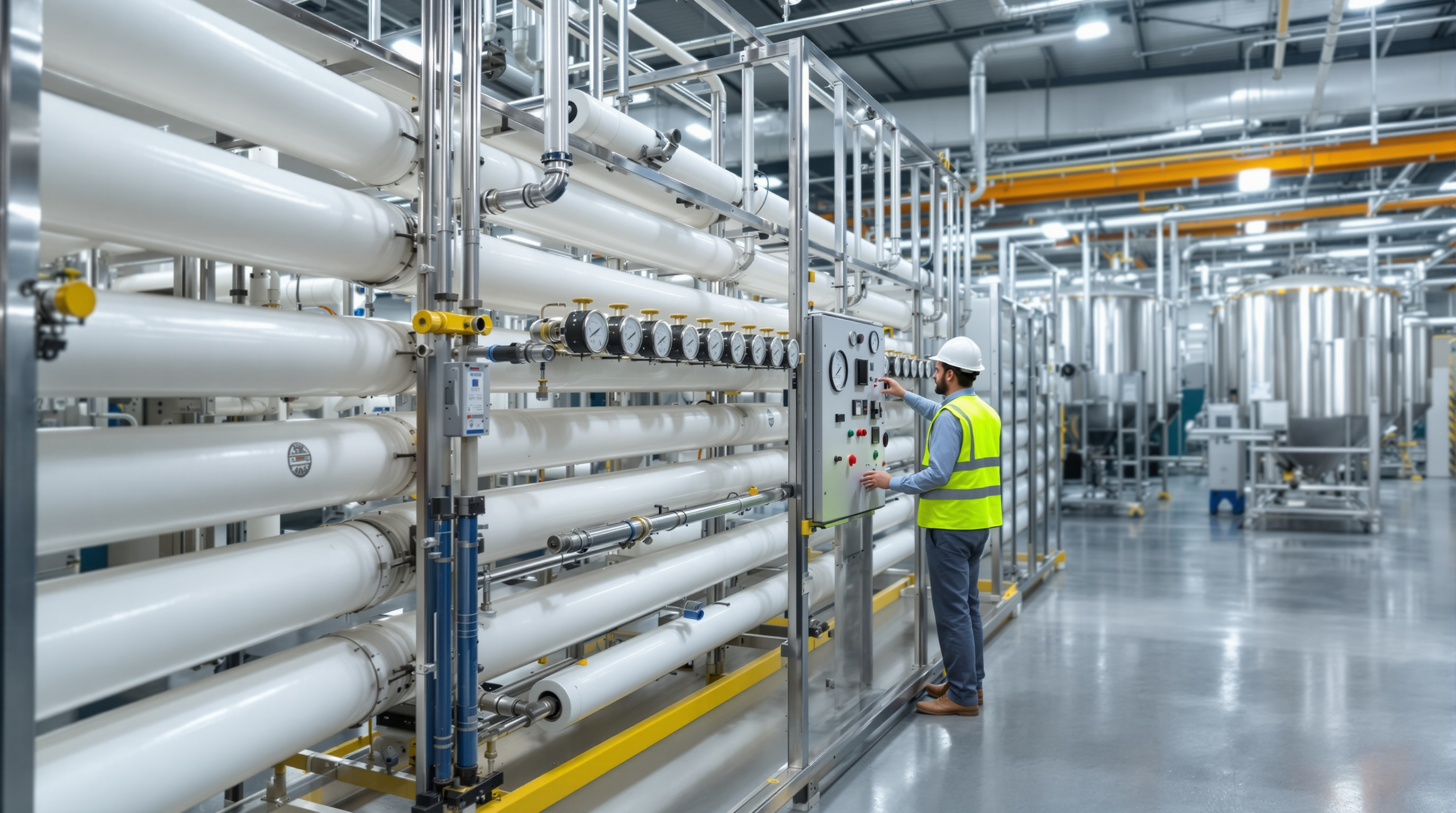 Guide98
RO Integration in STPs: When Reverse Osmosis After an STP Makes Sense
Reverse osmosis after an STP produces near-distilled water for cooling towers, boilers and zero-liquid-discharge. This guide explains when RO integration in an STP is justified, the UF pretreatment it needs, how to handle the salty reject, and what it costs to run.
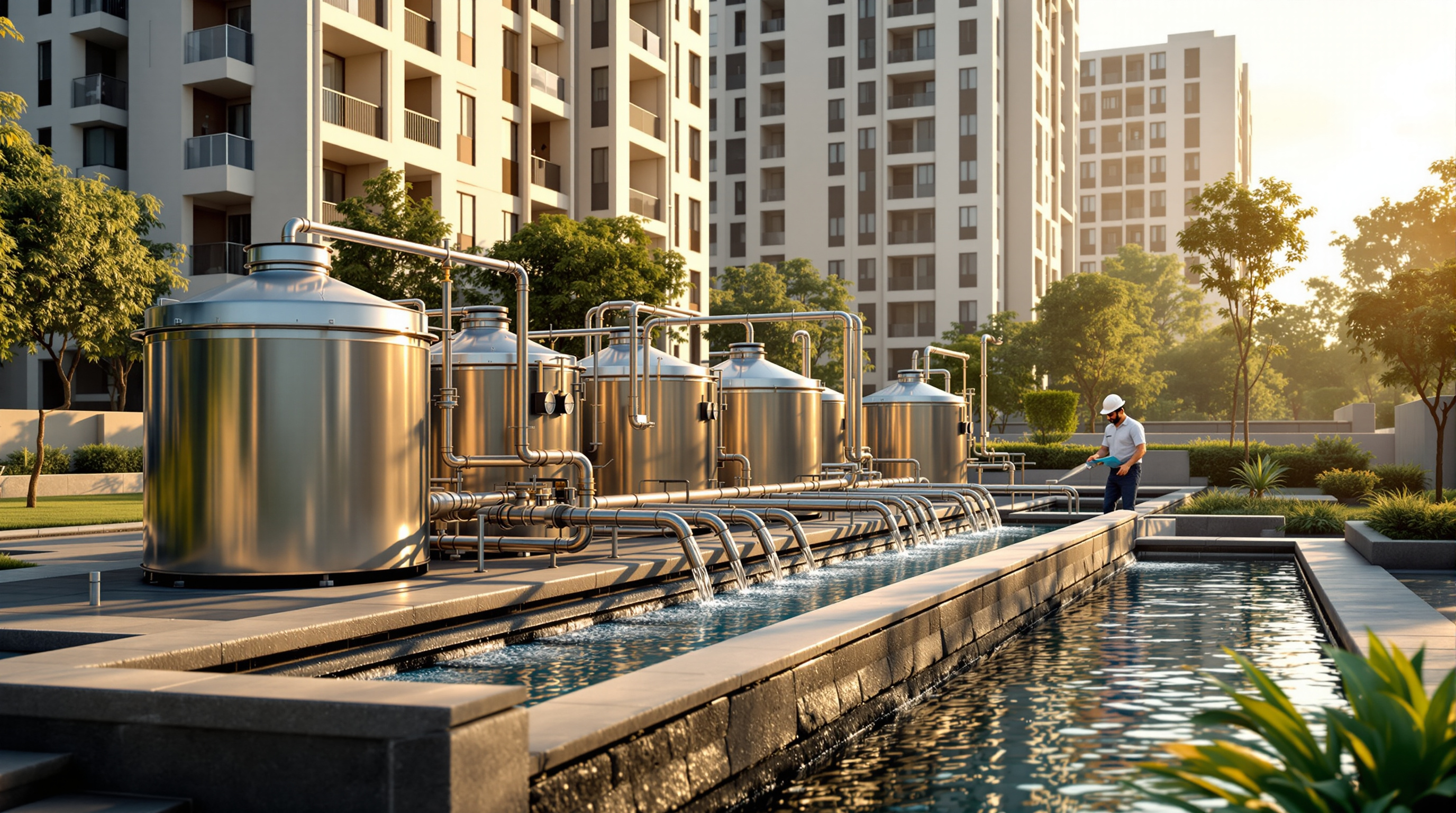 Guide99
ROI of Water Recycling: Does an STP Actually Pay for Itself?
Does an STP pay for itself? This guide runs the honest numbers behind the ROI of water recycling in India — what a reused kilolitre saves, what the plant costs to build and run, and the payback years you can realistically expect.
 Guide100
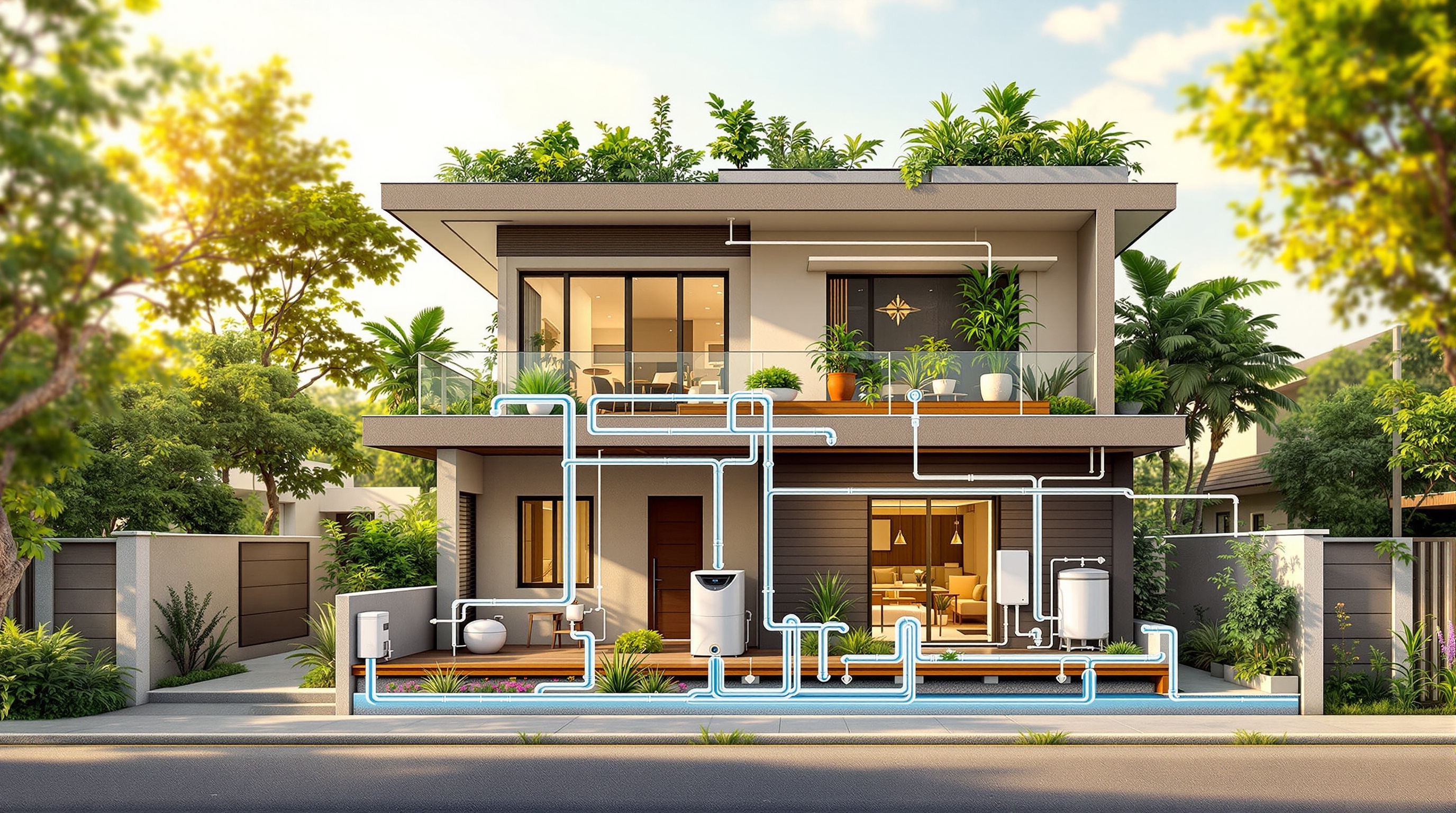
Rooftop Water Recycling Integration in Homes: One Non-Potable System from Rain and Greywater
Rainwater is abundant but seasonal; greywater and STP effluent are steady but limited. Combine them into one non-potable system — shared storage, dual plumbing and simple controls — and a home covers most of its flushing and gardening demand without tanker water year-round.
 Guide101
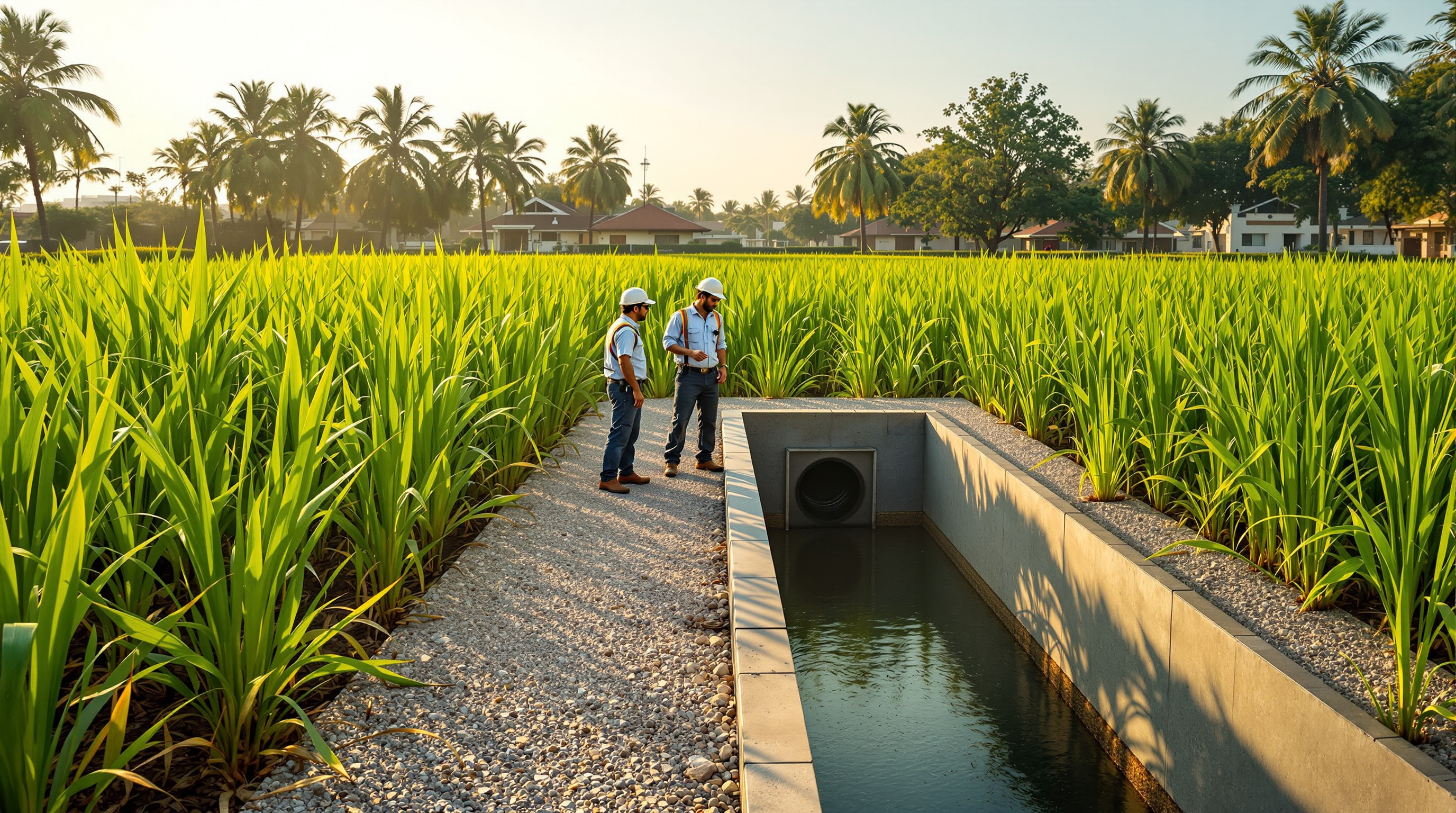
Root Zone Treatment Systems: The Low-Energy Reed-Bed STP Explained
A root zone treatment system treats sewage in a planted gravel bed where reed roots feed the microbes that do the cleaning. This guide explains how reed beds work, their land and energy trade-offs, and where they fit in India.
 Guide102
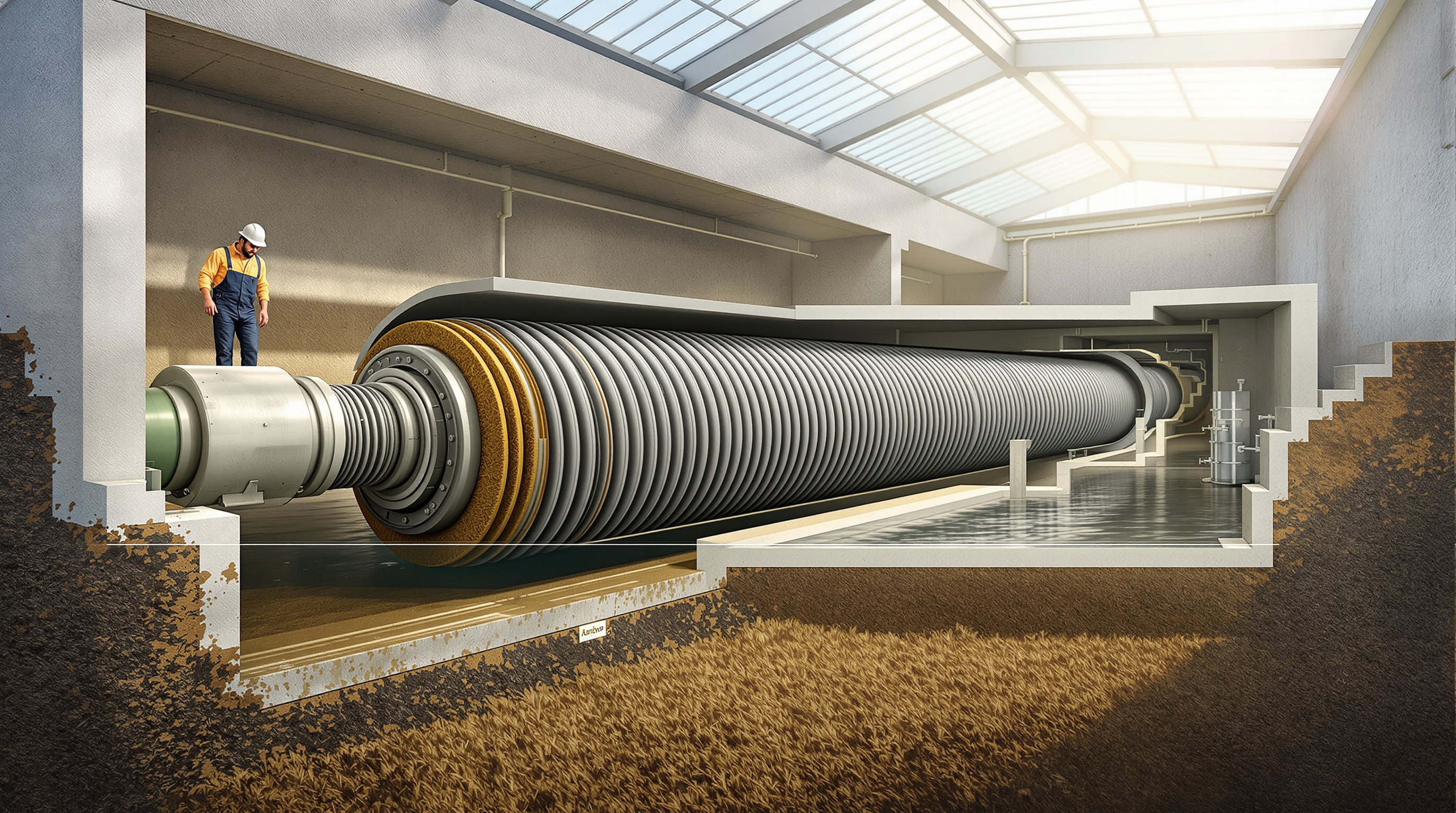
Rotating Biological Contactor (RBC): The Rotating-Disc STP Explained
A rotating biological contactor (RBC) cleans sewage with large discs that turn slowly, growing a biofilm that alternately dips into wastewater and air. This guide explains the rotating-disc STP, its low-power simplicity, its real weaknesses, and where it fits against MBBR.
 Guide103
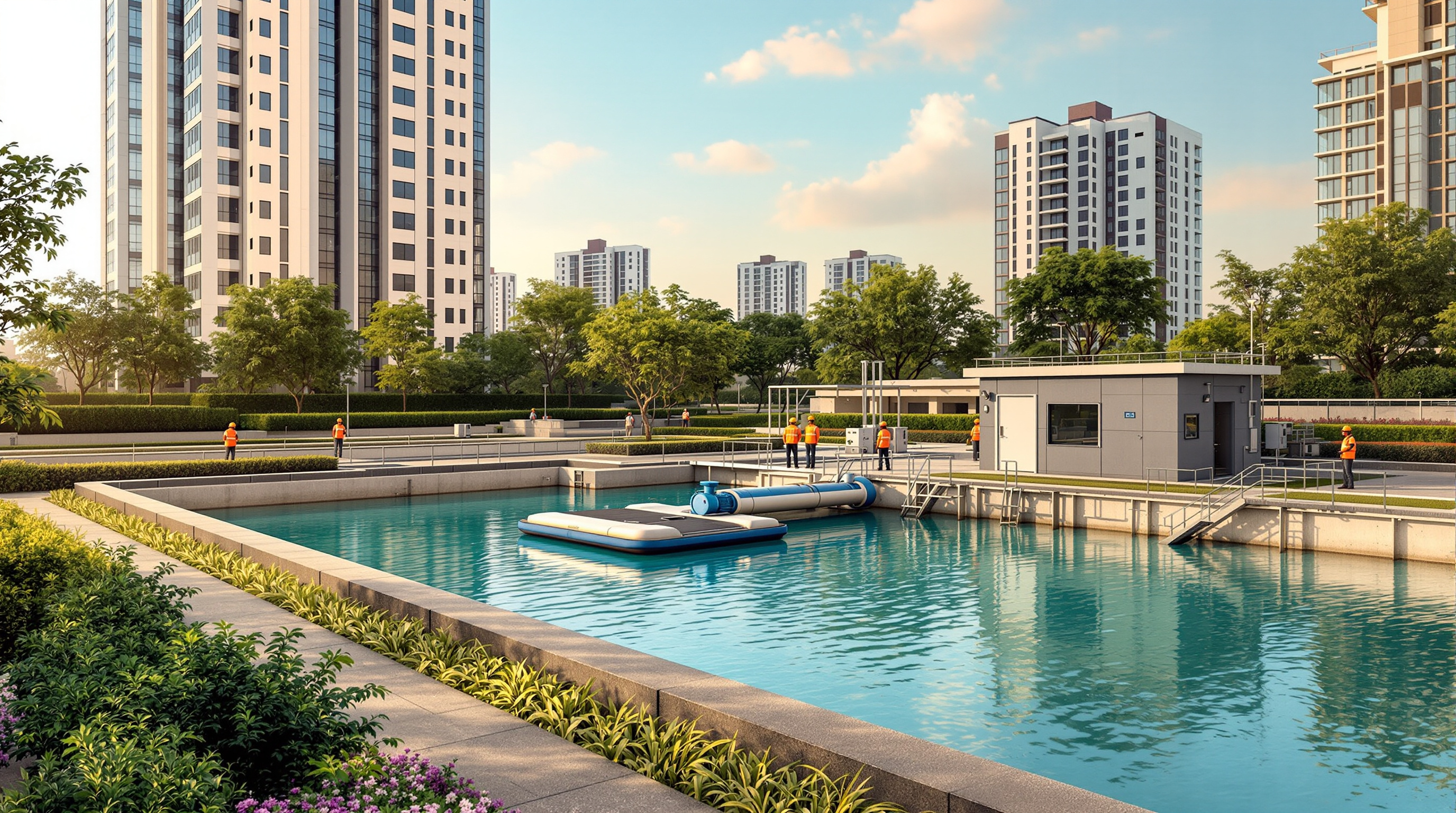
SBR STP Cost Guide (2026): Capex, Automation & Where SBR Economics Work
What an SBR sewage treatment plant actually costs in India: capital cost per KLD, the premium for the controls and automation SBR depends on, running costs, and the capacity band where SBR economics genuinely make sense.
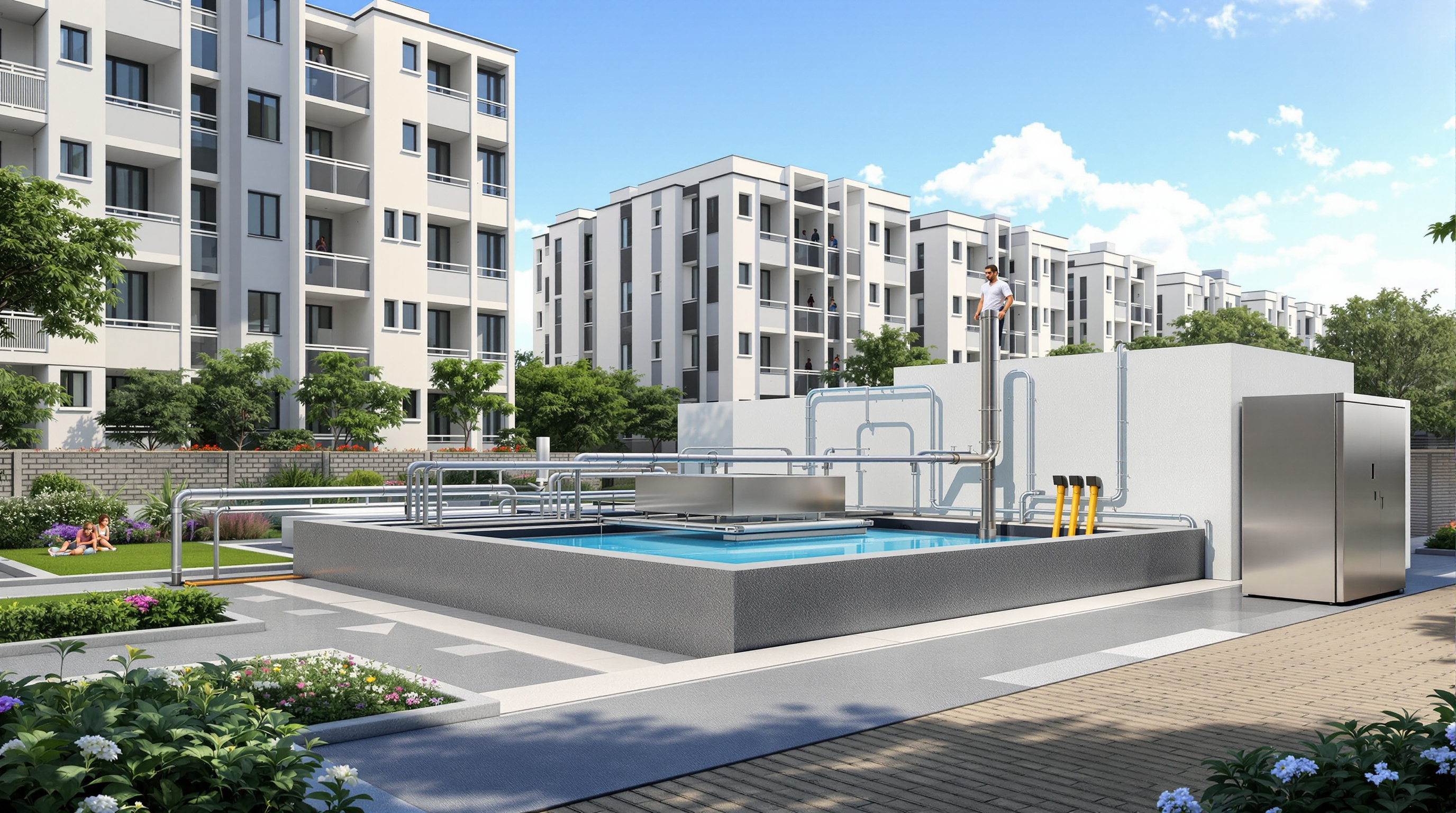 Guide104
Sequential Batch Reactor (SBR): The Fill-and-Draw STP Explained
A sequential batch reactor is an activated-sludge STP that runs all five treatment phases — fill, react, settle, decant, idle — one after another in a single tank on a timed cycle. This guide explains the phases, its space and nutrient-removal advantages, and its limits.
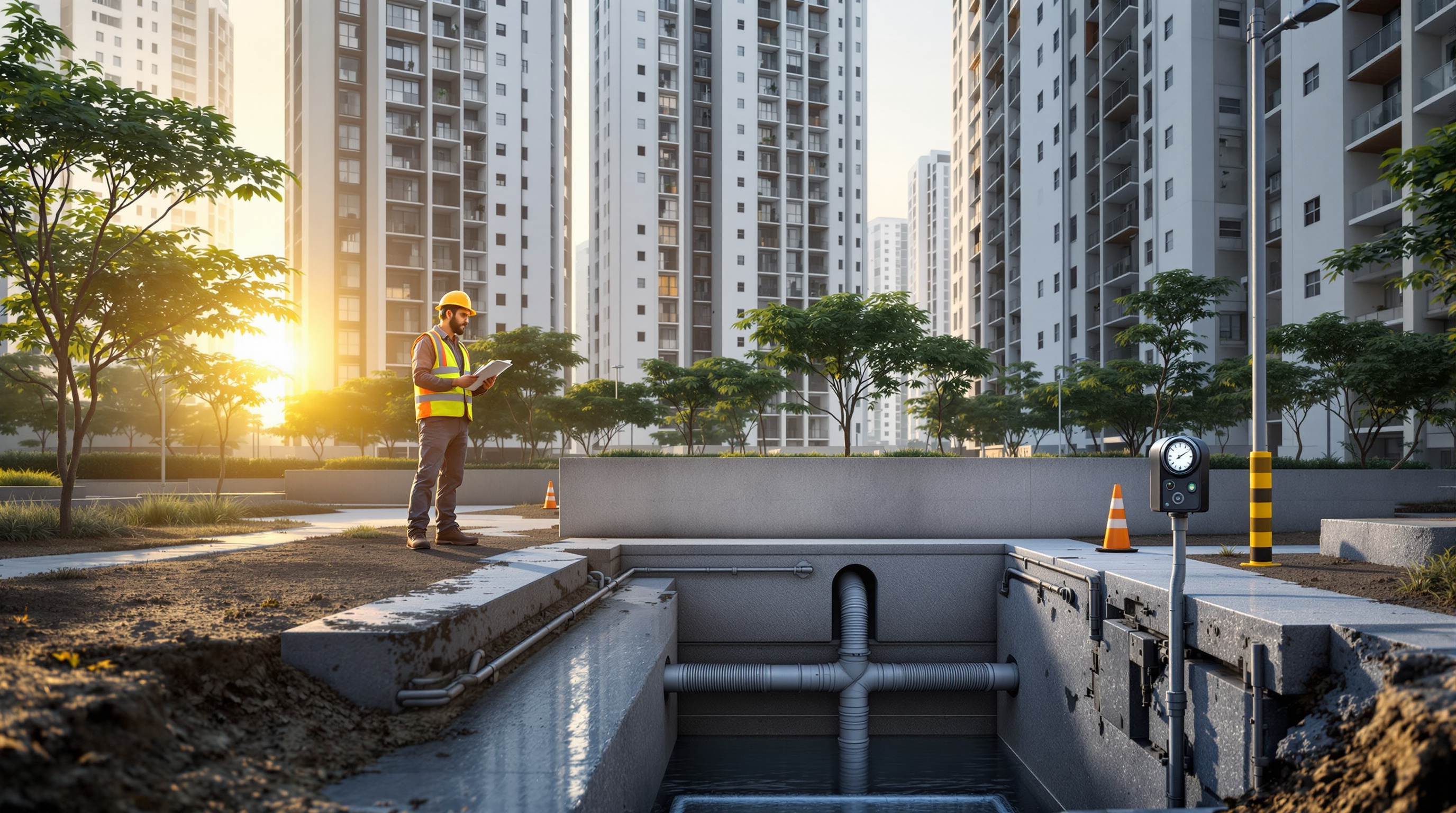 Guide105
Sewage Generation Calculation Explained: From Water Supply to KLD and Peak Flow
Sewage generation is derived from a building's water supply using a return factor near 80%. This guide shows how to convert water demand to KLD, add infiltration, apply a peak-flow factor, and turn the result into a correctly sized STP.
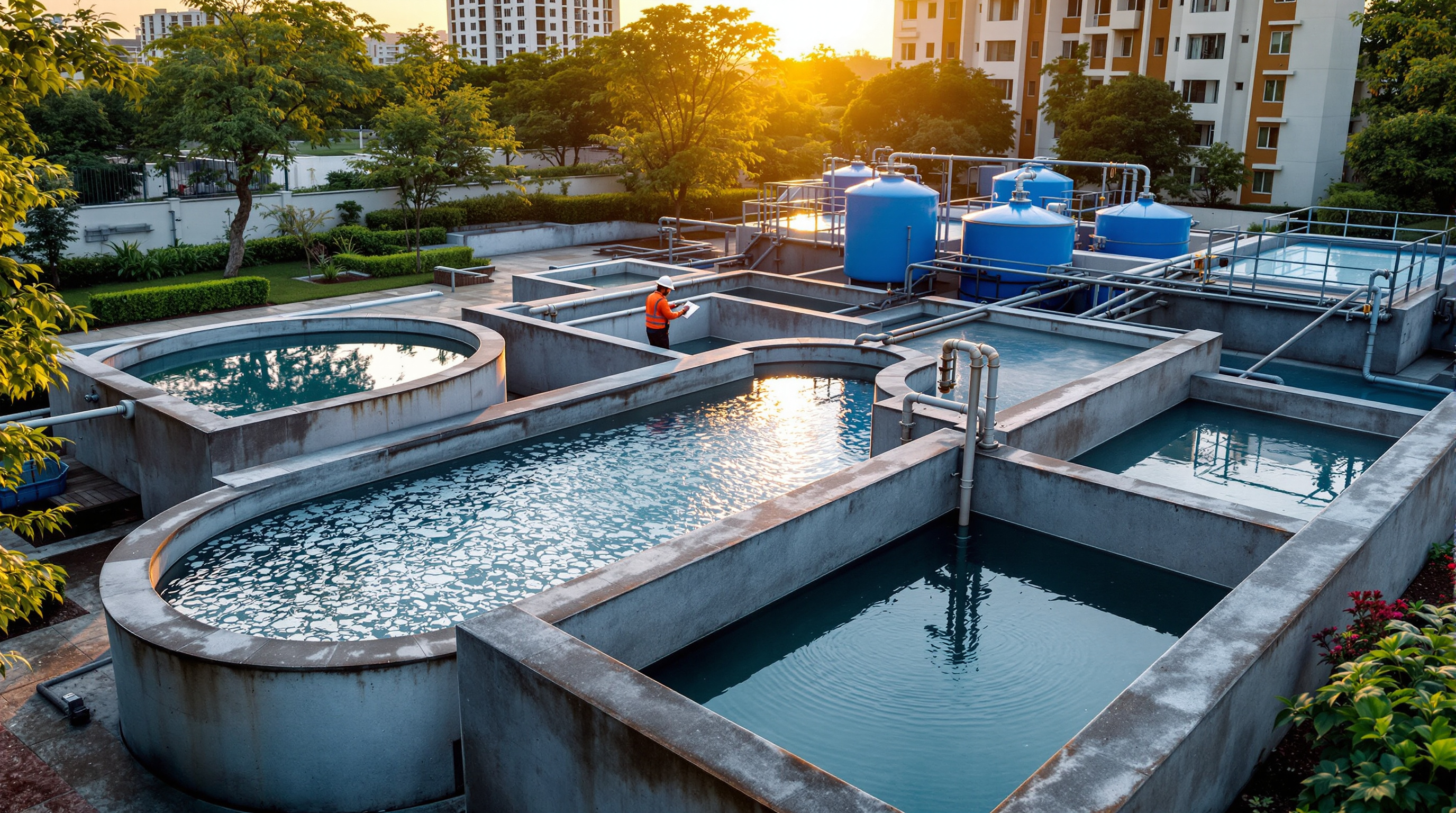 Guide106
The Sewage Treatment Process Flow, Explained: Every Stage From Inlet to Reuse
A sewage treatment plant is a relay of tanks that hand water on, cleaner each time. This guide walks the full STP process flow — inlet to reuse — showing what enters and leaves each unit, with a block diagram and table.
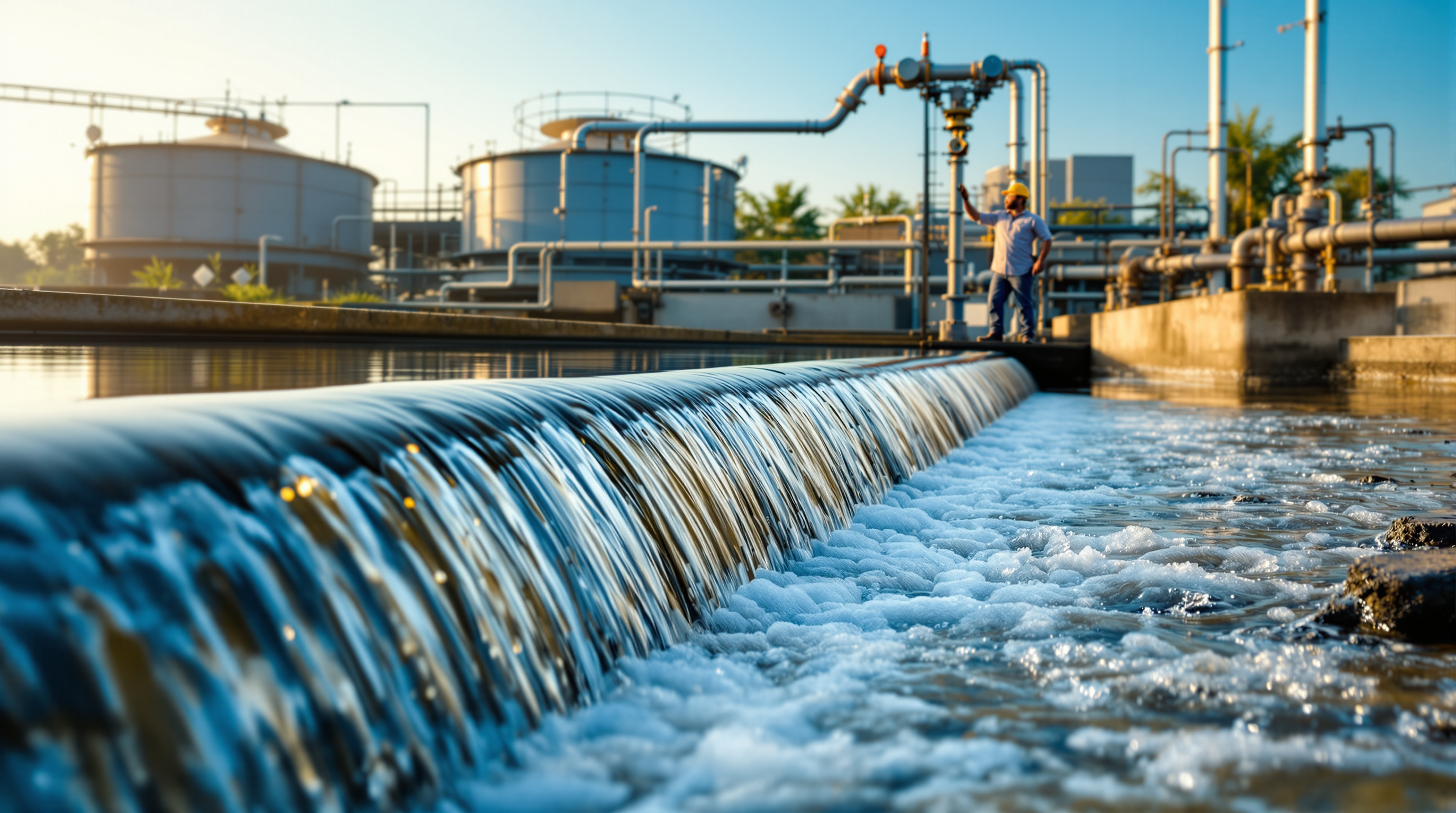 Guide107
Sewage vs Wastewater vs Effluent: The Terms, Untangled
Wastewater, sewage and effluent are not synonyms. One is the umbrella term, one is domestic waste with human sewage, and one is water leaving a process or plant. Getting the words right decides whether you need an STP or an ETP — and whether you pass compliance.
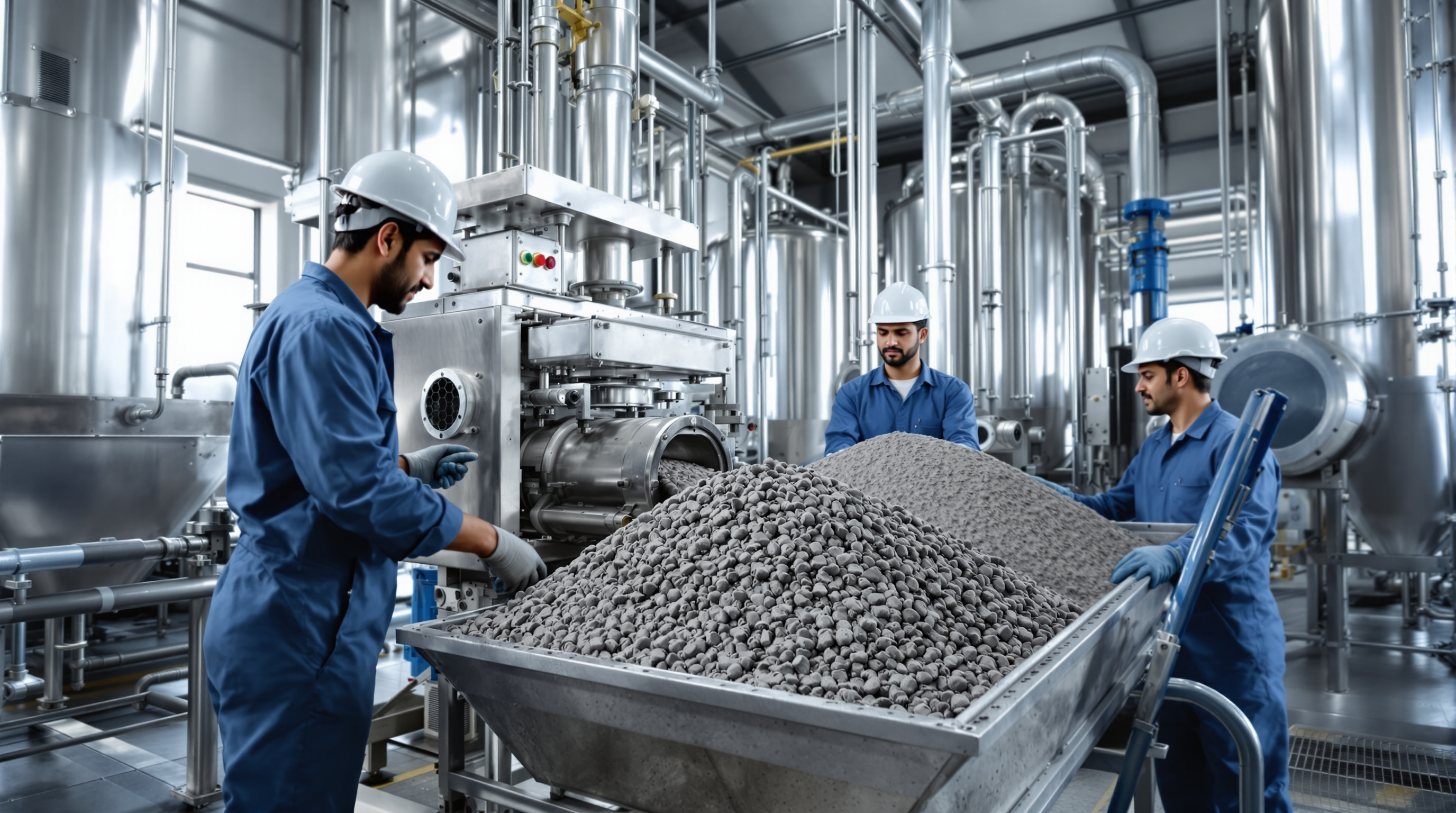 Guide108
Sludge Dewatering Methods for STPs: Filter Press, Centrifuge, Screw Press & Geobags Compared
Every STP makes sludge, and dewatering it is the messiest job in the plant. Compare drying beds, filter press, centrifuge, screw press and geobags — how each works, real pros and cons, and how to choose the right method by plant scale.
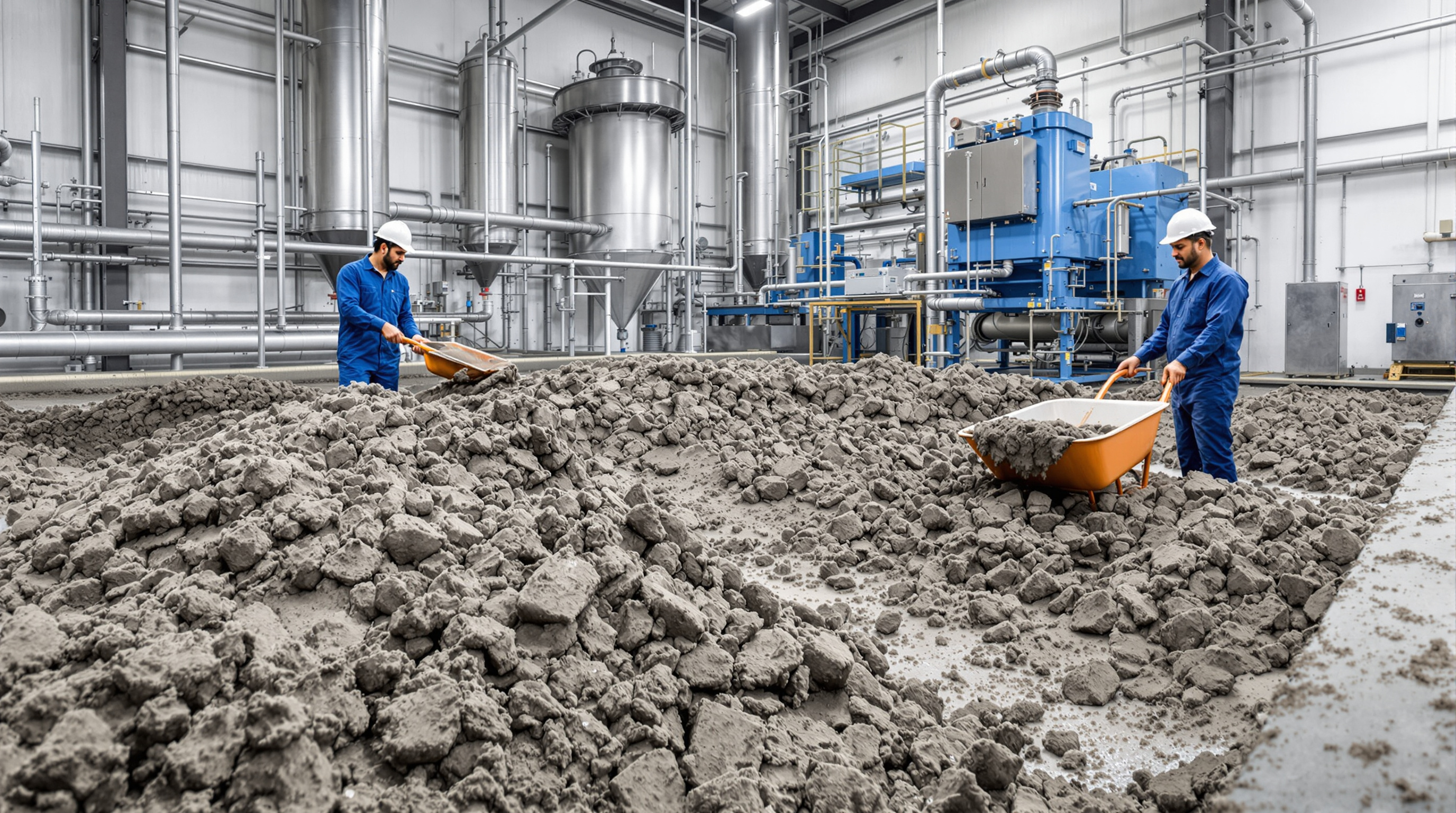
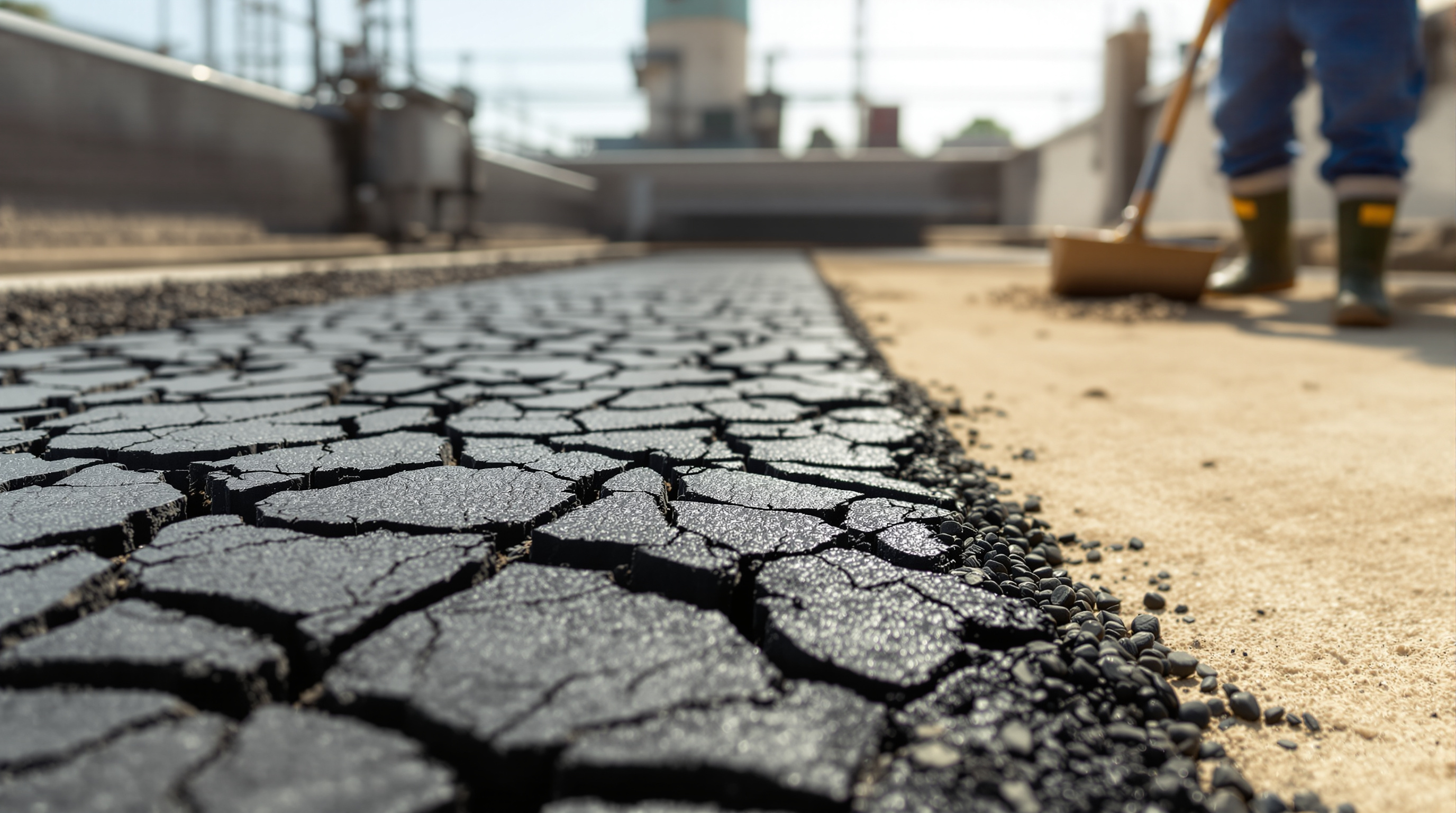 Guide109
Sludge Drying Beds: How STP Sludge Is Dewatered for Disposal
Every STP produces wet sludge that must be dried before disposal. Sludge drying beds use sand, gravel and sunshine to turn watery sludge into a spadeable cake. Here is how drainage and evaporation work, how much area you need, and when a filter press or centrifuge wins.
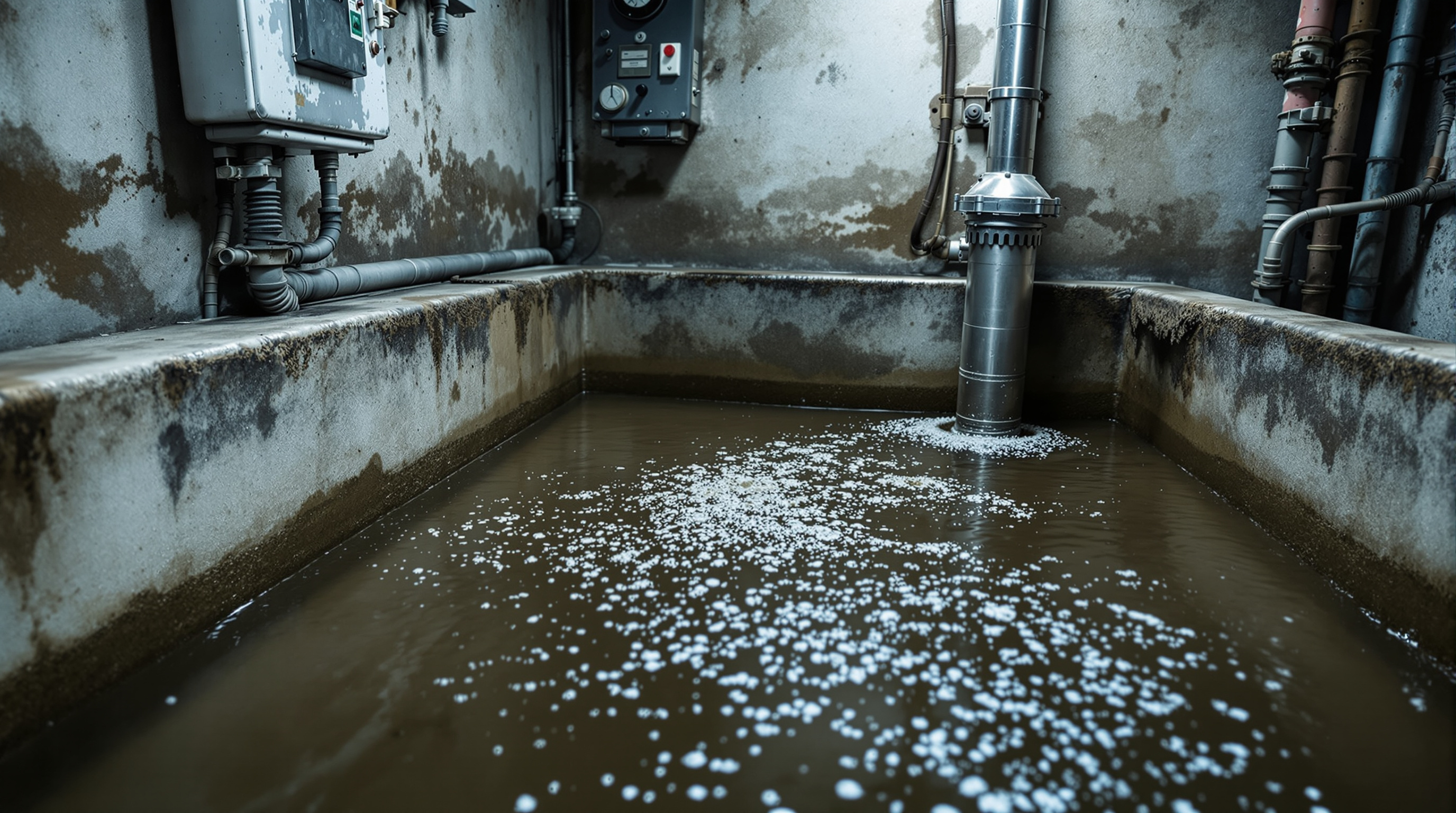
 Guide110
Sludge Generation Estimation in STPs: How Much Sludge Will Your Plant Produce?
Every STP that cleans water also produces sludge. This guide explains sludge generation estimation — the yield concept, kg of sludge per kg of BOD removed, what drives the numbers, and how to plan dewatering and disposal before the plant is built.
 Guide111
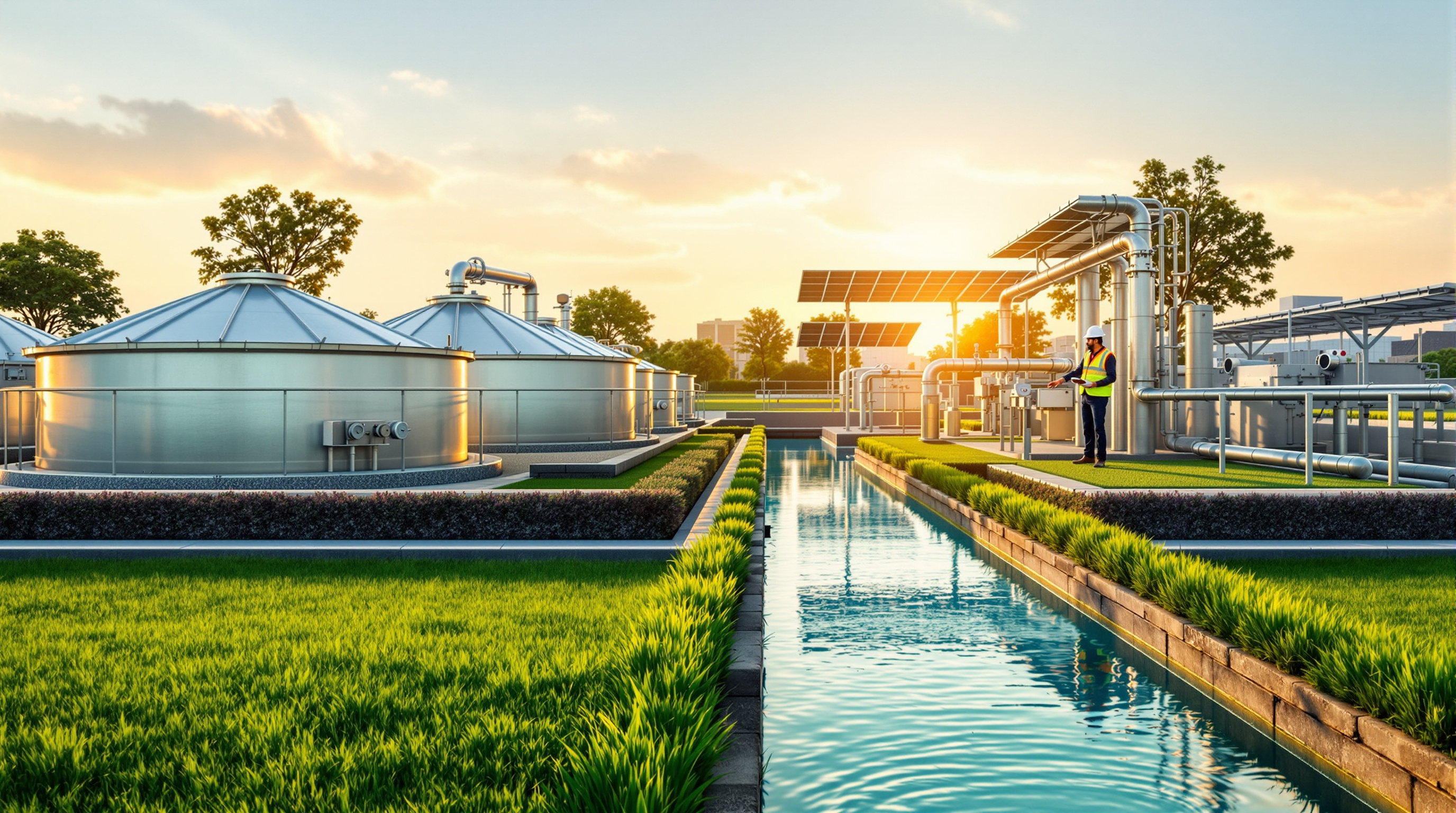
Sludge Holding Tank in an STP: Role, Sizing & Odour Control Explained
A sludge holding tank stores and thickens the waste sludge an STP produces, often aerating it to keep it stable and odour-free before dewatering. This guide explains its role, sizing basics, common problems and O&M for homeowners and professionals alike.
 Guide112
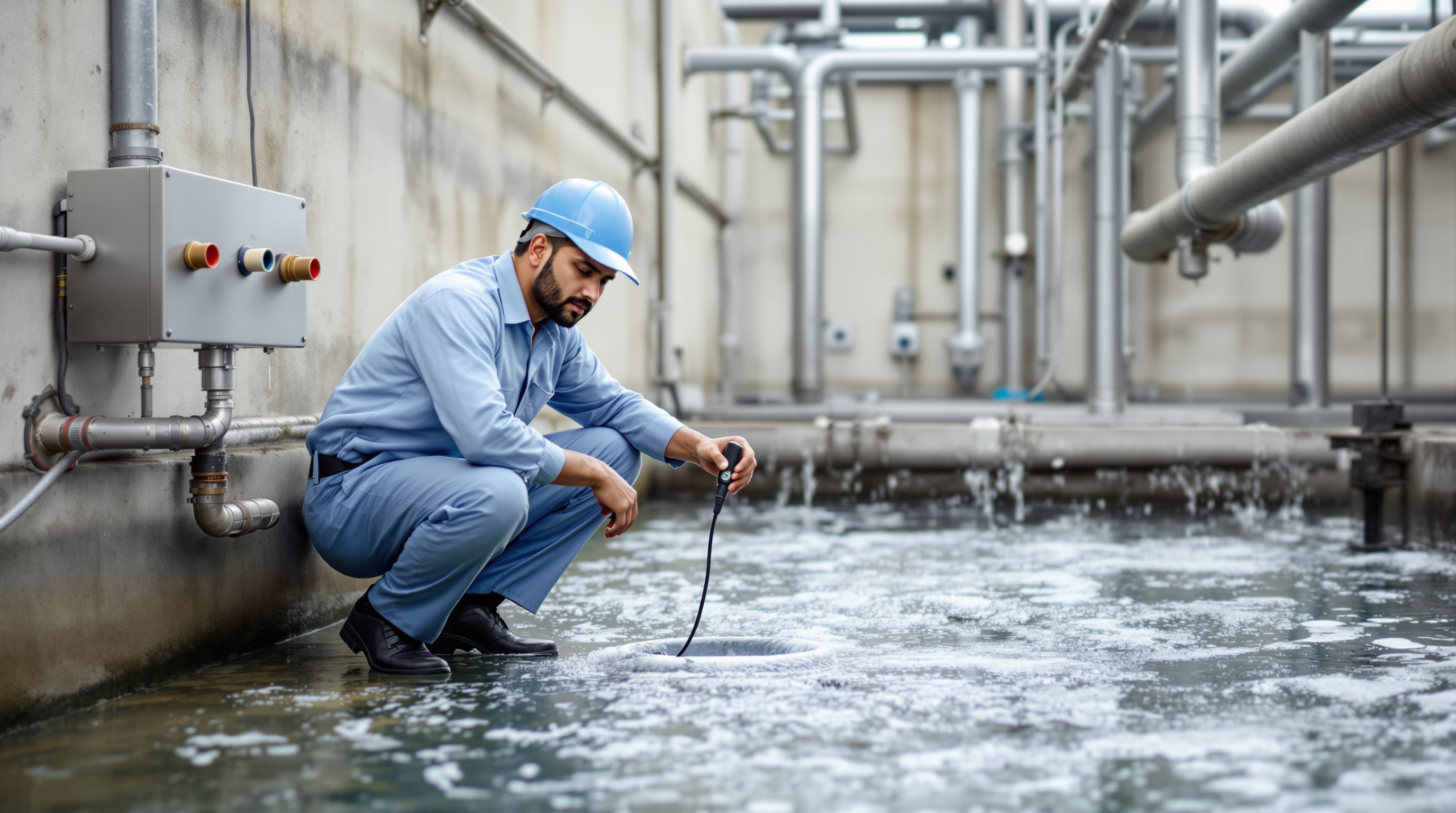
Smart City Wastewater Guidelines: Urban Reuse Rules Developers Must Know
India's Smart Cities Mission, AMRUT 2.0 and the National Framework for Safe Reuse are pushing cities toward decentralised treatment and hard reuse targets. Here is what the policies actually require, the contested discharge standards, and what it all means for developers, RWAs and facility managers.
 Guide113
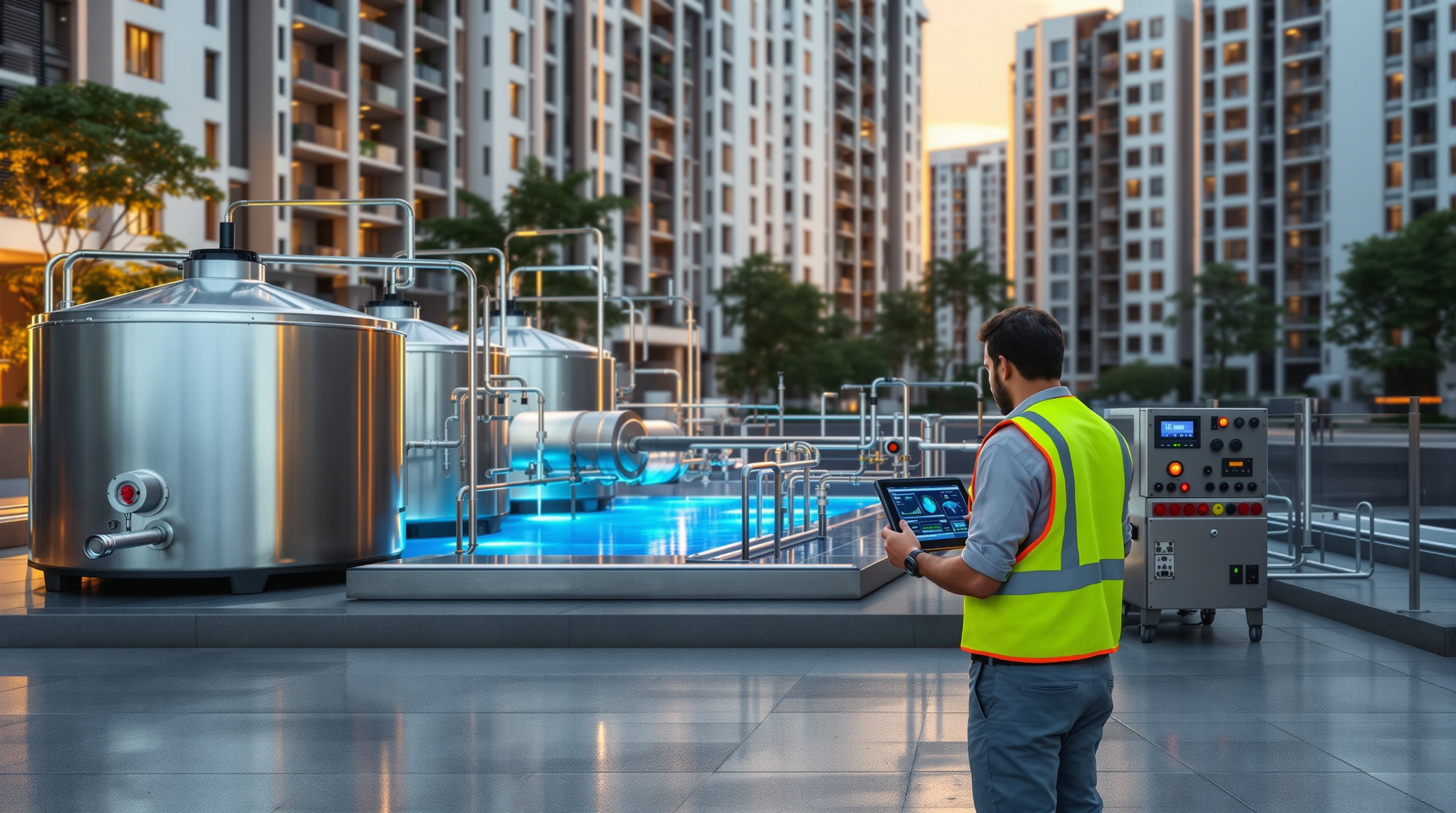
Smart Sensors in STPs: Online DO, Ammonia, Turbidity, Flow & TSS for Automated Control
Online DO, ammonia, turbidity, flow and TSS sensors are turning Indian STPs from hand-tuned machines into self-regulating ones. This guide explains what each sensor does, how they enable automated control and real-time compliance, and where the technology is genuinely ready.
 Guide114
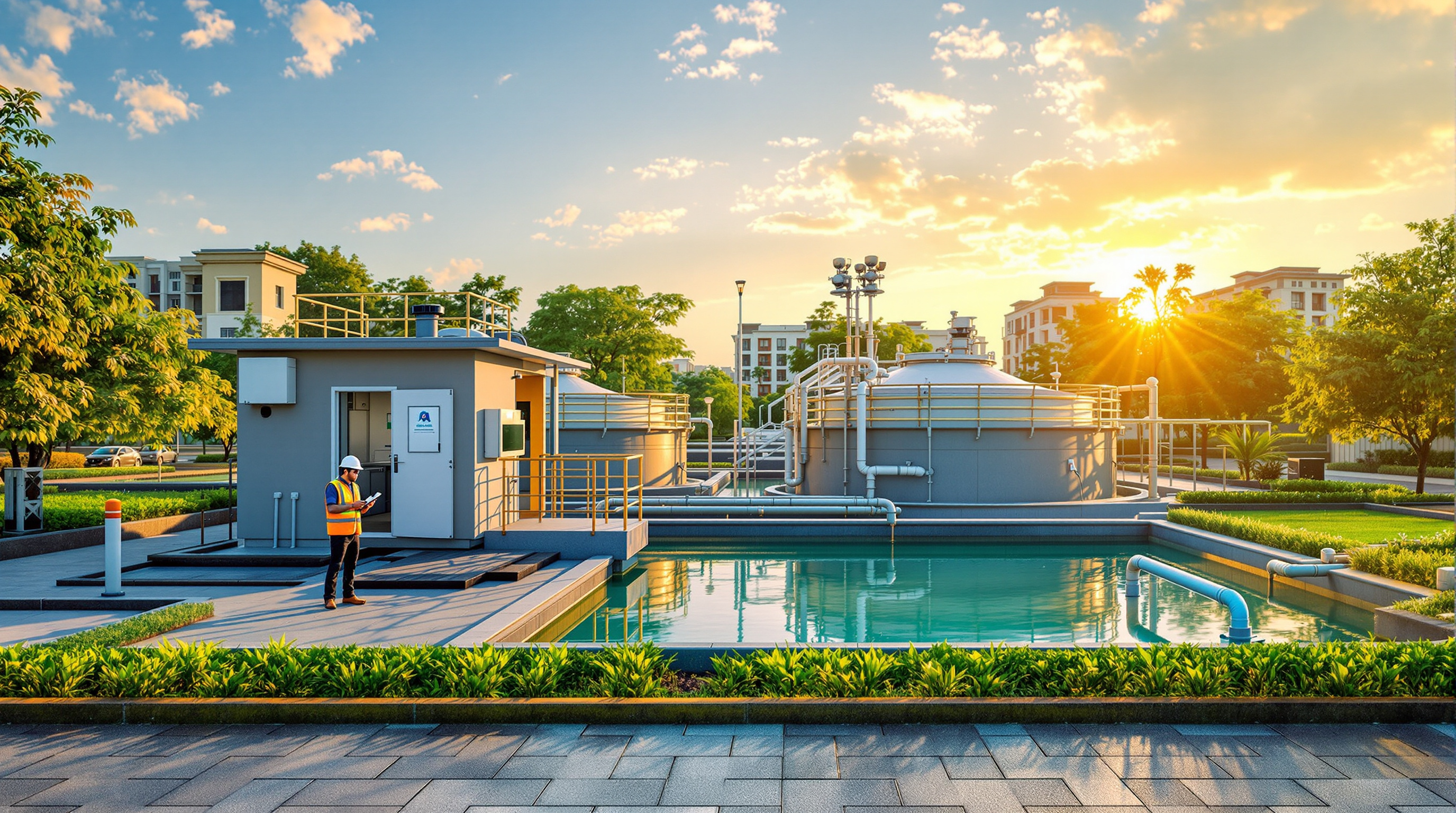
Smart Water Infrastructure & the Modern STP: A Practical Guide
Smart water infrastructure adds sensors, metering and automated control to the STP, turning a blind mechanical box into a measurable, remotely managed asset. This guide explains what "smart" really means for Indian buildings, what it delivers, and where the hype ends.
 Guide115
SPCB Approvals for STPs: The State Pollution Control Board Consent Regime Explained
State Pollution Control Boards, not the CPCB, actually grant STP approvals through the Consent to Establish and Consent to Operate regime. This guide explains their role, the consent process, inspections, effluent standards, and why requirements vary by state — plus a note that norms change.
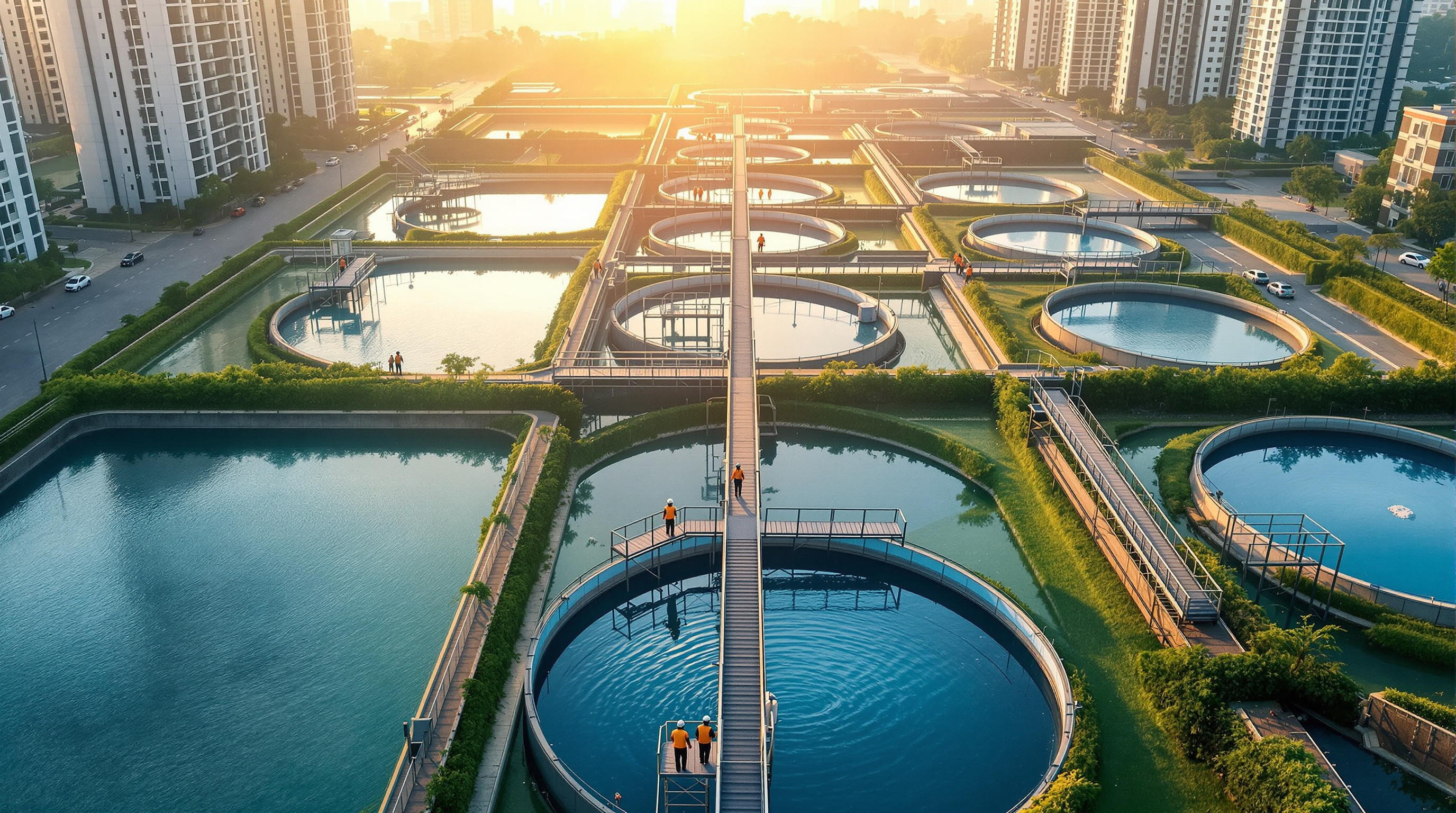 Guide116
State-Wise STP Approval Process Comparison: How Consent Rules Differ Across India
Every Indian state approves STPs through the same national Consent to Establish and Consent to Operate framework under the Water Act, 1974 — but board names, portals, size thresholds and effluent limits vary. This guide compares the STP approval process across ten major states.
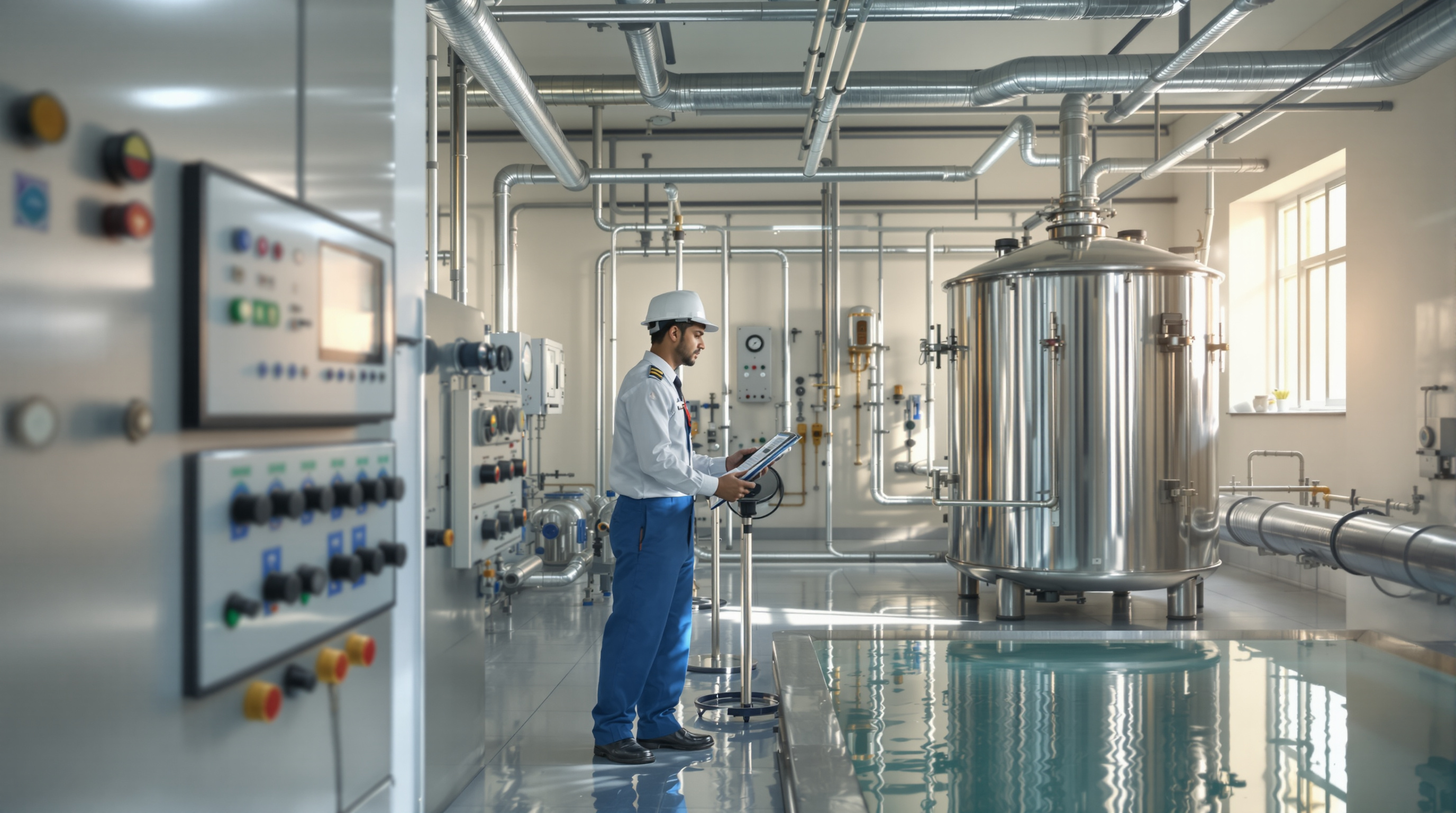 Guide117
STP AMC Selection Guide: How to Choose an Annual Maintenance Contract That Actually Protects Your Plant
An STP is only as good as the contract that keeps it running. This guide explains comprehensive versus basic AMCs, what belongs in the scope, response times, spares and penalties, and the red flags that separate a real maintenance partner from a cheap quote.
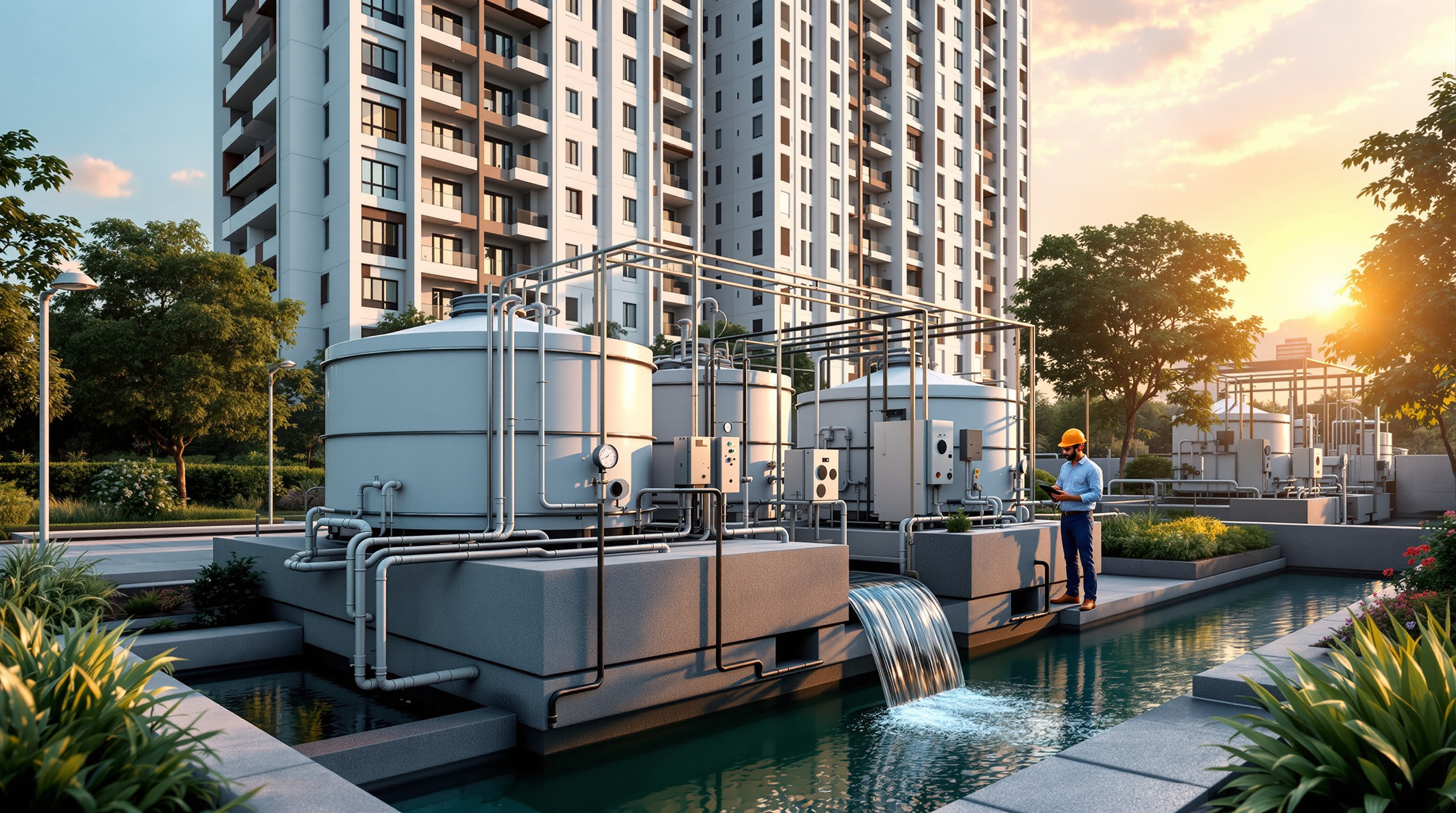 Guide118
STP Annual Operating Cost Breakdown: What It Really Costs to Run a Plant in India
A sewage treatment plant's annual operating cost is dominated by power, manpower, chemicals, AMC and sludge disposal. This guide breaks down the typical shares and realistic per-KLD ranges for Indian STPs in 2025–26, so owners and RWAs can budget honestly.
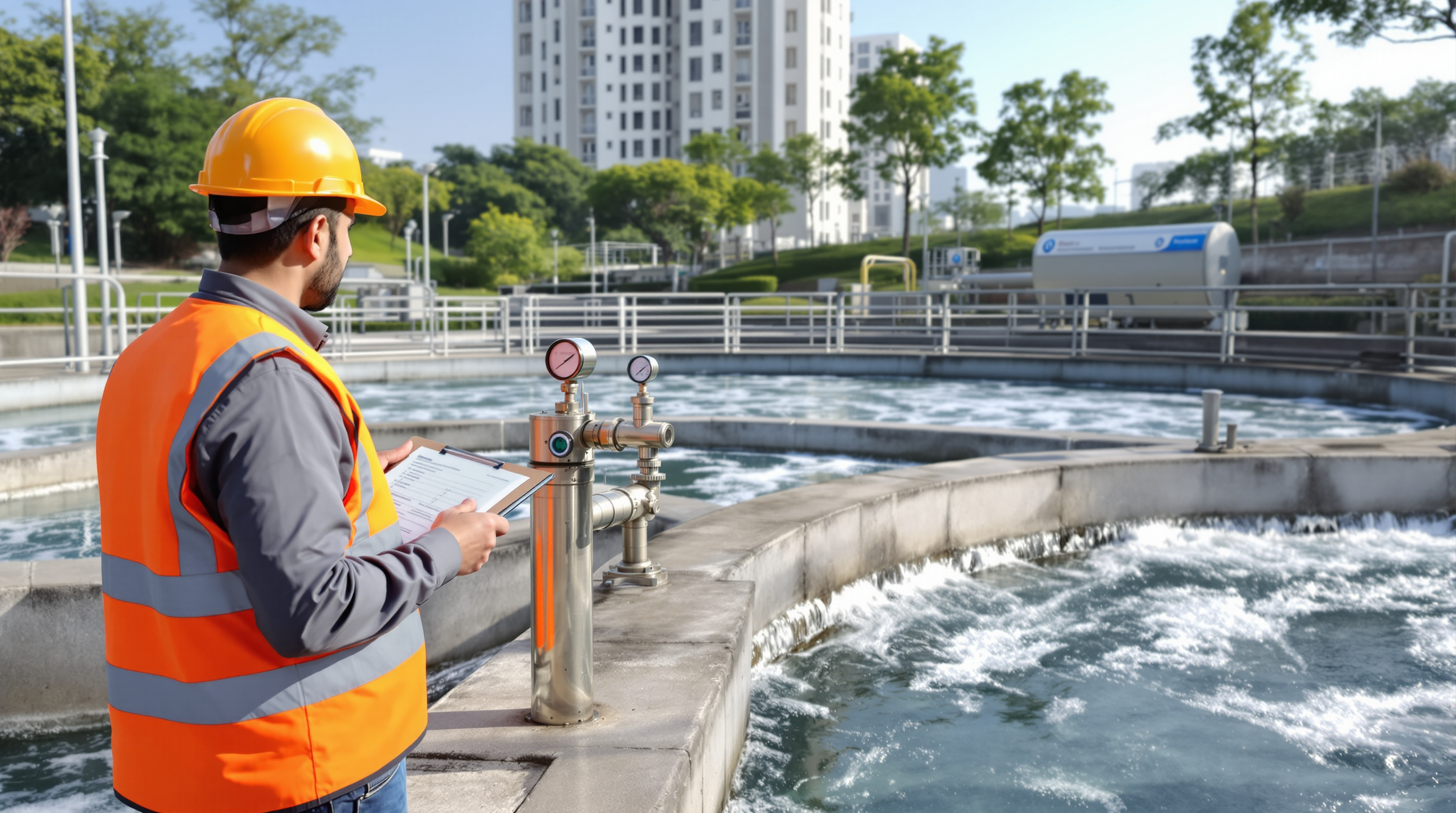 Guide119
STP Audit Requirements in India: What It Covers, Who Needs It & How to Prepare
An STP audit verifies that a sewage treatment plant performs to discharge norms, holds valid consents, and runs efficiently. This guide covers what an audit checks, who requires it, how often, and how to prepare — with India's contested CPCB and NGT standards explained honestly.
 Guide120
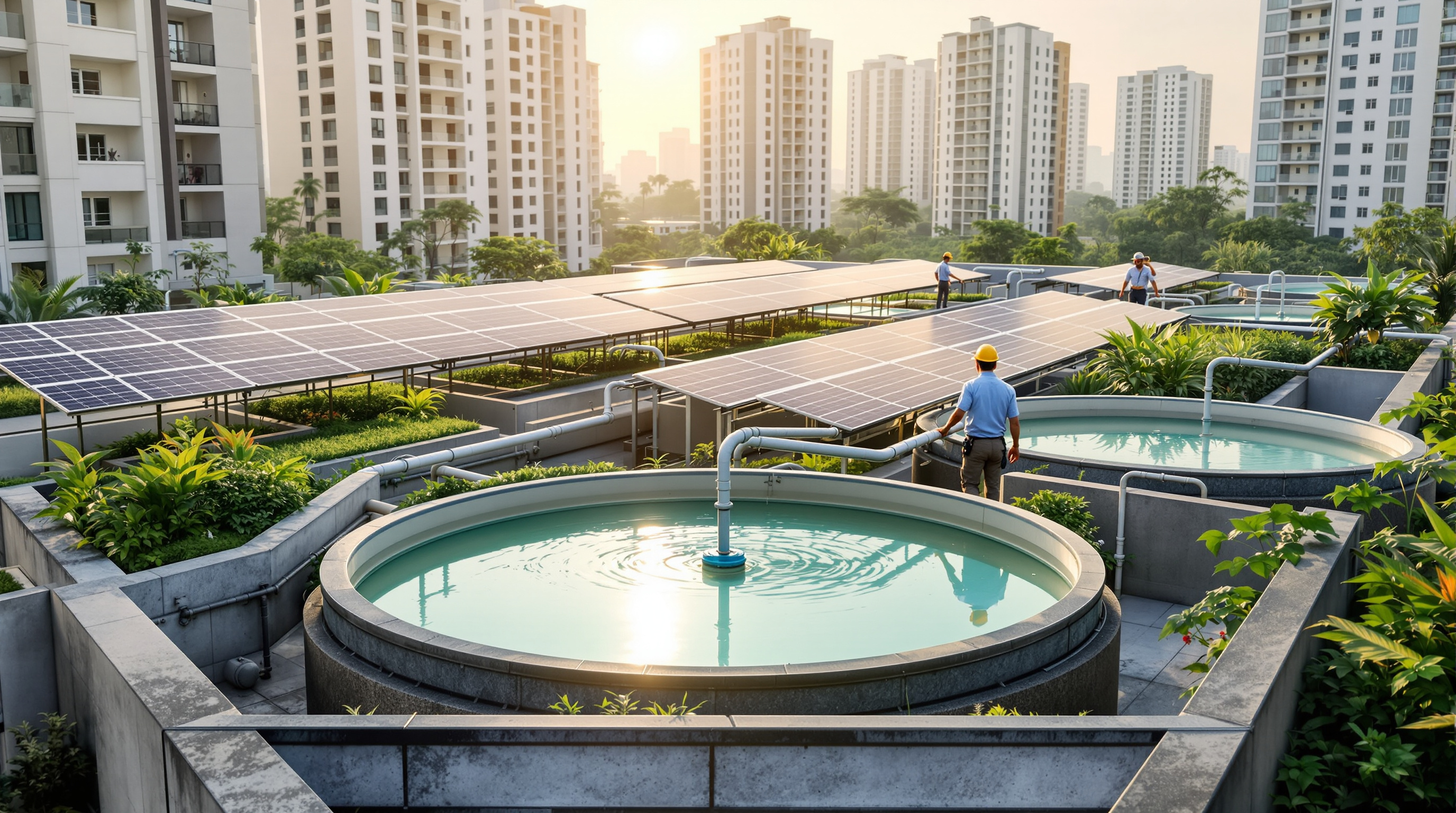
Reducing an STP's Carbon Footprint: The Net-Emissions Guide
An STP consumes power continuously, but the water it recycles avoids the emissions of pumping and tankering freshwater. This guide explains how to measure an STP's net carbon footprint and cut it with efficient aeration, solar and biogas.
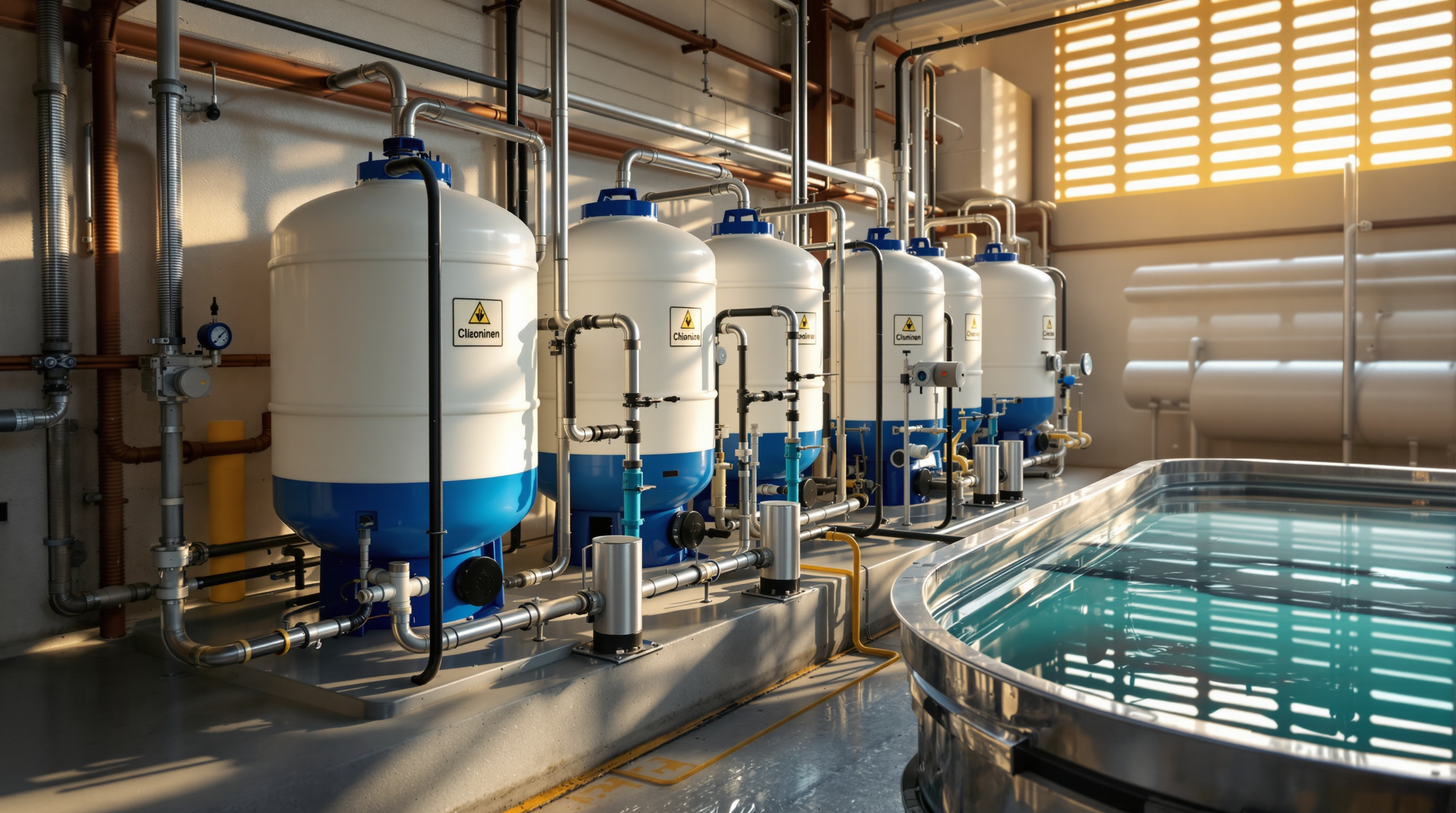 Guide121
STP Chemical Cost Analysis: Chlorine, Coagulants, Antiscalants & pH Correction (India 2026)
A practical, numerate guide to STP chemical cost in India: typical doses and monthly rupee ranges for chlorine, coagulants, polyelectrolyte, antiscalant and pH correction — plus the levers that control the bill. Includes a cost-by-capacity table and calculator links for a project-specific estimate.
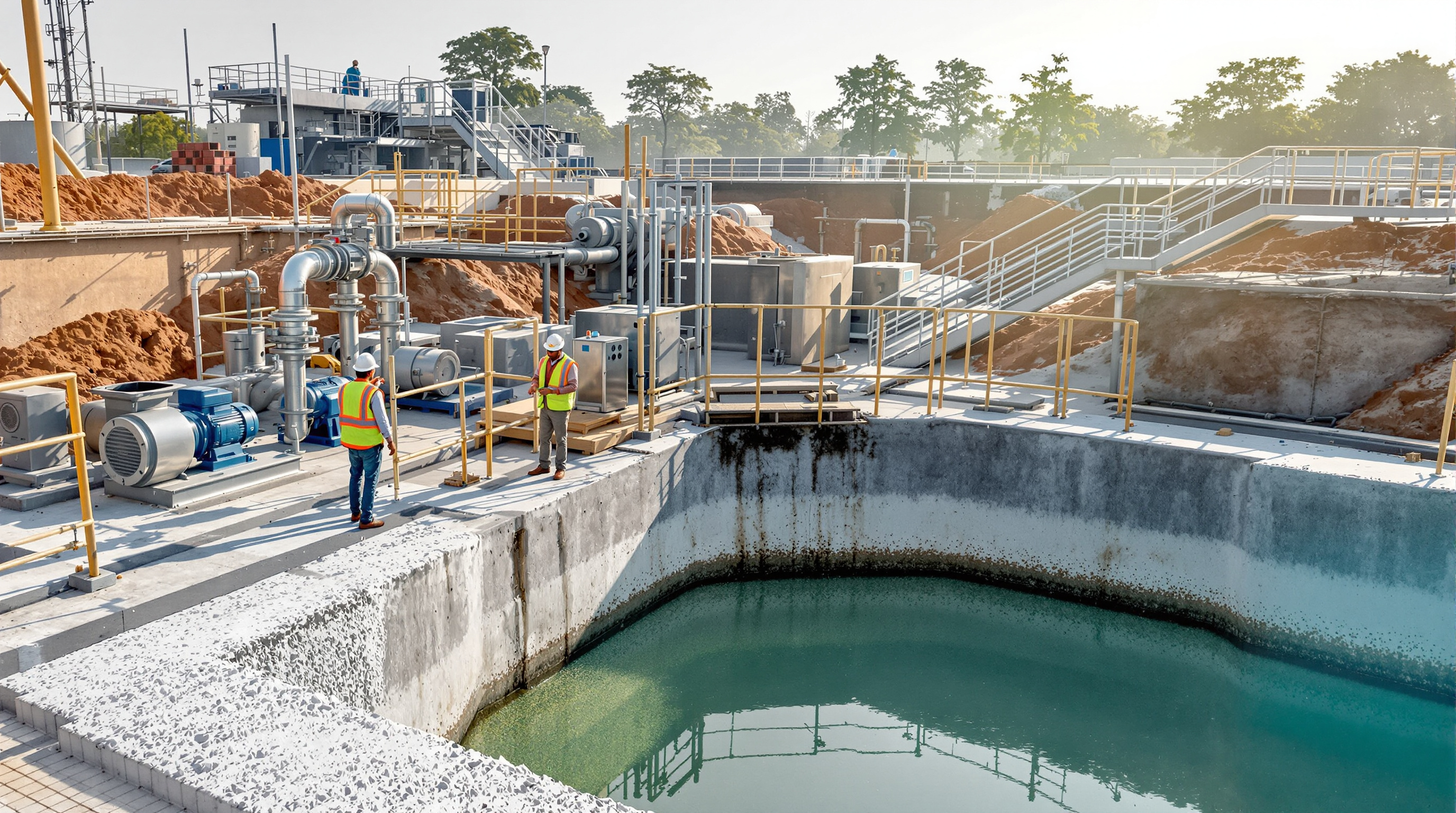 Guide122
STP Commissioning Procedure: A Step-by-Step Guide to Starting a Plant
Commissioning is the bridge between a built STP and a working one: leak-test the tanks with clean water, run every pump and blower, seed the biological culture, then load it slowly until BOD, TSS and the treated water stabilise to norms.
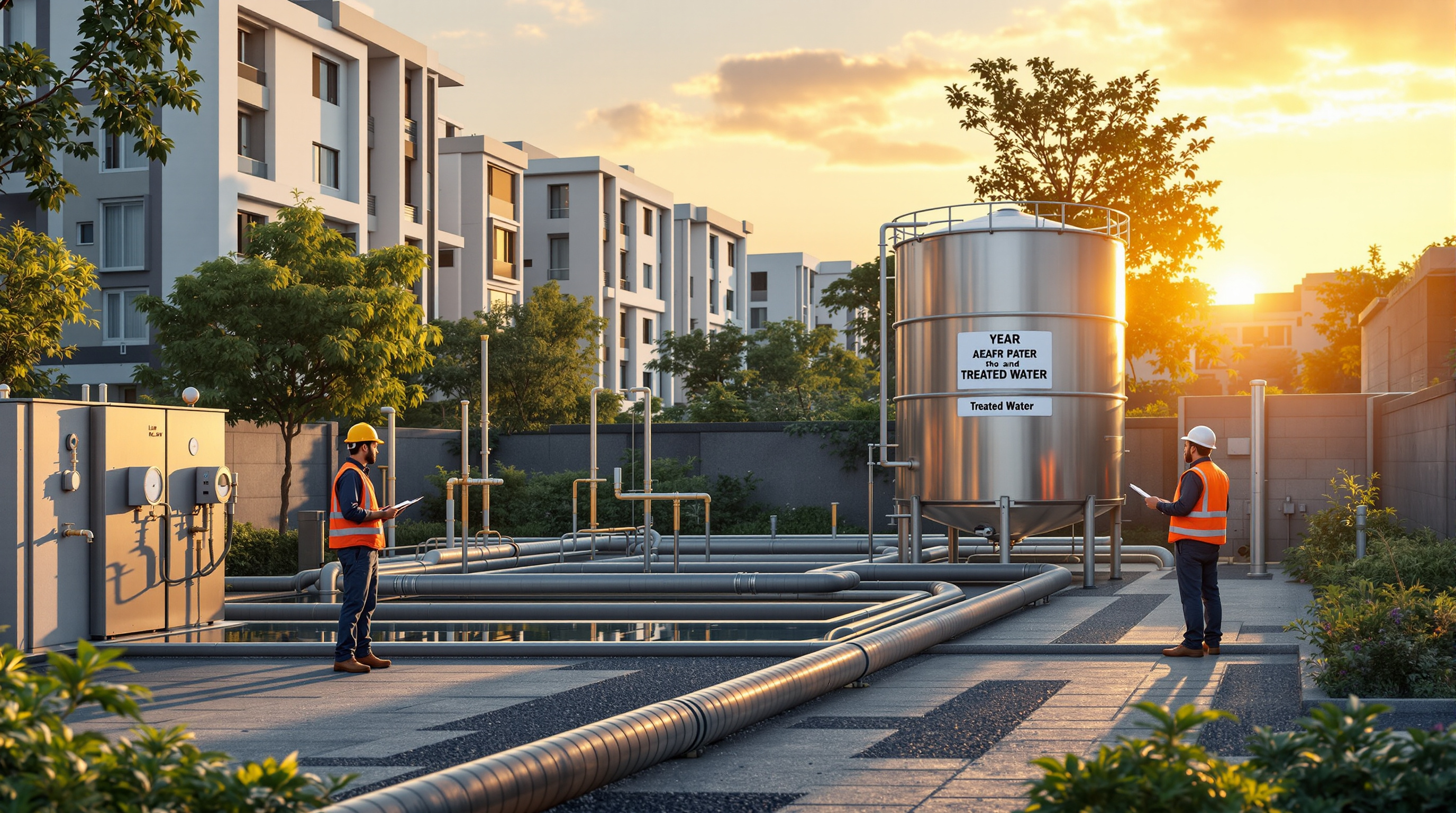 Guide123
STP Compliance Checklist for India: Consents, Standards, Records & Audit
A single consolidated STP compliance checklist for Indian facilities: the consents (CTE/CTO), discharge and reuse standards, monitoring and records, safety, and audit obligations you must maintain — with an honest note on which standards are contested and change.
 Guide124
STP Cost per KLD in India (2026): Realistic Price Ranges
STP cost in India runs roughly Rs 30,000–1,50,000 per KLD depending on capacity, technology and site. This guide gives honest 2026 price ranges by capacity band and by technology (MBBR, SBR, MBR, extended aeration) and explains what drives every quote.
 Guide125
STP Electricity Cost Analysis: What Powering a Sewage Treatment Plant Really Costs in India
Electricity is the biggest running cost of any STP, and aeration drives most of it. This guide gives realistic India ranges for specific energy use (kWh/m³), the monthly bill by capacity, why blowers dominate, and how to cut the power bill.
 Guide126
STP Environmental Monitoring & Online Sensors: Sampling, Lab Testing & OCEMS in India
A practical guide to STP environmental monitoring in India: which parameters to test, how often to sample, why NABL lab reports matter, and how online continuous effluent monitoring (OCEMS) now streams your outlet data live to CPCB and SPCB servers.
 Guide127
STP for Schools, Colleges & Universities: A Campus Design Guide
Educational campuses produce sewage in sharp daytime bursts during term and almost nothing on holidays. This guide explains that flow profile, the STP technology that survives it, how to size and reuse treated water on grounds, and how to keep O&M simple for a caretaker.
 Guide128
STP for Farmhouses: Off-Grid Wastewater Treatment & Reuse Guide
Farmhouses sit off municipal sewer, on large plots, used in bursts. This guide covers the low-maintenance STP options that suit intermittent occupancy — constructed wetlands and packaged MBBR — plus sizing, power-light choices, and how to reuse treated water for irrigation.
 Guide129
STP for Gated Communities: Community-Scale Sewage Treatment Explained
A gated community mixes villas, apartments and clubhouse under one master plan — and one big sewage problem. This guide covers centralised versus cluster STPs, phased capacity, reusing treated water across common areas, and splitting cost and governance fairly among residents.
 Guide130
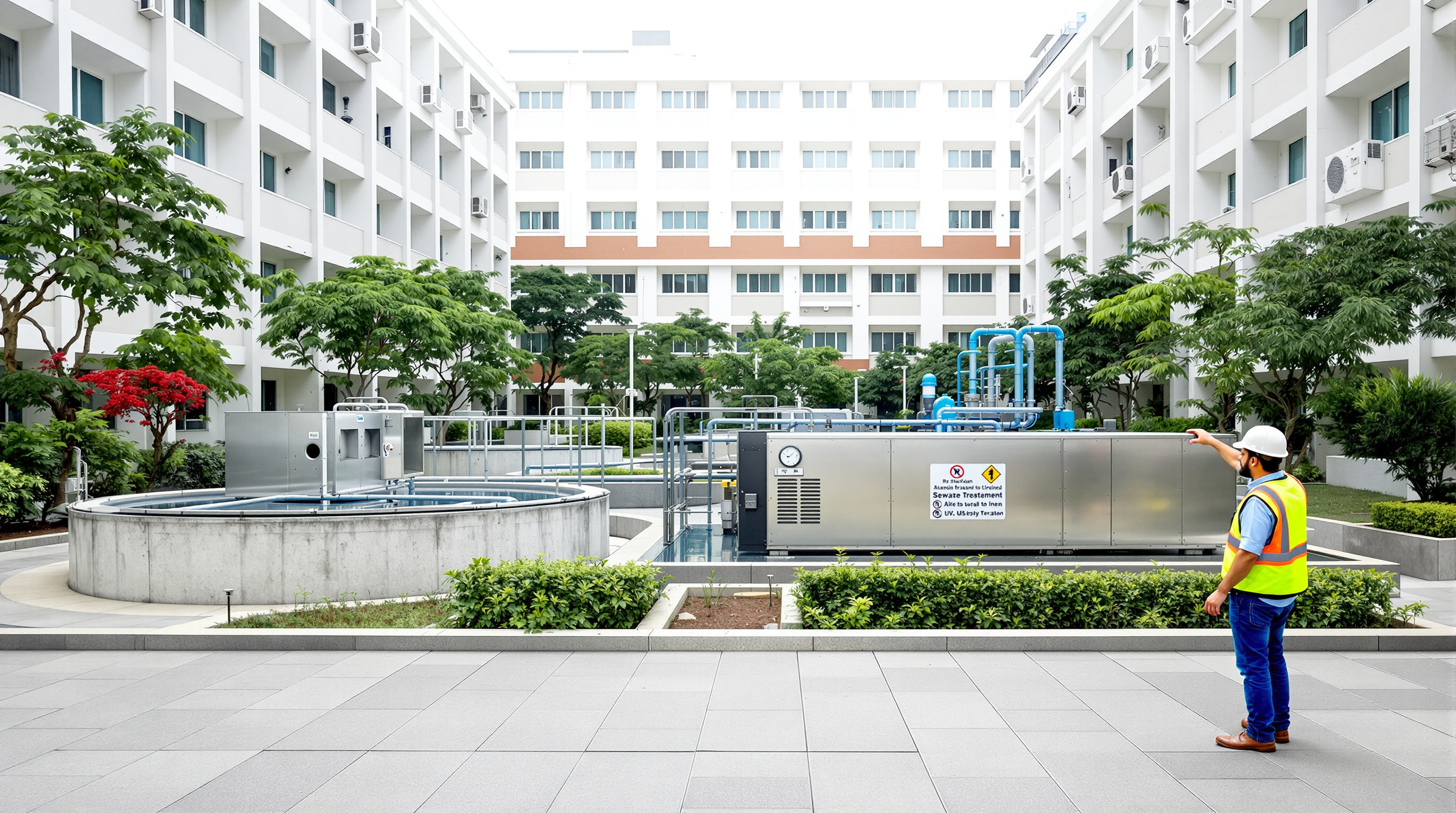
STP for High-Rise Buildings: Solving the Vertical Challenges
A high-rise STP faces problems a low-rise plant never meets: brutal morning peak flows, a cramped basement with no air or light, treated water that must be pumped dozens of floors up for flushing, and odour and fire clearances near homes. Here is how to solve each.
 Guide131
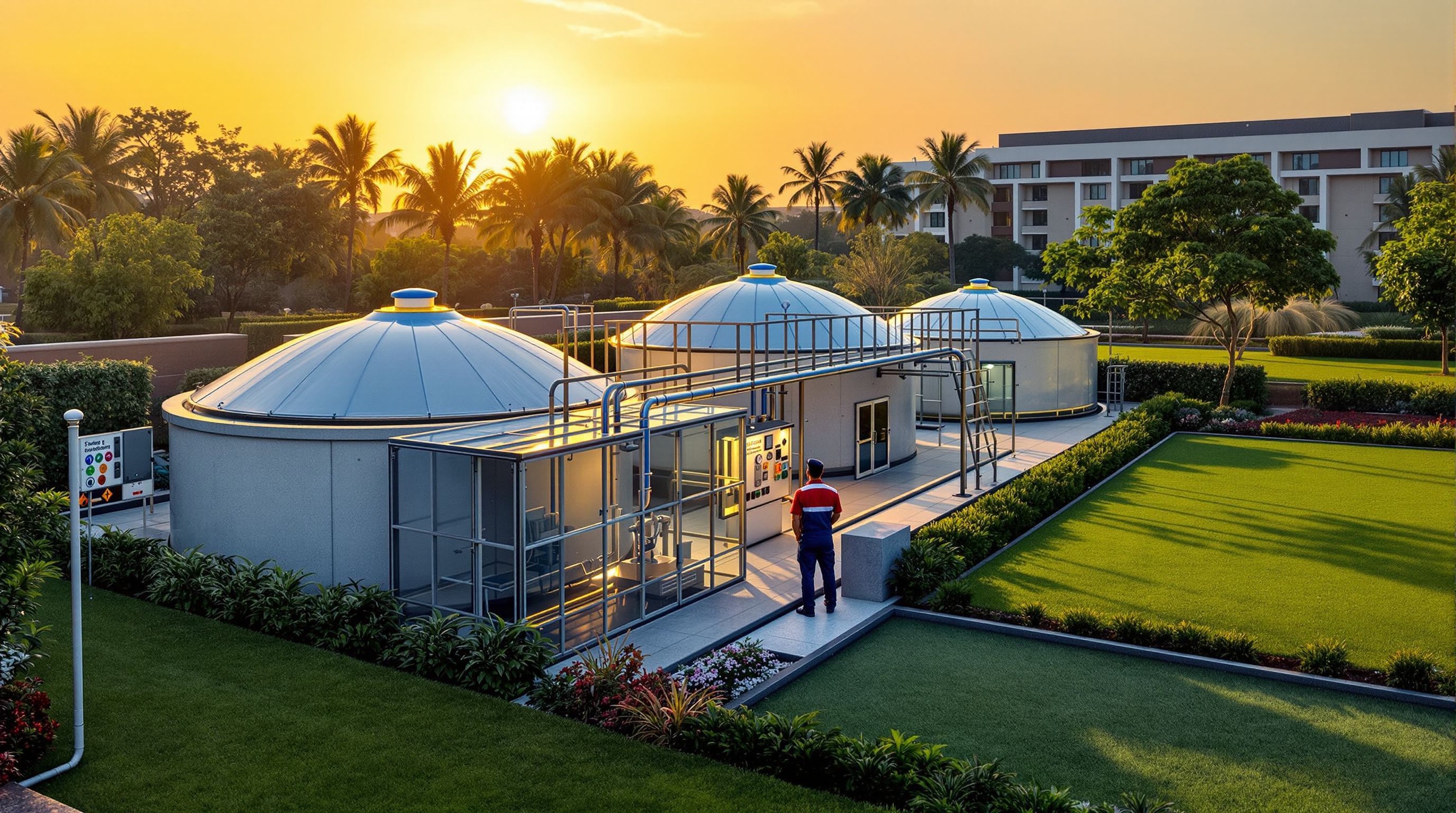
STP for Hospitals: Higher Standards, Disinfection & Compliance
Hospital wastewater carries far higher pathogen loads and traces of drugs and disinfectants than ordinary sewage. This guide covers why a hospital STP needs stricter disinfection, higher reliability and careful sizing — and where it crosses into ETP territory.
 Guide132
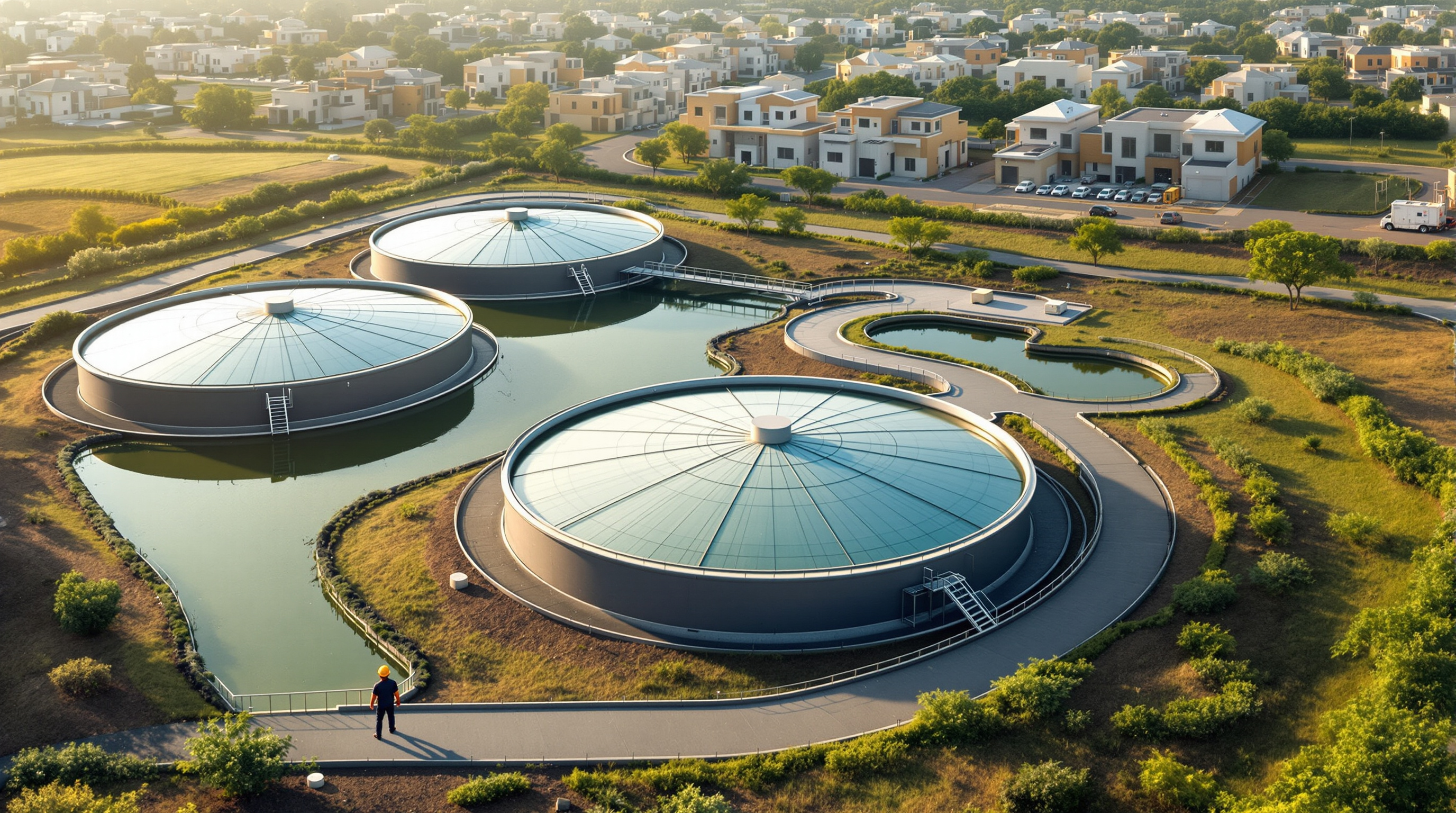
STP for Hotels: High Per-Guest Loads, FOG & Water Reuse Explained
Hotels produce far more wastewater per person than homes, with heavy kitchen and laundry loads and wild swings by occupancy. This guide explains how to profile hotel sewage, choose between MBBR and MBR, size for peaks, and reuse treated water in laundry, cooling and landscape.
 Guide133
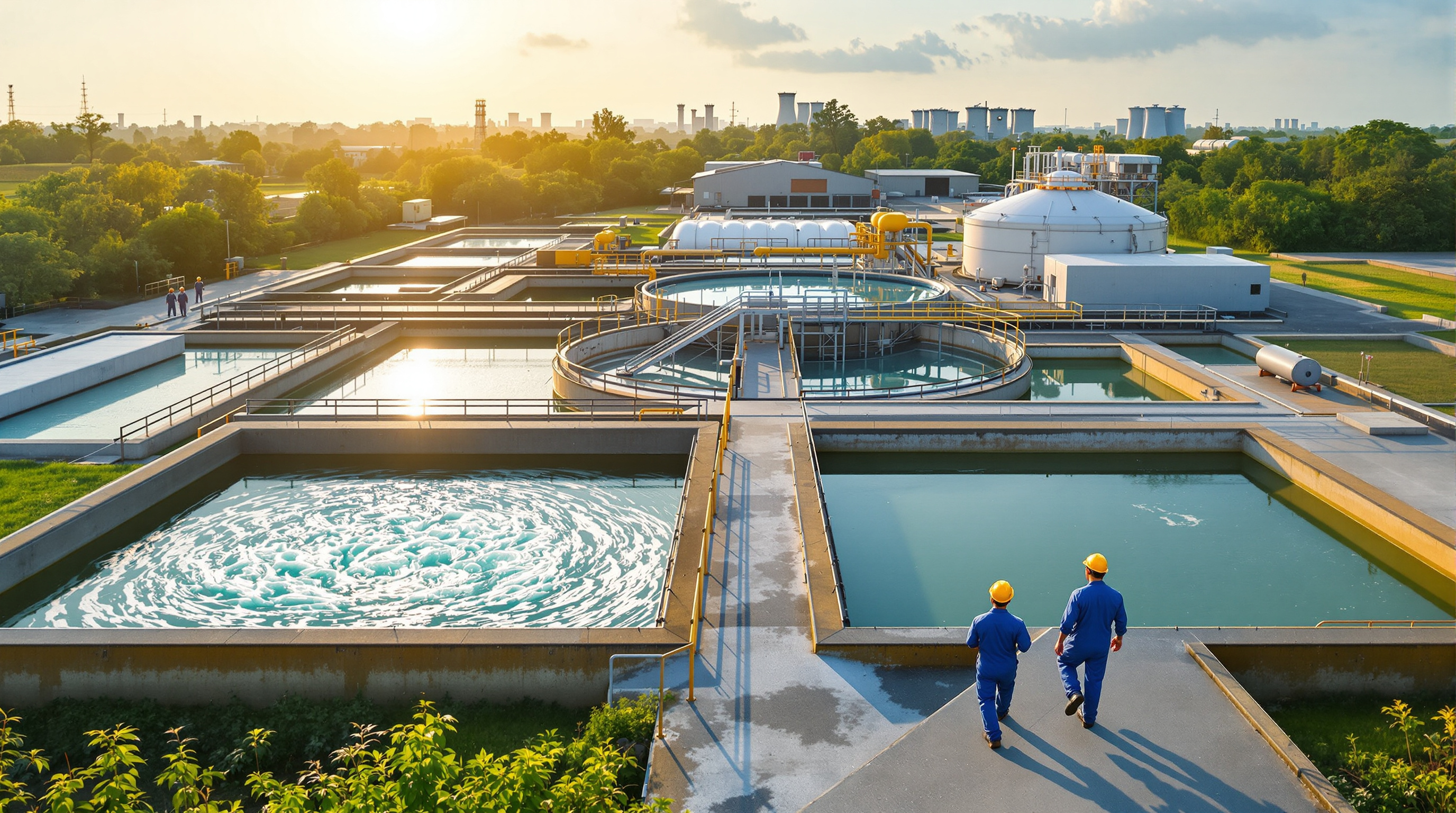
STP for Housing Layouts & Plotted Developments: The Developer's Guide
Should a plotted layout mandate individual STPs on each plot or build one common plant? This developer's guide covers the wastewater profile of housing layouts, sewer networks and lift stations, phased commissioning as plots sell, and reuse, compliance and handover.
 Guide134
STP for Industrial Parks & SEZs: Treating Worker & Canteen Sewage the Right Way
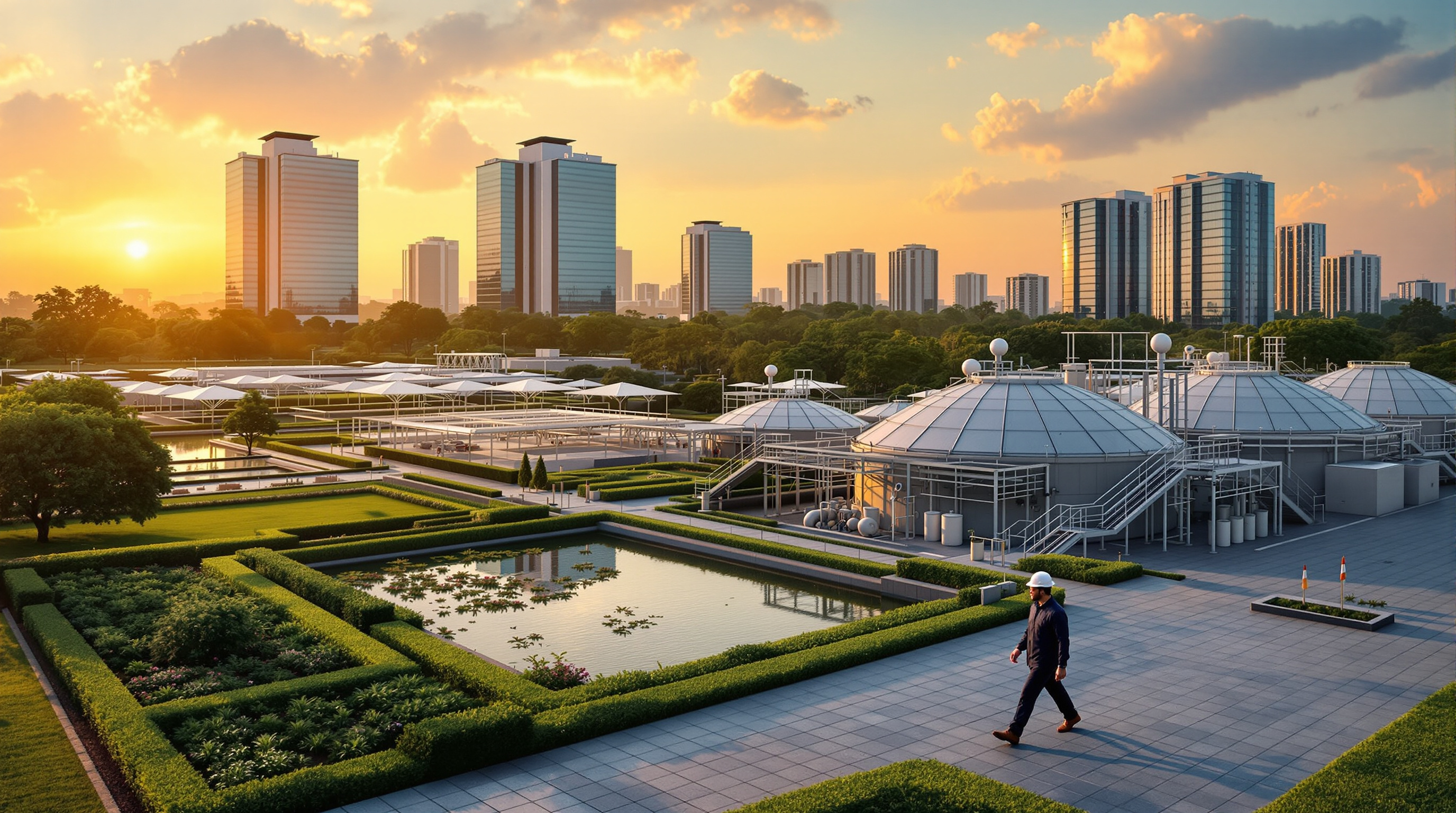
An industrial park's domestic sewage — from thousands of workers and canteens — needs its own common STP, kept fully separate from trade effluent bound for the CETP. Here is how to profile, size, treat and reuse it, and the mistakes that sink these projects.
 Guide135
STP for IT Parks & Campuses: Central-Plant Design, Reuse & Redundancy Guide
An IT park campus produces a sharp, daytime-only sewage load across many buildings. This guide covers the wastewater profile, the right STP technology, central-plant sizing, a reuse network for landscape and cooling towers, redundancy, and the water data that feeds sustainability reporting.
 Guide136
STP for Luxury Villas: Discreet, High-Reuse Systems That Stay Invisible
A luxury villa needs an STP nobody can see, hear or smell — and water clean enough for lawns, fountains and pool top-up. This guide covers underground MBR systems, sizing, reuse and the mistakes that ruin premium projects.
 Guide137
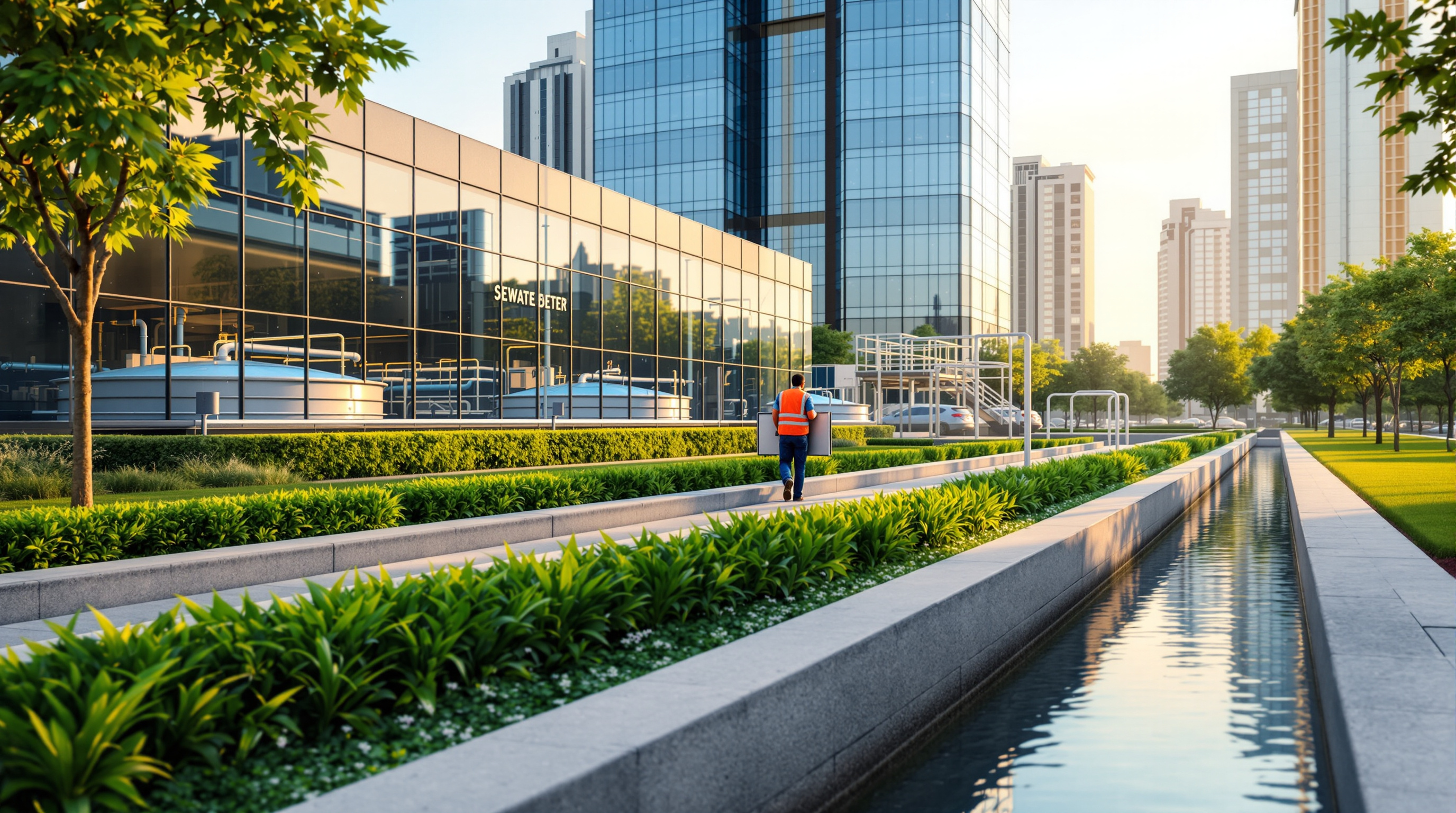
STP for Office Buildings & IT Offices: Sizing, Reuse & Design Guide
Office and IT-building STPs run on low per-person LPCD and a spiky weekday-only flow, so equalisation is everything. This guide covers the office wastewater profile, which technology suits, sizing, flushing and cooling-tower reuse, green-building credits, and the mistakes to avoid.
 Guide138
STP for Resorts: Remote, Scenic, Sustainable Sewage Treatment
Resort STPs are off-grid, sit in sensitive ecosystems, and swing from empty weekdays to full festival weekends. This guide covers the wastewater profile, the technologies that fit, sizing for peaks, high-reuse landscaping, and the mistakes that sink resort sewage plants.
 Guide139
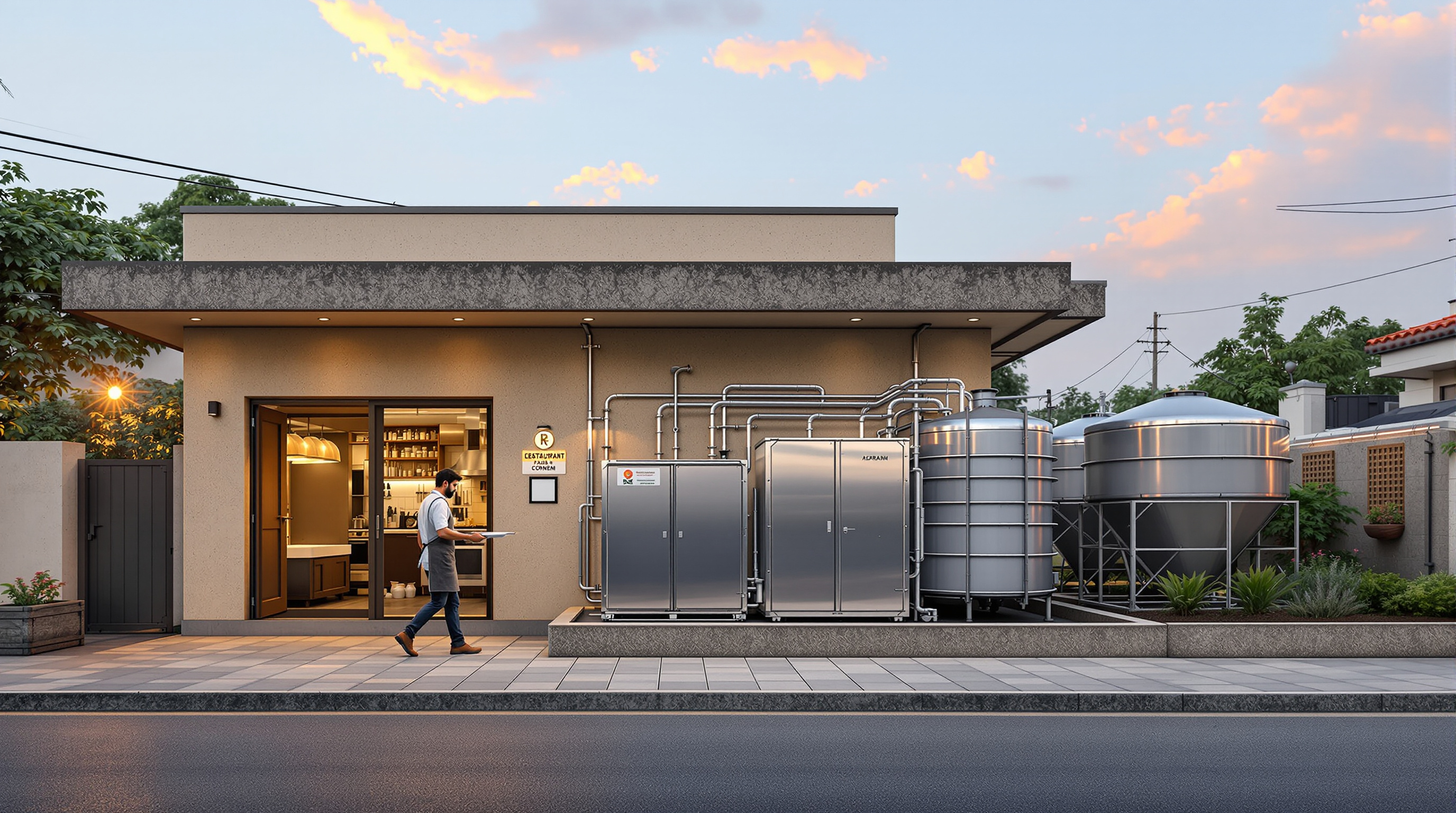
STP for Restaurants & Kitchens: Grease, Effluent Treatment & Compliance Guide
Restaurant wastewater is loaded with fats, oils, grease and organic waste that clog pipes and overwhelm ordinary systems. This guide covers grease trapping, whether a standalone eatery needs a full STP or just pretreatment before the sewer, compact system choices, sizing and compliance.
 Guide140
STP for Senior Living Communities: Quiet, Reliable Sewage Treatment Near Homes
A senior living community needs an STP that is reliable, silent and odourless right next to homes, copes with steady all-day flow plus medical and laundry loads, and reuses water for therapeutic gardens. Here is how to size, choose and run one.
 Guide141
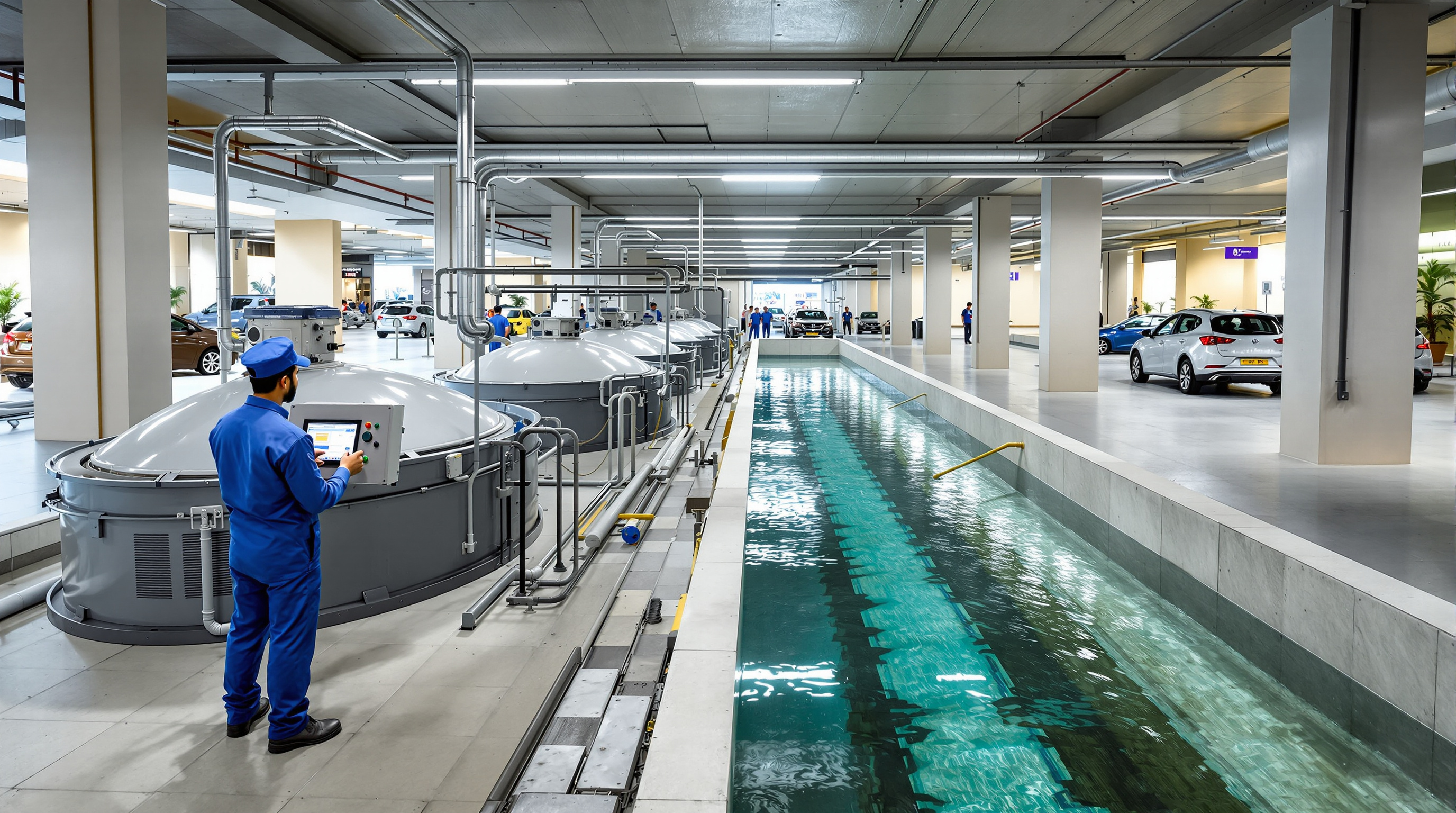
STP for Shopping Malls: Mixed Loads, Big Reuse
A shopping mall's wastewater is a violent mix of food-court grease, washroom peaks and huge cooling-tower demand. This guide explains how to size, site and choose an STP that handles those mixed loads in the basement — and turns them into serious reuse.
 Guide142
STP for Villas: Do You Need One, and Which Type Fits a Single Home?
Does a single villa need an STP or will a septic tank do? This guide covers when a standalone villa must treat its own sewage, the tiny 1–5 KLD capacities involved, choosing a compact MBBR or extended-aeration package, siting, cost and reusing treated water in the garden.
 Guide143
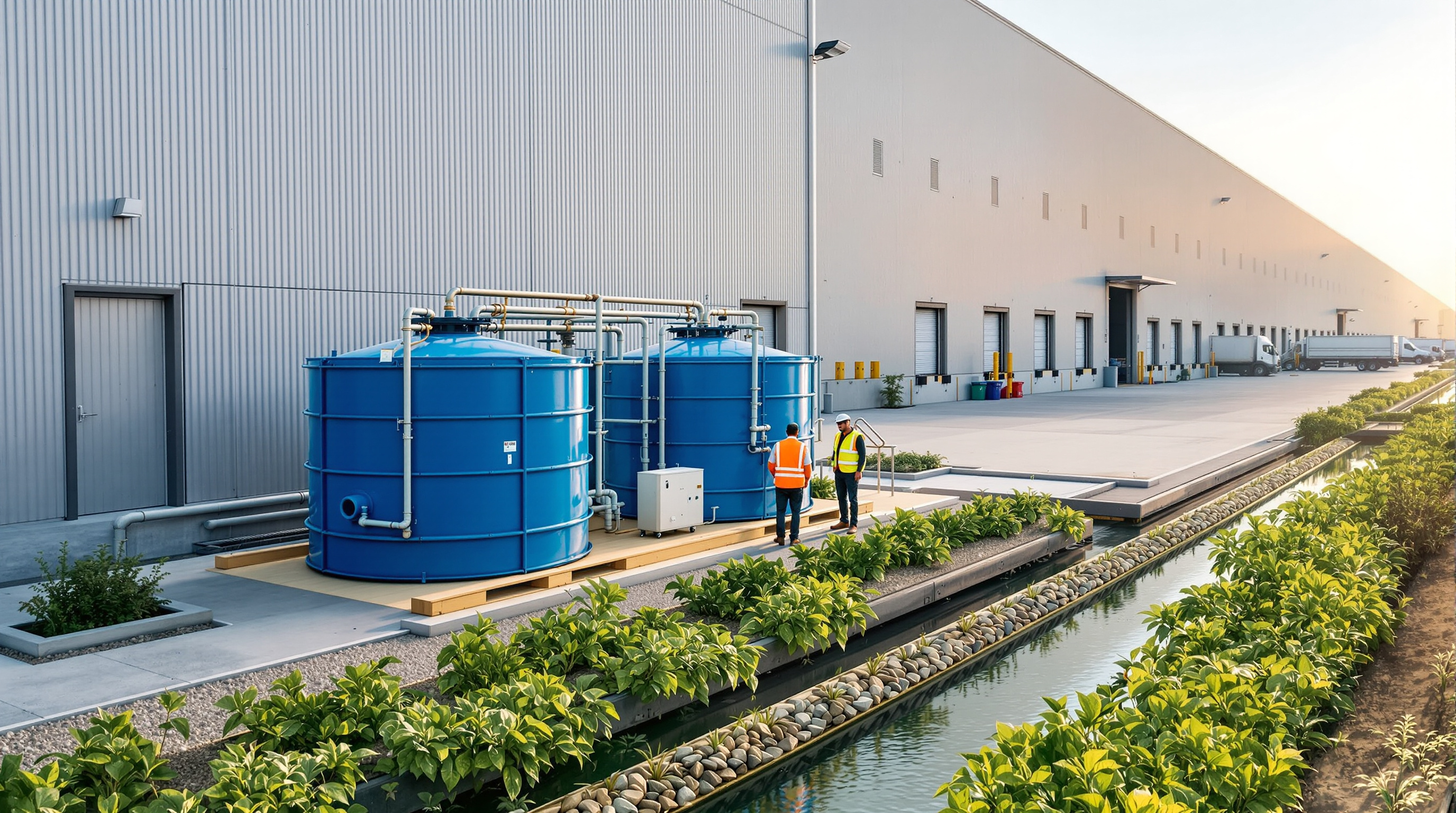
STP for Warehouses & Logistics Parks: Sizing, Packaged Plants & Reuse
Warehouses have huge footprints but tiny headcounts, so sewage volumes are modest and spiky. This guide covers sizing an STP for a logistics park, when a packaged compact plant beats a septic tank, and reuse for dust suppression and landscape.
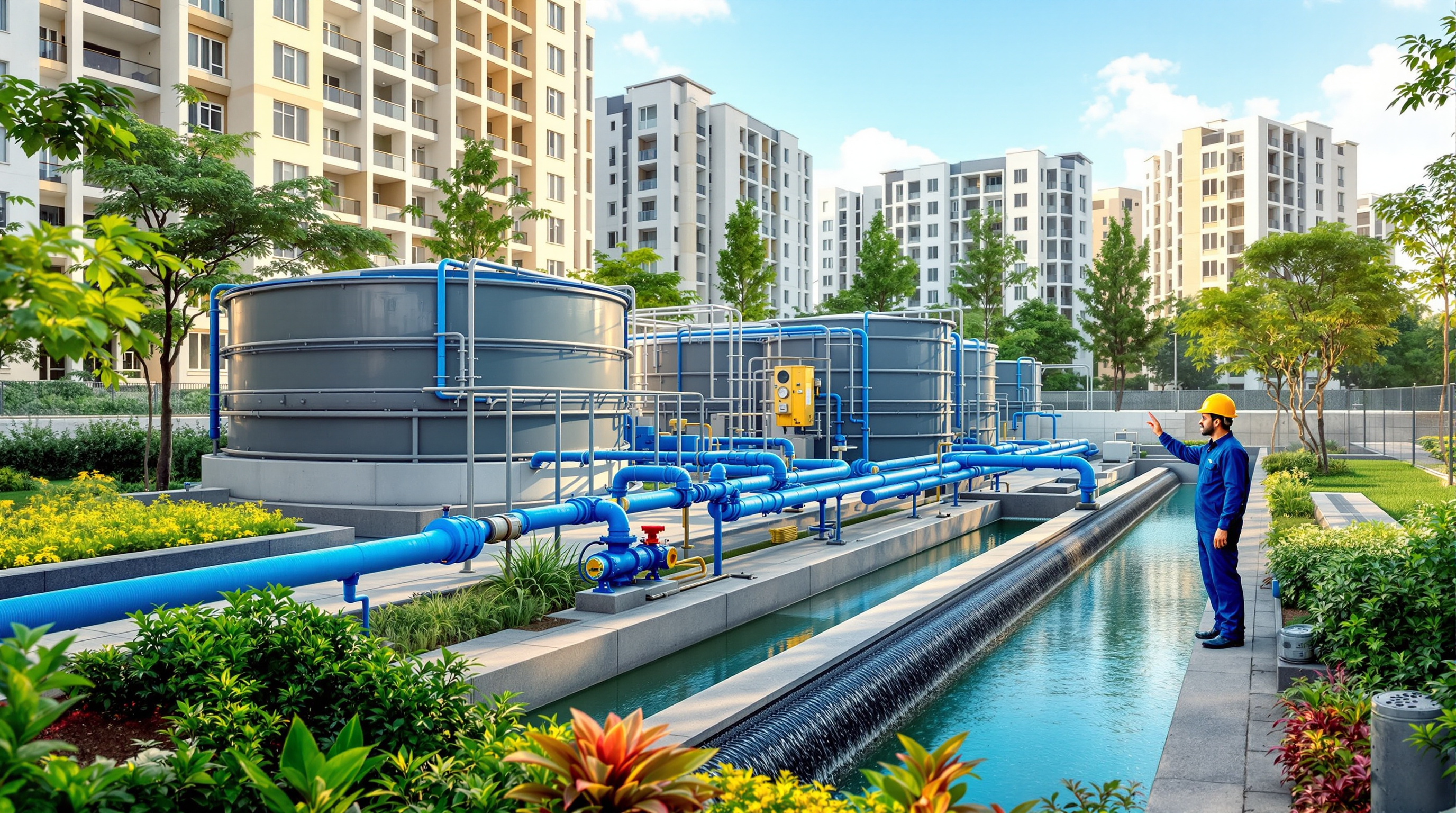 Guide144
STP Full Form & Meaning: What Does STP Stand For?
STP full form is Sewage Treatment Plant — an on-site system that cleans a building's dirty water so it can be safely reused or discharged. This guide explains what STP stands for, why it matters, and how it differs from ETP and septic tanks.
 Guide145
STP Final Handover Checklist: Documents, Spares, Training & Defect Liability
The STP handover is where a project is won or lost. This checklist covers every document, spare, training session and defect-liability term an owner must secure before signing off — so the plant keeps running long after the contractor leaves site.
 Guide146
STP Instrumentation Installation: Sensors, PLC Wiring & Calibration
A field guide to installing STP instrumentation: mounting and wiring level, flow, DO and pH sensors, terminating 4-20 mA loops into the PLC, integrating SCADA, and the calibration you must complete at install before the plant can run on rules instead of an operator's memory.
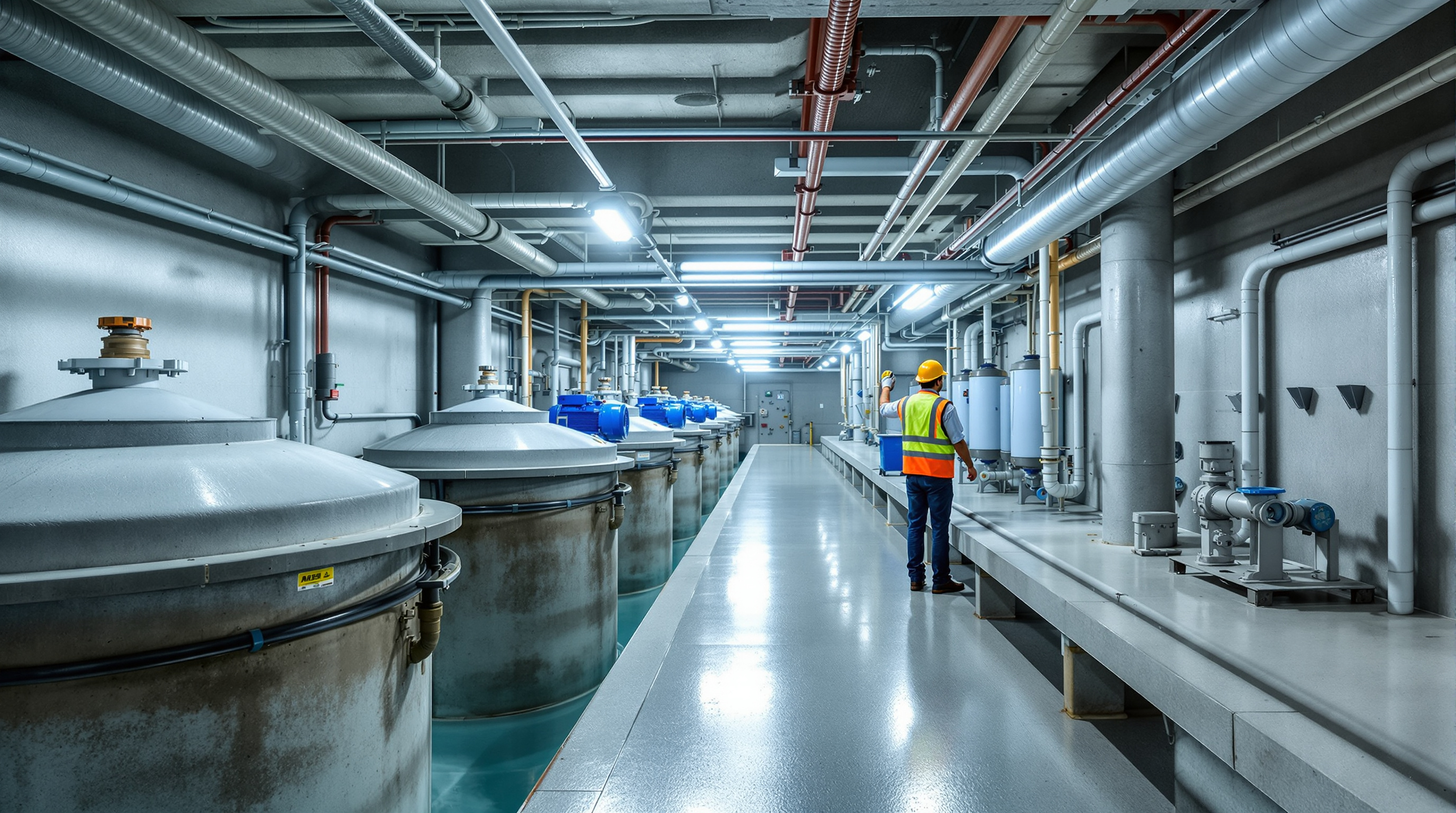 Guide147
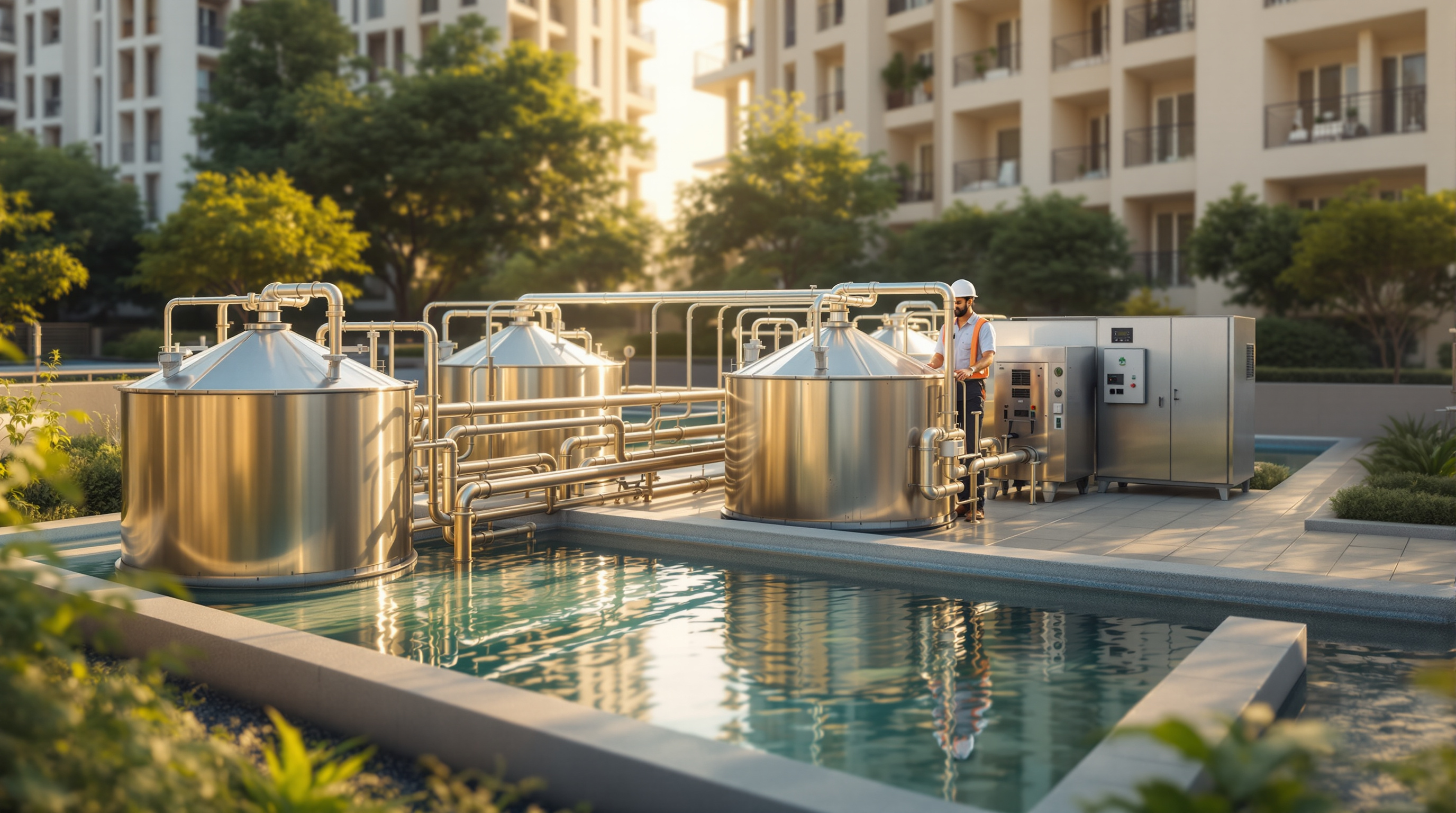
STP Layout Planning: Arranging Tanks, Plant Room and Pipe Runs the Right Way
A good STP layout lets sewage flow through by gravity, gives every tank and pump room to be serviced, and leaves space to expand. This guide compares compact and linear arrangements and shows how to plan tank, plant-room and pipe positions.
 Guide148
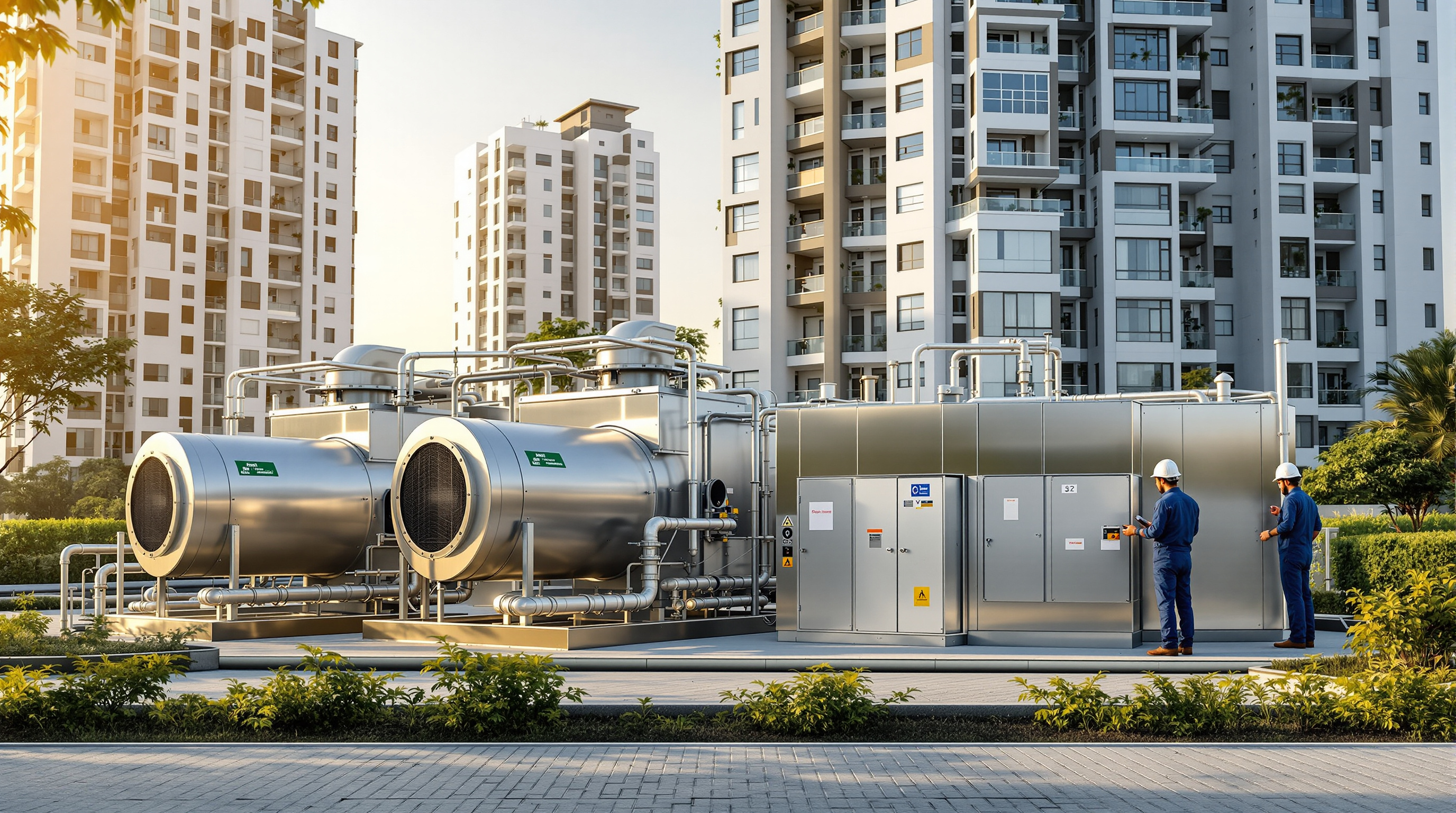
STP Lifecycle Cost Comparison: MBBR vs SBR vs MBR (2026 India Guide)
MBBR, SBR and MBR each carry a different mix of upfront cost and running cost. This guide compares whole-life cost — capital plus fifteen years of opex — with realistic 2026 Indian rupee ranges, so you buy the plant that is cheapest to own, not just to install.
 Guide149
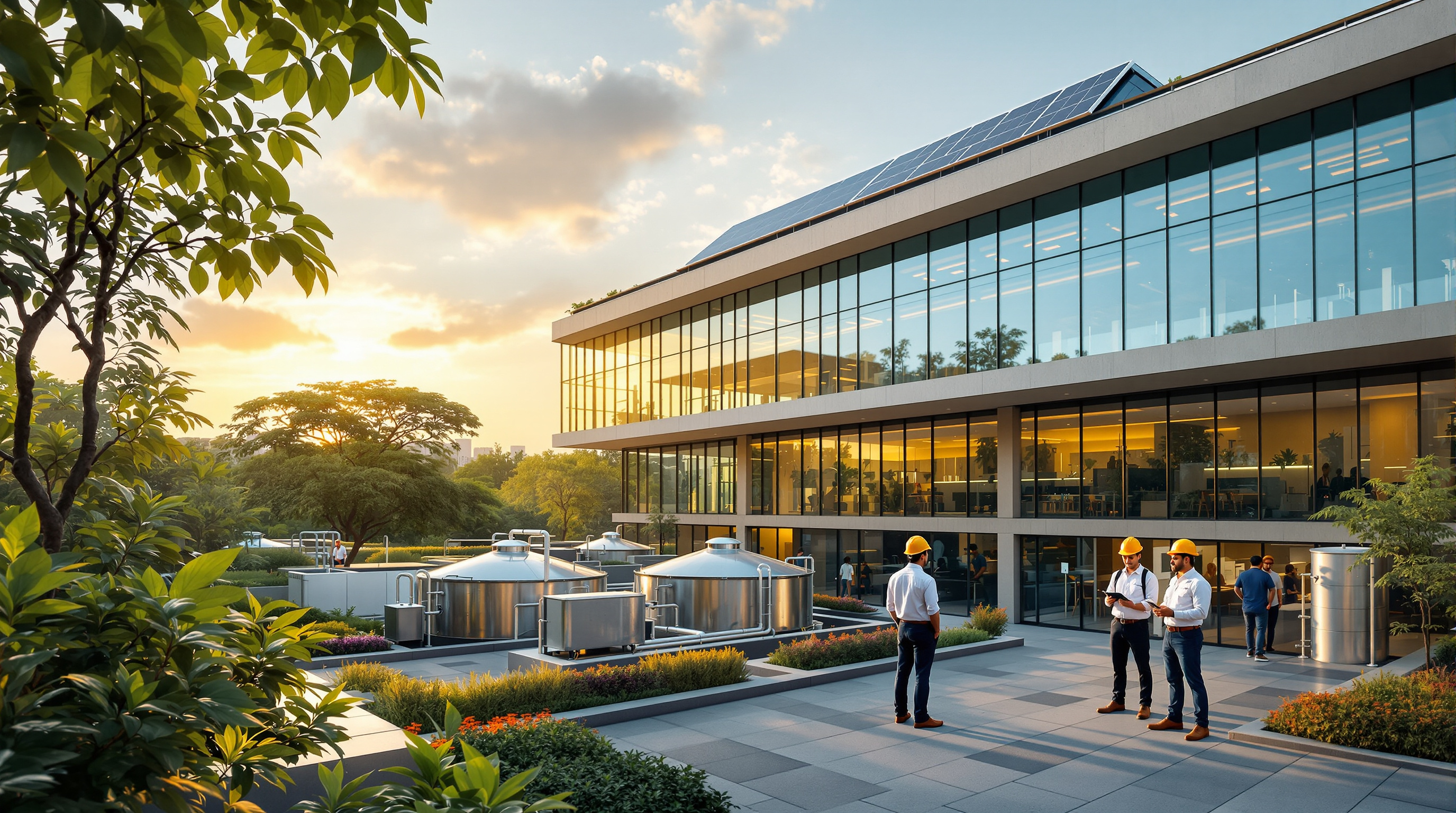
STP Maintenance & AMC Cost in India (2025–26): What You Actually Pay Per Year
STP maintenance cost in India runs roughly Rs 1,000–3,000 per KLD per year for an AMC alone, more with full O&M. This guide breaks down what an AMC covers, comprehensive vs basic contracts, spares, and how to budget realistically.
 Guide150
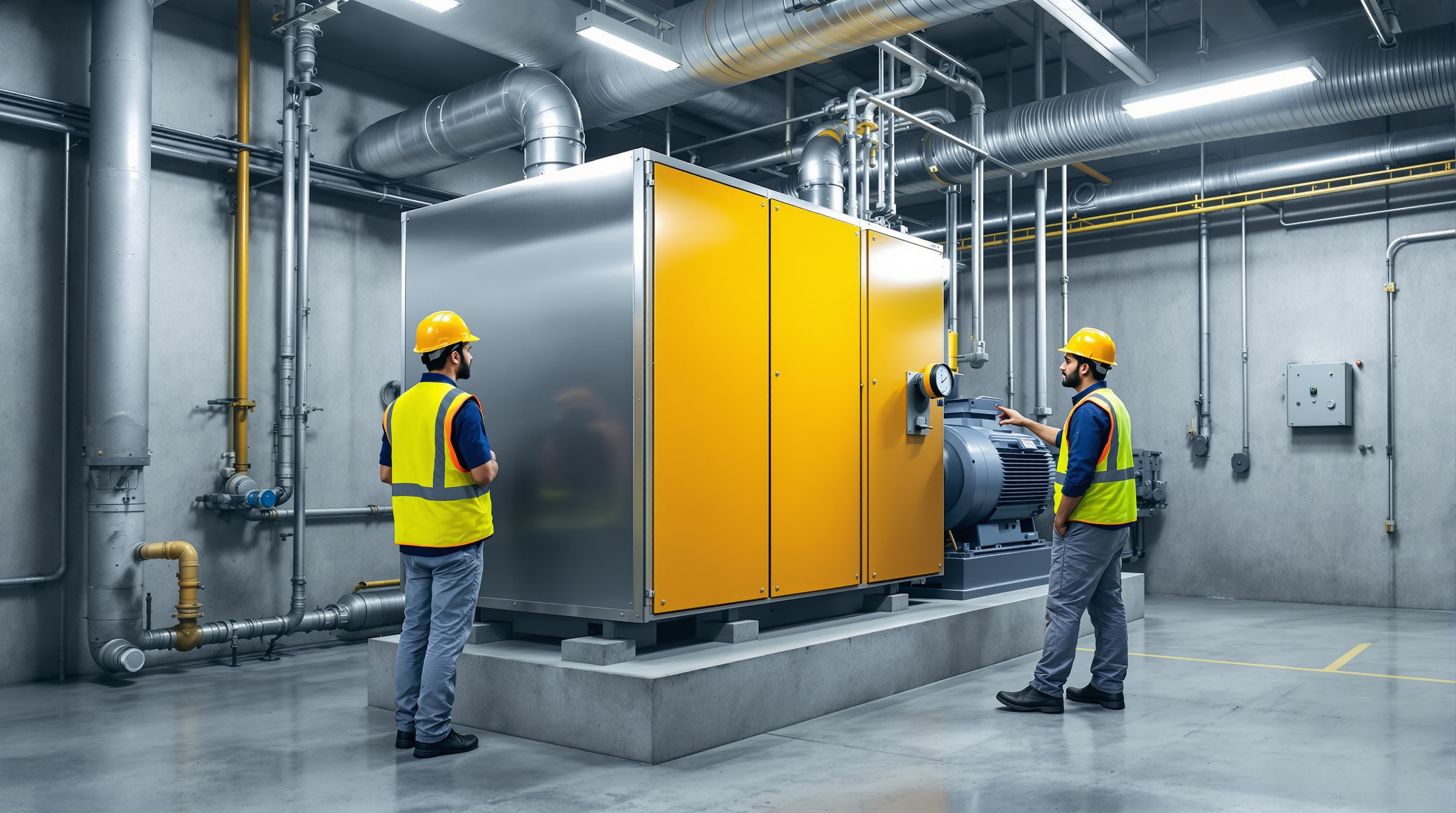
STPs and Net-Zero Buildings: How On-Site Water Reuse Powers (and Tests) Net-Zero Goals
A sewage treatment plant is essential to a net-zero water building but its round-the-clock power draw fights a net-zero energy target. This guide explains the tension and the energy-neutral STP strategies that resolve it in the Indian context.
 Guide151
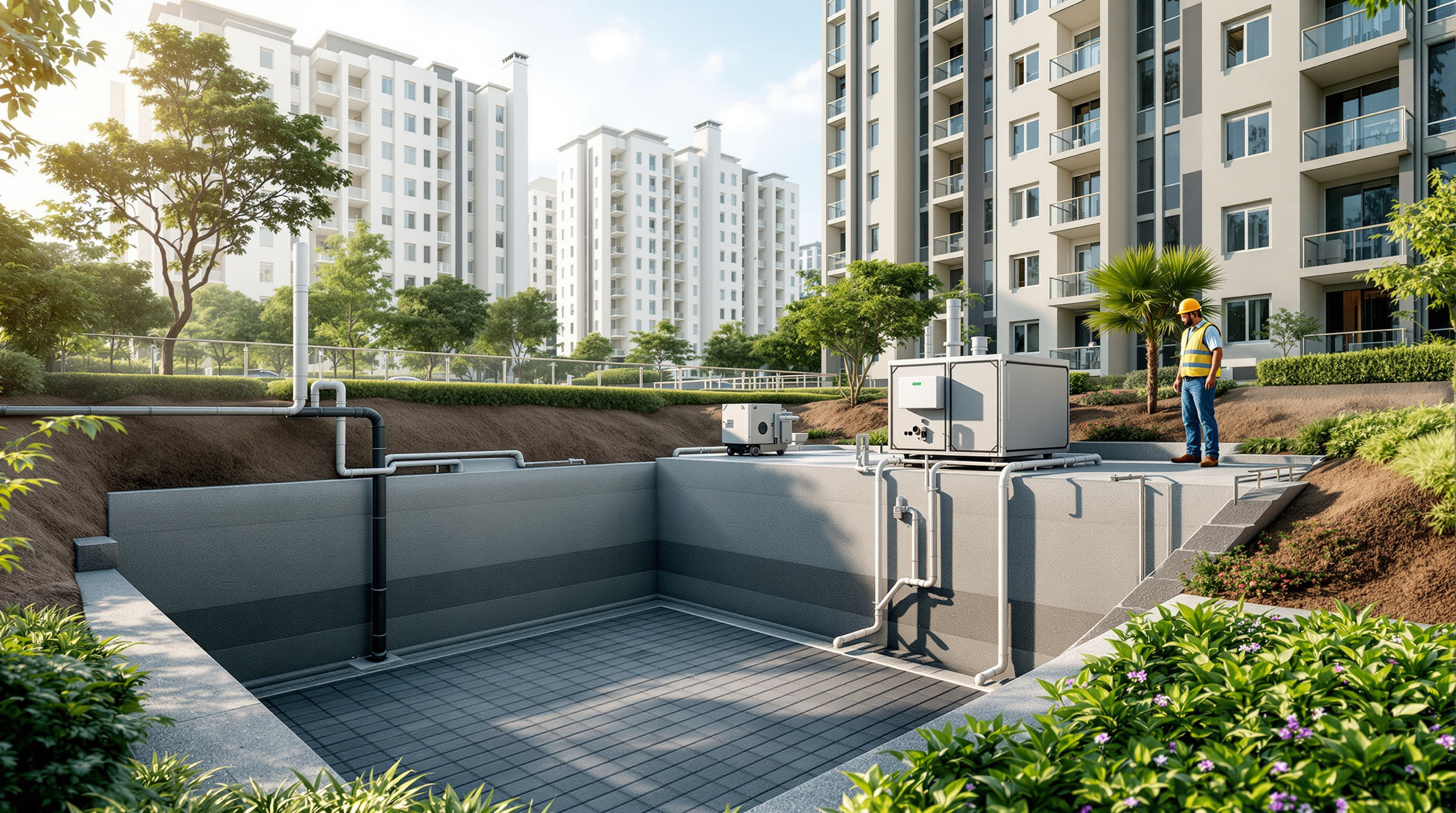
STP Noise Control: Taming Blower Noise Near Homes | Studio Matrx
An STP is mechanically noisy, and its blowers run day and night beside bedrooms. This guide explains where the noise comes from and how acoustic enclosures, anti-vibration mounts, siting and CPCB limits keep it below byelaw thresholds near homes.
 Guide152
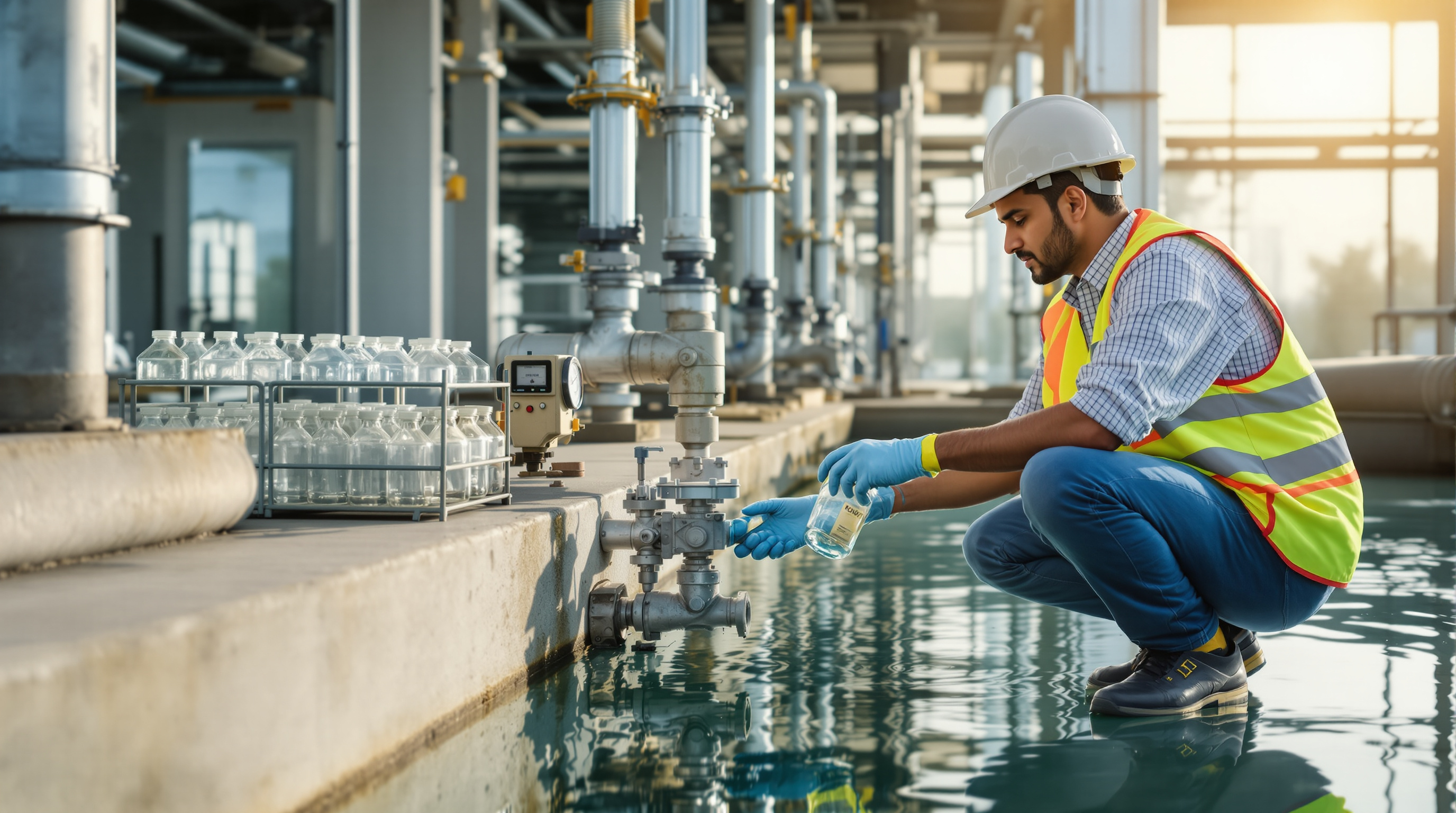
STP Odour Control Design: Why STPs Smell and How to Stop It
A well-run STP should barely be noticed by the nose. This guide explains why STPs smell — septic, anaerobic conditions releasing hydrogen sulphide — and the practical odour-control design that prevents it: staying aerobic, sealing and venting foul air, and carbon or biological scrubbers.
 Guide153
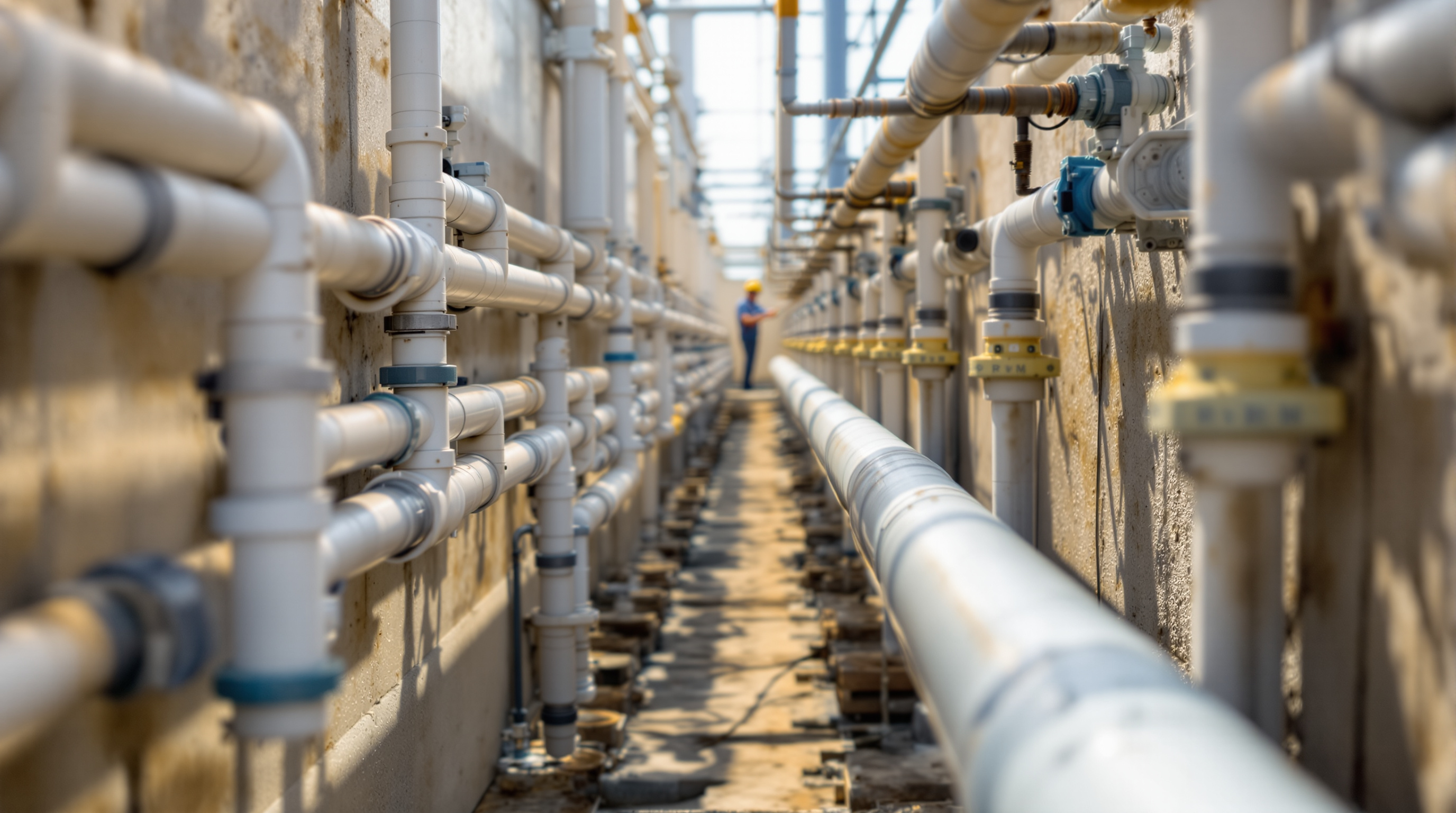
STP Performance Testing & Acceptance: The Guarantee-Test Guide
The guarantee test is where an STP proves it earns its money. This guide covers sampling inlet and outlet for BOD, COD and TSS, testing at true design flow, running a defensible acceptance protocol, and the remedies to invoke when results fall short.
 Guide154
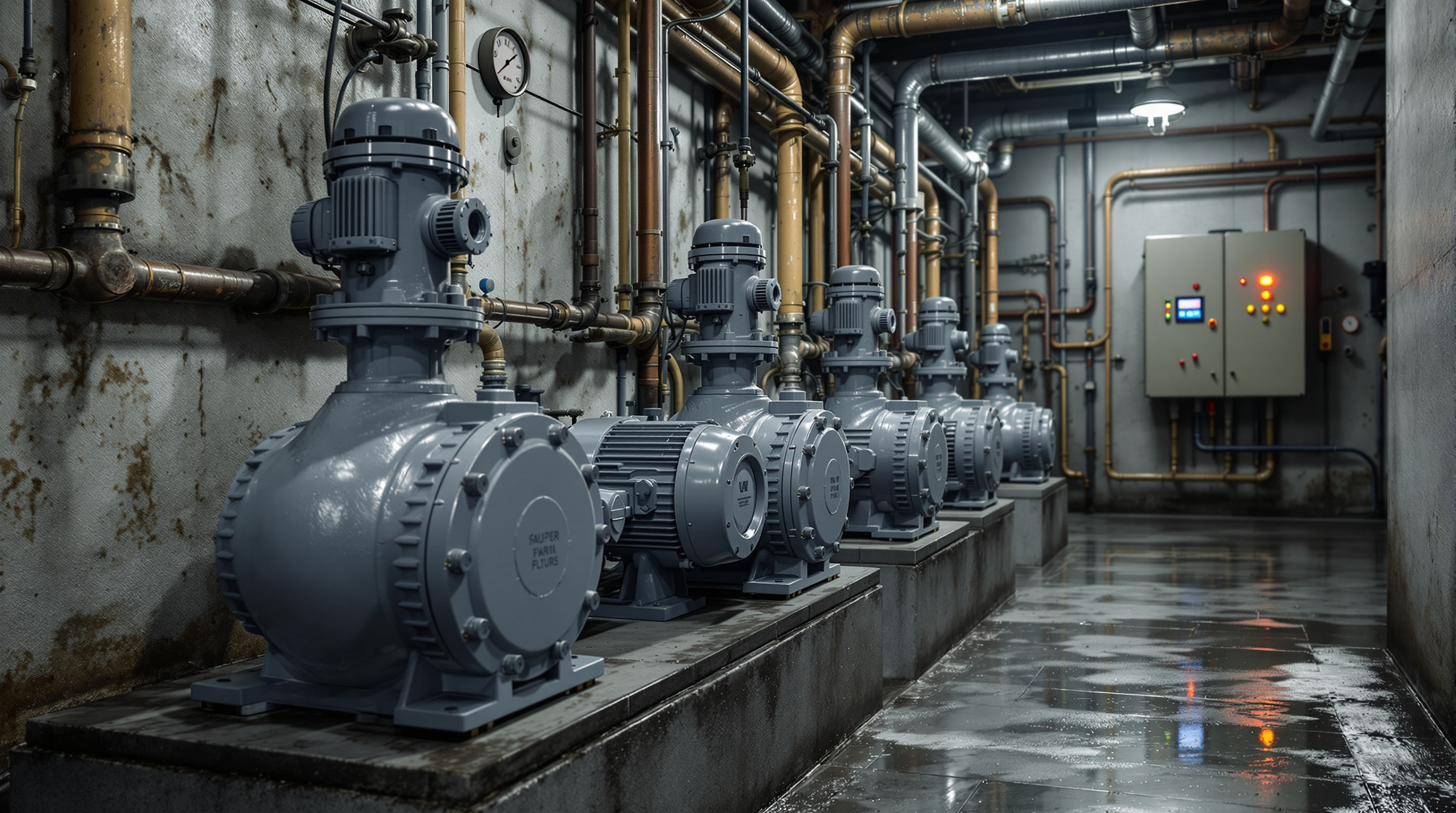
Pipe Sizing for STPs: Velocity, Gravity vs Pumped Lines & Material Choice
Undersized STP pipes silt up and block; oversized ones let solids settle. This guide explains how STP pipework is sized — velocity limits, gravity versus pumped lines, material choice, and the design habits that prevent blockages and dead flow.
 Guide155
STP Pumps, Sensors & PLC Automation: How an STP Runs Itself
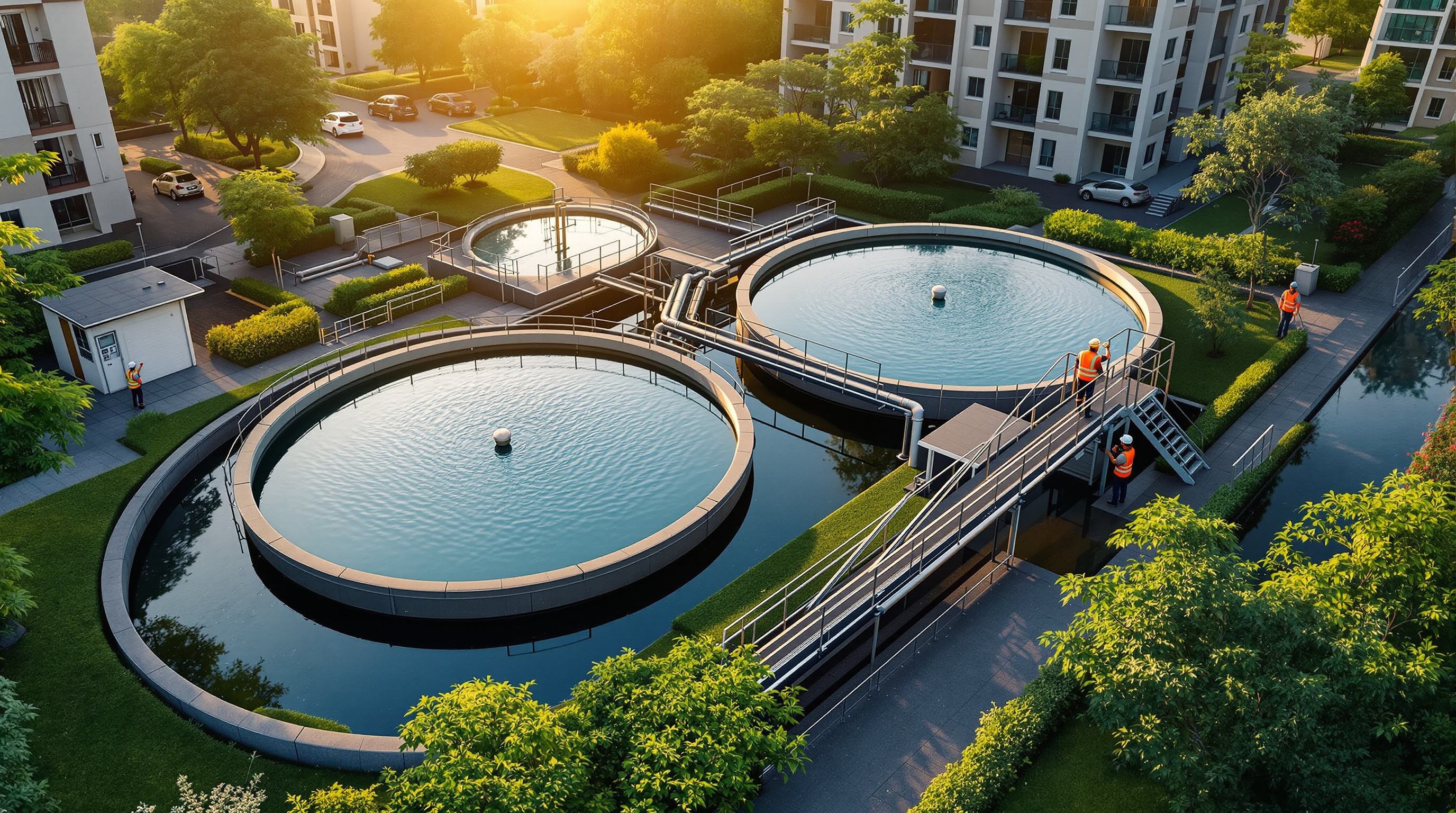
Pumps move sewage through every stage of an STP; sensors, timers and a PLC decide when. This guide explains the raw, transfer, filter-feed and dosing pumps plus the level, flow, DO and pH instrumentation that automate the plant, cut operator error, and save power.
 Guide156
STP Regulations in India: The Complete Overview
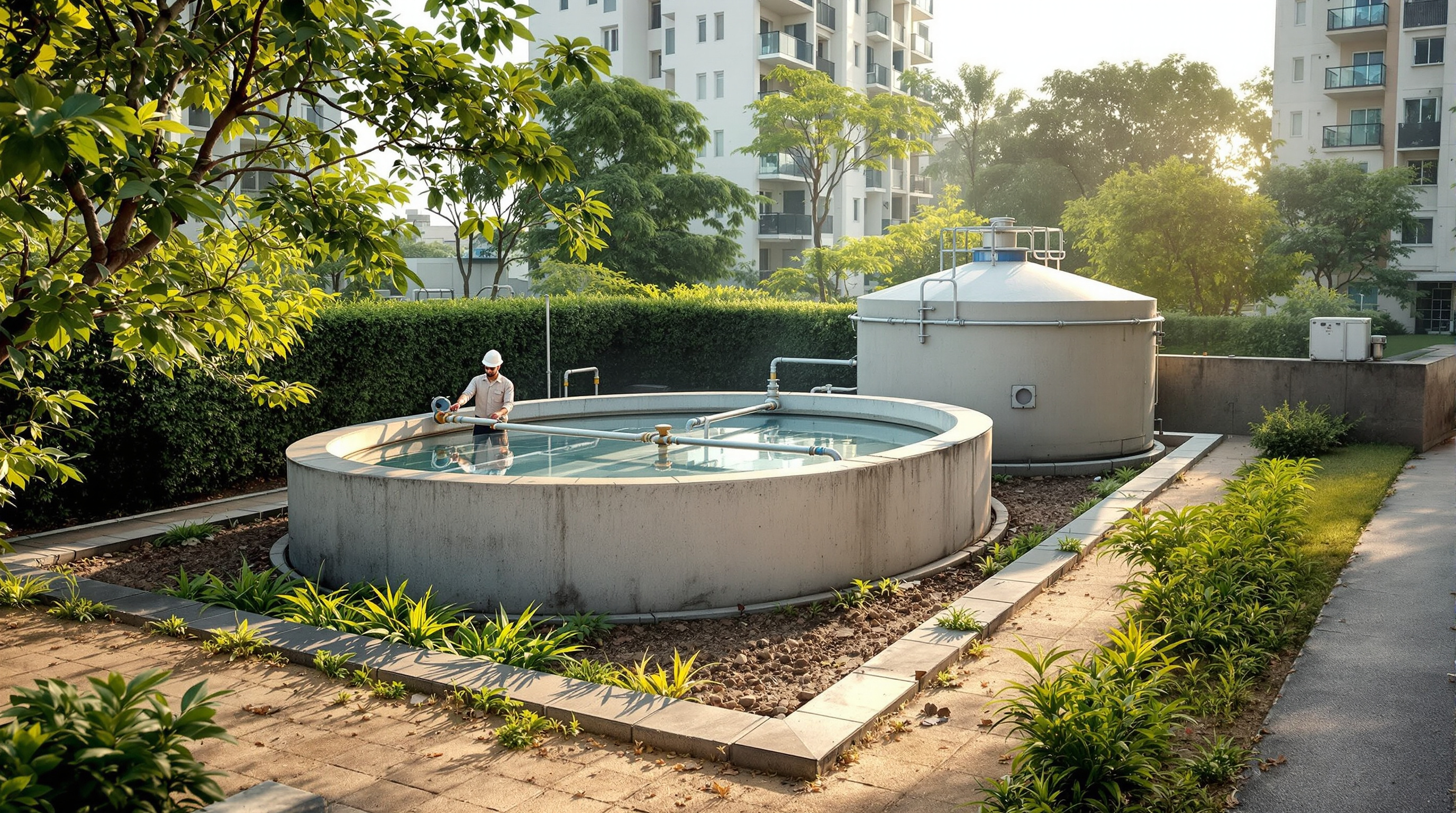
STP regulations in India rest on the Water Act 1974, the Environment Protection Act 1986, and CPCB and SPCB oversight. This guide maps when an STP is mandated, the CTE and CTO consent process, and the contested discharge and reuse standards your treated water must actually meet.
 Guide157
STP Site Selection Guidelines: How to Choose the Right Location for a Sewage Treatment Plant
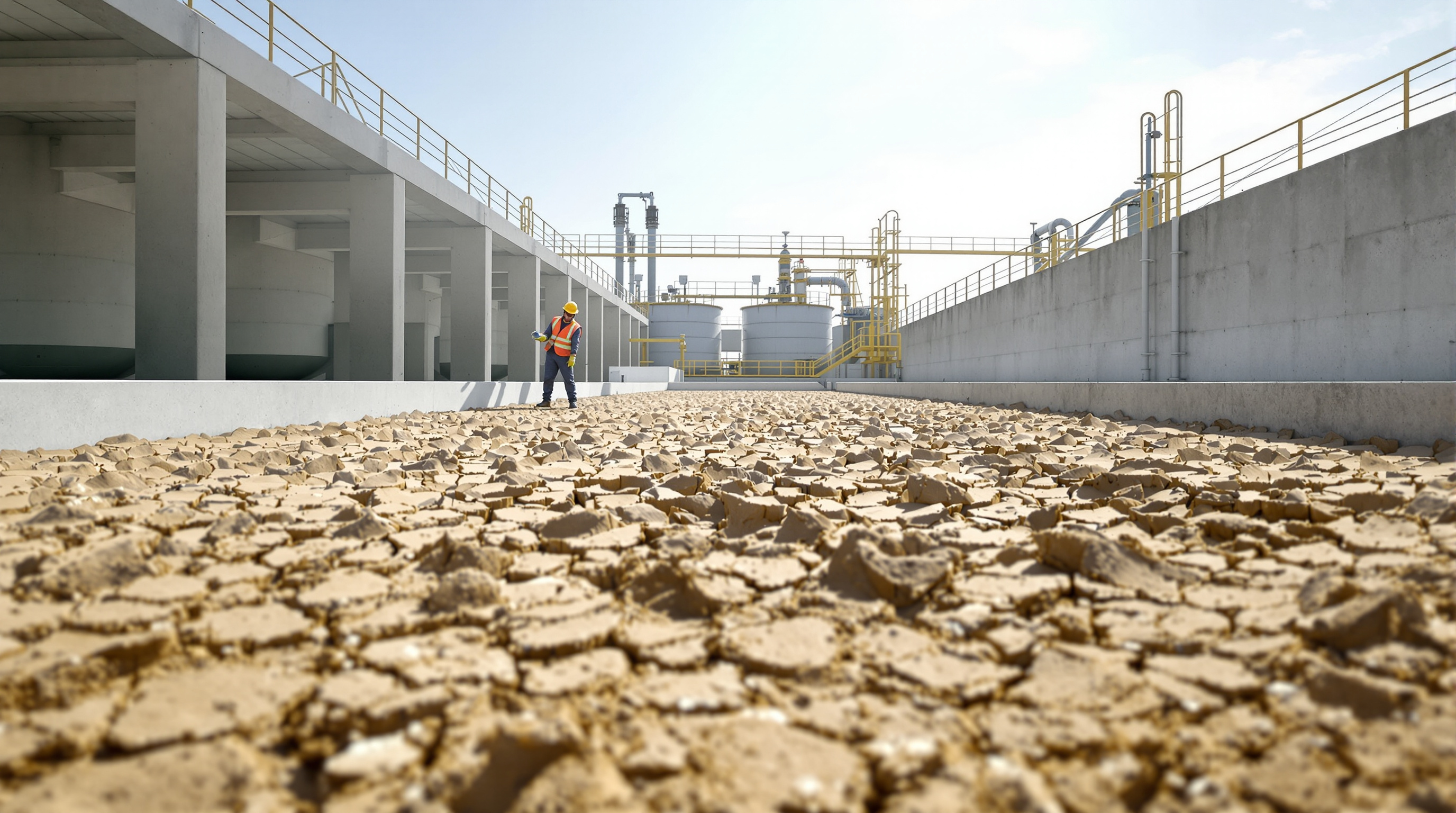
Choosing where to put a sewage treatment plant is a design decision with lifelong consequences. This guide covers the seven factors that govern STP site selection in India — habitation distance, access, ventilation, groundwater, drainage, expandability and byelaw setbacks.
 Guide158
STP Sludge Removal & Disposal: A Practical O&M Guide for Operators
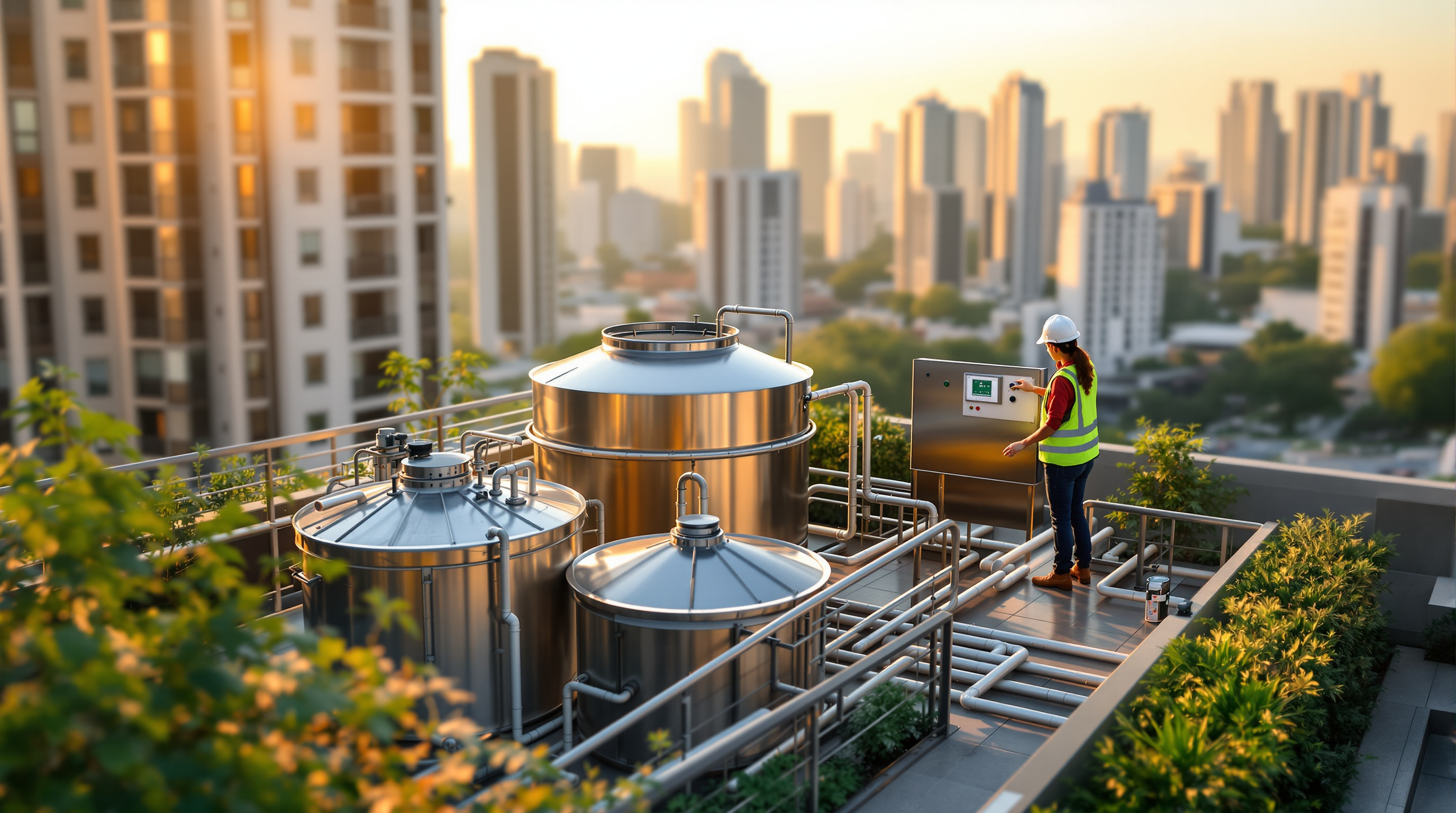
Every STP makes sludge, and the plants that fail are the ones that let it pile up. This O&M guide covers how often to waste sludge, how to dewater it on drying beds or a filter press, how to dispose of or reuse it safely, and what records to keep.
 Guide159
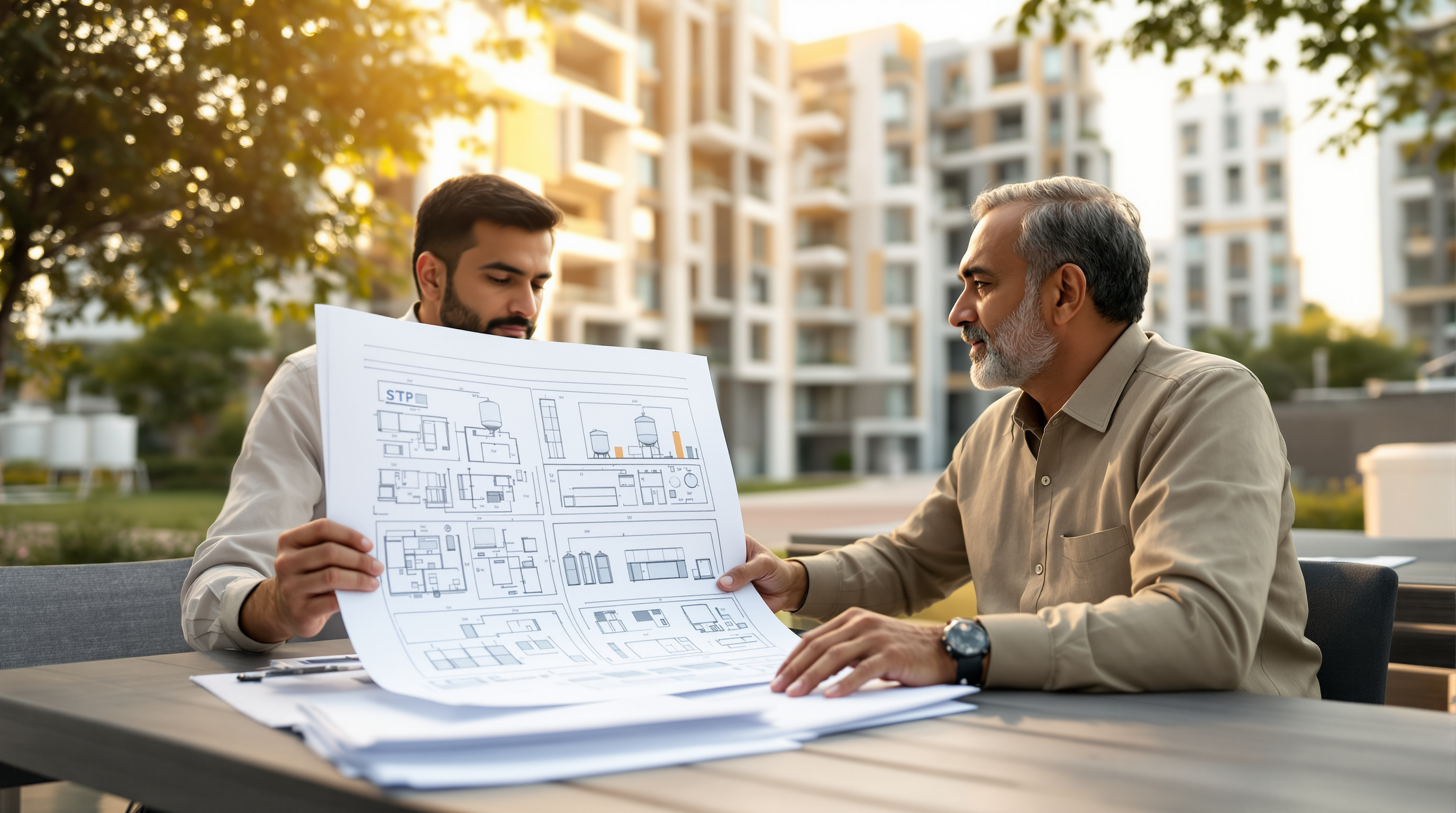
STP Technical Specifications Guide: How to Read and Write One That Holds Up
An STP technical specification is the contract between what you expect and what a vendor delivers. This guide breaks down capacity, inlet and outlet parameters, equipment ratings, guarantees and the Indian standards every clause must meet.
 Guide160
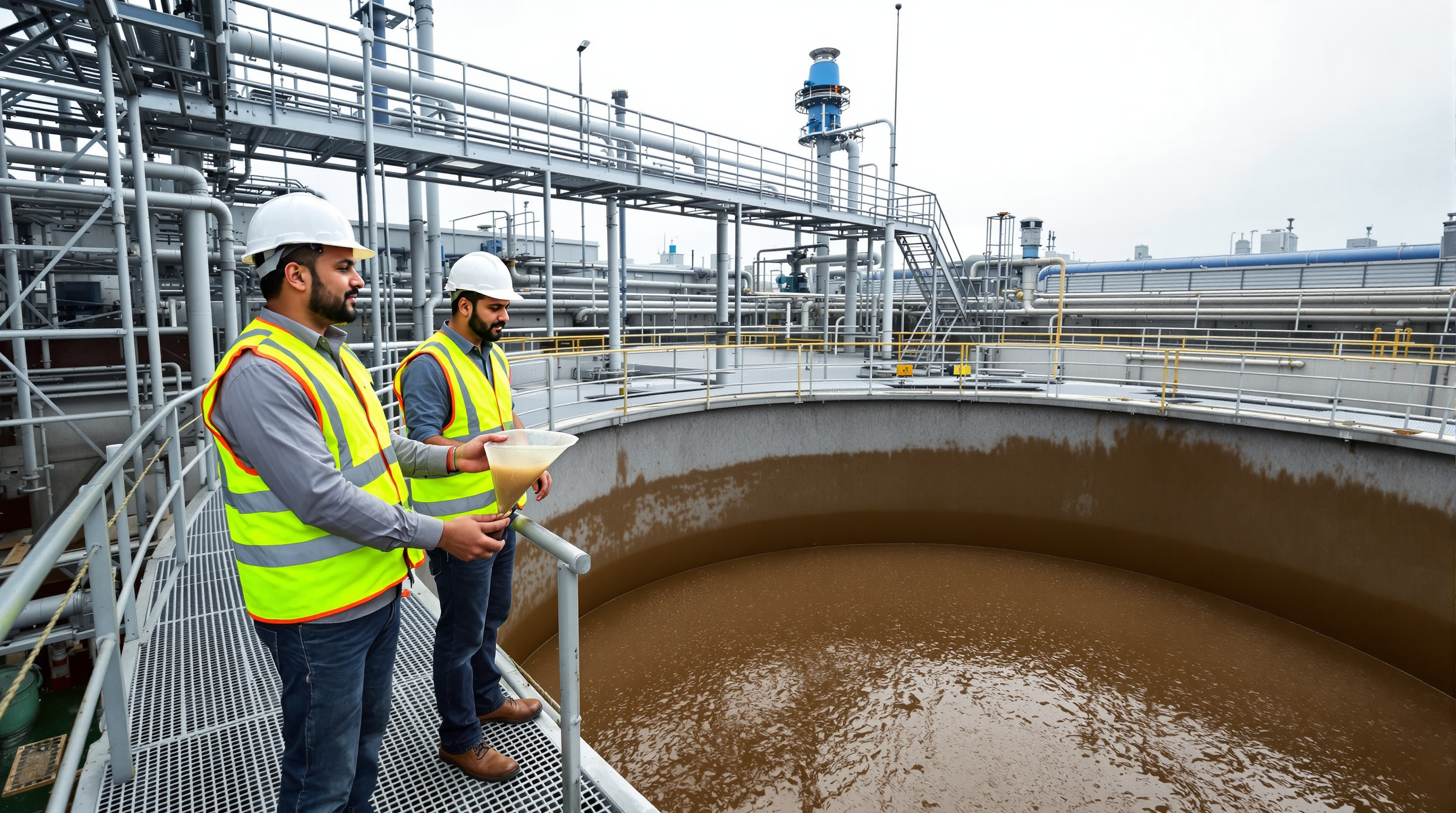
STP Tender Preparation Guide: How to Write a Scope That Gets Comparable Bids
A weak STP tender produces quotes you cannot compare and a plant you regret. This guide shows how to define scope, capacity and outlet quality, set evaluation criteria, and structure the bid so every vendor prices the same thing.
 Guide161
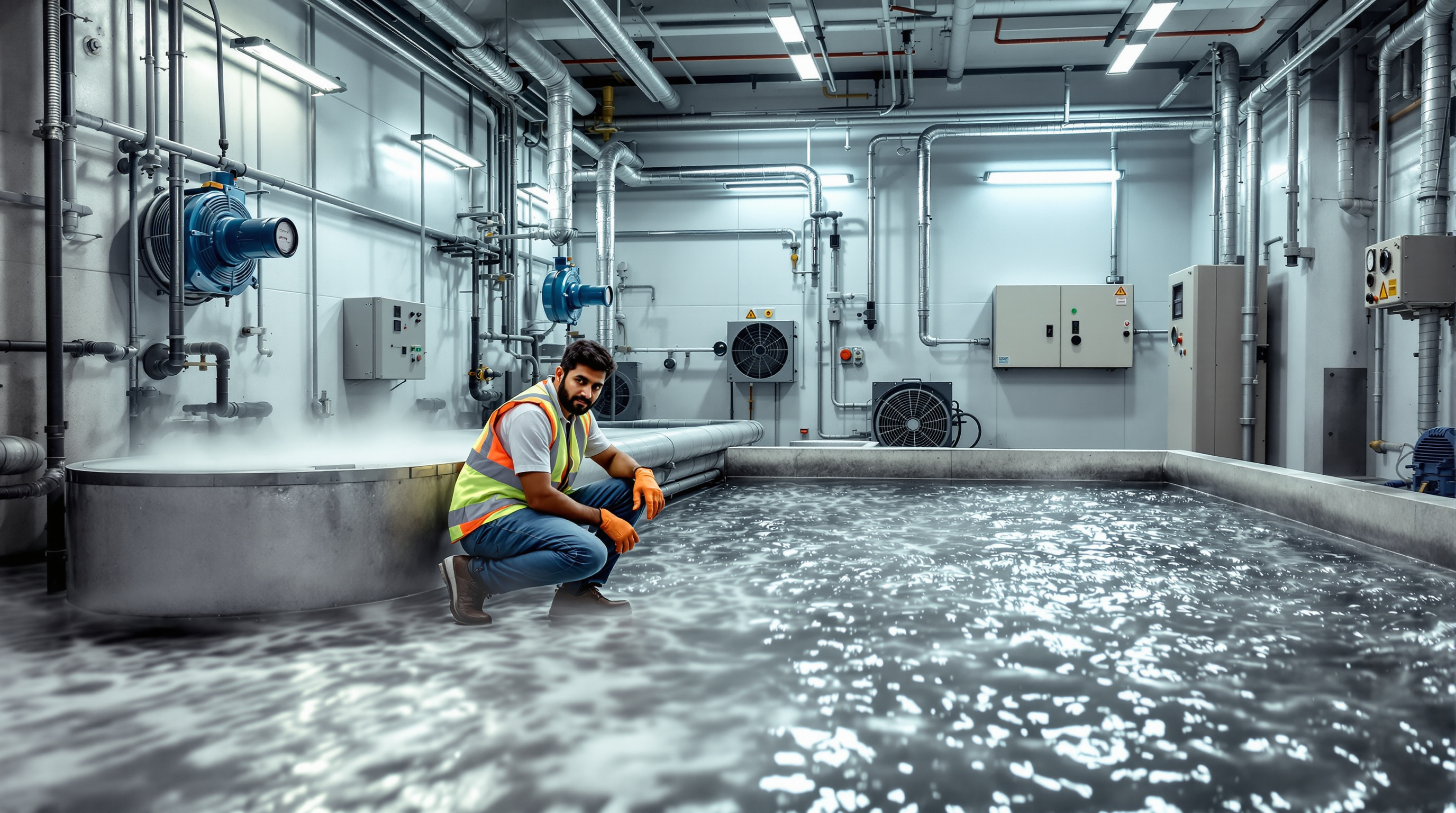
STP Trial Runs & Bacterial Culture Development: Commissioning the Living Plant
A new STP is a living system that must be grown, not switched on. This guide walks through trial runs and bacterial culture development — seeding, building MLSS, watching DO and settleability, and ramping sewage to full load over patient weeks.
 Guide162
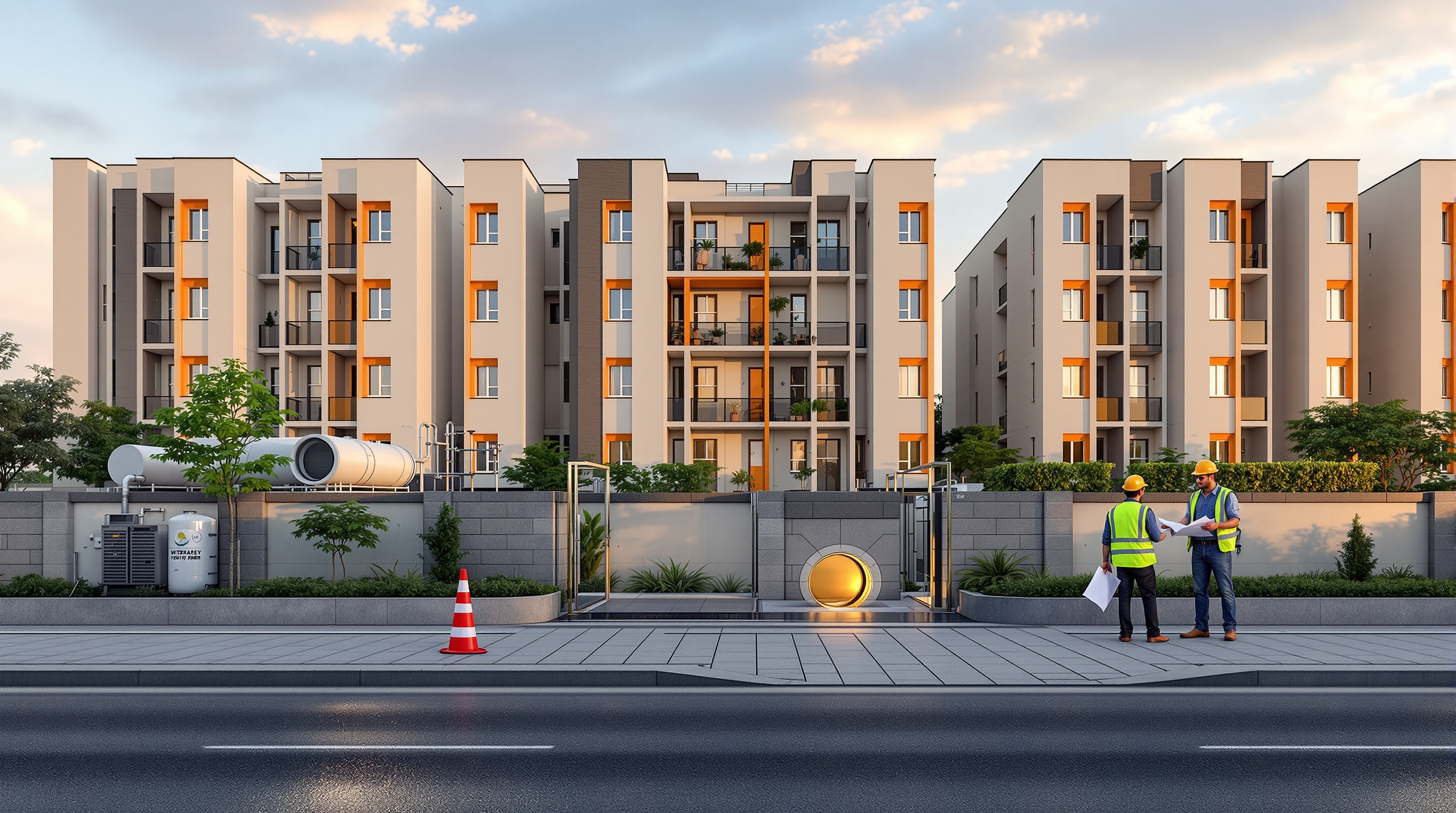
STP Troubleshooting: Common Problems & Fixes (Operator's Guide)
When your building STP smells, throws cloudy water or trips its pumps, you need answers fast. This operator's guide maps the seven most common STP problems to their likely causes and the fixes that actually work — with a quick-reference troubleshooting table.
 Guide163
STP vs Municipal Sewer Connection: What Every Developer Should Know
Should a developer treat sewage on-site with an STP or connect to the municipal sewer? Compare availability, capacity, connection and tariff costs versus STP capex and reuse savings, and compliance — with a side-by-side table and clear verdict guidance by city and building size.
 Guide164
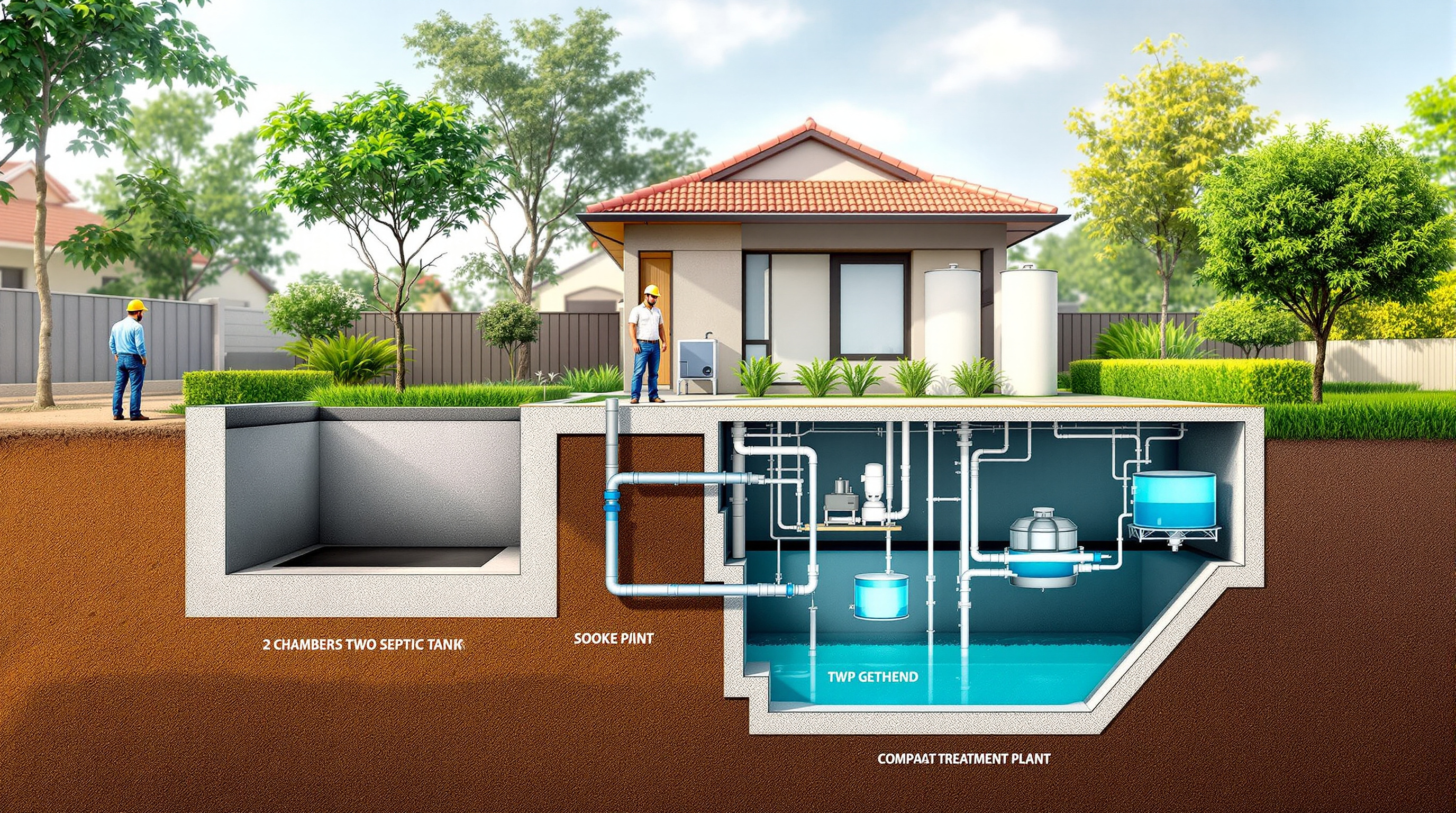
STP vs Septic Tank: Which Is Better for Your Building?
A septic tank stores and partly digests sewage; an STP actively cleans it to reusable water. This guide compares the two on treatment quality, space, cost, maintenance and Indian law — and tells you exactly which one your building needs.
 Guide165
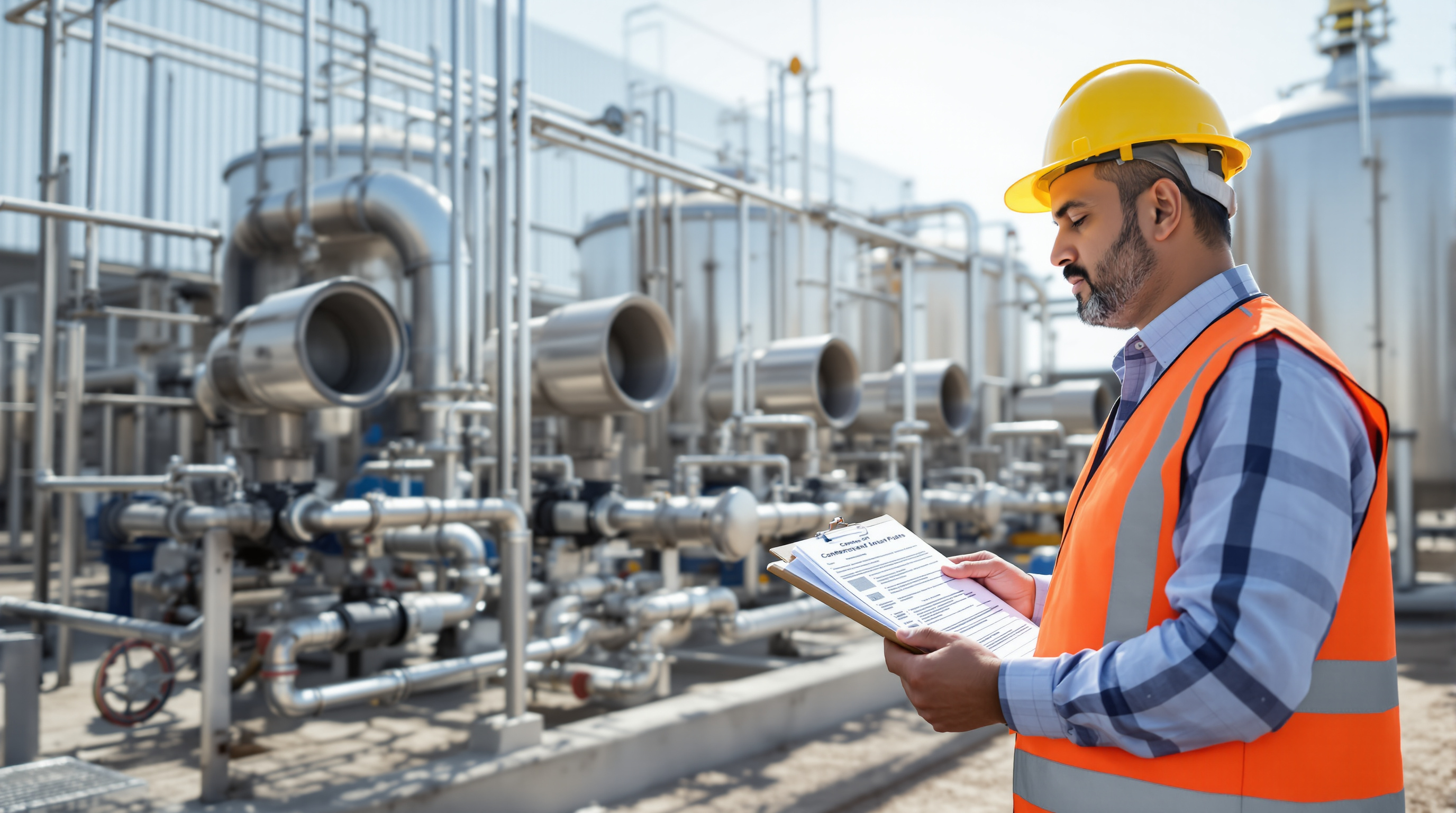
STP Warranty Checklist: What Should Actually Be Covered (India Guide)
A strong STP warranty covers far more than a one-line "12 months guarantee". This checklist breaks down what equipment, civil, performance, membrane and media clauses should say — and the exclusions that quietly shift risk back to you before you sign.
 Guide166
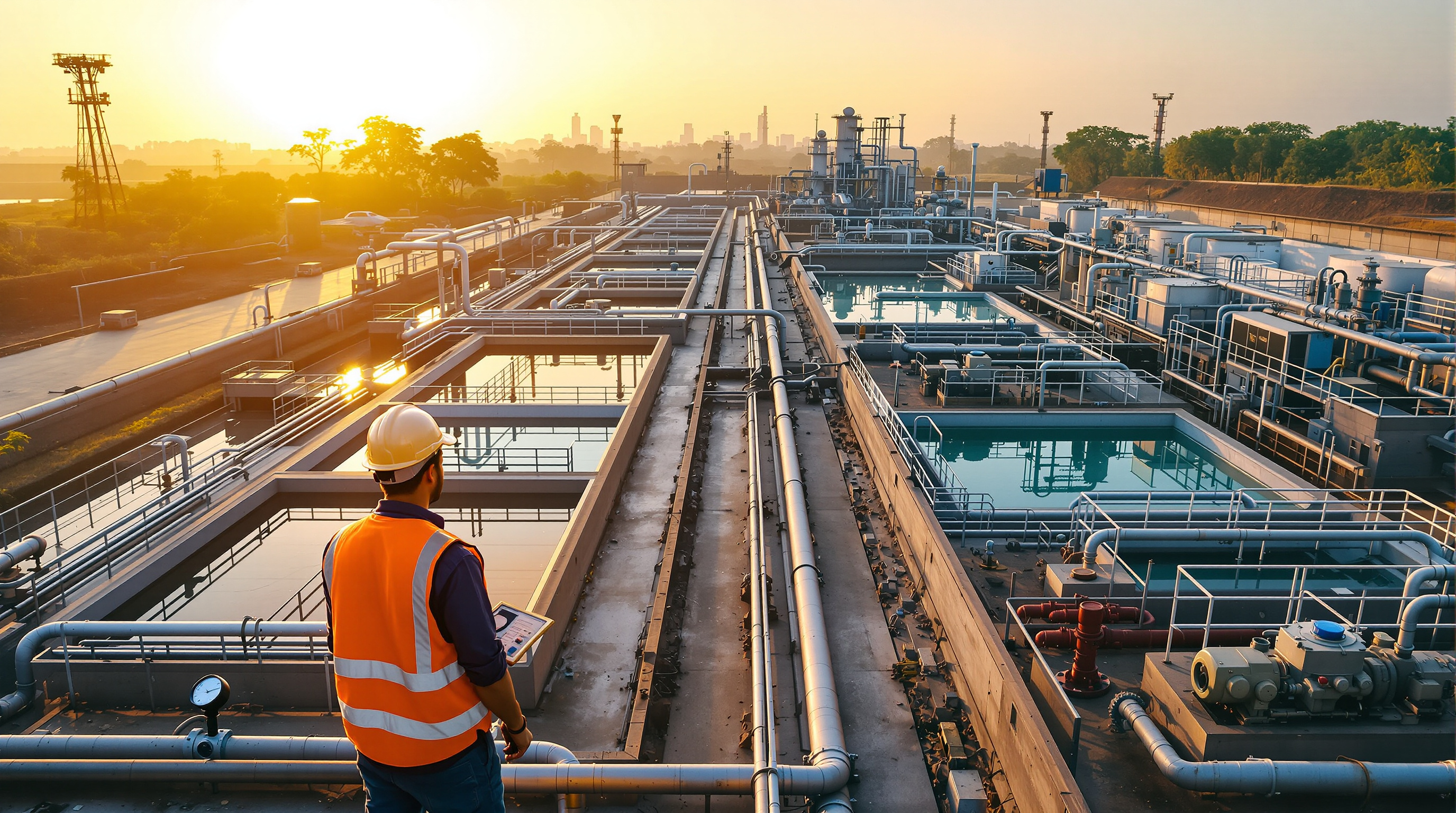
STP vs ETP: What is the Difference and Which Do You Need?
An STP treats domestic sewage; an ETP treats industrial trade effluent laden with chemicals, dyes or metals. This guide explains the real difference, when a facility needs one, the other, or both — plus where a shared CETP fits — with a side-by-side comparison table.
 Guide167
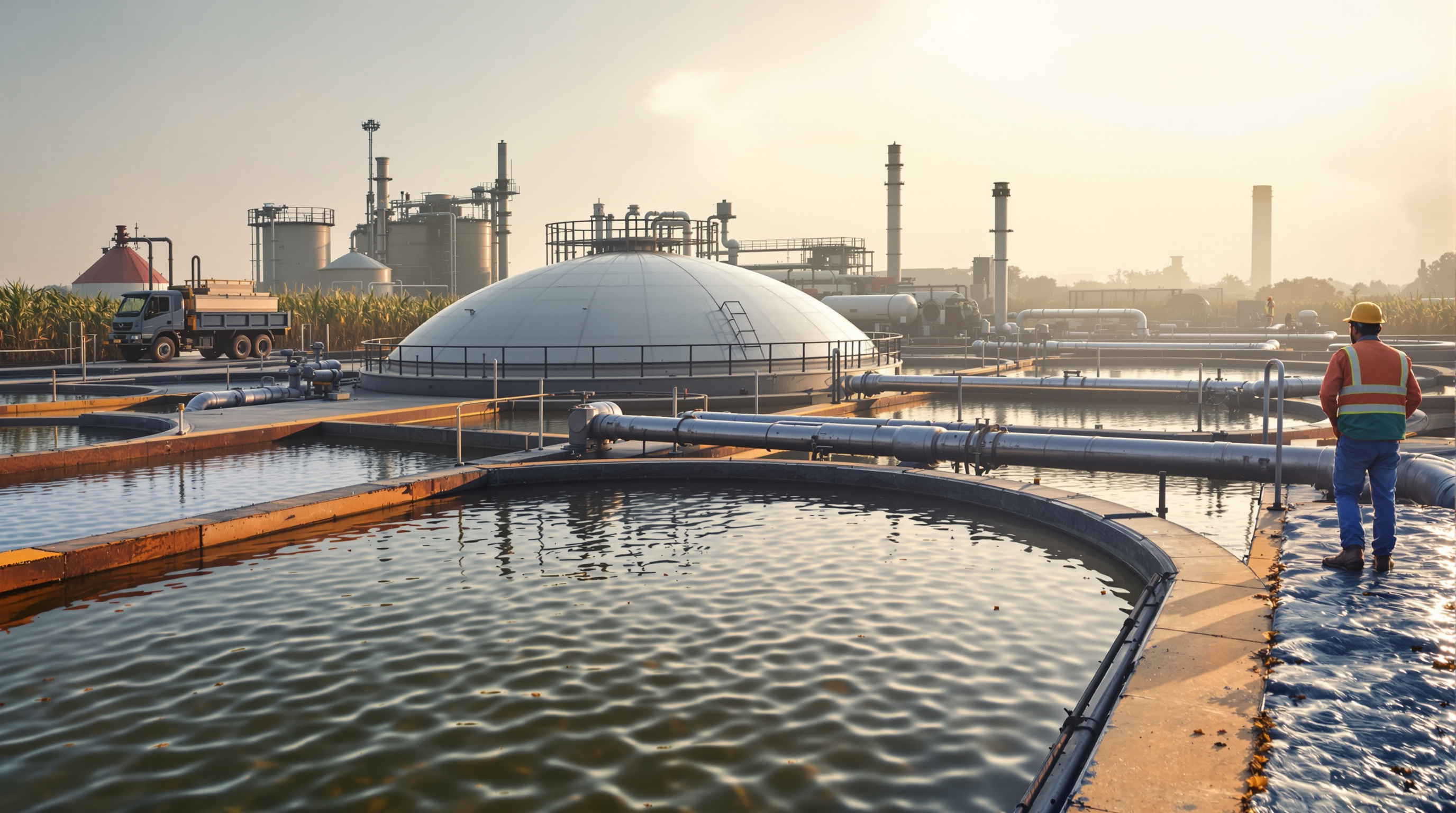
Sugar Factory Wastewater Treatment: ETP Design for High-BOD Mill Effluent
Sugar-mill effluent carries BOD and COD many times stronger than domestic sewage, and it all arrives during a short crushing season. This guide explains how anaerobic biogas digestion, aerobic polishing and spray irrigation treat it — and how to manage the campaign-season load surge.
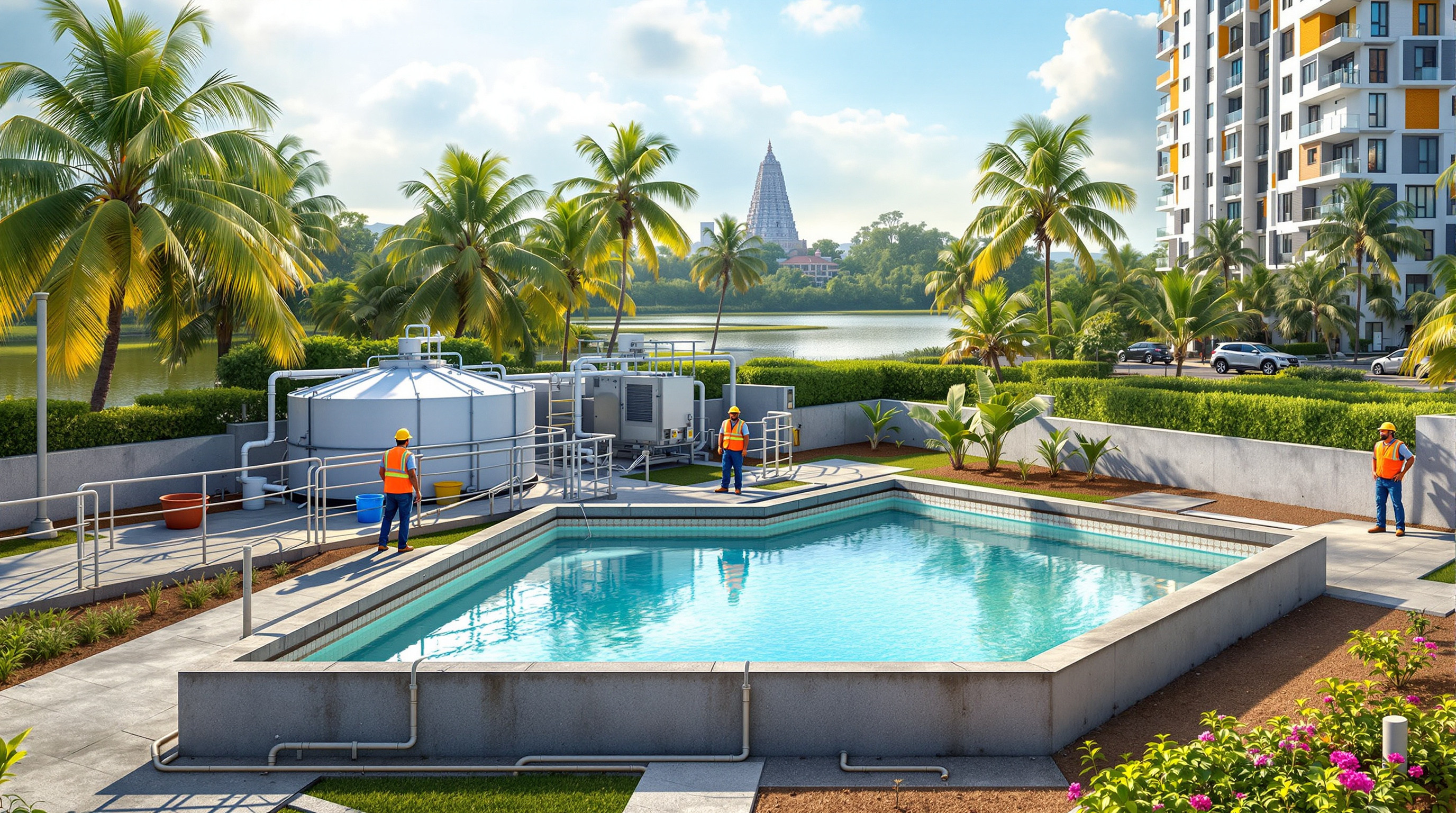 Guide168
Tamil Nadu STP Rules & TNPCB Norms: The 2026 Compliance Guide
A sewage treatment plant is mandatory for most apartment, commercial and institutional projects across Tamil Nadu. This guide explains the TNPCB consent process, local CMDA byelaws, discharge and reuse standards, and practical compliance steps for owners and RWAs.
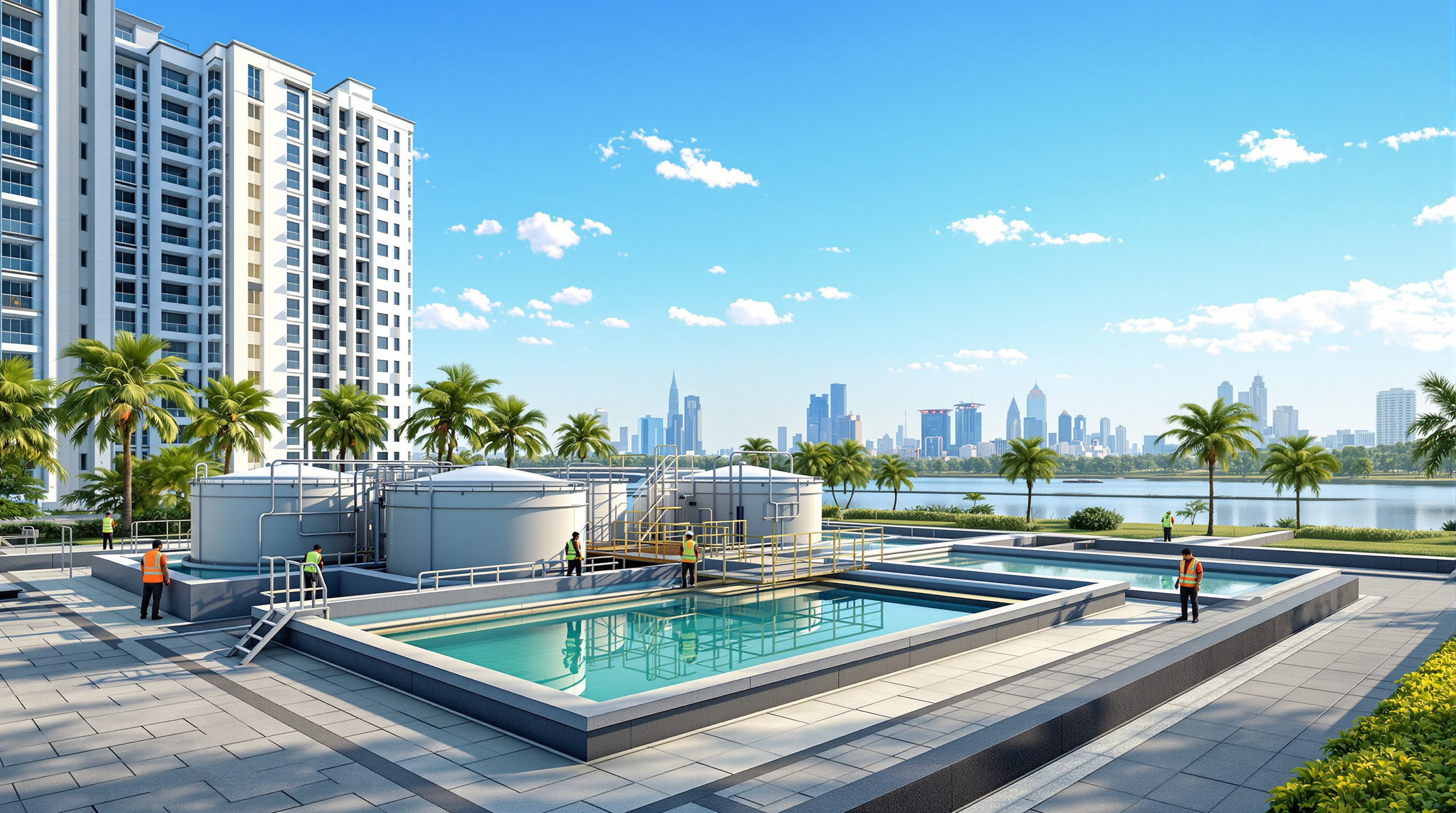 Guide169
Telangana STP Requirements & TSPCB Norms: The Complete 2026 Compliance Guide
A sewage treatment plant is mandatory for most medium and large developments in Telangana. This guide explains when an STP is required, the TSPCB CTE/CTO consent process, GHMC and HMDA building rules, discharge and reuse norms, and practical compliance steps for owners and RWAs.
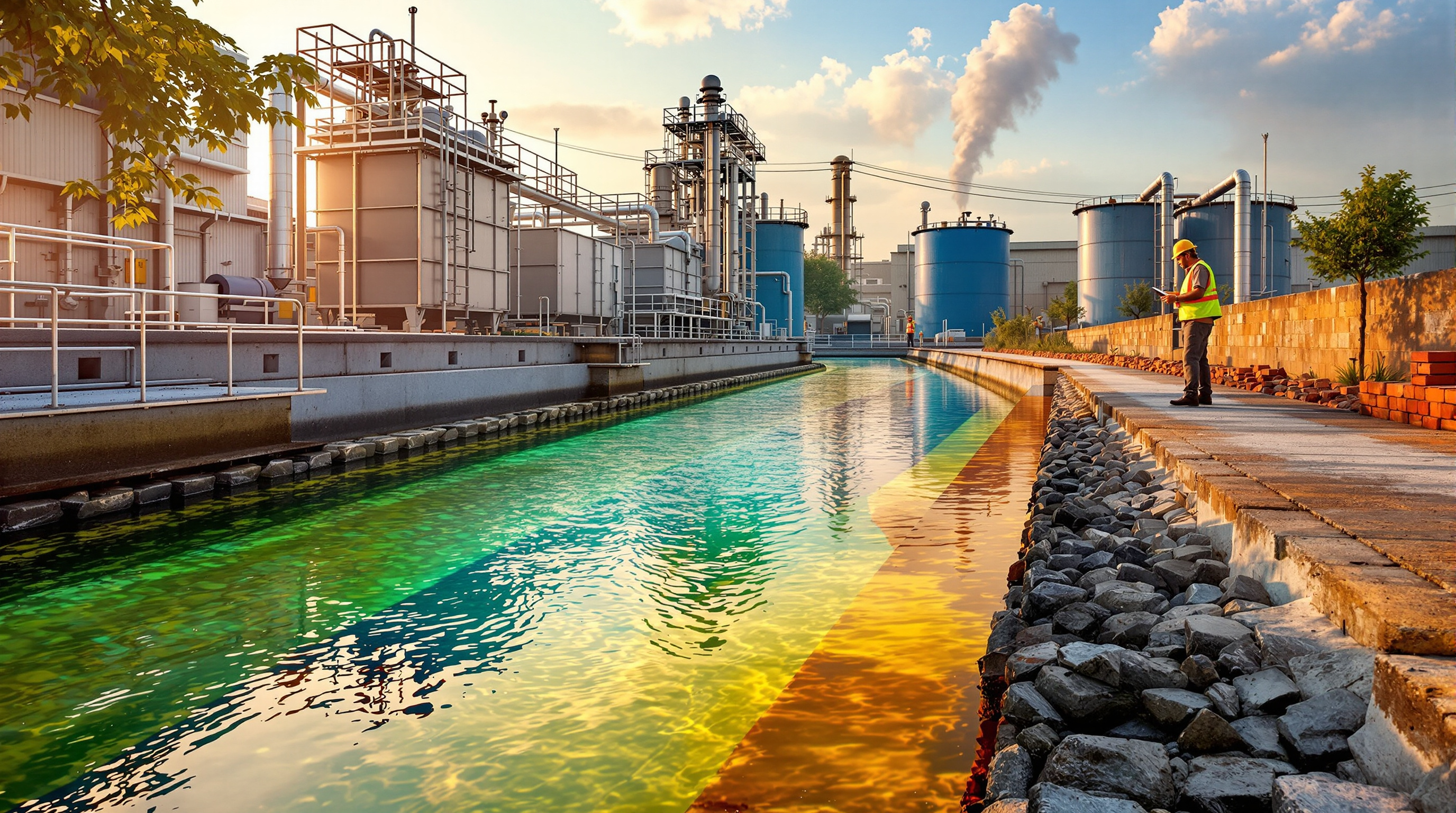 Guide170
Textile Industry Wastewater Treatment: The Complete Engineering Guide
Textile and dyeing effluent is coloured, salty, alkaline and full of refractory dyes that ordinary biological treatment cannot break. This guide explains the coagulation, biological, colour-removal and membrane treatment train, and why Indian regulators increasingly mandate Zero Liquid Discharge.
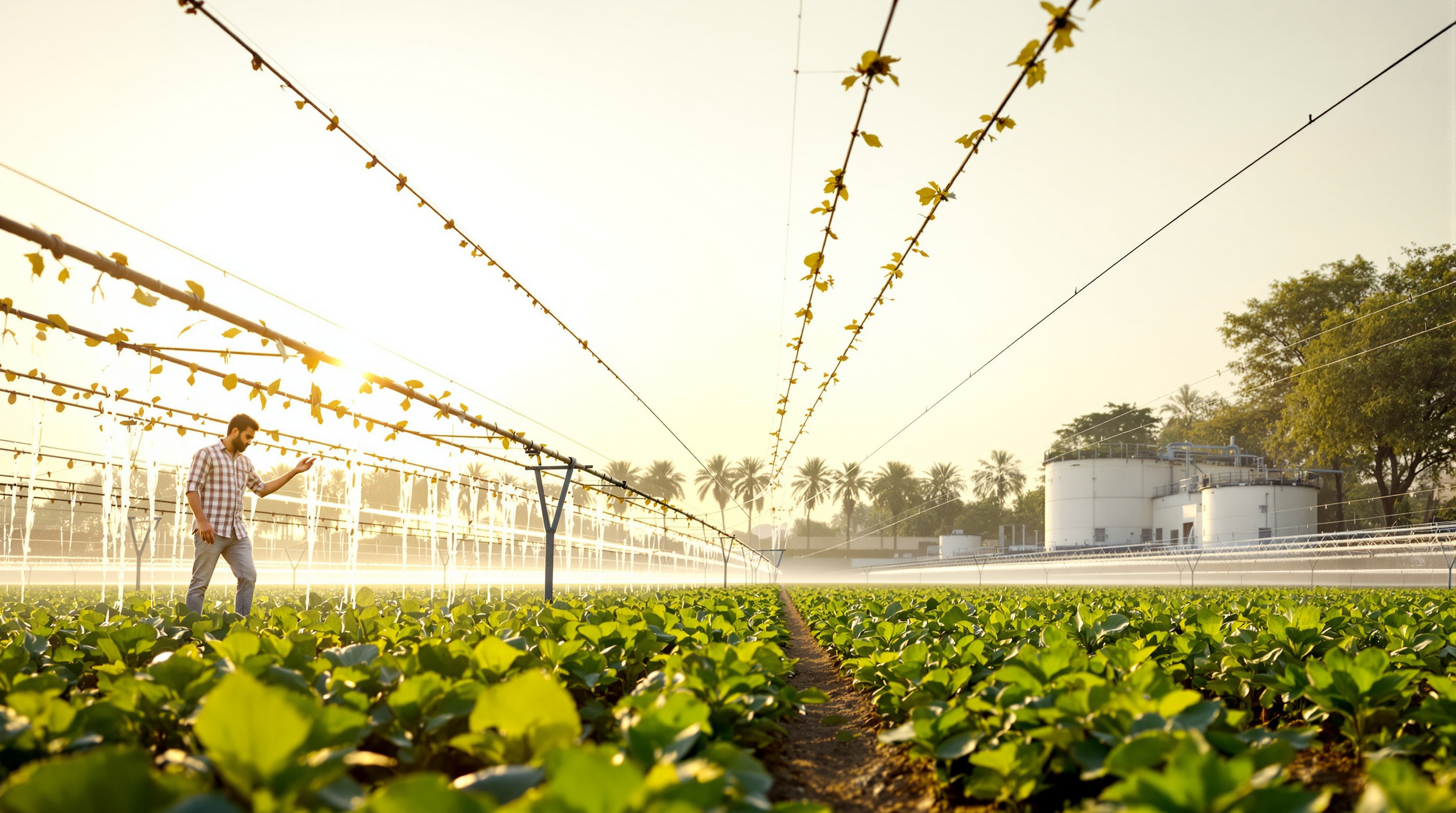 Guide171
Treated STP Water for Agriculture: Safe Irrigation Guide for India
Treated STP water can irrigate the right crops safely — if you respect pathogen limits, heavy-metal risks and the crop-water match. A practical guide to WHO and Indian reuse guidance, safe crops and field application methods.
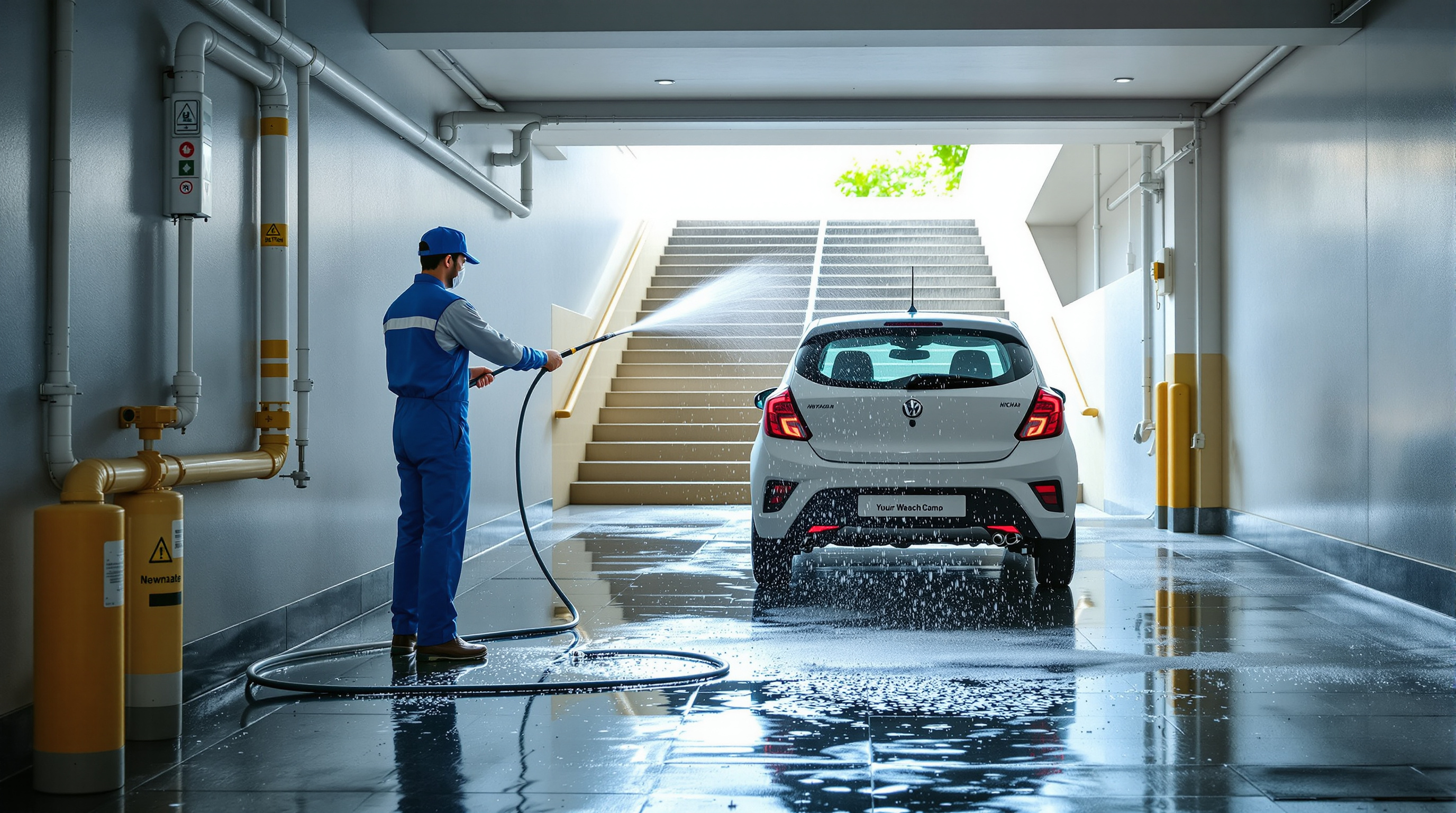 Guide172
Treated Water for Car & Vehicle Washing: Quality, Chlorine & Setup
Treated STP water is ideal for washing cars, driveways and common areas — if you get the quality right. Learn the residual chlorine, TDS and clarity it needs, how to avoid spotting and staining on paint, and how to plumb the supply safely.
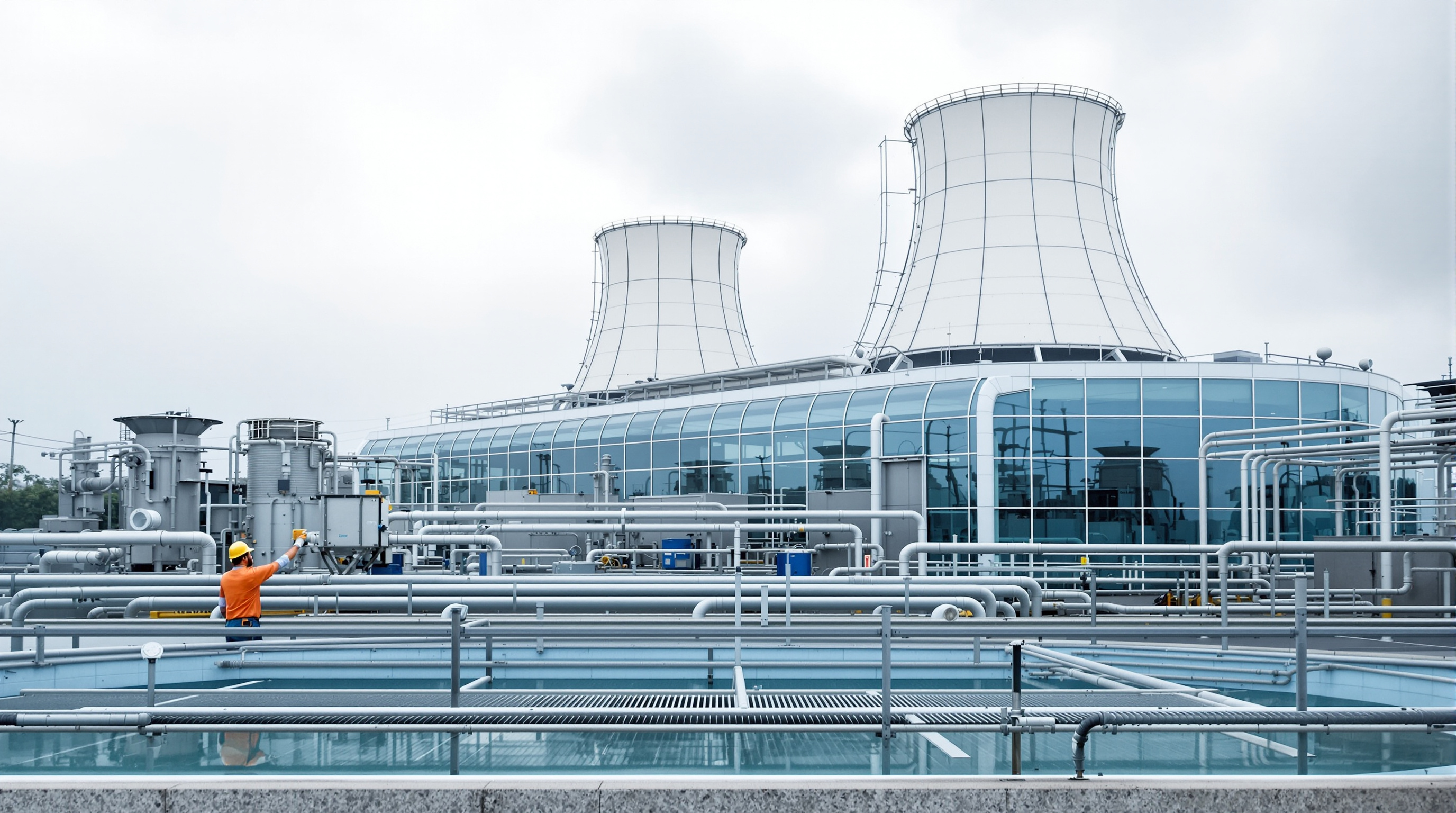 Guide173
Treated Water for Cooling Towers: Using STP Water as Cooling-Tower Make-Up
Reusing treated sewage as cooling-tower make-up can slash a commercial building's freshwater bill — but only if the water clears strict hardness, TDS and microbiology limits. Here are the quality targets, the scaling, corrosion and biofouling risks, and the tertiary treatment needed.
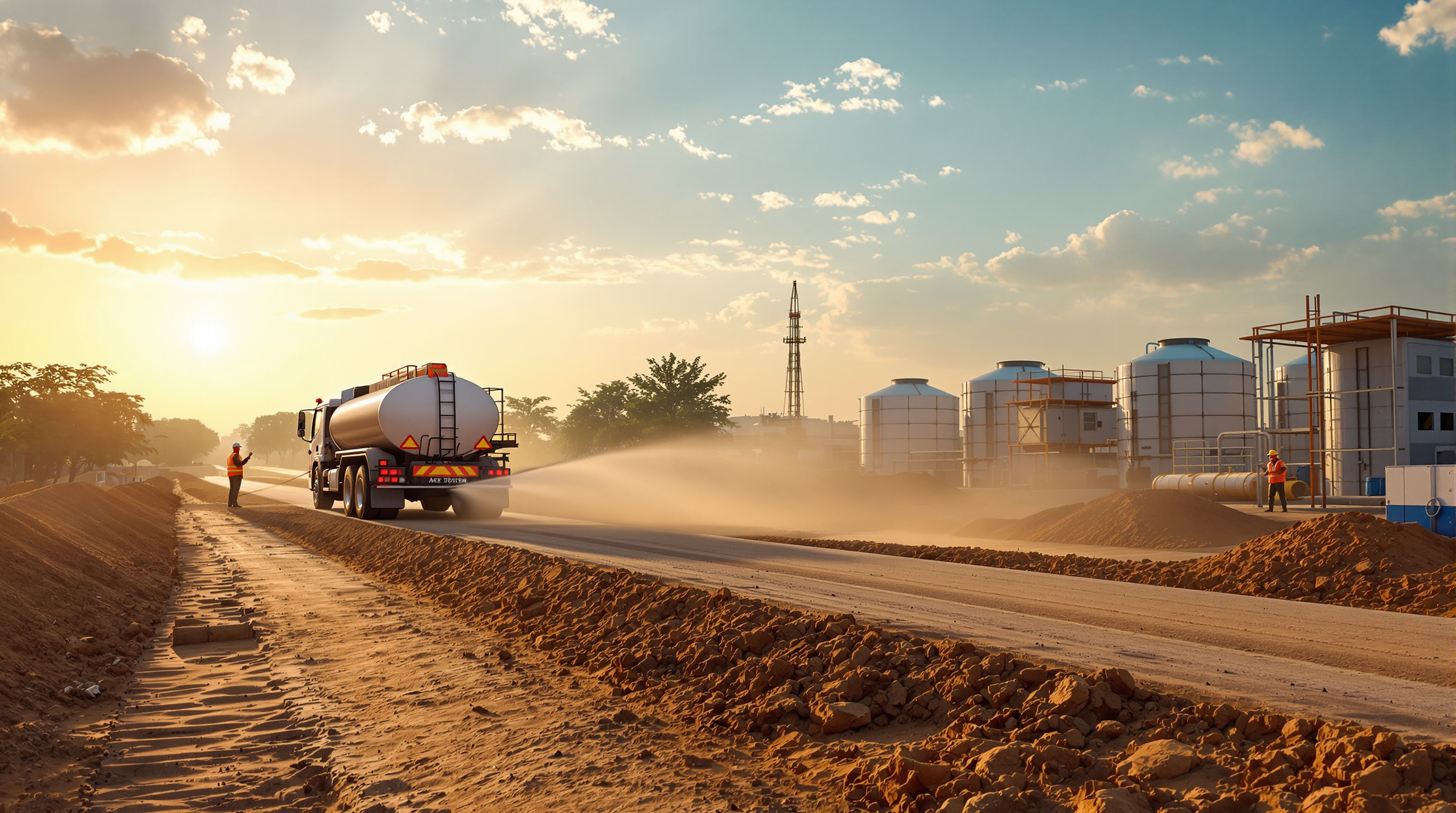 Guide174
Treated Water for Construction Use: Curing, Dust Suppression & Compaction with STP Water
Treated water for construction — curing, dust suppression and compaction — can replace costly fresh tanker water on most sites. This guide covers where STP water is safe, the concrete quality caveats that matter, and the savings a large project unlocks.
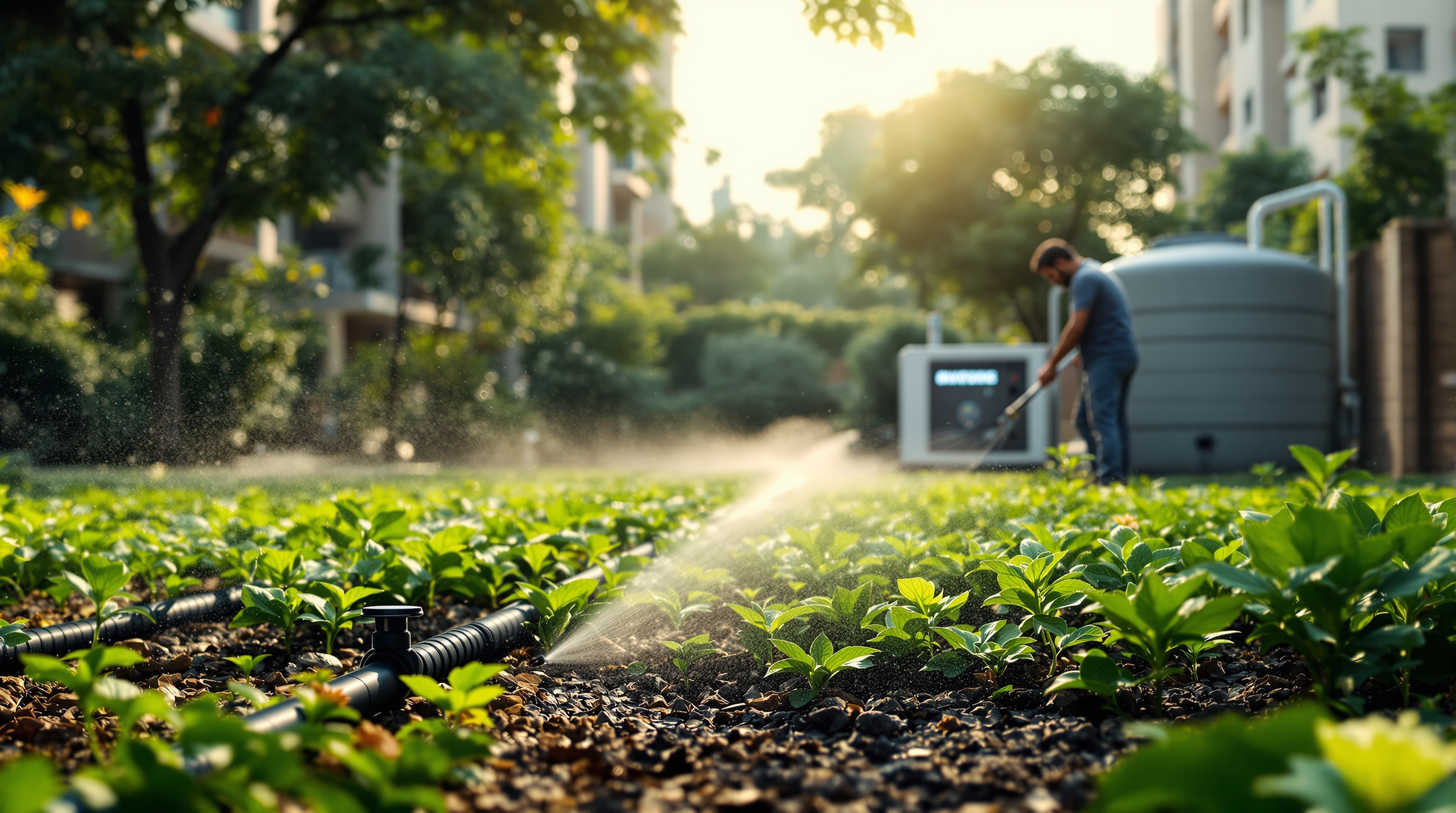 Guide175
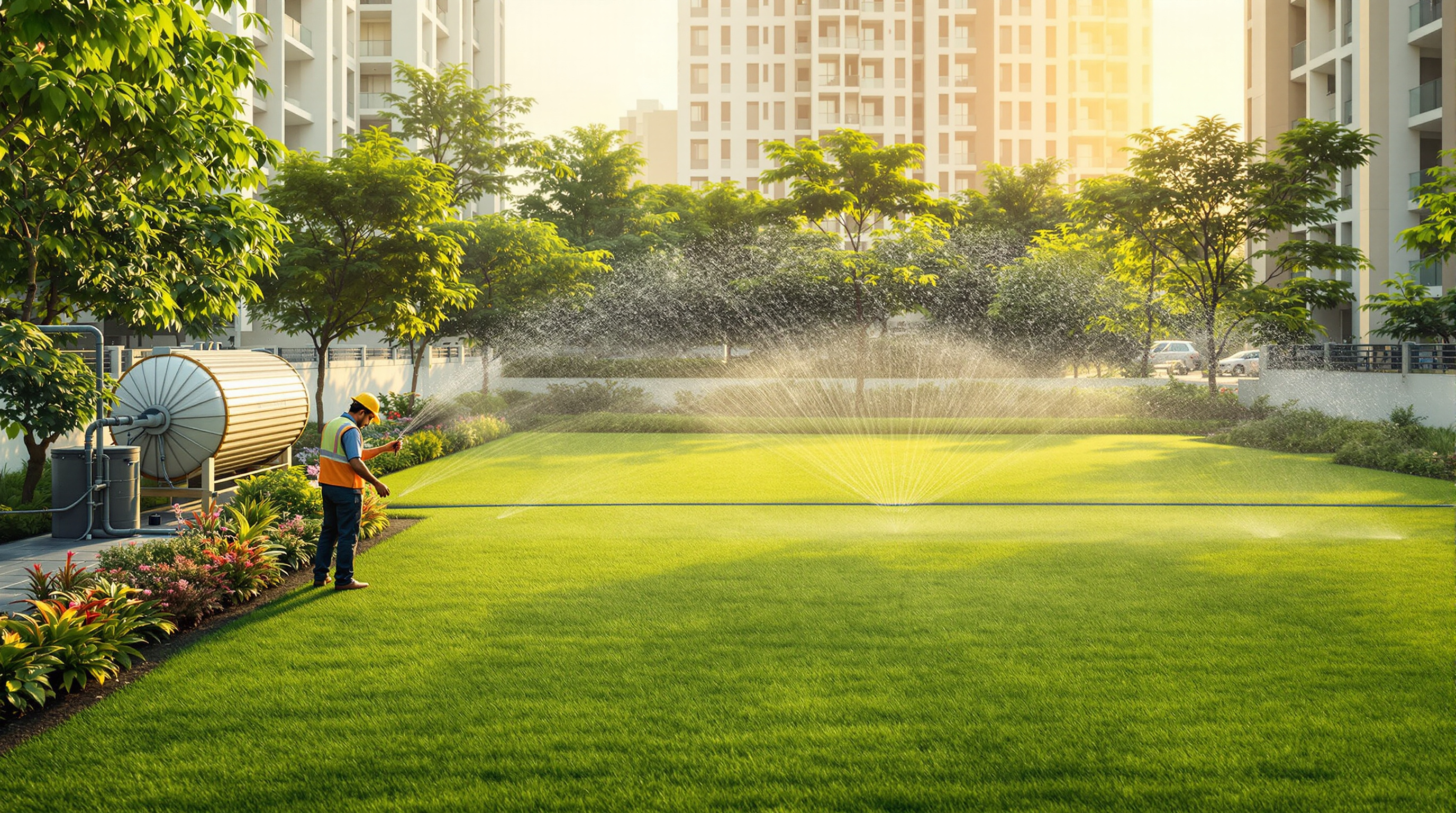
Using Treated STP Water for Gardening: A Safe Reuse Guide
Treated STP water can safely irrigate home and complex gardens — if the quality is right. This guide covers the numbers that matter, why drip beats sprinklers, the salt and chlorine cautions that harm plants, and dual-plumbing basics for reliable reuse.
 Guide176
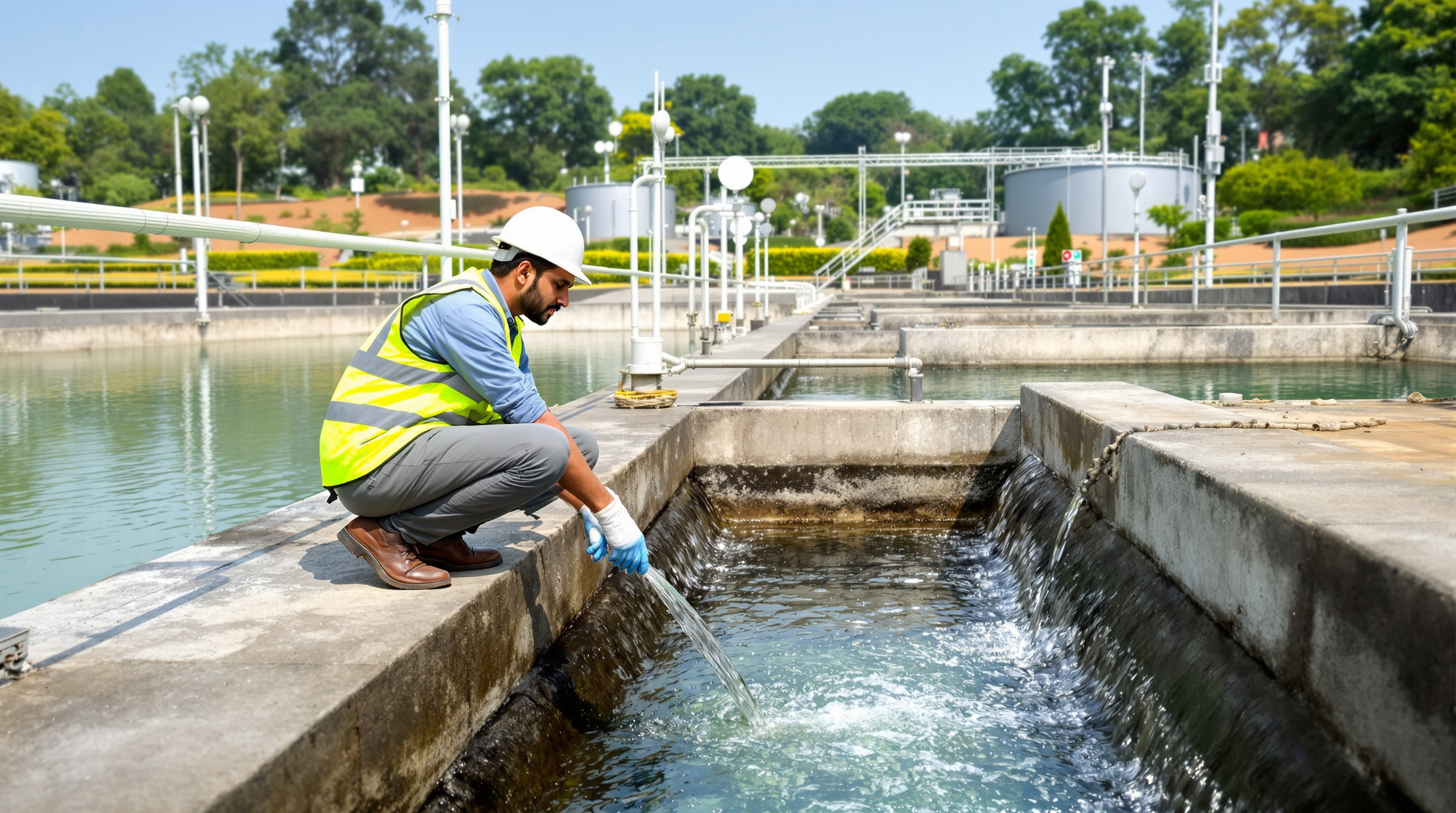
Treated Water for Landscape Irrigation: Distribution, Storage, Quality & Salinity
Treated STP water is the cheapest irrigation source a large Indian building will ever have — if the network, storage and quality are designed for plants, not just for discharge. Here is how to distribute it, store it, and stop salt ruining the soil.
 Guide177
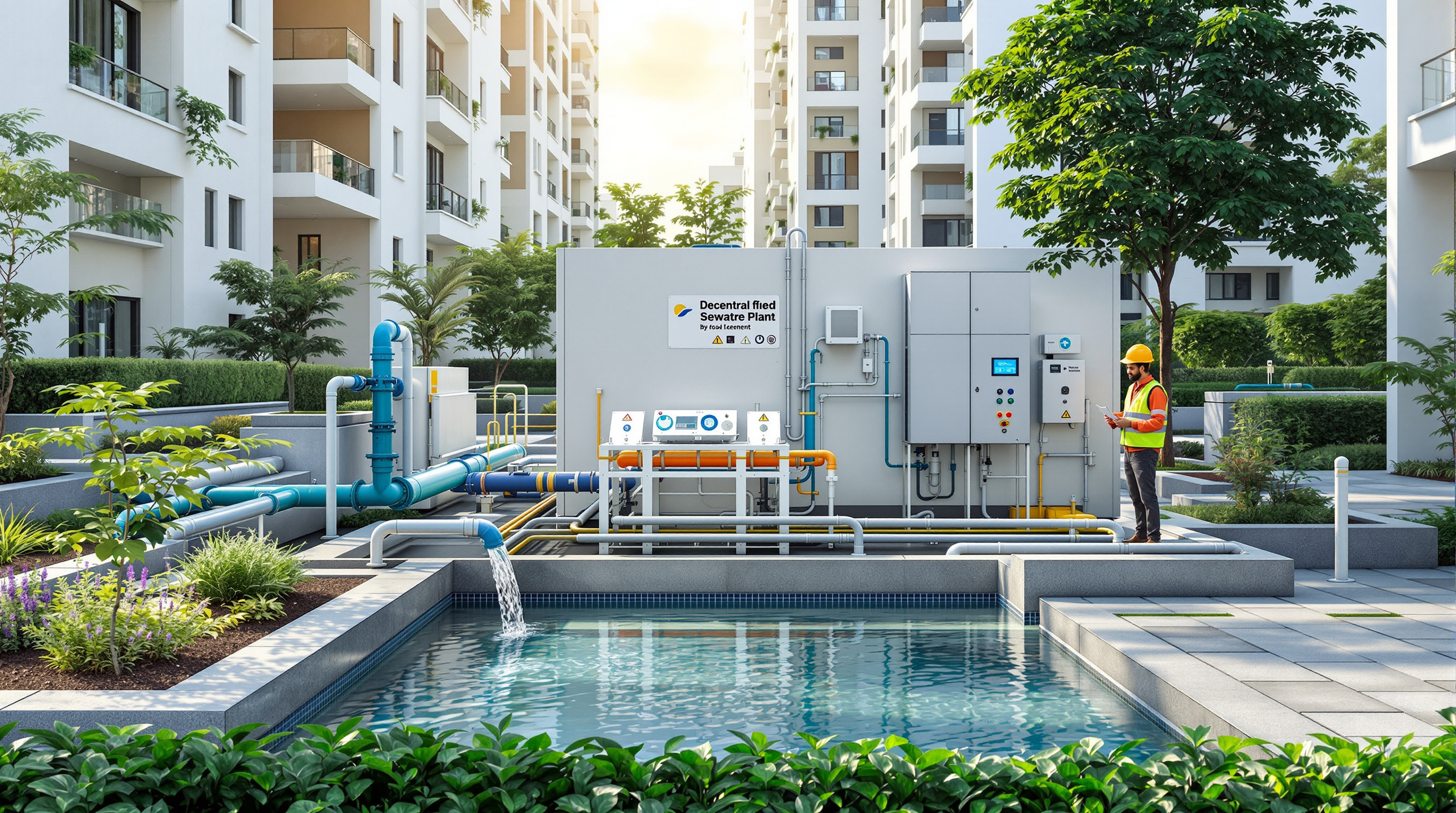
Treated Water Quality Standards for STPs in India: Discharge Norms Explained
The BOD, COD, TSS, pH, nitrogen and faecal coliform limits treated sewage must meet in India — the CPCB general standards, the contested 2015–2019 STP saga, and how to find the value that actually binds your plant's consent.
 Guide178
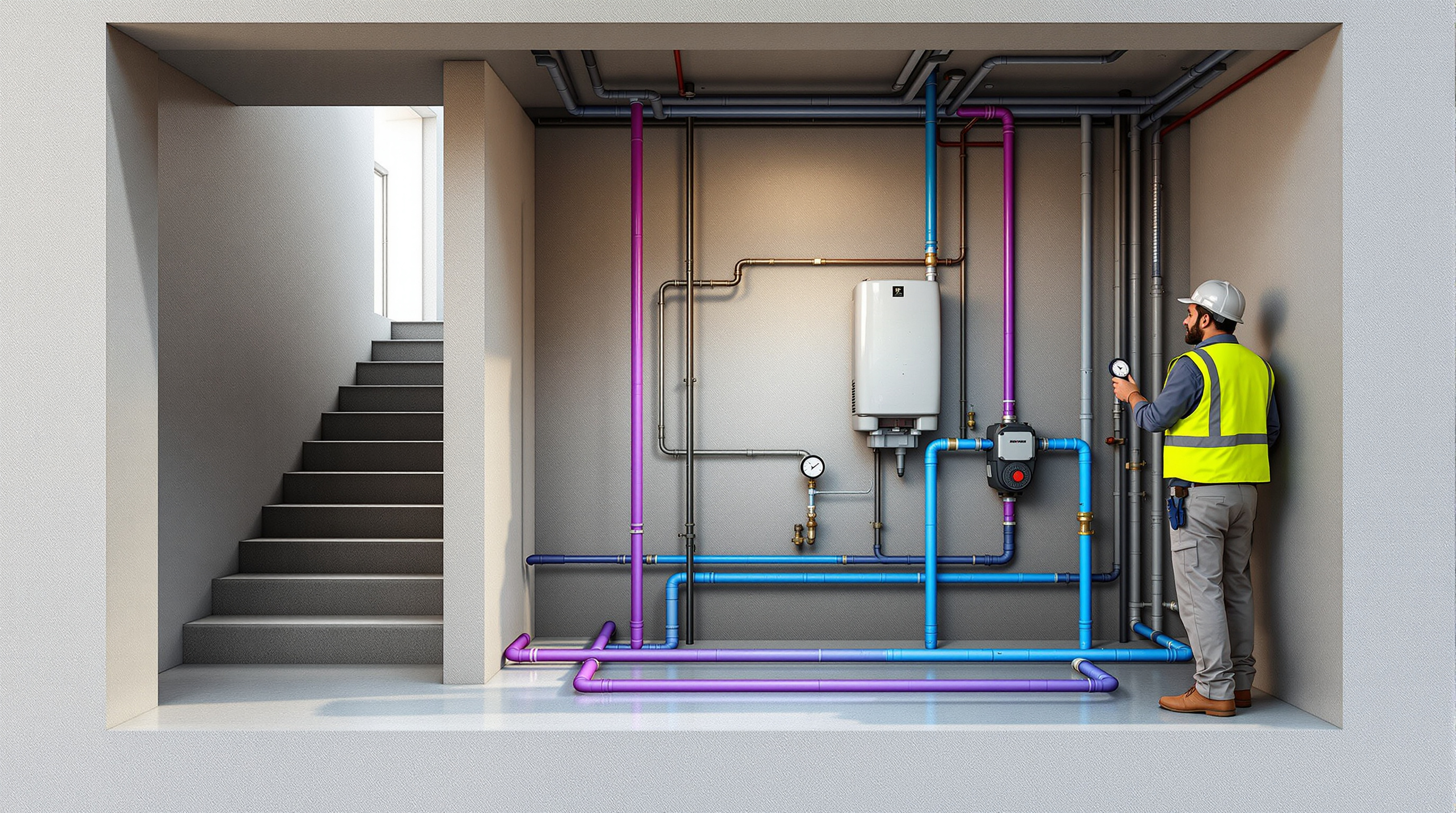
Treated Water Reuse Standards & Guidelines in India: An End-Use Guide
Treated water reuse in India follows a ladder of fitness for use: clear the discharge floor, then meet each end use's bar — disinfection for flushing, salinity control for gardens, salt checks for construction, scaling control for cooling. Here is what CPCB and SPCB norms actually expect.
 Guide179
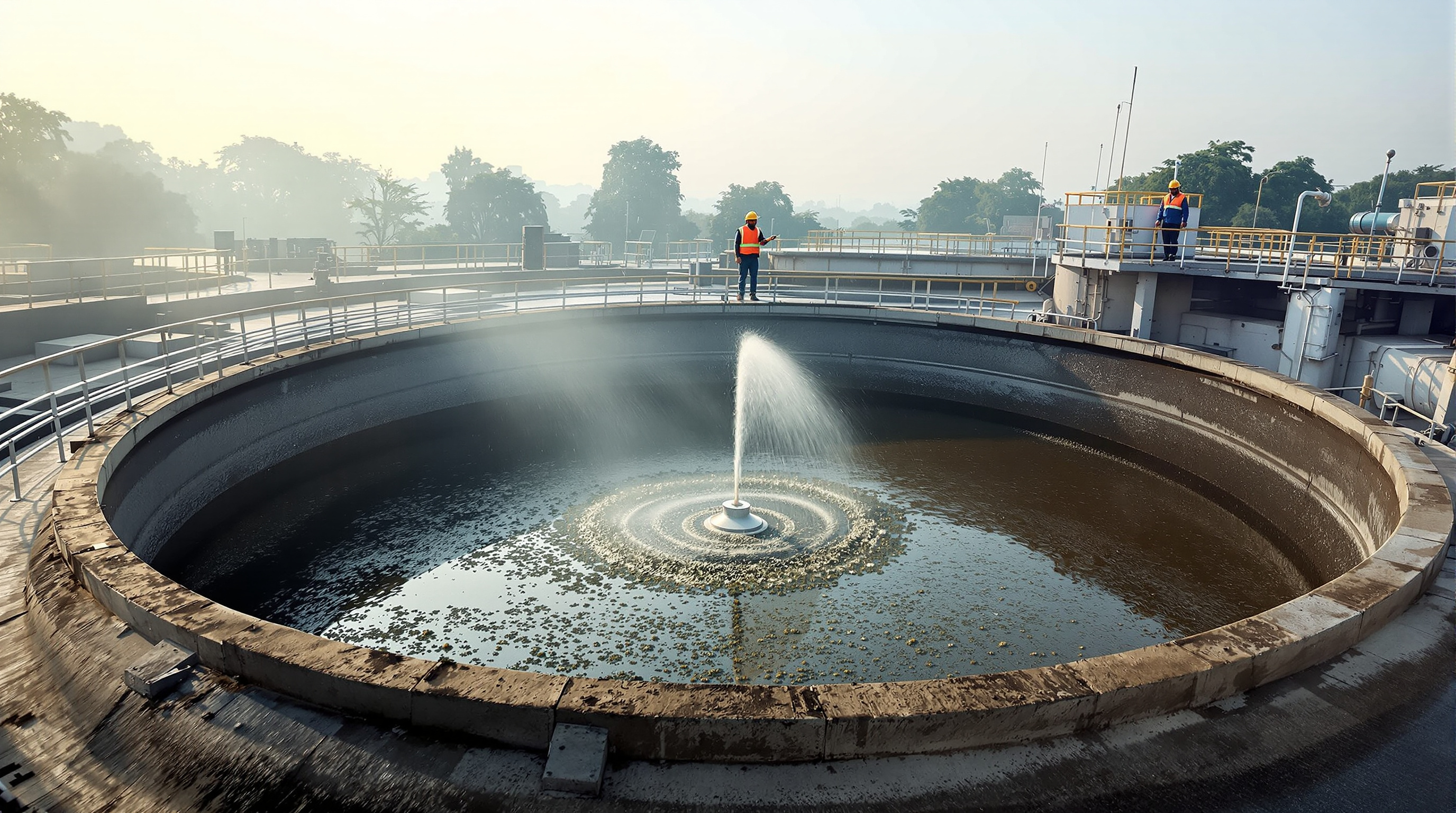
Treated Water for Toilet Flushing: The Complete STP Reuse Guide
Toilet flushing is the single biggest reuse for STP treated water. This guide covers dual plumbing, the dedicated flush tank and pump, colour-coded non-potable lines, the quality and residual-chlorine you actually need, and how to prevent cross-connections with the potable supply.
 Guide180
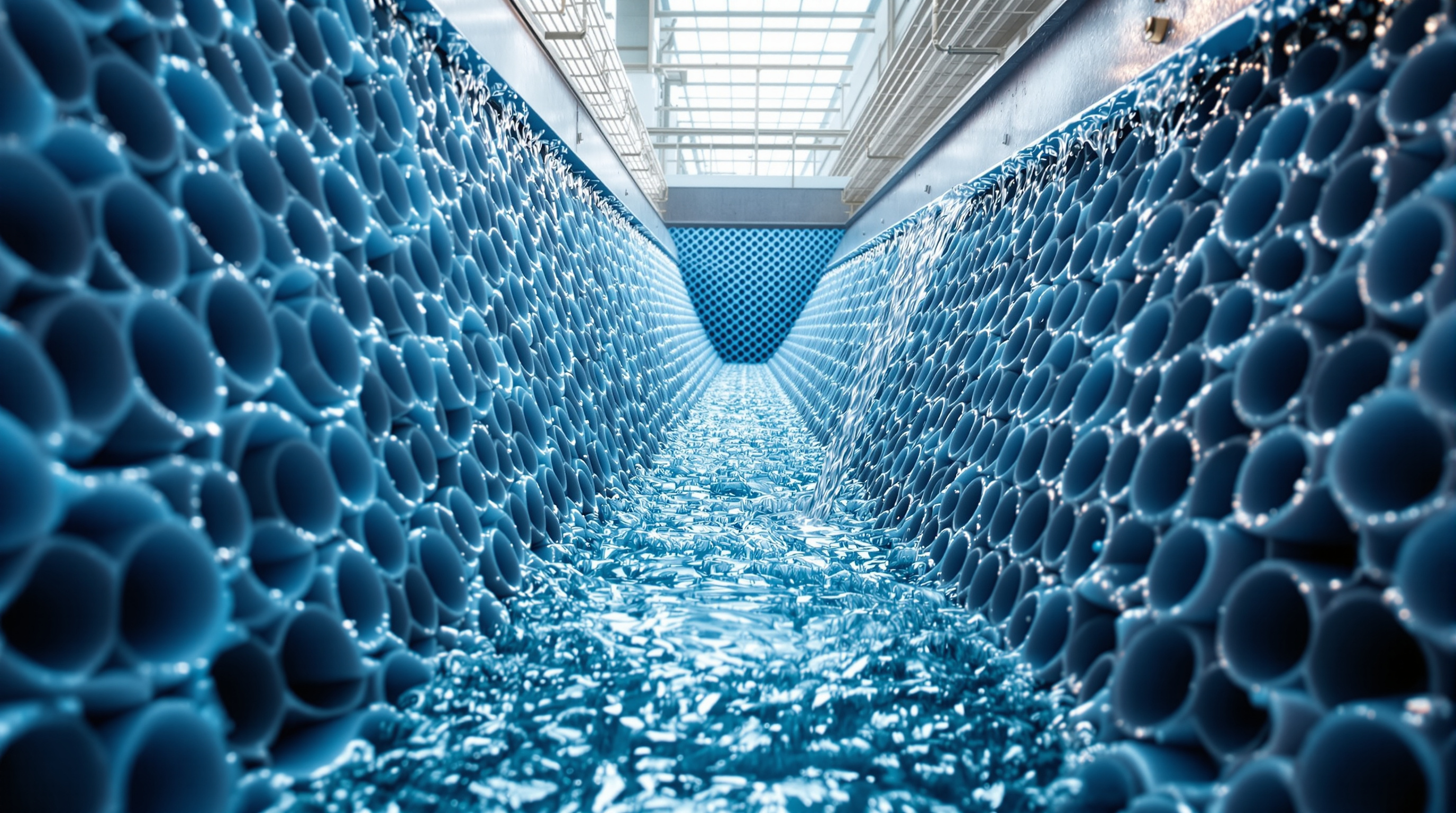
Trickling Filter Systems in Wastewater Treatment: How Attached-Growth STPs Work
A trickling filter treats sewage by trickling it over a media bed coated with pollution-eating biofilm. This guide explains how the attached-growth process works, its low-power appeal, its strengths and weaknesses against activated sludge, and where it fits in Indian STPs.
 Guide181
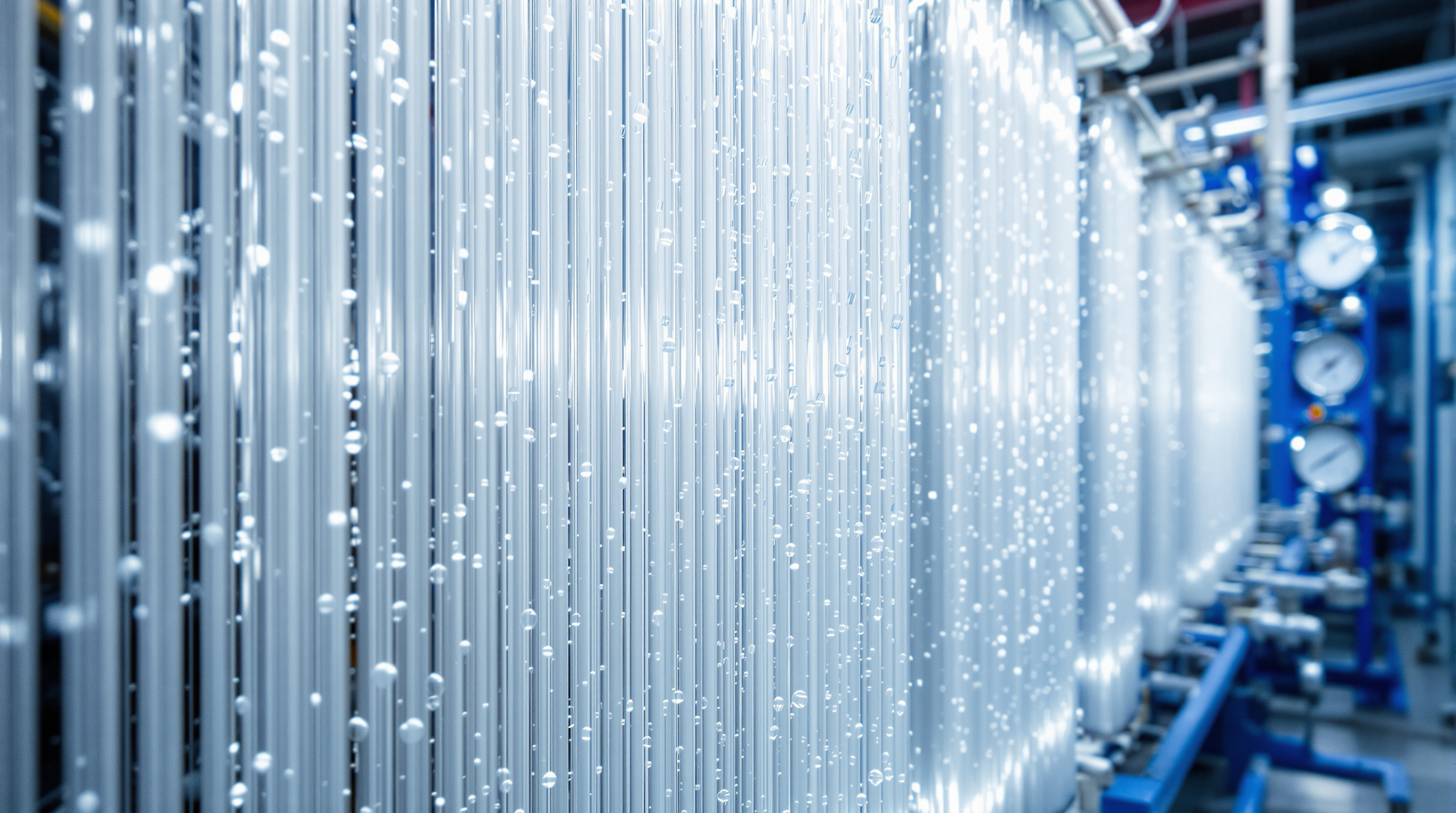
Tube Settler in an STP: Compact High-Rate Settling Explained
A tube settler is a stack of inclined tubes fitted into a clarifier that multiplies its settling area many times over in the same footprint. Learn how the inclined-surface principle works, where tube settlers are added in an STP, and how to keep them clean.
 Guide182
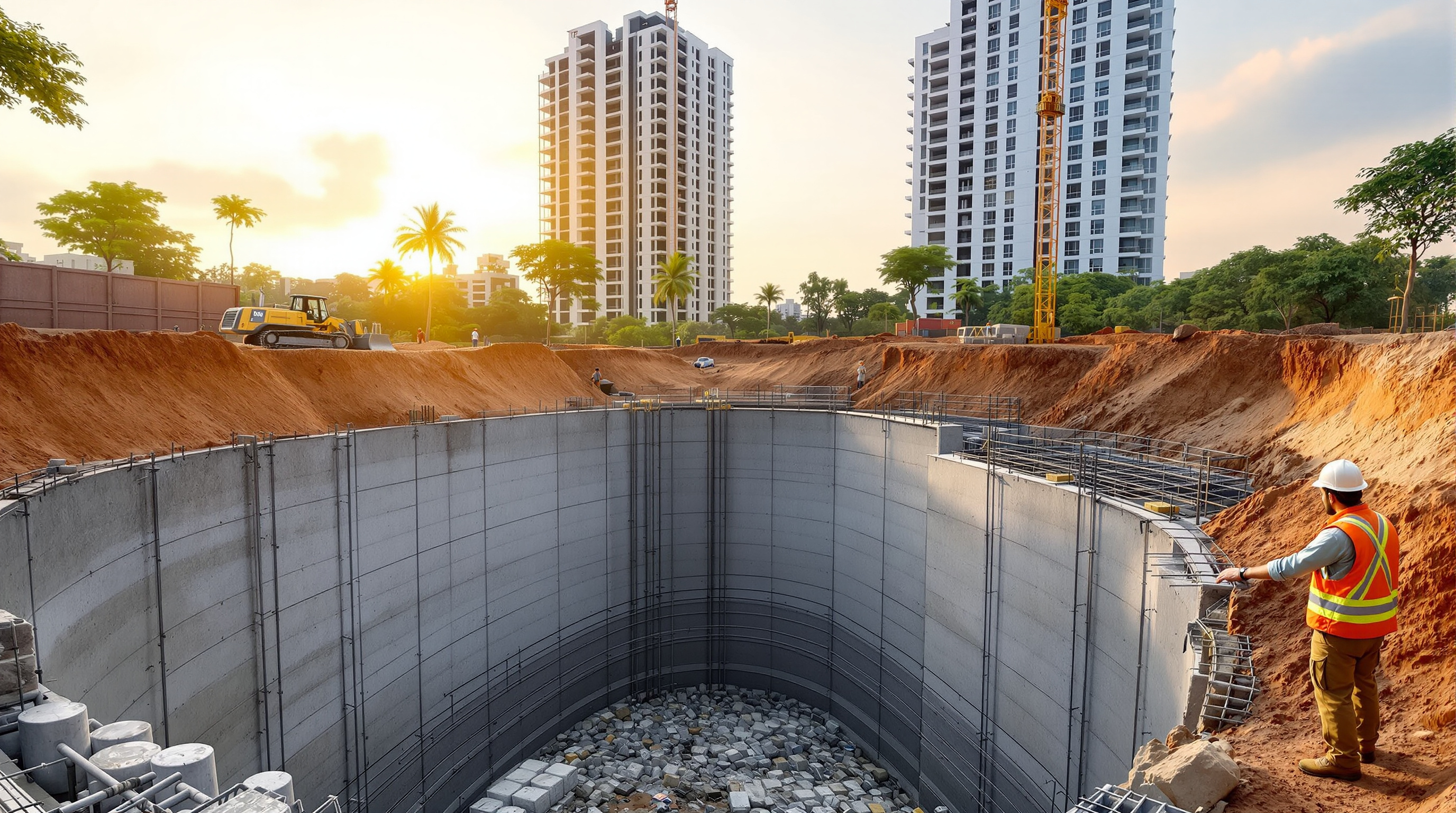
UF Membrane in Advanced STPs: The Physical Barrier for Reuse-Grade Water
A UF membrane in an STP is an absolute physical barrier with pores near 0.01–0.05 micron that strains out solids, turbidity and bacteria — delivering near-turbidity-free, low-SDI water ready for reuse or RO. Here is how it works, sizes and fouls.
 Guide183
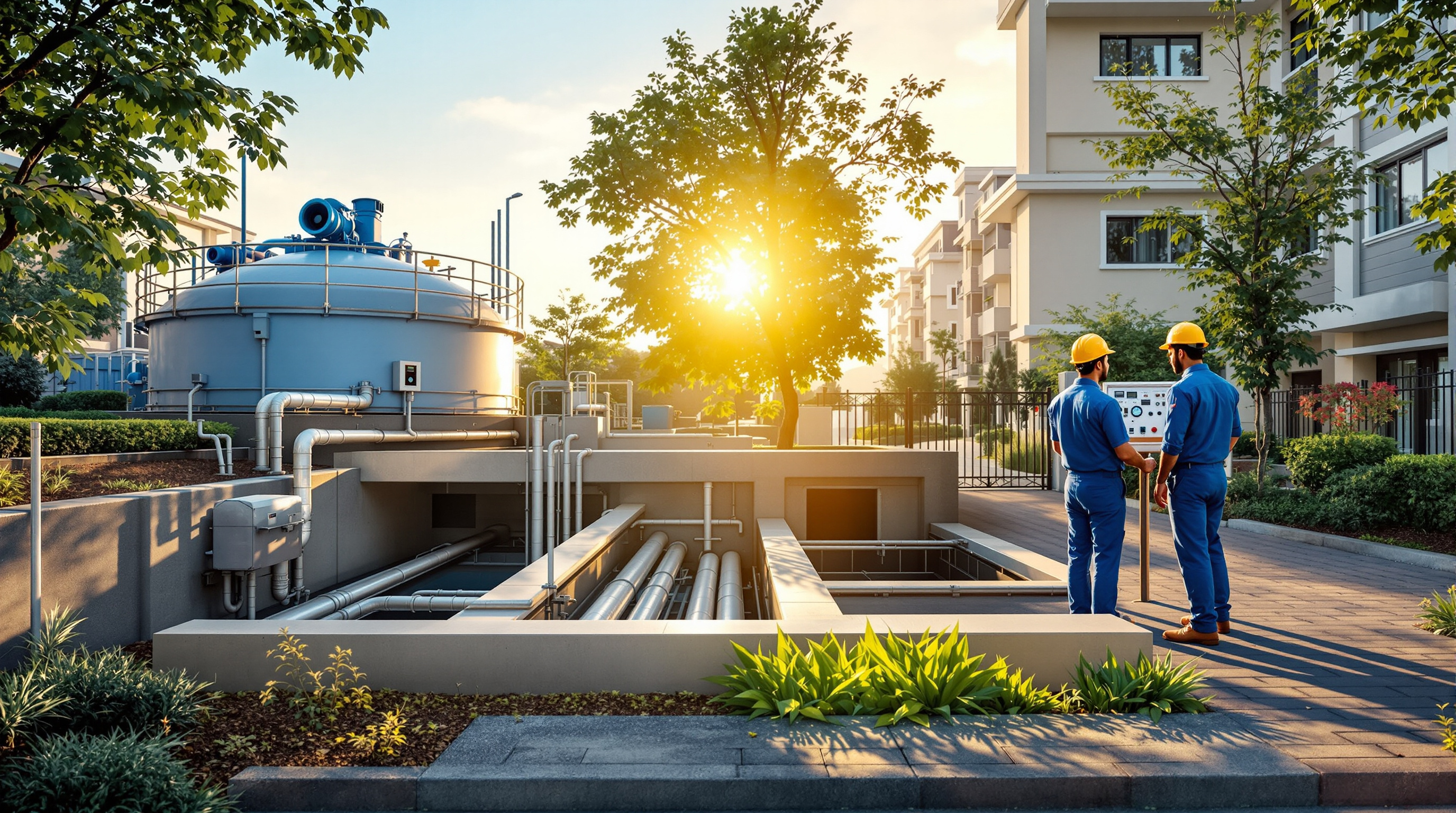
Underground STP Cost: The Premium Explained (India 2026 Guide)
Building an STP underground adds a civil premium of roughly 15–40% over an above-ground plant, driven by excavation, waterproofing, heavier structure and forced ventilation. This guide breaks down where that money goes, in realistic 2026 Indian ranges, and when going underground is worth it.
 Guide184
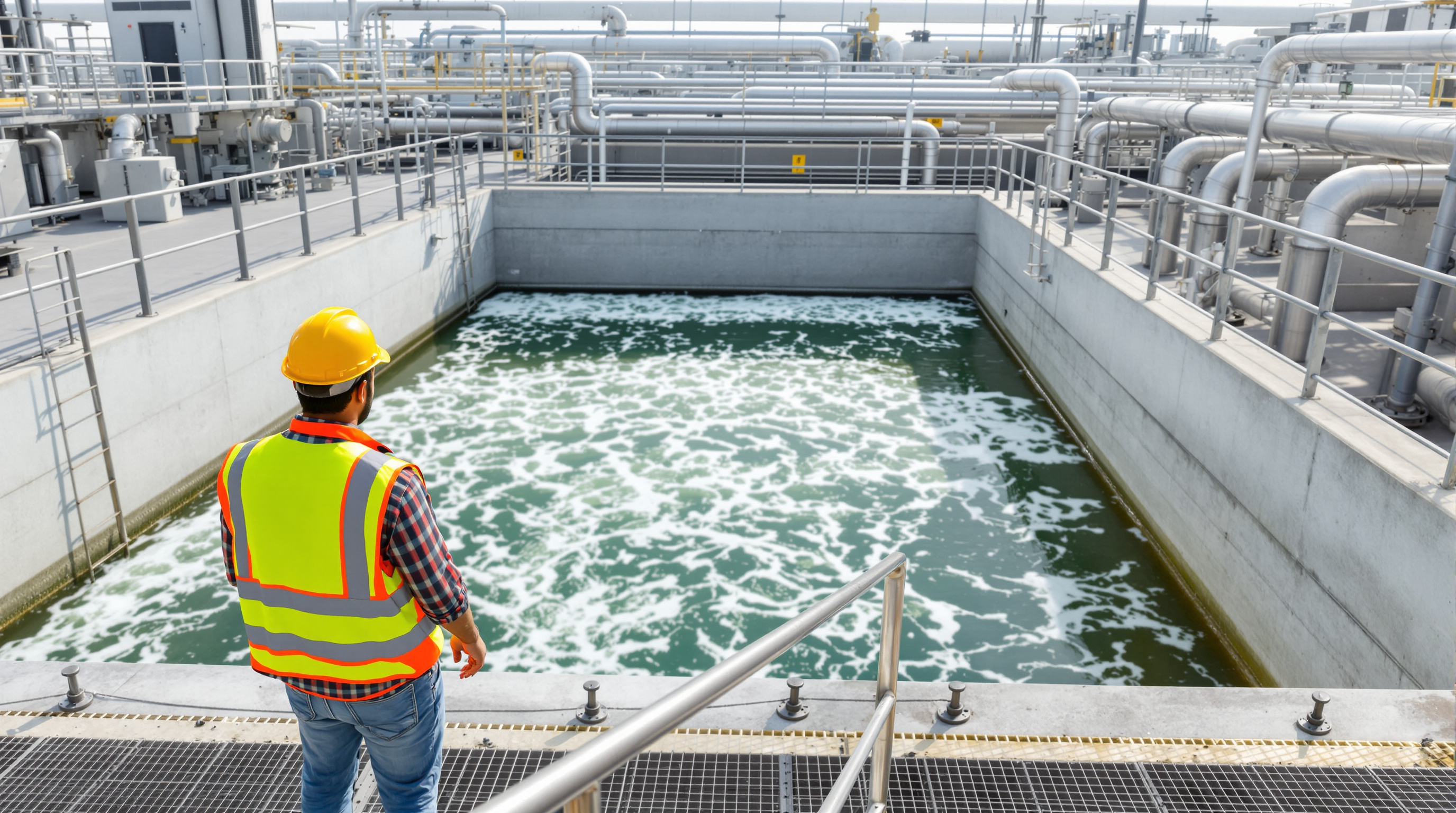
Underground vs Above-Ground STPs: The Complete Comparison Guide
Should your sewage treatment plant sit buried in the basement or in the open at grade? This guide compares underground vs above-ground STPs across space, cost, maintenance, odour, ventilation, aesthetics and flood risk — so you choose the right one before the concrete is poured.
 Guide185
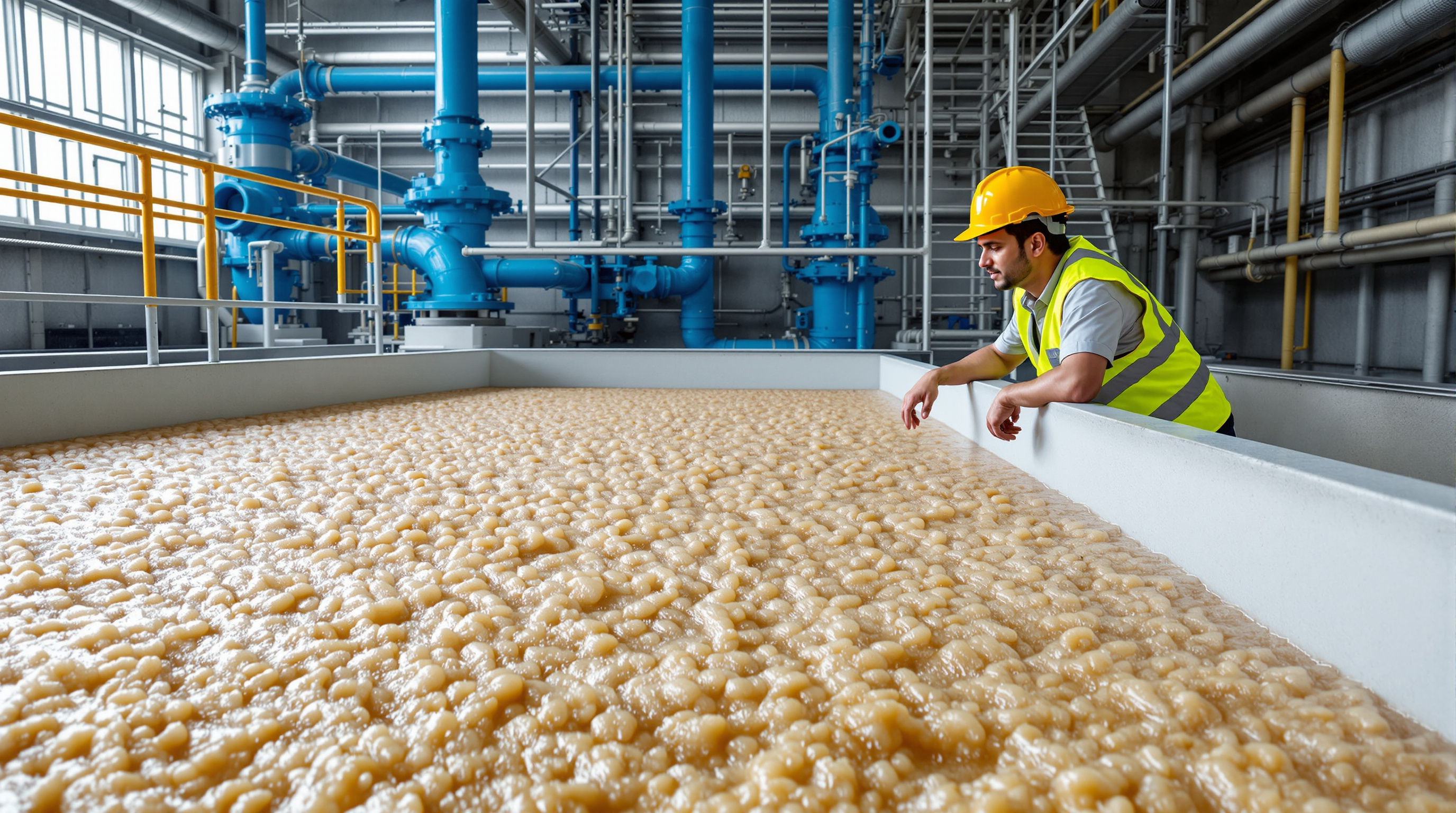
Understanding Hydraulic Retention Time (HRT) in STPs: The Complete Guide
Hydraulic retention time is how long wastewater stays inside a treatment reactor — the single number that sets tank size, drives treatment performance, and varies sharply by technology. This guide explains HRT, its formula, typical values for ASP, MBBR, SBR and UASB, and how it differs from SRT.
 Guide186
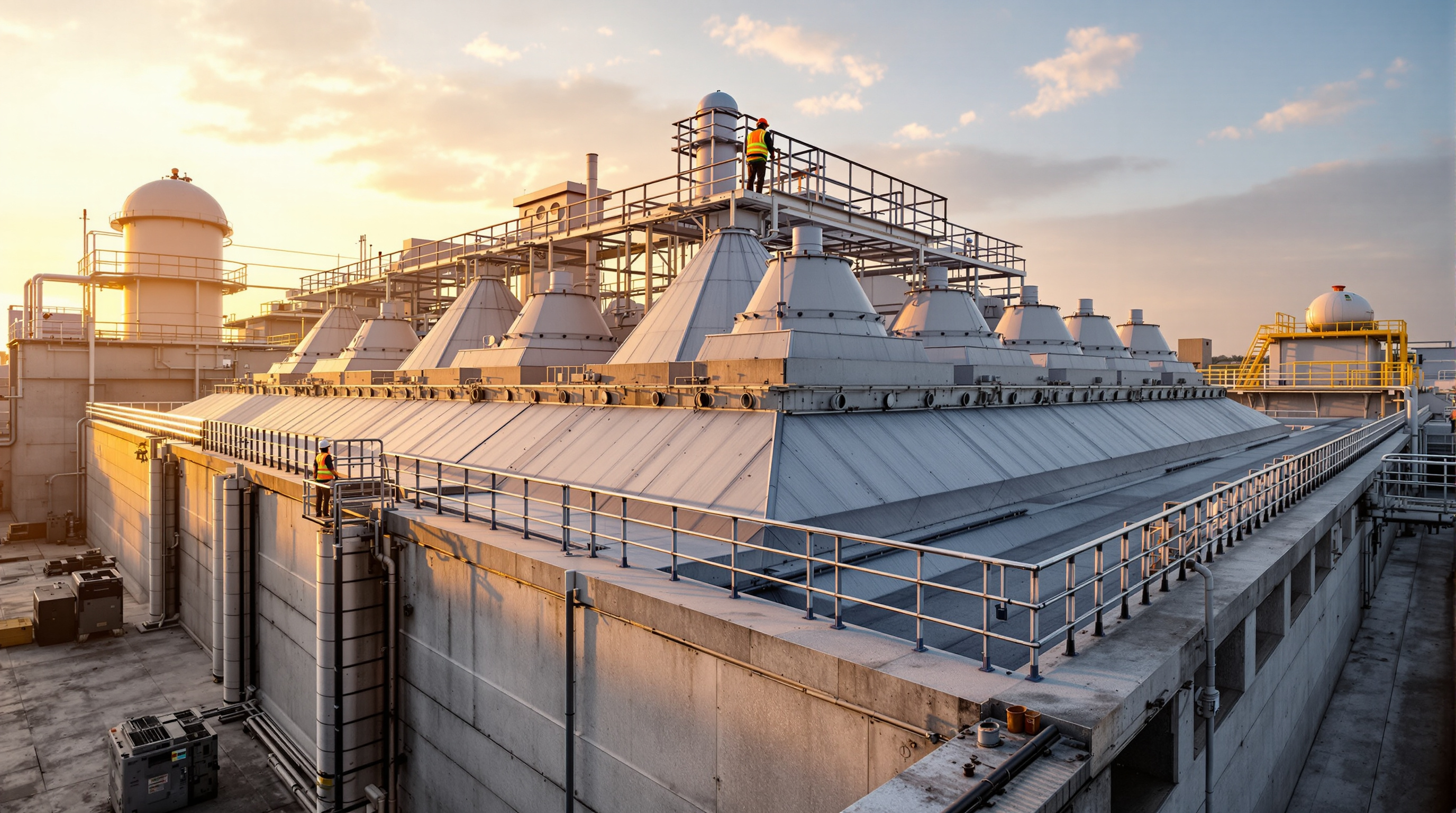
Understanding Organic Loading in STPs: OLR, F/M Ratio and Tank Sizing
Organic loading — the mass of BOD an STP receives per day — decides tank size and effluent quality far more than flow alone. This guide explains organic loading rate, F/M ratio, typical ranges by process, and how to check your numbers.
 Guide187
Upflow Anaerobic Sludge Blanket (UASB): Anaerobic Sewage Treatment Explained
The Upflow Anaerobic Sludge Blanket (UASB) treats sewage without oxygen: wastewater flows up through a blanket of granular microbes that eat the pollution and release biogas. It uses almost no energy but needs an aerobic polishing step. How it works, and its pros and cons.
 Guide188
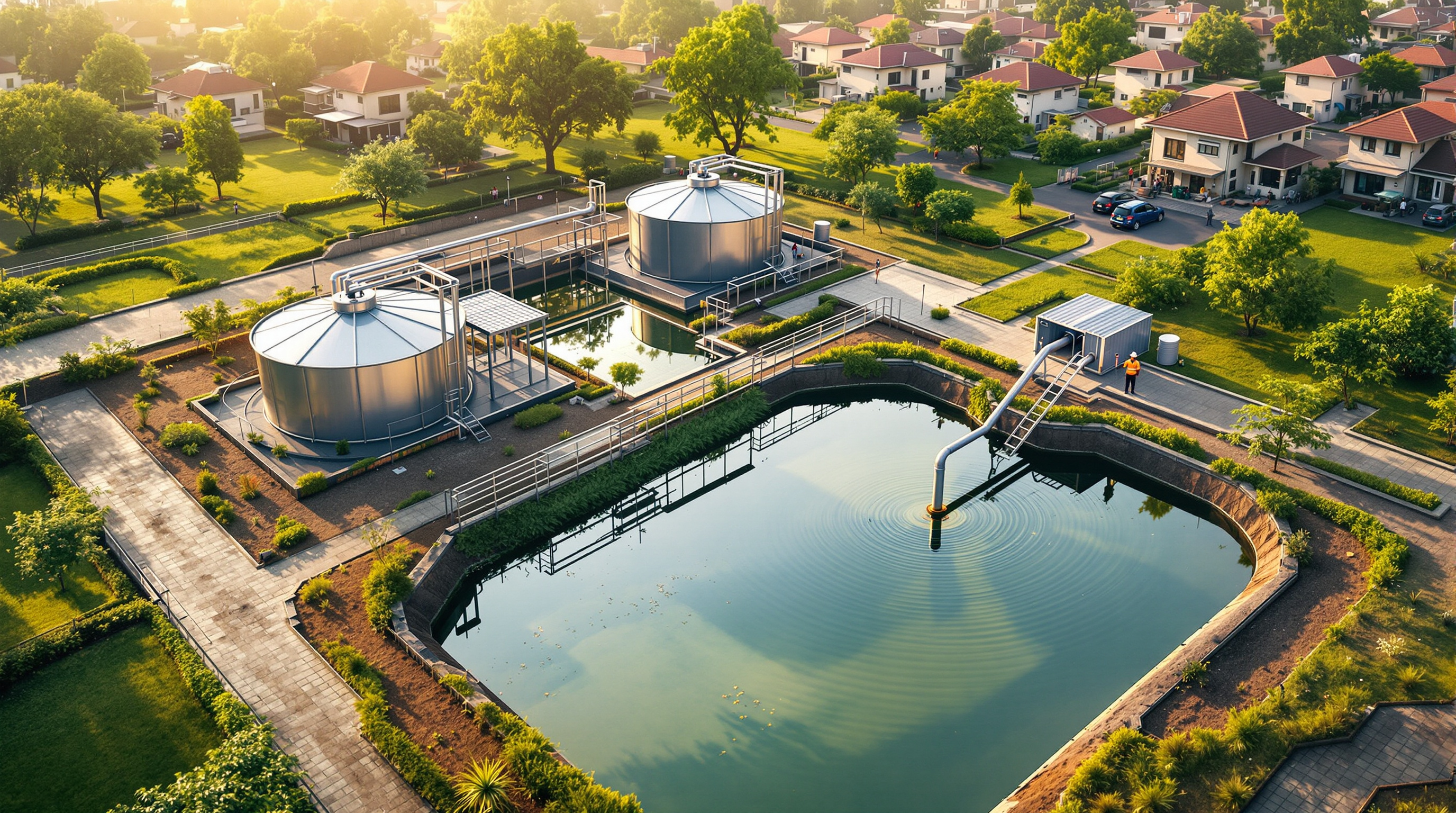
STPs and the Urban Water Circular Economy: How Reuse Closes the City Water Loop
A water-circular city stops treating sewage as waste and starts treating it as supply. This guide shows how decentralised STPs close the urban water loop — cutting freshwater demand, ending pollution at source, and turning every building into a small water utility.
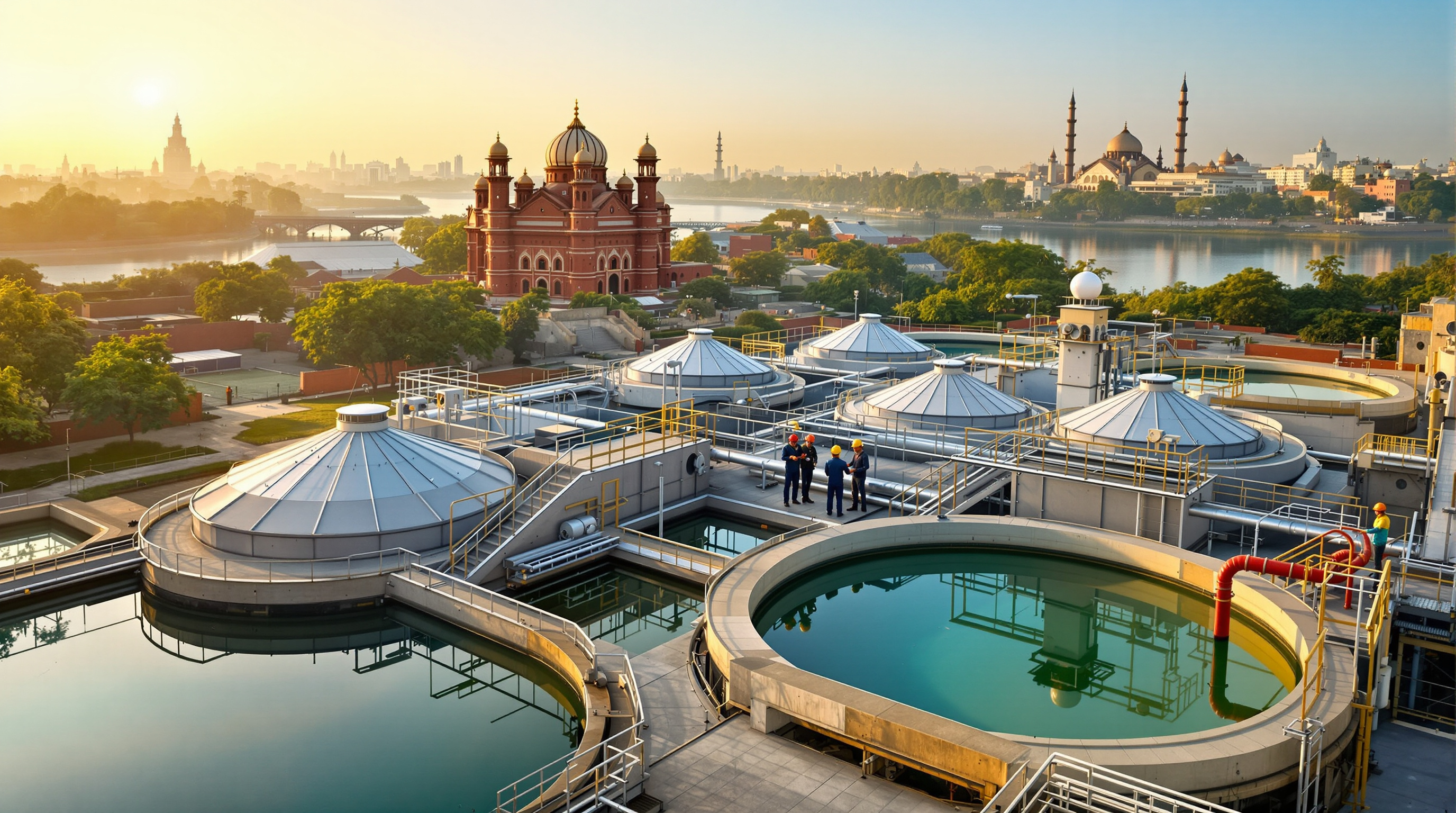 Guide189
Uttar Pradesh STP Rules & UPPCB Norms: The Complete 2026 Compliance Guide
A practical guide to Uttar Pradesh STP rules: when a sewage treatment plant is mandatory, how UPPCB grants Consent to Establish and Operate, the discharge and reuse standards that apply, and how owners and RWAs across the state stay compliant.
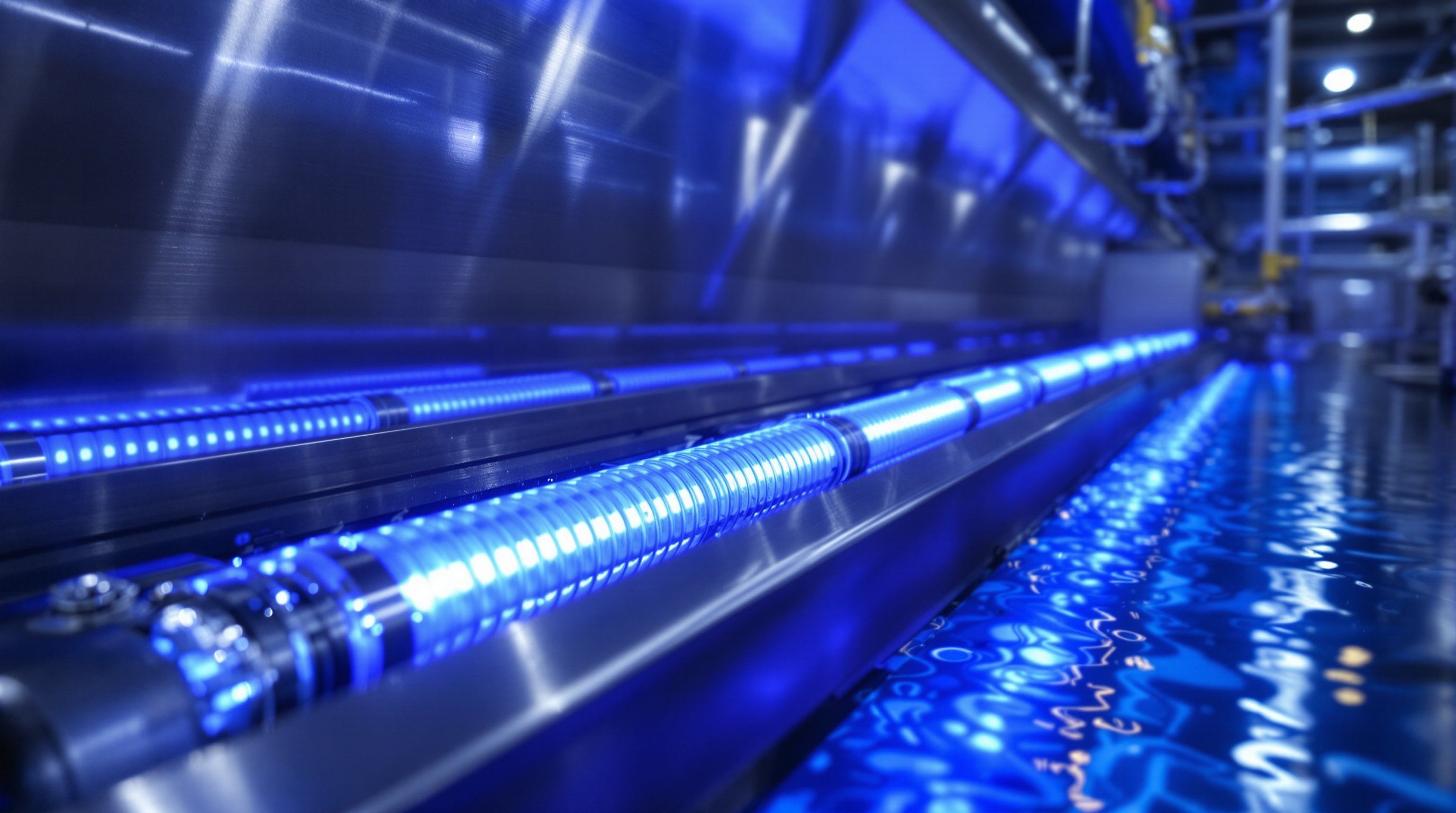 Guide190
UV Disinfection in an STP: Chemical-Free Pathogen Kill Explained
UV disinfection uses ultraviolet lamps to inactivate bacteria and viruses in treated sewage with no chemicals and no residual. Learn how UV dose works, why lamps foul, and how UV stacks up against chlorine in an Indian STP.
 Guide191
STP Vendor Evaluation Matrix: A Weighted Scoring System to Pick the Right Supplier
A weighted scoring matrix turns competing STP quotations into one comparable number. This guide gives you the criteria, sample weights for Indian projects, and a scoring method so you pick a vendor on total value — not the lowest price.
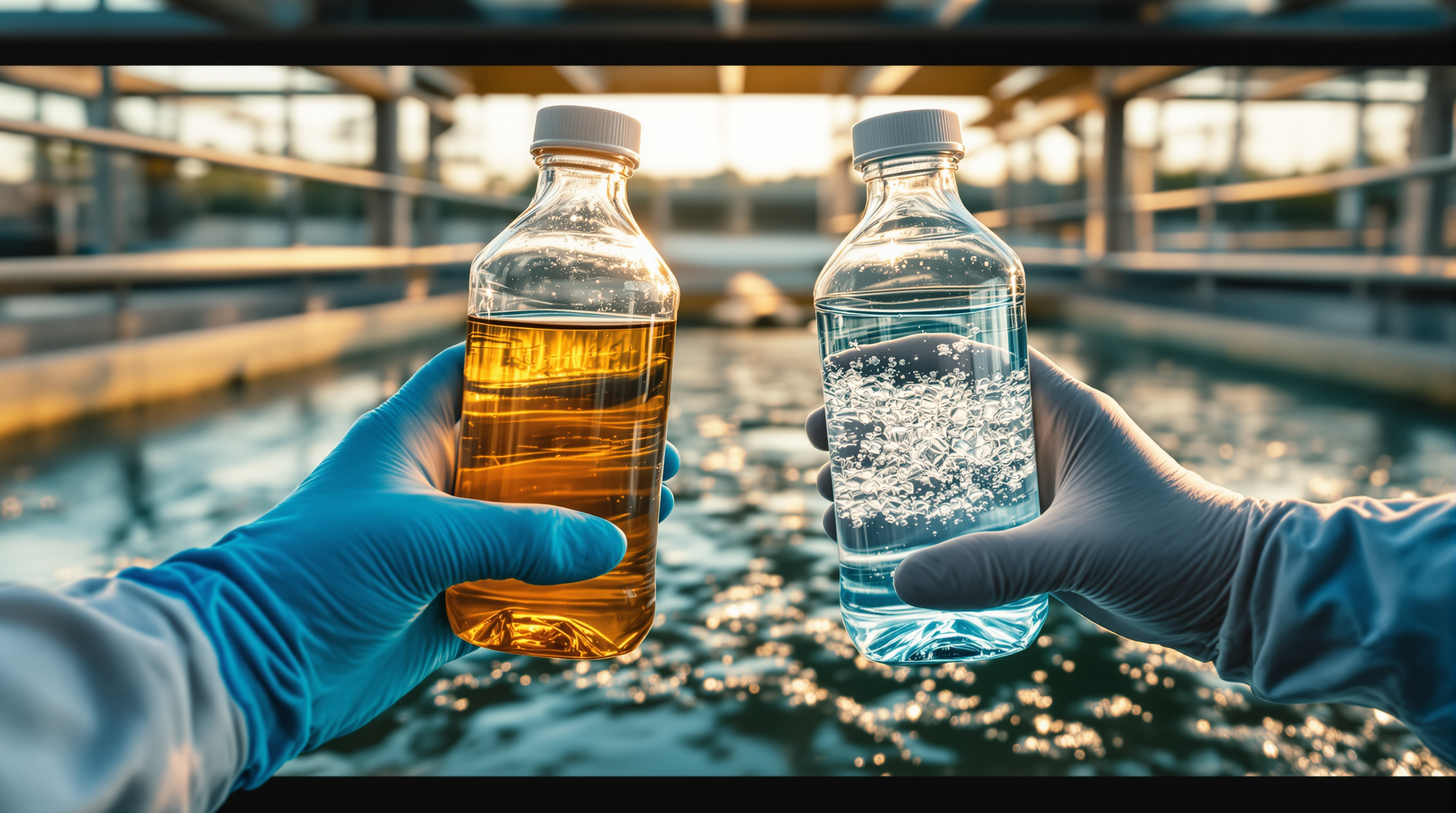 Guide192
Wastewater Characteristics Explained: BOD, COD, TSS and pH
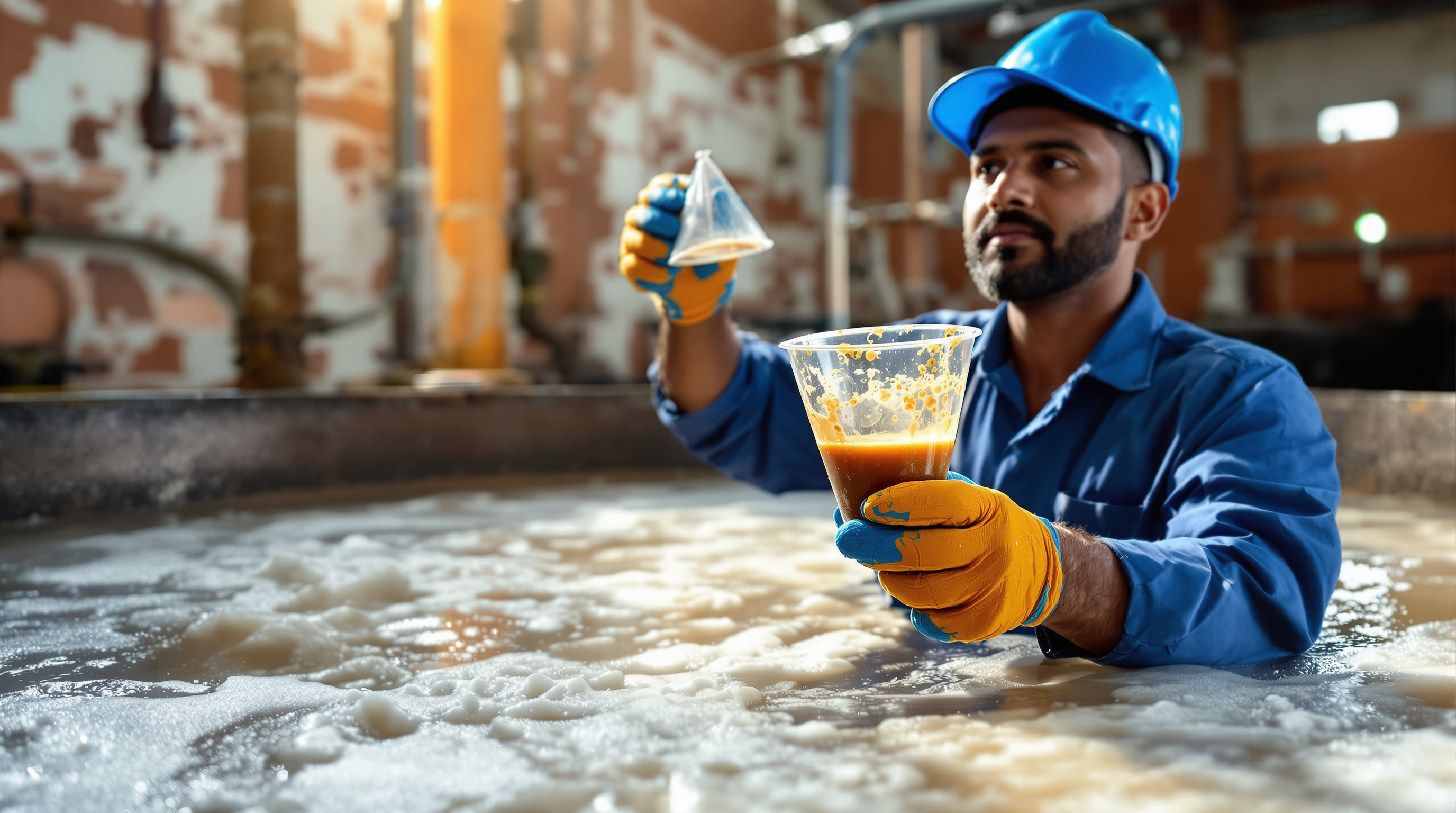
BOD, COD, TSS and pH are the four numbers that measure how strong sewage is and how well an STP cleans it. This guide explains what each means, typical raw and treated values, and why they matter — no engineering background needed.
 Guide193
Water Consumption Estimation for Buildings: LPCD Norms, Occupancy & End-Use Breakdown
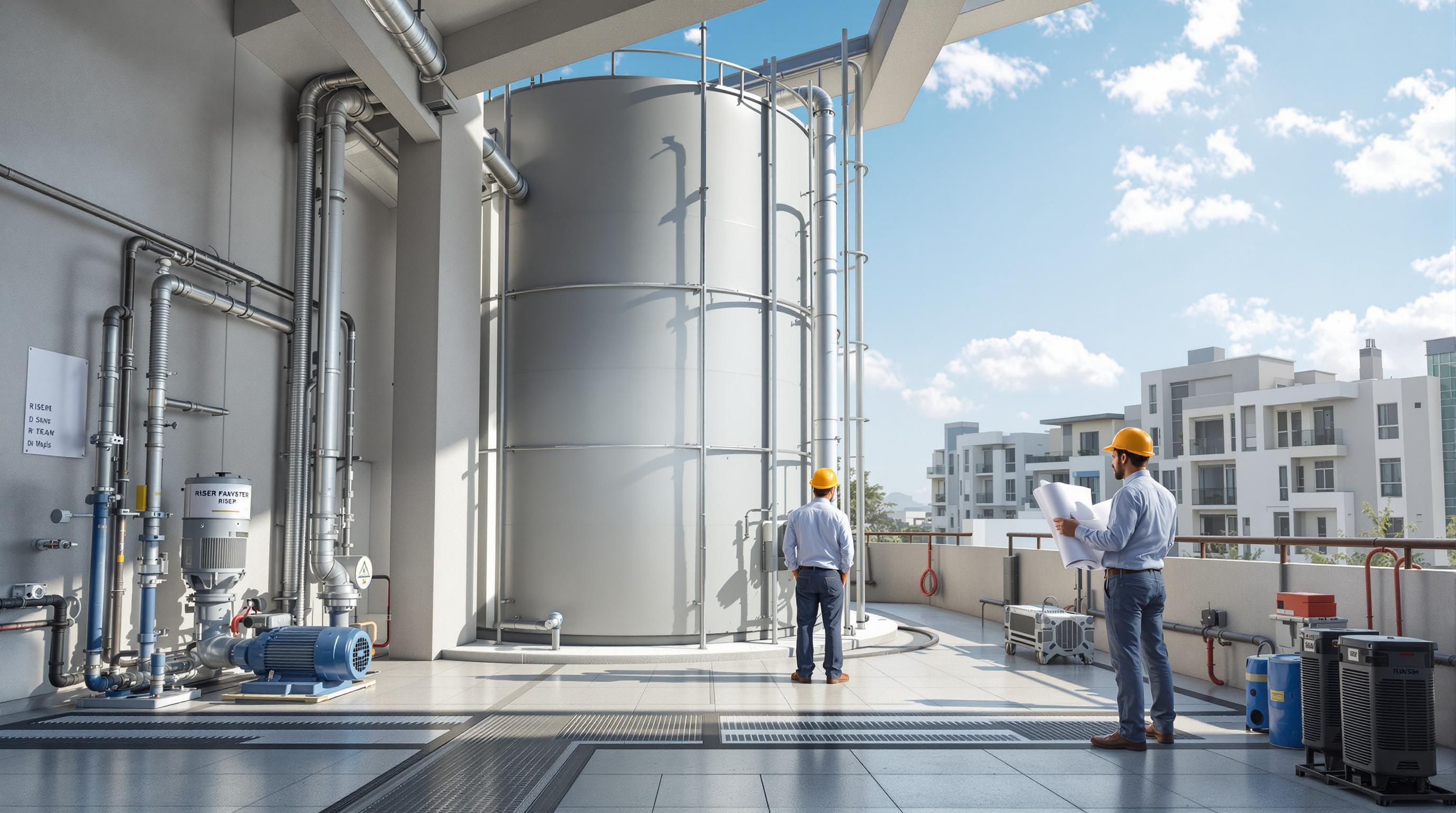
Every water tank, pump and STP starts from one number: how much water the building will use each day. This guide shows how to estimate daily demand from occupancy and NBC LPCD norms by building type, with an end-use breakdown, before you size anything.
 Guide194
Water-Positive Buildings: The Role of STPs
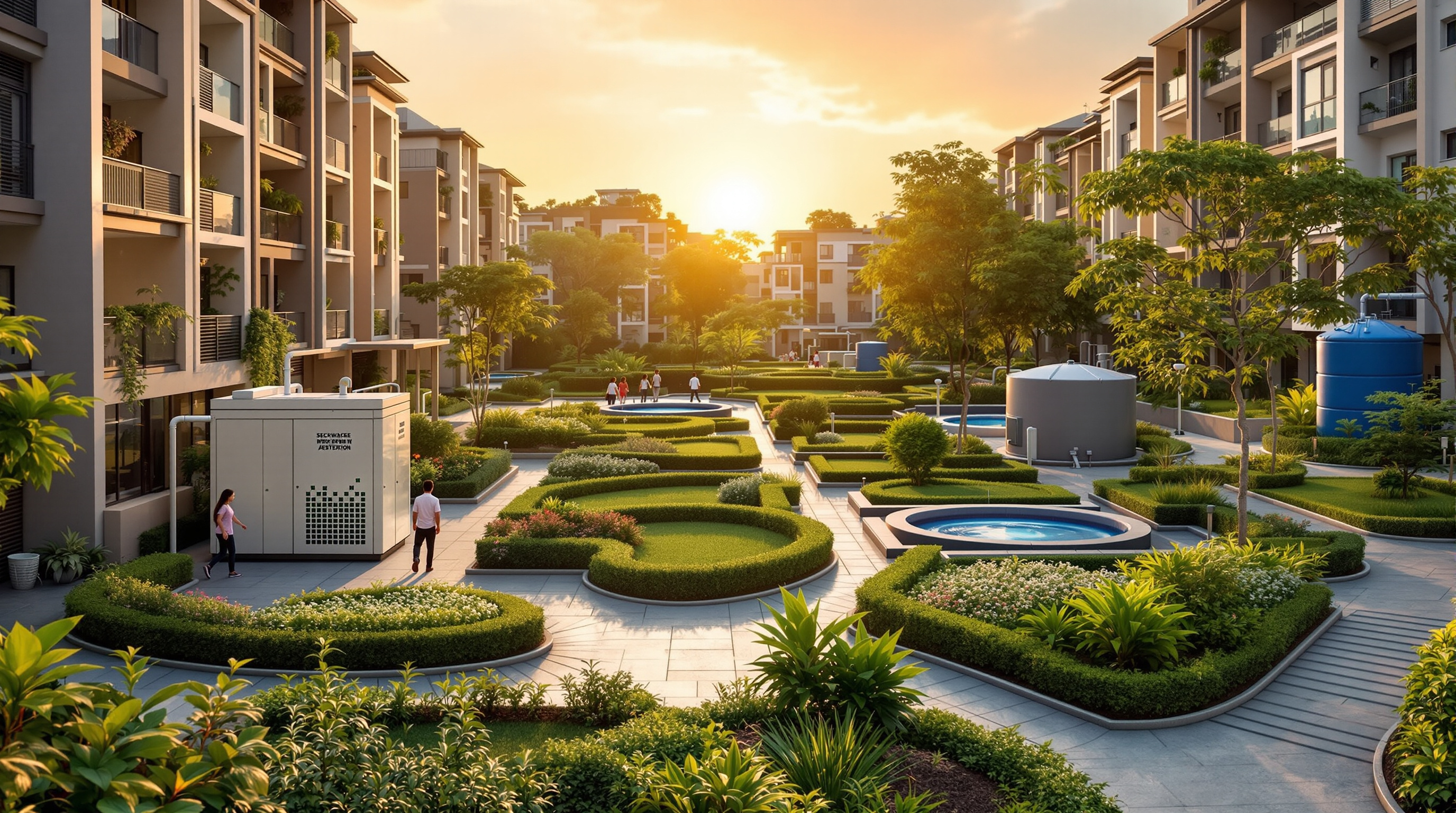
A water-positive building returns more usable water to its site and community than it draws from fresh supply. This guide explains what that means, how STP reuse, rainwater and recharge get you there, and how to measure it honestly.
 Guide195
Waterproofing STP Tanks: Watertight Both Ways, Joints, Coatings and the Water-Fill Test
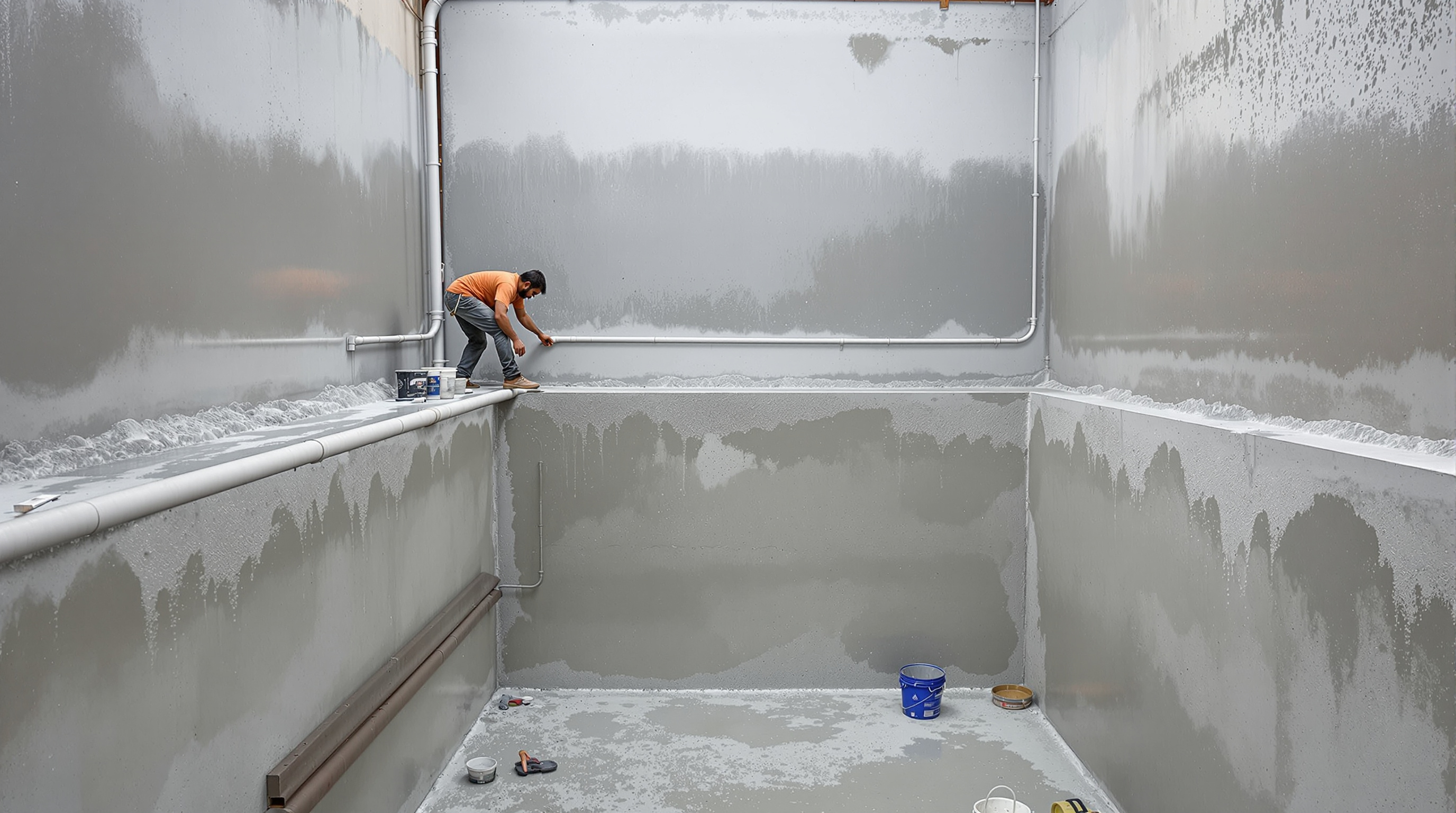
An STP tank must be watertight in both directions — holding sewage in and keeping groundwater out. This guide covers crystalline systems, coatings, water bars at joints, the water-fill leak test, and the failure points that sink most tanks.
 Guide196
Weekly STP Maintenance Tasks: The Operator's Checklist
A practical weekly maintenance routine for building STPs: run the SV30 settleability test, waste sludge, check diffusers, review filter backwash, top up chemicals, verify calibration and clean the plant. Seven tasks that keep effluent compliant and prevent costly breakdowns.
 Guide197
West Bengal STP Regulations & WBPCB Norms: The 2026 Compliance Guide
Is an STP mandatory in West Bengal, and how do you clear it with the WBPCB? A practical guide to the CTE/CTO consent process via Silpa Sathi, building-rule triggers, discharge and reuse norms, monitoring, and compliance for owners and RWAs.
 Guide198
Why Every Modern Building Needs an STP: The Legal, Water & Money Case
In urban India an STP is no longer optional — it is a condition of occupancy for most medium and large buildings, and it recovers 80-85% of the water a building uses. Here is the legal, water-security, environmental and financial case, laid out clearly.
 Guide199
Zero Liquid Discharge (ZLD): When No Water Leaves the Site
Zero liquid discharge (ZLD) is a treatment strategy where no wastewater leaves the site at all — only solids. This guide explains the biological-plus-RO-plus-evaporator recovery train, its high cost and energy, when it is mandated, and lighter near-ZLD options for buildings.
Everything an STP touches, part by part
The library is published part by part. Guides light up as they go live; the rest of the map below shows exactly what is coming, so you can see the whole subject at a glance.
01FundamentalsStart here · 10 live · 10 guides
- What is a Sewage Treatment Plant (STP)?
- How Does an STP Work? Step-by-Step Explained
- Why Every Modern Building Needs an STP
- STP vs Septic Tank: Which is Better?
- STP vs Municipal Sewer Connection
- Greywater vs Blackwater Explained
- Sewage vs Wastewater vs Effluent
- Wastewater Characteristics (BOD, COD, TSS, pH)
- Sewage Treatment Process Flow Explained
- Complete STP Terminology Guide
02STP TechnologiesHow the biology works · 18 live · 18 guides
- Activated Sludge Process (ASP)
- Sequential Batch Reactor (SBR)
- Moving Bed Biofilm Reactor (MBBR)
- Membrane Bioreactor (MBR)
- Rotating Biological Contactor (RBC)
- Extended Aeration Process
- Upflow Anaerobic Sludge Blanket (UASB)
- Constructed Wetlands
- Root Zone Treatment Systems
- Trickling Filter Systems
- Anaerobic Baffled Reactor (ABR)
- Oxidation Ditch
- Fluidized Bed Reactor (FBR)
- Bio Tower Systems
- Electrocoagulation
- Hybrid STP Technologies
- Zero Liquid Discharge (ZLD)
- Decentralised Wastewater Treatment (DEWATS)
03Components & EquipmentInside the plant · 18 live · 18 guides
- Collection Tank (Raw Sewage Sump)
- Bar Screen Chamber
- Oil & Grease Trap
- Equalization Tank
- Aeration Tank
- Clarifier (Settling Tank)
- Tube Settler
- Sludge Holding Tank
- Sludge Drying Beds
- Pressure Sand Filter
- Activated Carbon Filter
- UF Membrane
- RO Integration
- Chlorination System
- UV Disinfection
- Ozonation
- Air Blowers & Diffusers
- Pumps, Sensors & PLC Automation
04Residential STPsHomes & communities · 10 live · 10 guides
05Commercial STPsBusiness & institutions · 10 live · 10 guides
06Industrial WastewaterETPs & trade effluent · 10 live · 10 guides
- STP vs ETP: What's the Difference?
- Pharmaceutical Wastewater Treatment
- Textile Industry Wastewater Treatment
- Dairy Industry Wastewater Treatment
- Food Processing Wastewater Treatment
- Brewery & Distillery Wastewater Treatment
- Automobile Industry Effluent Treatment
- Chemical Industry Wastewater Treatment
- Pulp & Paper Industry Wastewater
- Sugar Factory Wastewater Treatment
07Planning & DesignSizing and layout · 15 live · 15 guides
- How to Size an STP
- Water Consumption Estimation
- Sewage Generation Calculation
- Peak Flow Design
- Hydraulic Retention Time (HRT)
- Organic Loading
- Sludge Generation Estimation
- Aeration Design Principles
- Pipe Sizing for STPs
- Site Selection Guidelines
- Layout Planning
- Underground vs Above-Ground STPs
- Odour Control Design
- Noise Control
- Energy-Efficient STP Design
08Operation & MaintenanceKeeping it running · 14 live · 14 guides
- Daily STP Checklist
- Weekly STP Maintenance
- Monthly STP Maintenance
- Annual STP Maintenance & Overhaul
- Sludge Removal & Disposal
- Blower Maintenance
- Pump Maintenance
- Diffuser Cleaning
- Membrane Cleaning
- Filter Backwashing
- Chemical Dosing
- Biological Culture Management
- Troubleshooting Common Problems
- Reducing Electricity Consumption
09Construction & CommissioningBuilding the plant · 10 live · 10 guides
10Water ReusePutting treated water to work · 10 live · 10 guides
11Sustainability & Smart STPsNet-zero & digital · 10 live · 10 guides
12Future & EssentialsEmerging tech & handy explainers · 10 live · 10 guides
13Regulation & Compliance (India)The rulebook · 15 live · 15 guides
- STP Regulations in India
- CPCB Guidelines
- SPCB Approvals
- MoEF&CC Rules
- Building Bye-laws
- Environmental Clearance
- Consent to Establish (CTE)
- Consent to Operate (CTO)
- Treated Water Quality Standards
- Treated Water Reuse Standards
- Apartment Association Compliance
- STP Audit Requirements
- Environmental Monitoring & OCEMS
- STP Compliance Checklist
- Smart City Wastewater Guidelines
14State-wise RegulationsBy state · 15 live · 15 guides
15Cost GuidesWhat an STP costs · 15 live · 15 guides
16Buying & ProcurementChoosing & purchasing · 10 live · 10 guides
Size it, cost it — the STP tools
Interactive calculatorsSTP Capacity Calculator
Size a sewage treatment plant in KLD from your building's occupancy — water demand, sewage generated and recommended STP capacity.
STP CalculatorSewage Generation Calculator
Estimate the daily sewage a building generates and its peak flow in KLD from occupancy, LPCD, sewage return factor and peak factor.
STP CalculatorPopulation Equivalent (PE) Calculator
Convert an organic pollution load into Population Equivalent from flow and BOD concentration — the BOD load in kg/day and equivalent number of people.
STP CalculatorDaily Water Consumption Calculator
Estimate a building's total daily water consumption in KLD from occupancy and LPCD, with the end-use split across bathing, flushing, washing, kitchen and drinking.
Water CalculatorBOD Load Calculator
Calculate the organic (BOD) load on an STP in kg/day and the removal efficiency required to meet discharge norms from flow and inlet/outlet BOD.
STP CalculatorHydraulic Retention Time (HRT) Calculator
Compute a reactor or tank's hydraulic retention time from its volume and daily flow, and benchmark it against recommended ASP, MBBR and SBR ranges.
STP CalculatorBlower Size Calculator
Size an STP aeration blower from air flow and discharge head to get shaft power in kW, motor HP and the recommended standard motor rating.
STP CalculatorEqualization Tank Volume Calculator
Size an STP equalization (buffer) tank from average daily flow and detention time — get tank volume in m³, average hourly flow and volume as a percent of daily flow.
STP CalculatorSludge Generation Calculator
Estimate the dry and wet sludge your STP produces from flow, BOD removal and sludge yield.
STP CalculatorOrganic Loading Rate Calculator
Compute the volumetric organic loading rate (kg BOD/m3.d) on a bioreactor from flow, inlet BOD and reactor volume, and benchmark it against typical activated-sludge design ranges.
STP CalculatorAir Requirement Calculator
Estimate the process air an aeration tank needs — enter flow, inlet BOD, O2 demand factor and transfer efficiency to get O2 demand and blower air in m3/day and m3/min.
STP CalculatorChlorine Dose Calculator
Compute chlorine demand for water and sewage disinfection from daily flow and dose, returning chlorine consumption in kg/day and kg/month.
STP CalculatorClarifier Size Calculator
Size a secondary clarifier from design flow and surface overflow rate to get the required surface area, tank diameter and volume instantly.
STP CalculatorPump Size Calculator
Size a pump from flow and head to get the required shaft power (kW), hydraulic power (HP) and the recommended motor rating.
STP CalculatorUV Dose Calculator
Enter UV intensity and exposure time to compute the delivered UV dose in mJ/cm² and see instantly whether it meets your reuse target, with the pass/fail margin.
STP CalculatorSTP Annual Operating Cost Calculator
Total up a sewage treatment plant's yearly running cost from monthly electricity, chemical, manpower and annual AMC spend, with the monthly total and biggest cost driver.
STP CalculatorChemical Requirement Calculator
Compute the daily and monthly chemical requirement and running cost for any STP dosing chemical from treated flow, target dose and unit price.
STP CalculatorSTP ROI & Payback Calculator
Estimate the payback period, net annual savings and ROI of a sewage treatment plant from treated-water reuse savings versus its capex and running cost.
STP CalculatorFilter Sizing Calculator (PSF/ACF)
Size a pressure sand or activated carbon filter from flow and filtration rate to get vessel diameter, filter area and hourly design flow.
STP CalculatorSTP Electricity Consumption Calculator
Estimate a sewage treatment plant's daily power use and its monthly and annual electricity running cost from capacity, specific energy and tariff.
STP CalculatorWater Carbon Savings Calculator
Estimate the CO2 emissions you avoid each year by reusing treated water instead of fresh supply, with annual tonnes saved and a tree-equivalent.
SustainabilitySTP Lifecycle Cost Calculator
Add an STP's years of operating cost to its upfront capex, then subtract water-reuse savings, to reveal the real gross and net lifecycle cost over the plant's whole life.
STP CalculatorWater Reuse Savings Calculator
Estimate the money you save by reusing STP-treated water instead of buying fresh supply, with daily, monthly and annual savings.
STP CalculatorGreen Building Water Score Calculator
Score a building's water efficiency 0–100 from treated-water reuse, rainwater harvesting, low-flow fixtures and metering, with an IGBC/GRIHA-style rating and your biggest improvement lever.
SustainabilityRainwater + STP Integration Calculator
Combine rooftop rainwater harvesting with STP treated-water reuse to estimate the total non-potable water your building can supply in KL per year.
Water CalculatorSTP Water Balance Calculator
Map a building's water balance in KLD — fresh supply, sewage, treated-water reuse and discharge — and see what share of your sewage is reused.
Water CalculatorSTP AMC Cost Calculator
Estimate the annual, monthly and per-KLD annual maintenance contract (AMC) cost for a sewage treatment plant from its capacity, service level and fixed visit charge.
STP CalculatorSTP Cost Estimator
Estimate the capital cost of a sewage treatment plant by capacity in KLD and technology, with an underground option and instant cost per KLD.
STP CalculatorSTP Energy Benchmark Calculator
Benchmark your sewage treatment plant's specific energy use (kWh/m3) against good, typical and high ranges, with an efficiency rating and annual energy cost from daily power, treated flow and tariff.
STP CalculatorSTP Technology Selector
Weight your priorities — footprint, effluent quality, cost, power and simplicity — and get a scored recommendation between Extended Aeration, MBBR, SBR and MBR.
SelectorASP vs SBR Comparator
Weight seven criteria by importance to get a scored recommendation between the Activated Sludge Process and a Sequential Batch Reactor for your sewage treatment plant.
ComparatorMBBR vs MBR Comparator
Weight seven decision criteria and get a scored recommendation between MBBR and MBR sewage-treatment technologies.
ComparatorSTP vs Septic Tank Decision Tool
Answer five yes/no questions about your site and get a clear STP-or-septic-tank recommendation, with a confidence score and the reasons driving it.
Decision ToolUnderground vs Above-Ground STP Comparator
Weight seven site factors — space, cost, maintenance, odour, aesthetics, ventilation and flood safety — to get an instant recommendation on whether to build your sewage treatment plant underground or above grade.
ComparatorTreated Water Reuse Planner
Allocate a building's treated water across flushing, landscape, cooling and washing, and see the remaining volume for groundwater recharge — all in KLD.
PlannerSTP Lifecycle Cost Comparison Tool
Compare MBBR, SBR and MBR sewage treatment plants on total lifecycle cost — capex plus lifetime energy — at your capacity, lifespan and power tariff, and see the lowest-cost technology.
STP CalculatorApartment STP Planner
Plan an apartment complex sewage treatment plant from flats and occupancy — get population load, sewage flow, recommended STP capacity in KLD, treatment technology and approximate space.
PlannerResidential STP Selector
Recommends the right home wastewater solution — sewer connection, septic tank + soak pit, or a packaged STP — from your home type, occupancy and reuse needs, with a suggested capacity in KLD.
SelectorSTP Feasibility Checker
Toggle six readiness factors to score how ready your project is to install a sewage treatment plant, with a rating and the exact gaps to close.
CheckerCommercial STP Planner
Plan a commercial building's sewage treatment plant from occupancy — get water demand, sewage generated, recommended STP capacity in KLD, the best-fit technology and reusable treated water.
PlannerIndustrial Wastewater Treatment Planner
Pick your dominant industrial wastewater and daily flow to see whether you need an STP or ETP, a 1–5 treatment complexity rating, and how rough capex scales.
PlannerSTP Technology Comparison Matrix
Compare Extended Aeration, MBBR, SBR, MBR and UASB across six criteria, set your priority, and see the best-fit STP technology instantly.
ComparatorSTP BOQ Generator
Generate a rough Bill of Quantities cost split for a sewage treatment plant by capacity (KLD) and technology, broken into the six standard BOQ heads.
GeneratorSTP Tank Schedule & Layout Generator
Enter a sewage treatment plant's KLD capacity and instantly get a tank schedule — collection, equalization, aeration, clarifier, sludge and treated-water volumes plus total tankage and an approximate footprint for concept layout planning.
GeneratorSTP Payback Period Calculator
Work out how many years a sewage treatment plant takes to pay for itself from water-reuse savings, net of operating cost.
STP CalculatorSTP Equipment Selection Wizard
Recommend key STP equipment sizes — blower air, feed pump, aeration tank and clarifier area — from plant capacity and inlet BOD.
WizardSTP Design Checklist
An interactive checklist that scores your sewage treatment plant design readiness across basis of design, process units, reuse & hydraulics and compliance before you finalise drawings or apply for consent.
ChecklistSTP Compliance Checklist Tool
Interactive self-audit that ticks off STP consents, discharge norms, reuse metering, online monitoring and O&M records to give a live compliance readiness score.
ChecklistSTP Commissioning Checklist
An interactive step-by-step checklist that takes a sewage treatment plant from installation readiness through wet commissioning, biological start-up and handover, tracking live completion toward Consent to Operate.
ChecklistSTP Installation Checklist
An interactive checklist that walks you through every civil, mechanical, electrical/I&C and pre-commissioning task of a sewage treatment plant install, with a live readiness score and per-section progress charts.
ChecklistDaily STP O&M Checklist Tool
An interactive daily operator round for a sewage treatment plant — tick off biology, flows, equipment and output checks and see a live completion score, per-section progress and shift readiness.
ChecklistSTP Building Approval Checklist
An interactive checklist that tracks every sewage-treatment-plant requirement from building-plan sanction through Consent to Establish/Operate to occupancy, showing live completion and readiness.
ChecklistSTP Preventive Maintenance Checklist
An interactive checklist of weekly, monthly, quarterly and annual sewage treatment plant maintenance tasks that scores your completion as you tick each item off.
ChecklistSTP Audit Checklist
An interactive checklist to audit a sewage treatment plant across performance, energy efficiency and O&M compliance, tracking your readiness score live as you tick each item.
ChecklistCPCB Compliance Checklist for STPs
Tick off CPCB/SPCB outlet standards, monitoring duties and record-keeping to score your sewage treatment plant's compliance readiness.
ChecklistSTP AMC Evaluation Checklist
Interactive checklist that scores any STP annual maintenance contract across scope, service levels and commercials, giving a live readiness score before you sign.
ChecklistSTP Performance Dashboard
Turn a running sewage treatment plant's daily readings into live BOD removal efficiency, specific energy, organic load and a compliance status.
DashboardSTP Predictive Maintenance Scheduler
Turn STP equipment run-hours into a servicing plan — see remaining life on the blower, pump, diffuser and UV/dosing and catch what's overdue or due soon before a breakdown.
SchedulerSTP Desludging Interval Calculator
Estimate how often your STP's sludge holding tank must be desludged, in days and weeks, from dry sludge produced, tank volume, solids concentration and fill target.
STP CalculatorWater Recycling Dashboard
Enter fresh supply, sewage and treated-water reused (KLD) to see your building's reuse percentage plus the money, water and CO₂ saved each year, with live charts.
Dashboard