
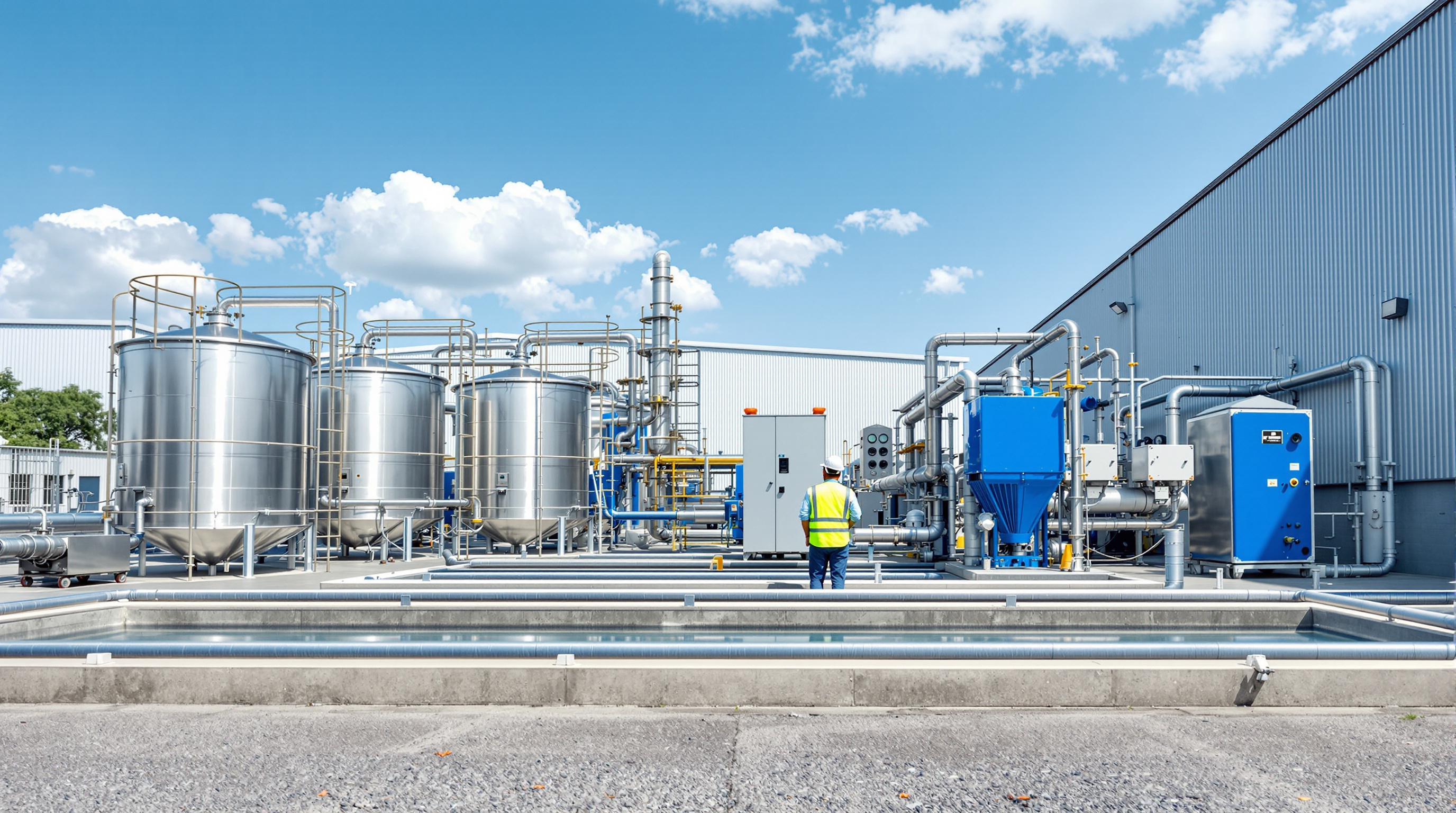
Industrial ETP Cost Guide: What an Effluent Treatment Plant Really Costs in India (2026)
Why an industrial ETP costs far more than a domestic STP of the same size — the physico-chemical and ZLD stages that drive the bill, honest capital and running-cost ranges by capacity and technology, and how to read a quote for your own effluent.
Ask two facility managers what "a treatment plant" costs and you can get answers a full order of magnitude apart — and both can be right. The reason is that one is quoting a domestic Sewage Treatment Plant (STP) and the other an industrial Effluent Treatment Plant (ETP). They look similar on a drawing, but they are solving very different problems, and the money follows the chemistry. This guide explains what an industrial ETP actually costs in India in 2026, why it costs so much more than an STP of the same capacity, and how to read a vendor quote without being surprised later.
An STP fights the organic waste in ordinary sewage; microbes eat it for free. An industrial ETP fights whatever a specific process pours down the drain — acids, dyes, oils, heavy metals, dissolved salts — and each of those needs its own chemistry, its own equipment, and its own running cost. That is the whole reason ETPs cost more.
If you want a personalised figure while you read, keep the STP & ETP Cost Estimator open in another tab — it turns a capacity and technology choice into a ballpark capital and operating cost in about a minute.
Why ETPs cost far more than STPs
A domestic STP treats predictable, dilute wastewater to a single, well-understood standard, using cheap biology (see What is a Sewage Treatment Plant). An industrial ETP has none of those luxuries. Three things push its cost up sharply:
- Physico-chemical treatment before biology. Industrial effluent often has to be neutralised, coagulated, flocculated and clarified — sometimes with electrocoagulation or dissolved air flotation (DAF) — before any microbe can survive in it. That is a whole extra plant of dosing systems, reaction tanks and chemical storage that a domestic STP simply does not have.
- Corrosion-grade and specialised materials. Aggressive, high-TDS or acidic effluent means MSRL (rubber-lined steel), FRP or stainless-steel tanks and pumps instead of ordinary concrete and cast iron. The same tank volume costs materially more.
- Tertiary polishing, RO and Zero Liquid Discharge (ZLD). Where a Pollution Control Board mandates reuse or zero discharge, the plant grows a reverse-osmosis section and a thermal tail — a Multi-Effect Evaporator (MEE), Mechanical Vapour Recompression (MVR) unit and an ATFD to crystallise the salt. This stage alone can multiply the project cost by 3–5x.
The net effect: a domestic STP might land around Rs 15,000–35,000 per KLD (see STP cost per KLD in India), while an industrial ETP commonly runs roughly Rs 60,000–2,00,000 per KLD, and a full ZLD system can exceed Rs 12–20 lakh per KLD for small capacities. Same litres, very different machine.
Industrial ETP capital cost by capacity and technology
The table below collects current (2025–2026) installed-and-commissioned ranges from Indian ETP vendors and EPC contractors. Treat every cell as an order-of-magnitude guide, not a quote — the spread inside each band is driven by your effluent's actual load and the discharge standard you must hit.
| Capacity | Basic biological / MBBR | ETP + DAF / physico-chemical | ETP + MBR | ETP + ZLD |
|---|---|---|---|---|
| 50 KLD | Rs 20–50 L | Rs 35–70 L | Rs 50–90 L | Rs 1.2–2.5 Cr |
| 100 KLD | Rs 40–90 L | Rs 65 L–1.2 Cr | Rs 90 L–1.6 Cr | Rs 2.5–5 Cr |
| 250 KLD | Rs 80 L–1.8 Cr | Rs 1.2–2.5 Cr | Rs 1.8–3.5 Cr | Rs 5–9 Cr |
| 500 KLD | Rs 1.5–4 Cr | Rs 2.2–5 Cr | Rs 3.5–7 Cr | Rs 6–12 Cr |
| 1 MLD | Rs 3–8 Cr | Rs 4–10 Cr | Rs 7–14 Cr | Rs 12–25 Cr |
Ranges compiled from Spans Envirotech's 2025 ETP cost guide and TextileInfoHub's ZLD CAPEX/OPEX benchmarks. A few things to read out of it:
- Civil work is usually extra. For greenfield installations, tanks, foundations and buildings add roughly 30–40% on top of the equipment figures above. Always confirm whether a quote is supply-only or turnkey.
- Bigger is cheaper per KLD. Note how the per-KLD cost falls as capacity rises — a 1 MLD ZLD lands nearer Rs 1.2–1.4 lakh/KLD, while a 100 KLD ZLD sits closer to Rs 1.6–2.1 lakh/KLD. Economies of scale are real; undersizing to "save money" often backfires.
- MBBR vs MBR. MBBR is typically 20–30% cheaper than an equivalent MBR, but MBR produces a cleaner effluent that feeds RO better — which matters enormously if ZLD is your endgame.
To sanity-check the capacity itself before you price anything, use the STP Capacity Calculator and the sizing logic in How to size an STP — an oversized plant is the most common way to waste capital.
The wide range by industry
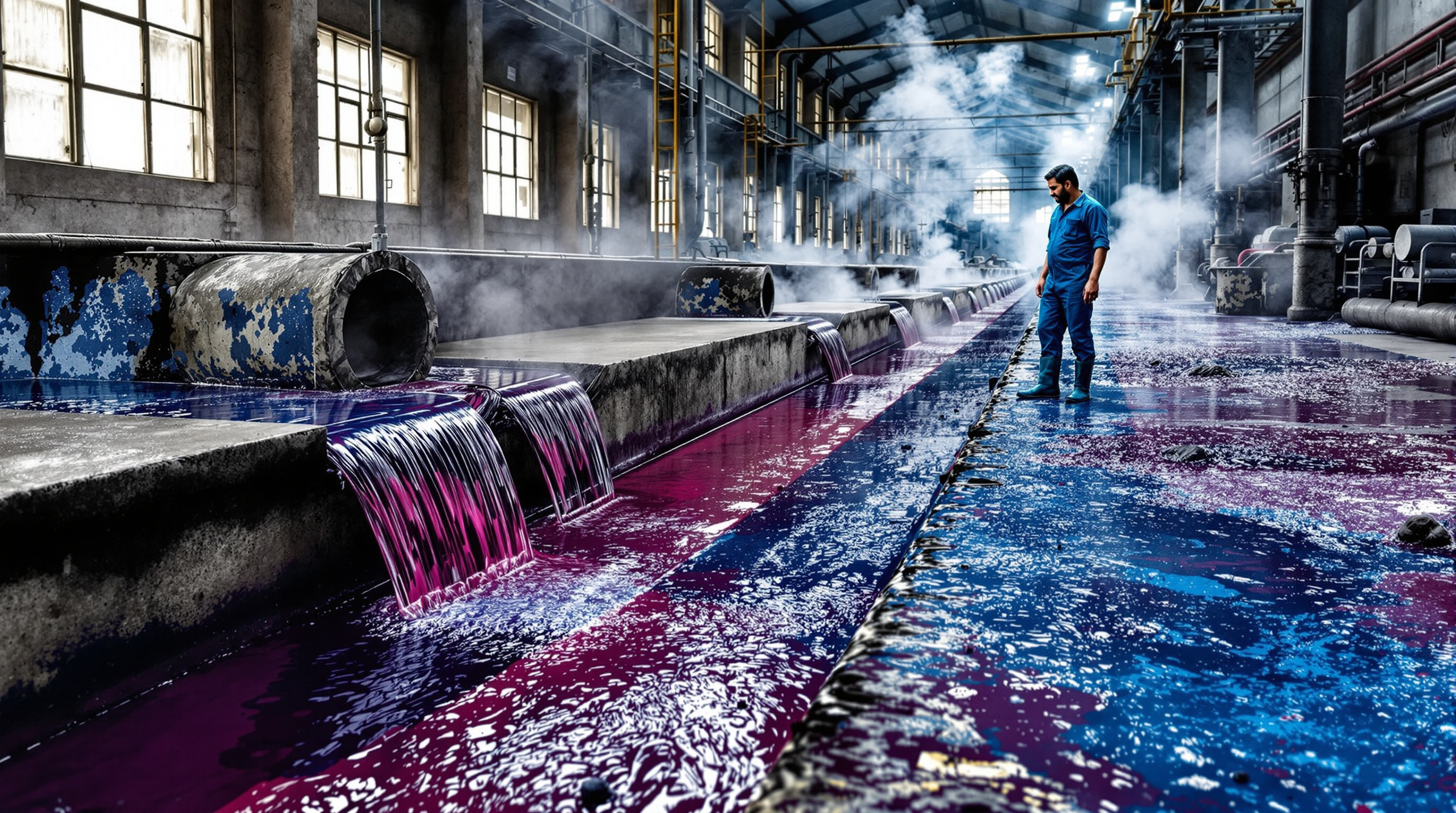
"Industrial effluent" is not one thing, and neither is its price. The same 100 KLD nameplate can cost wildly different amounts depending on what is in the water:
- Light / food & beverage, dairy: mostly organic, biology-heavy, near the lower end of the ranges above.
- Textile & dyeing: high colour and TDS, needs physico-chemical treatment plus (increasingly) mandated ZLD — routinely at the top of the table.
- Pharma & chemicals: toxic, variable, high-COD streams often needing advanced oxidation, stripping and MEE — expensive per KLD and expensive to run.
- Electroplating / metal finishing: heavy metals demand chemical precipitation and sludge that is classified as hazardous waste, adding disposal cost.
This is why a single "cost per KLD" number for industry is meaningless without the effluent characterisation. A COD of 800 and a COD of 40,000 are different plants.
Operating cost: where ETPs really diverge from STPs
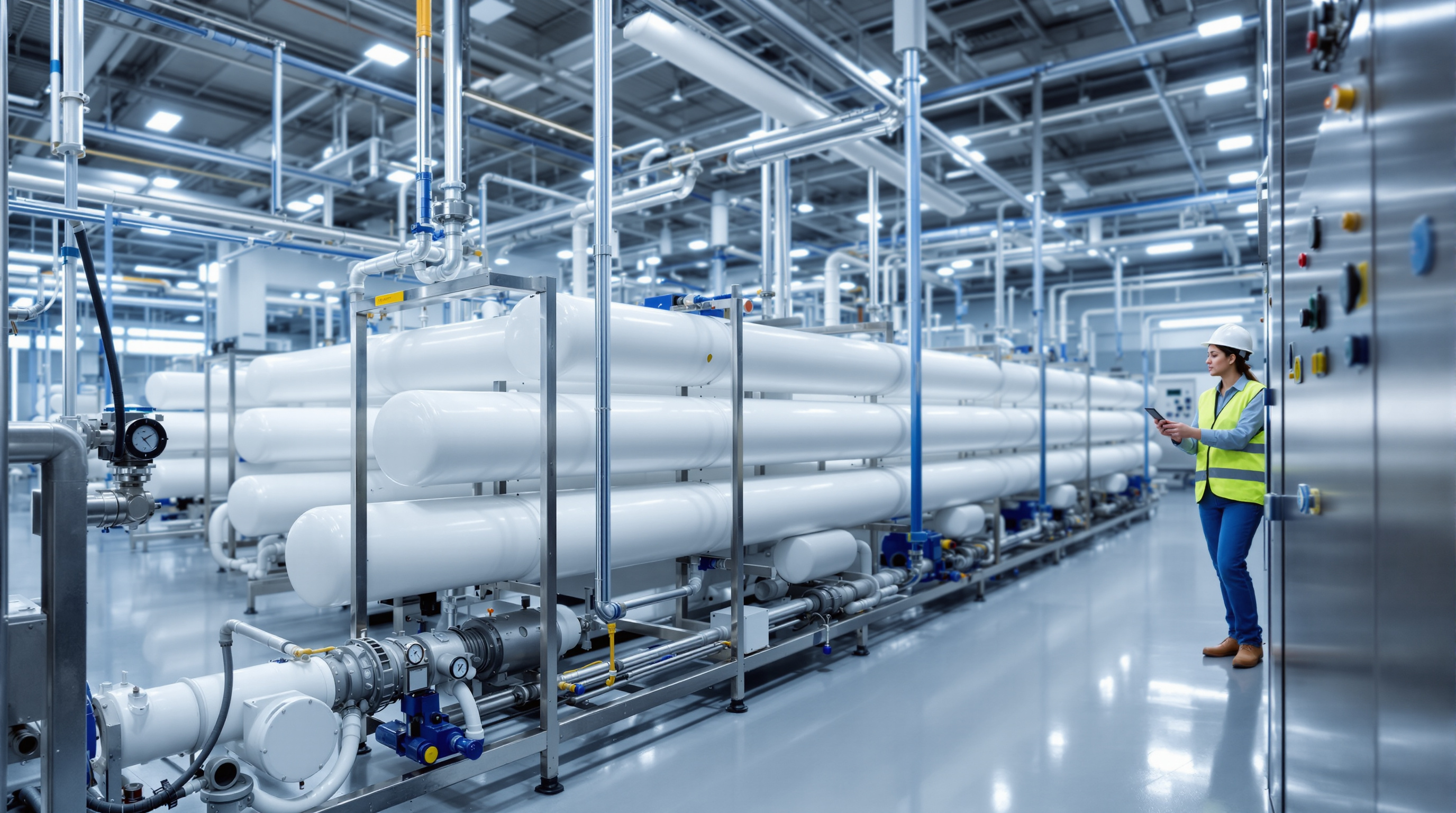
Capital is only half the story — and for ZLD, often the smaller half. Running cost is measured per kilolitre (KL) of effluent treated, and it separates a conventional ETP from a zero-discharge one dramatically:
| Cost element | Conventional biological/physico-chemical ETP | ETP with full ZLD |
|---|---|---|
| Power | Rs 6–20 / KL | Rs 40–100 / KL |
| Thermal energy (evaporator) | — | Rs 10–100 / KL |
| Chemicals | Rs 3–12 / KL | Rs 8–35 / KL |
| Sludge / salt disposal | Rs 5–20 / KL | Rs 15–30 / KL |
| Labour | Rs 2–8 / KL | included above |
| Total OPEX | Rs 15–60 / KL | Rs 105–220 / KL |
The ZLD tail is what breaks budgets: evaporation is energy-hungry (12–18 kWh per m³ even in optimised MVR systems), which is why 2026 designs push RO recovery to 92–95% to shrink the volume sent to the evaporator. As practitioners note, two ZLD plants of identical capacity can run at 2–4x different Rs/KL purely from RO-recovery and evaporator-technology choices. Model this early with the Annual Operating Cost Calculator and the Electricity Consumption Calculator — for an ETP, power is often the single largest line, and the guidance in Reducing STP electricity consumption applies directly.
Other recurring costs to budget honestly:
- AMC (Annual Maintenance Contract): typically 8–12% of the plant supply cost per year — a Rs 20 lakh plant needs roughly Rs 1.6–2.4 lakh/year — per Kelvin Water Technologies' AMC guidance. Size it with the AMC Cost Calculator.
- Membrane replacement: budget 15–20% of membrane capital per year; RO membranes are consumables, not fixtures.
- Sludge disposal: Rs 1,800–2,800 per tonne to a TSDF landfill, or cheaper via cement-kiln co-processing — but hazardous sludge from metal-finishing carries a premium. See STP sludge removal.
Reading a quote — and offsetting the cost
Because the ranges are so wide, the specific quote for your effluent is the only number that matters. Before you compare vendors, insist on: a fresh effluent characterisation (flow, COD, BOD, TDS, oil & grease, metals), the discharge standard you must meet, and a clear line between supply-only and turnkey scope. Then compare on lifecycle cost, not sticker price — a cheaper plant that runs at Rs 180/KL will lose to a dearer one at Rs 110/KL within a couple of years. The Lifecycle Cost Comparison Tool and the framing in STP lifecycle cost comparison make that trade-off explicit.
The one genuine offset is water. An ETP with RO recovers water you would otherwise buy — often at Rs 80–100/KL from tankers in industrial clusters — plus it keeps you compliant and open for business. Quantify that with the Water Reuse Savings Calculator and the STP ROI Calculator; the logic is covered in ROI of water recycling and the wider urban water circular economy.
The bottom line
An industrial ETP costs far more than a domestic STP because it is doing far more: neutralising, coagulating and clarifying with chemicals before biology, using corrosion-grade materials, and — where the law demands zero discharge — carrying an RO-and-evaporator tail that can triple or quintuple the bill. Expect capital of roughly Rs 60,000–2,00,000 per KLD for conventional-to-complex ETPs, escalating past Rs 12 lakh per KLD for small ZLD systems, and running costs anywhere from Rs 15/KL to over Rs 200/KL. Every one of those numbers is a starting range, not a promise — so characterise your effluent, get quotes for your specific project, and compare on lifecycle cost. Then browse the full Sewage & Effluent Treatment guide library to go deeper on any technology or line item.
Export this guide
Related Guides — Deep-dive reading
Zero Liquid Discharge (ZLD): When No Water Leaves the Site
What zero liquid discharge actually means, the biological-plus-RO-plus-evaporator train that recovers nearly all the water and leaves only dry solids, why it is expensive and energy-hungry, when it is mandated, and the lighter near-ZLD options that make sense for most buildings.
Sewage Treatment PlantsMBR STP Cost Guide: What a Membrane Bioreactor Really Costs in India (2026)
Why MBR carries the highest capital and running cost of any sewage treatment technology in India — membranes, power and replacements — and exactly when that premium pays for itself through water reuse and a smaller footprint.
Sewage Treatment PlantsChemical Industry Wastewater Treatment: ETP Design for Toxic, High-COD Effluent
Why chemical-plant effluent is one of the hardest waters to treat, and how a multi-stage ETP — physico-chemical, biological, advanced oxidation and ZLD — brings variable, toxic, high-COD/TDS streams down to a dischargeable standard in the Indian regulatory context.
Sewage Treatment PlantsRelated Tools — Try Free
STP Lifecycle Cost Comparison Tool
Compare MBBR, SBR and MBR sewage treatment plants on total lifecycle cost — capex plus lifetime energy — at your capacity, lifespan and power tariff, and see the lowest-cost technology.
STP CalculatorWater Reuse Savings Calculator
Estimate the money you save by reusing STP-treated water instead of buying fresh supply, with daily, monthly and annual savings.
STP CalculatorSTP Annual Operating Cost Calculator
Total up a sewage treatment plant's yearly running cost from monthly electricity, chemical, manpower and annual AMC spend, with the monthly total and biggest cost driver.
STP Calculator