
Interactive Calculator · 2026
Property Tax Calculator
Annual municipal property tax across 10 major Indian cities — low-mid-high range based on each city’s published rate band, self-occupied vs tenanted status, and age rebates.
Property
Method: UAV · Bruhat Bengaluru Mahanagara Palike
₹1.00 Cr
Usage & age
Age rebates in BBMP: 3% (10–25 yrs) · 15% (25+ yrs).
Estimated annual property tax
≈ ₹0/mo set aside monthly
Low estimate
₹5,000
0.05% band
Likely mid
₹12,500
Midpoint
High estimate
₹20,000
0.2% band
Assessment method — UAV. UAV basis with 6 zones (A premium → F lowest). Self-occupied residential gets ~50% rebate vs tenanted. Plus 24% library cess on base tax. Pay online at BBMP Tax portal; ₹5,000 rebate for full-year payment before 30 April.
For the exact amount on your ward, check: bbmptax.karnataka.gov.in. Enter your PID / Assessment Number / Zone & Ward to see your exact bill.
Same property, every city — sorted highest first
Annual mid-estimateAt ₹1.00 Cr, self-occupied, under 10 years — here’s what each municipal body would bill.
Highest
Thane (TMC)
₹61,500 / year
Lowest
Bengaluru (BBMP)
₹12,500 / year
Your city (BBMP) is highlighted.
CVS-method cities (Mumbai, Pune, Thane, Ahmedabad, PCMC) typically bill a higher % of capital value than UAV / ARV cities.
How this works
- Three assessment methods across Indian cities. UAV (Unit Area Value) — tax is a function of built-up area × per-sqft UAV (Bengaluru, Delhi, Kolkata, Pune). CVS (Capital Value System) — % of government-notified market value (Mumbai, Thane, Ahmedabad, Pimpri-Chinchwad). ARV (Annual Rental Value) — % of notional annual rent (Hyderabad, Chennai).
- Why the range. Each city has a rate band that depends on zone, street, plinth area, and structure type. The calculator uses a conservative low-high band and takes the midpoint as the likely figure.
- Occupancy. Let-out / tenanted properties are taxed 30-100% higher in most cities. Multiplier varies per city.
- Age rebates. Buildings 10+ years old get a depreciation rebate; 25+ older gets a larger one. Amount varies per city — your sanctioned building plan date counts, not the sale deed date.
- Not included in this estimate: garbage / conservancy cess, water and sewerage charges, library cess, education cess — usually add 10-25% to the base tax number depending on city.
- Mumbai and Thane carpet-area exemption. Since 2022, flats ≤ 500 sqft (carpet) are fully exempt from property tax under the Maharashtra notification.
Deep-dive: Property Tax in India — 2026 City-by-City Guide
Related tools: Stamp Duty Calculator · TDS on Property · Capital Gains Calculator · Home Loan Affordability
Indicative estimate only. Municipal bodies revise rates almost every year in the annual budget. For commercial property, industrial property, or properties under dispute, these estimates may be materially off — consult the municipal office directly.
Municipal property-tax landscape
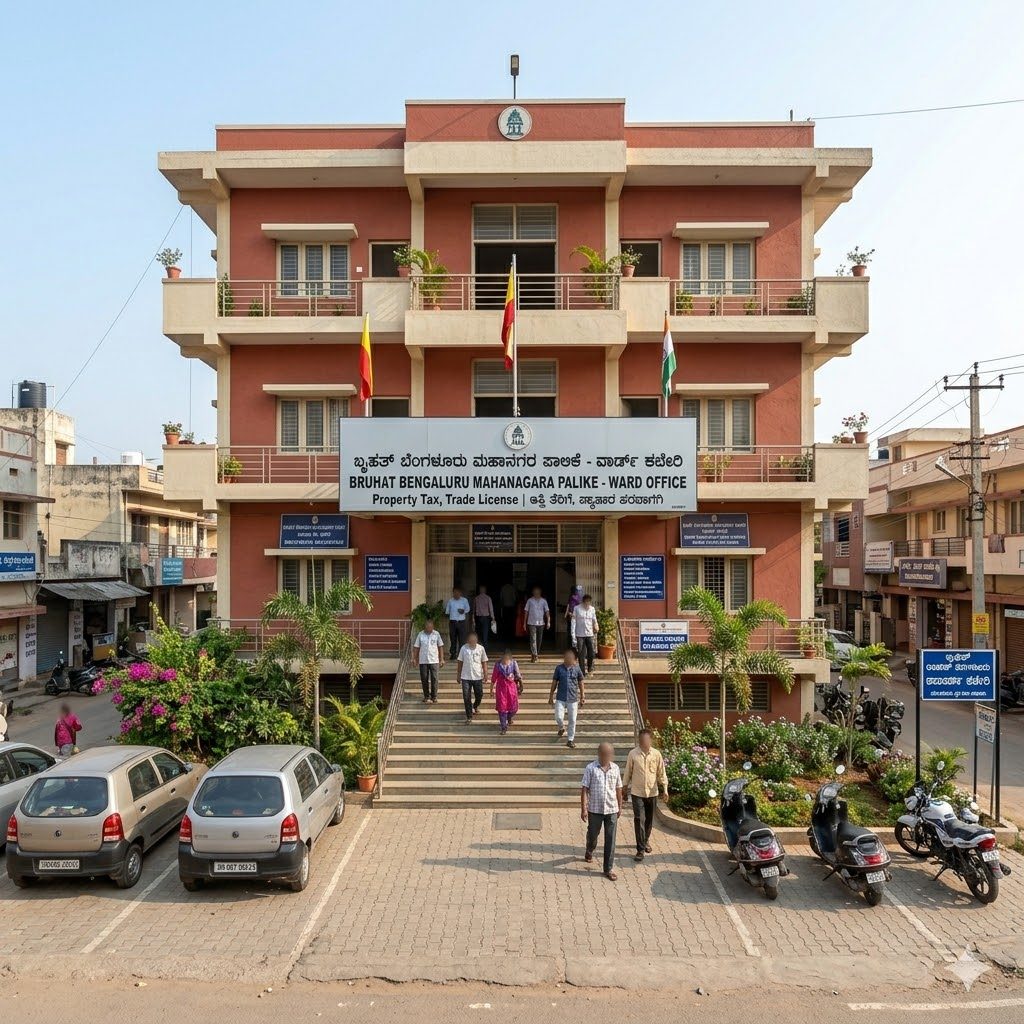
Bengaluru · BBMP
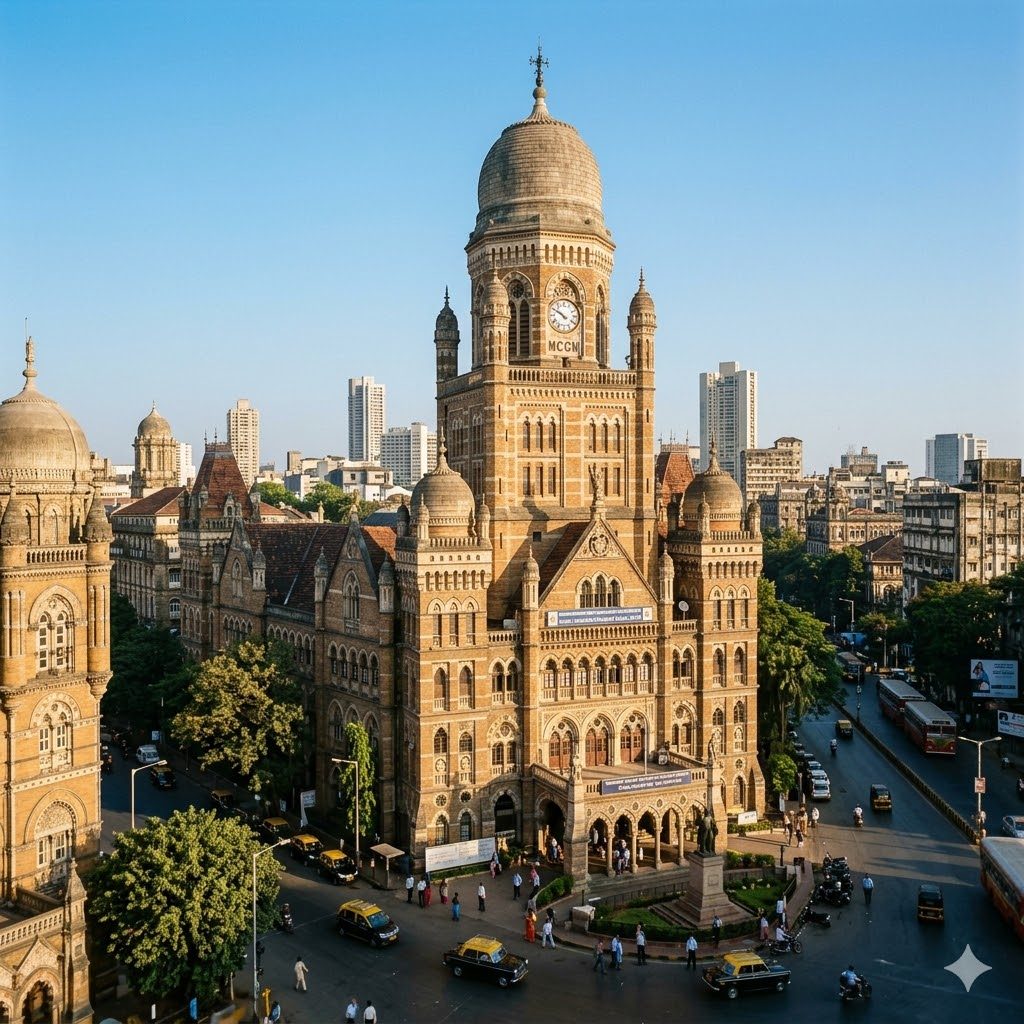
Mumbai · MCGM
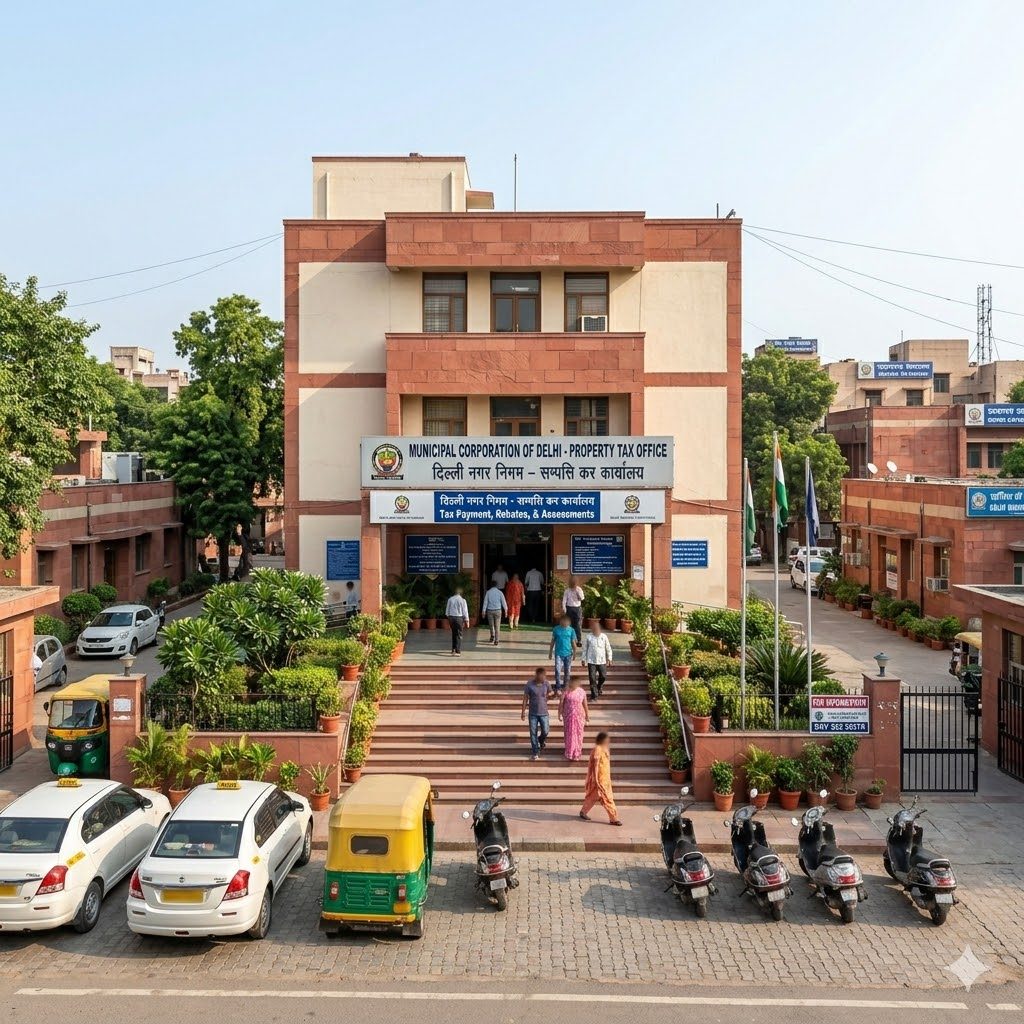
Delhi · MCD
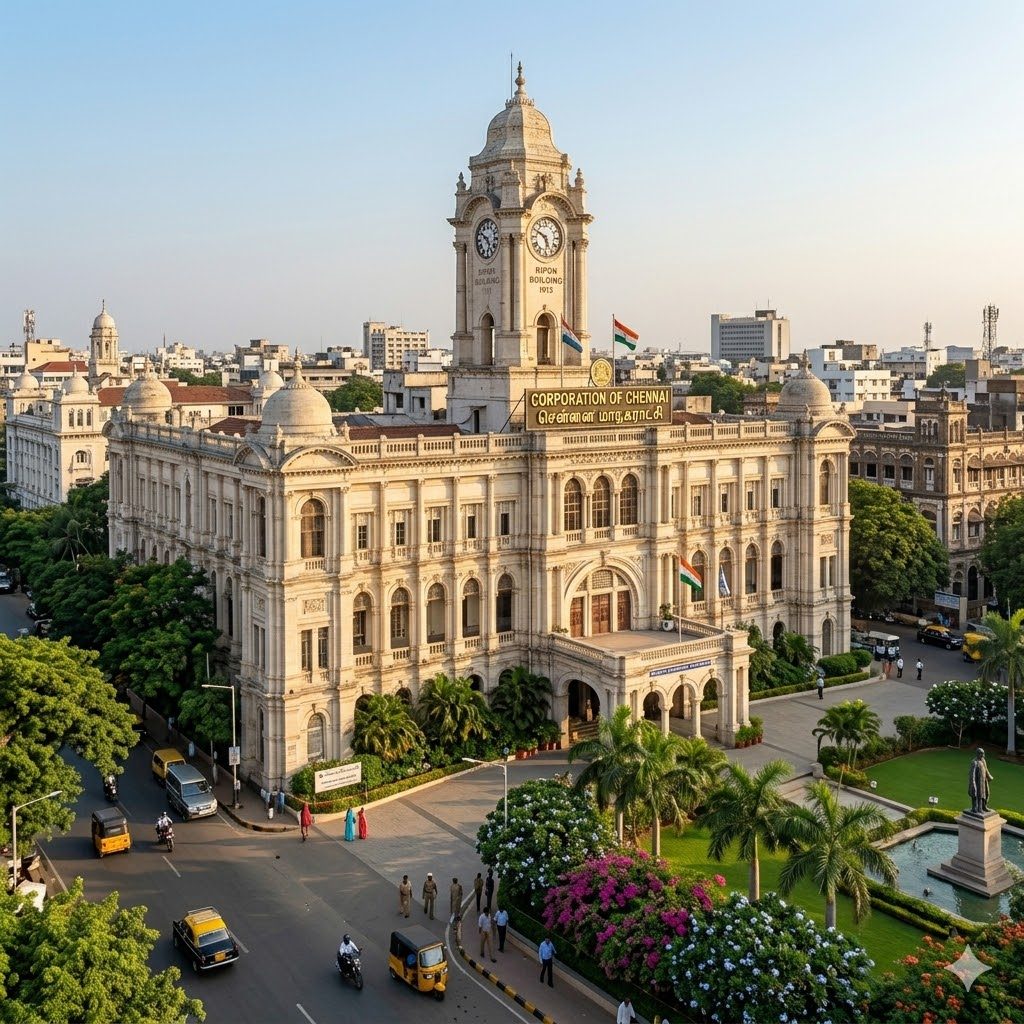
Chennai · GCC
Annual tax + EMI + interior — all in one budget
Layer this annual tax into your full home-cost picture in DesignAI.
Property Tax in India — A Working Reference for Homeowners
Property tax is the annual tax levied by Indian municipal corporations on the owner of any building, flat, plot, or other real property within their jurisdiction. It is the single largest revenue source for most Indian urban local bodies and the most under-understood recurring cost of homeownership. Unlike stamp duty (a one-time state tax on property transfer), property tax is paid every year, calculated by the city you live in, and revised on a 4-5 year cycle in most municipalities. A typical Indian middle-class homeowner pays between ₹15,000 and ₹80,000 per year in property tax — and the same property in two different cities can attract very different amounts.
The Three Assessment Methods — UAV, CVS, ARV
Indian municipal corporations use one of three methods to assess property tax. The method is chosen by the state government and applied uniformly to all properties under that municipal body's jurisdiction. The choice of method has a much larger impact on a homeowner's annual liability than the headline tax rate.
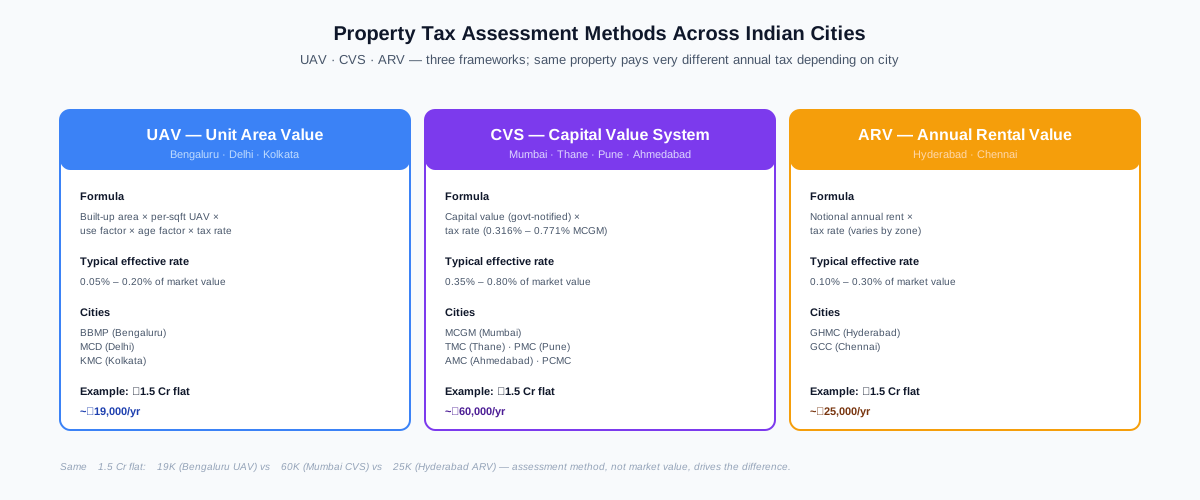
UAV — Unit Area Value (Bengaluru, Delhi, Kolkata, Patna, Bhopal): tax is based on the built-up area multiplied by a per-square-foot value notified by the municipal corporation, with adjustments for use (residential vs commercial), occupancy (self vs rented), and building age. UAV typically produces the lowest effective rate — around 0.05–0.20% of market value annually.
CVS — Capital Value System (Mumbai, Pune, Thane, Ahmedabad, Pimpri-Chinchwad): tax is based on a state-government-notified capital value of the property, multiplied by the municipal tax rate. This is the highest-effective-rate method — Mumbai's combined rate is 0.35–0.80% of market value, three to five times the UAV rate. The system was introduced in Mumbai in 2010 to simplify calculations but has produced significantly higher tax bills.
ARV — Annual Rental Value (Hyderabad, Chennai, Lucknow, Vijayawada): tax is based on a notional annual rent the property could earn if let out, multiplied by the tax rate. The notional rent is determined by the municipal corporation based on locality and property type. ARV typically falls between UAV and CVS in effective burden.
Rebates and Exemptions Worth Claiming
- Senior citizens (60+): 30% rebate in MCD Delhi, 25% in Pune PMC, 20% in BBMP Bengaluru — typically capped at properties of 200-300 sqm and self-occupied.
- Women owners: 30% rebate in MCD Delhi for properties up to 200 sqm; lower rebates in some other cities.
- Persons with disabilities: 30% rebate in MCD; varying in other cities.
- Self-occupied small flats: Mumbai (MCGM) and Thane (TMC) fully exempt residential flats with carpet area ≤ 500 sqft, since 2022 Maharashtra notification — eligible owners can claim refunds for past years.
- Early-payment rebate: most cities offer 5-10% rebate for paying full annual tax in the first quarter (April-June). BBMP gives 5%; MCD gives 10%.
- Vacant land vs built property: vacant land is taxed differently — usually at a lower base rate but without the occupancy reductions, and many cities apply a vacant-land surcharge after a certain period (incentivising development).
When and How to Pay
Most Indian municipal corporations have moved to fully online property-tax payment portals. Bengaluru's BBMP portal, Mumbai's MCGM Citizen Service portal, Delhi's MCD portal, Hyderabad's GHMC portal, and Chennai's GCC portal all accept payments via UPI, net-banking, debit/credit cards. The financial year for most municipalities runs April-March; the annual property tax becomes due on 1 April. Early-payment discounts are typically claimed by paying in full before the end of June.
Late payment attracts penalty interest typically of 2% per month, in addition to administrative fees. After three years of unpaid tax, most municipalities can attach the property and auction it to recover dues — though in practice this is rare for residential properties. The property tax receipt is required for several downstream processes: home-loan refinancing, sale-deed registration verification, property mutation, and (in some states) electricity-connection upgrades.
Common Pitfalls Indian Homeowners Make
- Not claiming rebates — most rebates require an explicit application with supporting documents (age proof, Aadhaar, disability certificate); they do not auto-apply.
- Property mutation not done after purchase — buyer continues paying tax under seller's name; the municipal record never gets updated, complicating future resale and inheritance.
- Treating property tax receipts as proof of ownership — they are not. Property tax is paid by the occupier or owner; it does not establish title. The sale deed remains the title document.
- Missing 500-sqft Mumbai exemption — owners of small flats in MCGM/Thane fail to apply for refund of past years' tax (refundable for up to 6 years).
- Ignoring tax revision cycles — most cities revise UAV/CVS/ARV every 4-5 years; budget for ~10-30% increase at the cycle.
Disclaimer: Property tax rates, assessment methods, and rebate frameworks are set by individual municipal corporations and revised periodically. The calculator above reflects rates current as of mid-2026 for 10 major Indian cities. Always verify with the specific municipal corporation's portal before relying on the estimate. This page is for informational purposes only and is not legal or tax advice.
Related Guides — Deep-dive reading
Property Tax in India — 2026 City-by-City Guide
BBMP, MCD, MCGM, GHMC, GCC, KMC & More: UAV, CVS and ARV Methods Explained
ConstructionDoor Cost by City: Full India Price Index Guide India 2026
What doors actually cost across 16 Indian cities, with the exact cost-index multipliers, worked examples and where to buy.
Home Doors & EntrancesStamp Duty in India 2026 — State-wise Guide
Rates, Registration Charges, Concessions & How to Calculate Your Liability
ConstructionRelated Tools — You may also find these useful
Access Control Cost Estimator
Estimate per-door and whole-building access-control cost in India, with the full component breakdown and GST.
Cost EstimatorAccess Control ROI Calculator
Compare automated access control against guard and manual costs to find the saving and payback.
ROI CalculatorAccess Control System Designer
Design a door access-control system for your building and get the component BOM, topology and indicative cost.
System Designer