
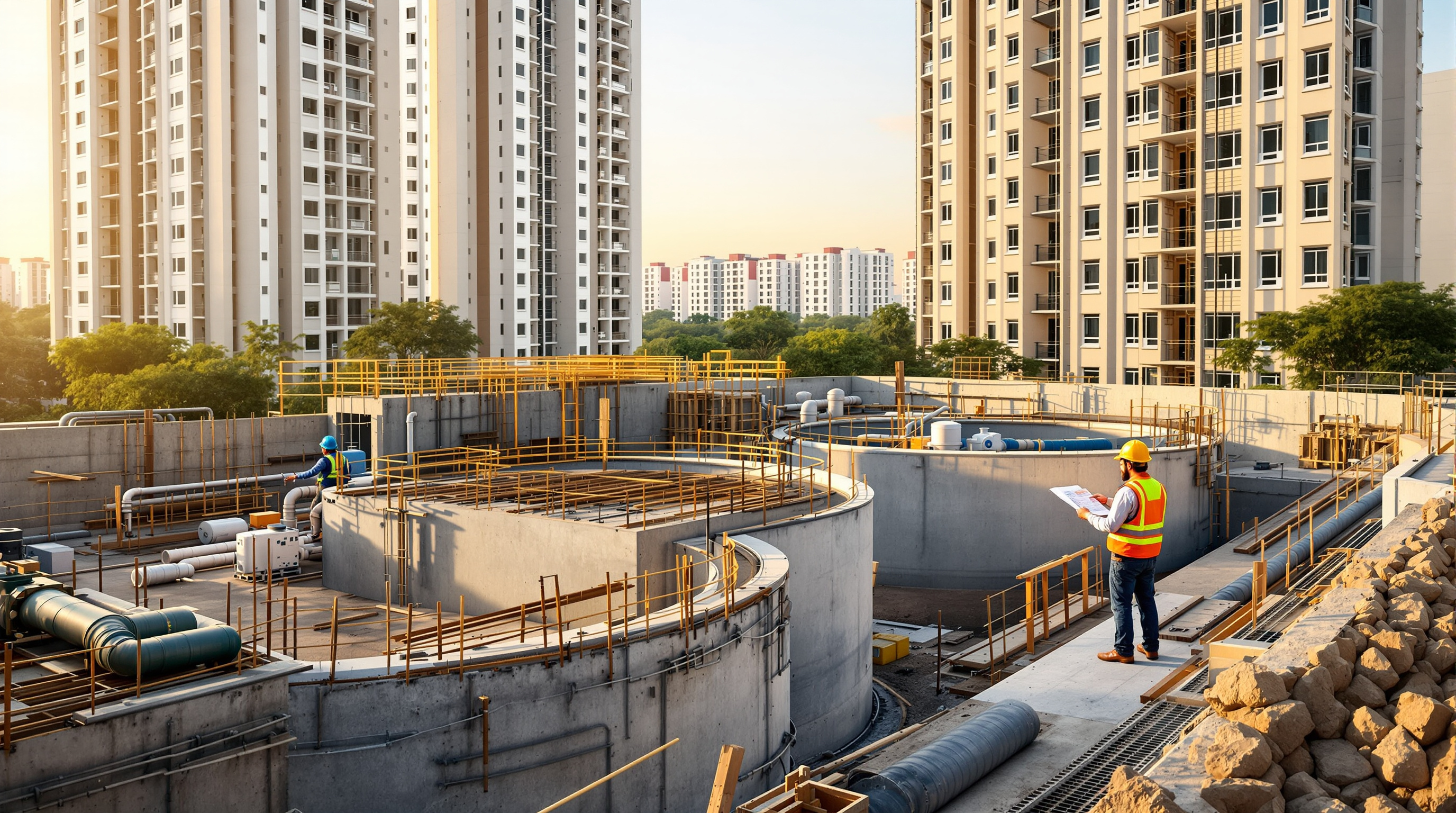
STP Cost per KLD in India (2026): Realistic Price Ranges
What a sewage treatment plant actually costs per KLD in India — capital cost by capacity band and technology (MBBR, SBR, MBR, extended aeration), why the per-litre price falls as plants get bigger, and every factor that swings a quote up or down.
Ask three vendors what a sewage treatment plant costs and you will get three different numbers — sometimes off by a factor of five. That is not because anyone is lying; it is because "STP cost" is meaningless until you fix the capacity, the technology, the effluent standard and the site. The one number that lets you compare like with like is the cost per KLD — the capital cost divided by the plant's rated capacity in kilolitres per day.
This guide gives you realistic, current (2026) India price ranges for STP cost per KLD, broken down the two ways that actually move the number: by capacity band and by treatment technology. Every figure here is a range, because every real quote is. Treat these as a sanity-check on the numbers you are given — not as a substitute for a proper quote on your own site.
As a rule of thumb, a small 5–10 KLD packaged STP in India lands around Rs 60,000–1,20,000 per KLD, while a large 200 KLD-plus plant can fall to Rs 30,000–50,000 per KLD. Same technology, a fifth of the unit cost — capacity is the single biggest lever on price.
Why per-KLD cost falls as capacity rises
The most important thing to understand about STP pricing is that it does not scale linearly. A plant twice as big does not cost twice as much. This is the economy-of-scale effect, and it is dramatic in wastewater treatment for a few concrete reasons:
- Fixed overheads spread out. Control panels, PLC automation, the blower room, instrumentation, the operator's time and the civil foundation are semi-fixed costs. A 10 KLD and a 100 KLD plant both need a control panel — but the big plant divides its cost across ten times the capacity.
- Equipment is bought in bulk steps. Blowers, pumps and diffusers come in standard sizes. Larger plants use them closer to full duty, so you pay less per litre of installed capacity.
- Civil work is not proportional. Tank walls, slabs and excavation grow with volume, but shared walls and a single foundation mean a 100 KLD tank costs far less than ten 10 KLD tanks.
The practical takeaway: never judge a quote on total rupees — always convert to rupees per KLD and compare against the right capacity band. A 5 KLD plant at Rs 90,000/KLD and a 200 KLD plant at Rs 40,000/KLD can both be perfectly fair prices.
STP cost per KLD by capacity band
Here is where the market sits in 2026 for a complete, installed packaged or civil STP — equipment plus civil work, piping and commissioning, at a typical MBBR-grade effluent standard. Figures are indicative and vary widely by city, vendor and site.
| Capacity | Typical installed cost | Cost per KLD |
|---|---|---|
| 2 KLD | Rs 1.5–3 lakh | Rs 75,000–1,50,000 |
| 5 KLD | Rs 3–6 lakh | Rs 60,000–1,20,000 |
| 10 KLD | Rs 6–10 lakh | Rs 60,000–1,00,000 |
| 20 KLD | Rs 10–15 lakh | Rs 50,000–75,000 |
| 50 KLD | Rs 20–30 lakh | Rs 40,000–60,000 |
| 100 KLD | Rs 30–50 lakh | Rs 30,000–50,000 |
| 200 KLD | Rs 60 lakh–1 crore | Rs 30,000–50,000 |
| 500 KLD | Rs 65 lakh–1.2 crore | Rs 25,000–45,000 |
Source ranges compiled from Indian STP vendor and EPC pricing published in 2025–2026 (Susbio, Trity Enviro, Hydromo). The curve is clear: the per-KLD cost roughly halves between the 5 KLD and 100 KLD bands, then flattens. Above ~200 KLD you have captured most of the scale benefit, and the unit cost stops falling fast.
To find your own required capacity before you price anything, run your headcount through the STP Capacity Calculator — the KLD figure is the starting point for every cost estimate. Our companion guide on how to size an STP walks through the logic.
STP cost per KLD by technology
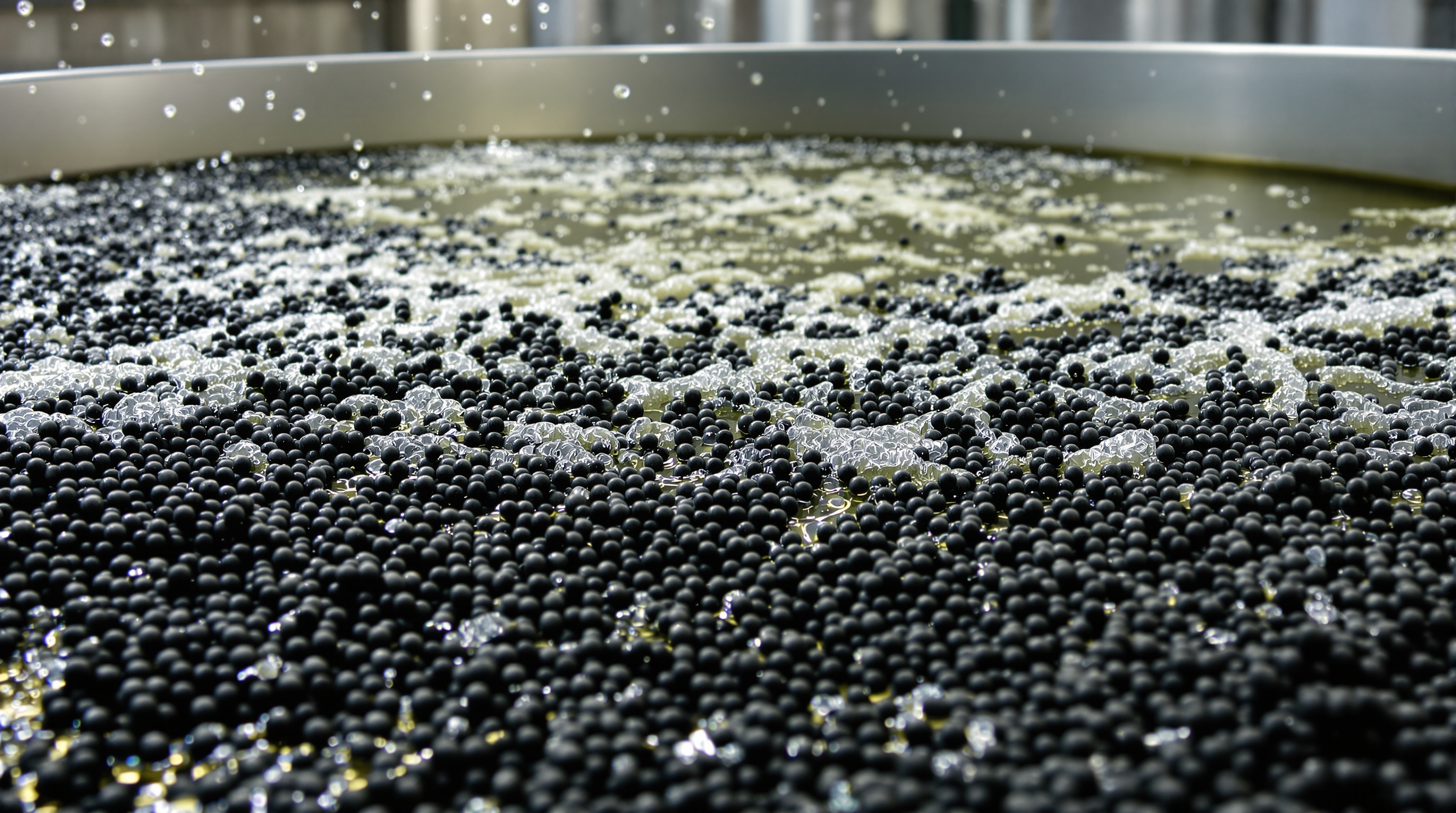
The second big lever is which biological process you choose. Higher effluent quality and smaller footprint cost more per KLD. These ranges are for the treatment package (equipment); add roughly 25–40% for civil work, piping and installation to reach an installed figure.
| Technology | Cost per KLD (equipment) | Effluent quality | Best for |
|---|---|---|---|
| Extended Aeration / ASP | Rs 15,000–30,000 | Moderate (BOD ~20–30) | Large plots, budget projects, generous land |
| MBBR | Rs 30,000–55,000 | Good (BOD <20) | The default for apartments & commercial |
| SBR | Rs 35,000–60,000 | Good–excellent (BOD <10) | Compact sites, tight discharge norms |
| MBR | Rs 65,000–1,10,000 | Excellent (BOD <5) | High reuse, smallest footprint, near-zero discharge |
A few notes on how to read this:
- Extended aeration is the cheapest to build but needs the most land and power; it suits large campuses and townships with space to spare.
- MBBR is the workhorse of Indian residential and commercial STPs — a sensible balance of cost, footprint and reliability. See the dedicated MBBR STP cost guide.
- SBR packs strong performance into a compact, automated, tank-based plant; costs sit just above MBBR (SBR STP cost).
- MBR delivers the best water — good enough for demanding reuse — but the membranes make it the most expensive to build and to run, since they need replacement every 5–8 years (MBR STP cost).
What actually drives the price up or down
Two plants of the same capacity and technology can still differ by 40% or more. The swing factors:
- Effluent standard and reuse. Meeting CPCB/NGT reuse norms, or feeding a cooling tower, forces tertiary filtration, extra disinfection and sometimes an MBR — all of which add cost.
- Automation level. A full PLC/SCADA plant with remote monitoring costs more upfront than a manual, timer-based one, but saves on operator time.
- Underground vs above ground. Basement STPs need waterproofing, ventilation, deeper excavation and pumping — typically pricier than a surface plant. Our underground vs above-ground guide covers the trade-off, and underground STP cost drills into the premium.
- Civil scope. RCC tanks cost more than steel/FRP packaged units but last longer. Site soil, water table and access all move the civil bill.
- Materials and brand. MoC (mild steel vs SS vs FRP), imported vs domestic blowers and membranes, and vendor reputation all matter.
- Location. Metro projects carry higher labour and logistics costs than tier-2 towns.
Don't forget the running cost
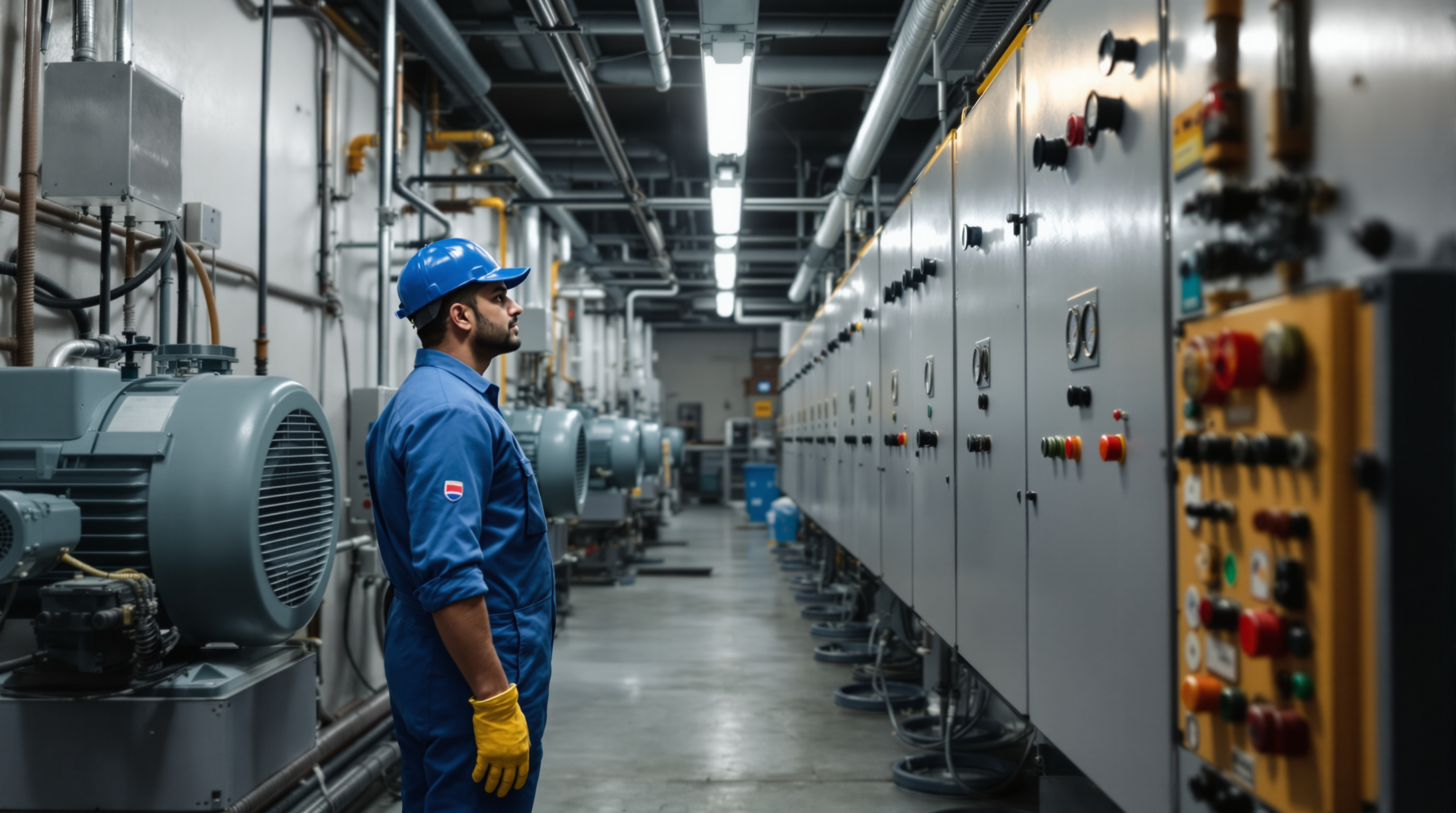
Capital cost is only half the story. Over a 15-year life, operating cost often exceeds the original capex. Budget for it from day one.
- Electricity is the biggest OPEX item — an STP draws roughly 0.5–1.5 kWh per KLD treated, dominated by aeration. Our electricity consumption calculator and reducing STP electricity guide help you model and cut it.
- Manpower — a trained operator runs Rs 15,000–30,000 per month.
- Chemicals — chlorine, alum and polymer, roughly Rs 1,500–4,000 per month for a small plant.
- Sludge removal — periodic dewatering and disposal (sludge removal).
- AMC — an annual maintenance contract typically runs 8–12% of the plant supply cost per year. Budget Rs 60,000–1.2 lakh/year for a 10–50 KLD plant, Rs 1.5–3 lakh/year at 100–200 KLD. Size it with the AMC cost calculator.
A 100 KLD MBBR plant's all-in monthly running cost — power, chemicals, sludge and AMC — commonly lands around Rs 40,000–70,000, or Rs 5–8.5 lakh a year (Hydromo). Model your own with the annual operating cost calculator, and compare technologies over their full life with the lifecycle cost comparison tool.
Getting a number for your project
The honest summary: STP cost per KLD in India spans roughly Rs 25,000 to Rs 1,50,000 — a six-fold range that only collapses to a useful figure once you fix your capacity, technology, effluent target and site. Use the bands above to gut-check any quote, but never sign one without a site-specific proposal.
Three practical next steps:
- Get a fast, personalised capital estimate with the STP cost estimator, then pressure-test the running cost and payback with the STP ROI calculator.
- If treated-water reuse is part of your business case, the water reuse savings calculator shows how fast recycling pays back — the ROI of water recycling guide explains why.
- Read the segment guide closest to you: apartment STP cost, residential STP cost, or commercial STP cost — and browse the full sewage treatment plant library for the design context behind the numbers.
Get three comparable quotes, convert every one to rupees per KLD, and hold them against the ranges here. That single discipline is the best protection against overpaying for an STP.
Export this guide
Related Guides — Deep-dive reading
MBR STP Cost Guide: What a Membrane Bioreactor Really Costs in India (2026)
Why MBR carries the highest capital and running cost of any sewage treatment technology in India — membranes, power and replacements — and exactly when that premium pays for itself through water reuse and a smaller footprint.
Sewage Treatment PlantsCommercial STP Cost Guide: Pricing for Hotels, Malls & Offices in India (2026)
What a commercial sewage treatment plant really costs to build and run — capacity bands, why higher reuse and tertiary polishing push the price up, and how cooling-tower and flushing reuse pays it back. Honest ranges, not false precision.
Sewage Treatment PlantsAnnual STP Maintenance & Overhaul: The Complete Yearly Shutdown Checklist
Once a year your STP needs a full stop, a drain-down, and an honest look at everything the daily rounds never reach — tanks, blowers, membranes, instruments, concrete and the AMC. Here is the complete annual overhaul, in the right order.
Sewage Treatment PlantsRelated Tools — Try Free
STP Cost Estimator
Estimate the capital cost of a sewage treatment plant by capacity in KLD and technology, with an underground option and instant cost per KLD.
STP CalculatorSTP Lifecycle Cost Comparison Tool
Compare MBBR, SBR and MBR sewage treatment plants on total lifecycle cost — capex plus lifetime energy — at your capacity, lifespan and power tariff, and see the lowest-cost technology.
STP CalculatorWater Reuse Savings Calculator
Estimate the money you save by reusing STP-treated water instead of buying fresh supply, with daily, monthly and annual savings.
STP Calculator