
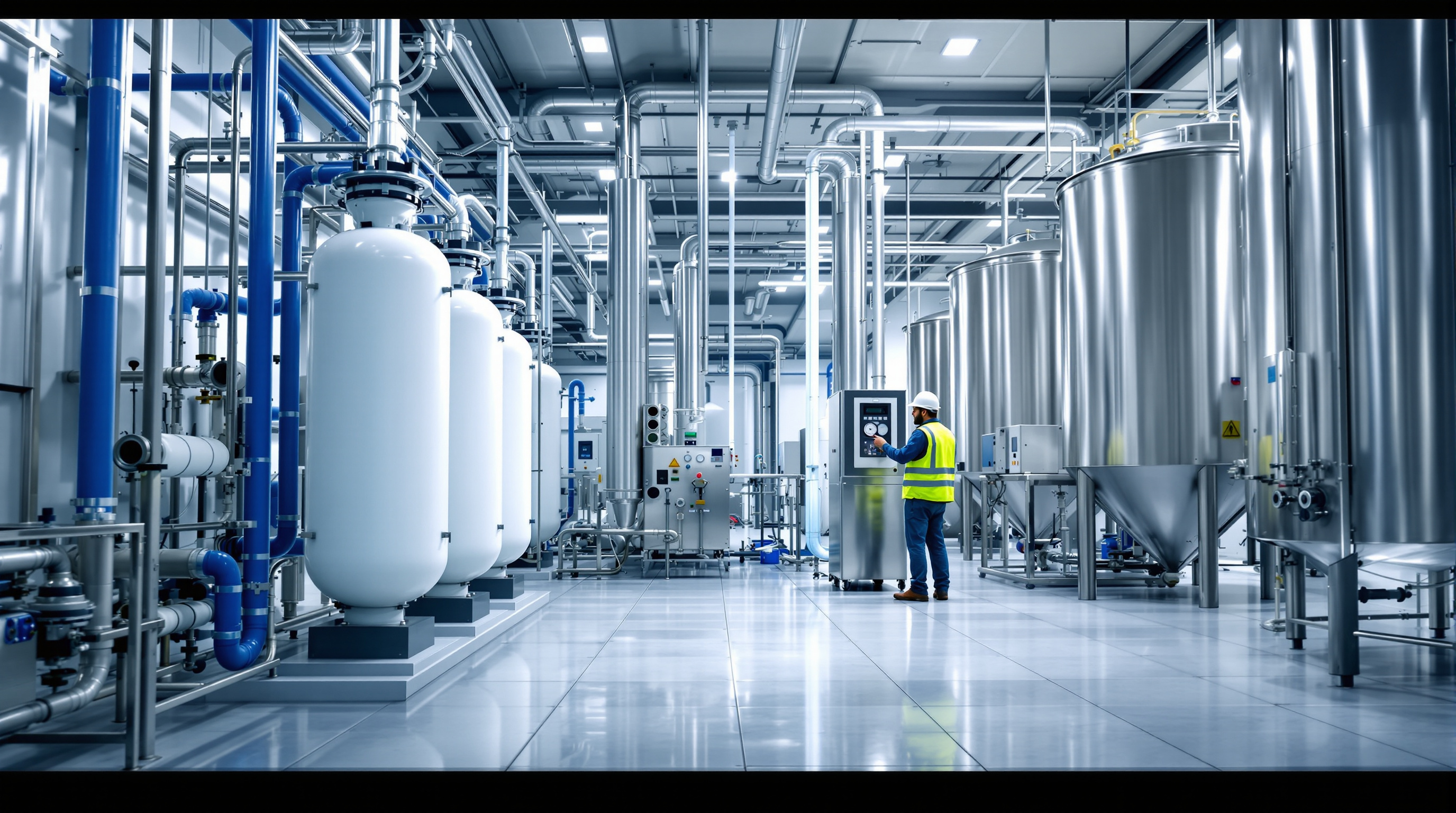
Zero Liquid Discharge (ZLD): When No Water Leaves the Site
What zero liquid discharge actually means, the biological-plus-RO-plus-evaporator train that recovers nearly all the water and leaves only dry solids, why it is expensive and energy-hungry, when it is mandated, and the lighter near-ZLD options that make sense for most buildings.
Most treatment systems have an exit. A sewage treatment plant cleans water until it is good enough to reuse or discharge, and whatever cannot be reused flows out — into a drain, a lake, or the ground. Zero Liquid Discharge (ZLD) removes that exit entirely. The goal is right there in the name: no liquid leaves the site. Every drop of wastewater is either recovered as clean water and reused, or driven off as vapour — and all that remains at the end is a heap of dry solids.
This guide explains what zero liquid discharge really means, the chain of technologies that makes it possible, why it is one of the most expensive things you can do to water, when Indian regulators actually mandate it, and the lighter "near-ZLD" alternatives that make far more sense for an ordinary building. It assumes you already understand the basics of how conventional treatment works — if not, start with what a sewage treatment plant is and how an STP works stage by stage.
A conventional STP recovers perhaps 80–85% of a building's water and lets the rest go. ZLD chases the last 15–20% up a steep and expensive hill — and the higher you climb, the more energy each additional litre costs.
What "zero liquid discharge" actually means
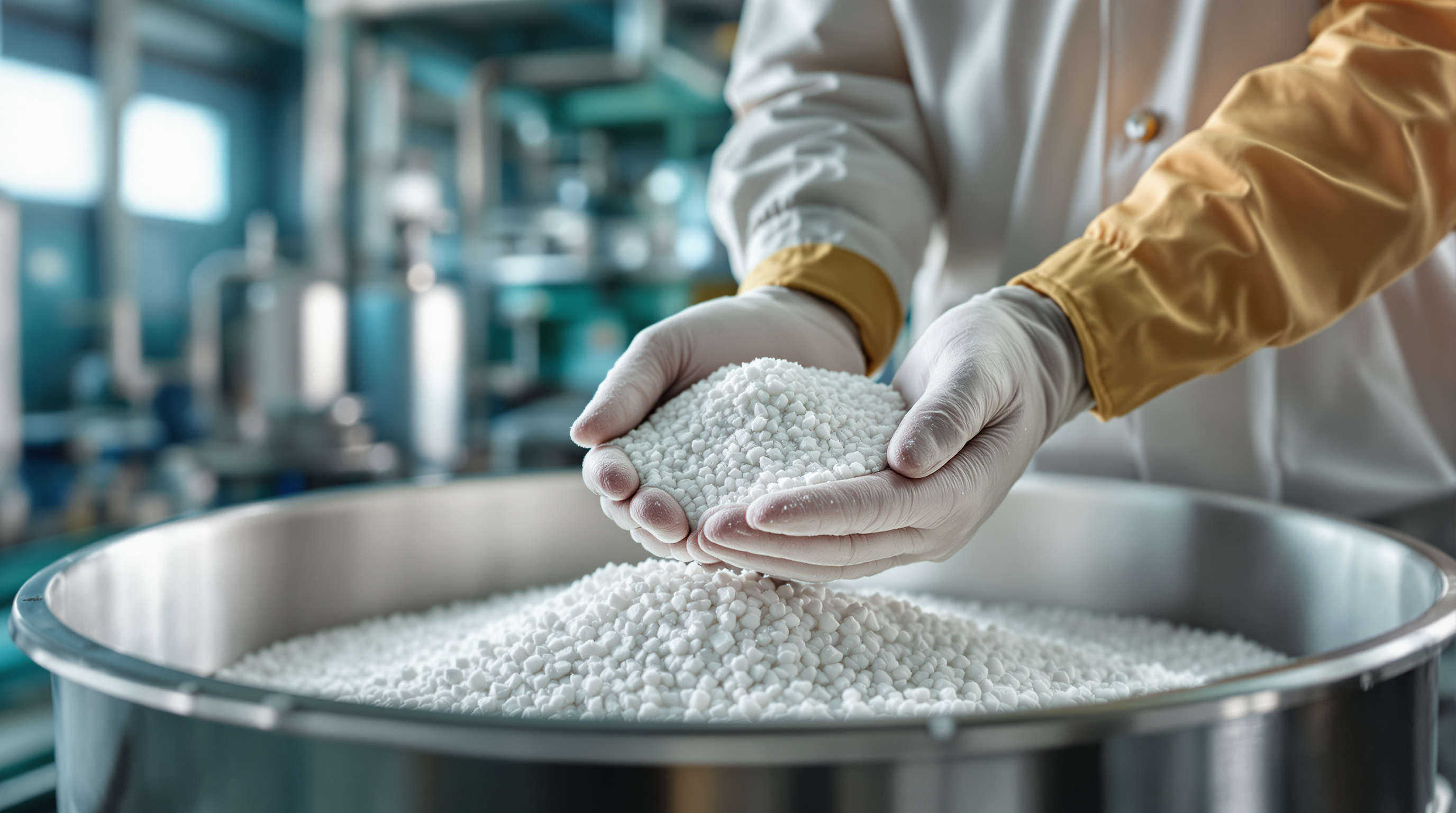
ZLD is not a single machine. It is a design objective — treat and reuse water on site so completely that the plant discharges no liquid effluent at all. In practice a true ZLD system converts an incoming stream of wastewater into just two outputs:
- Clean, recovered water — the large majority of the input, purified enough to reuse for flushing, cooling, process make-up or irrigation.
- Dry solid residue — the salts, minerals and gunk that were dissolved in that water, crystallised into a solid cake or powder that is trucked away for disposal.
The word that matters is liquid. Nothing wet goes out the gate. This is fundamentally different from a good STP, which discharges genuinely clean liquid water. ZLD says even that clean surplus must be kept and reused, and the concentrated waste it leaves behind must be dried to a solid.
Why go to such lengths? Two reasons drive almost every ZLD installation in India:
- Regulation. For certain highly polluting industries, pollution-control authorities have made ZLD a legal condition of operating — the plant is simply not allowed to discharge any effluent to a river or drain.
- Water security. Where fresh water is scarce, rationed or ruinously expensive, recovering 95%-plus of it on site turns wastewater into a genuine asset rather than a disposal problem.
The recovery train: biological, then RO, then evaporator
ZLD works by concentration. Each stage removes clean water and leaves the pollutants behind in an ever-smaller, ever-saltier stream, until what remains can be baked to a solid. Think of it as a relay in three legs.
Leg 1 — Biological treatment (destroy the organics)
The first job is exactly what an ordinary STP or ETP does: remove the dissolved organic matter — the BOD, COD and suspended solids — using microbes in an aerated tank. This is the cheap, well-understood part, built on the same activated sludge or MBBR biology used across the industry. Increasingly a membrane bioreactor (MBR) is used here, because its ultrafiltration membranes hand the next stage a clear, particle-free feed — and the membrane stages downstream are ruthless about clogging.
What biology cannot remove is dissolved salt. The water leaving this stage is clean of organics but still carries all its dissolved minerals. That is the problem the next two legs exist to solve.
Leg 2 — Reverse osmosis (squeeze out the clean water)
The biologically treated water is pushed at high pressure through reverse osmosis (RO) membranes. These pass pure water and reject dissolved salts, splitting the stream in two:
- Permeate — clean, low-salt water, the main recovered product. This is the water you reuse.
- Reject (or brine) — a smaller, concentrated stream carrying nearly all the salt.
A single RO pass might recover 70–75% of the water as permeate. ZLD systems often stack multiple stages — high-pressure RO, sometimes disc-tube membranes built to handle very salty feed — to push recovery higher and shrink the reject as far as membranes practically can. RO is the workhorse of ZLD: it does the bulk of the water recovery at a fraction of the energy the final stage will demand.
But RO has a ceiling. As the brine gets saltier, the osmotic pressure fighting the membrane climbs, until no reasonable pressure can push more water through. At that point you are left with a small, intensely concentrated brine — and only heat can finish the job.
Leg 3 — Evaporator and crystalliser (boil away the rest)
This is where ZLD earns its cost and its reputation. The concentrated RO reject is sent to a thermal evaporator — most commonly a Multiple-Effect Evaporator (MEE), sometimes paired with Mechanical Vapour Recompression (MVR) to reuse the heat — which boils the water off as steam. That steam is condensed back into clean distilled water and recovered, while the salts concentrate further into a thick slurry.
That slurry then goes to a crystalliser (often an agitated thin-film dryer), which drives off the last of the moisture and turns the dissolved salts into a dry solid — a cake or powder that can be bagged and sent for disposal or, in some industries, recovered as a saleable salt. Now the loop is closed: water out as reuse and condensate, waste out as solid, nothing wet left over.
Boiling water is energetically brutal — it takes far more energy to evaporate a litre than to filter it — which is why engineers work so hard to make RO do as much of the concentration as possible before the evaporator ever switches on.
Why ZLD is expensive — and when it is worth it
There is no gentle way to say it: ZLD is one of the most capital- and energy-intensive things you can do to water. The evaporator and crystalliser are large stainless-steel vessels with serious heat demand; RO membranes foul and need replacing; and the whole train needs skilled operators and near-constant chemical dosing. The cost of treating a kilolitre through a full ZLD system runs many times that of a conventional STP.
That is exactly why ZLD is a targeted tool, not a default. The honest way to weigh it is a straight list of what you gain and what it costs.
| Aspect | ZLD (full recovery train) | Conventional STP / ETP with discharge |
|---|---|---|
| Water recovered | ~95% and above; approaches 100% | ~80–85%, surplus discharged |
| Liquid discharge | None — nothing wet leaves site | Treated effluent discharged to drain/sewer/water body |
| Final waste | Dry solid salt cake for disposal | Sludge, plus treated liquid effluent |
| Capital cost | Very high (RO + MEE + crystalliser) | Moderate |
| Energy use | Very high (thermal evaporation) | Low to moderate (mainly aeration) |
| Operating complexity | High — skilled operators, membrane care, dosing | Moderate |
| Best suited to | Polluting industries, mandated sites, extreme water scarcity | Homes, apartments, offices, most commercial buildings |
For a textile dyeing unit, tannery, distillery, pharmaceutical plant or power station — high-salt, high-load effluent that regulators forbid from reaching a river — ZLD is often the only lawful path, and the water and compliance savings justify the spend. For an ordinary residential or commercial building producing everyday domestic sewage, a full ZLD train is almost always overkill: it burns enormous energy to recover a small surplus of water that could have been reused or safely soaked into the ground for a fraction of the cost.
When is ZLD mandated in India?
Directionally, ZLD in India is driven by industrial pollution control, not building bye-laws. The Central Pollution Control Board (CPCB) and state boards have pushed ZLD obligations onto specific highly polluting sectors — textile processing being the best-known example, along with categories where the effluent is salty or toxic enough that no discharge norm would adequately protect downstream water. In those sectors, ZLD becomes a condition of the consent to operate.
For domestic sewage from buildings, there is generally no ZLD mandate — the requirement is to install an STP and meet treated-water discharge and reuse norms, which is a very different and much lighter obligation. Treat the specifics as sector- and state-dependent and confirm the current rule with your pollution-control authority rather than assuming; the direction, though, is clear: ZLD is aimed at industry, STPs at buildings.
"Near-ZLD": the sensible target for most buildings
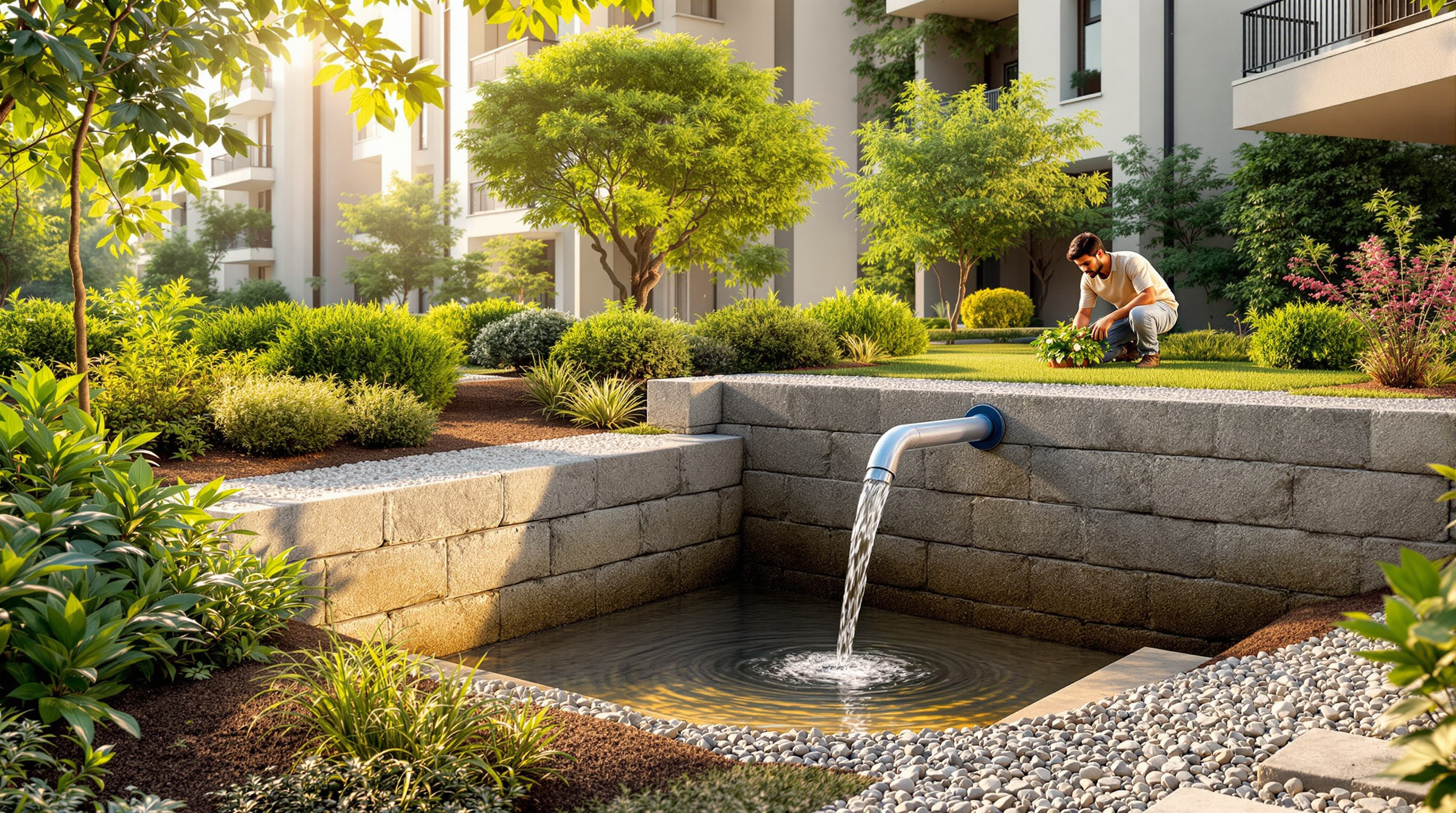
Between "let the surplus go" and "boil everything to dust" sits a far more practical goal that many green buildings actually aim for — sometimes loosely called near-ZLD or high water recovery. The idea is to get as close to zero discharge as economics allow, without the punishing evaporator stage:
- Maximise reuse. Route treated water to every non-potable use on site — toilet flushing, landscape, cooling towers, washing — so the surplus needing disposal shrinks toward nothing.
- Recharge the ground. Send genuinely clean surplus into recharge pits or a soak field so it re-enters the aquifer instead of a drain — no wet discharge off site, no evaporator required.
- Separate the streams. Keep clean greywater apart from blackwater so the easy-to-reuse fraction is recovered cheaply and only the harder fraction needs heavy treatment.
- Add polishing RO only if reuse demands it. If a specific reuse (say cooling make-up) needs low-salt water, a small RO on the treated stream gets you there — without committing to a crystalliser for the reject.
The result is a building that behaves as if it discharges nothing, at a cost the project can actually bear. For most developments this — not a full industrial ZLD train — is the right ambition. You can size the whole thing from occupancy using the STP Capacity Calculator and the Sewage Generation Calculator, then design the reuse and recharge plan around recovering as close to all of it as the site allows.
The bottom line
Zero liquid discharge is the most complete answer to wastewater there is: recover almost all the water, dry the rest to a solid, and let nothing wet leave the site. It is achieved by a three-leg train — biological treatment to kill the organics, reverse osmosis to squeeze out the clean water, and an evaporator-crystalliser to boil the concentrated brine down to dry salt. That completeness comes at a steep price in capital, energy and operating skill, which is why true ZLD belongs to mandated, high-salt industries and sites of extreme water scarcity — not to ordinary buildings. For those, the smart move is near-ZLD: reuse relentlessly, recharge the surplus, and get to effectively zero discharge without ever firing up an evaporator. To go deeper on the technologies behind each leg, continue through the Sewage Treatment Plants guide library.
Export this guide
Related Guides — Deep-dive reading
Pharmaceutical Wastewater Treatment: Why It Needs an ETP, Not an STP
Pharma effluent carries high COD, toxic and refractory compounds, swinging pH and traces of active drug ingredients — a load that overwhelms a domestic STP. Here is what makes it so hard to treat, and the ETP train engineers build to handle it in India.
Sewage Treatment PlantsRO Integration in STPs: When Reverse Osmosis After an STP Makes Sense
Bolting reverse osmosis onto a sewage treatment plant turns reuse-grade water into near-distilled water for cooling towers, boilers and zero-liquid-discharge. Here is when RO integration in an STP is worth it, what pretreatment it demands, and how to handle the reject.
Sewage Treatment PlantsTextile Industry Wastewater Treatment: The Complete Engineering Guide
Why textile and dyeing effluent is one of the hardest industrial wastewaters to treat — its colour, high TDS, swinging pH and refractory dyes — and the coagulation-to-membrane treatment train, colour removal and Zero Liquid Discharge that India now demands.
Sewage Treatment PlantsRelated Tools — Try Free
Healing View Impact Calculator
Evidence-Based Design dashboard quantifying the recovery impact of nature view + daylight factor on analgesic use, length of stay, and HCAHPS patient-experience uplift. Calibrated against Ulrich 1984 (Science), Park & Mattson 2008, and the CHD EBD evidence base.
EBD CalculatorSTP Capacity Calculator
Size a sewage treatment plant in KLD from your building's occupancy — water demand, sewage generated and recommended STP capacity.
STP CalculatorApartment STP Planner
Plan an apartment complex sewage treatment plant from flats and occupancy — get population load, sewage flow, recommended STP capacity in KLD, treatment technology and approximate space.
Planner