
Architecture · Biography · IndiaThe architects
The Architects.
The masters who defined modern architecture and the philosophies behind it — their lives, their ideas, their buildings, and the movement each one championed. Read alongside our Architecture Philosophy series.
For conversations with India's living practitioners, see the Architect Interviews.
The architects of modern India
Correa, Doshi, Baker, Bawa, Rewal and Gandhi — who fused modernism with India's climate, craft and life.
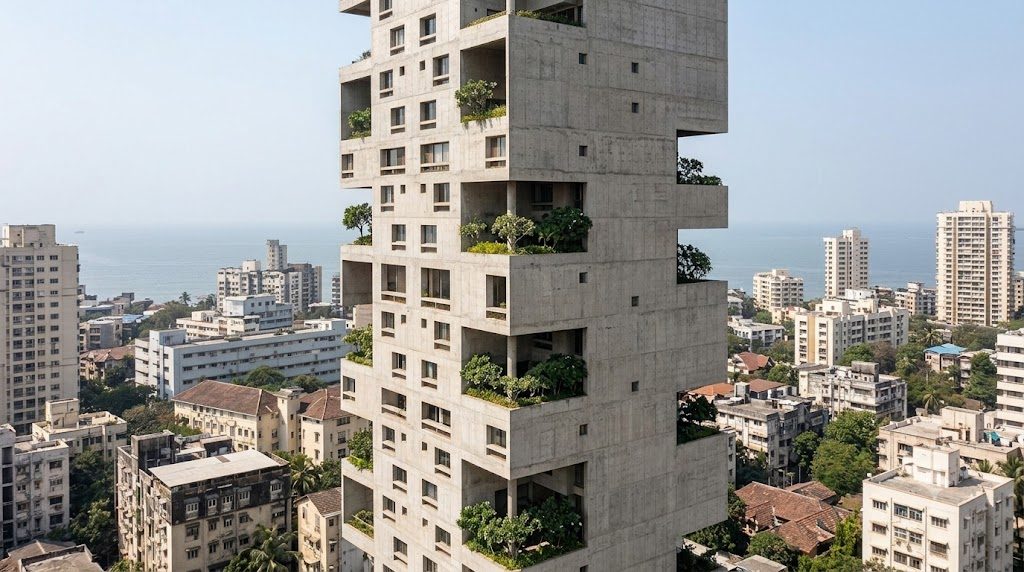 1930–201501
Charles Correa
India's architect of the open-to-sky
Charles Correa (1930–2015), India's most influential modern architect, made climate and culture his materials. From the Gandhi museum to Kanchanjunga's sky terraces, Belapur's incremental housing and Jaipur's mandala-planned arts centre, he gave Indian modernism its own humane, climate-responsive voice.
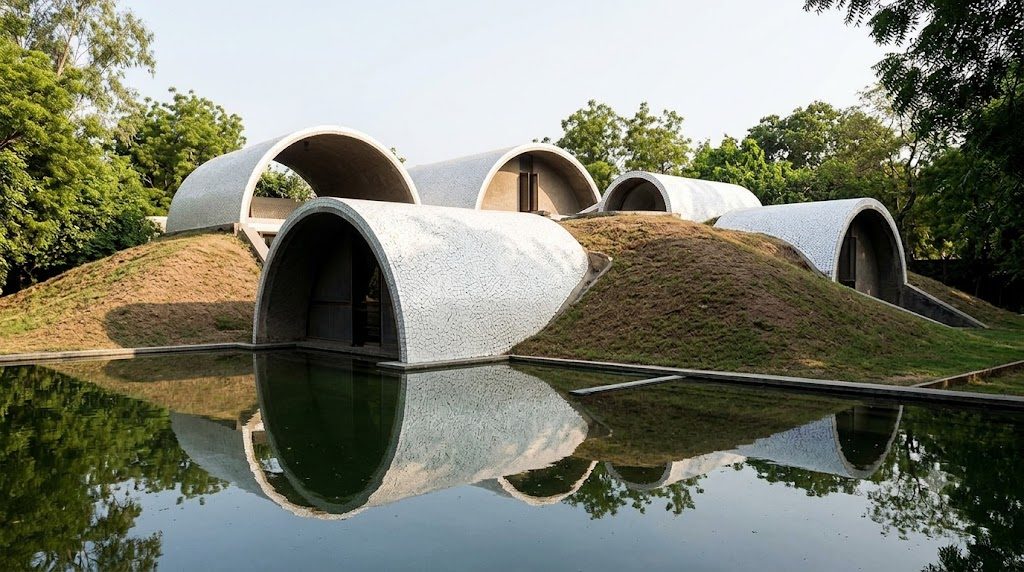 1927–202302
Balkrishna Doshi
First Indian Pritzker Laureate — who taught Indian modernism to belong to India
Balkrishna Doshi carried the lessons of Le Corbusier and Louis Kahn and bent them toward the Indian sun, courtyard and community. The first Indian Pritzker Laureate, he proved modern architecture could be rigorous, inventive and entirely of its place.
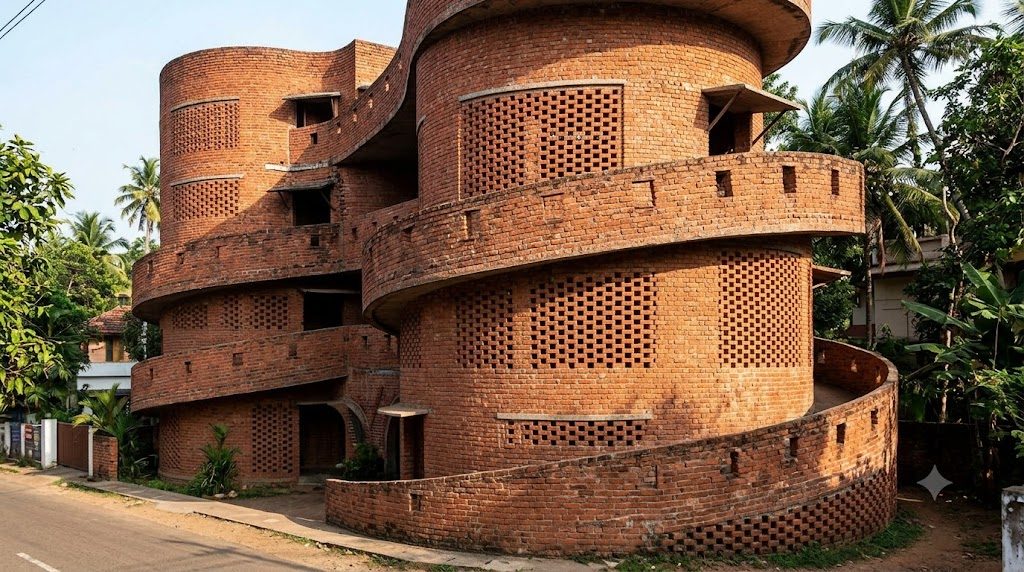 1917–200703
Laurie Baker
The Gandhi of architecture — beauty and dignity for the poor, built from local brick
Laurie Baker was a British-born architect who became an Indian citizen and spent fifty years in Kerala proving that beautiful, durable buildings could be made for a fraction of the cost — through honest brick, jali screens, filler slabs, and respect for climate and craft.
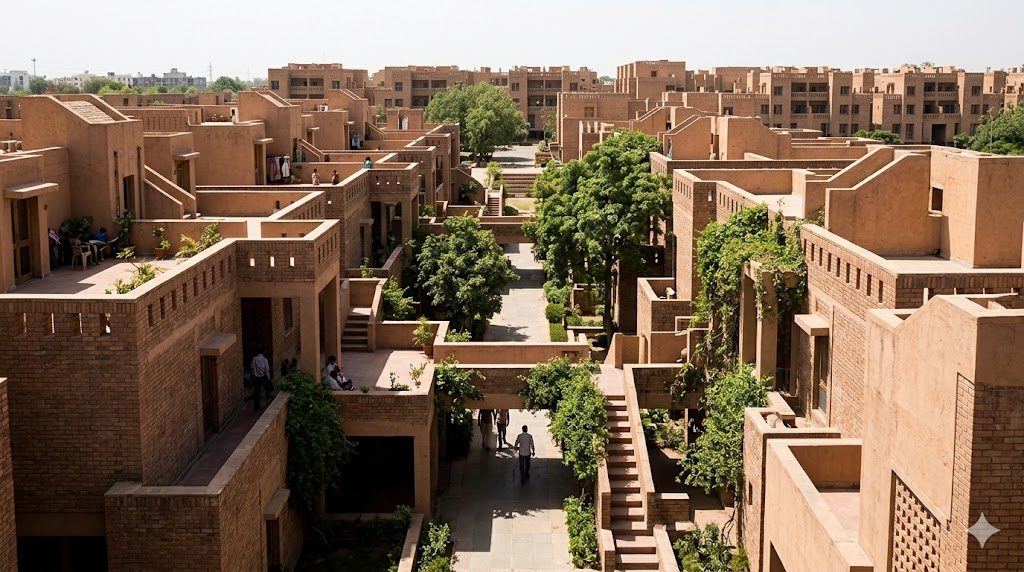 1934–202404
Raj Rewal
The architect who rebuilt the old Indian city in modern concrete and stone
Raj Rewal (1934–2024) was one of independent India's greatest architects, designing monumental public buildings that translated the dense, shaded, walkable fabric of old desert towns like Jaisalmer into modern concrete and stone — from the lost Hall of Nations to the Asian Games Village.
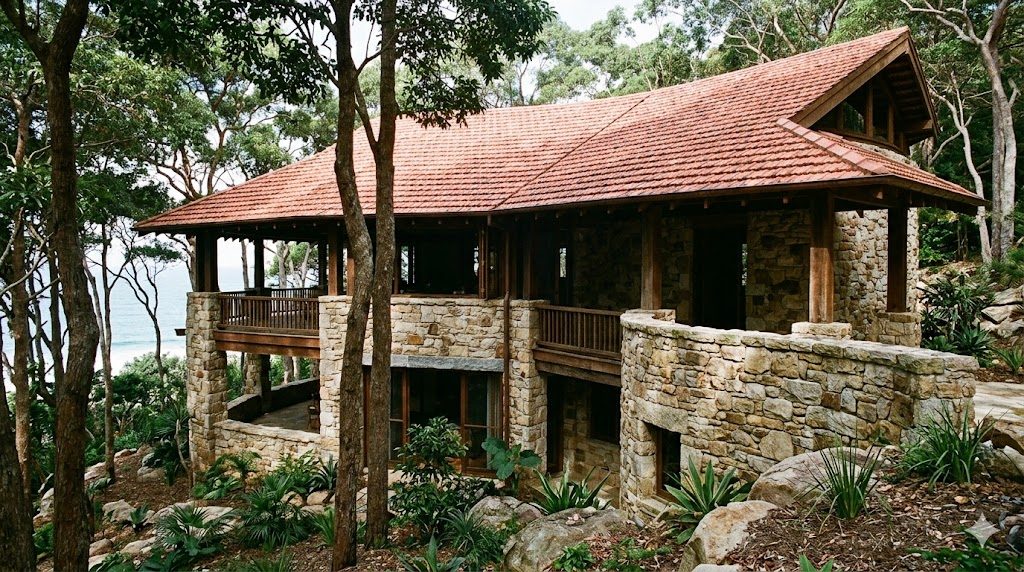 1934–199305
Nari Gandhi
India's great organic architect — Frank Lloyd Wright's hands-on heir
Nari Gandhi (1934–1993) was India's great organic architect. A Parsi from Mumbai trained under Frank Lloyd Wright at Taliesin, he built private houses by hand along coastal Maharashtra — without drawings, in local stone, brick, timber and tile, shaped to each site.
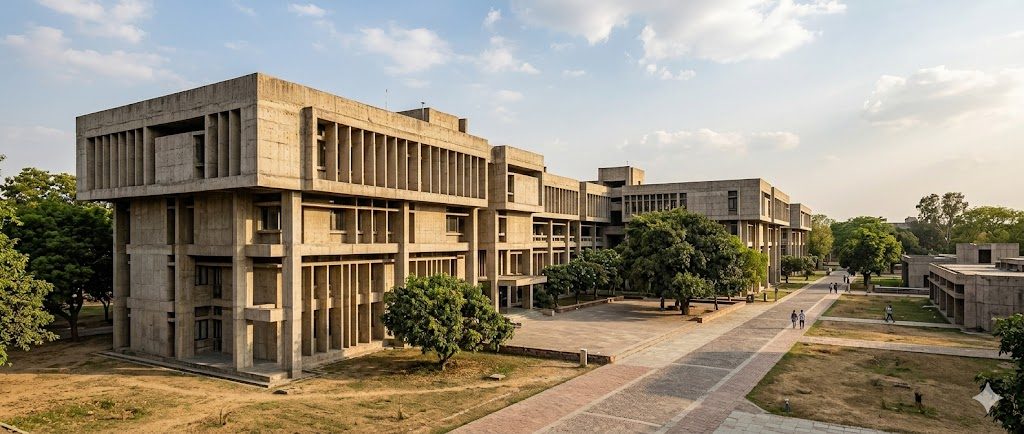 1916–200206
Achyut Kanvinde
He brought the Bauhaus home and built the institutions of a new India
Achyut Kanvinde (1916–2002), a founder of post-Independence Indian architecture, studied under Walter Gropius at Harvard and brought the Bauhaus home in 1947. As CSIR's chief architect he built a generation of research institutes, dairies and science centres in honest, board-marked concrete.
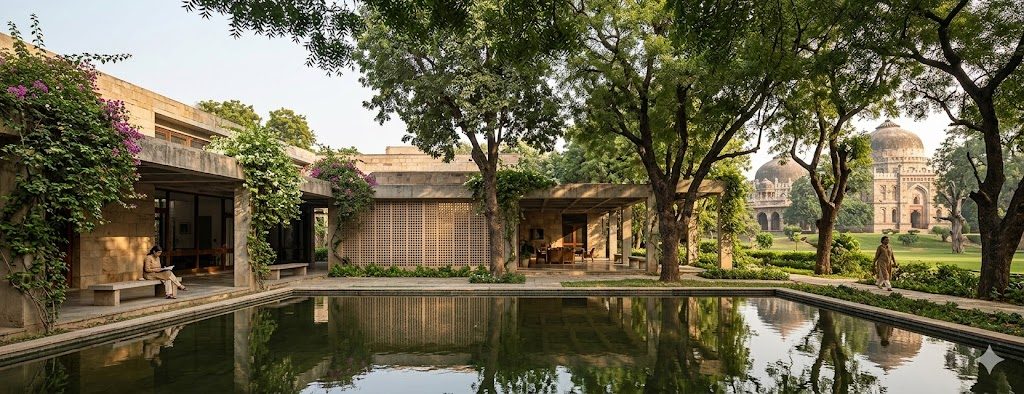 1912–200107
Joseph Allen Stein
The American who made India's greenest modernism
Joseph Allen Stein (1912–2001), the American architect who came to India in 1952 and never left, built the country's most thoroughly green, biophilic modernism. From the India International Centre to the pergola-shaded courts of the India Habitat Centre, he conceived building and garden as one — a quarter of Delhi is nicknamed "Steinabad" for him.
The giants who changed everything
Wright, Le Corbusier, Kahn and Ando — each with a profound, often direct, mark on India.
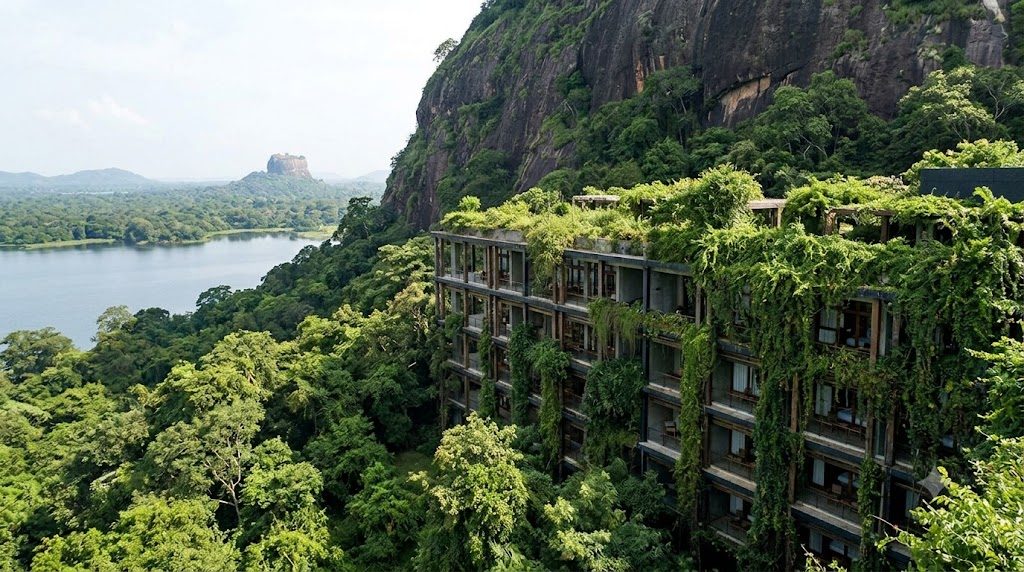 1919–200301
Geoffrey Bawa
The barrister who became the father of Tropical Modernism
Trained first as a barrister, Geoffrey Bawa became Sri Lanka's greatest architect and the father of Tropical Modernism — wedding modern clarity to the courtyards, verandahs and water of monsoon Asia, and dissolving the threshold between building and landscape.
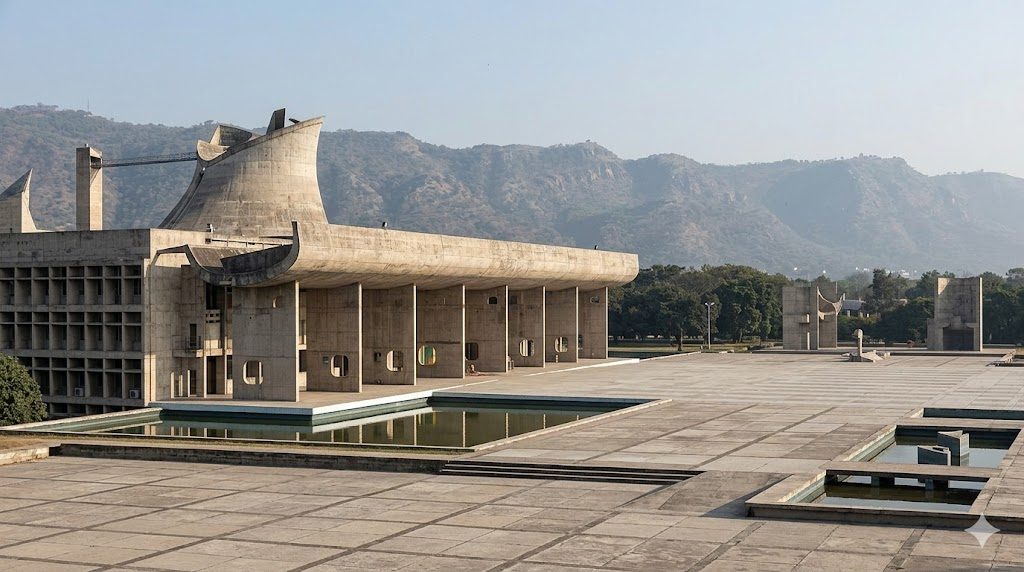 1887–196502
Le Corbusier
The prophet of the machine age who named Brutalism — and gave India the city of Chandigarh
Charles-Edouard Jeanneret reinvented himself as Le Corbusier and twice reshaped architecture — first with the machine-clean Five Points and white villas, then with raw beton brut that named Brutalism. His largest work is the civic landscape of Chandigarh, India.
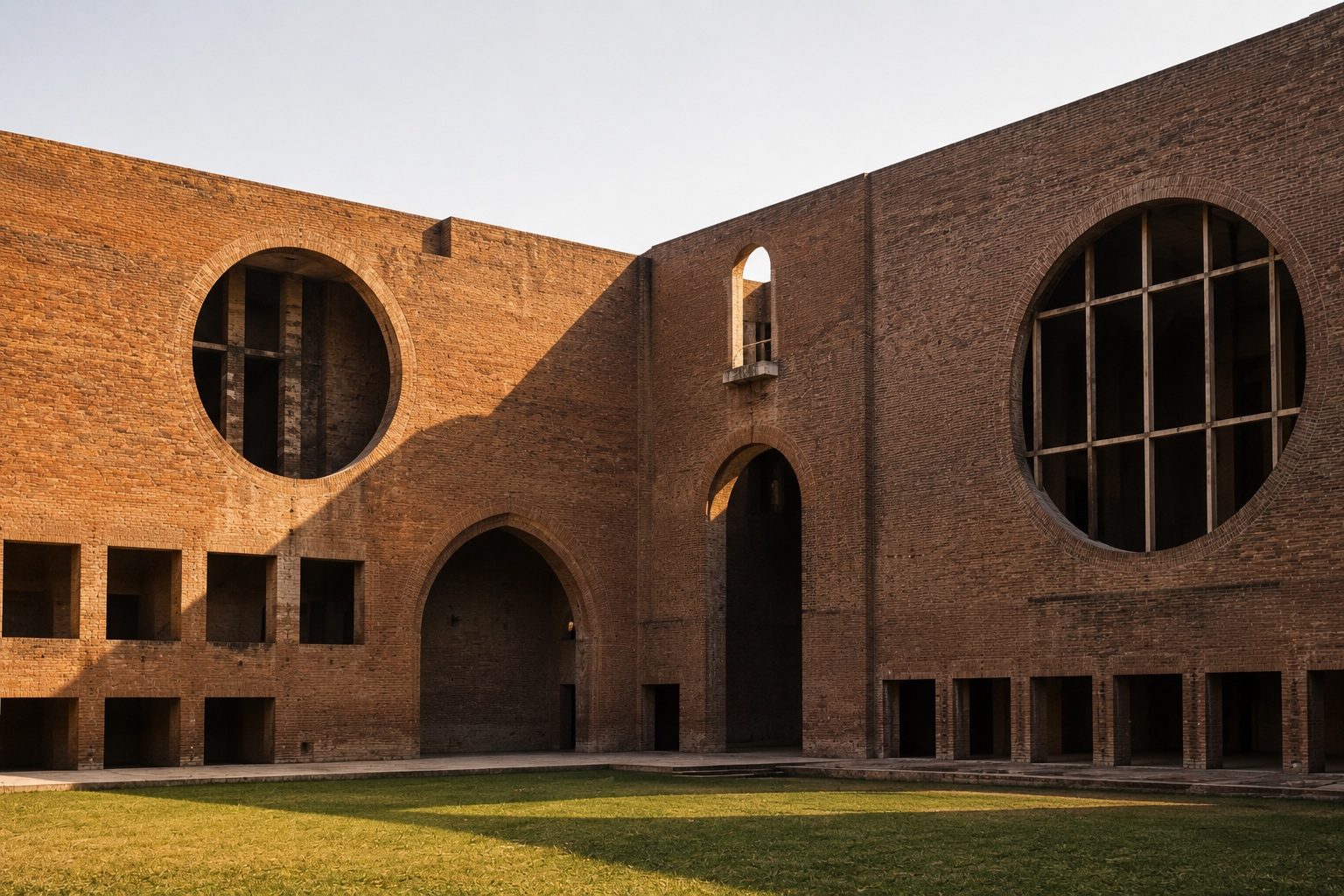 1901–197403
Louis Kahn
The master of brick, concrete and light who made buildings feel eternal
Louis Kahn returned modern architecture to weight, silence and light. A late bloomer who built his masterworks after fifty, he left two monuments in South Asia — IIM Ahmedabad's brick geometry and his magnum opus, the Dhaka National Assembly.
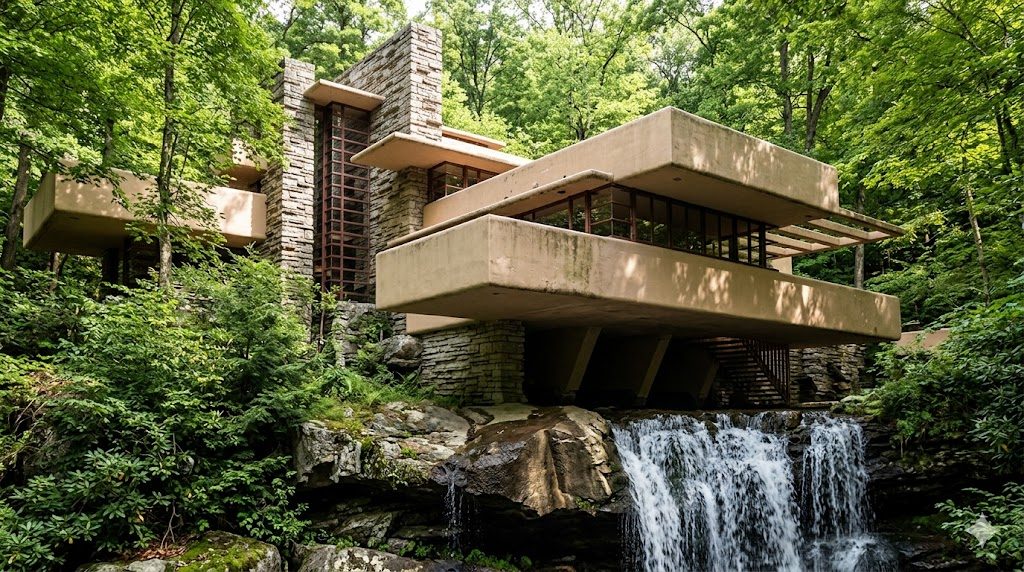 1867–195904
Frank Lloyd Wright
The father of organic architecture — buildings that grow from their land
Frank Lloyd Wright, the most famous architect in American history, fathered organic architecture — buildings that grow from the inside out and from their site. From the Prairie houses to Fallingwater and the Guggenheim, his philosophy reached India through apprentice Nari Gandhi.
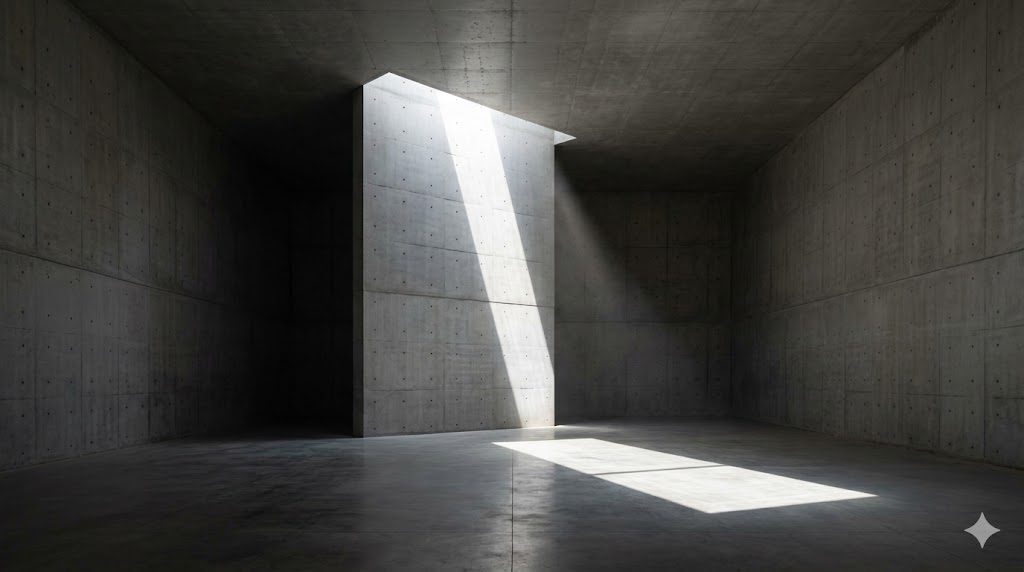 b. 194105
Tadao Ando
The self-taught boxer who builds with concrete, water and light
A former boxer from Osaka who never attended architecture school, Tadao Ando taught himself the craft and became a Pritzker laureate. Working in smooth fair-faced concrete and pure geometry, he builds with the immaterial — light, water, wind, emptiness and silence.
 b. 193506
Norman Foster
The high-tech master who made structure, daylight and energy the visible art of the building
Norman Foster, born in working-class Manchester in 1935, became the most refined master of high-tech architecture — expressing structure and services, building light and precise, flooding space with daylight, and tuning each building to its climate, from the HSBC bank to the Reichstag dome and the Gherkin.
 1933–202107
Richard Rogers
The architect who turned buildings inside-out — and championed the public city
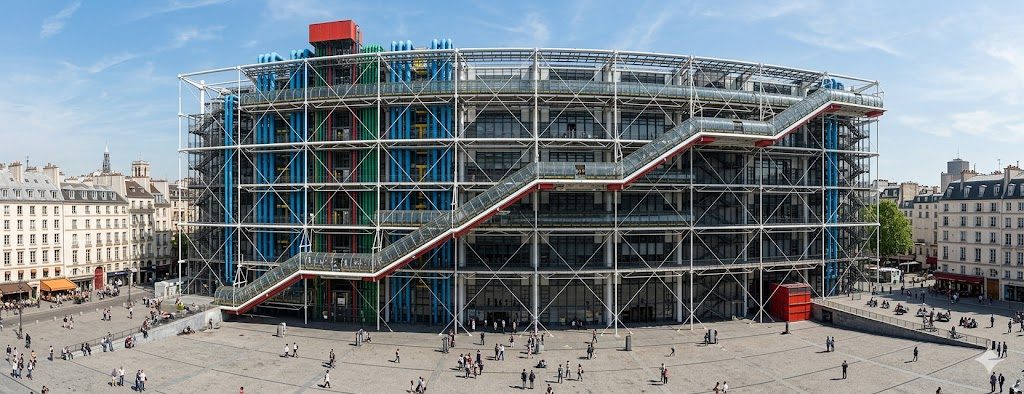
Richard Rogers (1933–2021) turned buildings inside-out — pulling structure and services to the exterior to free the interior — and made them legible in bright colour. With Renzo Piano he built the Pompidou; he was also a passionate urbanist for the compact, public city.
 b. 193708
Renzo Piano
The builder's son who made architecture light — and filled it with light
Renzo Piano, the Genoese builder's son who turned the Centre Pompidou inside out with Richard Rogers, spent half a century making heavy buildings feel light and filling them with tamed daylight. A Pritzker laureate, he outgrew the 'high-tech' label toward craft, place and the piazza.
 b. 195409
Kengo Kuma
The anti-object architect who dissolves buildings into wood, light and place
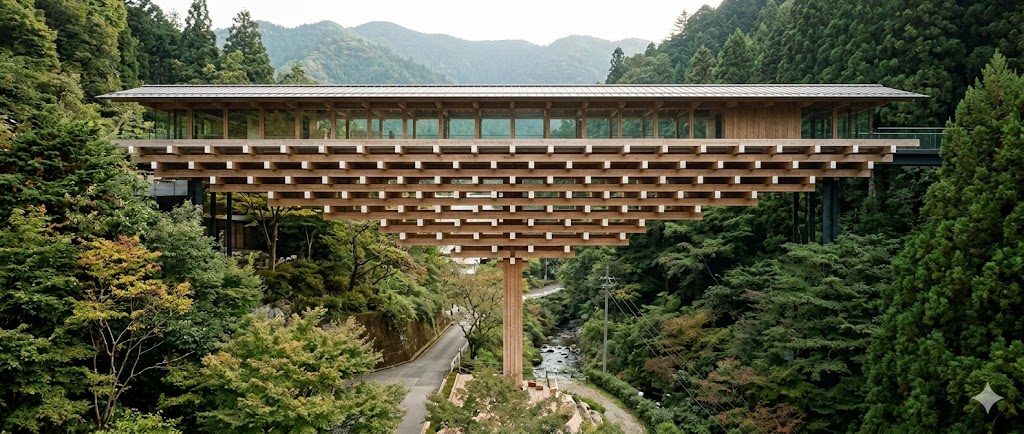
Founder of Kengo Kuma & Associates, Kuma builds an "anti-object" architecture that dissolves into its place. He breaks mass into particles — louvres, lattices, screens — and works in local natural materials, making buildings you feel as atmosphere rather than monument.
 1886–196910
Ludwig Mies van der Rohe
Less is more — the master of steel, glass and the curtain-wall tower
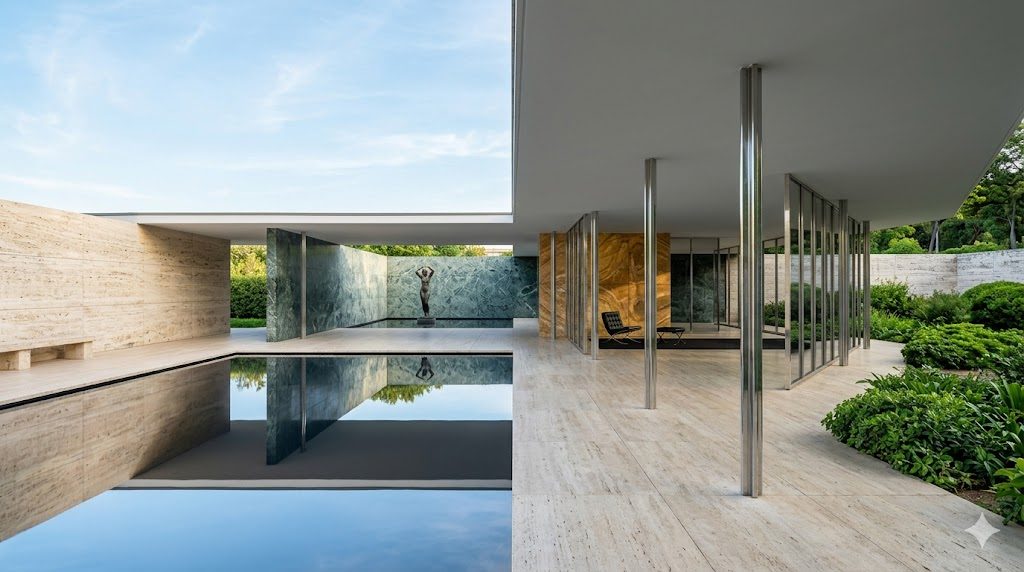
Ludwig Mies van der Rohe (1886–1969) reduced architecture to almost nothing — a clear steel frame, a glass skin, one flowing universal space — and perfected it. From the Barcelona Pavilion to the Seagram Building, his 'less is more' gave the world the glass curtain-wall tower that now shapes India's corporate campuses.
 1898–197611
Alvar Aalto
The great humanist of the Modern Movement — who gave the machine age a soul
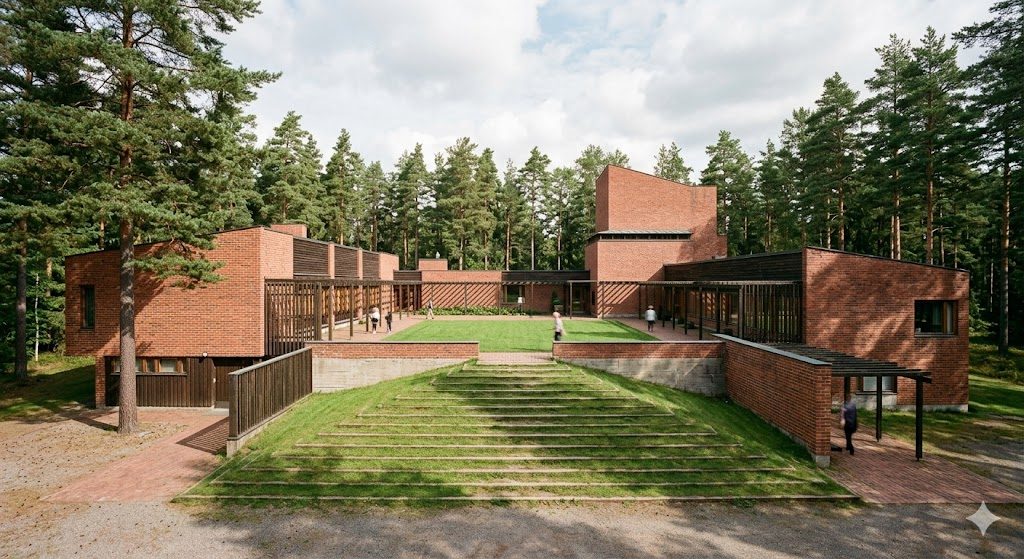
Alvar Aalto (1898–1976), the great humanist of modern architecture, softened the machine aesthetic with wood, brick, undulating form and soft daylight. From Paimio's patient rooms to Villa Mairea, Saynatsalo and Artek furniture, he designed everything for the body that inhabits it.
 b. 193612
Glenn Murcutt
The sole practitioner who taught architecture to touch this earth lightly
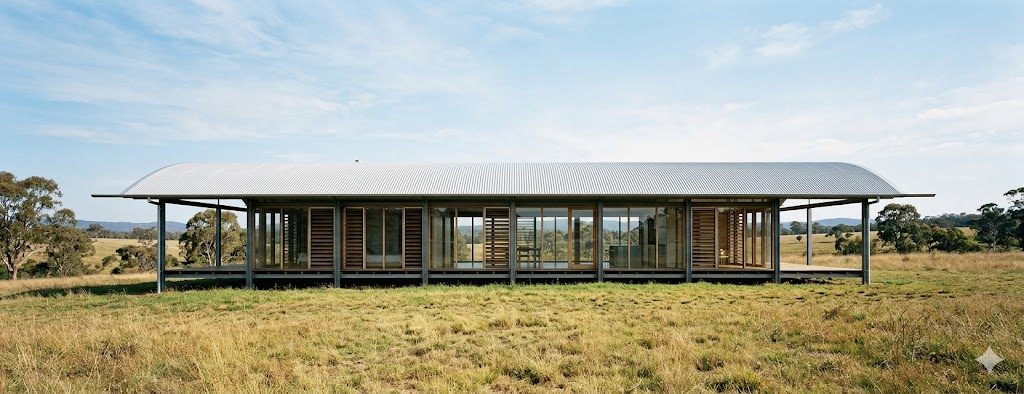
Born in London in 1936 and shaped by the Australian bush, Glenn Murcutt is the world's most celebrated sole practitioner — designing every project alone, by hand. His lightweight, climate-read houses of metal, steel and louvres embody one Aboriginal creed: touch this earth lightly.
 1902–198813
Luis Barragán
The engineer who taught modern architecture how to feel — colour, light, water and the wall
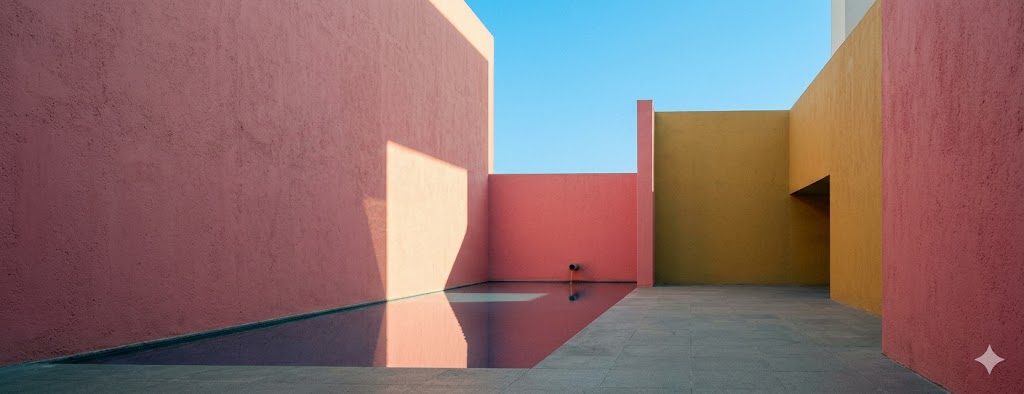
Luis Barragán (1902–1988), a Mexican civil engineer self-taught as an architect, made colour, captured light, still water and the blank wall his materials. His emotional, profoundly regional modernism — rose-pink courts, shafts of sun, reflecting pools — won the 1980 Pritzker Prize.