
Architectural WondersVolume 1 · Issue 5 · October 2026
Architectural Wonders of the World
Not a list of famous sights, but how they were made: the stone, the brick, the timber and the arithmetic behind 117 of the world’s great buildings — from a temple carved downward out of a single hill at Ellora to a market hall arched over with apartments in Rotterdam. Each essay explains the structure and the craft in plain language, with drawings.
- 117
- Wonders
- 54
- In India
- 8
- Chapters
- 12
- In Amogh’s frame
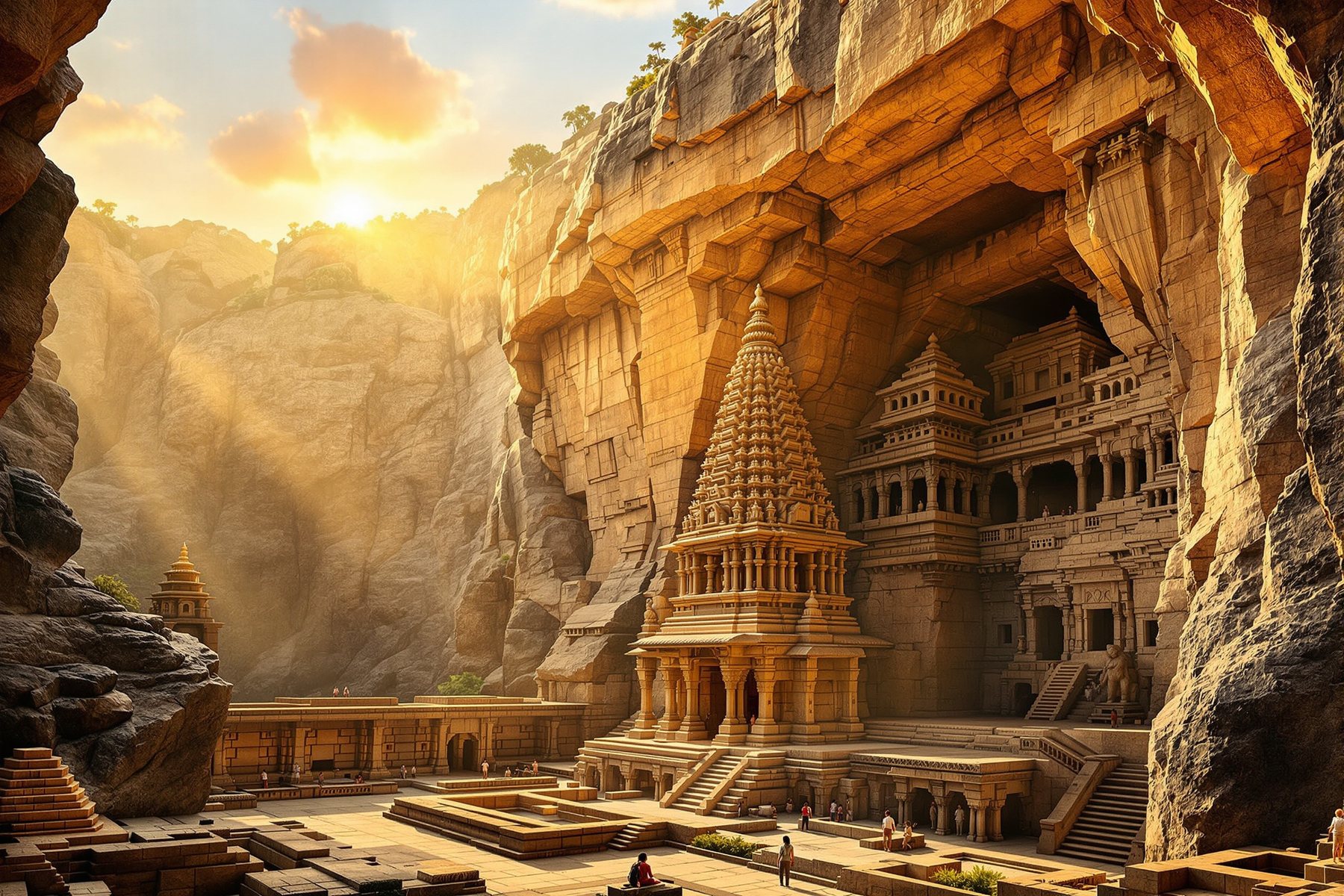
Kailasa at Ellora: A Mountain Carved into a Temple
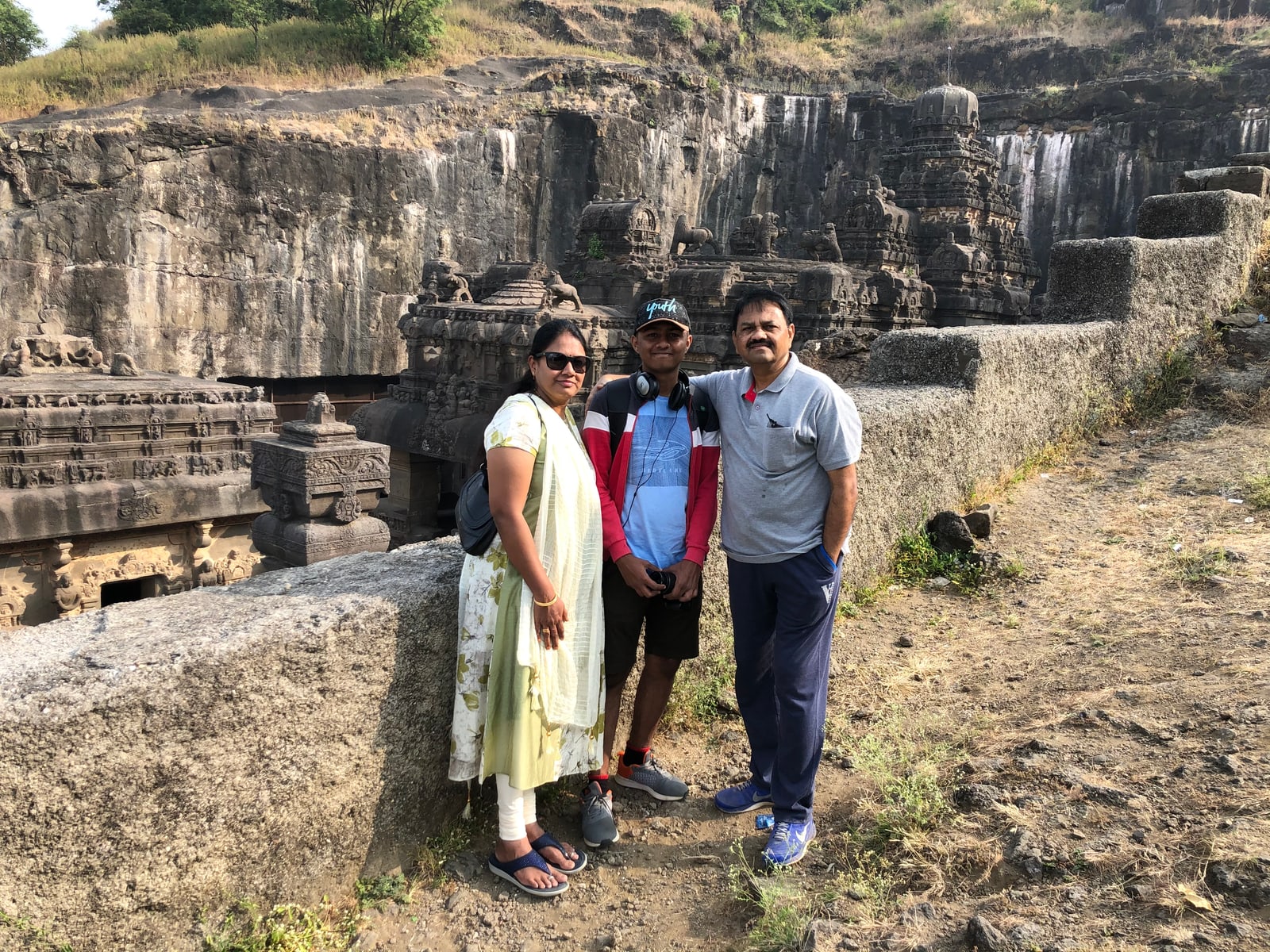
How 8th-century carvers made the largest monolith on earth — a complete multi-storey Dravidian temple, gateway to spire, released top-down from a single basalt hill with no scaffolding and no chance to correct a mistake. The supreme act of subtraction, and the climax of India's rock-cut story.
Read the essayThe wonders he stood in front of
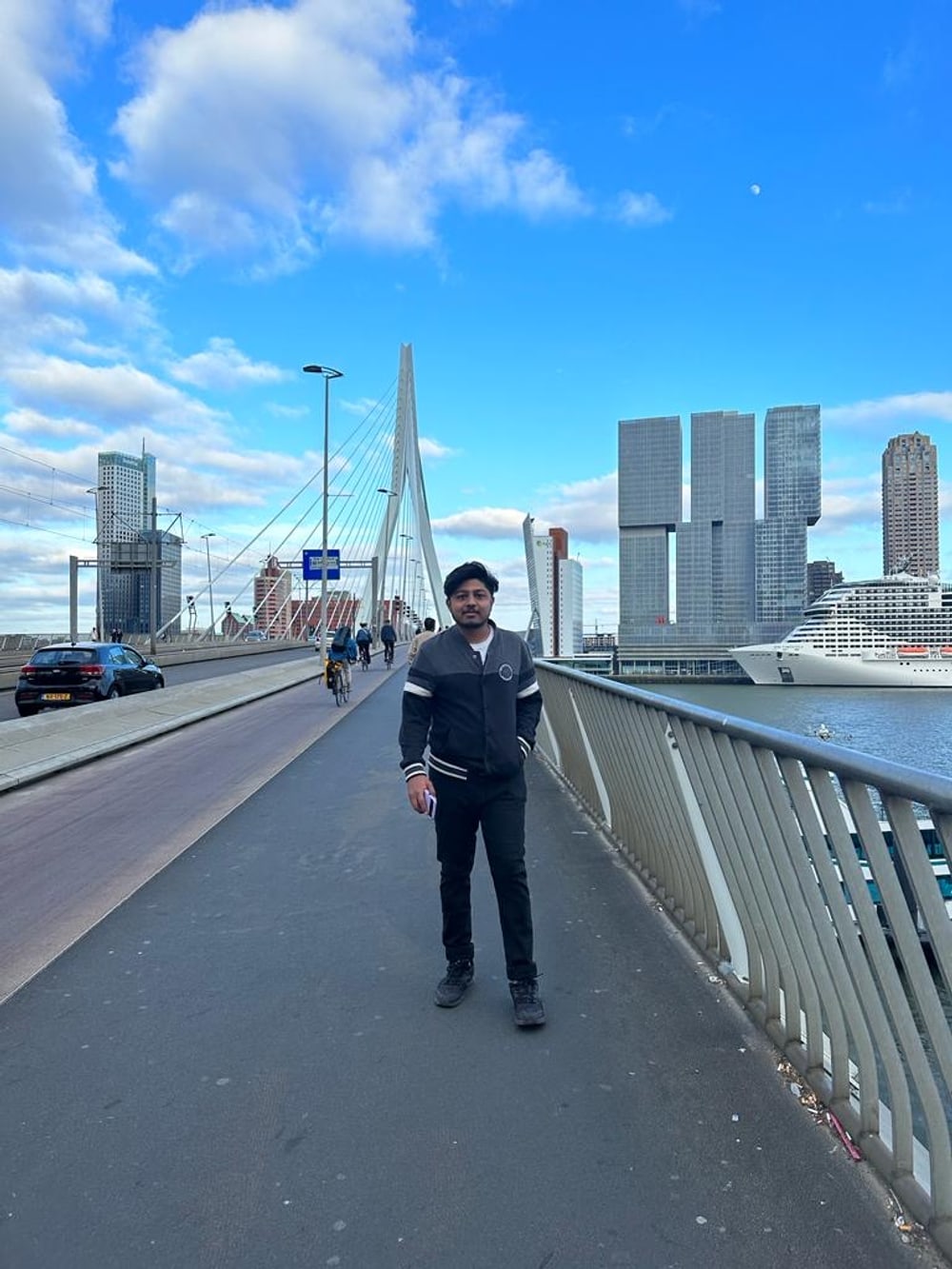
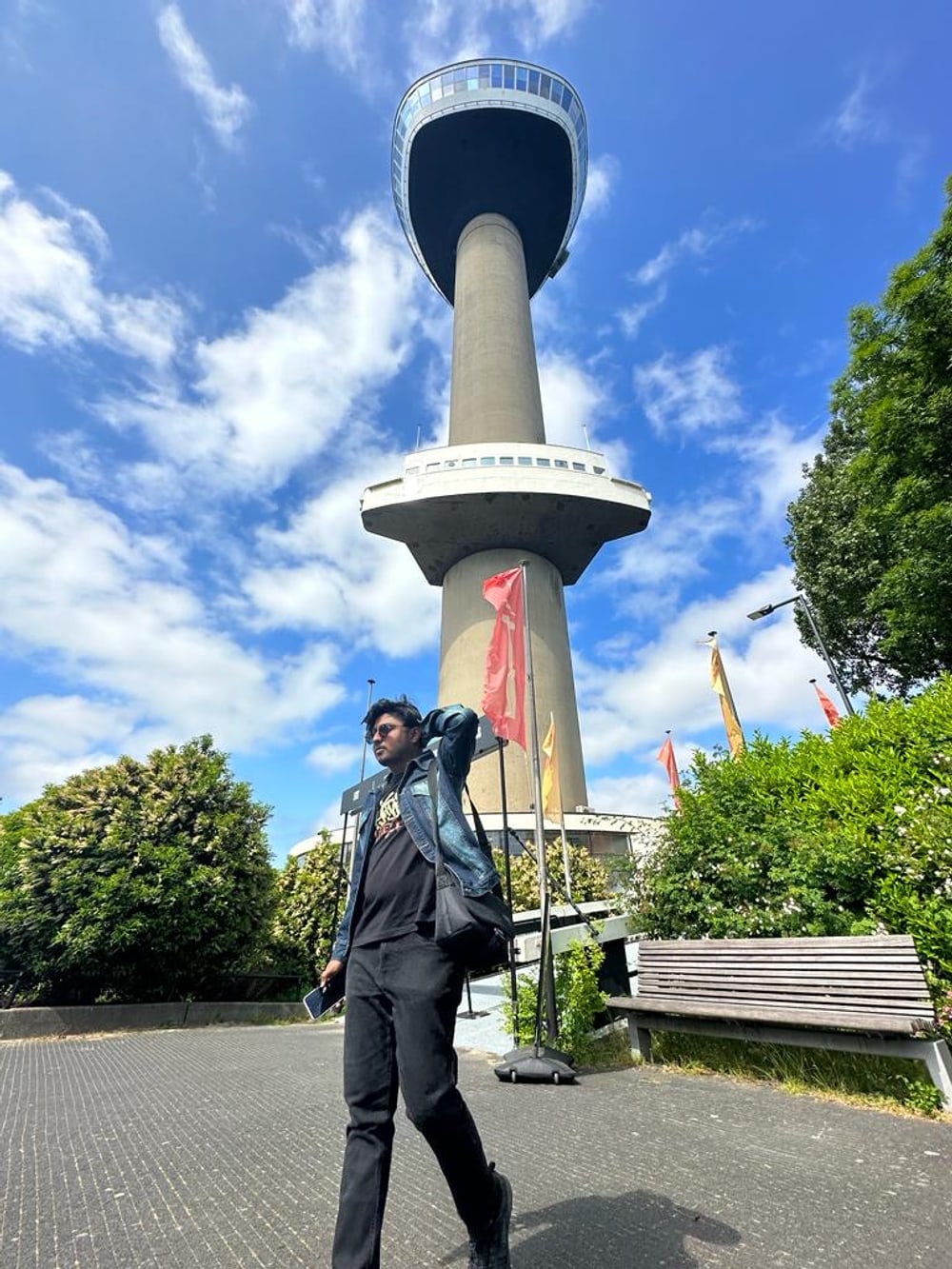
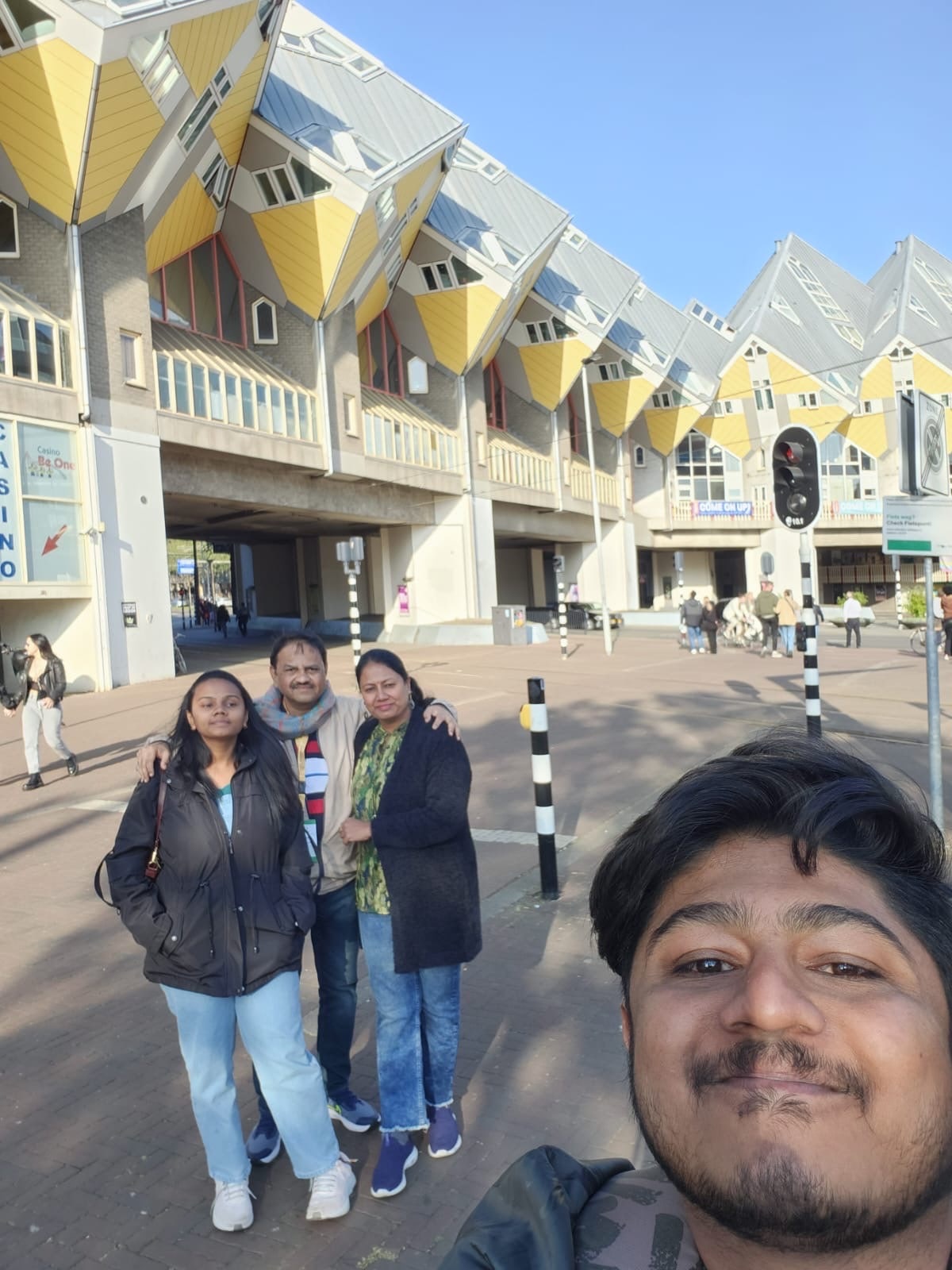
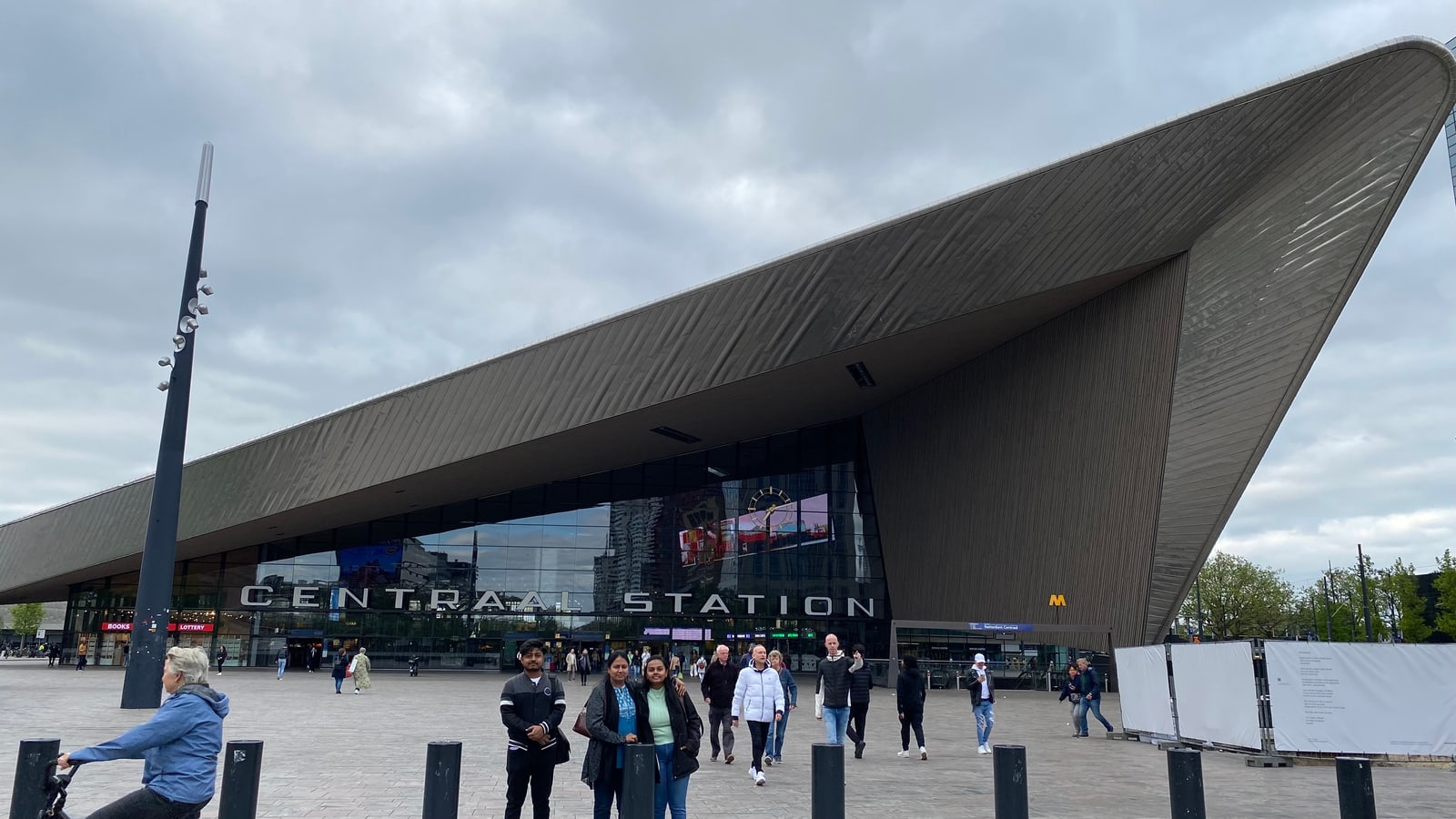
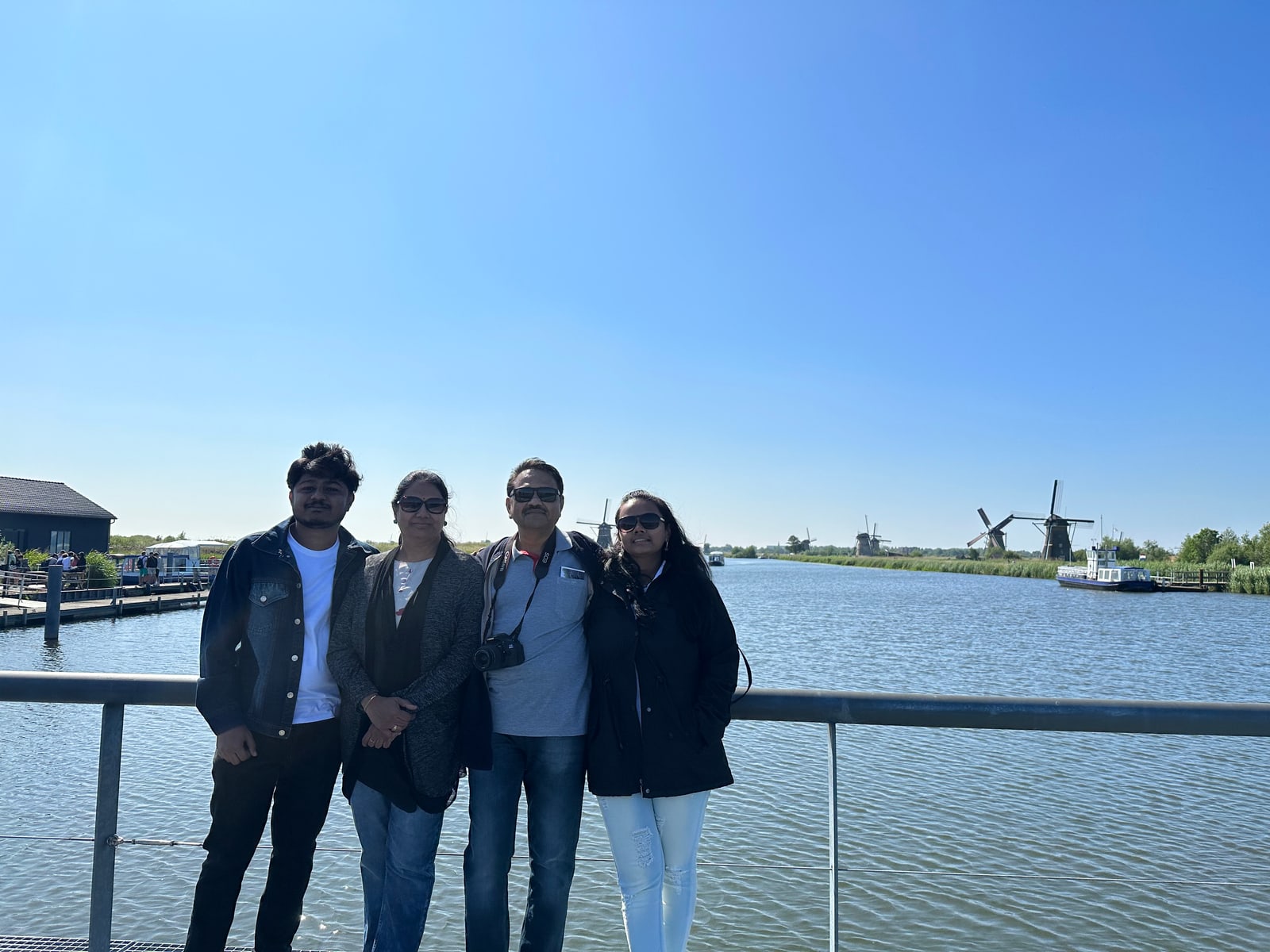
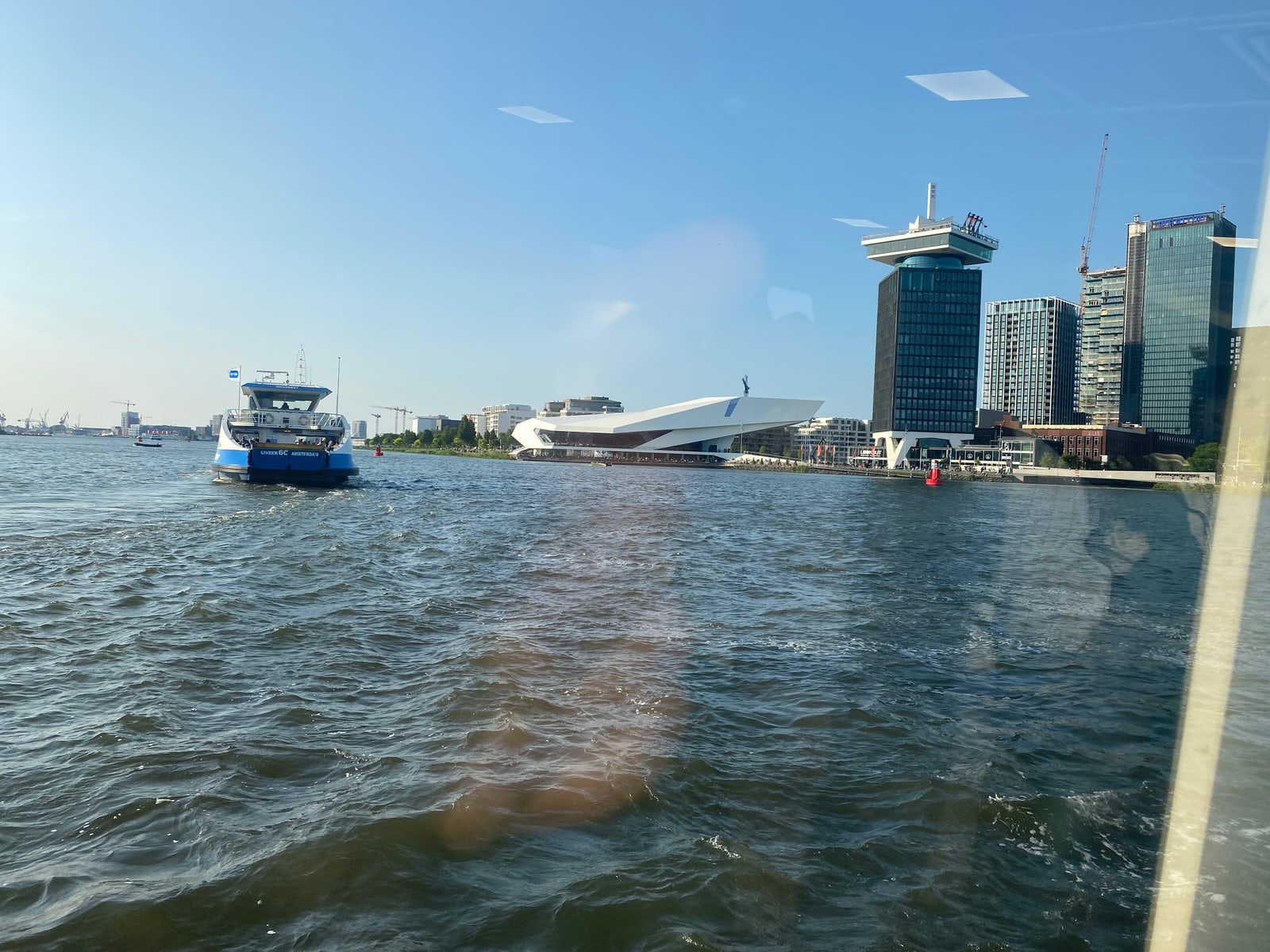
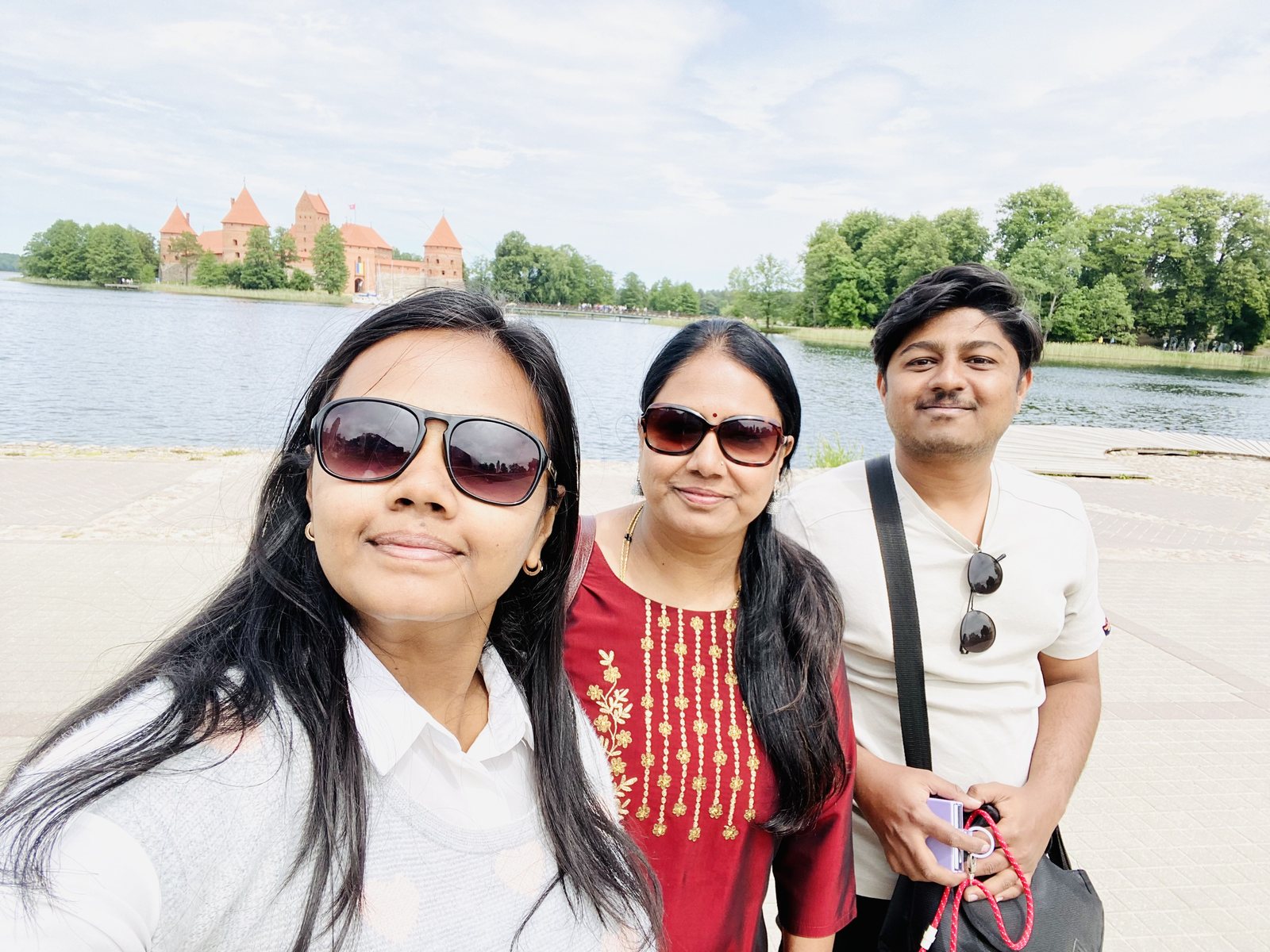
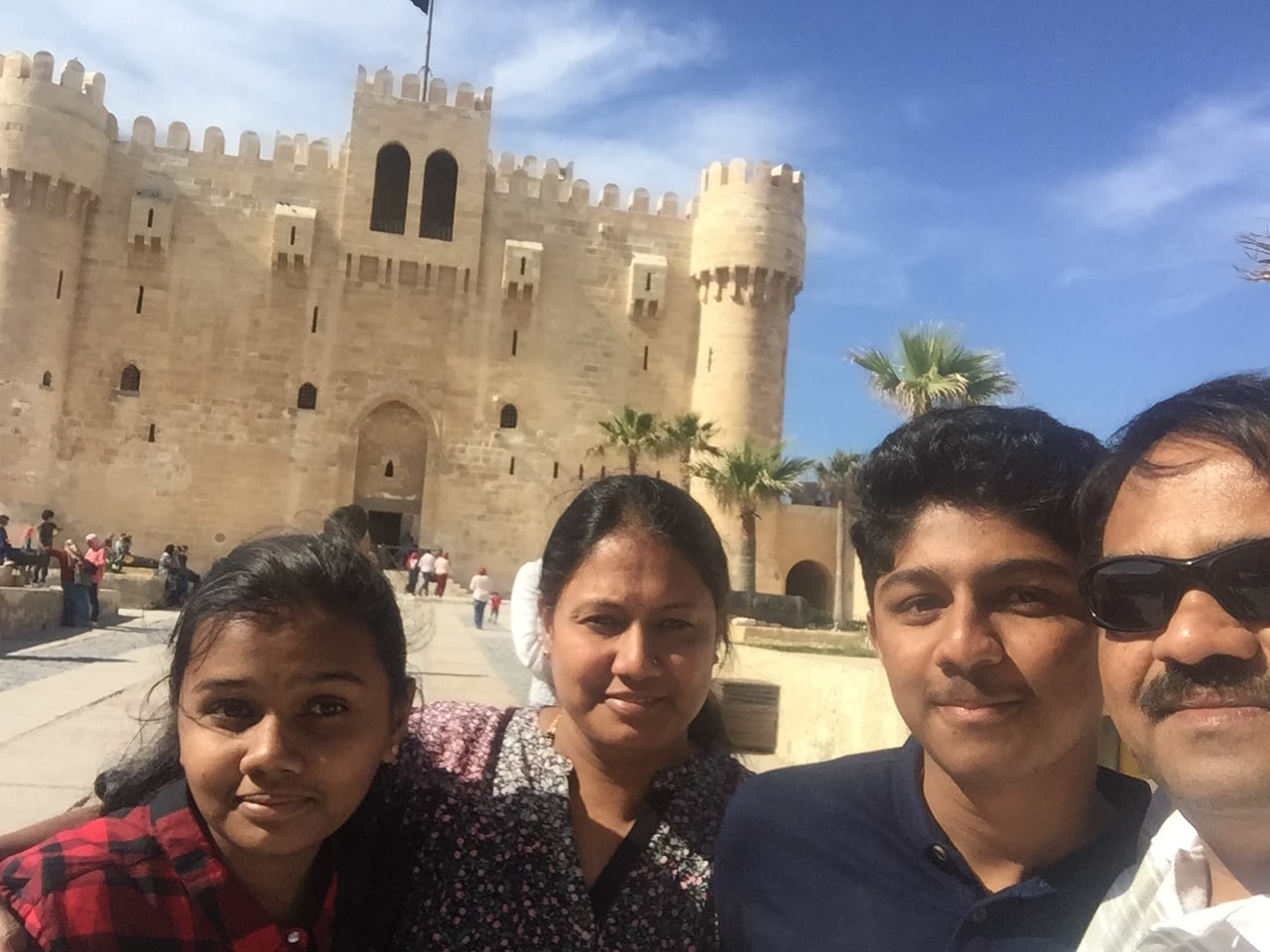
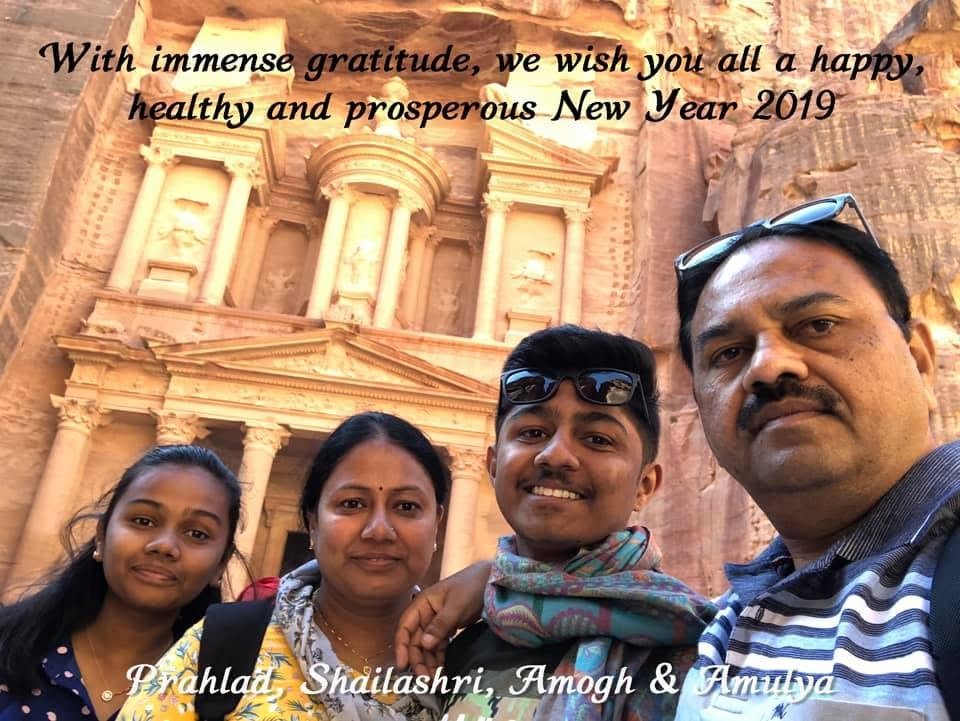
His travels →Amogh N P, in whose memory Studio Matrx is made, travelled to see buildings. These essays carry a photograph from those journeys.

The Seven Wonders of the Ancient World
The list Greek travellers drew up more than two thousand years ago. Only the Great Pyramid still stands; for the other six, the essays piece the buildings back together from excavation and ancient accounts.
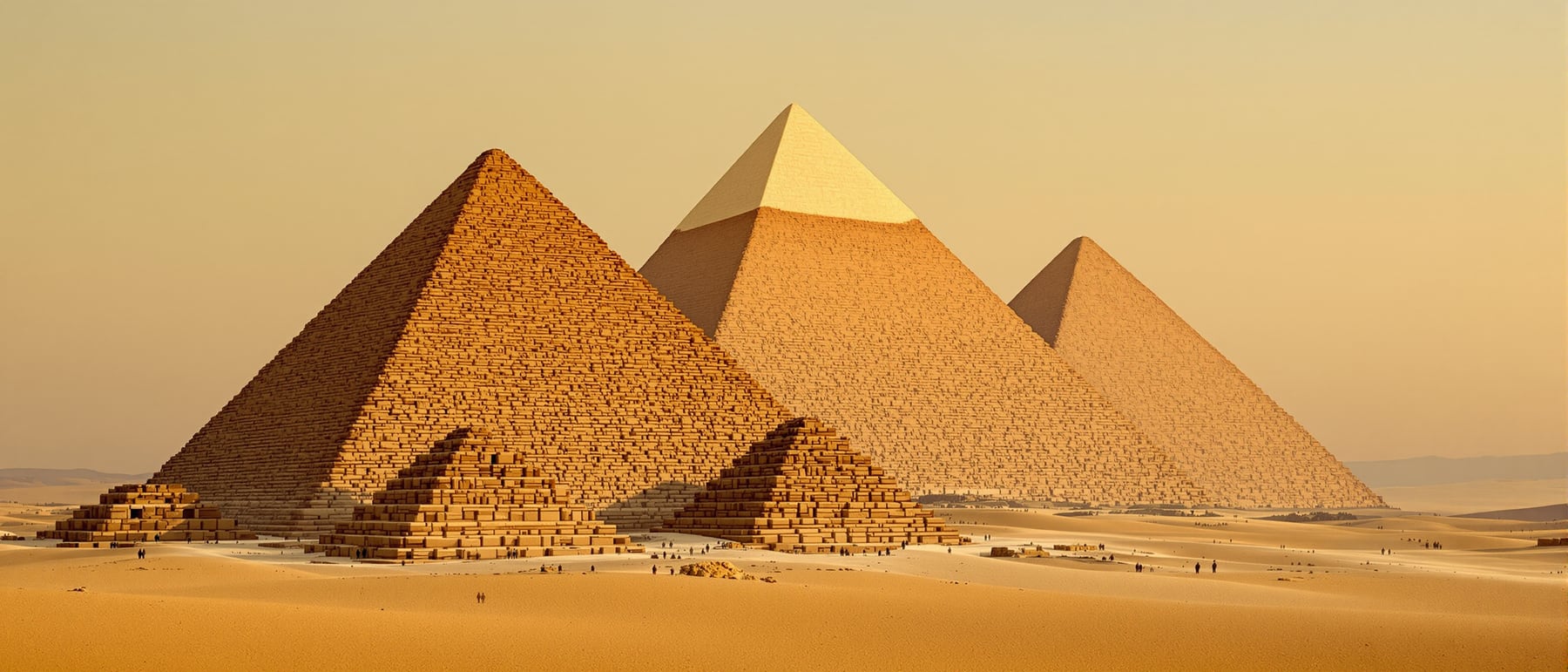
The Pyramids of Giza: The Only Wonder Still Standing
How three Fourth-Dynasty kings raised the greatest stone monuments on Earth — 2.3 million blocks placed with a precision that shames a modern surveyor, by a paid and well-fed town of workers, not slaves — and why the Great Pyramid, oldest of the Seven Wonders of the Ancient World, is the only one that has not vanished.
Read 02The Hanging Gardens of Babylon: The Wonder That May Never Have Been
How a green mountain of terraced gardens became the most famous garden in history — and the one Wonder of the Ancient World with no Babylonian text to name it, no ruins to prove it, and a leading theory that it never stood in Babylon at all, but a hundred kilometres and a hundred years away, at Nineveh.
Read 03The Temple of Artemis at Ephesus: The Most Beautiful Wonder
How a marble forest of 127 columns at Ephesus became the most breathtaking of the Seven Wonders — the first Greek temple built wholly of marble, raised on a swamp by ingenious engineers — only to be burned down by a man who wanted his name to live forever, rebuilt grander, and finally lost to a single column in the reeds.
Read 04The Statue of Zeus at Olympia: The God Made of Gold and Ivory
How the sculptor Phidias built a 13-metre seated Zeus of ivory flesh and golden robes — so vast that if the god stood he would unroof his own temple, so beautiful that men said it was a misfortune to die without seeing it — and how, uniquely among the lost wonders, we dug up the master's own workshop and perhaps his drinking cup.
Read 05The Mausoleum of Halicarnassus: The Tomb That Named All Tombs
How a grieving queen raised a 45-metre tomb for her husband-brother — a temple stacked on a plinth and a pyramid stacked on the temple, carved by the four greatest sculptors of the age — so famous that every grand tomb since, from the Taj Mahal to Lenin's, still carries the dead king's name: mausoleum.
Read 06The Colossus of Rhodes: The Giant That Never Straddled the Harbour
How a whole city melted down its defeated attacker's siege engines to cast a 33-metre bronze sun-god — the tallest statue of the ancient world — which stood a mere 54 years before an earthquake felled it, and why its most famous image, striding astride the harbour with ships between its legs, is a myth that never happened.
Read 07The Lighthouse of Alexandria: The Wonder That Became a Word
How Ptolemy's Egypt raised a 100-metre tower of light on the island of Pharos — the tallest building on earth after the Great Pyramid, the model for every lighthouse since, and so famous its island's name became the word for 'lighthouse' itself — which stood 1,600 years, fell to earthquakes, and was reborn as a fort and a field of ruins on the sea floor.
ReadThe world, region by region
India first — two chapters of its own — then Asia, Egypt and the Middle East, Europe, the Netherlands and the Americas. Open a chapter for its highlights and every essay in it.
01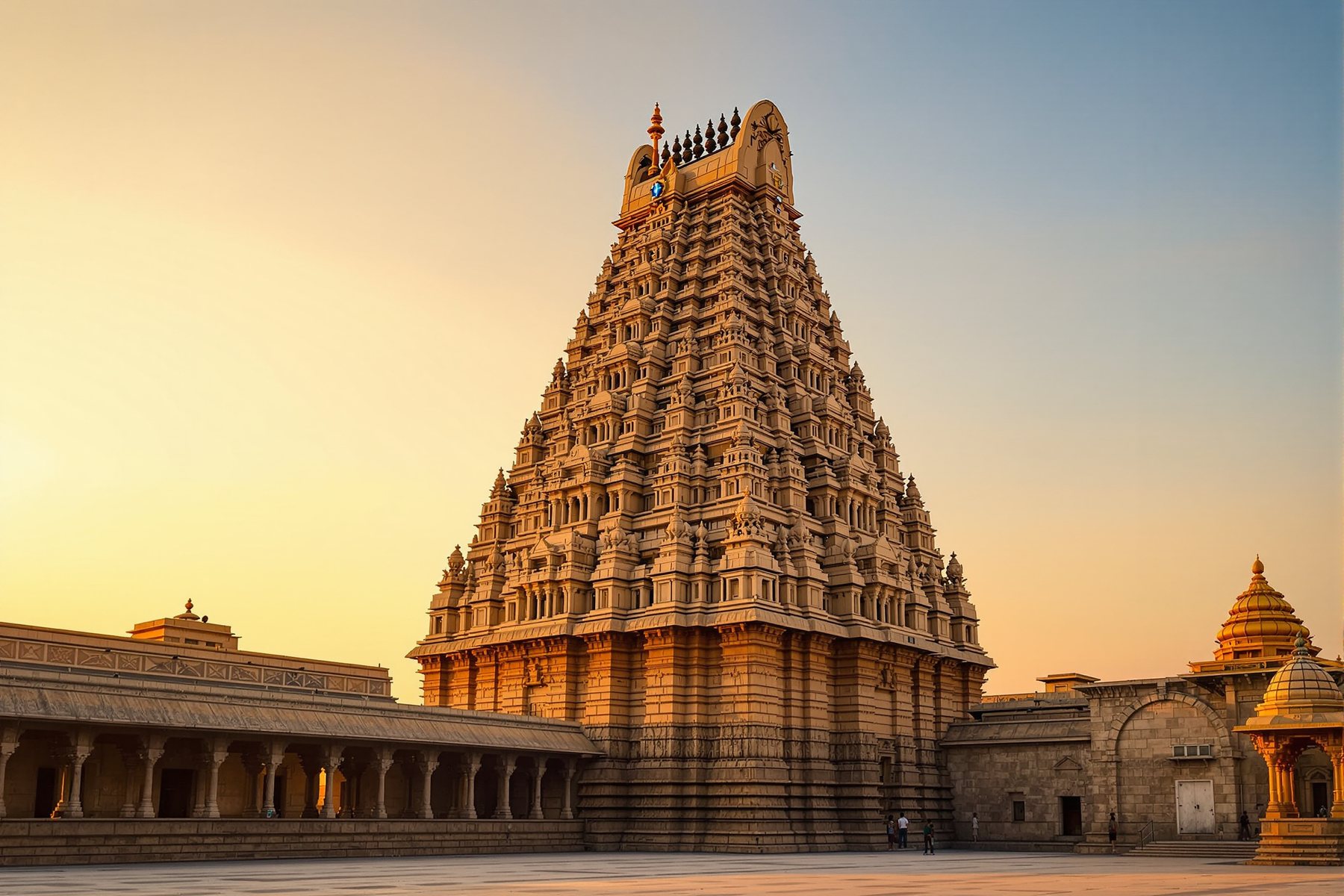 India — temples, shrines and stepwells31 wonders · Two thousand years, many faiths
Two thousand years of sacred building in India, from rock-cut halls and monoliths to towering gopurams, marble Jain interiors and a stepwell built as an upside-down temple.
01Brihadeeswara: The Chola Tower That Never Fell
How an 11th-century Tamil emperor raised a 216-foot tower of solid granite — with no mortar, no iron and no machine — and why this colossal corbelled mountain has stood for over a thousand years where Konark's fell. The engineering, the 80-tonne capstone, and the lesson.
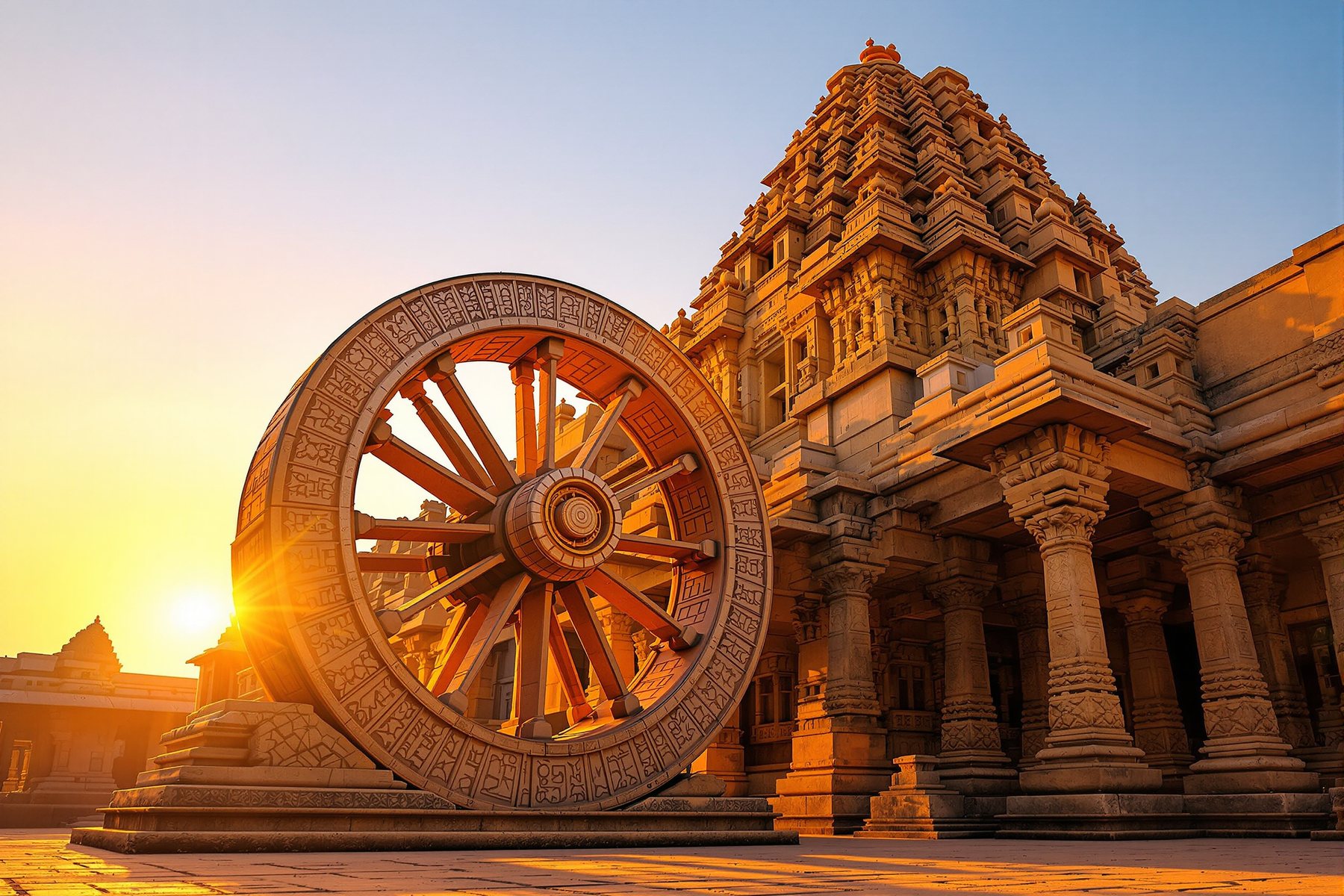 02
Konark Sun Temple: The Chariot of the Sun, Carved in Stone
How 13th-century Odisha built a god a vehicle — a colossal stone chariot with wheels that still tell the time — and what its triumph, and its collapse, can teach a modern architect.
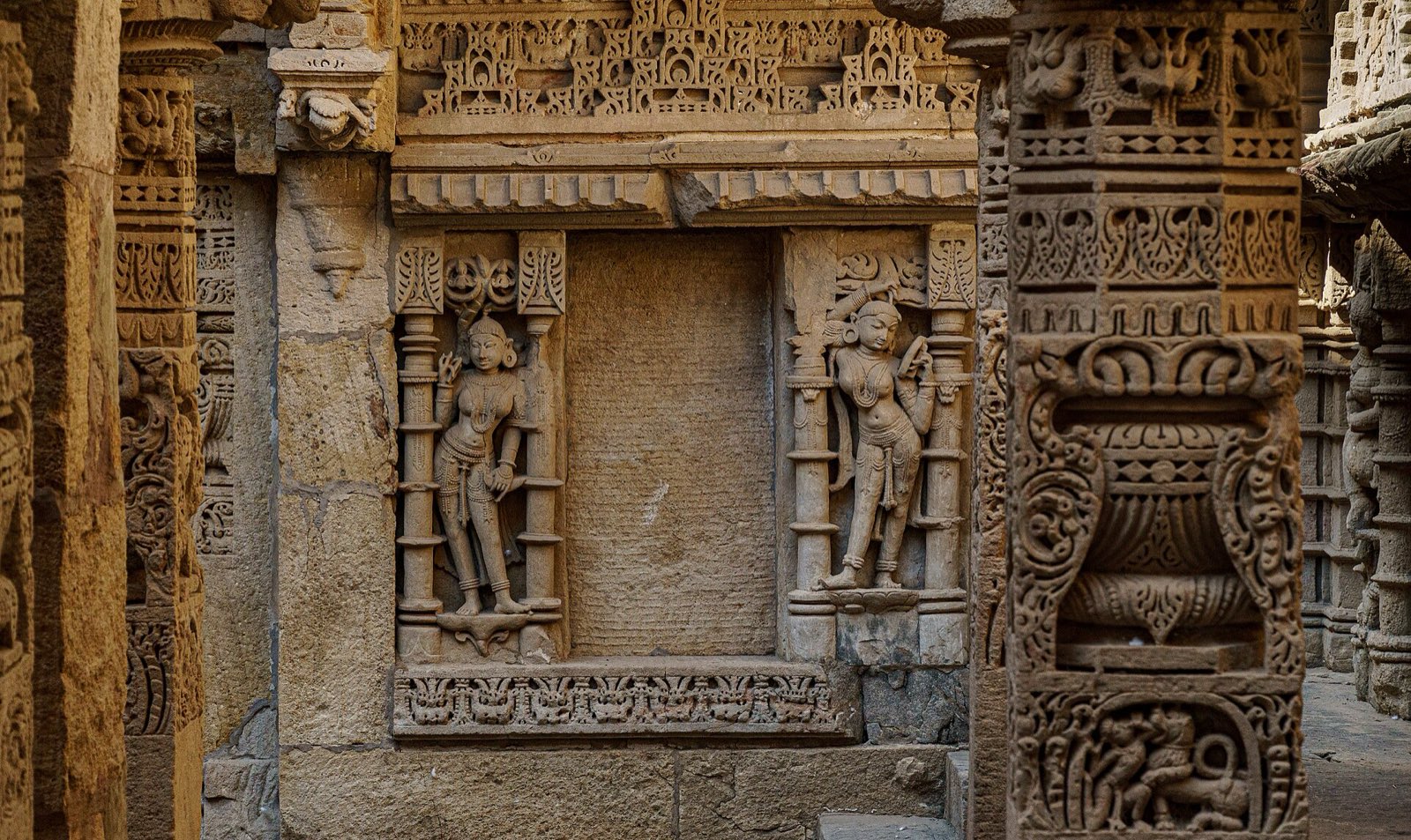 03
Rani ki Vav: The Temple Turned Upside-Down
How an 11th-century Gujarat queen built a stepwell as an inverted subterranean temple — seven storeys descending to the water — and made the storage of water as sacred, and as beautiful, as any shrine.
- 04Kailasa at Ellora: A Mountain Carved into a Temple
- 05Aihole: The Laboratory of the Indian Temple
- 06Pattadakal: Where India's Two Temple Grammars Meet
- 07Badami: The Cradle of the South Indian Temple
- 08Ajanta: The Architecture Carved from Within
- 09Khajuraho: The Temple Built to Be a Mountain
- 10Sanchi: The Dome That Began Indian Architecture
- 11The Golden Temple: The Shrine That Opens on All Four Sides
- 12Mamallapuram: The Workshop Where the South Indian Temple Was Invented
- 13Elephanta: The Temple That Is a Hole in a Hill
- 14Belur and Halebidu: The Hoysala Temples Carved Like Ivory
- 15Meenakshi Temple, Madurai: The City That Is a Temple, the Temple That Is a City
- 16The Dilwara Temples, Mount Abu: Marble Carved Until It Turned to Lace
- 17The Mahabodhi Temple, Bodh Gaya: A Building Raised Over the Exact Spot of Enlightenment
- 18The Sun Temple at Modhera: A Temple Built to Catch the Dawn
- 19The Lotus Temple, Delhi: A Flower of Concrete and Marble for All Faiths
- 20Srirangam: The Largest Working Temple in the World, a Town Built in Seven Rings
- 21The Ranakpur Jain Temple: A Forest of 1,444 Marble Pillars, No Two Alike
- 22The Lingaraja Temple, Bhubaneswar: The Odishan Temple Perfected
- 23Gomateshwara at Shravanabelagola: A Colossus Carved from a Single Stone
- 24Nalanda: The Brick City of Learning That the World Forgot
- 25The Martand Sun Temple, Kashmir: A Temple at the Crossroads of the World
- 26The Terracotta Temples of Bishnupur: Where Bengal Built Its Epics in Baked Clay
- 27The Ramappa Temple: The Temple That Floats, and the One Named After Its Maker
- 28The Kedarnath Temple: The Shrine That Outlasts the Mountain
- 29Thiksey Monastery, Ladakh: A Built Mountain of Earth on the Roof of the World
- 30Lepakshi: The Temple of the Hanging Pillar and the Painted Sky
- 31Somnath: The Temple That Would Not Stay Destroyed
02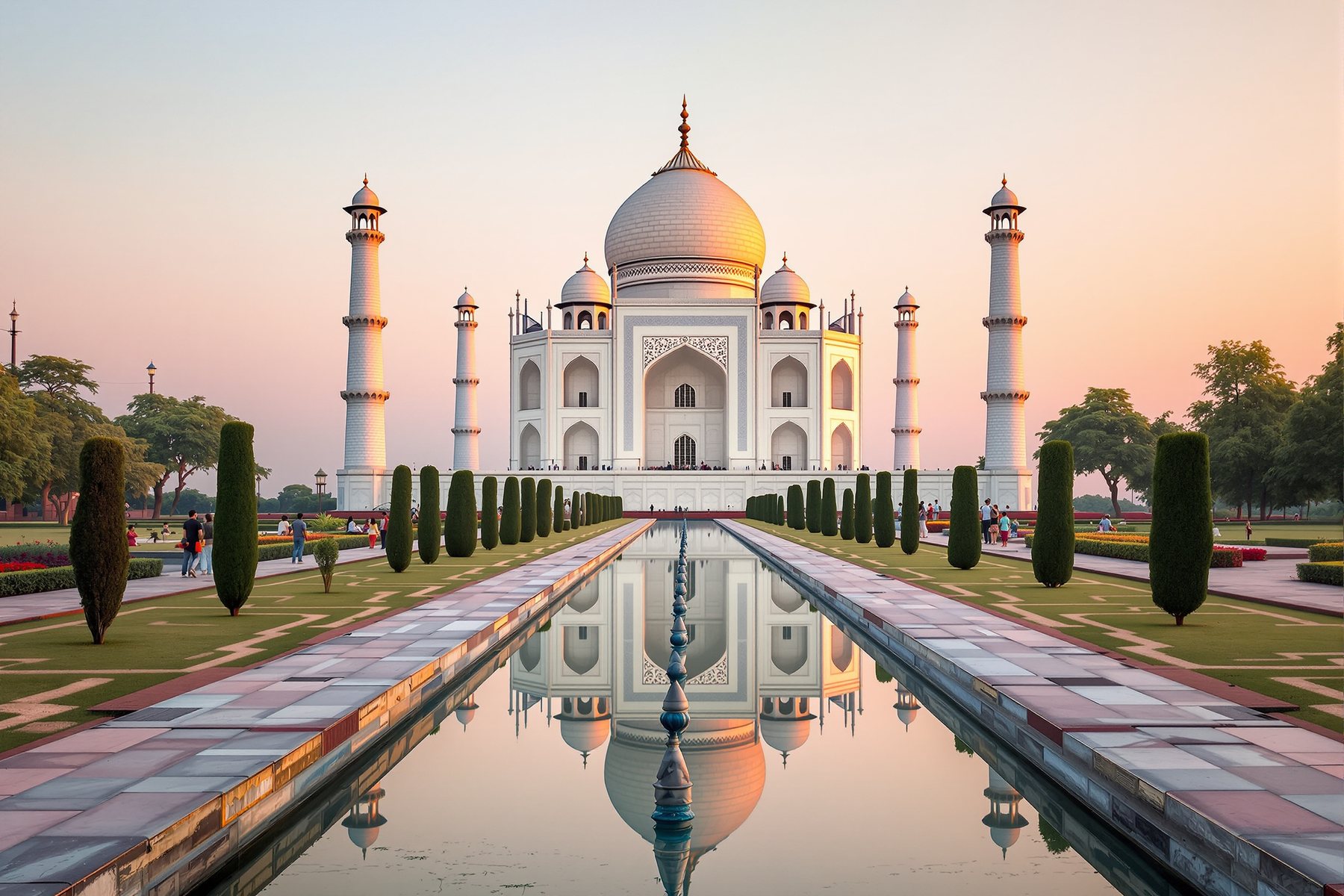 India — forts, palaces, tombs and capitals23 wonders · Vijayanagara to New Delhi
How India's rulers built power in stone: hill-forts and desert palaces, the Mughal tombs and mosques, whole planned capitals — and the colonial and modern monuments that followed.
01The Taj Mahal: A Building Made of Love and Loss
How a grieving emperor turned his sorrow into the most beautiful building on earth — a white marble tomb of flawless symmetry, set in a garden of paradise, broken by a single, deeply human flaw. The architecture of remembrance, and what it can teach anyone who builds.
 02
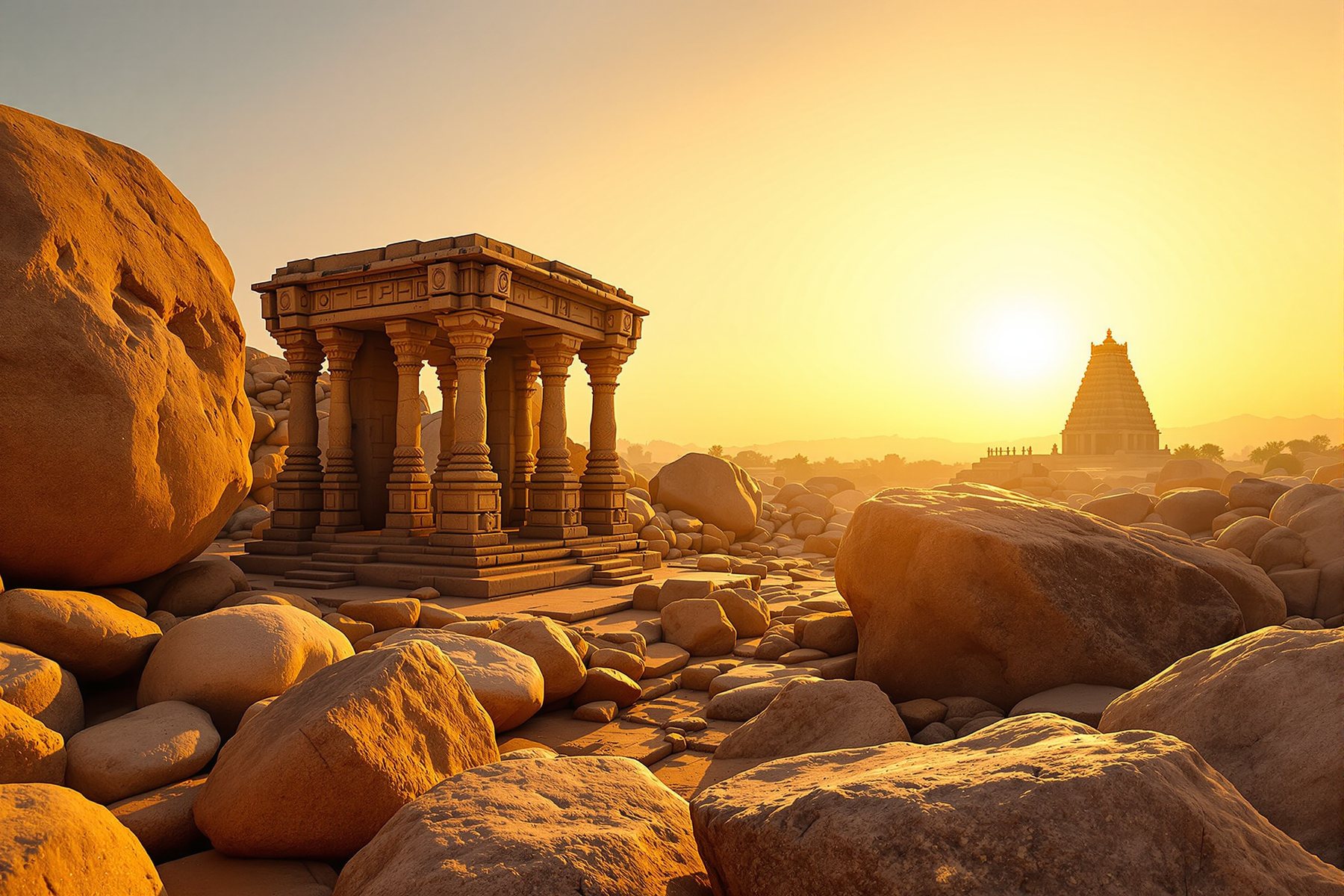
Hampi: The Stone City of Vijayanagara
How a medieval South Indian empire built an entire capital out of the boulder field it stood on — granite that sings, a chariot carved in rock, two architectural worlds fused into one — and how the whole of it fell in a single year.
 03
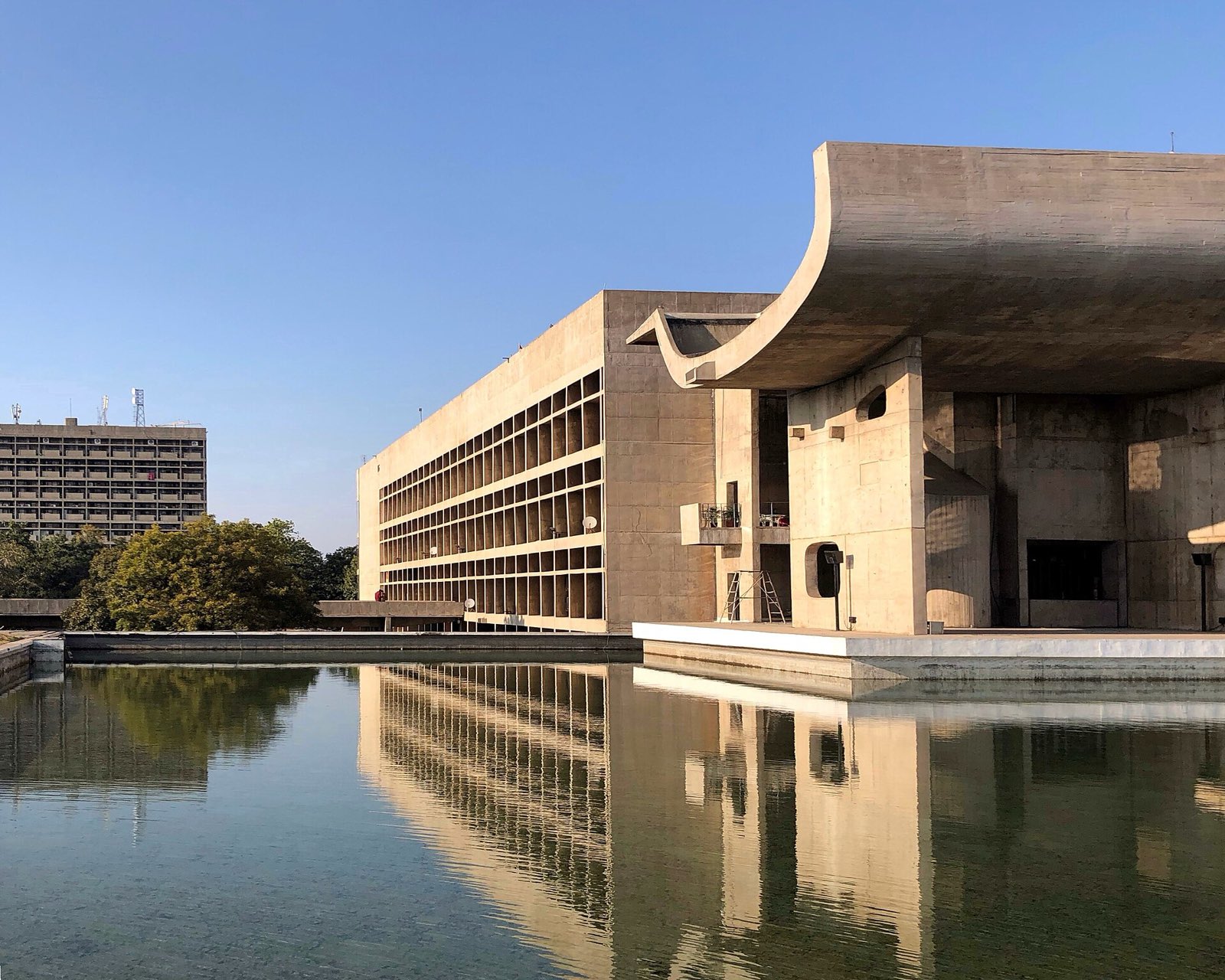
The Capitol Complex, Chandigarh: Le Corbusier's Concrete City for a New Nation
How a free India handed a Swiss-French modernist a blank plain in Punjab, and got back a landscape of raw concrete, upturned roofs and sun-breakers that argued a newly independent country need not build like its past
- 04The Qutb Minar: The Tower That Announced a New Architecture
- 05Fatehpur Sikri: The Perfect City That Was Abandoned
- 06Humayun's Tomb, Delhi: The Blueprint for the Taj Mahal
- 07Gol Gumbaz, Bijapur: The Deccan Tomb That Roofed a Whole Hall with One Dome
- 08Amber Fort, Jaipur: The Rajput Palace That Learned to Speak Mughal
- 09The Charminar, Hyderabad: A City Founded on a Crossroads
- 10The Red Fort, Delhi: Shah Jahan's Palace of Paradise on the River
- 11The Victoria Memorial, Kolkata: The Raj Answers the Taj
- 12The Jantar Mantar, Jaipur: Buildings That Are Instruments for Reading the Sky
- 13Chhatrapati Shivaji Terminus, Mumbai: A Cathedral Built for the Age of Steam
- 14The Jama Masjid, Delhi: A Courtyard for Twenty-Five Thousand, Facing Mecca
- 15Mehrangarh Fort, Jodhpur: A Citadel Grown from the Rock
- 16Chittorgarh: The Largest Fort in India, and Its Tower of Victory
- 17The Hawa Mahal, Jaipur: A Palace That Is Almost Entirely a Window
- 18Rashtrapati Bhavan and Lutyens' Delhi: The Empire's Last Capital, Crowned by a Stupa
- 19Golconda Fort: The Fortress That Listened, and the City That Gave the World Its Diamonds
- 20Agra Fort: Where the Mughal Style Was Born, and the Taj Story Ended
- 21The Gateway of India: The Door an Empire Came Through — and Left By
- 22The City Palace of Udaipur: A Labyrinth of Marble Above a Lake
- 23Gwalior Fort: The Painted Palace on the Rock
03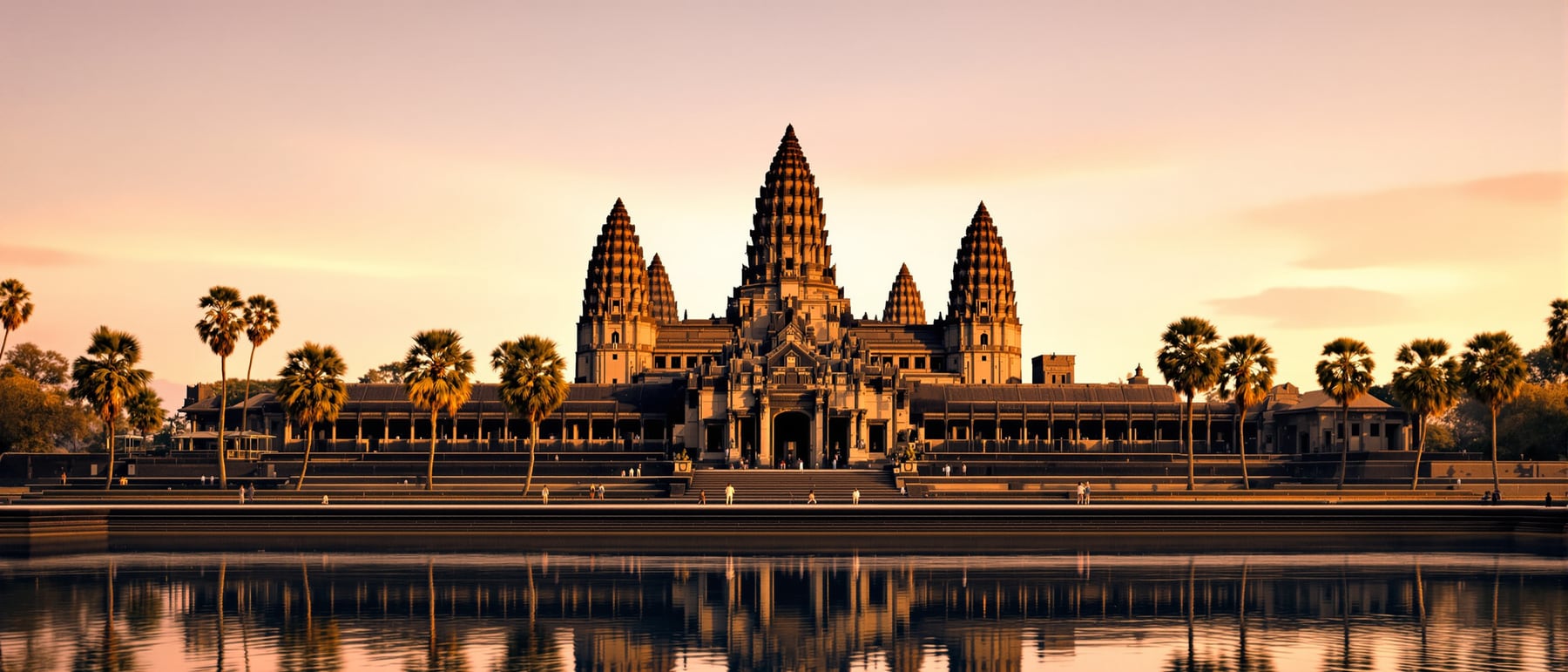 Asia beyond India9 wonders · Nepal, Sri Lanka, Bangladesh, South-East & East Asia
Mandala-stupas and pagoda temples in the Kathmandu Valley, a rock-fortress palace in Sri Lanka, the great temple-mountains of Java and Cambodia, and the tombs of Japan's and China's first rulers.
01Angkor Wat: The Temple, the Tomb, and the Universe in One
How a Khmer god-king raised the largest religious monument on Earth — a mountain of sandstone that is at once a temple to Vishnu, a scale model of the cosmos, and his own mausoleum, turned uniquely to face the west and death, its walls carved with the gods churning the ocean for the elixir of immortality — the perfect close to a journey through the great tombs of the world.
 02
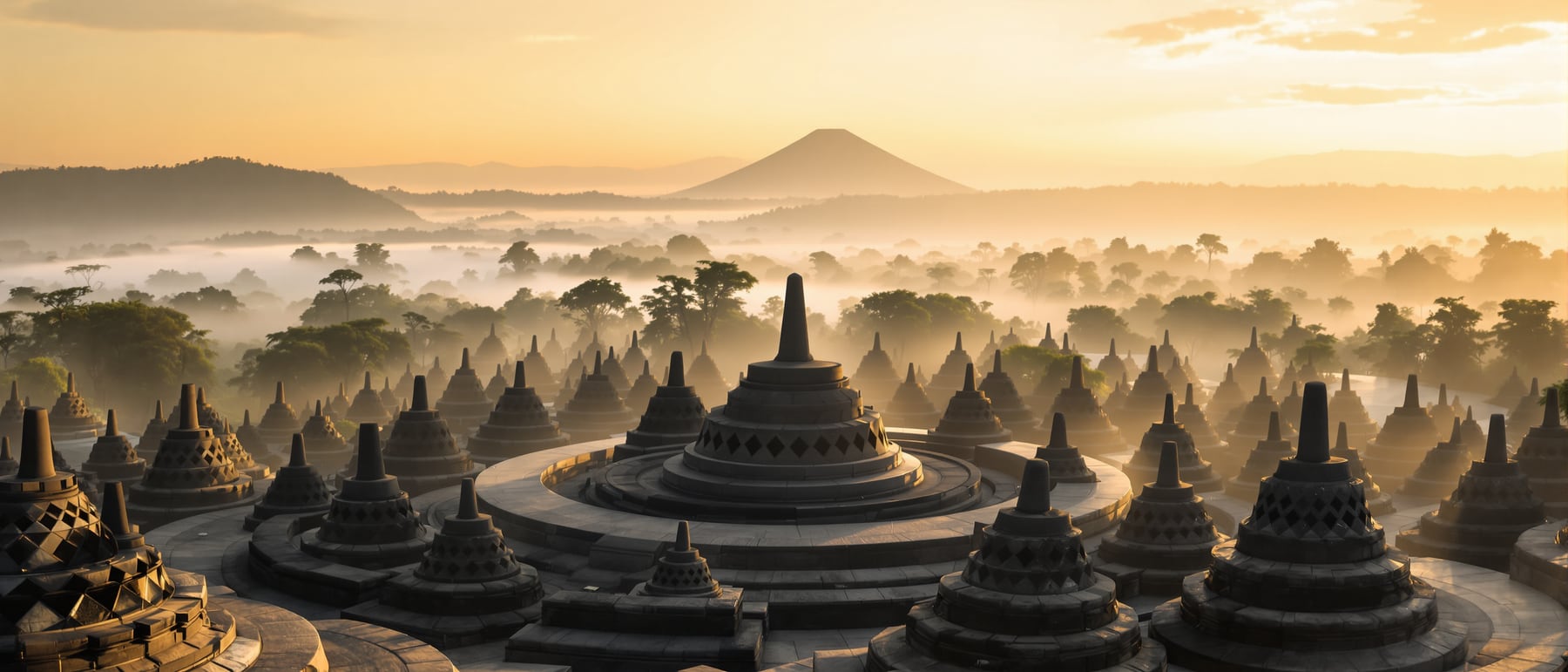
Borobudur: The Mountain You Climb to Reach Enlightenment
In the volcano-ringed heart of Java, around 1,200 years ago, Buddhist kings built the largest Buddhist monument on Earth — not a temple you enter but a solid stone mountain you climb: a three-dimensional map of the universe, wrapped in 2,672 carved panels and 504 Buddhas, that turns the path to enlightenment into a walk you take with your feet. Then it was abandoned, buried under ash and jungle, and rebuilt, stone by million-stone, in our own age.
 03
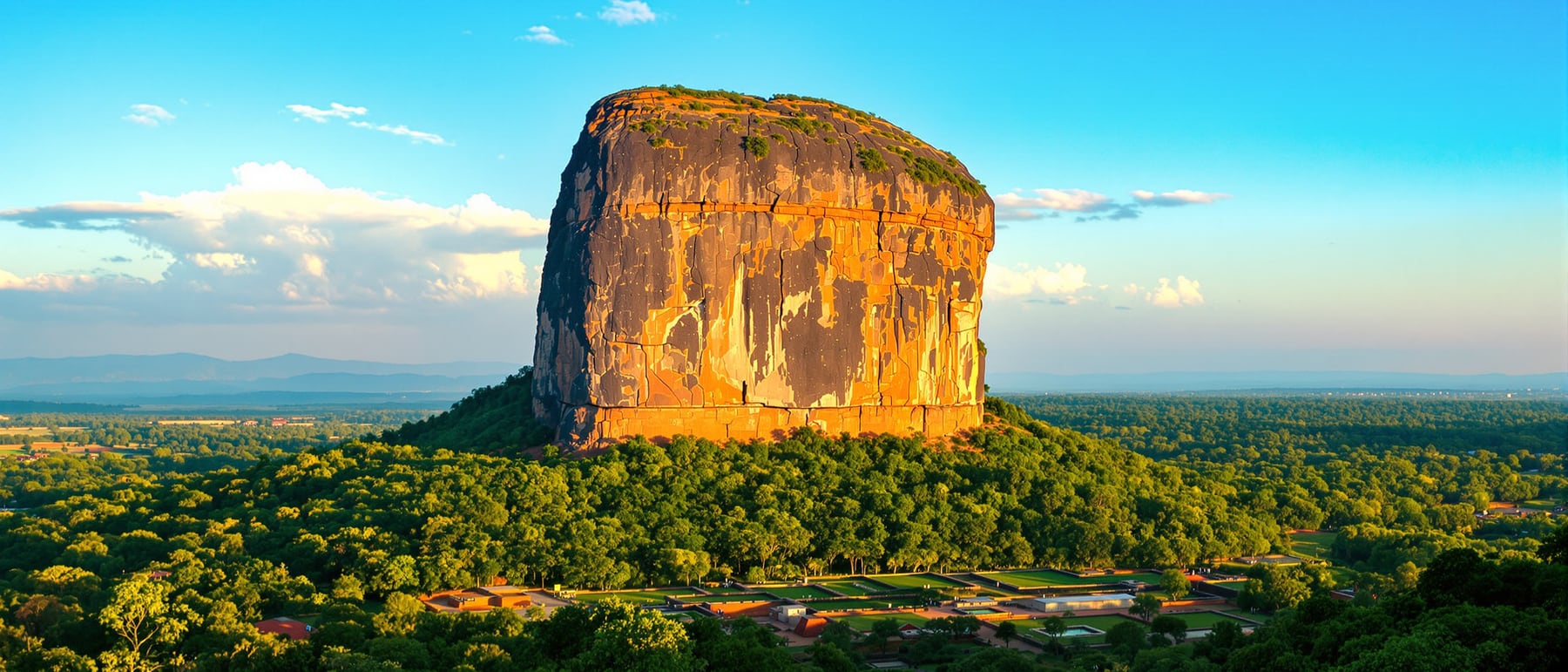
Sigiriya: The Sky Palace a Guilty King Built on a Rock
Fifteen hundred years ago in Sri Lanka, a king who had murdered his way to the throne fled his own guilt and fear to the top of a sheer 200-metre rock, and there built one of the most breathtaking places on Earth: symmetrical water gardens whose fountains still run, a cliff painted with celestial maidens, a gateway shaped as a colossal lion, and a pleasure-palace in the clouds. A paradise built out of terror. The seventh article in our chapter on the palaces and pleasures of worldly power.
- 04Lukla: The Runway That Turned a Mountain into a Solution
- 05Pashupatinath: The Golden Pagoda on the Sacred River
- 06Boudhanath: The Great Mandala of Kathmandu
- 07Somapura Mahavihara: The Buddhist University Hidden Inside a Hill
- 08Daisen Kofun: The Keyhole Tomb You Can Only See From the Sky
- 09The Tomb of the First Emperor: An Empire Buried to Rule Forever
04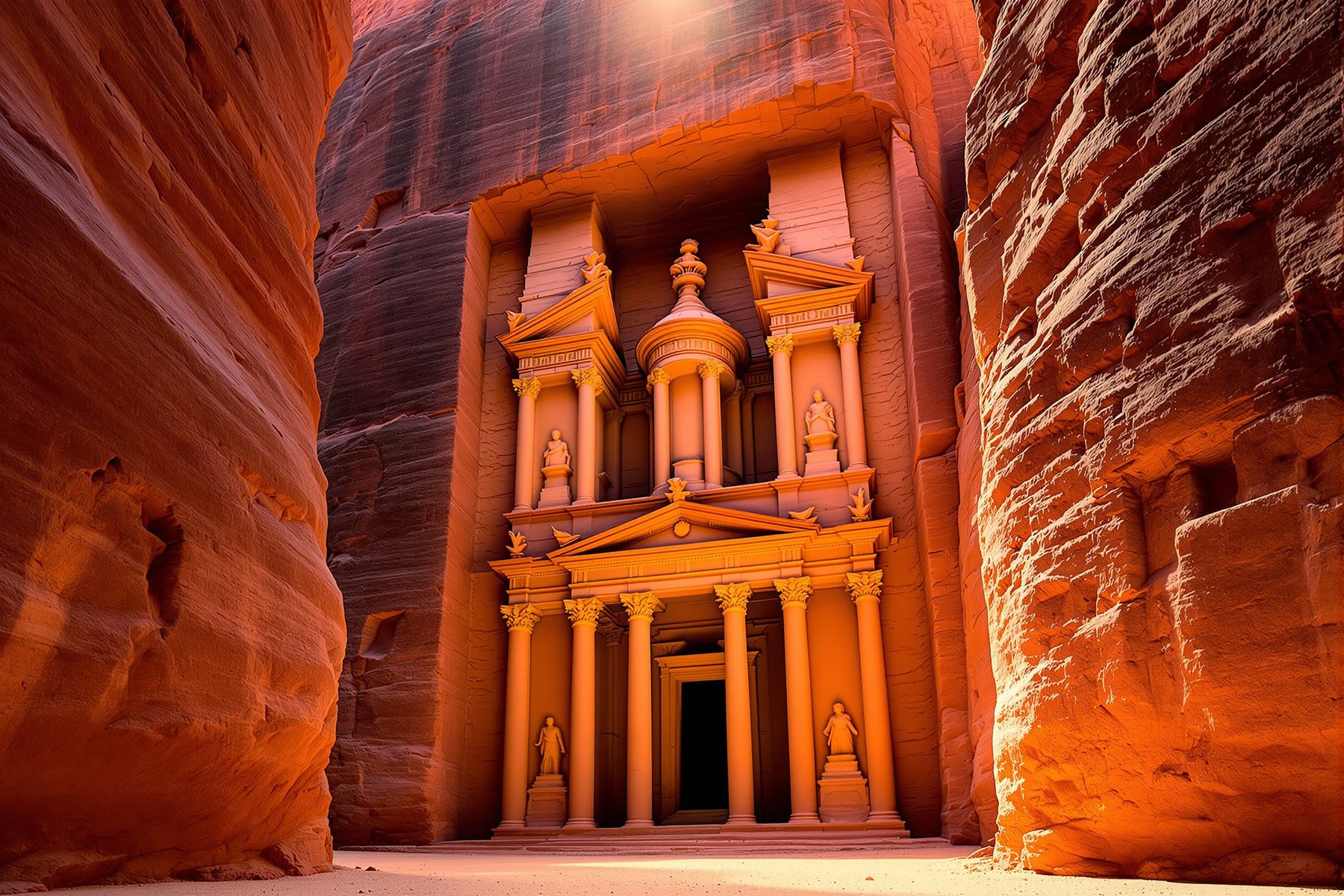 Egypt, Africa and the Middle East15 wonders · From Ur and Karnak to Great Zimbabwe
Where monumental architecture began: Mesopotamian ziggurats and palaces, the temples and tombs of the pharaohs, Nabataean Petra, Alexandria across two thousand years, and the mud mosques and stone cities of Africa.
01Petra: The Architecture of the Rose-Red City
How a desert people carved a city from living rock — the Treasury, the royal tombs, and the hidden water engineering that made it all possible — and what a modern architect can still learn from it.
 02
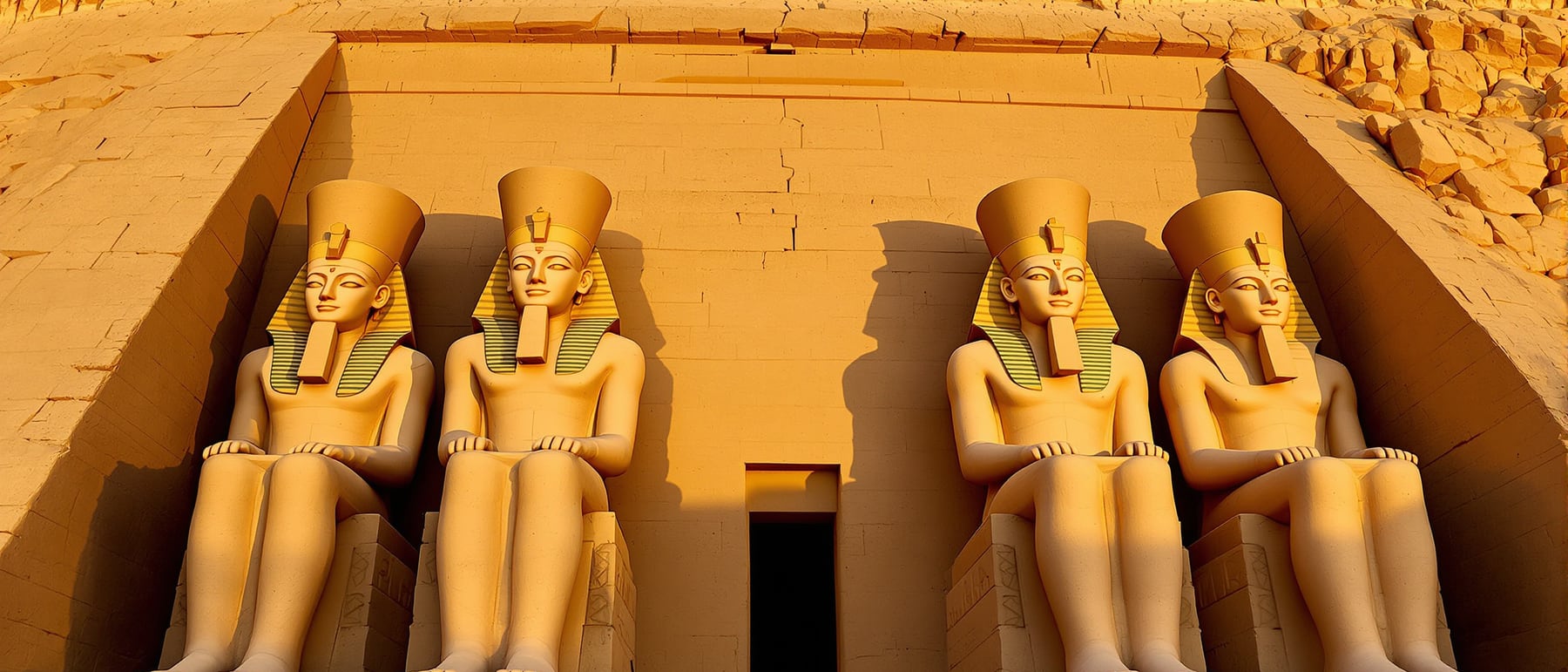
Abu Simbel: The Temple a Pharaoh Cut Into a Mountain — and the World Moved to Save It
How Ramesses the Great hollowed two temples out of a Nubian cliff, guarded them with four twenty-metre giants of himself, and aimed the whole mountain so precisely that twice a year the rising sun still races sixty metres into the dark to touch the gods at the very back — and how, three thousand years later, more than fifty nations sawed the temples into a thousand pieces and lifted them bodily up the cliff to escape a rising lake.
 03
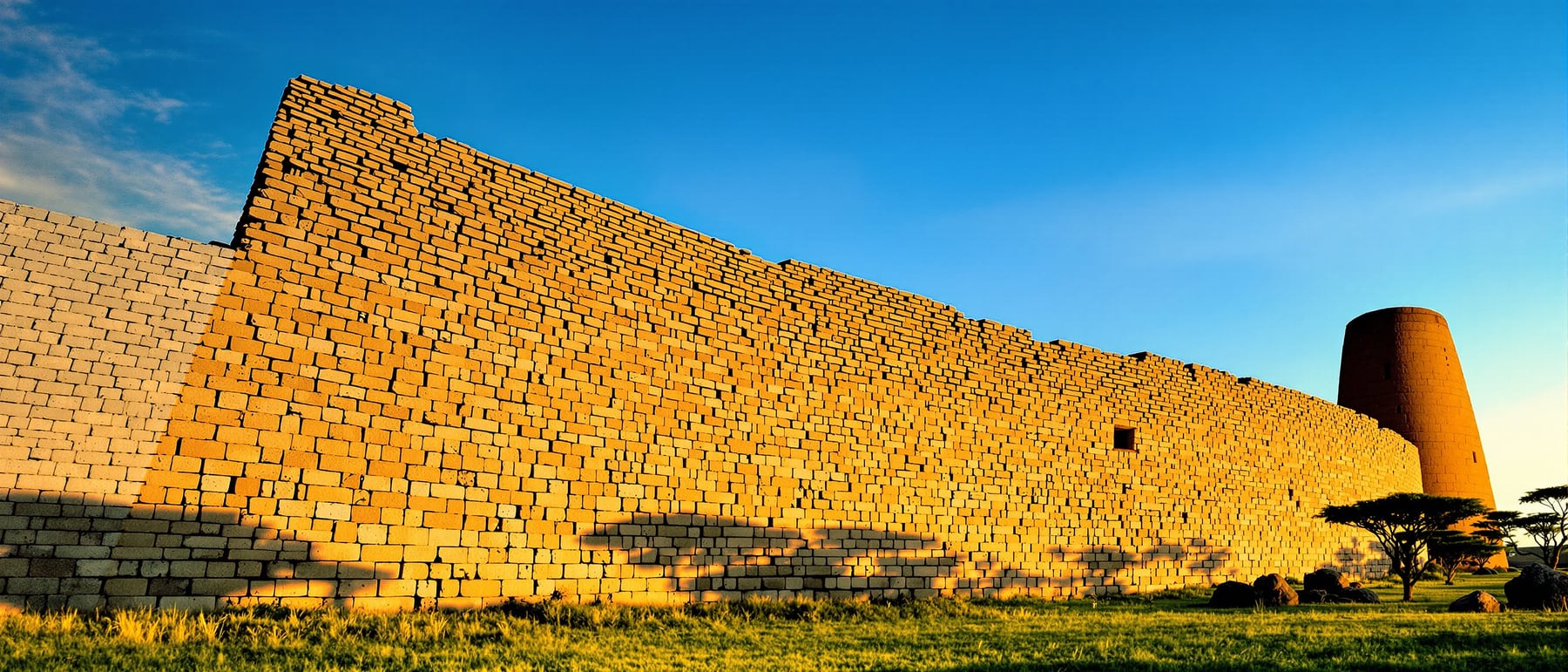
Great Zimbabwe: The Stone City Europe Refused to Believe Africans Built
In the hills of southern Africa stand the largest ancient stone ruins south of the Sahara — a whole city of massive granite walls built without a drop of mortar, the wealthy capital of a gold-trading kingdom. For a century, colonists refused to accept that Africans had raised it, and invented every other builder they could. This is the story of that architecture, and of the lie it outlived. The article that closes our chapter on the palaces and pleasures of worldly power.
- 04The Royal Tombs of Petra: Palaces for the Dead, Carved From a Cliff
- 05Bibliotheca Alexandrina: A Lost Wonder, Reborn in Our Time
- 06Pompey's Pillar: One Stone, Wrongly Named, Still Standing
- 07Montazah: The Palace That Is Really a Garden
- 08Fort Qaitbey: A Wonder Built on the Grave of a Wonder
- 09The Ziggurat of Ur: A Mountain of Brick for the Moon God
- 10The Temples of Karnak: A Sacred City Built by Thirty Kings
- 11The Tomb of Seti I: The Painted Underworld Beneath the Peak
- 12The Mud Mosques of Timbuktu: The University Made of Earth
- 13The Palace of Sennacherib at Nineveh: The Palace Without Rival
- 14Persepolis: The Palace Where Every Nation Came Bearing Gifts
- 15The Arch of Ctesiphon: The Largest Brick Vault the World Has Ever Built
05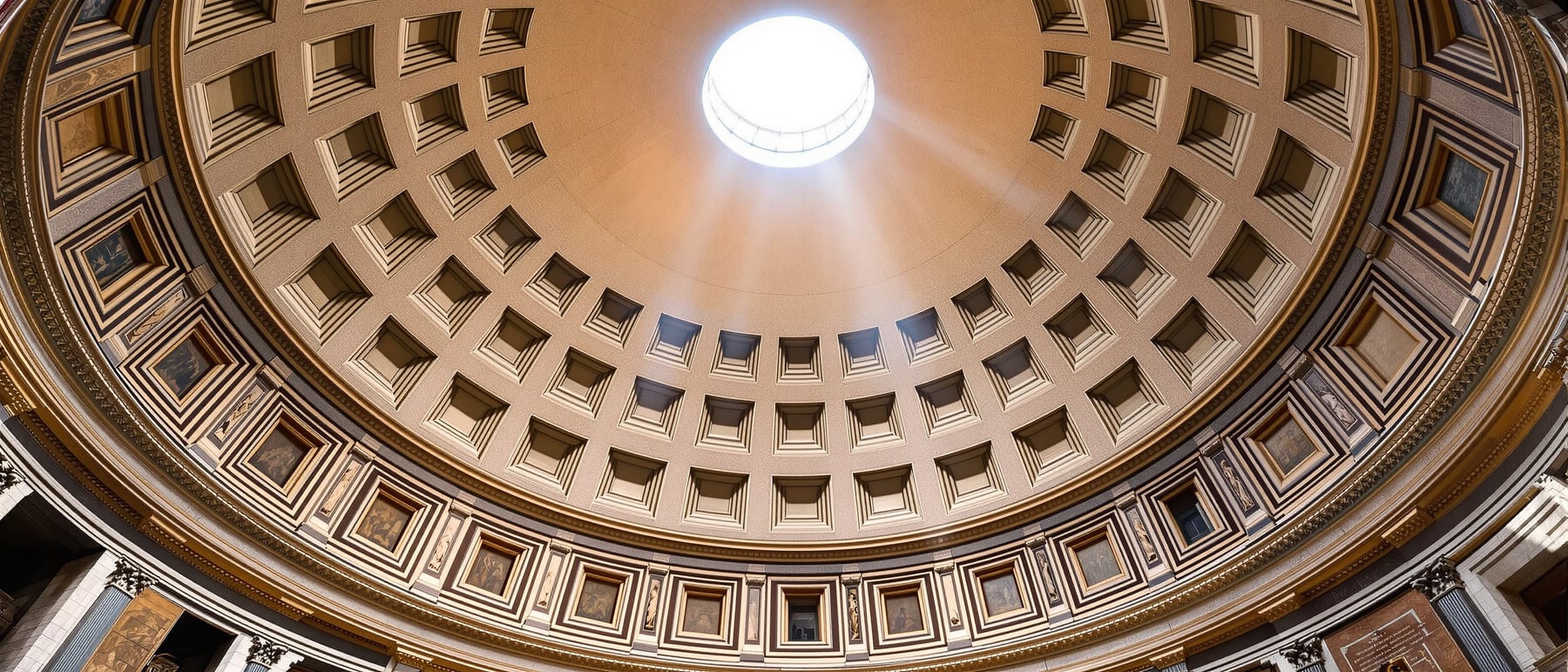 Europe — from Neolithic stone to Gothic brick14 wonders · Malta, Britain, Greece, Rome, Lithuania
Temples older than the pyramids, Stonehenge and Newgrange, the Parthenon, the Pantheon's unreinforced concrete dome, Rome's arenas and baths — and the red-brick castles of the Grand Duchy of Lithuania.
01The Pantheon: The Dome That Has Never Been Beaten
Nearly nineteen centuries ago the Romans poured a hemisphere of concrete 43 metres across, left a single round hole open to the sky at its summit, and walked away — and it is still, today, the largest unreinforced concrete dome on Earth. A temple to all the gods that became a church, the best-preserved building of ancient Rome, and the ancestor of every great dome from Florence to the United States Capitol.
 02
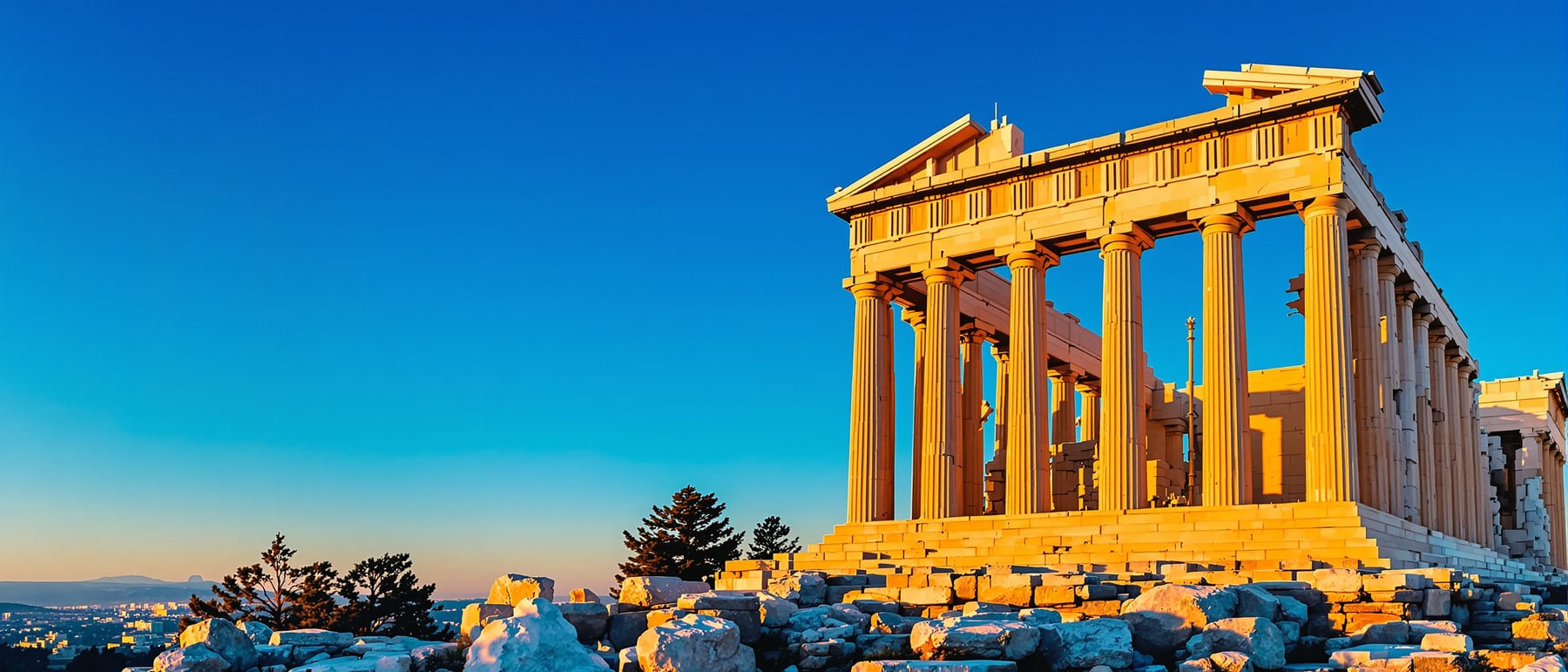
The Parthenon: The Perfect Temple That Has No Straight Lines
On a rock above Athens, a democracy at the height of its powers built a marble temple to its virgin goddess — and tuned it so subtly, with curved floors, swelling columns and walls that lean inward, that a building full of curves reads to the eye as flawlessly straight. Temple, treasury, church, mosque, gunpowder store and ruin by turns, blown apart in a single night in 1687 and stripped of half its sculpture, it remains the most imitated building in the Western world.
 03
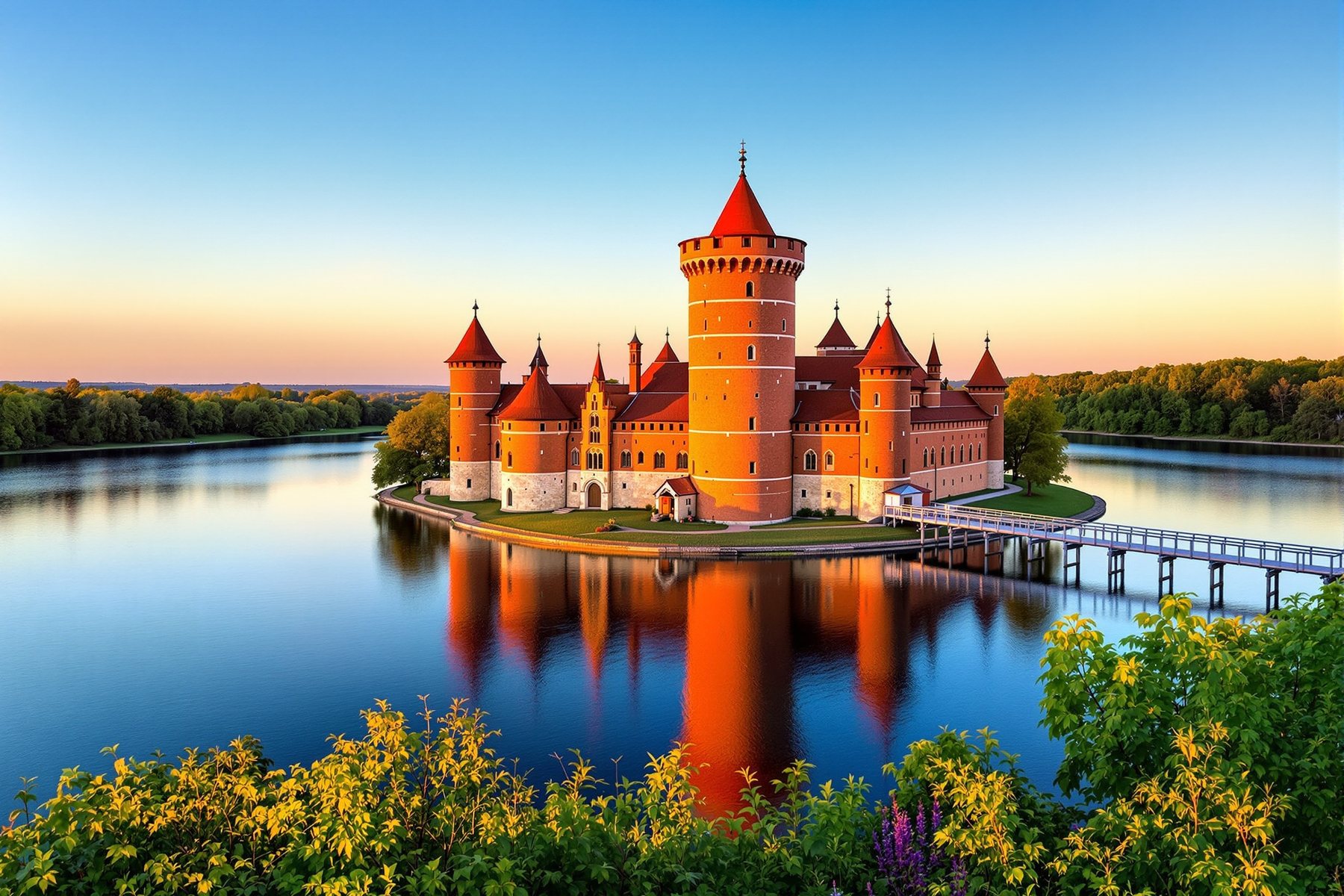
Trakai: The Castle That Made a Wall of Water
How the Grand Dukes of Lithuania built a red-brick Gothic fortress on an island in a lake — using the water itself as its outermost wall — and how a 20th-century nation chose to rebuild it from ruin. The defensive idea, the Brick Gothic, and the reconstruction debate.
- 04Ġgantija: The Oldest Temple Standing, Built by 'Giants'
- 05Stonehenge: The Stone Circle That Was Built Like Carpentry
- 06Newgrange: The Tomb That Catches the Sun
- 07The Palace of Knossos: Europe's First Palace and the Labyrinth of Myth
- 08The Treasury of Atreus: The Beehive That Beat the Pantheon by 1,400 Years
- 09Cerveteri: The City of the Dead With Streets of Its Own
- 10The Colosseum: The Machine That Fed a City Its Pleasures
- 11Hadrian's Villa at Tivoli: The Emperor Who Rebuilt the World He Loved
- 12The Baths of Caracalla: A Palace of Pleasure for Everyone
- 13Gediminas' Tower: The Hill Where a City Was Dreamed
- 14Vilnius Cathedral: The Building Rebuilt a Thousand Years
06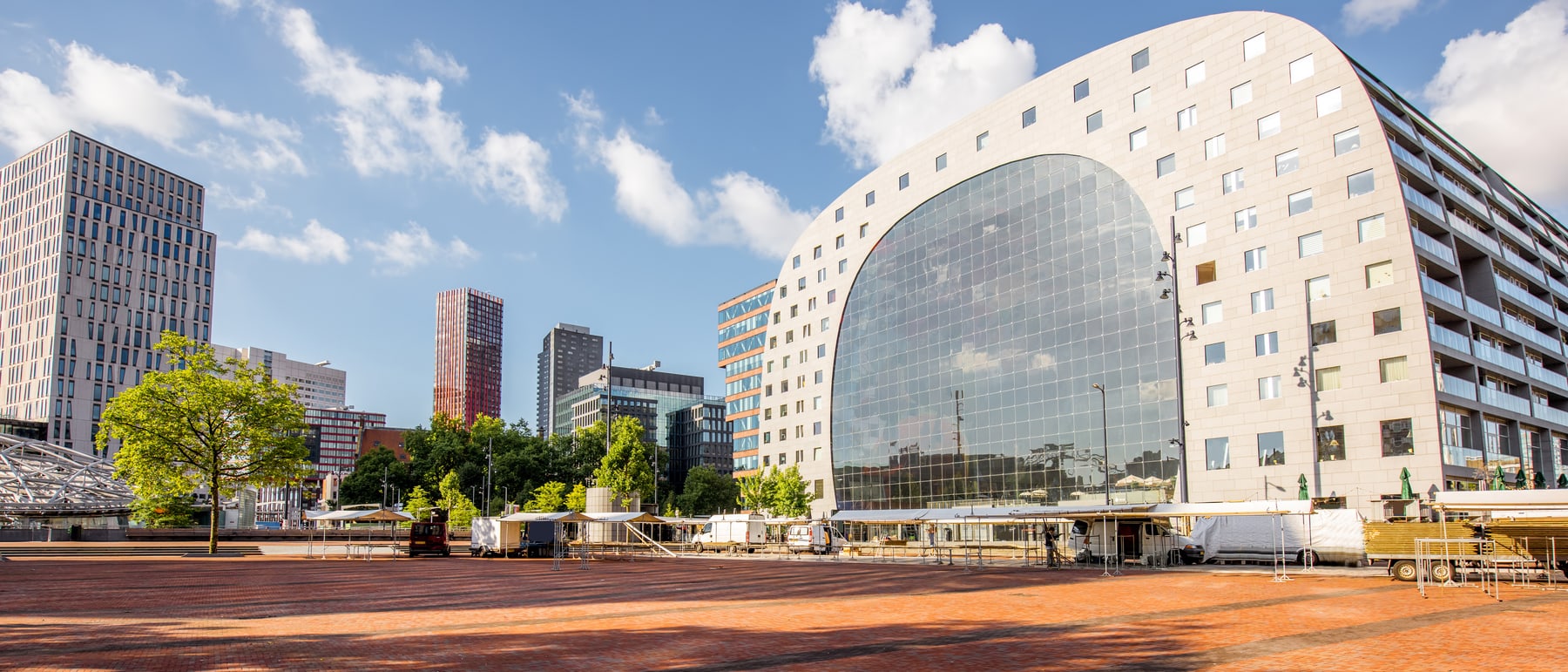 The Netherlands — Rotterdam and Amsterdam10 wonders · Windmills to MVRDV
A country built against the water: the windmills of Kinderdijk, and the bold modern architecture of Rotterdam and Amsterdam — many of them places Amogh visited, and you will find him in the frame.
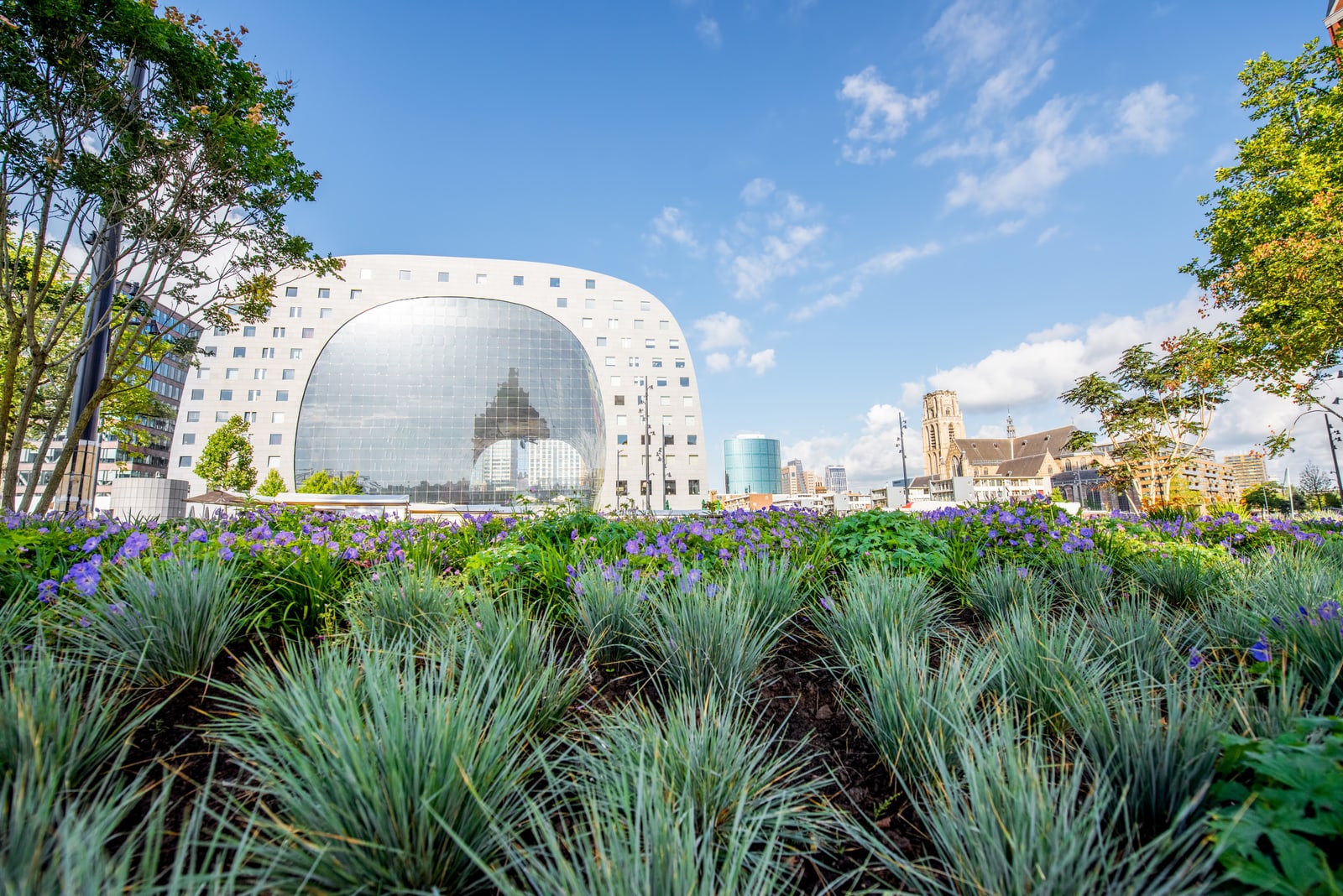
01The Markthal: A Cathedral for Groceries
How MVRDV bent 228 apartments into a giant arch over a public food market, painted its 11,000-square-metre ceiling with a cornucopia of fruit, and turned a European hygiene rule into the most-visited building in Rotterdam — the everyday market raised to a civic monument.
 02
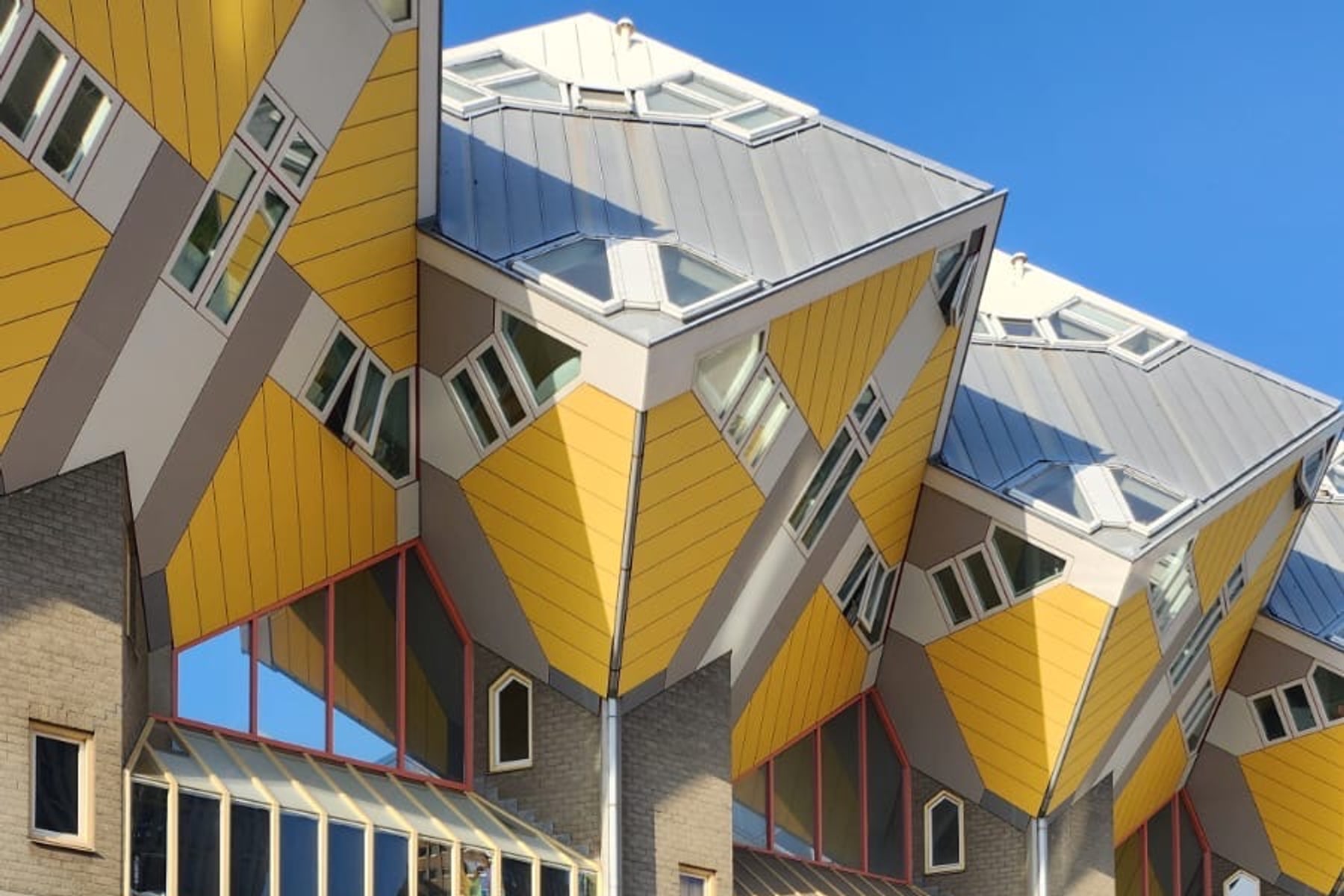
The Cube Houses: A Forest of Tilted Homes
How Piet Blom tilted an ordinary cube onto its corner, stood it on a concrete trunk, and grew a whole village of them above a Rotterdam road — the boldest housing experiment in this series, and an honest lesson in what an unforgettable idea costs the people who live inside it.
 03
The Erasmus Bridge: Rotterdam's Swan
How a single leaning pylon and a fan of steel cables became the emblem of a city that had to reinvent itself — Ben van Berkel's cable-stayed swan across the Nieuwe Maas, the largest bascule in Western Europe, and the modern proof that a bridge can be a verb: it did not merely span Rotterdam, it changed it.
- 04Kinderdijk: Nineteen Windmills Against the Sea
- 05The Euromast: Rotterdam's Ship's Mast in the Sky
- 06Rotterdam Centraal: The Station That Points at the City
- 07Kop van Zuid: A New City on the Old Docks
- 08Blaak 31: The Tower That Steps Aside
- 09The EYE Filmmuseum: A Building Made of Light
- 10nhow Amsterdam RAI: Three Towers That Twist
07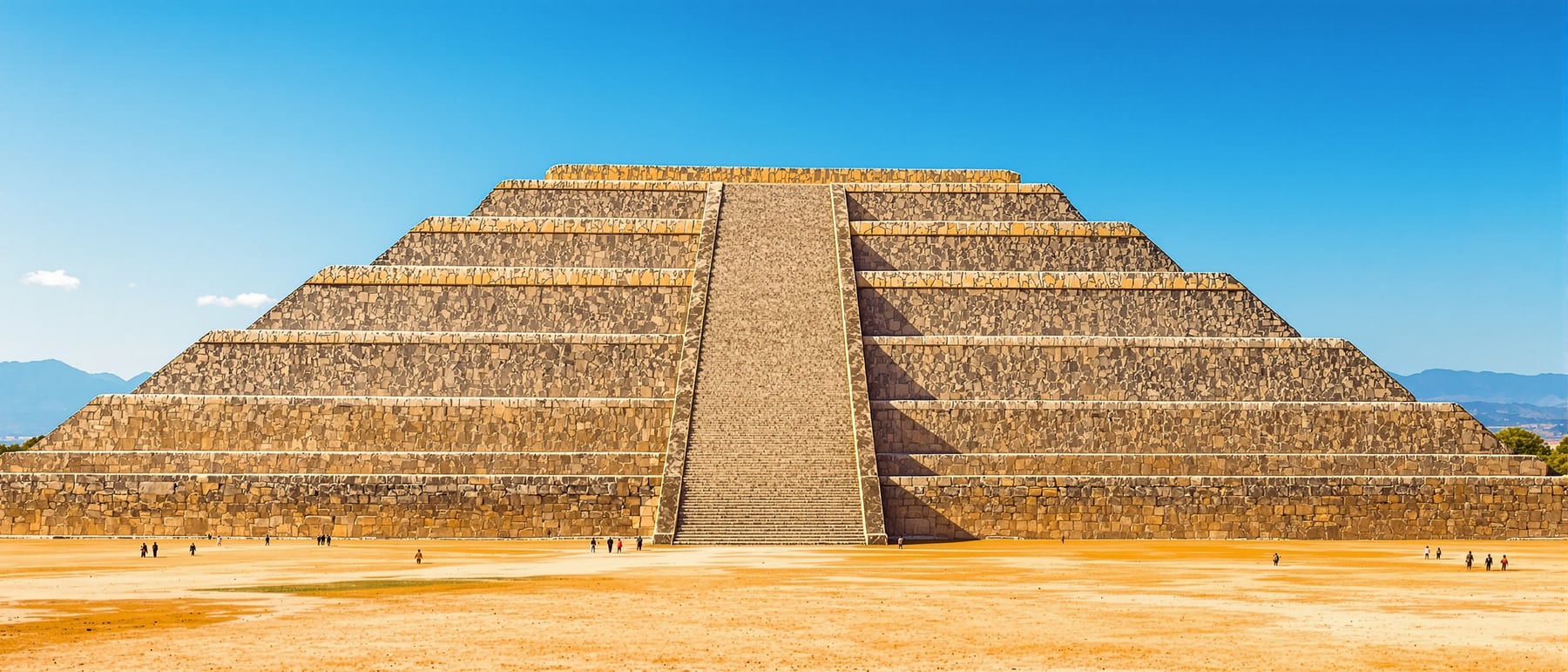 The Americas8 wonders · Andes, Mesoamerica, Mississippi
Monumental cities built without iron tools, draught animals or the wheel: Chavín and Chan Chan in Peru, Teotihuacan, Palenque and Tenochtitlan in Mexico, and the great earthworks of North America.
01The Pyramid of the Sun: A Mountain Raised Over a Cave by a People With No Name
In the Valley of Mexico, a civilisation we cannot name built one of the largest pyramids on Earth — a man-made mountain of a million cubic metres — and set it precisely over a sacred cave they believed was the womb of the world. They left no writing we can read; even the words 'Pyramid of the Sun' were given, a thousand years later, by the Aztecs, who found the city in ruins and called it the birthplace of the gods.
 02
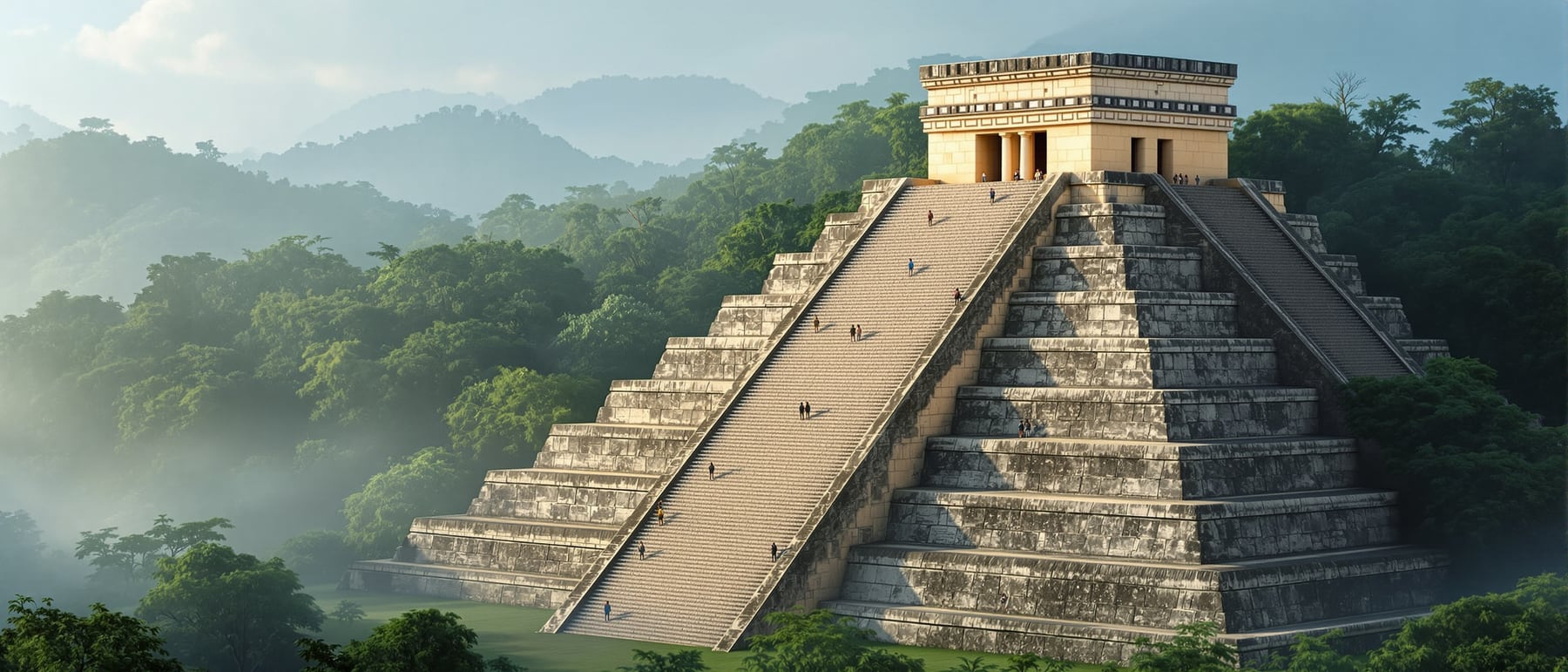
The Tomb of Pakal: A Maya King's Descent Into the Underworld
How a Maya king who took the throne at twelve and ruled for sixty-eight years hid his own tomb deep inside a jungle pyramid — sealed behind a rubble-choked secret stair, guarded by sacrificed attendants, his jade-masked body under a five-tonne carved lid that shows him falling into the underworld to be reborn as a god, and, no, not piloting a rocket.
 03
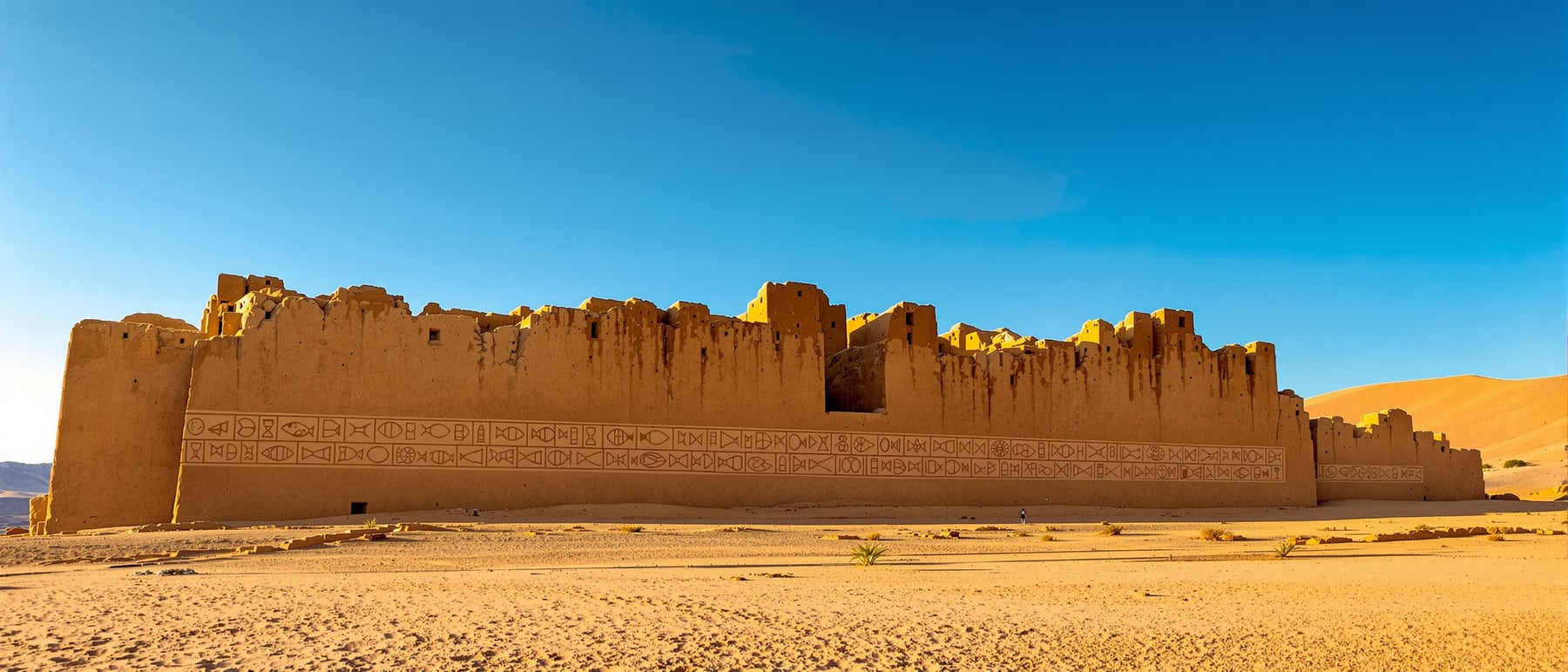
Chan Chan: The Vast City of Mud Where Every King Built His Own Palace
On the desert coast of Peru sprawl the ruins of the largest city ever built of mud — a thousand-year-old capital of adobe walls three storeys high, carved with fish and seabirds, that survived only because it almost never rains. It was a city of ten royal palaces, one for each king, driven by a strange rule of inheritance; and today, an earthen city in a warming world, it is racing the rain to survive. The ninth article in our chapter on the palaces and pleasures of worldly power.
How the series is written
Editorial methodHow it was made
Each essay follows the building, not the legend: the site, the materials, the structure, the tools and the people who did the work.
Careful with the past
Where dates, builders or methods are disputed, the essay says so and gives the evidence, rather than picking the most famous story.
Drawn to explain
Plans, sections and diagrams are drawn to show how a building stands up — and photographs are credited to whoever took them.