
B.Arch CurriculumFree, forever
A tribute to Amogh N P
History of Architecture I
Where architecture begins, and how South India's temples grew. From the first shelters and the Indus and Mesopotamian cities, through Buddhist stupas and rock-cut caves, to the Dravidian temple — Pallava beginnings, the soaring Chola vimana, the Pandya gopuram, and the Vijayanagara–Nayak temple city.
Course byAmogh N P· Architect & interior designer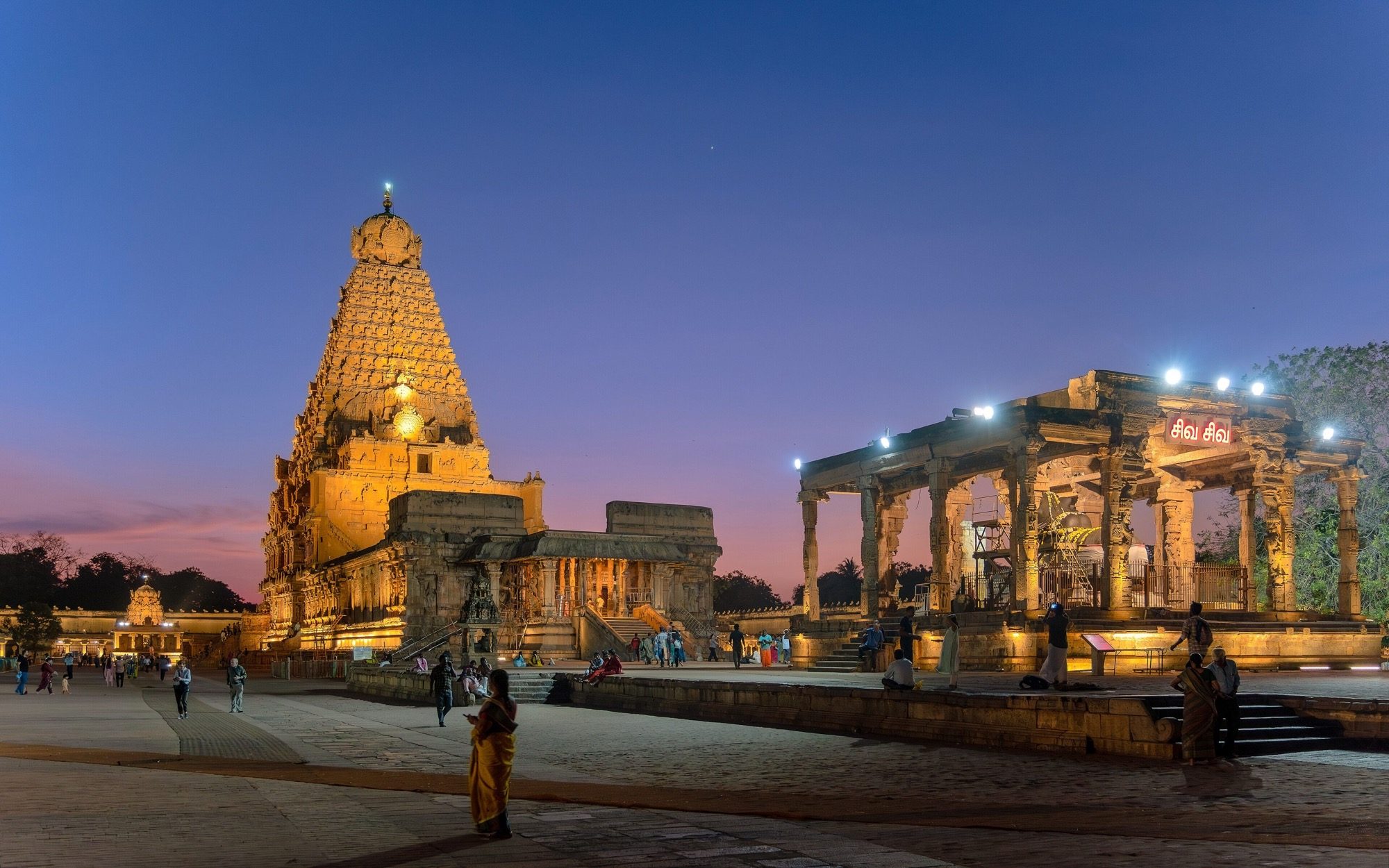
The syllabus
5 units · 5 liveTranscribed from the official B.Arch syllabus. All 5 units are live as full interactive lessons, each with original diagrams, a self-assessment quiz and a study task.
Unit 1 — The Beginning of Architecture
LiveRelevance of history; the Old, Middle and New Stone Age; the development of shelter — Çatalhöyük and the Indus Valley Civilization (Harappa, Mohenjo-Daro); West Asia — Sumerian and Persian cultures; the Ziggurat at Ur, the Palace of Sargon, and Persepolis.
Unit 2 — Buddhist Architecture
LiveHinayana and Mahayana Buddhism; the meeting of Hellenic and Indian ideas; Asoka's pillars and Sarnath; the rock-cut caves at Barabar; the Great Stupa at Sanchi; the chaitya hall and vihara; Karli, Nasik, Rani Gumpha and Udayagiri; Takht-i-Bahi and Gandhara.
Unit 3 — The Dravidian Temple — Pallava Beginnings
LiveIntroduction to temple architecture and the temple town; the Dravidian order; rock-cut and structural temples under the Pallavas — the Pancha Rathas and Shore Temple at Mahabalipuram, and the Kailasanatha Temple at Kanchipuram.
Unit 4 — Dravidian Architecture — Cholas & Pandyas
LiveDevelopment of the vimana, walled enclosures and gopurams under the Cholas — the Brihadeeswara Temple, Thanjavur and Airavatesvara Temple, Darasuram; the Pandya evolution of the gopuram; ritual complexity — Meenakshi Amman Temple, Madurai and the Andal Temple, Srivilliputhur.
Unit 5 — Vijayanagara & Nayak Styles
LiveVijayanagara — the addition of pillared mandapas, the kalyana mandapa and yali piers (Hampi; Someshwara Temple, Kolar); Nayak — the temple city, concentric prakaras and gopuram rings, and the thousand-pillared mandapa.
Course outcomes
What you will be able to doExplain why we study architectural history, and describe early human shelter and the first cities of the Indus Valley and West Asia.
Analyse the architecture of the Buddhist period — the stupa, chaitya and vihara, rock-cut caves, and the Asokan pillars.
Trace the origins of the Dravidian temple under the Pallavas, from rock-cut shrines to the structural Shore and Kailasanatha temples.
Evaluate Chola and Pandya advances — the towering vimana, walled enclosures, and the rise of the gopuram.
Analyse Vijayanagara and Nayak contributions — pillared mandapas, the amman shrine, and the temple city.
Apply historical knowledge through site study and research, reading the evolution of South Indian architecture on the ground.
The author
Amogh N P
Architect, interior designer, and creative polymath. Studio Matrx began in his notebooks — his vision of design made honest, useful, and open to everyone. Its Academy is written and taught in his memory, and free, forever.
More about Amogh →Begin at the beginning.
How did architecture start, and how did the South Indian temple grow into a city? Read the five units top to bottom, study the diagrams, then test yourself.
The curriculum is free, forever