
Home Buying BasicsHomebuyer literacy
Home Buying, in Plain Language
Buying a home means meeting a wall of jargon — carpet area, super built-up, loading factor, plinth, stilt, Vastu, FSI. This is the 5-guide field manual that decodes it, each concept illustrated and reduced to what you actually need to check before you sign.

Carpet Area vs Built-Up vs Super Built-Up Area — What You Actually Pay For
Carpet area is the floor you use, built-up adds the walls and balcony, and super built-up adds your share of lobbies, lifts and amenities — the number brochures shout. Understand the loading factor and RERA's carpet-area rule, with a worked example, so you never overpay for shared space.
Read itThe numbers and the base
What you pay to build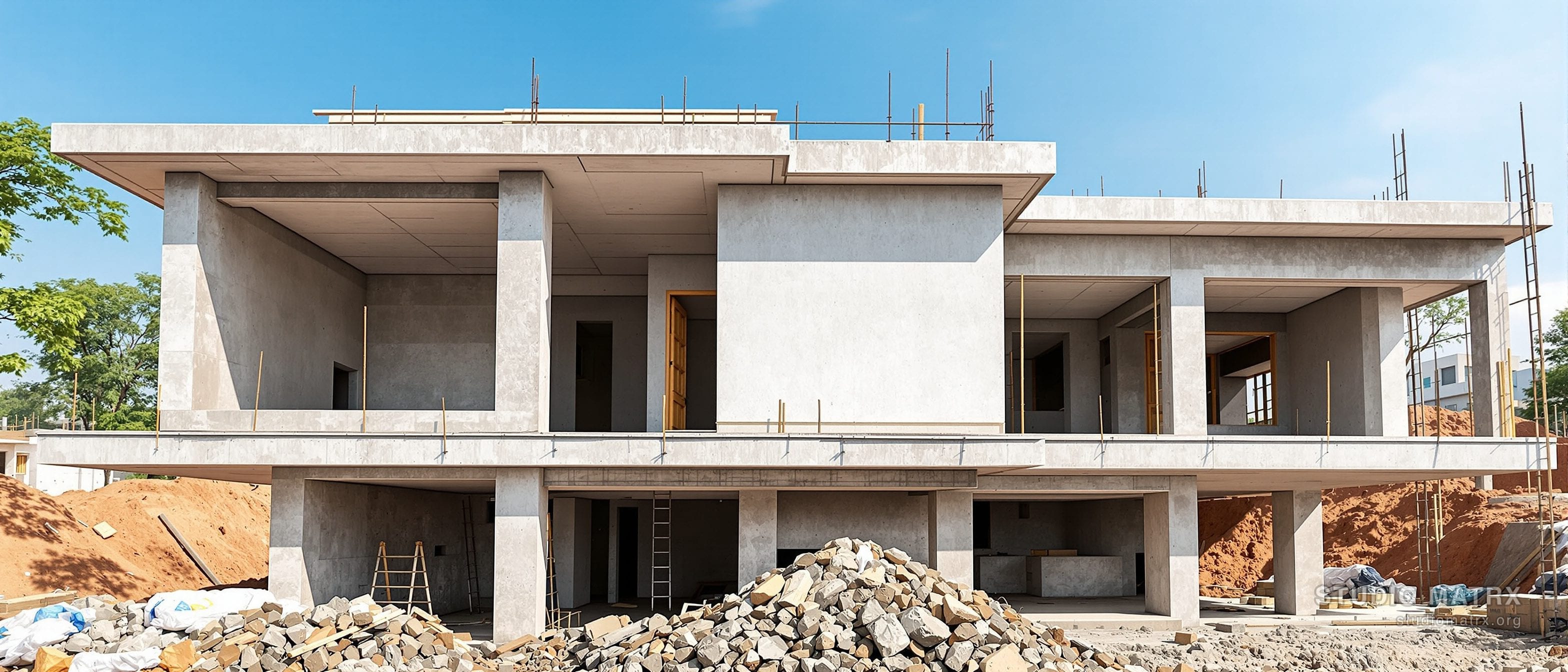
The plot and what’s built on it
Choosing land, parking and roof Plot02
Vastu for Plot Selection — Shape, Direction, Road & Slope Before You Buy Land
The plot is the one home decision you can never undo. This guide explains how Vastu reads a plot before you buy: favoured square, rectangular and Gomukhi shapes, north and east facing, roads on the north-east, and land that slopes towards the north-east, balanced with a practical site reading.
 Parking03
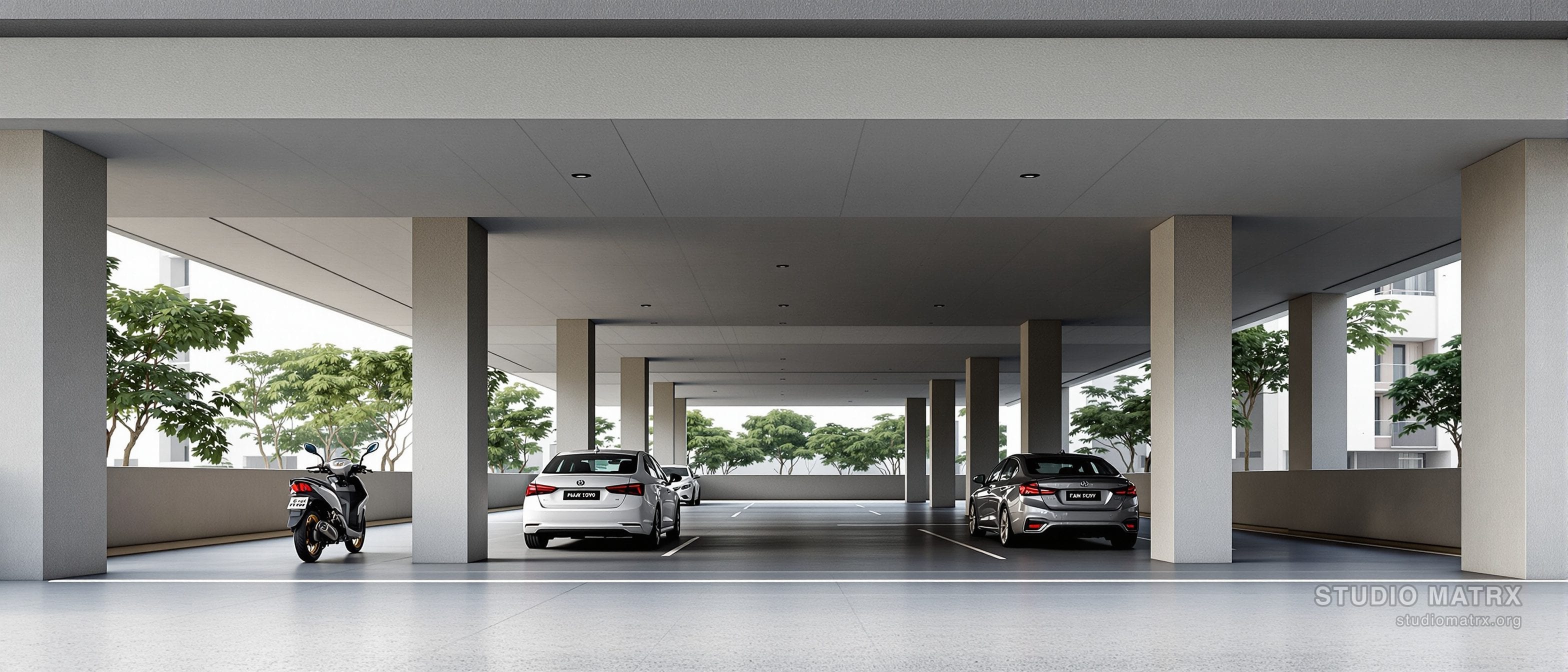
Stilt Parking in India — What It Is, Why Buildings Use It, and What to Check
Stilt parking is the open, column-supported ground floor that lets a building park cars without using up FSI. This guide explains stilt height and FSI rules, the common illegal-conversion trap, who actually owns the parking under RERA, and how stilt compares with basement and podium parking.
 Roof04
Types of Roof in India — Flat, Pitched, Hip & More, Matched to Your Climate
A field guide to roof types in India — flat RCC slabs versus pitched roofs, the gable, hip, mono-pitch and pyramid shapes, the coverings from Mangalore tile to metal sheet, sustainable filler slabs, and which roof suits hot-dry, coastal, hill and cyclone-prone climates.