
Landscape · Biography · IndiaLandscape masters
The Masters of the Garden.
The pioneers who shaped how we design the outdoor realm — their lives, ideas and landscapes, and the principles each one championed. Read alongside our Landscape design library.
For the masters of the building, see The Architects.
The pioneers of Indian landscape architecture
Bhagwat, Bhan, Shaheer and Pradhan — who founded the profession and rooted it in India's climate, native flora and garden traditions.
 1930–201501
Prabhakar B. Bhagwat
The father of landscape architecture in India — a discipline grown from native soil, climate and the subcontinent's own traditions
Widely regarded as India's first qualified landscape architect and the father of the discipline in the country, Prabhakar B. Bhagwat founded its teaching, its national society and its leading studio lineage — insisting that an Indian landscape be grown from native plants, climate and the subcontinent's own traditions.
 1934–201702
Ravindra Bhan
A founder of landscape architecture in India, who taught the profession to read the land first
Ravindra Bhan was among the founders of landscape architecture as a profession in India — a teacher and practitioner who insisted that landscape is a structural response to land, climate and terrain, and that in a hot, water-stressed country native planting and natural contours beat the borrowed lawn.
 1956–201503
Mohammad Shaheer
The quiet poet of Indian landscape — restraint, water and the living charbagh
Mohammad Shaheer was among India's most revered landscape architects and a teacher at SPA Delhi. His restrained, contextual gardens — the Garden of Five Senses, Sanskriti Kendra and sensitive heritage settings — married the Mughal charbagh to a modern ecological care, native planting and a contemplative quiet.
 20th century pioneer04
Kishore D. Pradhan
A pioneer of Indian landscape architecture, shaping campuses and resorts with a tropical, climate-aware sensibility
Kishore D. Pradhan belongs to the first generation of Indian landscape architects — pioneers who had to invent their profession. Through campus, institutional and resort landscapes, and through teaching and professional bodies, he advanced a tropical, climate-aware Indian approach: shade over lawn, native planting, water used wisely.
The giants who shaped the garden
Olmsted, Brown, Burle Marx and Kongjian Yu — from the public park to the tropical modern garden to the sponge city.
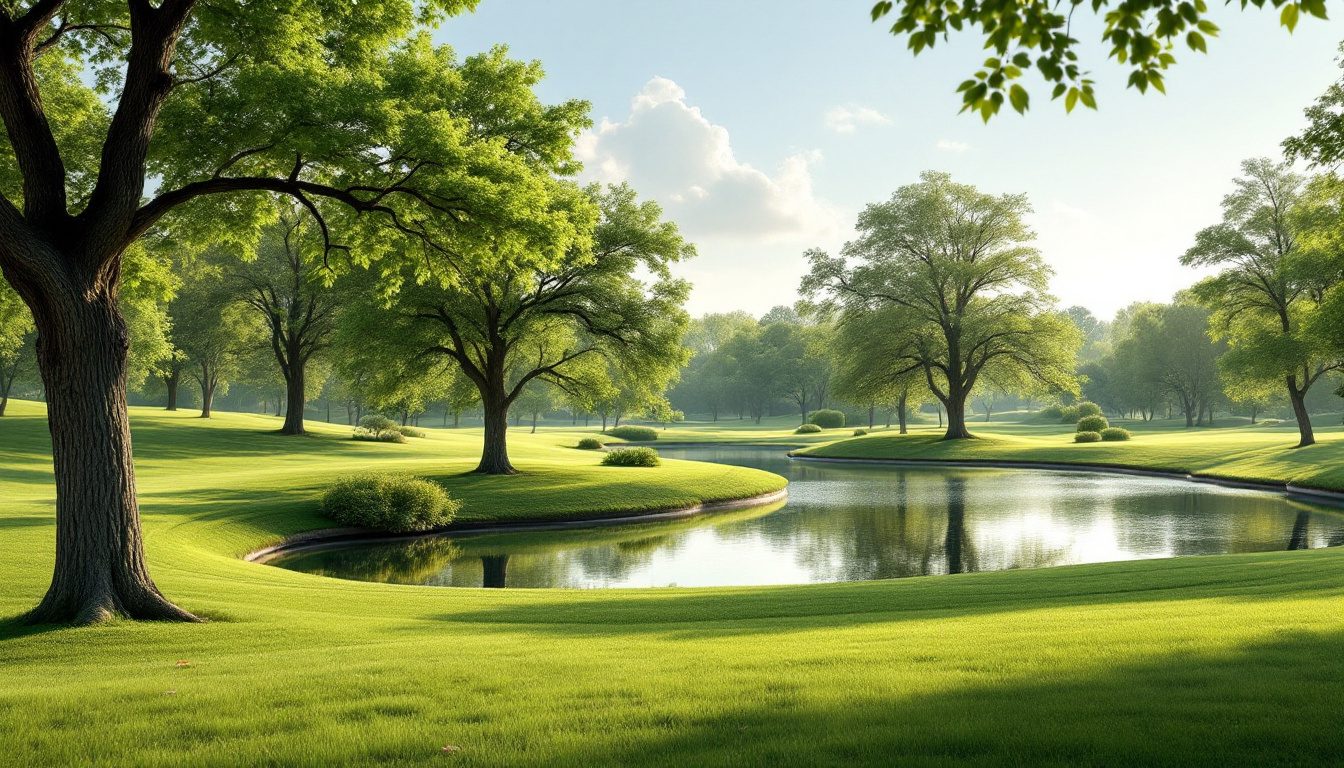 1822–190301
Frederick Law Olmsted
The father of landscape architecture, who made the public park a democratic right and proved that scenery itself can heal.
Frederick Law Olmsted invented the profession of landscape architecture and, with Calvert Vaux, designed Central Park. He believed pastoral scenery restores the mind unconsciously and that public green space is social infrastructure a democracy owes equally to all its citizens.
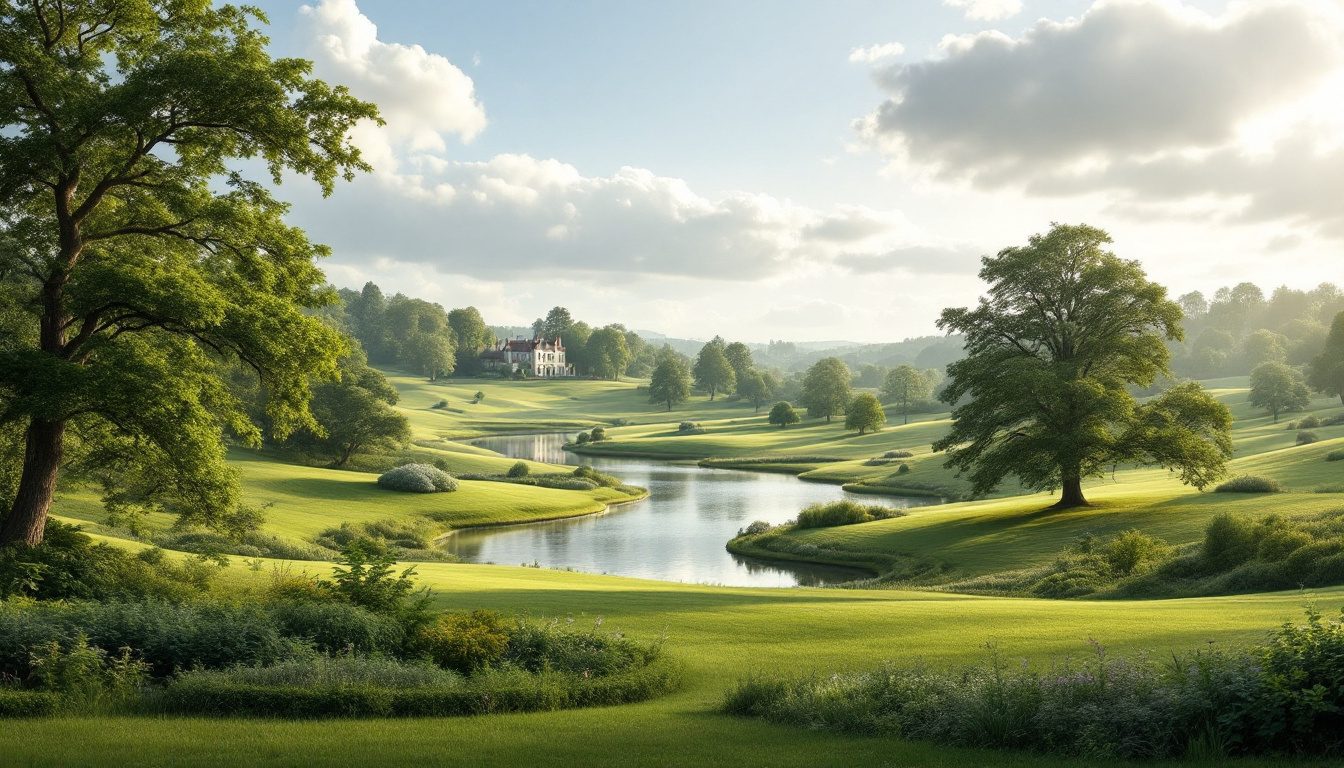 1716–178302
Lancelot "Capability" Brown
The master of the English landscape garden, who made art look like nature.
Lancelot "Capability" Brown swept away formal geometric gardens for an idealised English pastoral of serpentine lakes, tree clumps and rolling lawns. Inventor of the landscape park and master of the hidden ha-ha, he reshaped over 250 estates and a way of seeing nature itself.
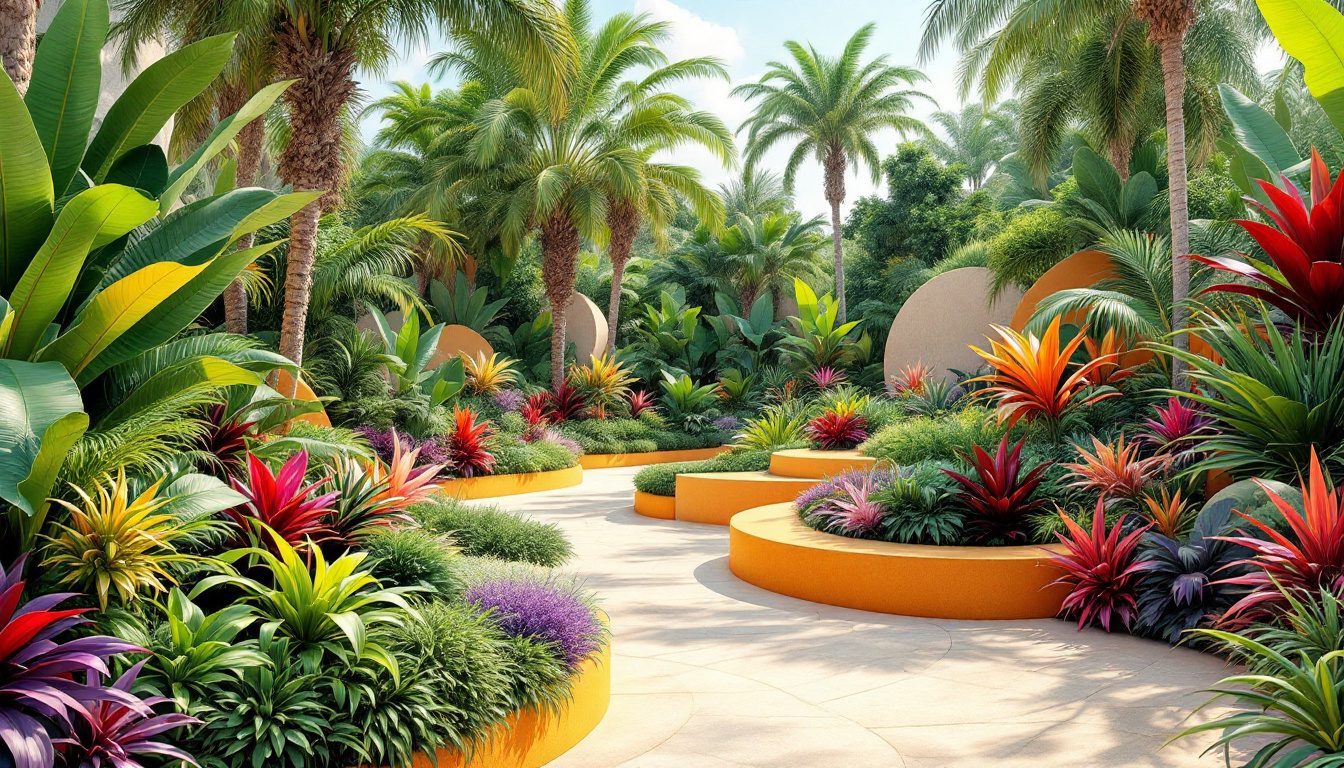 1909–199403
Roberto Burle Marx
The painter who invented the modern tropical garden
Trained as a painter, Roberto Burle Marx composed gardens like abstract art — bold biomorphic curves and sweeping masses of native Brazilian flora. He invented the modern tropical garden, designed Copacabana's wave-mosaic seafront, and his native-first, climate-led grammar speaks straight to tropical India.
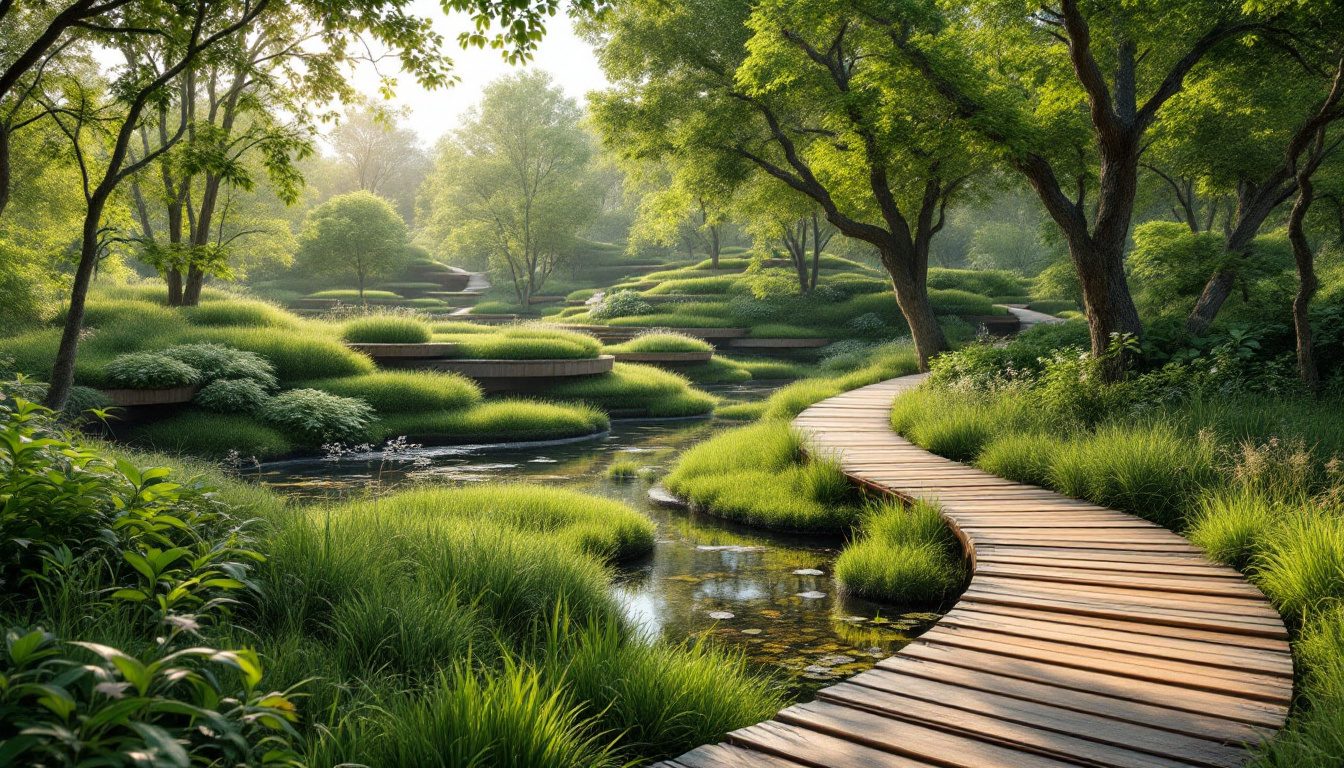 b. 196304
Kongjian Yu
Pioneer of the Sponge City — landscapes that drink the flood
Founder of Turenscape and Peking University's landscape school, Kongjian Yu created the Sponge City — cities and parks that absorb, store and reuse rainwater through rain gardens, wetlands and bioswales instead of piping it away. His water-resilient, big-feet aesthetic speaks directly to India's flood-and-drought monsoon cities.
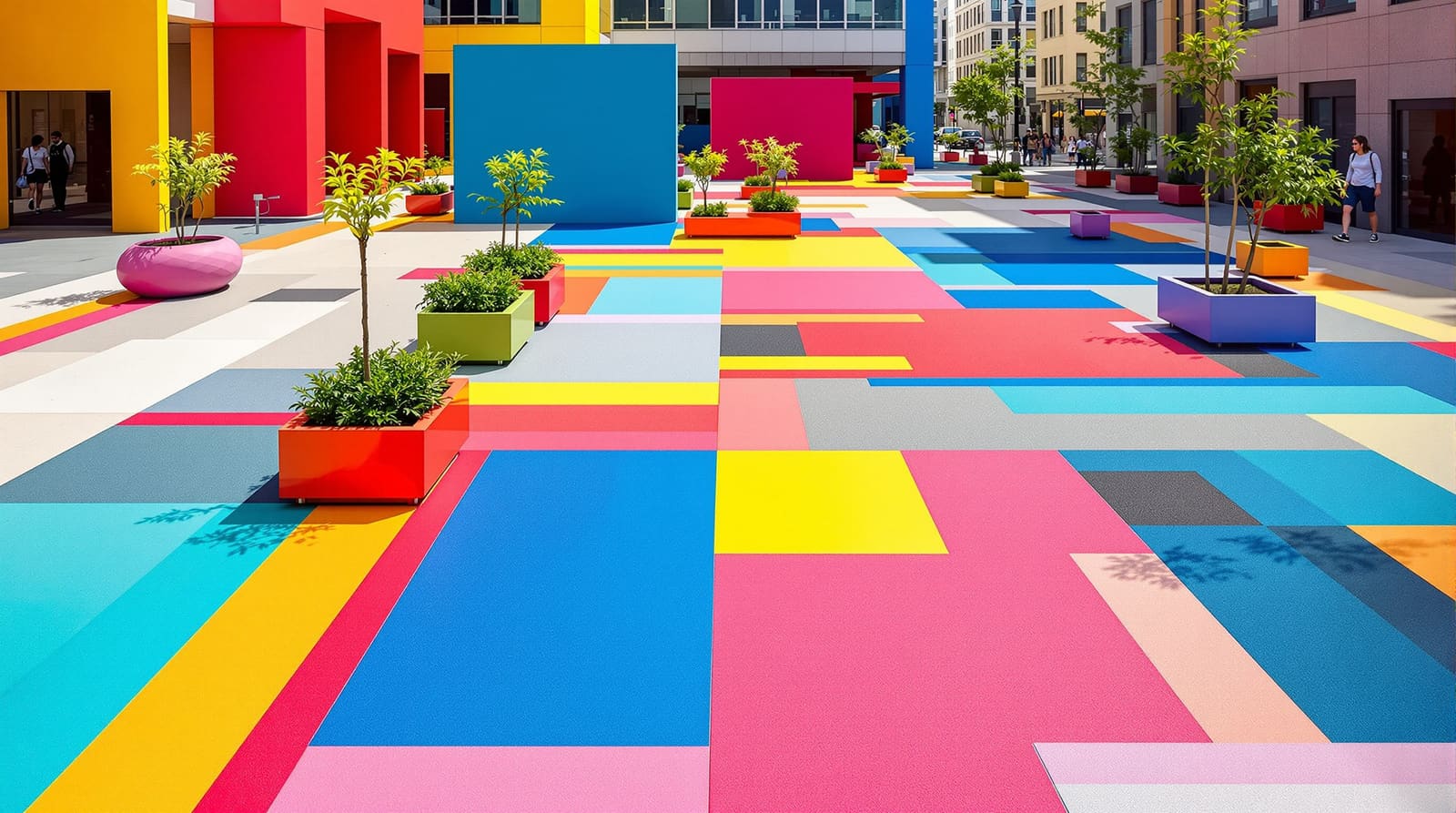 b. 195005
Martha Schwartz
The provocateur who made landscape a fine art
Martha Schwartz (b. 1950) dragged landscape architecture into the world of fine art — bold colour, hard geometry and provocation, from the notorious Bagel Garden to plazas in Dublin and Manchester. Her late climate-activist turn reframes the hard urban landscape as a tool for resilience.
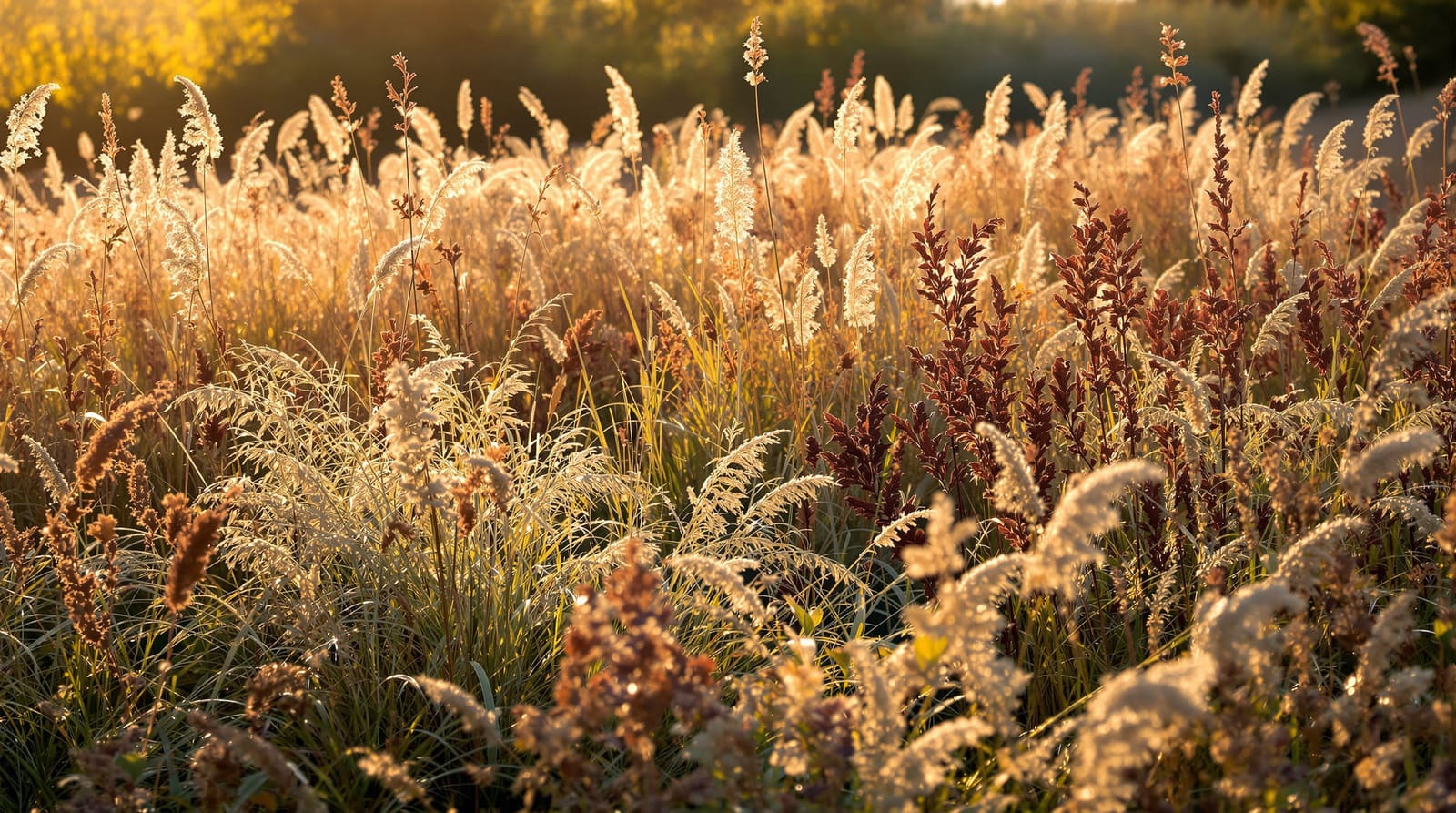 b. 194406
Piet Oudolf
The painter of perennials who made grasses beautiful
Piet Oudolf (b. 1944), the Dutch master of the New Perennial movement, redrew planting design around structure and the whole life-cycle — grasses and seedheads beautiful even when dead. His High Line and Lurie Garden made naturalistic planting world-famous.
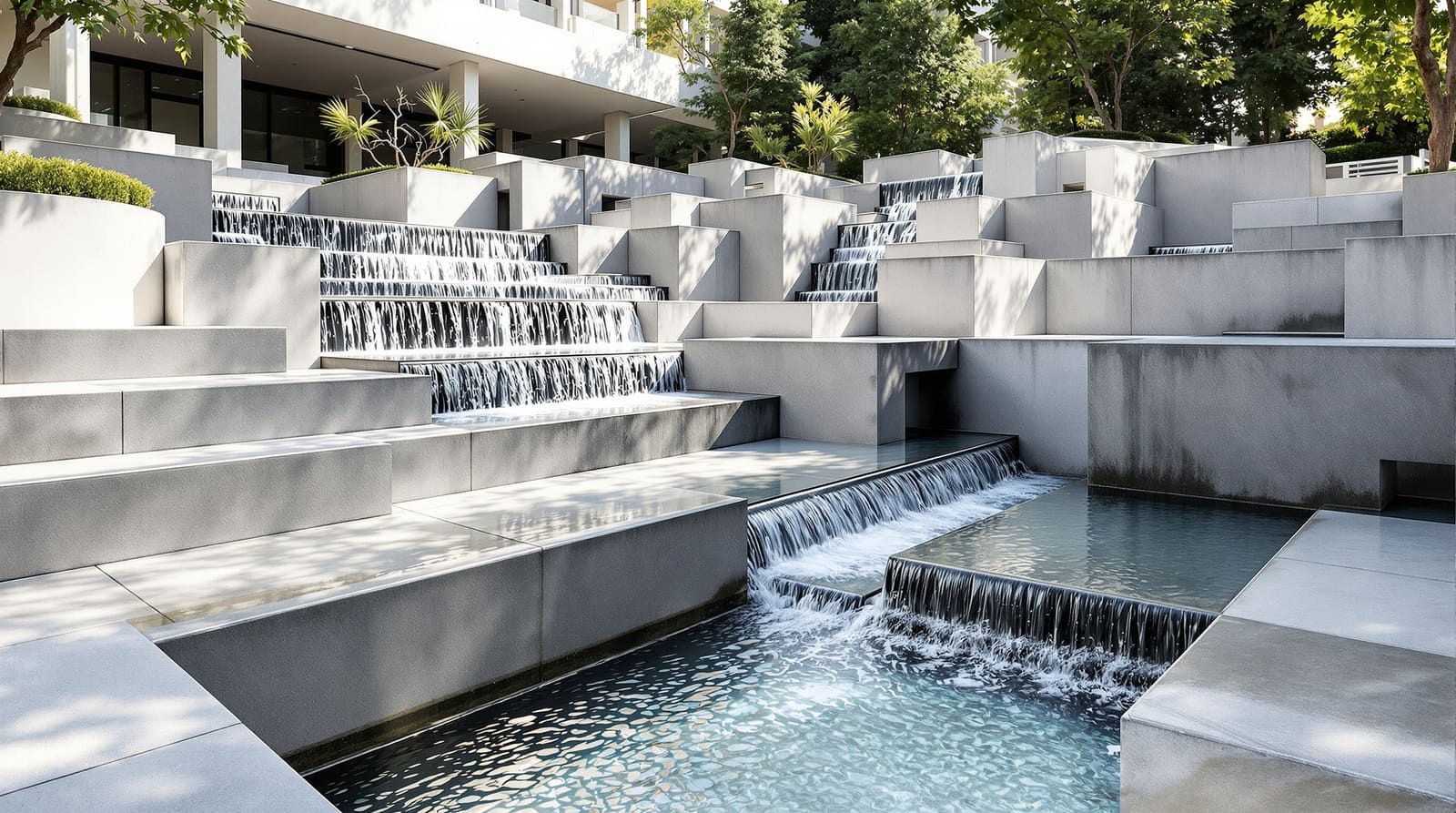 1916–200907
Lawrence Halprin
The choreographer of human experience in the landscape
Lawrence Halprin (1916–2009) designed landscapes as choreographed human experience — Portland's climbable concrete cascades, Seattle's park built over a freeway, the FDR Memorial. With his dancer wife Anna he treated a plaza as movement through space and time.
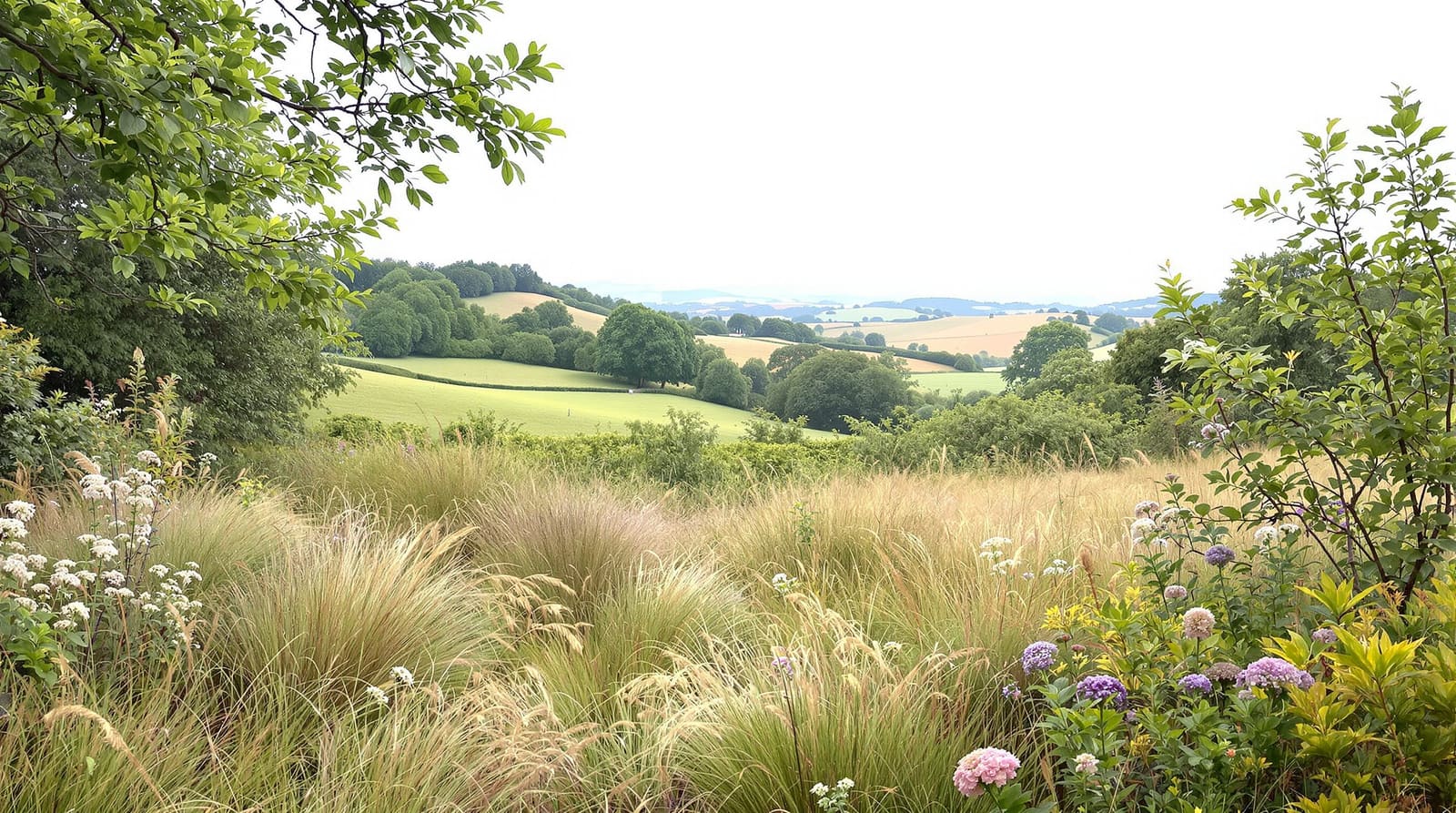 b. 196408
Dan Pearson
The ecological gardener of place, soil and time
Dan Pearson (b. 1964), one of the world's most respected ecological designers, makes gardens that feel found rather than made — grown from a site's soil, climate and surroundings. From Japan's thousand-year Tokachi forest to his own Somerset hill, Hillside.