
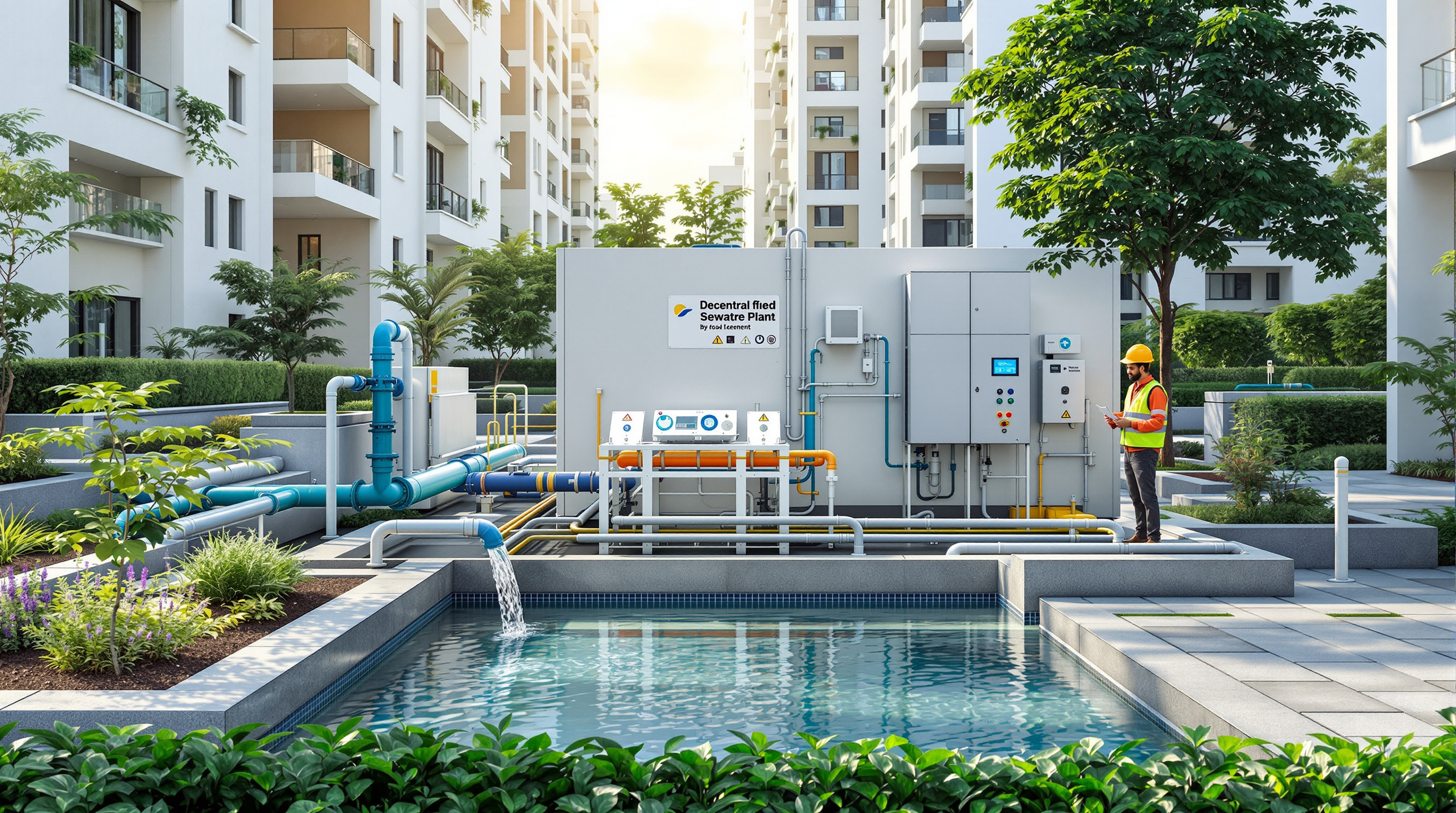
Treated Water Reuse Standards & Guidelines in India: An End-Use Guide
What CPCB and State Pollution Control Boards actually expect when you reuse treated sewage — the discharge floor, the quality bar for flushing, gardening, construction and cooling, and where the numbers are firm versus contested.
Treating sewage is only half the job. The other half — the half that actually saves water and satisfies most Indian pollution-control conditions — is putting the treated water back to work. But "reuse" is not one thing. Water clean enough to flush a toilet is not automatically clean enough to spray on a lawn people walk on, feed a cooling tower, or mix into concrete. Each end use has its own quality bar, and getting it wrong risks scaling equipment, staining fixtures, killing plants, or exposing residents to pathogens.
This guide sets out how India's regulators frame treated water reuse standards — what the Central Pollution Control Board (CPCB) and State Pollution Control Boards (SPCBs) expect, what quality each end use actually needs, and where the numbers are firm versus contested. It is written for developers, facility managers, RWAs and consultants who have to make real decisions, not just quote a circular.
There is no single all-India "reuse standard" number the way there is a discharge limit. The governing principle is fitness for use: the treated water must be safe and suitable for whatever you are actually using it for. The discharge standard is the floor; each end use sets its own additional bar on top.
Start with the floor: the discharge standard
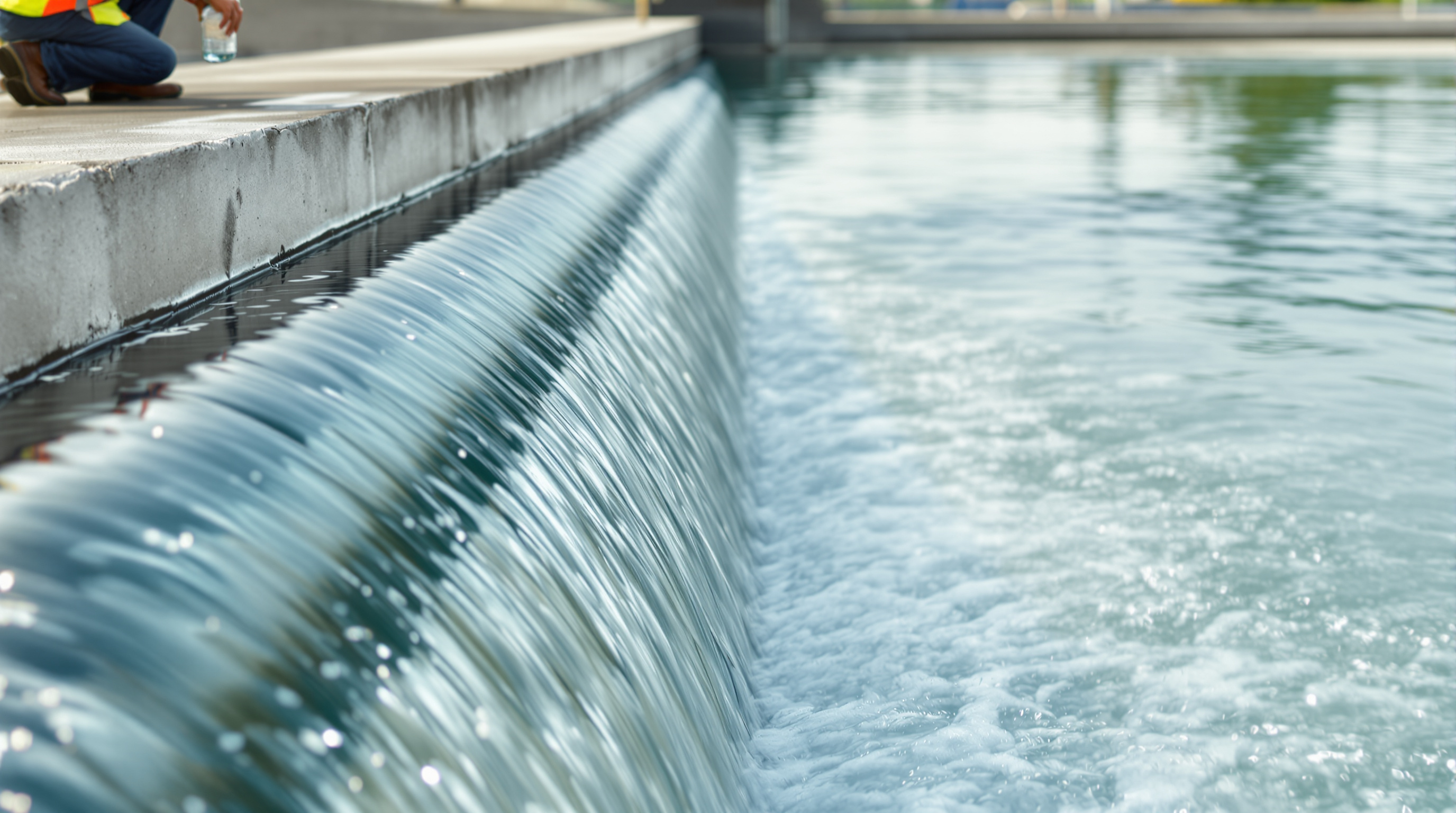
Before you can talk about reuse, the treated water has to clear the general STP discharge standard — the legal minimum quality for water leaving a plant. This is where the honest complications begin, because India's STP standards have a genuinely contested history.
The MoEF&CC notification of October 2017 set differentiated limits — stricter for large cities, more relaxed elsewhere. In April 2019 the National Green Tribunal, in the Nitin Shankar Deshpande order, rejected that graded approach and directed uniform, stricter norms across the country. The two sit in tension, and the practical upshot is that the number you are held to depends heavily on your State Board and the year your consent was issued.
| Parameter | 2017 MoEF notification (metro / other) | NGT 2019 uniform norms |
|---|---|---|
| pH | 6.5 – 9.0 | 5.5 – 9.0 |
| BOD (mg/L) | 20 / 30 | 10 |
| TSS (mg/L) | 50 / 100 | 20 |
| COD (mg/L) | — | 50 |
| Fecal coliform (MPN/100 mL) | ≤ 1,000 | ≤ 230 (reported variously) |
Values as verified from the sources above; treat them as indicative and confirm the figure your SPCB currently enforces. In practice many boards — Karnataka's KSPCB and Maharashtra's MPCB among them — hold apartment and commercial STPs to the tighter end (BOD ≤ 10, TSS ≤ 10–20, COD ≤ 50) precisely because the water is intended for reuse. For the full picture of how these numbers are meant to be read, see our companion guide on treated water quality standards and the primer on BOD, COD, TSS and pH.
Reuse quality, end use by end use
CPCB's guidance on the status and reuse of treated sewage frames reuse around categories of use rather than a single spec sheet. The logic is intuitive: the more human contact and the more sensitive the receiving system, the cleaner the water must be. The table below is an editorial synthesis of that risk-tiered logic — use it to understand the relative demands of each application, and confirm exact figures with your SPCB and the current CPCB guideline before you design to them.
| End use | What it is sensitive to | Practical quality target |
|---|---|---|
| Construction (curing, compaction, dust) | Very little — mainly salts that affect concrete | Discharge-grade water is usually enough; watch chlorides & sulphates |
| Landscape / gardening | Salinity, sodium (SAR), residual chlorine burn | Low BOD/TSS, controlled TDS & sodium, moderate disinfection |
| Toilet flushing | Odour, colour, staining, pathogens, biofilm | Clear, low-BOD, disinfected, small residual chlorine to hold the line |
| Cooling towers | Scaling, corrosion, biofouling, Legionella | Tight TDS/hardness/silica control, low BOD, firm disinfection |
| Unrestricted / edible-crop irrigation, public parks | Pathogens above all | Strictest microbial limits; near-nil fecal coliform |
Toilet flushing
Flushing is the single largest reuse stream in most buildings, and it is more demanding than people assume. Water sitting in a cistern must not smell, must not stain porcelain, and must not grow biofilm in the dual-plumbing line. That means low BOD and TSS, genuine tertiary polishing, disinfection, and a small maintained residual chlorine so the water does not go septic between the tank and the pan. We cover the plumbing, signage and dosing specifics in the dedicated guide on treated water for toilet flushing.
Landscape and gardening
Plants are surprisingly fussy about dissolved quality rather than clarity. High TDS and a high sodium-adsorption ratio (SAR) slowly poison soil structure; over-chlorinated water scorches foliage. So garden water should be low in BOD and TSS but also watched for salinity and sodium — and disinfection should be enough to be hygienic without leaving a chlorine load that damages beds. Sub-surface or drip delivery is preferred over spray where the public can be exposed.
Construction
This is the least demanding use, and a good place to send water that does not quite meet flushing or cooling grade. Curing, dust suppression and compaction tolerate a higher organic and solids load. The one thing to watch is dissolved salts — high chlorides and sulphates can attack reinforcement and concrete, so a TDS check is worth doing before you commit a batch.
Cooling towers
Cooling is the most chemically demanding reuse. Because towers concentrate water by evaporation, every impurity multiplies: hardness and silica scale the fill, chlorides drive corrosion, and warm nutrient-rich water is a breeding ground for Legionella. Reuse here needs tight control of TDS, hardness and silica, very low BOD, and a disciplined disinfection/biocide regime — often with a further softening or RO polish. This is where reuse edges toward zero liquid discharge thinking.
The non-negotiables, whatever the end use
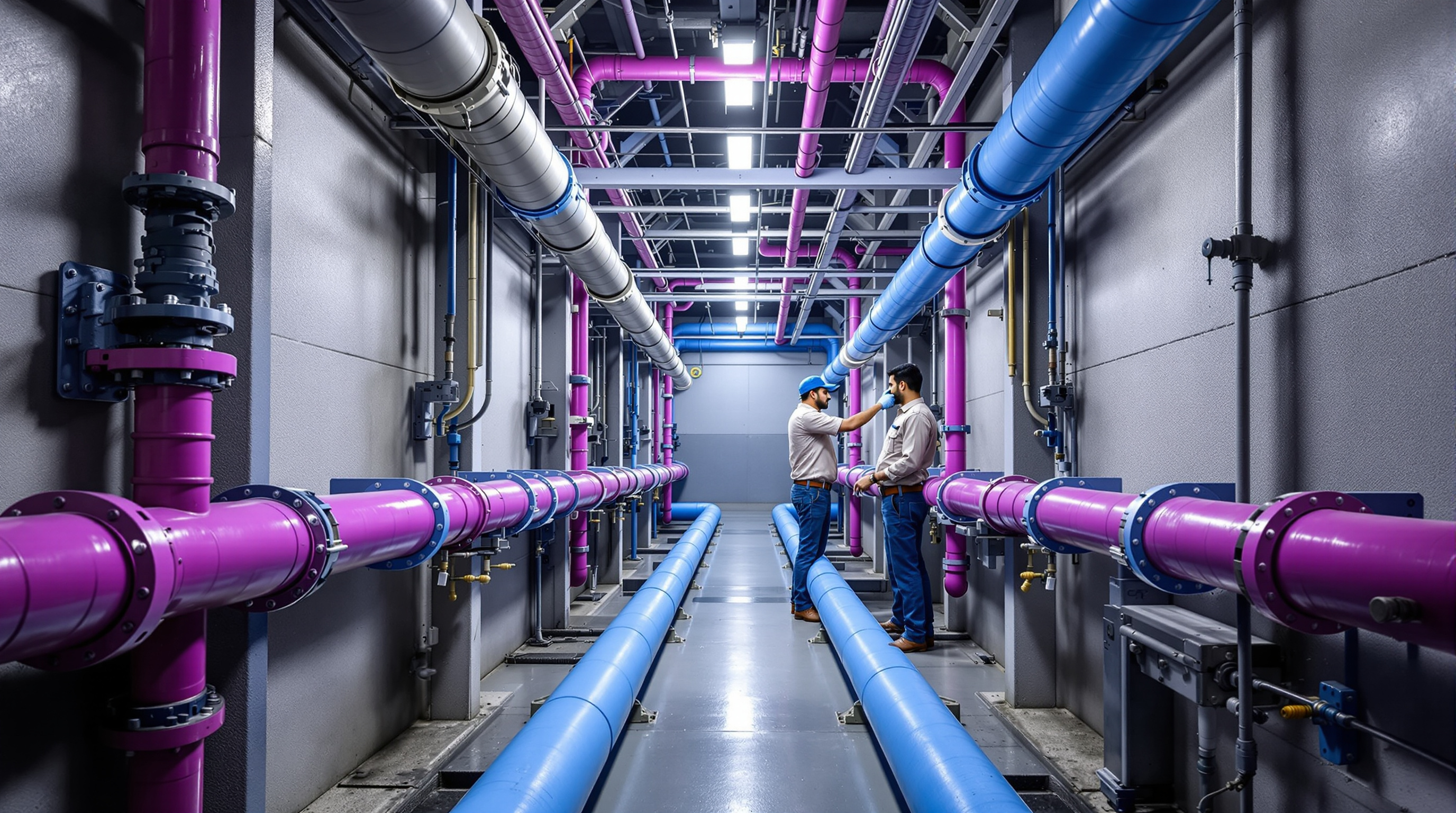
A few requirements run across every reuse scheme and show up in most SPCB consent conditions and building byelaws:
- Dual plumbing. Reuse water travels in a physically separate, distinctly coloured pipe network from potable supply, with no cross-connection. This is a design decision you cannot retrofit cheaply.
- Clear labelling. Every reuse tap and outlet must be marked "Treated water — Not for Drinking" in the local language and English.
- Disinfection before storage. Treated water that will sit in a tank must be disinfected (chlorine or UV) and, for flushing, carry a small residual so it does not turn septic.
- Monitoring and records. You must be able to prove quality — periodic testing against the parameters your consent names, logged and available for inspection. See STP performance testing and environmental monitoring.
- Reuse-first, discharge-last. Most consents now expect you to reuse what you can and discharge only the genuine surplus — and even that surplus must meet the discharge standard.
Turning standards into a compliance path
For a facility manager or RWA, the standards become a sequence of concrete steps. This is the practical order of operations:
| Step | What it involves | Where it is anchored |
|---|---|---|
| 1. Fix the end uses | Decide flushing / gardening / cooling / construction split | Design & water balance |
| 2. Read your consent | Note the exact parameters and limits named in your CTE/CTO | SPCB approvals |
| 3. Design to the tightest use | Size tertiary + disinfection for the strictest reuse stream | How an STP works |
| 4. Split the plumbing | Separate, labelled reuse network per end use | Building byelaws |
| 5. Test & log | Sample against named parameters on a fixed schedule | Performance testing |
| 6. Report | Submit records to the SPCB as your consent requires | STP regulations |
If you are still at the sizing stage, the STP Capacity Calculator will convert your occupancy into a treatment capacity, which in turn tells you how much reuse water you will actually have to place.
A necessary caveat
Indian STP and reuse norms are a moving target. The discharge numbers have swung between the 2017 notification and the 2019 NGT order and remain subject to litigation; State Boards issue their own, often stricter, conditions; and CPCB and CPHEEO guidance is periodically revised. Nothing in this guide overrides the specific parameters written into your Consent to Operate. Before you design, buy equipment, or certify compliance, confirm the current, applicable figures with the CPCB and your State Pollution Control Board — and read them alongside our detailed guides on CPCB guidelines for STPs and the wider Sewage Treatment Plants library.
The bottom line
Reuse standards in India are best understood not as one number but as a ladder of fitness for use: clear the discharge floor first, then add whatever each end use demands on top — disinfection and residual for flushing, salinity control for gardens, salt checks for construction, and rigorous scaling-and-Legionella control for cooling. Build the dual plumbing, label the taps, disinfect before storage, and keep the test records that prove it. Do that, and treated water stops being a compliance headache and becomes what it should be — a reliable, on-site water supply that pays for the plant that makes it.
Export this guide
Related Guides — Deep-dive reading
CPCB Guidelines for STPs Explained: Discharge Standards & the 2017/2019 History
What the Central Pollution Control Board actually prescribes for sewage treatment plants — the effluent parameters, the contested 2015–2017–2019 notification history, the NGT interventions, and which numbers your plant is really held to today.
Sewage Treatment PlantsTreated Water for Toilet Flushing: The Complete STP Reuse Guide
How dual plumbing, a dedicated flush tank and pump, colour-coded lines, and residual chlorine turn STP effluent into the single biggest water saving a building can make — done safely, without a single cross-connection.
Sewage Treatment PlantsTreated Water for Landscape Irrigation: Distribution, Storage, Quality & Salinity
How to irrigate large lawns, planted podiums and campus landscapes with STP-treated water — the distribution network, storage sizing, the quality numbers that keep plants alive, and how to manage salt build-up in the soil over the years.
Sewage Treatment PlantsRelated Tools — Try Free
CPCB Compliance Checklist for STPs
Tick off CPCB/SPCB outlet standards, monitoring duties and record-keeping to score your sewage treatment plant's compliance readiness.
ChecklistSTP Water Balance Calculator
Map a building's water balance in KLD — fresh supply, sewage, treated-water reuse and discharge — and see what share of your sewage is reused.
Water CalculatorApartment STP Planner
Plan an apartment complex sewage treatment plant from flats and occupancy — get population load, sewage flow, recommended STP capacity in KLD, treatment technology and approximate space.
Planner