
Structural Safety for HomeownersTechnical literacy
Structural Safety, in Plain Language
Most homeowners are handed a finished house and a leap of faith. This is the literacy library that closes the gap — a 10-guide reference on how a building stands up, what makes it crack, leak, settle or sway, and how to know it was built to last — written for an intelligent reader with no engineering background.

What Is Structural Safety in Residential Buildings? A Homeowner's Field Guide
Structural safety in homes explained for the everyday Indian owner: the load path from slab to soil, the forces a house must resist, who is accountable, and the visible warning signs you can read yourself before calling a structural engineer.
Read itHow a house stands up
Structure and the forces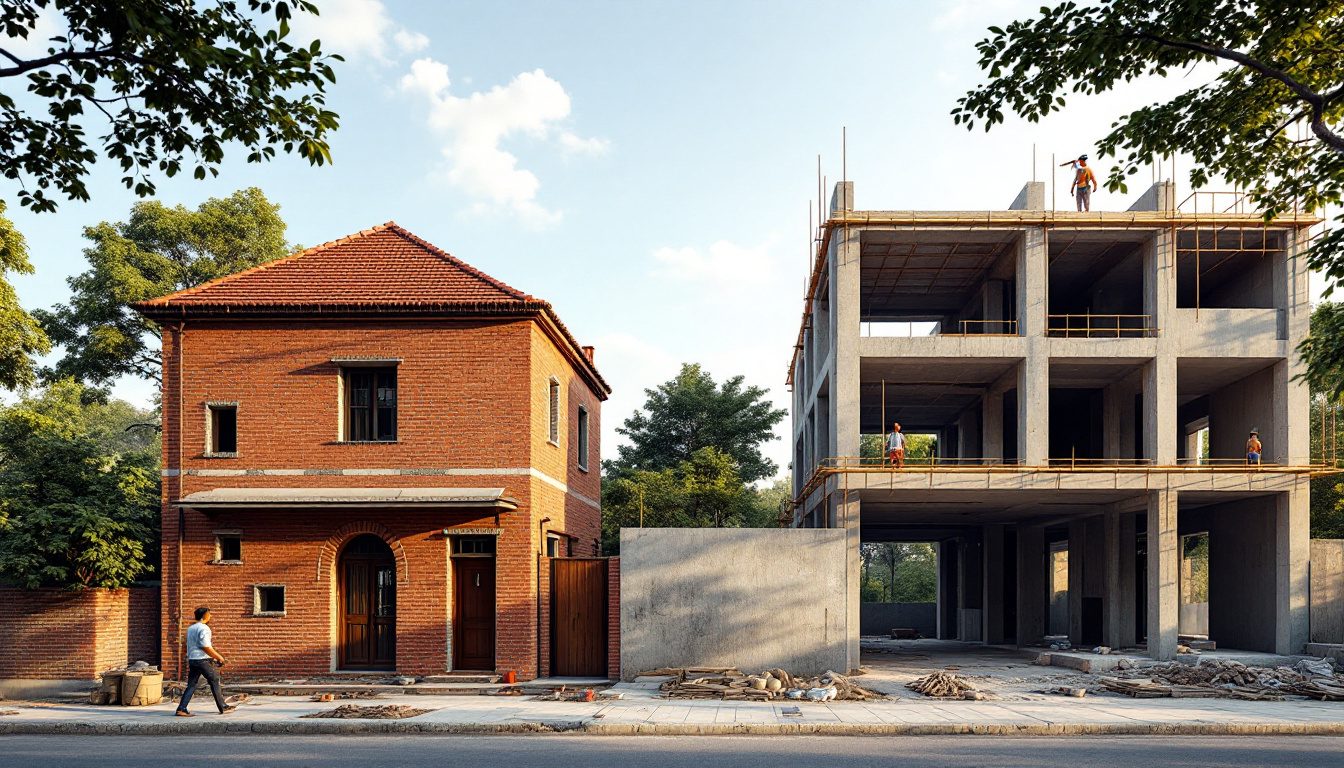 Structure01
Load-Bearing vs Frame Structures: Which System Holds Up Your Home
Load bearing vs frame structure explained in plain language: masonry walls that carry weight versus an RCC column-and-beam skeleton. Learn how to recognise which system your Indian home uses, and what it means for opening up space, adding a floor and earthquake safety.
 Earthquake02
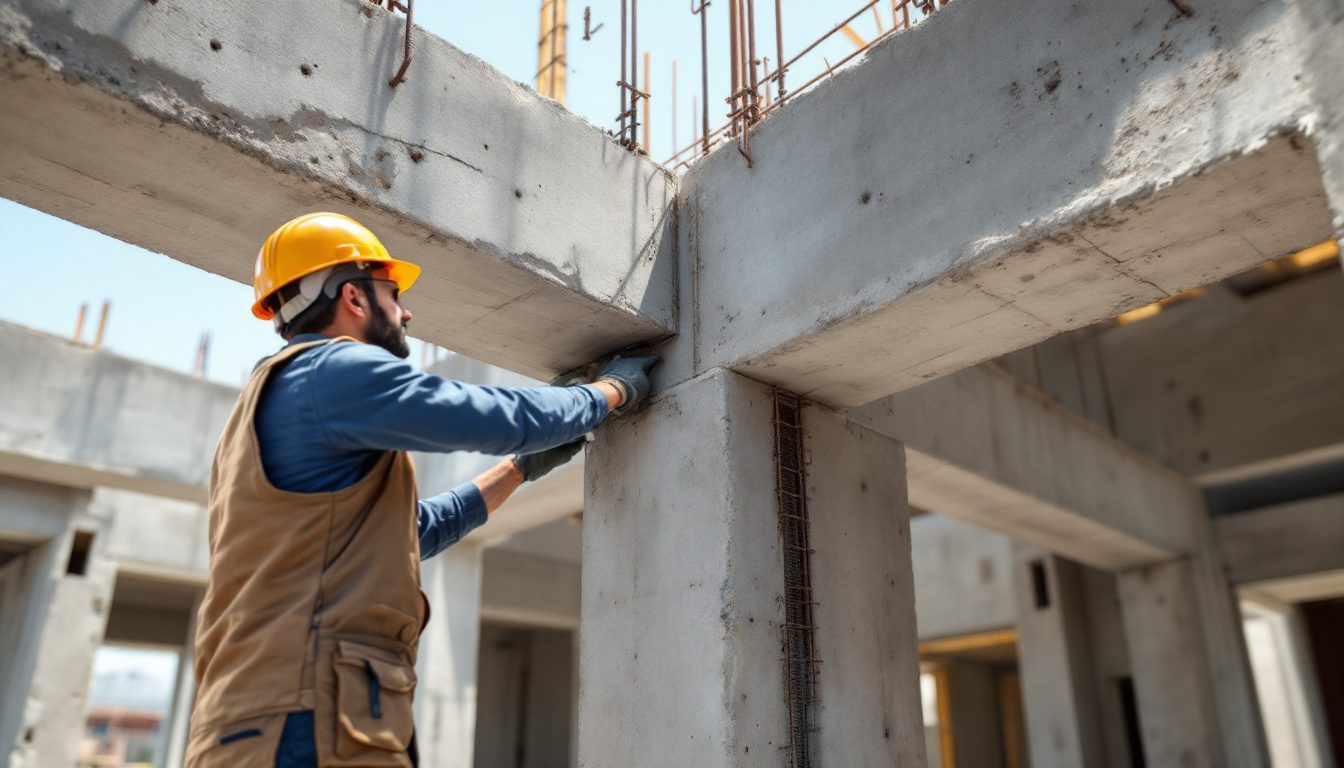
How Earthquake Zones Affect Your Home's Design
Earthquakes do not kill people, badly built buildings do. This homeowner guide explains India's four earthquake zones, the features that make a house seismic-resilient, the soft-storey parking danger behind collapses, and what to ask your engineer before the first column is cast.
 Wind03
How Wind Loads Affect Buildings: A Homeowner's Guide
Wind load on buildings does more than push, it sucks, lifts and peels roofs off like a tin lid. Learn how wind acts on an Indian home, the basic wind-speed map and its coastal cyclone belt, why roofs and compound walls fail first, and the detailing that survives a storm.
When things go wrong
Reading cracks, leaks and movement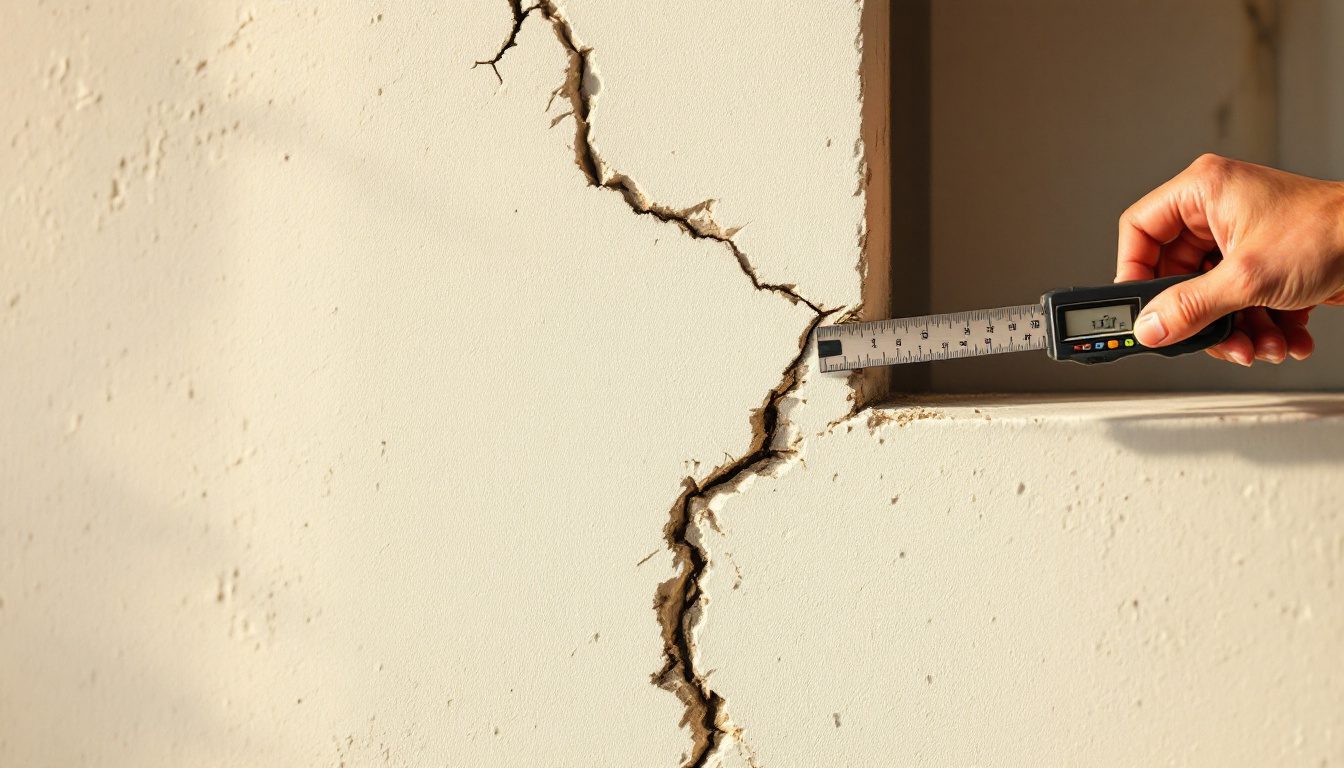 Cracks04
What Makes Buildings Crack? Reading the Cracks in Your Home
A crack appears above the door and your stomach drops. Learn the types of cracks in walls and how to read one like an engineer, by width, direction, location and movement, so you know a cosmetic crack you can fill from a structural one that means call a professional now.
 Leaks05
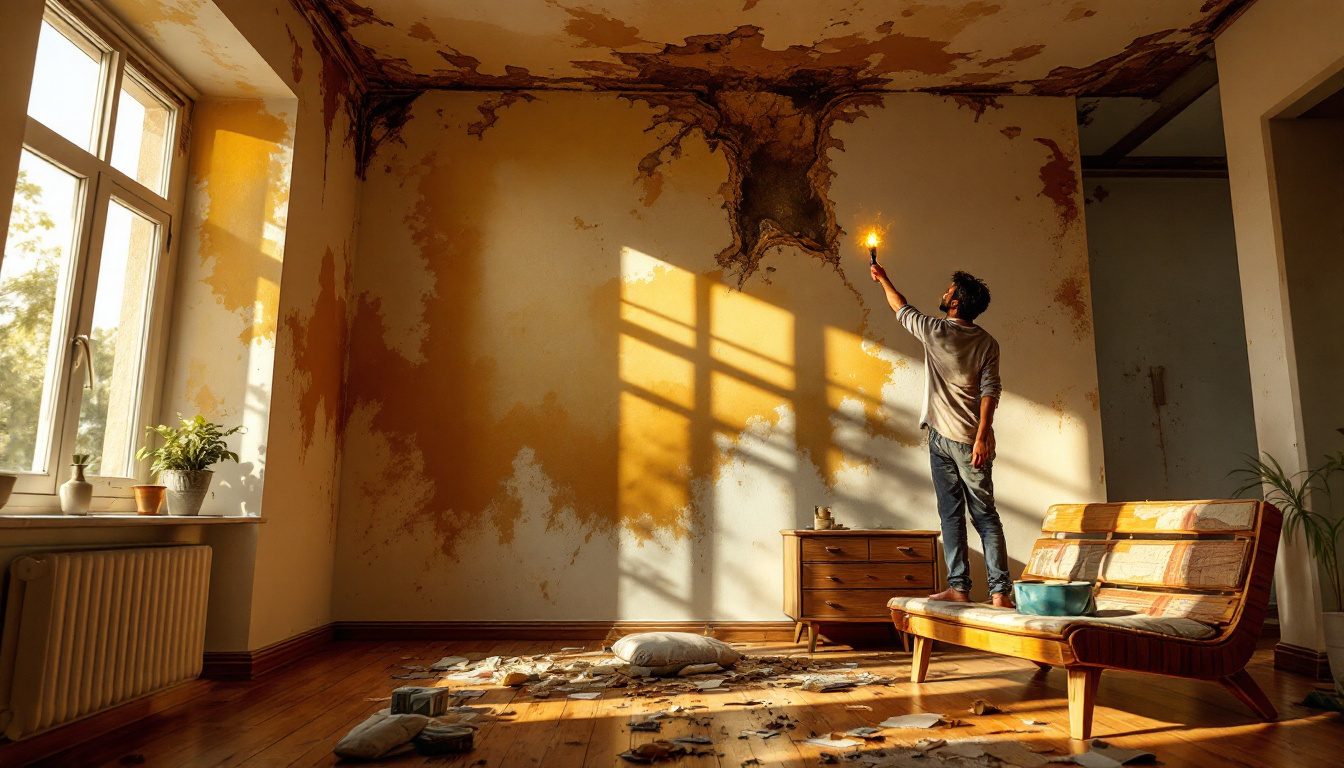
Why Buildings Leak: Tracing the Paths Water Takes Into Your Home
A brown stain spreads across the ceiling, you blame the terrace, you spend, the leak continues. Understand why buildings leak: water enters through four very different sources and travels before it shows. This guide gives you a detective method to trace a leak to its true source.
 Waterproofing06
Waterproofing Failures Explained: Why Systems Fail and How to Spot It
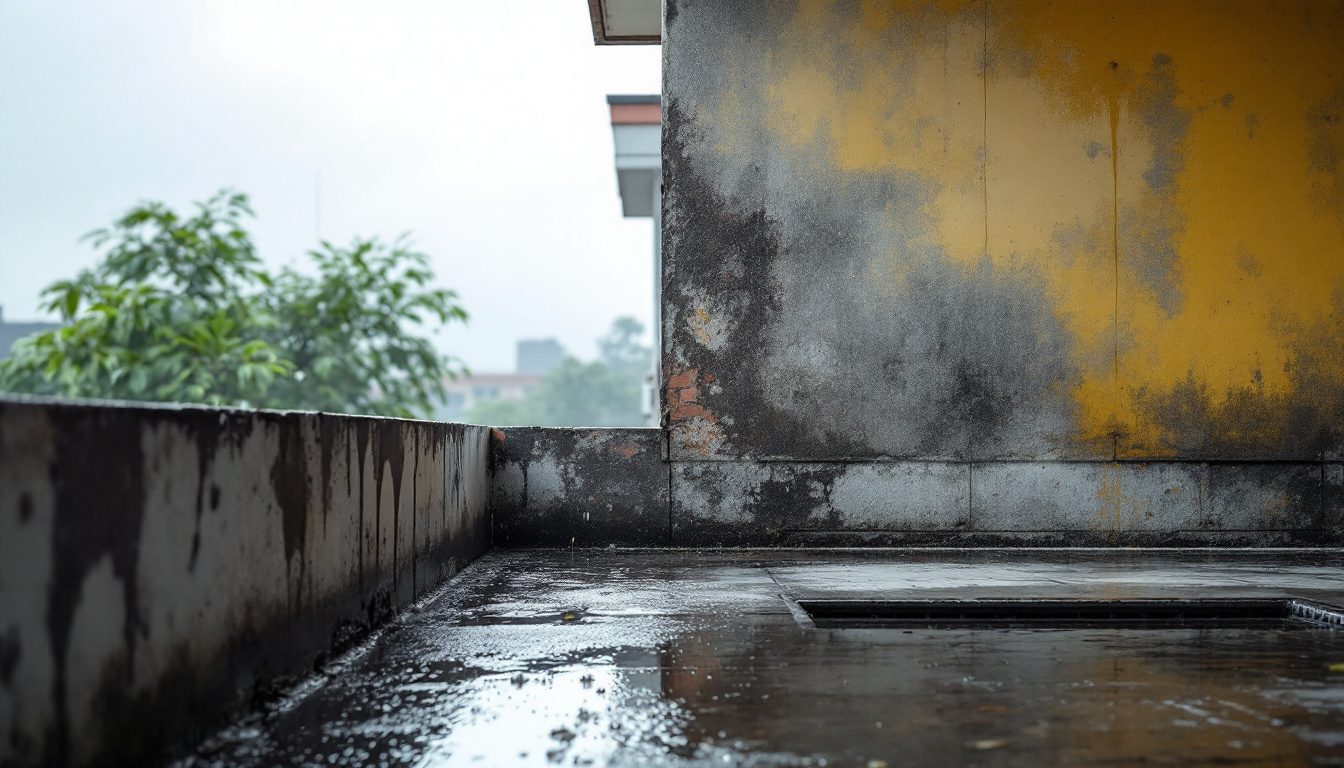
You redid the terrace at great cost and it leaked again by the second monsoon. Discover why waterproofing fails, almost never the material but a weak link, a sharp parapet corner, a skipped flood test, a flat slope, how to spot it early, and what a real repair looks like.
 Foundations07
Foundation Problems Every Homeowner Should Understand
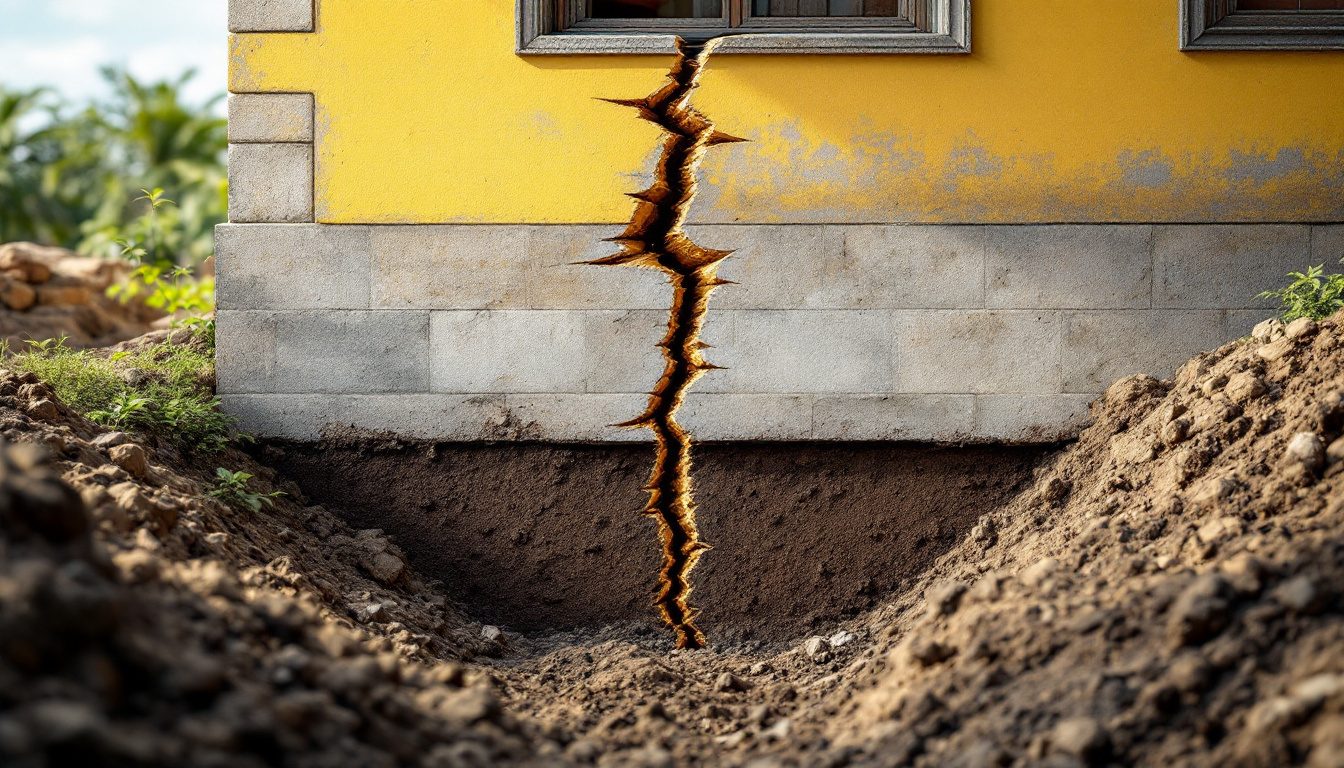
Doors that jam, a stepped crack climbing a wall, a sloping floor, symptoms that point underground to the costliest fix of all. Learn the common foundation problems, India's troublesome soils led by black-cotton clay, how settlement shows, and the cheap soil test that prevents lakhs of damage.
Quality during the build is the safety you cannot add later
Once the plaster goes on, every shortcut is hidden. These two guides turn a homeowner into an informed client — how to verify quality stage by stage, and the science that makes a building last a century instead of two decades.
Construction Quality Control for Homeowners
Once plaster and paint go on, every shortcut is hidden forever. This construction quality control guide hands homeowners stage-by-stage checks that prevent most structural failures: concrete grade, the cardinal sin of adding water, rebar cover, curing, plus the simple checks anyone can do on site.
27 min readThe Science Behind Durable Buildings
Two identical houses, same age, one crisp, one spalling with rusting steel showing through. The difference is building durability. This capstone explains the slow processes that age a building, why water and reinforcement corrosion are the master enemies, and how cover, curing and maintenance buy a long life.
28 min read