
Volume 1 · Issue 4 · September 2026The Plumbing Knowledge Hub
The Plumbing Knowledge Hub
Every building is really two water systems — clean water pushed in, used water carried out — threaded through the structure in pipes you never see until they fail. This is the India-first reference to getting them right: supply, pipes, drainage, pumps, tanks, rainwater and treatment, with the master guides here and a growing library of systems, cost, maintenance and tools beneath them.
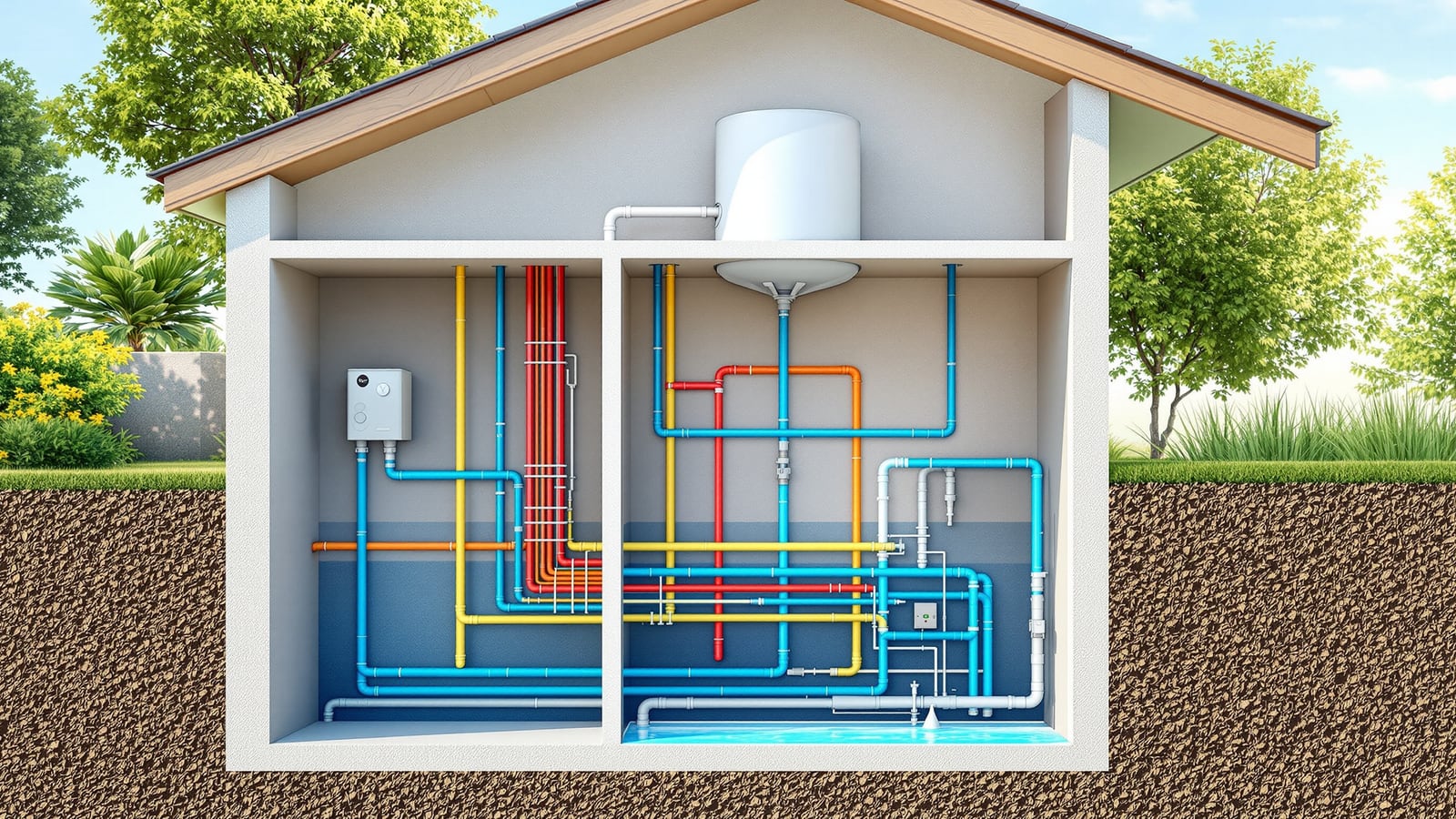
Plumbing Systems: The Ultimate Guide for Indian Homes & Buildings
The ultimate wide-angle guide to plumbing systems for Indian homes and buildings — the two halves of water supply and drainage, the whole-house water journey, system types from gravity to high-rise, plus conservation, building-services and maintenance, with links to every deeper guide.
Read itThe master guides
Systems → plan → renovate → buildings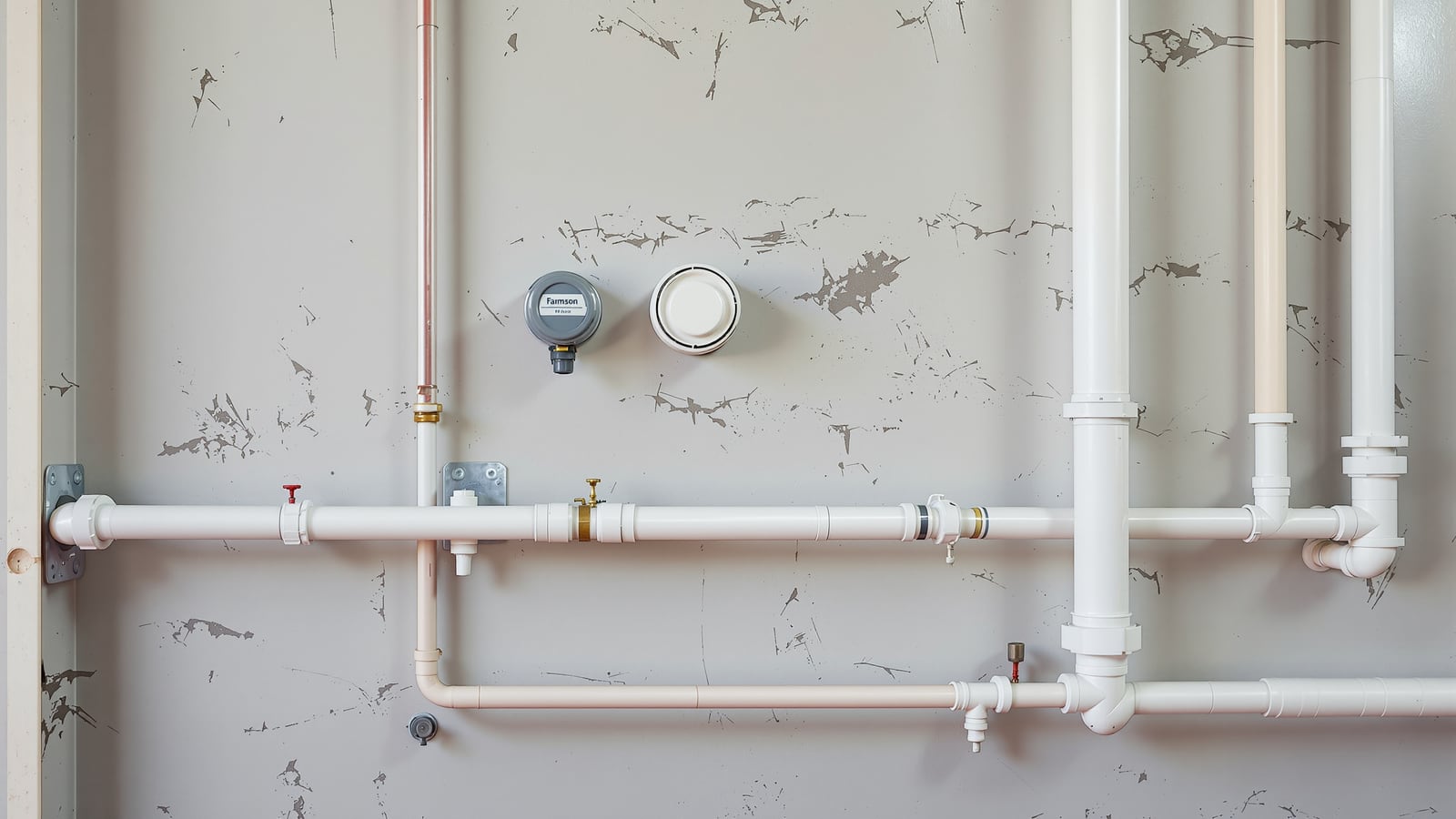 Complete reference02
Complete Guide to Residential Plumbing in India: Supply, Drainage, Pumps & Storage
A homeowner-and-architect guide to residential plumbing in India — how water supply enters, how cold and hot water reach every tap, how waste, soil and rain leave, and how pumps, sumps and overhead tanks tie the whole house together, sized in real numbers.
 New homes03
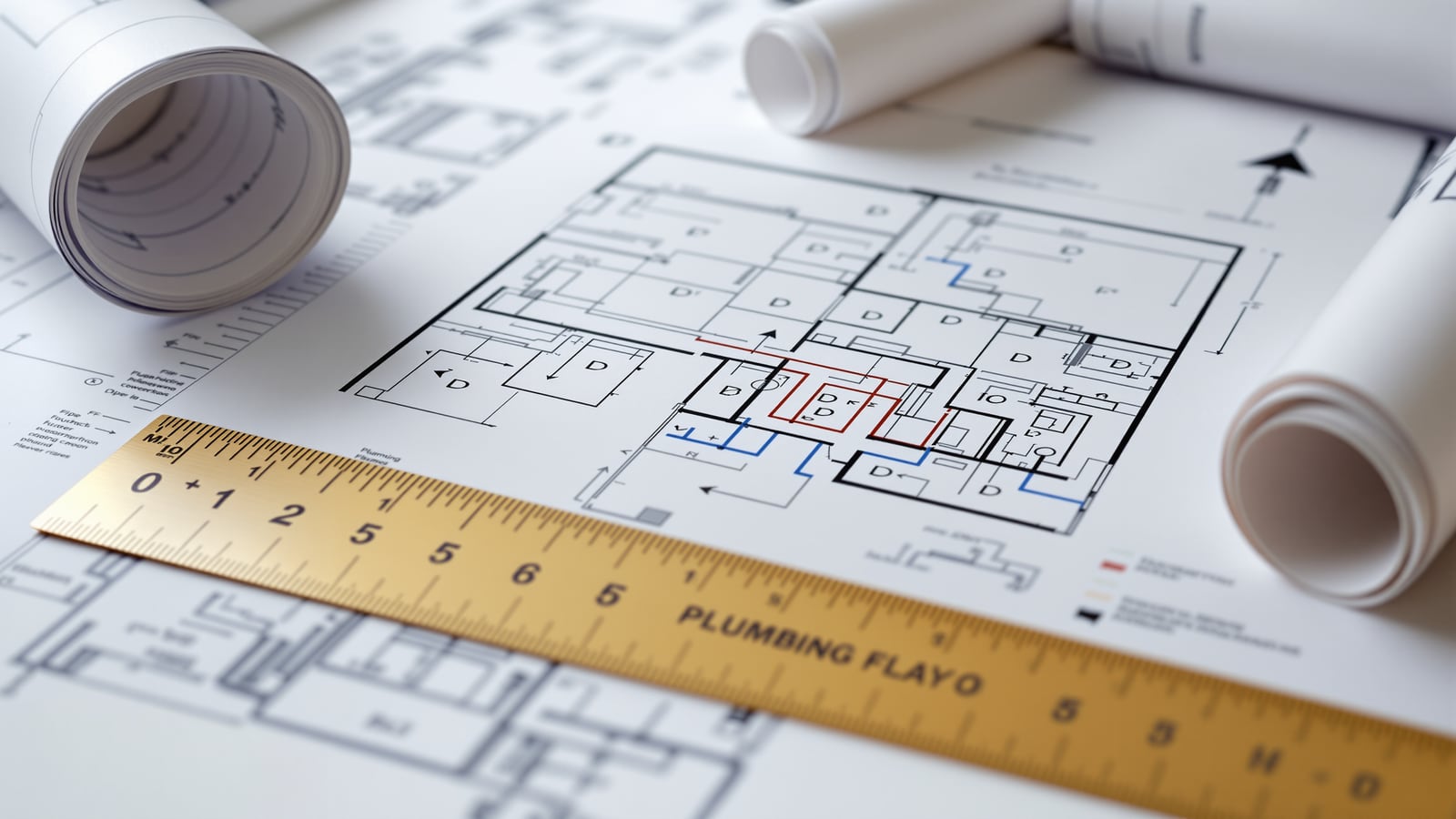
Plumbing Planning for New Homes in India: The Complete Pre-Construction Guide
Plan your home's plumbing before construction begins. This India-first pillar covers pre-construction coordination, wet-area grouping, service shafts, concealed vs exposed routing, overhead-tank and sump sizing, and future-proofing for RO, solar heaters and smart meters.
 Renovation04
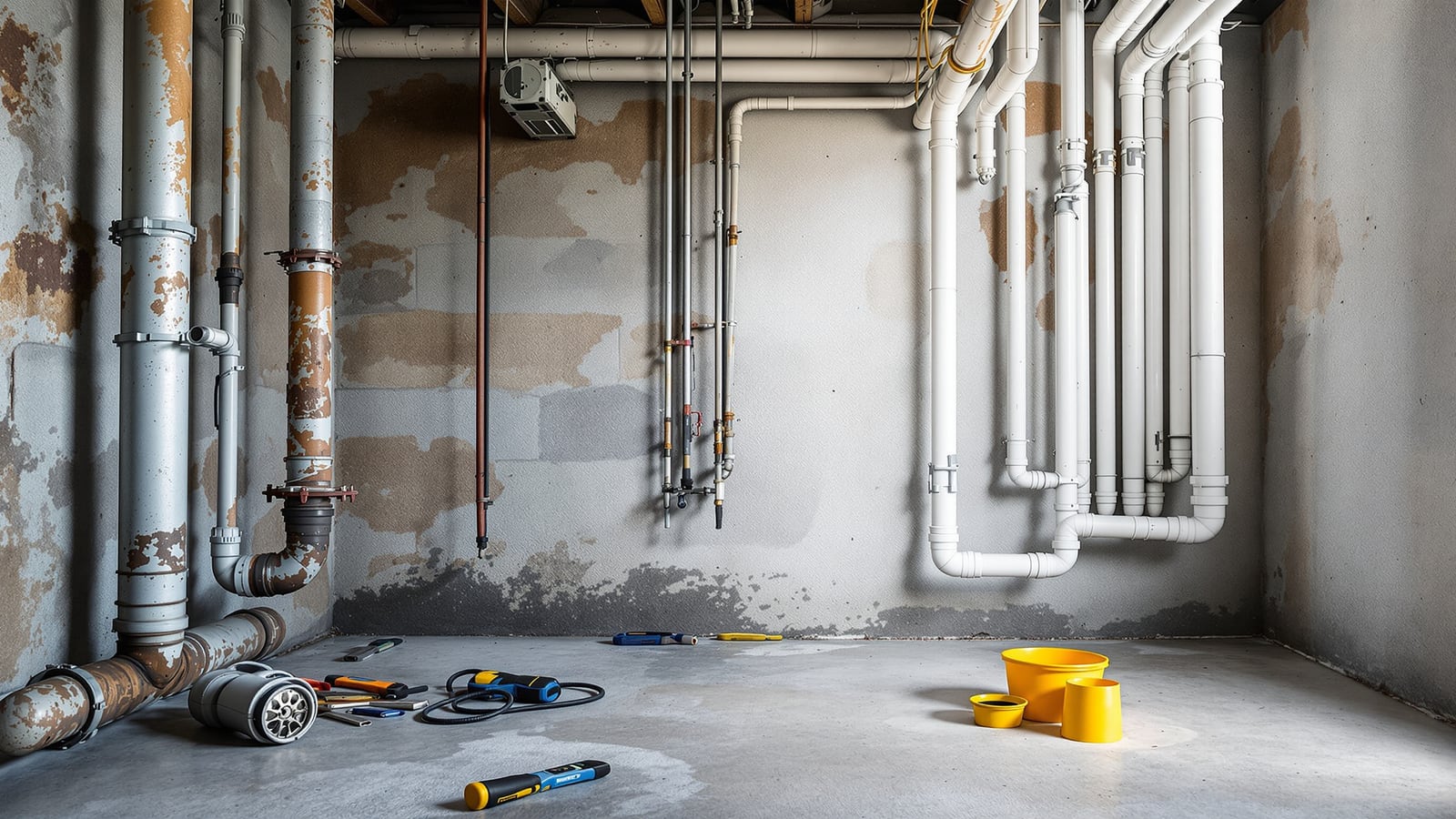
Plumbing Renovation Guide India: Re-Piping, Costs & Sequencing
A room-by-room guide to re-plumbing an existing Indian home — how to read failing GI pipes, choose whole-house versus partial re-piping, upgrade concealed lines, retrofit water savings, and sequence the work with civil trades so you open the walls only once.
 Buildings & MEP05
Building Plumbing Services Guide (India): MEP-Grade Water, Drainage & Riser Design
The professional plumbing playbook for larger Indian buildings: integrated MEP coordination, multi-storey water distribution with pressure zoning and hydro-pneumatic boosters, and drainage and venting stack design for tall buildings — with building-type notes for hotels, hospitals and industry.
Systems, materials & services
From the water main to the last vent pipe — supply, pipes, drainage, valves, pumps, storage, rainwater and treatment, with the buying, cost, maintenance, comparison, regulation and calculator layers on top. Live sections are linked; the rest land here as the hub grows.
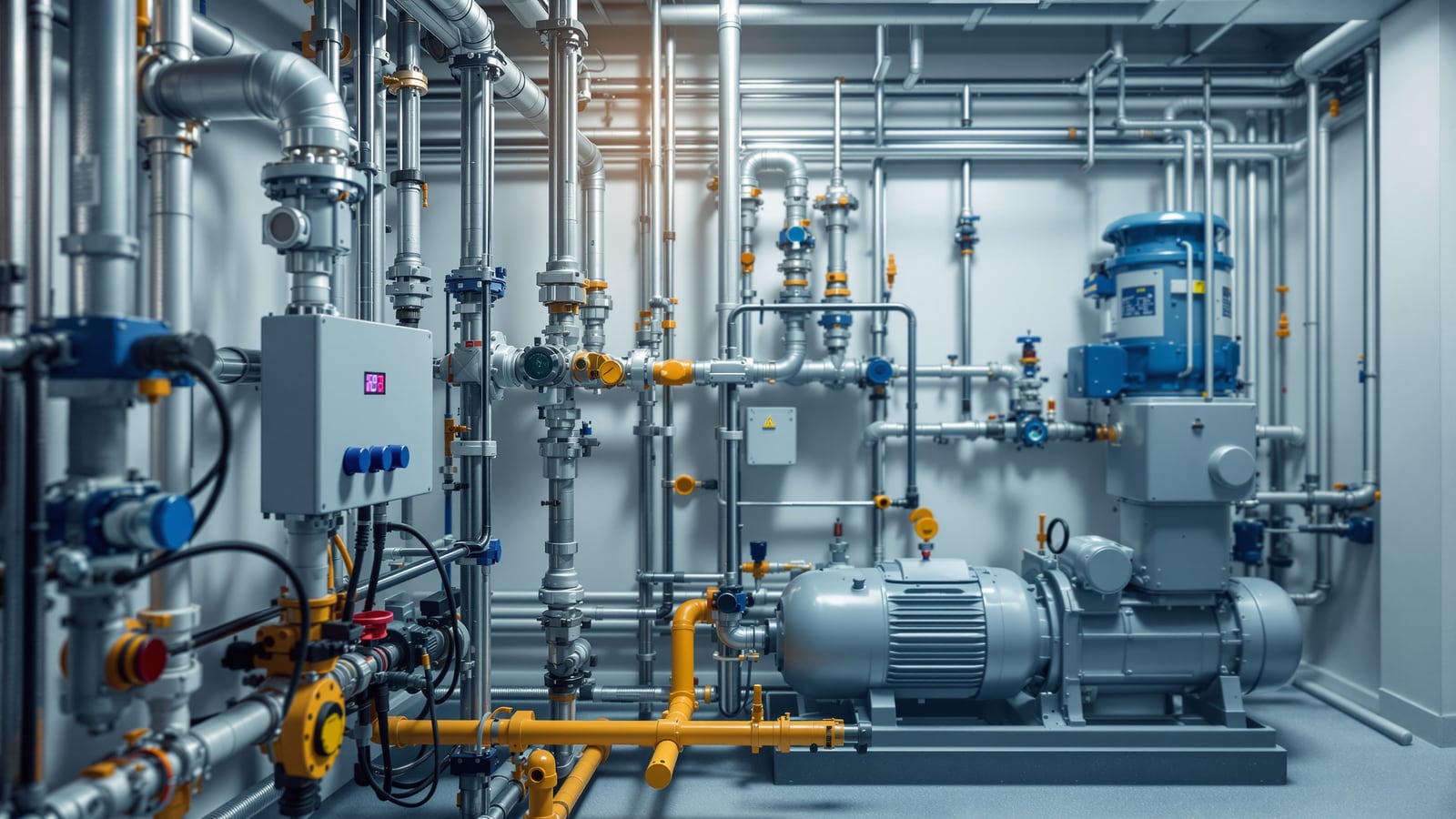 Live ▸01
By building type & principle — commercial, industrial, high-rise, gravity vs pressurised, central vs local
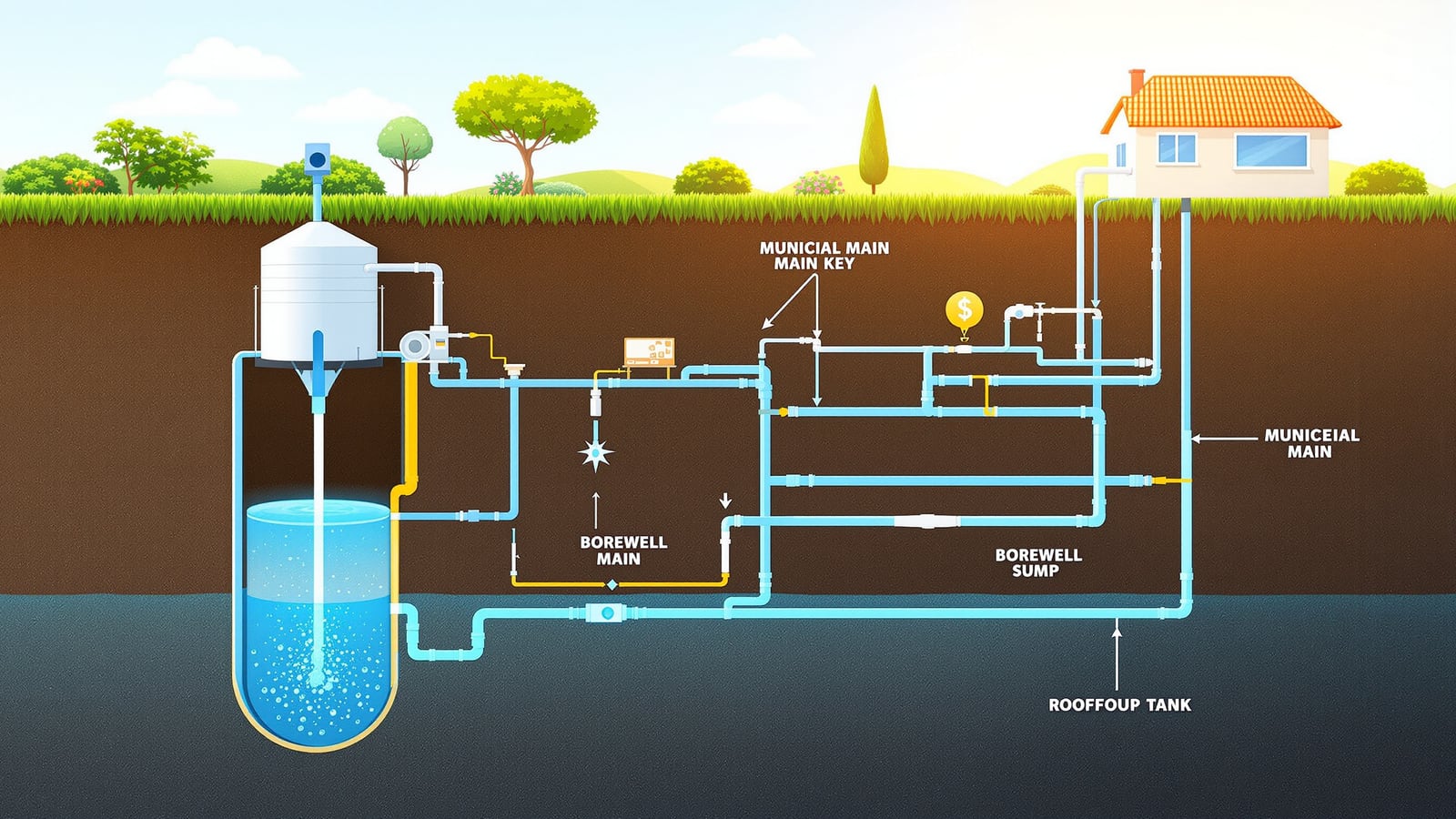 Live ▸02
Municipal, borewell & open-well; gravity vs pressurised; hot & cold distribution
 Live ▸03
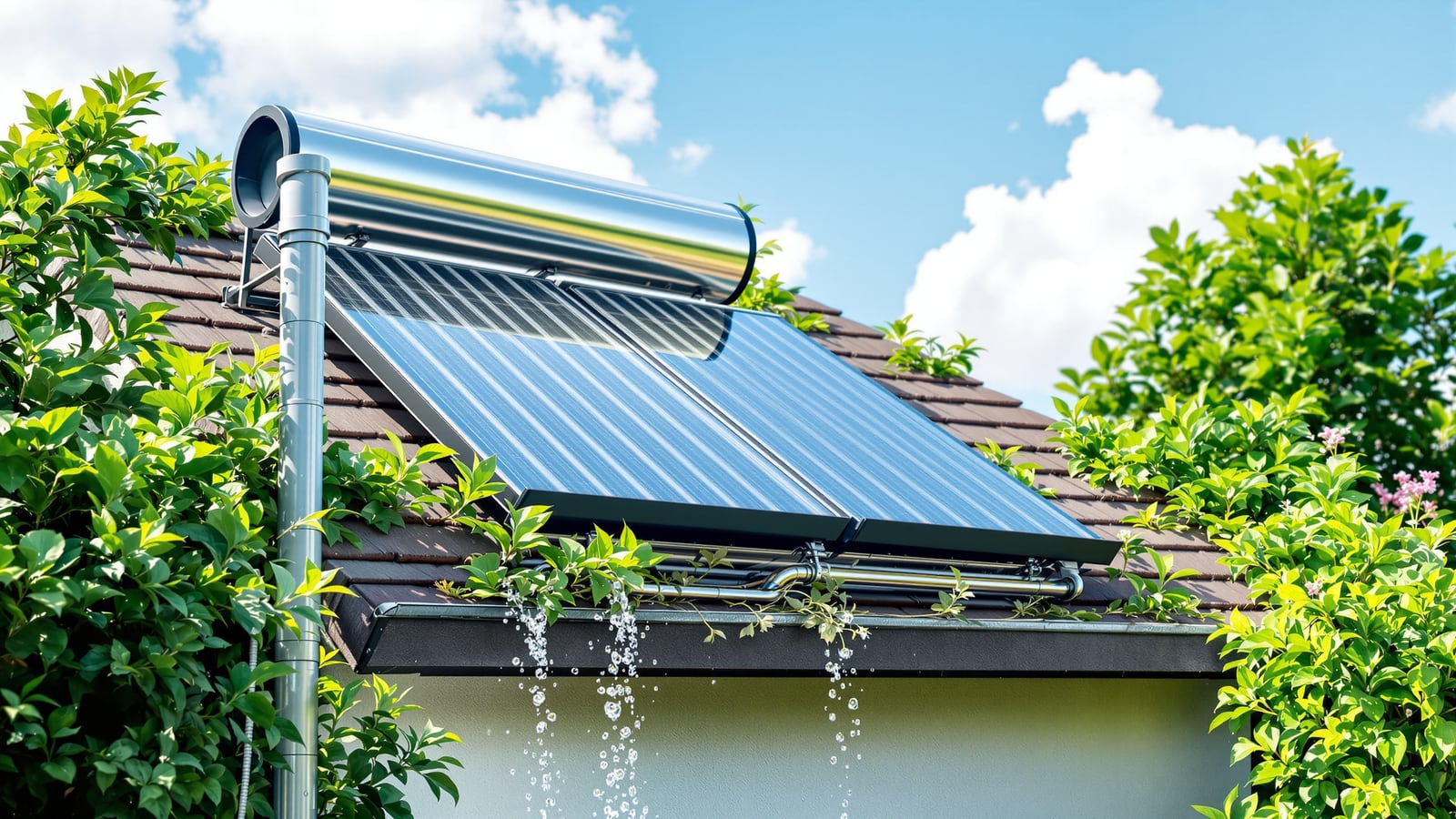
Solar, heat-pump, gas & electric water heating — and how to choose
 Live ▸04
PVC, CPVC, UPVC, HDPE, PPR, copper, GI, SS & more — and how to install them
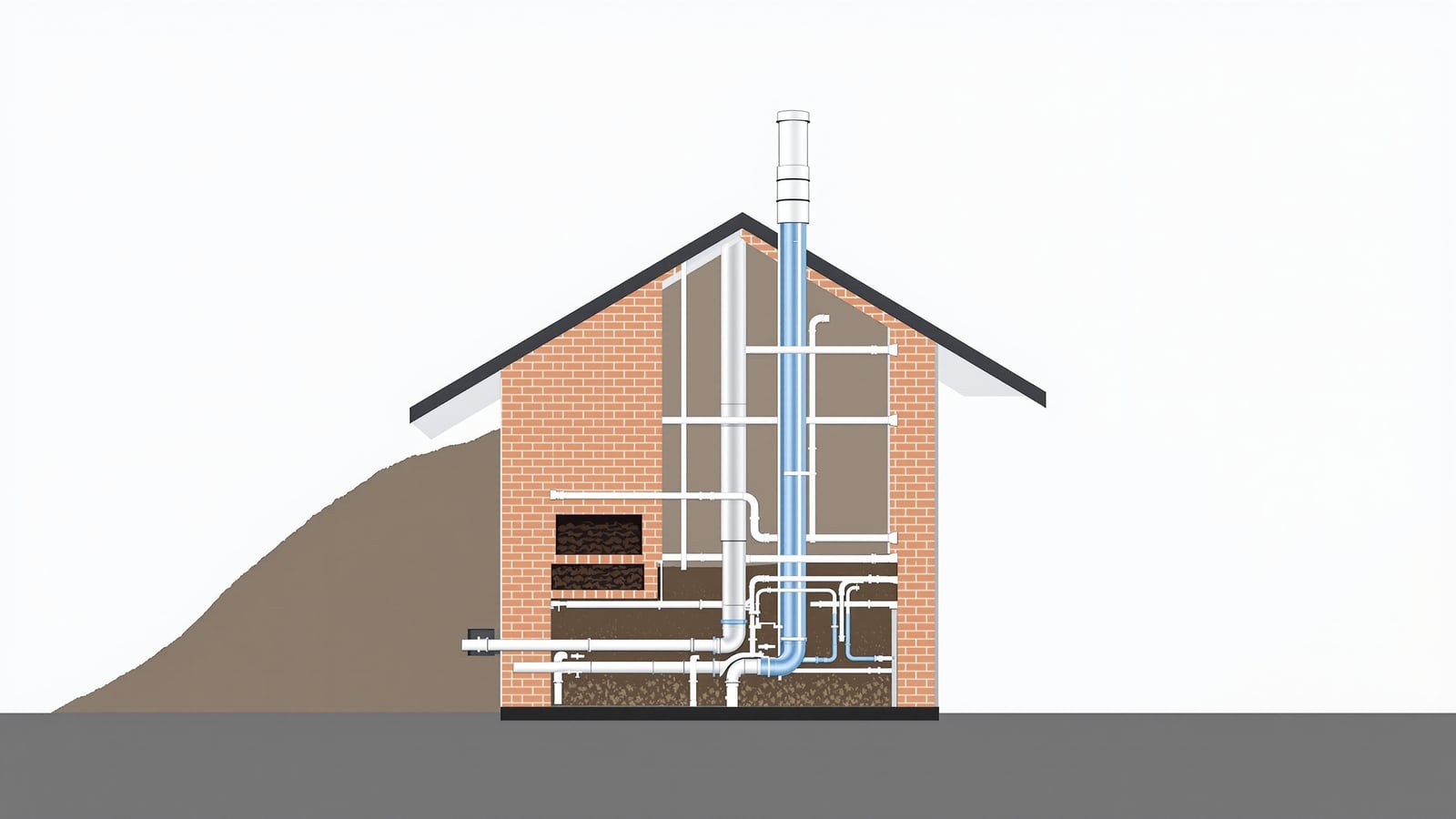 Live ▸05
Soil, waste & vent pipes, stormwater, traps & the DWV system
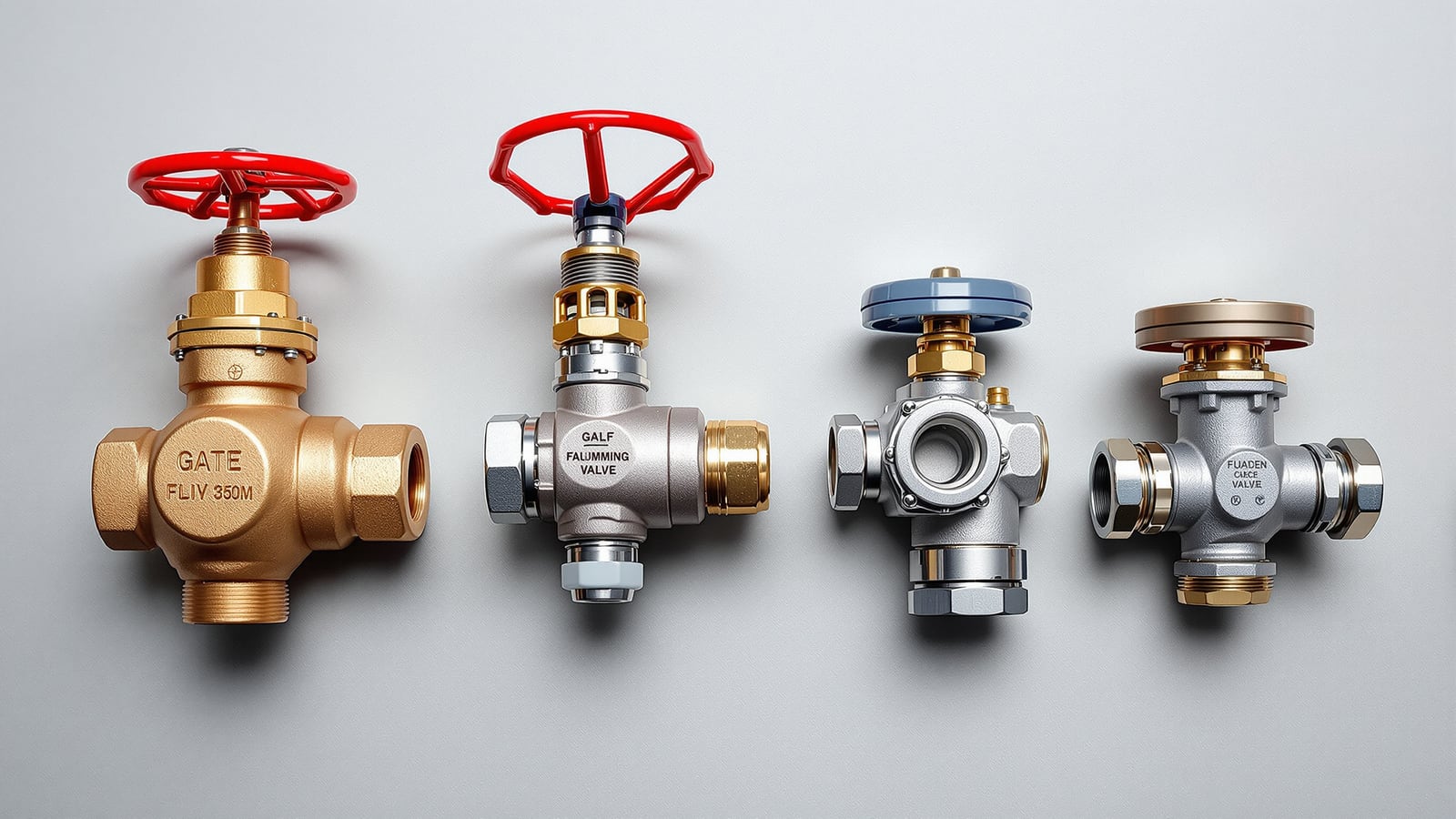 Live ▸06
Ball, gate, globe, check, PRV, float & solenoid valves — where each belongs
 Live ▸07
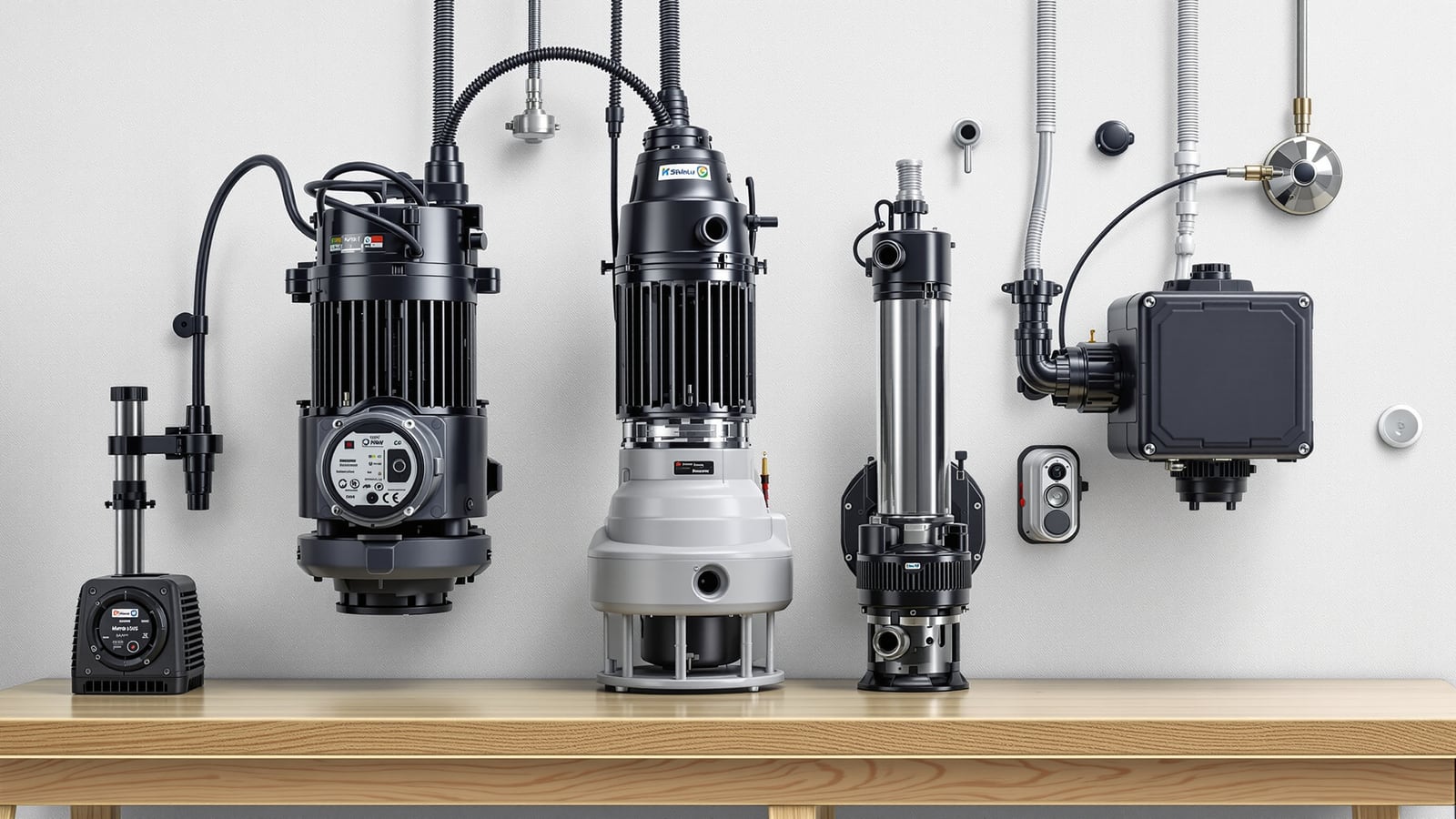
Domestic, booster, submersible, jet, sump, borewell & solar pumps
 Live ▸08
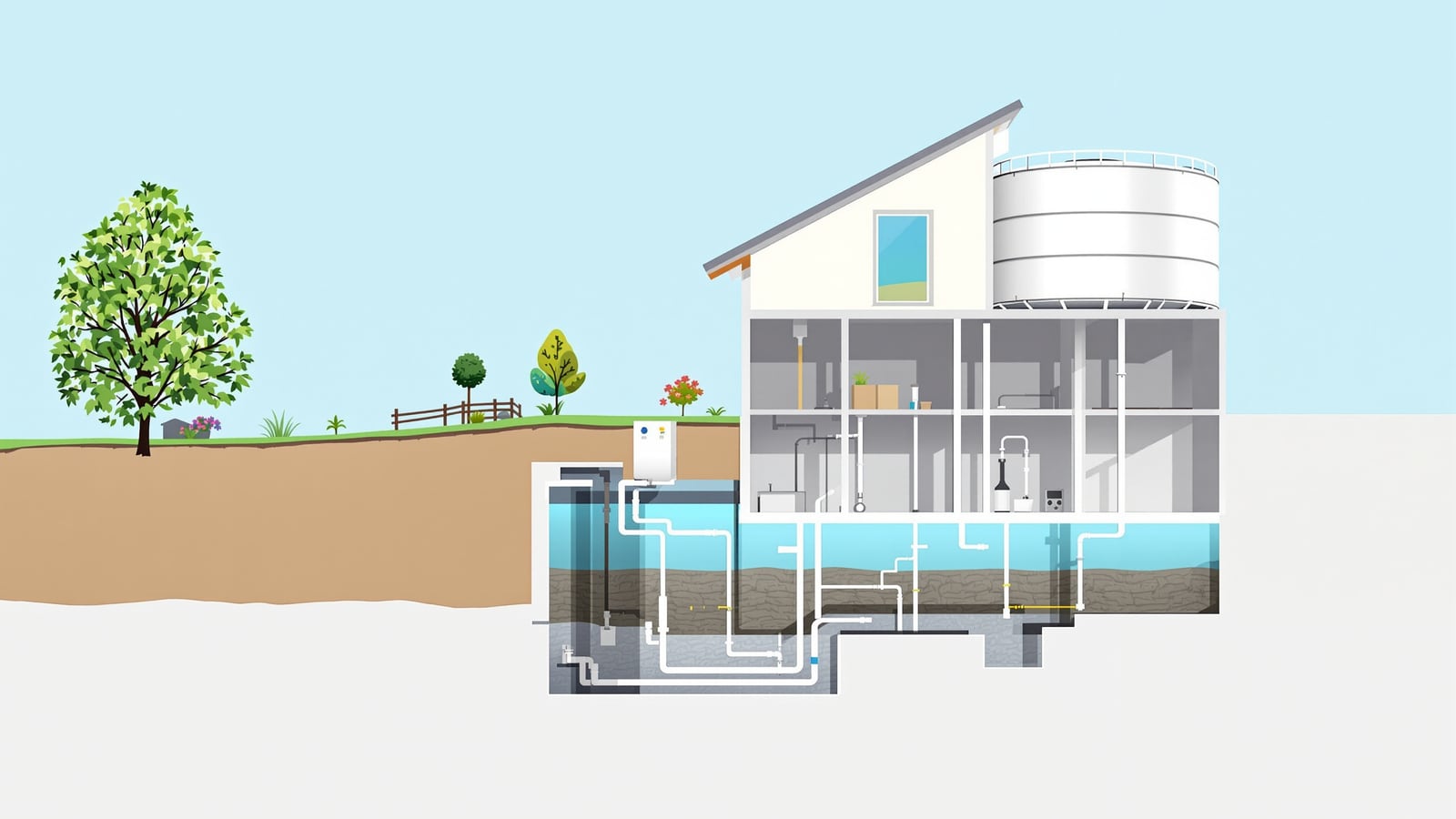
Overhead tanks & underground sumps — plastic, RCC, steel & sizing
 Live ▸09
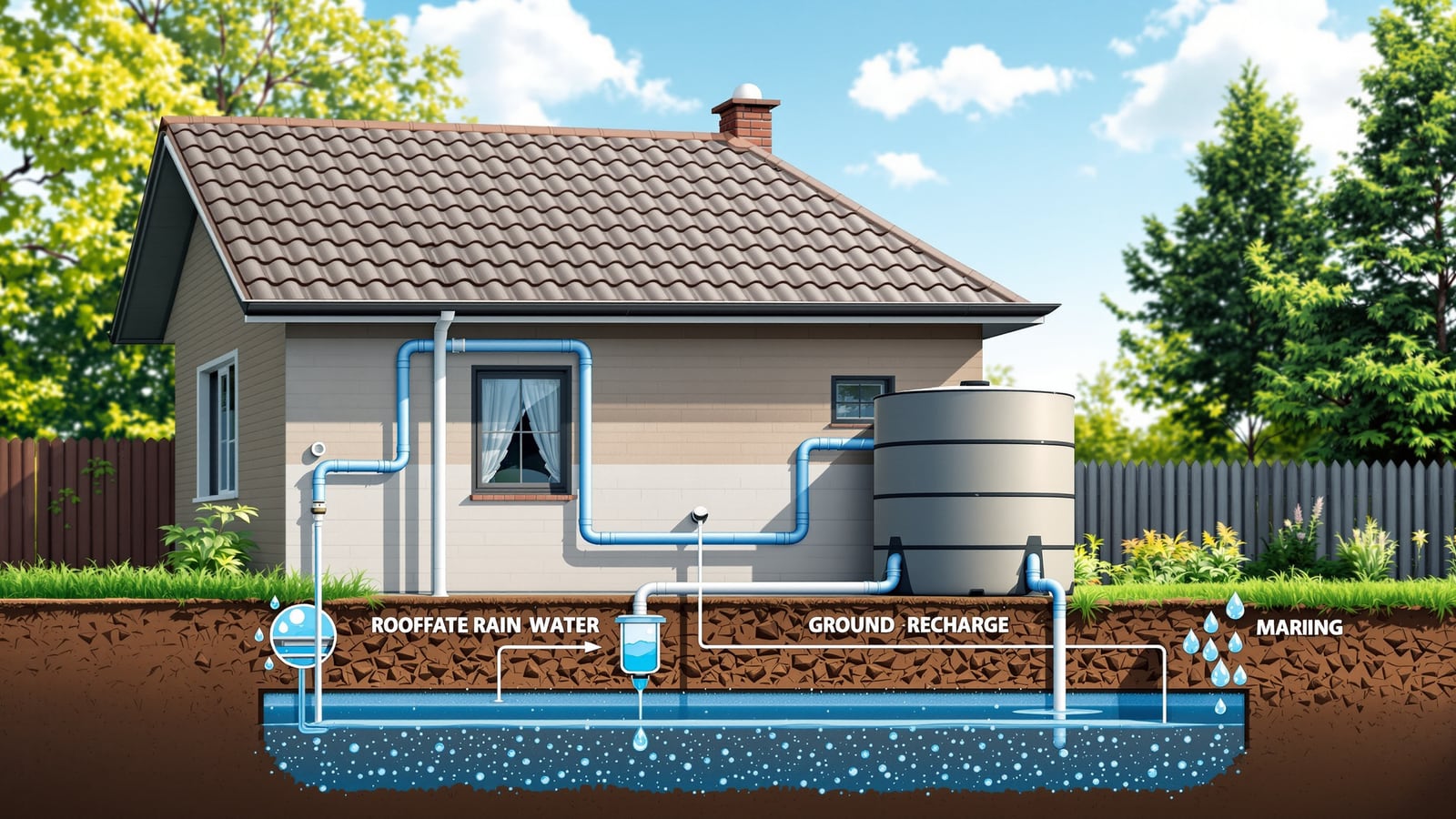
Rooftop catchment, recharge pits & wells, filtration & reuse
 Live ▸10
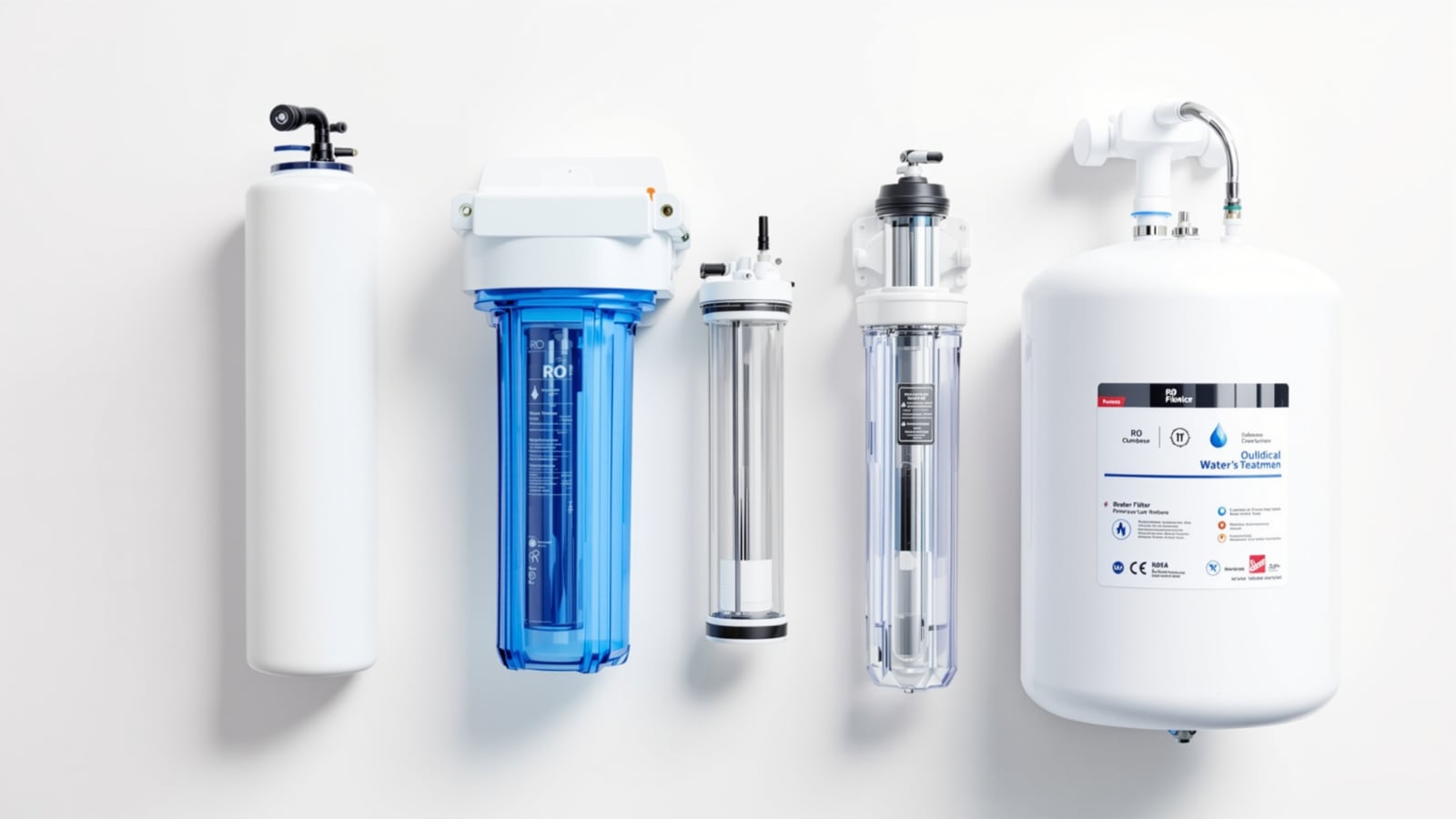
Domestic filtration, softeners, UV & RO, and water-quality testing
 Live ▸11
Leak detection, smart meters, low-flow & water-efficient design
 Live ▸12
How to choose pipes, pumps, tanks, valves, heaters & filters
 Live ▸13
₹ house plumbing, pipe replacement, borewell, tank & pump costs
 Live ▸14
Leaks, low pressure, blocked drains, water hammer, noisy pipes & pump failures
 Live ▸15
PVC vs CPVC, HDPE vs PPR, overhead vs underground tank, municipal vs borewell & more
 Live ▸16
NBC 2016 Part 9, IS pipe & tank codes, CPHEEO manuals & local bye-laws
 Live ▸17
Design checklist, BOQ, pipe/pump/valve schedules & inspection templates
Water demand, tank size, pipe size, pump head, drainage & rainwater calculators
Calculators & tools
Size the whole water system from your own numbers — demand, pipes, pumps, tanks, drainage, rainwater and treatment. 30 calculators, each with the working formula shown. Indicative sizing for planning; confirm against NBC 2016 Part 9 and a qualified consultant before procurement.
Estimate a home or building's total daily water demand from the number of occupants and per-person use (LPCD), with the annual figure.
Work out the peak design flow rate for sizing supply pipes and pumps using the peak-factor method, in L/min and L/s.
Size a water supply pipe — find the required internal bore from design flow and target velocity, with the nearest nominal pipe size.
Find the water velocity in a pipe from flow and internal diameter, and see instantly whether it is within the safe range or too high.
Estimate head loss in a pipe run with the Hazen-Williams equation from flow, diameter, length and C factor, in metres and bar.
Compute the total dynamic head a pump must overcome from static lift, friction, fittings and residual pressure — the input for pump sizing.
Size the overhead roof water tank for a home from occupants, per-person use and the share of the day's water it holds, with a standard tank size.
Size the underground sump water tank from occupants, per-person use and the days of storage you want to hold against supply cuts.
Convert water column height (head) into pressure in bar, kPa and psi — see how much pressure an overhead tank at a given height delivers.
Estimate a household's daily hot water demand and peak simultaneous draw, with a suggested heater or solar storage capacity.
Total the drainage fixture units (DFU) of a home's fixtures and get an indicative drain and soil-stack size.
Work out the fall a drain pipe needs from its length and slope ratio, in mm per metre and total drop.
Full-bore flow capacity of a gravity drain from diameter, slope and roughness using Manning's equation, in L/s.
Check whether a sewer or drain runs fast enough to be self-cleansing using Manning's full-bore velocity.
Estimate peak stormwater runoff from a plot with the Rational Method from area, runoff coefficient and rainfall intensity.
Find how many rainwater downpipes a roof needs from roof area, rainfall intensity and downpipe size.
Size a rainwater gutter for a roof from the plan area drained and rainfall intensity, with a nominal gutter width.
Estimate the water-hammer surge pressure from sudden valve closure with the Joukowsky equation, in bar.
Get an indicative vent (drain venting) pipe size from the soil stack served, fixture units and vent run length.
Estimate how much greywater a home generates for reuse from occupants, per-person use and the reusable share.
Estimate how much rainwater a roof can harvest in a year from its area, your annual rainfall and a collection coefficient.
Size a rainwater recharge pit from catchment area, rainfall intensity and detention time, with a suggested footprint.
Size a rainwater first-flush diverter — the initial dirty roof-wash to divert before storage — from roof area and divert depth.
Size a water softener from your hardness, daily water use and days between regeneration, with the grain capacity needed.
See how much water a domestic RO purifier rejects for the purified water you use, from your daily use and recovery ratio.
Work out how much household bleach to disinfect a water storage tank from tank volume, target chlorine dose and bleach strength.
Size a solar water heater — storage LPD and collector area — from occupants, per-person hot water and system yield.
Find how many days your water storage lasts in a supply cut from total capacity, occupants and per-person use.
Calculate how much water a length of pipe holds — for disinfection dosing, flushing and the hot-water wait — from bore and length.
Estimate the monthly cost of buying tanker water for a supply shortfall, from daily shortfall, tanker size and price.