
The Electrical Knowledge HubVolume 1 · Issue 4 · September 2026
Building services
Electrical, in Plain Language
Electricity is the one home system you depend on completely and understand least. This is the literacy library that closes the gap — how the supply, distribution board, circuits, earthing and protection actually work, and how to plan, design, renovate and judge a home’s electrics. It is a guide to understanding, planning and specifying — the hands-on wiring always belongs to a licensed electrician.
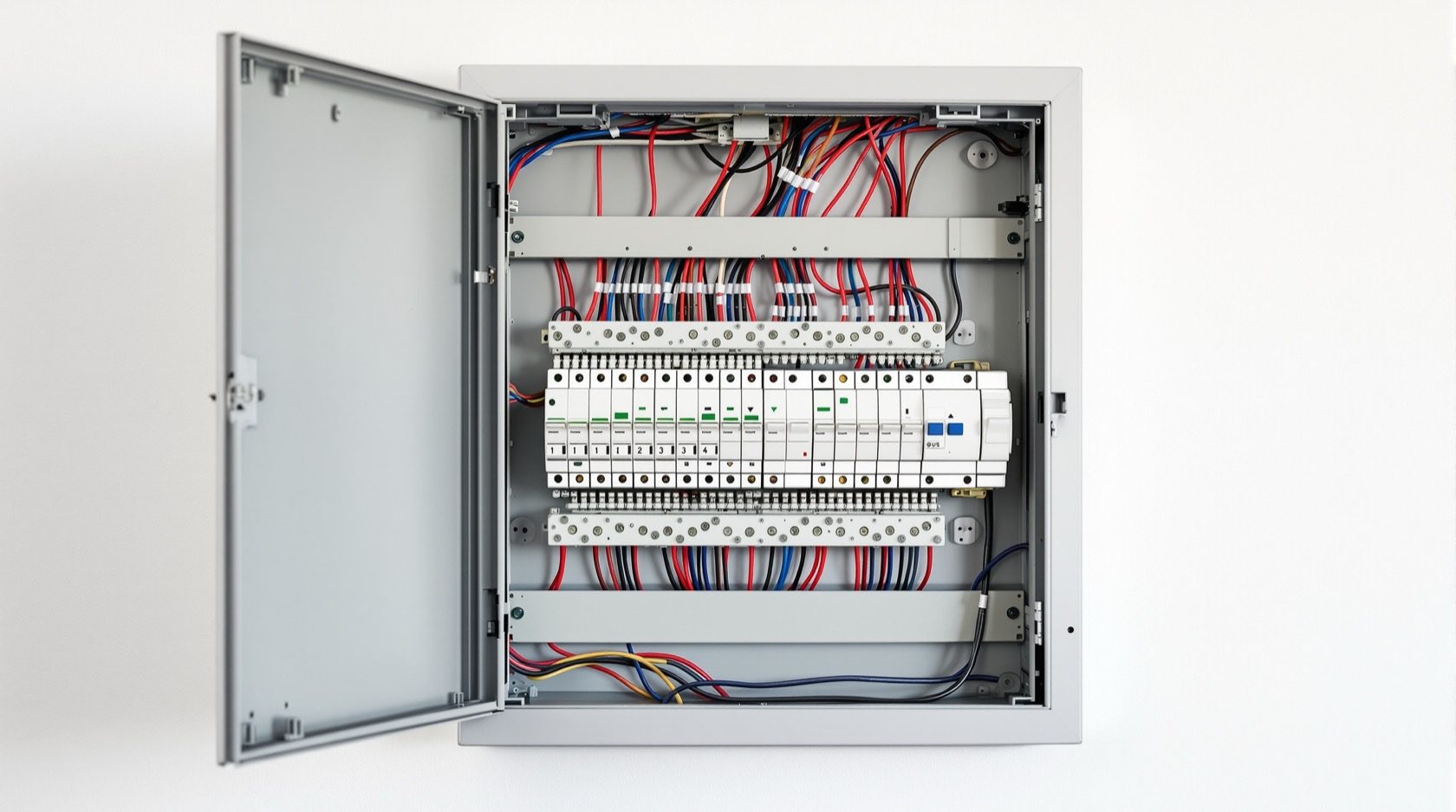
Residential Electrical Systems: The Complete Guide for Indian Homes
How the electricity in an Indian home really works — supply and meter, the distribution board, circuits, wiring, earthing and protection, lighting, safety, energy efficiency, smart controls, solar and backup. Written so a homeowner can understand and plan it, and know where a licensed electrician must take over.
Read itPlan, build and upgrade
A home’s electrics, start to finish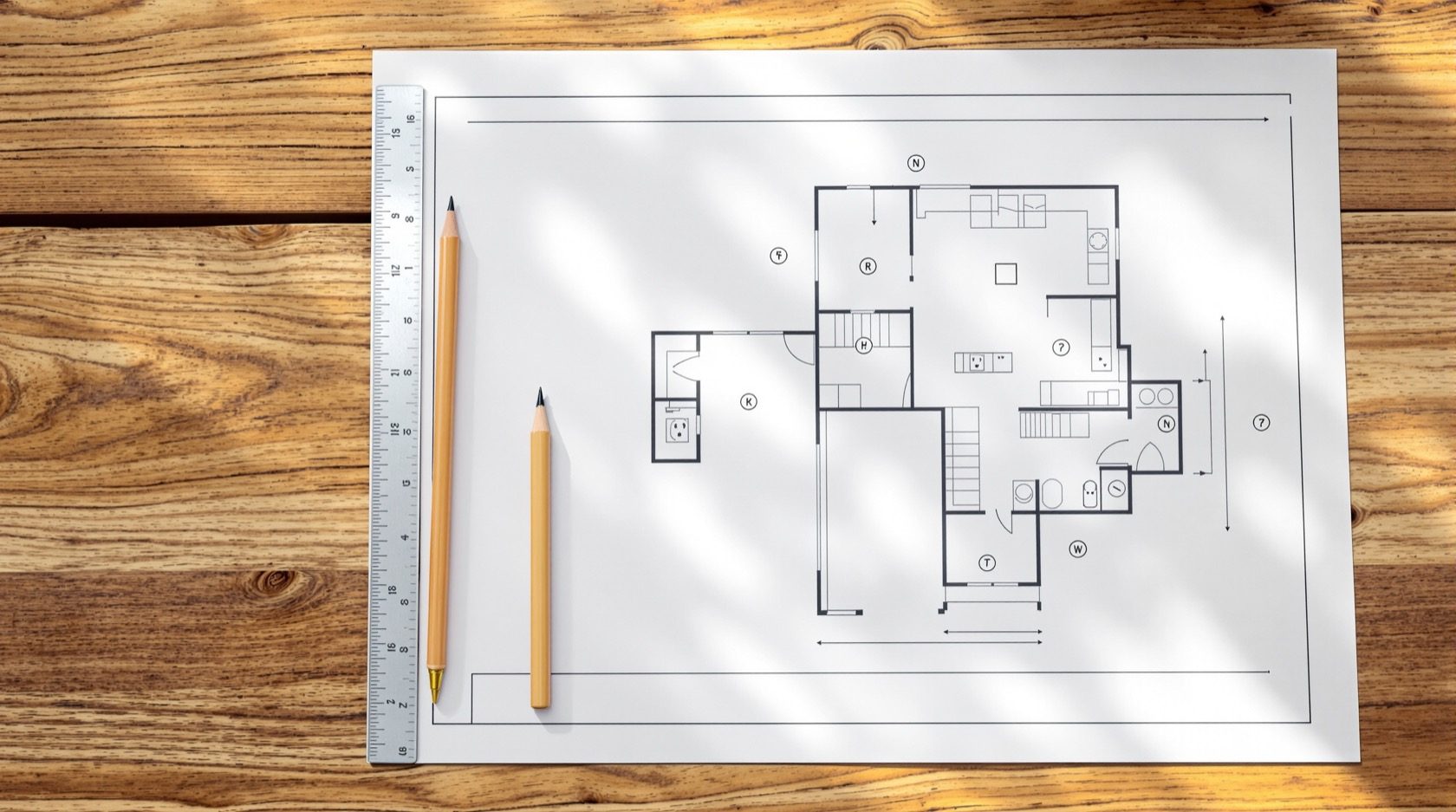 Planning01
Complete Guide to Home Electrical Planning in India
The homeowner's workflow for planning a home's electrics: estimate the load, plan circuits and the distribution board, place switches and sockets room by room, future-proof for solar, EV and smart controls, and hand a clean brief to a licensed electrician — before a single conduit is laid.
 New homes02
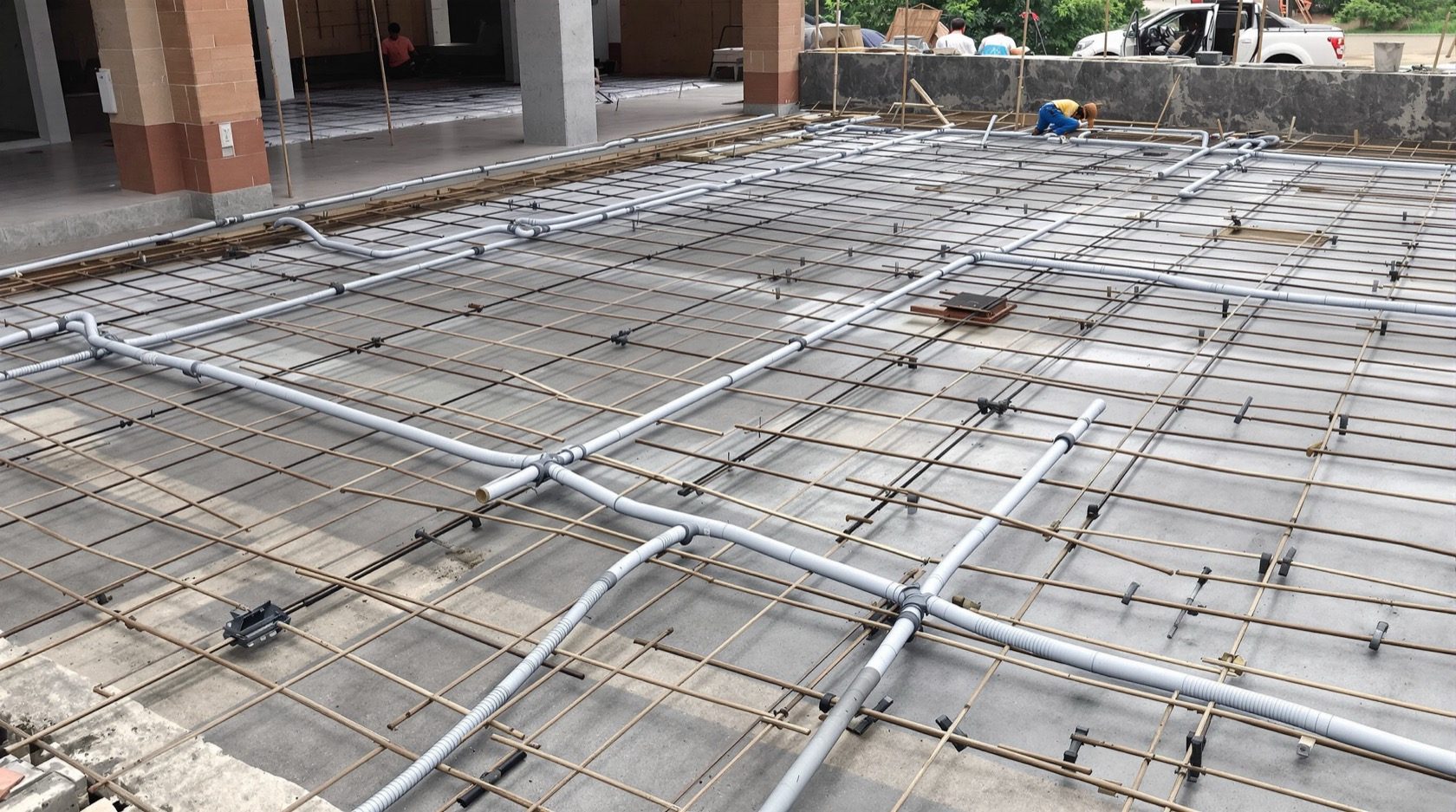
Electrical Design Guide for New Homes in India
Designing a new home's electrics before the slab is cast: conduit routing, the meter and electrical room, distribution board placement, cable routes, and building in backup, solar and EV-charging readiness from day one — the decisions that are cheap now and near-impossible to change later.
 Renovation03
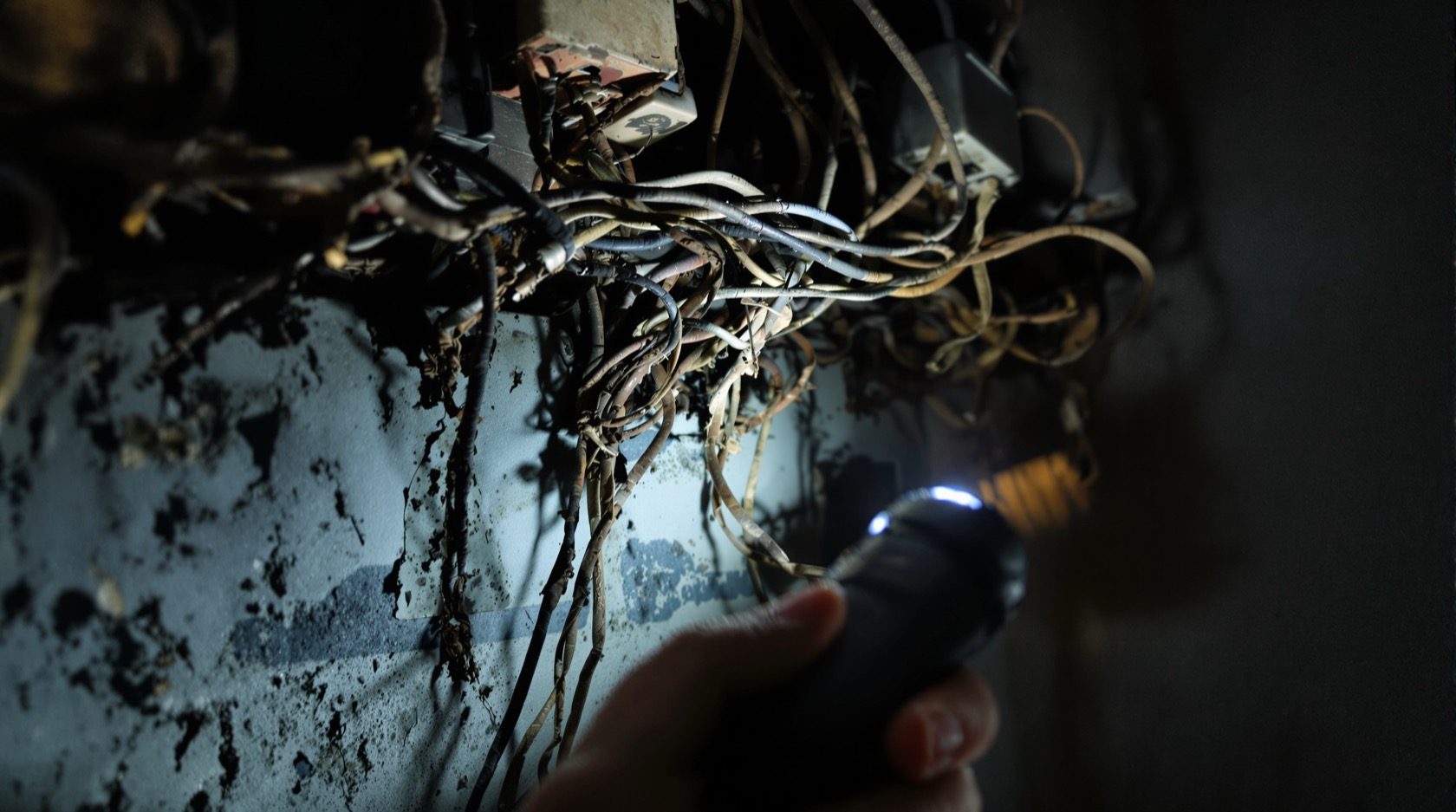
Electrical Renovation & Rewiring Guide for Indian Homes
When an older Indian home needs its electrics upgraded: how to recognise wiring at the end of its life, what a full rewire versus a partial upgrade involves, how to add RCCB protection, capacity and smart controls, and how to estimate the cost — with safety leading every decision.
Room by room
The points, circuits & lighting each room needs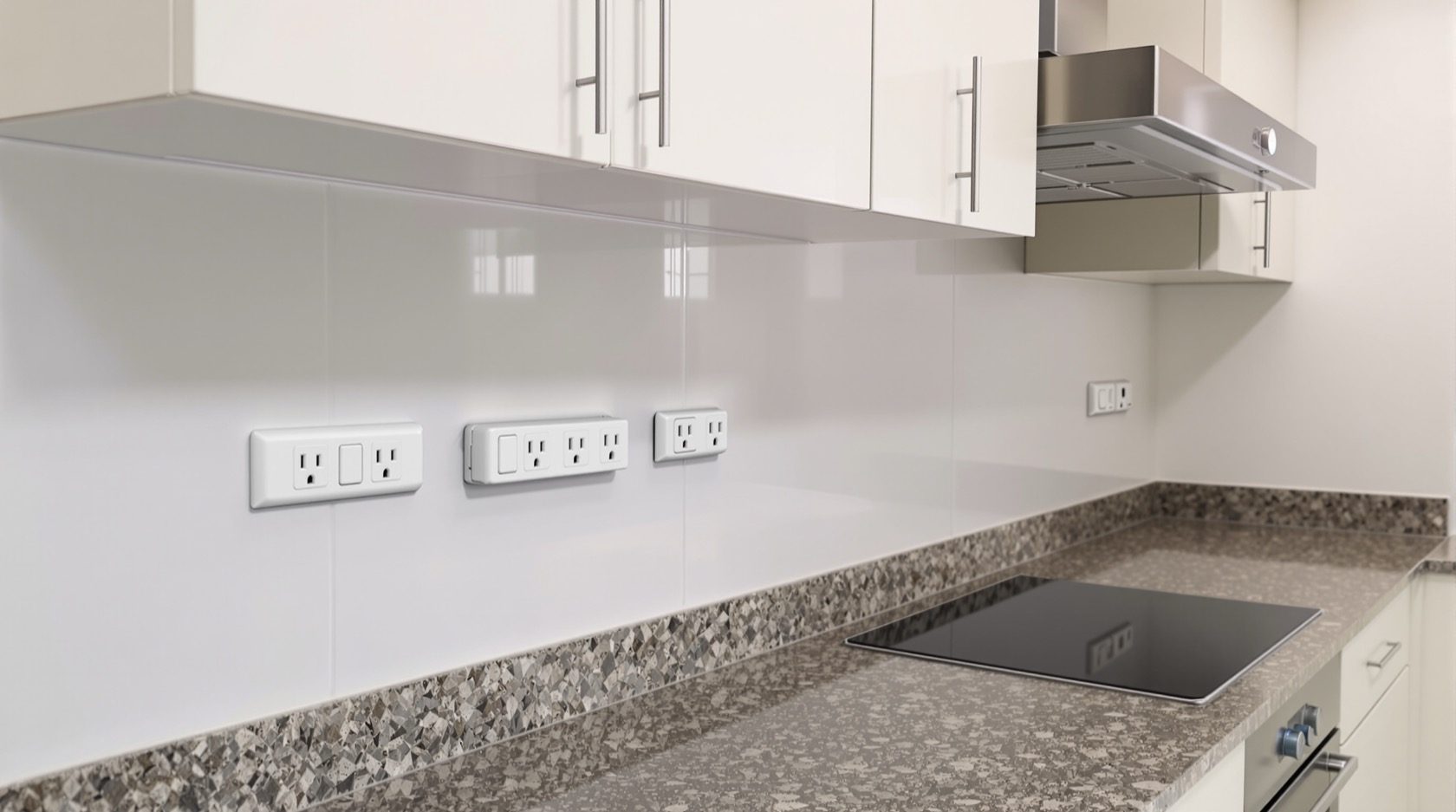 Kitchen04
Kitchen Electrical: Wiring, Circuits & Points for an Indian Kitchen
The highest-load, highest-risk room in the home — how to plan a kitchen's electrics: enough 16A socket points at counter height, dedicated circuits for heavy appliances, RCCB protection near water, and the layout that makes a modular kitchen work.
 Bathroom05
Bathroom Electrical Safety: IP Ratings, Zones & Wiring in India
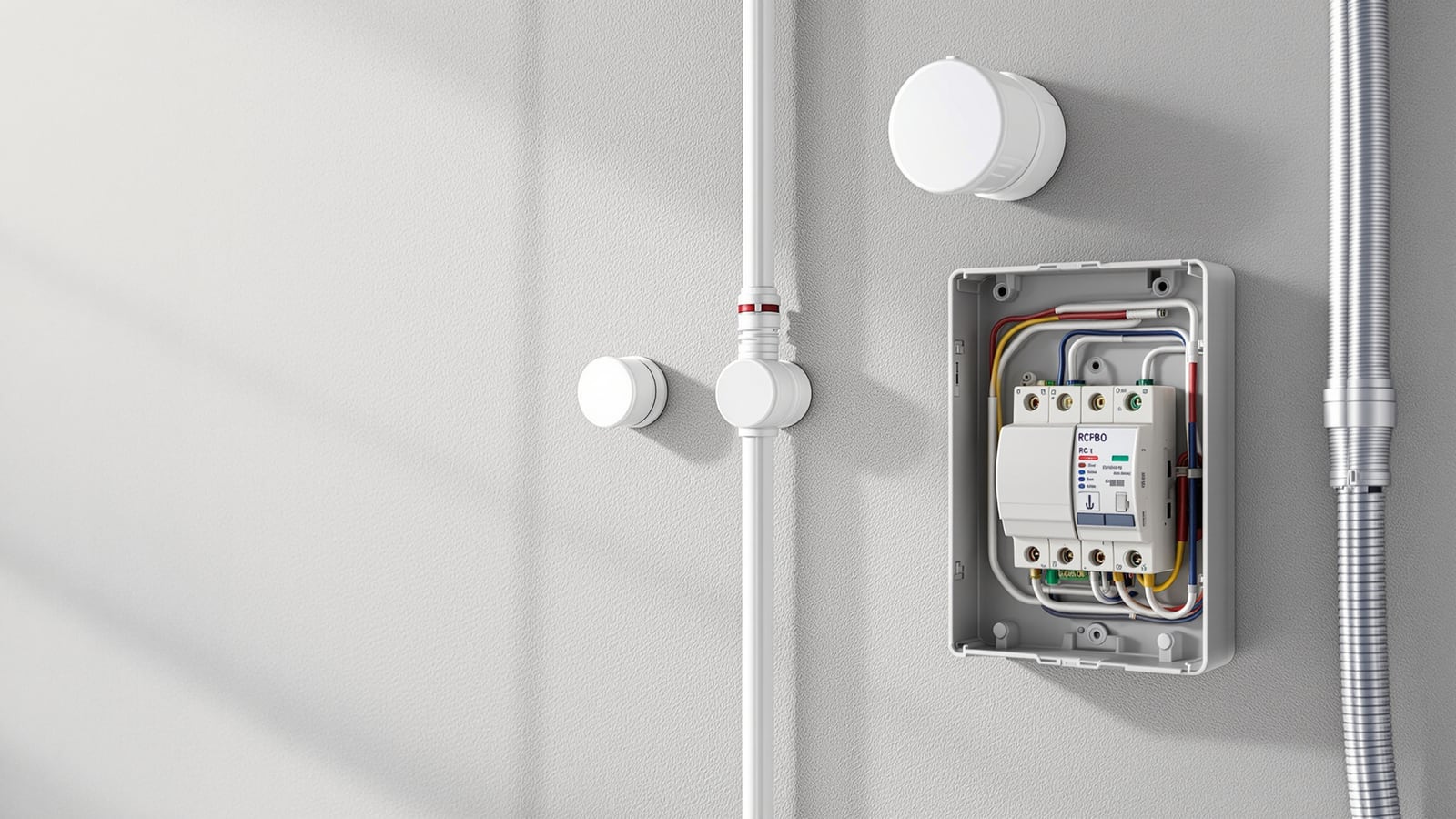
The room where water and electricity are closest — how to make a bathroom's electrics safe: the zone concept, IP-rated fittings that resist water, an RCCB as non-negotiable, safe positions for the geyser, exhaust and lights, and the strictest rules in the home.
 Bedroom06
Bedroom Electrical Planning: Points, Switches & Lighting for a Restful Room
The room built around comfort and control — how to plan a bedroom's electrics: bedside points and two-way switches so you can control lights from bed, the right lighting layers, an AC point, and enough sockets for a modern nightstand, placed before the furniture arrives.
 Living room07
Living Room & Home-Theatre Electrical: Points, AV & Lighting
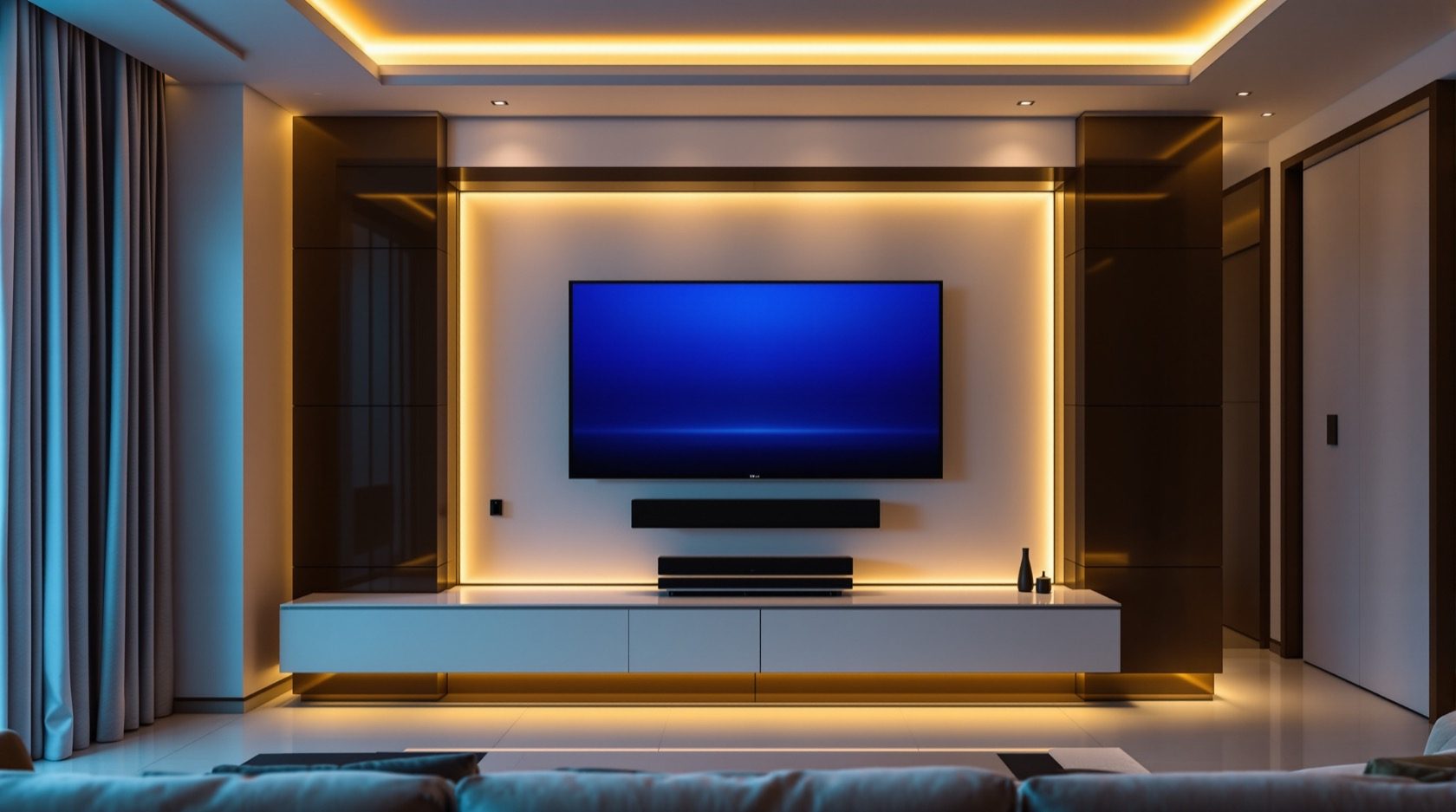
The home's most-used, most-flexible room — how to plan a living room's electrics: a proper TV/media wall with concealed cabling and surge protection, enough sockets for a changing layout, layered and scene-controlled lighting, and what a home theatre really needs.
 Home office08
Home Office Electrical: Powering a Work-From-Home Setup Safely
The room that has to stay powered and online — how to wire a home office: enough sockets at desk height, a clean and protected supply for computers, backup for the router and PC through outages, good task lighting, and the network point that makes WFH reliable.
 Outdoor & garden09
Outdoor & Garden Electrical: Weatherproof Wiring, Sockets & Lighting in India
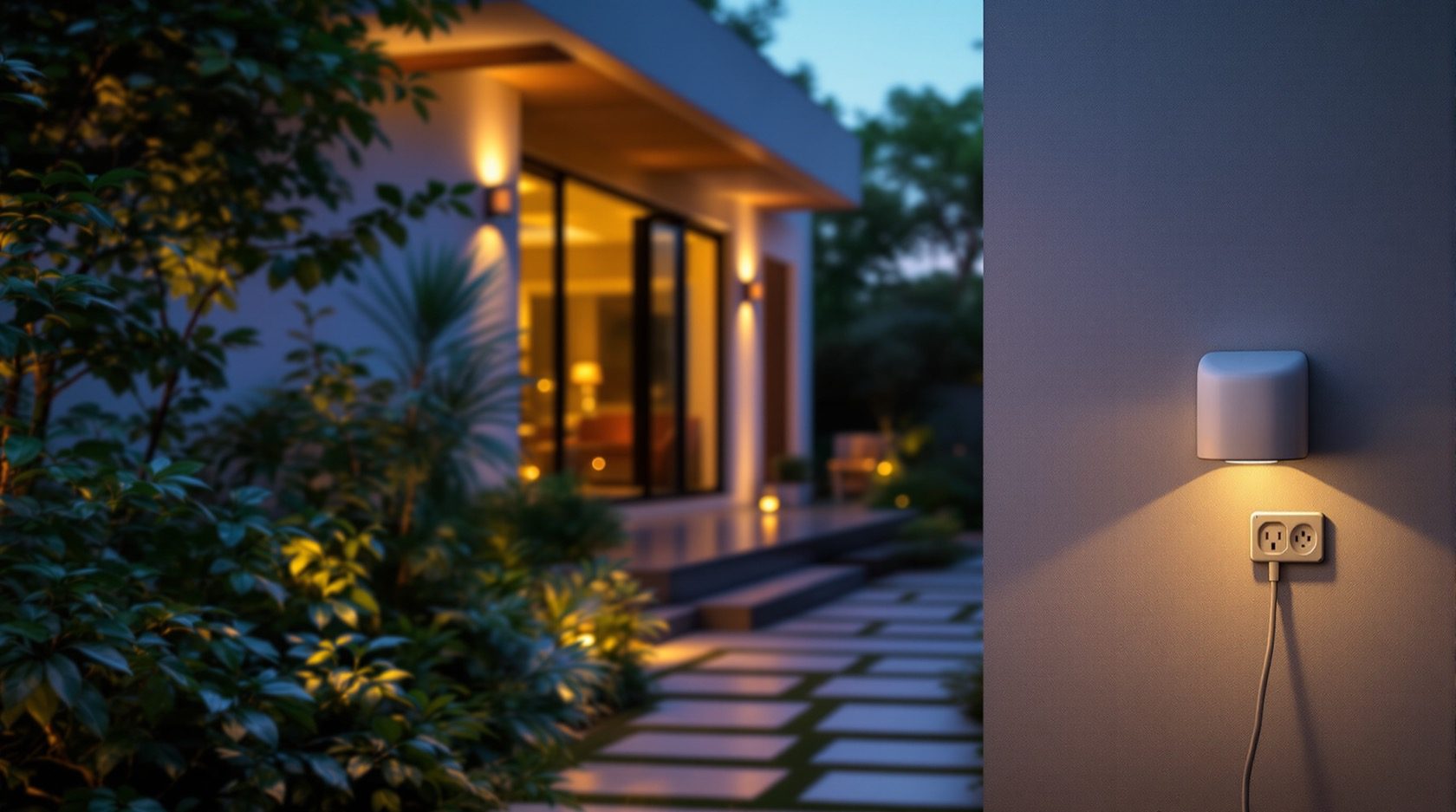
Electrics that live in the weather — how to do outdoor and garden electrics safely: weatherproof IP-rated fittings, RCCB protection as essential outdoors, safe sockets and lighting for the terrace, garden and gate, and the extra care the Indian monsoon demands.
Wiring, cables & conduits
The nervous system of the home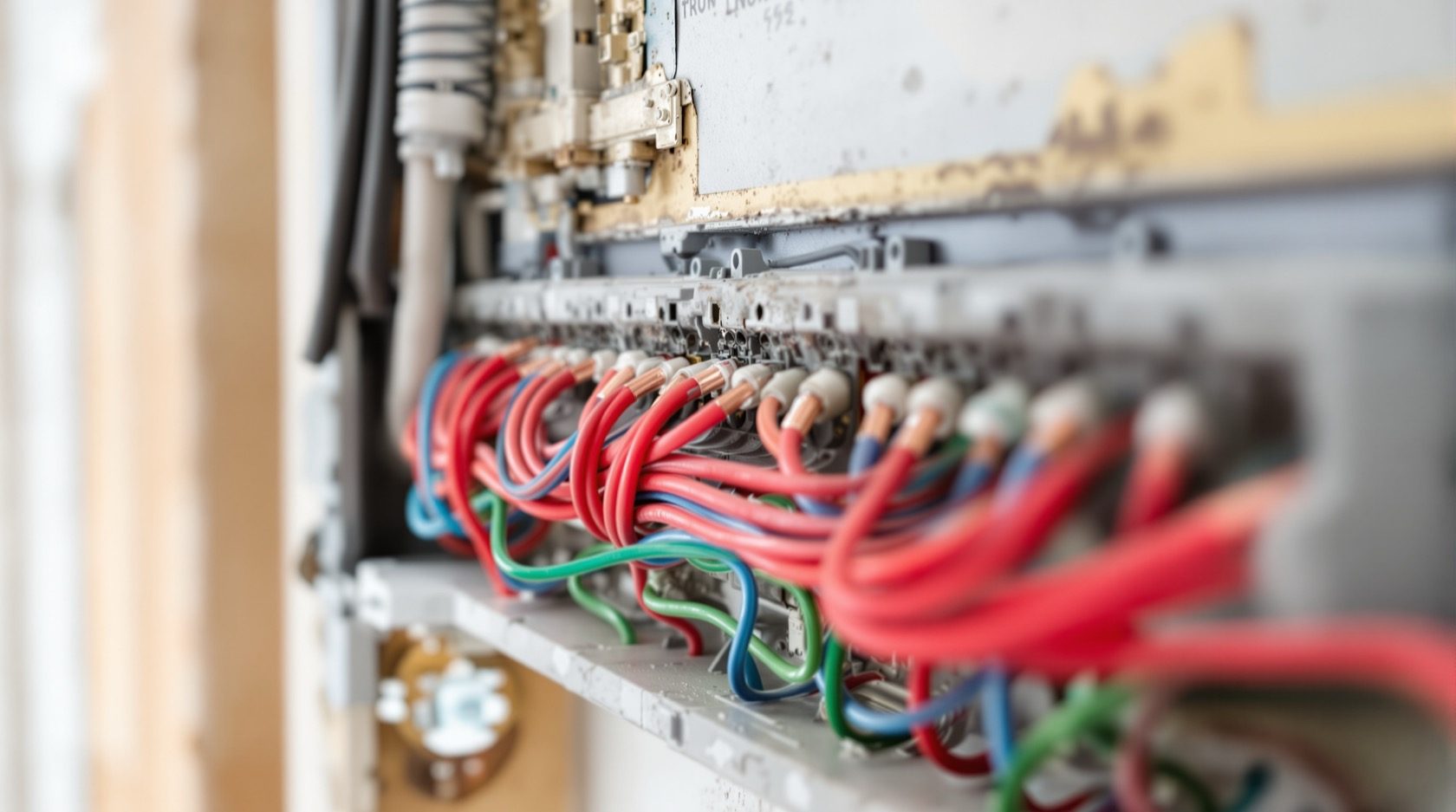 Wiring overview10
Home Electrical Wiring: Methods, Cables & Safety
How an Indian home is wired: concealed versus surface wiring, the conduit system that carries the cables, the copper conductors and their sizes, the wiring colour code, and how to judge a good job — a homeowner's guide to understanding and specifying wiring, not doing it.
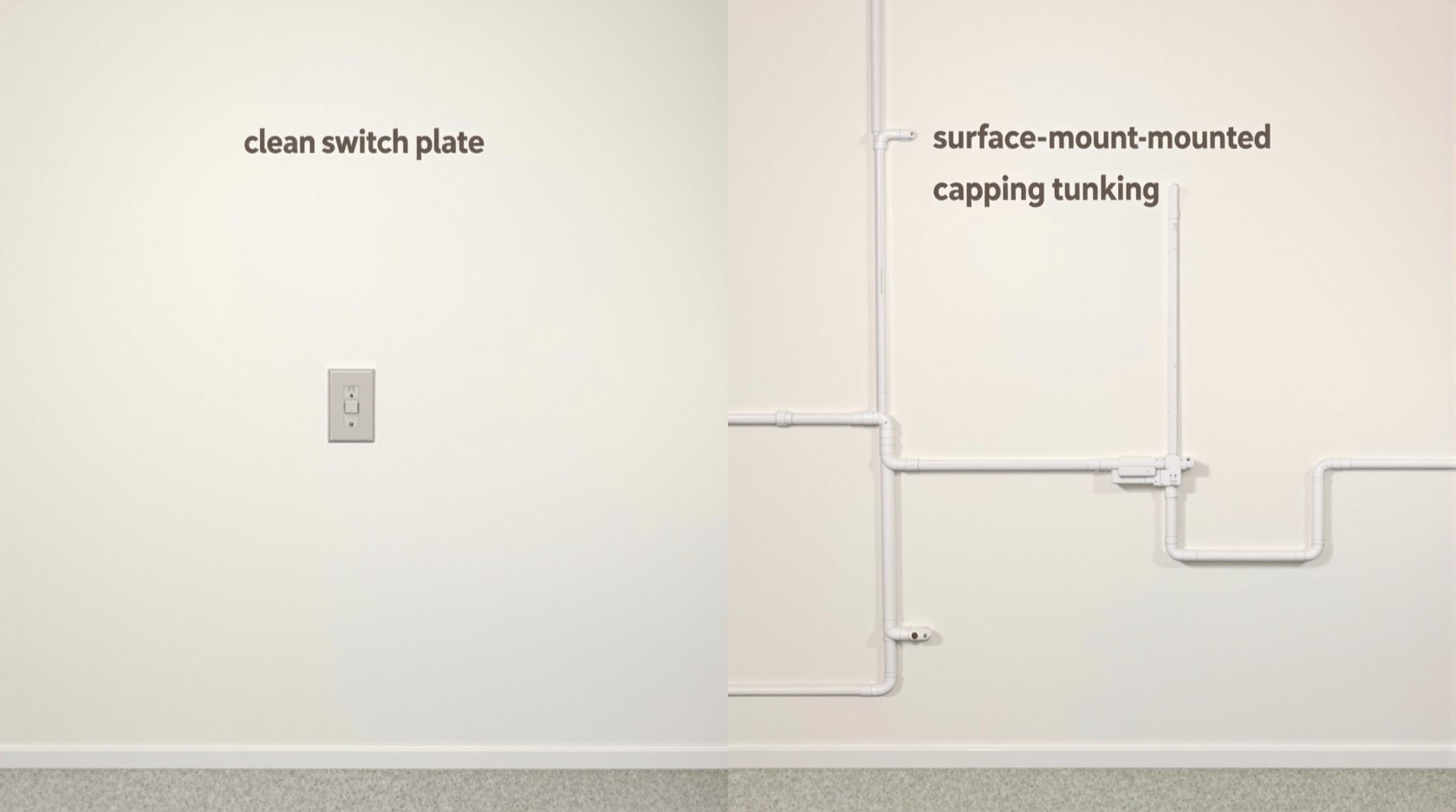 Methods11
Concealed vs Surface Wiring: Which Is Right for Your Home?
Concealed conduit buried in the walls versus surface conduit or casing-capping on the wall face — compared on cost, looks, durability, safety and how easily each can be changed, so you can pick the right wiring method for a new home, an addition or a renovation.
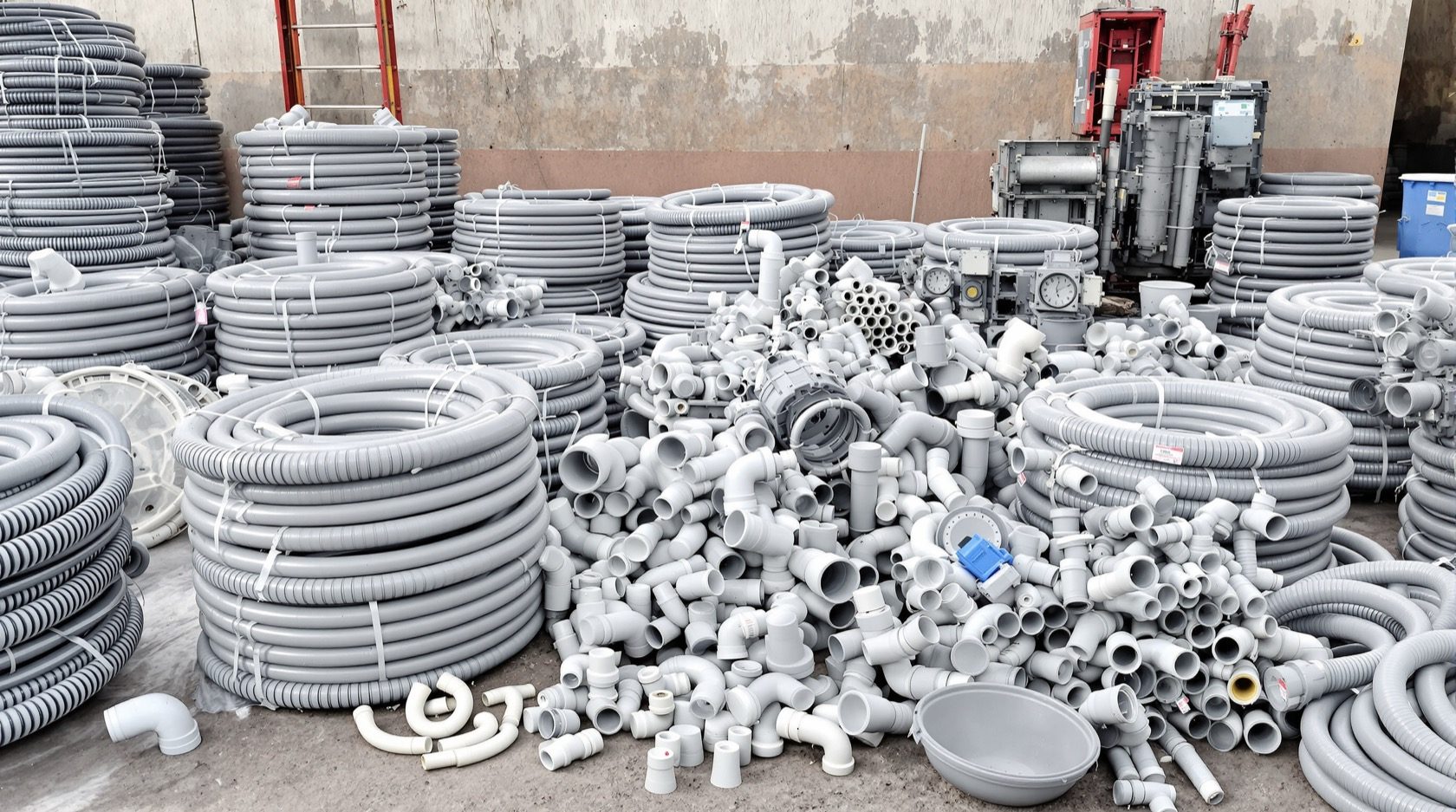 Conduits12
Electrical Conduits: PVC, Steel & Flexible — A Complete Guide
The protective tubes that carry a home's wiring — rigid PVC, rigid steel and flexible conduits compared, what each is for, the sizes used in Indian homes, why spare capacity is the cheapest future-proofing, and the IS 9537 standard that governs them.
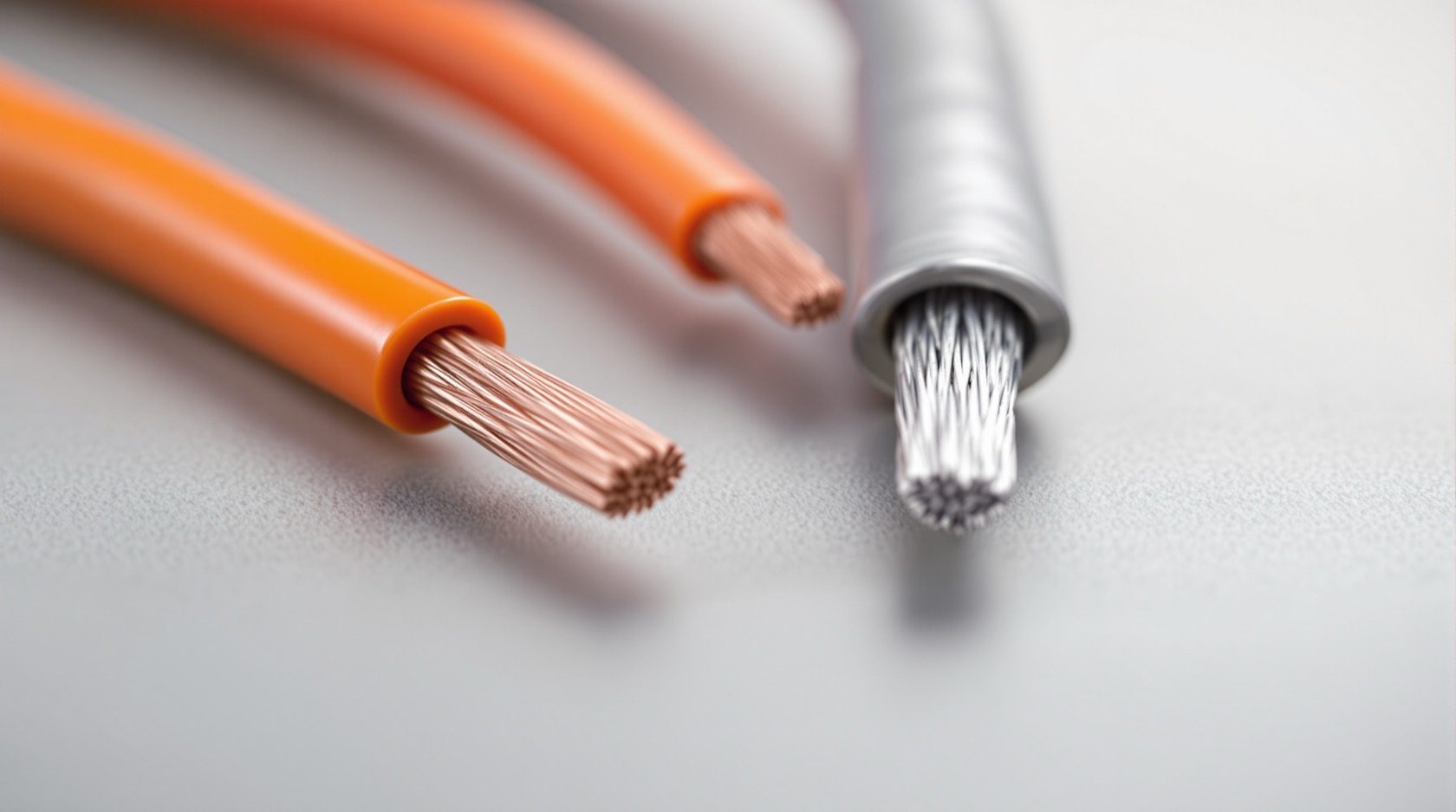 Conductors13
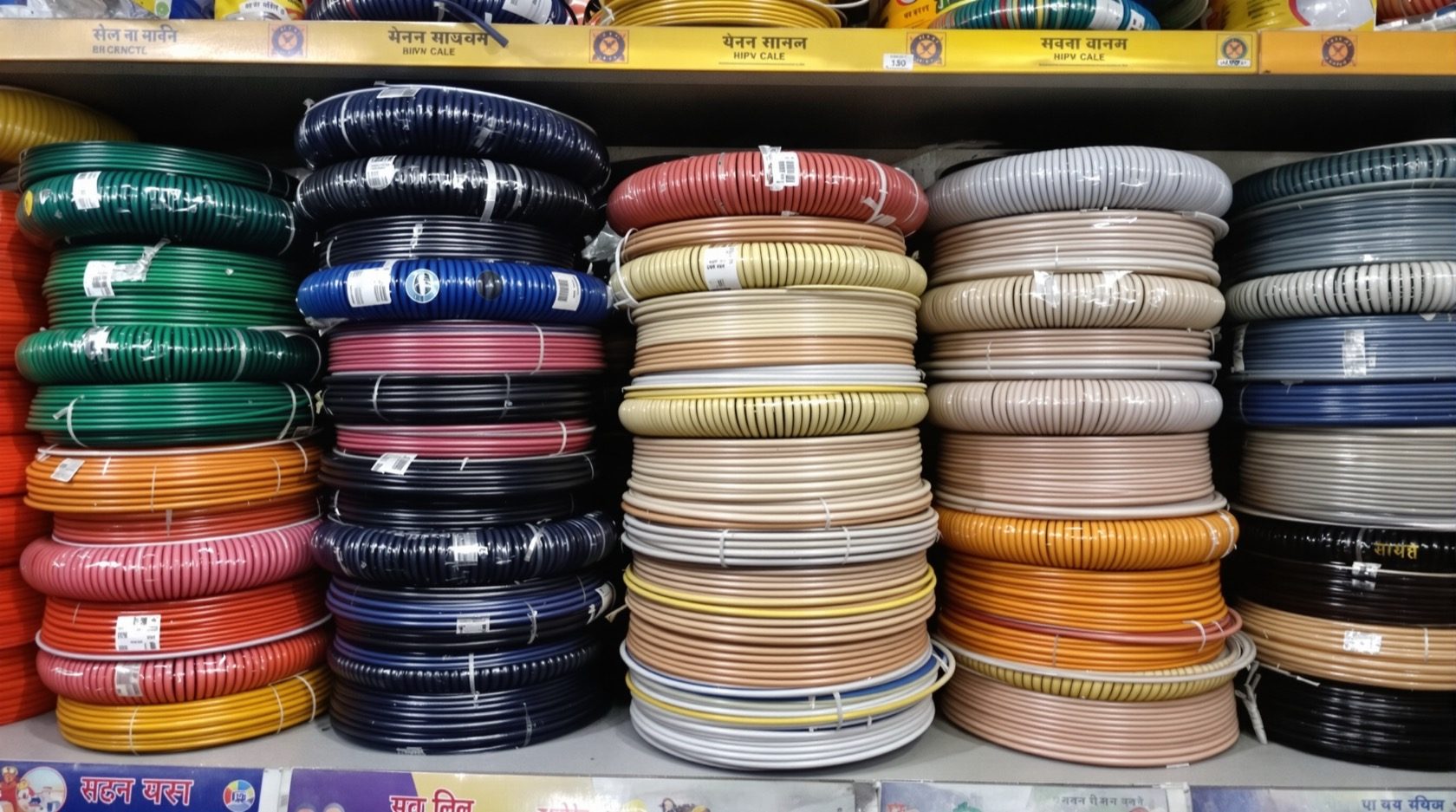
Copper vs Aluminium Wiring: Which Should Your Home Use?
Copper versus aluminium wiring compared on conductivity, safety, durability, cost and where each belongs. Why modern homes wire final circuits in copper, where aluminium still makes sense, and the real risks of the aluminium wiring found in many older Indian homes.
 Fire safety14
FR, FRLS & FRLSH Cables: What the Fire Ratings Really Mean
The confusing cable-label alphabet decoded — FR, FRLS, FRLSH and LSZH — what each grade does in a fire, the difference between resisting flame and limiting smoke and toxic gas, which to use where in a home, and the honest truth about the marketing.
 Cost15
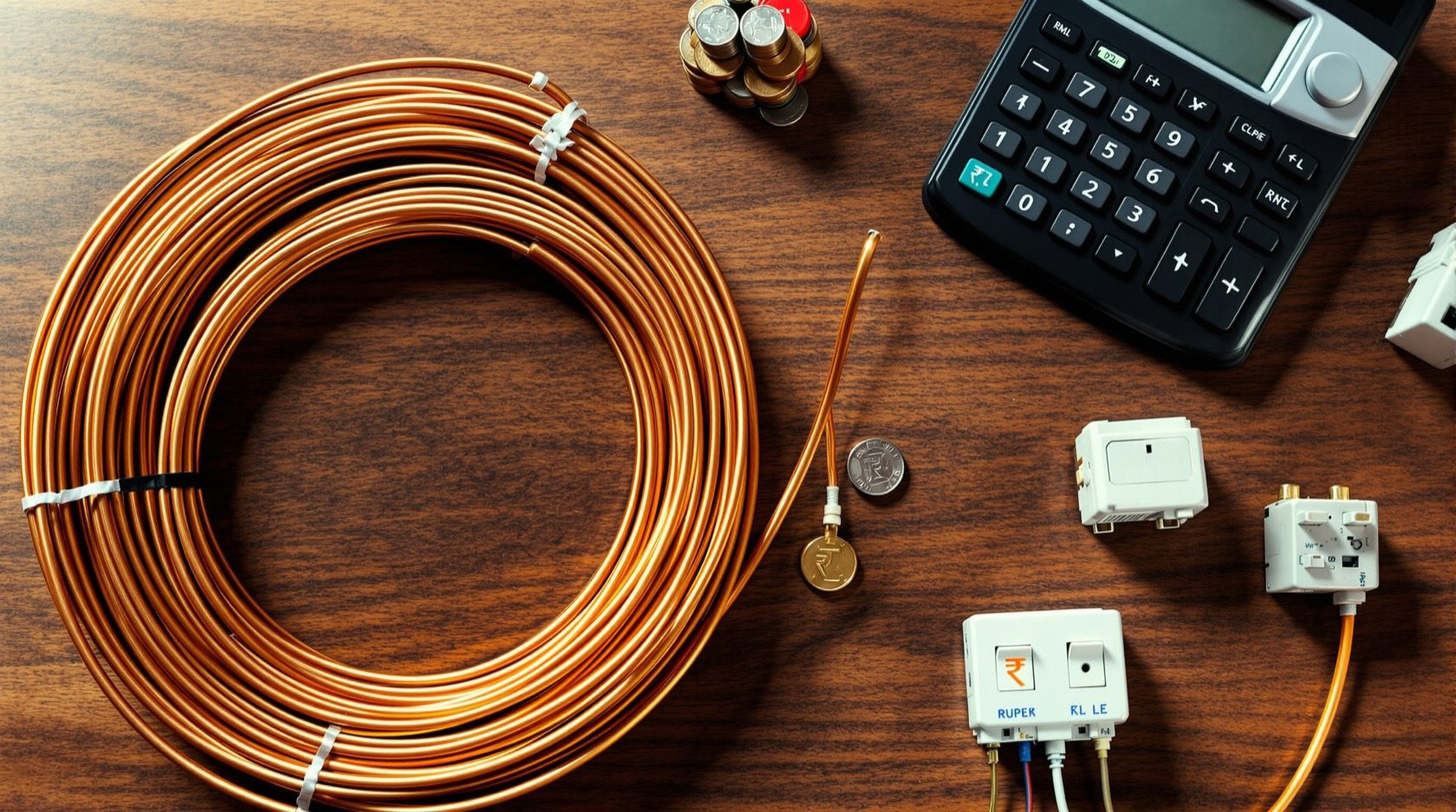
House Wiring Cost in India: What It Really Costs to Wire a Home
An honest breakdown of what electrical wiring costs in an Indian home — how it is priced (per point and per square foot), what drives the number, where the money goes, and how to read a quote so you compare like with like and never skimp on safety.
Switches, sockets & distribution
Controls & the protection that saves lives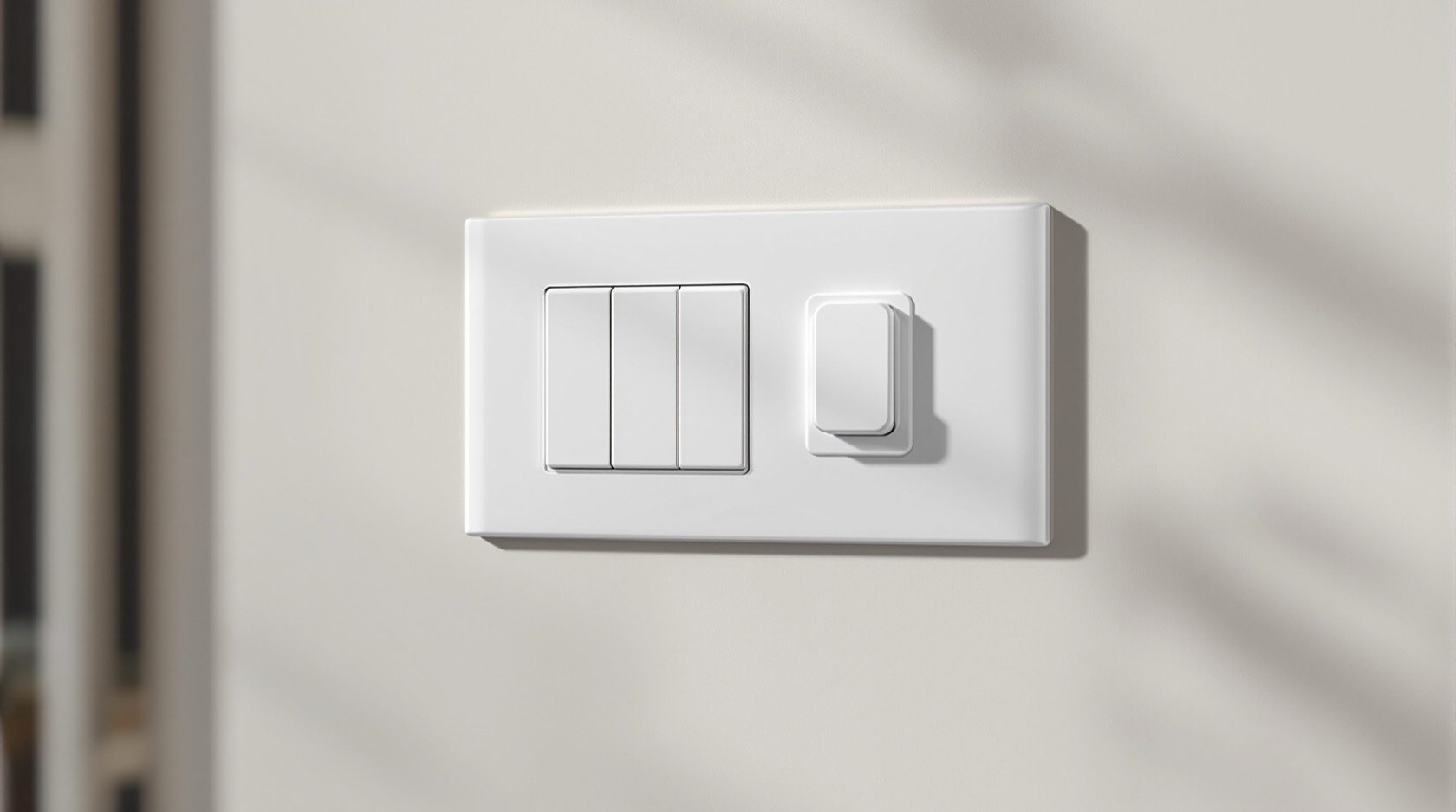 Switches & sockets16
Modular Switches & Sockets: The Complete Buyer's Guide
The switches and sockets you touch every day — how the modular system works, the module sizes and plate system, socket types and ratings, what the IS standards require, and how to choose a range that is safe, convenient and built to last.
 Smart17
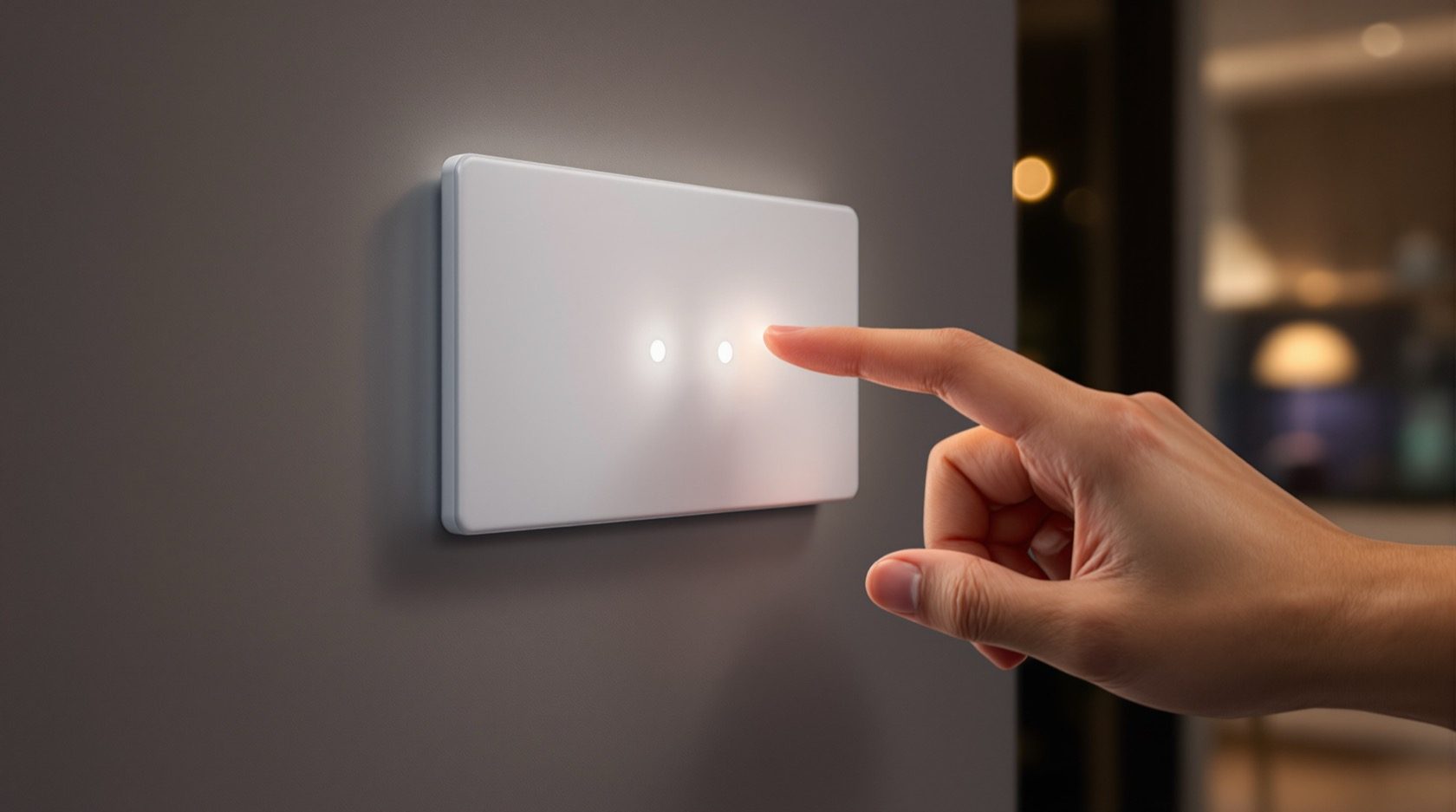
Smart Switches: How They Work & What to Check Before You Buy
Wi-Fi and app-controlled switches explained — the crucial neutral-wire question that decides whether they fit your wiring, the types (smart switch, module, plug), what they can and cannot do, and how to make a home smart-ready without regret.
 Distribution board18
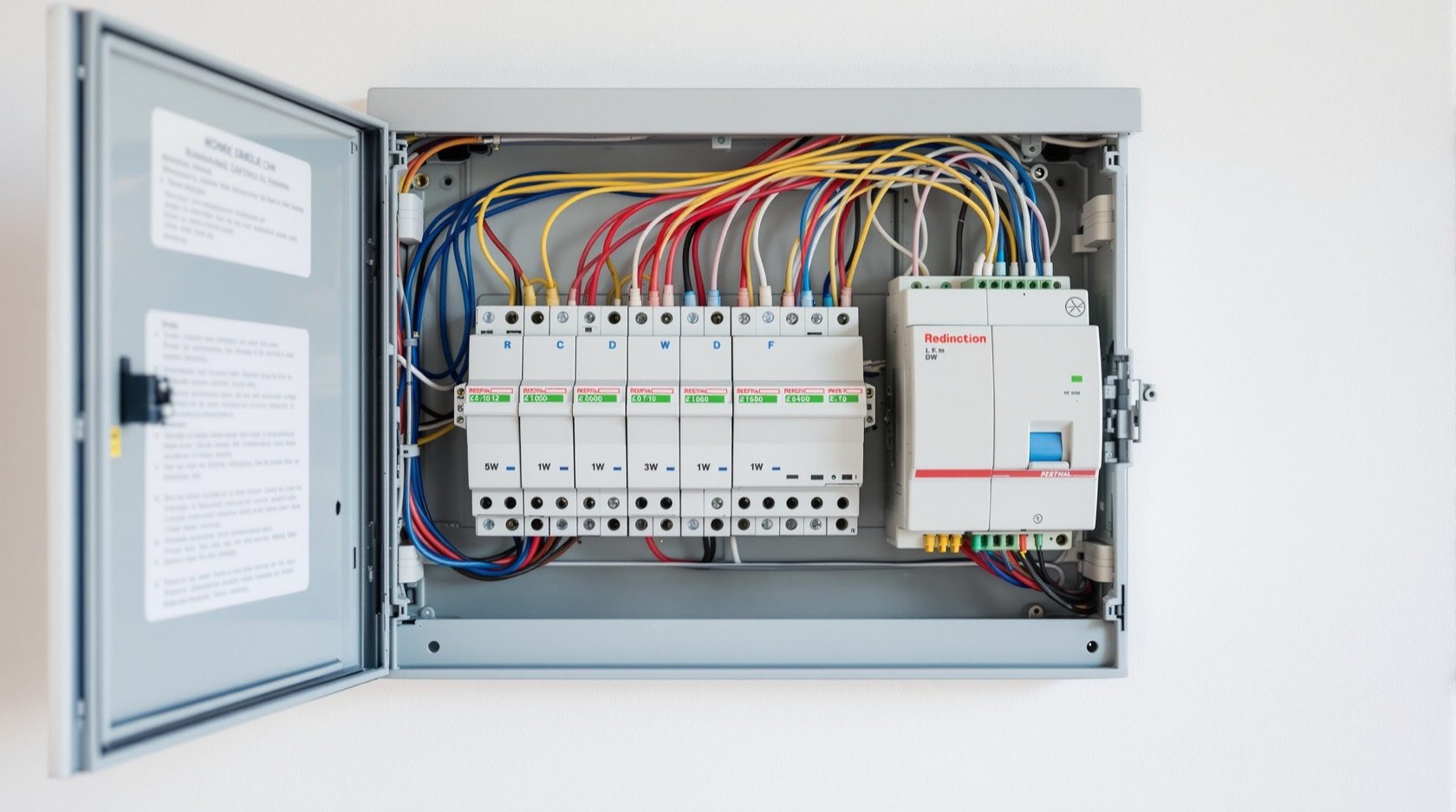
The Distribution Board Explained: Your Home's Electrical Command Centre
What is inside the distribution board (consumer unit) on your wall — the main switch, the life-saving RCCB, the row of MCBs that protect cables, and the busbars that tie them together — how it is sized and laid out, and how to read yours.
 MCB / MCCB19
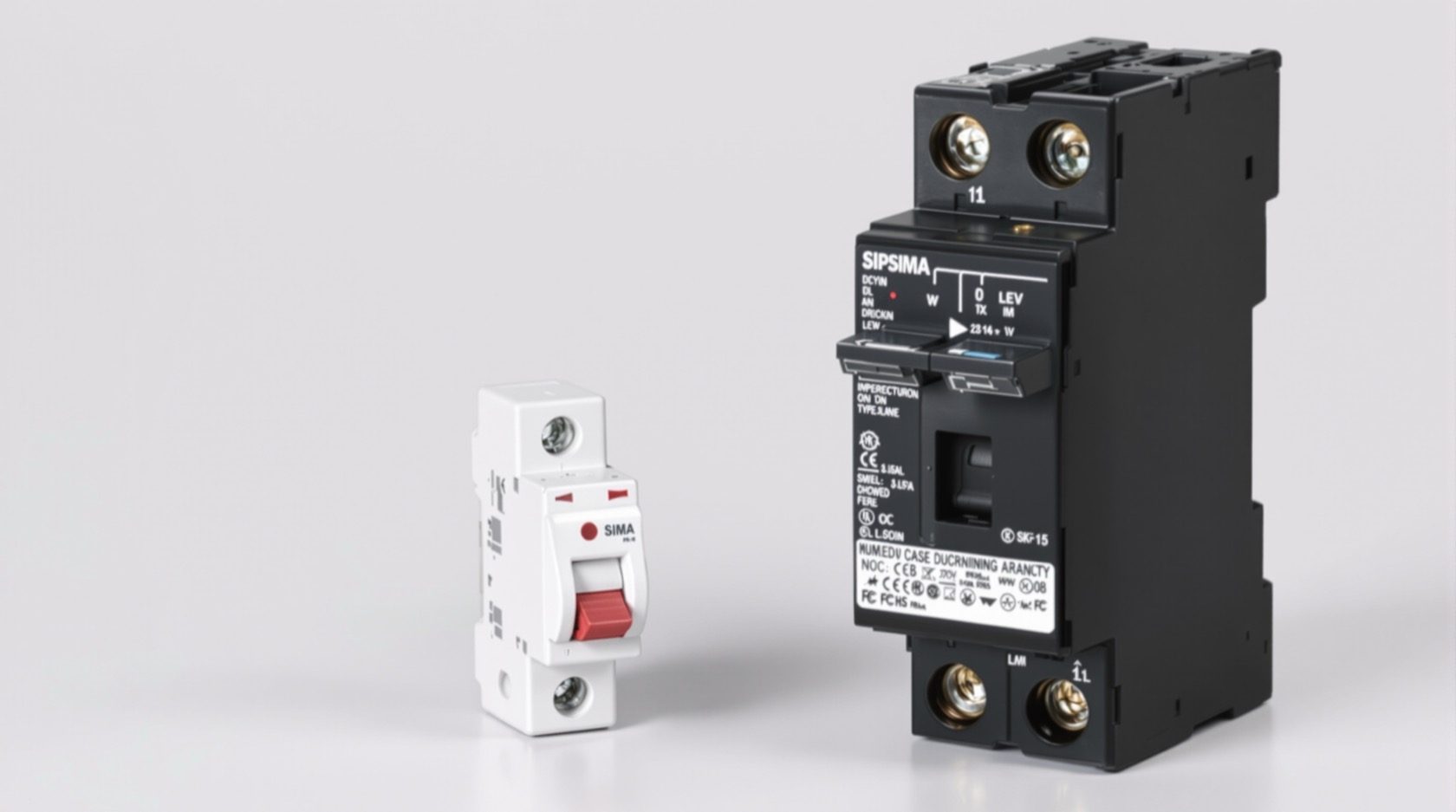
MCB vs MCCB: What They Do & Which Your Home Needs
The two circuit breakers that protect wiring from overload and short circuit — the MCB in every home board and the larger MCCB in bigger installations. What each does, the trip curves and ratings, when you need which, and why a bigger breaker is never the fix for tripping.
 Shock protection20
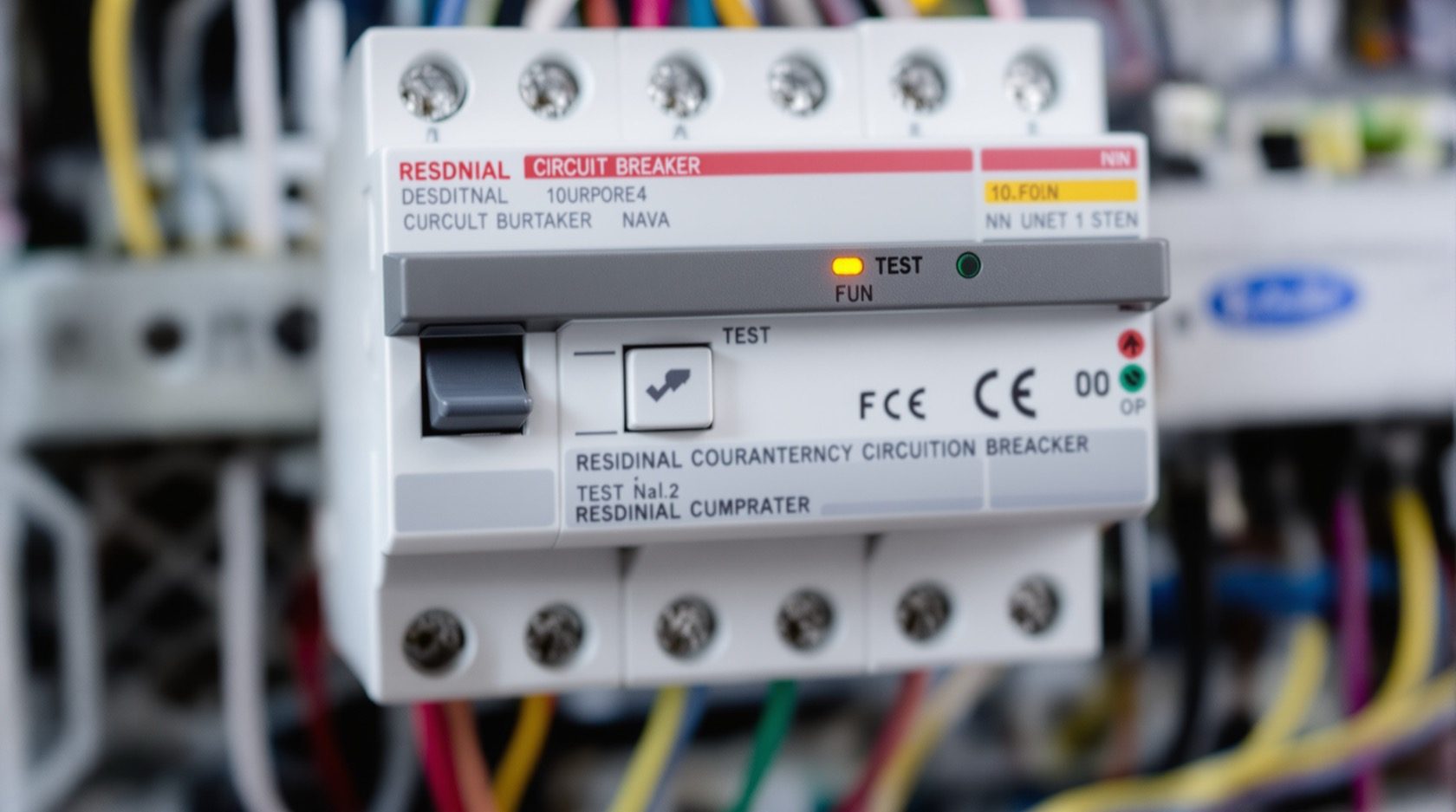
RCCB, RCBO & ELCB: The Devices That Protect You From Shock
The single most important safety device in a home board — the residual current device that detects electricity leaking to earth and cuts power in milliseconds. What RCCB, RCBO and ELCB mean, why 30 mA matters, the difference from an MCB, and why every home must have one.
 Ratings21
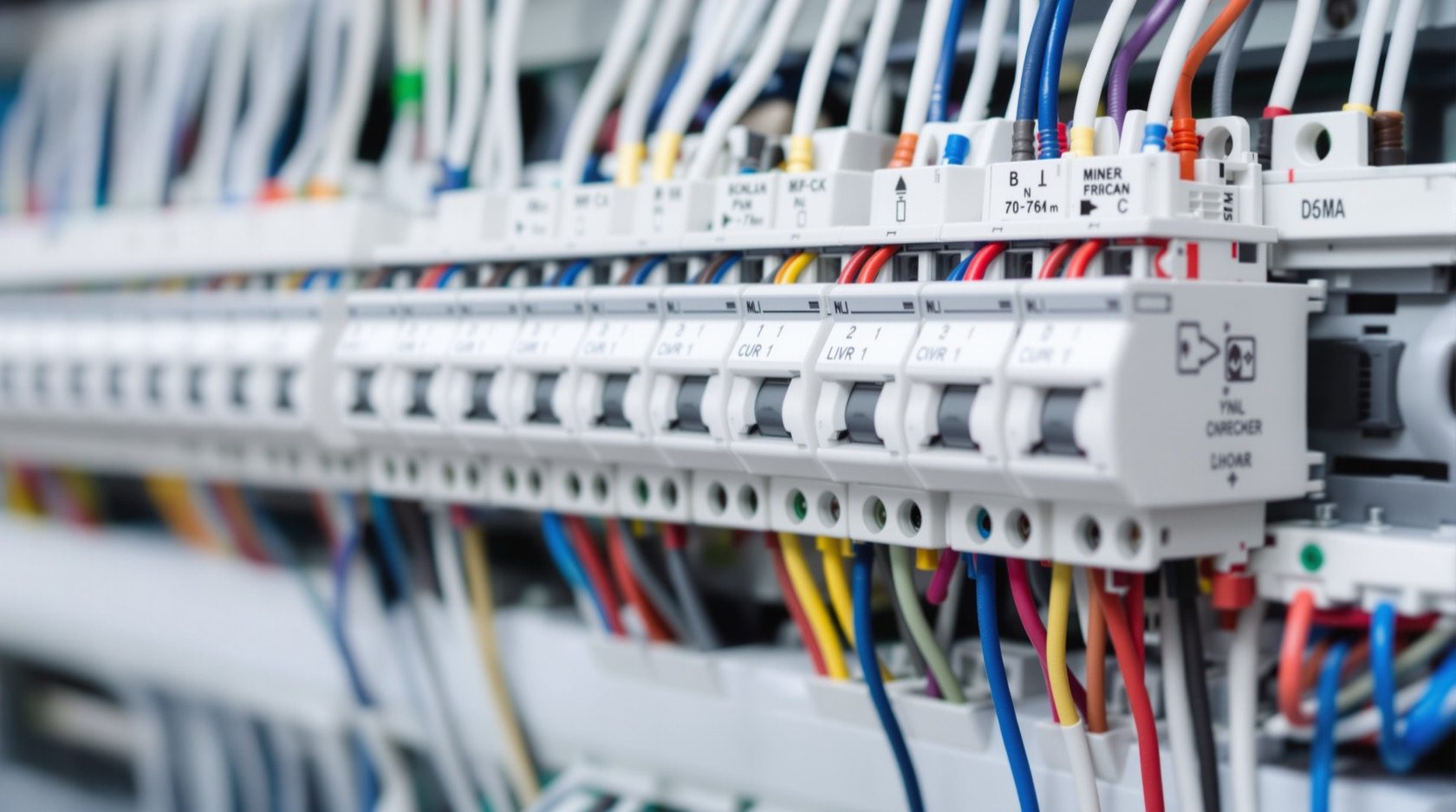
Choosing the Right MCB Rating for Each Circuit
How the correct MCB is chosen — sized to protect the cable, above the circuit's normal load, with the right trip curve for the appliance. The common ratings for lighting, sockets, geysers, ACs and kitchens, and the golden rule that ties the breaker to the wire.
Earthing & protection
The safety net, layer by layer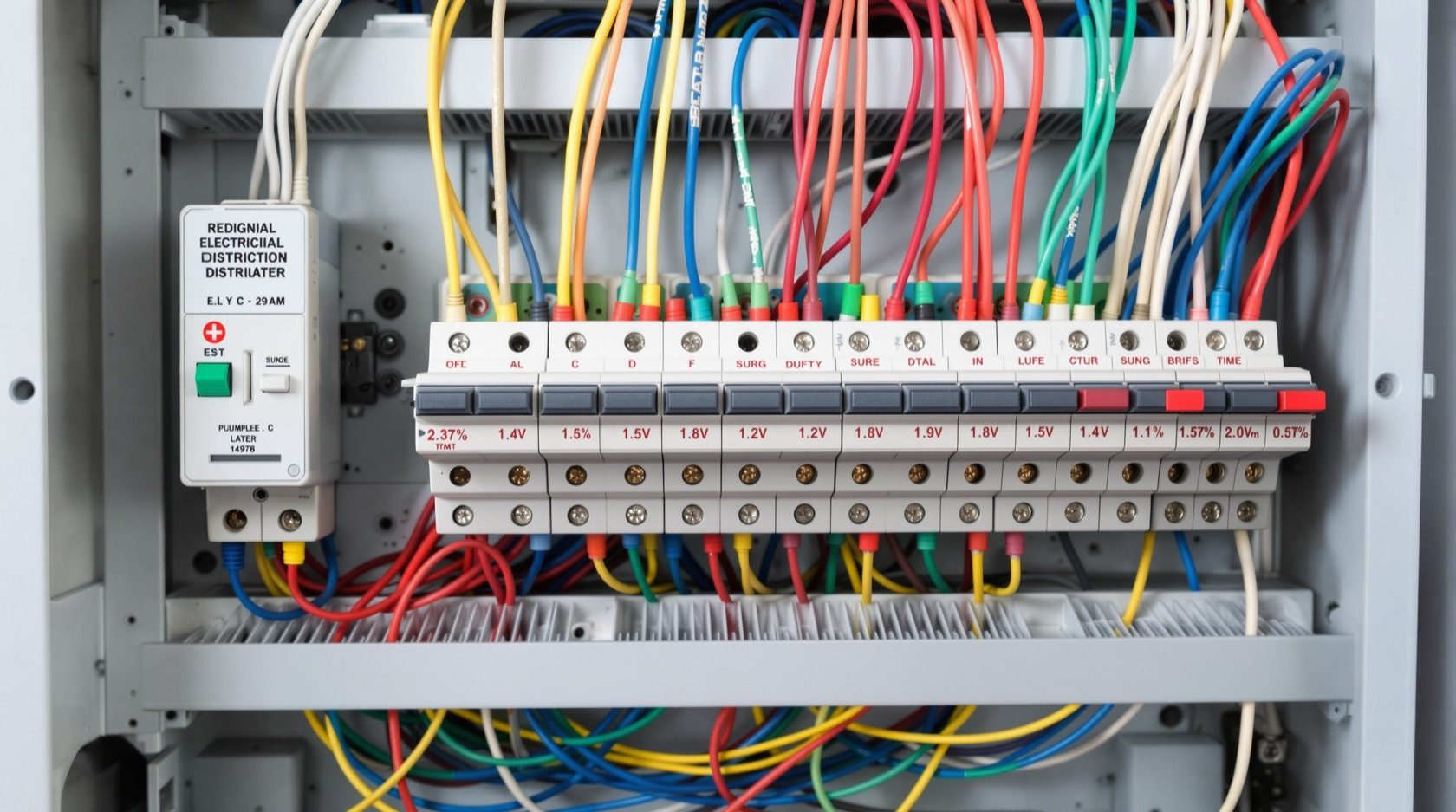 The layers22
How Your Home Is Protected: The Layers of Electrical Protection
The complete picture of electrical safety — the layers that guard a home, from the MCB that protects cables and the RCCB that protects people to earthing, surge and lightning protection. What each layer does, what it does not, and why you need all of them.
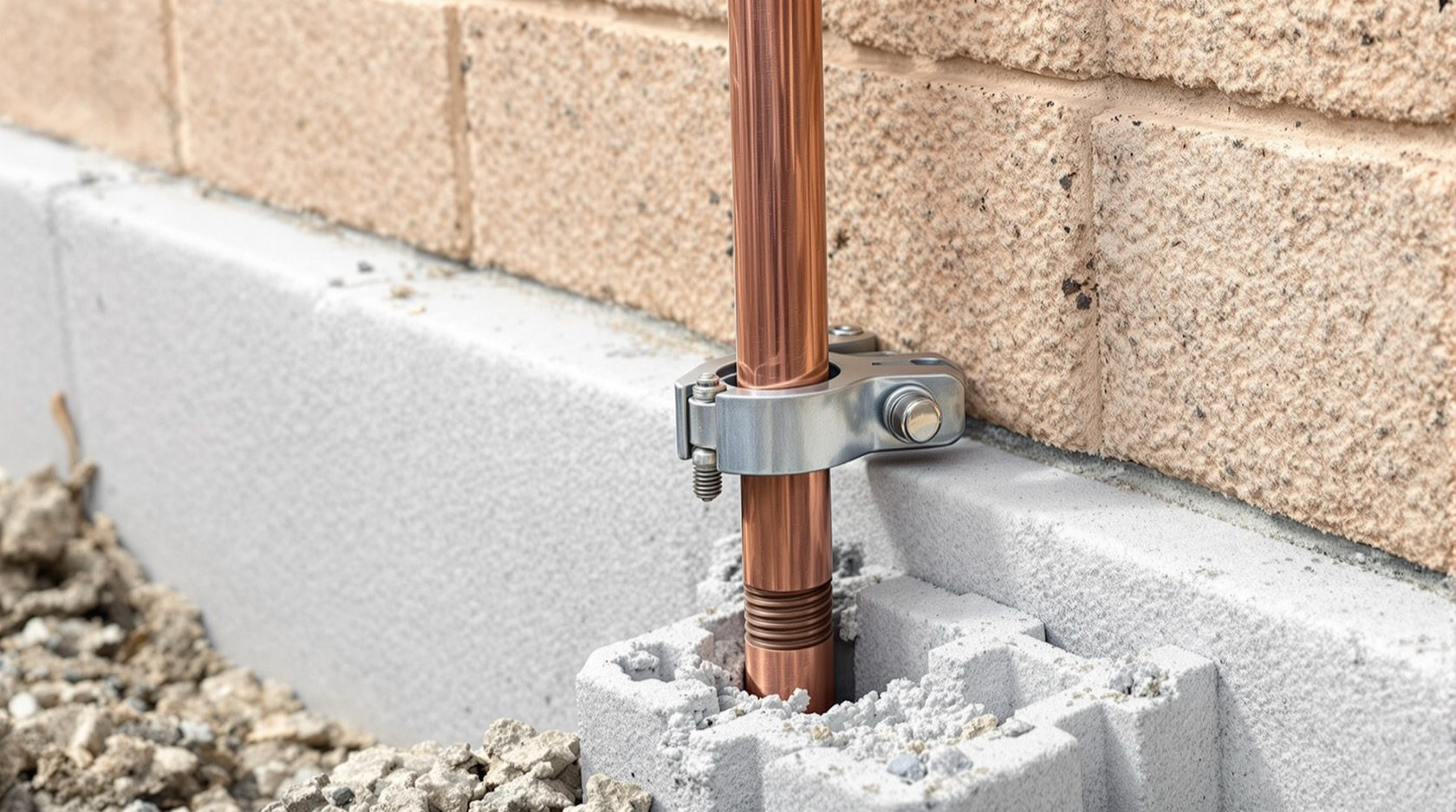 Earthing23
Home Earthing Explained: The Invisible Life-Saver
What earthing is and why every home must have it — how it gives a dangerous fault a safe path to the ground, why it lets your MCB and RCCB actually work, what good earthing looks like, and the IS 3043 standard that governs it in India.
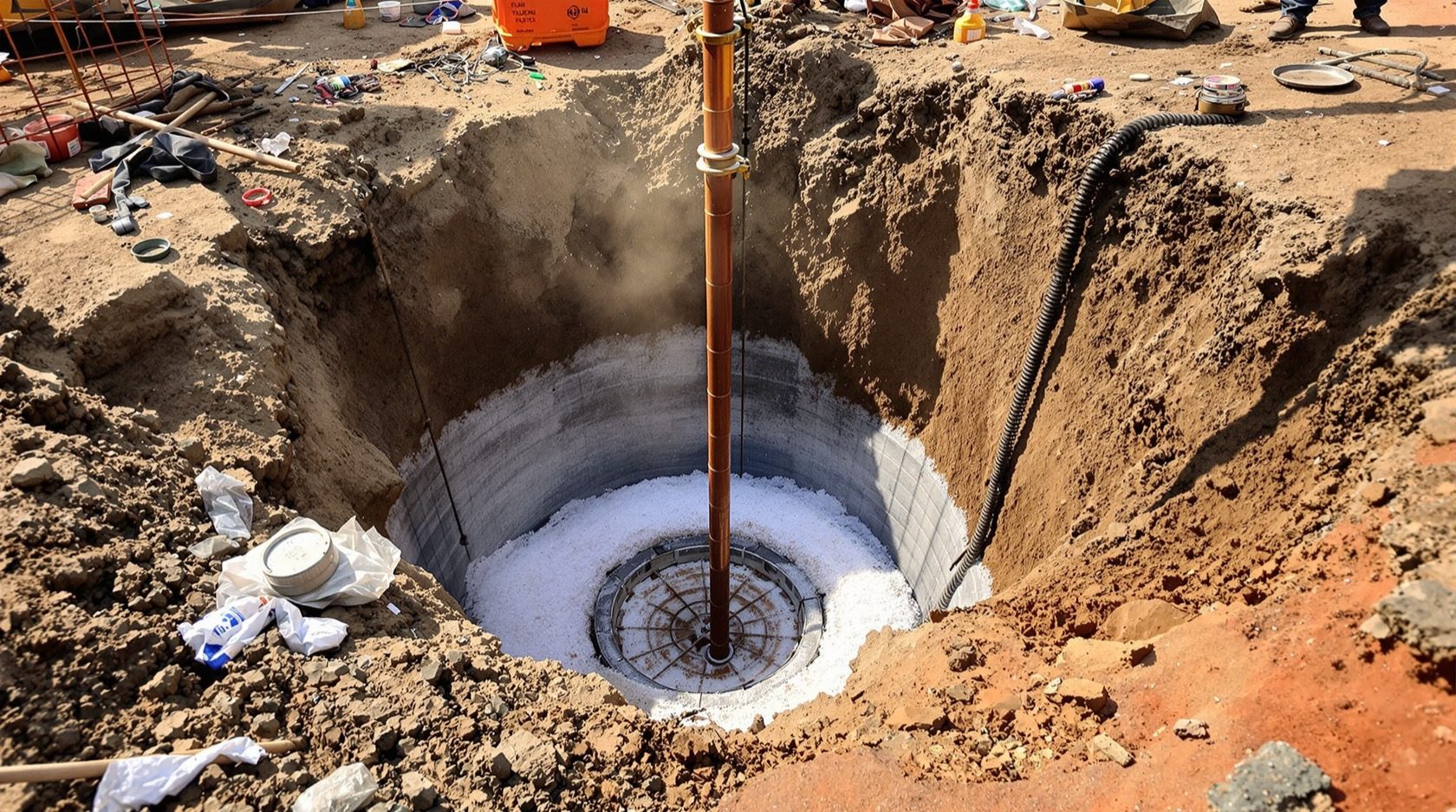 Earthing types24
Types of Earthing: Pipe, Plate & Chemical Compared
The physical ways a home is earthed — the traditional pipe and plate electrodes and the modern maintenance-free chemical earthing rod. How each works, what it costs, where each suits the soil, and why low earth resistance, not the type alone, is what matters.
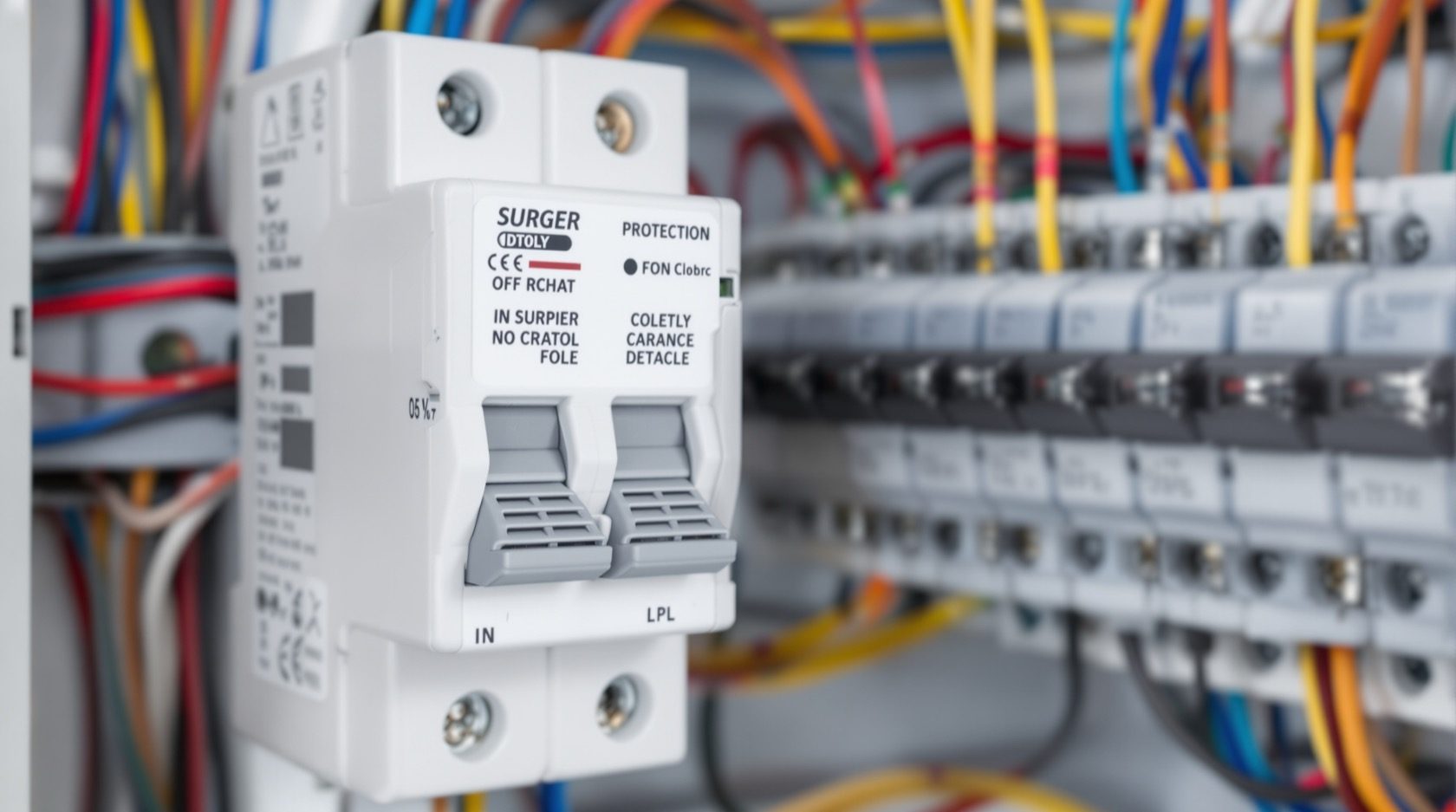 Surge / SPD25
Surge Protection & SPDs: Guarding Your Home's Electronics
The device your MCB and RCCB cannot replace — a surge protective device clamps the sudden voltage spikes from grid switching and lightning that quietly kill TVs, computers, inverters and LED drivers. What SPDs are, the Type 1/2/3 system, where they go, and whether your home needs one.
 Lightning26
Lightning Protection for Buildings: When You Need It & How It Works
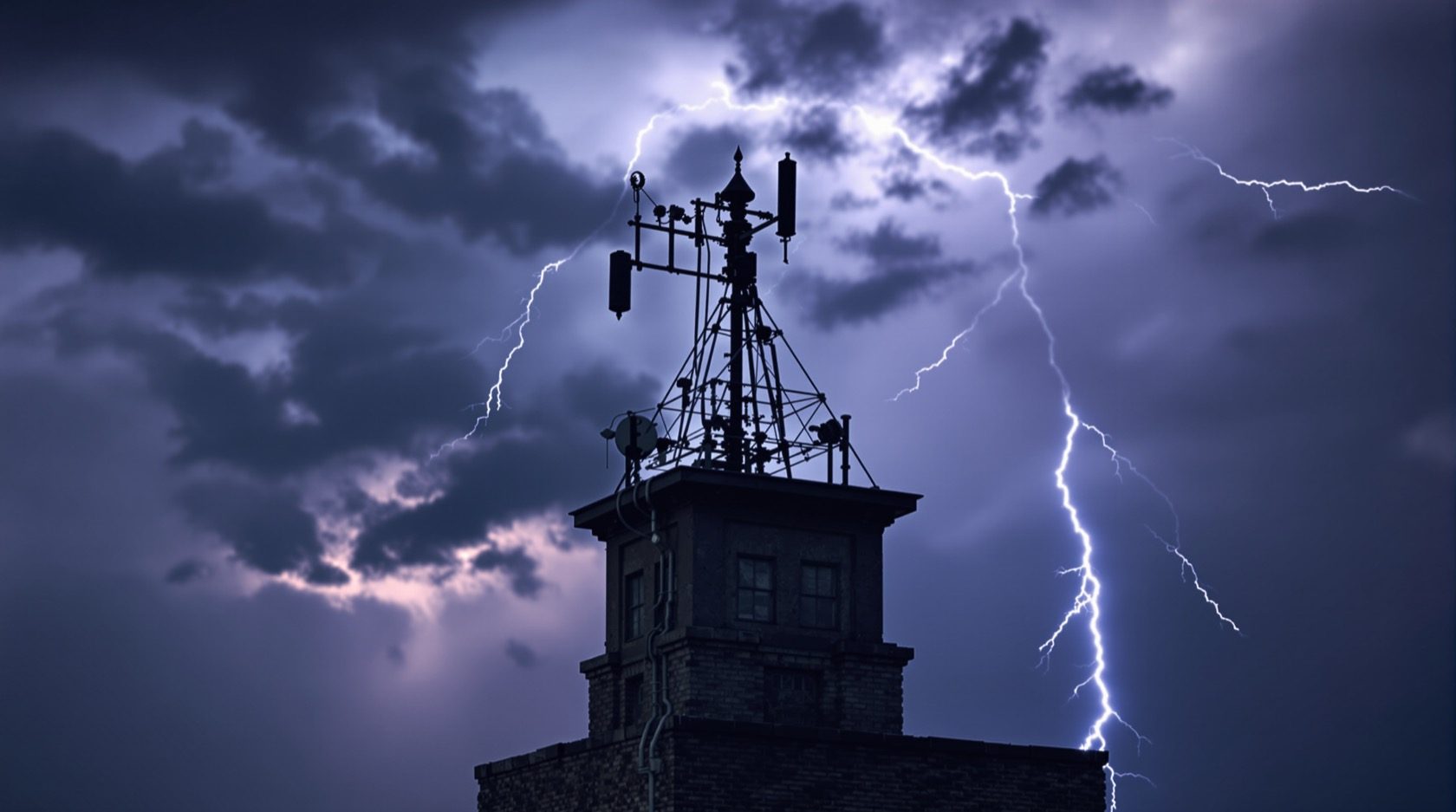
How a lightning protection system intercepts a strike and carries millions of volts safely to earth — the air terminals, down conductors and earth termination, the risk assessment that decides whether a building needs one, and the IS/IEC 62305 standard that governs it in India.
 Arc fault27
Arc Fault Protection (AFDD): The Fire Risk MCBs and RCCBs Miss
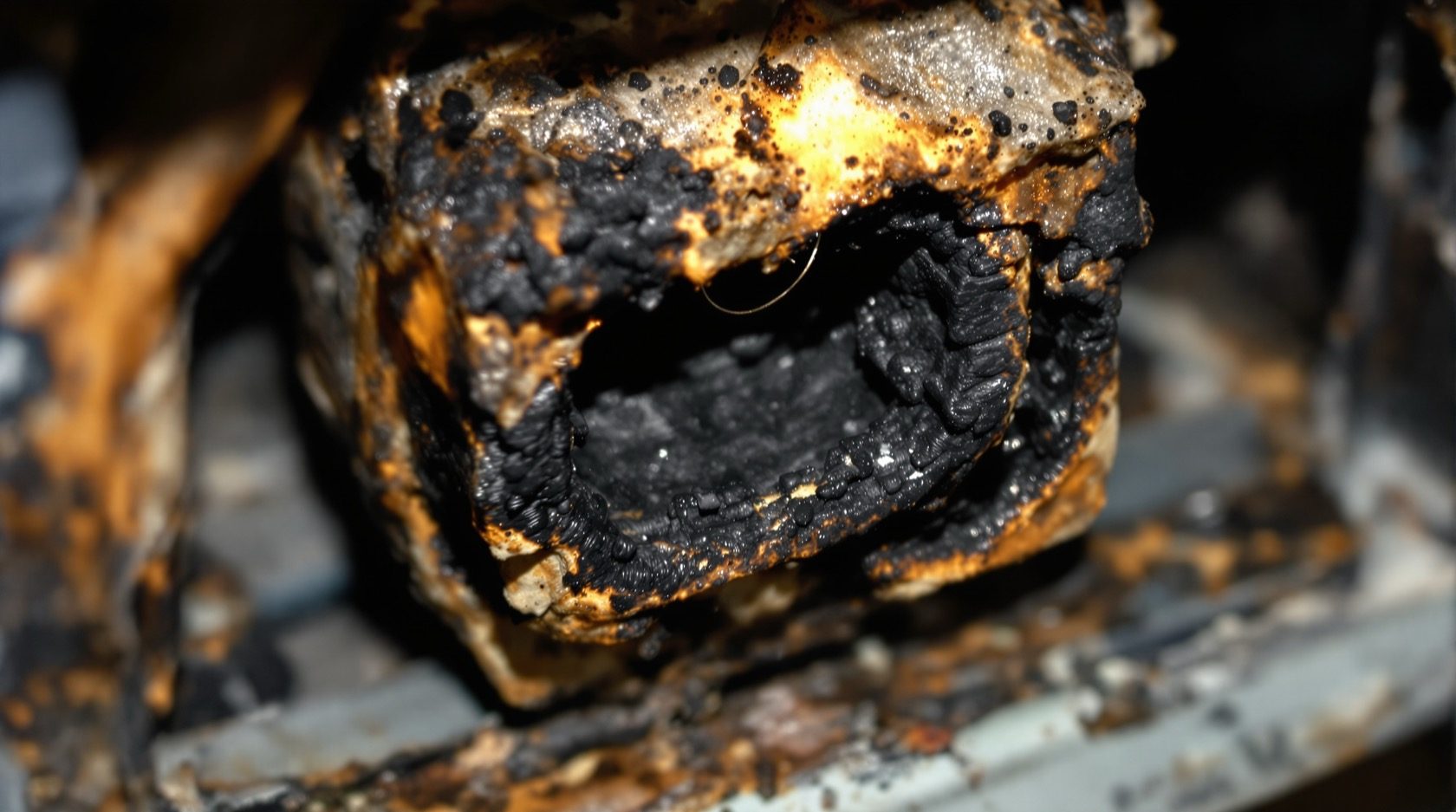
The dangerous electrical arc that neither an MCB nor an RCCB reliably catches — and the arc fault detection device (AFDD) built to spot it. What arcing is, why it starts fires, how an AFDD works, and an honest look at where this newer technology stands in India.
Lighting
Design, LED, colour, smart & outdoor Design28
Home Lighting Design: Layers, Lumens & Room-by-Room Planning
How to light a home well — the three layers of ambient, task and accent light, how much light each room actually needs, why lumens matter more than watts, and a room-by-room plan you can hand to your electrician and designer.
 LED29
LED29LED Lighting Explained: Lumens, Watts, CRI & How to Buy Well
Why LED replaced everything else, and how to actually choose one — reading lumens instead of watts, understanding colour temperature and CRI, spotting the efficiency that decides your bill, and the quality signs that separate a good LED from a cheap one that fails early.
 Colour30
Colour Temperature & CRI: Choosing the Right White for Every Room
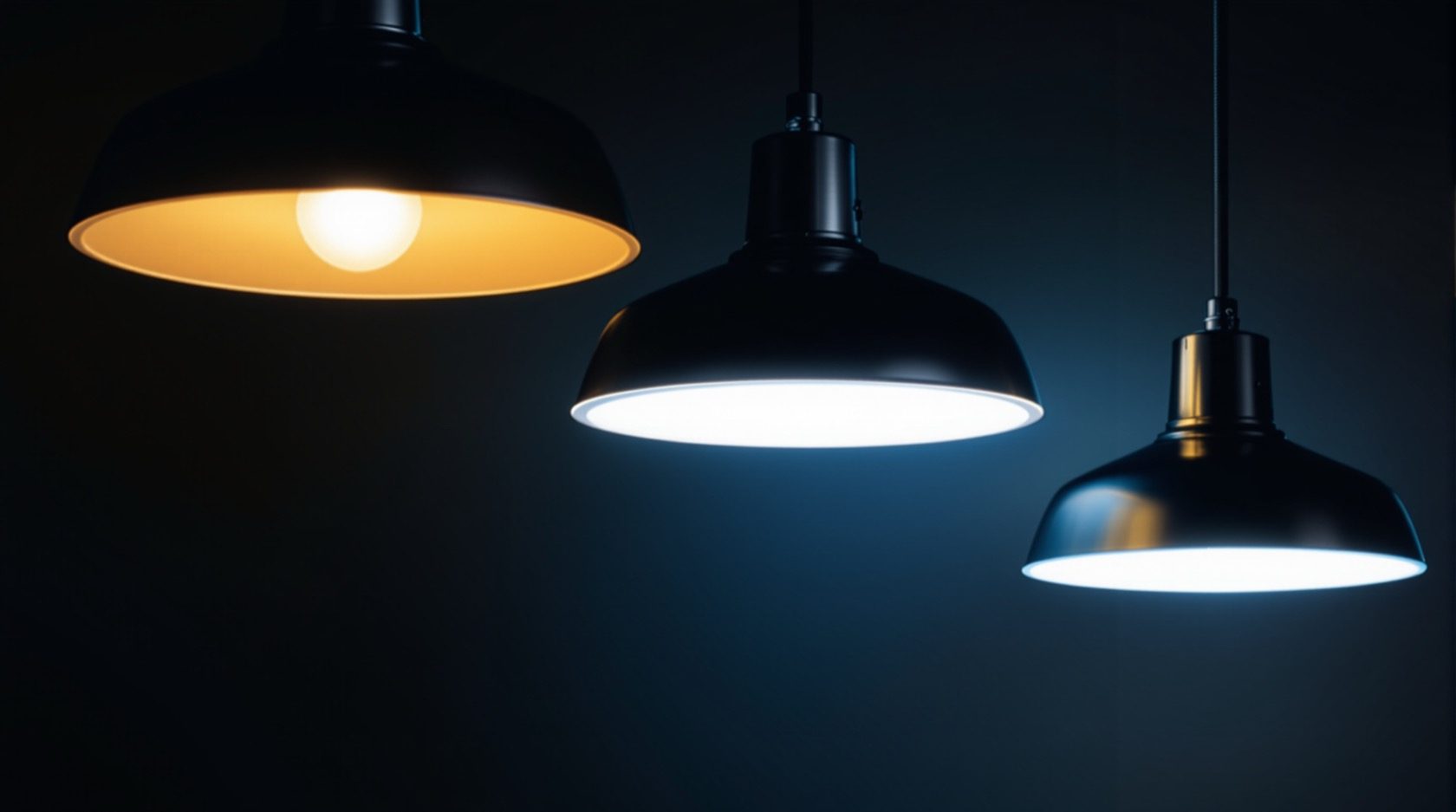
The two numbers that decide how light feels and how true colours look — colour temperature in kelvin (warm to cool) and the colour rendering index (CRI). What warm, neutral and cool light suit, why CRI matters, and the room-by-room choices for an Indian home.
 Smart31
Smart Lighting: Bulbs vs Switches, Scenes & What Actually Works
How to add app, voice and automated control to a home's lights — the crucial choice between smart bulbs and smart switches, dimming and colour-changing, scenes and schedules, and how to plan a home so smart lighting is easy to add rather than a fight with the wiring.
 Outdoor32
Outdoor, Landscape & Security Lighting: A Practical Guide
Lighting the garden, façade, path and entrance — the weatherproofing outdoor fittings must have (the IP rating explained), the techniques that make a landscape beautiful, how security lighting actually deters, and the wiring and safety that outdoor light demands.
 Emergency33
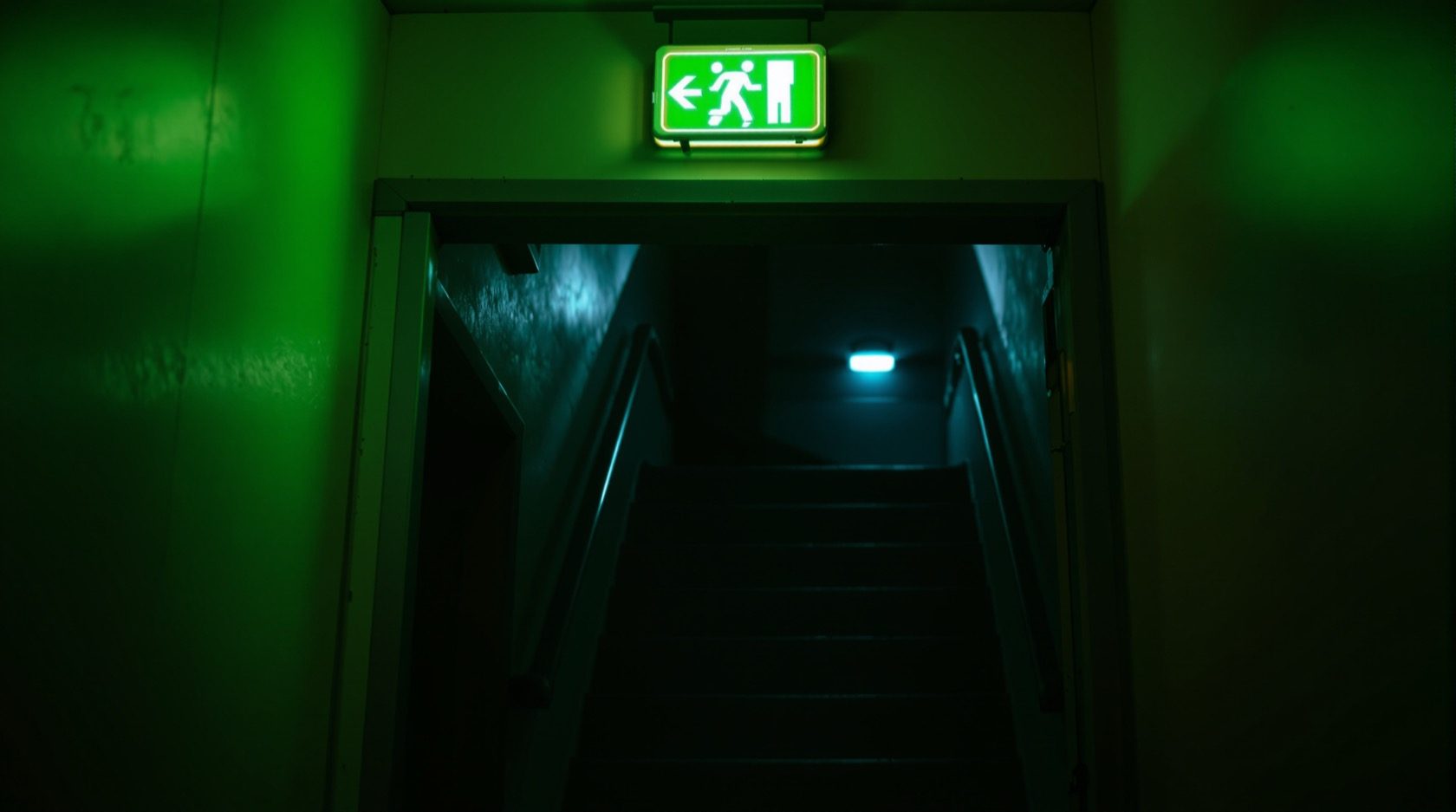
Emergency Lighting: Staying Safe When the Power Fails
The lighting that switches on automatically when normal power fails — why escape routes must stay lit, the difference between maintained and non-maintained fittings, where it is required in buildings, and the simpler options that keep a home safe during an outage.
Backup power
Inverters, batteries, generators & UPS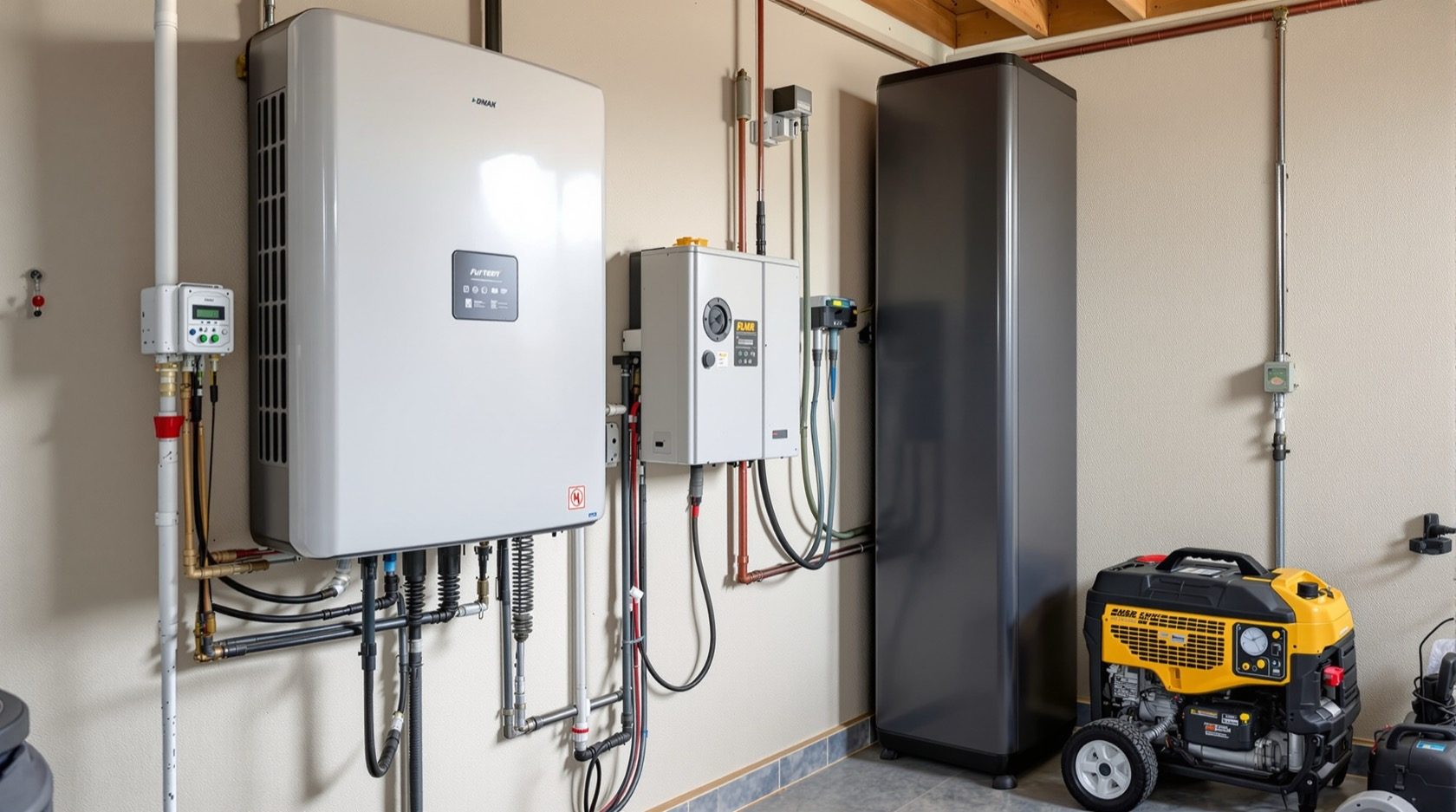 Options34
Home Backup Power: Inverter, Generator or UPS?
How to keep the lights on when the grid goes down — the three backup options compared (inverter-battery, generator, UPS), how to decide which your home needs, the 'essential loads' idea that makes backup affordable, and why a proper changeover switch is non-negotiable.
 Inverter35
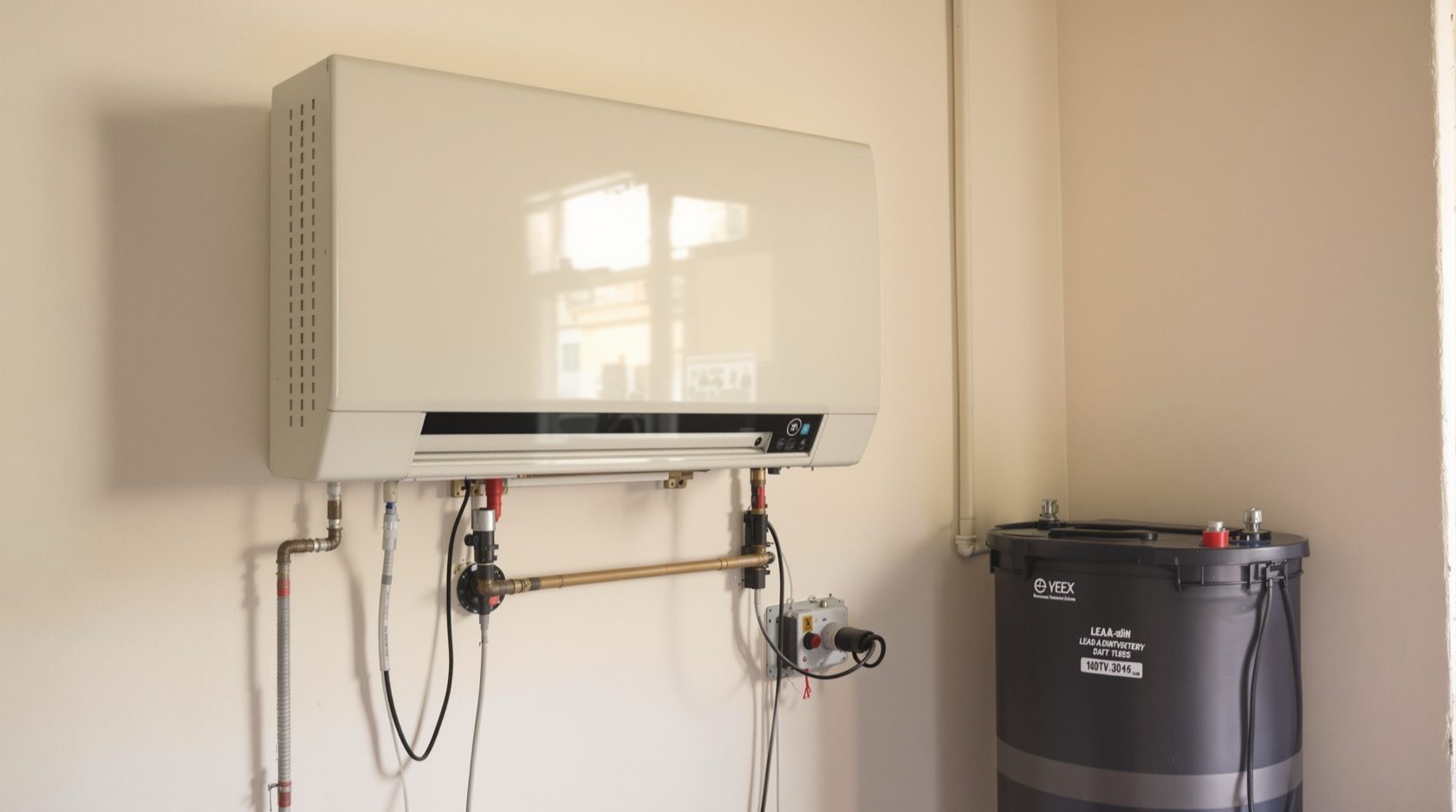
Inverters & Batteries: How They Work & How to Size Them
The silent workhorse of Indian home backup — how an inverter turns battery power into mains, what the VA rating means, why sine-wave matters, how to size the inverter to your load and the battery to your backup hours, and how to keep the system healthy.
 Batteries36
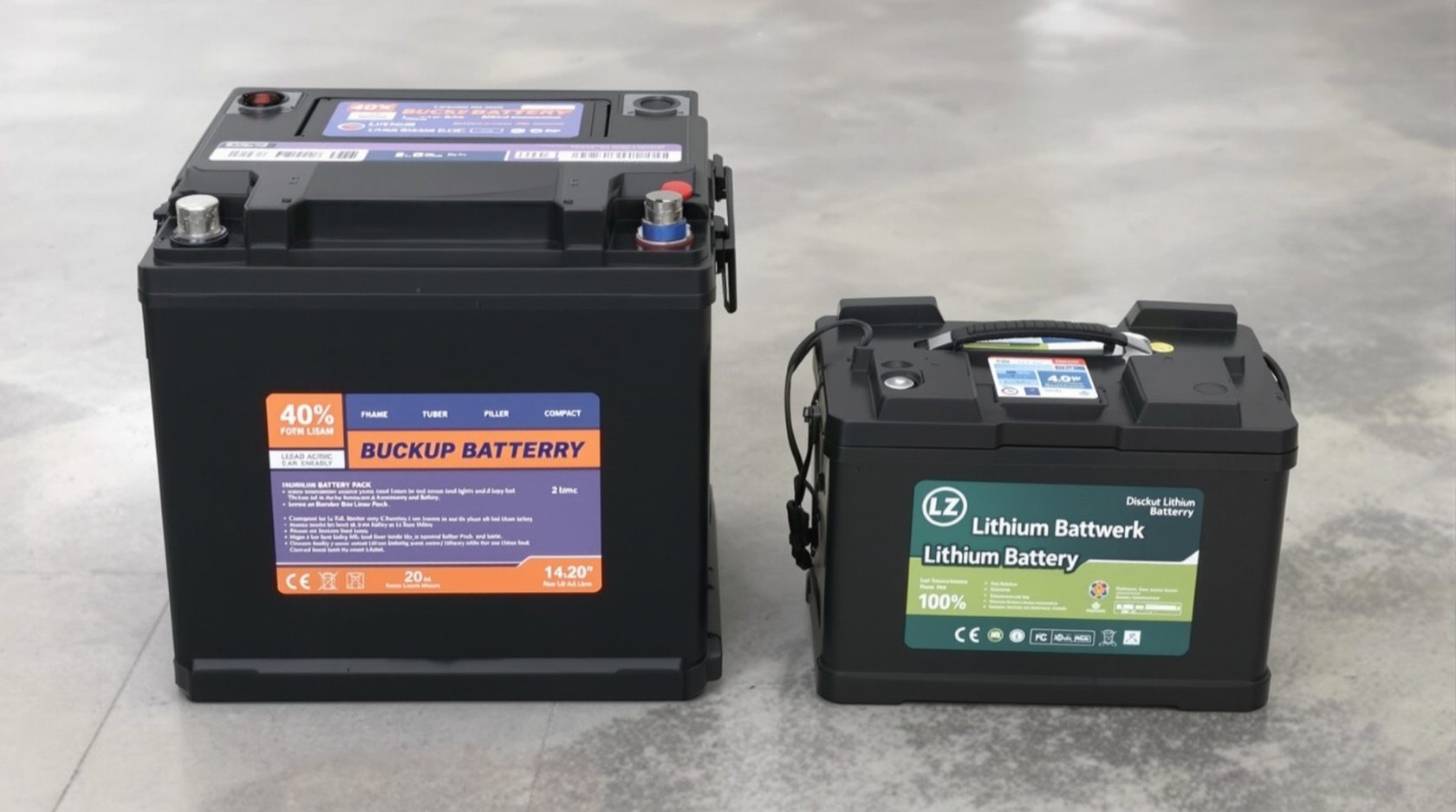
Inverter Battery Types: Tubular, Flat-Plate, VRLA & Lithium Compared
The battery is where most of the money and trouble in a backup system lives — so choose it well. Flooded tubular and flat-plate lead-acid, sealed VRLA, and lithium compared on life, maintenance, cost, safety and where each fits an Indian home.
 Generator37
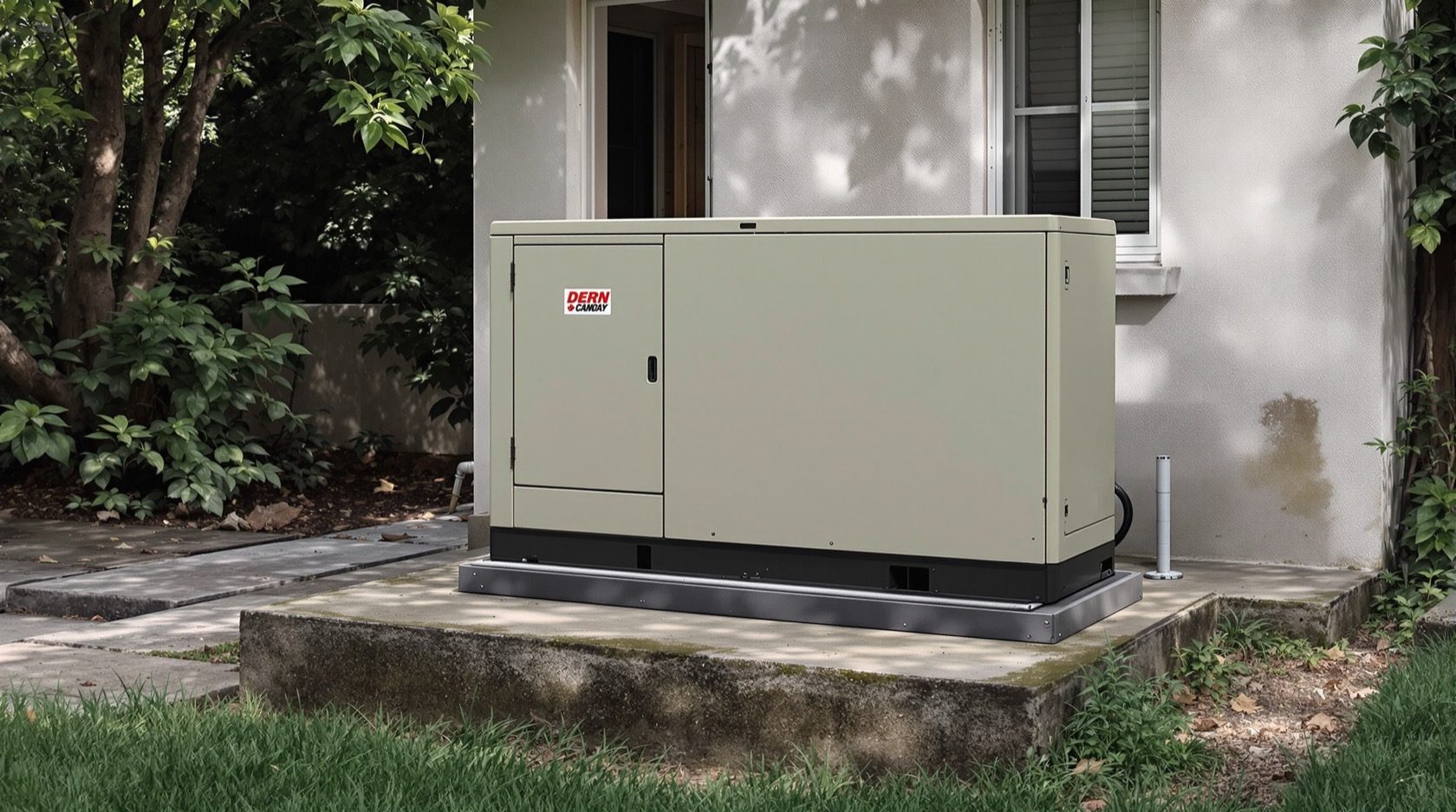
Home Generators: Portable, Standby, Sizing & When You Need One
When a battery isn't enough — how a generator produces power for heavy loads and long outages, the difference between a portable set and a fixed standby DG, how they are sized, the fuel, noise and emission realities, and whether a home actually needs one.
 UPS38
UPS38UPS Systems: Protecting Electronics When Power Fails or Blinks
The backup that switches over with zero interruption — how a UPS keeps a computer, router or critical equipment running through a cut or a dip, the offline, line-interactive and online types explained, how a UPS differs from a home inverter, and when you need each.
 Transfer switch39
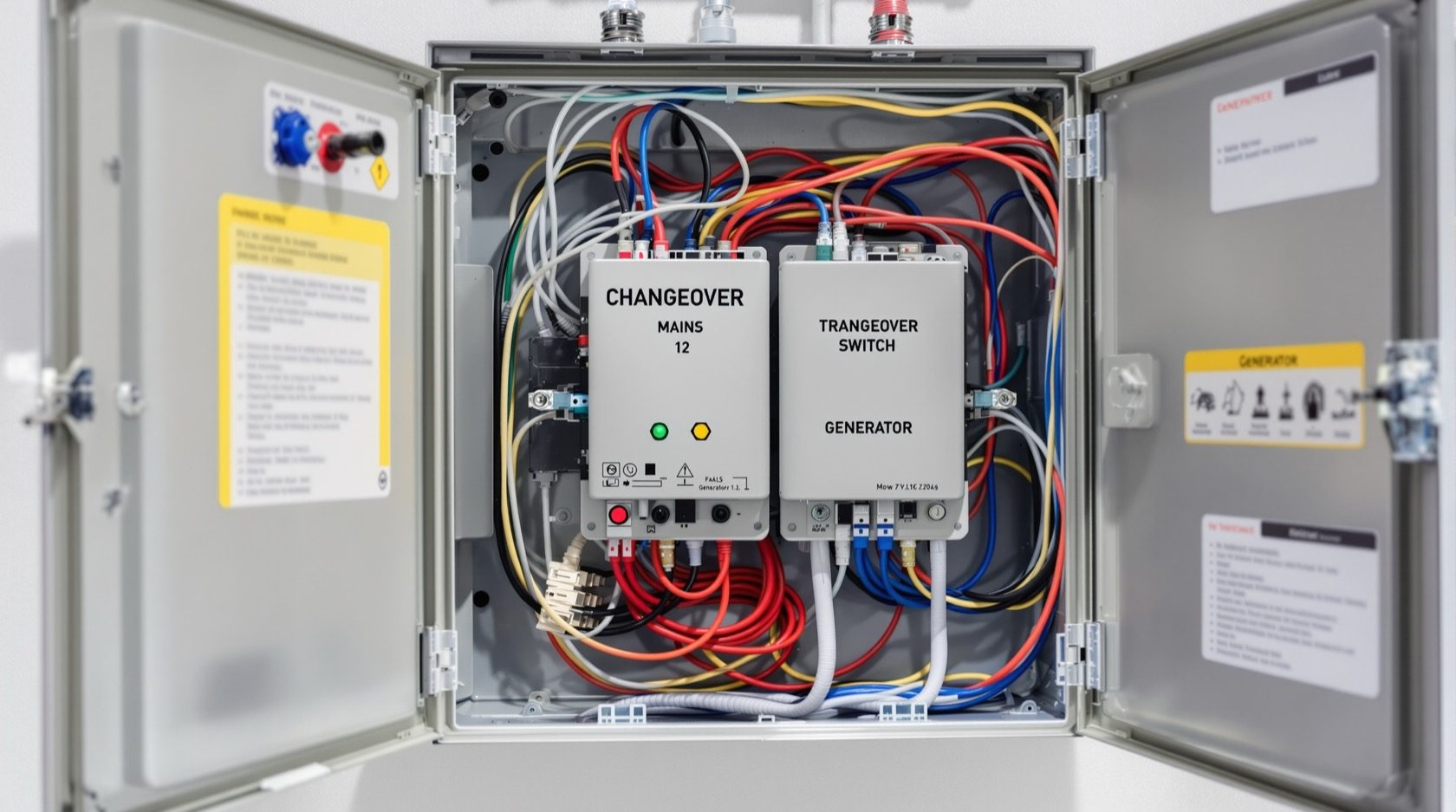
Automatic Transfer Switch (ATS): The Safety Device Backup Power Must Have
The switch that stands between your backup and the grid — why every generator or backup connection needs a changeover, how manual and automatic transfer switches work, what AMF adds, and the life-safety reason you must never connect backup without one.
Solar & EV charging
Rooftop solar, storage & electric vehicles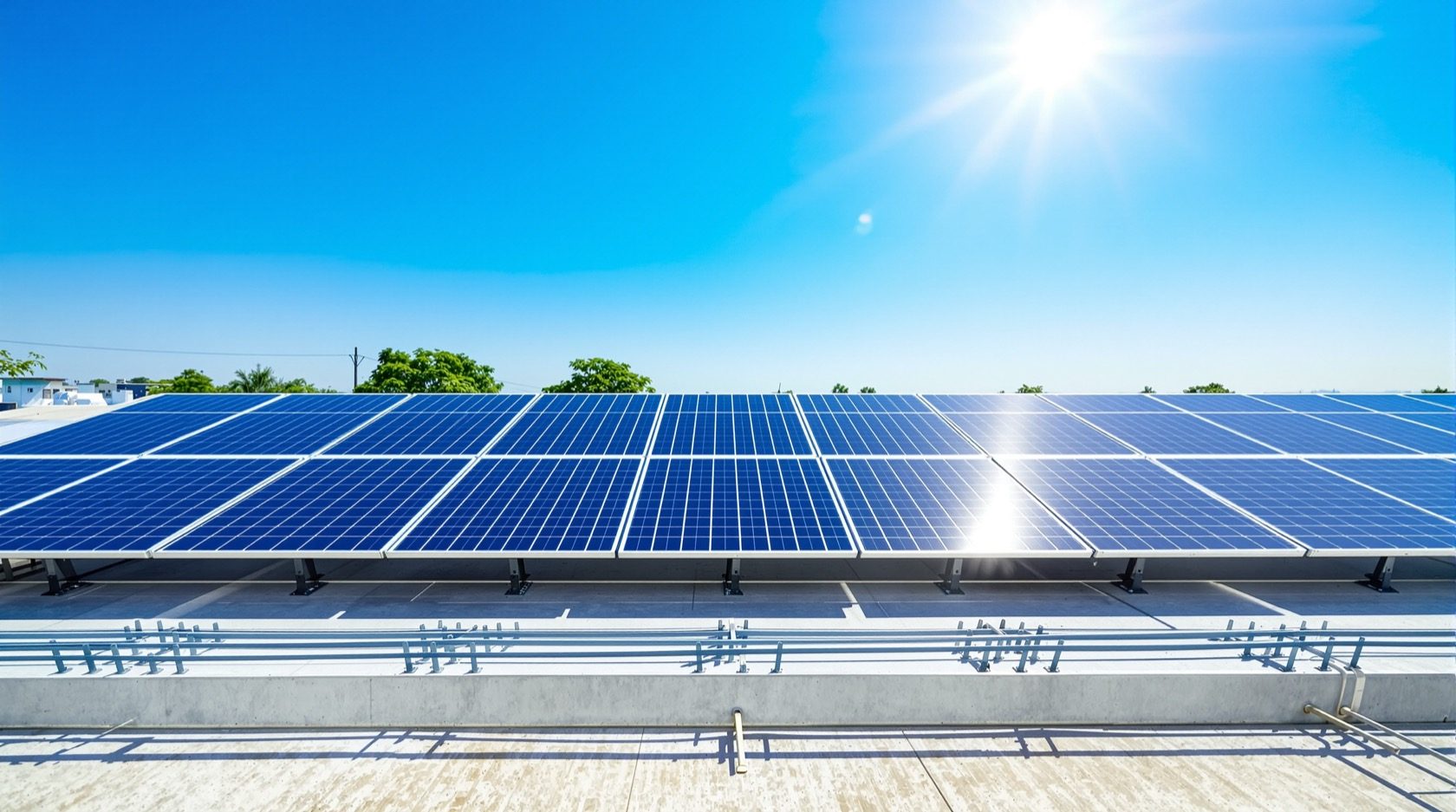 Rooftop solar40
Rooftop Solar for Indian Homes: The Complete Guide
How rooftop solar actually works and pays back — the panels, inverter and net meter, the on-grid, off-grid and hybrid choice, how much roof and money a system needs, the PM Surya Ghar subsidy and net metering, and how to judge a good installation.
 System types41
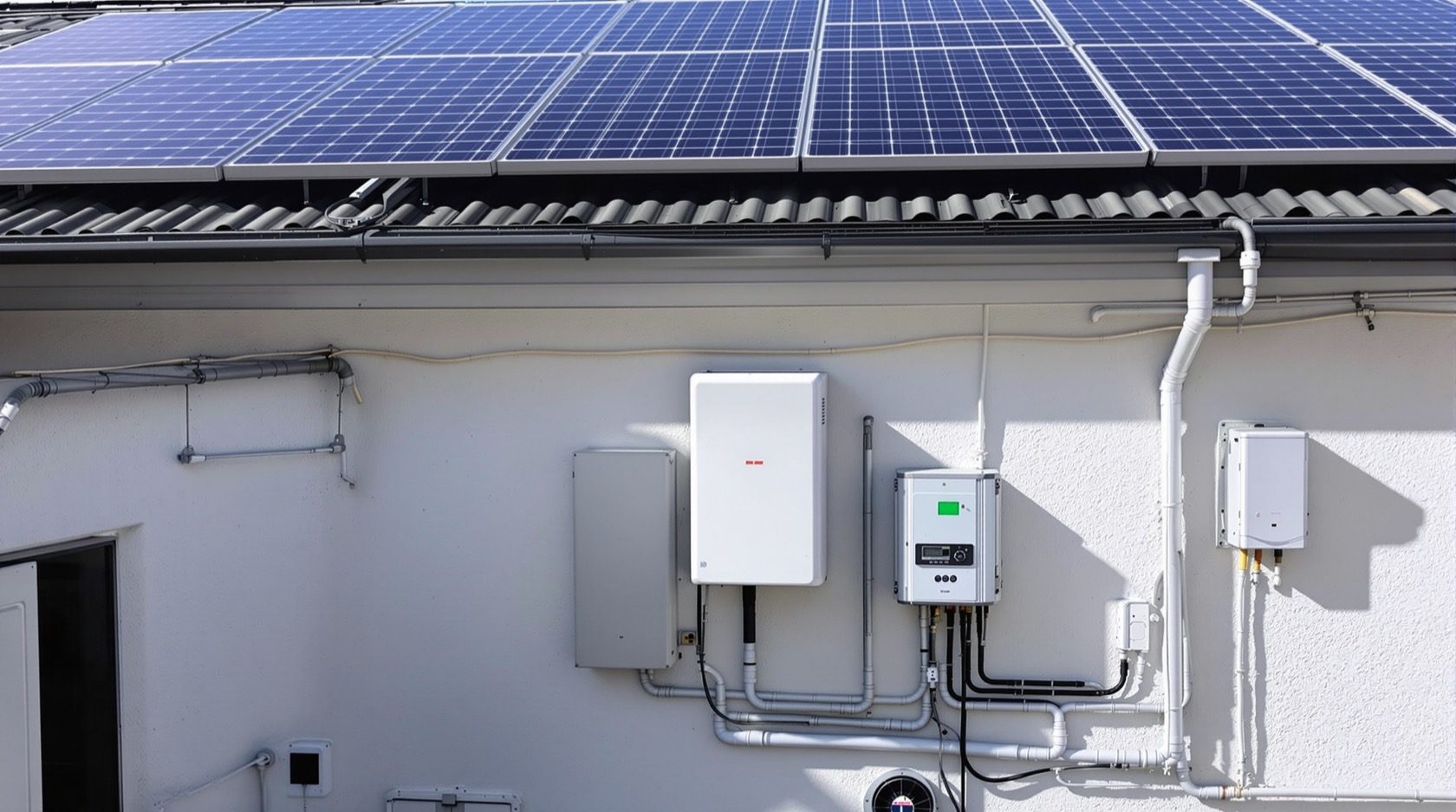
Grid-Tied vs Off-Grid vs Hybrid Solar: Which to Choose
The decision that shapes your whole solar system — grid-tied for best payback, off-grid for independence, or hybrid for both plus outage backup. How each works, the inverter each needs, why grid-tied solar shuts off in a power cut, and how to choose for an Indian home.
 Storage42
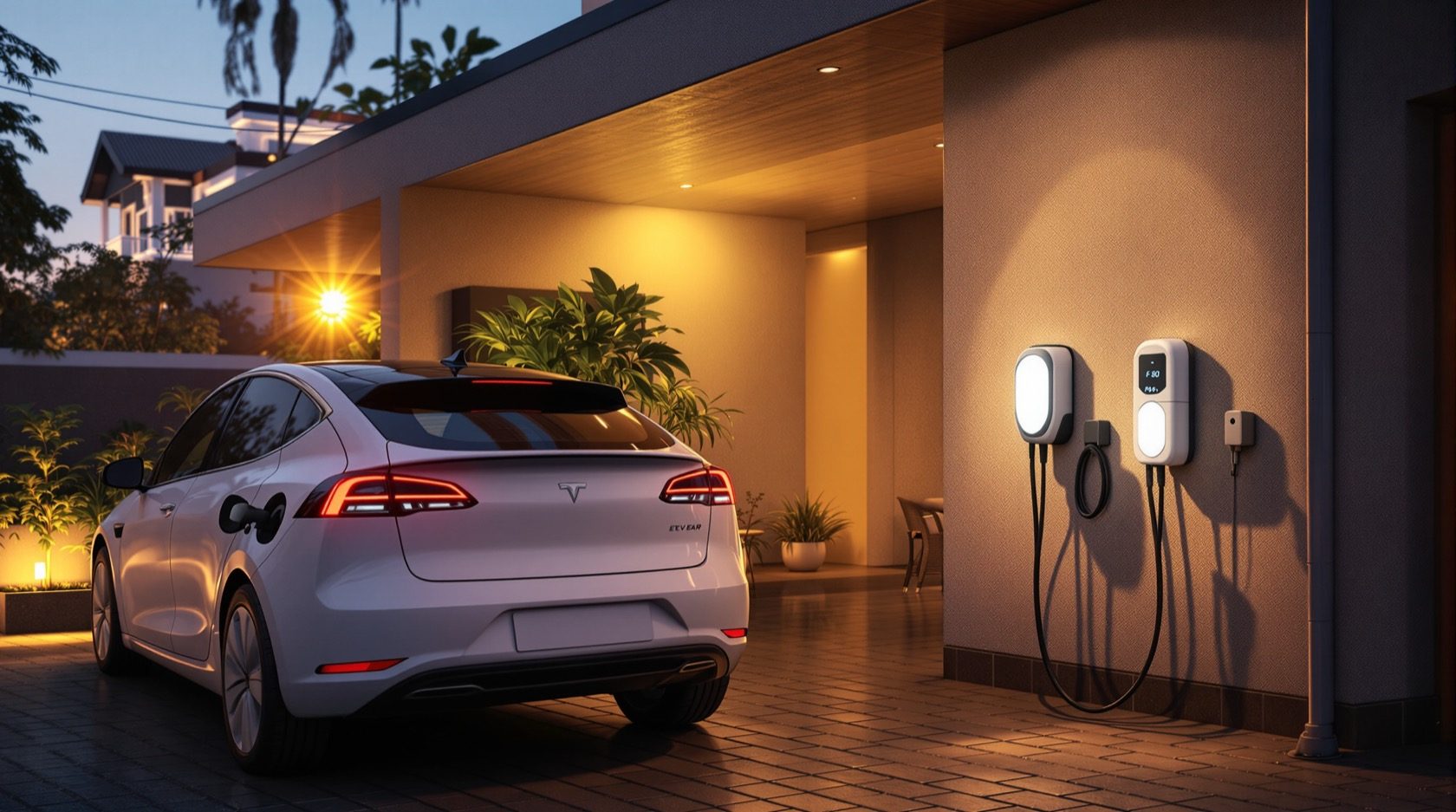
Solar Battery Storage: Is It Worth It for Your Home?
The battery that lets you use your solar power after dark and ride through outages — how solar storage works, why lithium suits it, how it is sized, the honest economics of whether storage pays, and when a home genuinely benefits.
 Home EV43
Home EV Charging: The Complete Guide for Indian Homes
Everything a homeowner needs to charge an electric car at home — how EV charging works, the AC vs DC and slow vs fast reality, the dedicated circuit and load your home needs, safety and the standards, and how to make a home EV-ready from the start.
 Charger types44
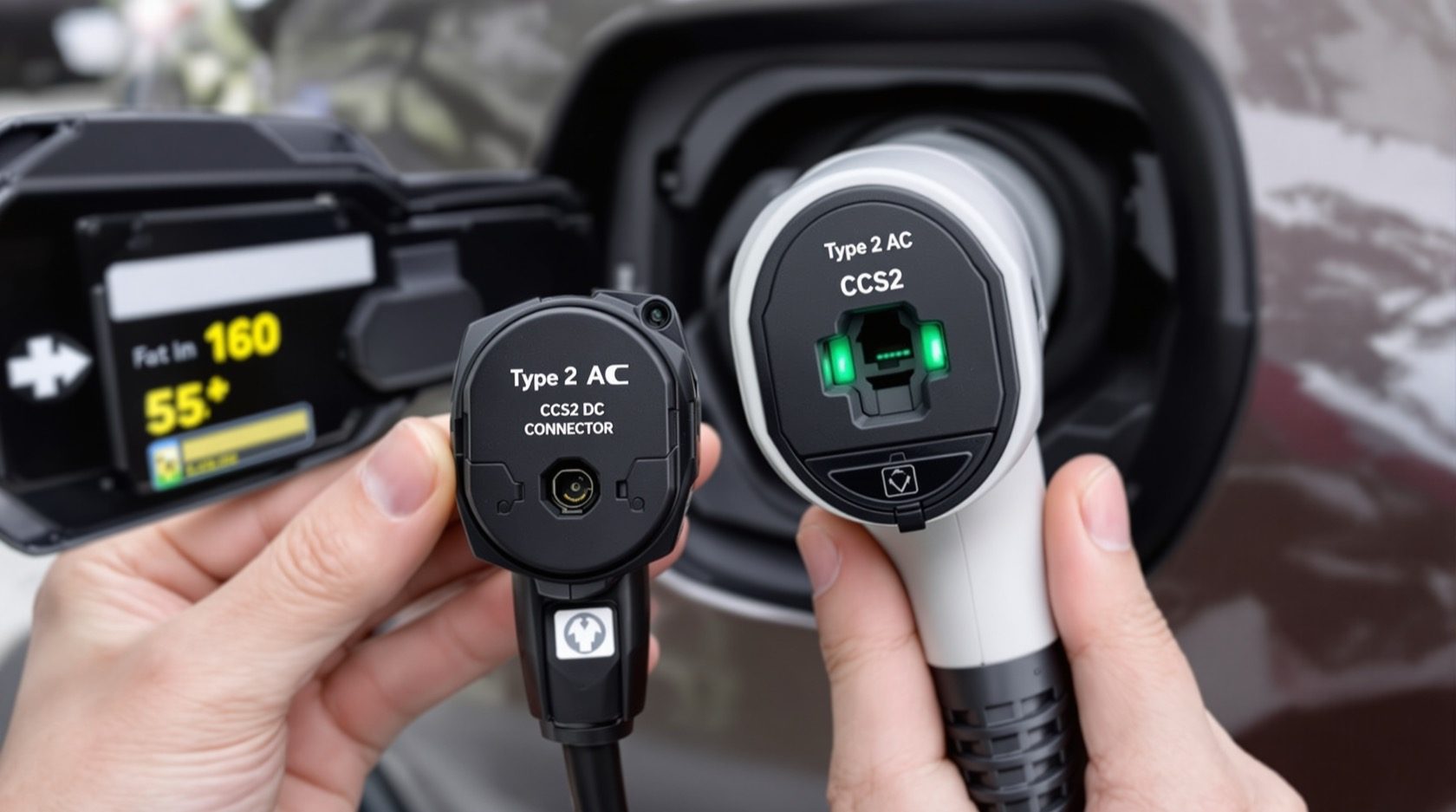
EV Charger Types: AC vs DC, Connectors & Charging Speeds
The confusing world of EV charging made clear — AC vs DC, the power levels from a 3 kW home wall box to a 100+ kW public fast charger, the connectors (Type 2, CCS2, CHAdeMO, GB/T), and how each decides how fast your car charges.
 Apartment EV45
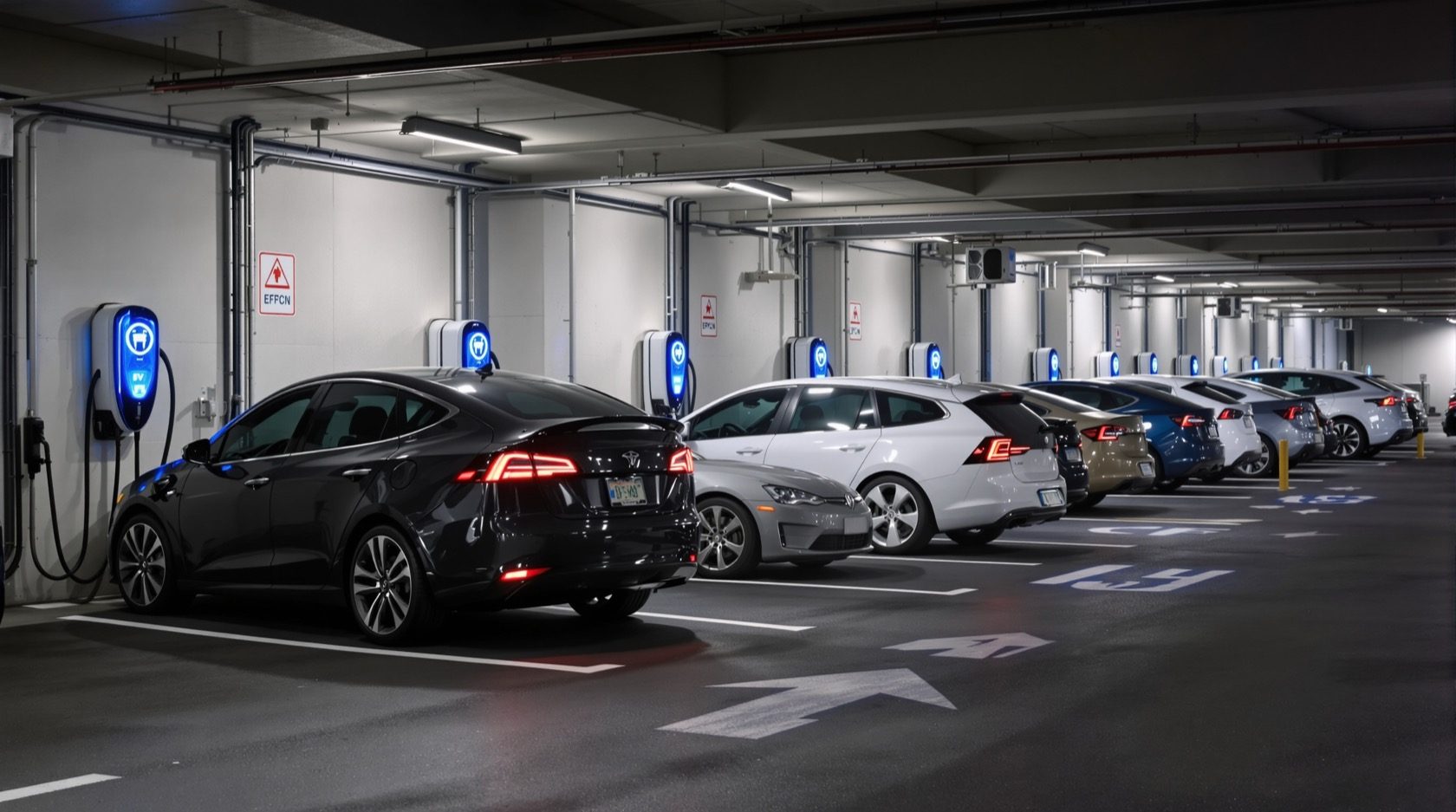
Apartment & Society EV Charging: Solving the Hard Case
Charging an electric car in a flat is harder than in a house — shared parking, shared wiring, and a housing society to convince. How apartment EV charging works, the metering and billing options, what the rules say, and how to get a charging point approved.
Smart home & energy
Wiring, networking, monitoring & saving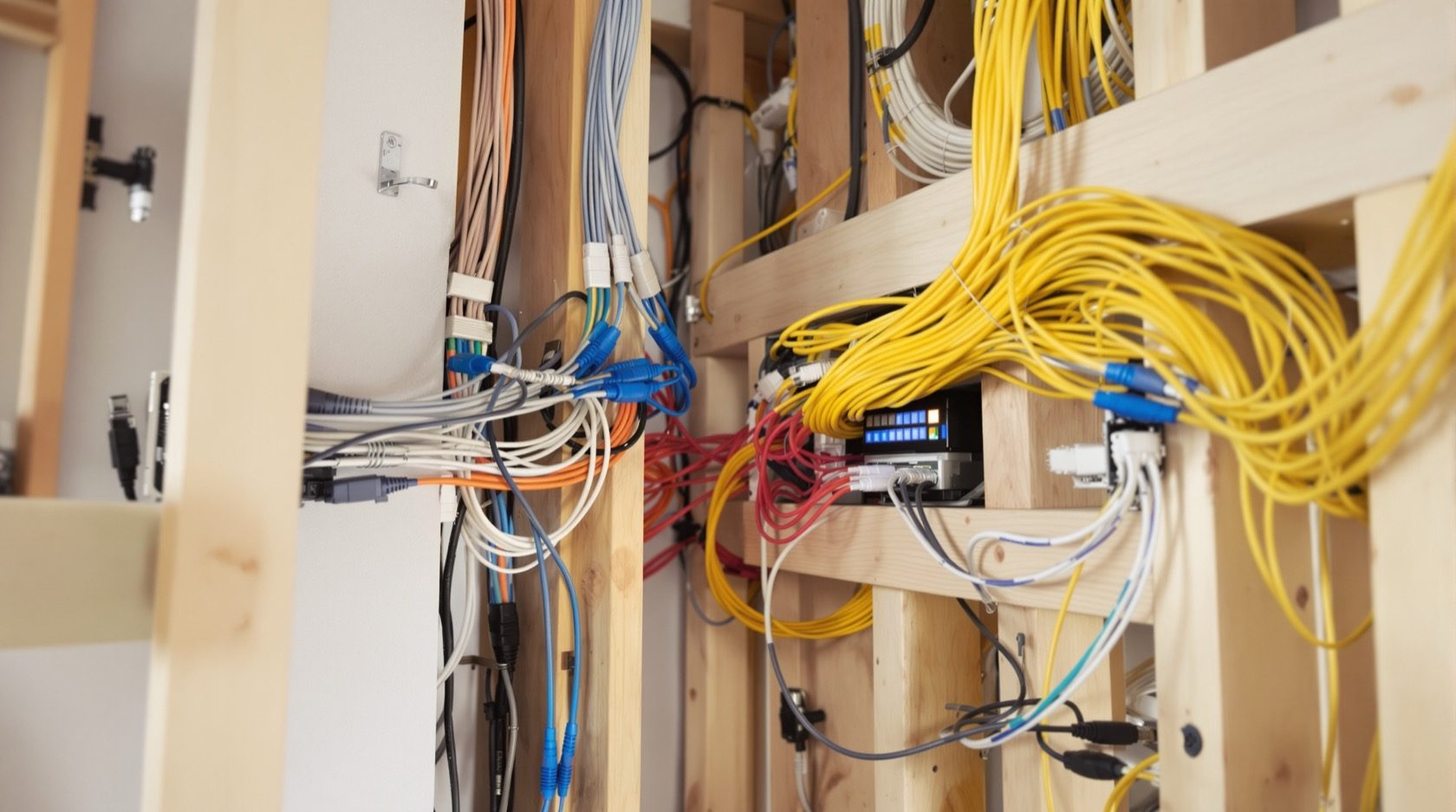 Smart wiring46
Smart Home Wiring: The Electrical Foundation of an Automated Home
Automation runs on infrastructure, not gadgets — the wiring that makes a home smart-ready: a neutral at every switch, deeper boxes, a structured cabling backbone, a network and hub location, and power provision, all planned before the walls close.
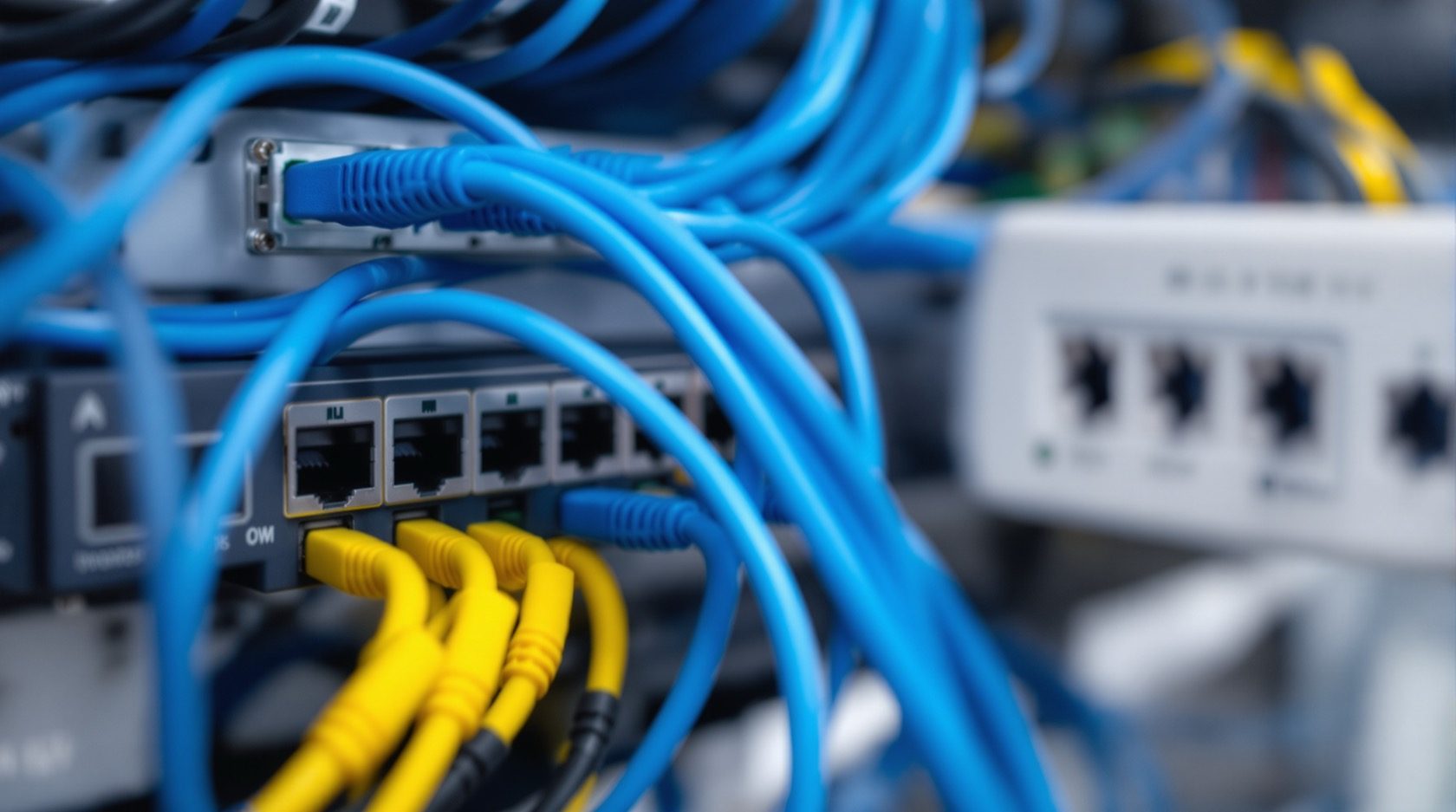 Networking47
Structured Cabling & Home Networking: The Wired Backbone
Why a wired network beats Wi-Fi alone — the Ethernet backbone that gives a home fast, reliable, secure connectivity: Cat6 cabling, a central patch point, Wi-Fi access points instead of one router, and the low-voltage design that makes a smart home solid.
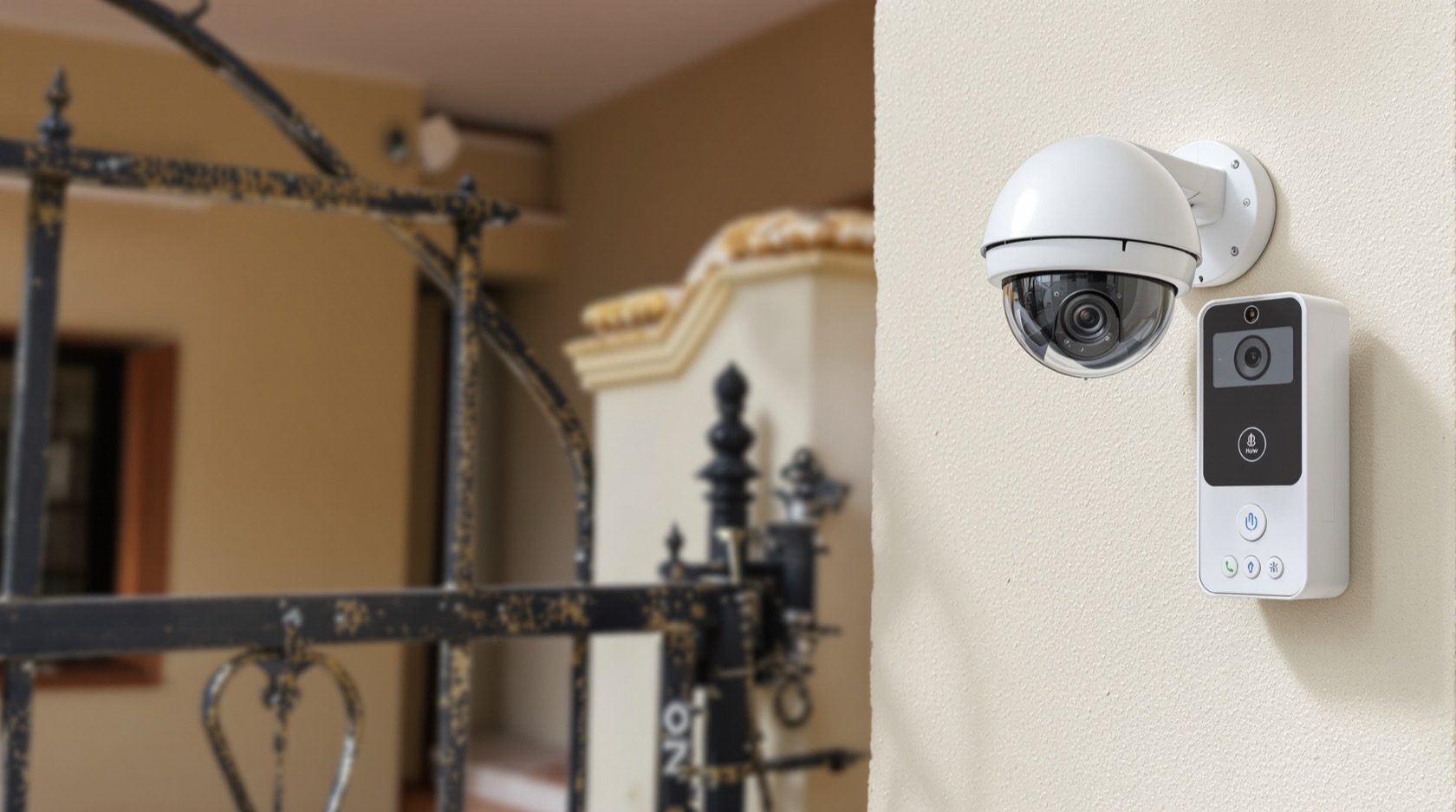 Security48
CCTV, Video Door Phones & Home Security Cabling
The low-voltage security systems every home is adding — CCTV cameras, video door phones and intercoms: how they work and connect, wired vs wireless and PoE, the cabling to plan before the walls close, and how to specify a system that actually works.
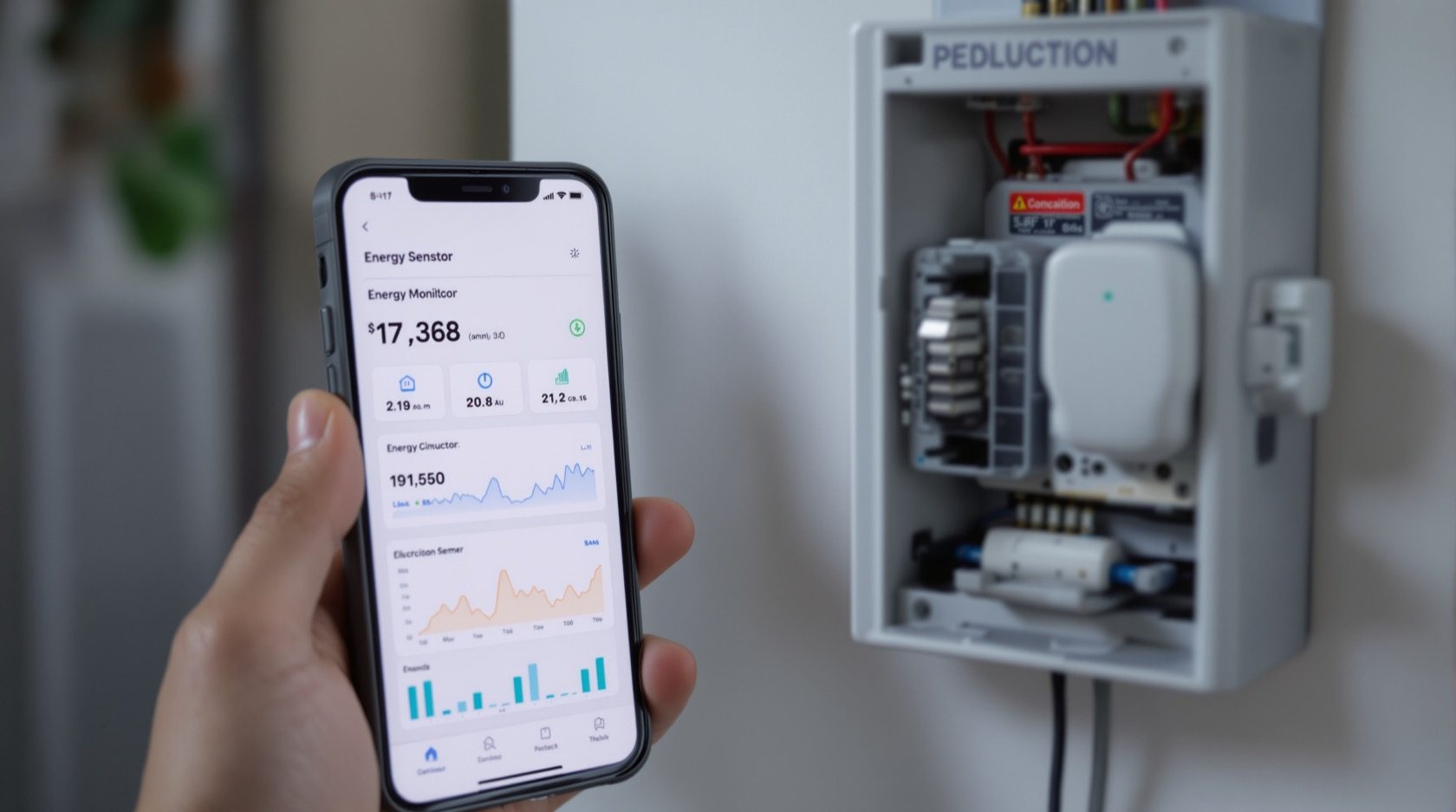 Monitoring49
Home Energy Monitoring: See Where Your Electricity Goes
You can't cut what you can't see — how home energy monitors reveal exactly where your power (and money) goes, the whole-home vs circuit-level vs smart-plug options, what they realistically save, and how to use the data to lower the bill.
 Smart meters50
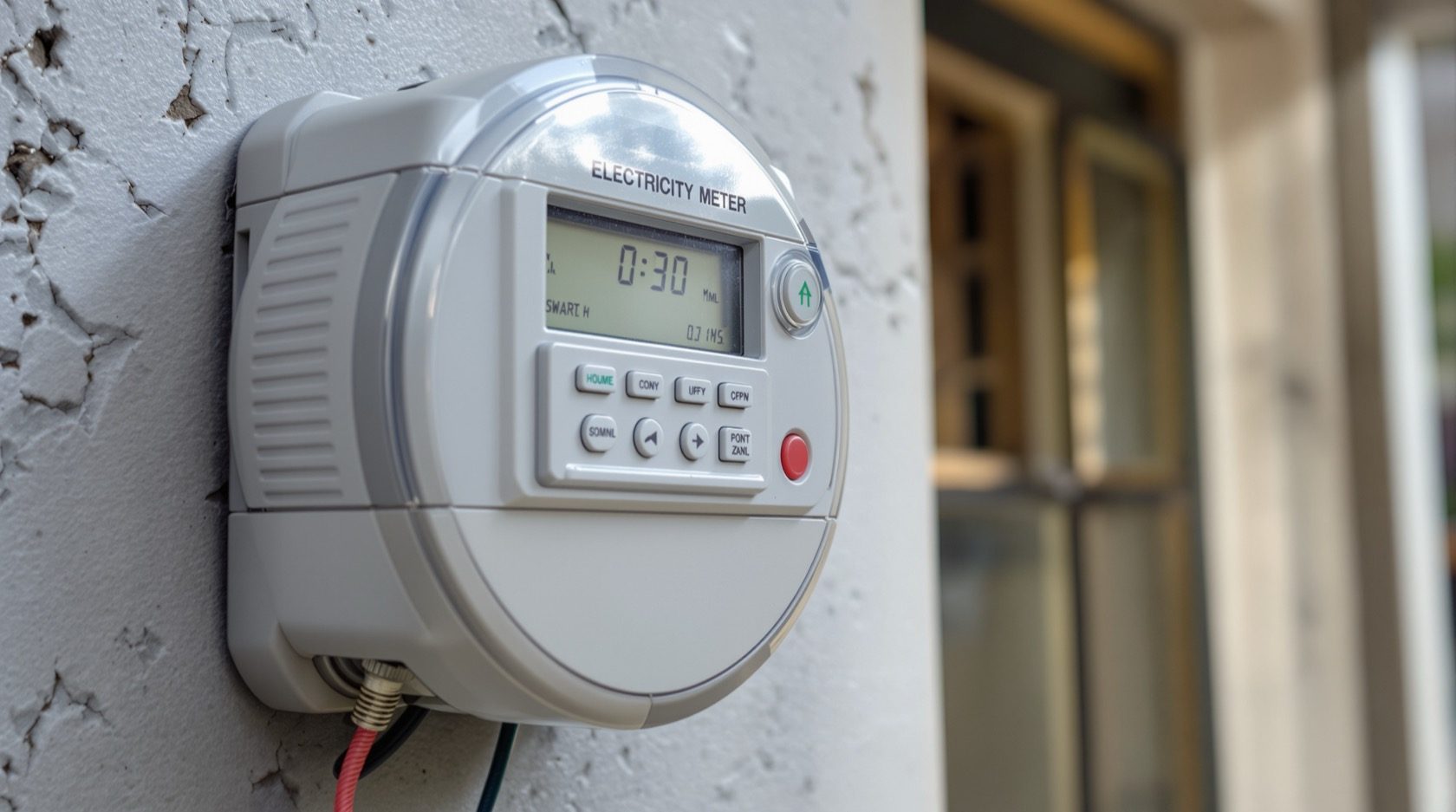
Smart Meters in India: What They Are & What They Mean for You
The utility meter that talks back — how smart meters work, the prepaid and remote-reading features, India's big rollout under the RDSS scheme, time-of-day tariffs and what they mean for your bill, and how smart meters interact with rooftop solar and net metering.
 Energy management51
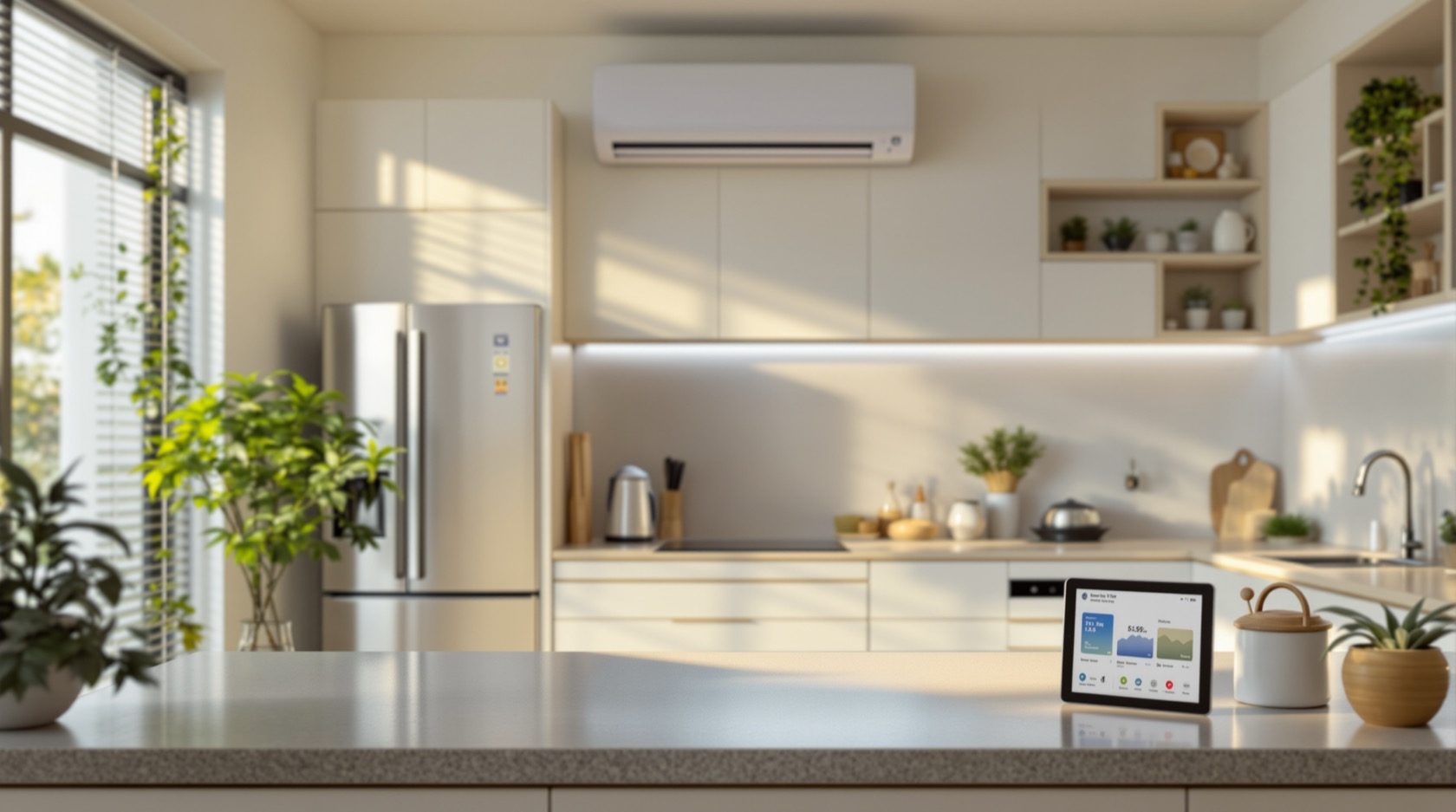
Home Energy Management: Cut the Bill Without Cutting Comfort
The practical playbook for lowering a home's electricity bill — efficient appliances and the BEE star rating, killing phantom loads, shifting usage to cheaper time-of-day windows, managing peak demand, and the power-quality issues that quietly cost you.
Low-voltage & ELV systems
The signal side: AV, intercom, fire alarm & gate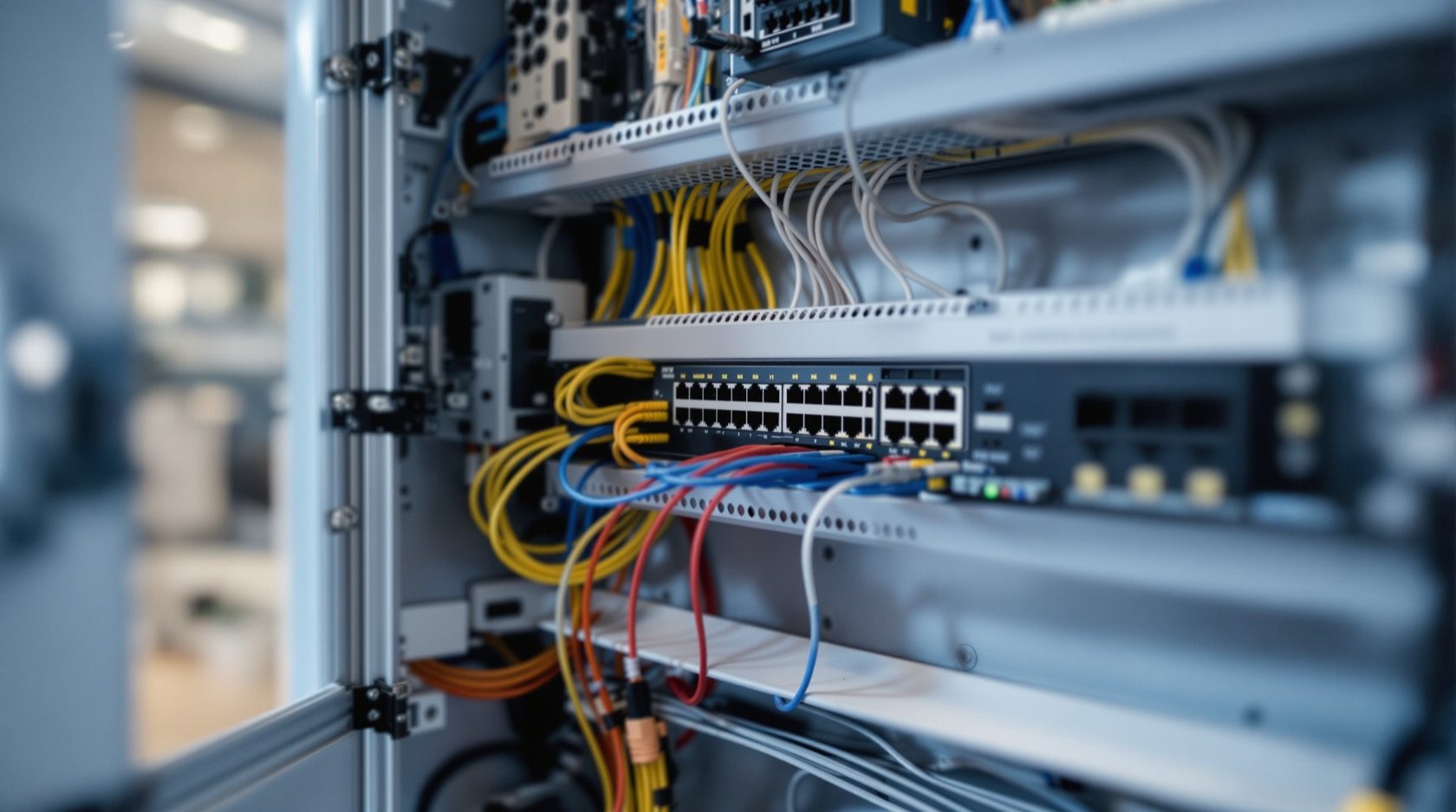 ELV overview52
Home Low-Voltage & ELV Systems: The Signal Side of a Modern Home
Beyond the power wiring lies a second network — the extra-low-voltage systems that carry data and signals: networking, CCTV, intercom, audio, home theatre, fire alarm, access control and automation. What ELV is, why it stays separate from the mains, and the backbone they share.
 Home theatre53
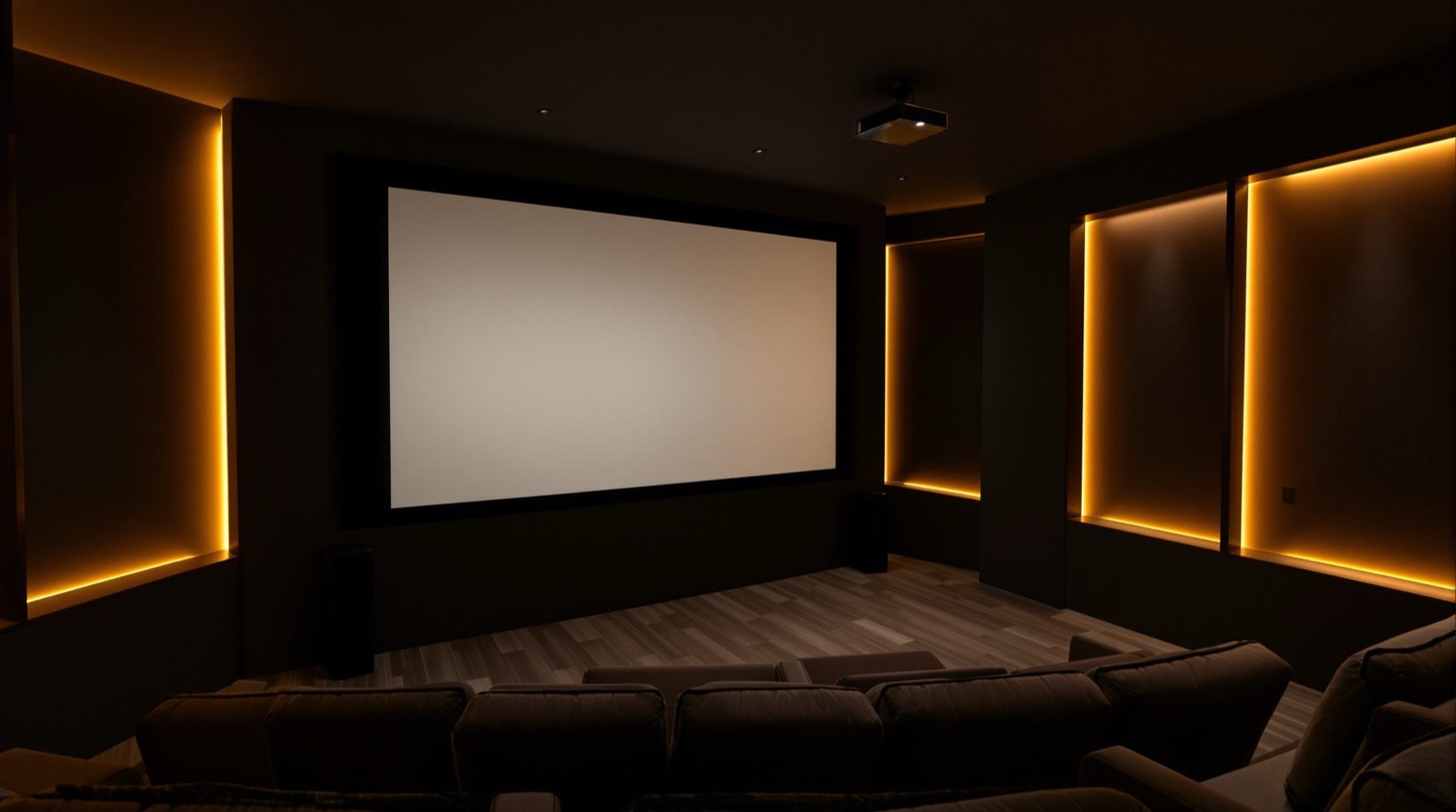
Home Theatre Wiring: The Electrical & AV Plan for a Cinema Room
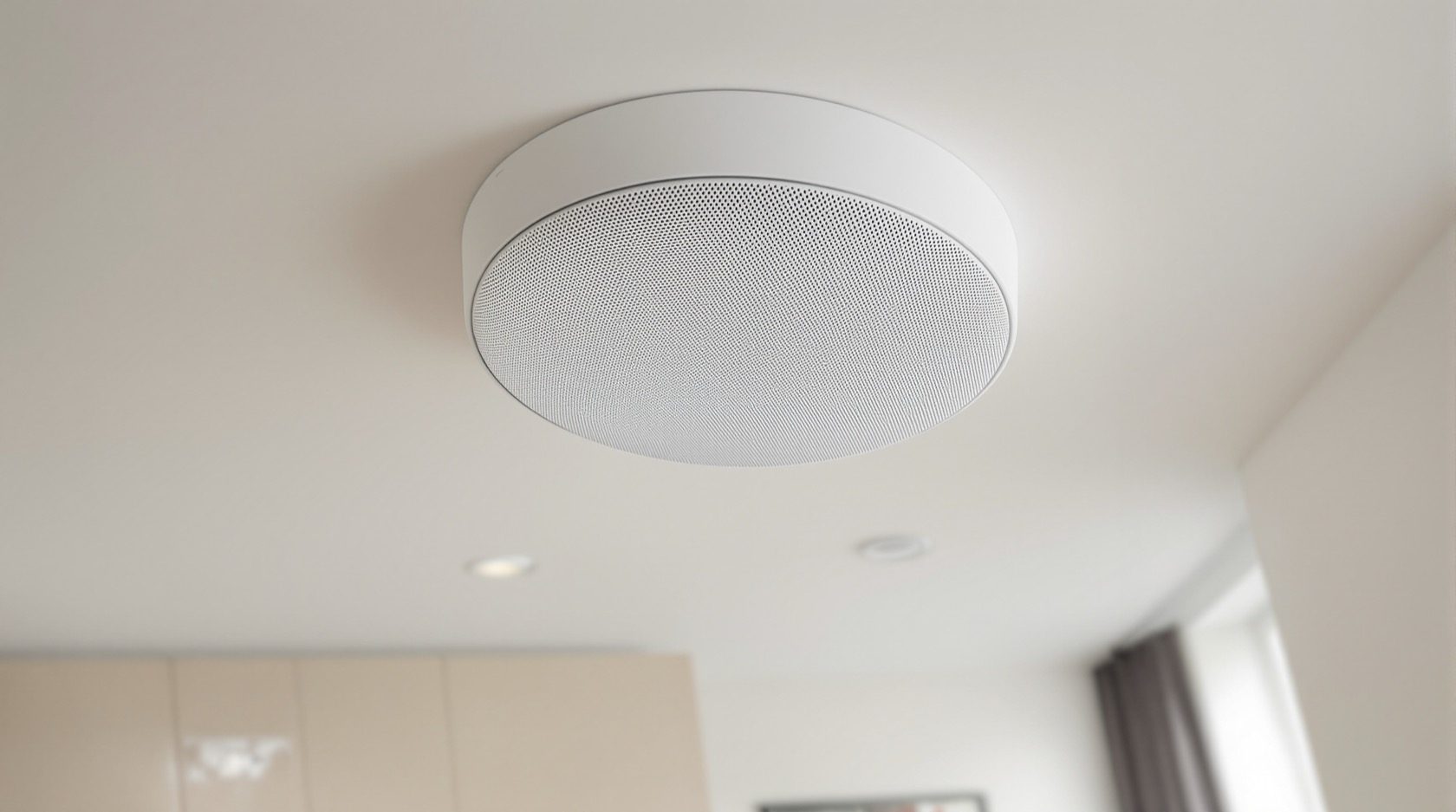
A cinema room is built in the wiring — how to plan a home theatre's electrics and AV: in-wall speaker cabling to surround positions, a projector or TV point, a ventilated AV rack, clean protected power, and the conduit that hides every cable, set before the room is finished.
 Multiroom audio54
Multiroom Audio Wiring: Whole-Home Sound, Planned Into the Walls
Music in every room, without a speaker in sight — how to wire whole-home audio: in-ceiling speakers zoned room by room, cabling run back to a central amplifier, volume control per zone, and the choice between a wired backbone and wireless, decided before the ceilings close.
 Intercom & access55
Video Intercom & Access Control: Controlling Who Gets In
The systems that manage the front door — how to plan intercom and access control: video door stations and room monitors, smart locks and keypads, the wiring they need, how they tie to the gate and CCTV, and the honest trade-offs of putting locks on the network.
 Fire alarm56
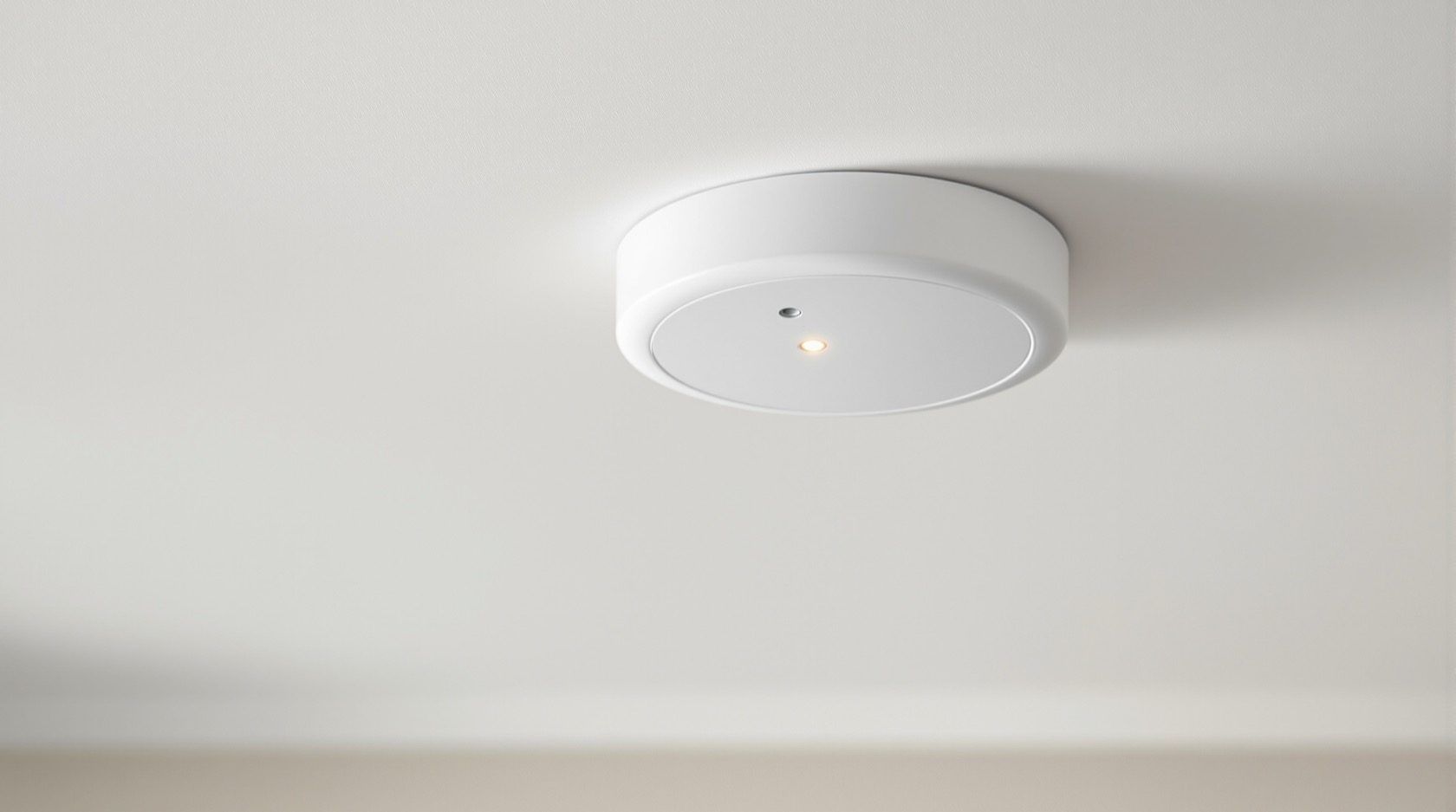
Home Fire & Smoke Alarms: Detection That Buys You Time
The one ELV system that saves lives — how home fire and smoke detection works: smoke, heat and gas detectors and where each belongs, standalone alarms versus a wired panel system, why the kitchen needs a heat (not smoke) detector, and the standard behind it.
 Gate automation57
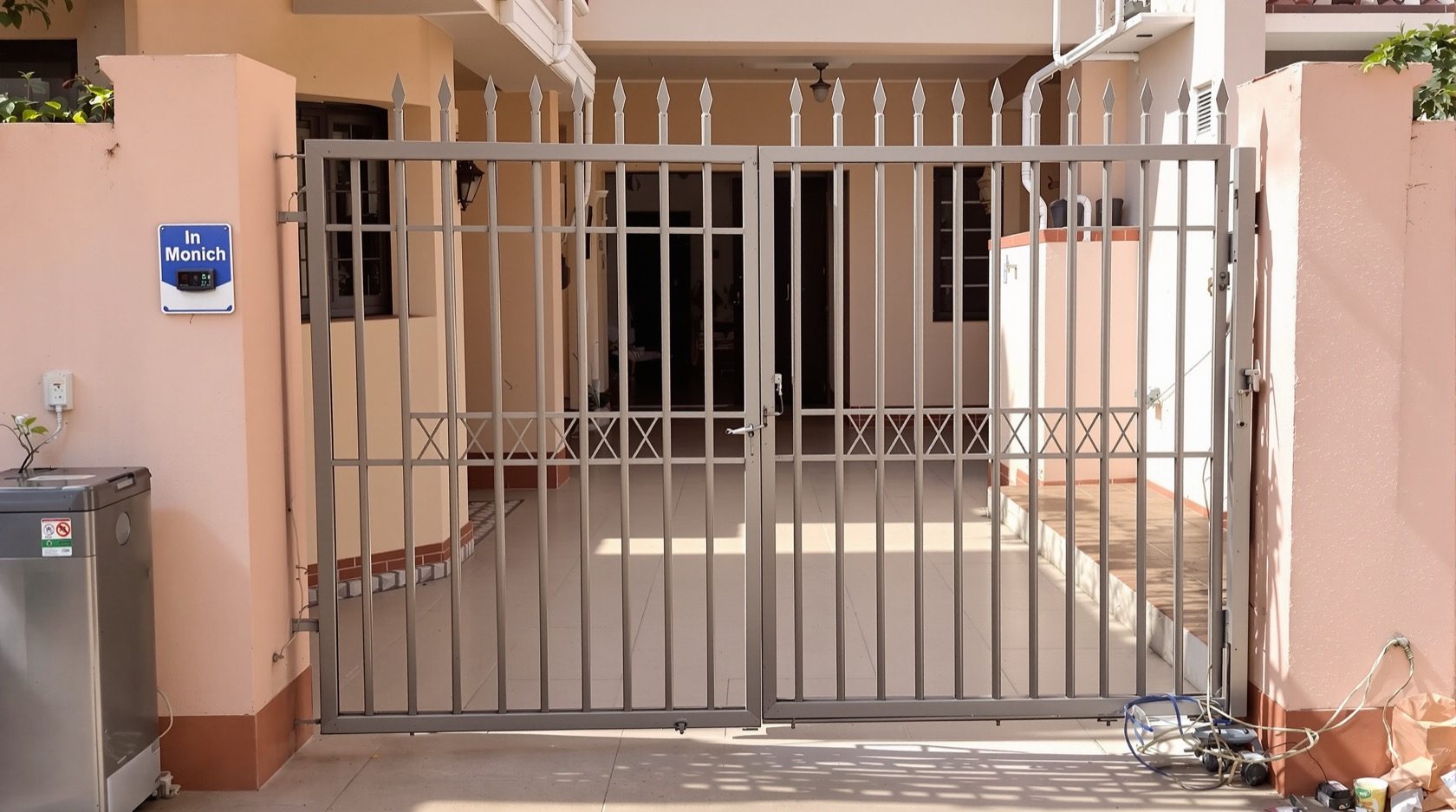
Gate Automation: Motorised Gates, Wiring & Safety in India
The gate that opens from your car — how automatic gate systems work: sliding and swing motors, the wiring and power they need, remote and app control, tying in the intercom and safety sensors, and the backup that gets you in when the power's out.
Safety, standards & cost
Buy well, hire well, maintain & know the rules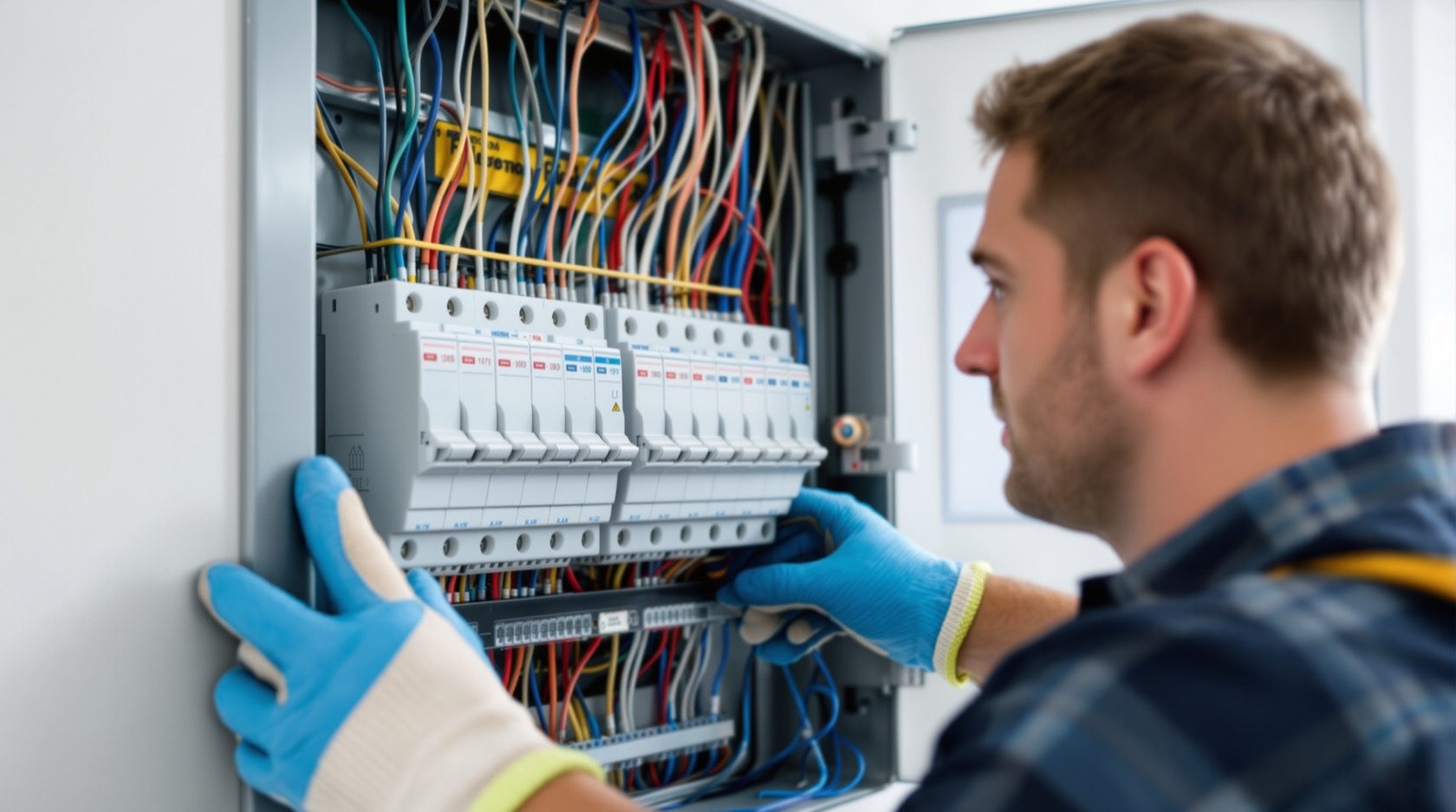 Safety58
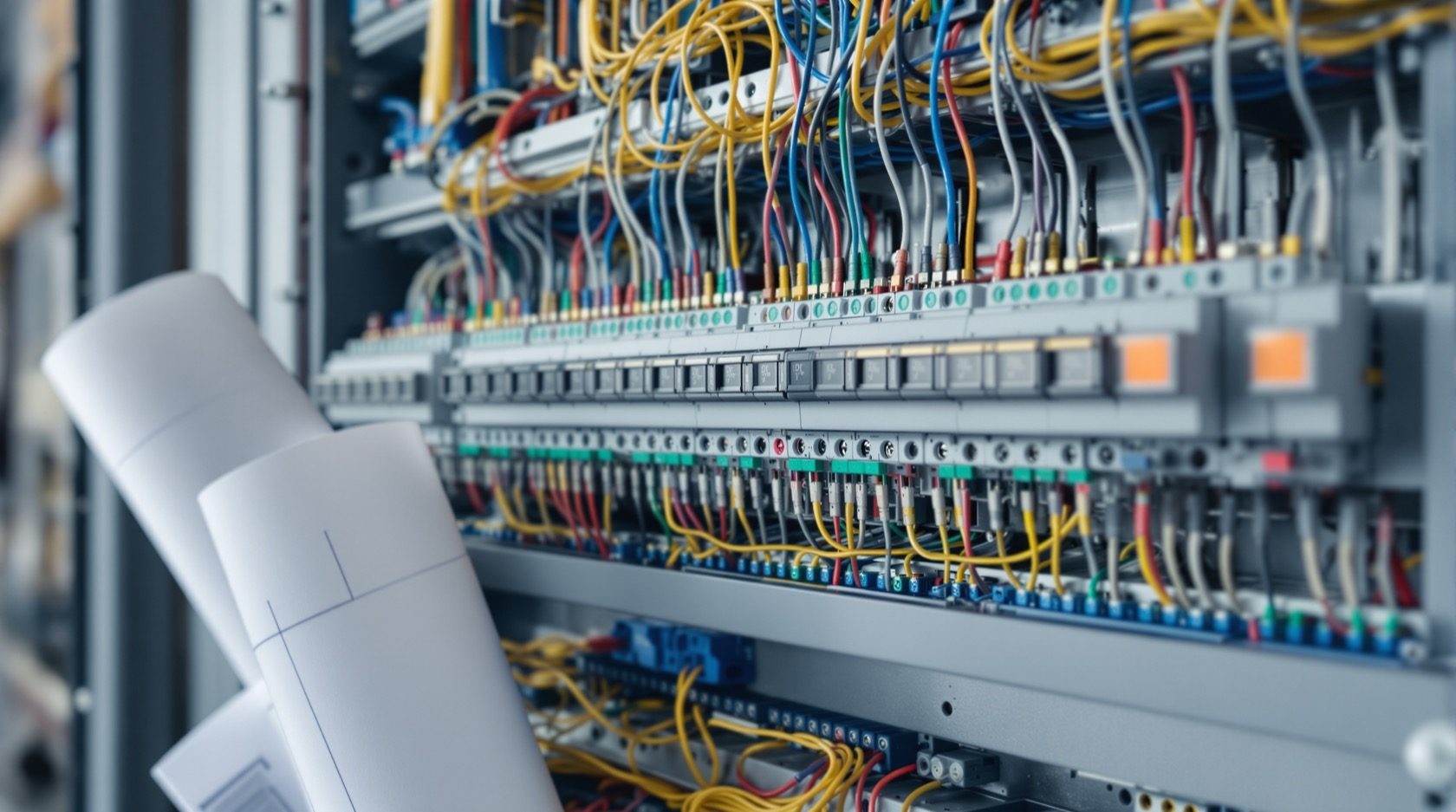
Home Electrical Safety: A Shock- and Fire-Safe Home in India
The two dangers electricity poses — shock and fire — and the layered defences that stop them: earthing, an RCCB, the right protection, quality materials and good habits, plus the warning signs you must never ignore and what to do in an emergency.
 Standards & codes59
Electrical Standards, Codes & Regulations in India: NEC, IS Codes & CEA Rules
The rulebook behind a safe installation — the National Electrical Code (SP 30), the key IS standards for wiring, earthing and cables, and the CEA Safety Regulations that carry the force of law, explained so a homeowner knows what governs their home.
 Hiring the pro60
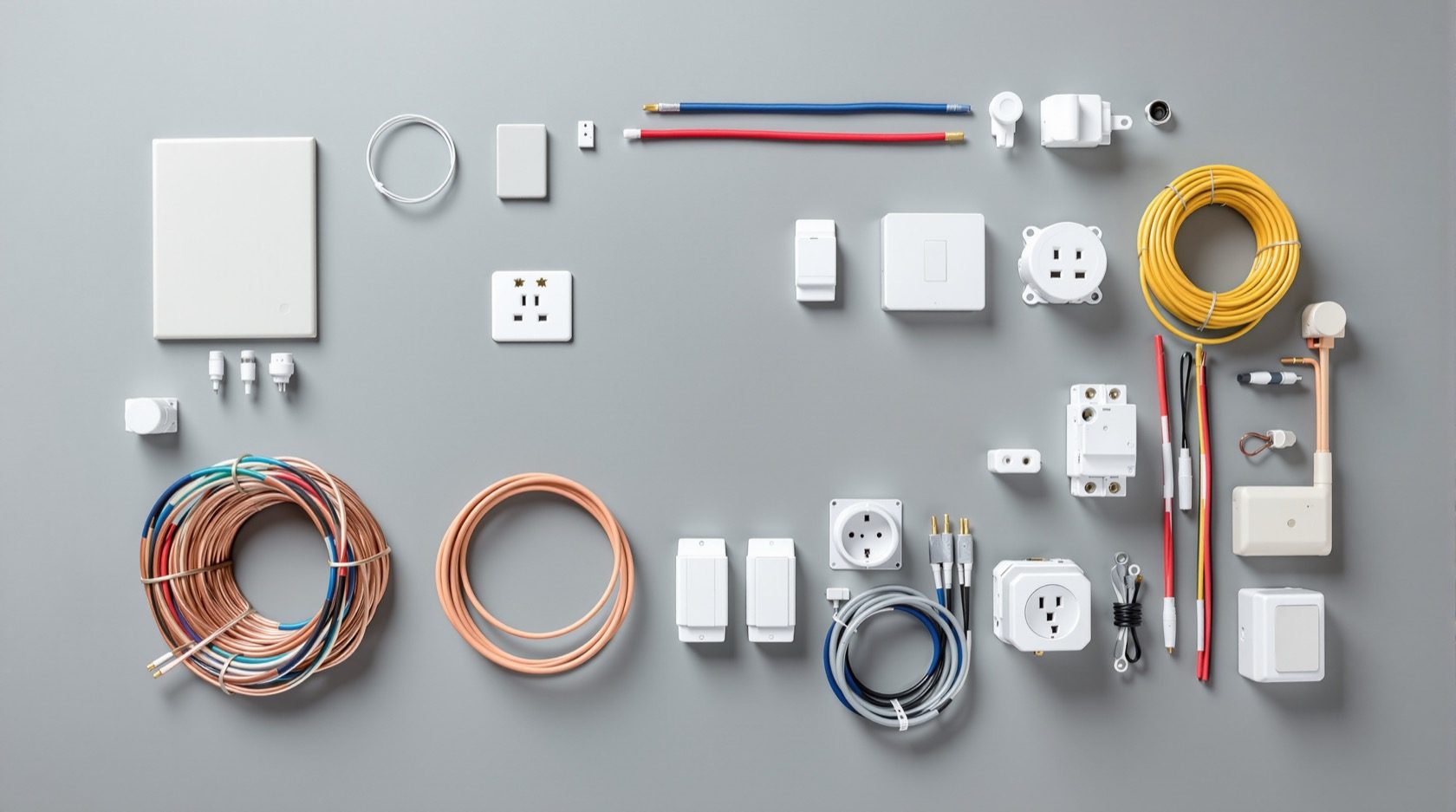
How to Hire a Good Electrician in India: Licences, Vetting & Working With the Pro
The single most important electrical decision a homeowner makes — choosing the person who does the work. How to check a licence, vet an electrician or contractor, spot the red flags, agree a clear scope and estimate, and get quality workmanship.
 Buying quality61
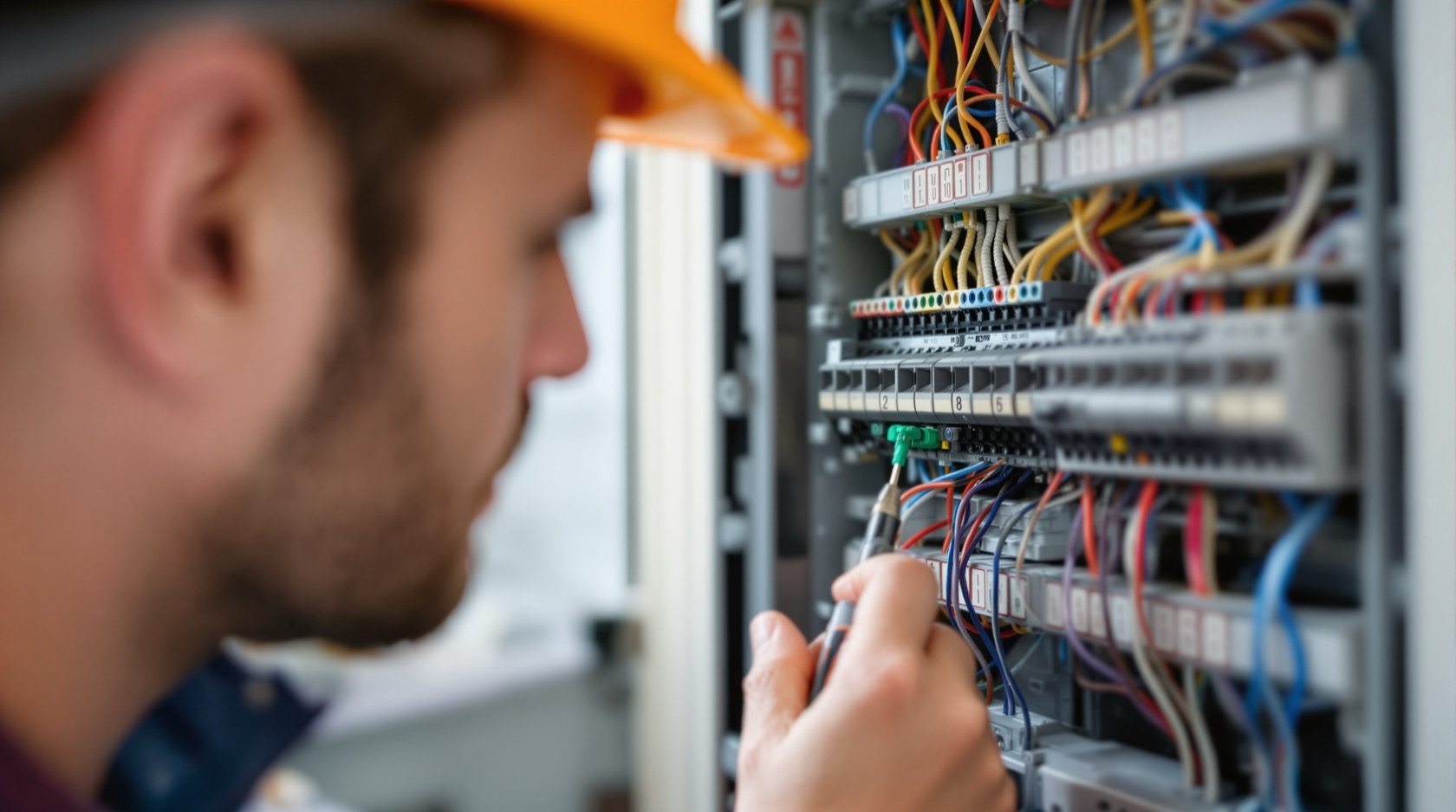
Buying Electrical Materials in India: The ISI Mark, Quality & Avoiding Fakes
The one place never to save money — how to buy quality electrical materials: what the ISI mark means and how to verify it, where quality genuinely matters (cables, MCBs, RCCBs), how to spot counterfeits, and why the cheapest option is the most expensive mistake.
 Maintenance62
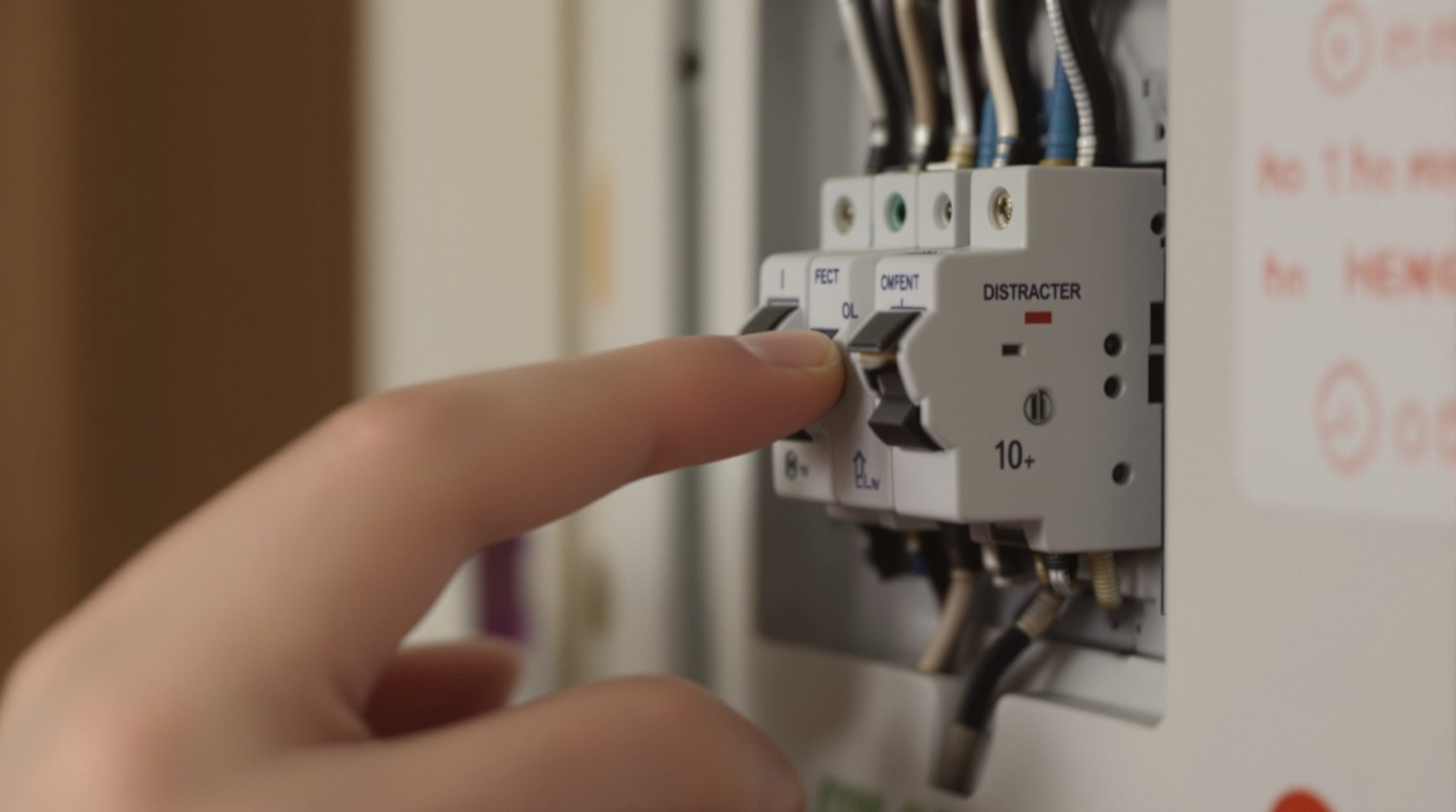
Home Electrical Maintenance: The Inspection & Upkeep Schedule for an Indian Home
Electrics age quietly — the simple schedule that keeps a home safe: what you can check yourself, what needs a periodic professional inspection, how often, the signs a system is ageing, and why a decades-old installation is a fire risk waiting to be found.
 Troubleshooting63
Home Electrical Troubleshooting: Common Problems & When to Call an Electrician
What the common faults actually mean — a tripping MCB, a tripping RCCB, flickering lights, a dead socket, a warm switch — the likely cause of each, the one or two safe things you can check, and the clear line where you must stop and call a licensed electrician.
Comparisons
This vs that — the decisions, side by side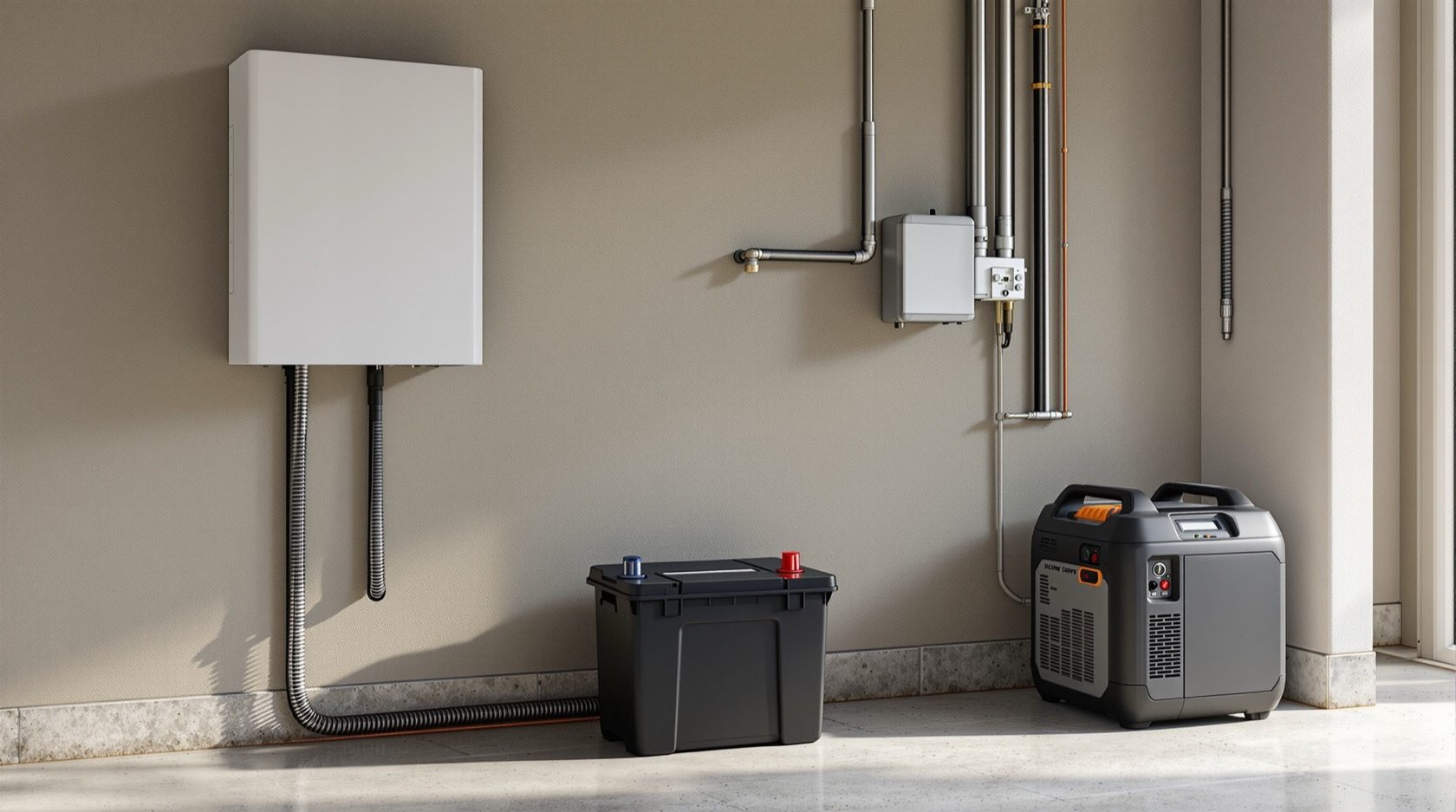 Backup power64
Inverter vs Generator vs UPS: Which Backup Power Is Right for You?
Three ways to keep the power on, for three different jobs — an honest side-by-side of the home inverter, the generator and the UPS: what each does well, what it costs to run, how long it lasts, and a simple framework for choosing the right one for your home.
 Protection devices65
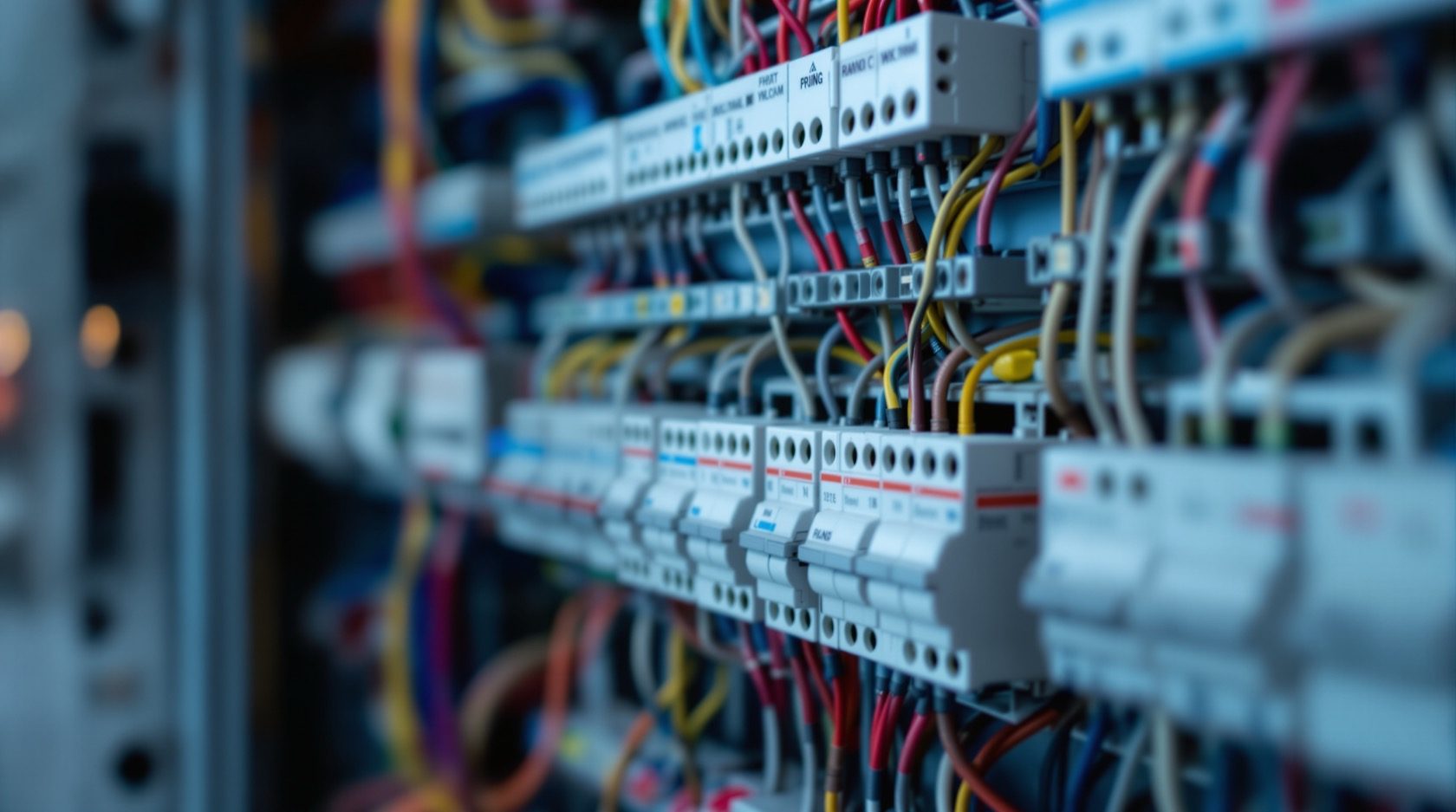
MCB vs RCCB vs RCBO vs MCCB: Which Protection Does What
Four devices in your distribution board, four different jobs — what protects against overload and short circuit, what protects against electric shock, what does both, and where each belongs, so you can read your own board and know it's complete.
 Supply phase66
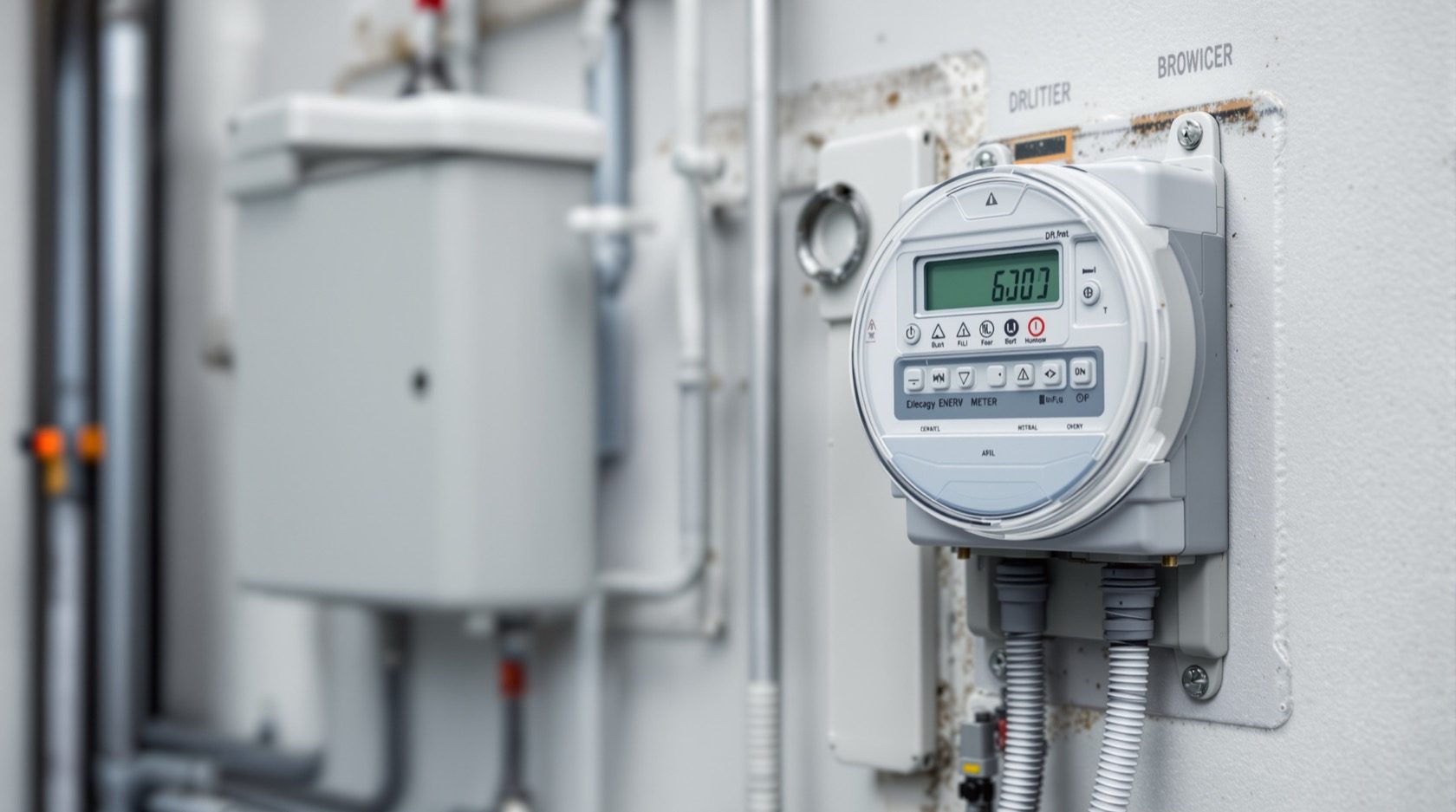
Single-Phase vs Three-Phase: Which Connection Does Your Home Need?
The supply decision most homeowners never think about — until an AC won't start or the load trips. What single-phase and three-phase connections actually are, how to tell which your home needs from its total load, and what switching involves.
 Batteries67
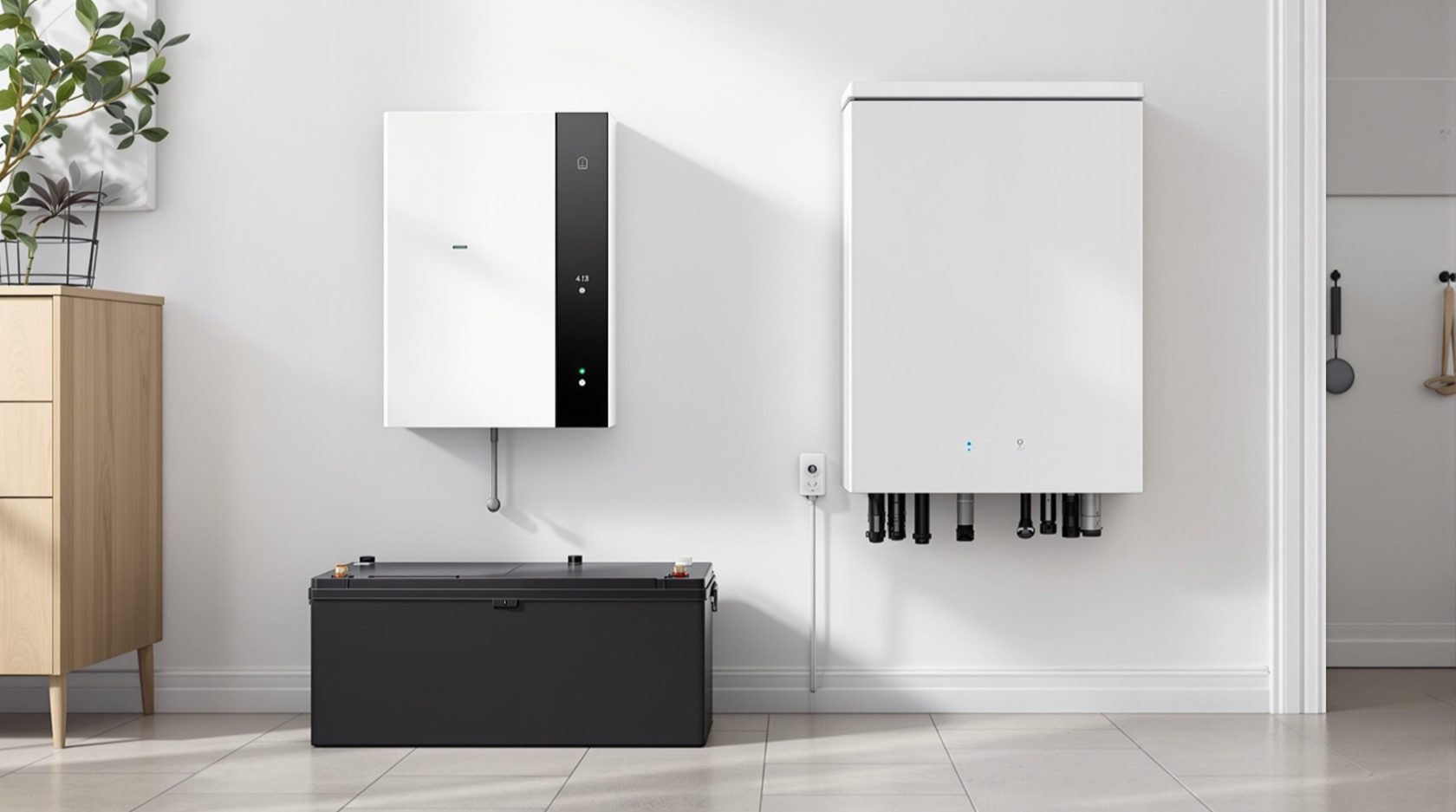
Lithium vs Lead-Acid: Choosing a Home Battery for Inverter & Solar
The battery is where most of a backup system's cost and lifespan live — an honest comparison of lithium and lead-acid for home inverters and solar storage: upfront cost versus lifespan, usable capacity, maintenance, space and safety, and which works out cheaper.
 Solar inverters68
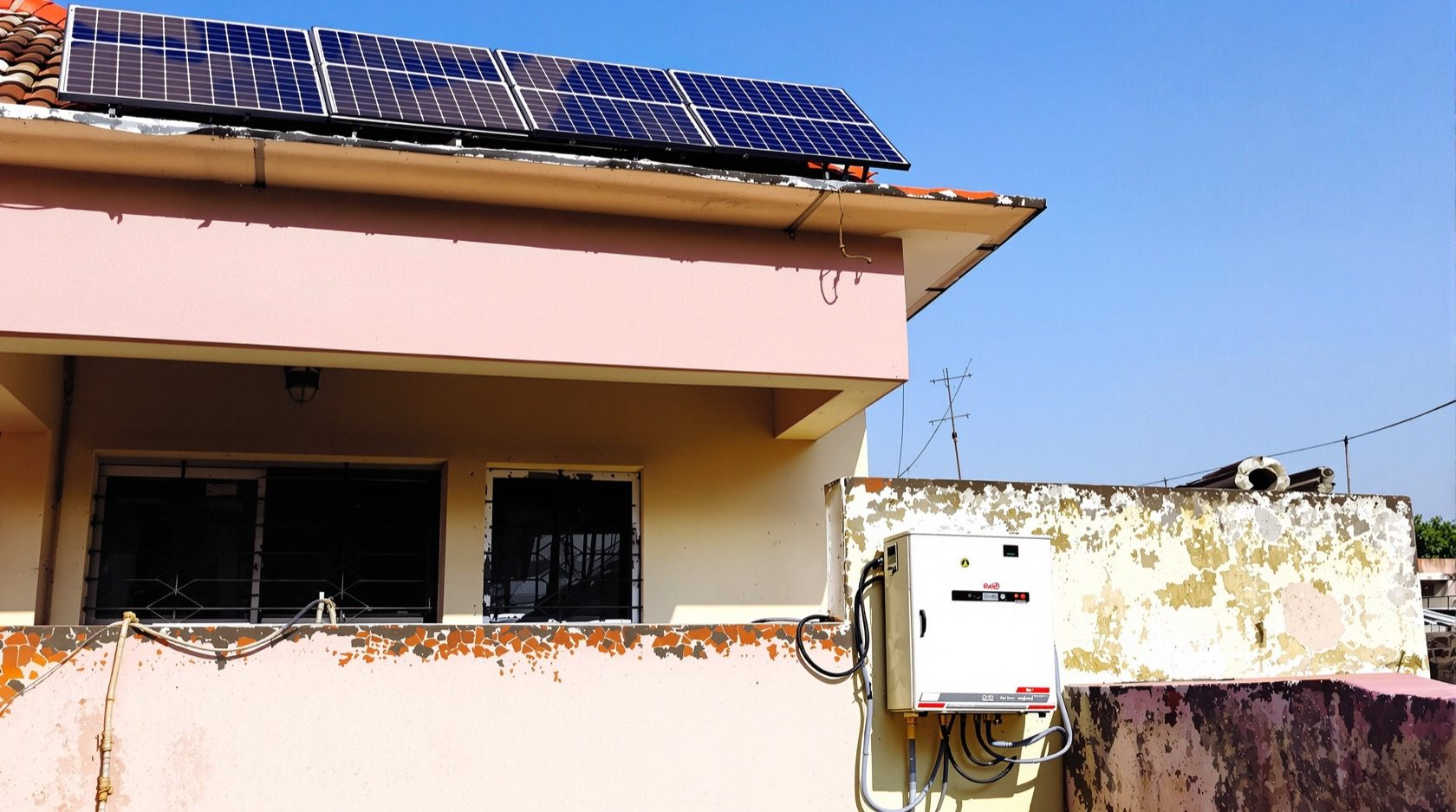
String vs Microinverter vs Power Optimiser: Solar Inverter Choices
The inverter decision that shapes a rooftop system's output and cost — how string inverters, microinverters and power optimisers differ, why shading and roof complexity tilt the choice, and which makes sense for a typical Indian rooftop.
 Bulbs69
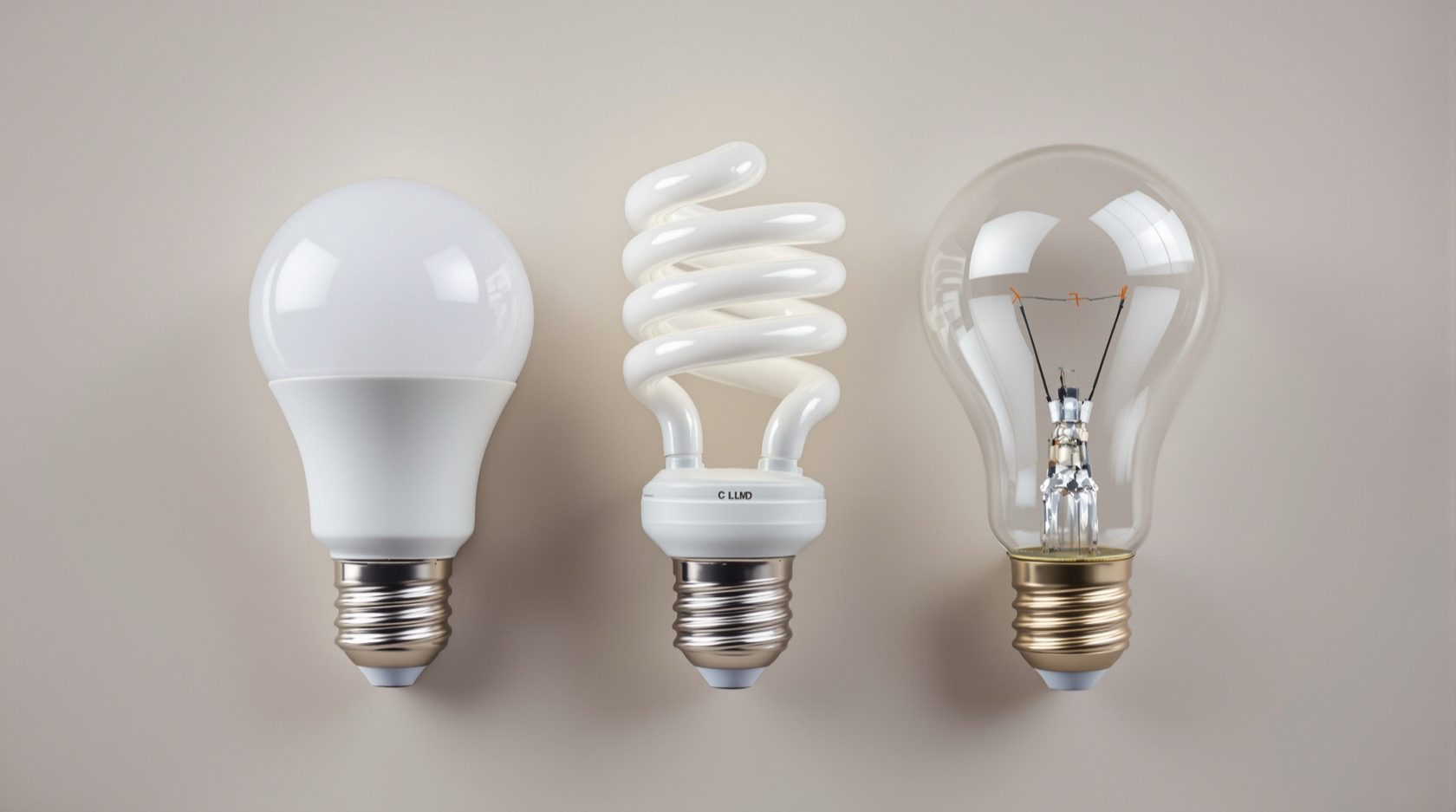
LED vs CFL vs Incandescent: The Home Lighting Comparison
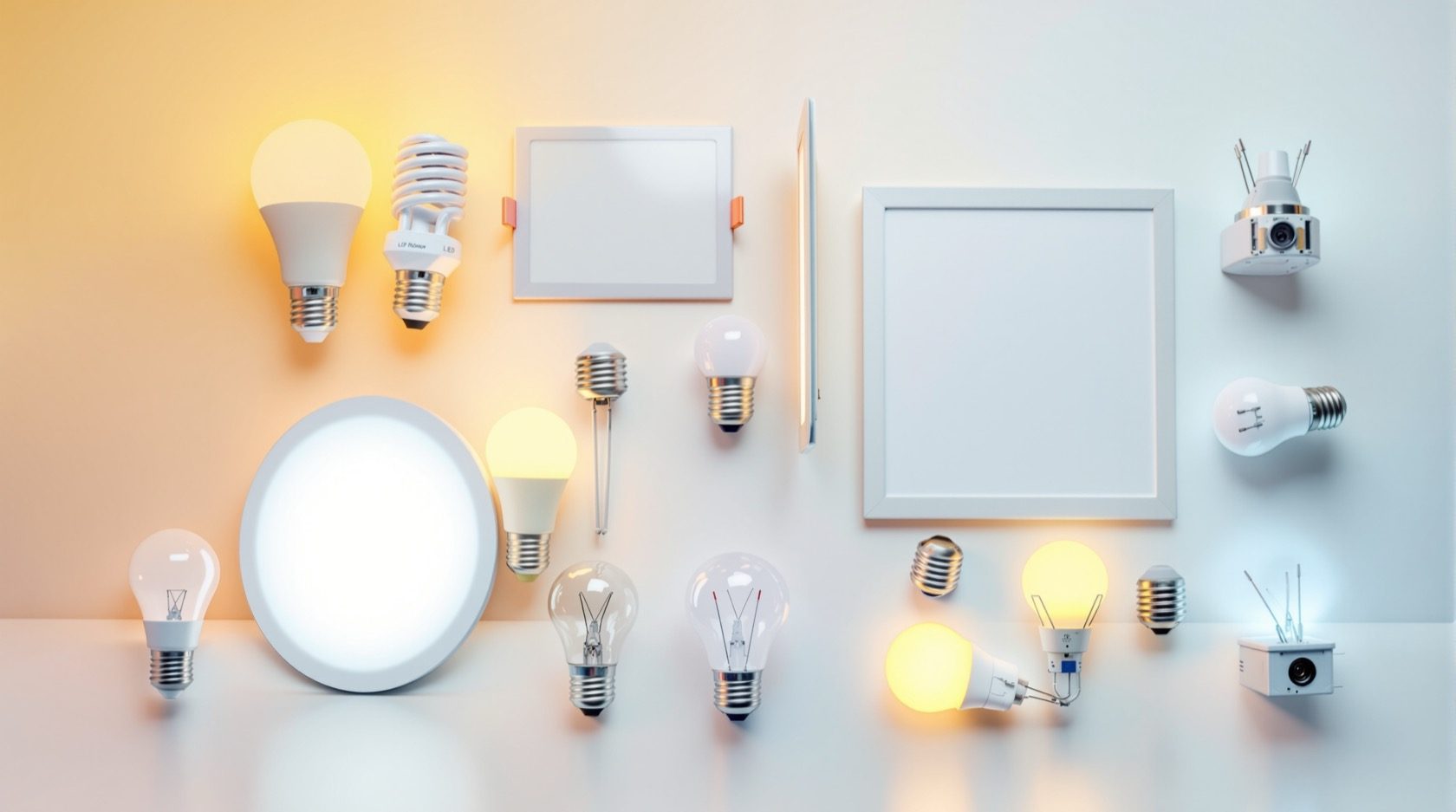
The easiest money a home can save — a clear comparison of LED, CFL and the old incandescent bulb on energy use, lifespan, light quality and running cost, and why, in 2026, LED wins decisively for almost every home fitting.
Sustainable & green
Reduce, be efficient, generate & electrify The green ladder70
Sustainable Home Electrical: The Efficiency-First Path to a Greener Home
Greening a home's electricity isn't about buying solar first — it's a ladder: reduce the load, use efficient appliances, then generate, store and offset. The hierarchy that gets the most impact per rupee, and how a home's electrical choices shape its carbon footprint.
 Efficient design71
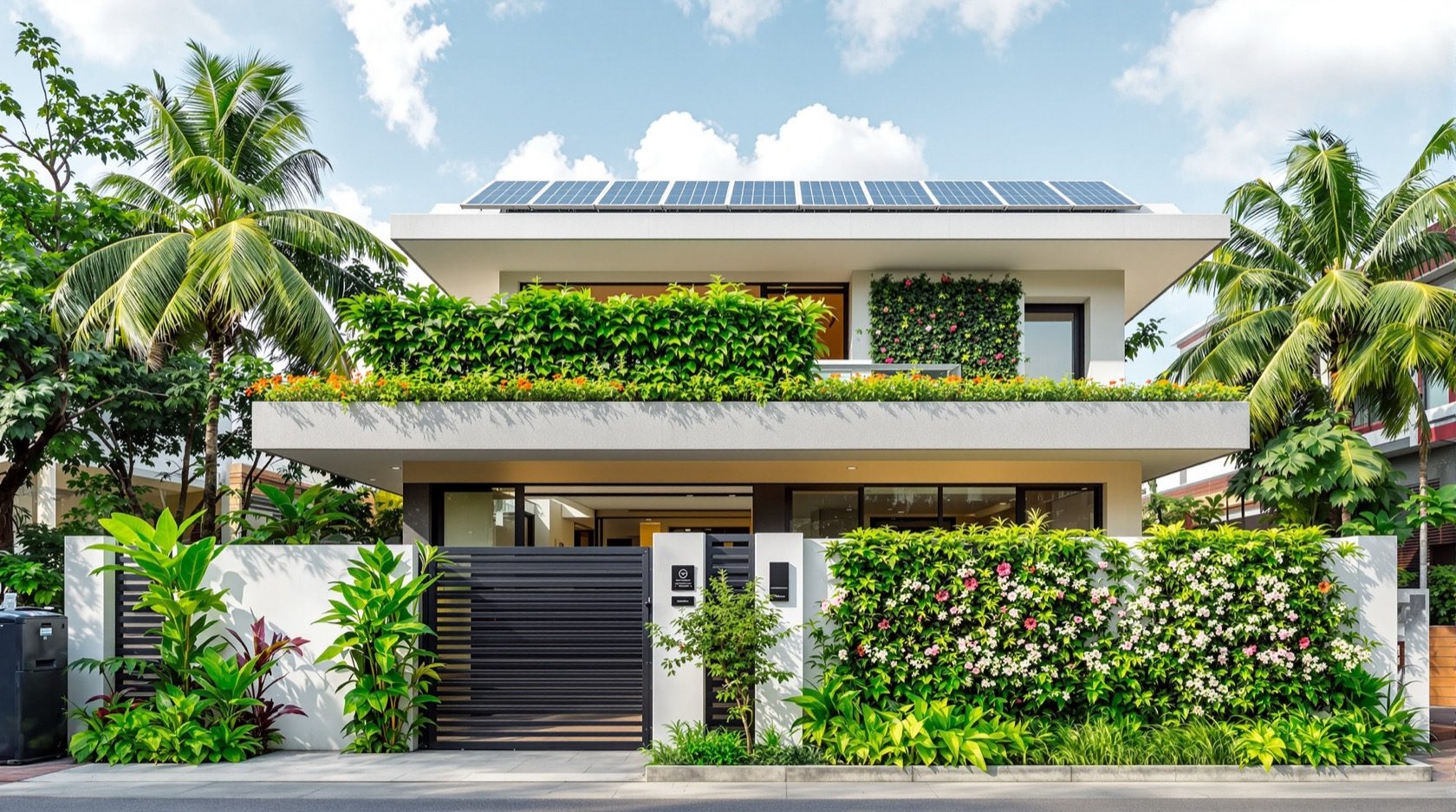
Energy-Efficient Home Design: Cutting the Electrical Load Before You Wire It
The biggest energy savings are designed in, not bought later — how orientation, shading, ventilation, daylight and insulation shrink a home's need for ACs, lights and fans, and how the electrical design then supports an efficient home rather than fighting a wasteful one.
 IGBC / GRIHA72
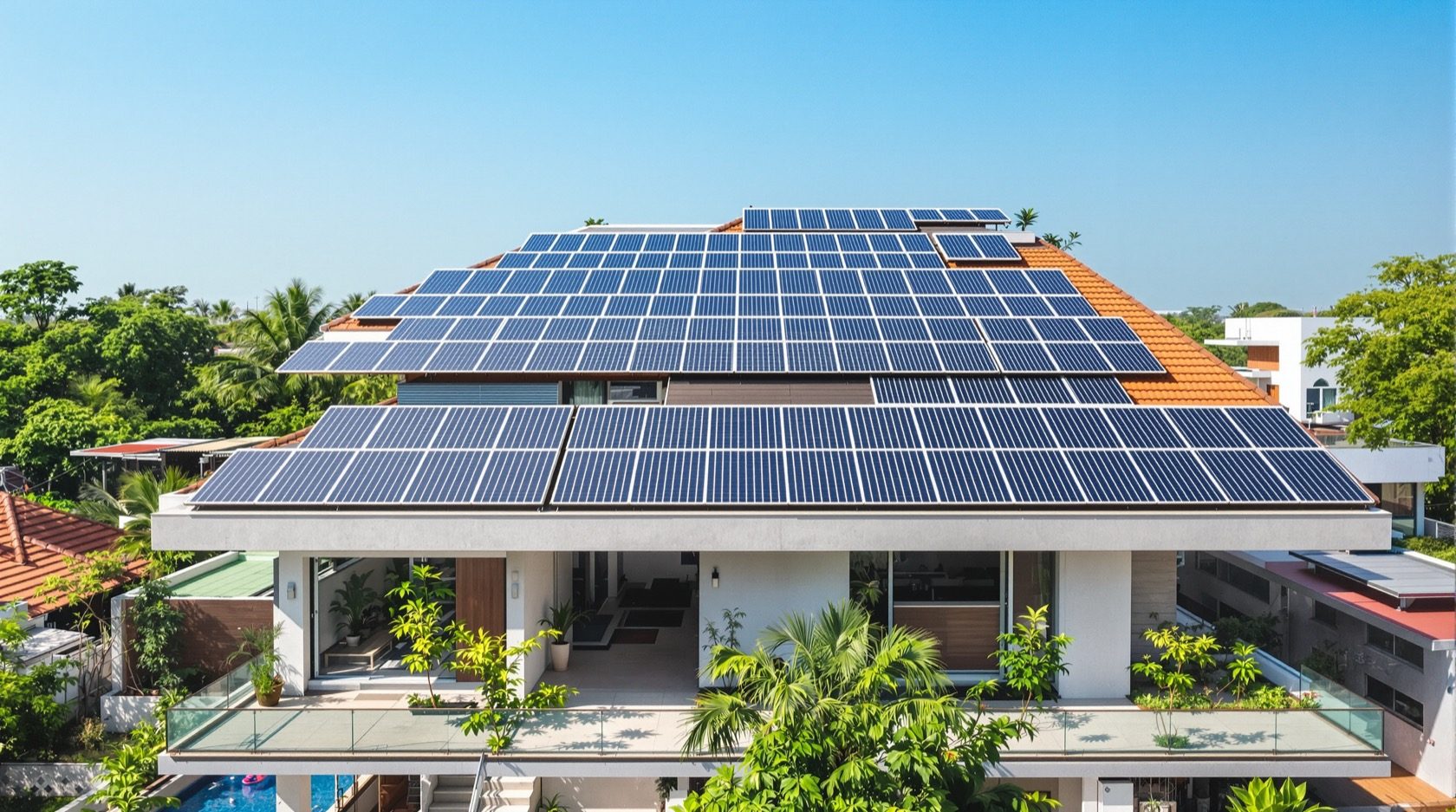
Green Building Ratings for Homes: IGBC, GRIHA & LEED Explained
What it means for a home to be 'green-certified' — the IGBC, GRIHA and LEED rating systems in plain language, how a home's electrical choices (efficiency, renewables, metering, controls) earn points, and whether certification is worth it for a homeowner.
 Net-zero73
Net-Zero Energy Homes in India: Generating as Much as You Use
A home that makes as much energy as it consumes over a year — what net-zero really means, the three-part recipe (deep efficiency, right-sized solar, and net metering or storage), how realistic it is on an Indian rooftop, and the honest caveats.
 Electrify all74
Home Electrification: Going All-Electric as the Grid Gets Greener
The quiet shift from gas and fuel to electricity — why electrifying cooking, water heating and transport makes a home cleaner as the grid decarbonises, the efficient electric alternatives (induction, heat pumps, EVs), and the wiring and load a home needs.
 Heat-pump heating75
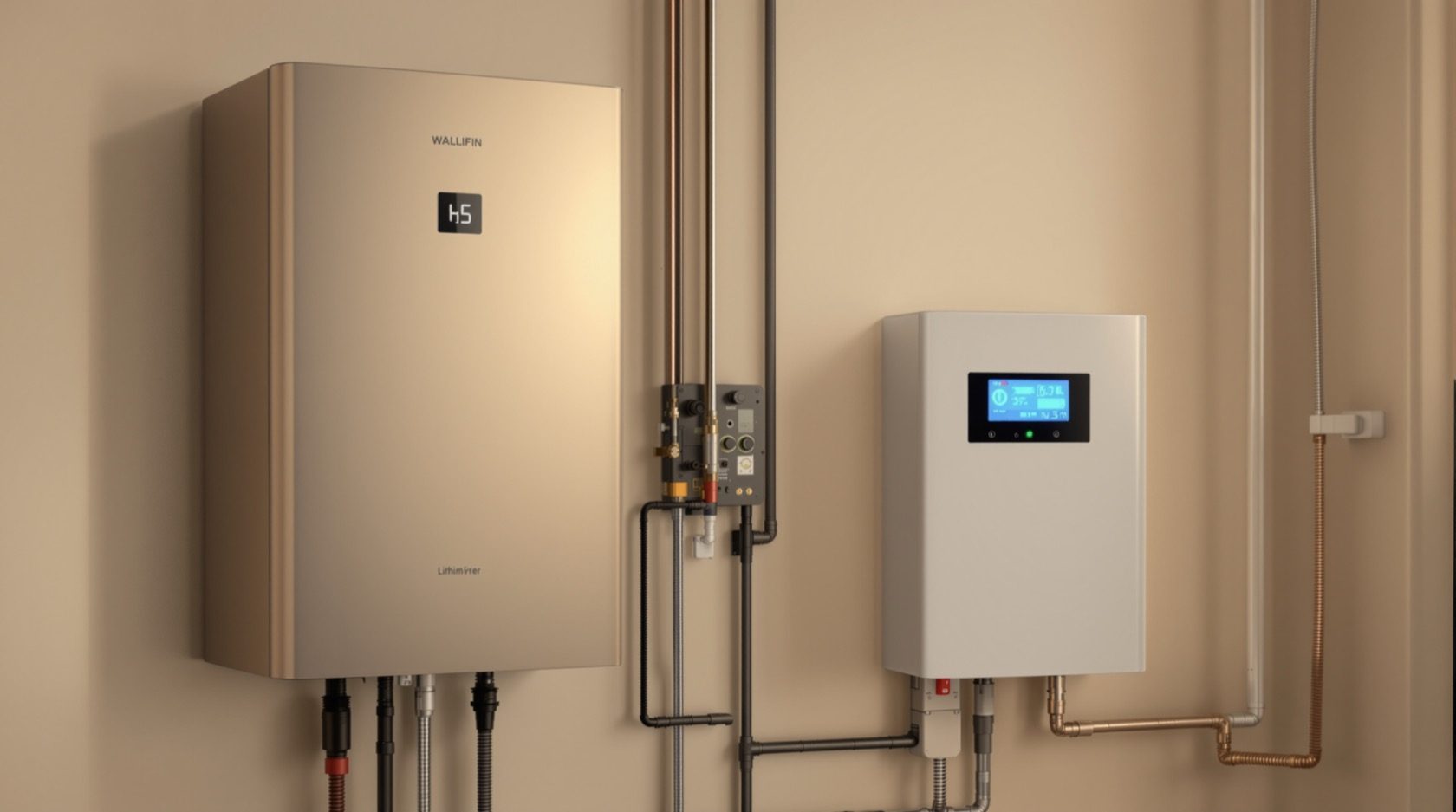
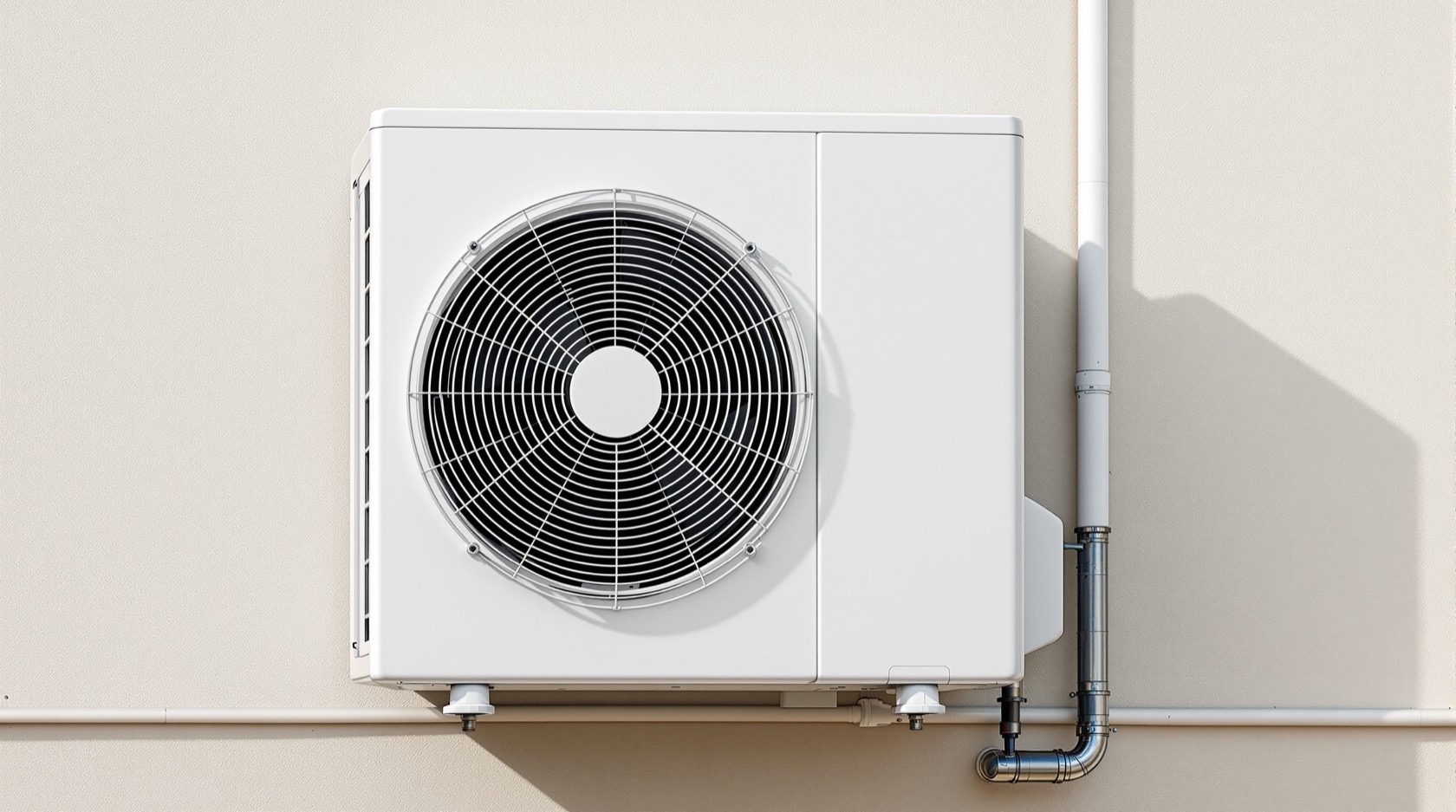
Heat-Pump Water Heaters: Hot Water on a Fraction of the Energy
The most efficient way to heat water electrically — how a heat-pump water heater moves heat instead of making it to use roughly a third of a normal geyser's energy, how it compares to a resistive geyser and a solar water heater, and when it makes sense.
Fundamentals & deep dives
The basics, and the finer points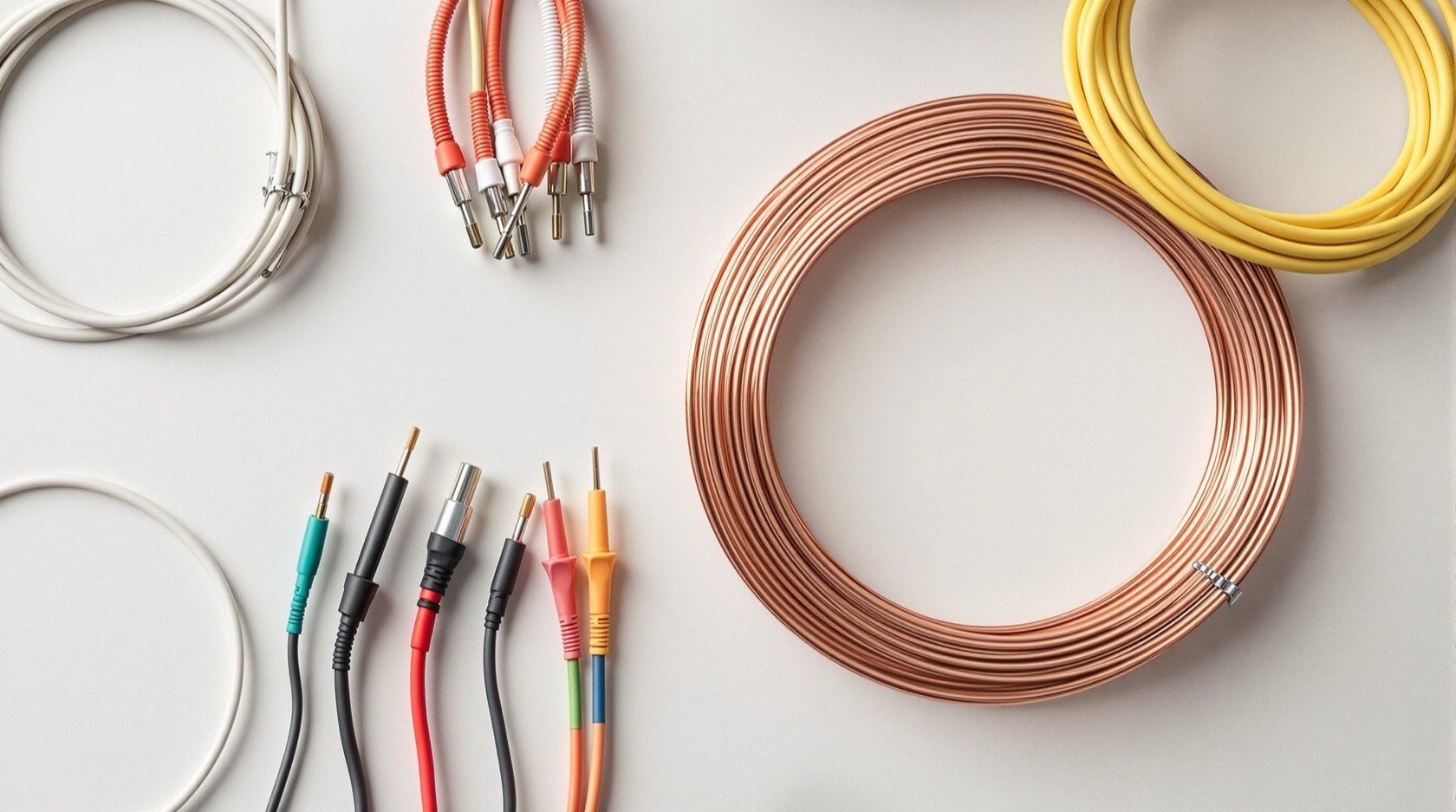 Volts, amps, watts76
Watts, Volts, Amps & Units Explained: Electrical Basics for Homeowners
The four words behind every electrical decision — volts, amps, watts and units (kWh) — explained with a simple water analogy, so you can read an appliance rating, understand your bill, and follow every other guide with confidence.
 Wire colours77
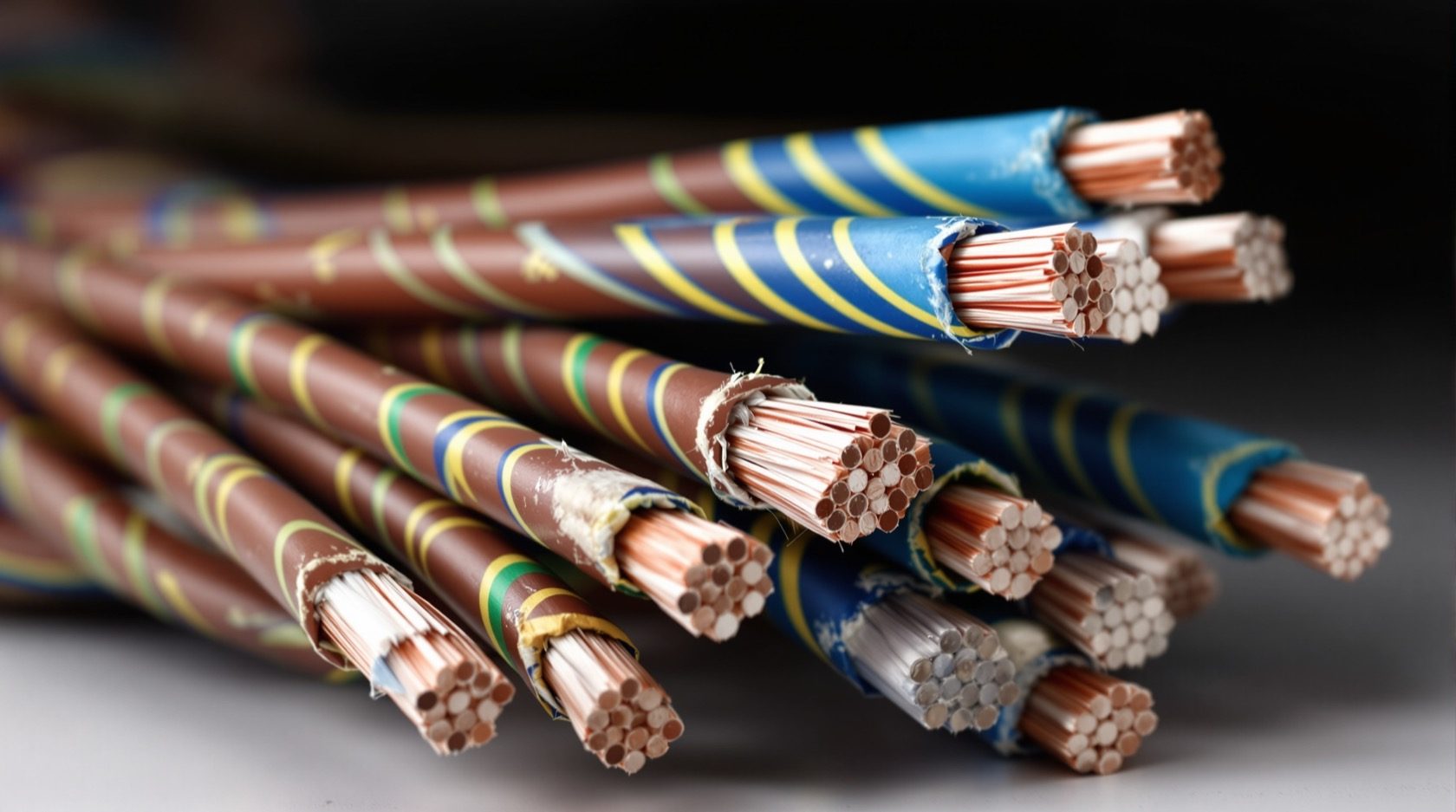
Electrical Wire Colour Codes in India: Live, Neutral & Earth Explained
What the colours of the wires actually mean — the Indian wiring colour convention for live, neutral and earth (and the three phases), why it matters for safety, and the honest caution about never trusting colour alone in old or DIY wiring.
 Cable sizing78
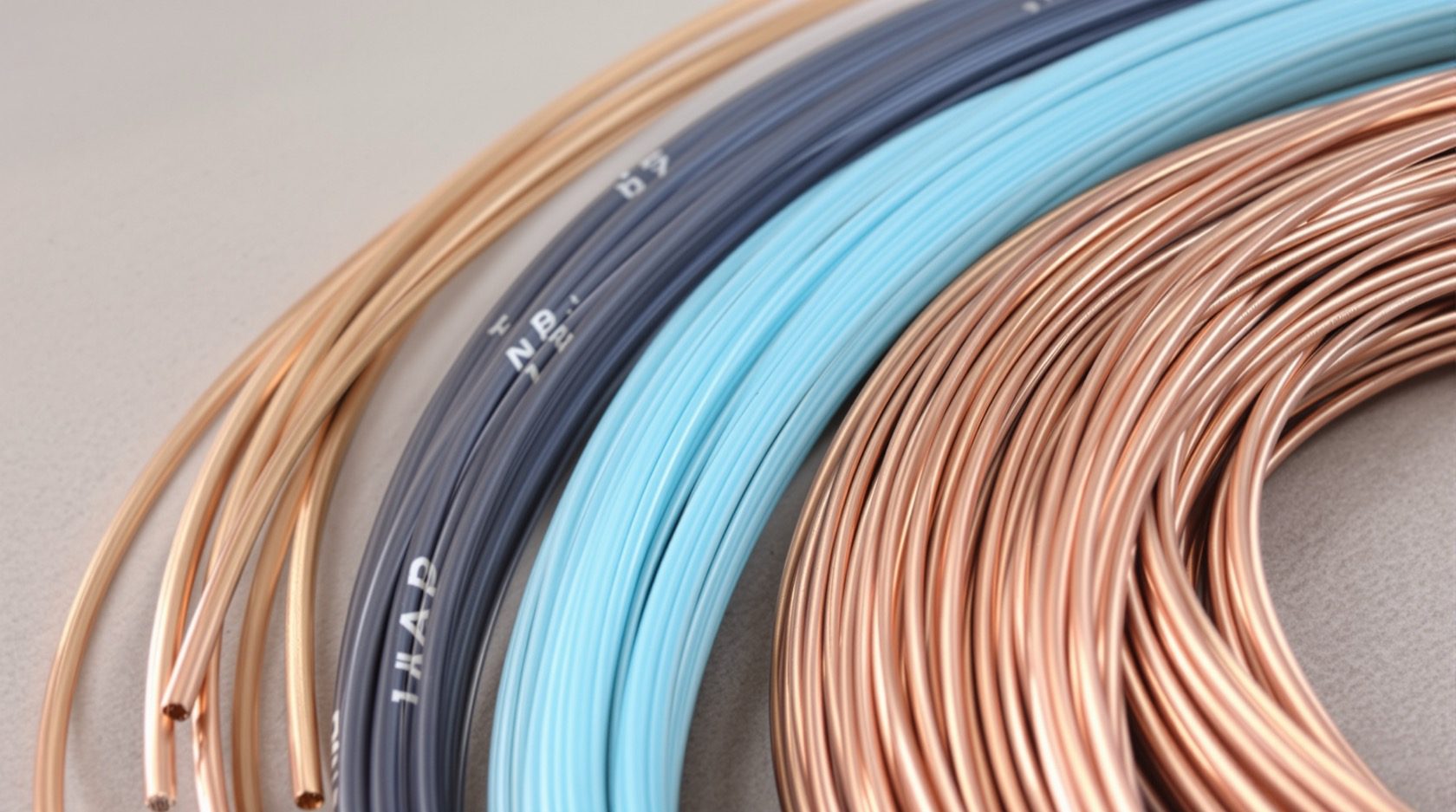
Cable Size Selection: Which Wire Gauge for Lights, Sockets, AC & Geyser
Why the wrong wire size is a fire risk — how house-wiring cable is sized in square millimetres, which common size suits lights, sockets, ACs and geysers, and the three factors (current, length, grouping) an electrician balances so cables never overheat.
 Stabilisers79
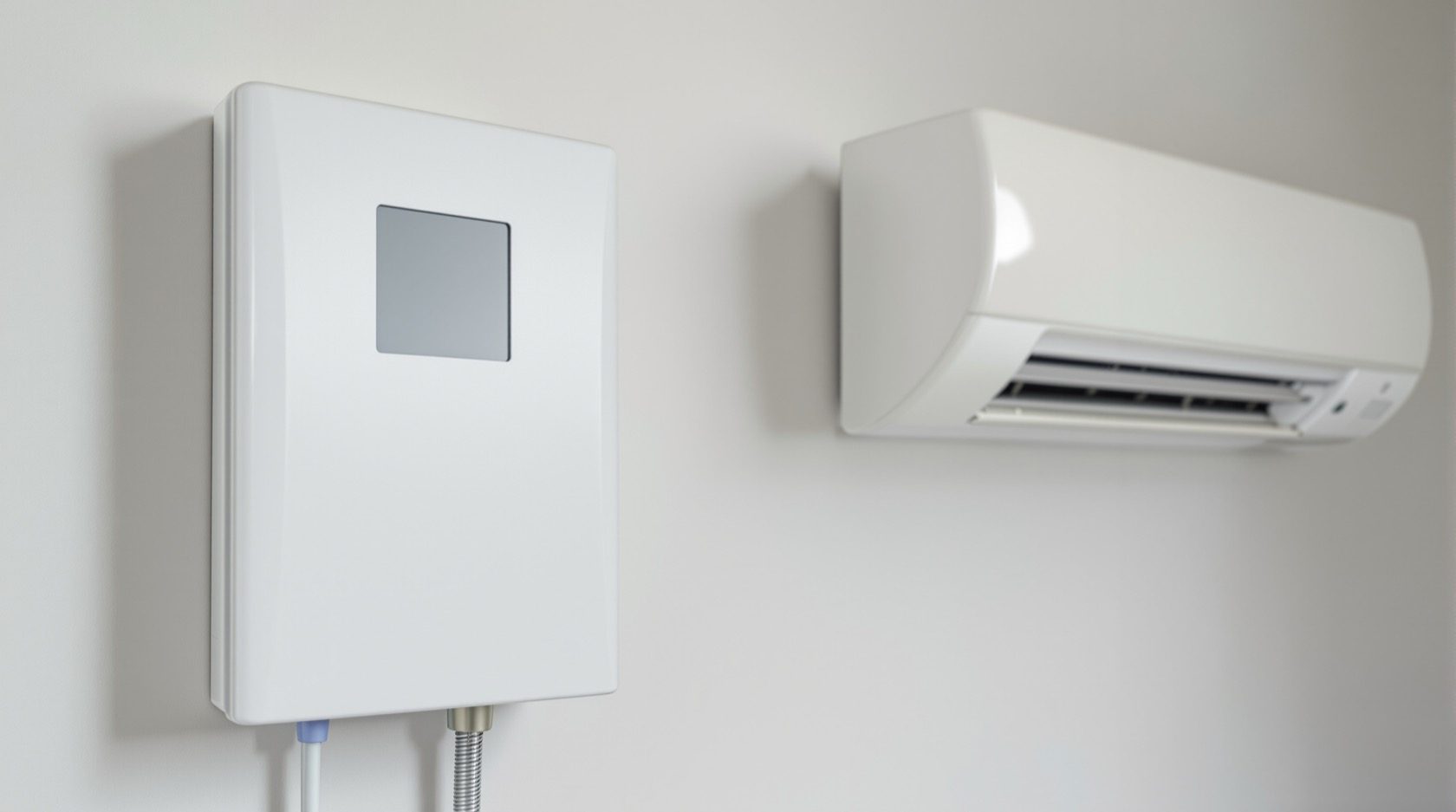
Voltage Stabilisers: Protecting Appliances from Unstable Power in India
Why Indian homes still need stabilisers — how a voltage stabiliser corrects the high and low voltage that damages ACs, fridges and TVs, where you need one (and where you don't), how to size it, and how it differs from a surge protector and an inverter.
 kVA vs kW80
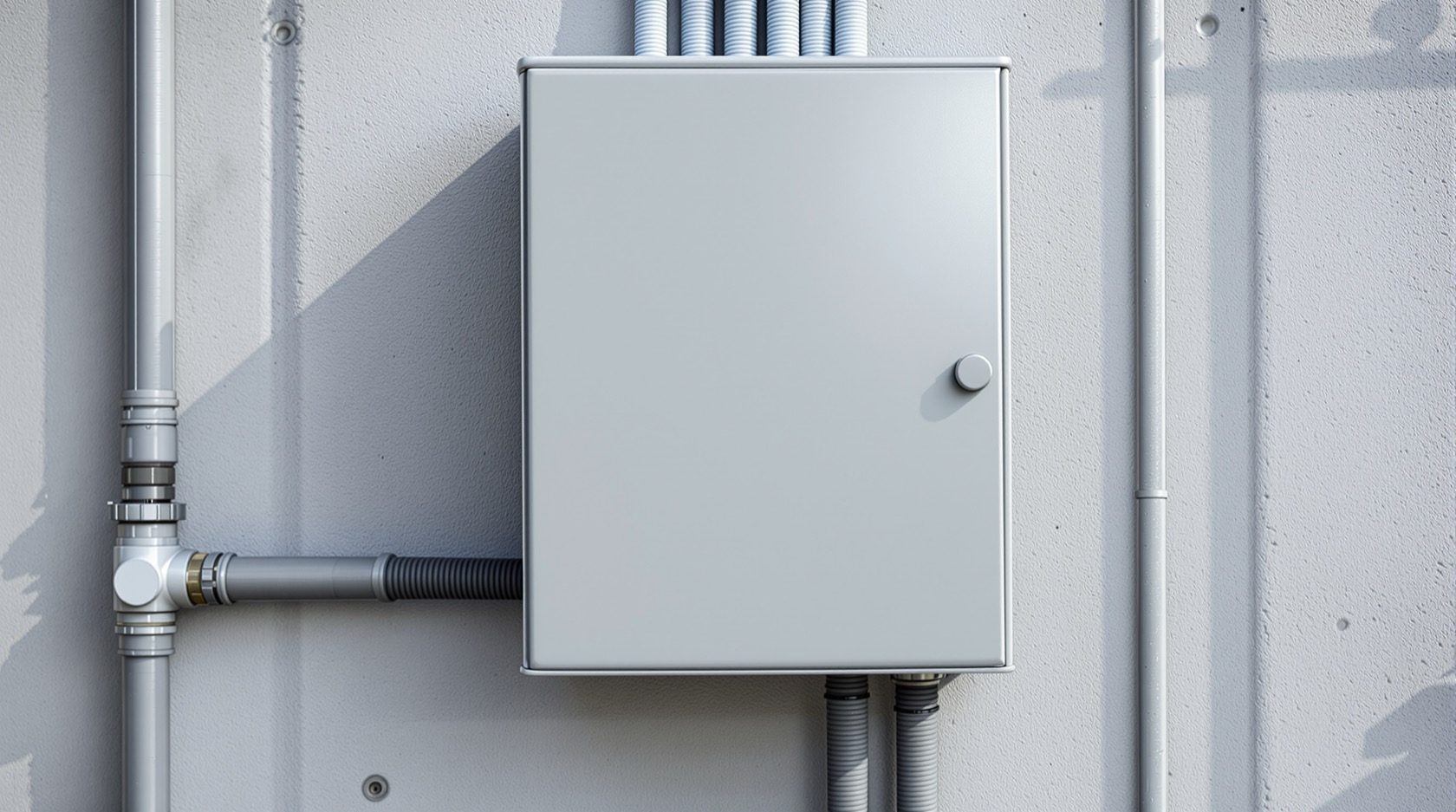
kVA vs kW Explained: Sizing Inverters, Generators & Your Connection
Why your inverter is rated in VA but your appliances in watts — the difference between kVA and kW, what power factor has to do with it, and how to use both correctly when sizing an inverter, a generator, or a sanctioned load.
 BLDC fans81
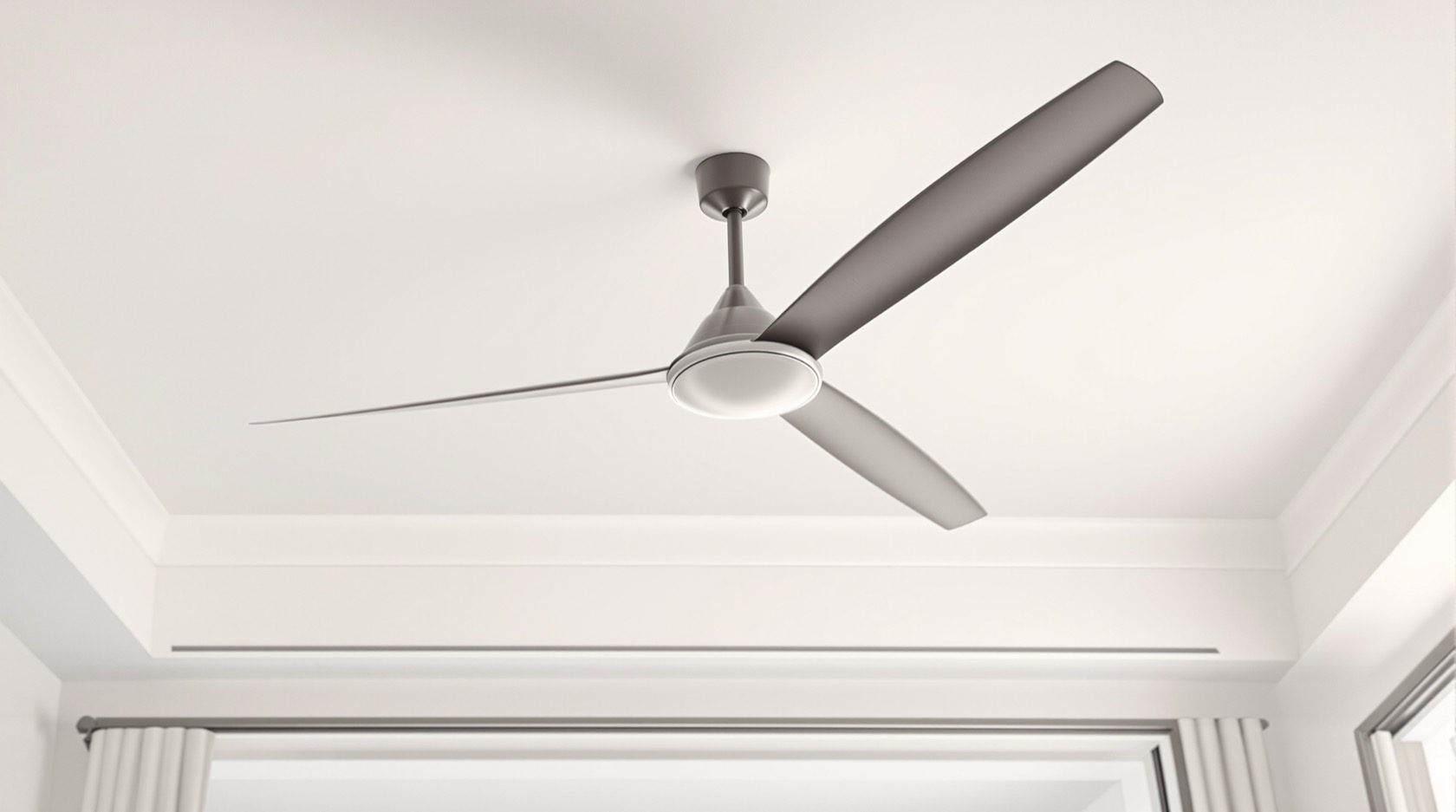
BLDC Fans: The Efficient Upgrade to the Ceiling Fan
The quiet revolution in the most-used appliance in an Indian home — how a BLDC ceiling fan uses roughly half the power of an ordinary fan, runs cooler and quieter with remote and speed control, whether the higher price pays back, and what to check when buying.
Beyond the home
Commercial to hospital scale
Nine areas, from planning a home’s electrics to knowing the rules
The core hub is complete: 83 guides across nine areas — deep-dives, buying and cost guides, comparisons, safety and standards references, and interactive calculators — all India-grounded, all honest about what belongs to a licensed electrician.
Plan, build & upgrade
Planning, new-home design & renovation
Room by room
Kitchen, bathroom, bedroom, living, office, outdoor
Wiring, cables & conduits
Methods, conductors, fire-safety & cost
Switches & distribution
Modular accessories, DB, MCB, RCCB
Earthing & protection
Earthing, surge, lightning & arc-fault
Lighting
Design, LED, colour, smart & outdoor
Backup power
Inverters, batteries, generators & UPS
Solar & EV charging
Rooftop solar, storage & EV charging
Smart home & energy
Wiring, networking, monitoring & saving
Low-voltage & ELV systems
Theatre, audio, intercom, fire alarm, gate
Safety, standards & cost
Safety, IS/NEC/CEA, hiring, buying & upkeep
Comparisons
Backup, protection, phase, battery, solar, bulbs
Sustainable & green
Efficiency, green ratings, net-zero, electrify
Fundamentals & deep dives
Units, colours, cable sizing, kVA, stabilisers
Plan it, price it, ask it
Fifteen free calculators plus two AI helpers and a printable toolkit — all built to help you specify and decide, then hand the work to a licensed electrician.
Electrical Brief Builder
Turn your needs into a clear requirements brief to hand your electrician.
Open AI toolElectrical Assistant
Ask anything about your home’s electrics in plain language — and decide.
Open DownloadablesHomeowner Toolkit
Free printable checklists & templates — brief, points, safety, load schedule.
Open