
Building Regulations & ComplianceHomeowner literacy
Building Rules, in Plain Language
Setbacks, FAR, bye-laws, occupancy certificates — the words that stand between you and your home, and usually feel like red tape. This is the literacy library that turns them into something you can use: a 21-guide reference on what each rule protects, what you are allowed to build, how approvals really work, and where the rules are heading — written for homeowners and buyers, not architects.

Why Building Rules Exist in India: A Homeowner's Guide
Building rules in India can feel like red tape, but each one protects something real: light, air, fire access, safe structures and fair use of shared water and roads. Here is what they do and why they vary city to city.
Read itThe why and the rulebook
Where the rules come from Bye-laws01
Understanding Building Bye-Laws in India: A Homeowner's Guide
Building bye-laws are the local rulebook deciding what you may build on your plot. Learn who makes them, how the national code, state act and city DCR fit together, what they regulate, and how to read your own city's rules before you build.
 History02
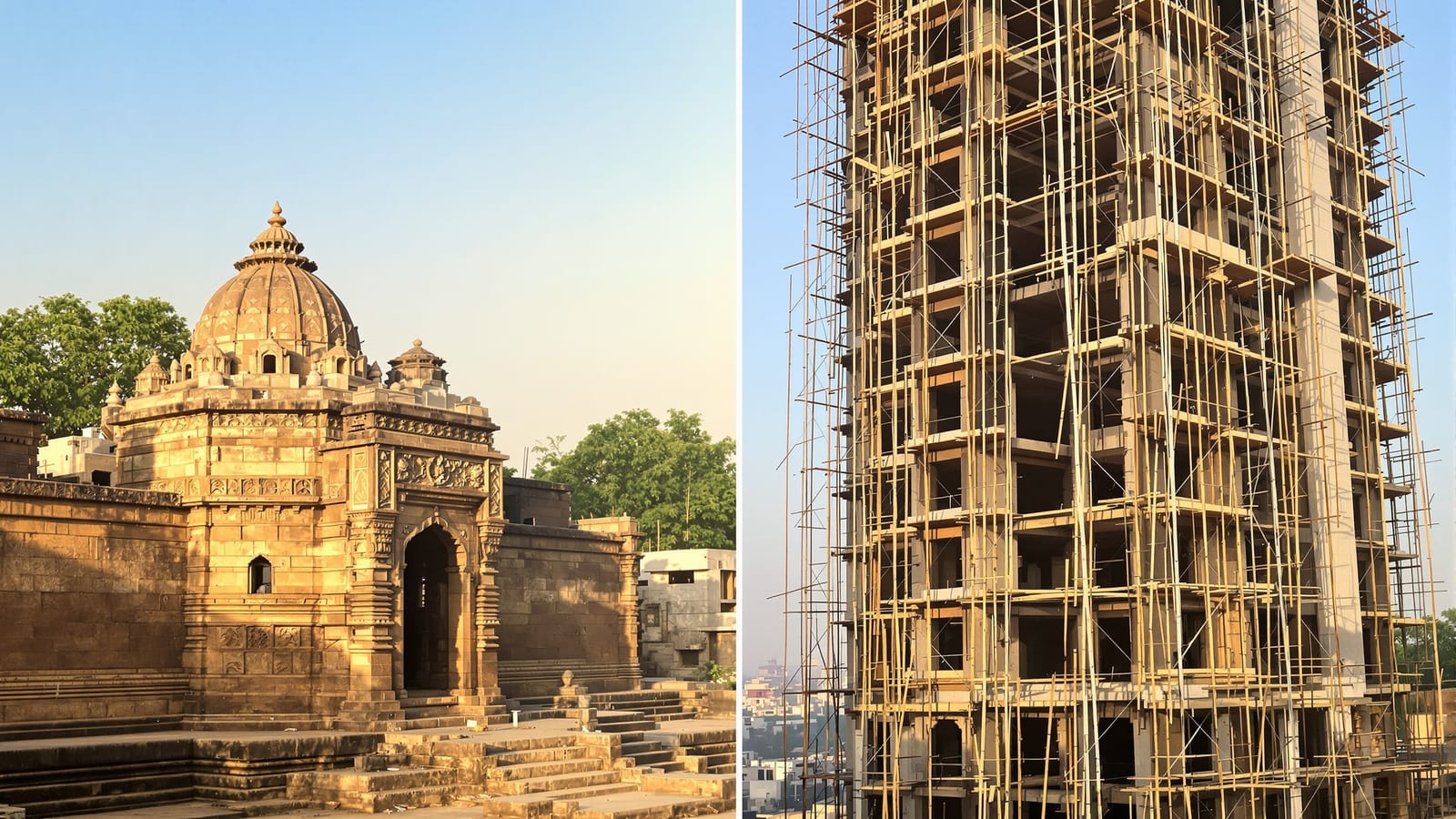
The Evolution of Building Regulations in India
How India's building rules evolved over a century, from craft tradition and vastu through colonial town-planning acts, development authorities, the National Building Code, environmental and energy codes, RERA and online approvals, and what that stack means for you.
What you can build
The rights and the limits FAR / FSI03
FAR vs FSI: Understanding Your Development Rights in India
FAR and FSI are the same number written two ways, your legal floor-area budget. Learn the simple formula, a worked example, how FSI differs from ground coverage and height, what premium FSI and TDR mean, and how to find your plot's real limit.
 Setbacks04
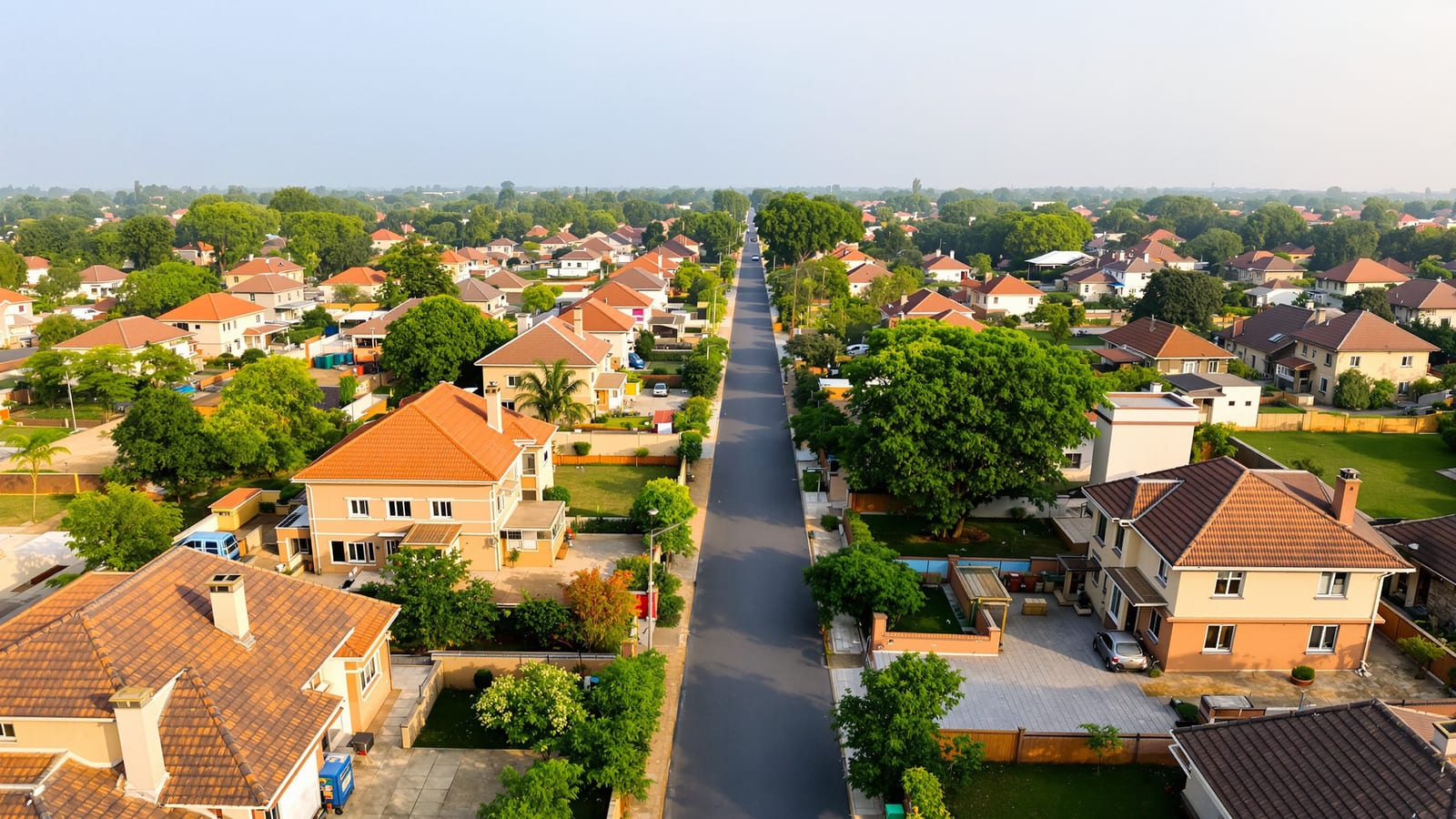
Why Setbacks Matter: A Homeowner's Guide to the Open Space Around Your House
Setbacks are the open gaps around your building. Learn what they protect, how front, side and rear margins scale with plot size, road width and height in India, and the real costs of ignoring them.
 Height05
Understanding Building Height Restrictions in India
Your building height limit is set by law, not by your builder. Learn why height is capped, how road width and setbacks decide it, what the high-rise threshold triggers, when an AAI airport NOC is needed, and how to find your plot's real limit.
 Parking06
Why Parking Rules Matter: How India's Off-Street Parking Norms Work
Building rules force your home to park its own cars instead of clogging public lanes. Learn how parking norms are set, the parking types and how each is treated, the link to FAR and stilt floors, the policy debate, and what to check before you buy or build.
Approvals and certificates
The paper trail Approvals07
Common Approval Mistakes That Delay Projects in India
Most building-approval delays in India are avoidable mistakes made before submission: incomplete documents, title gaps, bye-law violations, missing NOCs, and plan deviations. A plain-language guide for homeowners, with a pre-submission checklist.
 Rejections08
Why Building Plans Get Rejected in India
A rejected building plan is rarely the end of the road. Learn how plan scrutiny works in India and the top reasons sanctions are refused or returned, from setback and FAR violations to zoning, title, missing NOCs and unsigned drawings, with fixes for each.
 Occupancy09
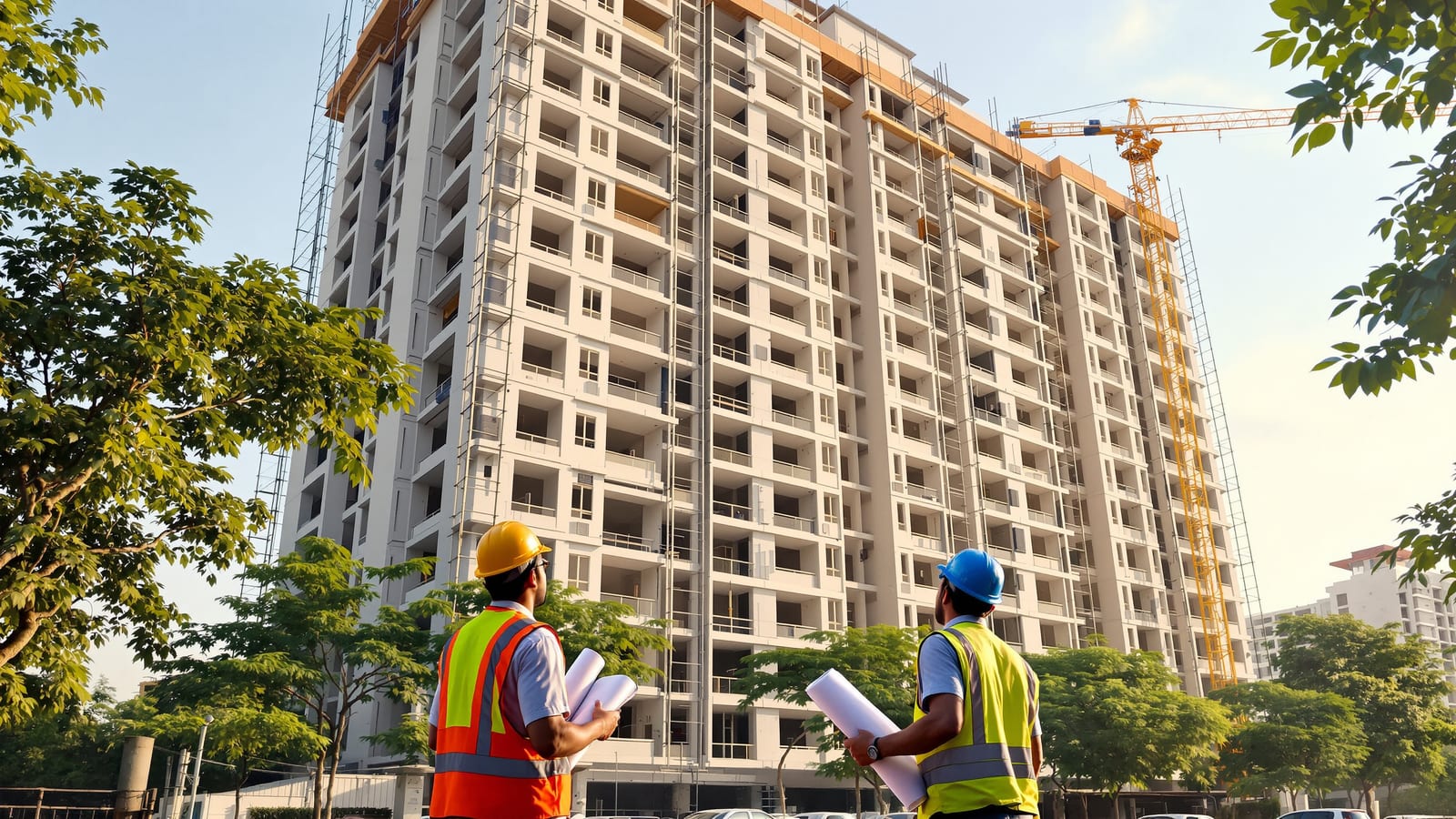
Occupancy Certificates Explained: A Home Buyer's Guide (India)
An Occupancy Certificate proves your building is legal and safe to live in. Learn how it differs from a Completion Certificate, why it controls your utilities, loan, tax and title, and how to verify a genuine OC before buying in India.
 Completion10
Completion Certificates Explained: A Homeowner's Guide for India
A Completion Certificate is the local authority's proof that a building was constructed strictly per the sanctioned plan. Learn how the CC differs from the OC, why it matters for occupation, tax, title and loans, and how to verify it.
The bigger picture
City and future Cities11
How Urban Regulations Shape Cities in India
The shape of your neighbourhood is largely the visible output of a rulebook. Learn how zoning, FAR, setbacks, height limits, parking minimums, TDR and premium FSI turn abstract numbers into sprawl or towers, sunlit streets or canyons, and walkable places or congested ones.
 Rainwater12
Rainwater Harvesting Regulations Across India
In much of urban India rainwater harvesting is legally mandatory above a plot-size threshold and is checked at your occupancy certificate. A plain-language, city-by-city guide for homeowners, with honest ranges and where to verify.
 Solar13
Solar Energy Mandates in Buildings: Where India Requires Solar
Where Indian building rules require solar rather than just encourage it. Solar water heater mandates are common in state and city bye-laws and often tied to your OC; blanket rooftop PV mandates on small homes are limited. What to check for your plot.
 Future14
The Future of Building Regulations in India
India's building rules are shifting fast: tightening energy codes toward net-zero, climate resilience written into law, performance-based standards, online and near-automatic approvals, embodied-carbon thinking and universal design. Here is the honest direction of travel, and how to build ahead of it.
The permit & approval journey
Sanction to possession Plan sanction15
Building Plan Sanction Process, Step by Step (India) (2026)
A sanctioned building plan is the legal permission to build. Learn who prepares and files it, the documents it needs, how it is scrutinised against bye-laws, the fees, permit validity and revalidation - so you know what is happening before you break ground.
 NOC checklist16
Approvals and NOCs You Need Before Construction in India: The Full Checklist (2026)
A homeowner-friendly master checklist of the approvals and NOCs a house may need before construction in India - fire, airport-height, environment, CRZ, utilities and more - and why most small homes need only a handful.
 Commencement17
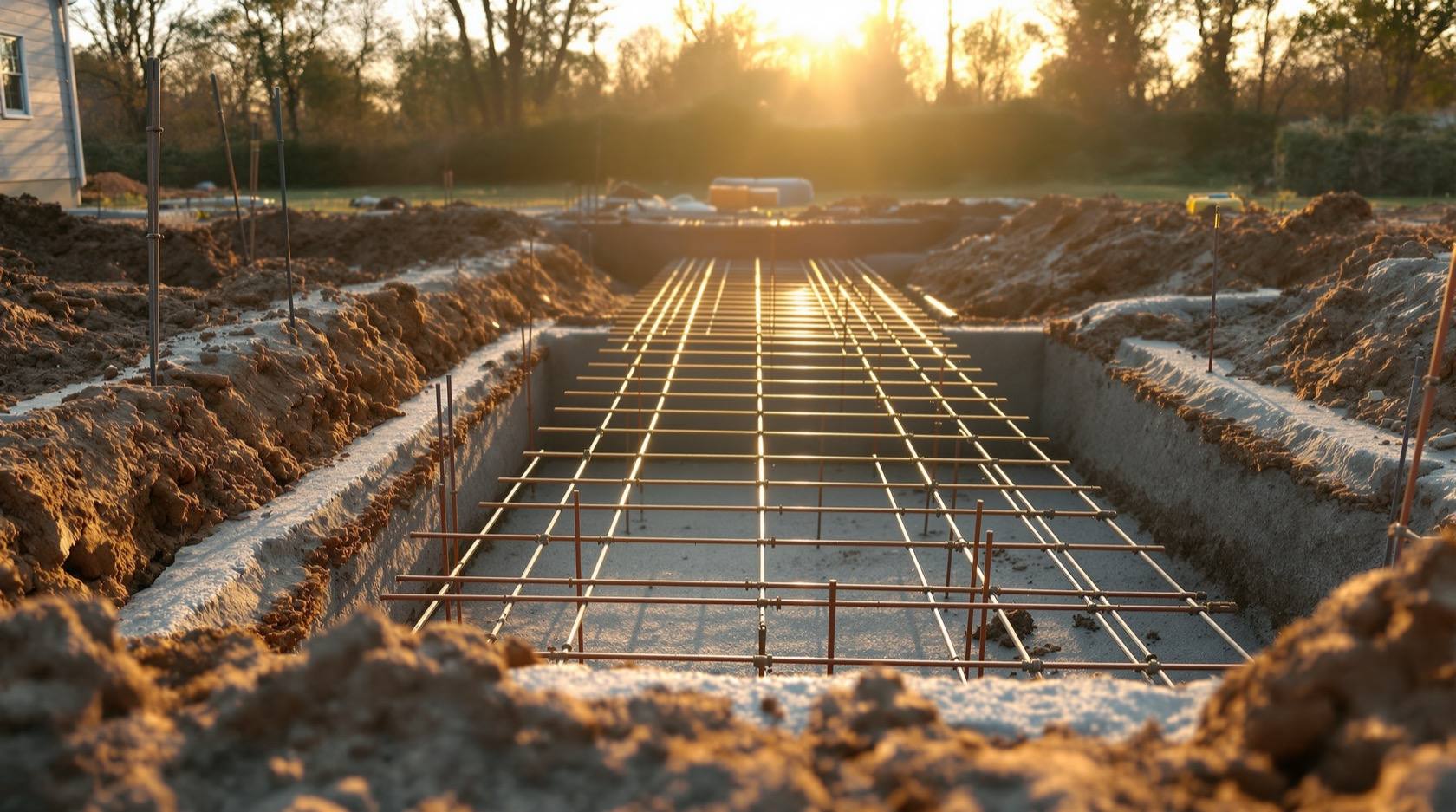
Commencement Certificate (CC) Explained: When You Can Legally Start Construction in India (2026)
The commencement certificate is the local authority permission to START construction after your plan is sanctioned. Learn what it is, why building without it risks penalties and demolition, when it is issued, its validity and revalidation, and how it differs from the completion and occupancy certificates.
 Zoning18
Zoning and Land Use Certificate in India: Check a Plot's Zone Before You Build (2026)
A plot's planning zone decides what you can legally build on it. Learn how master plans zone a city, what a land-use certificate proves, how to check a plot's zone, and why building against zoning risks demolition.
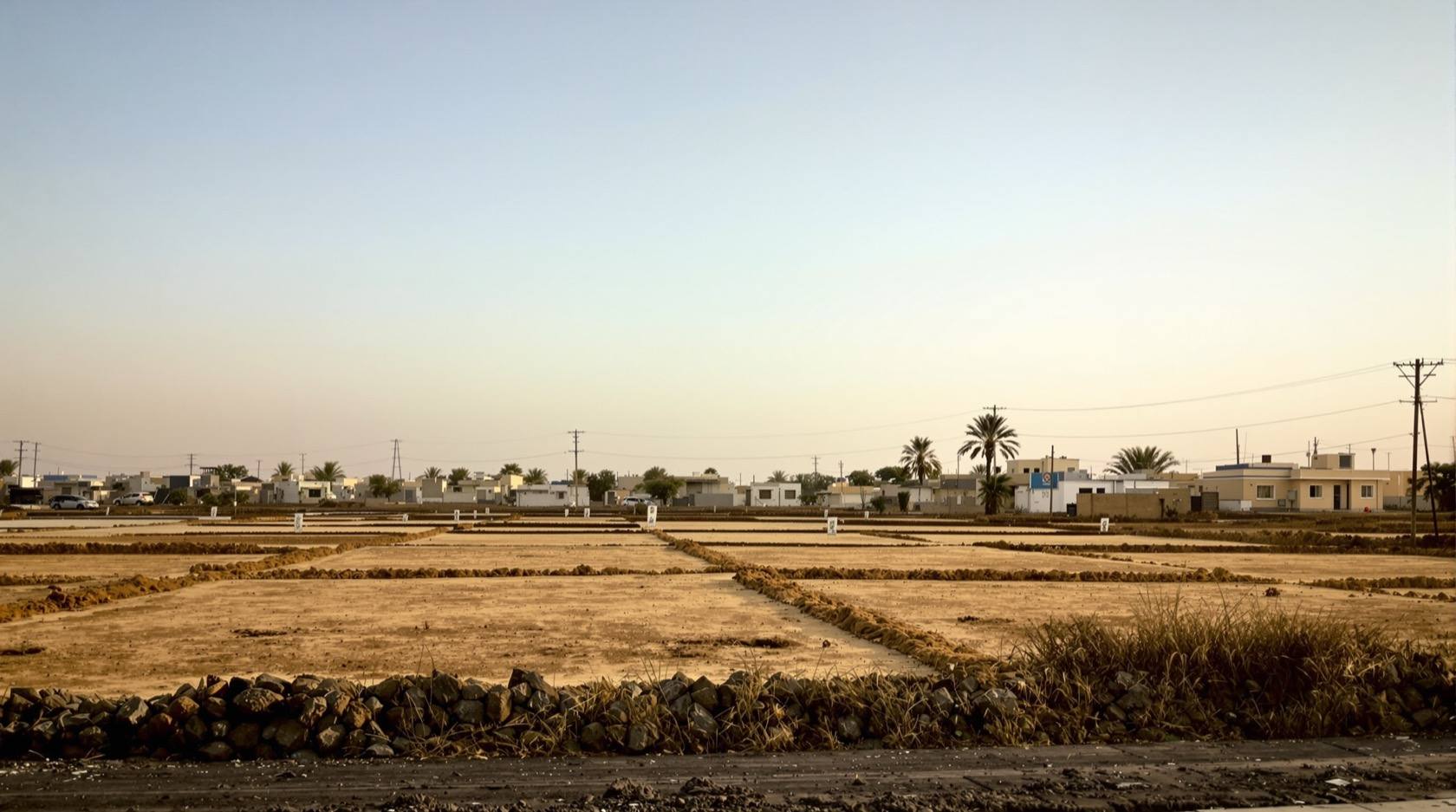 Panchayat19
Gram Panchayat Building Approval in India: Rural and Peri-Urban Permissions, and the Unapproved-Layout Trap (2026)
Building approval outside municipal limits in India: who approves in a gram panchayat, the process and documents, and how to spot the common trap of an unapproved layout sold as "panchayat approved". Rural rules are state-specific; verify with the panchayat, planning authority and a lawyer.
 RERA rights20
RERA Buyer Rights: A Homeowner's Guide (2026)
RERA regulates builders and agents to protect home buyers. This homeowner's guide explains your key rights -- registered projects, carpet-area pricing, an escrow rule, dated possession with delay compensation, a defects period and a complaint route -- and how to verify a project on your state RERA portal before buying.
Go deeper — the architect-technical companions
Working with the actual numbers for your plot? The building bye-law checker, FAR / FSI calculator and the India Regulatory Atlas give you the city-specific figures these guides tell you to verify.