
The HVAC Knowledge HubVolume 1 · Issue 4 · September 2026
Building services
HVAC, in Plain Language
Heating, ventilation and air conditioning shape a building’s comfort, air quality, health and energy bill — and in India, cooling is often the single biggest load. This is the literacy library that makes it clear: how HVAC works, how to plan and choose it, and how to design for every building type. A guide to understanding, planning and specifying — installation and refrigerant work belong to a qualified HVAC professional.
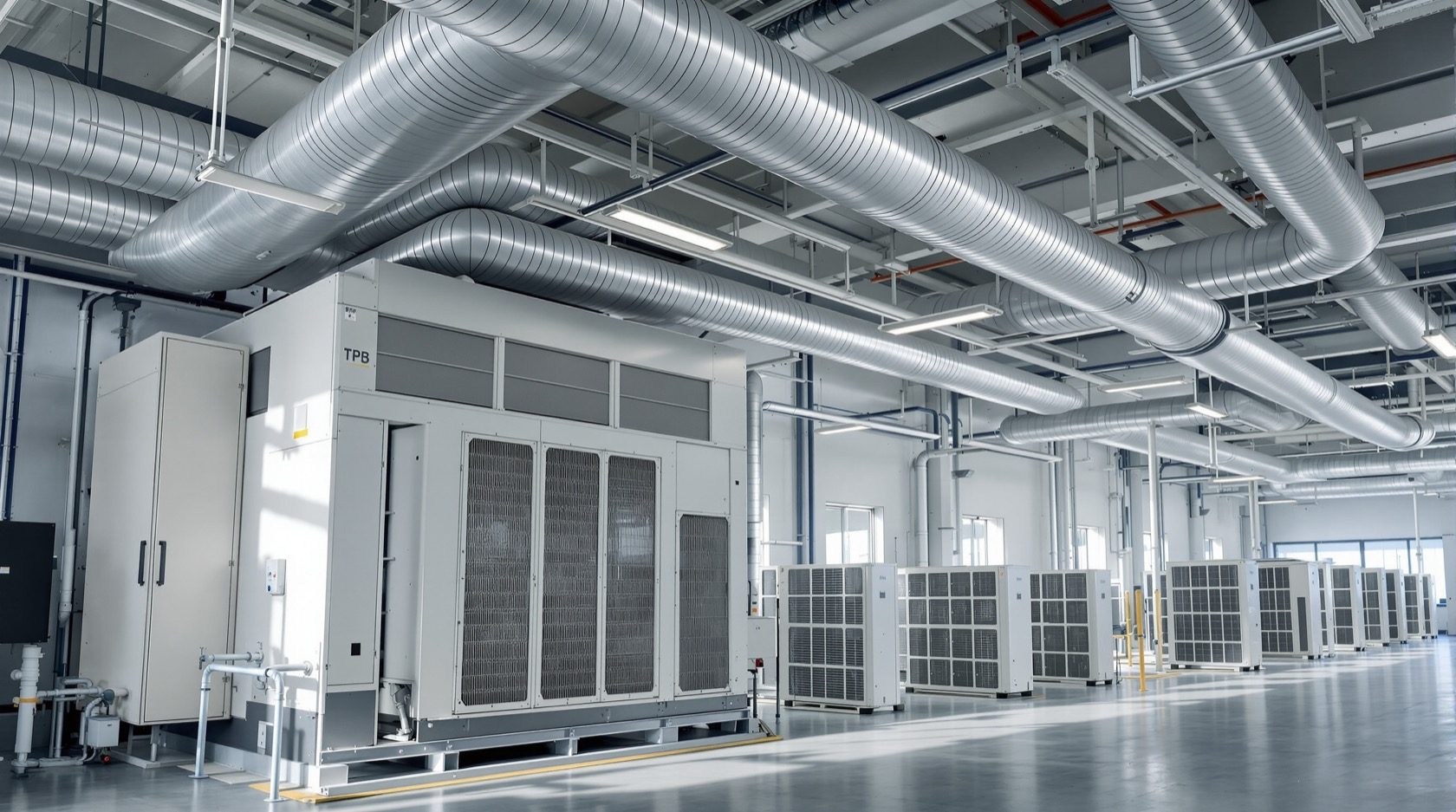
The Ultimate Guide to HVAC Systems: Heating, Ventilation & Air Conditioning
The complete, plain-language grounding in HVAC — what it is, how heating, ventilation and air conditioning work together to deliver comfort and clean air, the components and controls behind them, and how to think about efficiency in India's cooling-dominant climate.
Read itThe master guides
Home, new-build, renovation & every building For the home01
The Complete Guide to Residential HVAC in India
Everything a homeowner needs to plan and choose home cooling, ventilation and comfort — how to select the right system, size it correctly, get clean air and low bills, and where smart HVAC genuinely helps, all grounded in India's climate and market.
 New homes02
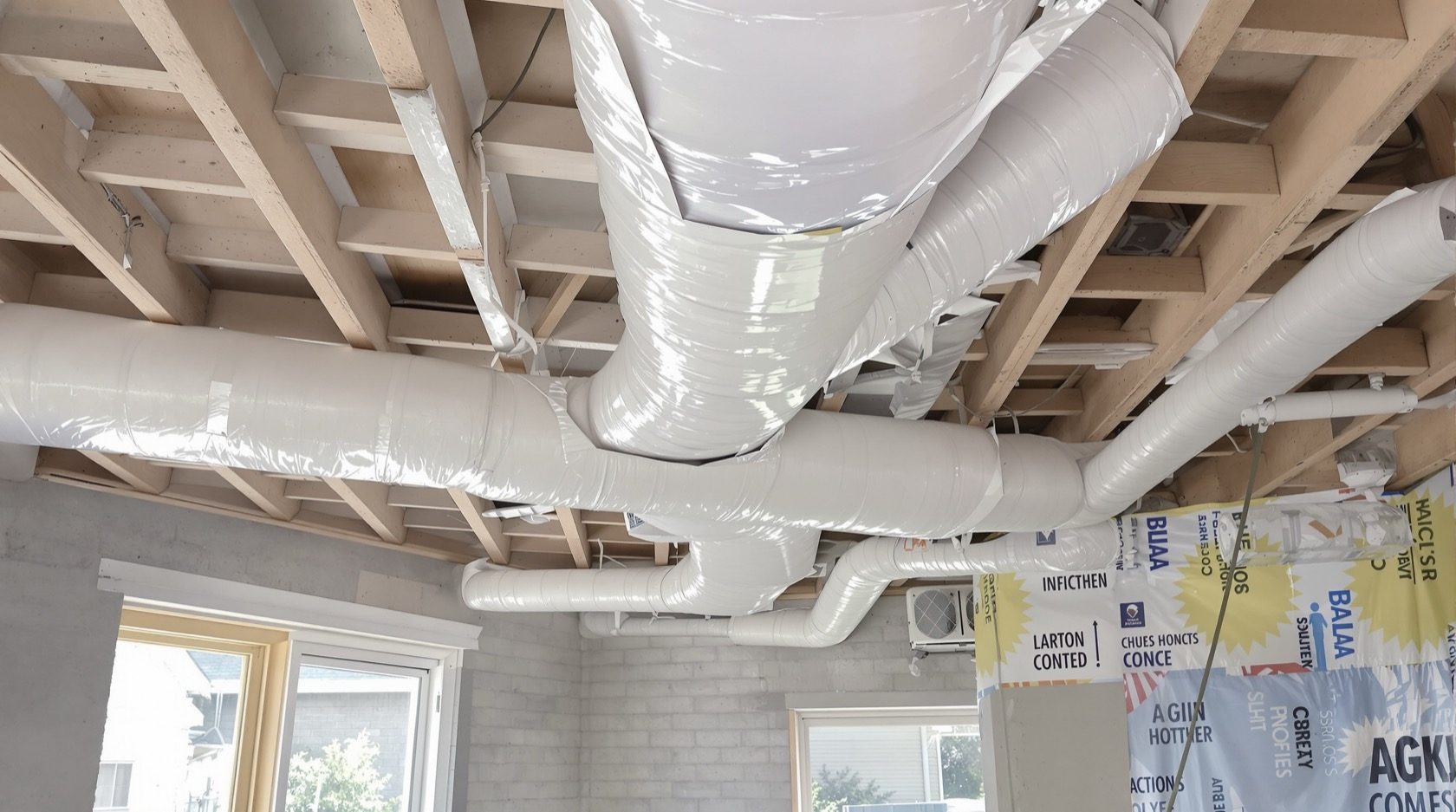
HVAC Planning for New Homes: Designing Comfort Before You Build
The HVAC decisions that must be made before the walls close — duct routing and equipment locations, the electrical, drainage and fresh-air provisions cooling needs, coordinating with the architecture, and leaving room to expand, so a new home is comfortable by design.
 Renovation03
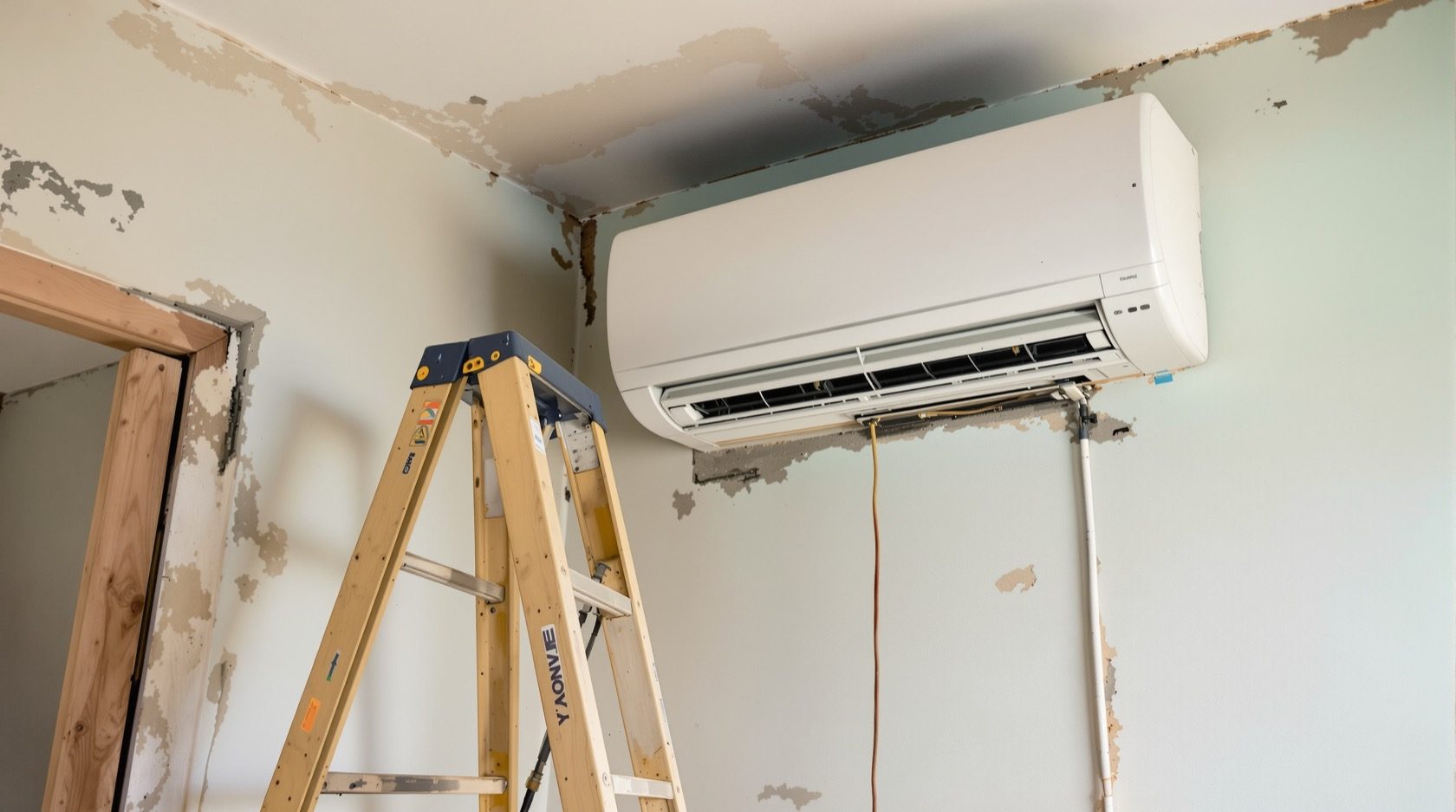
HVAC Renovation & Retrofit Guide: Upgrading Comfort in an Existing Home
How to modernise the cooling and air in a home that's already built — when to replace ageing ACs, how to retrofit better ventilation and air quality without tearing the place apart, the energy-efficient upgrades that pay back, and how to budget it sensibly.
 All building types04
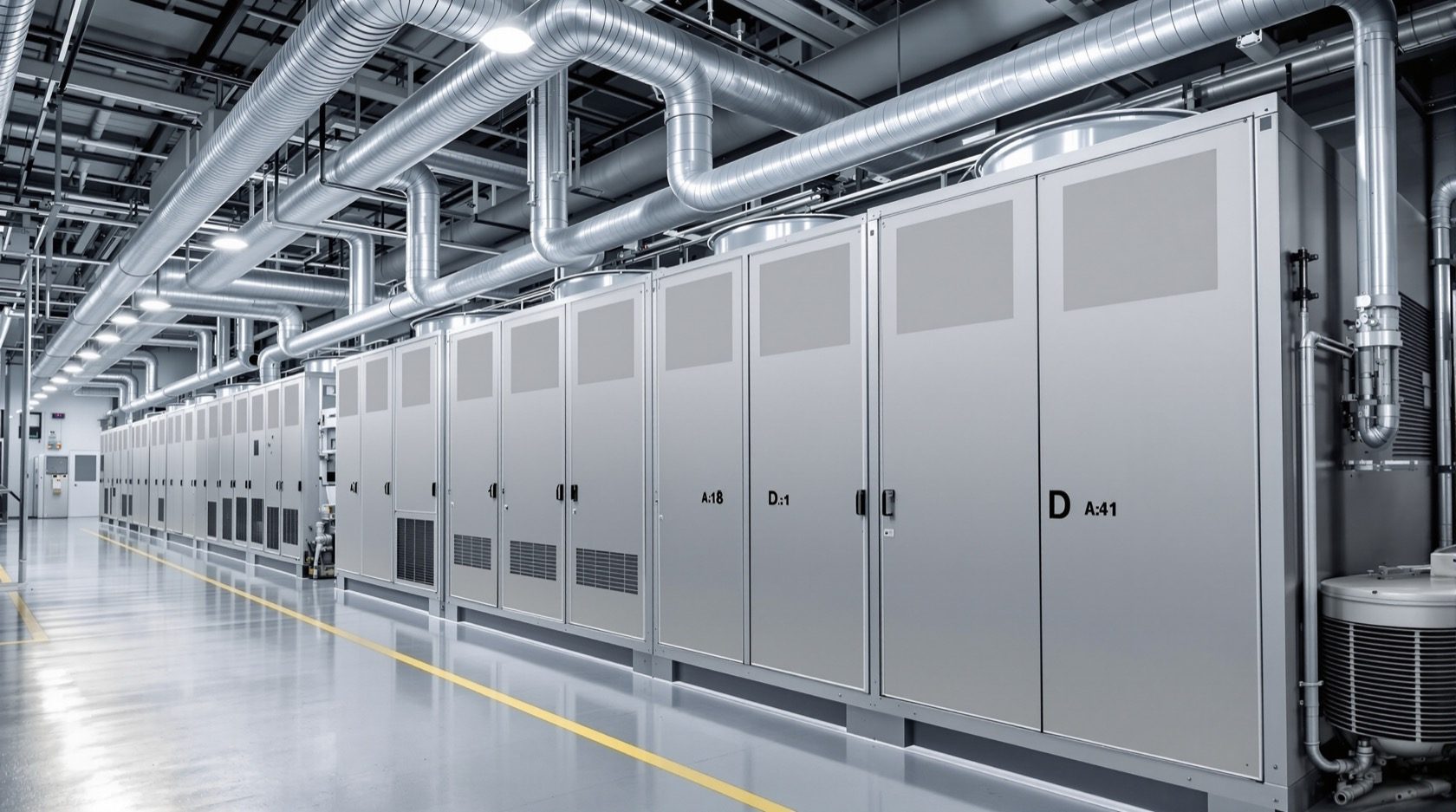
Building HVAC Design Guide: From Apartments to Hospitals
How HVAC scales and changes across building types — the systems, loads and priorities for apartments, villas, offices, hotels, hospitals, schools and industrial buildings, and why a hospital's air is designed on utterly different principles from an office's.
Air conditioning
From a bedroom split to a building chiller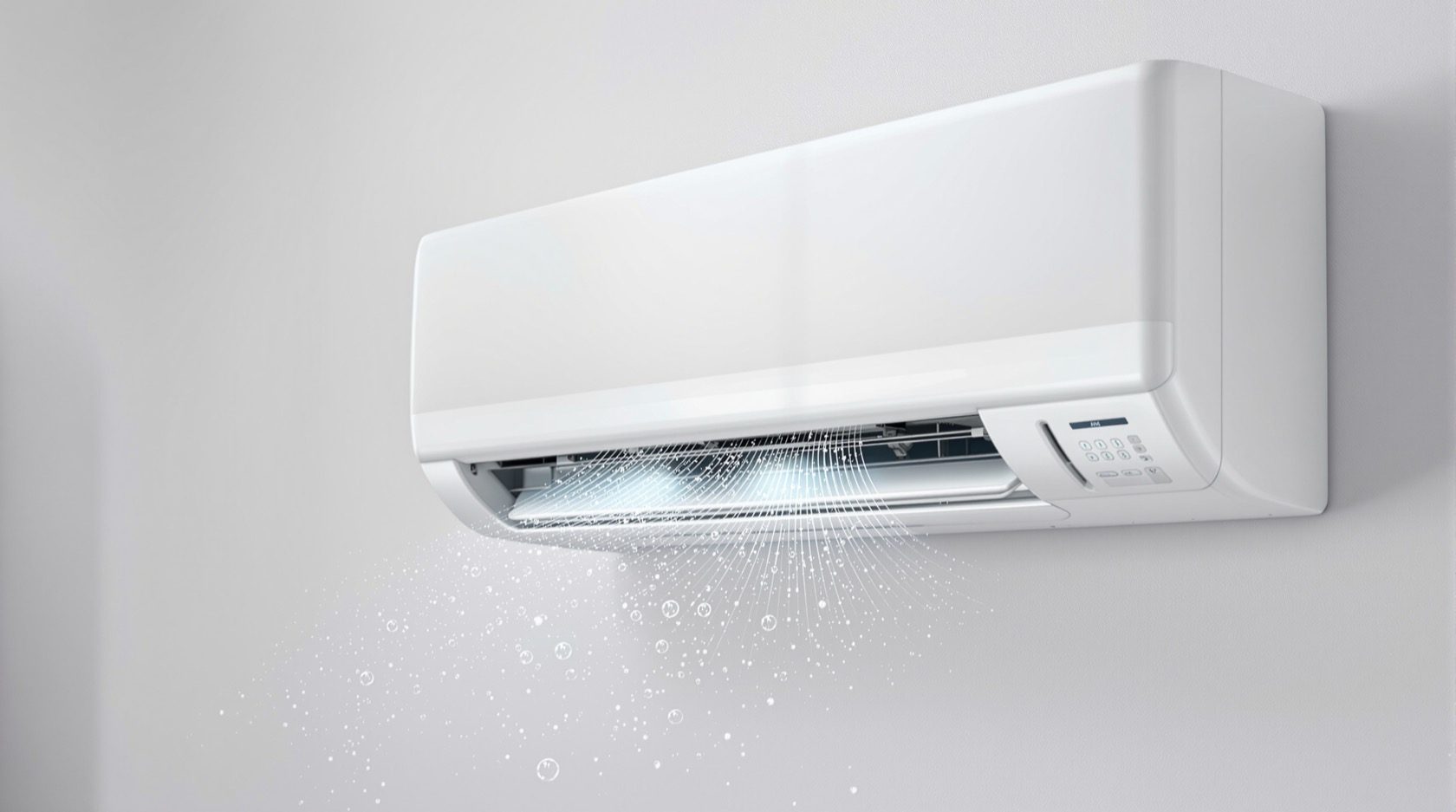 Basics05
Air Conditioning Basics: How an AC Works & What the Numbers Mean
The grounding every AC buyer needs — how an air conditioner cools, what a 'ton' really measures, how to read ISEER and the BEE star rating, why inverter beats fixed-speed, and what the refrigerant inside means, so you can choose and judge any AC with confidence.
 Split AC06
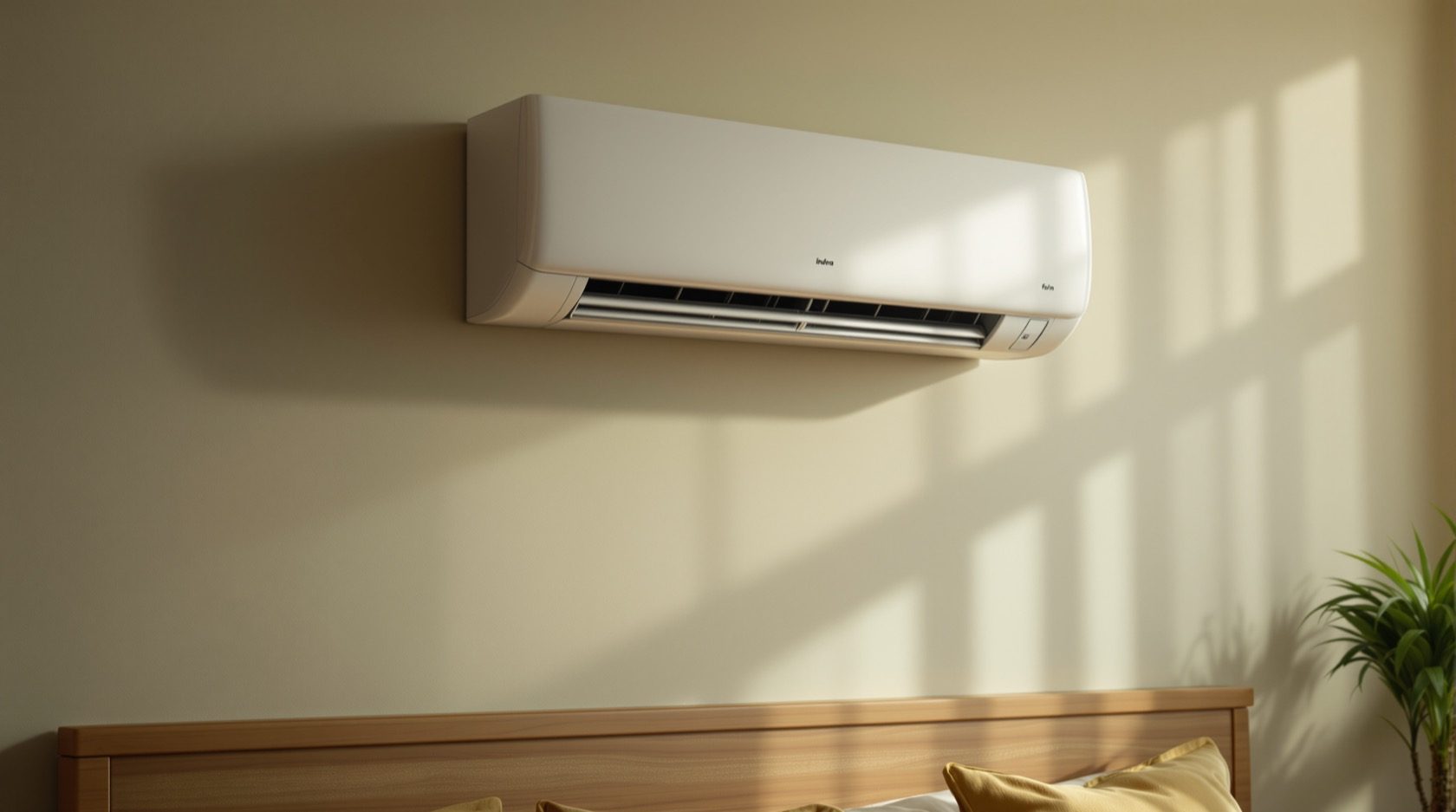
Split AC Guide: The Indian Home's Default Air Conditioner
Everything on the split AC — how the indoor and outdoor units work together, why it's quieter and more efficient than a window unit, how to choose tonnage, stars and features, where to place both units, and what installation and upkeep it needs.
 Window AC07
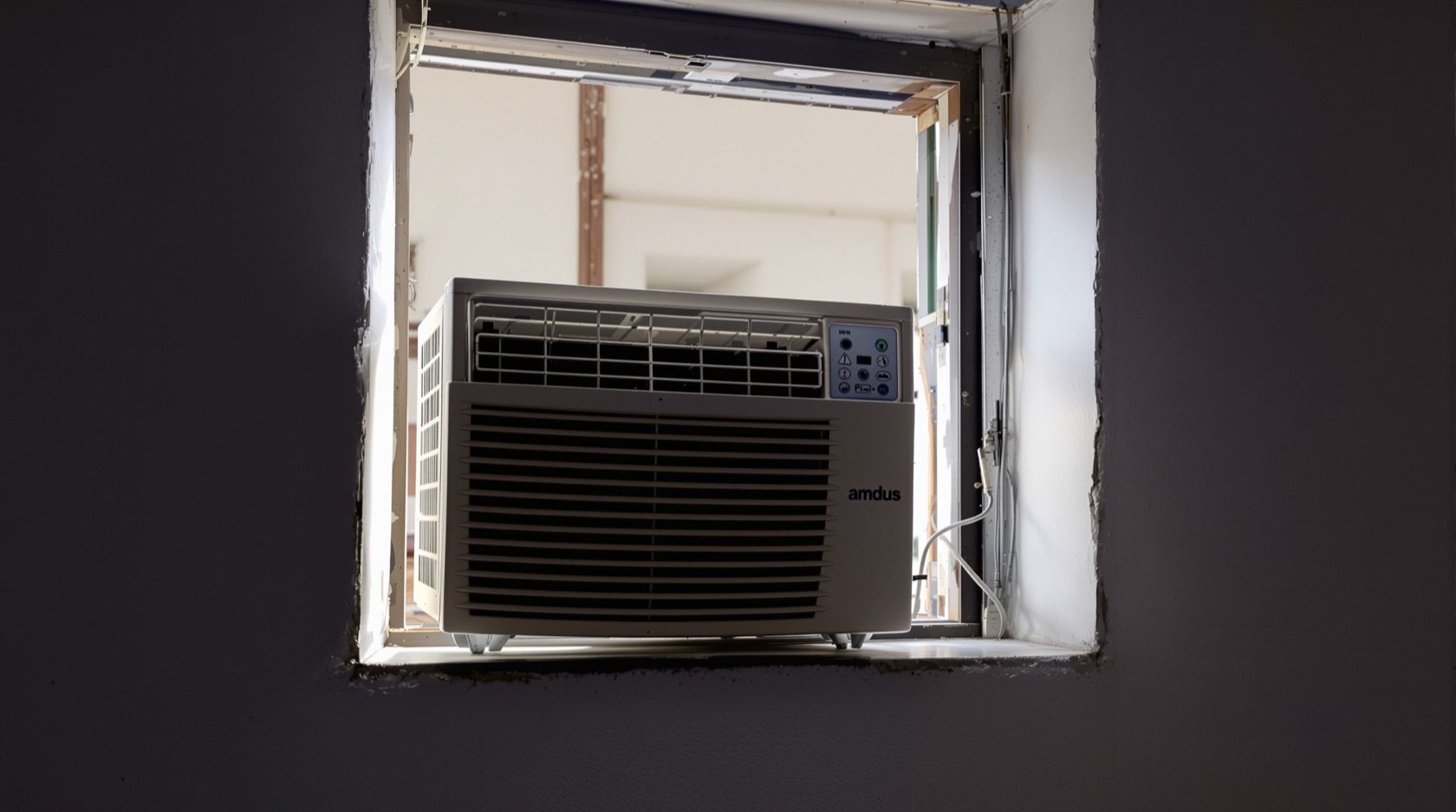
Window AC Guide: The Simple, Affordable Single-Room Cooler
The case for the window AC — the all-in-one unit that's cheapest to buy and easiest to install, where it still makes sense over a split, what you give up in noise and efficiency, and how to choose and fit one well.
 VRF / VRV08
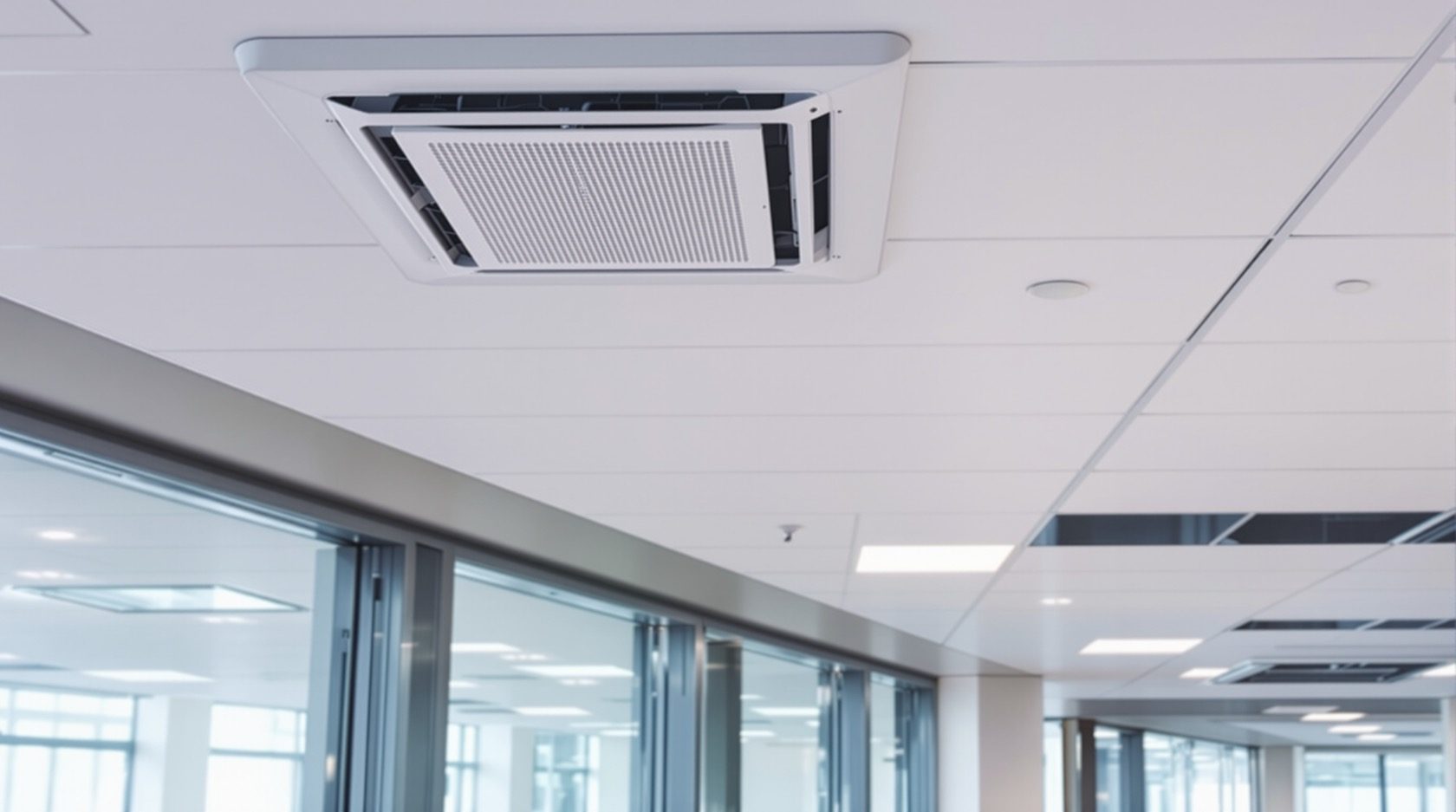
VRF & VRV Systems: One Outdoor Unit, Many Rooms — Explained
The system behind modern villas, offices and hotels — how VRF (and Daikin's VRV) run many indoor units from one outdoor unit with superb zoning and efficiency, why they're not the same as multi-splits, when they're worth it, and what design they need.
 Central / chilled water09
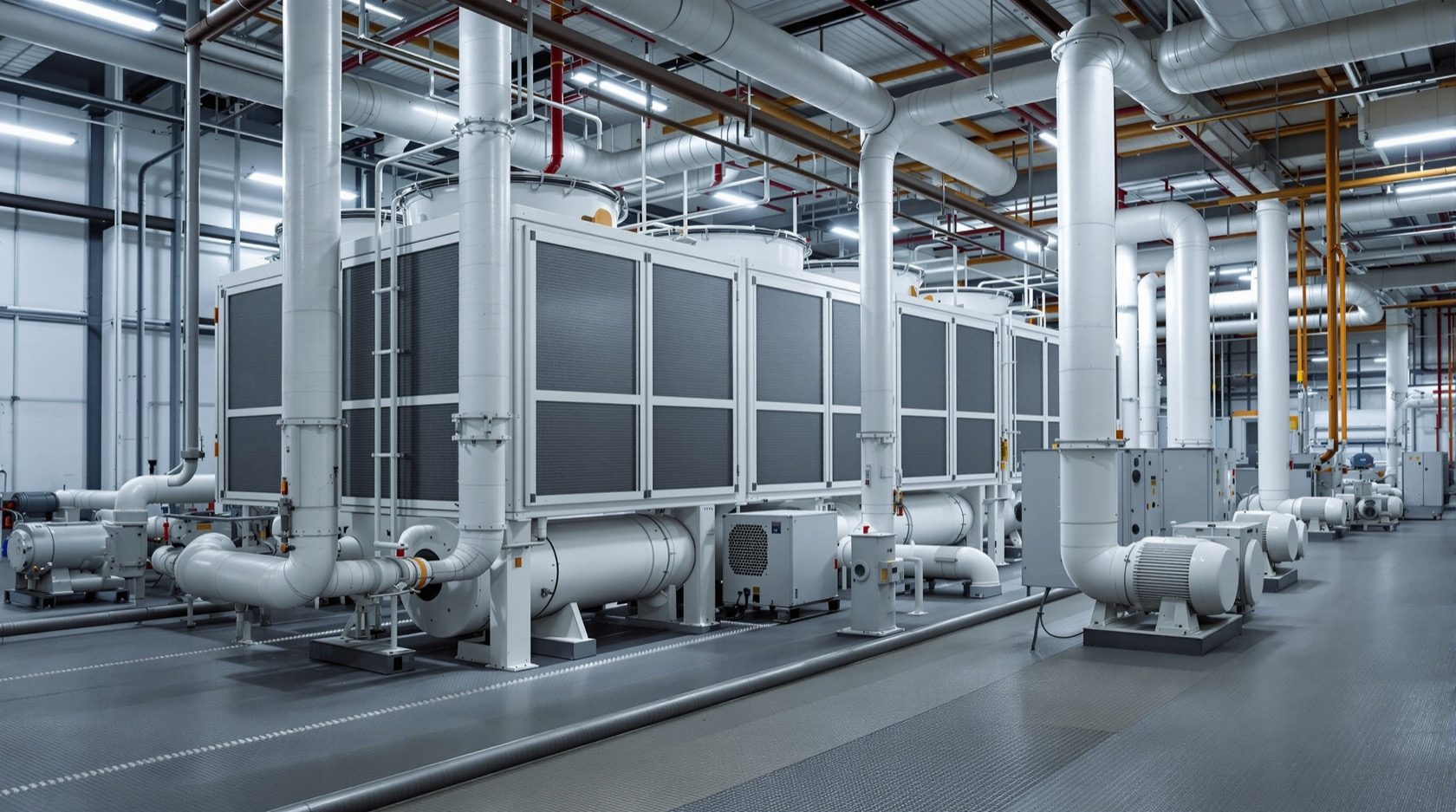
Central Air Conditioning & Chilled Water Systems: Cooling at Building Scale
How the biggest buildings are cooled — the chilled-water plant of chillers, air-handling units, cooling towers and pumps that air-conditions malls, hotels, hospitals and towers, how it differs from unitary and VRF systems, and when a building needs it.
 Ducted & cassette10
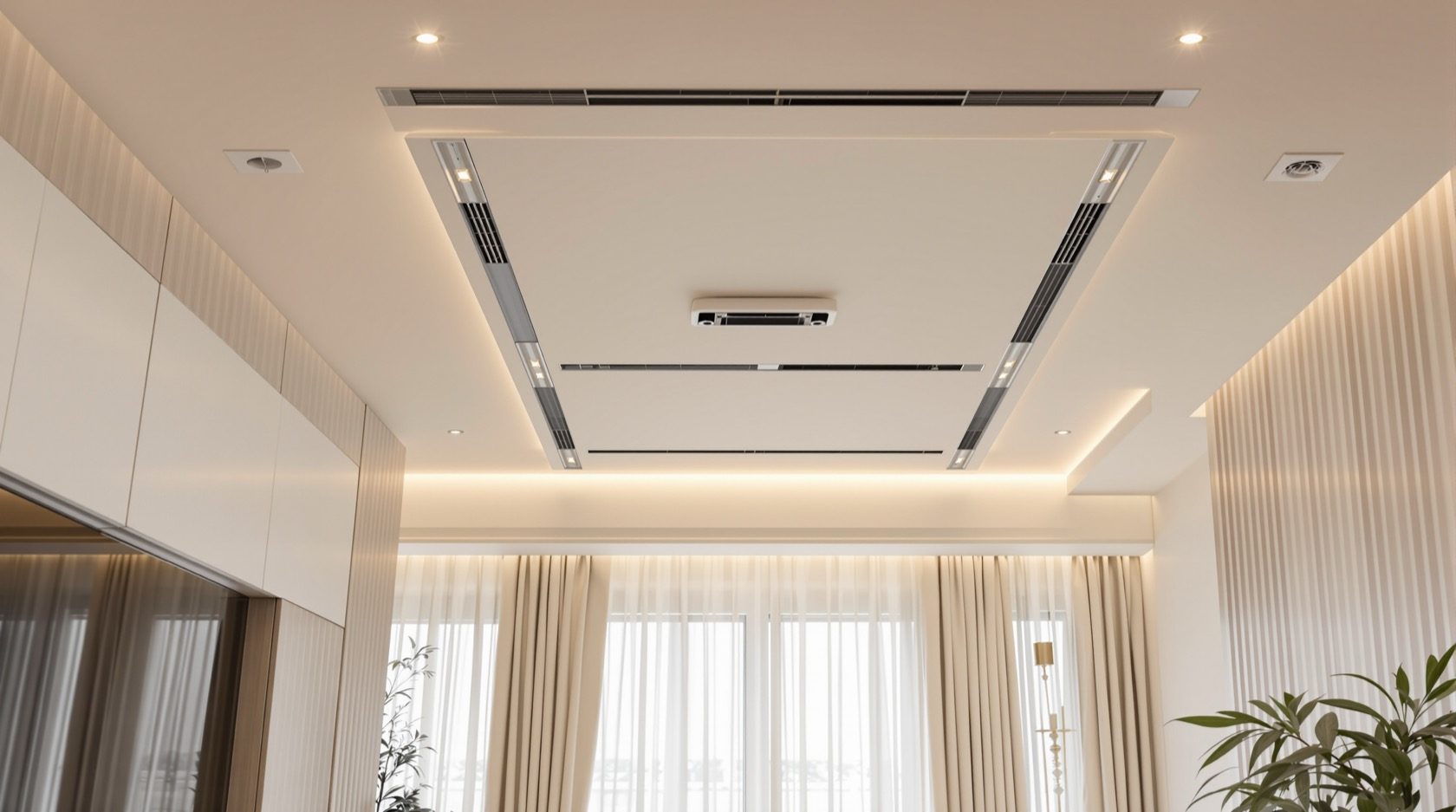
Ducted & Cassette AC: Concealed Cooling for a Clean Ceiling
When you want the cooling but not the wall units — how ducted and cassette air conditioners hide in the ceiling to deliver even, discreet comfort, how each works, where each fits, and why they must be planned into the ceiling before it closes.
Ventilation & air quality
Fresh, clean, healthy air — the other half of HVAC Ventilation11
Home & Building Ventilation: Why Fresh Air Matters and How to Get It
The most under-rated half of HVAC — how ventilation brings in fresh air and removes stale air, moisture and pollutants, the difference between natural and mechanical ventilation, what 'air changes per hour' and fresh-air rates mean, and why sealed AC homes need it.
 Air quality (IAQ)12
Indoor Air Quality (IAQ): What's in Your Air and How to Improve It
The air inside can be worse than outside — the pollutants that matter (PM2.5, CO₂, VOCs, humidity), where they come from, why IAQ affects health, sleep and productivity, how to measure it, and the proven ways to improve it in an Indian home or building.
 Air purifiers13
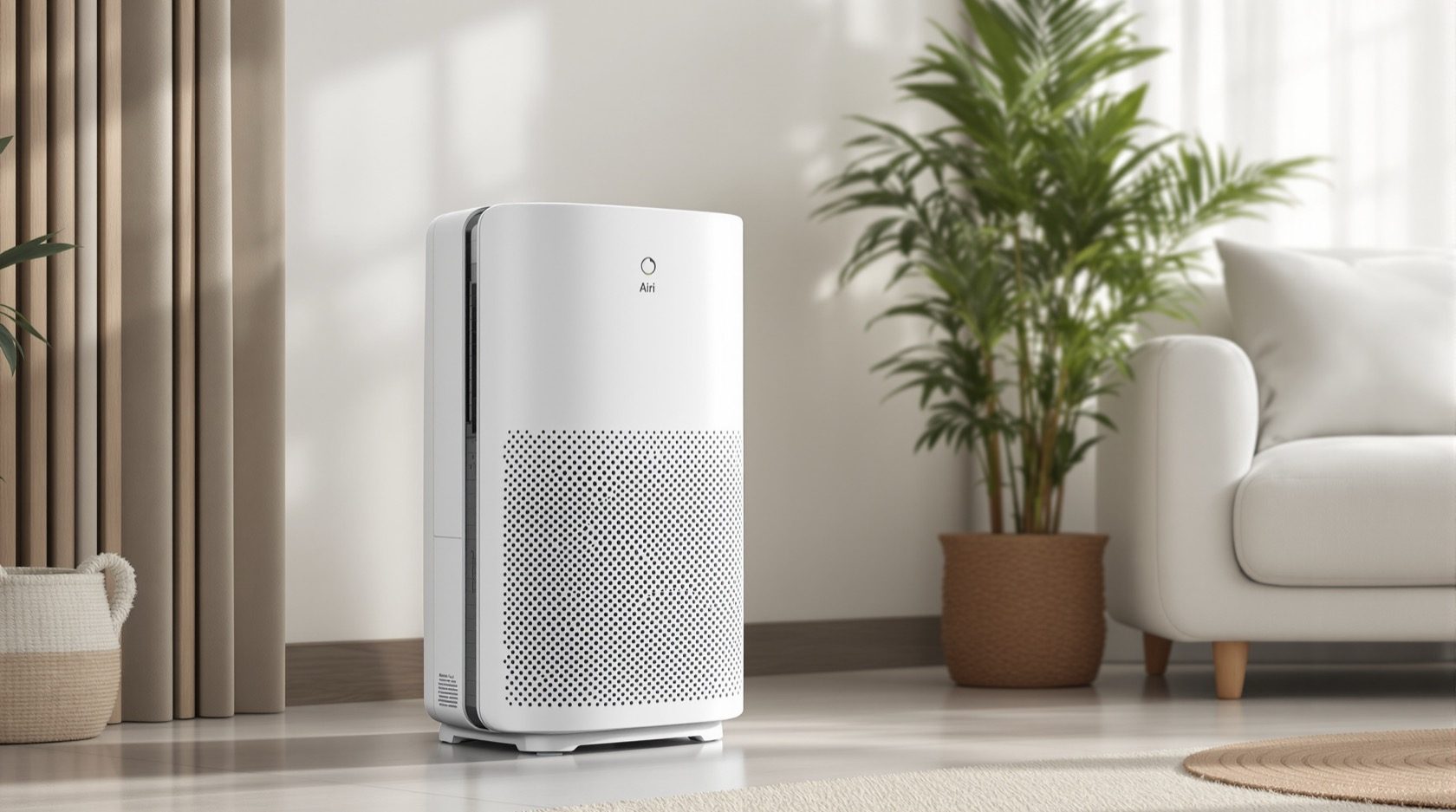
Air Purifiers & HEPA Filters: Do You Need One, and How to Choose
The honest guide to air purifiers for India's polluted cities — how they work, what HEPA and activated-carbon filters actually remove, how to size one using CADR, where they genuinely help (and where ventilation matters more), and what to ignore.
 HRV / ERV14
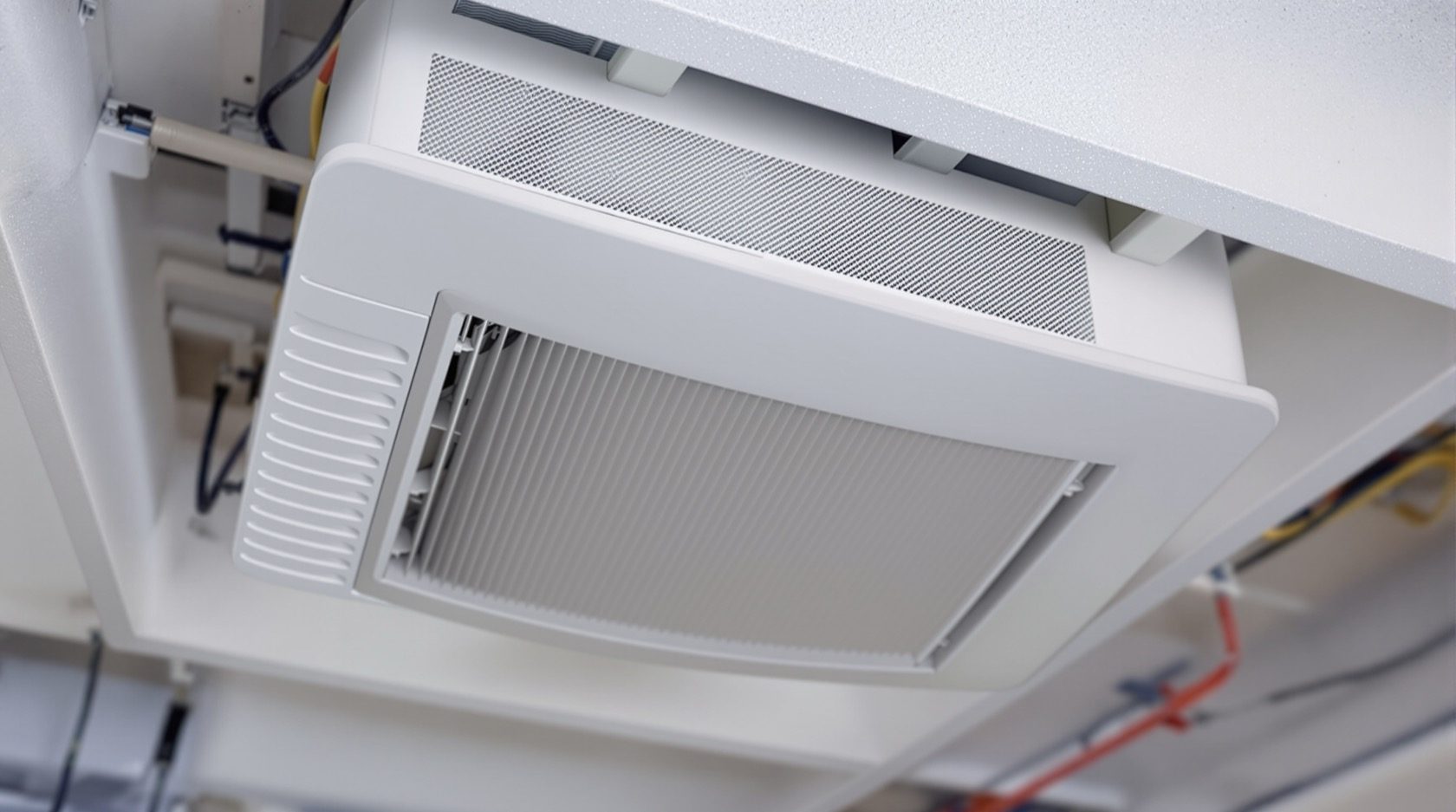
HRV & ERV: Fresh Air Without Throwing Away Your Cooling
The clever way to ventilate a sealed, air-conditioned home — how heat- and energy-recovery ventilators bring in filtered fresh air while recovering the coolness (and, for ERV, the dryness) of the air they exhaust, the HRV-vs-ERV difference, and why ERV suits India.
 Humidity15
Humidity Control at Home: Beating Damp, Mould & Monsoon Stickiness
The comfort factor everyone feels but few manage — why relative humidity matters as much as temperature, the healthy range to aim for, how ACs, dehumidifiers and humidifiers control moisture, and how to beat India's coastal and monsoon damp before it becomes mould.
 Mechanical vent16
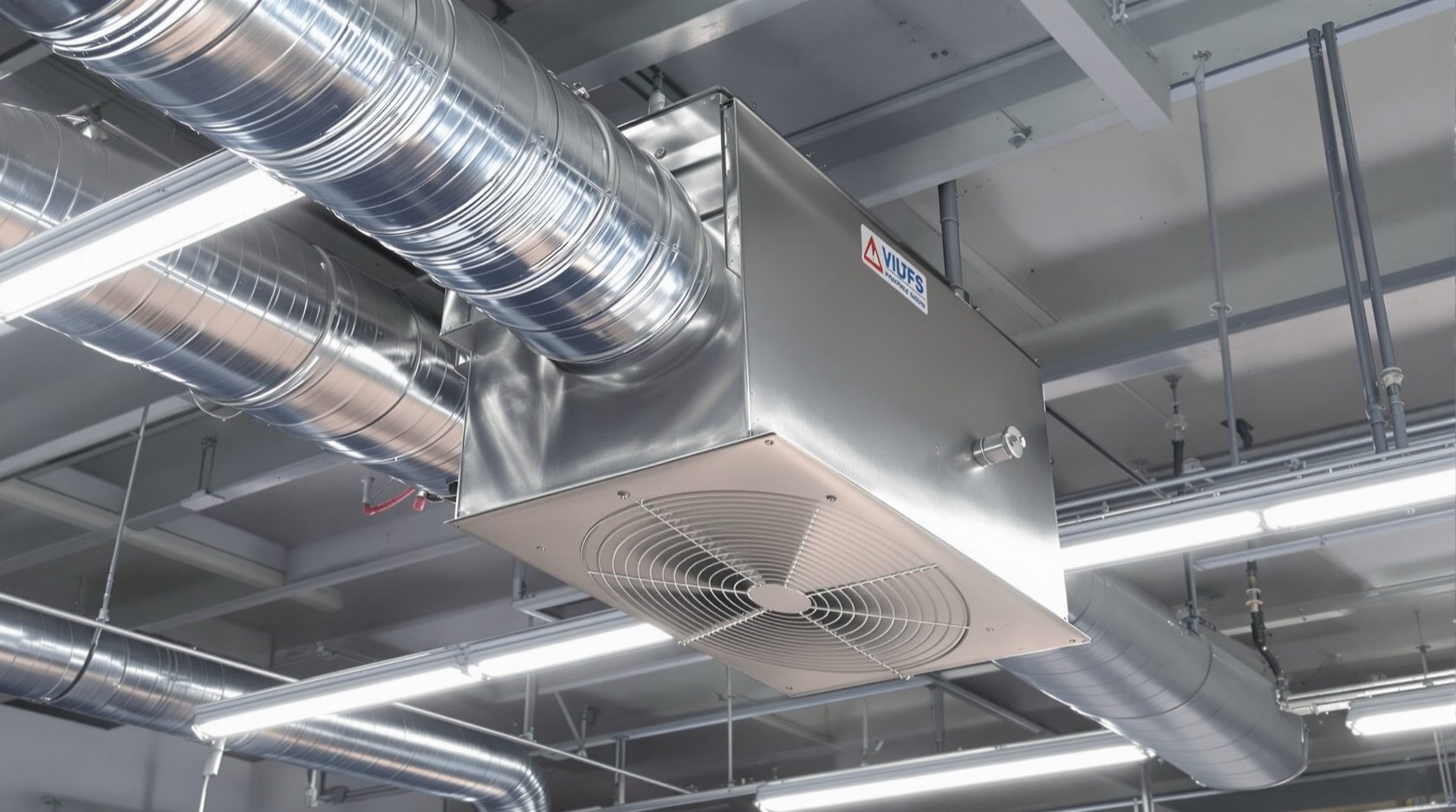
Mechanical Ventilation: Exhaust, Fresh Air & Pressurisation Systems
When windows aren't enough — the fan-driven systems that ventilate real buildings: kitchen and toilet exhaust, basement and car-park ventilation, staircase pressurisation and smoke extraction for fire safety, and the supply, exhaust and balanced systems behind them.
Sustainable & efficient
Low-carbon comfort that costs less to run Green HVAC17
Sustainable HVAC: Low-Carbon Comfort That Costs Less to Run
HVAC is a building's biggest energy load, so greening it matters most — the efficiency-first hierarchy for sustainable cooling: reduce the load by design, run efficient equipment, recover and generate clean energy, and electrify, so comfort comes with a small footprint.
 Passive cooling18
Passive Cooling: Keeping a Home Cool Without (Much) Air Conditioning
India cooled itself for millennia before the AC — the passive strategies that keep a building comfortable using design, not machines: shading and orientation, natural and night ventilation, thermal mass, evaporative cooling and cool roofs, and how they slash the cooling load.
 Radiant cooling19
Radiant Cooling: Comfort From Cool Surfaces, Not Cold Blasts
The quiet, efficient alternative to blowing cold air — how radiant cooling chills floors, ceilings or panels with water to absorb heat directly from a room, why it's more comfortable and efficient, its big caveat (condensation in humid India), and where it fits.
 Solar cooling20
Solar Air Conditioning: Cooling Powered by the Sun
The sun is hottest exactly when you need cooling most — the honest guide to solar cooling in India: the practical route (efficient AC on rooftop solar PV) versus the exotic ones (solar-thermal and hybrid), what actually makes sense, and how solar and cooling fit together.
 Earth air tunnel21
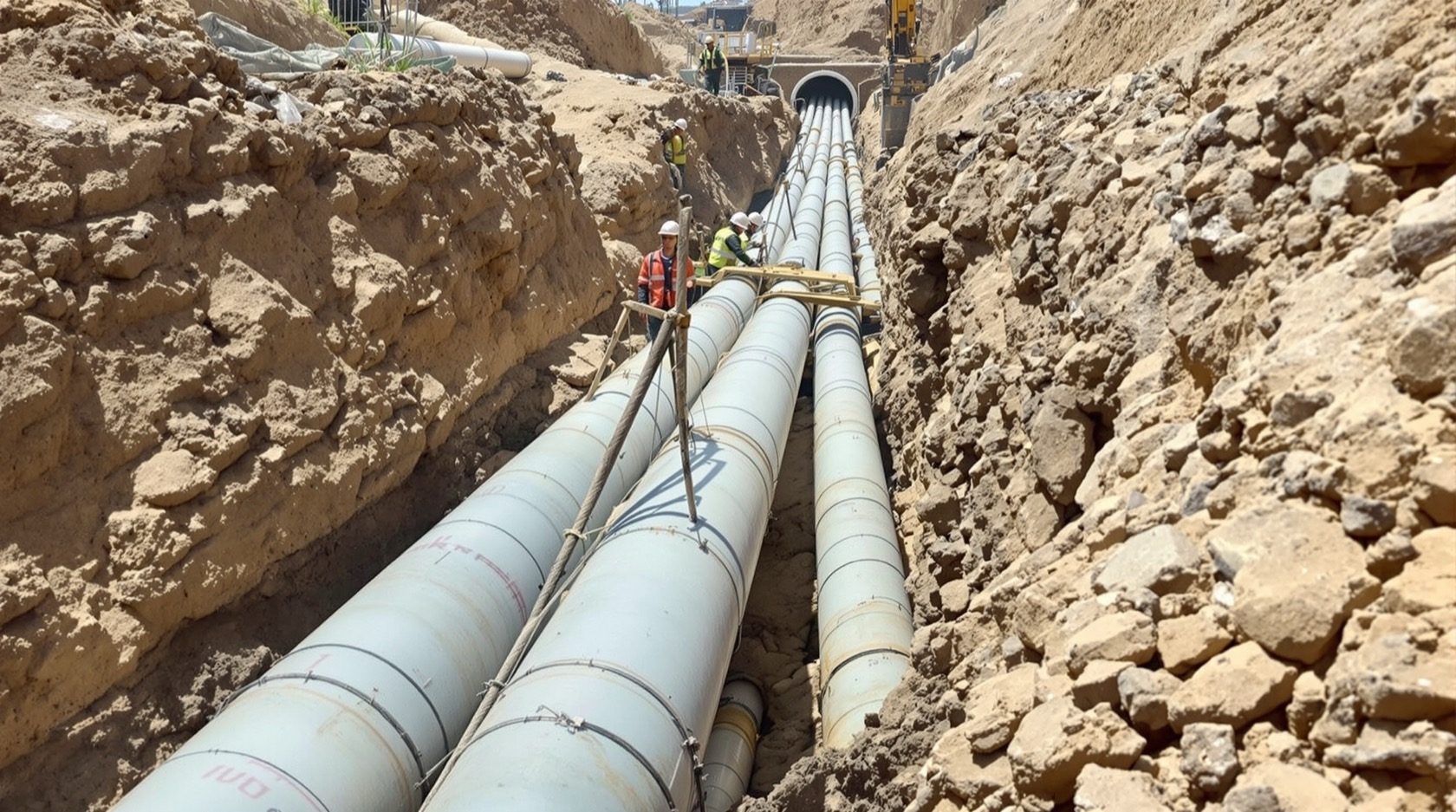
Earth Air Tunnels & Geothermal Cooling: Using the Ground to Cool a Building
A few metres down, the earth stays cool all summer — how earth air tunnels and ground-coupled systems use that stable underground temperature to pre-cool a building's air, where they work brilliantly and where they don't, and what they need.
 Efficiency22
HVAC Energy Efficiency: Cutting the Biggest Energy Bill in the Building
HVAC often runs half a building's electricity, so trimming it saves the most — the practical measures that cut HVAC energy without cutting comfort: right-sizing, inverter and efficient plant, smart controls and zoning, recovery, good maintenance and sensible set-points.
Buy, cost, maintain & fix
Owning cooling well — from purchase to servicing Choosing23
How to Choose an Air Conditioner: The Buyer's Decision Guide
Cut through the showroom confusion — the decisions that actually matter when buying an AC in India, in order: the right type, the right tonnage, inverter, the star rating that pays back, the refrigerant, the few features worth having, and the gimmicks to ignore.
 Cost24
HVAC & Air Conditioning Cost in India: Buy, Install, Run & Maintain
The whole cost picture, honestly — the four costs of cooling (buying, installation, running and maintenance), how they compare across window, split, VRF and ducted systems, why the cheapest AC is often the most expensive, and how to budget sensibly.
 Maintenance25
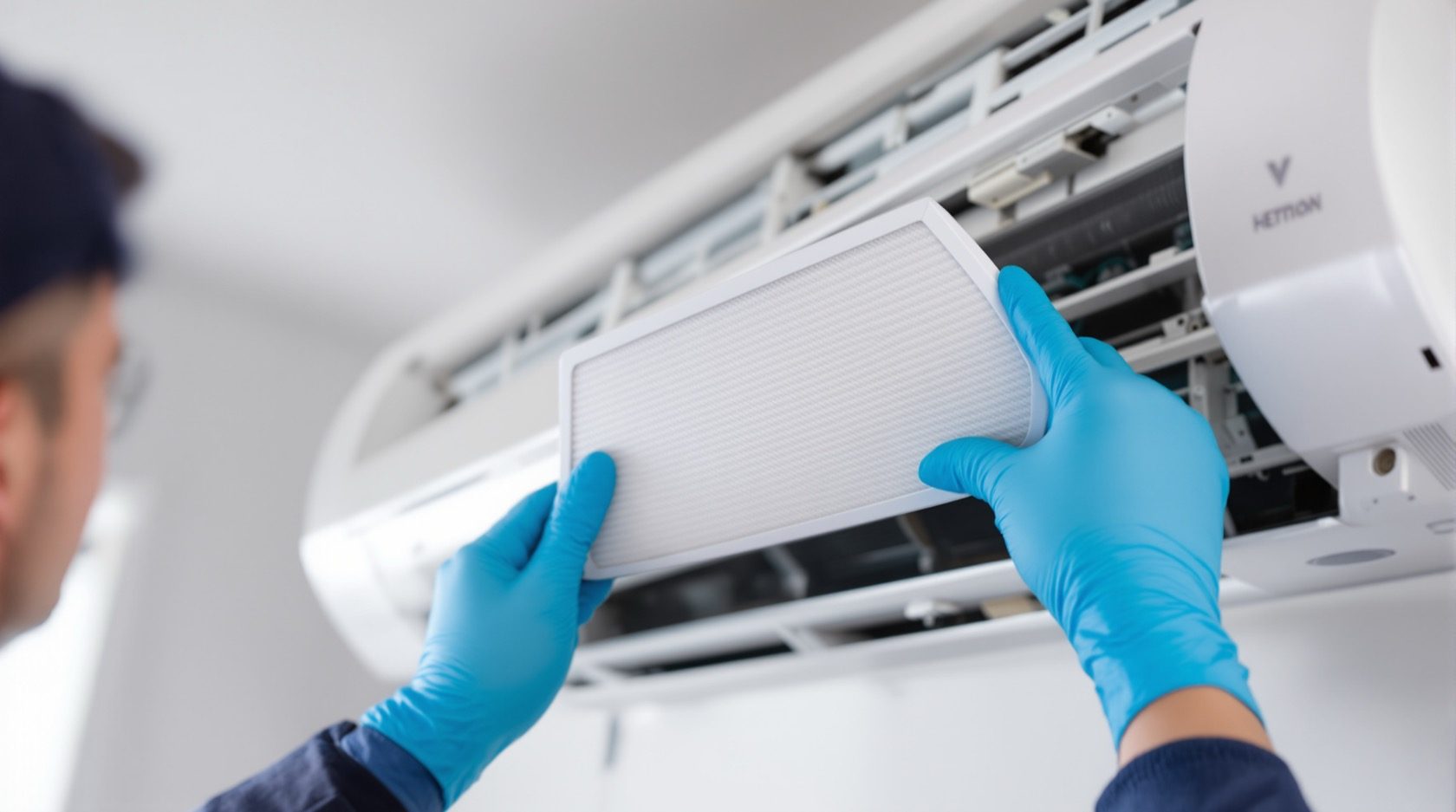
AC & HVAC Maintenance: The Simple Routine That Keeps Cooling Efficient
Neglect is the quiet killer of cooling — the maintenance that keeps an AC efficient, healthy and long-lived: what you can safely do yourself (filters above all), what a technician must do, how often to service, and the warning signs that mean call for help.
 Duct cleaning26
Duct Cleaning: Do You Need It, and How to Know
The maintenance that's both under-done and over-sold — what air-conditioning ducts collect, the honest signs you genuinely need cleaning (versus a scare-sale), how professional duct cleaning works, and why sealing and filtration often matter more.
 AC not cooling27
AC Not Cooling? The Common Causes and What to Check First
The most-searched cooling question, answered honestly — why an AC stops cooling well, the two simple things you can safely check yourself (filter and settings), the causes that need a technician (low gas, dirty coil, compressor), and how to tell them apart.
 Leaks & noises28
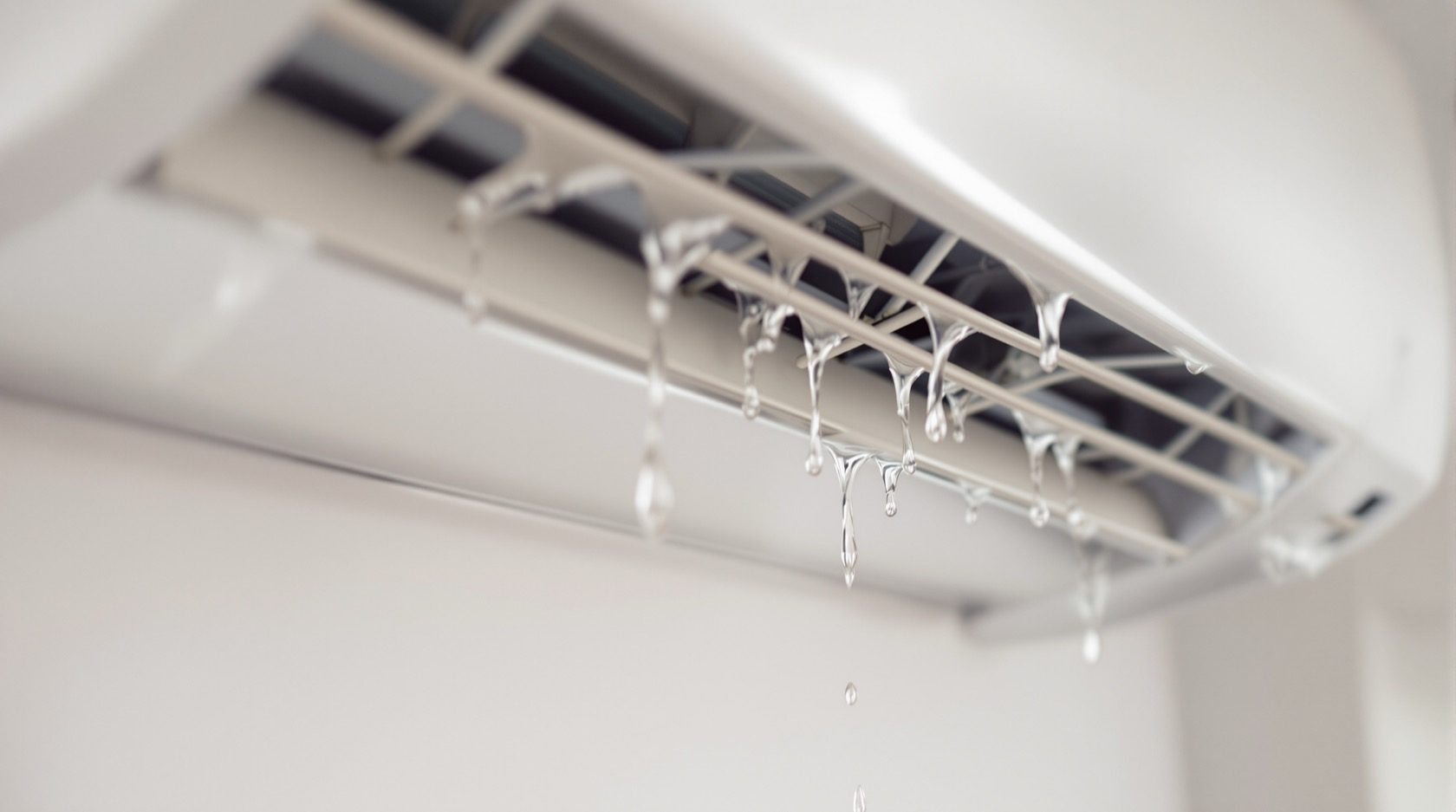
AC Water Leaks, Noises, Ice & Smells: What They Mean
The other common AC complaints, decoded — why an AC drips water indoors, what different noises signal, why the coil ices up and what causes bad smells, the one or two safe things to check, and when each means call a technician.
Comparisons
This vs that — the cooling decisions, side by side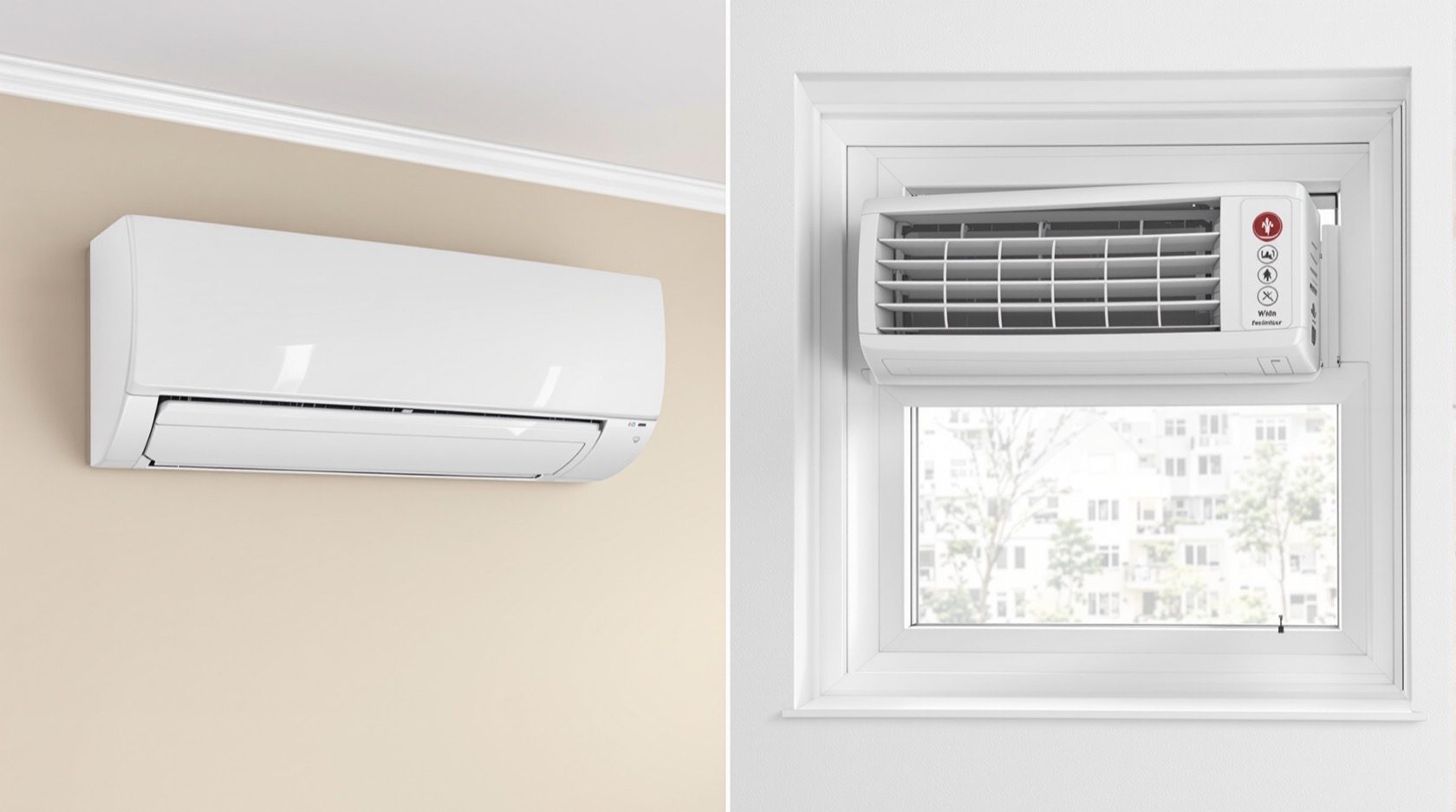 Split vs window29
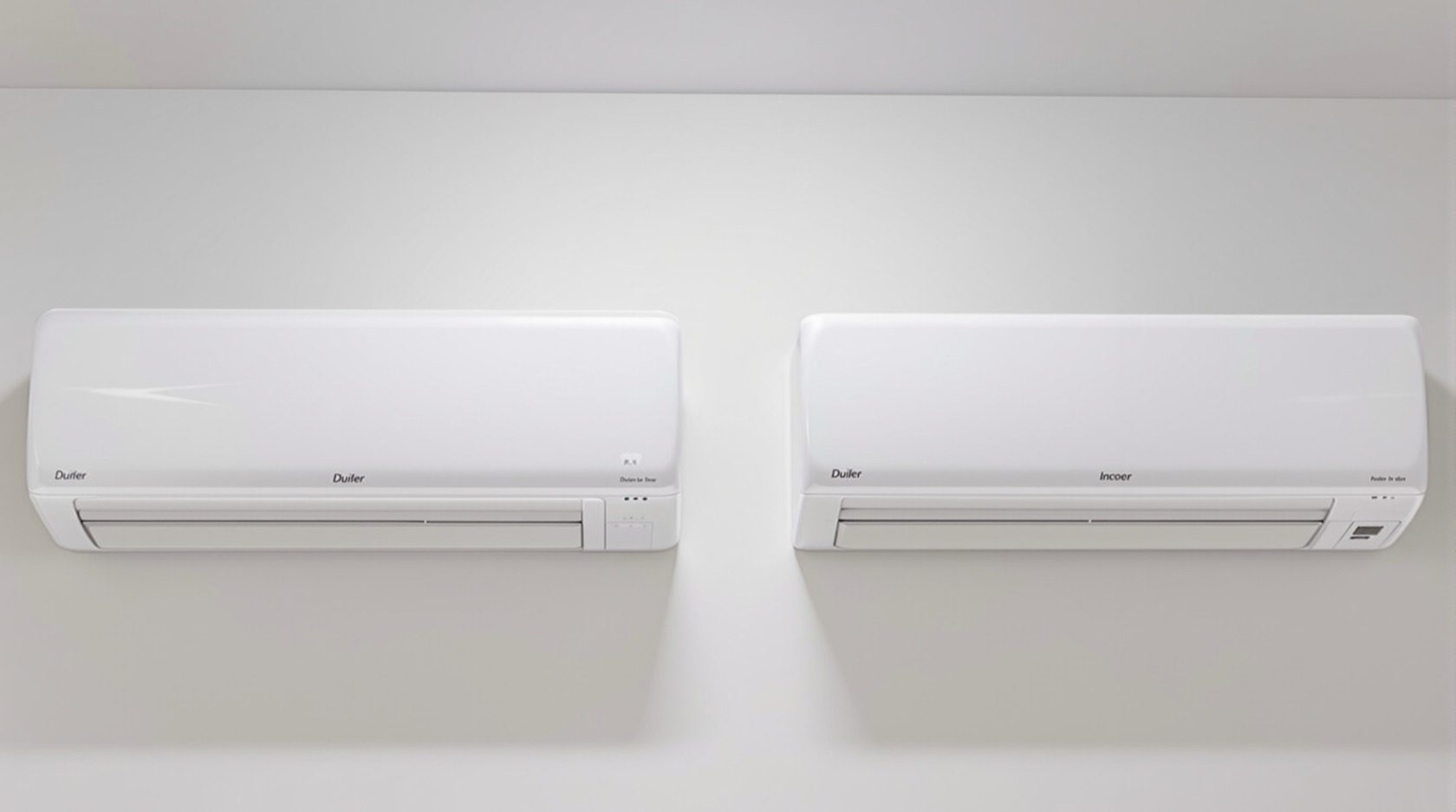
Split AC vs Window AC: Which Should You Buy?
India's most-asked AC question, settled — how a split and a window unit really compare on noise, efficiency, cost, looks and installation, and the handful of situations where the cheaper window unit still wins over the popular split.
 Inverter vs fixed30
Inverter vs Non-Inverter AC: Why the Compressor Type Matters Most
The single most important AC choice, explained — how an inverter's variable-speed compressor differs from a fixed-speed one, why it saves energy, runs quieter and copes with low voltage, whether the higher price pays back, and the rare case for a fixed-speed unit.
 Cooler vs AC31
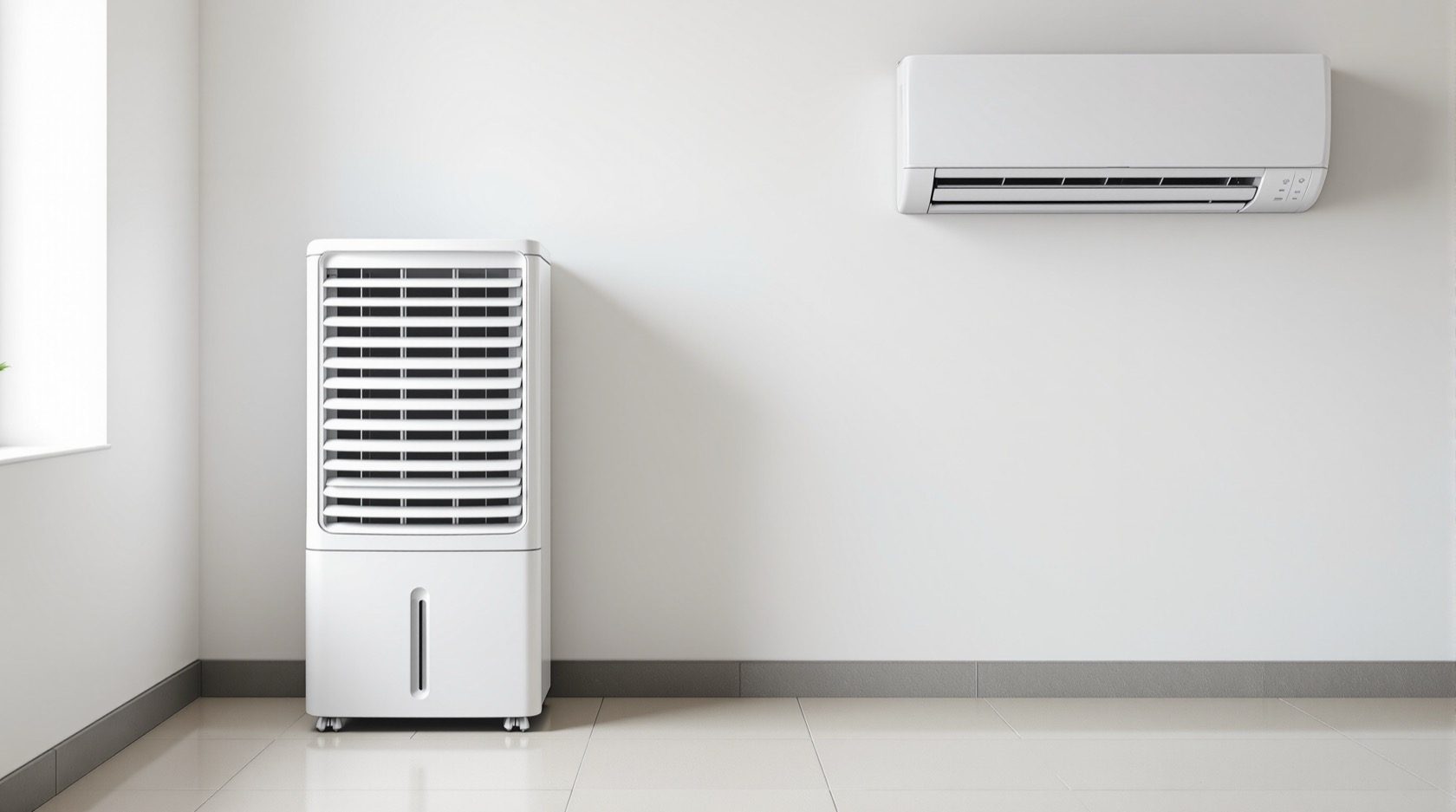
Air Cooler vs Air Conditioner: Which Is Right for Your Climate?
A very Indian dilemma — how an evaporative air cooler and an air conditioner actually differ, why the cooler is far cheaper to buy and run but only works in dry heat, why the AC wins in humidity, and how to choose for your city and budget.
 VRF vs chiller32
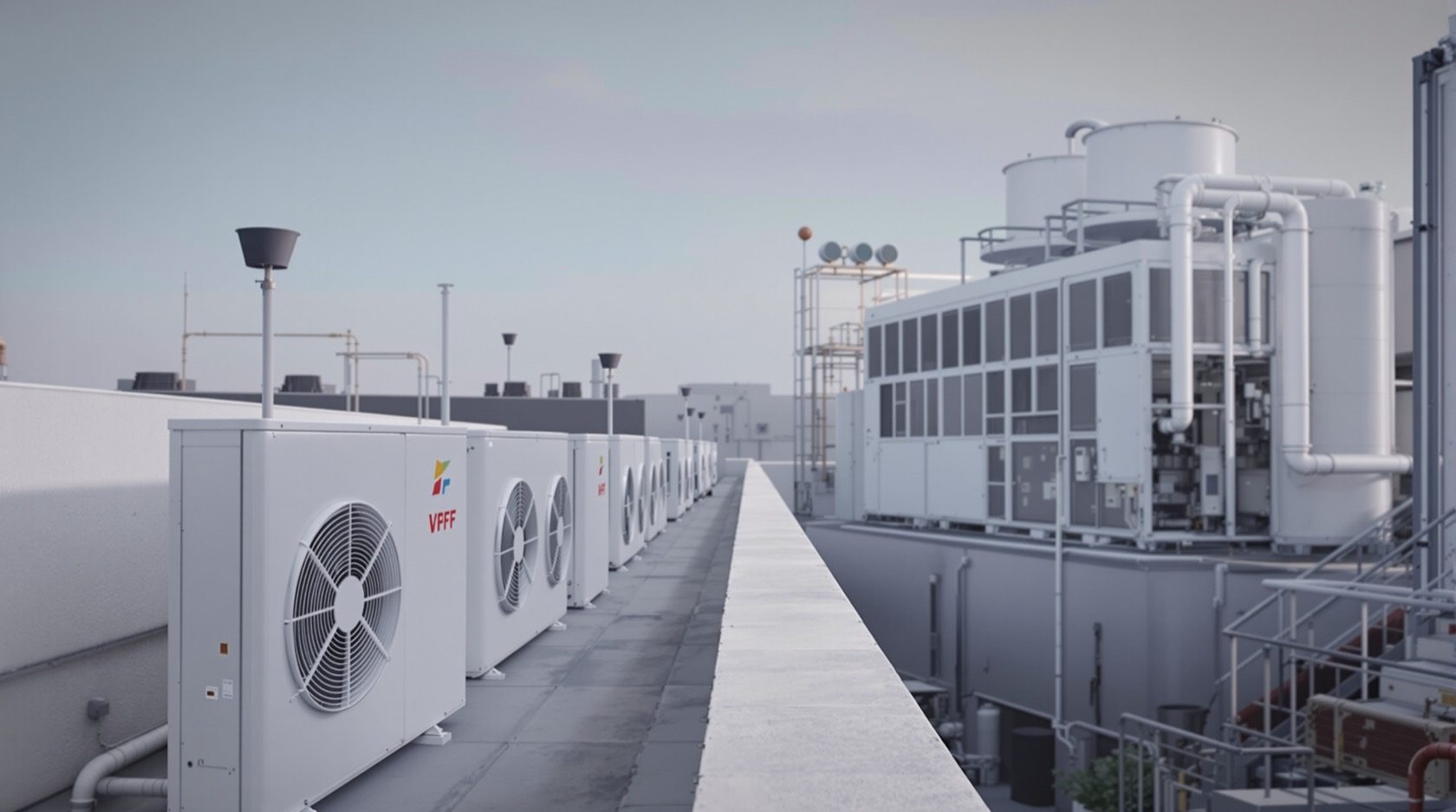
VRF vs Chiller: Choosing the Right System for a Big Building
The central MEP decision for large buildings — how a VRF (refrigerant) system and a chilled-water (chiller) plant differ in scale, efficiency, control, cost and maintenance, and where the crossover between them falls, in plain engineering terms.
 HRV vs ERV33
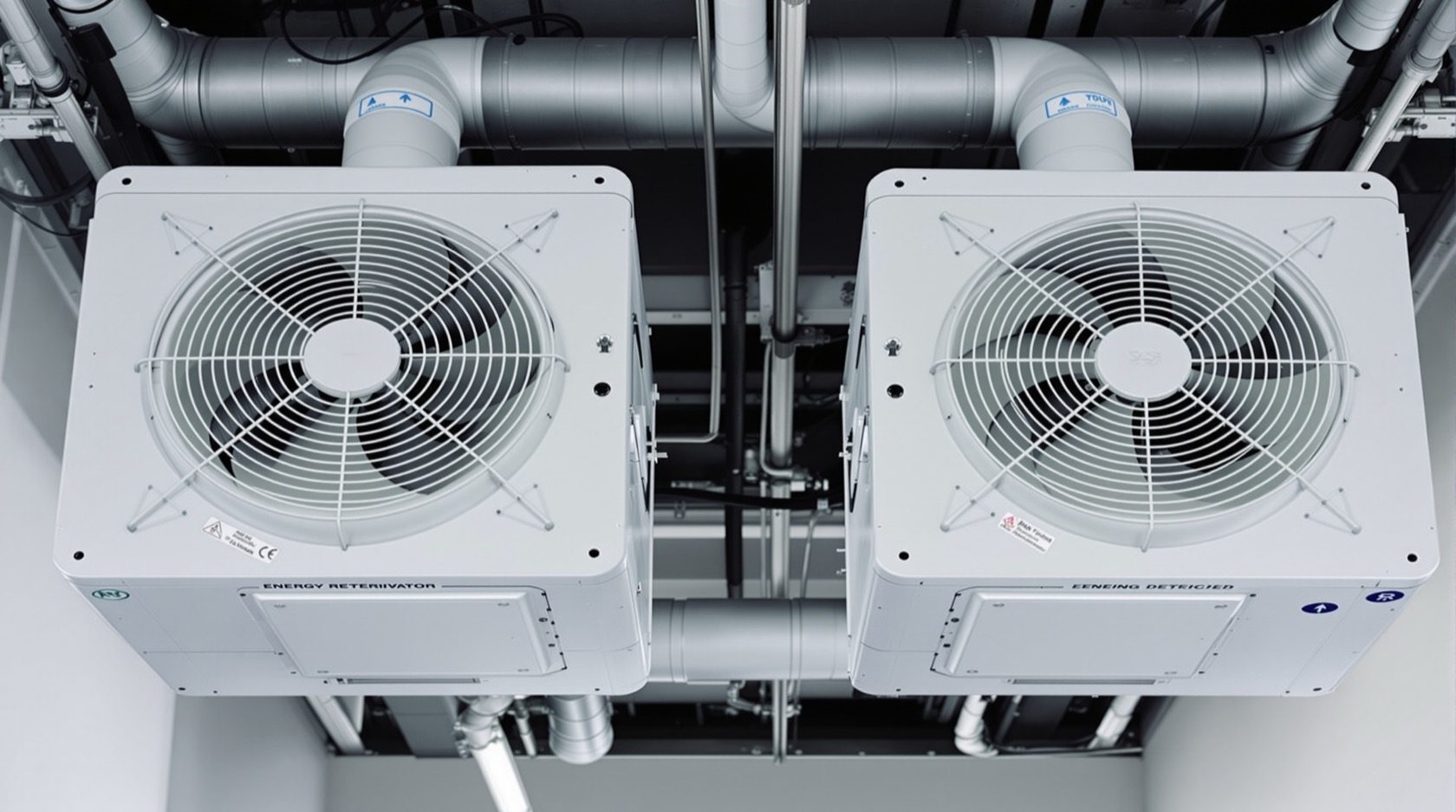
HRV vs ERV: Which Recovery Ventilator Suits India?
One letter, one big difference — how a heat recovery ventilator and an energy recovery ventilator differ in what they recover (heat only vs heat and moisture), and why that makes the ERV the usual choice for India's hot, humid climate.
 Refrigerants34
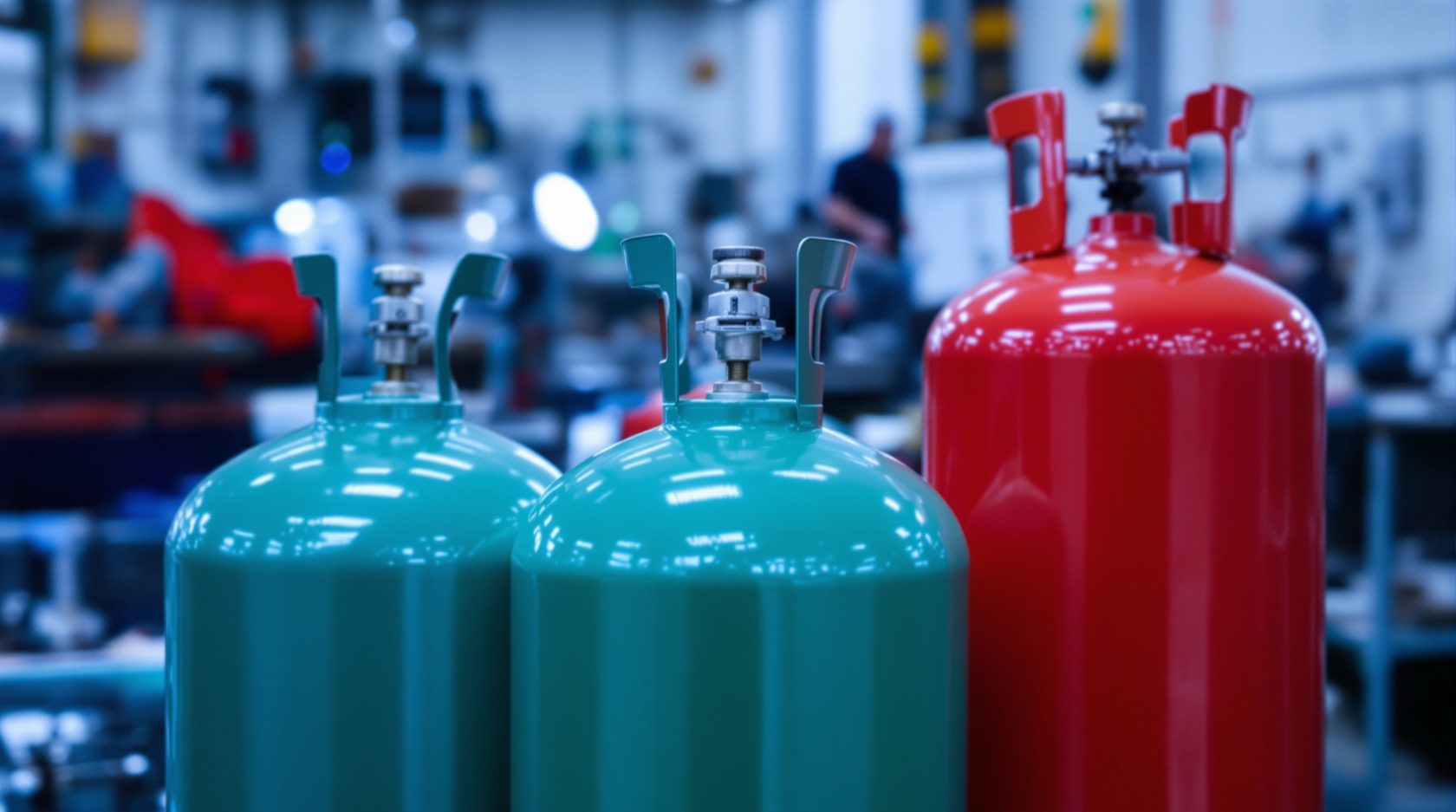
R32 vs R410A vs R290: Which AC Refrigerant Is Better?
The gas inside your AC matters more than you think — how R32, R410A and R290 compare on efficiency, global-warming impact and safety, why the industry is moving to lower-GWP refrigerants, and what it means when you buy an air conditioner today.
Equipment & controls
What’s inside — AHUs, chillers, ducts & the brain that runs them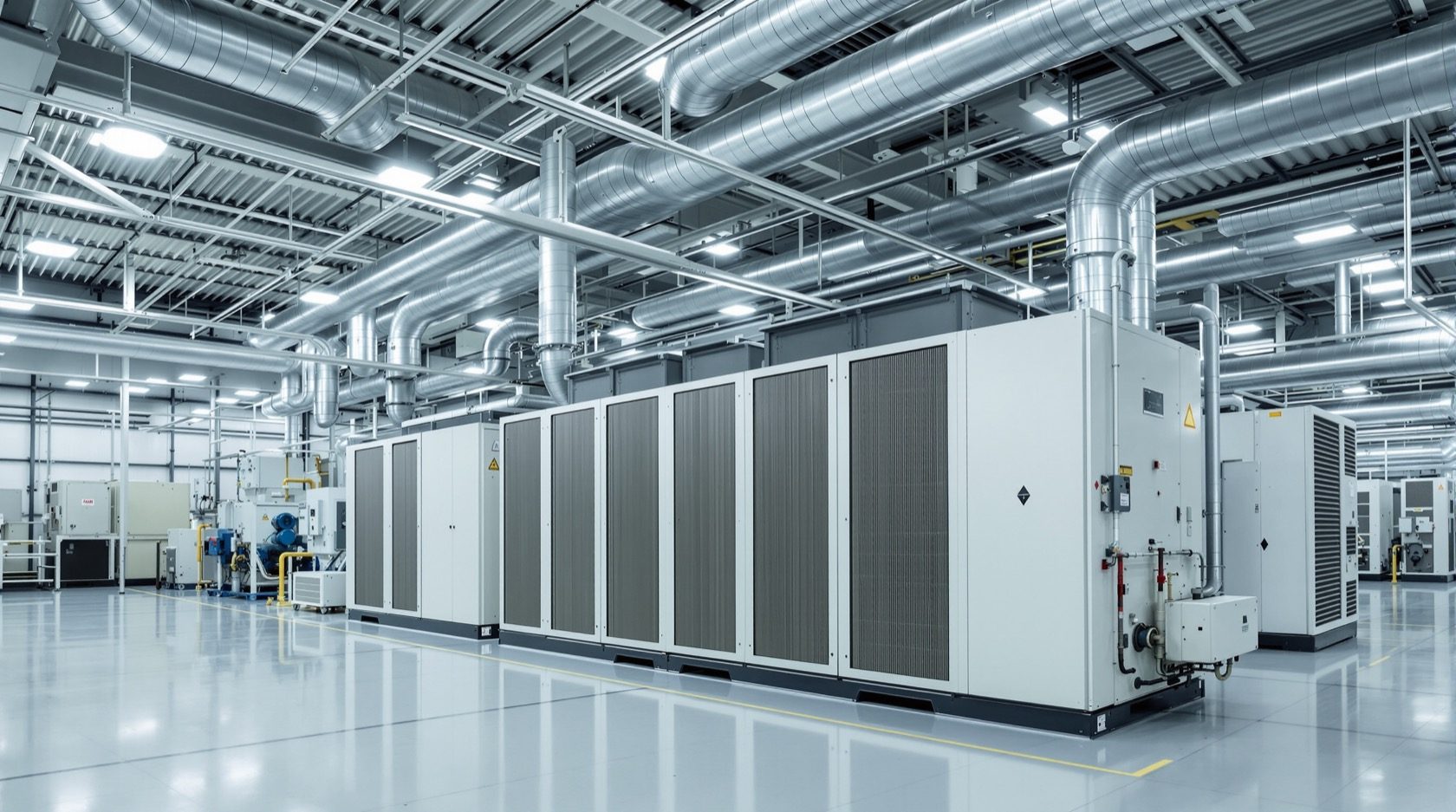 Equipment overview35
HVAC Equipment: The Components That Make Up a Cooling System
A tour of the machinery behind comfort — the refrigeration components (compressor, condenser, evaporator), the air-side equipment (AHUs, fan-coil units, fans, ducts, dampers, filters) and the plant-side (chillers, cooling towers, pumps), what each does.
 AHU36
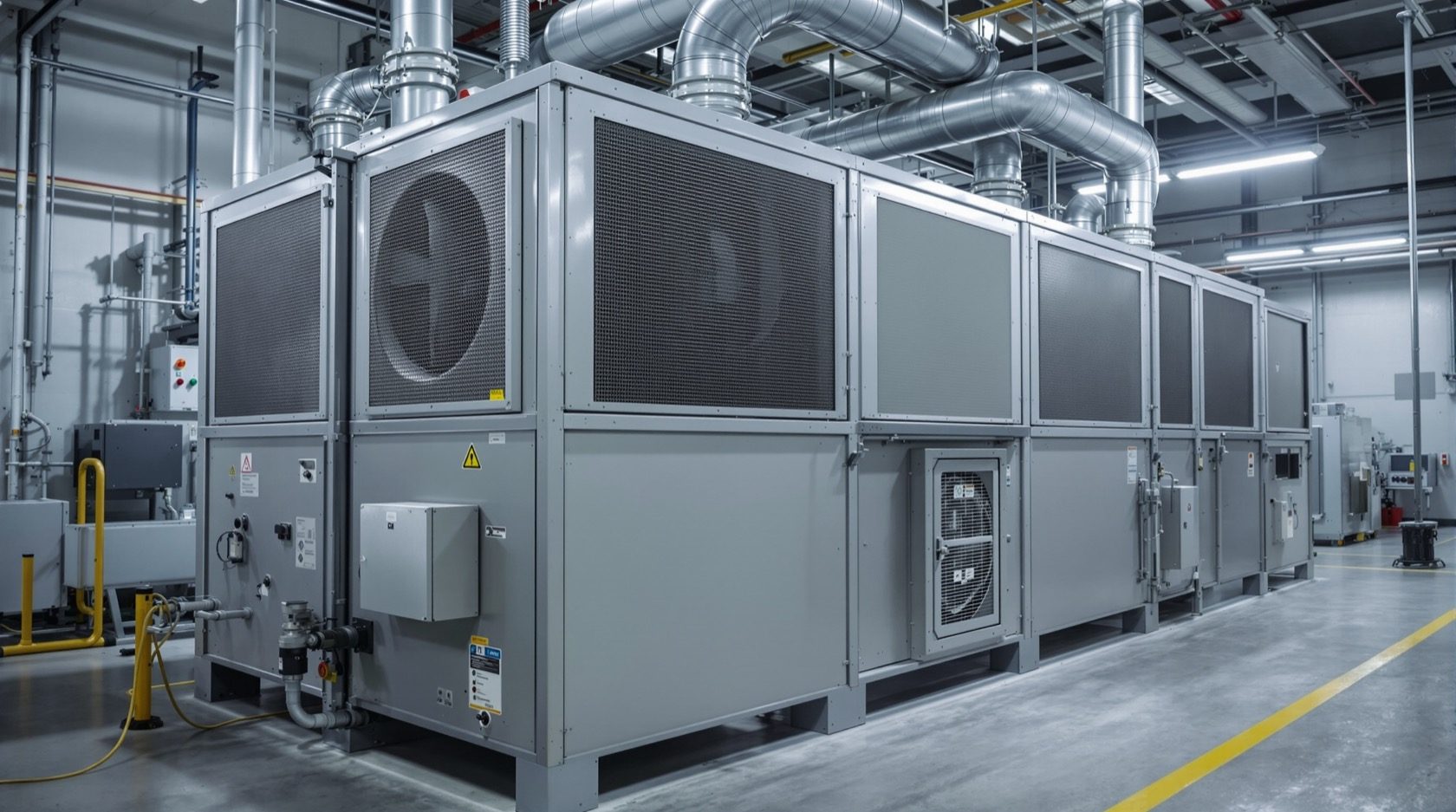
AHU36Air Handling Units (AHU): The Workhorse of Building Air Conditioning
The box that conditions a building's air — what an AHU actually contains (fan, cooling coil, filters, dampers), how it takes in fresh and return air, conditions it and pushes it through the ducts, the main types, and how it differs from a fan-coil unit.
 Chillers37
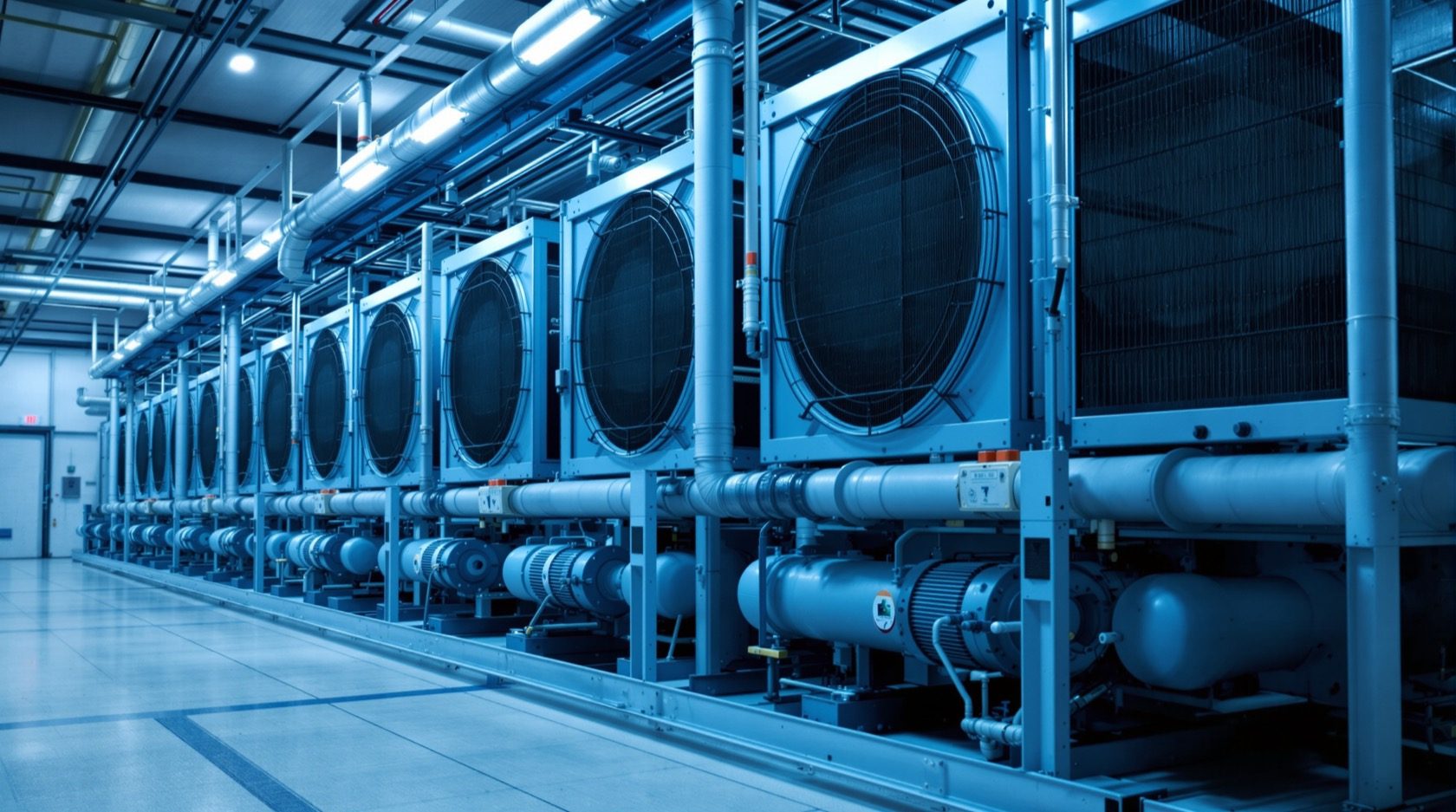
Chillers: How Big Buildings Make Chilled Water for Cooling
The heart of a central plant — what a chiller is, how it makes chilled water, the difference between air-cooled and water-cooled, the compressor types (scroll, screw, centrifugal, absorption), and how to read efficiency (kW/TR, IPLV) when specifying one.
 Duct design38
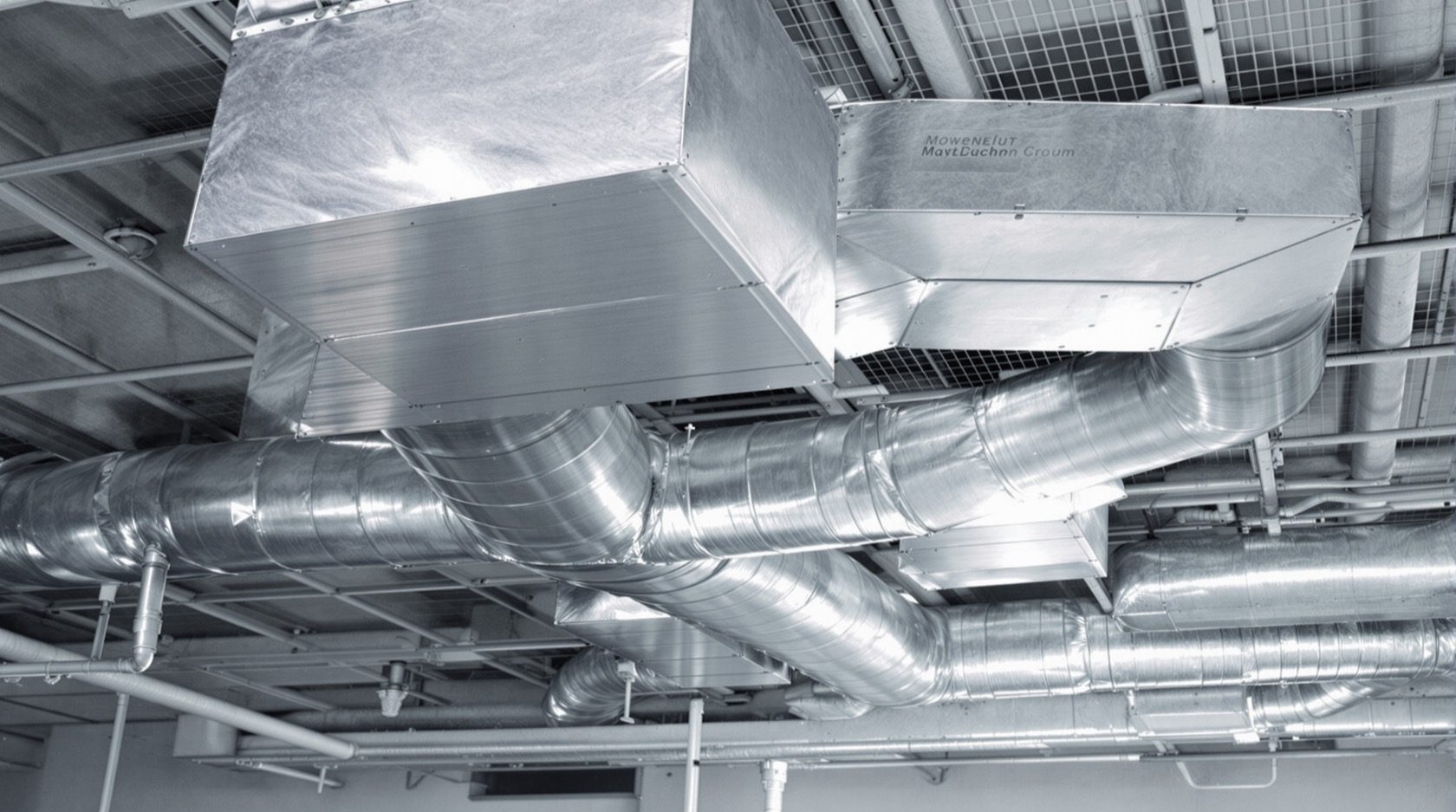
HVAC Duct Design: How Conditioned Air Gets Around a Building
The channels that carry cooled air — duct materials (GI sheet, aluminium, pre-insulated, flexible), how ducts are sized (velocity vs equal-friction), why insulation and sealing matter, and the principles behind good ductwork, grounded in IS 655.
 Thermostats39
Thermostats & Smart HVAC Control: Getting Comfort Without Waste
The brain you actually touch — how a thermostat works, what makes one 'smart' (scheduling, sensors, app and voice control, geofencing), why setpoint and scheduling drive your bill more than anything, and how it fits Indian split ACs and central systems.
 BMS / automation40
Building Automation (BMS/BAS): The Brain That Runs a Building's HVAC
How large buildings run their plant automatically — what a Building Automation / Management System does, the sensors-controllers-actuators loop, protocols like BACnet and Modbus, and the efficiency and comfort it delivers when the plant is too big to run by hand.
Fundamentals
The physics behind comfort — heat, moisture, comfort & loads The physics41
HVAC Fundamentals: The Physics Behind Comfort
The ideas underneath every system — the four things HVAC actually controls (temperature, humidity, air movement and air quality), how heat moves, the difference between sensible and latent heat, and why a cooling load is more than just 'how hot it is'.
 Comfort42
Thermal Comfort: Why 'Cold' Isn't the Same as 'Comfortable'
What actually makes a space feel right — the six factors of thermal comfort (temperature, humidity, air movement, radiant heat, clothing and activity), why comfort is a range not a number, how adaptive comfort works in India, and why chasing 18°C is wrong.
 Air & moisture43
Psychrometrics: The Science of Air and Moisture, Made Readable
The one topic that unlocks humid-climate HVAC — dry-bulb, wet-bulb and dew point; relative humidity vs absolute; enthalpy; and how the psychrometric chart shows why cooling and dehumidifying are two different jobs in the Indian monsoon.
 Cooling loads44
Cooling Load Calculation: Why Sizing Is a Calculation, Not a Guess
What actually decides how much cooling a space needs — the heat gains that make up a cooling load (envelope, solar, internal, ventilation and infiltration), the sensible-plus-latent split, why rules of thumb mislead, and how proper load estimation works.
 Heat transfer45
Heat Transfer in Buildings: How Heat Gets In (and How to Stop It)
The three ways heat moves through a building — conduction, convection and radiation — plus U-values and R-values, why the roof and west wall matter most in India, and why cutting heat gain at the envelope beats fighting it with a bigger air conditioner.
 Airflow & CFM46
Air, Airflow & CFM: How Cooling Actually Travels Through a Building
Air is the delivery medium of comfort — this guide covers what air can carry, the airflow-to-cooling relationship (CFM and the sensible-heat equation), static pressure and why fans work harder than you'd think, and how airflow ties tonnage to duct size.
Heating & heat pumps
The “H” in HVAC — hot water, heat pumps & winter warmth Heating overview47
Home Heating in India: Where It Matters and What Actually Works
India is cooling-dominant, but heating matters more than it seems — hill stations, North-Indian winters and, above all, hot water in every home. A grounded overview of the options (heat pumps, water heaters, radiant, room heaters, solar) and how to choose.
 Heat pumps48
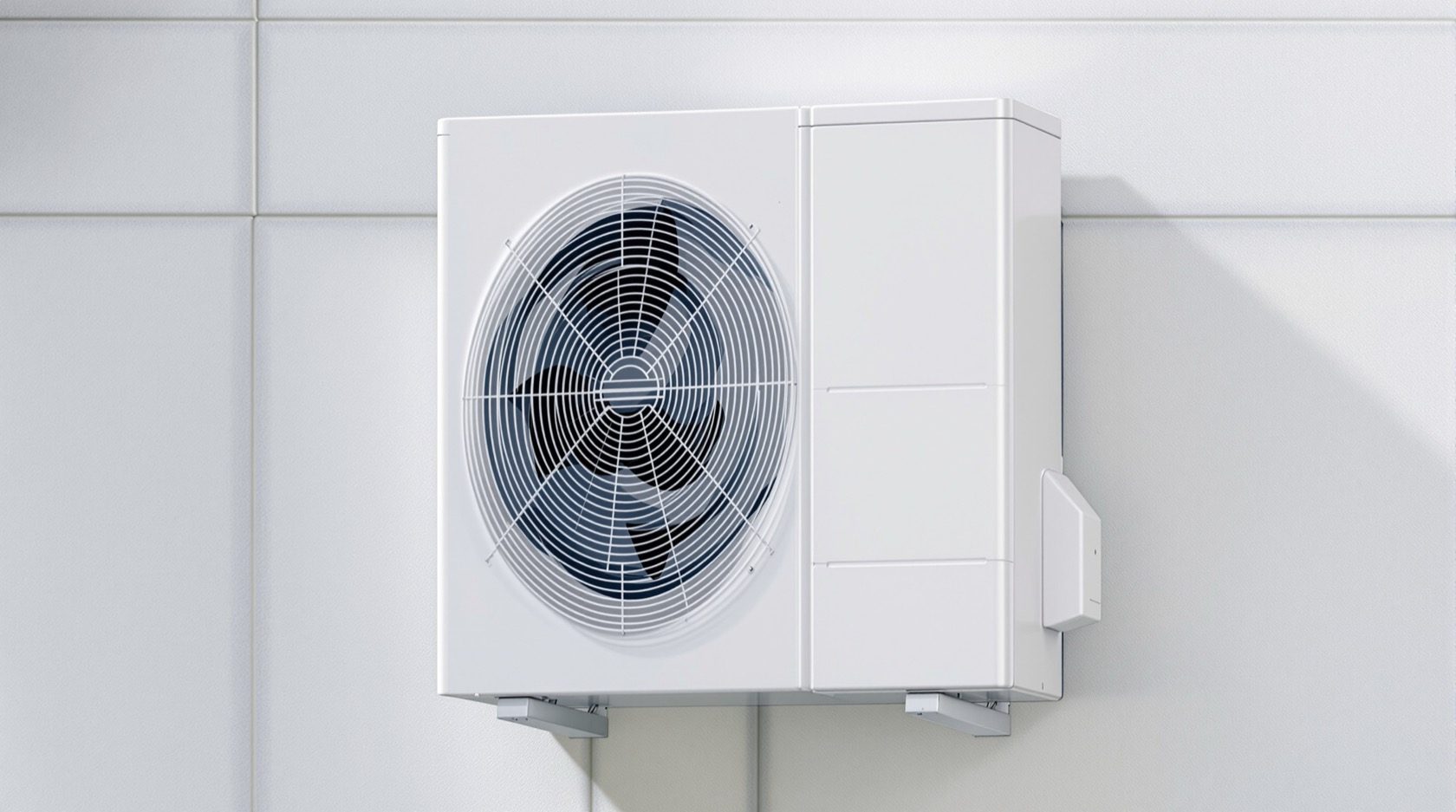
Heat Pumps: The Efficient Way to Heat (and Cool) with Electricity
The single most efficient electric heating technology — how a heat pump moves heat instead of making it to deliver 3×+ the warmth per unit of electricity, why your reversible AC already is one, air-source vs other types, COP, and where heat pumps make sense in India.
 Water heaters49
Water Heaters (Geysers): Types, Efficiency and Choosing the Right One
The most-used heating appliance in an Indian home, decoded — storage vs instant, electric vs gas vs solar vs heat-pump, what capacity you need, the BEE star rating, and how to cut the running cost of the hot water you use every day.
 Solar hot water50
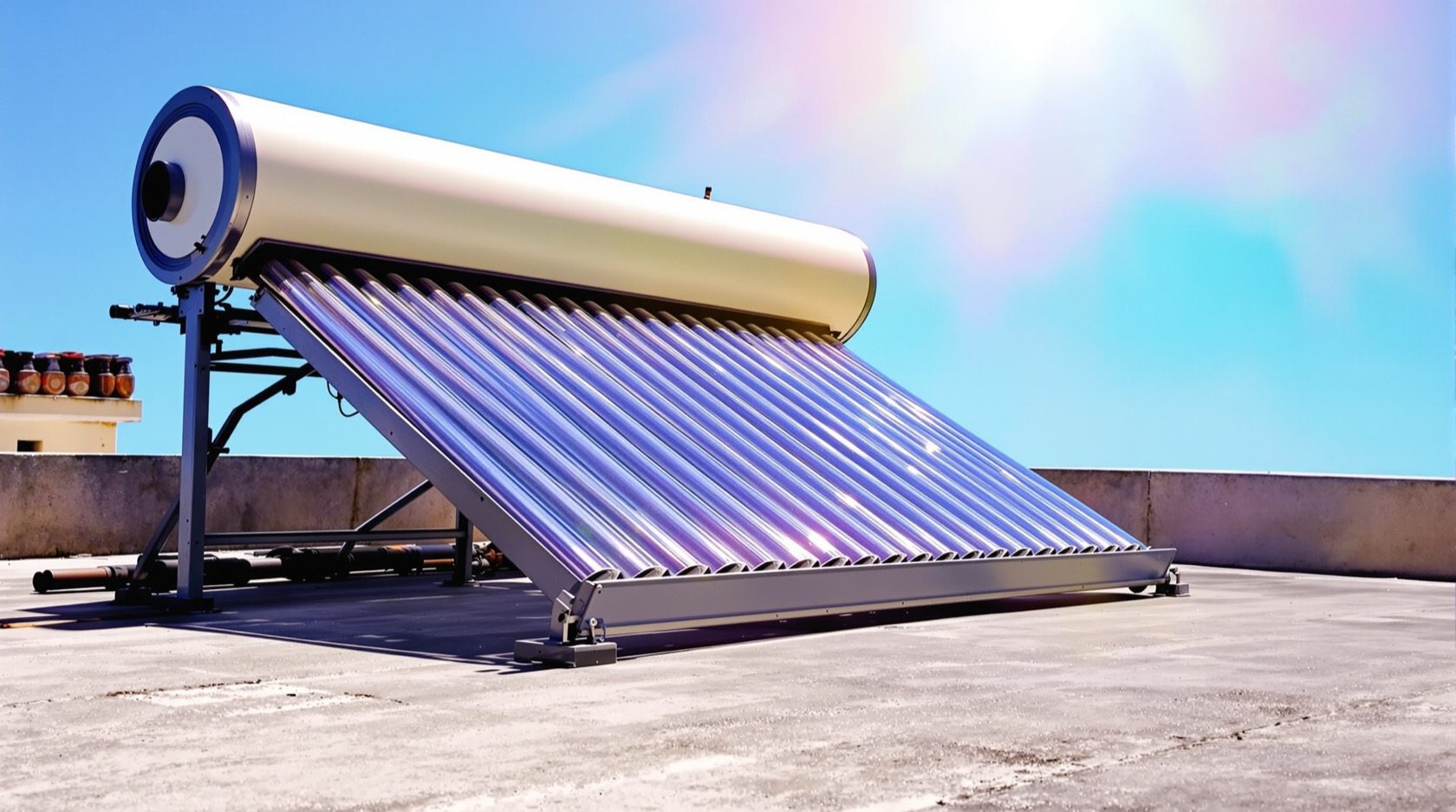
Solar Water Heating: Near-Free Hot Water from the Indian Sun
India's most cost-effective renewable heating — how a solar water heater works, evacuated-tube vs flat-plate collectors, sizing and economics, the role of the electric backup, and why it pays back faster than almost any home upgrade in a sun-rich country.
 Underfloor51
Radiant & Underfloor Heating: Even, Comfortable Warmth from the Floor Up
The quiet, draft-free way to heat — how radiant and underfloor heating warm surfaces and people rather than blowing hot air, hydronic vs electric systems, where they suit Indian hill homes and bathrooms, and the comfort and efficiency case.
 Room heaters52
Room Heaters: Types, Safety and Choosing One for an Indian Winter
The winter workhorse of North India, decoded — fan, halogen, convection and oil-filled heaters compared, what actually suits a bedroom vs a bathroom, the real safety rules (ventilation, dry air, burns, CO), and how to stay warm without a scary bill.
Refrigerants & smart HVAC
The gas that’s changing & the intelligence layer above the plant Refrigerants53
HVAC Refrigerants: What's Inside Your AC and Why It's Changing
The working fluid that makes cooling possible — what a refrigerant is, the properties that matter (GWP, ODP, efficiency, flammability), the generations from R22 to R32 and R290, the safety classes, and why the whole industry is transitioning to low-warming gases.
 Gas leaks54
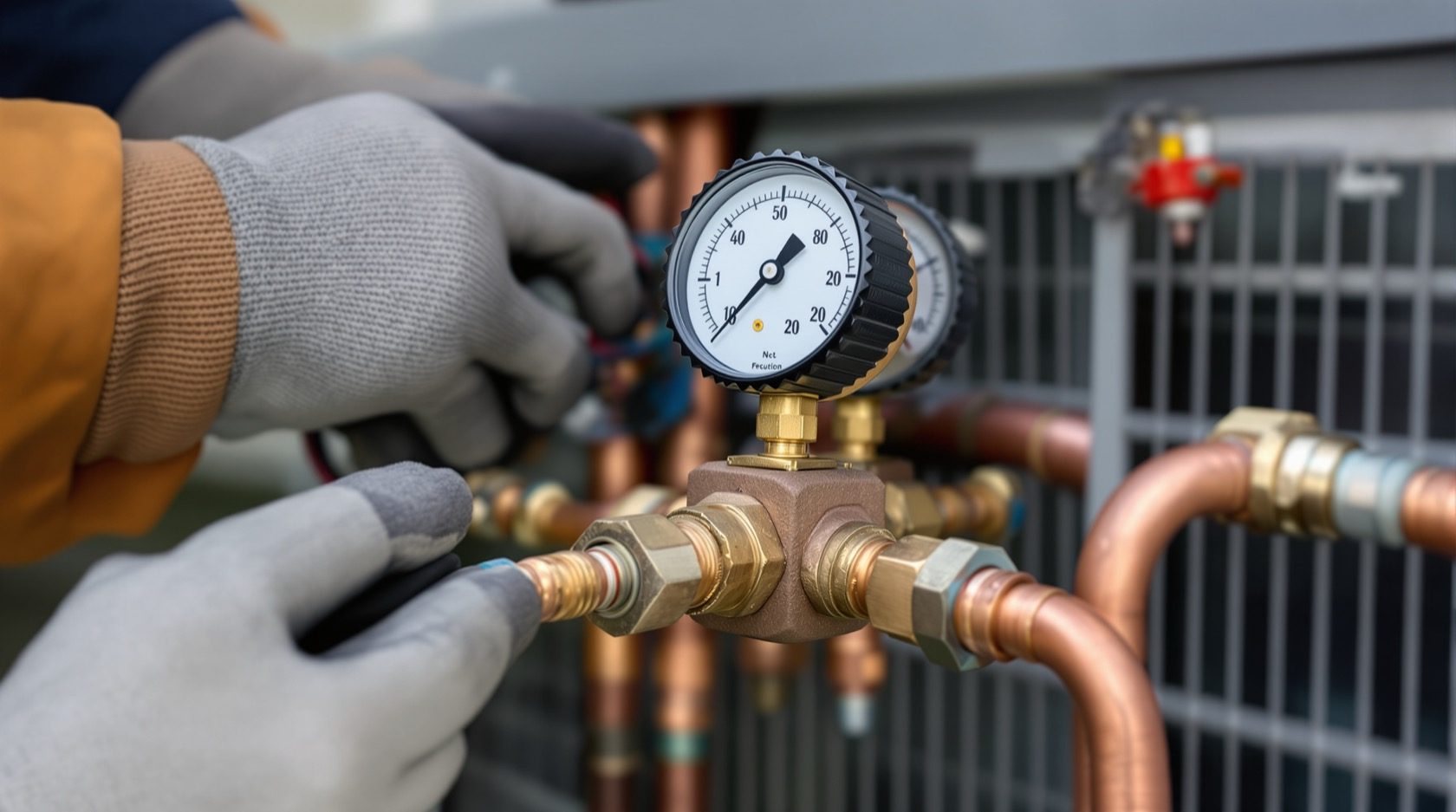
Refrigerant Leaks & the 'Gas Refilling' Myth: What Your AC Really Needs
A sealed AC doesn't 'use up' gas — so if yours needs regular refilling, it has a leak. The signs of a refrigerant leak, why annual 'gas top-ups' are usually a red flag, the cost and climate stakes, and what to actually do about it.
 The phase-down55
The Refrigerant Phase-Down: Montreal, Kigali and What to Buy Now
Why the gas in your AC keeps changing — the global agreements retiring ozone-damaging and high-warming refrigerants (the Montreal Protocol and Kigali Amendment), India's commitments and timeline, and how to future-proof an air-conditioner purchase.
 Smart HVAC56
Smart HVAC: Connected Cooling, and What It's Actually Good For
Wi-Fi ACs, app and voice control, scheduling and automation — a clear-eyed guide to smart HVAC: what 'smart' really adds, how it saves energy when used well, the smart-home tie-in, and how to tell genuine value from gimmick.
 AI in HVAC57
AI in HVAC: Real Optimisation, Honest Hype, and What It Delivers
Machine learning is genuinely changing how large HVAC systems run — predictive control, fault detection and diagnostics, occupancy and weather prediction, and digital twins. A clear-eyed look at what AI actually does for HVAC, where it pays, and where it's just a label.
 Sensors & IoT58
HVAC Sensors & IoT: The Data Layer Beneath Smart Cooling
You can't control what you don't measure — the sensors that let HVAC see (temperature, humidity, CO₂, occupancy, air quality, pressure), how IoT connectivity turns them into data, and why this sensing layer is the foundation every smart and AI HVAC system is built on.
 Predictive maintenance59
HVAC Predictive Maintenance: Catching Faults Before They Become Failures
The shift from fixing HVAC after it breaks to predicting problems before they happen — how connected sensors, remote monitoring and analytics catch a failing part early, the payoff in uptime and energy, and where it fits from data centres to smart homes.
Special buildings
When comfort isn’t the point — hospitals, data centres & the cold chain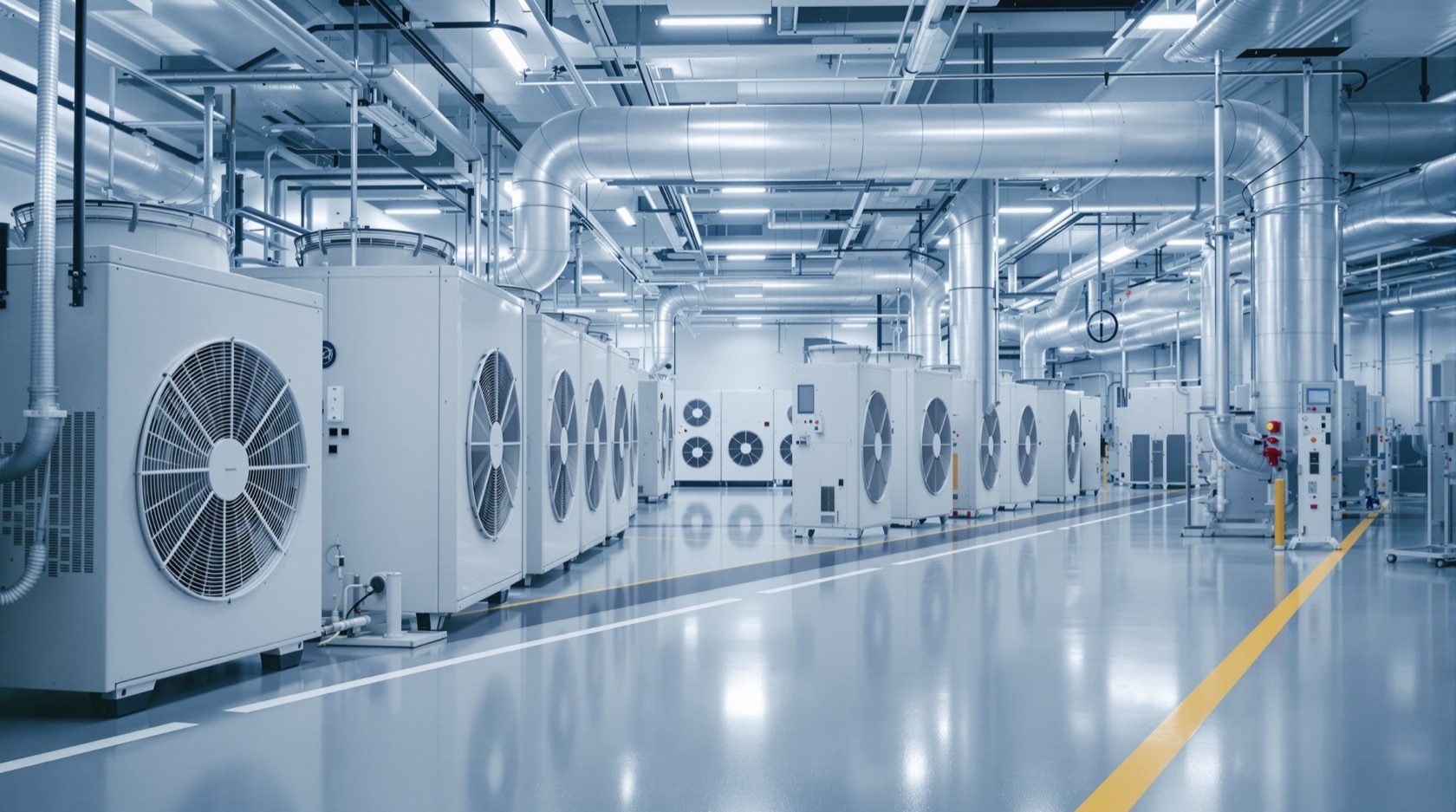 Overview60
HVAC for Special Buildings: When Comfort Isn't the Point
Hospitals, data centres, cleanrooms, kitchens and cold stores need HVAC that does far more than keep people comfortable — it controls infection, protects equipment, ensures sterility or preserves goods. An overview of what makes special-building HVAC different.
 Hospitals61
Hospital HVAC: Air as Infection Control
In a hospital, HVAC is a clinical instrument — controlling which way air flows and how clean it is to protect patients and staff. How pressure regimes, air-change rates and HEPA filtration work in operating theatres, isolation rooms and wards.
 Data centres62
Data Centre Cooling: Keeping the Cloud from Overheating
Servers turn nearly all their power into heat, so a data centre is really a giant cooling problem — how precision cooling, hot-aisle/cold-aisle containment, CRAC/CRAH units and free cooling remove concentrated heat reliably, and why PUE is the number that matters.
 Cleanrooms63
Cleanroom HVAC: Engineering Air to a Particle Count
In pharma and electronics, the air must be cleaner than anywhere else on earth — how cleanroom HVAC achieves it with HEPA/ULPA filtration, very high air changes, laminar flow, and pressure cascades, classified to ISO 14644, and why it matters to Indian pharma.
 Kitchens64
Commercial Kitchen Ventilation: Extracting Heat, Grease and Smoke Safely
A busy kitchen produces enormous heat, grease-laden smoke and cooking fumes — how commercial kitchen ventilation removes it with exhaust hoods, balances it with make-up air, manages grease and fire risk, and keeps staff comfortable, for restaurants and hotels.
 Cold storage65
Cold Storage & the Cold Chain: Refrigeration That Preserves
From farm produce to vaccines, huge quantities depend on staying cold — how cold-storage refrigeration, insulation and temperature zones preserve perishables, why India's cold chain matters so much, and what separates a cold room from ordinary air conditioning.
Standards & regulations
The codes, labels & approvals every real project must meet The framework66
HVAC Standards & Regulations in India: Who Sets the Rules
The codes and standards that govern HVAC in India — the National Building Code, ECBC and Eco Niwas Samhita energy codes, BEE star labelling, BIS/IS product standards, environmental refrigerant rules, and ISHRAE/ASHRAE practice — and who enforces which.
 ECBC (commercial)67
ECBC Compliance: The Energy Code for Commercial Buildings
India's Energy Conservation Building Code sets minimum efficiency for commercial buildings — what ECBC covers, who it applies to, its HVAC requirements, the prescriptive vs whole-building compliance routes, and how it's evolving into the sustainable-building code.
 ENS (homes)68
Eco Niwas Samhita: India's Energy Code for Homes
The residential energy code that quietly makes homes cooler and cheaper to run — what Eco Niwas Samhita requires, the RETV envelope metric, roof and window limits, natural ventilation and daylight, and why designing the cooling load down is the whole point.
 BEE star / ISEER69
BEE Star Rating for ACs: How to Read the Label and Buy Smart
The 1–5 star label on every air conditioner, decoded — what BEE stars and ISEER actually mean, why the ratings get tougher over time, how much a higher star really saves, and how to weigh the price premium against the running-cost saving.
 Approvals & permits70
HVAC Approvals & Permits: What a Project Needs to Sign Off
Installing HVAC in a real building means clearing a set of approvals — fire, electrical, pollution, building-plan and, for special buildings, health or factory sign-offs. A map of which permits an HVAC project touches, who issues them, and why they exist.
 IGBC / GRIHA / LEED71
Green Building Ratings & HVAC: IGBC, GRIHA and LEED
Green-building certifications reward HVAC that goes beyond code — how IGBC, GRIHA and LEED credit energy efficiency, commissioning, indoor air quality and low-impact refrigerants, and what chasing a rating actually means for HVAC design in India.
Regional & climate zones
One country, five climates — HVAC tuned to where you live The five zones72
HVAC by Climate Zone: One Country, Five Very Different Problems
India spans five climate zones, and the right HVAC strategy is completely different in each — dry heat wants evaporative cooling, humid coasts want dehumidification, the north wants cooling and heating both. A map of India's climate zones and how HVAC changes.
 Hot-dry73
HVAC for Hot-Dry Climates: Where the Air Cooler Is King
In Rajasthan, interior Gujarat and the arid interiors, the dry air is a gift — evaporative cooling works brilliantly, big day-night swings reward thermal mass and night ventilation, and dust is the enemy. How to cool a hot-dry Indian home smartly and cheaply.
 Warm-humid74
HVAC for Warm-Humid Climates: The Battle Is with Moisture
On India's coasts — Mumbai, Chennai, Kolkata, Kerala, Goa — the enemy isn't just heat, it's humidity. Why evaporative cooling fails, why dehumidification and latent capacity matter most, and how to fight mould, corrosion and that permanent stickiness.
 Composite75
HVAC for Composite Climates: The All-Seasons Challenge
Delhi and the north-central plains get everything — scorching summers, cold winters and a humid monsoon — so their HVAC must cool, dehumidify and heat across the year. Why a reversible heat pump and a good envelope are the smart answer to India's most demanding climate.
 Temperate76
HVAC for Temperate Climates: When You Barely Need It
Bengaluru, Pune and the southern plateau enjoy India's mildest weather — so the smartest HVAC move is often to do less. How fans, ventilation and a good envelope carry most of the year, with modest cooling for a few peak weeks.
 Cold / hills77
HVAC for Cold Climates: India's Hills, Where Heating Rules
In Shimla, Manali, Leh, Gangtok and the Himalayan and hill belt, the HVAC problem flips — it's about staying warm, not cool. How insulation, heat pumps, solar gain and hot water keep a cold-climate Indian home comfortable through a real winter.
Professional resources
For consultants & clients — design, spec, tender, commission & run Design process78
The HVAC Design Process: From Brief to Handover
How a professional HVAC project actually unfolds — the stages from concept and load calculation through detailed design, tender, installation, commissioning and handover, and how the client, architect, MEP consultant and contractor fit together.
 Specifications79
Writing & Reading an HVAC Specification
The specification is the contract for quality — what a good HVAC spec contains, the difference between prescriptive and performance specs, how it pairs with drawings and a BOQ, and how to read one so you get the system you actually designed.
 Tender & procurement80
HVAC Tender & Procurement: Getting the Right Contractor at the Right Price
How an HVAC project goes from design to a signed contract — the tender package, the BOQ, inviting and evaluating bids, why the lowest price isn't the best value, and the contract models that decide who carries the risk.
 Commissioning & TAB81
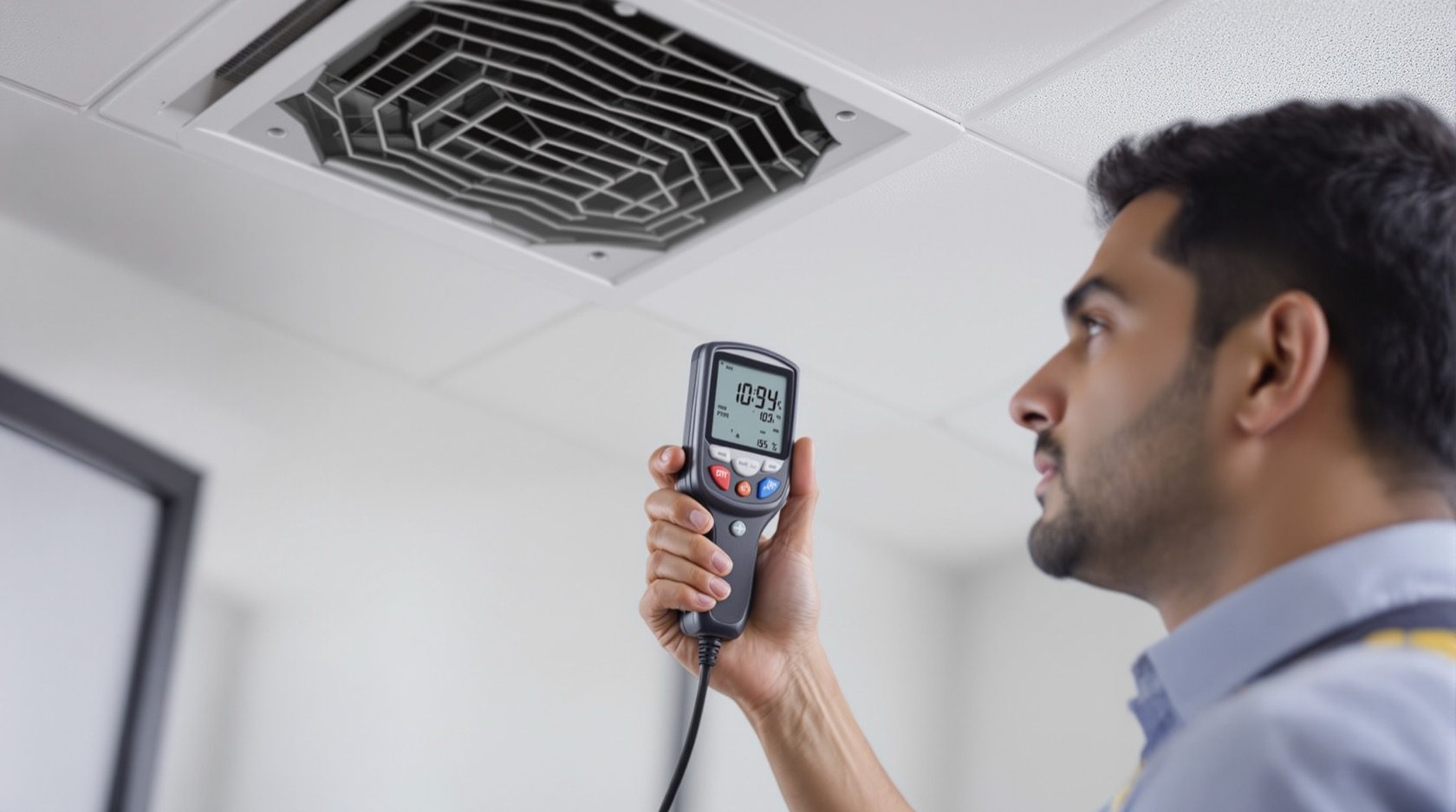
HVAC Commissioning & TAB: Proving the System Actually Works
An installed HVAC system isn't a working one until it's commissioned — what testing, adjusting and balancing (TAB) and commissioning involve, why an uncommissioned system rarely performs as designed, and how the process delivers the comfort and efficiency you paid for.
 Operation & maintenance82
HVAC Operation & Maintenance for Facilities: Keeping It Performing
A commissioned system only stays efficient if it's operated and maintained well — the O&M regime for facility managers: planned preventive maintenance, service contracts, documentation, energy monitoring, and the difference from homeowner upkeep.
 Working with a consultant83
Working with an HVAC Consultant: When to Engage One and What They Deliver
For anything beyond a home split, an MEP/HVAC consultant is who turns your needs into a proper design — when you need one, what they actually deliver, how fees work, and how to brief and get the most from them.
Tools, calculators & AI
Put the hub to work — a dozen India-grounded calculators, two AI assistants, and a printable toolkit. All free, all specify-and-decide.
HVAC Brief Builder
Turn your needs into a clear brief for your consultant.
Build it AI ToolHVAC Assistant
Ask anything about cooling, heating & air quality.
Ask it PrintableHVAC Homeowner Toolkit
Printable checklists — buying, seasonal & maintenance.
Print it CalculatorsA dozen calculators
Tonnage, running cost, ducts, dew point, GWP & more.
Start with sizingA complete HVAC library, built out section by section
These pillars are the spine. Each area below expands into deep-dive guides on systems and equipment, ventilation and indoor air quality, controls, sustainability, buying, cost, maintenance and compliance — plus interactive calculators — all India-grounded, all honest about what belongs to a qualified HVAC professional.
City-by-City Guides
HVAC tuned to India's major cities & micro-climates
More Calculators
Load, psychrometric & selection tools for every decision
Buying & Ownership Deep-Dives
Brand-neutral selection, warranty & lifecycle guidance
Case Studies
Real Indian projects, from homes to hospitals