
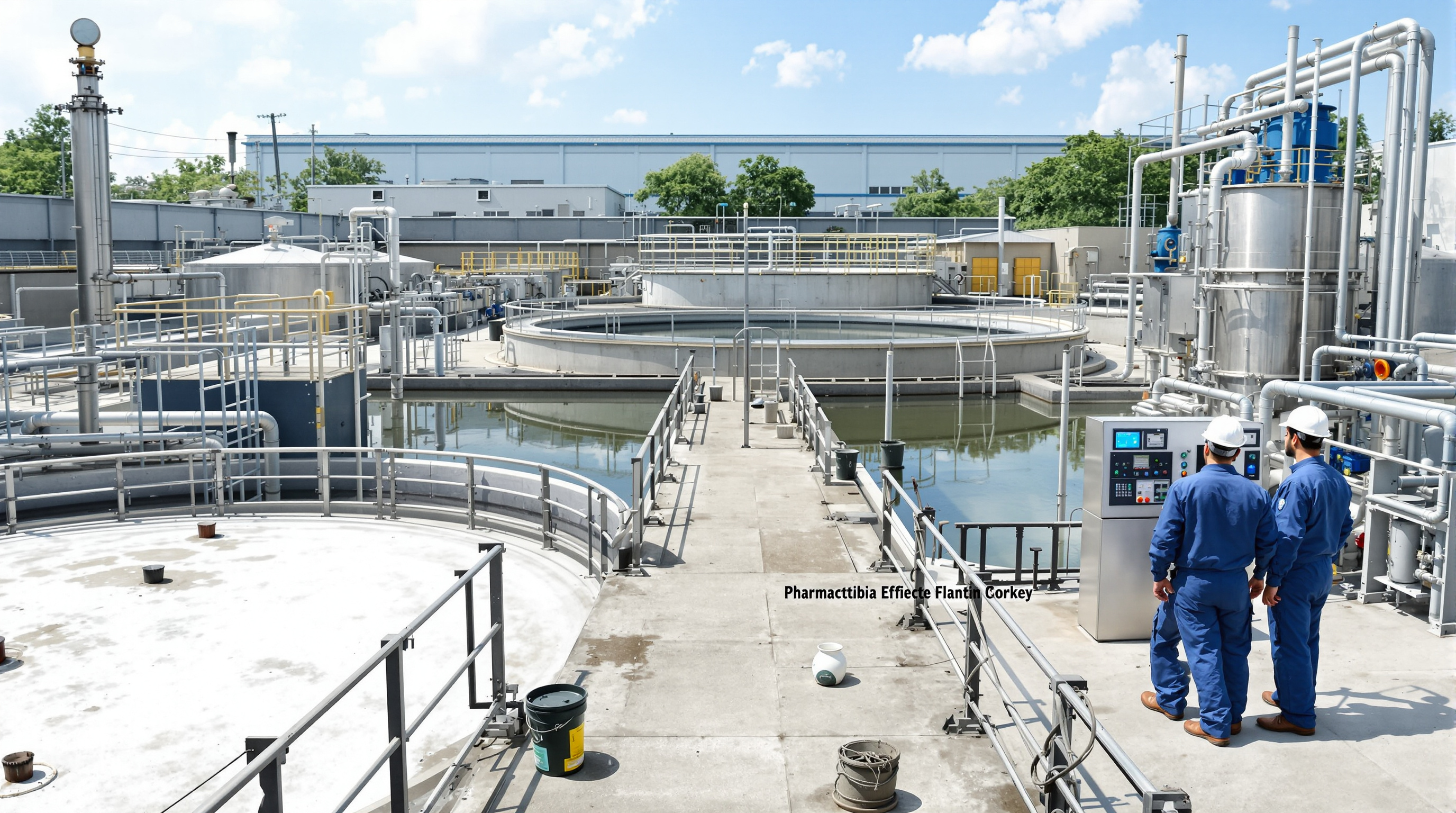
Pharmaceutical Wastewater Treatment: Why It Needs an ETP, Not an STP
Pharma effluent carries high COD, toxic and refractory compounds, swinging pH and traces of active drug ingredients — a load that overwhelms a domestic STP. Here is what makes it so hard to treat, and the ETP train engineers build to handle it in India.
A pharmaceutical plant makes medicine, and in the process it makes some of the most difficult wastewater in Indian industry. Reactor washings, mother liquors, solvent-laden streams, spent acids and alkalis, filter-cake rinses and cleaning water all pour off the same site — and unlike the sewage from an office or apartment, this water is loaded with chemistry that is toxic, hard to break down, and wildly variable from one hour to the next. Trying to clean it with an ordinary domestic Sewage Treatment Plant is a category error. Pharmaceutical effluent needs an Effluent Treatment Plant (ETP): a purpose-built, multi-stage chemical-and-biological train designed for exactly this load.
This guide explains what makes pharma effluent so hard, why a normal STP fails on it, and how a real pharmaceutical ETP is assembled stage by stage to meet Indian discharge norms.
A domestic STP is a colony of hungry microbes fed a steady diet of food, soap and faeces. Pharma effluent can arrive so concentrated, so acidic or so laced with antibiotics that it does not feed those microbes — it poisons them. That single fact is why the two plants are built differently.
What is actually in pharmaceutical wastewater
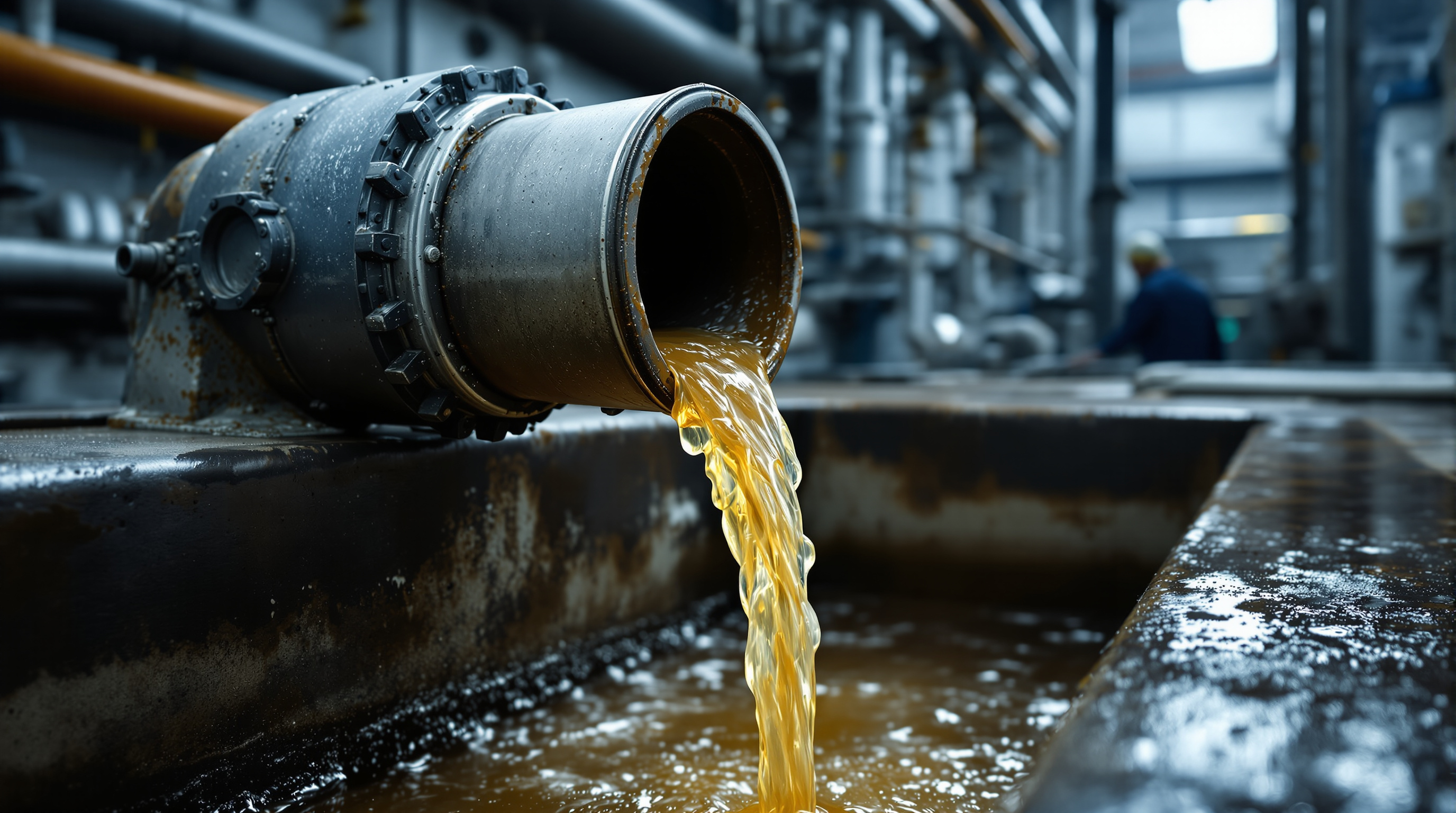
Pharma is not one industry but two very different ones, and the effluent reflects that:
- Bulk drug / API (Active Pharmaceutical Ingredient) manufacturing — the heavy end. Synthetic organic chemistry, fermentation, solvent recovery. The effluent is strong, chemically complex and often the hardest wastewater on any Indian industrial estate.
- Formulations — tablets, syrups, injectables, ointments. Here the load is lighter and more dilute, dominated by equipment-cleaning water, but it still carries drug residues and swings in composition batch to batch.
Whichever end you are on, a handful of characteristics define the challenge. Compare a typical pharma stream against the domestic sewage an STP is designed for:
| Parameter | Domestic sewage (STP) | Pharma effluent (ETP) | Why it matters |
|---|---|---|---|
| COD | 250–500 mg/L | 2,000–60,000+ mg/L | Enormous chemical oxygen demand; much of it hard to digest |
| BOD:COD ratio | ~0.5 (readily biodegradable) | Often 0.2 or lower | A low ratio flags refractory (non-biodegradable) organics |
| pH | 6.5–8.5, stable | 1–13, swinging | Spent acids/alkalis; corrosive and shocks biology |
| Toxicity | Low | High — solvents, APIs, antibiotics | Kills or inhibits the treatment microbes themselves |
| TDS | Low | Very high (spent brines, salts) | Drives the plant toward ZLD |
| Flow / load | Predictable daily curve | Batch surges, highly variable | Needs large buffering to survive shock loads |
If the language of BOD, COD, TSS and pH is unfamiliar, the primer on wastewater characteristics is worth reading first — those four numbers drive every design decision below.
Why a domestic STP cannot do the job
An STP is essentially a well-run biological process: microbes in an aeration tank eat dissolved organic matter, then settle out in a clarifier. It works beautifully on sewage because sewage is food. Pharma effluent breaks that model in four ways:
- The load is too strong. A COD of tens of thousands of mg/L is ten to a hundred times what a domestic biological stage is sized for. Feed that to STP biomass and it is instantly overwhelmed.
- Much of it is refractory. APIs, complex ring structures and many solvents are engineered to be stable — the opposite of biodegradable. Microbes simply cannot eat them, so they pass straight through a biological plant untouched.
- It is toxic to the biology. Antibiotics are designed to kill microorganisms. Send antibiotic-bearing effluent into an aeration tank and you can sterilise the very culture doing the treatment. Solvents and heavy metals inhibit it the same way.
- pH and shock loads. A slug of spent acid can crash the pH into single digits in minutes; a domestic plant has neither the buffering nor the chemistry to absorb that.
This is the whole reason the industry separates STPs from ETPs. An STP polishes a predictable, biodegradable, near-neutral stream. An ETP is built to pre-condition a hostile stream — neutralise it, detoxify it, knock the COD down chemically — before biology is even attempted. Pharma is the textbook case for an ETP, alongside cousins like chemical-industry wastewater and textile effluent.
The pharmaceutical ETP train, stage by stage
A pharma ETP is a sequence, and each stage exists to make the next one possible. A common configuration runs like this.
1. Segregation and collection
Good pharma effluent management starts before the ETP. High-TDS streams, solvent-rich streams and dilute cleaning water are kept separate at source, so concentrated liquors can be sent to solvent recovery or incineration rather than diluting the whole plant. What is left is the aqueous effluent the ETP will treat.
2. Equalisation and neutralisation
Everything collects in a large equalisation tank — the shock absorber of the plant. Because pharma flows arrive in batches, this tank is deliberately oversized to blend hours of variable effluent into one steady, averaged stream, and to dose acid or alkali to bring the swinging pH back toward neutral. Get this stage right and every downstream unit runs calmly; get it wrong and the plant lurches from one upset to the next. The hydraulic retention time calculator helps you check whether a proposed tank actually holds the effluent long enough to buffer these surges.
3. Physico-chemical treatment
Before biology, chemistry. Coagulation and flocculation (dosing alum, ferric salts or polymers) bundle fine colloidal solids and some organics into flocs that settle out or float off in a clarifier or Dissolved Air Flotation (DAF) unit. This strips out suspended matter, colour and a useful slice of the COD, and lightens the toxic burden the microbes will face.
4. Biological treatment
Now the biology, but hardened for the job. For very strong bulk-drug streams, an anaerobic stage often comes first — high-rate reactors such as a UASB digest a large share of the COD without needing aeration, and generate biogas as a bonus. The partially treated water then moves to an aerobic stage: a robust activated sludge process, or attached-growth systems like MBBR that hold biomass on carriers so it resists toxic shocks, or an MBR where a membrane guarantees clean separation and lets the plant run at high biomass concentration. Whichever is chosen, this stage is sized for the biodegradable fraction of the COD only — the organic loading calculator is the tool that translates that load into a workable tank volume.
5. Advanced oxidation (the refractory-COD killer)
Here is the stage that sets pharma apart. Whatever COD survives biology is, by definition, the hard-to-degrade refractory fraction. Advanced Oxidation Processes (AOPs) attack it chemically — Fenton's reagent (iron + hydrogen peroxide), ozonation, or UV-driven oxidation generate hydroxyl radicals that smash open the stable molecules biology could not touch. Sometimes AOP is placed before biology to make refractory compounds biodegradable; sometimes after, as a final COD polish. Either way, it is often the difference between meeting the discharge limit and missing it.
6. Tertiary polishing and, frequently, ZLD
Finally the water is filtered (pressure sand and activated carbon) and disinfected. But pharma effluent's high TDS means many Indian bulk-drug plants cannot simply discharge — they are pushed toward Zero Liquid Discharge, where Reverse Osmosis concentrates the salts and evaporators / crystallisers boil the reject down to a dry solid, recovering almost all the water for reuse. ZLD is expensive and energy-hungry, but for many pharma clusters it is effectively mandated.
Sludge, solvents and the compliance backdrop
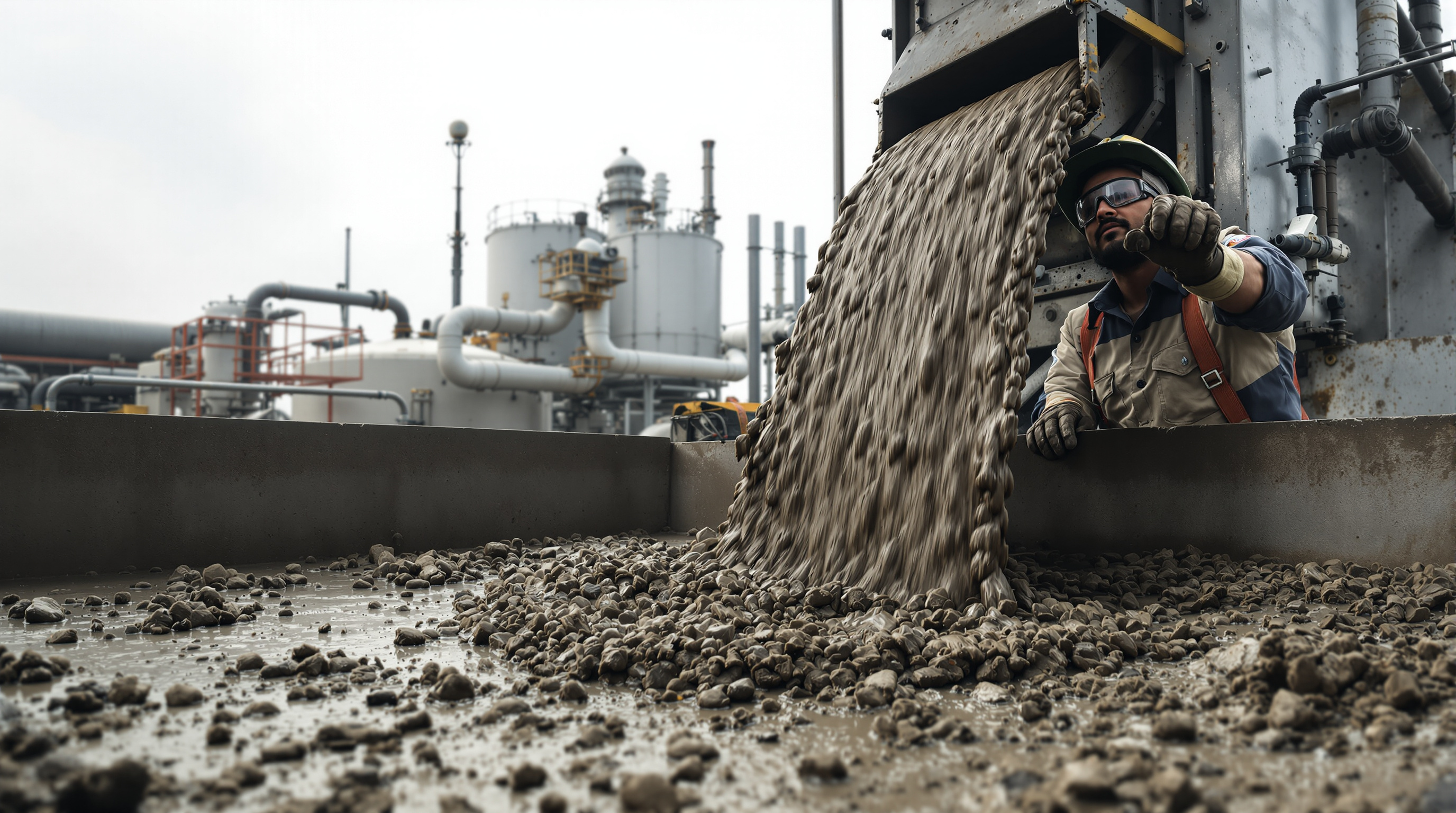
Two side-streams need managing. The chemical and biological stages generate large volumes of sludge, much of it classified as hazardous waste because of the chemistry it holds — it cannot go to an ordinary drying bed and landfill, but to authorised hazardous-waste handling. (For sizing the biological sludge fraction, the sludge generation calculator gives a first estimate.) Separately, recovered solvents are distilled and reused or sent for incineration with energy recovery.
On compliance: pharmaceutical manufacturing sits in the most tightly regulated pollution category in India, and CPCB and the State Pollution Control Boards set effluent standards, consent conditions and, for many bulk-drug units, ZLD expectations. Treat the exact numbers as something to confirm with your consent order rather than from memory — the principle that holds everywhere is that pharma effluent must be treated to stringent limits before a drop leaves the site, and the plant must prove it continuously.
The bottom line
Pharmaceutical wastewater treatment is hard for reasons that are baked into the product: the effluent is strong, toxic, chemically stubborn and never the same twice. A domestic STP, tuned for gentle biodegradable sewage, has no answer to any of that. The pharma ETP does — by segregating streams, buffering the surges, softening the load with chemistry, digesting what biology can, oxidising the refractory remainder, and often driving the whole thing to zero liquid discharge. It is more plant, more chemistry and more cost than an STP, and for this industry there is no shortcut around it.
To go deeper on the individual unit processes named above, browse the Sewage Treatment Plants guide library, and to pressure-test an early design, the organic loading and HRT calculators are the fastest place to start.
Export this guide
Related Guides — Deep-dive reading
Zero Liquid Discharge (ZLD): When No Water Leaves the Site
What zero liquid discharge actually means, the biological-plus-RO-plus-evaporator train that recovers nearly all the water and leaves only dry solids, why it is expensive and energy-hungry, when it is mandated, and the lighter near-ZLD options that make sense for most buildings.
Sewage Treatment PlantsChemical Industry Wastewater Treatment: ETP Design for Toxic, High-COD Effluent
Why chemical-plant effluent is one of the hardest waters to treat, and how a multi-stage ETP — physico-chemical, biological, advanced oxidation and ZLD — brings variable, toxic, high-COD/TDS streams down to a dischargeable standard in the Indian regulatory context.
Sewage Treatment PlantsBiological Culture Management in an STP: The Heart of Good O&M
The microbes in your aeration tank do the actual work of cleaning sewage. Keep them healthy — the right MLSS, food, oxygen and nutrients — and everything else falls into place. Here is how operators manage the living culture, diagnose bulking and foaming, and recover after a crash.
Sewage Treatment PlantsRelated Tools — Try Free
Hydraulic Retention Time (HRT) Calculator
Compute a reactor or tank's hydraulic retention time from its volume and daily flow, and benchmark it against recommended ASP, MBBR and SBR ranges.
STP CalculatorIndustrial Wastewater Treatment Planner
Pick your dominant industrial wastewater and daily flow to see whether you need an STP or ETP, a 1–5 treatment complexity rating, and how rough capex scales.
PlannerPopulation Equivalent (PE) Calculator
Convert an organic pollution load into Population Equivalent from flow and BOD concentration — the BOD load in kg/day and equivalent number of people.
STP Calculator