
Site Planning IntelligenceBefore you build
Read Your Plot Before You Build
A house is only ever as good as the reading of its land. This is the literacy library for that reading — a 21-guide reference on evaluating and choosing a plot, understanding its orientation, sun and wind, and designing well on the corner, narrow or sloping site you actually have — written for homeowners, grounded in NBC 2016 and Indian practice.
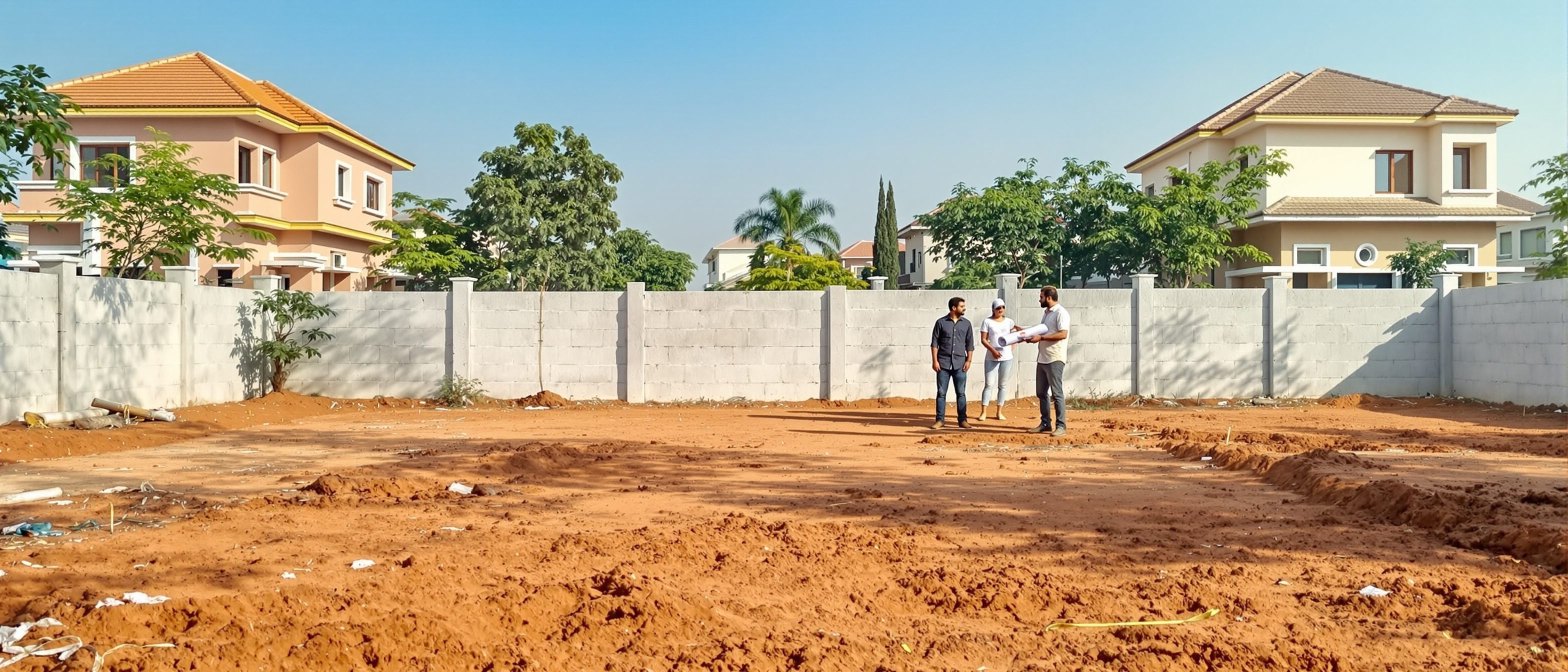
Site Analysis for Homeowners: How to Read a Plot Before You Build
Before you buy a plot or draw a single line, learn to read it. This master guide walks through the ten dimensions of site analysis — from setbacks and FSI to sun, wind, slope, soil, views and microclimate — with a homeowner's visit checklist and links to every deeper guide and tool in the set.
Read itChoosing the land
Evaluating & buying a plot Evaluate01
How to Evaluate a Residential Plot in India
Buying a plot in India is a stack of legal, regulatory, technical and financial decisions. This guide gives you a clear due-diligence checklist, the FSI-and-setback maths that decides what you can actually build, and a weighted scorecard to compare plots with confidence.
 Pitfalls02
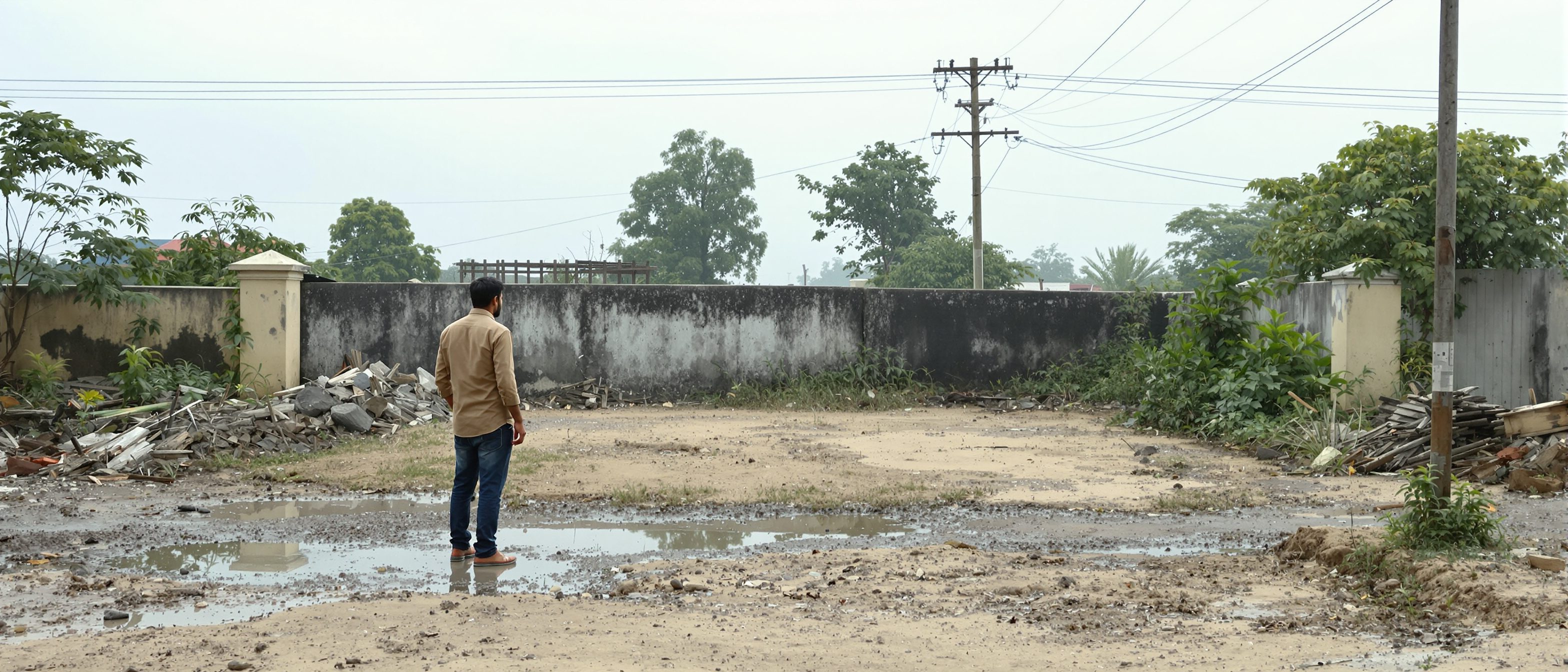
Plot Selection Mistakes to Avoid
Most plot regrets in India trace back to a handful of avoidable mistakes — buying on emotion, skipping the title search, ignoring drainage and orientation, or never doing the FSI maths. Here is each mistake, why it hurts, and how to avoid it before you pay a token.
 Site visit03
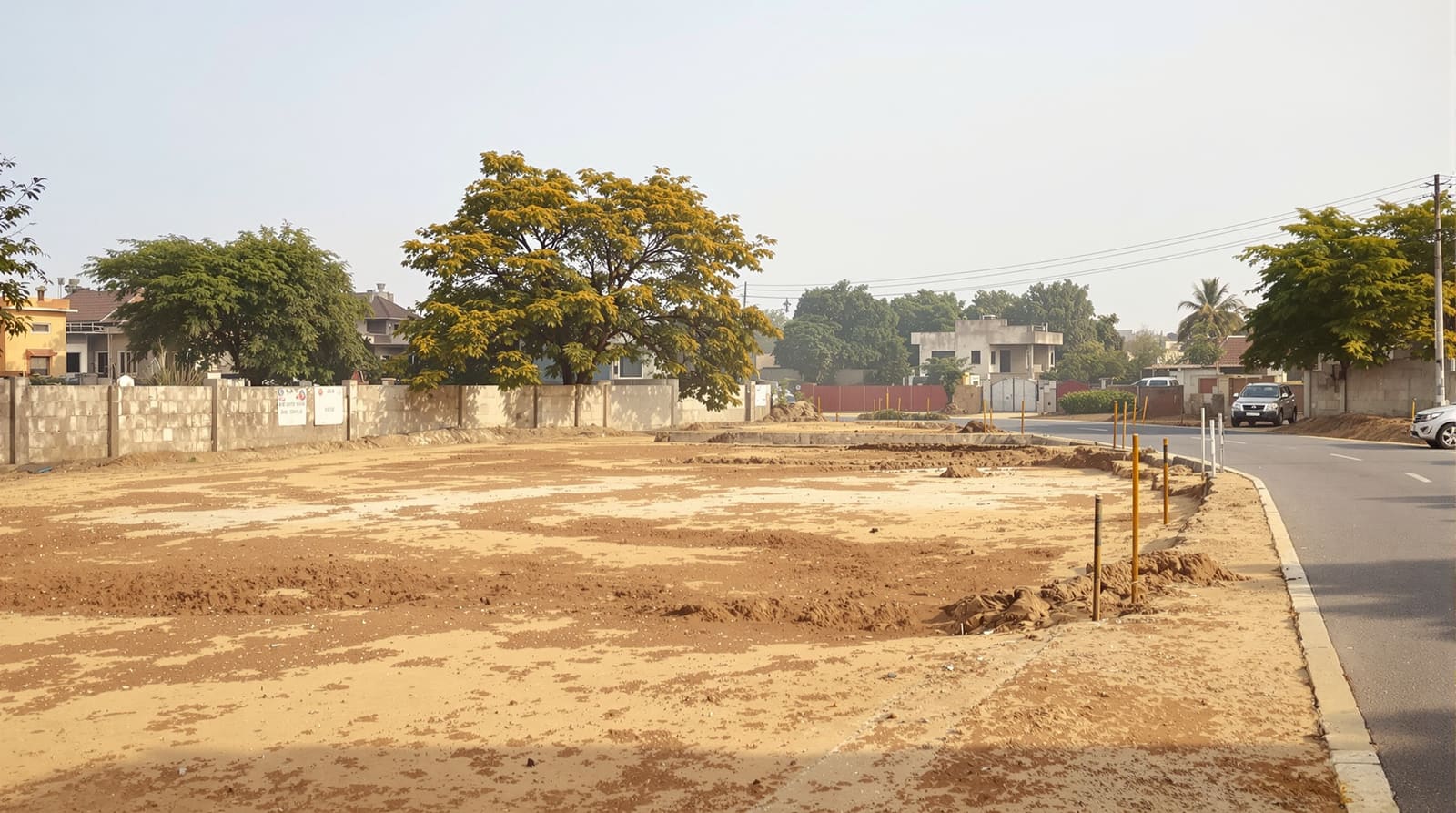
What Architects Look for During Site Visits
What a good architect actually does on a first site visit — the kit they carry, the stand-at-the-centre-then-walk-the-edges method, and what a trained eye reads about sun, wind, levels, access, trees, services and neighbours — so you can read a plot far more sharply yourself, before you buy or design.
 Constraints04
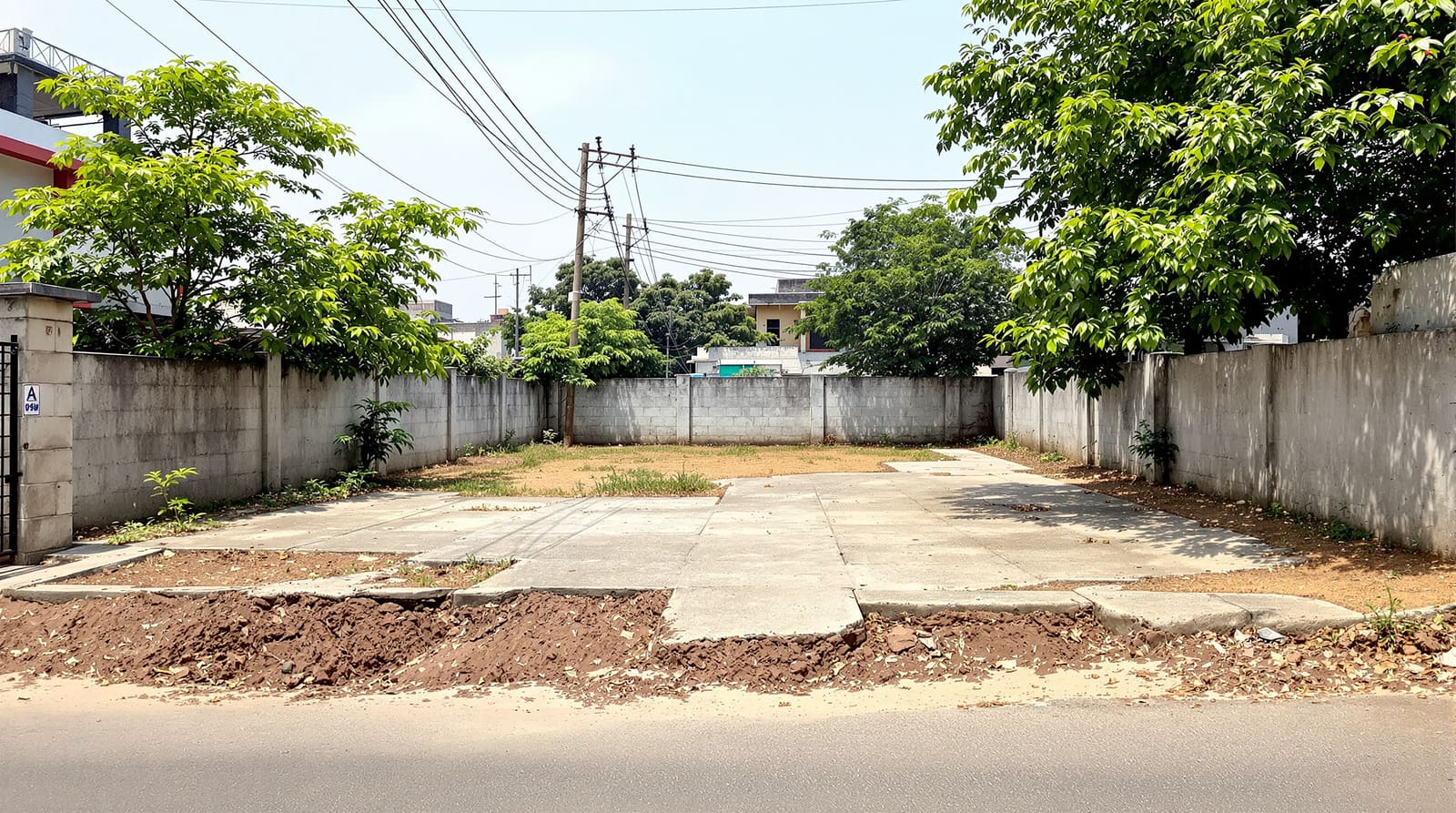
Understanding Site Constraints
Every plot comes with limits that decide what you can build — regulatory (zoning, FSI, setbacks, NOCs), physical (soil, water table, slope), legal (title, easements, access) and contextual. This guide catalogues them and shows how they shrink a plot to its real buildable envelope.
 Potential05
Understanding Site Potential
Beyond a plot's limits lies its potential — the real buildable yield after FSI and setbacks, and the latent assets (a view, a mature tree, north light, a level change) a sharp eye unlocks. See how two identical plots can hold very different potential.
 Investment06
Future-Proofing a Plot Investment
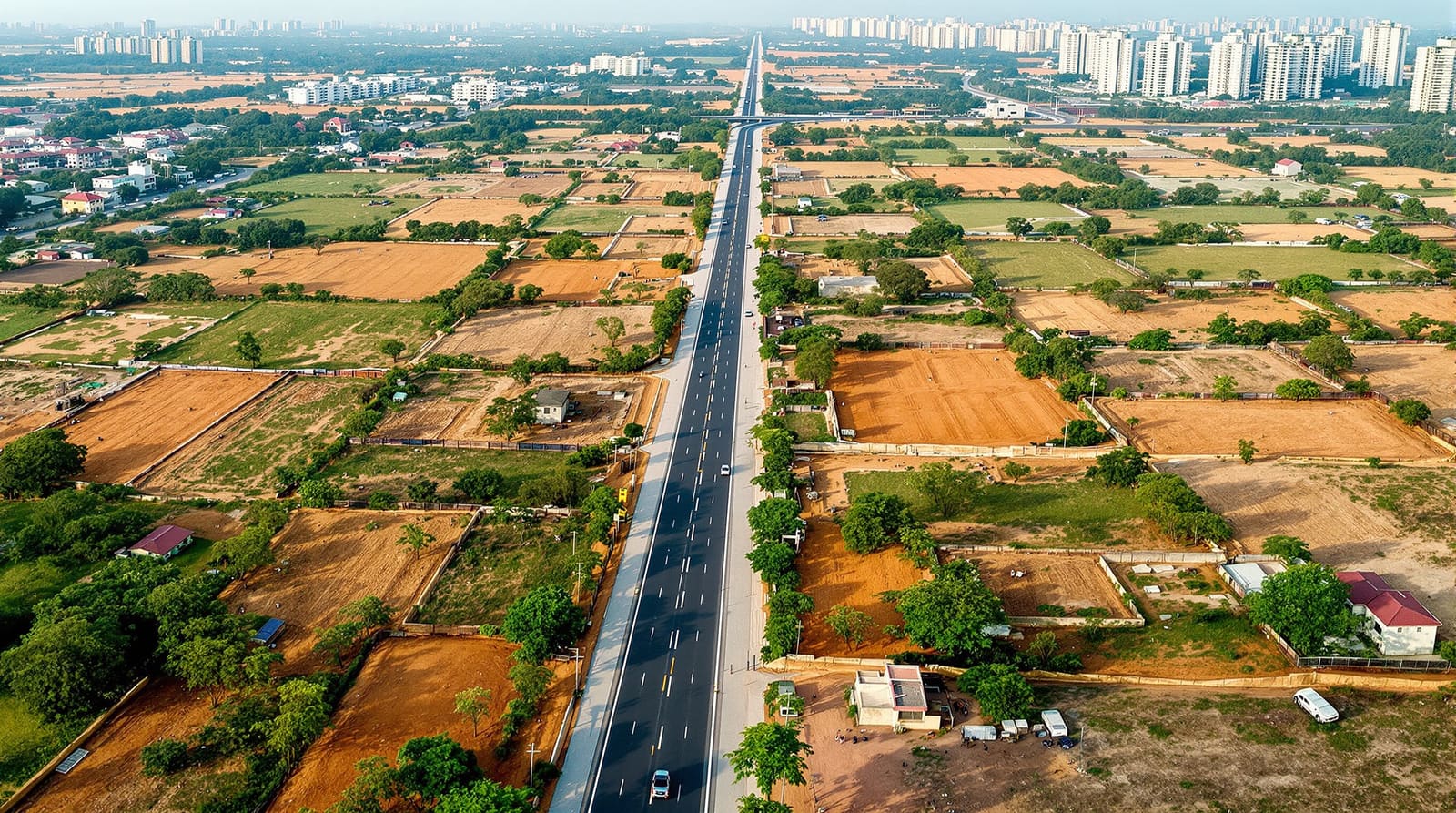
A plot is also an asset. This guide takes the land-as-investment lens — buying ahead of the city's infrastructure, reading the master plan and growth trajectory, protecting value through clear title and an approved RERA layout, and weighing the carrying costs and climate risks of holding raw land.
Reading the site's forces
Orientation, sun & wind Orientation07
Site Orientation Explained: Which Way Should Your Home Face?
"East-facing" sells, but the sun does not read property listings. Learn the difference between plot facing and building orientation, the climate-optimal layout for an Indian home, and a practical method to decide when solar logic, Vastu and your street disagree.
 West-facing08
West-Facing House Design in India
A west-facing house is a fine home once designed for its one real challenge — the harsh evening sun. Learn to tame west heat with deep verandahs, fins and a service-room buffer, where to place rooms, the real upsides, and a calm take on the Vastu question.
 Sun09
Sun09Understanding Sun Path Analysis for Your Home
A homeowner's guide to reading the sun over your Indian plot: the daily and seasonal arc, why east sun is gentle and west sun is brutal, which rooms want morning light, and how overhangs and trees tame the heat.
 Wind10
Understanding Wind Analysis for a Comfortable Home
A homeowner's guide to site-level wind and natural ventilation for comfort: India's prevailing wind directions, cross-ventilation, the stack effect, opening placement and sizing, courtyards, and how to block the hot 'loo' while catching the cool monsoon breeze.
 Topography11
Why Topography Matters
The shape and fall of the land quietly governs everything — drainage, plinth, cost, orientation and views. This guide explains how to read contours and levels, why water always finds the low point, how cut-and-fill creates a building platform, and how flat, gentle and steep sites each shape the home.
Designing for the plot you have
Corner, narrow, sloping & views Corner12
Corner Plot Design Strategies
A corner plot trades buildable area for light, air, access and frontage. This guide quantifies the two-side-setback hit and gives you a practical strategy to turn the corner into the best feature of your home.
 Narrow13
Narrow Plot Design Strategies
On a narrow Indian plot only the two short ends touch light and air, so the middle goes dark and stuffy. This guide shows the moves that fix it — courtyards and light wells, a central skylight, the staircase as a ventilation shaft, open planning and clever vertical zoning.
 Irregular14
Designing Homes on Irregular Plots
How to design a home on an odd-shaped plot in India — triangular, trapezoidal, L-shaped and acute-angled — by reading the buildable envelope after setbacks, setting an orthogonal core, and turning the awkward angle into a courtyard, a diagonal vista or a feature entry rather than wasted land.
 Slope15
Sloping Site Design: Building on a Gradient
Sloping plots are cheaper and often more beautiful than flat ones — but only if you work with the gradient rather than bulldozing it flat. A practical guide to reading the slope, the three core strategies, retaining walls, drainage and turning the fall into free floors.
 Views & Privacy16
Designing for Views and Privacy
Good views and real privacy are decided at the site stage, not the curtain stage. This guide shows you how to audit your plot's views, frame the ones worth keeping, and screen the overlooking neighbour — without giving up the light and air you came to India's climate for.
Develop & make the most of the plot
Feasibility, efficiency, subdivision Feasibility17
Plot Feasibility Analysis
The structured feasibility study of a plot — the rigorous go/no-go before you commit. How to test a plot's legal, technical, financial and market feasibility, run the due-diligence workflow from desk study to verdict, and reach an honest decision: proceed, proceed-with-conditions, or walk away.
 Efficiency18
Plot Utilization Efficiency
How to squeeze the most usable, liveable area from a given plot — the efficiency ratios from plot to built-up to carpet area, hunting dead space, turning setback margins useful, going vertical and multi-use within the rules, and the honest balance between maximum area and a light, liveable home.
 Subdivision19
Plot Subdivision Principles
How to split one plot into smaller plots — for family partition, selling part, or creating saleable parcels. The minimum-size, frontage and legal-access rules each piece must meet, dividing fairly and buildably so no plot is landlocked, and the sanction, khata-bifurcation and registration process in India.
 Checklist20
Plot Development Checklist
The complete plot-to-home action checklist — phase by phase from due diligence and feasibility, through reading the plot, design, approvals and pre-construction to build and beyond. A working capstone that links each step to its deeper guide, so nothing on the journey from plot to home is missed.
Turn the reading into decisions
Four free tools that take a plot from a hunch to a scored, sized, sun- and wind-read decision.
Plot Evaluation Toolkit
Score any plot across 20 parameters before you commit.
Open tool CalculatorFAR / FSI Calculator
Plot size + your bylaw → the built-up area you can actually build.
Open tool AnalyzerSun Path Analyzer
See where the sun falls on your site across the year.
Open tool AnalyzerCross-Ventilation Analyzer
Visualise the breeze so you place openings to catch it.
Open tool