
Interactive Calculator · 2026
Home Loan Affordability
Maximum home loan eligible on your income, the property price it can buy, monthly EMI, total interest over the full tenure, and annual tax savings under Section 24(b) + 80C.
Income & obligations
₹1.50 L
Car loan, personal loan, credit card minimums — anything already on your CIBIL.
We’ll compare it against what your eligibility supports.
Loan parameters
Prime-borrower range today: 8.35–8.75%
RBI cap: 90% up to ₹30L, 80% up to ₹75L, 75% above
Most banks allow 50–65%. Conservative is 50.
Personal
Loan typically has to end by age 60. We’ll auto-cap tenure if your age + requested tenure crosses that.
Used only to estimate Section 24(b) + 80C tax savings.
Max eligible home loan
at 8.50% over 20 years, EMI ₹0/mo.
Max property price
₹0
At 80% LTV
Down payment needed
₹0
Your 20% contribution
Net income after EMIs
₹0
Gross − existing EMIs
Total interest over tenure
₹0
108% of principal
Where your monthly income goes
Stacked view — home-loan EMI plus existing obligations vs what’s left over.
Total EMIs are 55% of your gross income vs your FOIR cap of 55%. You’re close to the bank’s cap — tight on lifestyle.
Can you afford the property you want?
Enter a target property price above to compare against your eligibility. Showing your max-affordable property for now.
Max-affordable property
₹0
At 80% LTV — requires ₹23.8L upfront
Eligible loan
₹0
Down-payment
₹0
Tax savings (year 1, self-occupied)
Section 24(b) interest
₹40,000
Interest cap ₹2L × slab
Section 80C principal
₹30,000
Principal cap ₹1.5L × slab
Lifetime saving (approx)
₹14.00 L
20 yrs × annual
Estimate only. Tax savings depend on your full income picture and regime choice (new vs old). Section 80C is shared with PF, ELSS, LIC, stamp duty etc — if you’re already maxing it elsewhere, the principal saving may be zero.
Compare across lenders
Typical FOIR and published rate ranges across major Indian home-loan lenders. Your numbers below are computed with your own income, FOIR, tenure, and LTV — only the interest rate is swapped to the lender’s band.
| Lender | Typical FOIR | Rate range | Loan @ best rate | Loan @ worst rate |
|---|---|---|---|---|
SBI Largest public-sector lender; competitive rates for prime borrowers. | 55–65% | 8.40–9.15% | ₹95.76 L | ₹90.72 L |
Bank of Baroda Public sector; women borrowers get 5 bps concession. | 55–65% | 8.40–9.15% | ₹95.76 L | ₹90.72 L |
HDFC Bank Fast digital approvals; benchmark rates tied to Repo + spread. | 50–65% | 8.50–9.50% | ₹95.07 L | ₹88.51 L |
LIC Housing Finance NBFC; slightly higher rates but flexible eligibility. | 50–60% | 8.50–9.75% | ₹95.07 L | ₹86.98 L |
PNB Housing NBFC; serves Tier-2/3 cities well. | 50–65% | 8.50–10.50% | ₹95.07 L | ₹82.63 L |
Kotak Mahindra Strong digital onboarding. | 50–60% | 8.70–9.60% | ₹93.69 L | ₹87.89 L |
ICICI Bank Good for salaried at MNCs; balance transfer offers. | 50–60% | 8.75–9.65% | ₹93.36 L | ₹87.58 L |
Axis Bank Competitive for self-employed with GST returns. | 55–65% | 8.75–9.70% | ₹93.36 L | ₹87.28 L |
Indicative only. Actual rates depend on CIBIL score, property location/type, women-borrower concessions (5–10 bps at several public-sector banks), and balance-transfer/special-offer pricing. Always compare two or three banks before signing.
What this affordability can buy
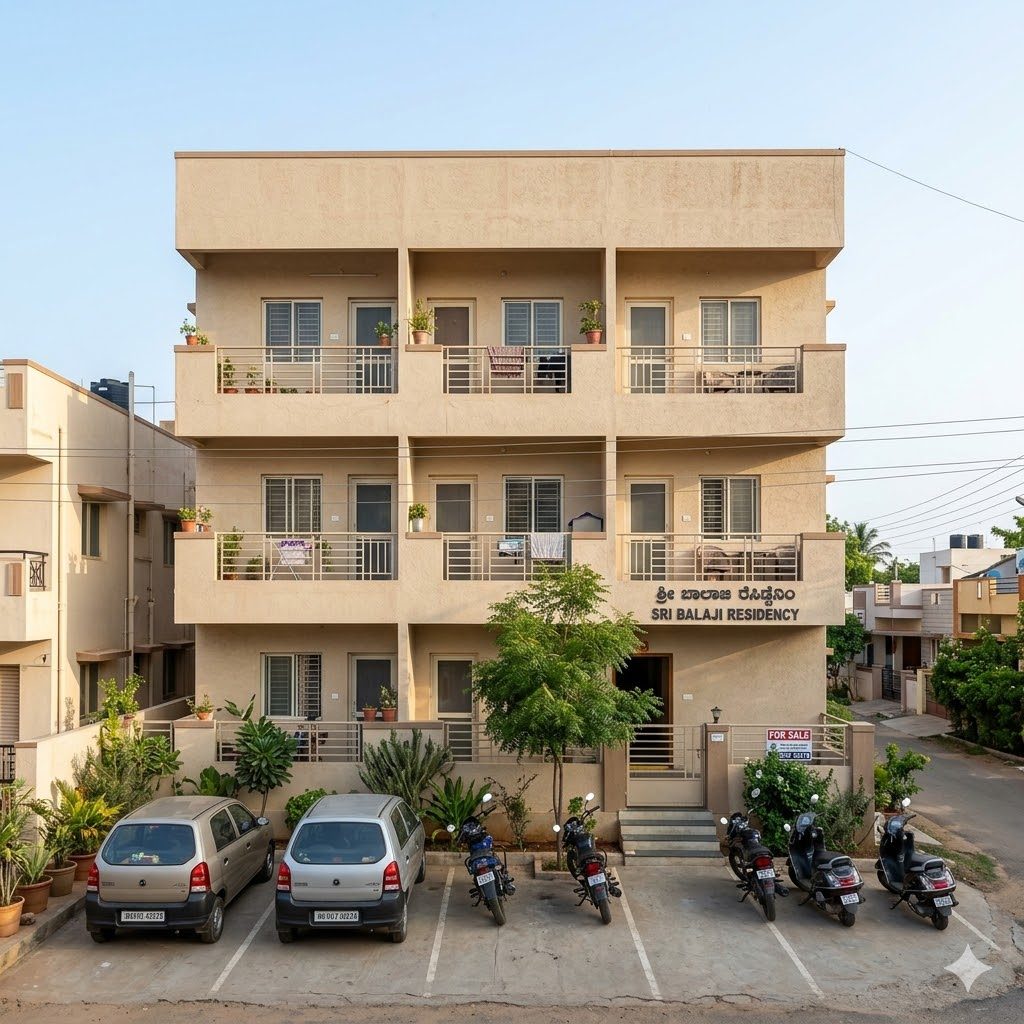
Under ₹40L · 1BHK
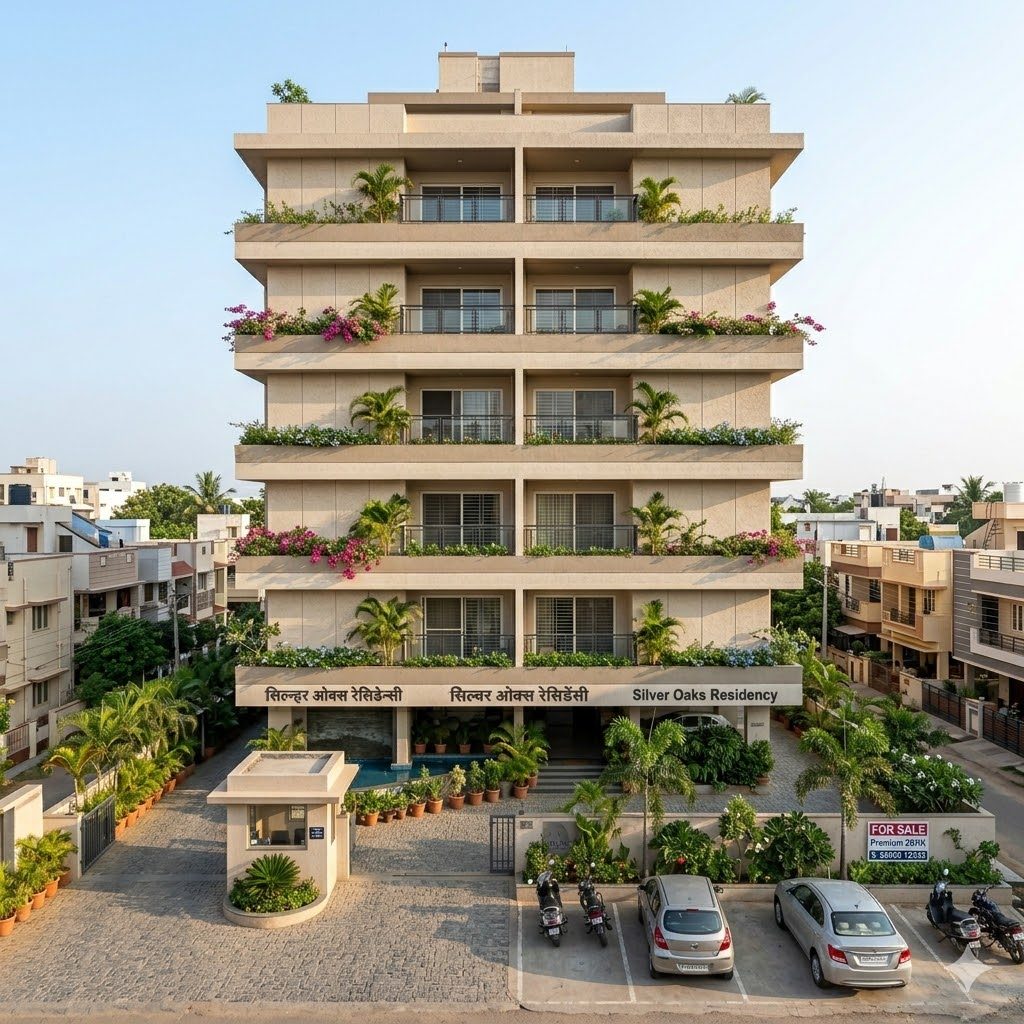
₹40-80L · 2BHK

₹80L-2Cr · 3BHK
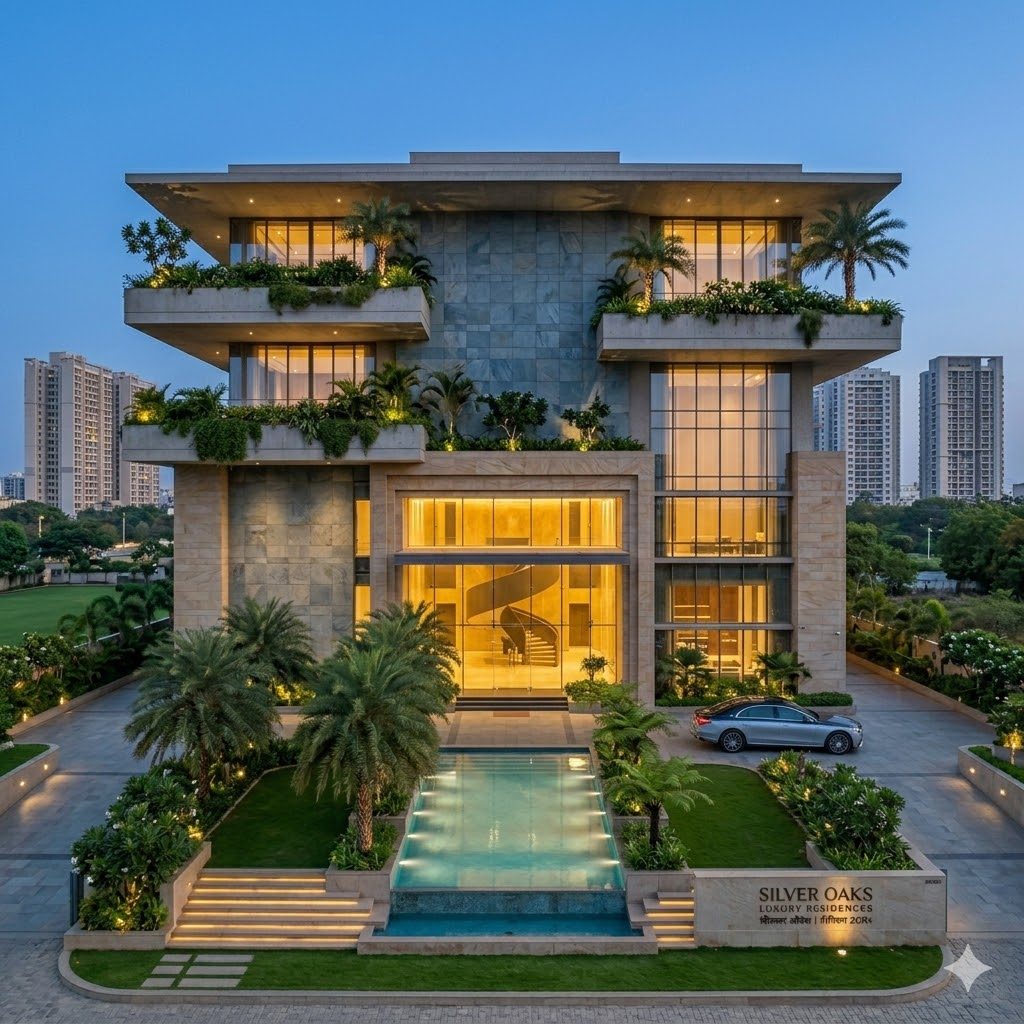
₹2Cr+ · Villa
Next — plan interiors for what you can afford
Pair your eligibility with our EMI-vs-Interior planner to budget the post-possession spend.
How this works
- FOIR. Banks cap total EMIs (existing + new home loan) at a % of net monthly income. Default 55% — tighter for self-employed, more lenient for stable salaried.
- LTV. RBI caps loan-to-value at 90% for loans up to ₹30L, 80% up to ₹75L, 75% above. Commercial property and plot loans get less.
- Tenure. Capped so the loan ends by retirement age (default 60). Self-employed borrowers sometimes get this extended to 65-70 with health cover.
- Tax benefits. Section 24(b) allows up to ₹2L interest deduction on a self-occupied property. Section 80C allows up to ₹1.5L principal repayment but shares its ceiling with PF, ELSS, LIC, stamp duty, etc.
- Section 80EEA is historical. The extra ₹1.5L first-time-buyer deduction only applies to loans sanctioned before 31 March 2022. New loans in 2026 do not qualify.
Deep-dive: Home Loan Affordability in India — 2026 Guide
Related tools: EMI Calculator · Stamp Duty Calculator · Capital Gains Calculator
Indicative estimate only. Actual eligibility depends on credit score, employment stability, profile age, property type, and the specific bank’s underwriting. Speak to two or three lenders before deciding.
Related Guides — Deep-dive reading
Home Loan Affordability in India — 2026 Guide
FOIR, LTV, EMI, Tax Benefits, Bank Comparisons & How Much House You Can Actually Buy
ConstructionHome Loan Eligibility Explained: How Much Loan Can You Get in India (2026)
A plain-language explainer of home loan eligibility in India - how income and the FOIR or EMI-to-income rule, your age and tenure, credit score, existing debts, employment type, a co-applicant, property value and LTV all decide how much a lender will sanction - with an indicative illustration table and ways to improve your number.
Home FinanceHome Loan Balance Transfer in India: When Refinancing to a Lower Rate Is Worth It (2026)
What a balance transfer really is, how to run the break-even before you switch lenders, the top-up option, the full process, and when it is smarter to just ask your own bank to re-price.
Home FinanceRelated Tools — You may also find these useful
Home Loan Eligibility Checker
Eligible home loan amount across 12 Indian banks with rates, tenure, FOIR, and processing fees.
Loan CalculatorEMI vs Interior Budget Planner
Plan interior outlay against your home loan EMI. Cashflow waterfall, 3-way funding comparison, 36-month projection, phased-spend recommendation.
Affordability PlannerHome Loan EMI Calculator — 2026
Monthly EMI, total interest, tax savings, and year-by-year amortization across 10 bank rates.
EMI Calculator