
Vernacular Architecture of IndiaA field library
Indian Vernacular Architecture
Long before the architect, India built brilliantly — courtyards that cool a desert, roofs that shed a monsoon, mud walls that ride out an earthquake. This is the field library: a 11-guide reference on how the traditional Indian home was made, region by region, and why its logic is returning.
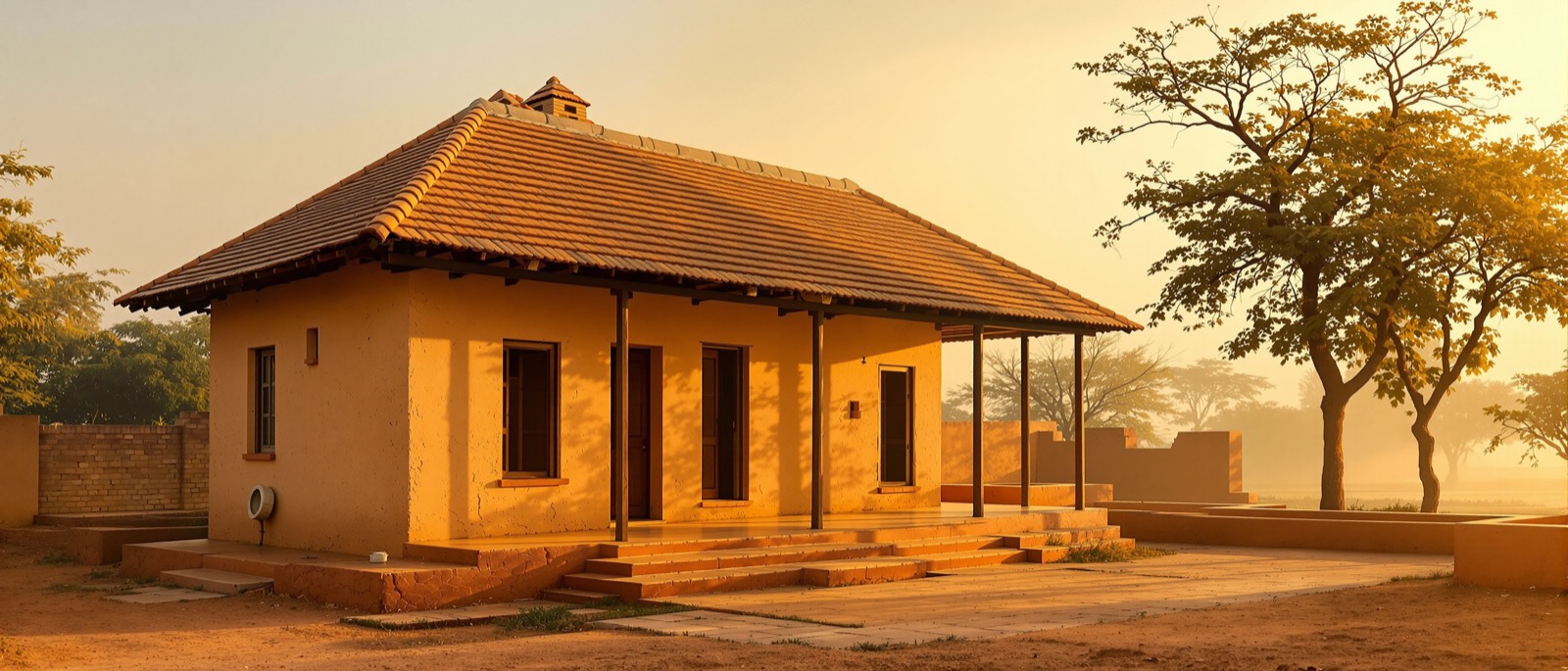
Indian Vernacular Architecture: A Field Guide to the Architecture Without Architects
A pillar guide to indian vernacular architecture: what it is, why India is so rich, the five NBC climate zones and their responses, build-local materials logic, the pan-Indian courtyard and the treatises, with links to eight regional deep-dives.
Read itThe regions, in depth
8 regional studies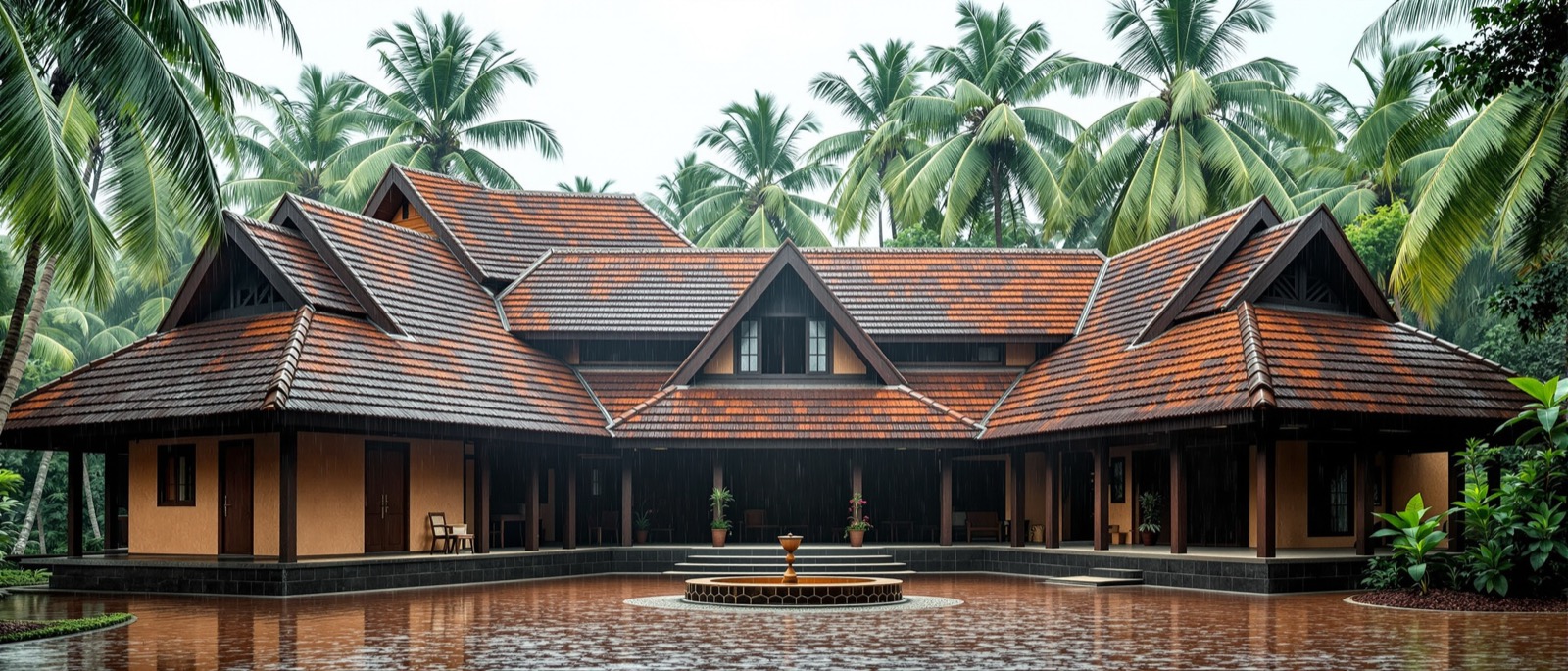 Kerala01
Vernacular Architecture of Kerala: The Nalukettu, the Courtyard & the Carpenter's Craft
A deep dive into kerala vernacular architecture: the nalukettu and its courtyard, the steep monsoon roof, laterite and timber craft, the Thachu Shastra, the matrilineal tharavadu, and surviving examples like Padmanabhapuram Palace.
 Tamil Nadu02
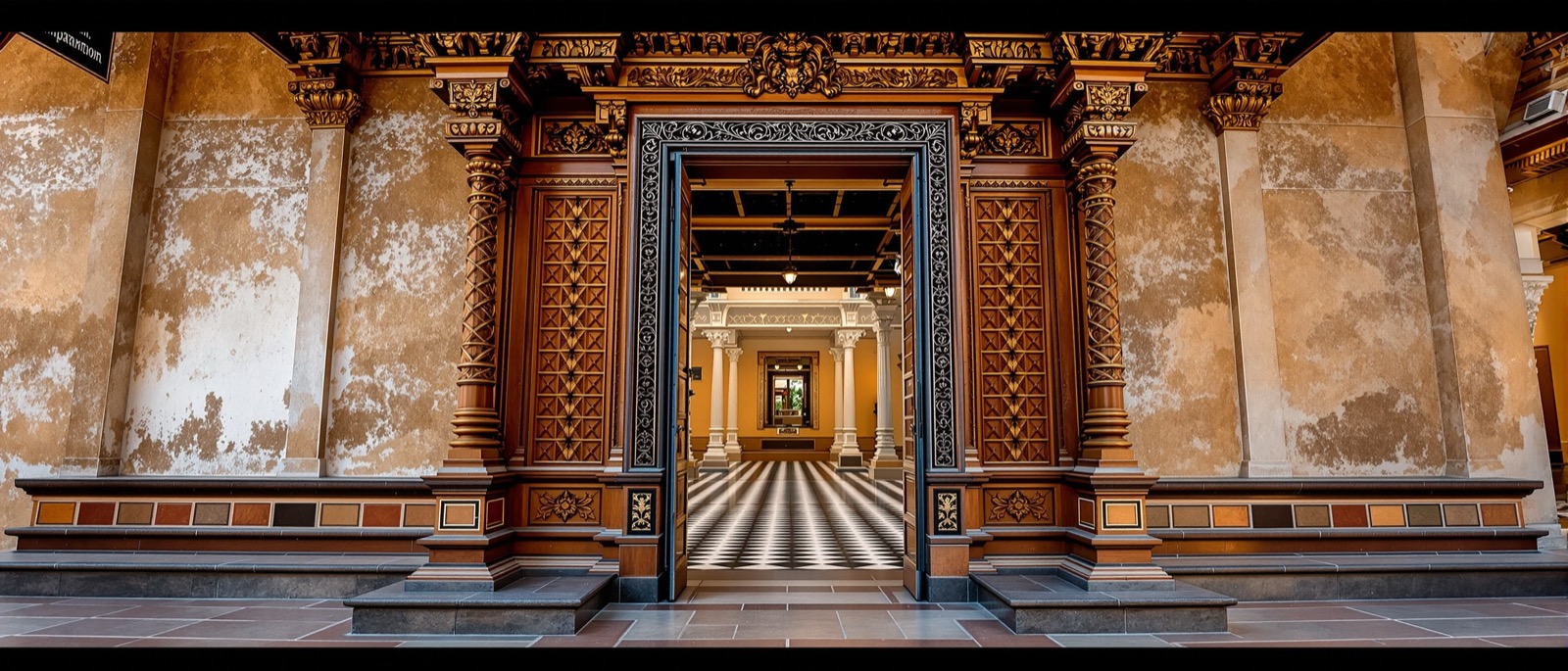
Vernacular Architecture of Tamil Nadu: Chettinad Mansions, the Agraharam & the Madras Terrace
A deep dive into tamil nadu vernacular architecture: the cosmopolitan Chettinad mansion, the agraharam Brahmin street, the thinnai porch and mitham court, plus Athangudi tiles, the Madras terrace roof, and what survives today.
 Karnataka03
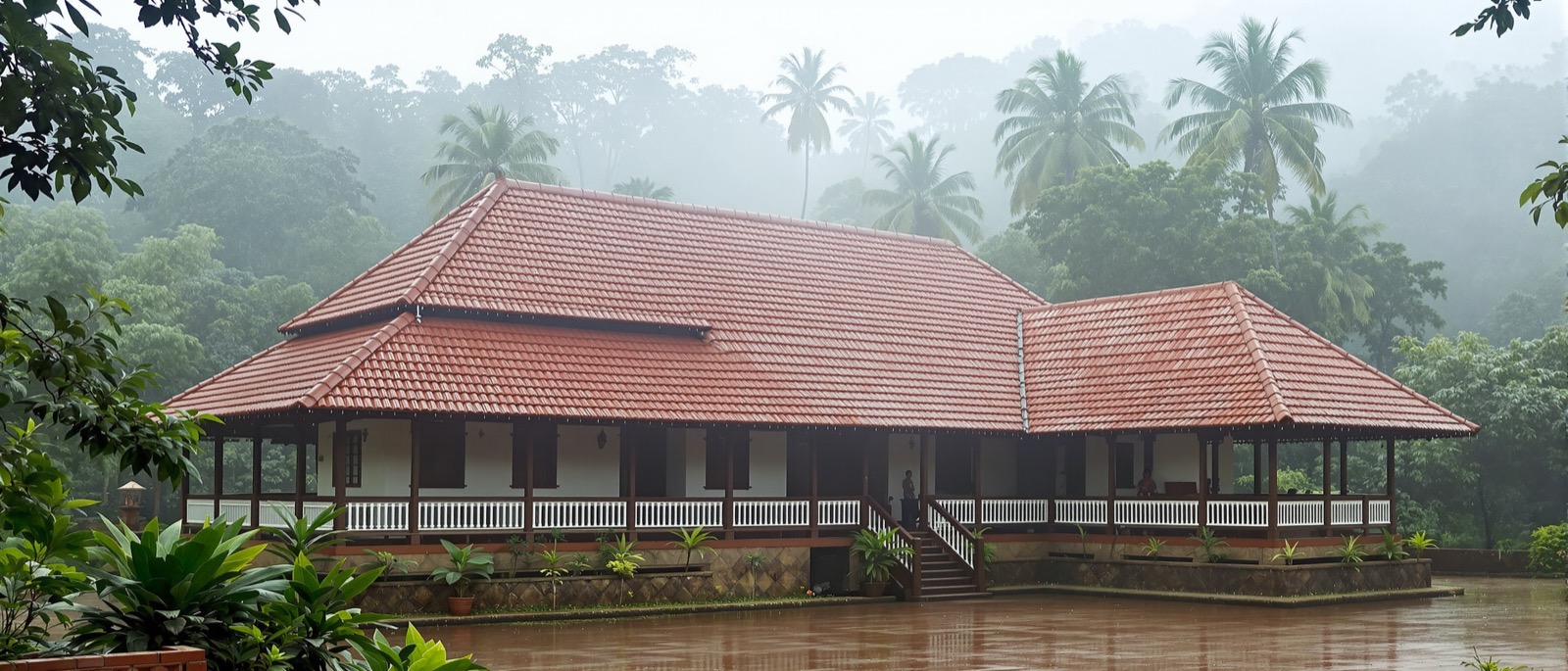
Vernacular Architecture of Karnataka: Totti Mane, the Guthu House & Three Climates
Karnataka vernacular architecture splits into three climates and three houses: the chowka-centred Guttu manors of the coastal Bunts, the timber Totti Mane of the Malnad highlands, and the flat stone-and-mud dwellings of the dry northern Deccan.
 Rajasthan04
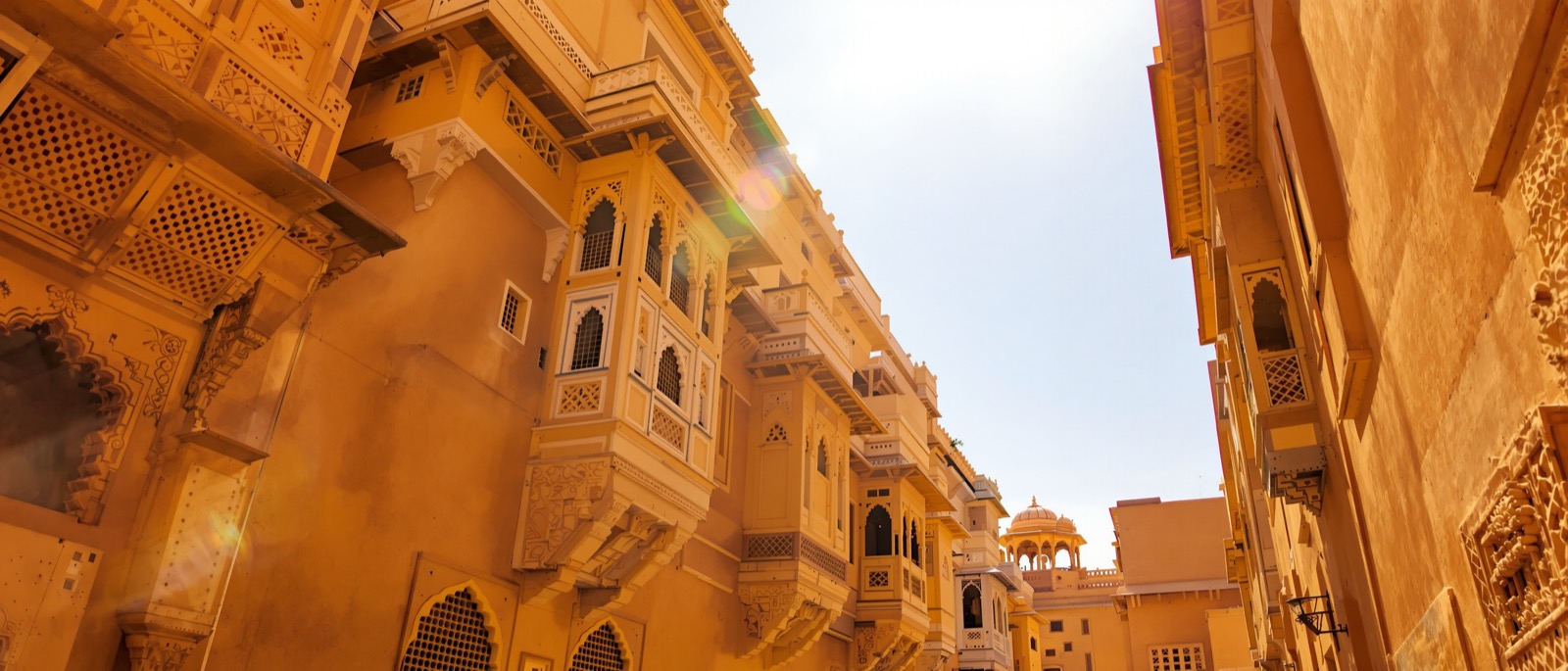
Vernacular Architecture of Rajasthan: The Haveli, the Jharokha & Building for the Desert
A deep dive into rajasthan vernacular architecture: the haveli and its courtyards, the jharokha, jaali and chhatri, golden Jaisalmer sandstone and araish lime, the mardana and zenana, the painted havelis of Shekhawati, and desert climate logic worth borrowing.
 Gujarat05
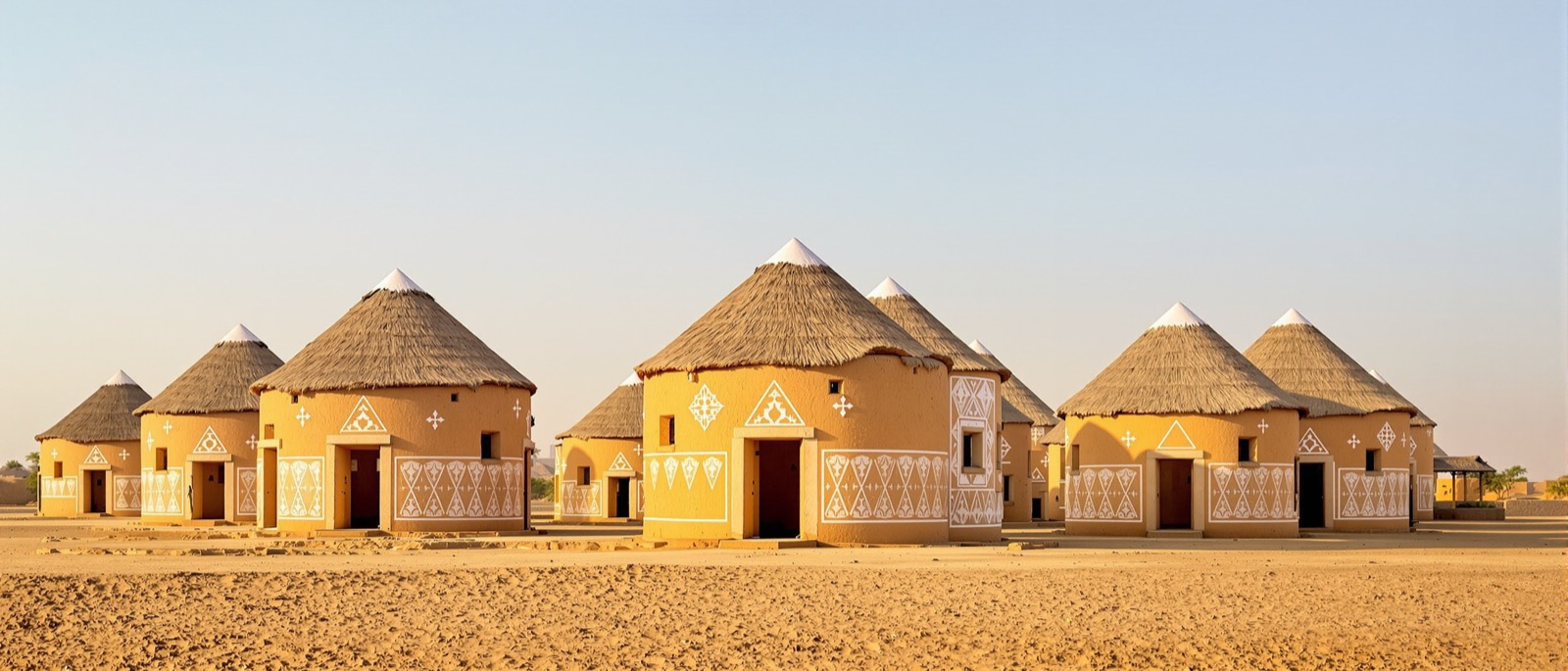
Vernacular Architecture of Gujarat: The Pol House, the Bhunga & the Carved City
A regional guide to gujarat vernacular architecture: the dense carved-timber pol houses of walled Ahmedabad, the cornerless earthen bhungas of Kutch that outperformed concrete in the 2001 Bhuj earthquake, and the great stepwells of Patan and Adalaj.
 Ladakh06
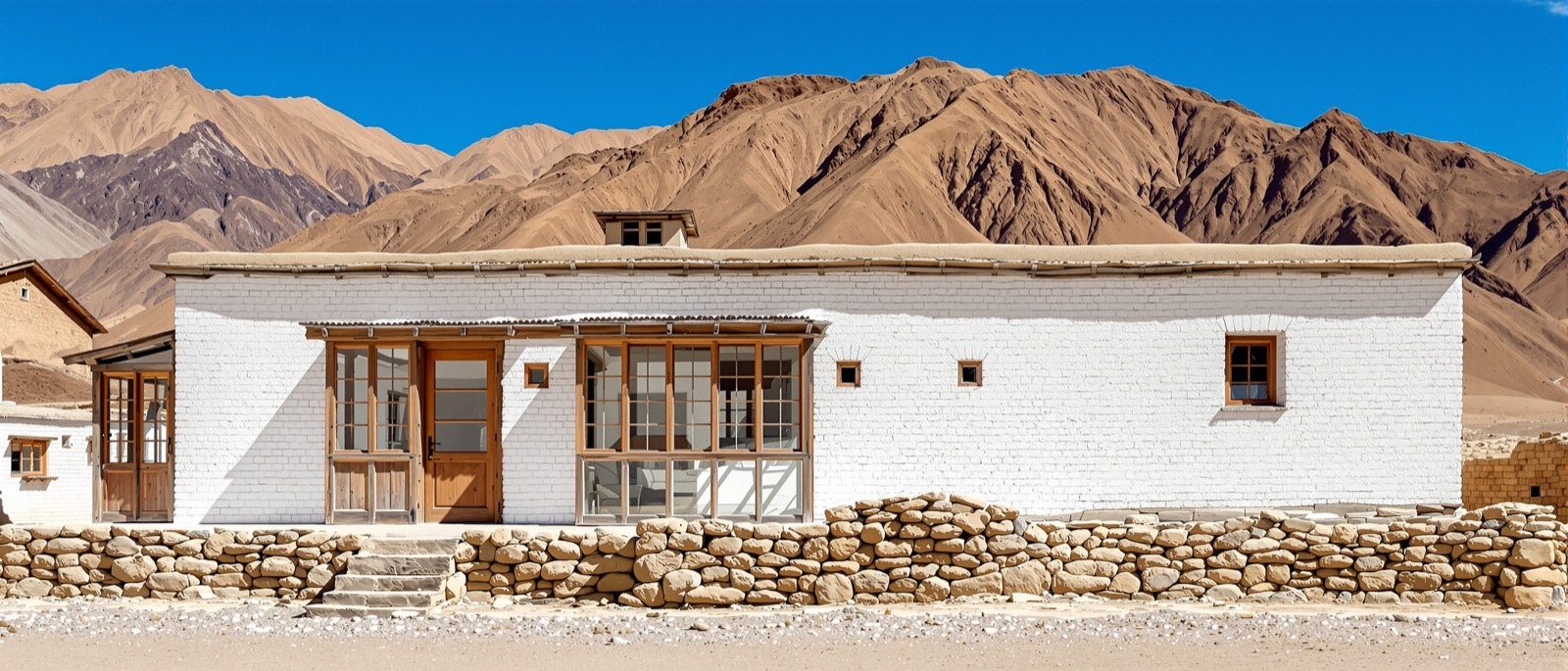
Vernacular Architecture of Ladakh: Building Warmth in a Cold Desert
A deep dive into ladakh vernacular architecture: the passive-solar rabsal sun-room and don-khang, the layered flat earthen roof, the two-storey house with livestock below and hearth above, Leh Old Town, and the modern SECMOL passive-solar revival.
 Bengal07
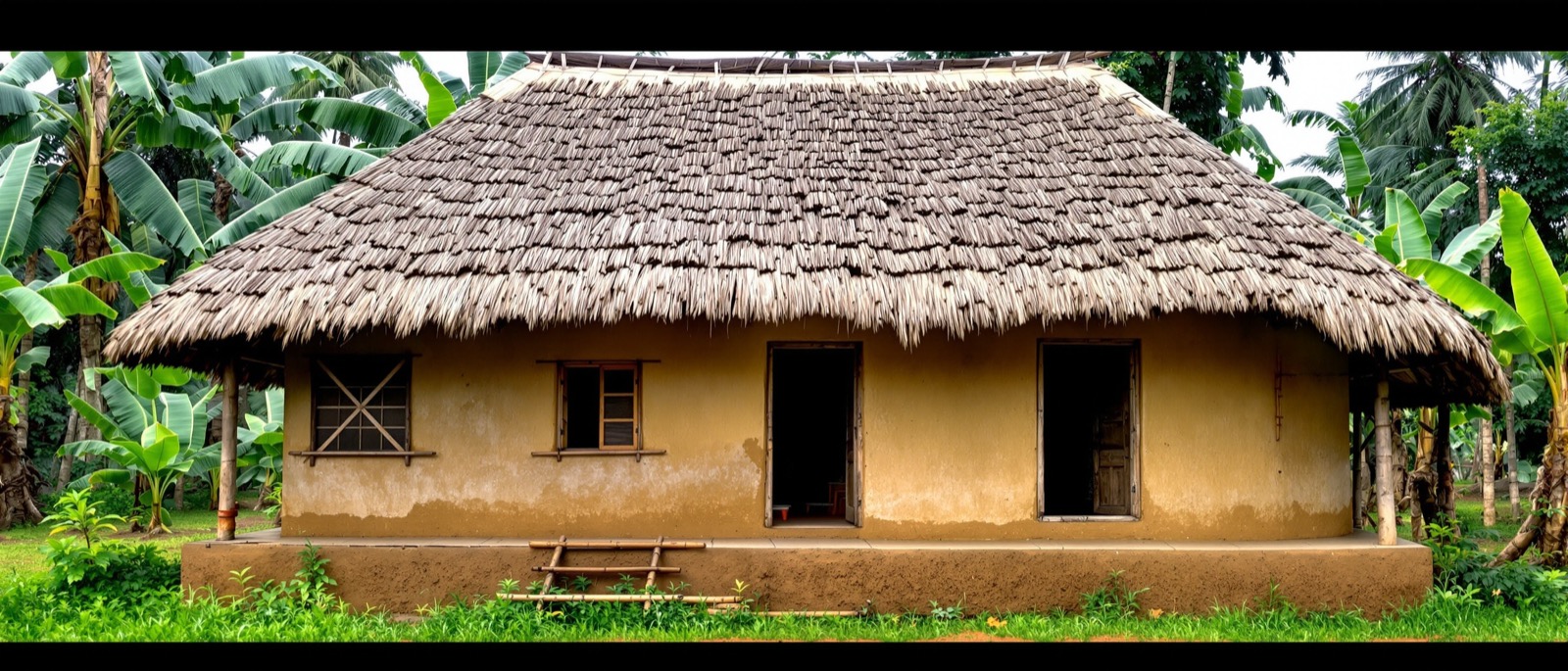
Vernacular Architecture of Bengal: The Curved Roof That Became the Bungalow
The humble Bengali hut, with its rain-shedding curved roof bent from bamboo, migrated into Mughal pavilions and terracotta temples and outward into the global bungalow. A deep dive into bengal vernacular architecture, the chala roof family and the temple towns of Bishnupur.
 North-East08
Vernacular Architecture of North-East India: Bamboo, the Morung & Building for Earthquakes
A regional deep-dive into north east india vernacular architecture: the seismic and monsoon logic of light flexible frames, the Assam-type house and its ikra walls, stilted chang ghar, the Naga morung, Apatani bamboo houses, and Meghalaya's living root bridges.
From heritage to a working precedent
As cooling loads and embodied carbon mount, the old climate logic is being rediscovered — to adapt, not to copy.
Why Vernacular Design Is Returning: Climate, Carbon & the Future of the Indian Home
India's air-conditioning stock may grow 40x to over a billion units by 2050, already driving 40-60% of metro summer peak demand. This evidence-aware guide on why vernacular design is returning makes the case for passive cooling and low-carbon, build-local materials, honestly adapted.
Vernacular Architecture — Lessons for Modern Homes
An architectural reading of India's regional building traditions - the climatic logic of vernacular form, courtyard typologies, wall and roof systems, threshold hierarchies, seismic-resistant construction, and how Correa, Doshi, Baker and Bawa translated vernacular intelligence into modern Indian architecture.