
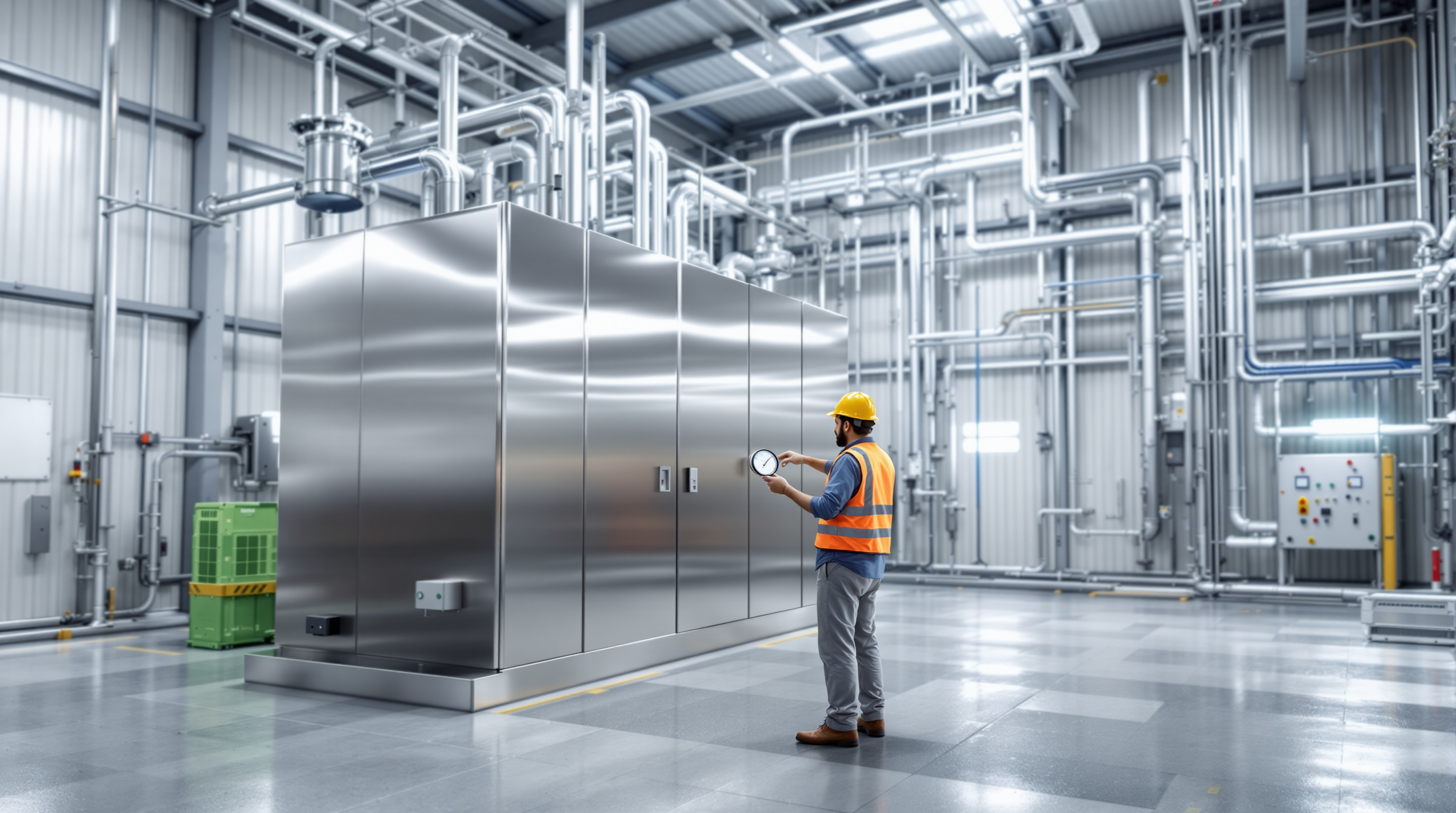
Ozonation in STPs: Ozone Disinfection, Colour and Odour Removal Explained
How ozone works as a tertiary treatment step in advanced sewage treatment plants, how it compares with chlorine and UV, where it earns its place, and where it does not — written for engineers and informed building owners.
Most sewage treatment plants finish the job the same way: after the microbes have eaten the pollution and the filters have polished the water, one last step kills whatever bacteria and viruses remain. For decades that final step in India has meant a dose of chlorine. But as buildings ask their treated water to do more — to be reused indoors, to look and smell clean, to meet tightening discharge norms — a more powerful option has moved from industrial plants into premium STPs: ozonation.
Ozonation is the use of ozone gas (O₃) to disinfect treated sewage and, almost as importantly, to strip out the faint yellow-brown colour and lingering odour that survive biological treatment. It is one of the strongest disinfectants and oxidants available to a plant designer. It is also the most misunderstood — routinely oversold as a cure-all and routinely under-appreciated for the two things it does uniquely well.
Ozone is the most aggressive disinfectant a sewage plant can practically use — it destroys pathogens in seconds and leaves no chemical residue behind. Its weakness is the flip side of its strength: it is powerful, energy-hungry, and gone the moment you stop making it.
This guide sits in the tertiary, or polishing, stage of treatment. If you are still building the picture of how sewage becomes reusable water, start with what an STP is and the sewage treatment process flow, then come back here for the disinfection detail.
What ozone is and why it is so reactive
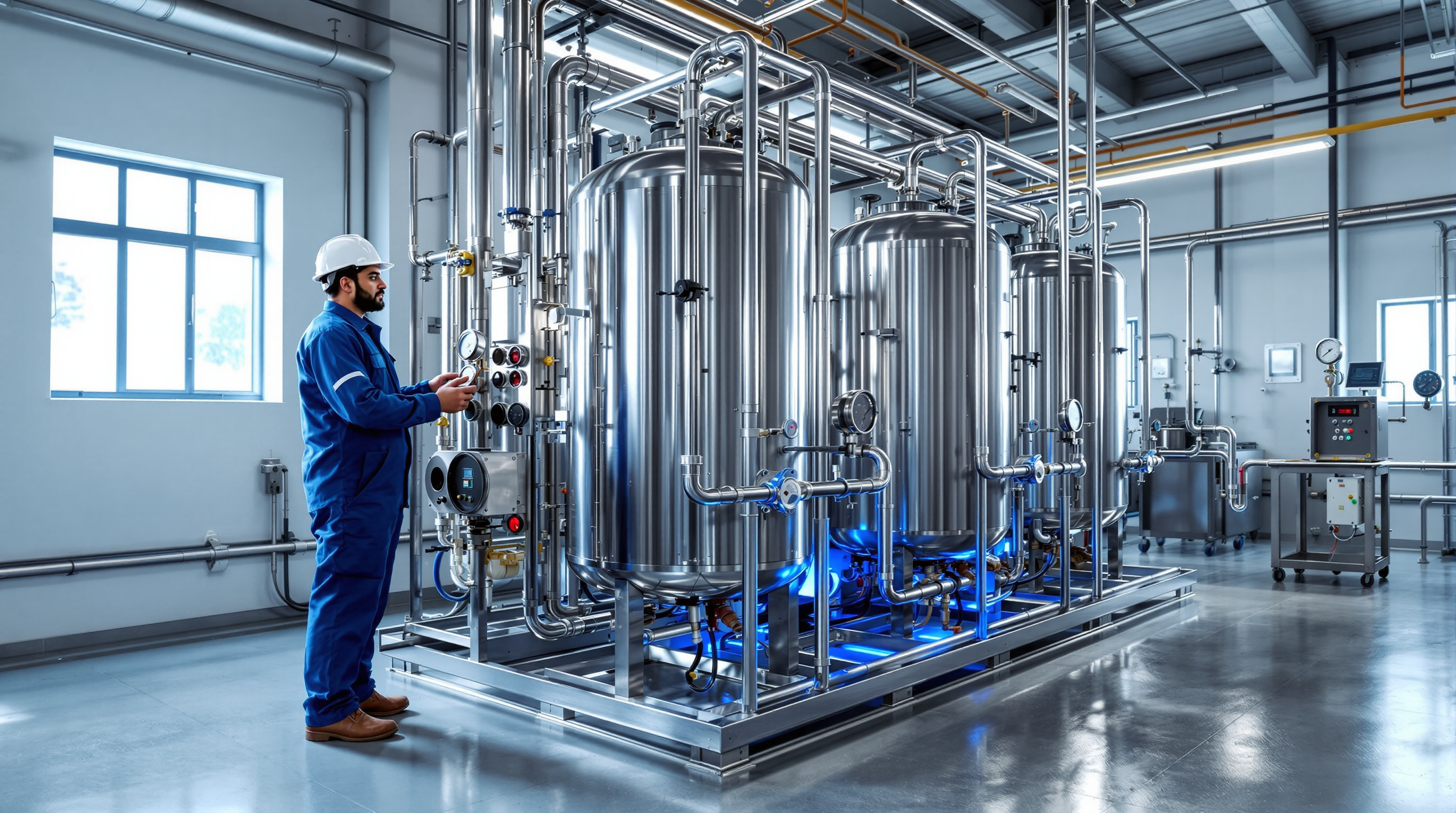
Ordinary oxygen is O₂ — two atoms. Ozone is O₃, three oxygen atoms held together in an unstable arrangement that is desperate to shed the third. That spare atom is a ferociously strong oxidiser: it rips apart the cell walls of bacteria, inactivates viruses, and breaks the chemical bonds in the coloured and smelly molecules that give treated sewage its tint and odour.
Crucially, ozone cannot be bought, bottled or stored. It decays back to plain oxygen within minutes. Every STP that uses ozone must therefore make it on site, on demand, from either dried air or bottled oxygen, using an ozone generator — a device that passes the gas through a high-voltage electrical discharge (the same physics that creates the sharp smell after a thunderstorm). This single fact shapes everything about how ozonation is designed, costed and operated.
How ozonation works in an STP
Ozonation is a bolt-on to the end of the treatment train, downstream of the clarifier and the tertiary filters. A typical arrangement runs like this:
- Ozone generation. Dried air or pure oxygen feeds the generator, which produces an ozone-rich gas stream continuously.
- Contact and mixing. The ozone gas is injected into the treated water — usually through fine diffusers at the base of a deep ozone contact tank, or through a venturi injector — so the bubbles have time and depth to dissolve and react.
- Reaction time. The water is held for a few minutes of contact so the ozone can find and destroy pathogens, colour and odour compounds.
- Off-gas destruction. Because ozone is toxic to breathe, any un-dissolved gas leaving the top of the tank passes through a thermal or catalytic ozone destructor that converts it back to oxygen before it reaches the plant room air.
What comes out is water that is not only disinfected but visibly clearer and odour-free — and, unlike chlorinated water, carries no disinfectant residue and no chemical by-product taste.
The three jobs ozone does — and does well
1. Disinfection. Ozone is a faster, more complete germ-killer than chlorine, and it destroys chlorine-resistant organisms that matter in high-reuse settings.
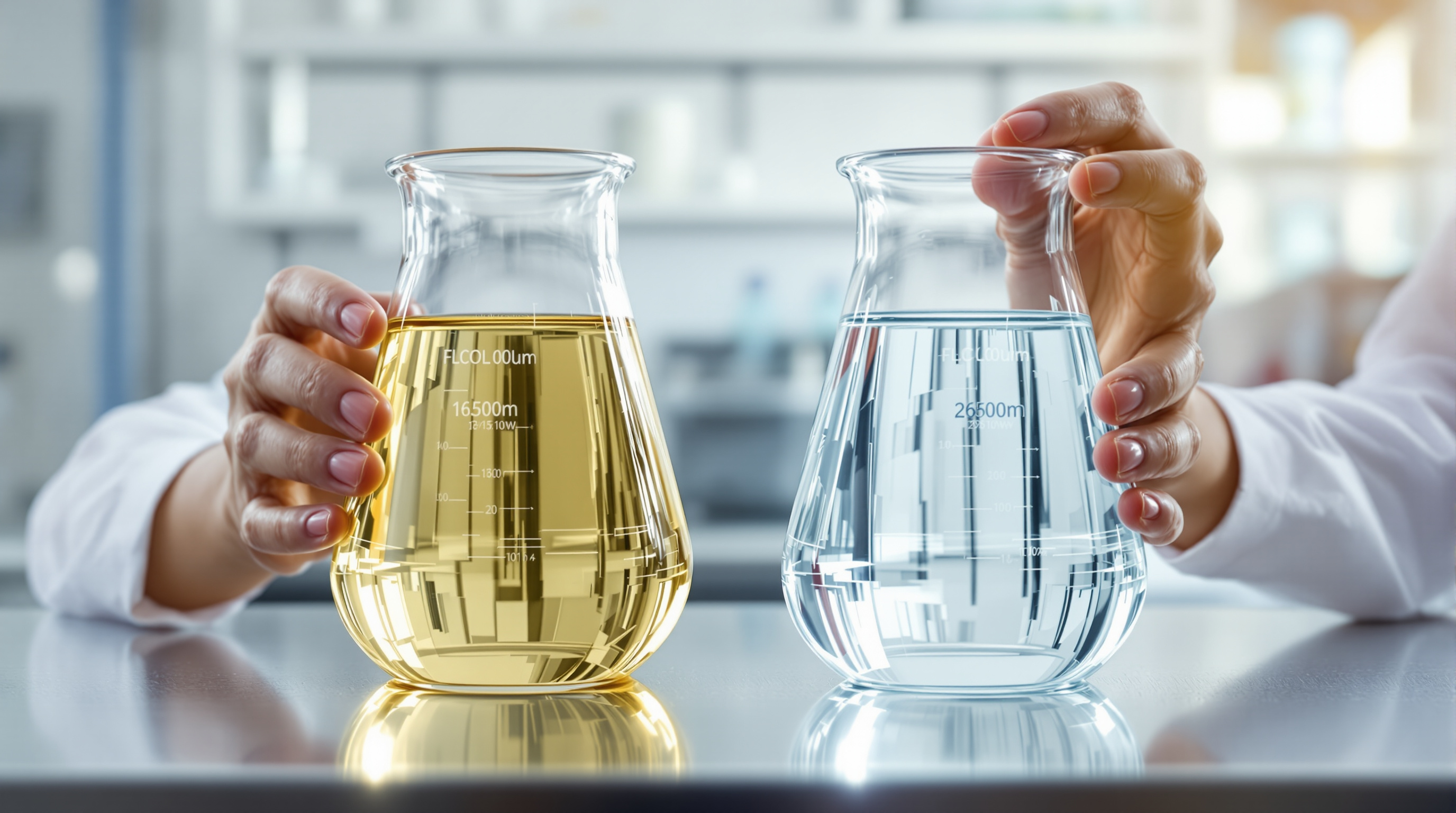
2. Colour removal (decolourisation). Biological treatment leaves a pale yellow-brown tint from dissolved organics that filters cannot catch. Ozone oxidises those molecules and the water turns genuinely clear — the single biggest reason premium residential and hospitality projects specify it, because residents judge reuse water with their eyes.
3. Odour removal. The same oxidising power breaks down the sulphur and organic compounds behind the musty smell of treated effluent, which is why ozone also appears in dedicated STP odour control schemes.
A secondary benefit: at higher doses ozone drives an advanced oxidation process that can attack traces of pharmaceuticals and stubborn organics ordinary treatment ignores — relevant for hospital STPs.
Ozone vs chlorine vs UV
Disinfection in an Indian STP almost always comes down to these three. None is universally best; each trades cost against capability.
| Factor | Ozonation | Chlorination | UV disinfection |
|---|---|---|---|
| Disinfection power | Strongest; kills chlorine-resistant organisms | Reliable, proven, moderate | Strong on bacteria/viruses; needs clear water |
| Residual protection | None — decays in minutes | Yes — protects water in storage/pipes | None |
| Colour removal | Excellent | Poor | None |
| Odour removal | Excellent | Limited | None |
| Harmful by-products | Minimal (some bromate risk) | Yes — chlorinated by-products, taste | None |
| Energy use | High (on-site generation) | Low | Moderate |
| Capital cost | High | Low | Moderate |
| O&M complexity | High — needs skilled operation | Low | Low–moderate |
The practical reading: chlorine remains the default where a residual is needed — treated water that will sit in a tank before flushing benefits from chlorine's lingering protection against re-growth. UV is the clean, simple, chemical-free choice for straightforward disinfection of already-clear water. Ozone wins when colour and odour must go, when the highest disinfection standard is required, or when the water is destined for demanding reuse. Many advanced plants even pair technologies — ozone or UV to disinfect, a small chlorine dose to hold a residual in the storage tank.
Where ozonation genuinely fits
Ozonation is not a default. It earns its place in specific situations:
- High-end residential and hospitality projects where crystal-clear, odour-free reuse water is a visible amenity, not just a compliance number.
- Hospitals and pharmaceutical facilities needing the strongest disinfection and some breakdown of micro-pollutants.
- Water-reuse-intensive buildings where treated water feeds cooling towers, water features or indoor use and appearance matters.
- As a pre-step to RO integration or UF membranes, where reducing organics and colour upstream protects the membranes.
- Colour-heavy effluent that biological treatment alone cannot clear.
For most ordinary apartment STPs built around ASP, MBBR or SBR processes, the cost and complexity of ozone are hard to justify against a simple UV or chlorine finish.
The honest pros and cons
Advantages
- The most powerful disinfectant available; destroys chlorine-resistant pathogens.
- Removes colour and odour that no other disinfection step touches.
- Leaves no chemical residue and no taste-and-odour by-products of its own.
- Decomposes to plain oxygen — nothing hazardous is added to the water.
Disadvantages
- High energy demand — making ozone on site is power-hungry, and electricity is the largest running cost of any STP. Weigh it against your plant's overall consumption using the energy benchmark calculator.
- High capital cost and a more complex plant room (generator, contact tank, off-gas destructor).
- No residual protection — re-growth is possible in storage, so a small chlorine dose is often still needed downstream.
- Skilled operation required — ozone is toxic to breathe and demands proper contacting, off-gas destruction and trained operators. This is not a fit-and-forget system.
- A minor risk of bromate formation if the source water carries bromide.
The bottom line
Ozonation is a specialist's tool, not a standard fitting. Where a building needs treated water that is not merely safe but visibly clear and genuinely odour-free — premium homes, hotels, hospitals, high-reuse plants — ozone does a job chlorine and UV simply cannot. Where the only requirement is reliable disinfection at low cost, it is overkill. Choose it deliberately, size it honestly, and budget for the power and the skilled operation it demands.
To place ozonation in the wider disinfection picture, compare it alongside the chlorination and UV disinfection guides, and browse the full Sewage Treatment Plants library for the biological stages that come before it.
Export this guide
Related Guides — Deep-dive reading
Pharmaceutical Wastewater Treatment: Why It Needs an ETP, Not an STP
Pharma effluent carries high COD, toxic and refractory compounds, swinging pH and traces of active drug ingredients — a load that overwhelms a domestic STP. Here is what makes it so hard to treat, and the ETP train engineers build to handle it in India.
Sewage Treatment PlantsChlorination System in an STP: Disinfection Explained
The final disinfection step that kills the pathogens biology and filtration leave behind — how chlorine dosing, contact time and residual work together to make treated sewage safe to reuse or discharge, explained for owners and operators alike.
Sewage Treatment PlantsHow Does an STP Work? A Step-by-Step Explanation
Follow a single drop of sewage from the building drain to reusable water — through screening, settling, the living microbial heart of the plant, and final polishing — with every stage explained in plain language and no engineering background assumed.
Sewage Treatment PlantsRelated Tools — Try Free
STP Electricity Consumption Calculator
Estimate a sewage treatment plant's daily power use and its monthly and annual electricity running cost from capacity, specific energy and tariff.
STP CalculatorApartment Video Door System Planner
Enter flats, entrances, floors and guard desk for a first-pass building intercom plan — door stations, indoor monitors, guard station, the right architecture and an indicative cost band.
Building PlannerChlorine Dose Calculator
Compute chlorine demand for water and sewage disinfection from daily flow and dose, returning chlorine consumption in kg/day and kg/month.
STP Calculator