
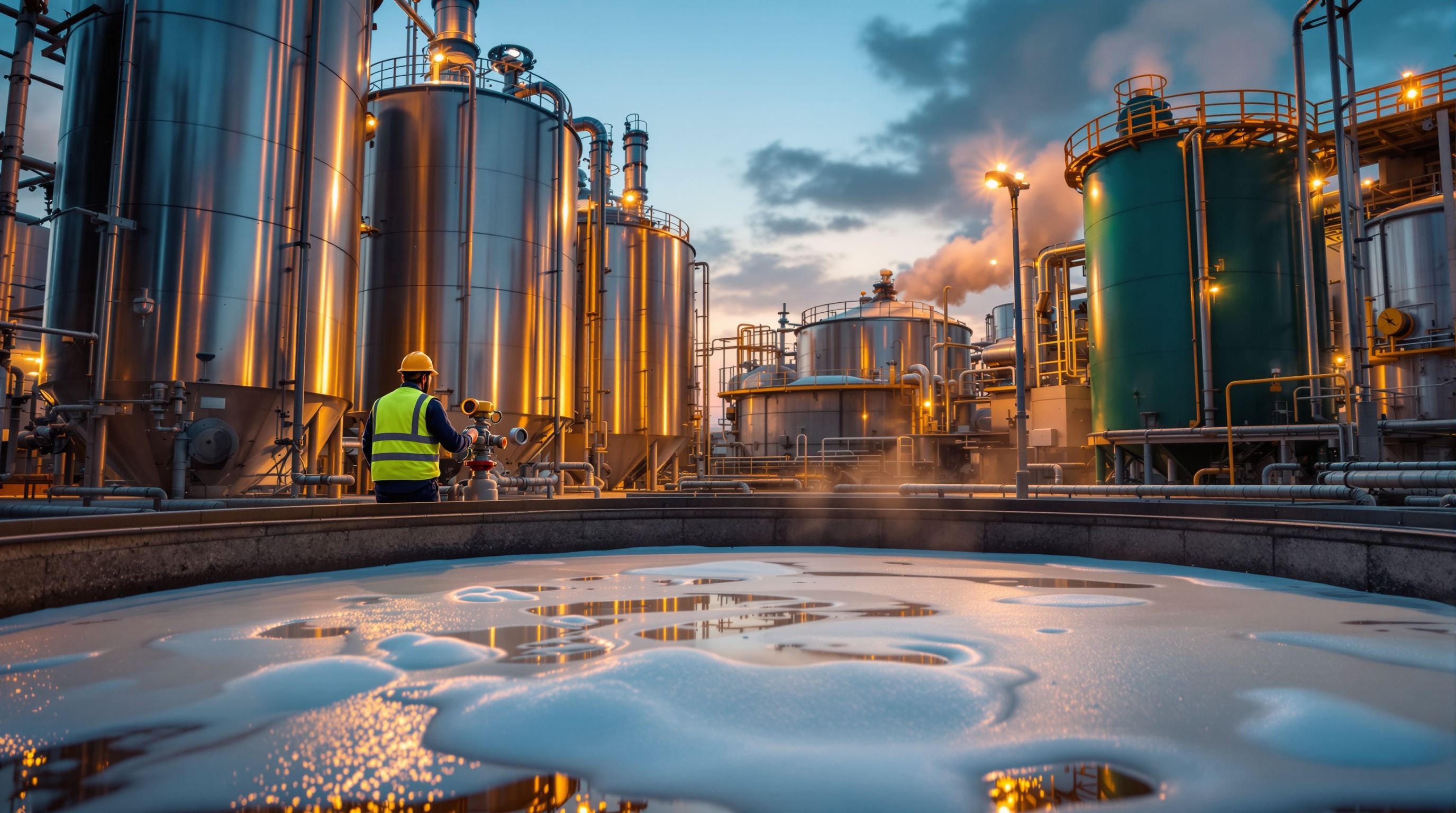
Brewery & Distillery Wastewater Treatment: COD, Spent Wash, Biogas & ZLD
Why brewery and distillery effluent is among the strongest wastewater in India, and how anaerobic digestion, biogas recovery, aerobic polishing and zero liquid discharge tame extreme COD, acidic pH and distillery spent wash.
Making beer, malt spirit or country liquor is, from a water engineer's point of view, an exercise in producing enormous quantities of sugar-rich, acidic, high-strength wastewater. Every litre of product leaves behind several litres of effluent — and that effluent is not ordinary sewage. It is loaded with dissolved organics from grain, yeast, sugars and alcohol, it arrives warm and acidic, and in the case of a distillery it includes spent wash, one of the most polluting industrial streams generated anywhere in the country.
Treating it needs a fundamentally different plant from the compact aerobic units that clean domestic sewage. This guide walks through why brewery and distillery effluent is so hard, and the treatment train — anaerobic digestion with biogas recovery, aerobic polishing, and often zero liquid discharge — that Indian regulators now expect.
A brewery's effluent can be ten to twenty times stronger than domestic sewage; a distillery's spent wash can be a hundred times stronger. You do not "aerate your way" out of that — you have to digest it first.
Why this is an ETP job, not an STP job
The wastewater from an apartment block is domestic sewage, and a sewage treatment plant handles it comfortably. Brewery and distillery effluent is industrial, and the correct term for the plant that treats it is an Effluent Treatment Plant (ETP). The distinction is not pedantic — if you are unsure which your project needs, the guide on STPs vs ETPs is the place to settle it. The short version: an STP is tuned for a narrow, predictable band of BOD, COD and pH; brewery effluent sits far outside that band and would simply overwhelm and sour a domestic biological process.
What makes brewery and distillery effluent so hard
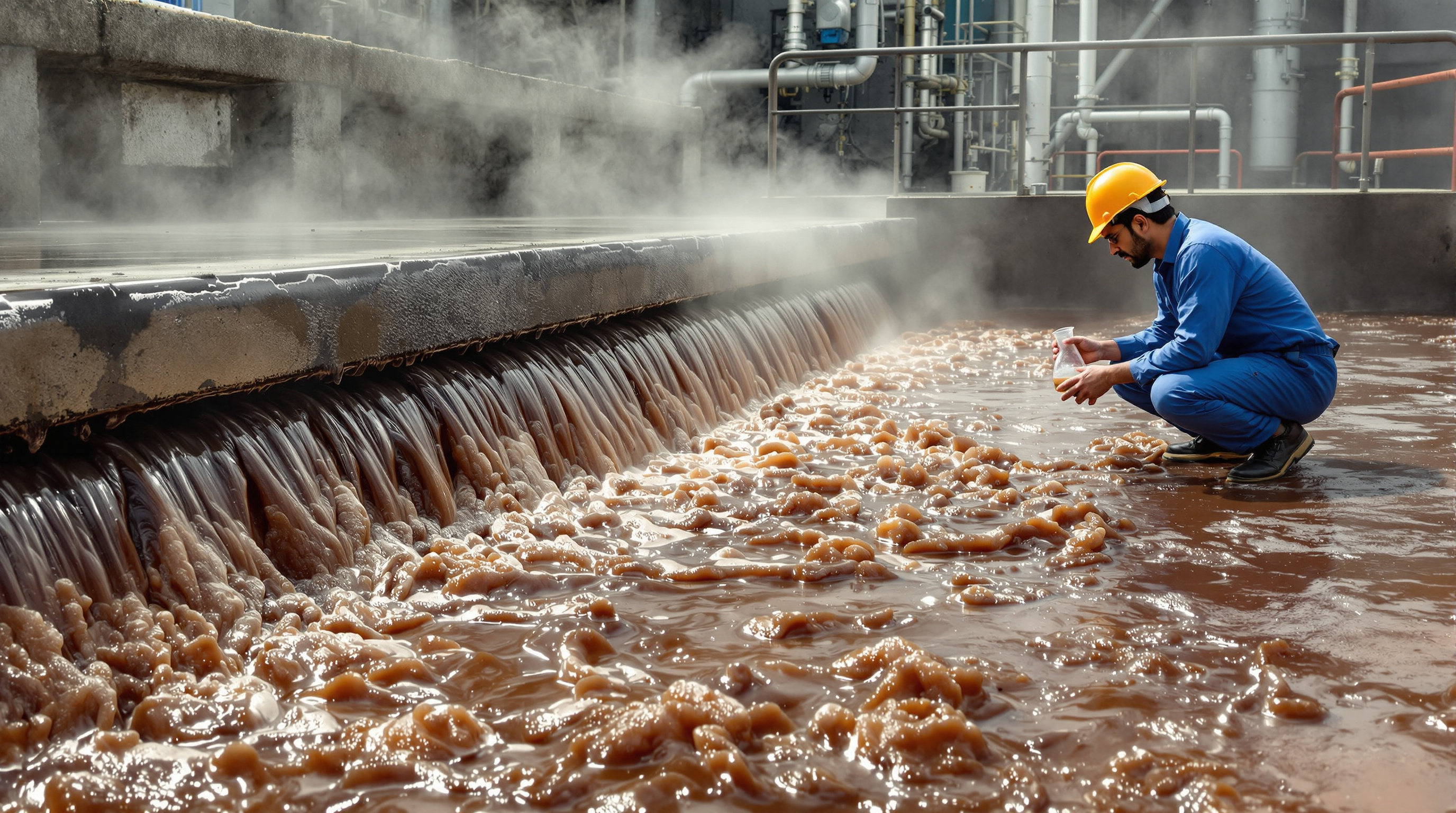
Three characteristics define these waste streams, and each one drives a design decision. If you want a refresher on the underlying parameters, see wastewater characteristics: BOD, COD, TSS and pH.
- Extreme organic strength (COD/BOD). The effluent is essentially dissolved food. Brewhouse washings, fermenter and tank cleaning, spent yeast and bottling-line rinse all carry high sugar and alcohol loads. Distillery spent wash is in a class of its own.
- Low, swinging pH. Fermentation, CO₂ and CIP (clean-in-place) chemicals leave the effluent acidic — often pH 4 to 6 — with sharp swings between caustic and acid wash cycles.
- High temperature, colour and TDS. Streams arrive warm; spent wash is dark brown with melanoidins that resist normal treatment, and distillery effluent carries very high dissolved solids that make discharge almost impossible without evaporation.
Here is how the strength compares, in round directional numbers, to ordinary domestic sewage:
| Stream | COD (mg/L) | BOD (mg/L) | pH | Note |
|---|---|---|---|---|
| Domestic sewage | 250–800 | 150–350 | 6.5–8 | The STP baseline |
| Brewery combined effluent | 2,000–6,000 | 1,200–3,600 | 4–6 | Variable, shock-prone |
| Distillery spent wash (raw) | 80,000–130,000 | 40,000–60,000 | 3.5–4.5 | Among the strongest of all |
Treat those numbers as orders of magnitude, not gospel — actual loads swing with product mix, water efficiency and whether streams are segregated. The takeaway is simple: this is a very large organic load to destroy, and the tool that does it economically is anaerobic biology, not air.
The treatment train, stage by stage
Stage 1 — Segregation, screening and equalisation
Good ETPs start upstream by keeping strong and weak streams apart. Concentrated spent wash and spent lees are collected separately from dilute floor and bottling washings, because it is far cheaper to digest a small strong stream than a huge diluted one. Screens catch grain, labels and caps; an equalisation tank then buffers the surges — a batch fermenter dump or a CIP cycle can otherwise shock the biology downstream. Sizing this buffer well is a real design lever; the hydraulic retention time calculator helps you reason about how many hours of holding you actually need.
Stage 2 — Neutralisation and cooling
Because the effluent is acidic and warm, it is neutralised (typically with lime or caustic) to bring pH toward neutral, and cooled if necessary, so that the microbes in the next stage — which are fussy about both — can survive. This is unglamorous but decisive: a pH excursion is the single most common cause of an anaerobic reactor "going sour".
Stage 3 — Anaerobic digestion (the workhorse, and the biogas)
This is where brewery and distillery ETPs earn their keep. In a sealed, oxygen-free reactor, a consortium of anaerobic bacteria converts the dissolved organics into biogas — roughly 55–65% methane — which is captured and burned to raise steam or generate power. Two things make this the heart of the plant:
- It removes the bulk of the COD cheaply. A well-run anaerobic stage can knock down 80–90% of the incoming COD without the huge electricity bill that aerating such a load would demand.
- It turns a cost into an asset. The methane offsets boiler fuel — for many distilleries the biogas is a genuine revenue line, not a by-product.
The common reactor choices are the UASB (Upflow Anaerobic Sludge Blanket) for brewery-strength effluent — covered in depth in the UASB guide — and, for the far stronger distillery spent wash, high-rate biomethanation digesters designed for that punishing load. To sanity-check the loading on any anaerobic reactor, the organic loading rate calculator converts flow and COD into the kg-COD-per-m³-per-day figure the design lives or dies by.
Stage 4 — Aerobic polishing
Anaerobic treatment gets you most of the way, but the effluent leaving a digester still carries a few thousand mg/L of residual COD — too high to discharge. So it passes into a conventional aerobic stage, where oxygen-breathing microbes finish the job. This is familiar STP territory: an activated sludge process, an MBBR, or an SBR tank does the polishing, followed by a clarifier to settle the biomass. For breweries whose treated water is reused on site, an MBR can push quality even higher. The aeration here is the big power consumer of the plant, which is precisely why the anaerobic stage upstream is worth every rupee — it means far less COD reaches the blowers.
Stage 5 — Tertiary treatment and, for distilleries, ZLD
After the aerobic stage, tertiary steps — sand and carbon filtration, sometimes ozonation to strip the stubborn brown melanoidin colour of distillery effluent — bring the water to reuse or discharge quality. But for distilleries the story usually does not end at discharge. Because spent wash is so concentrated in dissolved solids, most Indian distilleries operate under a zero liquid discharge mandate: the residual stream is concentrated in multiple-effect evaporators and dried or incinerated so that no liquid effluent leaves the site. The dedicated zero liquid discharge (ZLD) guide explains the evaporator-and-crystalliser train that makes this possible, and why it is energy-intensive.
The Indian regulatory backdrop
Distilleries sit in the most tightly regulated category of Indian industry. The Central and State Pollution Control Boards have, for years, pushed the sector toward zero liquid discharge precisely because spent wash caused so much damage to rivers and groundwater when it was dumped. Breweries face strict discharge limits on BOD, COD, TSS and pH, and — where treated water is discharged rather than fully reused — must meet the norms consistently, with online monitoring at larger units. Treat the specific numbers as something to confirm with your SPCB and consent conditions for the state and category you fall in; do not design to a figure from a guide. The direction of travel, though, is unambiguous: recover, reuse, and for distilleries, discharge nothing.
Sludge, biogas and the by-product economy
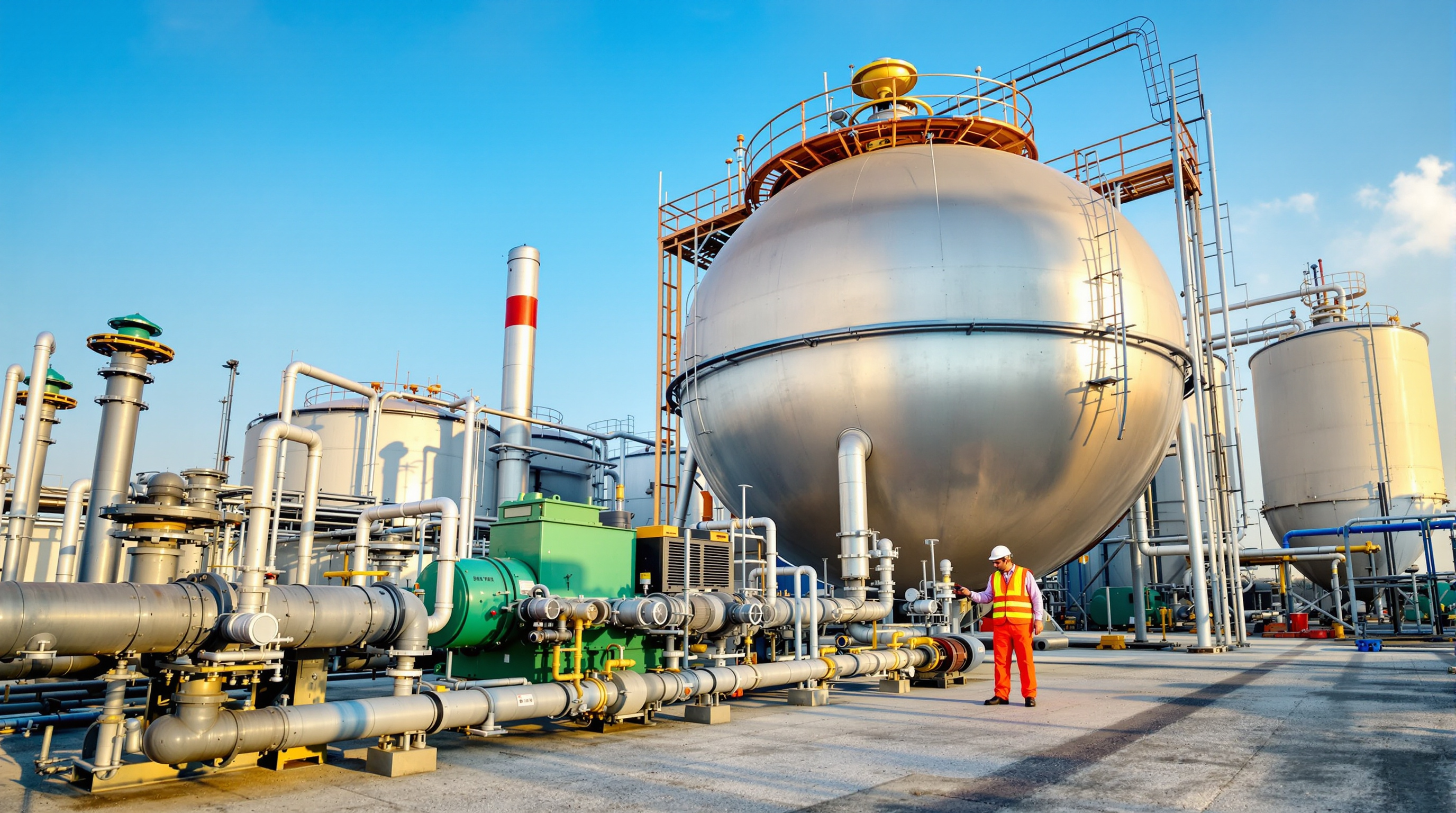
Two by-products deserve a plant of their own attention:
- Biogas — captured from the anaerobic stage and used for steam or power, often the difference between an ETP that bleeds money and one that nearly pays for itself.
- Sludge — the settled biomass from the aerobic stage, which must be thickened, dewatered and disposed of; the sludge generation calculator gives an early estimate of how much you will be handling.
Anaerobic digestion also produces far less sludge per kg of COD removed than a purely aerobic plant would — another quiet argument for putting the digester first.
The bottom line
Brewery and distillery wastewater treatment is a story of matching the tool to the load. The effluent is too strong, too acidic and — for distilleries — too saline for a domestic-style aerobic plant, so the design inverts the usual order: buffer and neutralise, digest anaerobically to destroy the bulk of the COD while harvesting biogas, then polish aerobically and, where the law demands, evaporate to zero liquid discharge. Get the segregation and pH control right at the front, size the anaerobic stage honestly against its organic load, and the plant turns one of India's most punishing waste streams into reusable water, usable gas, and a clean compliance record.
To go deeper on the individual processes, browse the Sewage Treatment Plants guide library; to sanity-check loads and retention times on your own numbers, the organic loading and HRT calculators are the fastest way in.
Export this guide
Related Guides — Deep-dive reading
Zero Liquid Discharge (ZLD): When No Water Leaves the Site
What zero liquid discharge actually means, the biological-plus-RO-plus-evaporator train that recovers nearly all the water and leaves only dry solids, why it is expensive and energy-hungry, when it is mandated, and the lighter near-ZLD options that make sense for most buildings.
Sewage Treatment PlantsDairy Industry Wastewater Treatment: ETP Design, UASB Biogas & Reuse Guide
Why milk processing produces some of the most oxygen-hungry effluent in the food sector, and how a DAF + UASB + aerobic treatment train tames its BOD, COD and fats — with biogas recovery and water reuse built in.
Sewage Treatment PlantsUpflow Anaerobic Sludge Blanket (UASB): Anaerobic Sewage Treatment Explained
The no-oxygen reactor where sewage flows up through a blanket of granular sludge, destroying pollution while producing biogas and using almost no energy — how the sludge blanket and gas-solid separator work, why Indian municipal STPs favour it, and why it always needs an aerobic polishing step.
Sewage Treatment PlantsRelated Tools — Try Free
Hydraulic Retention Time (HRT) Calculator
Compute a reactor or tank's hydraulic retention time from its volume and daily flow, and benchmark it against recommended ASP, MBBR and SBR ranges.
STP CalculatorSTP Technology Comparison Matrix
Compare Extended Aeration, MBBR, SBR, MBR and UASB across six criteria, set your priority, and see the best-fit STP technology instantly.
ComparatorIndustrial Wastewater Treatment Planner
Pick your dominant industrial wastewater and daily flow to see whether you need an STP or ETP, a 1–5 treatment complexity rating, and how rough capex scales.
Planner