
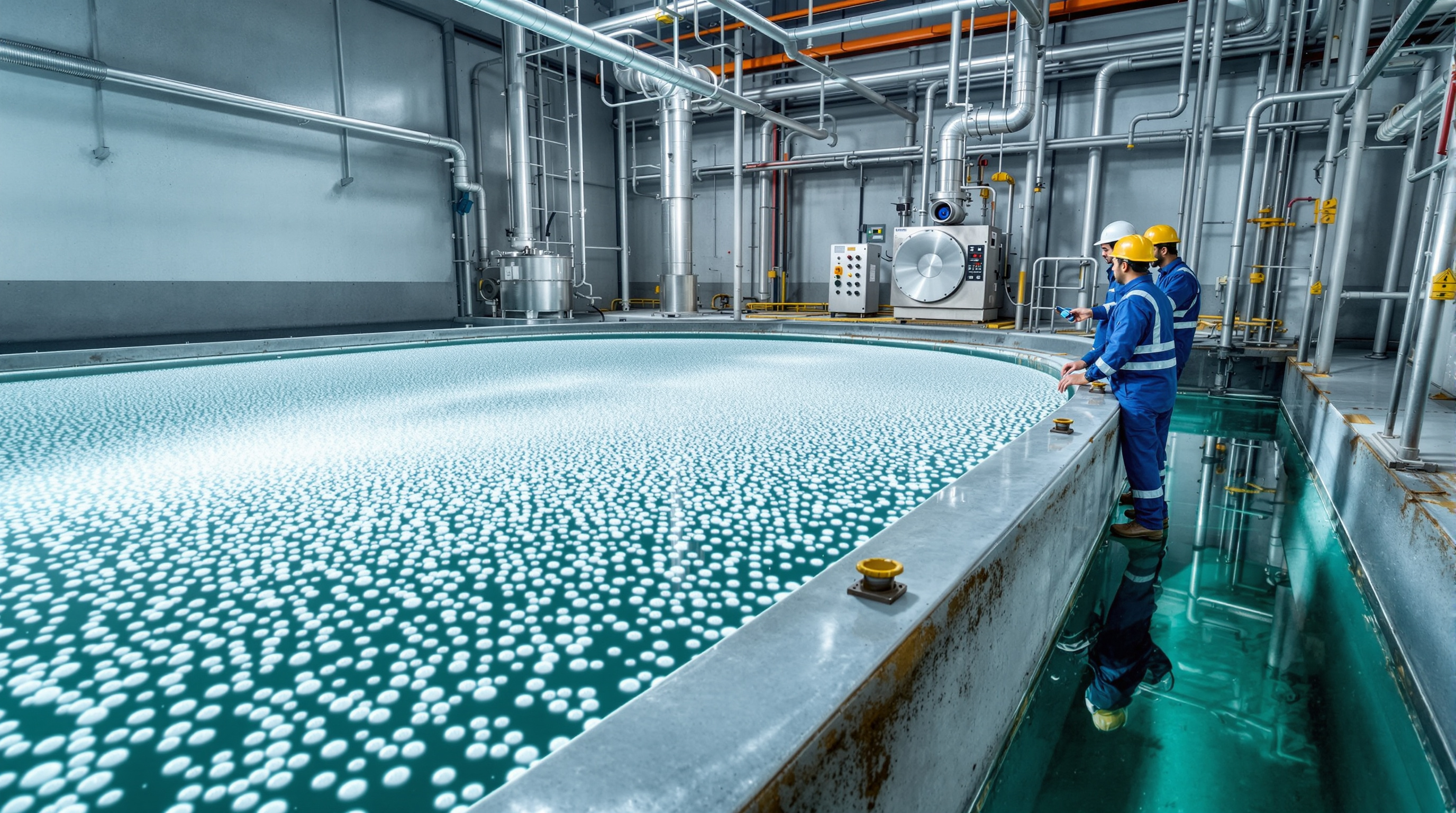
Energy-Efficient STP Design: How to Build a Plant That Sips Power
Aeration eats 50-70% of an STP's electricity bill. This guide shows how right-sized blowers, fine-bubble diffusers, DO control with VFDs, gravity flow and the right technology cut running cost for the life of the plant.
An STP runs 24 hours a day, 365 days a year, for the twenty-year life of a building. Its capital cost is paid once; its electricity bill is paid every single month, forever. For a mid-sized apartment complex that bill can run into lakhs of rupees a year — and the uncomfortable truth is that most of it is avoidable. A plant designed to sip power and one designed carelessly can differ in running cost by 40% or more, treating exactly the same sewage to exactly the same standard.
Energy efficiency in an STP is not a gadget you bolt on afterwards. It is a set of decisions made on the drawing board — about how you move air, how you move water, and which technology you choose. This guide walks through where the power actually goes and how to design each of those choices so the plant costs as little as possible to run.
The single most expensive thing an STP does is push air into water. Get aeration right and you have won most of the energy battle before you touch anything else.
Where the energy actually goes
Before optimising anything, you have to know what you are optimising. In a conventional aerobic STP, the electricity bill breaks down roughly like this:
| System | Share of total energy | Why it draws power |
|---|---|---|
| Aeration (blowers) | 50–70% | Forcing oxygen into the aeration tank for the microbes, continuously |
| Pumping | 10–20% | Lifting raw sewage, transfer between tanks, treated-water and filter-feed pumps |
| Sludge handling | 5–10% | Recirculation, thickening, dewatering |
| Tertiary + misc. | 5–15% | Filter feed, disinfection, dosing, lighting, controls |
The lesson is blunt: aeration is the game. A rupee saved on blower energy is worth three or four saved anywhere else. Every serious efficiency strategy starts there.
A useful yardstick is specific energy consumption — kWh consumed per kilolitre (KL) of sewage treated. A well-designed conventional plant lands around 0.4–0.7 kWh/KL; a poorly configured one can exceed 1.0. You can benchmark your own plant against typical Indian numbers with the energy benchmark calculator before deciding what to fix.
Right-size the aeration — don't over-design
The most common and most expensive mistake in Indian STP design is oversizing the blowers. Consultants pad the air demand "to be safe," and the plant then runs oversized motors at low load for two decades. Oversized aeration wastes power in two ways: the motor draws more than the biology needs, and the excess oxygen does no useful work.
Good aeration design starts from the actual oxygen demand — the BOD load the plant must remove plus the oxygen needed for nitrification — not from a rule-of-thumb multiple of tank volume. Key moves:
- Size blowers to the real oxygen demand, calculated from design BOD load, then add a sensible (not lavish) margin.
- Install multiple smaller blowers instead of one big one, so you can stage them up and down with the load through the day rather than running a single oversized unit at part-load.
- Match diffuser layout to tank geometry so air is distributed evenly and none of it short-circuits straight to the surface.
Getting the load right depends on getting the plant size right in the first place — see how to size an STP and the STP capacity calculator.
Fine-bubble diffusers: the highest-value upgrade
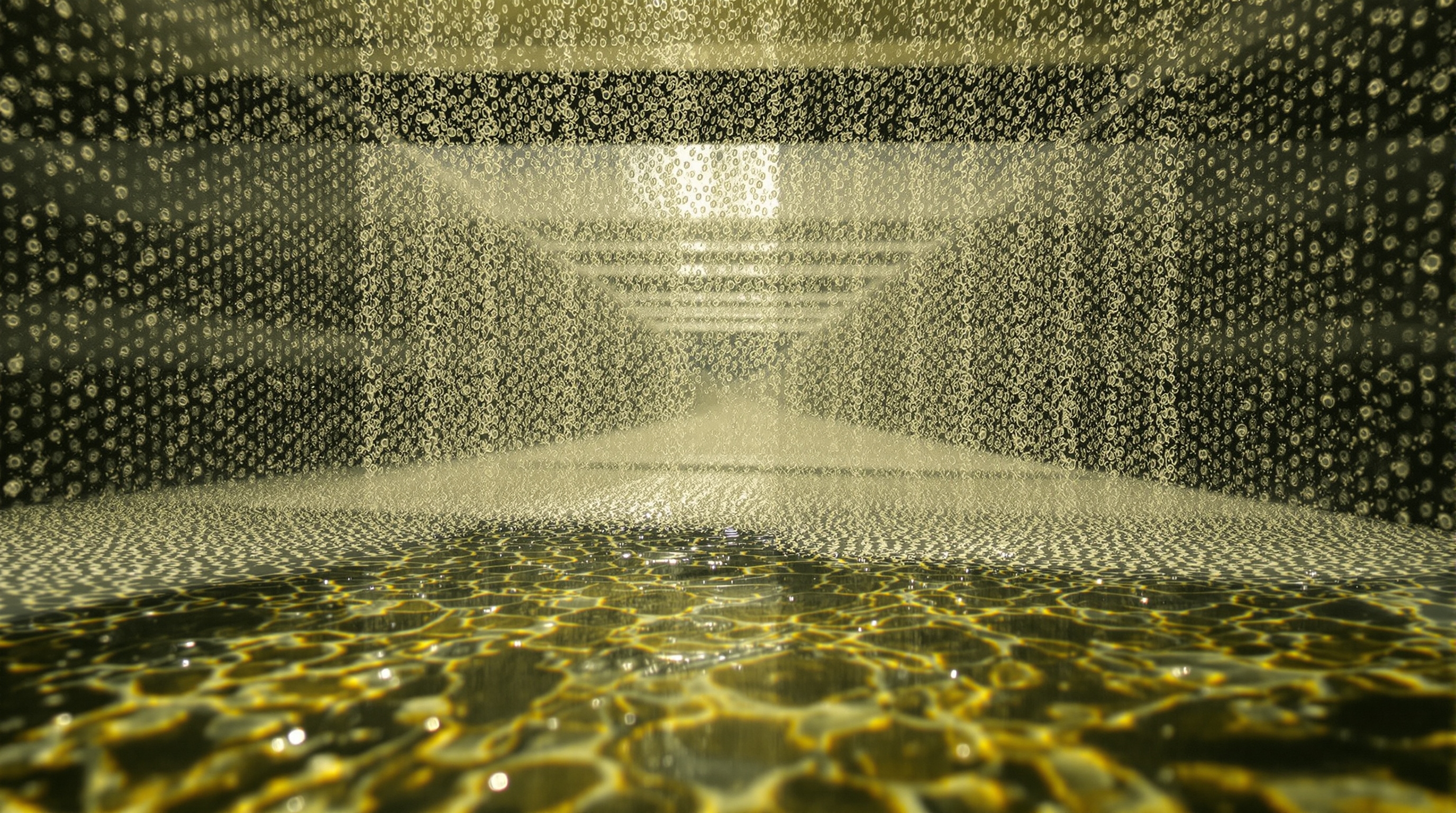
How you deliver air matters as much as how much you deliver. The physics is simple: smaller bubbles have far more surface area per unit of air, so oxygen transfers into the water far more efficiently before the bubble reaches the surface and escapes.
- Coarse-bubble diffusers (and surface aerators) are cheap and hard to clog, but their oxygen-transfer efficiency is low — a lot of the air you paid to compress simply bubbles away unused.
- Fine-bubble membrane diffusers transfer two to three times more oxygen per unit of energy. They cost more and the membranes need periodic cleaning or replacement, but on the aeration line — which is 50–70% of the bill — that efficiency gain pays back fast.
For any new energy-conscious plant, fine-bubble membrane diffusers laid across the tank floor are close to mandatory. It is the highest-return decision in the whole aeration system.
DO control and VFDs: aerate to demand, not to the clock
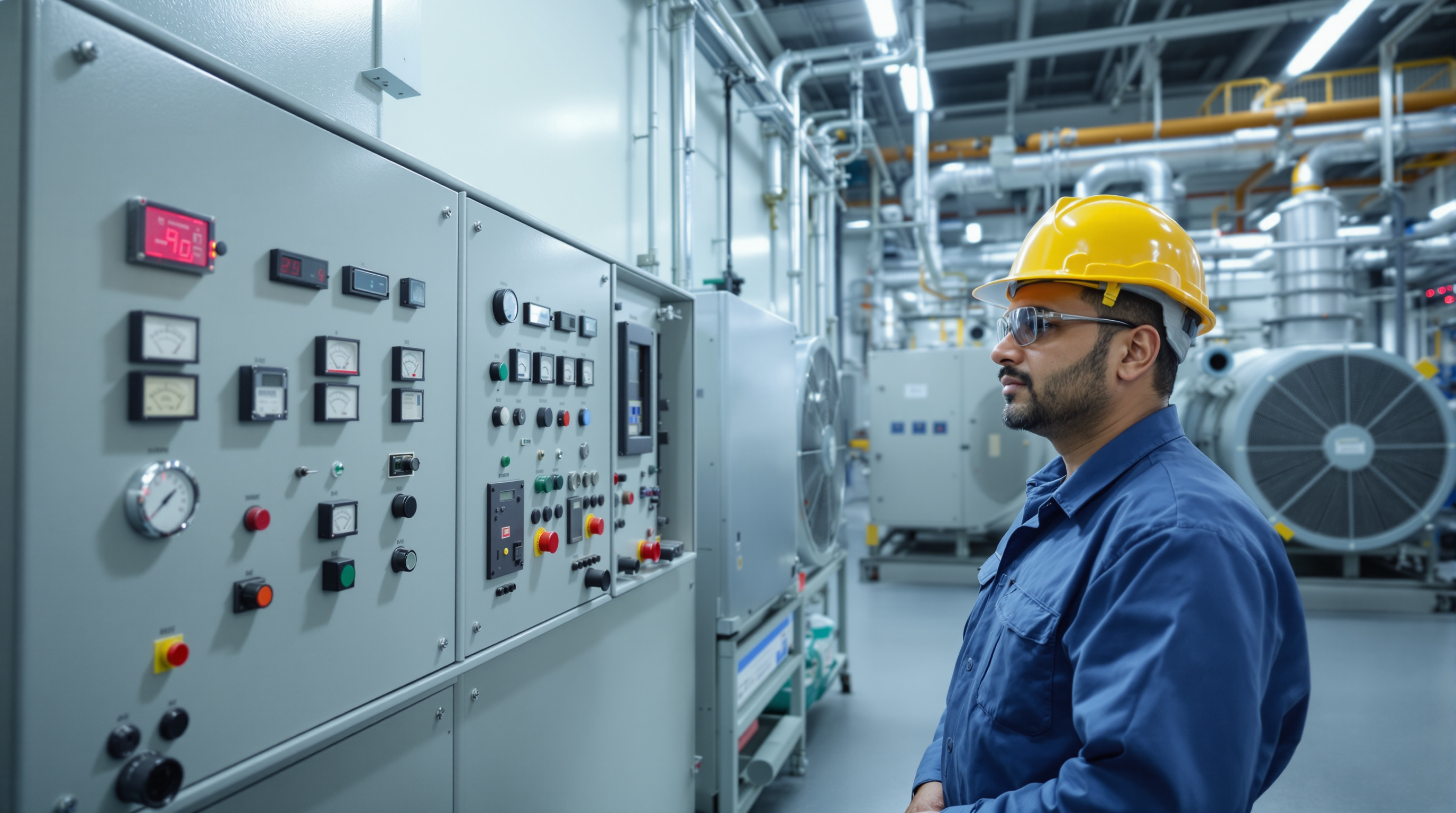
Even a right-sized, fine-bubble system wastes energy if it runs flat out around the clock, because sewage load is not constant. Flow and strength peak in the morning and evening and fall away at night — yet a fixed-speed blower pumps the same air at 3 a.m. as it does at 8 a.m.
The fix is to let the biology tell the blower what it needs:
- Dissolved oxygen (DO) probes in the aeration tank continuously measure oxygen. Healthy treatment needs only about 1.5–2.5 mg/L; anything above that is wasted air.
- Variable frequency drives (VFDs) on the blower motors then throttle the air to hold DO in that band, slowing the blowers at night and through low-load hours.
Because blower power rises steeply with speed, even modest slowdowns during off-peak hours yield large savings — this DO-plus-VFD loop is often the biggest single energy win available on an existing plant. The instrumentation behind it is covered in STP pumps and instrumentation.
Design for gravity — stop lifting water twice
Pumping is the second-largest energy consumer, and much of it is self-inflicted. Every time water has to be lifted, a motor burns power; a hydraulic layout that lets water fall through the treatment train under gravity eliminates whole pump sets.
- Cascade the tanks so treated flow moves stage to stage by gravity rather than being re-pumped each time.
- Lift once, high. Where a lift is unavoidable, do it once at the inlet and let gravity carry the water through the rest of the plant.
- Right-size pumps and pipes. Oversized pumps throttled by valves waste energy; undersized pipes add friction head the pump must overcome. Match both to the design flow — see STP pipe sizing.
- Mind the site. How the plant sits in the ground shapes how much lifting you do — a factor to weigh in underground vs above-ground STPs.
Technology choice sets the ceiling
No amount of tuning can rescue an inherently power-hungry process. The technology you pick sets the ceiling on how efficient the plant can ever be. Broadly:
- MBR (membrane bioreactor) gives the best effluent quality and the smallest footprint — but membrane scouring and permeate pumping make it the most energy-intensive mainstream option.
- Conventional ASP and extended aeration are proven and robust but aeration-heavy; efficiency depends entirely on getting blowers, diffusers and DO control right.
- MBBR (moving bed biofilm reactor) sits in the middle — compact and reasonably efficient when aeration is well managed.
- SBR (sequential batch reactor) allows fine cycle control that can save energy, if programmed well.
- Anaerobic and natural systems — UASB and constructed wetlands — use little or no aeration energy and can even generate biogas, though they need land and suit specific contexts.
The right answer depends on your effluent target, footprint and reuse plans. The STP technology selector helps weigh these trade-offs against your site.
Designing it in from day one
Energy efficiency compounds. Each decision — right-sized blowers, fine-bubble diffusers, DO-controlled VFDs, a gravity-first hydraulic layout, the appropriate technology — saves a slice, and together they can halve the lifetime power bill of the plant. Crucially, almost all of it must be designed in at the start: retrofitting fine-bubble diffusers or reworking a hydraulic profile after commissioning is far costlier than getting it right on paper.
Start from the load, respect the biology, move air and water as little as you can, and pick a technology whose ceiling matches your ambition. For a plant that runs for twenty years, that discipline is the difference between a utility bill you notice and one you barely do.
To go deeper on operating savings, read reducing STP electricity consumption, or return to the Sewage Treatment Plants guide library for the full design series.
Export this guide
Related Guides — Deep-dive reading
Aeration Design Principles for STPs: Oxygen Demand, Diffusers & Blower Sizing
How engineers actually size the aeration system at the heart of a sewage treatment plant — from oxygen demand and alpha/beta factors to SOTE, fine versus coarse bubble diffusers, blower selection and the energy bill that follows for decades.
Sewage Treatment PlantsMBR STP Cost Guide: What a Membrane Bioreactor Really Costs in India (2026)
Why MBR carries the highest capital and running cost of any sewage treatment technology in India — membranes, power and replacements — and exactly when that premium pays for itself through water reuse and a smaller footprint.
Sewage Treatment PlantsReducing an STP's Carbon Footprint: The Net-Emissions Guide
An STP burns power around the clock — but the treated water it produces displaces tankered and pumped freshwater. This guide shows how to weigh the two, then shrink the net carbon footprint with efficient aeration, solar and biogas.
Sewage Treatment PlantsRelated Tools — Try Free
STP Technology Selector
Weight your priorities — footprint, effluent quality, cost, power and simplicity — and get a scored recommendation between Extended Aeration, MBBR, SBR and MBR.
SelectorSTP Electricity Consumption Calculator
Estimate a sewage treatment plant's daily power use and its monthly and annual electricity running cost from capacity, specific energy and tariff.
STP CalculatorSTP Technology Comparison Matrix
Compare Extended Aeration, MBBR, SBR, MBR and UASB across six criteria, set your priority, and see the best-fit STP technology instantly.
Comparator