
Building MaterialsVolume 1 · Issue 4 · September 2026
Specify & select
Building Materials, From the Ground Up
Every home is an argument settled in materials. This is the anchor library that helps you choose and specify the right one — by climate, durability, cost and standard — starting with the foundations chain of sand, aggregate, cement and concrete, and tying the whole materials corpus — flooring, glass, cladding, roofing, finishes — into one place. We help you specify; the mixing, structural design and site execution stay with your engineer and contractor.
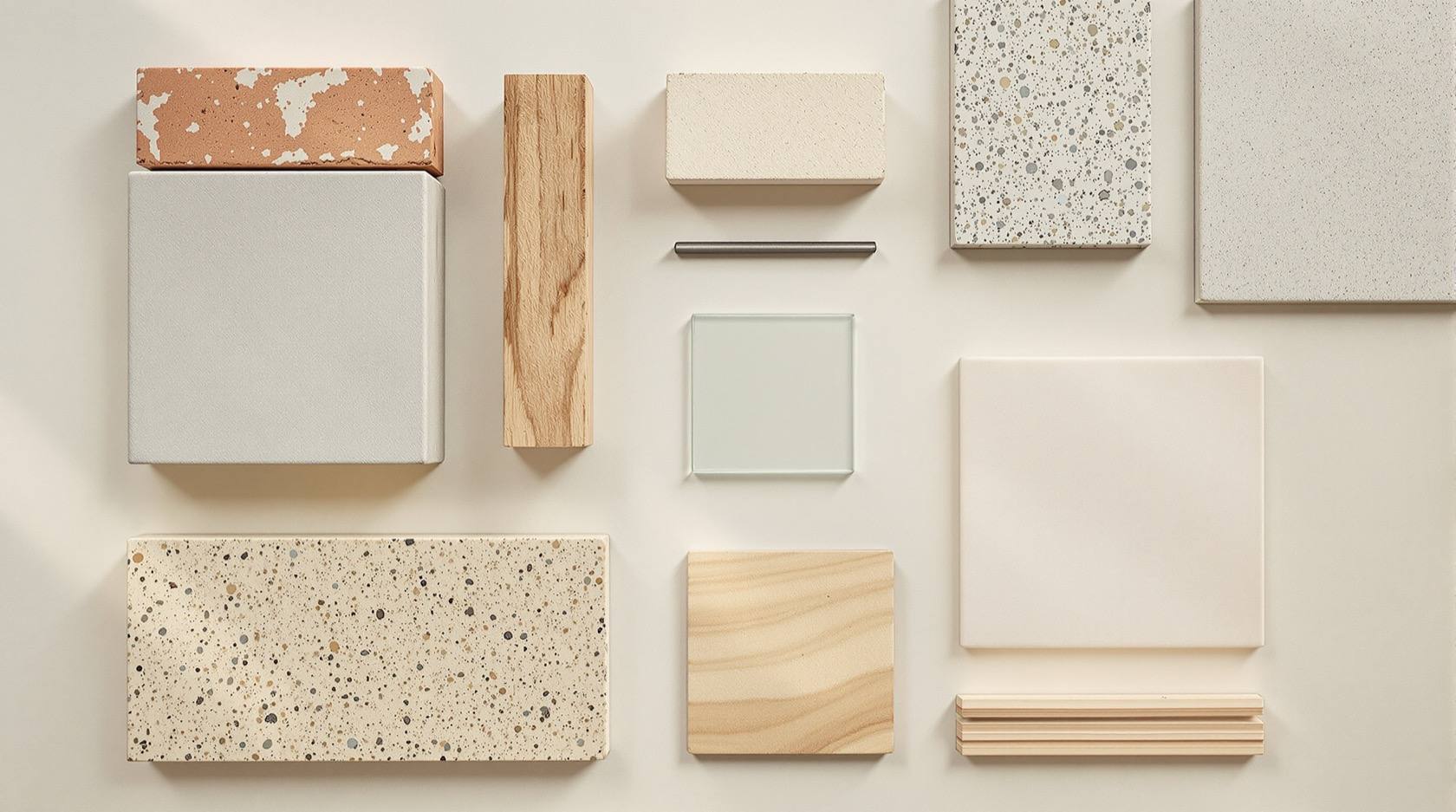
Building Materials in India: The Complete Guide (2026)
The anchor guide to building materials in India: what they are, how to classify them by function and origin, an eight-criteria selection framework, and a map to every material family from foundation to finish.
Read itThe foundations chain
Sand, aggregate, cement & concrete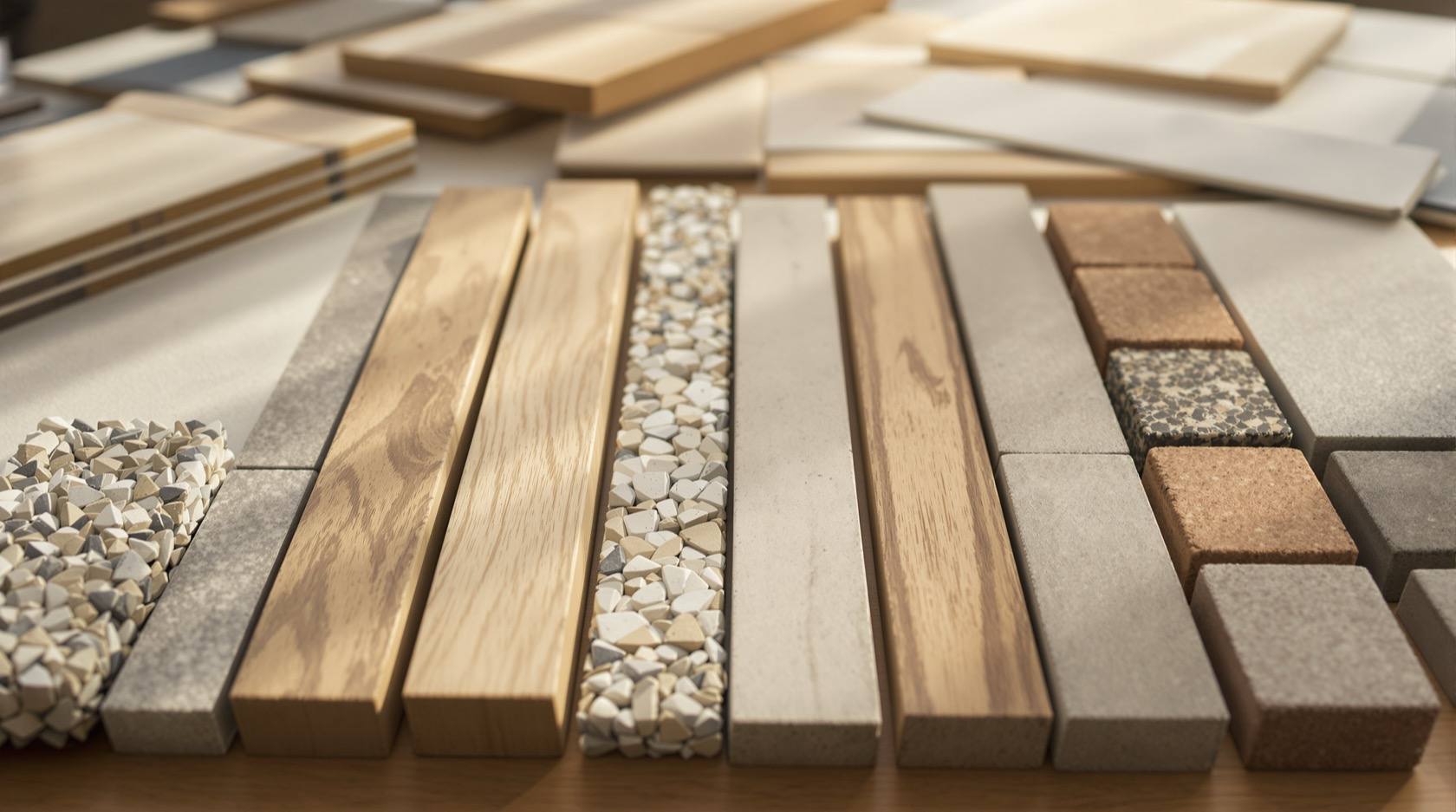 Choose well01
How to Choose Building Materials in India: A Step-by-Step Decision Guide (2026)
A step-by-step way to choose building materials for an Indian home: define the application, shortlist by function, screen by climate zone, then weigh durability, capital versus lifecycle cost, IS or BIS standards, sustainability, and local supply.
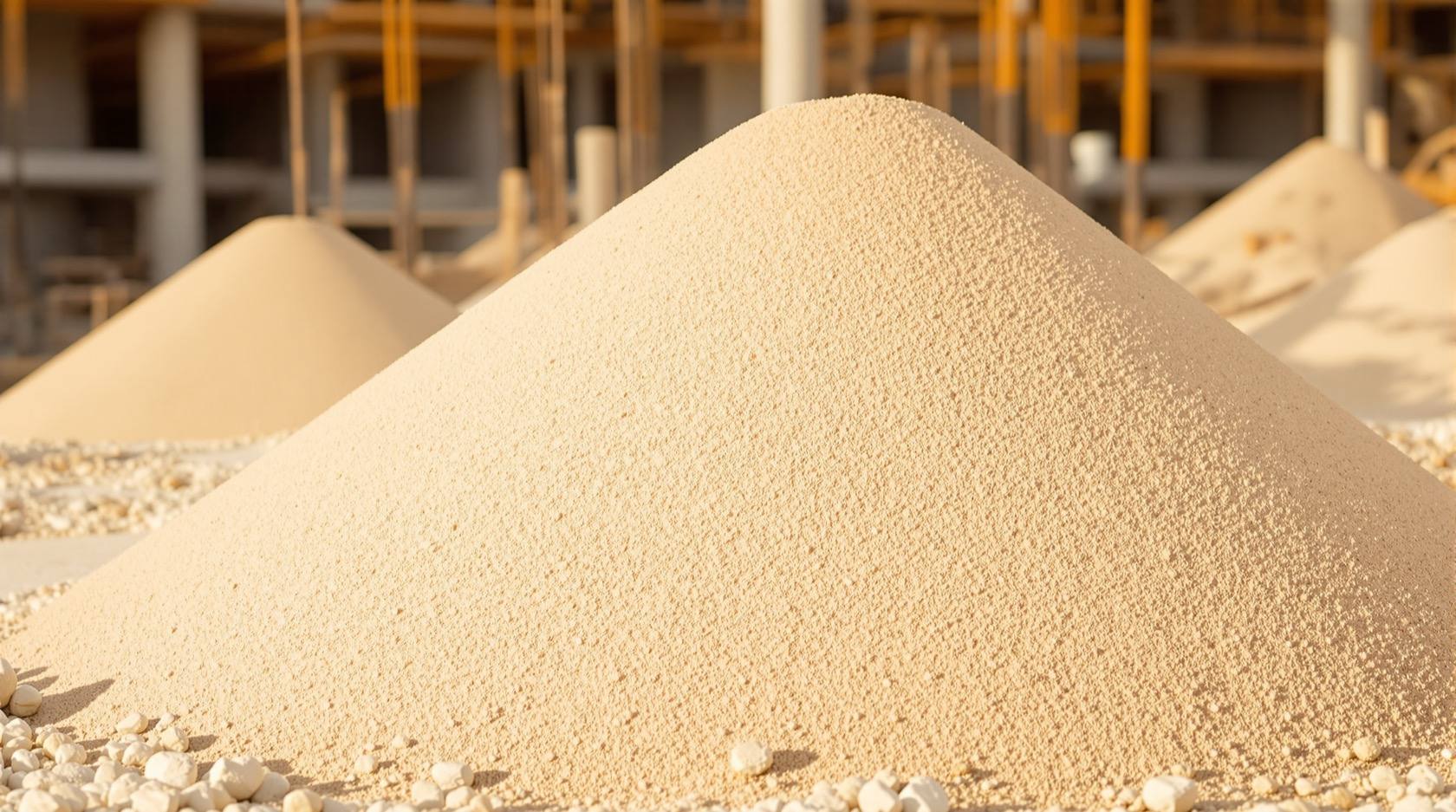 Sand02
Sand for Construction in India: Types, Quality and How to Choose (2026)
Which sand to use for concrete, mortar and plaster in India - river sand, M-sand, pit and crushed stone sand, the grading zones and silt limits that decide quality, why river-sand mining is restricted, and a field-test checklist. Indicative guidance; the mix design belongs to your engineer.
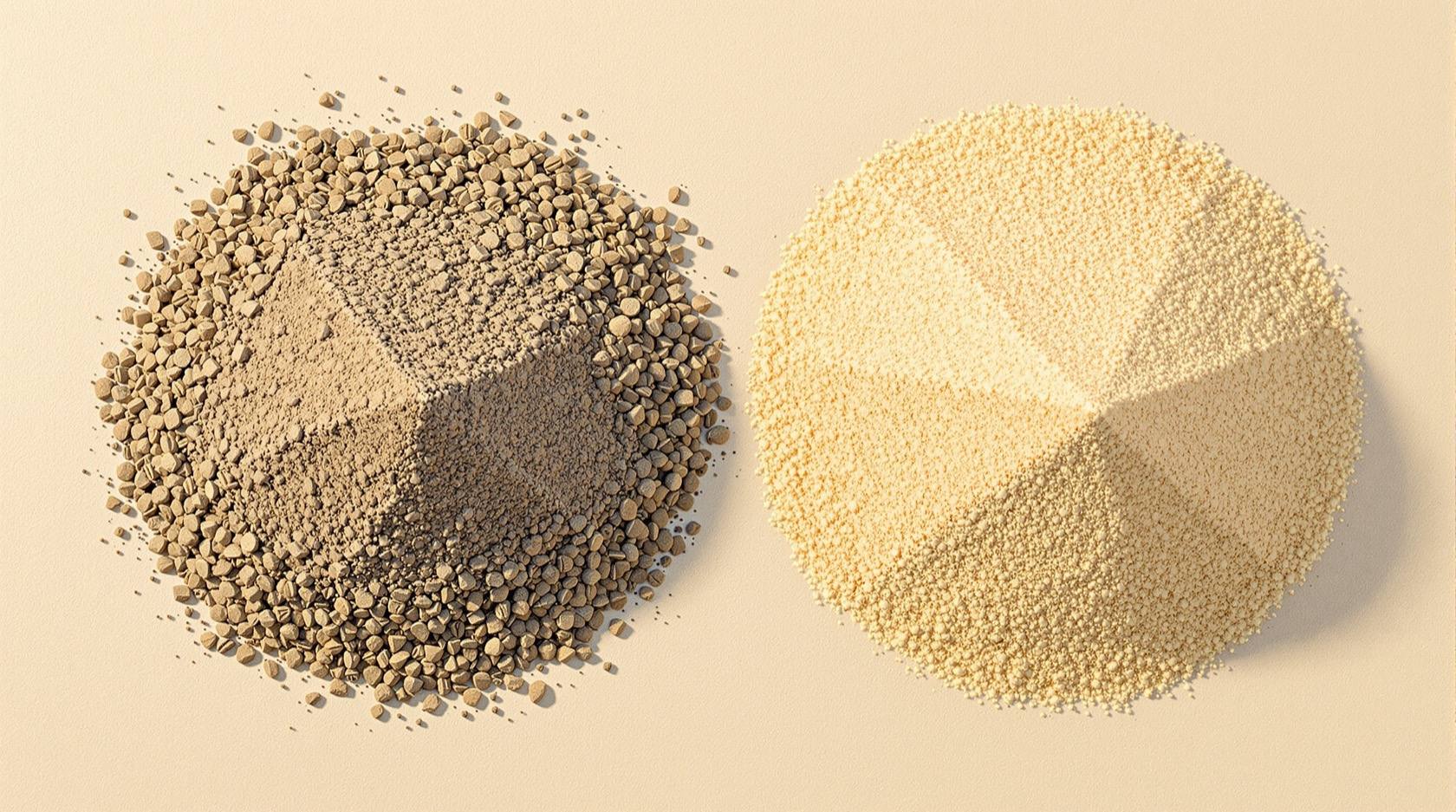 M-sand vs river03
M-Sand vs River Sand in India: A Head-to-Head Comparison for Concrete and Plaster (2026)
M-sand vs river sand in India, compared honestly across shape, grading, silt, water demand, strength, cracking, legality, cost and sustainability - plus where each wins and how to combine them.
 Aggregates04
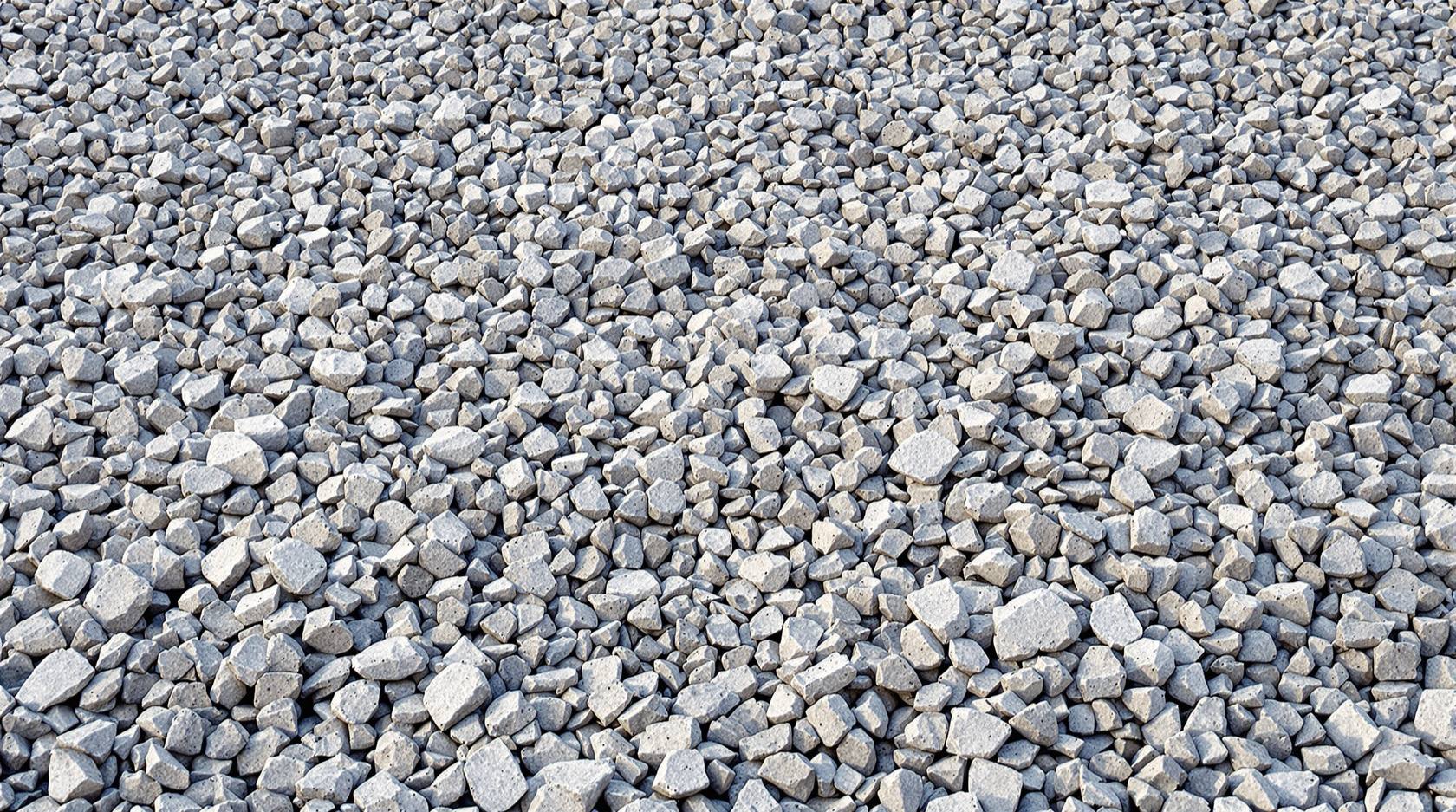
Construction Aggregates in India: Sizes, Quality & Selection (2026)
A specify-and-select guide to construction aggregates in India: what coarse aggregate does in concrete, how to choose 10mm, 20mm or 40mm stone, the quality properties that matter, a field-check table, and indicative prices. Mix design stays with your engineer.
 Cement05
Types of Cement in India: OPC, PPC, PSC & Specials Explained (2026)
The cements actually sold in India, decoded - OPC 33/43/53 grade, PPC, PSC and the specials (white, rapid-hardening, sulphate-resisting, low-heat). A clear comparison of strength, durability, heat and cost, plus which type to use where and how to buy fresh, IS-marked cement.
 Ready-mix06
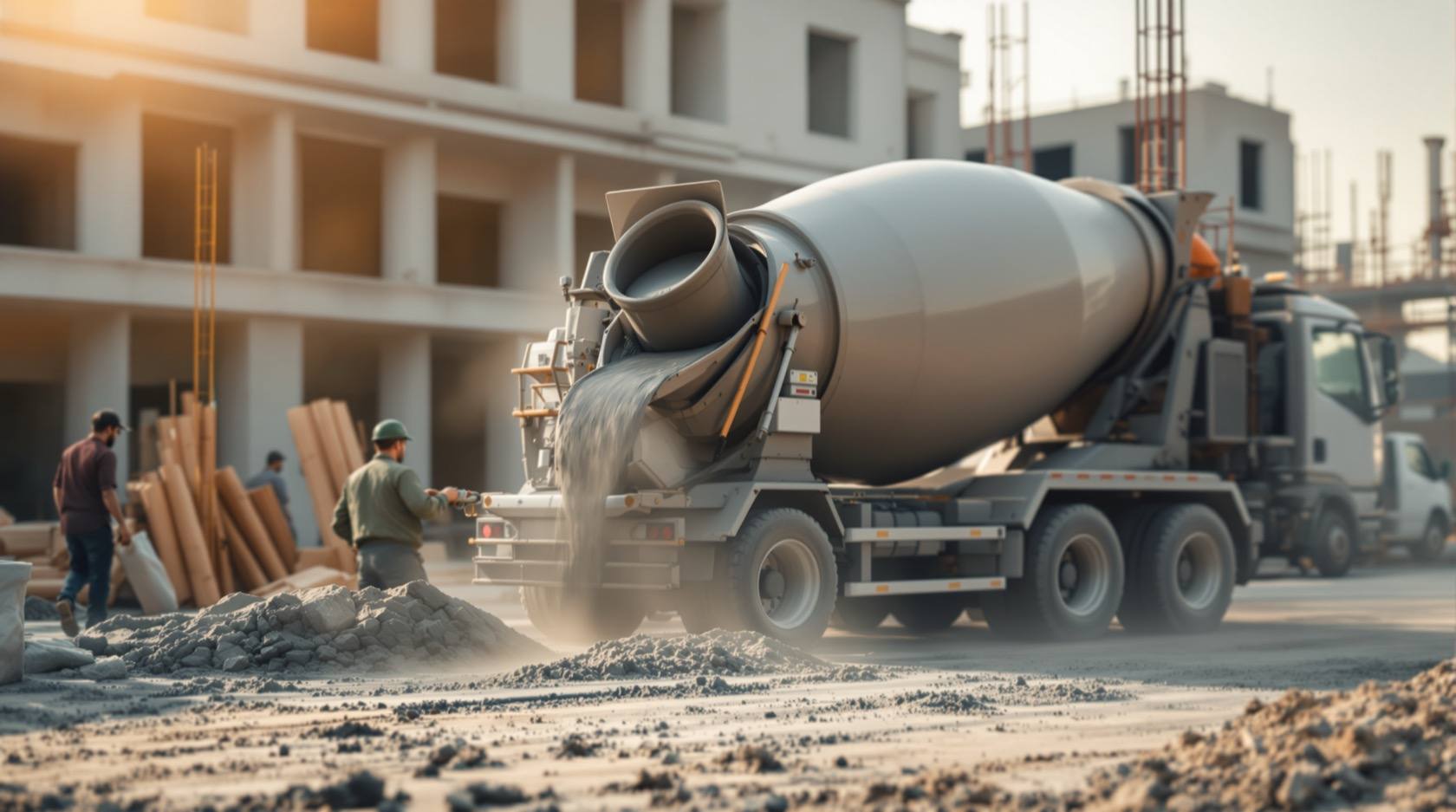
Ready Mix Concrete (RMC) in India: When to Order It vs Mix On Site (2026)
What ready mix concrete is, how RMC compares with site-mixed concrete on quality, speed, wastage and cost, the delivery slip and slump checks that protect you, and a clear call on when a transit mixer is worth ordering and when a site mix is perfectly fine.
Comfort layers: insulation
Keep the heat out — by material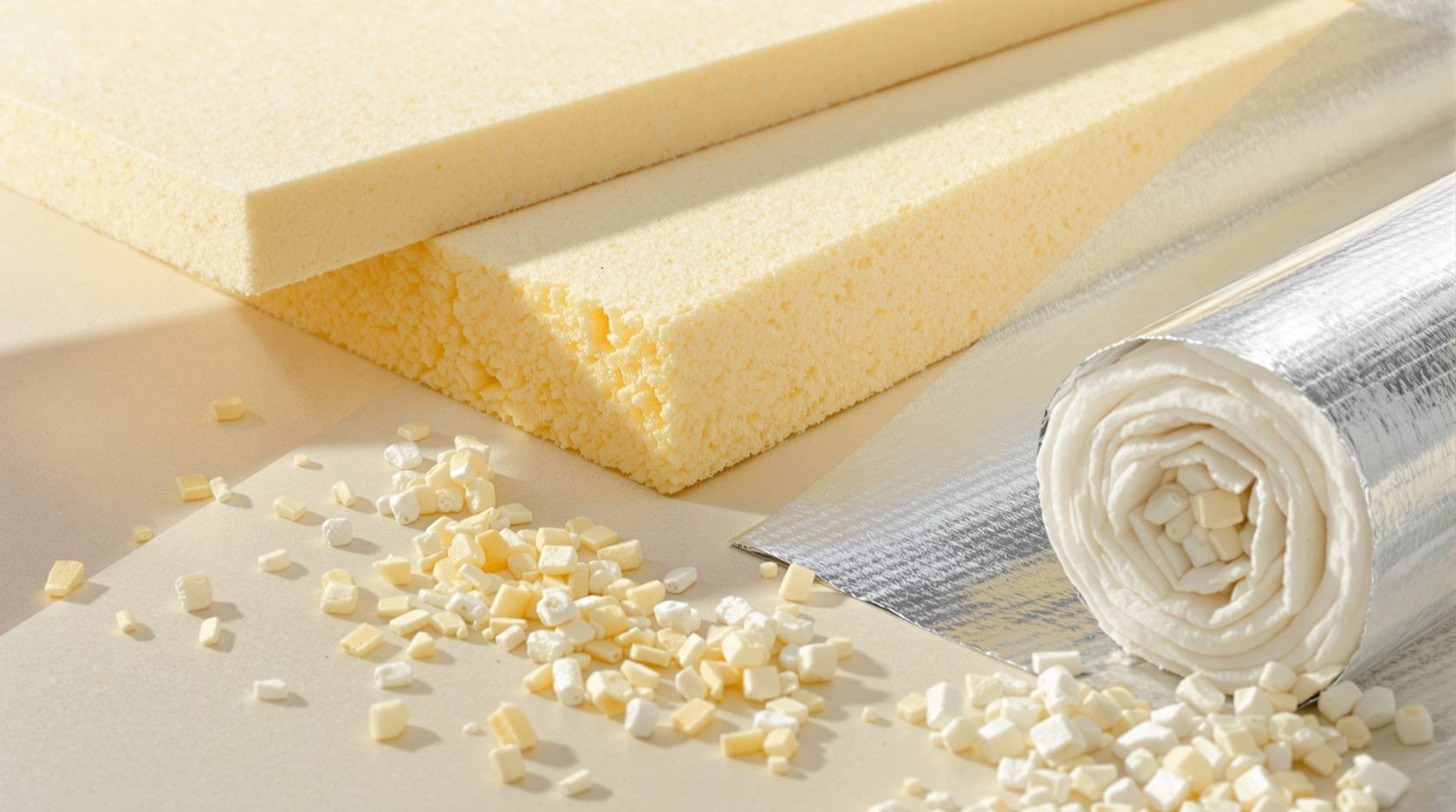 Start here07
Building Insulation Materials Guide (India): Types, R-Value & How to Choose (2026)
Insulation is the cheapest way to cut AC bills and beat Indian heat. This anchor guide explains R-value and U-value in plain terms, shows where insulation goes, and compares every material family - rock wool, glass wool, EPS, XPS, PU/PIR, foil and natural - so you choose the right one.
 Rock wool08
Rock Wool Insulation in India: Fire-Rated Thermal & Acoustic Insulation Guide (2026)
Rock wool (stone mineral wool) is the go-to insulant when fire and sound matter most: non-combustible, excellent acoustic absorption and solid thermal performance. This guide covers forms, densities, R-values, where it beats glass wool and foam, indicative cost and safe handling.
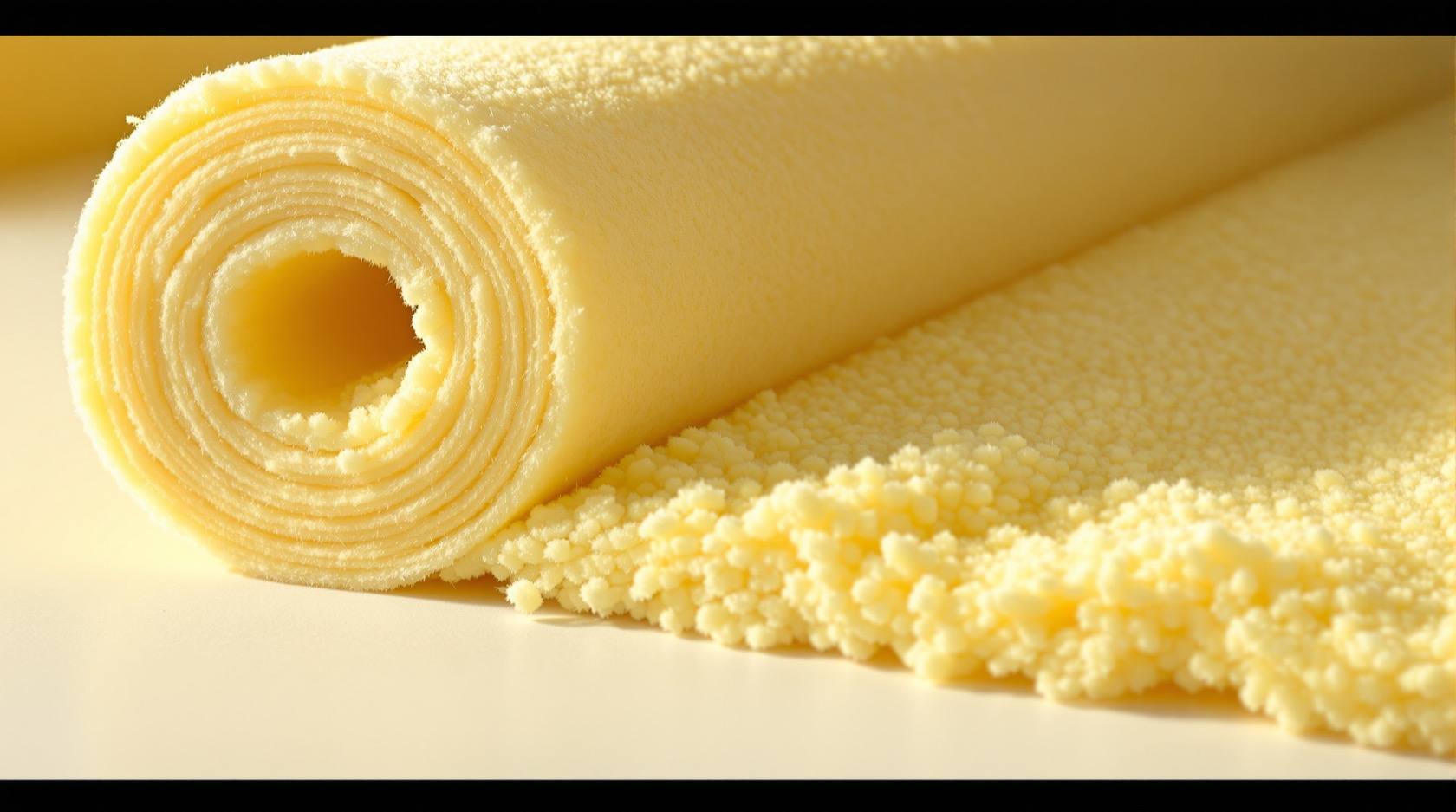 Glass wool09
Glass Wool Insulation in India: Properties, Uses & How to Specify It (2026)
Glass wool is India's most common building insulation - light, fire-safe fine glass fibres that insulate heat and sound cheaply. Learn its density and R-value ranges, where it belongs (false ceilings, ducts, PEB roofs, drywall), the moisture caution, and how it stacks up against rock wool and foam.
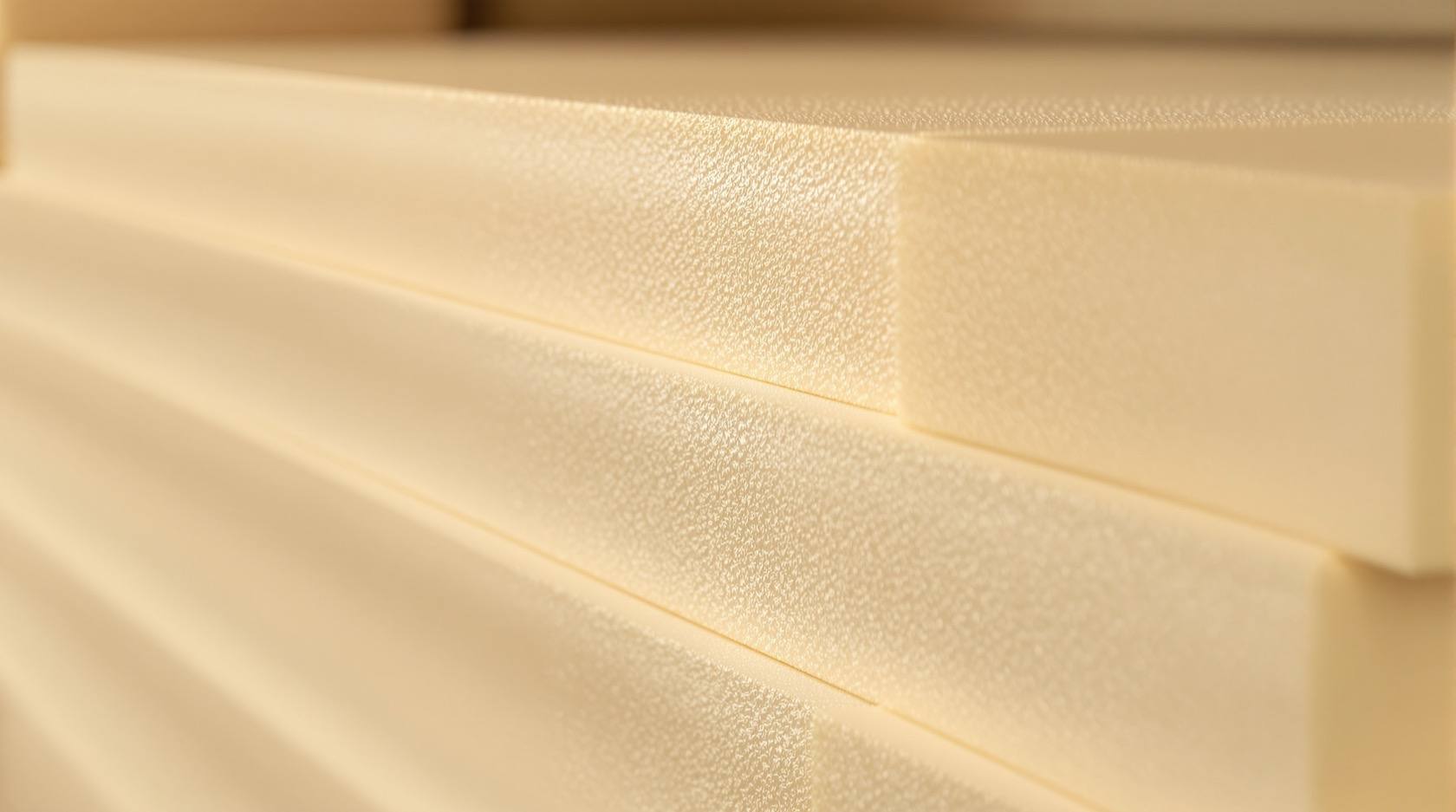 XPS10
XPS10XPS Insulation in India: Extruded Polystyrene Boards, Uses & Cost (2026)
XPS (extruded polystyrene) is a dense, closed-cell rigid foam board with high compressive strength and near-zero water absorption - the go-to for over-deck terrace roofs, podium decks and basements. Here is what it is, XPS vs EPS, uses, fire cautions and indicative India cost.
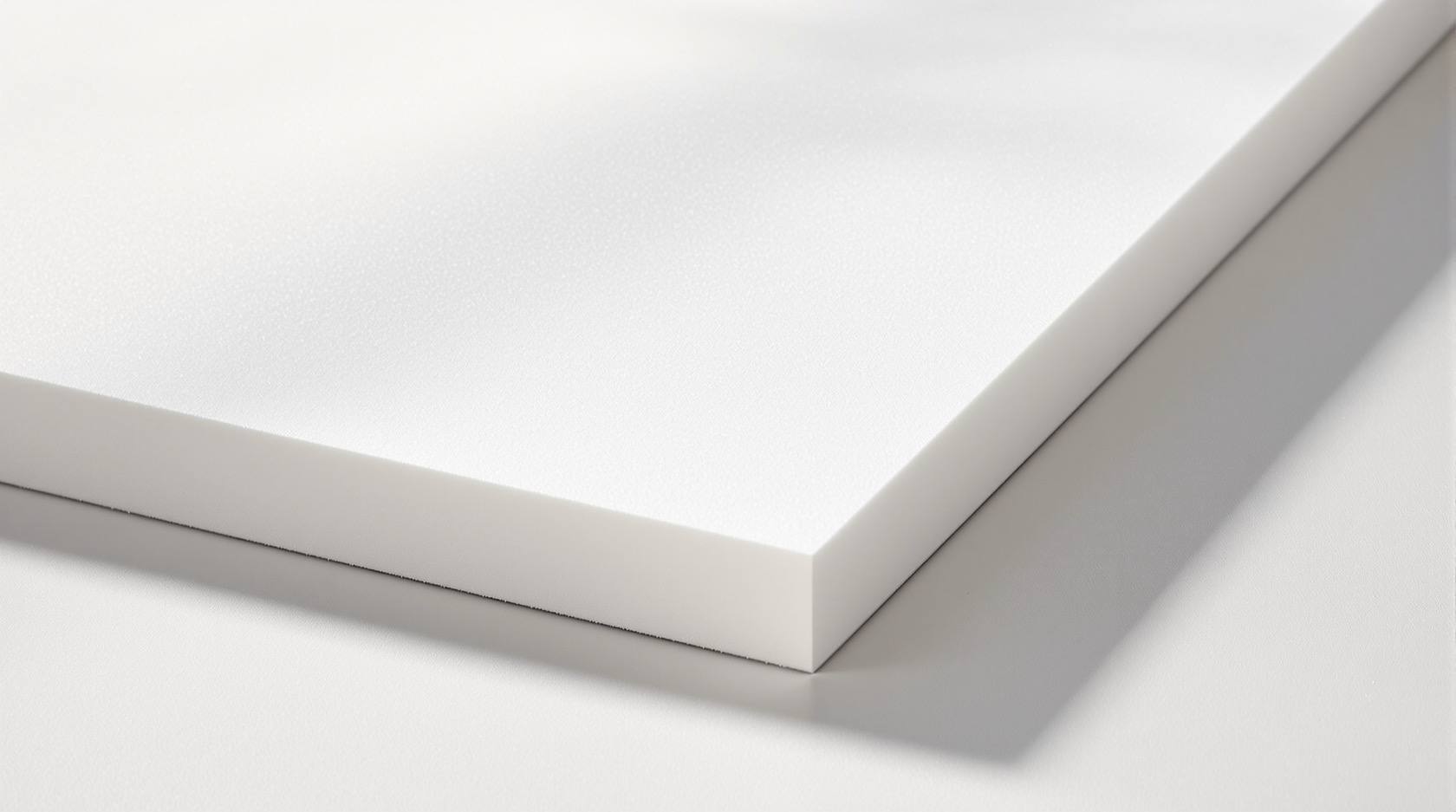 EPS11
EPS11EPS Insulation (Thermocol) in India: Boards, Panels, Cost & Fire Cautions (2026)
Expanded polystyrene - the familiar white thermocol - is the cheapest rigid foam insulation in India. This guide explains its forms, density grades, where it works, how it compares with XPS, indicative cost, and the fire-safety caution that must be handled by professionals.
 PU / PIR12
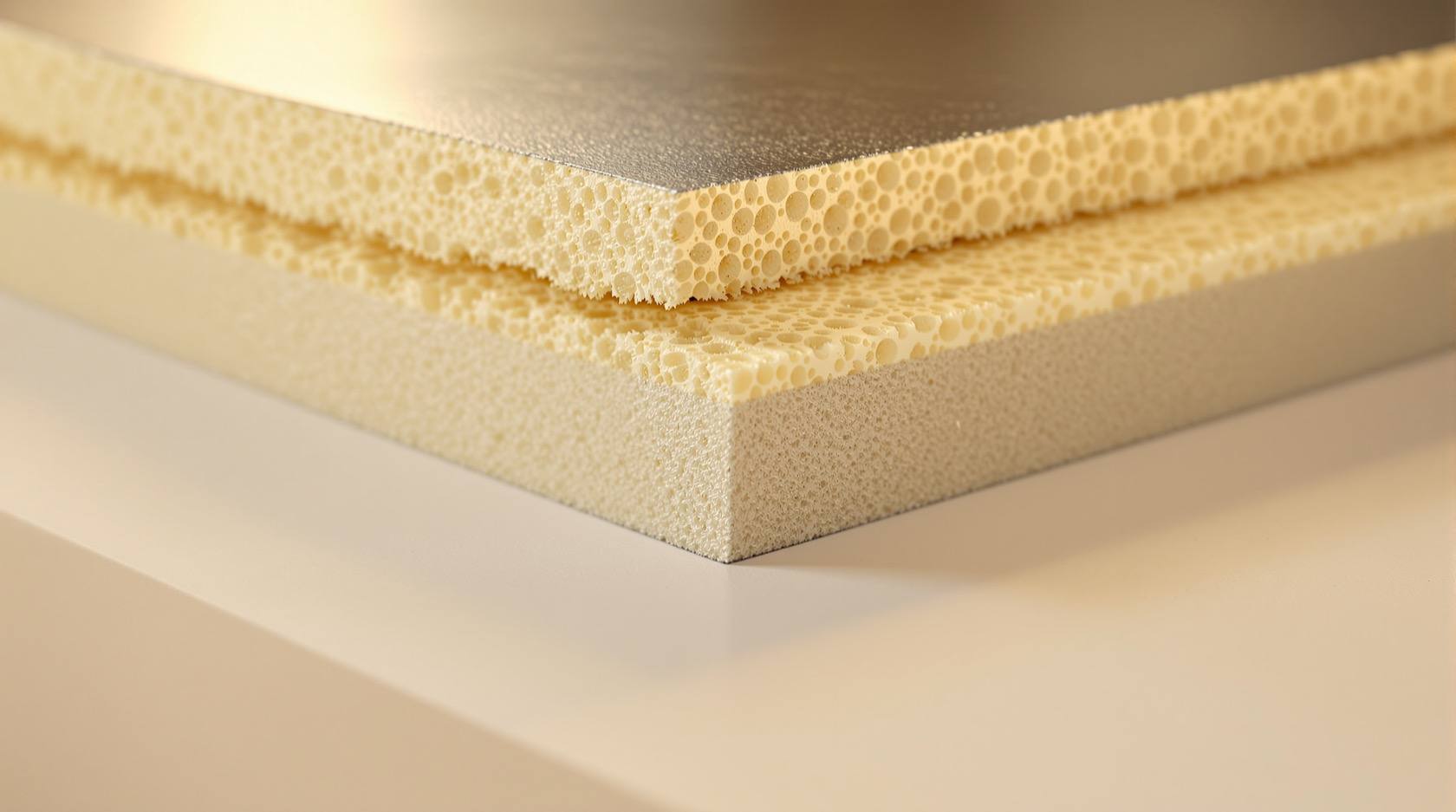
PU & PIR Foam Insulation in India: Boards, Sandwich Panels & Spray Foam (2026)
Polyurethane (PUF) and polyisocyanurate (PIR) rigid foam give the highest R-value per inch of common insulations - thinnest for a given performance. This guide compares boards, sandwich panels and spray foam, their fire behaviour, cost and best uses.
 Reflective foil13
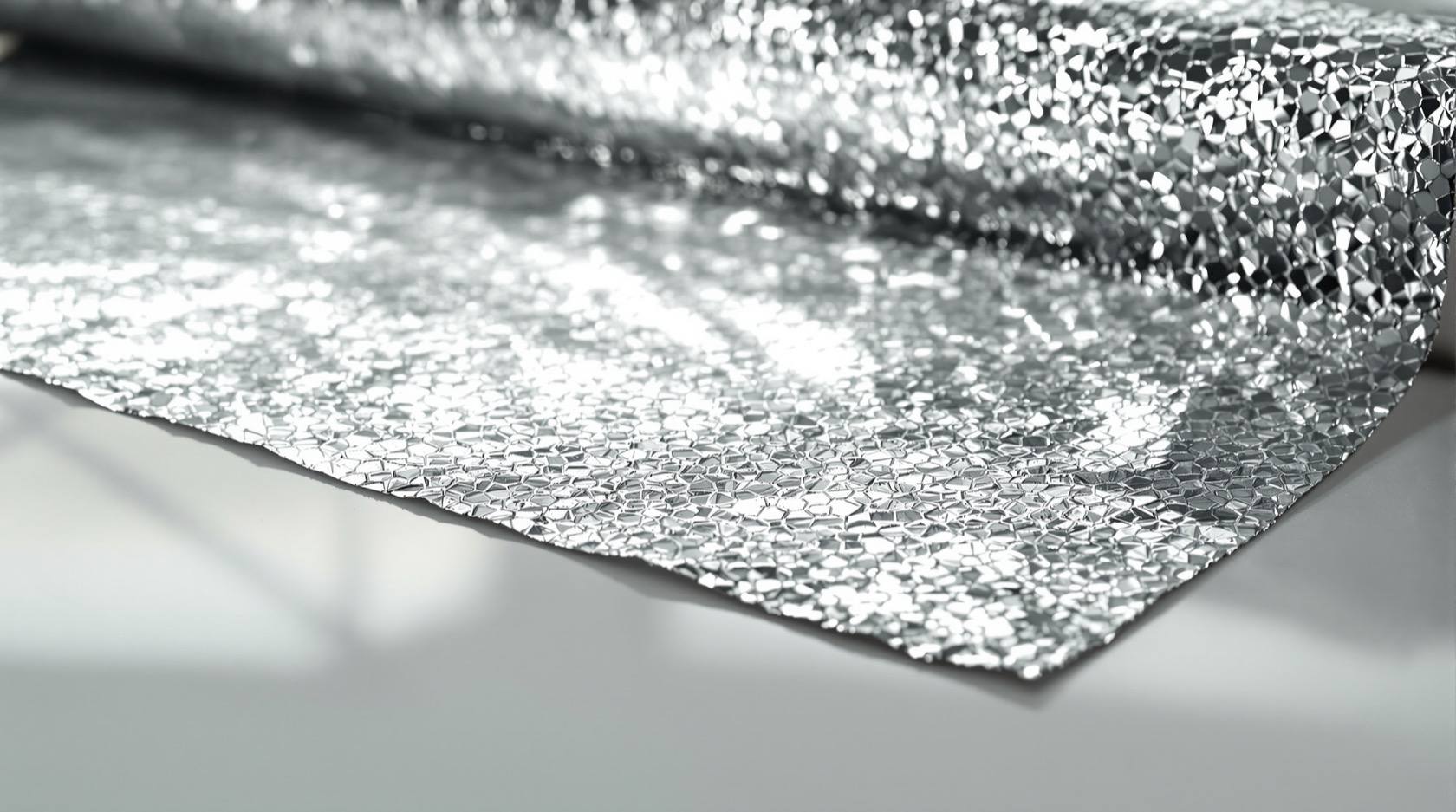
Reflective Foil Insulation (Radiant Barrier) in India: How It Works, Where It Helps (2026)
Reflective foil insulation is a low-emissivity aluminium radiant barrier that reflects roof heat rather than resisting conduction - so it only works facing an air gap. Learn how it differs from bulk insulation, where it helps in India, and which marketing claims to ignore.
 Natural14
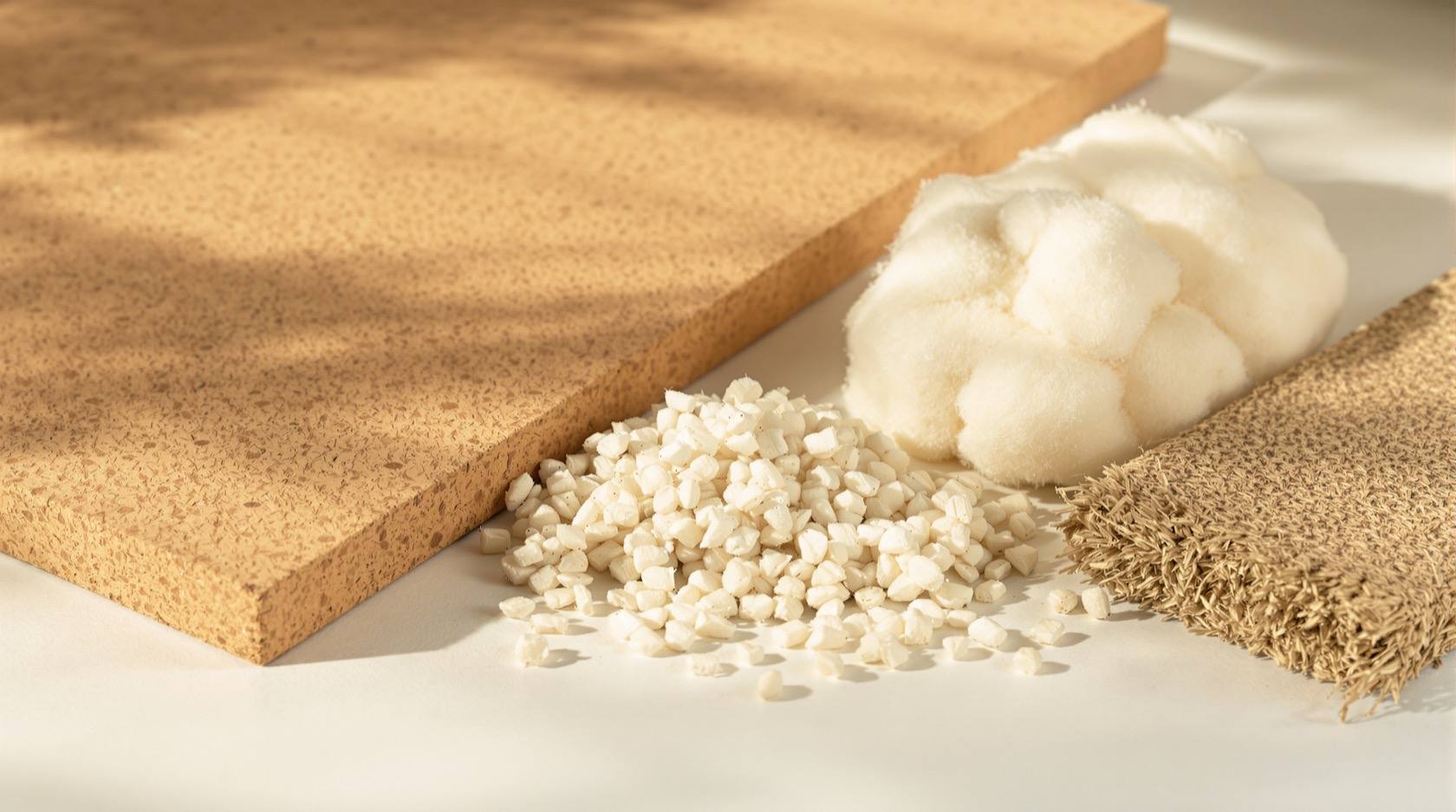
Natural Insulation Materials in India: Cork, Cellulose, Wool & Coir (2026)
The bio-based, low-carbon alternatives to glass wool, rock wool and foam - cork, cellulose, sheep wool, coir, jute/hemp and agro-panels - decoded for Indian homes: R-values, moisture and fire behaviour, pest treatment, real availability and the honest cost and supply limits.
Finishes & chemistry
Adhesives, sealants, admixtures & boards Start here15
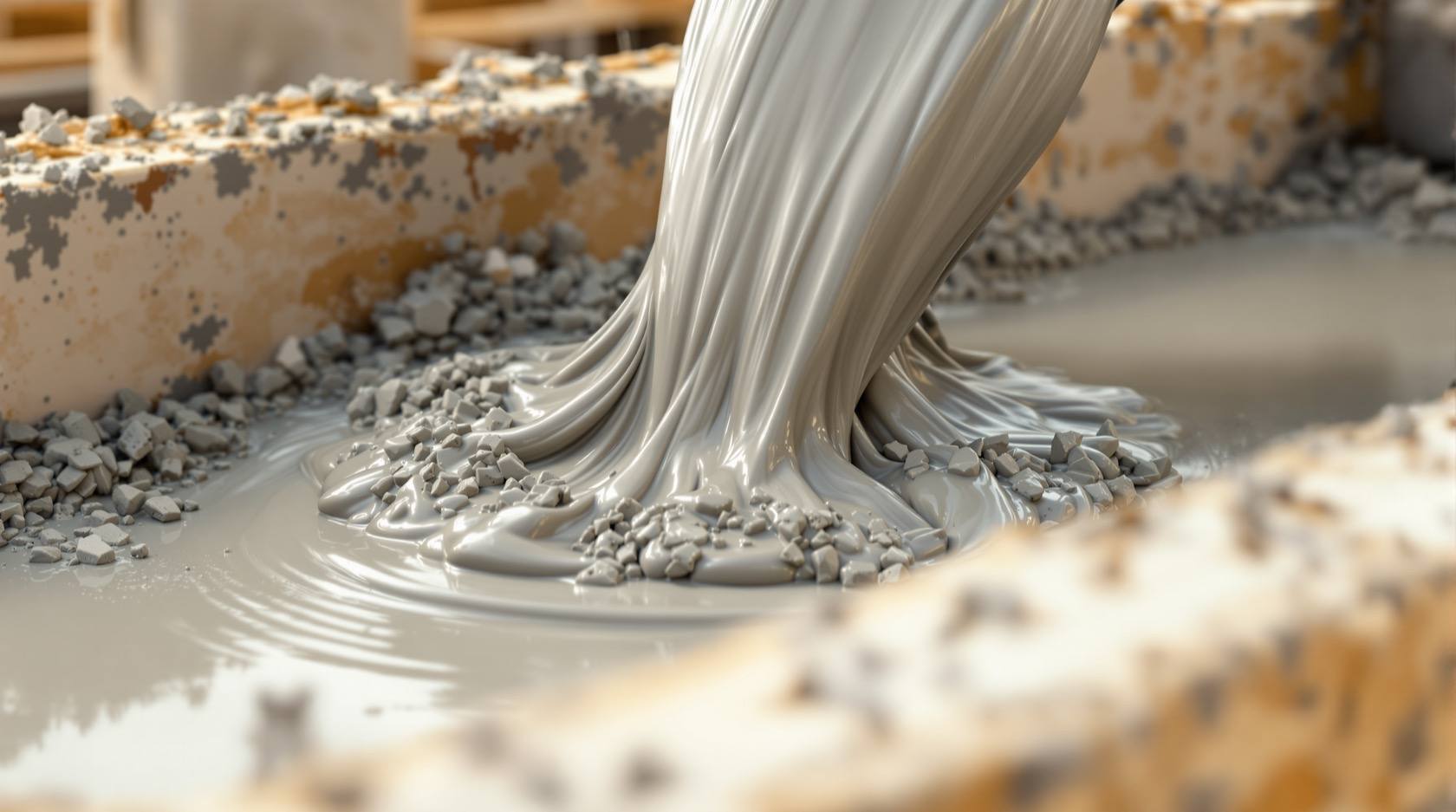
Construction Chemicals Guide (India): Admixtures, Adhesives, Sealants, Grouts & More (2026)
Construction chemicals are small-dose products that transform how concrete, tiles, joints and surfaces perform. This anchor guide maps every family - admixtures, adhesives, sealants, grouts, waterproofing, curing compounds and more - so you specify the right one and use it safely by the datasheet.
 Admixtures16
Concrete Admixtures Guide India: Types, Uses and Dosage (2026)
What concrete admixtures do, the main types - superplasticisers, retarders, accelerators, waterproofing, air-entraining and corrosion inhibitors - when each earns its place, and why dosing and mix design belong to a qualified engineer or RMC plant, not to guesswork.
 Tile adhesive17
Tile Adhesive Guide India: Types, IS 15477 Grades & How to Choose (2026)
Tile adhesive (thin-set) bonds modern vitrified, porcelain and large-format tiles far better than a cement-sand mortar bed - less hollowness, less debonding. Here are the IS 15477 types C1, C2, C2-improved and epoxy, and how to choose by substrate, tile and location.
 Adhesives18
Construction Adhesives in India: PVA, Contact, Epoxy, PU & MS-Polymer Explained (2026)
The bonding adhesives beyond tile adhesive, decoded - white wood glue, Fevicol-type carpentry resin, contact adhesive for laminates, cyanoacrylate, epoxy, PU and flexible MS-polymer hybrids, plus grab adhesives for panels and beading. A big selector table for what bonds what, where, and how to use it safely.
 Sealants19
Sealants Guide India: Silicone, PU, Acrylic & MS-Polymer Explained (2026)
Choose the right sealant for every joint - silicone, PU, acrylic, MS-polymer and butyl. A plain-English selector for location, paintability and movement, the silicone acetoxy-versus-neutral question, plus joint-design and safety basics for Indian homes.
 Grouts20
Epoxy Grout vs Cement Grout for Tiles in India: Which to Specify (2026)
Grout fills the joints between tiles. Cementitious grout is cheap and easy but porous and stain-prone; epoxy grout is waterproof, stain and chemical resistant and hygienic but costs more and needs a skilled fast application. Learn which to specify for each room.
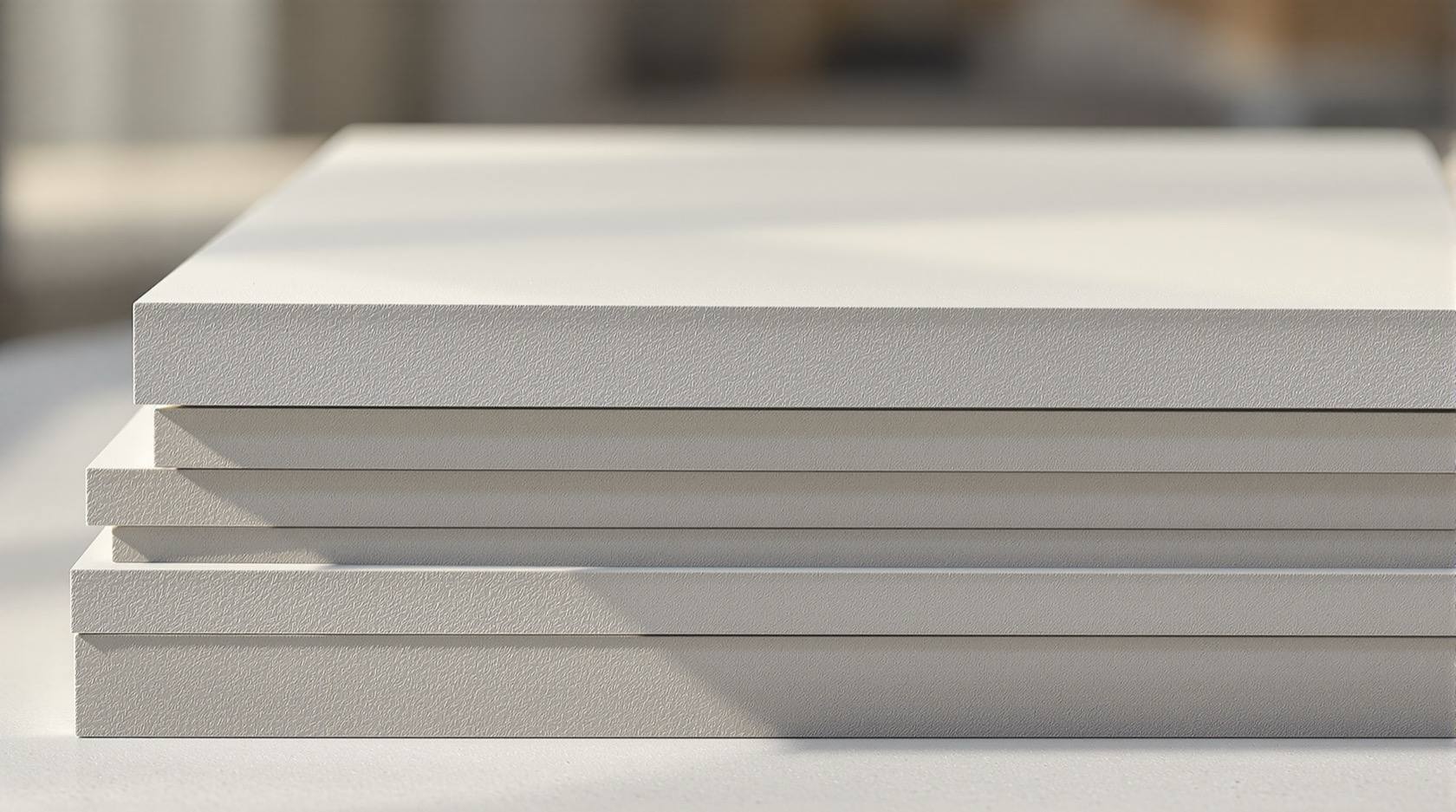 Cement board21
Cement Board & Fibre-Cement Board in India: Wet-Area, Fire & Cladding Guide (2026)
Cement board (fibre-cement board) is the go-to sheet where gypsum fails: wet areas, exteriors and fire-rated walls. This guide covers what it is, the main products, where each fits, how it compares with gypsum and calcium silicate, indicative cost and safe cutting.
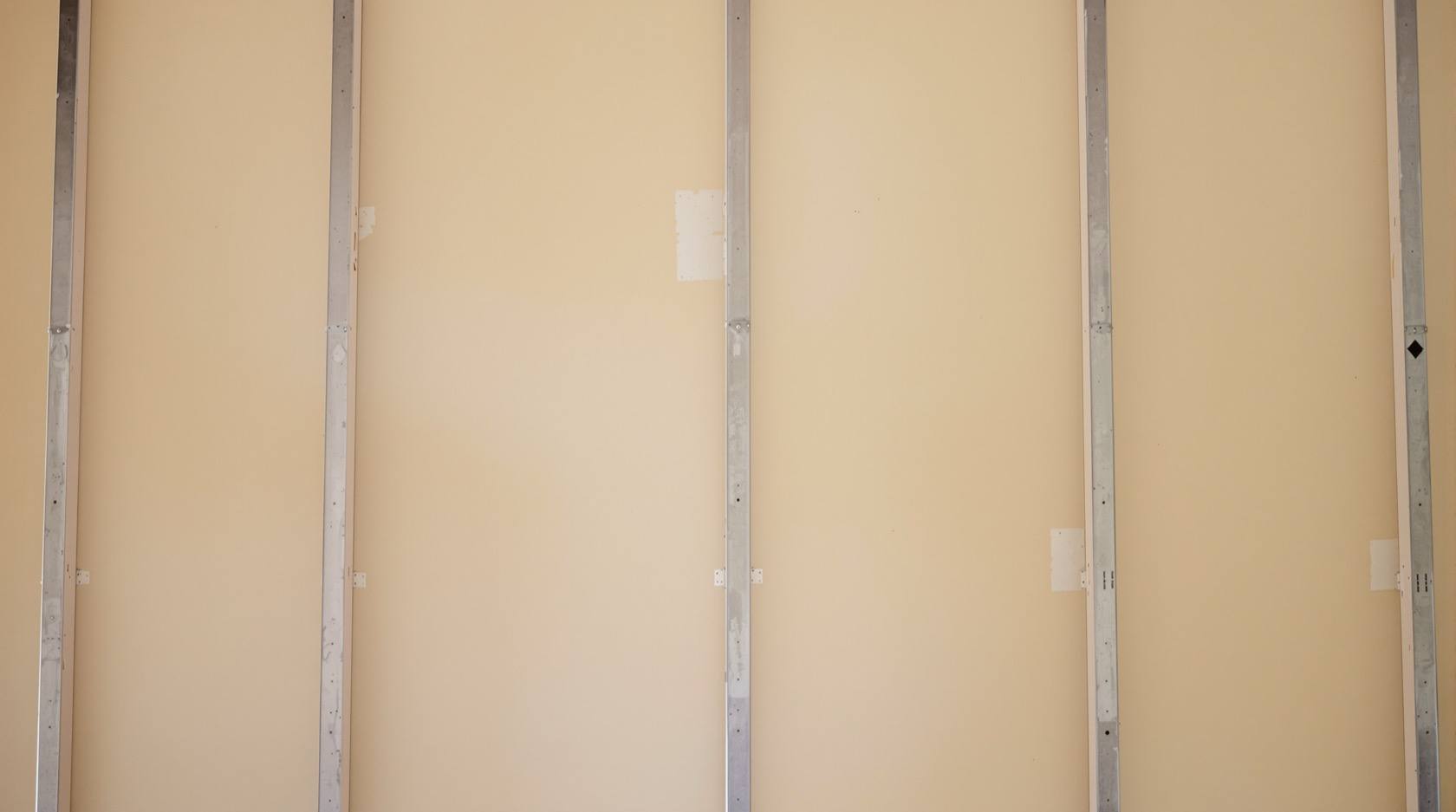 Gypsum board22
Gypsum Board (Drywall / Plasterboard) Guide for India: Types, Systems & Selection (2026)
Gypsum board (drywall / plasterboard) is the backbone of modern Indian interiors - false ceilings, partitions, bulkheads and wall linings. This guide explains what it is, the regular, moisture-resistant, fire-resistant and acoustic grades, the metal-framed drywall system, and how it compares to cement and calcium silicate board.
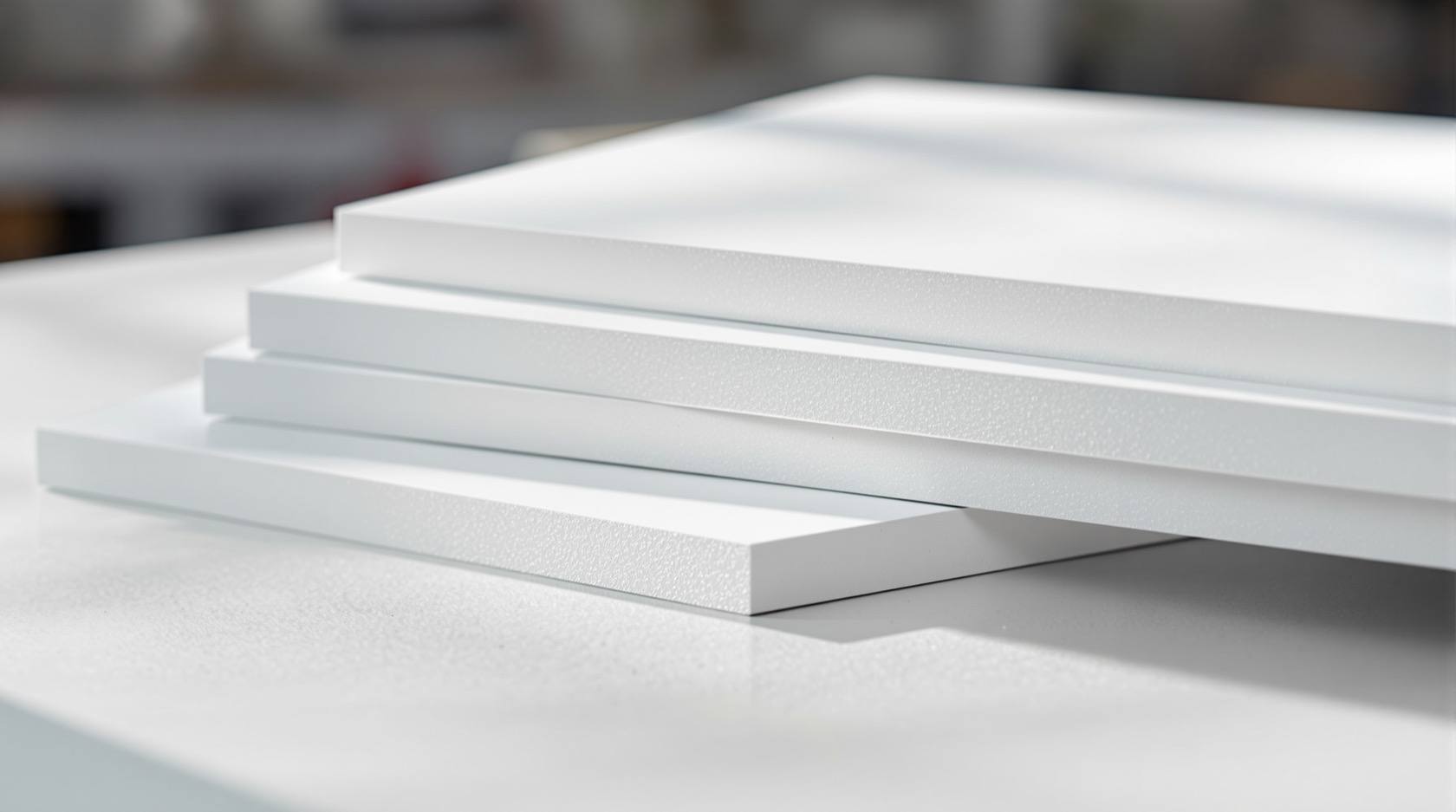 Calcium silicate23
Calcium Silicate Boards in India: Fire-Rated Partition, Ceiling & Cladding Guide (2026)
Calcium silicate board is the board you specify when fire rating and damp tolerance matter most: non-combustible, stable in wet areas, termite and rot proof. This guide covers what it is, where it beats gypsum and cement board, how to identify it, cost and safe cutting.
Performance & masonry
Fire, sound, moisture, laterite & panels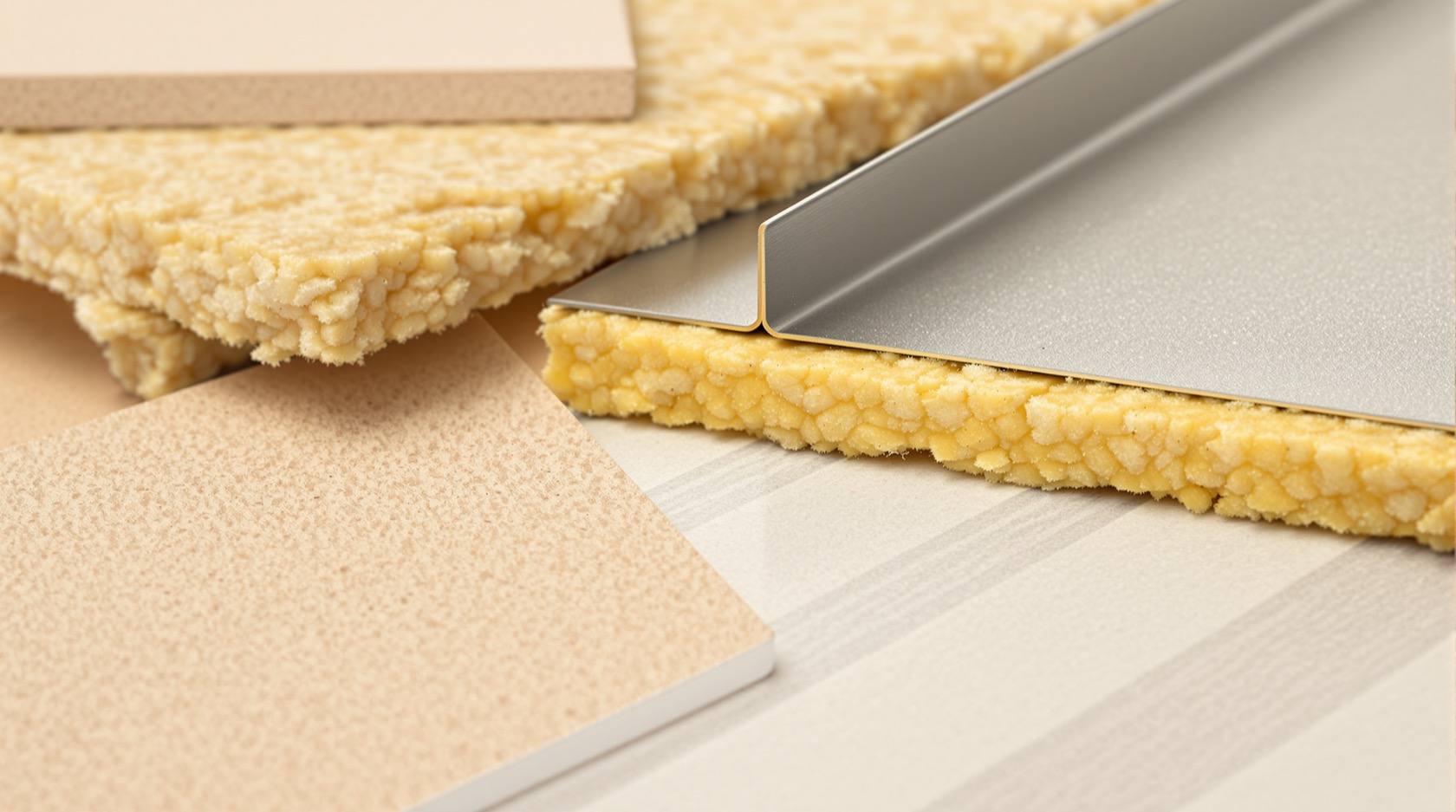 Fire24
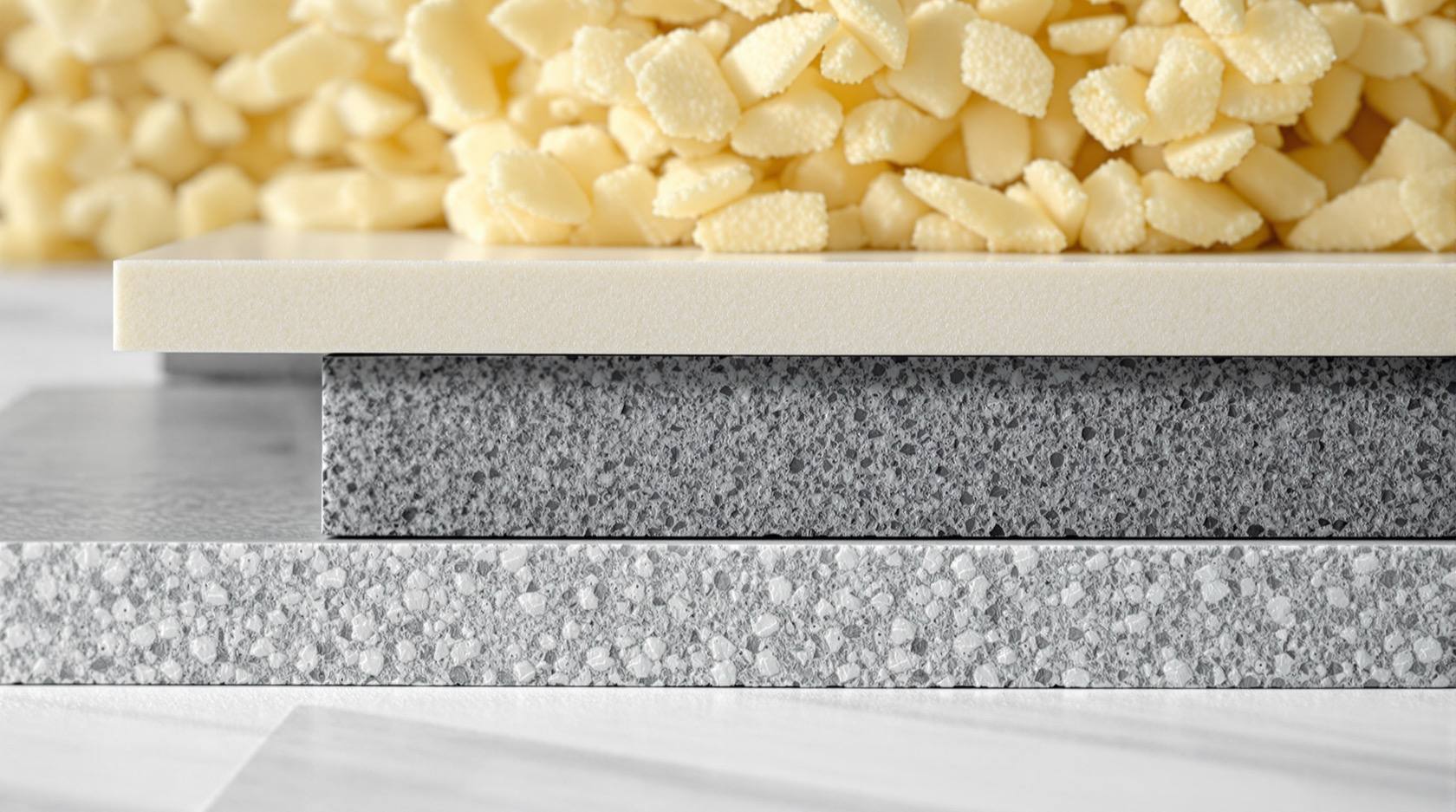
Fire-Resistant Building Materials in India: A Specify-and-Select Guide (2026)
Fire safety starts with the right materials. This guide separates reaction to fire from fire-resistance ratings, then covers the non-combustible structure, mineral wool, fire-rated boards, intumescent coatings, spray fireproofing and fire-stopping that deliver passive protection - so you specify well and leave certification to a fire professional.
 Acoustic25
Acoustic Insulation Materials in India: Soundproofing Products Explained (2026)
Soundproofing is a system, not a single product. This guide explains sound absorption vs insulation (STC/Rw), then the materials - mineral wool, acoustic gypsum, mass-loaded vinyl, resilient channels, damping compound and seals - what each does, where it goes and indicative cost.
 Moisture26
Moisture-Resistant Building Materials in India: The Right Material for Every Wet Zone (2026)
Moisture wrecks more Indian homes than any other force. This guide separates waterproofing systems from choosing inherently moisture-tolerant materials, then names the right pick - and the one to avoid - for bathrooms, exteriors, roofs, basements and finishes, zone by zone.
 Laterite27
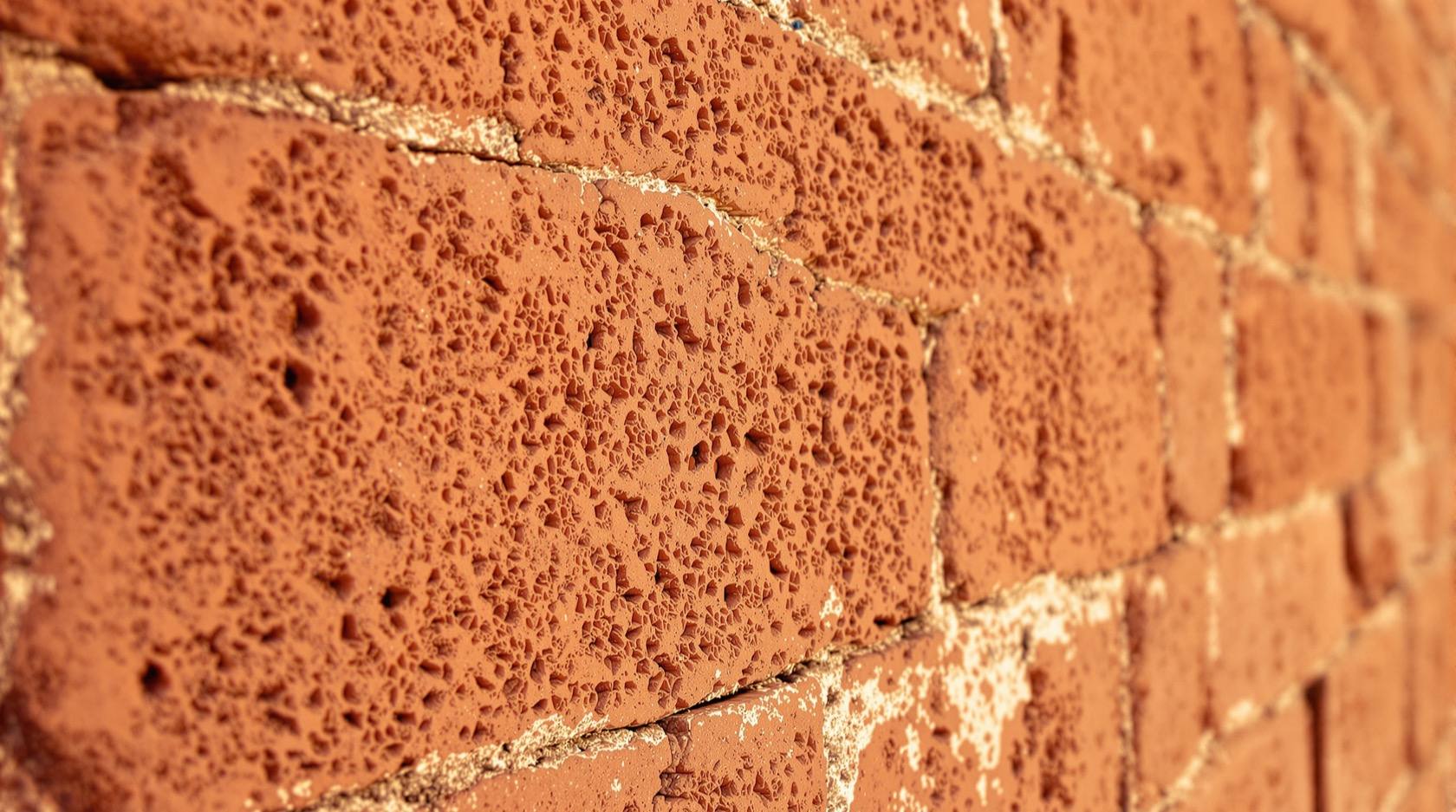
Laterite Stone in Construction: A Guide to India's Red Vernacular Stone (2026)
Laterite is India's red vernacular stone - an iron-rich earth cut into blocks that hardens in air. This guide covers what it is, where it is used, its thermal-mass and breathability strengths, its porosity limits and how to seal and protect it.
 Wall panels28
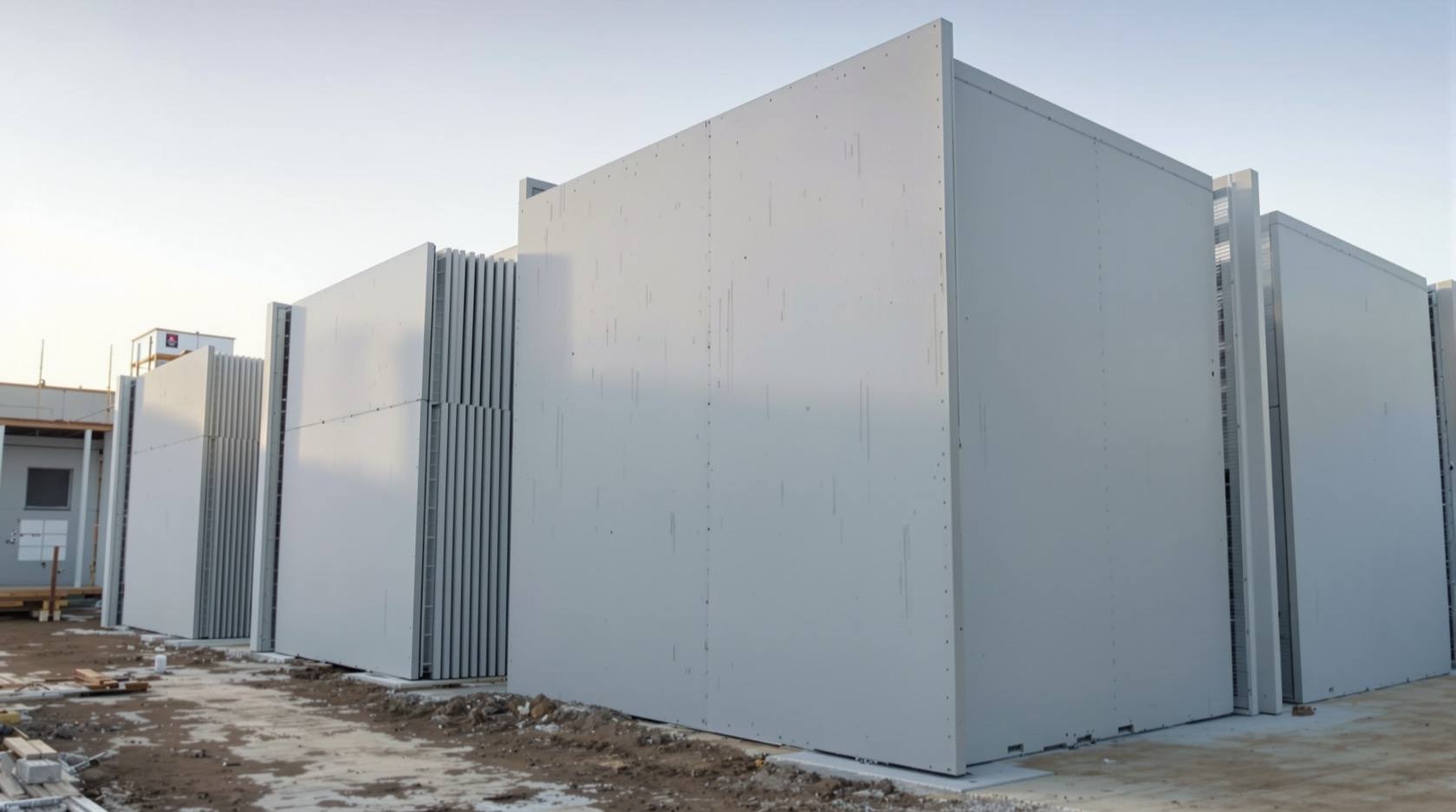
Precast & AAC Wall Panels in India: Factory-Made Wall Panels Guide (2026)
Wall panels replace slow wet masonry with large factory-made boards installed fast and dry. This guide covers AAC, precast RCC, EPS-cement, fibre-cement sandwich, GFRG and hollow-core panels - what each is, where it fits, and how they compare on weight, speed, thermal and cost.
 Composites29
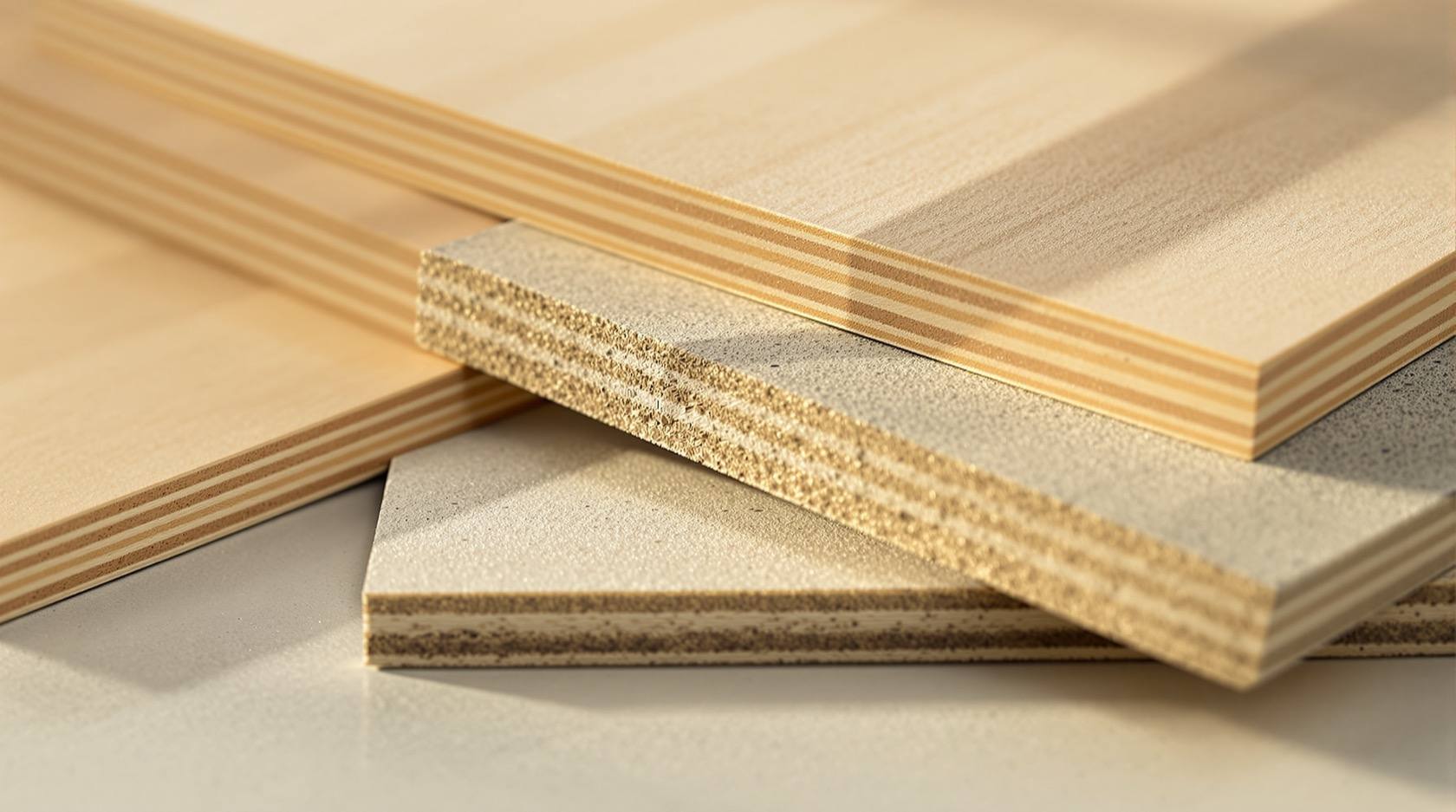
Engineered & Composite Building Materials in India: A Specify-and-Select Guide (2026)
Composite materials combine two or more materials so the result beats either alone - more strength-to-weight, moisture and termite resistance, or design freedom. This guide maps the families used in Indian building - engineered wood, WPC, FRP, fibre-cement, ACP, HPL and advanced fibre-reinforced options - and helps you choose.
A lighter footprint
Green & low-carbon materials Start here30
Green Building Materials Guide (India): Low-Carbon, Healthy & Sustainable Choices (2026)
What actually makes a building material green - low embodied carbon and energy, recycled and renewable content, local sourcing, durability, low VOC and water efficiency - mapped honestly across the whole Indian building, with the lifecycle nuance no label can give.
 Low carbon31
Low-Carbon Construction Materials in India: Cutting Embodied Carbon (2026)
Embodied carbon is the CO2 to make, move and build a material - and cement and steel dominate it. This guide explains it in plain terms and maps the practical levers to cut it in India: blended cement, material efficiency, lower-carbon walling, durability, local sourcing, timber and recycled content.
 GGBS & SCMs32
GGBS, Fly Ash and SCMs in Concrete India: The Low-Carbon Mix (2026)
GGBS, fly ash and silica fume are industrial by-products that replace part of the cement in concrete - cutting carbon, improving long-term strength and durability. The most practical way to green concrete in India today, with the replacement percentage set by your engineer.
 Geopolymer33
Geopolymer Concrete in India: The Low-Carbon, Cement-Free Concrete Explained (2026)
Geopolymer concrete replaces Portland cement with a binder made from fly ash and GGBS activated by an alkaline solution, slashing embodied carbon. Here is what it is, how it compares to OPC concrete on strength, durability and cost, and its honest state in India: promising, emerging, mostly precast and specialist.
 Recycled34
Recycled Building Materials in India: The Circular-Economy Guide (2026)
A specify-and-select guide to recycled building materials in India: the circular-economy case against landfilled C&D waste, what recycled concrete aggregate, fly ash, steel, plastic, glass and reclaimed wood can do, an honest quality caution, and where green-rating credits apply.
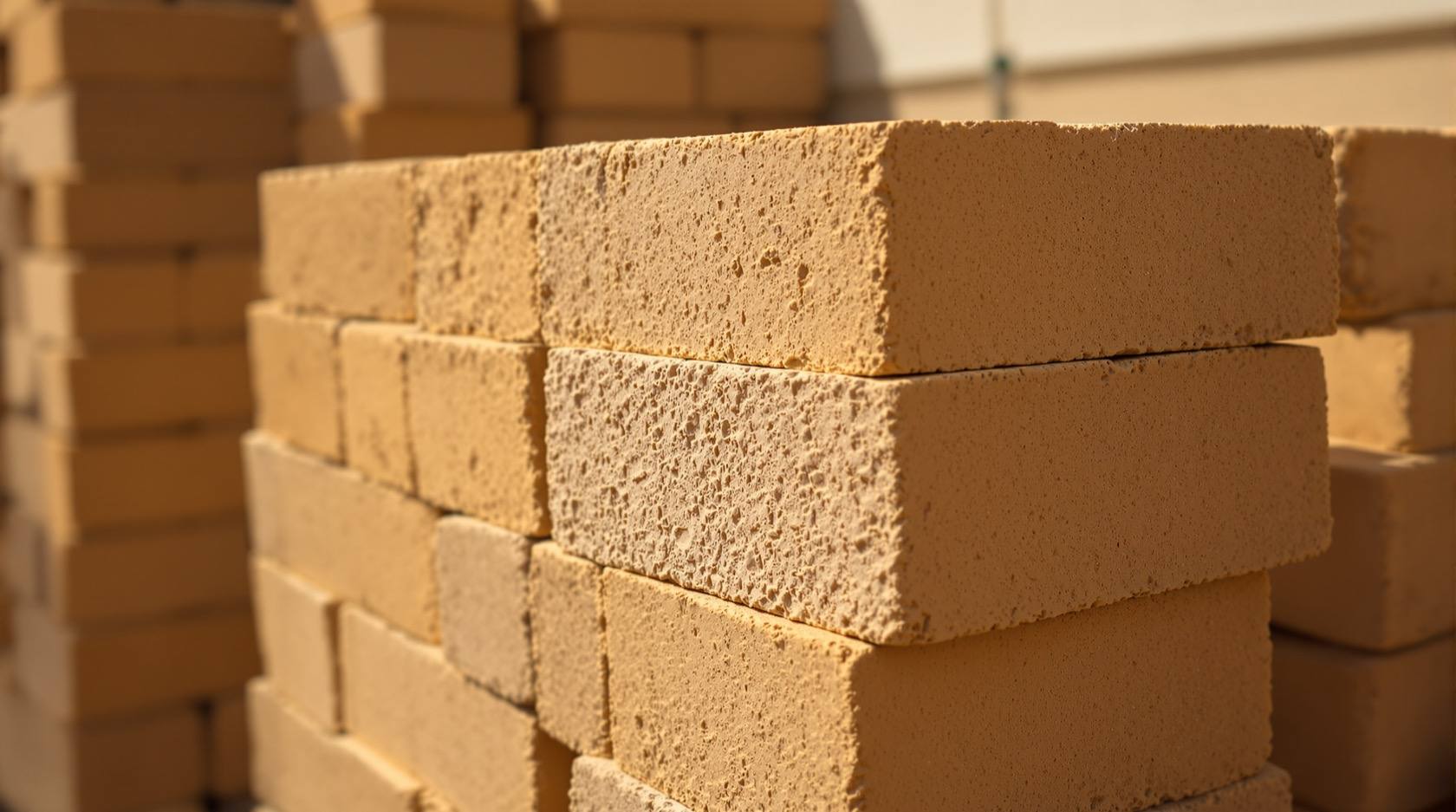 CSEB35
Compressed Stabilised Earth Blocks (CSEB): A Specify-and-Select Guide for India (2026)
CSEB is a walling block made from local soil, a small dose of cement or lime and water, compressed in a press and cured - never fired. This guide covers what it is, its low-carbon and thermal strengths, its soil and quality limits, and how it compares with fired brick.
 Rammed earth36
Rammed Earth Construction in India: A Guide to Compacted Earth Walls (2026)
Rammed earth is moist subsoil compacted in layers inside formwork into a monolithic wall. This guide covers what it is, its thermal-mass and low-carbon strengths, its stratified beauty, and its real limits - labour, thick walls and erosion protection.
 Hempcrete37
Hempcrete in India: The Carbon-Negative Bio-Composite Wall, Decoded (2026)
Hempcrete is a breathable, carbon-negative bio-composite of hemp shiv, lime and water - a non-load-bearing insulating infill, not a structural material. This guide decodes its real strengths and the licensing, supply and cost hurdles that keep it niche in India.
Buy & specify
Standards, certifications & the buying capstone Standards38
Building Material Standards and Certifications in India: BIS, ISI, NBC and Green Labels Explained (2026)
How to tell a building material is genuine and fit for purpose. This guide explains the BIS / IS and ISI system, NBC (SP 7:2026), the international marks on datasheets, and the green certifications - GRIHA, IGBC, LEED and GreenPro - plus what to ask for when buying.
 The buying guide39
The Complete Building Materials Buying Guide (India) (2026)
The capstone buying guide to building materials in India: a six-stage process from quantity estimate to site storage, how to buy well in every category, the costliest buying mistakes, and a smart-buyer checklist linking every deep guide and calculator.
The whole materials library
Every material family, cross-linkedConstruction Materials
The structural chain in depth — cement, concrete strength & grade, reinforcement steel, bricks vs AAC.
Materials & Finishes Library
Plywood grades, laminates, veneers, interior hardware and the IS codes behind them.
Flooring
Every floor material — vitrified, ceramic & porcelain tiles, natural stone, wood, vinyl, SPC, epoxy and more.
Facades & Cladding
ACP, HPL, fibre-cement, stone, terracotta and glass curtain-wall cladding systems.
Glass & Glazing
Float, toughened, laminated, Low-E, acoustic and smart glass — and single vs double glazing.
Wall Finishes
Interior & exterior paints, primer & putty, texture, wallpaper and decorative plaster.
Roofing Materials
RCC, clay & concrete tiles, metal roofing, membranes, insulation and cool/green roofs.
Structural Safety
How concrete and steel behave — strength, durability and seismic performance.
Run the numbers — the material tools
Cement Bag Calculator
Bags of cement for a concrete or mortar volume, from the mix ratio and grade.
Sand Quantity Calculator
How much sand a concrete, mortar or plaster job needs — by volume and by tonne.
Aggregate Quantity Calculator
Coarse aggregate for a concrete volume, from the mix ratio.
Concrete Volume Calculator
The concrete volume a slab, beam, column or footing needs.
Concrete Mix Ratio Calculator
The nominal mix breakdown - cement, sand, aggregate and water - for a grade and volume.
Brick & Block Calculator
Bricks or blocks for a wall, with mortar allowance.
Plaster Quantity Calculator
Cement and sand for internal or external plaster by area and thickness.
Mortar Mix Ratio Calculator
A recommended cement:sand ratio by job, plus the cement bags and sand for the volume.
Insulation R-Value Calculator
The R-value and U-value of an insulation layer by material and thickness.
Embodied Carbon Calculator
The indicative embodied carbon of a build - and the blended-cement saving.
Green Material Scorecard
An indicative green score for a material across six sustainability criteria.
Steel Quantity Calculator
An indicative reinforcement-steel estimate for an RCC element.