
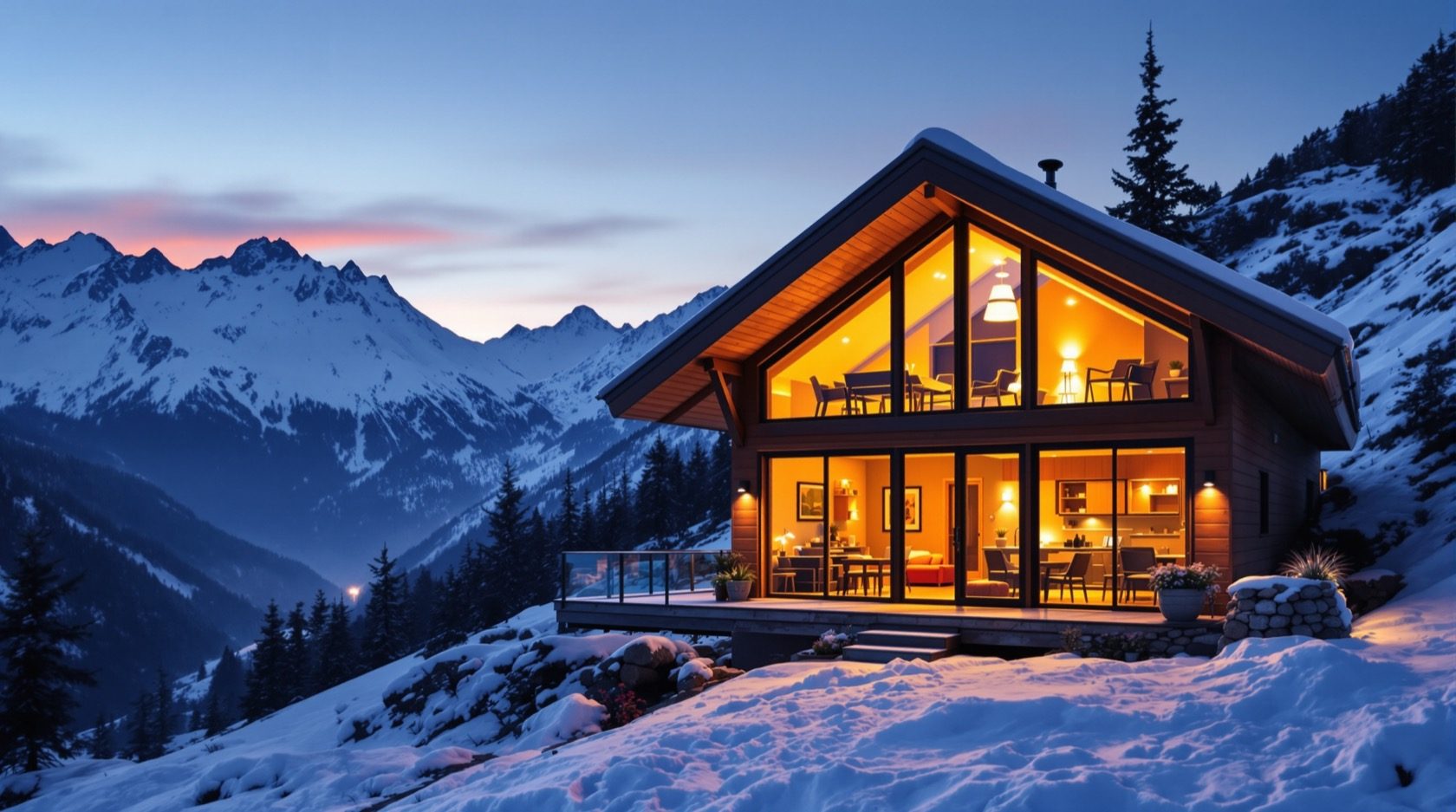
HVAC for Cold Climates: India's Hills, Where Heating Rules
In Shimla, Manali, Leh, Gangtok and the Himalayan and hill belt, the HVAC problem flips — it's about staying warm, not cool. How insulation, heat pumps, solar gain and hot water keep a cold-climate Indian home comfortable through a real winter.
Most of India worries about keeping cool — but in the cold zone, the Himalayan and high-hill belt (Shimla, Manali, Leh, Dharamshala, Gangtok, the North-East heights), the whole problem flips: the challenge is staying warm through a genuinely cold winter, while summers stay pleasant and cooling barely matters. That means the strategies the rest of the country uses turn upside down — insulation to keep heat in, heat pumps and hot water sized for real demand, and the winter sun harnessed as a free asset. This guide explains how to keep a cold-climate Indian home comfortable.
It builds on the Climate Zone HVAC Guide, part of the HVAC Knowledge Hub. This is practical homeowner guidance for a hill/cold-climate home.
Scope & safety. Practical heating strategy; installation of heating systems is qualified work. Never run a fuel-burning heater in a sealed room (carbon-monoxide risk) — a real hazard in cold homes shut tight against the cold (see room heaters).
The problem flips: keep heat in
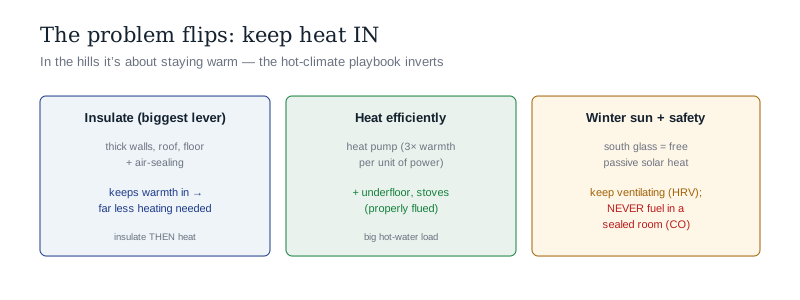
Everything about cold-climate HVAC is the inverse of hot-climate design:
- Insulation keeps warmth in — the same envelope logic as cooling, reversed: thick insulation in walls, roof and floor, and good glazing, drastically cut heat loss, so the home stays warm with far less heating (see heat transfer). This is the single biggest lever.
- Air-sealing — draughts are the enemy; sealing gaps keeps the warm air where you want it (while retaining controlled ventilation for health).
- Winter sun is a friend — large south-facing glass, unshaded in winter, lets the low sun pour warmth in (passive solar heating) — free heat the cold home should design for.
- Cooling barely matters — summers are cool, so AC is rarely needed; the design effort goes entirely into winter warmth.
Keep the heat in first, and everything else gets smaller and cheaper.
The cold-climate heating toolkit
- Heat pumps — the efficient way to heat: a heat pump delivers 3× the warmth per unit of electricity vs a resistance heater. Air-source heat pumps work well in the milder cold (hill stations); in extreme cold their efficiency drops, so pairing with other sources helps.
- Radiant / underfloor heating — warm-floor systems give the most comfortable, even whole-home warmth, ideal for hill homes, especially hydronic underfloor fed by a heat pump or solar.
- Room heaters — for targeted or backup warmth (oil-filled for bedrooms); mind the safety rules, especially never running fuel heaters in sealed rooms.
- Traditional heating — wood/bukhari stoves are common in the hills; they must be properly flued to vent combustion gases safely.
- Hot water is a big load — cold inlet water and high winter demand make water heating significant; a solar water heater (ETC type suits the cold) or heat-pump water heater pays off.
Comfort and health in a cold home
- Insulate then heat — always the right order; heating a leaky, un-insulated hill house is a losing battle.
- Keep ventilating — sealing for warmth can trap stale, damp air; controlled ventilation (ideally heat-recovery/HRV, which recovers warmth from exhaust air) keeps air fresh without losing heat.
- Manage indoor humidity — heated indoor air gets dry (irritating), while poorly-ventilated cold homes can get damp and mouldy — balance with humidity control and ventilation.
- Safety first — carbon-monoxide alarms where fuel is burned; never a fuel heater in a sealed room.
The one-line answer
In India's cold zone — the Himalayan and high-hill belt (Shimla, Manali, Leh, Gangtok, the North-East heights) — the HVAC problem flips from cooling to heating, and the hot-climate playbook inverts. The single biggest lever is insulation (thick in walls, roof and floor, plus good glazing and air-sealing) to keep warmth in, so the home stays comfortable with far less heating; large south-facing glass captures the low winter sun as free passive heat; and cooling barely matters since summers are cool. For active heating, the efficient toolkit is a heat pump (3× the warmth per unit of electricity, best in the milder cold), radiant/underfloor heating (the most comfortable whole-home warmth, ideal for hill homes with a heat-pump or solar source), room heaters and properly-flued wood stoves for targeted/traditional warmth, and a solar or heat-pump water heater for the big winter hot-water load. Throughout, insulate then heat, keep ventilating (ideally heat-recovery HRV to keep air fresh without losing warmth), balance the dry-vs-damp indoor humidity, and above all mind safety — never a fuel-burning heater in a sealed room.
Where to go next
- The zone map: Climate Zone HVAC Guide.
- The efficient heat: Heat Pump Guide · Radiant & Underfloor Heating.
- The everyday load: Water Heater Guide · Solar Water Heating Guide.
- Safe warmth: Room Heater Guide · HRV / ERV Guide.
References
- National Building Code of India, SP 7 : 2026 (cold climate design); Bureau of Energy Efficiency (BEE) — Eco Niwas Samhita cold-climate envelope limits: https://beeindia.gov.in/
- ISHRAE — cold-climate heating & heat-pump application; India Meteorological Department (IMD) hill-station climatic data.
- Vernacular Himalayan architecture references (insulation, solar orientation, flued stoves).
Practical heating guidance for cold climates. Installation of heating systems is qualified work. Never run a fuel-burning heater in a sealed room. System design is qualified MEP/HVAC work tuned to local conditions.
Export this guide
Related Guides — Deep-dive reading
Designing a Naturally Energy-Efficient Indian Home
Comfort first, gadgets last — passive design, orientation, insulation, ventilation and the climate wisdom that cuts Indian energy bills
SustainabilityHome Heating in India: Where It Matters and What Actually Works
India is cooling-dominant, but heating matters more than it seems — hill stations, North-Indian winters and, above all, hot water in every home. A grounded overview of the options (heat pumps, water heaters, radiant, room heaters, solar) and how to choose without wasting energy.
HVAC & CoolingEnergy-Efficient Facades in India: How the Building Skin Cuts Your Cooling, Heating & Lighting Bills
How a building facade drives cooling, heating and lighting energy in India, the three levers of solar-heat-gain control, insulation and daylighting, U-value, SHGC, VLT and WWR in plain terms, ECBC and Eco-Niwas expectations, and real Indian green buildings.
Building FacadesRelated Tools — Try Free
Cross-Ventilation Analyzer
Estimate airflow and air changes per hour (ACH) from room size, window areas, layout, and local wind — with NBC 2016 Part 8 compliance check.
Ventilation CalculatorGeyser Running Cost Calculator
Work out a water heater's electricity use and running cost per day, month and year — and compare electric, gas, heat-pump and solar.
Bathroom CalculatorSolar Water Heater Size Calculator
Size a solar water heater — storage LPD and collector area — from occupants, per-person hot water and system yield.
Plumbing Calculator