
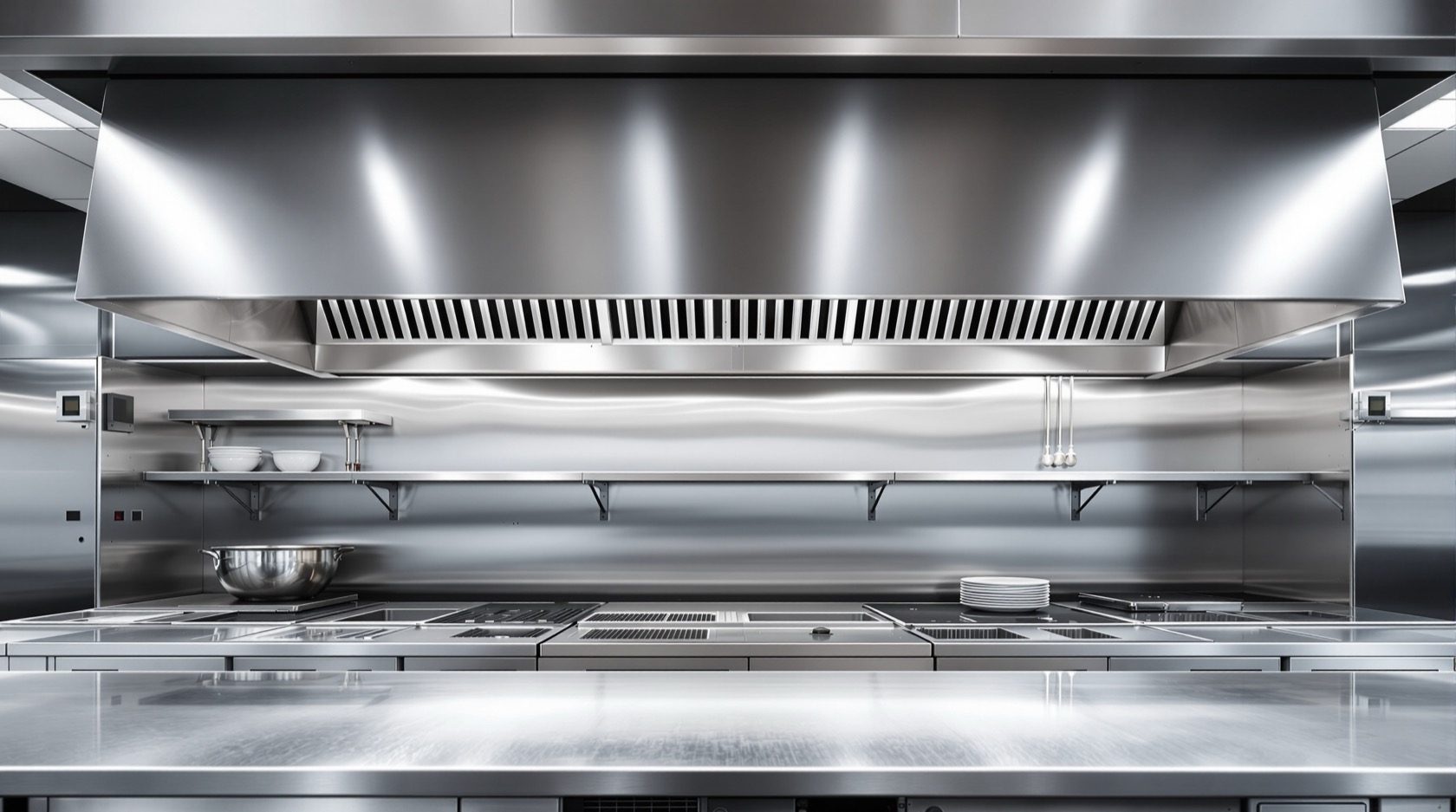
Commercial Kitchen Ventilation: Extracting Heat, Grease and Smoke Safely
A busy kitchen produces enormous heat, grease-laden smoke and cooking fumes — how commercial kitchen ventilation removes it with exhaust hoods, balances it with make-up air, manages grease and fire risk, and keeps staff comfortable, for restaurants, hotels and institutions.
Step into a busy restaurant kitchen and you feel the challenge instantly: intense heat, smoke, steam and the smell of cooking, all pouring off the line. Left unmanaged, that means an unbearable workplace, grease coating everything, odours drifting into the dining room, and a serious fire risk. Commercial kitchen ventilation is the engineered system that captures and removes it all — and it's a genuine specialism, not just a big fan. For restaurants, hotels, canteens and cloud kitchens across India, getting it right is essential to safety, comfort and compliance. This guide explains how it works.
It builds on the Special Buildings HVAC Guide and Mechanical Ventilation Guide, part of the HVAC Knowledge Hub.
Scope & safety. This explains kitchen ventilation concepts to inform briefing. Design, installation and fire-suppression are qualified engineering work — grease-laden exhaust and fire risk make this safety-critical.
The four jobs of kitchen ventilation
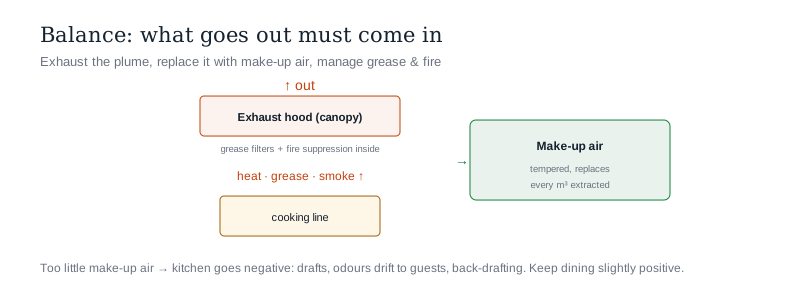
A commercial kitchen ventilation system does four things at once:
- Capture & exhaust — an exhaust hood (canopy) over the cooking line captures the rising plume of heat, grease and smoke and ducts it outside. Sizing the hood and its extraction rate (CFM) to the appliances beneath is the heart of the design.
- Supply make-up air — you can't just suck air out; an equal volume must come in. Make-up air (ideally tempered) replaces the extracted air, or the kitchen goes strongly negative — slamming doors, back-drafts, and starved exhaust.
- Manage grease — grease filters/baffles in the hood trap grease before it enters the ductwork; the duct and fan must be grease-rated and cleanable, because grease build-up is the primary fire hazard.
- Keep staff comfortable & safe — removing heat and fumes makes the kitchen workable, and fire-suppression protects it.
Balance is everything: the exhaust, the make-up air and the surrounding spaces must all be in equilibrium.
The exhaust hood and extraction
- Canopy (wall or island) hoods capture the plume over ranges, tandoors, fryers and griddles; heavier-duty cooking needs higher extraction.
- Extraction rate (CFM) is sized to the hood dimensions and the appliance type/heat — under-extract and smoke escapes into the kitchen; over-extract and you waste energy and make-up air.
- Grease baffles/filters in the hood are the first line against grease entering the ducts; they must be cleaned frequently.
- Ductwork must be grease-tight, sloped/accessible for cleaning, and run to a safe discharge point away from occupied areas and fresh-air intakes.
Make-up air — the half everyone forgets
The most common mistake in kitchen ventilation is exhausting hard without enough make-up air:
- Every cubic metre exhausted must be replaced — otherwise the kitchen goes negative, pulling air from dining rooms and doors, causing drafts, odour migration, and even back-drafting of any flued appliances.
- Tempered make-up air — in India's heat, raw hot outdoor make-up air makes the kitchen worse; tempering (and sometimes cooling) it keeps the space workable.
- Balance with the dining area — the dining room should stay slightly positive relative to the kitchen so cooking smells don't drift out to guests.
Good kitchen ventilation is as much about the air coming in as the air going out.
Grease and fire safety
Kitchens are a serious fire risk, and ventilation is central to managing it:
- Grease build-up in hoods and ducts is the main fuel for kitchen fires — hence frequent, thorough cleaning of filters, hoods and ducts.
- Fire-suppression systems (e.g. wet-chemical hood systems, per practices like NFPA 96) sit within the hood to smother a cooking fire and shut down the exhaust/fuel.
- Fire-rated ducts and safe discharge keep a fire from spreading through the building.
- Regular certified cleaning of the whole exhaust system is both a safety necessity and often a compliance requirement.
The one-line answer
Commercial kitchen ventilation captures and removes the intense heat, grease-laden smoke and fumes a busy kitchen produces, doing four jobs at once: an exhaust hood over the cooking line captures the plume and ducts it outside (sized in CFM to the appliances), make-up air replaces every cubic metre extracted (tempered in India's heat, or the kitchen goes negative with drafts and odour migration), grease filters and grease-rated ducts trap grease before it fuels a fire, and the whole thing keeps staff comfortable and safe. The most-forgotten half is the make-up air — exhaust without balanced supply pulls air from the dining room, drives odours out to guests and back-drafts appliances, so the dining area is kept slightly positive relative to the kitchen. And because grease build-up is the primary fire hazard, frequent certified cleaning of hoods, filters and ducts plus in-hood fire suppression (NFPA 96-style) and fire-rated ductwork are essential. It's a safety-critical specialism — design, installation and suppression are qualified engineering work.
Where to go next
- The overview: Special Buildings HVAC Guide.
- The ventilation basics: Mechanical Ventilation Guide · Home Ventilation Guide.
- Size airflow: Air Changes Per Hour Calculator.
- The kitchen at home: Kitchen design guides.
References
- NFPA 96 — Standard for Ventilation Control and Fire Protection of Commercial Cooking Operations (international reference practice).
- ASHRAE — kitchen ventilation guidance (capture, make-up air balance); ISHRAE application notes.
- National Building Code of India, SP 7 (Part 4 — Fire & Life Safety; Part 8 — Building Services; verify current edition), Bureau of Indian Standards.
This guide informs briefing. Commercial kitchen ventilation and fire-suppression design and installation are qualified, safety-critical engineering work. Verify any standard's current status before relying on it.
Export this guide
Related Guides — Deep-dive reading
Kitchen Hood Suppression Systems in India (2026): Automatic Wet-Chemical Protection for Commercial Kitchens
The fixed fire-suppression system built into a commercial kitchen exhaust hood - how heat-triggered wet-chemical nozzles smother a fryer fire, cut the gas and fan, and why grease-laden ducts are the fire path everyone forgets.
SecurityParking Ventilation in India: Natural, Mechanical and Carbon Monoxide Control (2026)
A planning-level guide to keeping enclosed car parks breathable and safe in Indian buildings — why carbon monoxide and vehicle fumes are dangerous, when natural cross-ventilation is enough, how mechanical supply and exhaust systems work at a concept level, CO sensing and demand-controlled fans, and the dual duty of the same system for everyday fumes and fire smoke extraction. Life-safety design belongs to a licensed MEP and fire consultant and the AHJ.
ParkingBathroom Planning for New Homes in India: Get It Right Before You Build
The bathroom decisions you cannot undo once the slab is cast — location and stacking, sunken vs non-sunken slabs, waterproofing, and the plumbing, electrical and ventilation you must coordinate with the civil work, stage by stage.
BathroomsRelated Tools — Try Free
Bathroom Exhaust Fan Calculator
Size a bathroom exhaust fan from room volume and air changes per hour — output in CFM and CMH with a recommended fan rating and diameter.
Bathroom CalculatorArchitect Fee Calculator
Estimate architect fees based on COA guidelines, project scope, and city.
ArchitectAIConcept Generator
Get 3 AI-generated design concepts for any room with style, materials, and cost estimate.
DesignAI