
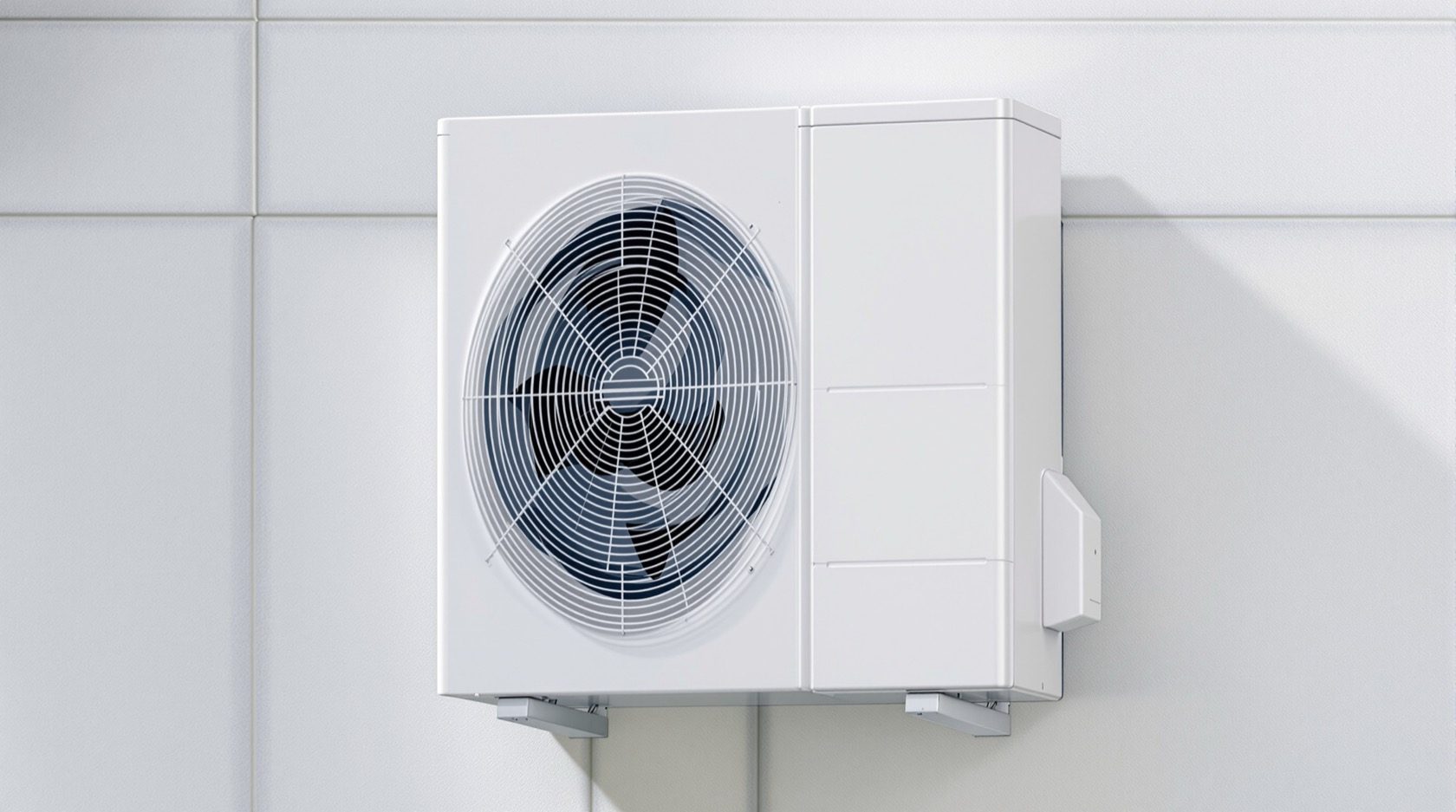
Heat Pumps: The Efficient Way to Heat (and Cool) with Electricity
The single most efficient electric heating technology — how a heat pump moves heat instead of making it to deliver 3×+ the warmth per unit of electricity, why your reversible AC already is one, air-source vs other types, COP, and where heat pumps make sense in India.
A heat pump is the closest thing HVAC has to a free lunch: it doesn't make heat by burning fuel or glowing an element — it moves heat from one place to another, and moving heat takes far less energy than making it. The payoff is dramatic: three or more units of heat for every unit of electricity. If you own an air conditioner, you already own half a heat pump — and a reversible one is a heat pump. As electricity gets cleaner, heat pumps are becoming the efficient way to both heat and cool. This guide explains how they work and where they fit in India.
It builds on the Home Heating Guide and HVAC Fundamentals, part of the HVAC Knowledge Hub.
Scope. This explains the technology to inform choice and specification. Selection, sizing and installation are qualified MEP/HVAC work.
How a heat pump works — moving heat, not making it
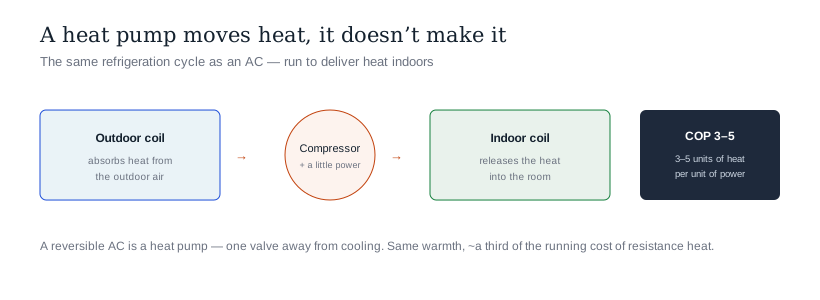
A heat pump runs the same refrigeration cycle as an air conditioner — just aimed at delivering heat:
- The refrigerant absorbs heat from the outdoor air at the outdoor coil (yes, even cold air contains heat energy to harvest).
- The compressor raises the refrigerant's temperature.
- The refrigerant releases that heat indoors at the indoor coil, warming the room (or the water).
- An expansion valve resets the cycle.
An air conditioner does exactly this in reverse — moving heat out of the room. A reversible heat pump simply has a valve to run the cycle either way, so one machine both heats and cools. This is why "heat pump" and "reversible AC" often mean the same box.
Why it's so efficient — COP
The reason a heat pump beats every other electric heater is captured in one number:
- COP (Coefficient of Performance) — heat delivered ÷ electricity consumed. A resistance heater has a COP of ~1 (1 unit in, 1 unit of heat out). A heat pump has a COP of 3–5 — it delivers 3 to 5 units of heat per unit of electricity, because most of the heat is pumped from outside, not made.
- The consequence — heating with a heat pump costs roughly a third (or less) of heating with a resistance element for the same warmth. Over a season, that's large.
- Caveat — COP falls as the outdoor temperature drops (there's less heat to harvest and a bigger lift to make), so a heat pump is most efficient in mild-to-cool conditions — which describes most of India's heating need well.
Efficiency also appears as HSPF (seasonal heating efficiency) and, for cooling, the familiar ISEER/EER.
Types of heat pump
- Air-source (ASHP) — harvests heat from outdoor air. By far the most common and practical; your split AC is one. Suits Indian homes for both comfort and water heating.
- Heat-pump water heater — a small air-source heat pump that heats water at COP ~3, using a third of a conventional geyser's electricity. One of the highest-value heat-pump uses in India.
- Ground-source / water-source (GSHP) — harvests heat from the ground or water, which stays at a steadier temperature, giving higher, more stable COP — but installation (ground loops/boreholes) is expensive and niche.
- VRF systems — commercial VRF is heat-pump technology at building scale, with heat-recovery versions moving heat between zones.
Where heat pumps make sense in India
- Water heating — the standout case. A heat-pump water heater cuts the biggest household heating load to a third; it pays back well, especially with high hot-water demand.
- Combined heating + cooling — buy the reversible AC. In climates with both a cooling summer and a cool winter (north India, hills), a reversible inverter split delivers efficient cooling and heating from one unit — better than a separate resistance heater.
- Mild winters — very well suited. India's heating need is mostly mild, exactly where heat-pump COP stays high.
- Where it's weaker — extreme cold (deep Himalayan winters) lowers COP; and where hot water is the only need, solar thermal may beat it on running cost.
The takeaway: for most Indian heating, a heat pump — whether a reversible AC or a heat-pump water heater — is the efficient default over any resistance heater.
The one-line answer
A heat pump moves heat instead of making it, running the same refrigeration cycle as an AC to absorb heat from the outdoor air (which holds heat energy even when cool), raise its temperature with a compressor, and release it indoors — so a reversible AC literally is a heat pump, one valve away from cooling. Because it pumps heat rather than generating it, its efficiency (COP) is 3–5 versus ~1 for a resistance heater — meaning it delivers the same warmth for roughly a third of the electricity (COP falls in extreme cold, but most of India's heating need is mild, where it stays high). Types run from ubiquitous air-source (your split AC; and the high-value heat-pump water heater at COP ~3) to steadier but costly ground-source, with commercial VRF the building-scale version. In India the standout cases are water heating (cut the biggest load to a third) and combined heating + cooling (buy a reversible inverter split instead of a separate resistance heater) — for almost any electric heating, a heat pump is the efficient default.
Where to go next
- The heating overview: Home Heating Guide.
- The highest-value use: Water Heater Guide.
- The cooling twin: Air Conditioning Basics · Inverter vs Non-Inverter AC.
- Building scale: VRF / VRV Systems Guide.
References
- Bureau of Energy Efficiency (BEE) — appliance efficiency & heat-pump water heater guidance: https://beeindia.gov.in/
- ASHRAE Handbook — HVAC Systems & Equipment (heat pumps; COP/HSPF); ISHRAE — heat-pump application guidance.
- International Energy Agency (IEA) — heat pumps as an efficient electric heating technology.
This guide explains the technology to inform choice. Heat-pump selection, sizing and installation are qualified MEP/HVAC engineering work.
Export this guide
Related Guides — Deep-dive reading
Home Heating in India: Where It Matters and What Actually Works
India is cooling-dominant, but heating matters more than it seems — hill stations, North-Indian winters and, above all, hot water in every home. A grounded overview of the options (heat pumps, water heaters, radiant, room heaters, solar) and how to choose without wasting energy.
HVAC & CoolingHeat Pump Water Heaters in India: The Most Efficient Way to Heat Water
How a heat pump water heater moves heat out of the air to warm your water at roughly a third of a geyser's electricity bill — integrated vs split units, tank sizing, where it suits, install needs, and the real payback.
PlumbingWater Heaters (Geysers): Types, Efficiency and Choosing the Right One
The most-used heating appliance in an Indian home, decoded — storage vs instant, electric vs gas vs solar vs heat-pump, what capacity you need, the BEE star rating, and how to cut the running cost of the hot water you use every day.
HVAC & CoolingRelated Tools — Try Free
Geyser Running Cost Calculator
Work out a water heater's electricity use and running cost per day, month and year — and compare electric, gas, heat-pump and solar.
Bathroom CalculatorGeyser Size Calculator
Find the right water-heater capacity (litres) or instant kW for your bathroom and household, with an indicative running-cost note.
Bathroom CalculatorLift Running Cost Calculator
Monthly and yearly electricity cost of a home lift by type, trips per day and city.
Lift Calculator