
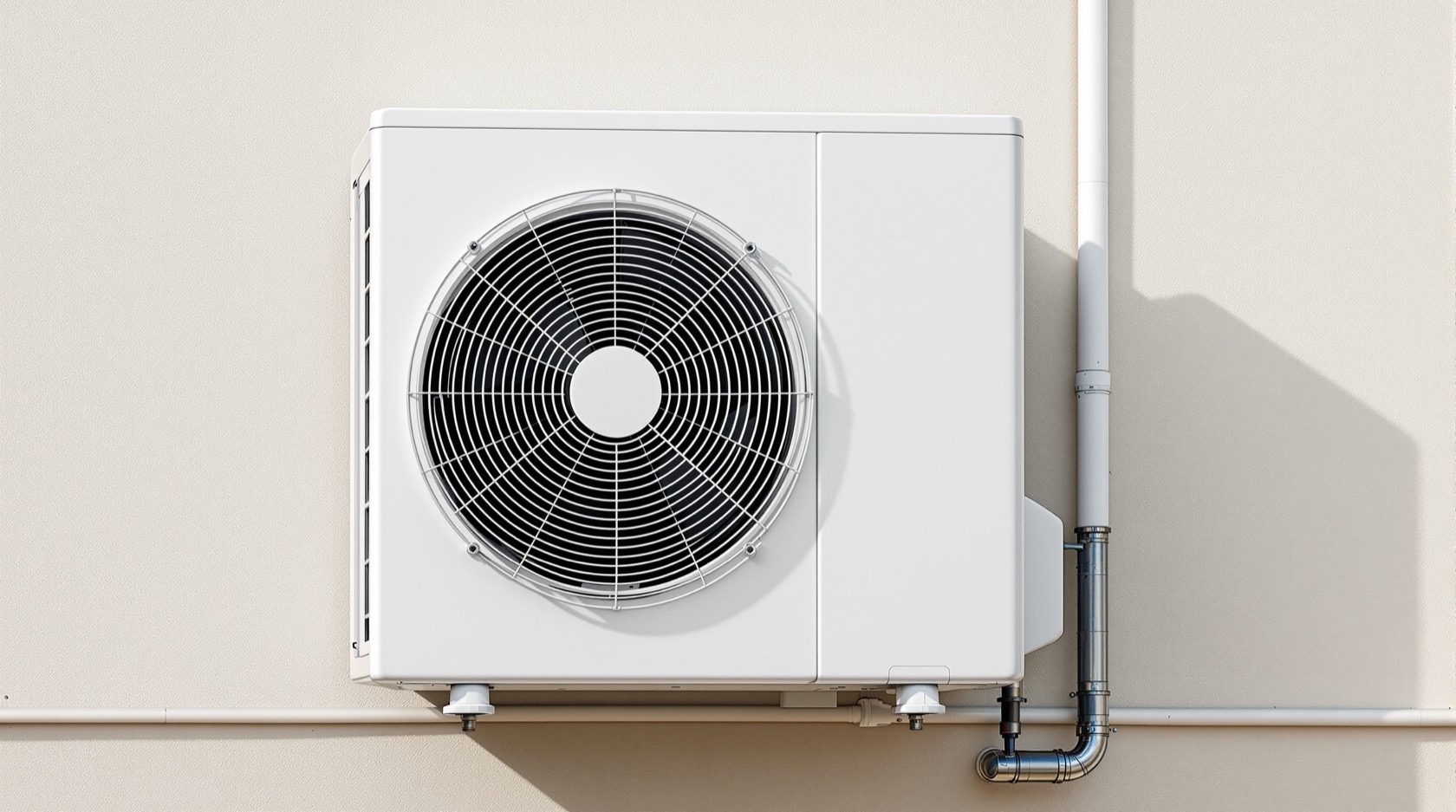
Heat-Pump Water Heaters: Hot Water on a Fraction of the Energy
The most efficient way to heat water electrically — how a heat-pump water heater moves heat instead of making it to use roughly a third of a normal geyser's energy, how it compares to a resistive geyser and a solar water heater, and when it makes sense for an Indian home.
Water heating is one of the biggest slices of a home's electricity bill, because the ordinary geyser heats water the brute-force way — turning electricity straight into heat. A heat-pump water heater does something cleverer: it moves heat from the air into the water, using roughly a third of the energy for the same hot water. That efficiency makes it one of the strongest sustainability upgrades a home can make. This guide explains how heat-pump water heaters work, how they compare, and when they make sense in India.
It is the efficient-water-heating guide of the sustainability set in the Electrical Knowledge Hub, a key move in home electrification.
The safety line. A heat-pump water heater is a mains-powered appliance needing a dedicated, RCCB-protected, earthed circuit and correct installation — a licensed electrician's work, plus a plumber. Choose a quality, BEE-rated product.
How it works — moving heat, not making it
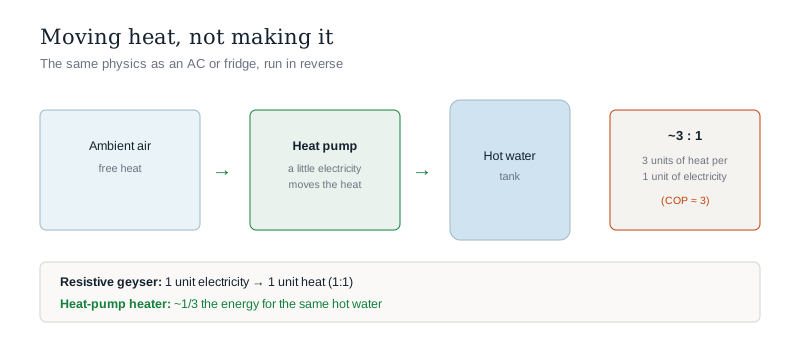
The difference is the physics:
- A resistive geyser turns 1 unit of electricity into 1 unit of heat — efficient at that conversion, but that's all it can do.
- A heat-pump water heater uses a little electricity to move heat from the surrounding air into the water — delivering around 3 units of heat per unit of electricity (a "coefficient of performance", COP, of roughly 3).
- So for the same hot water, it uses roughly a third of the energy — the efficiency comes from moving heat rather than generating it (the same principle as an AC or fridge, run in reverse).
That 3:1 leverage is why it's such a strong efficiency win on a big load.
Heat pump vs geyser vs solar water heater
| Resistive geyser | Heat-pump heater | Solar water heater | |
|---|---|---|---|
| Energy for hot water | Highest (1:1) | Low (~1:3) | Sunlight (minimal grid) |
| Upfront cost | Lowest | Higher | Higher |
| Running cost | Highest | Low | Lowest |
| Weather dependence | None | Some (air temp) | High (needs sun) |
| Best for | Low use / low budget | Steady daily hot water | Sunny sites, daytime use |
- The resistive geyser is cheap to buy, costly to run — fine for light use.
- The heat-pump heater costs more upfront but slashes running cost on regular hot-water demand — the efficiency play.
- The solar water heater uses the sun directly (lowest running cost) but depends on sunshine and suits daytime/steady hot-water use; a heat pump works rain or shine, day or night.
- They're not mutually exclusive — some homes pair solar water heating with a heat-pump (or geyser) backup.
When a heat-pump water heater makes sense
- Regular, substantial hot-water use — a family heating water daily, where the running-cost saving pays back the higher upfront cost.
- You want efficiency without roof dependence — unlike solar water heating, it works in any weather and at night (though very cold ambient air reduces efficiency).
- You're electrifying and want the water-heating load to be as small as possible.
- Pairs beautifully with solar PV — run the heat pump on your own daytime solar for near-free hot water.
- Less compelling for very light hot-water use, where a simple geyser's low upfront cost wins.
Buying and installing well
- BEE star rating — choose an efficient, rated model; higher COP means lower running cost.
- Size the tank to your household's hot-water demand.
- Dedicated, RCCB-protected, earthed circuit and correct siting (it needs airflow around it to draw ambient heat) — a licensed electrician and plumber.
- Placement — where it has air to draw heat from and where the slight cool-air output is fine (a utility area, balcony).
- Quality product — as with any electrical purchase, buy a reputable, warranted unit.
The one-line answer
A heat-pump water heater is the most efficient way to heat water electrically: instead of turning electricity straight into heat like a resistive geyser (1 unit in, 1 unit of heat), it moves heat from the air into the water, delivering about 3 units of heat per unit of electricity — so it uses roughly a third of the energy for the same hot water. It costs more upfront than a geyser but slashes running cost on regular daily hot-water demand, works in any weather and at night (unlike a solar water heater, which is cheapest to run but sun-dependent), and pairs superbly with rooftop solar. Choose a BEE-rated model sized to your use, on a dedicated RCCB-protected circuit installed by a licensed electrician — a strong efficiency and emissions win for any home with steady hot-water needs.
Where to go next
- The electrification picture: Home Electrification Guide.
- The strategy: Sustainable Home Electrical Guide.
- Power it with solar: Rooftop Solar Guide.
- The running-cost maths: Appliance Running Cost Calculator.
References
- Bureau of Energy Efficiency (BEE) — Standards & Labelling (water heaters / heat pumps): https://beeindia.gov.in/
- IS 302 : Part 1 : 2024, Household and Similar Electrical Appliances — Safety, Bureau of Indian Standards.
- IS 732 : 2019, Code of Practice for Electrical Wiring Installations; IS 3043 : 2018, Earthing, BIS: https://www.bis.gov.in/
Efficiency (COP) varies with ambient temperature, product and usage; figures are indicative. Installation needs a licensed electrician and plumber. Verify any standard's status via the BIS catalogue before relying on it.
Export this guide
Related Guides — Deep-dive reading
Solar vs Electric Water Heater: Which to Choose for Your Home in India
The energy-source decision for whole-home hot water — a solar water heater's high upfront cost and near-free running against an electric geyser's cheap install and steep monthly bill. Upfront vs running cost, payback, roof needs, seasonal reliability, and a clear verdict by household.
PlumbingHeat Pump Water Heaters in India: The Most Efficient Way to Heat Water
How a heat pump water heater moves heat out of the air to warm your water at roughly a third of a geyser's electricity bill — integrated vs split units, tank sizing, where it suits, install needs, and the real payback.
PlumbingDesigning a Naturally Energy-Efficient Indian Home
Comfort first, gadgets last — passive design, orientation, insulation, ventilation and the climate wisdom that cuts Indian energy bills
SustainabilityRelated Tools — Try Free
Electrical Safety & Load Audit
Home electrical audit — 10 categories, 65+ checkpoints across earthing, RCCB, MCB, wiring, switchboards, appliance circuits, DG/inverter backup.
Safety AuditGeyser Running Cost Calculator
Work out a water heater's electricity use and running cost per day, month and year — and compare electric, gas, heat-pump and solar.
Bathroom CalculatorGeyser Size Calculator
Find the right water-heater capacity (litres) or instant kW for your bathroom and household, with an indicative running-cost note.
Bathroom Calculator