
Home Electrification: Going All-Electric as the Grid Gets Greener
The quiet shift from gas and fuel to electricity — why electrifying cooking, water heating and transport makes a home cleaner as the grid decarbonises, the efficient electric alternatives (induction, heat pumps, EVs), and the wiring and load a home needs to support them.
There's a quiet, powerful idea in sustainable homes: electrify everything. The uses that still burn fossil fuels directly — cooking on gas, heating water, driving — can each be done with electricity instead, and once they are, they get cleaner automatically as the grid itself decarbonises (and cleaner still on your own solar). Better yet, the electric alternatives are often more efficient. This guide explains home electrification for India — the what, the why, and the wiring and load it needs.
It is the electrification guide of the sustainability set in the Electrical Knowledge Hub, the "electrify & offset" rung of the sustainable electrical ladder.
The safety line. Electrification adds significant electrical loads (induction, EV charging, heat-pump heaters), each needing proper dedicated circuits and possibly a load upgrade — a licensed electrician's design work. Plan the electrical capacity before electrifying.
Why electrify?
Two reasons, both compelling:
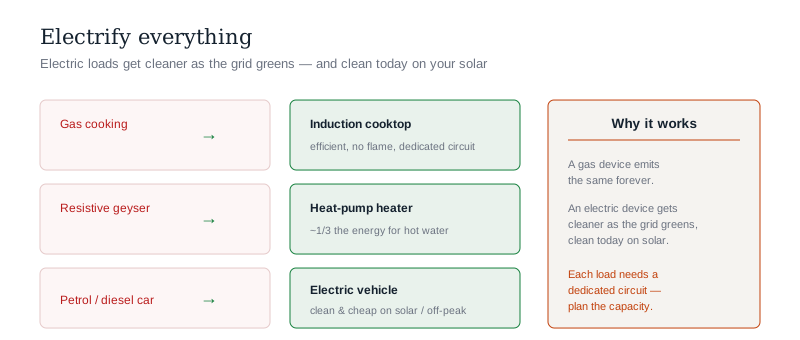
- It gets cleaner over time — a gas stove or fuel-burning device emits the same forever; an electric device gets cleaner every year the grid greens, and is clean today if run on your rooftop solar. You "future-proof" the emissions.
- Electric is often more efficient — modern electric alternatives (induction cooking, heat-pump water heating, EVs) convert energy more efficiently than combustion, so they can cost less to run and emit less.
The strategy: electrify the fossil loads, make the electricity efficient, and generate it clean — the sustainable ladder's top rungs.
The three big electrifications
1. Cooking — gas to induction
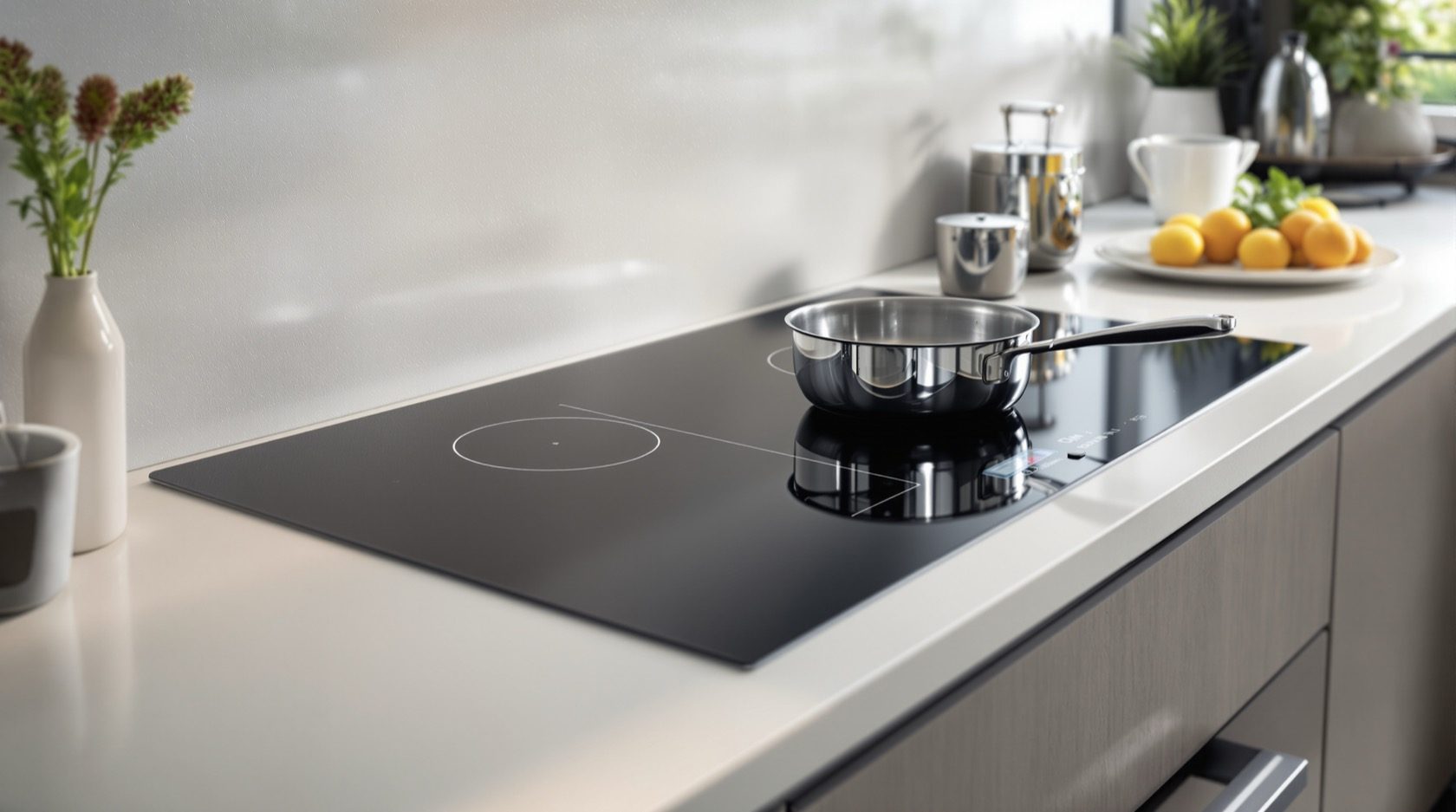
- Induction cooktops heat the pan directly and efficiently, with fast, controllable heat, no flame, no indoor combustion (better indoor air), and easy cleaning.
- The trade-offs — needs induction-compatible cookware and a dedicated high-power circuit (a real electrical load); some cooks prefer a flame.
- A common path — an induction hob for daily cooking, keeping gas as backup, moving fully electric over time.
2. Water heating — to heat pumps
- Heat-pump water heaters move heat rather than making it, using a fraction of the energy of a resistive geyser — a big efficiency and emissions win (see the heat-pump water heater guide).
- Solar water heaters are another clean route for hot water.
- Both cut the large water-heating slice of a home's energy.
3. Transport — to EVs
- Electric vehicles replace petrol/diesel, cutting transport emissions — and charged on solar/off-peak power, they're clean and cheap to run.
- Home EV charging is the enabling electrical provision — a dedicated circuit, planned into the home.
The wiring and load reality
Electrification is the sustainable move that most affects a home's electrical capacity — plan for it:
- Each big electric load needs a dedicated circuit — induction hob, EV charger, heat-pump heater, sized correctly (see choosing MCB rating and the load calculator).
- Total load may rise enough to need a higher sanctioned load or even a three-phase connection — check before adding several.
- Pair with efficiency and solar — electrify after efficiency (so the loads are modest) and with solar (so they're clean and cheap), the ladder order.
- Future-proof the wiring — even if you electrify gradually, provide the circuits and capacity now (an EV-ready point, a spare high-power circuit) so it's easy later.
The one-line answer
Home electrification means swapping the home's fossil-burning uses — gas cooking, water heating and fuel transport — for electric ones (induction, heat-pump water heaters, EVs), which get cleaner every year as the grid greens and are clean today on rooftop solar, and are often more efficient to run too. Because these are significant new electrical loads, each needs a dedicated, correctly-sized circuit, and adding several may require a higher sanctioned load or a three-phase connection — so plan the capacity (and future-proof the wiring) with a licensed electrician. Do it in ladder order — efficiency first, then electrify, paired with solar — and a home decarbonises itself over time while often running cheaper.
Where to go next
- The strategy: Sustainable Home Electrical Guide.
- Efficient water heating: Heat-Pump Water Heater Guide.
- The transport load: Home EV Charging Guide.
- Does it need three-phase? Single-Phase vs Three-Phase Guide.
References
- Bureau of Energy Efficiency (BEE) — Standards & Labelling (efficient appliances): https://beeindia.gov.in/
- IS 302 : Part 1 : 2024, Household and Similar Electrical Appliances — Safety, Bureau of Indian Standards.
- IS 732 : 2019, Code of Practice for Electrical Wiring Installations (loads, dedicated circuits), BIS: https://www.bis.gov.in/
Electrification adds significant loads; circuit design, load assessment and any connection upgrade must be done by a licensed electrician. Verify any standard's status via the BIS catalogue before relying on it.
Export this guide
Related Guides — Deep-dive reading
EV-Ready Home Design in India
Wire your home today to charge an electric car tomorrow, without breaking a single wall.
Future-Ready HomesFuture-Proof Wiring Systems for Indian Homes
Build electrical headroom now so tomorrow's loads are plug-and-play, not demolition.
Future-Ready HomesHome EV Charging: The Complete Guide for Indian Homes
Everything a homeowner needs to charge an electric car at home — how EV charging works, the AC vs DC and slow vs fast reality, the dedicated circuit and load your home needs, safety and the standards, and how to make a home EV-ready from the start.
Electrical & WiringRelated Tools — Try Free
Electrical Safety & Load Audit
Home electrical audit — 10 categories, 65+ checkpoints across earthing, RCCB, MCB, wiring, switchboards, appliance circuits, DG/inverter backup.
Safety AuditGeyser Running Cost Calculator
Work out a water heater's electricity use and running cost per day, month and year — and compare electric, gas, heat-pump and solar.
Bathroom CalculatorRainwater Tank Sizer
How big should your rainwater tank be? Computes annual harvest, recommended tank capacity in litres, water-bill savings, and payback — for 10 Indian cities.
RWH Calculator