
Arc Fault Protection (AFDD): The Fire Risk MCBs and RCCBs Miss
The dangerous electrical arc that neither an MCB nor an RCCB reliably catches — and the arc fault detection device (AFDD) built to spot it. What arcing is, why it starts fires, how an AFDD works, and an honest look at where this newer technology stands in India.
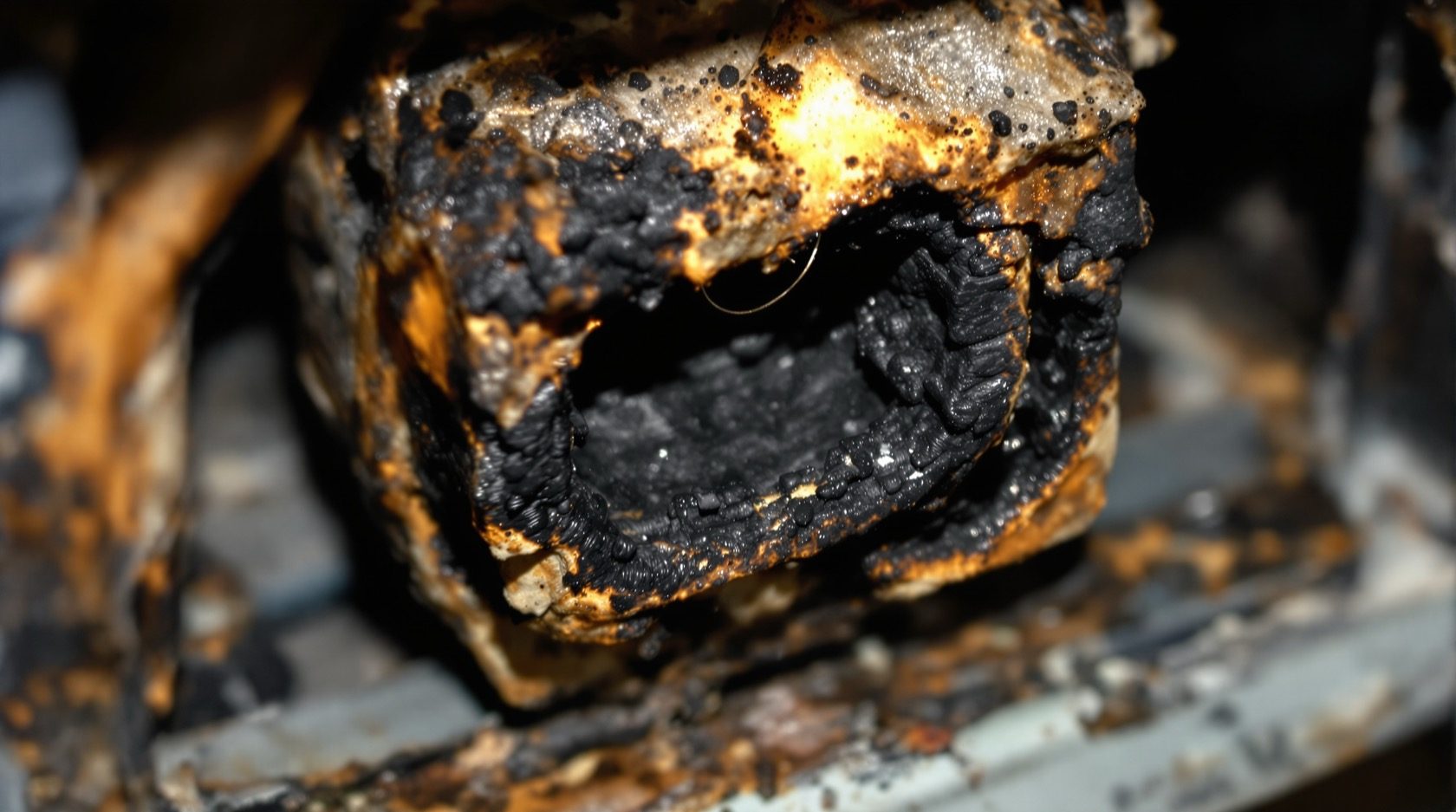
There is a fire-starting electrical fault that sits in a blind spot: an arc. A loose connection, a nicked cable, a damaged plug or a rodent-bitten wire can produce a small, persistent electrical arc that generates intense localised heat — hot enough to ignite insulation, wood or dust — while drawing so little current that an MCB never trips and leaking nothing to earth, so an RCCB stays put too. The device built specifically for this danger is the arc fault detection device (AFDD). This guide explains arcing, how an AFDD catches it, and gives an honest picture of where this newer technology stands in India.
It sits under the protection layers guide, alongside the MCB & MCCB and RCCB, RCBO & ELCB guides that cover the protections an AFDD complements.
The safety line. AFDDs, where used, are selected and installed by a licensed electrician. Internationally they are made to IEC 62606. This guide is an honest orientation to the technology and its status, not a recommendation to buy or fit one — and it does not replace the fundamentals of good wiring, earthing and RCCB protection.
Why arcing is dangerous — and invisible to normal protection
An electrical arc is a luminous discharge across a small gap or poor contact — the tiny spark you sometimes see at a loose plug, sustained. Two kinds matter:
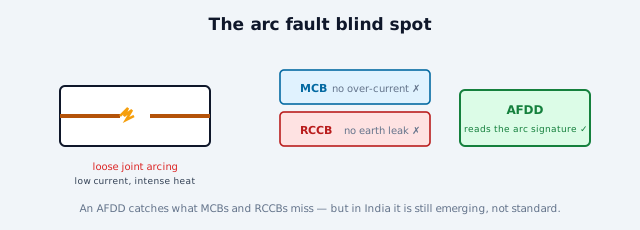
- A series arc — in a break along a single conductor (a loose terminal, a partially broken wire). It actually reduces the current, so an MCB, which trips on over-current, sees nothing wrong.
- A parallel arc — between conductors or to earth; some of these are caught by other devices, but many low-energy arcs are not.
The danger is that a series arc can burn for a long time at a loose joint, concentrating heat in one spot until it ignites the surroundings — a classic hidden cause of electrical fires — while every conventional protective device sits unbothered because there is no over-current and no earth leakage. This is precisely the gap an AFDD is designed to fill.
How an AFDD works
An AFDD continuously analyses the current waveform on a circuit, looking for the characteristic electrical "signature" of a dangerous arc — the erratic, high-frequency noise pattern that arcing produces, distinguished from the harmless arcs of normal switching (a light switch, a motor brush). When it recognises a genuine fault arc, it trips the circuit, cutting the power before the arc can start a fire. It is often combined with RCBO functions in a single device, so one unit can provide arc, earth-leakage and overload protection together.
An honest look at AFDDs in India
This is where honesty matters more than enthusiasm:
- The technology is real and valuable — arc faults are a genuine, under-addressed cause of electrical fires, and AFDDs address a real gap.
- It is more established abroad — some countries now require AFDDs on certain circuits (bedrooms, high-risk locations) in their wiring rules.
- In India it is an emerging, not standard, technology — AFDDs are available but are not commonly fitted in ordinary homes, and are not generally mandated by everyday practice at the time of writing. They add cost, and cheaper units can nuisance-trip if poorly designed.
- It is a complement, never a substitute — an AFDD does nothing to replace correct wiring, sound earthing and a 30 mA RCCB, which remain the priorities. It adds a further layer against a specific fire risk, mostly worth considering for higher-risk or higher-value installations.
Internationally these devices conform to IEC 62606; confirm the current status of any Indian designation and any local requirement with your electrician rather than assuming one exists.
The most cost-effective arc-fault protection for most Indian homes is still good workmanship: tight, sound connections, quality accessories, and no damaged cables — because the arcs an AFDD catches usually start at exactly the loose joints and damaged wires that careful installation prevents in the first place.
The one-line answer
An arc fault — from a loose connection or damaged cable — can burn hot enough to start a fire while drawing too little current for an MCB to trip and leaking nothing for an RCCB to catch, which is the blind spot an arc fault detection device (AFDD) fills by recognising the electrical signature of a dangerous arc and cutting the power. The technology is real and increasingly required abroad (to IEC 62606), but in India it is still emerging rather than standard or mandated, and it complements — never replaces — good wiring, earthing and an RCCB. For most homes, sound connections and quality accessories remain the best arc-fault protection.
Where to go next
- The whole safety picture: Layers of Electrical Protection.
- The overload device it complements: MCB & MCCB Guide.
- The shock device it complements: RCCB, RCBO & ELCB Guide.
- Good workmanship: Home Electrical Wiring Guide.
References
- IEC 62606 — international general requirements for arc fault detection devices (confirm any current Indian/BIS designation and requirement before specifying).
- IS/IEC 60898-1 : 2015 (MCBs); IS 12640 (RCCBs/RCBOs), Bureau of Indian Standards.
- IS 732 : 2019, Code of Practice for Electrical Wiring Installations, BIS.
- National Electrical Code of India, SP 30 : 2023, BIS: https://www.bis.gov.in/
AFDD technology is emerging in India and not generally mandated for ordinary homes at the time of writing; treat this as orientation, verify current requirements, and prioritise the fundamentals (wiring, earthing, RCCB). Selection and installation must be by a licensed electrician. Verify any standard's status via the BIS catalogue before relying on it.
Export this guide
Related Guides — Deep-dive reading
Electrical Fire Safety in India (2026): Overloads, Wiring and the Right Protection
Why electrical faults cause so many Indian building fires, and the fix: correct cable sizing and a properly designed board by a licensed electrician, MCB plus RCCB protection, no overloading, and never water on a live fire.
SecurityRCCB, RCBO & ELCB: The Devices That Protect You From Shock
The single most important safety device in a home distribution board — the residual current device that detects electricity leaking to earth and cuts power in milliseconds. What RCCB, RCBO and ELCB mean, why 30 mA matters, the difference from an MCB, and why every home must have one.
Electrical & WiringResidential Electrical Systems: The Complete Guide for Indian Homes
How the electricity in an Indian home actually works — from the utility supply and meter through the distribution board, circuits, wiring, earthing and protection, to lighting, safety, energy efficiency, smart controls, solar and backup — written so a homeowner can understand, plan and judge it, and know exactly where a licensed electrician must take over.
Electrical & WiringRelated Tools — Try Free
Electrical Safety & Load Audit
Home electrical audit — 10 categories, 65+ checkpoints across earthing, RCCB, MCB, wiring, switchboards, appliance circuits, DG/inverter backup.
Safety AuditEarth Conductor Size Calculator
Find the minimum protective (earth) conductor size for a circuit from its phase conductor size, using the standard IS 732 / IEC 60364 rule.
ElectricalElectrical Load Calculator
Estimate a home's connected load and realistic maximum demand from its appliances, whether it needs single or three-phase supply, and a suggested main switch rating.
Electrical