
CCTV SystemsVolume 1 · Issue 4 · September 2026
CCTV, Understood
Cameras are the most-bought and least-understood part of home security. This library makes CCTV make sense — the system types, the cameras, the features and the installation — so you buy the right thing once, for an Indian home, shop or building.
Complete Guide to CCTV Systems for Indian Homes
The master overview of home CCTV for India: what a system is and its parts, the three big decisions (analog vs IP, wired vs wireless, cloud vs local), resolution and coverage, tiered packages with rupee bands, and how to plan a professional install.
Read itFundamentals — the system
Analog, IP, wired & wireless How it works01
How CCTV Systems Work
A plain-language explainer of what happens between the lens and your phone: how a CCTV camera captures, compresses, transmits, records and stores video, and how to view it remotely without leaving your home wide open on the internet.
 Analog02
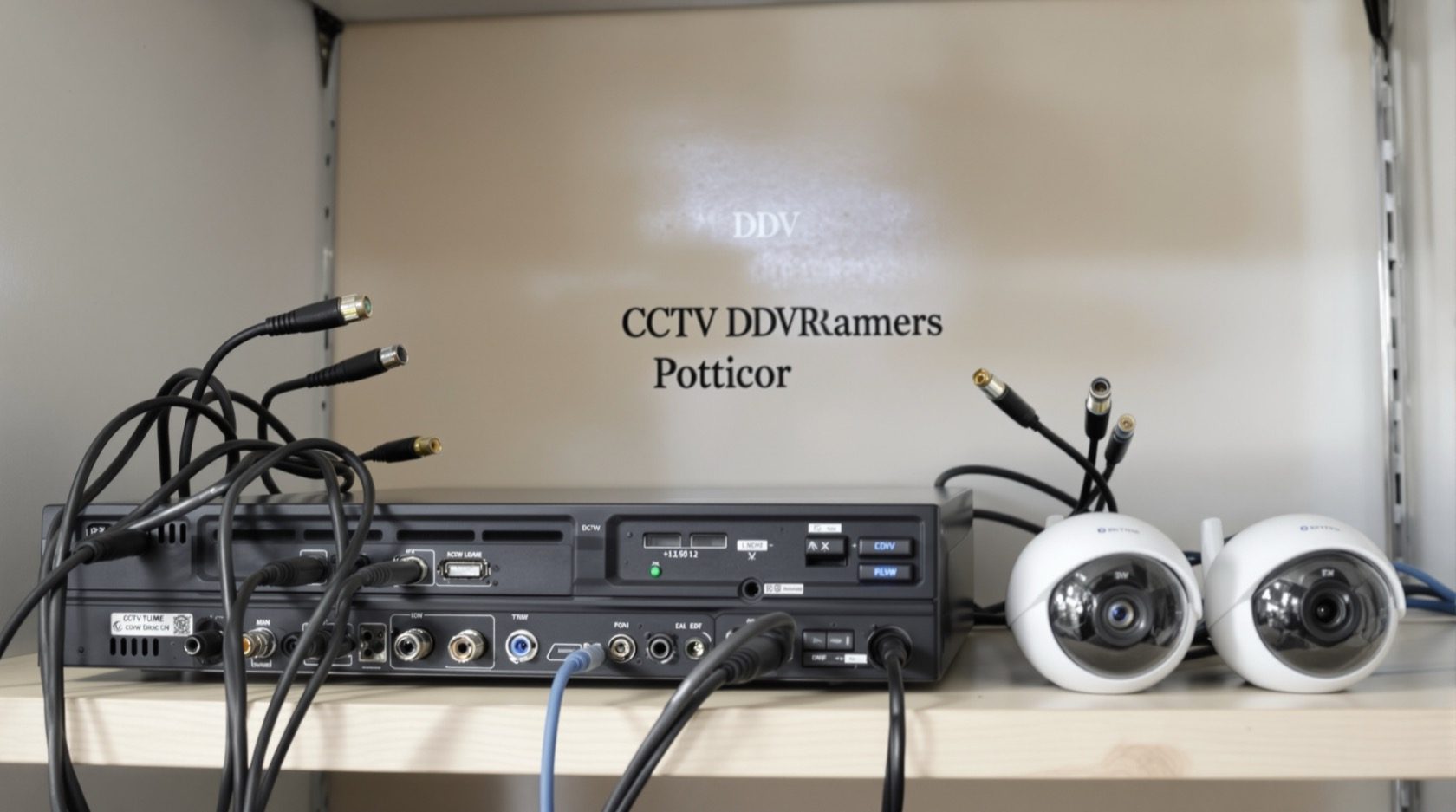
Analog CCTV in India: HD-over-Coax, DVRs and When It Still Wins
How analog CCTV works in India - cameras, coax and a DVR - plus modern HD-over-coax (HD-TVI, AHD, HD-CVI) at 2MP to 8MP. Where analog is the smart low-cost choice, its limits, India price bands, and how it compares with IP.
 IP03
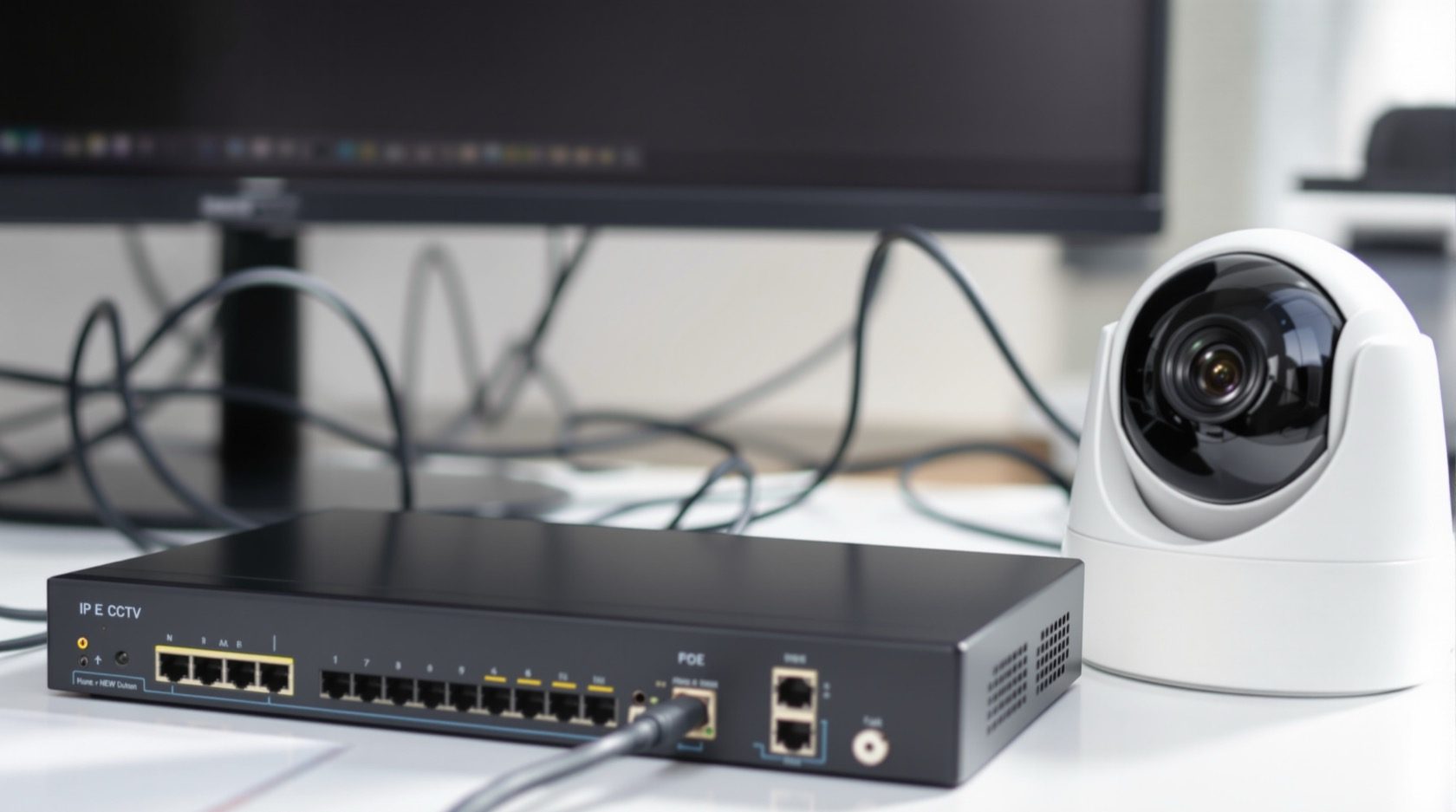
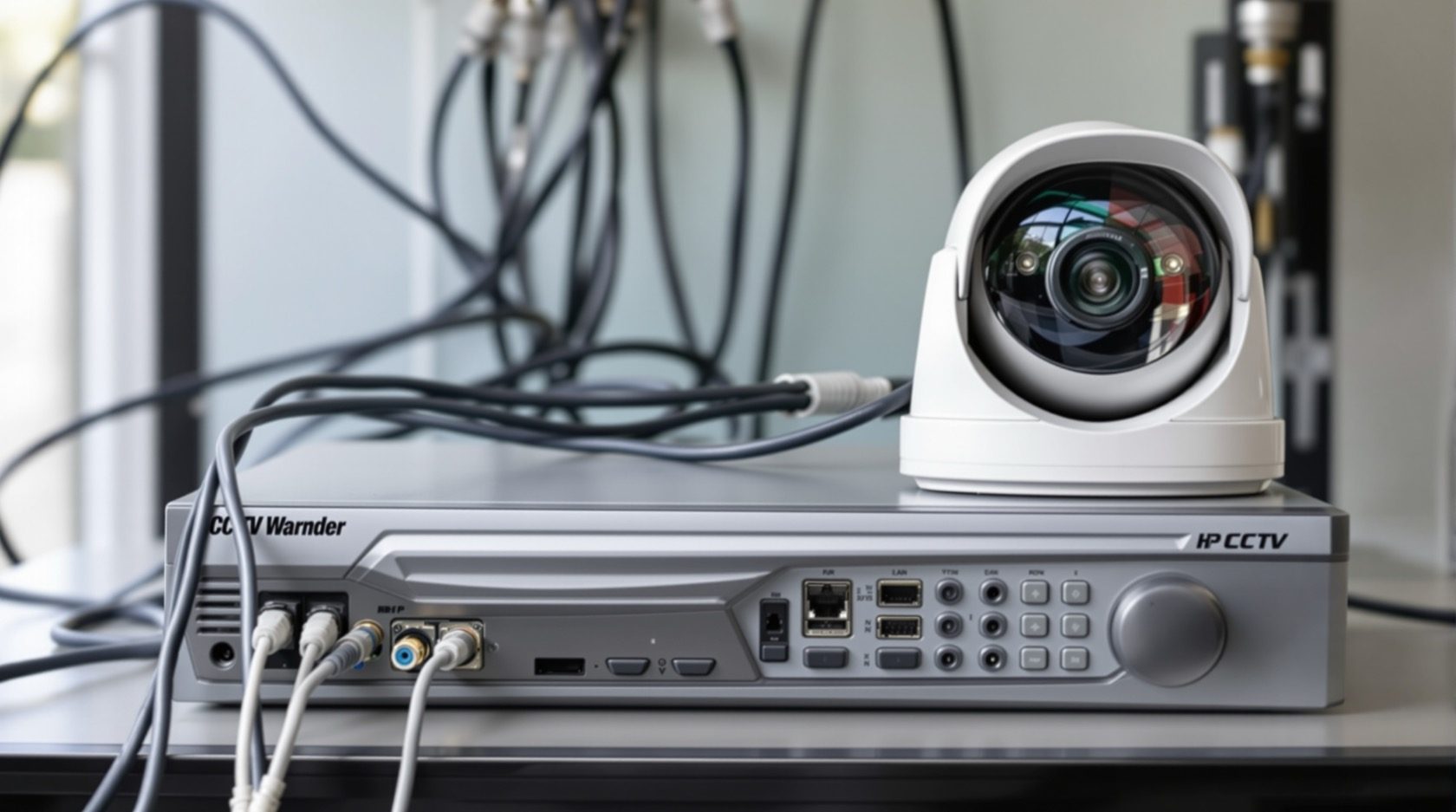
IP03IP CCTV in India: The Modern Network Camera System, Explained
IP CCTV is the modern default in India: network cameras on one PoE cable, 4MP to 8MP detail, on-camera analytics and easy remote access. How it works, what it costs, and how to plan a secure, expandable NVR system.
 Hybrid04
Hybrid CCTV in India: Running Analog and IP Cameras Together
A hybrid CCTV system runs analog cameras on coax and IP/PoE cameras on one recorder. The best way to migrate an existing Indian setup to IP gradually — keep what works, add higher resolution where it counts, and phase the cost.
 Wired05
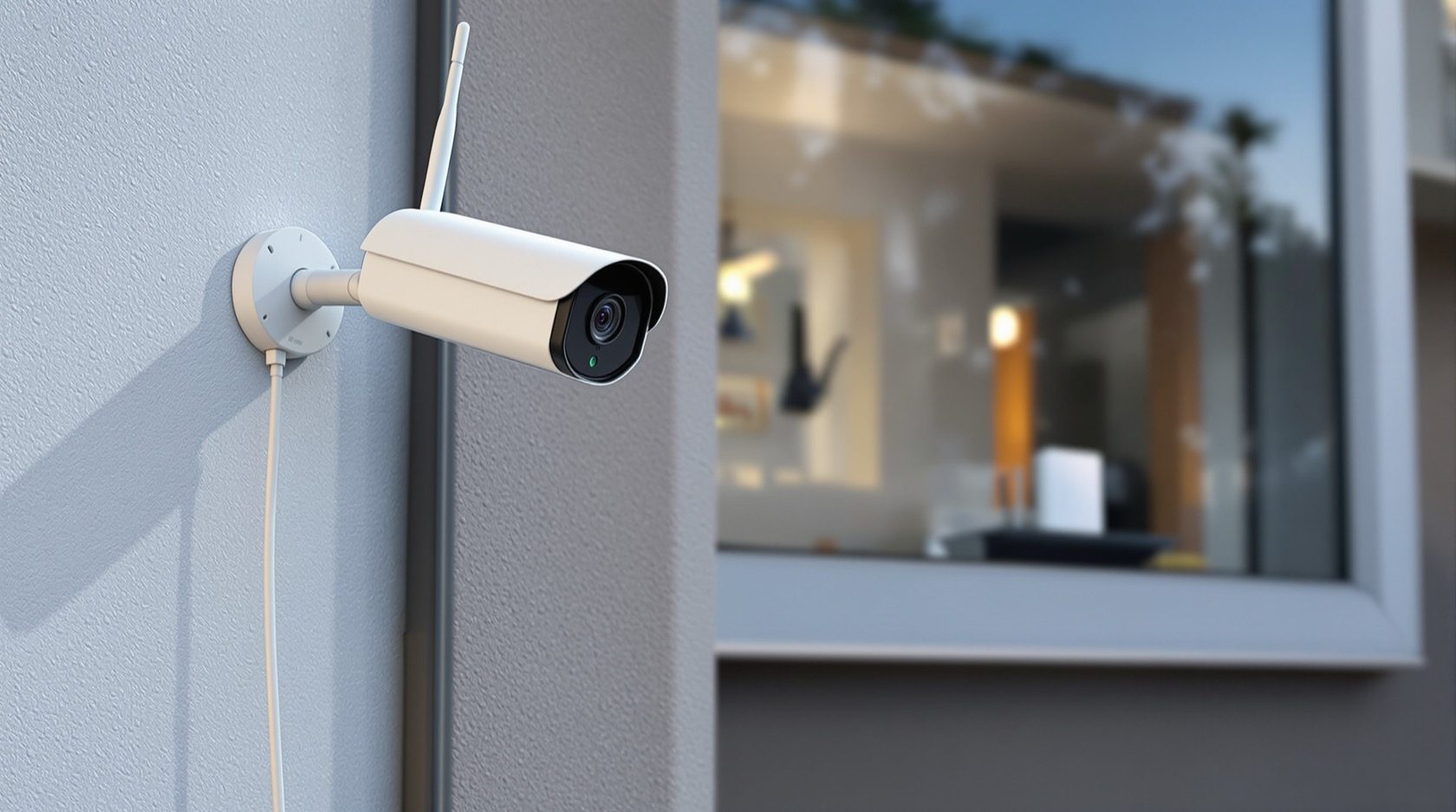
Wired CCTV for Indian Homes: The Reliable Backbone
Why wiring is the most reliable way to run CCTV in an Indian home: what wired means for analog coax and IP PoE cameras, the advantages and trade-offs, and how to plan the cabling at construction or as a retrofit.
 Wireless06
Wireless CCTV in India: How Wi-Fi Cameras Really Work
A clear-eyed guide to wireless CCTV in India: what Wi-Fi cameras really are (most still need power), their genuine advantages for rentals and retrofits, and the real pitfalls — dead zones, router dependence, bandwidth and cybersecurity — plus where to prefer wired.
Storage, intelligence & environment
Cloud/local, AI & indoor/outdoor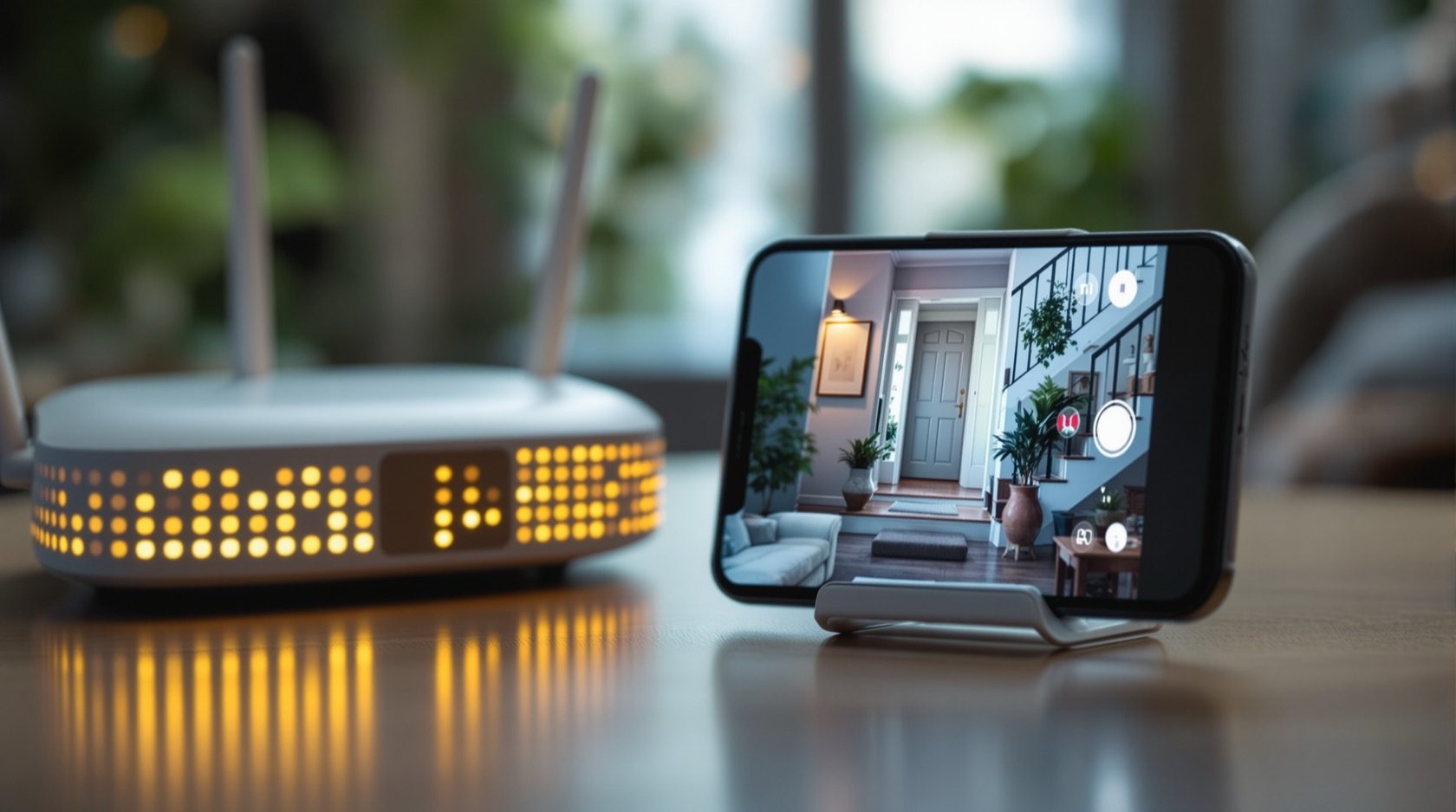 Cloud07
Cloud CCTV in India: Footage That Survives a Stolen Recorder
Cloud CCTV keeps an offsite copy of your footage that survives a stolen or smashed recorder, with easy remote viewing and no NVR to maintain. But subscriptions add up, upload bandwidth is the catch in India, and your video lives on a third party's servers.
 Local storage08
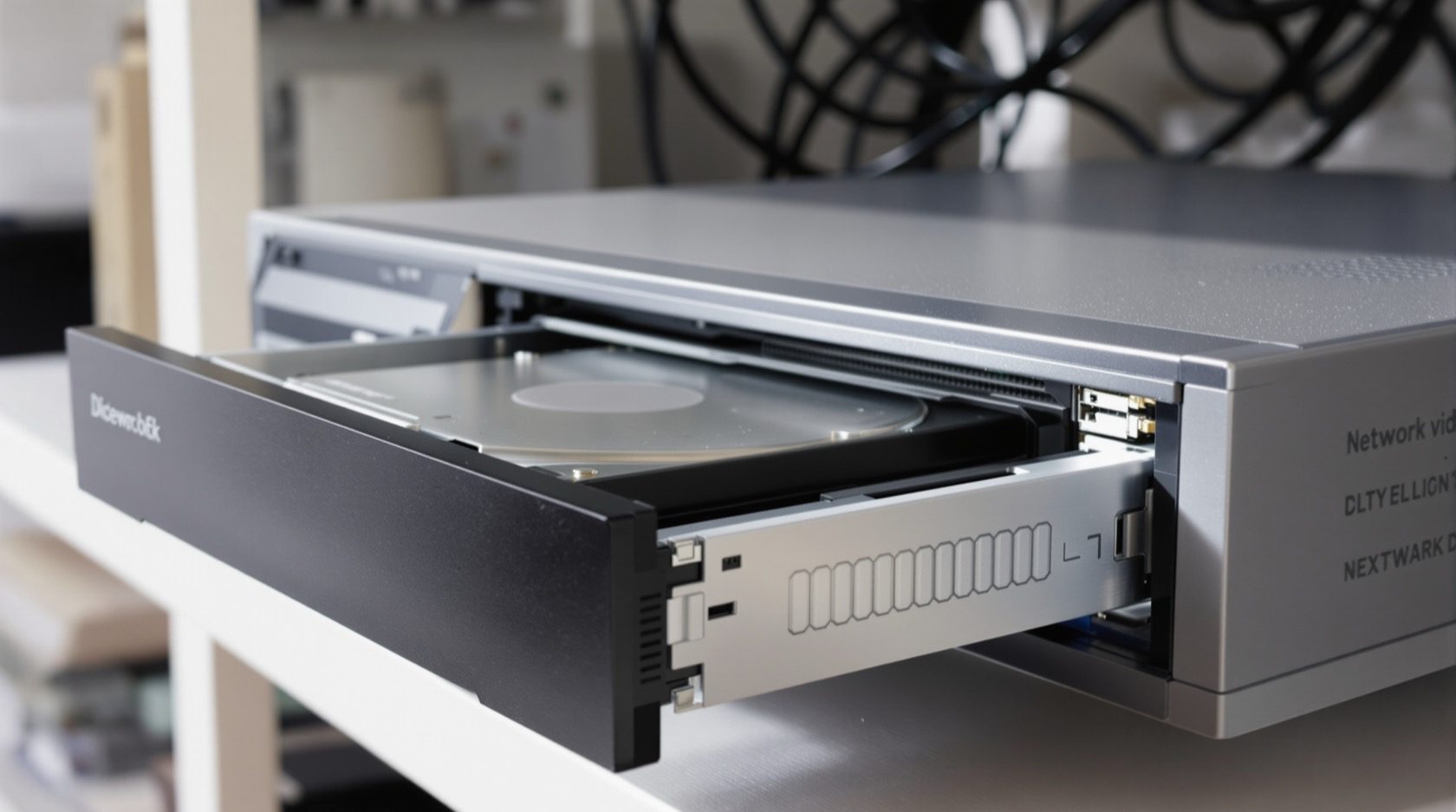
Local Storage CCTV in India: NVR, DVR and Your Own Hard Disk, Explained
Local-storage CCTV records to an NVR or DVR with its own hard disk on your premises: one-time cost, no subscription, works without internet, footage stays private. How it works, the stolen-recorder risk, and how to size and secure it.
 AI09
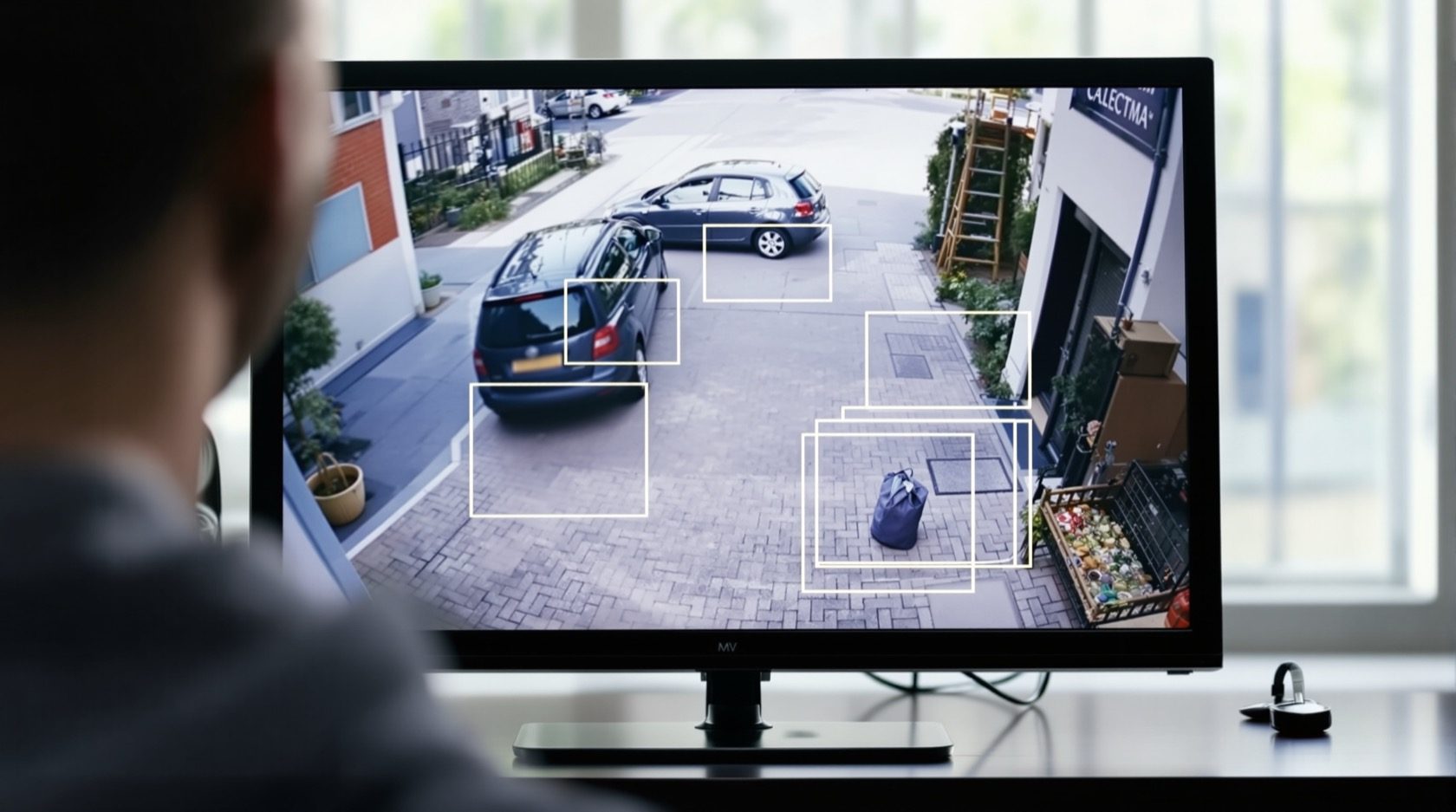
AI09AI-Powered CCTV in India: What the Analytics Really Do
AI-powered CCTV uses analytics to cut false alarms and speed up investigation. Which features are genuinely useful at home, how on-camera differs from cloud AI, and an honest look at facial recognition accuracy, bias and DPDP Act privacy.
 Smart10
Smart CCTV in India: The App-First Camera, Explained
Smart CCTV means app-first cameras: quick DIY setup, cloud by default, phone alerts, two-way audio and voice-assistant control. What makes a camera smart, the popular forms, the real cautions, and where consumer cameras fit against a proper wired CCTV backbone.
 Indoor11
Indoor CCTV for Indian Homes and Shops: Coverage With Privacy
Indoor CCTV covers your main door from inside, common areas and the shop floor — never bathrooms or bedrooms. How to choose camera types, place them without dead spots, and stay lawful and respectful under the DPDP Act.
 Outdoor12
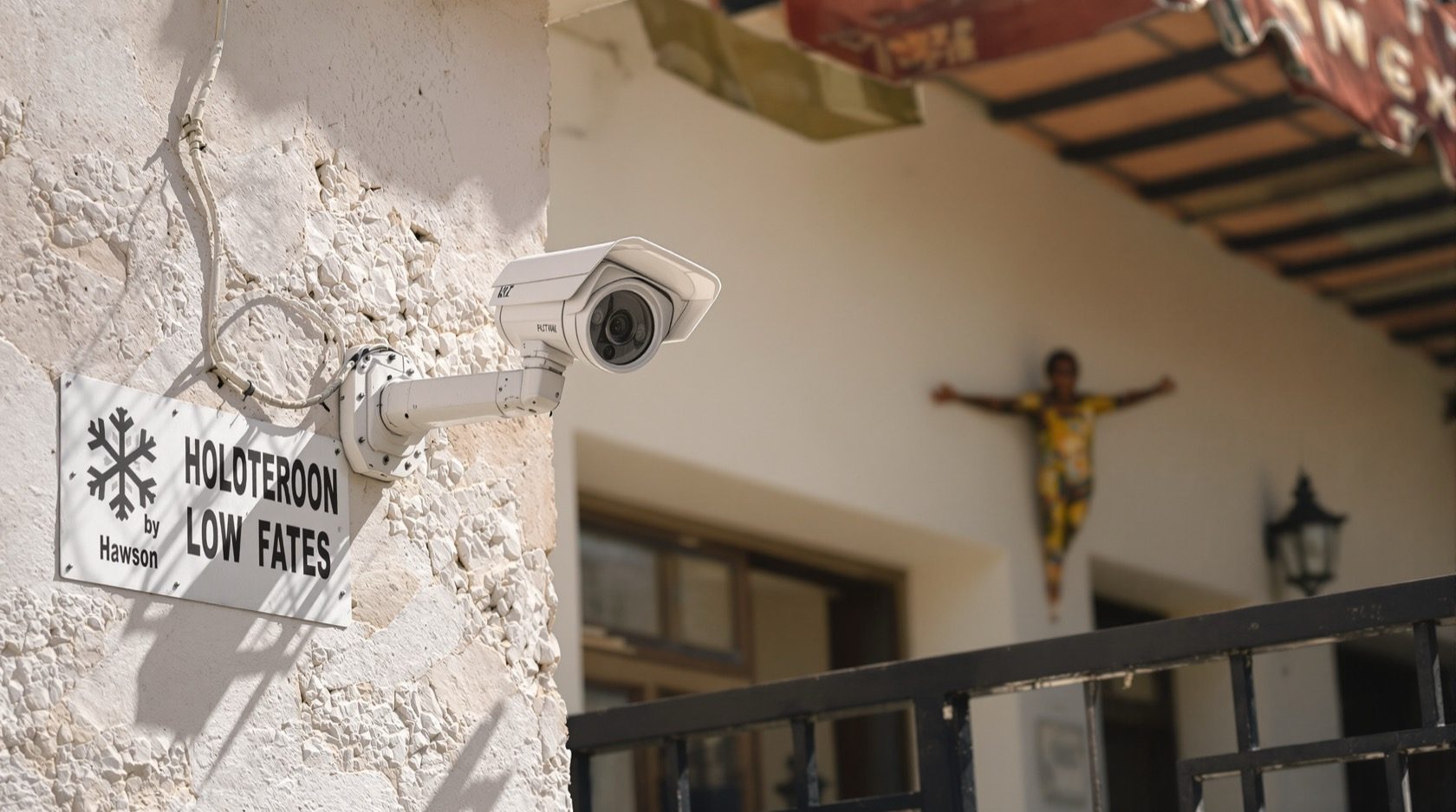
Outdoor CCTV in India: Cameras Built for Rain, Heat and the Night
Outdoor cameras face monsoon rain, dust, 45C heat, tampering and darkness. This guide explains IP66/IP67 weatherproofing, IK vandal ratings, night vision and WDR, and where to place cameras at the gate, boundary, driveway and terrace of an Indian home.
CCTV by setting
Home, shop & factory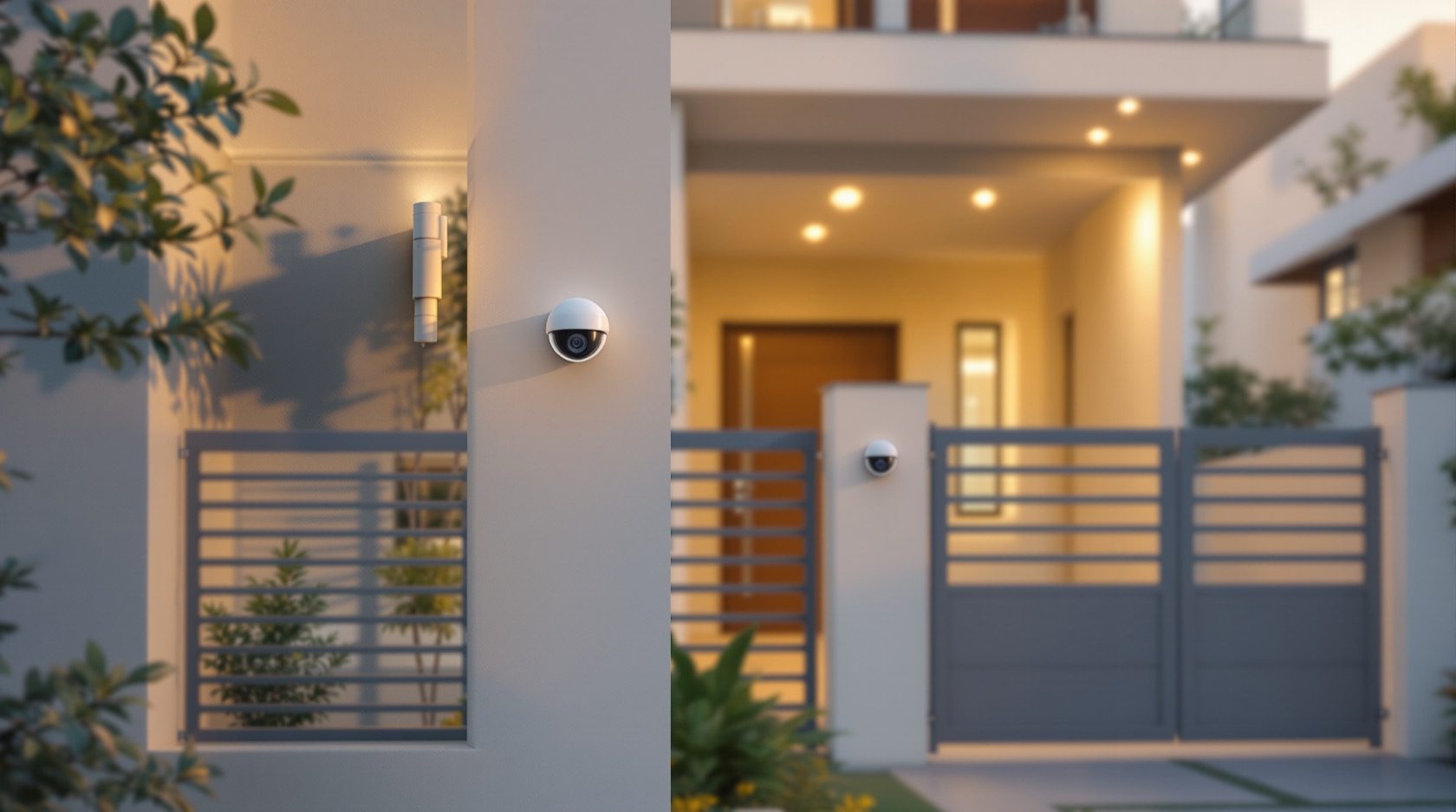 Residential13
Residential CCTV in India: What a Home Actually Needs to Cover
CCTV for an Indian home, planned right: which zones to cover, how many cameras is enough for your home size, the indoor-outdoor mix, strict privacy discipline (never bedrooms or bathrooms), apartment vs villa differences, and tiered budgets in rupees.
 Commercial14
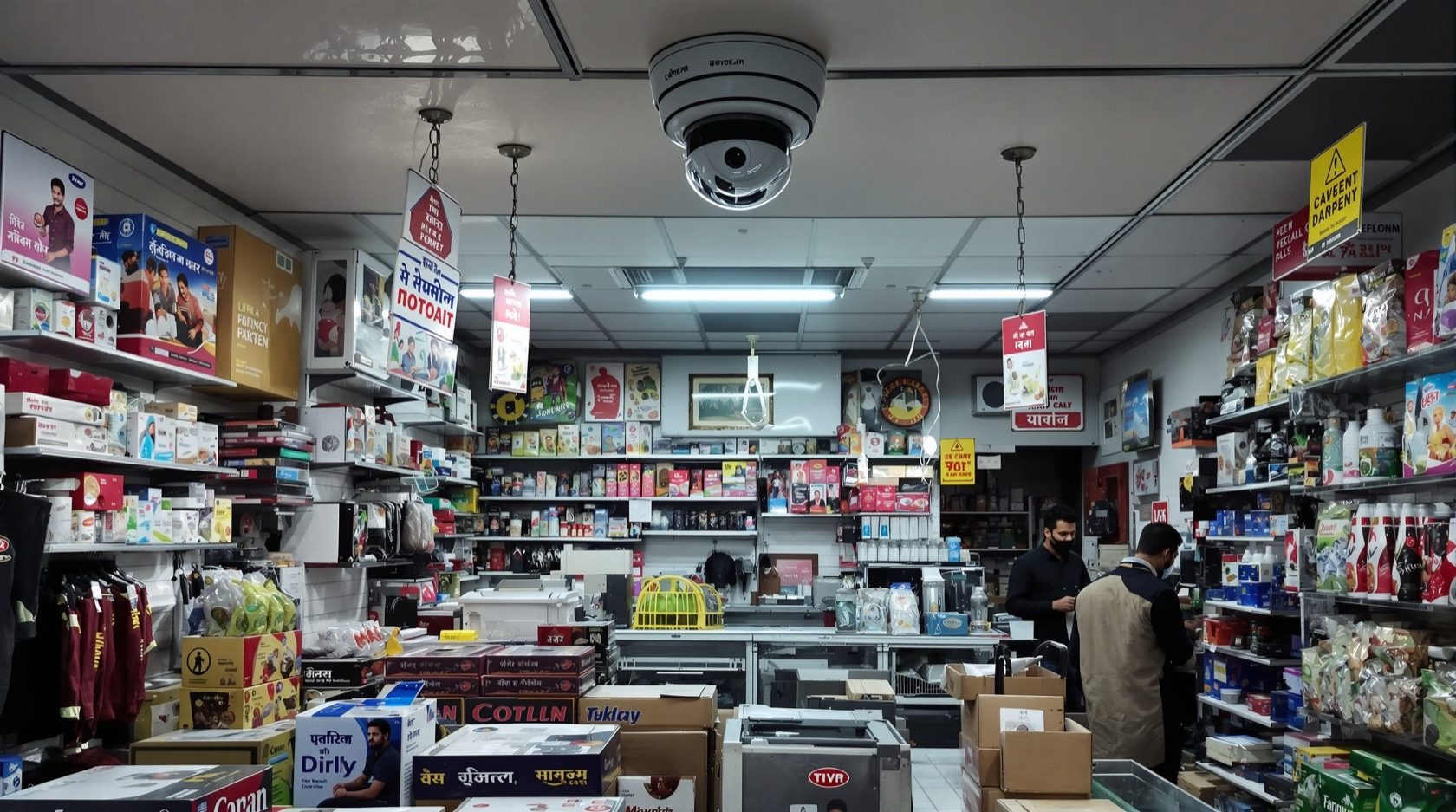
Commercial CCTV in India: A Buyer's Guide for Shops, Offices & Clinics
Planning CCTV for an Indian shop, office, showroom, restaurant or clinic: what each zone must cover, POS-overlay for retail, integration with access control and alarms, monitoring, retention, multi-site scaling, and staff-and-customer privacy under the DPDP Act.
 Industrial15
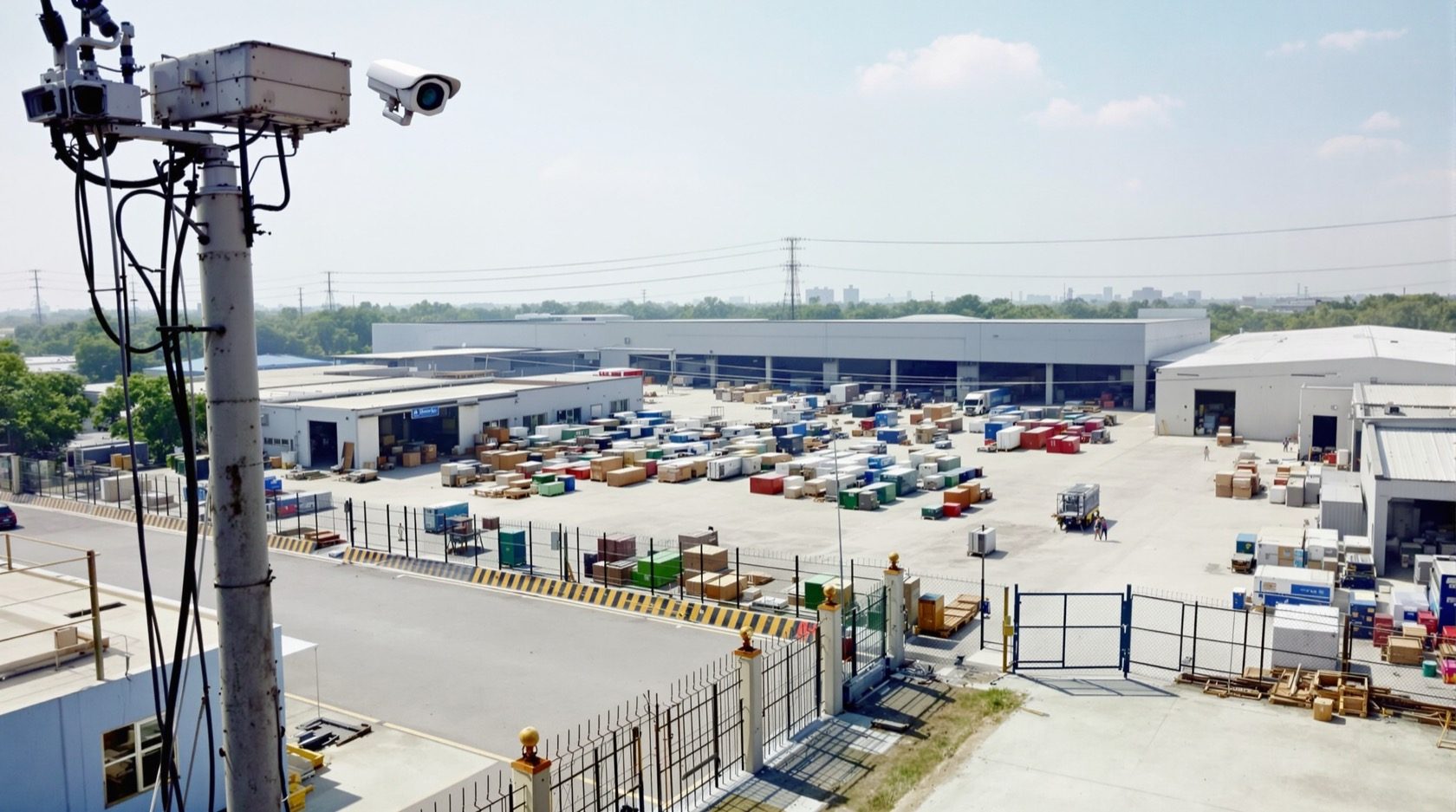
Industrial CCTV in India: Securing Factories, Warehouses and Plants
Industrial CCTV protects factories, warehouses, plants and yards: long-range and PTZ cameras for wide perimeters, ANPR at gates, thermal detection, rugged housings for dust and heat, and 24x7 control-room monitoring. How to plan it, and when to engage a qualified consultant.
Camera types — by form factor
Dome, bullet, turret & PTZ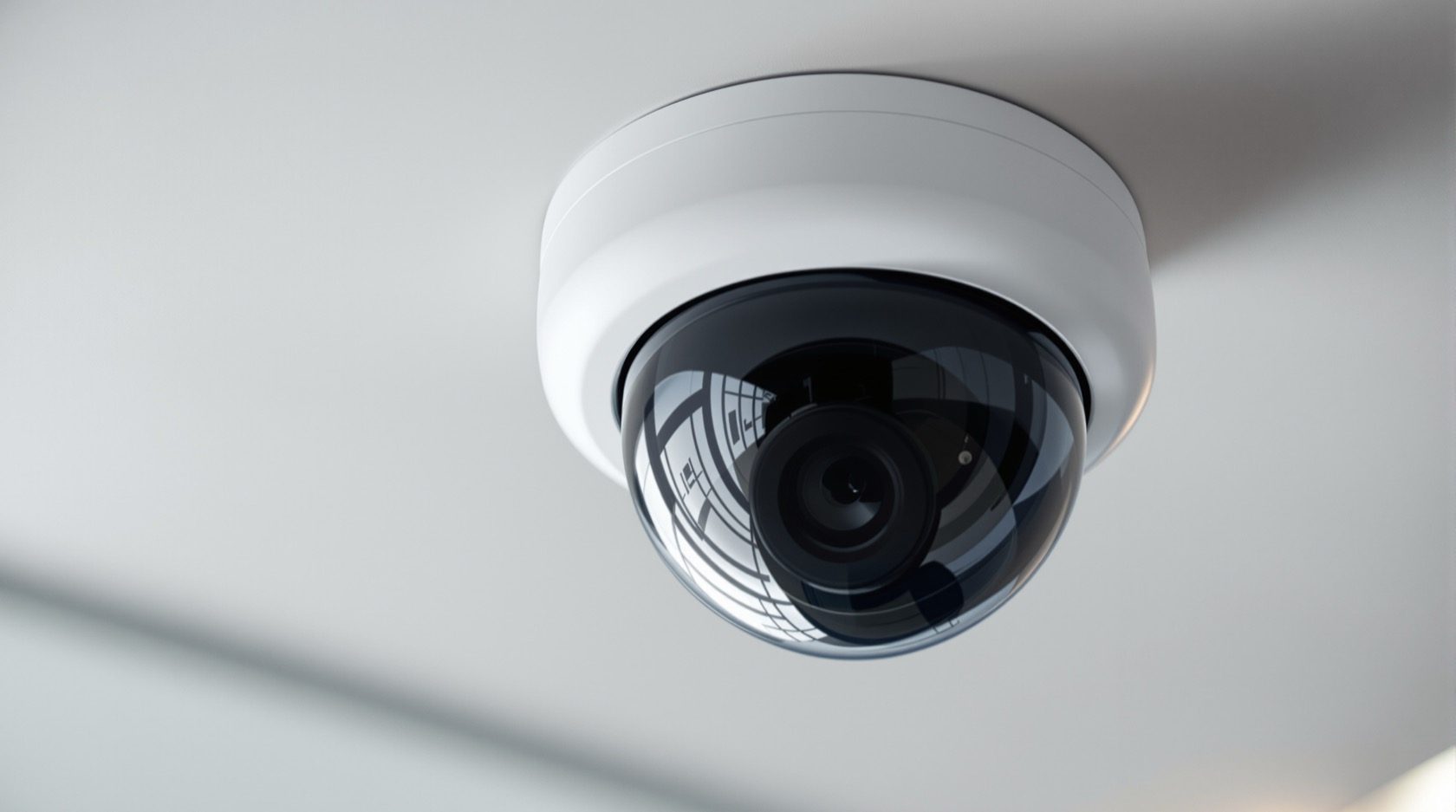 Dome16
Dome CCTV Cameras in India: The Discreet, Vandal-Resistant Form Factor
Dome CCTV cameras hide the lens inside a low-profile bubble: discreet, neat on a ceiling and vandal-resistant in reachable spots. Where they shine indoors and in shops, where the dome can cause night glare, and how they compare to bullet, turret and PTZ.
 Bullet17
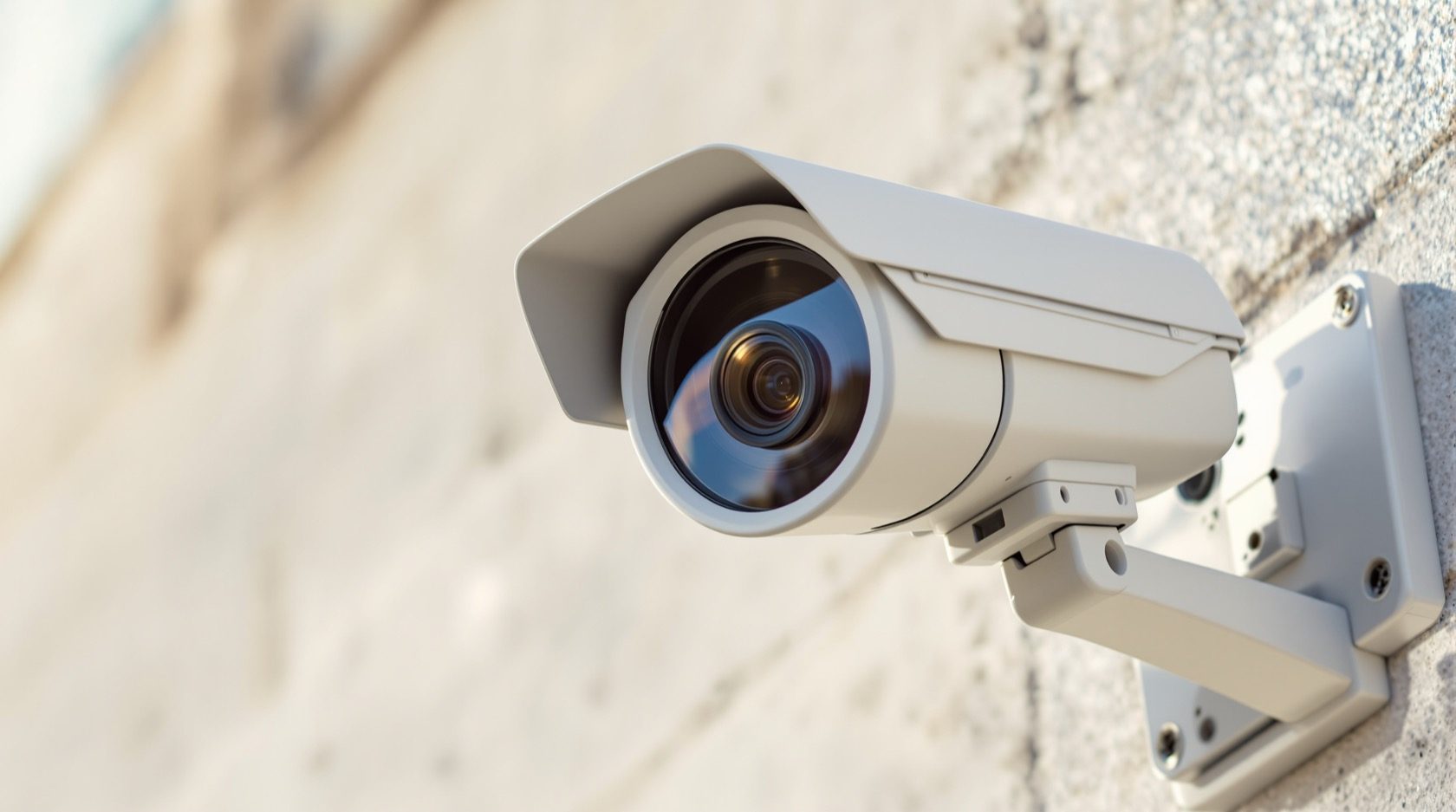
Bullet CCTV Cameras in India: The Visible-Deterrent Camera, Explained
A bullet camera is the long cylindrical CCTV on a bracket you see under eaves and on gates. It is a visible deterrent, easy to aim, and reaches far outdoors. What it does best, where it fits, and how it compares to dome and turret.
 Turret18
Turret Cameras: The Eyeball Form Factor That Became India's Default
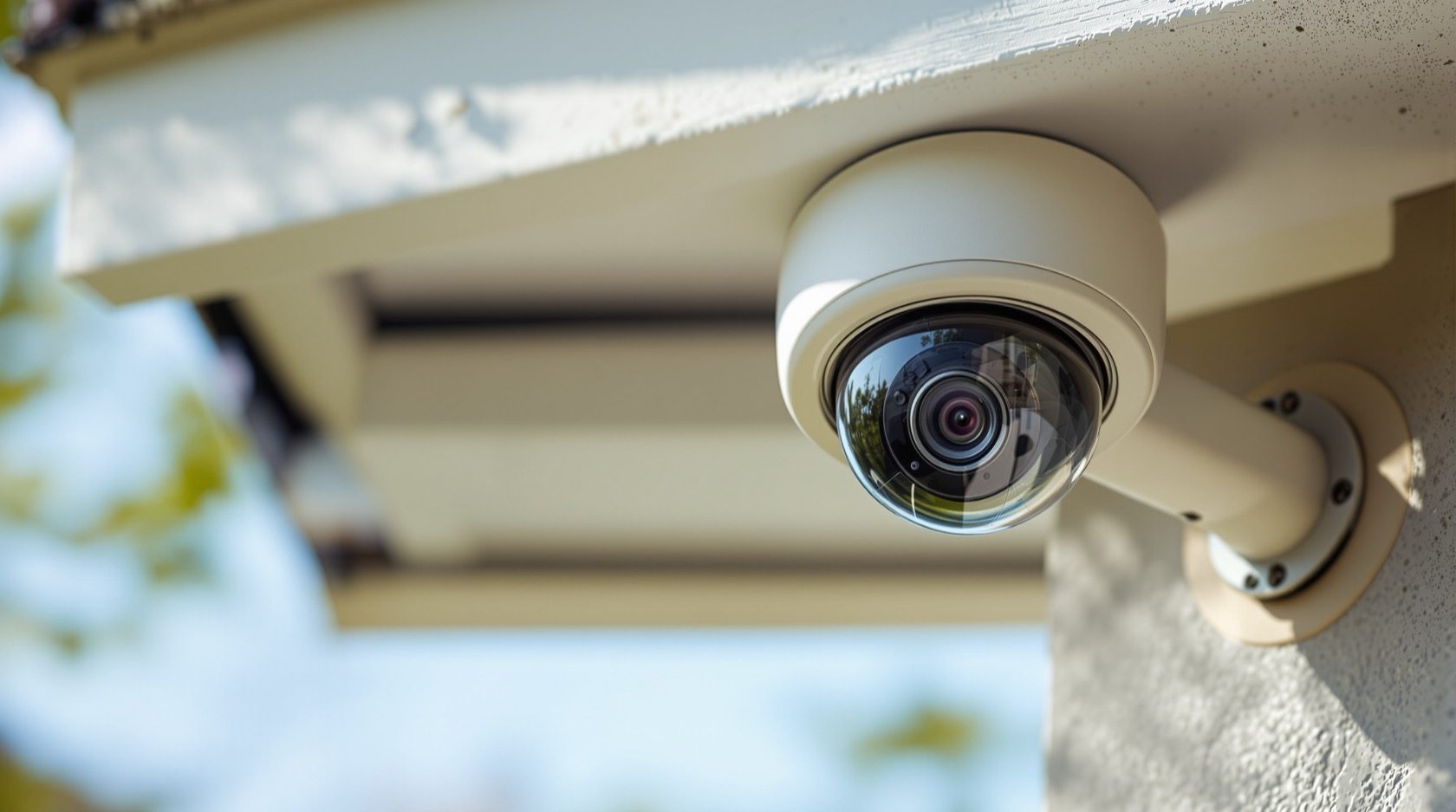
The turret (eyeball) camera is now India's default: an open ball-and-socket lens with no dome bubble, so night IR stays clean while it aims as easily as a bullet. What it is, where it fits, price bands, and how it beats dome and bullet.
 PTZ19
PTZ19PTZ Cameras: When One Moving Camera Is Worth It in India
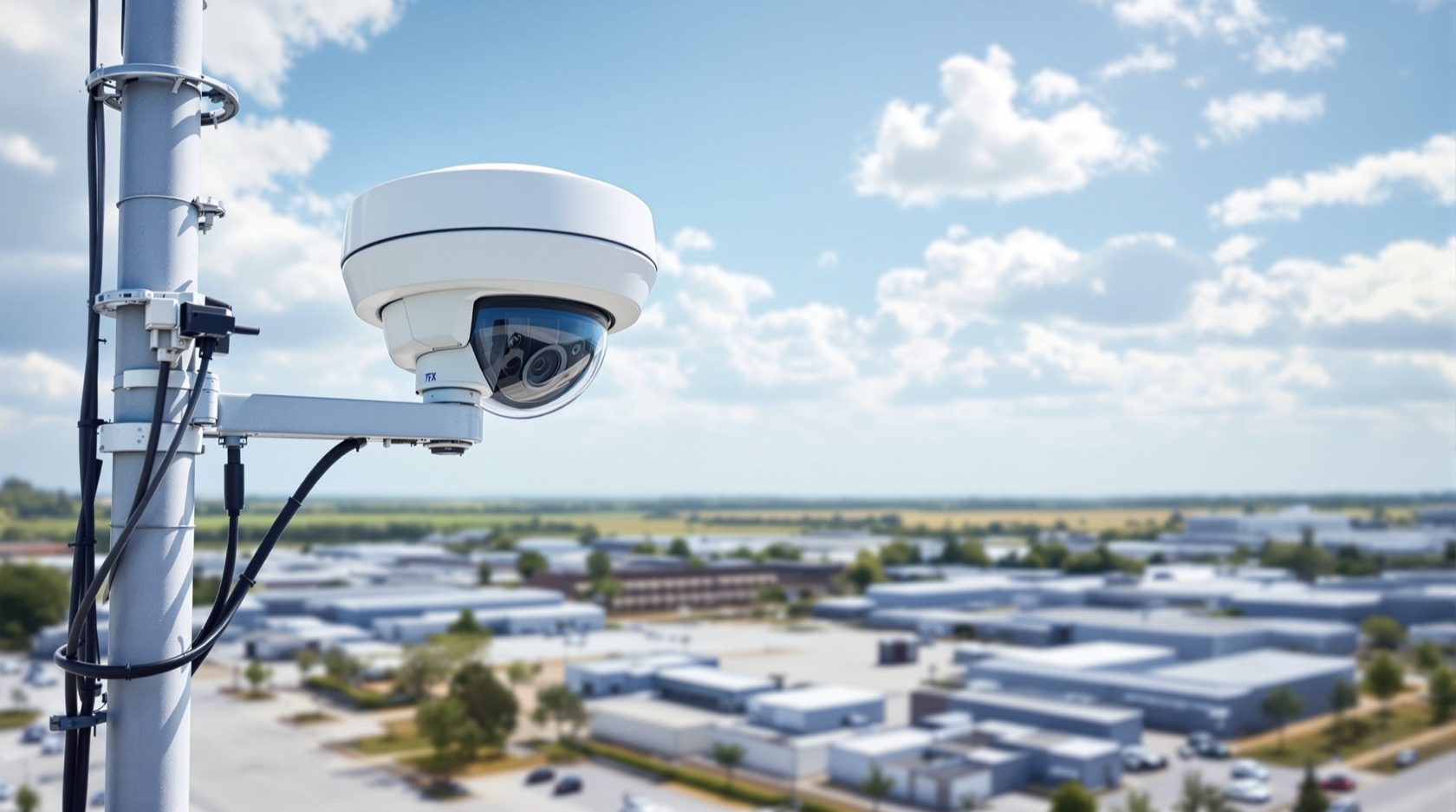
PTZ cameras pan, tilt and optically zoom so one camera can sweep a large site and read distant detail. But a PTZ looks one way at a time, so it is blind elsewhere. When it is worth it in India, and when fixed cameras are the smarter buy.
 Fisheye20
Fisheye CCTV Cameras in India: One Ceiling Dome for a Whole Room
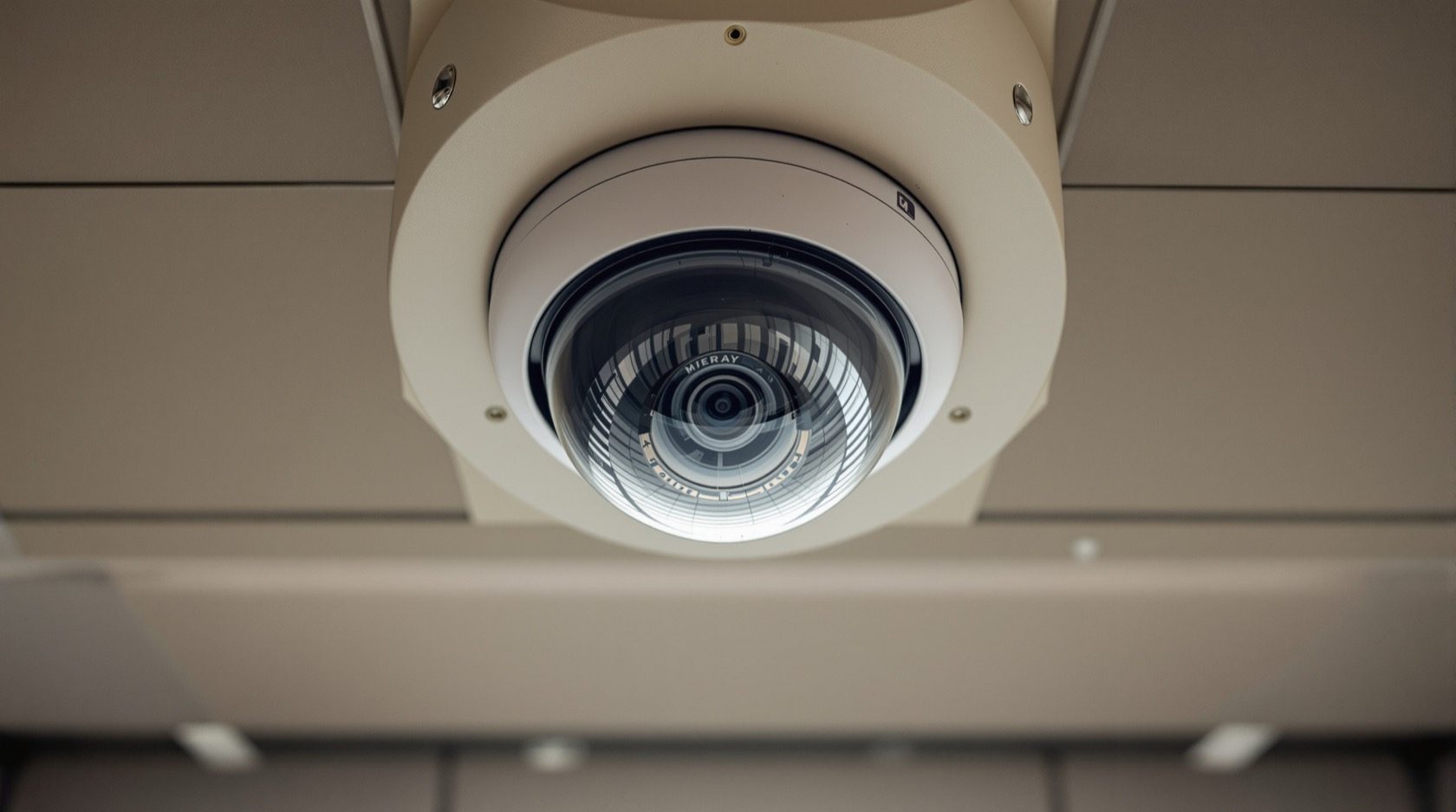
A fisheye CCTV camera is one ceiling dome with an ultra-wide 180-to-360-degree lens that watches a whole room in a single shot, then software dewarps it into usable views. Its strengths, why detail drops with distance, and how it compares to fixed and panoramic cameras.
 Panoramic21
Panoramic CCTV Cameras in India: Multi-Sensor Wide Views That Keep the Detail
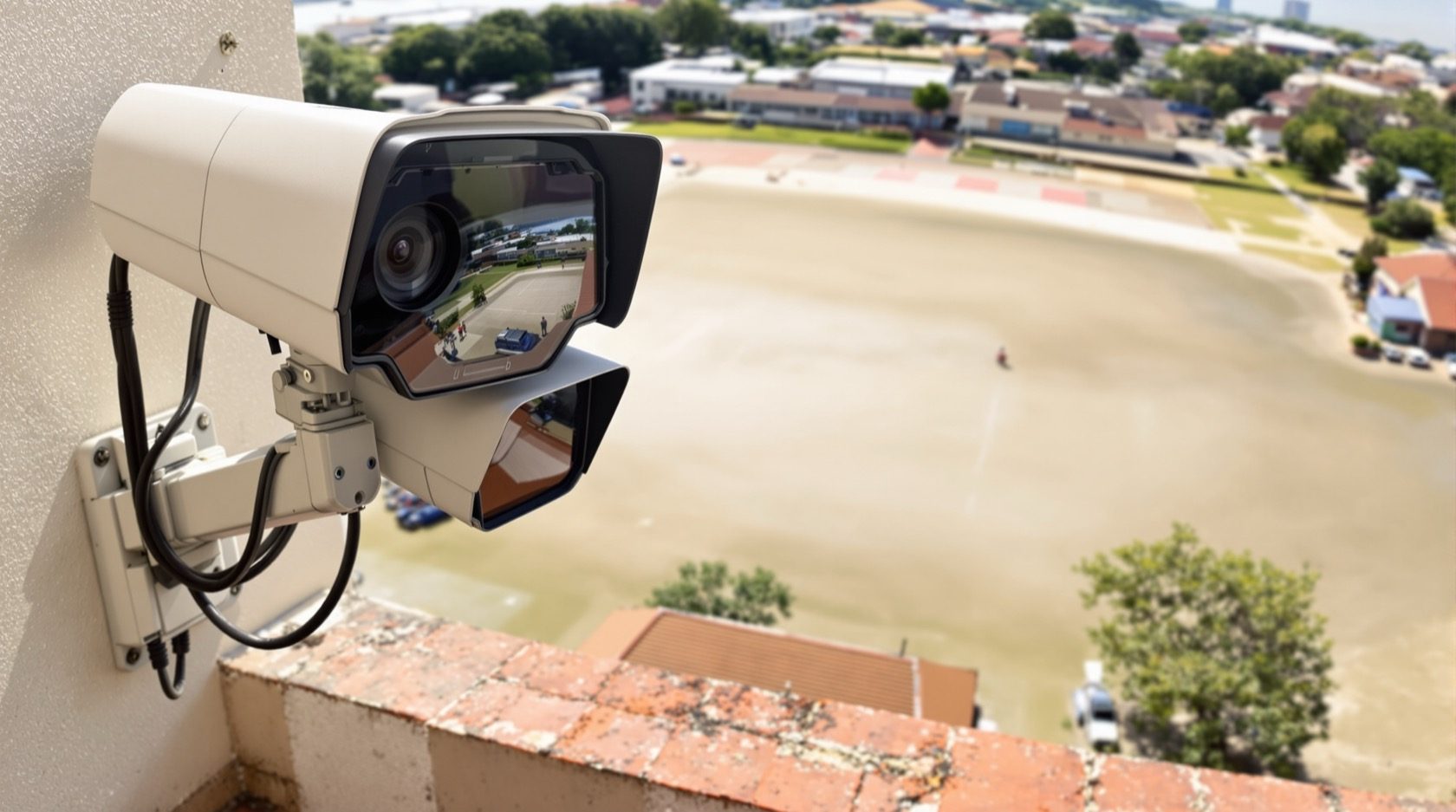
Panoramic CCTV cameras stitch several separate lenses into one very wide 180-to-360-degree image, keeping high detail right across the view where a single fisheye goes soft. Where they replace several cameras, their cost and storage trade-offs, and how they compare to fisheye and PTZ.
 Box22
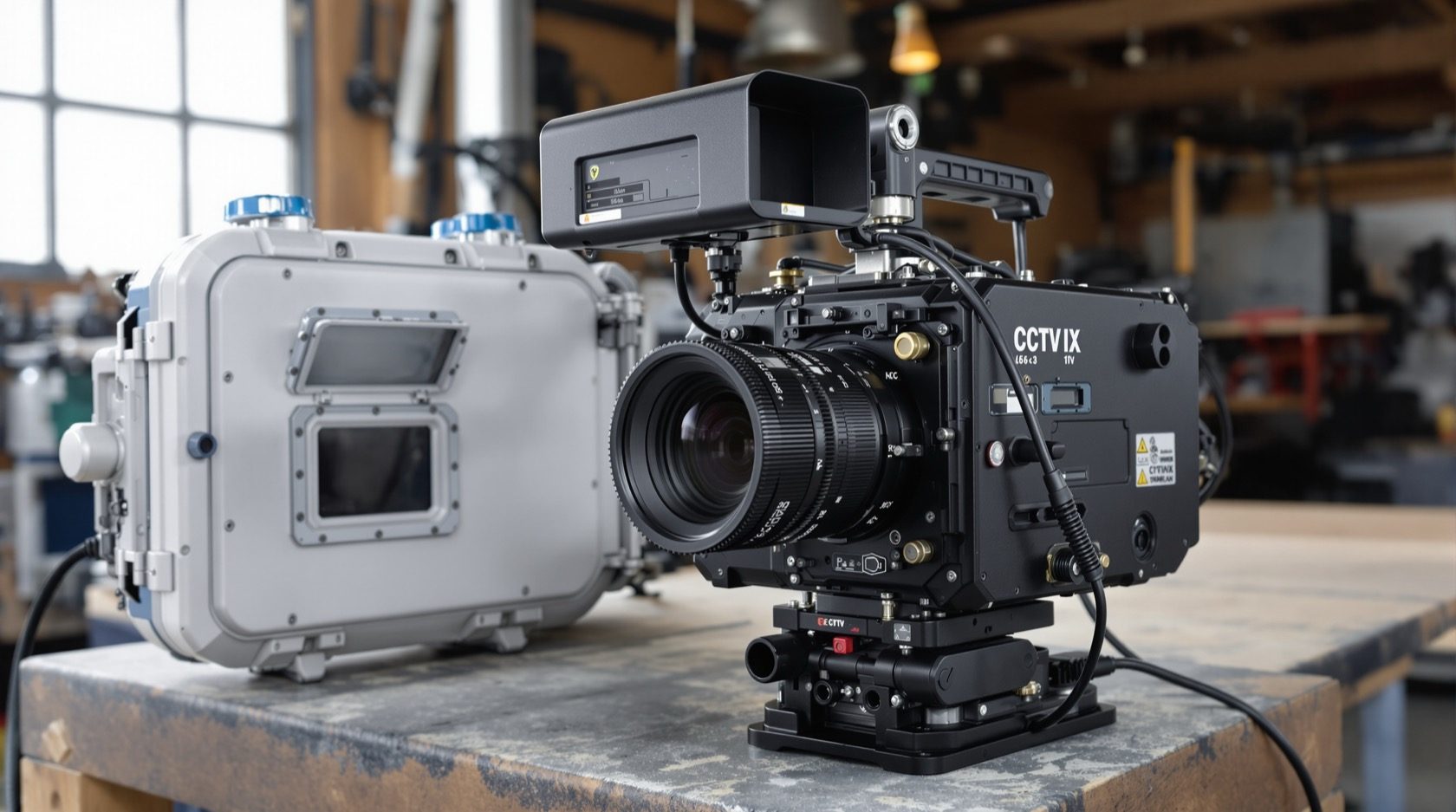
Box22Box CCTV Cameras in India: The Interchangeable-Lens Camera for Exact Framing
A box CCTV camera is the classic rectangular body that takes an interchangeable C/CS-mount lens, so you choose the exact field of view and identification range for a spot. Where its flexibility earns its keep, why it needs a weatherproof housing outdoors, and how it compares to fixed-lens cameras.
 Hidden & privacy23
Hidden CCTV Cameras in India: Law, Ethics and How to Protect Yourself
Hidden CCTV cameras raise serious privacy and legal questions in India. Why openly disclosed CCTV with clear notice is the lawful choice, where covert recording of people crosses legal lines, and a practical checklist to spot hidden cameras in flats, hotels and changing rooms.
 Doorbell24
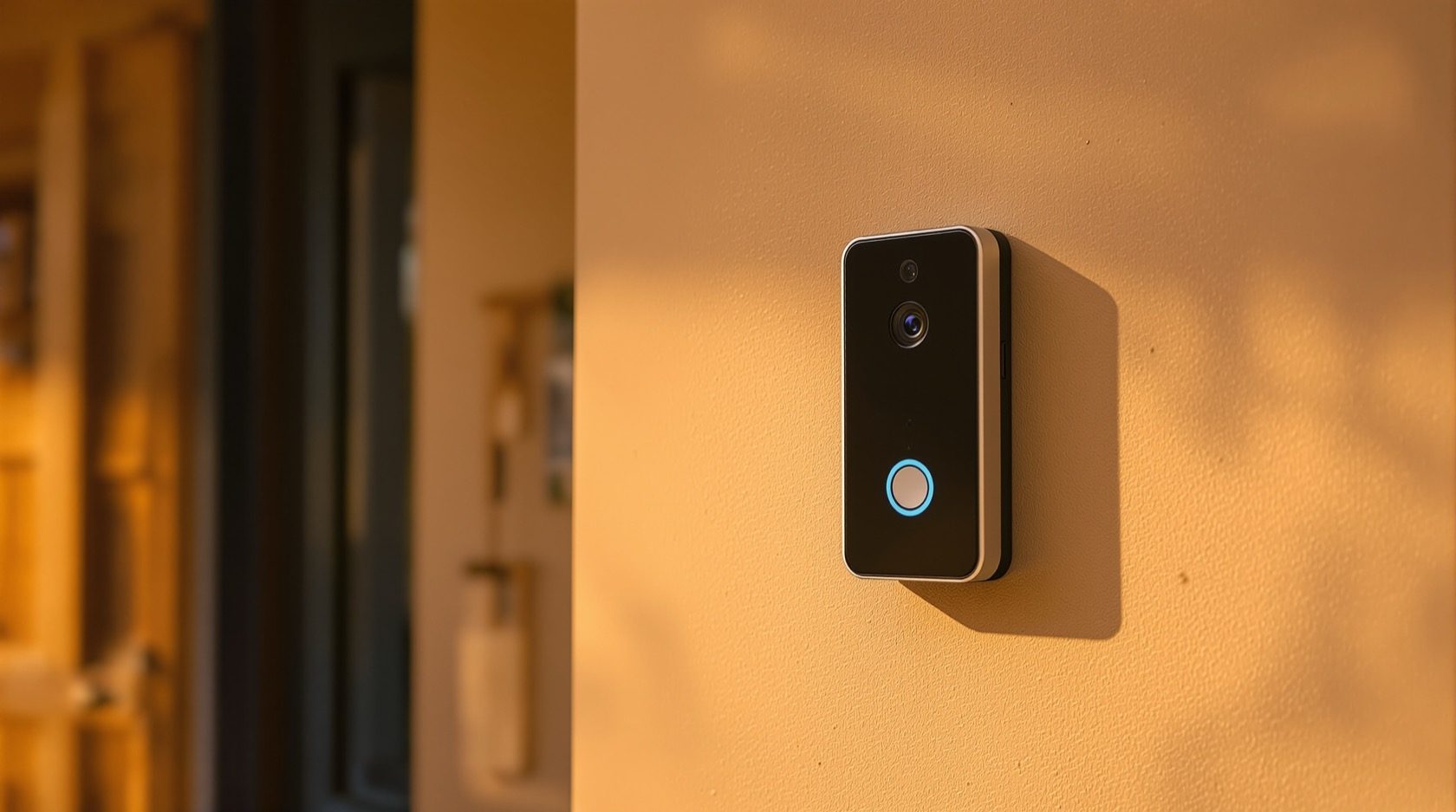
Doorbell Cameras in India: See and Speak to Whoever Is at Your Door
A video doorbell is a camera, doorbell and two-way intercom at your entrance, sending motion alerts to your phone. What it does well, how it differs from a wired video door phone, the wired-vs-battery and Wi-Fi realities in Indian flats, and the privacy points to get right.
 Body-worn25
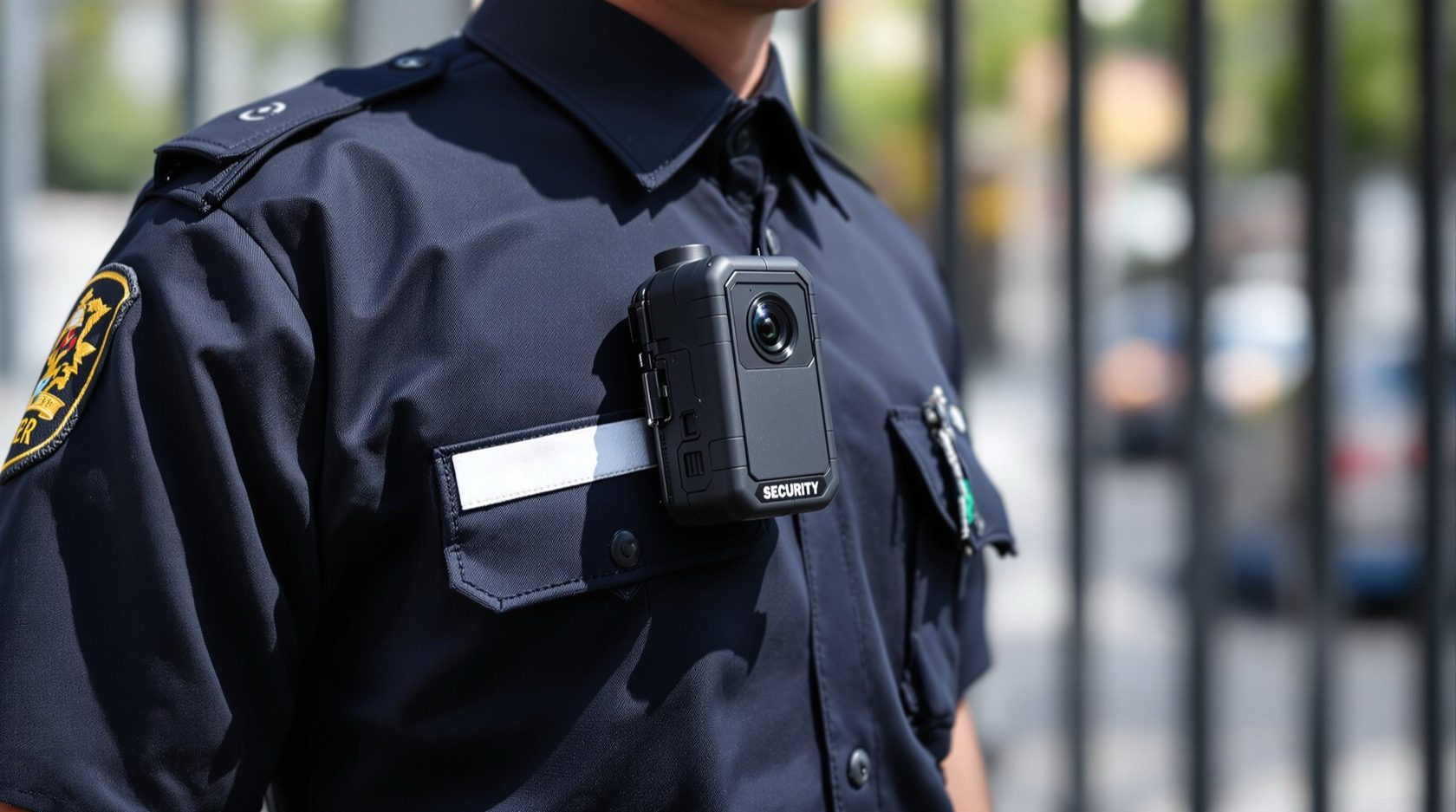
Body-Worn Cameras in India: Accountability and Evidence for Private Security
Body-worn cameras let security guards record interactions at the gate for accountability and evidence, not covert surveillance. What a BWC is, where it fits at RWA gates and events, and the written policy, visitor notice and DPDP-compliant storage you must set up first.
 Night vision26
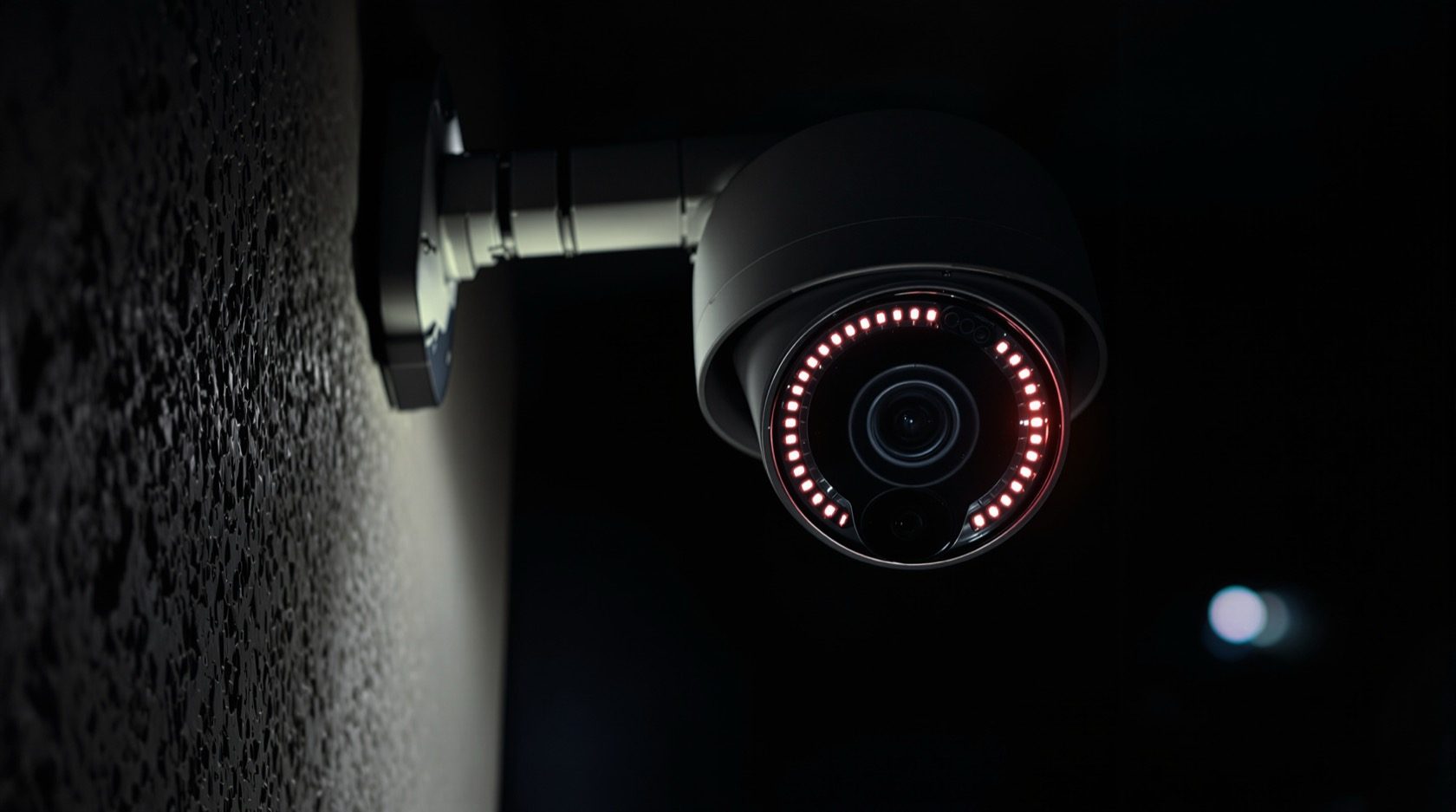
Night Vision CCTV Cameras in India: How Your Cameras See in the Dark
Most break-ins happen after dark, so night performance beats daytime megapixels. The four ways a camera sees in the dark — infrared, low-light, colour night vision and thermal — how each renders a night scene, and how to choose the right one for each spot.
 Infrared27
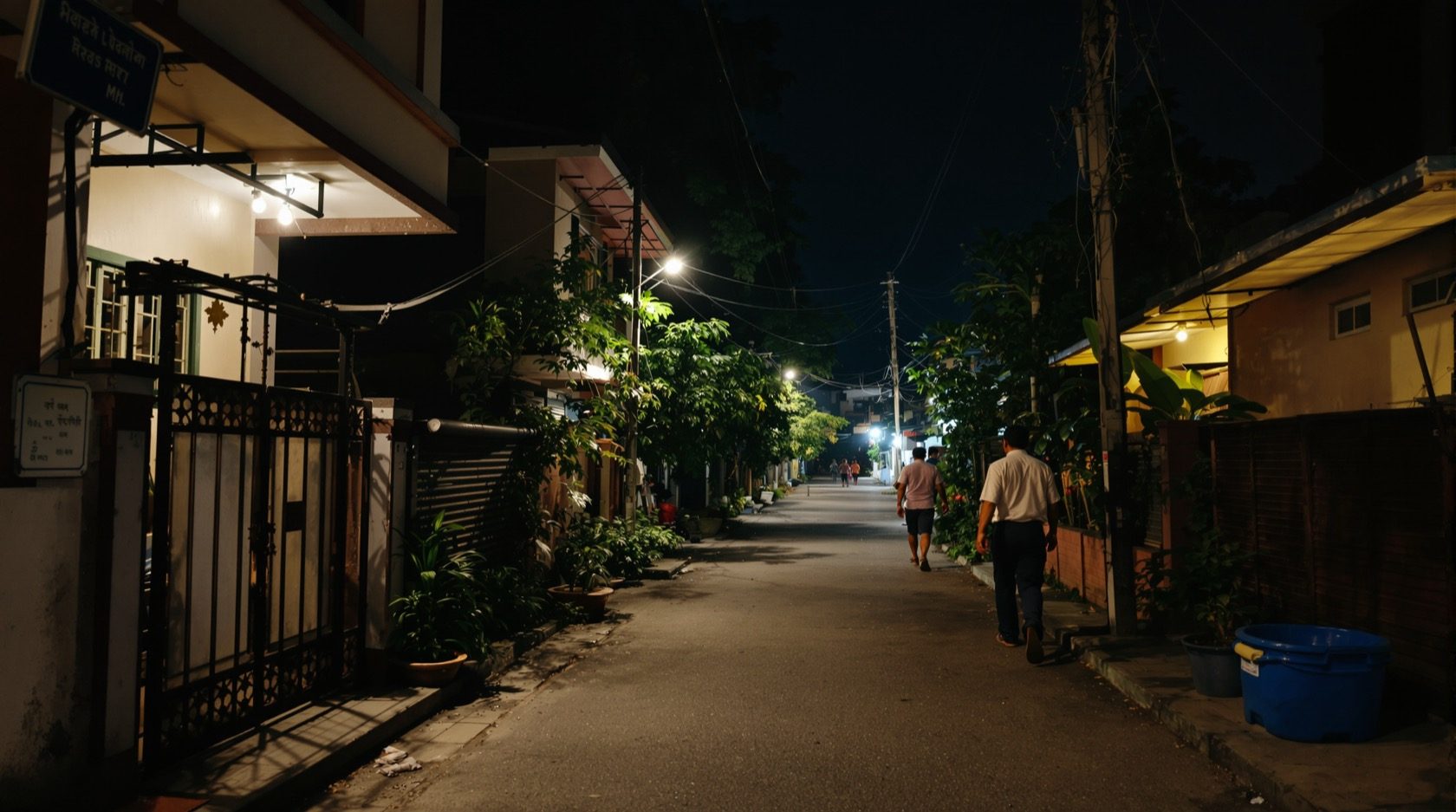
Infrared Cameras in India: How IR CCTV Sees in Total Darkness, and Its Pitfalls
Infrared CCTV cameras flood a scene with invisible IR light and switch to a black-and-white image, so they see in total darkness. How IR night vision works, its strengths, and the glare, range and reflection pitfalls to plan around in India.
 Low-light28
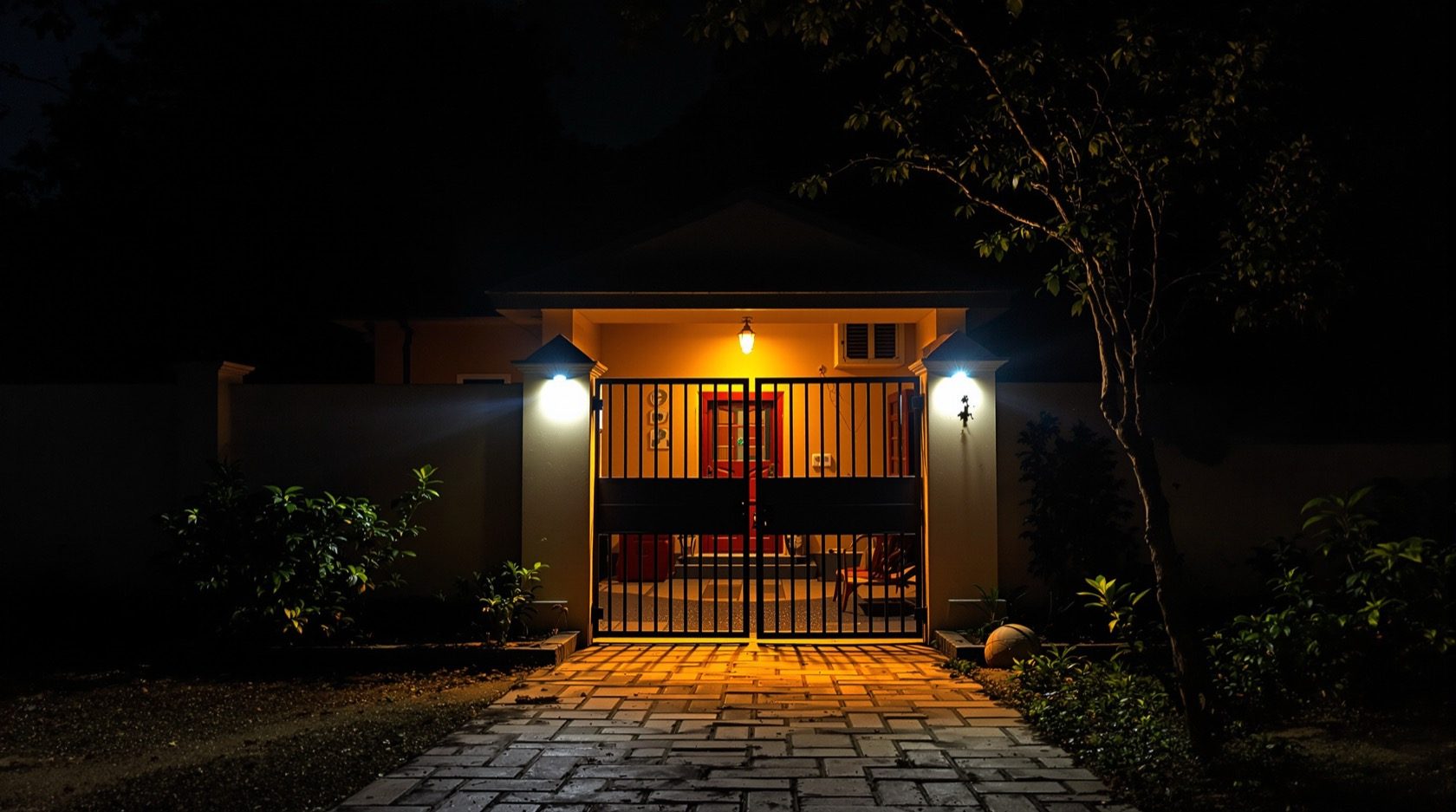
Low-Light CCTV Cameras in India: Starlight-Class Night Colour, Explained
A low-light or Starlight-class camera uses a large, sensitive sensor and a wide-aperture lens to gather faint ambient light and shoot usable full-colour footage at night, no IR glare. What it does best, where it needs some glow, and how it compares to infrared.
 Colour night29
Colour Night-Vision CCTV Cameras in India: Full-Colour Footage After Dark, Explained
Colour night-vision cameras keep footage in full colour after dark, so you can describe clothing and vehicle colour that black-and-white IR cannot. They do it two ways — a built-in warm spotlight, or an ultra-sensitive low-light sensor. How each works, the trade-offs, and how to choose in India.
 Thermal30
Thermal Cameras for CCTV in India: See Heat, Not Light, Explained
A thermal CCTV camera images heat, not light, so it spots a person, animal or vehicle by their warmth in total darkness, fog and glare. It tells you someone is there but cannot show a face. Where it fits, what it costs, and why it pairs with a normal camera.
 ANPR31
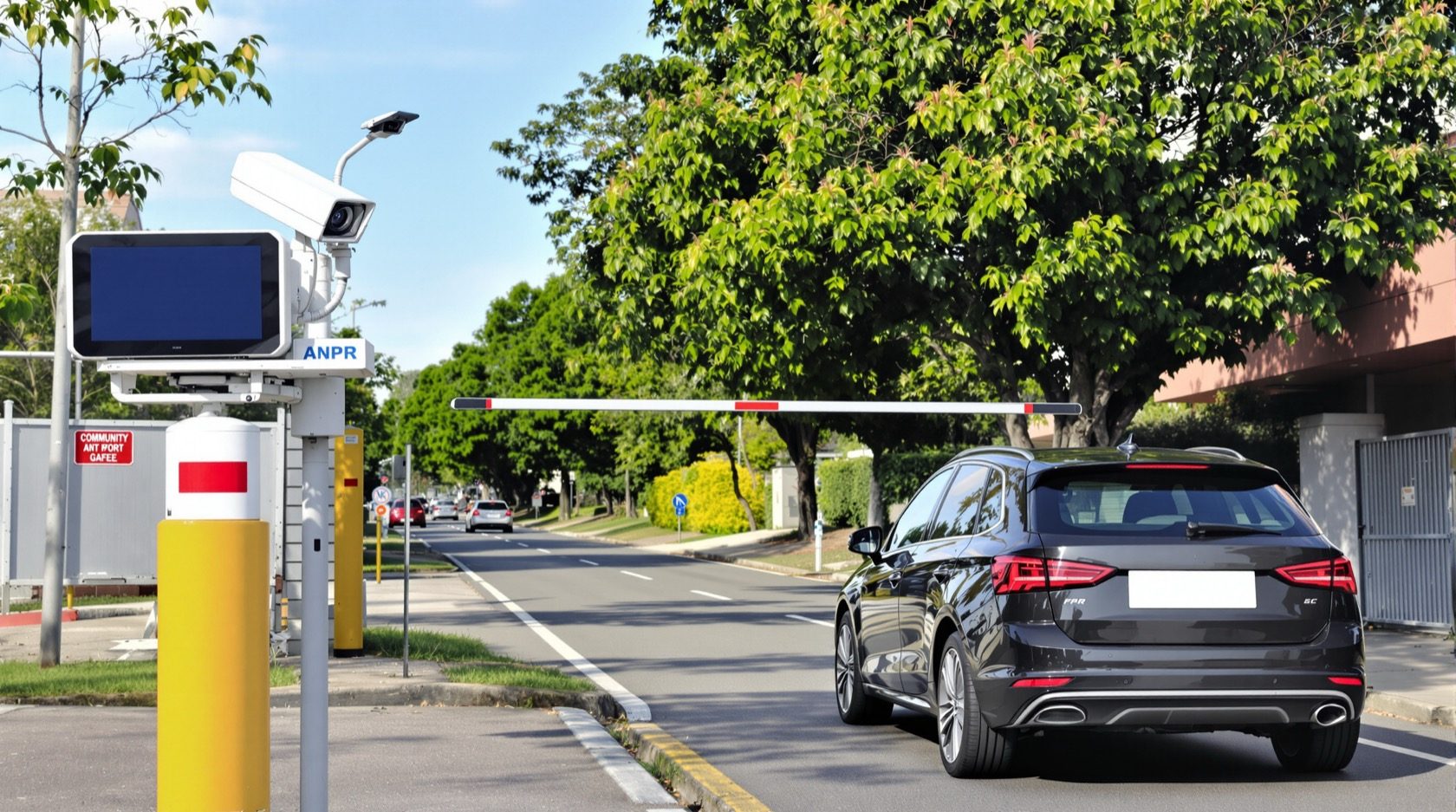
ANPR CCTV Cameras in India: Automatic Number Plate Recognition at Your Gate, Explained
ANPR cameras read and log vehicle number plates at a gate, whitelisting residents for automatic barrier entry and searching visitors by plate. What they need to work on Indian plates, their real accuracy limits, and the privacy duties of keeping an entry log.
 Facial rec32
Facial Recognition CCTV Cameras in India: What They Do, and Why Your Home Almost Certainly Should Not Use Them
Face recognition turns a face into a template and matches it against an enrolled list. It is imperfect, biased and legally heavy under the DPDP Act, 2023. For almost every home it is the wrong tool. What it is, why to avoid it, and how to do it responsibly.
 Solar33
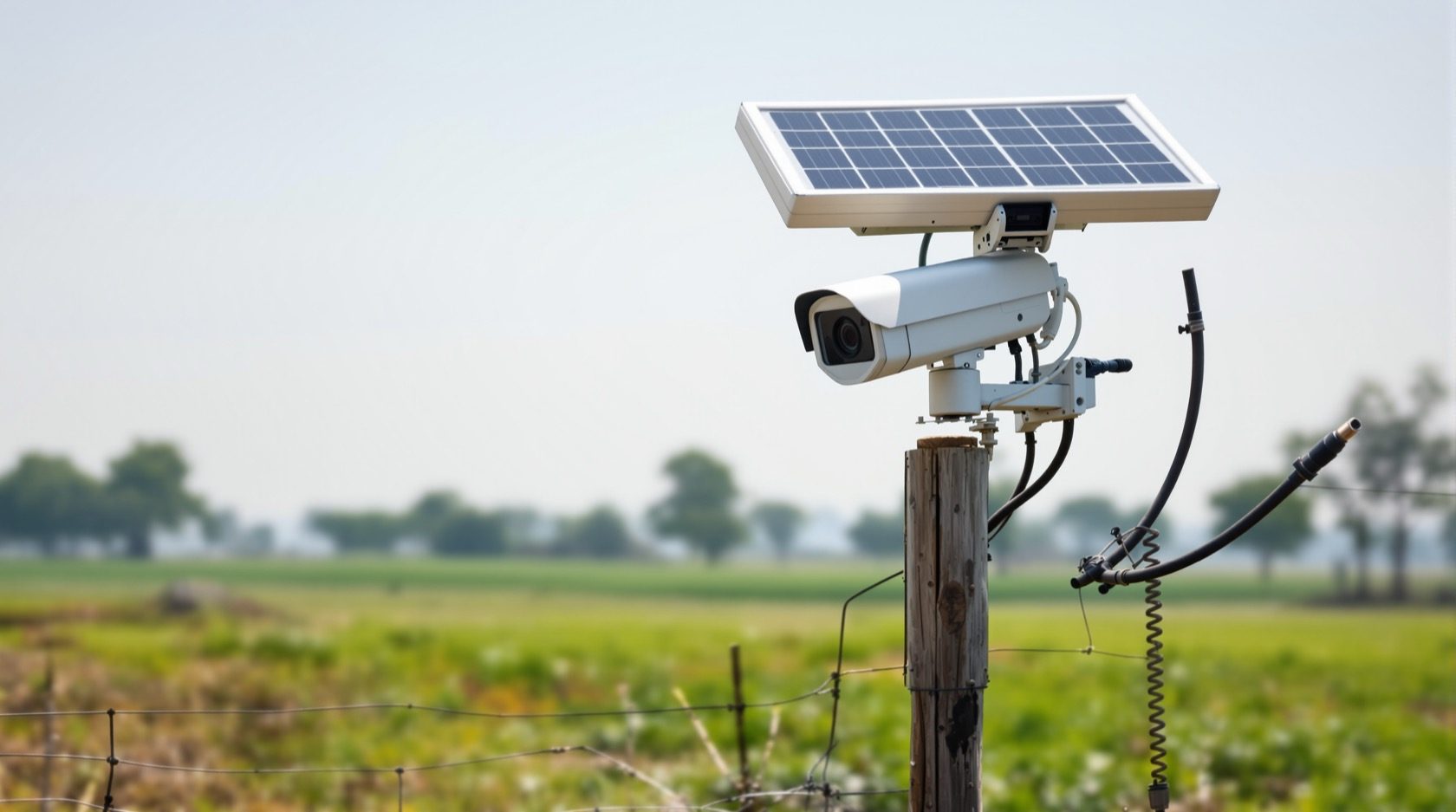
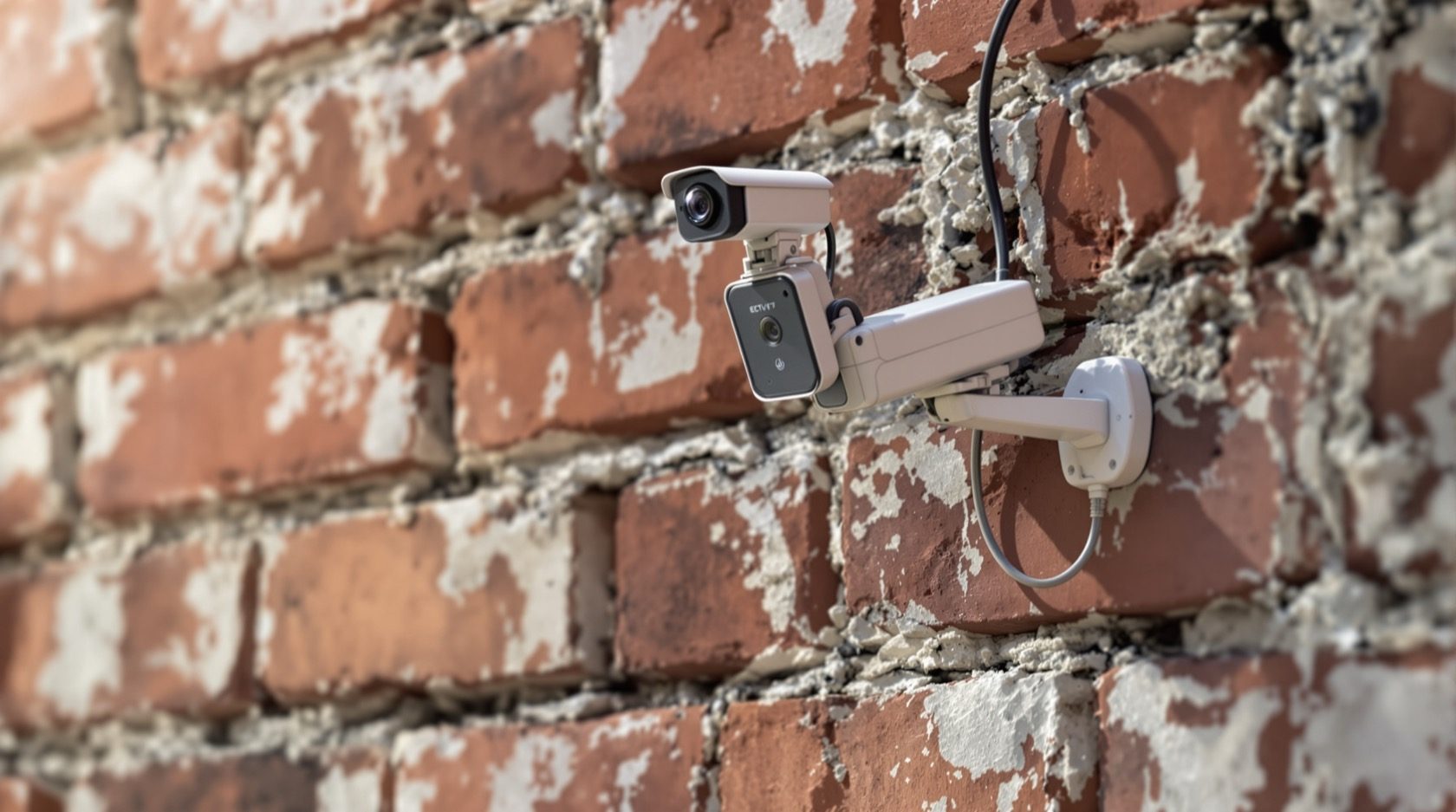
Solar-Powered CCTV Cameras in India: Off-Grid Security Sizing & Buying Guide
Solar-powered CCTV cameras run themselves off-grid where no power line reaches - a farm gate, plot boundary or under-construction site. How to size the panel, battery and camera, handle India sun-hours and monsoon, and why solar suits low-duty PIR recording, not 24x7 video.
 Battery34
Battery-Powered CCTV Cameras in India: Wire-Free Security Buying Guide
Battery-powered CCTV cameras are wire-free cameras you screw up in minutes with no cabling — ideal for rented flats and blind corners. Learn how long a charge lasts, PIR wake vs continuous recording, heat and cold effects, and where they fit against solar and PoE.
 PoE35
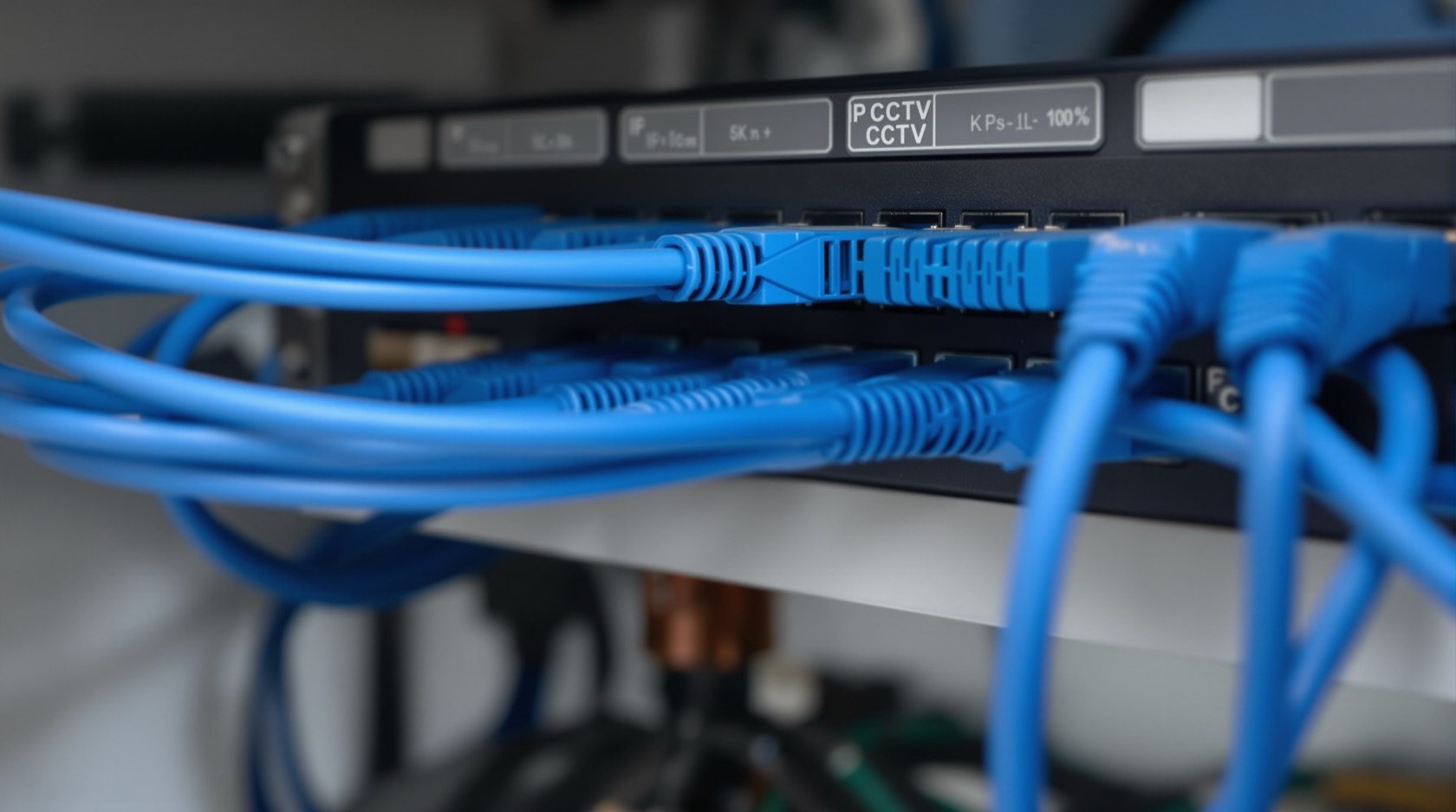
PoE35PoE CCTV Cameras in India: Power-over-Ethernet Wiring & Buying Guide
PoE cameras carry power and video on a single Ethernet cable, so one run does both jobs. This guide explains PoE, PoE+ and PoE++ classes, watt budgets, the ~100 m limit, NVR-with-PoE vs switch vs injector, and why PoE beats Wi-Fi for anything permanent.
 Wi-Fi36
WiFi CCTV Cameras in India: Wireless Home Security Buying Guide
Wi-Fi CCTV cameras trade a data cable for convenience, and suit small homes and shops near the router. Learn 2.4 vs 5 GHz, range through walls, bandwidth and dropouts, why they still need a power wire, and where wired or cellular beats them.
 4G / 5G37
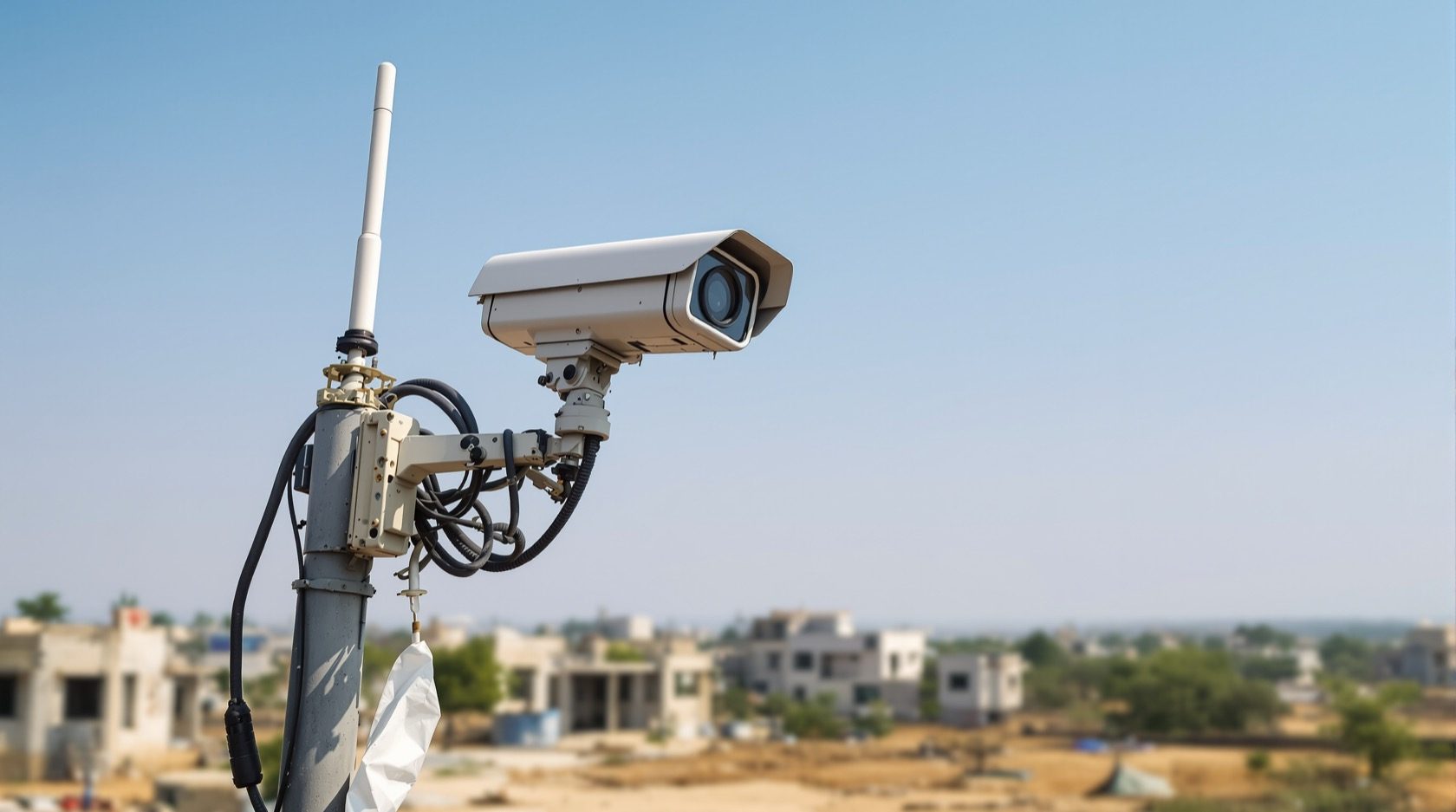
4G 5G CCTV Cameras in India: SIM Cellular Security for Sites Without Broadband
A 4G or 5G CCTV camera carries its own SIM and sends footage over the mobile network — no Wi-Fi or broadband needed. Ideal for farms, remote plots and building sites. How to plan the signal, data plan and realistic monthly cost.
That completes the camera types — form factor, night vision, recognition, and power & connectivity.
Features — reading the spec sheet
Image quality to smart detection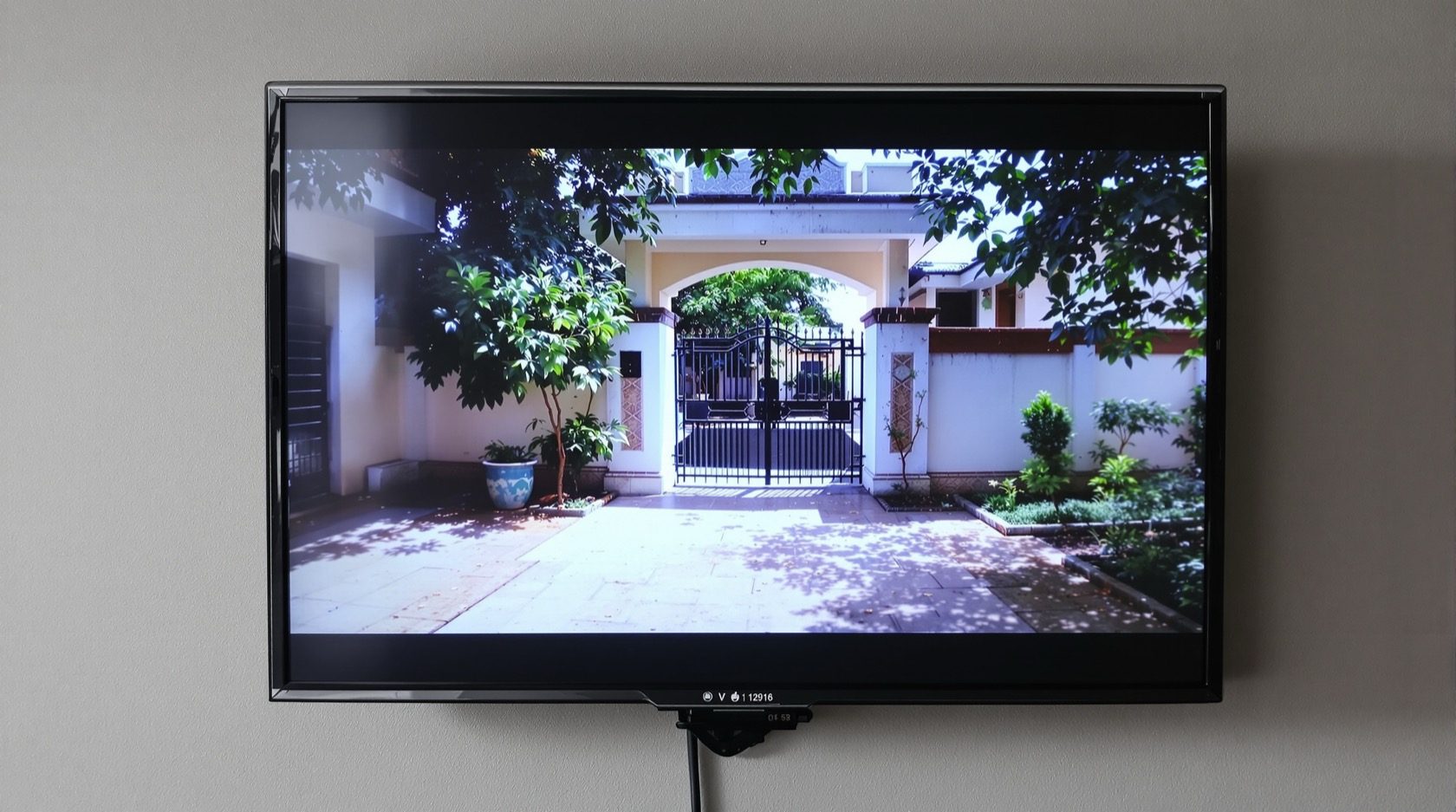 Resolution38
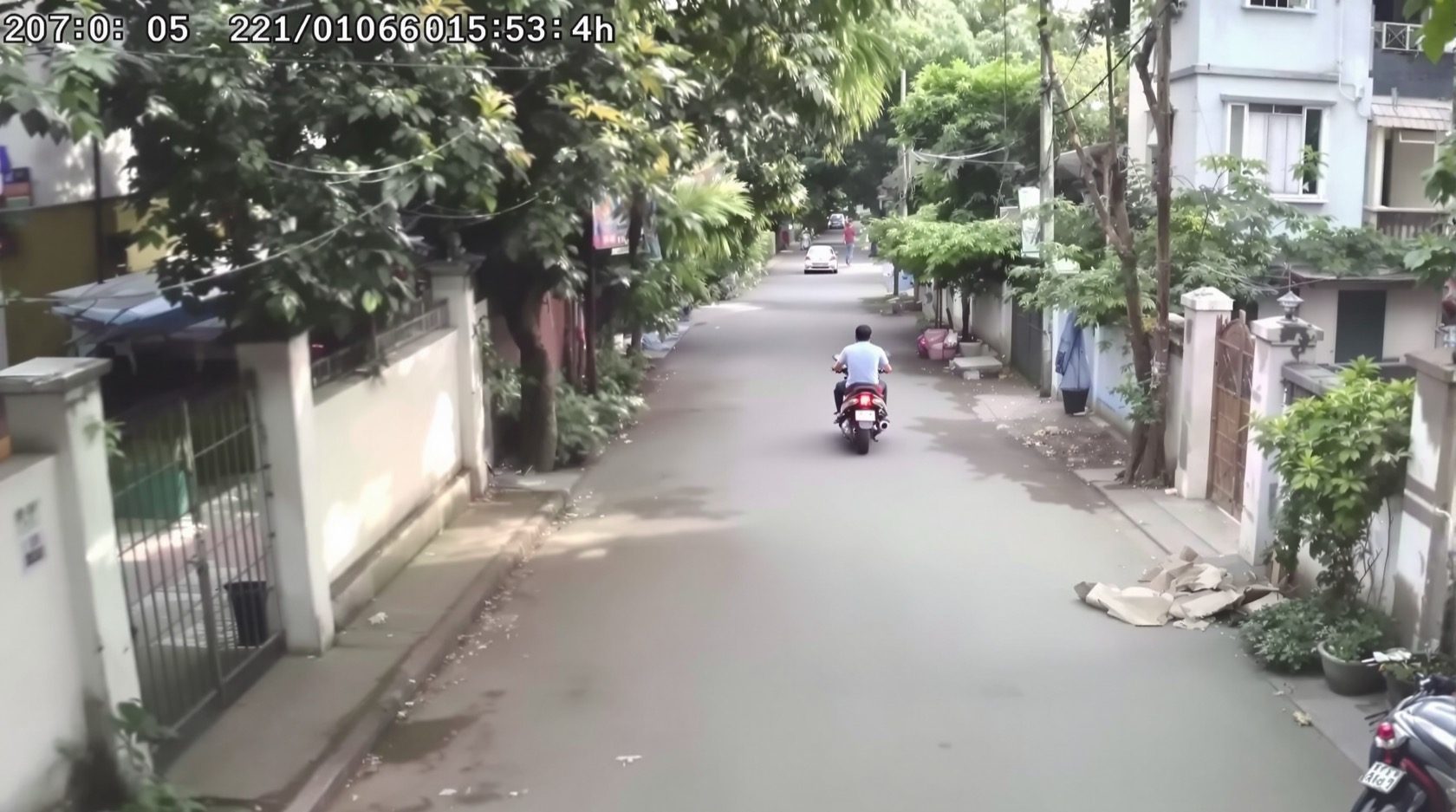
CCTV Resolution Explained (India 2026): How Many Megapixels You Actually Need
MP, 1080p, 2K, 4K, 8MP — resolution jargon decoded for Indian homes and shops. What pixels-per-metre and DORI mean for reading a face or number plate, why more megapixels demand more light and far more storage, and why 'enough' usually beats 'maximum'.
 Frame rate39
CCTV Frame Rate Explained (India 2026): How Many FPS You Really Need
Frame rate (fps) is how many images a second your CCTV records. Higher fps means smoother motion but far more storage and bandwidth. This guide shows how 12, 15, 25 and 30 fps really look, where motion matters, and why most Indian homes are fine at 12-15 fps.
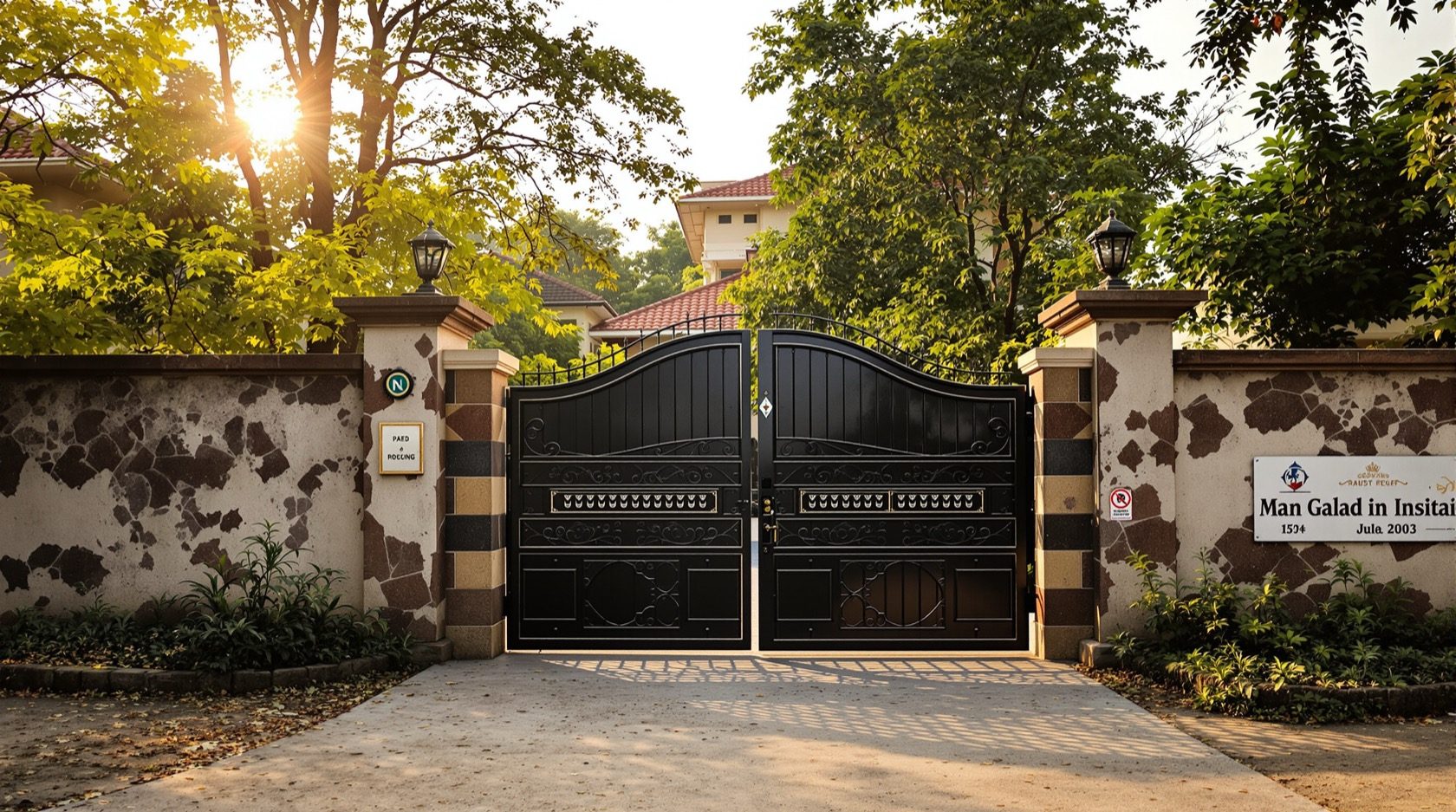 Image quality40
CCTV Image Quality Explained (India 2026): Why More Megapixels Isn't Enough
Megapixels are only one line on the spec sheet. Sensor size, aperture, lens quality, codec and bitrate decide whether footage is usable. Why a well-lit 2MP camera beats a dark 8MP one, and how to read the whole picture for an Indian home.
 WDR41
WDR41CCTV WDR Explained (India 2026): Beating Harsh Backlight & Glare
WDR is the CCTV spec that stops a face at a bright doorway from turning into a black silhouette. Learn true multi-exposure WDR versus cheap digital WDR, what the dB number means, and exactly which Indian views need it.
 Zoom42
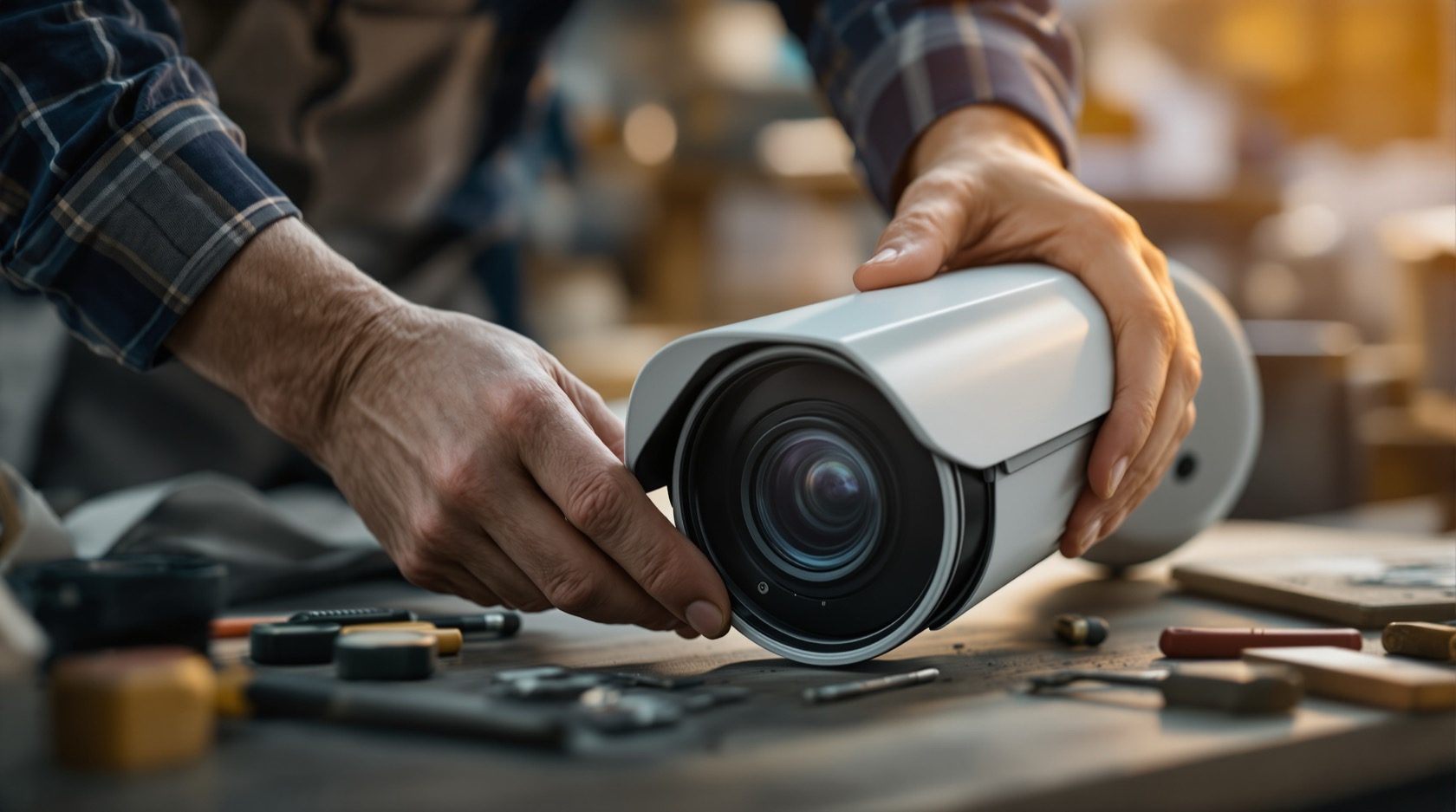
CCTV Optical vs Digital Zoom (India 2026): Which Actually Sees Detail
Optical zoom moves real glass to pull in genuine detail; digital zoom only crops and stretches pixels you already captured, so it adds nothing. Why 10x/16x digital-zoom claims are weak, when varifocal or PTZ optical zoom earns its cost, and how zoom interacts with resolution.
 Lens43
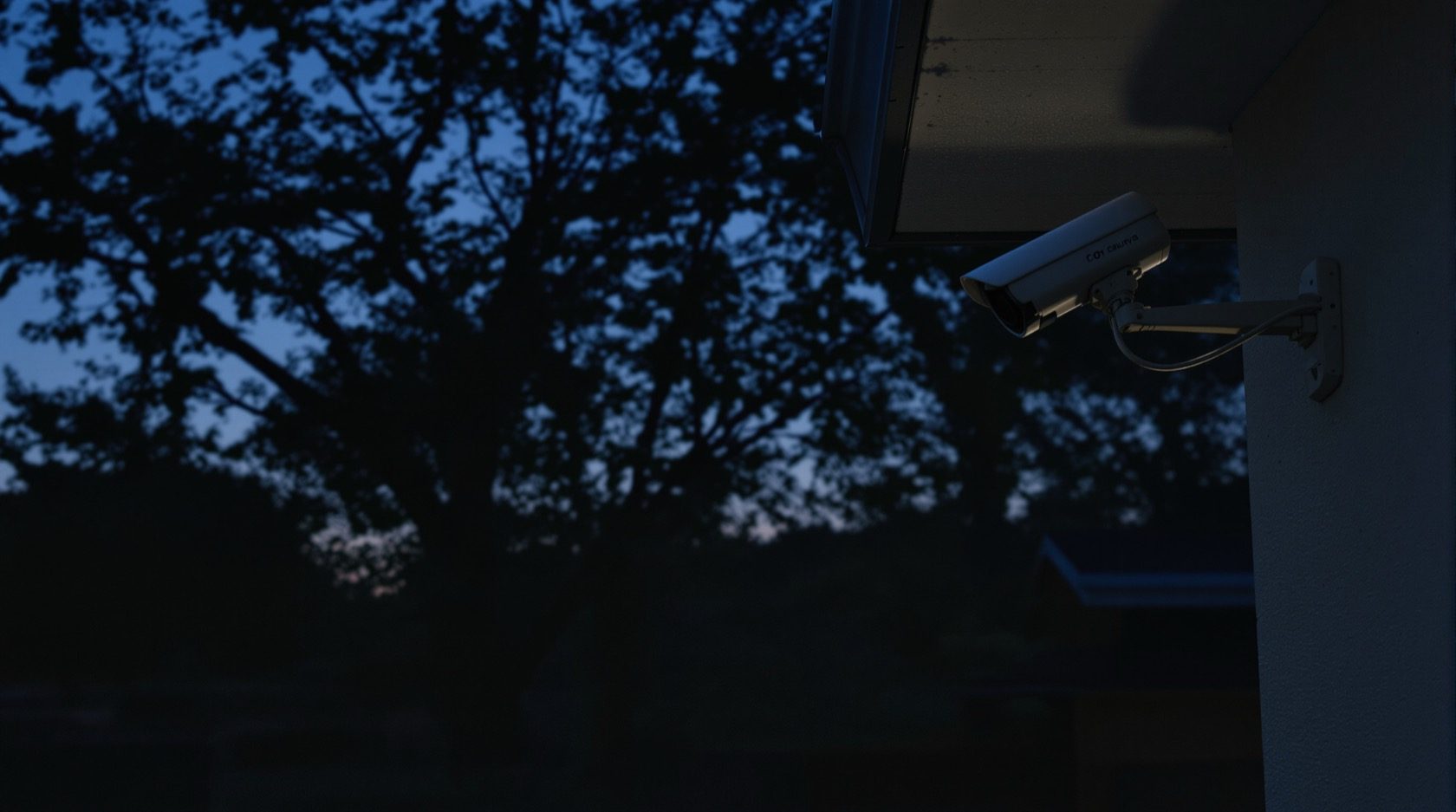
CCTV Varifocal vs Fixed Lens (India 2026): Choosing the Right Angle of View
Focal length decides how wide and how far a CCTV camera sees. A fixed 2.8mm lens is cheap and simple; a varifocal 2.8-12mm lets the installer dial the exact framing on site. Which to pick for each spot, and why installers reach for varifocal.
 Motion44
CCTV Motion Detection Explained (India 2026): Cutting the False Alarms
Plain CCTV motion detection alerts on any pixel change, so trees, rain, stray dogs and headlights bury real events in noise. Learn basic vs PIR-assisted vs smart motion, and how zones, sensitivity and scheduling cut Indian false alarms.
 Human/vehicle45
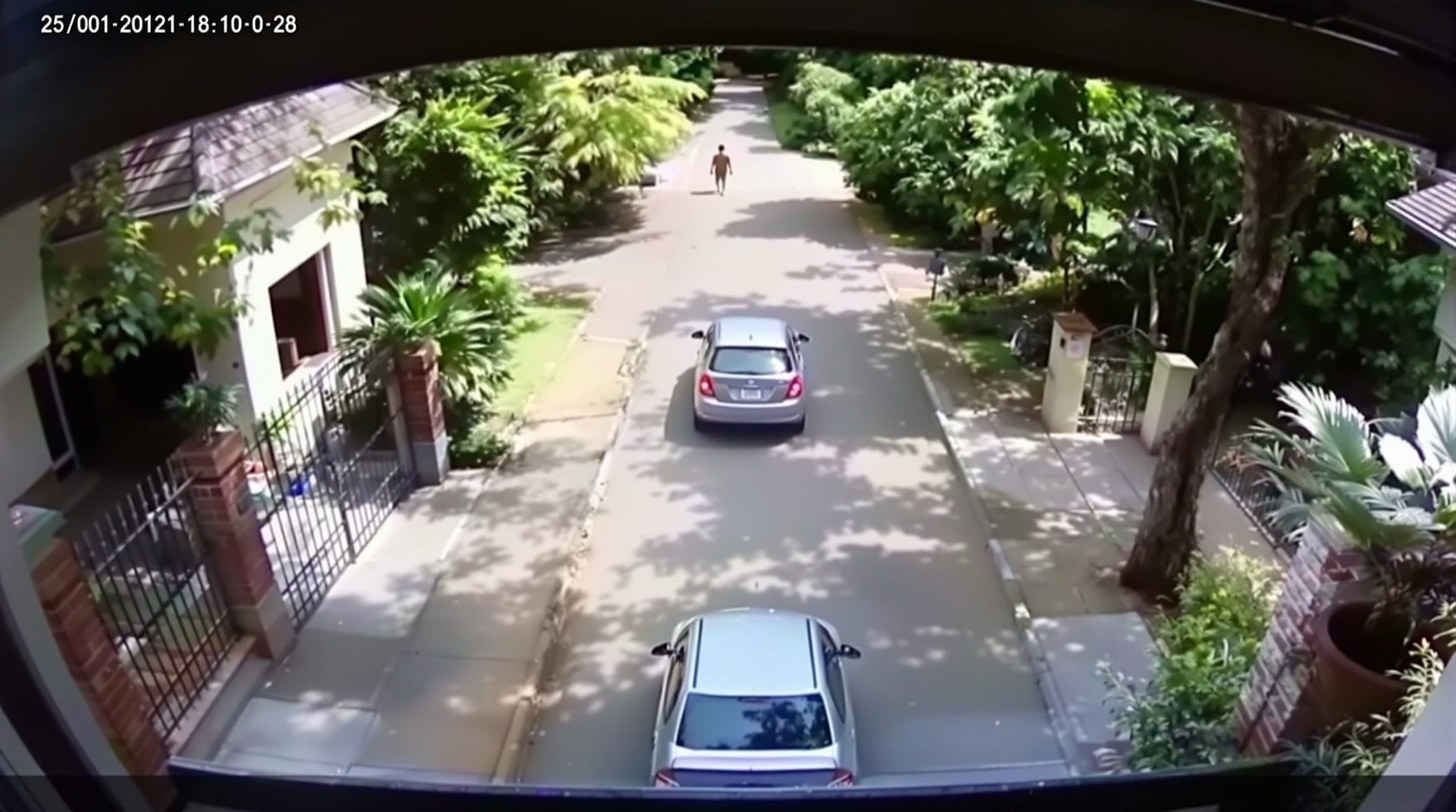
CCTV Human Vehicle Detection (India 2026): Human & Vehicle AI Alerts, Fewer False Alarms
Human and vehicle detection uses on-camera AI to alert you only on people and vehicles, ignoring dogs, crows, rain and swaying trees. How it works, edge vs NVR vs cloud, its real limits, and the privacy duty person-detection carries.
 Line-crossing46
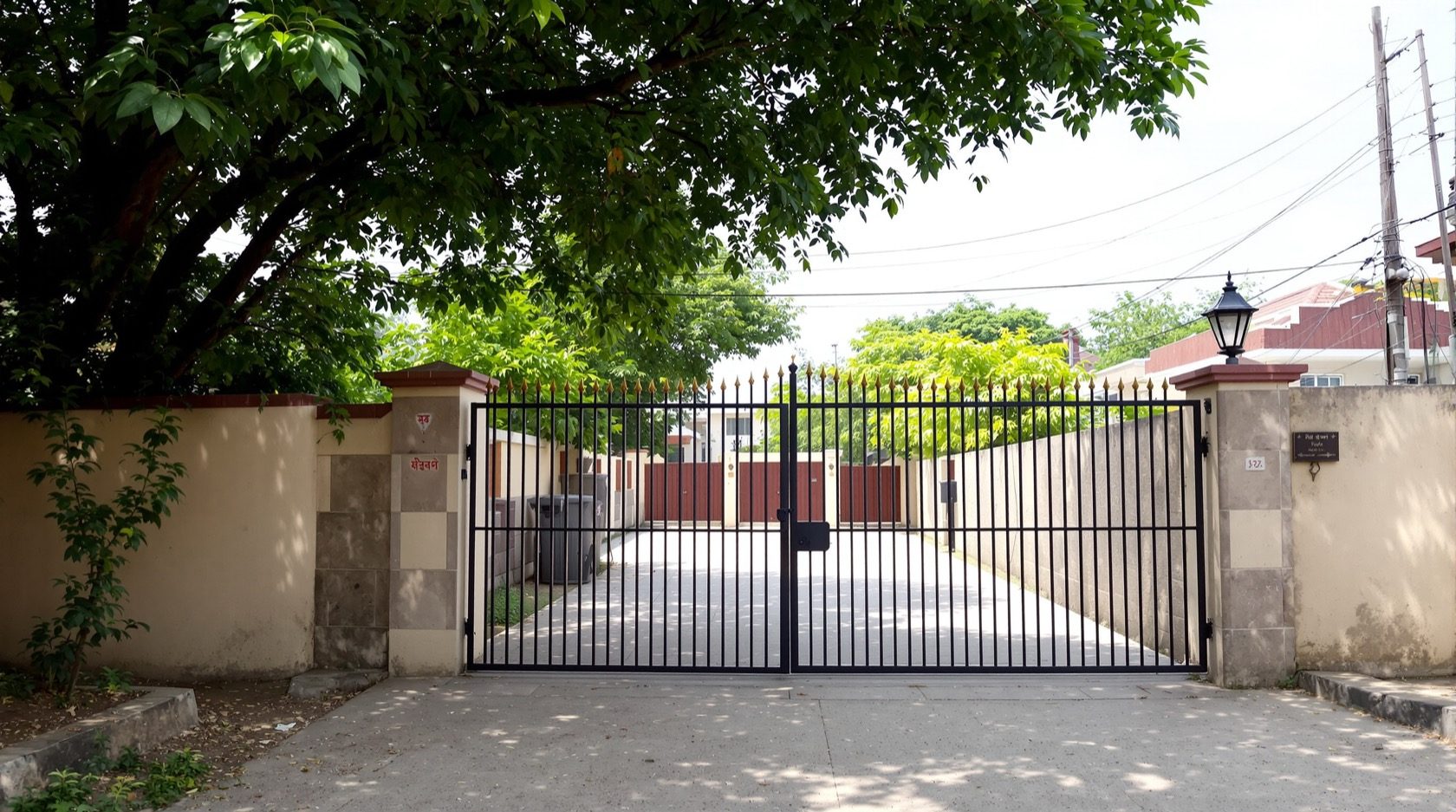
CCTV Line Crossing Detection (India 2026): Virtual Tripwire for Your Boundary
Line-crossing detection draws a virtual tripwire across your gate, driveway or boundary and alerts you only when someone crosses it — direction-aware, so entry triggers and exit does not. When it beats zone detection, how to place it, and how to keep the line on your own land.
 Intrusion zone47
CCTV Intrusion Zone Detection (India 2026): Guarding an Area, Not a Line
Intrusion zone detection draws a polygon over an area - a backyard, terrace or shopfront - and alerts on anyone entering or loitering inside it. When a zone beats a line, day/night arming, dwell time, cutting false alarms with human detection, and keeping zones on your own plot.
 Auto-tracking48
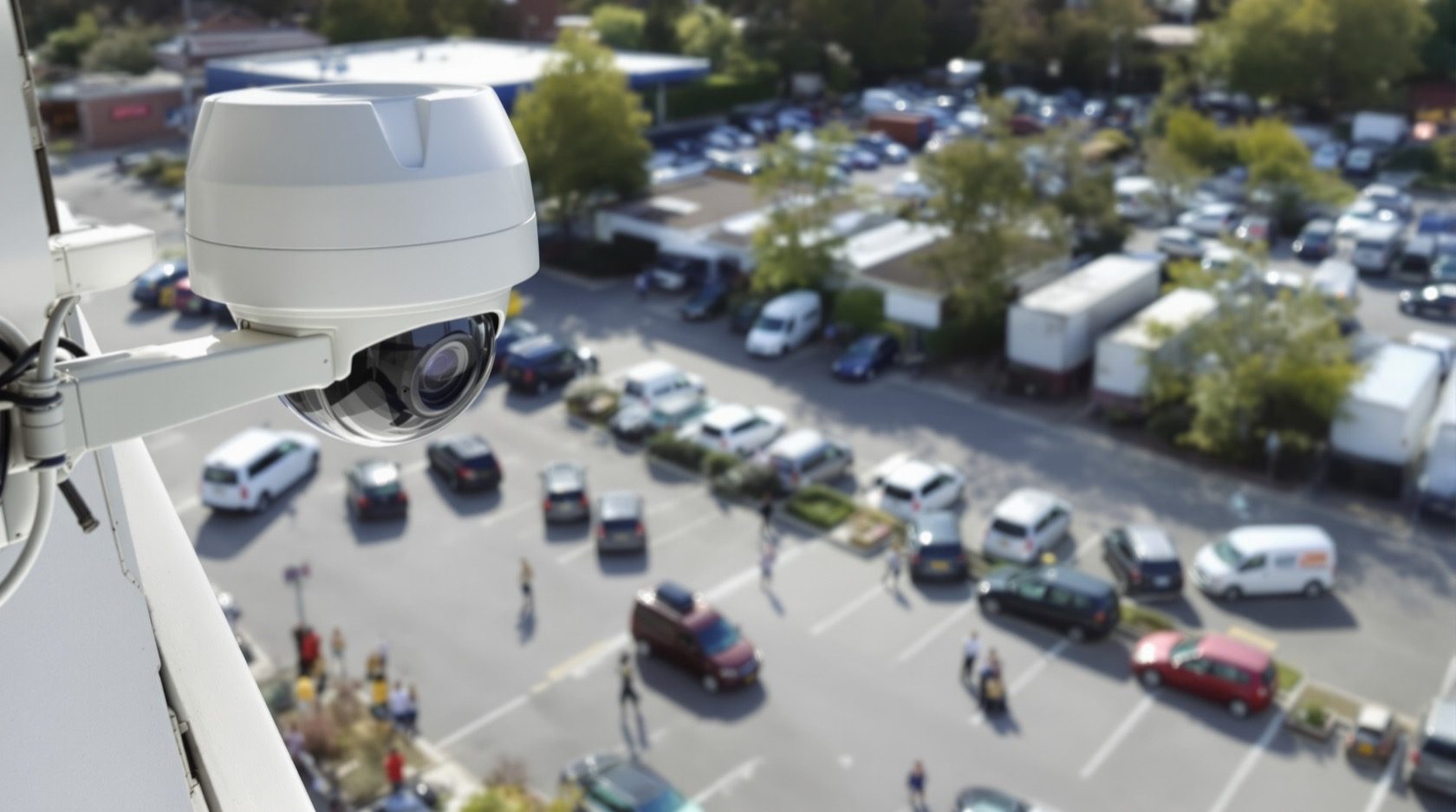
CCTV Object Tracking Explained (India 2026): When Auto-Tracking PTZ Helps
PTZ auto-tracking pans, tilts and zooms to follow a moving person or vehicle on its own. It shines on a big open yard or car park, but while it chases one target it leaves everything else unwatched. Why it never replaces fixed cameras.
 Analytics49
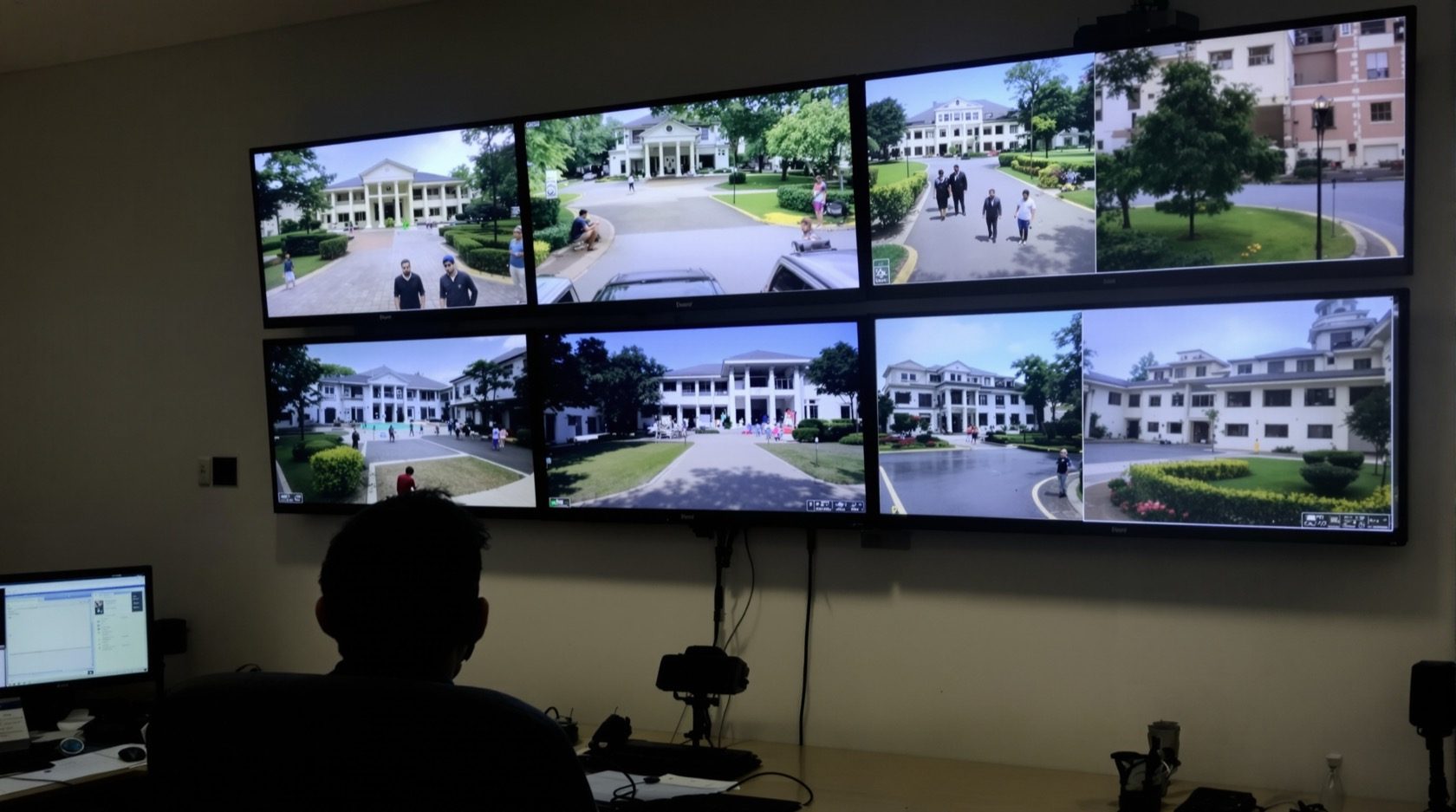
CCTV Video Analytics Explained (India 2026): What the AI Can and Can't Do
Video analytics is the layer of AI on top of CCTV that counts people, flags loitering, measures queues, draws heatmaps and spots left-behind objects. This umbrella guide explains where analytics run, what they cost, how accurate they really are, and the privacy duty they carry in India.
 Audio50
CCTV Audio Recording in India (2026): The Law, Consent & When to Use It
Switching on your camera microphone raises privacy and consent questions in India. Learn the law and ethics of CCTV audio recording, how mics work, audio quality limits, and where sound genuinely helps versus where you should leave it off.
 Two-way talk51
CCTV Two Way Audio in India (2026): Talk-Back for Doors, Gates and Shops
Two-way audio lets you talk back through a camera at the door, gate or counter, greeting a courier or warning off a loiterer from your phone. How talk-back works, what latency and echo do to it, real uses, and India's consent and notice rules.
 Tamper52
CCTV Tamper Detection in India (2026): Alerts When a Camera Is Blocked or Moved
Tamper detection alerts you the moment a camera is blocked, sprayed, defocused, moved or cut off. This guide explains how scene-change detection works, why a lone outdoor camera needs it, and how to tune out cobwebs, rain, birds and light change in India.
 Privacy mask53
CCTV Privacy Masking in India (2026): Blanking Out What You Must Not Record
A privacy mask blanks out the parts of a camera view you must not record — a neighbour's window, a balcony, the public road, an ATM keypad. Learn static vs PTZ masking, how the mask is applied in the camera or recorder, and how to verify it works.
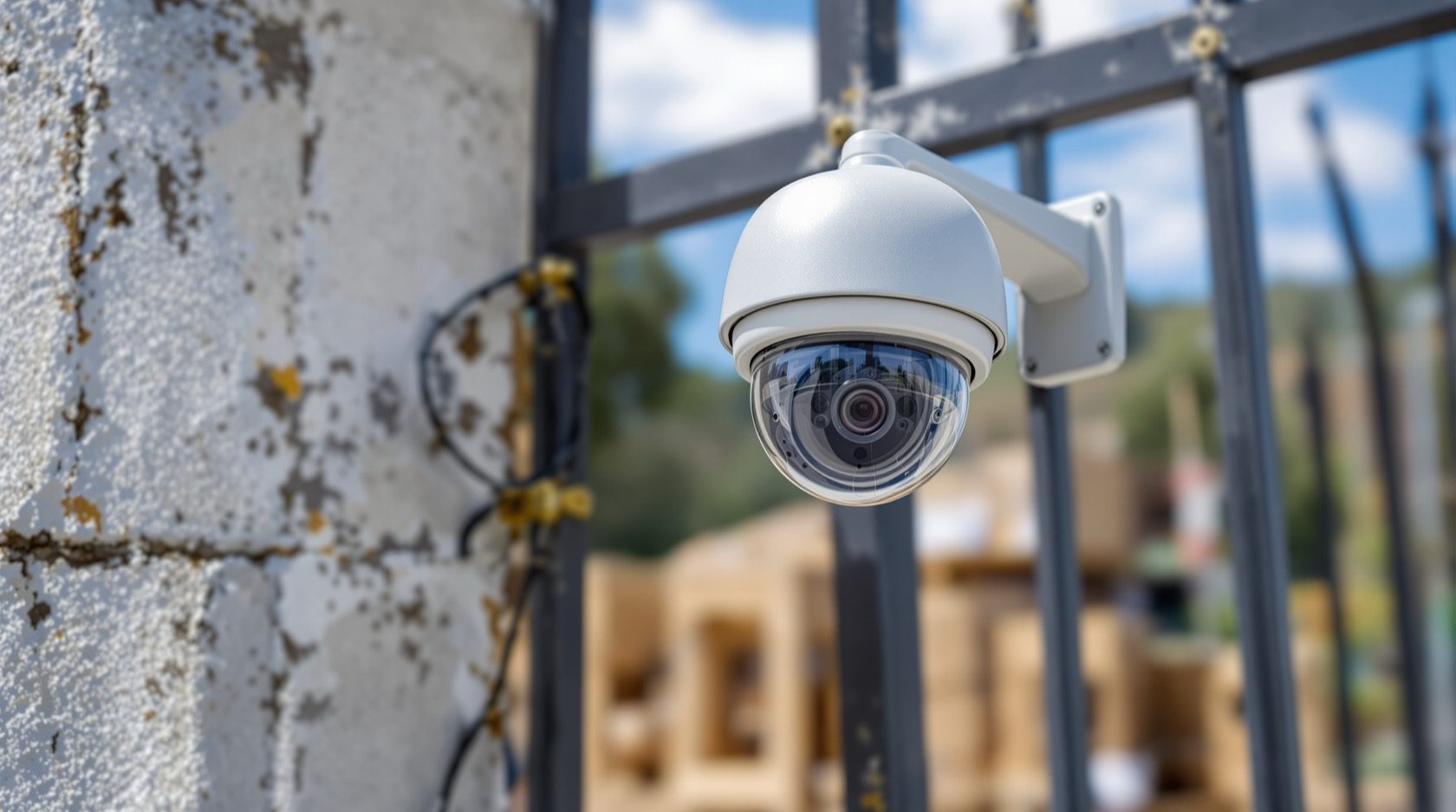
 IP rating54
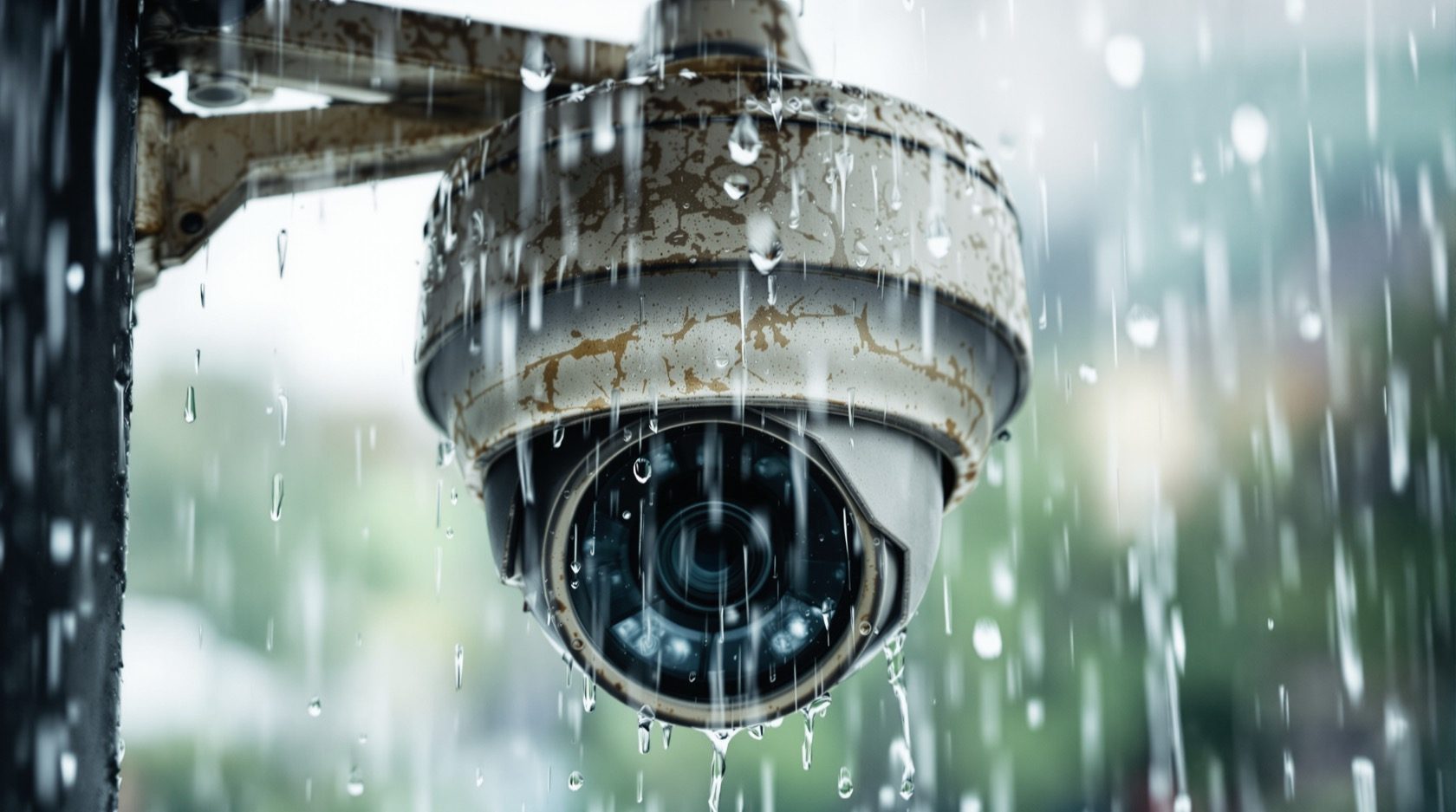
CCTV Weatherproof IP Rating in India (2026): Decoding IP65, IP66 & IP67
The IP code on an outdoor CCTV camera is two digits: dust (0-6) then water (0-9K). Learn to read IP65, IP66 and IP67, why it matters for Indian monsoon, dust and salt air, and the minimum rating for each mounting spot.
 IK rating55
CCTV Vandal Proof IK Rating in India (2026): What IK08 and IK10 Really Mean
IK rating tells you how much of a kick, throw or hammer blow a camera housing can take. Decode IK08 to IK10, see where vandal-proof cameras actually matter in India, and how metal, polycarbonate and tamper-proof mounting work together.
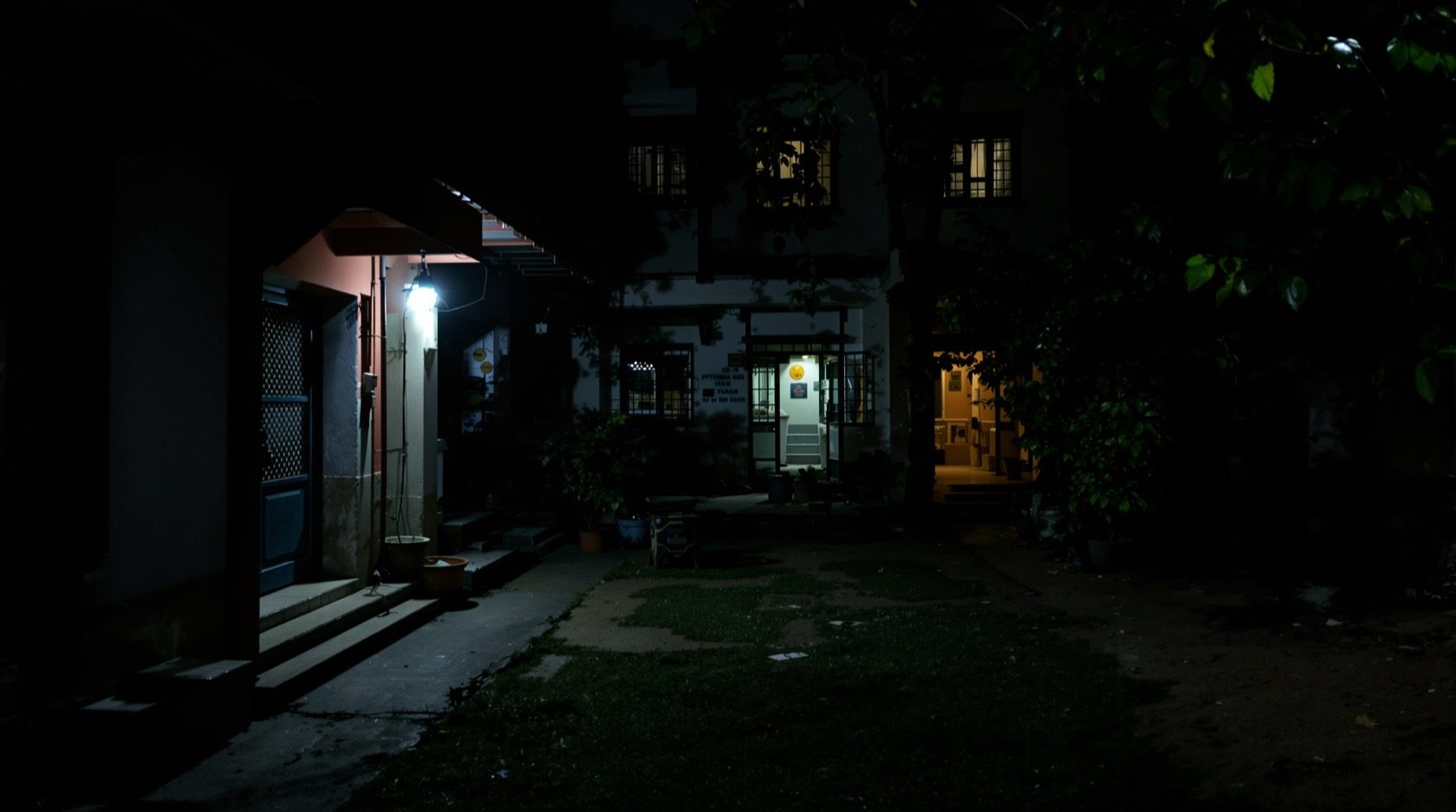 Low-light spec56
CCTV Low Light Performance in India (2026): Reading the Lux Rating Honestly
A camera's lux rating tells you the dimmest scene it can still image, but the number is easy to game. What 0.01 lux really means, which specs drive it, how sensor size, aperture and shutter tricks change it, and how to compare two cameras honestly.
That completes the features — image quality, smart detection, audio, protection and the weather (IP) and impact (IK) rating codes.
Design & installation
Plan, place & cover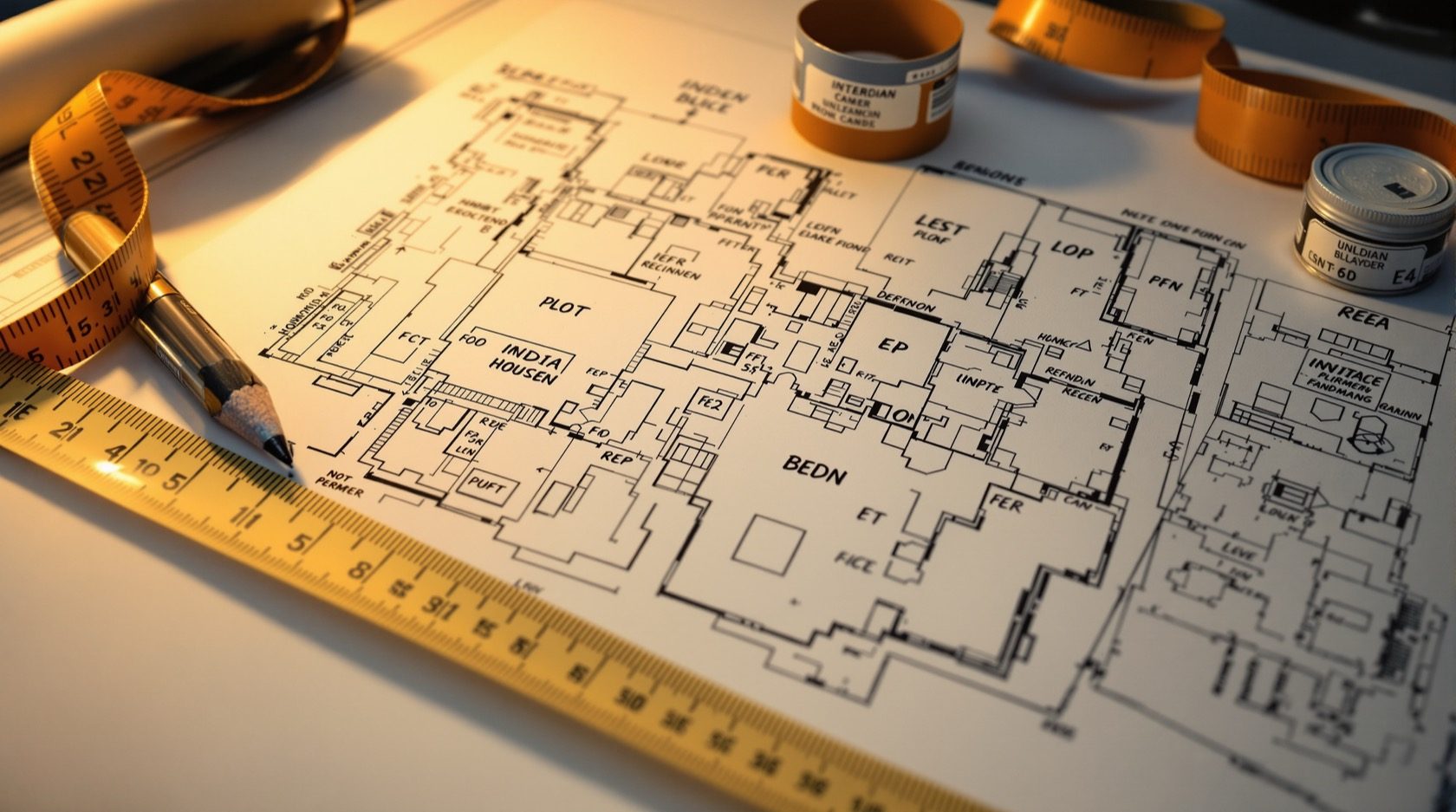 Planning57
CCTV Installation Planning in India (2026): From Site Survey to a Camera Plan
Plan a CCTV system before you buy it. Survey your plot, list assets and entry points, sketch a plan and mark every camera, then size power, network, permissions and budget. The measure-twice master guide the placement and coverage guides feed into.
 Placement58
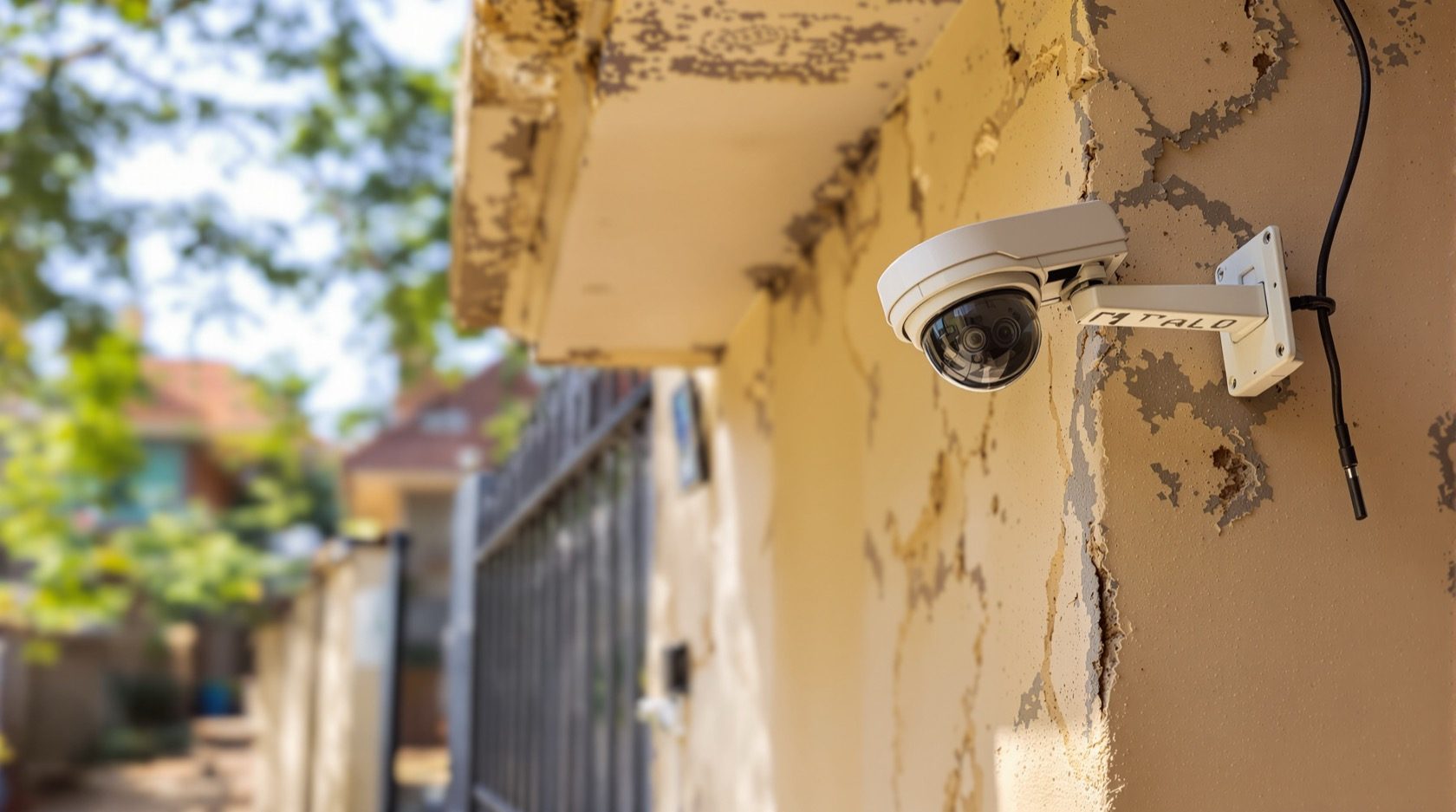
CCTV Camera Placement in India (2026): The Principles Behind Every Good Position
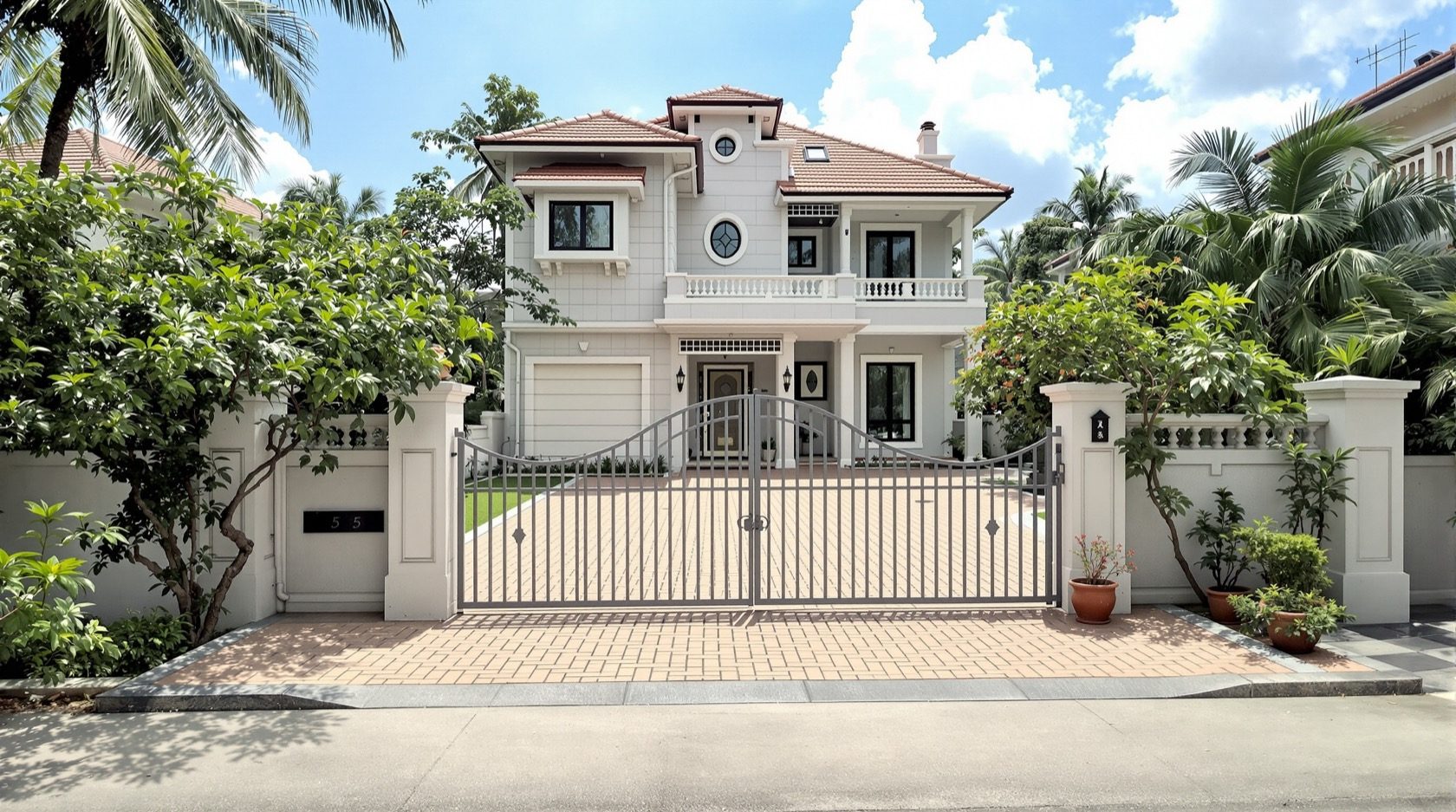
Good CCTV is placed, not just bought. The seven universal rules: cover choke points first, face the flow, keep the sun out of frame, mount out of reach, one camera one job, overlap for no gaps, and respect neighbours. Principles every position should pass.
 Coverage59
CCTV Coverage Planning in India (2026): Think in Coverage, Not Cameras
Plan CCTV by the coverage it produces, not the camera count. Map choke points, overlap so each camera is watched by another, keep entry-to-exit continuity, and set the pixels-per-metre (DORI) each zone needs. A coverage-first method for Indian homes and plots.
 Blind spots60
CCTV Blind Spots in India (2026): Finding and Closing the Gaps in Your Coverage
Every CCTV system has blind spots: behind and below the camera, past pillars and parked cars, glare-outs into the sun, and foliage. Learn to find your own gaps with a walk-test and footage review, then close them with overlap and a second angle.
 Height & angle61
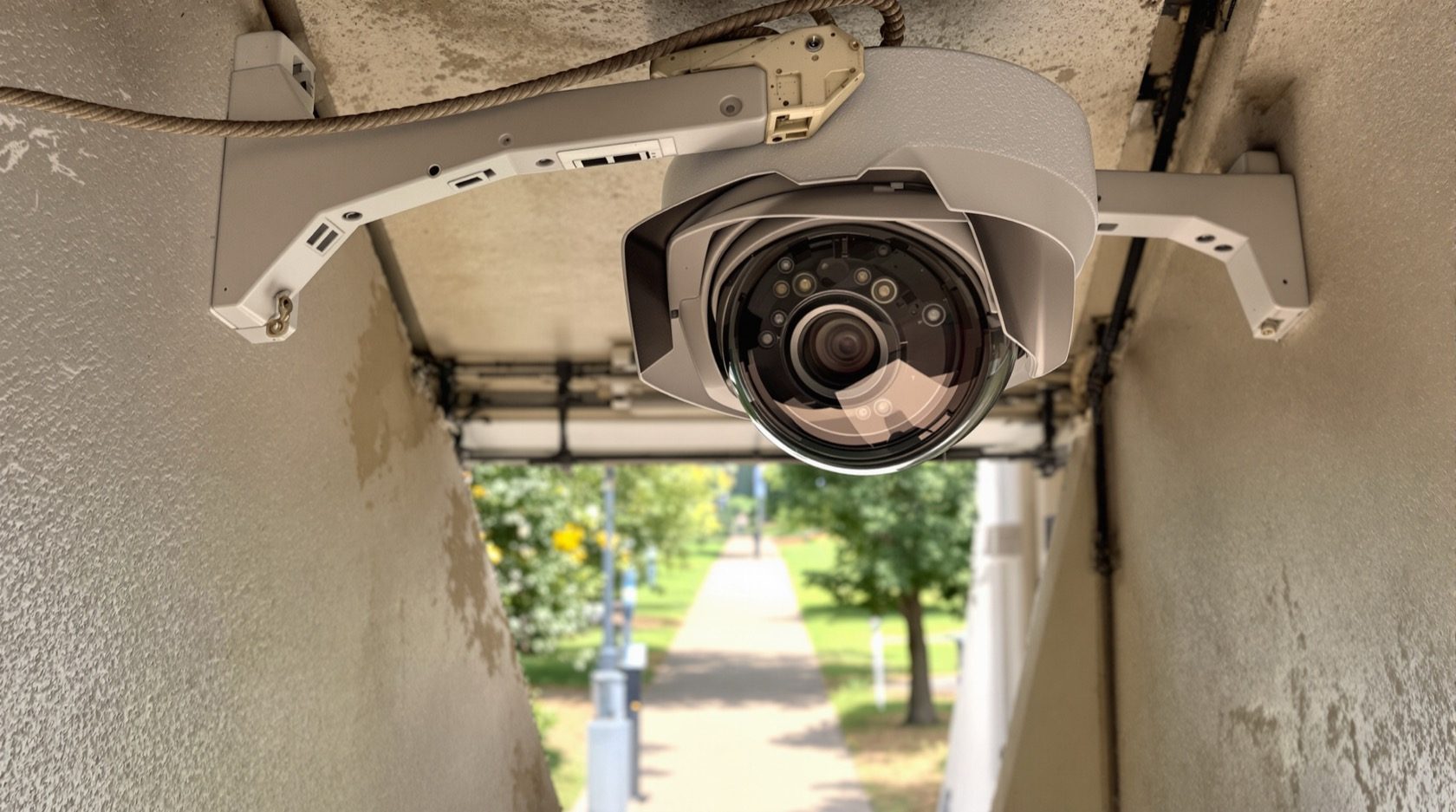
CCTV Camera Height and Angle in India (2026): Mount It Where It Actually Sees
How high to mount a CCTV camera and how far to tilt it decides whether it reads a face or films the sky. Practical mounting geometry for Indian homes and shops: height, downtilt, the dead zone below, backlight, and IR wash.
 Signage62
CCTV Signage in India (2026): Notice That Deters and Keeps You Compliant
A CCTV notice both deters intruders and discharges a transparency duty under the DPDP Act, 2023. What a good sign says, where to place it, why it should be bilingual, and why signage is never an excuse to over-record.
 Gate63
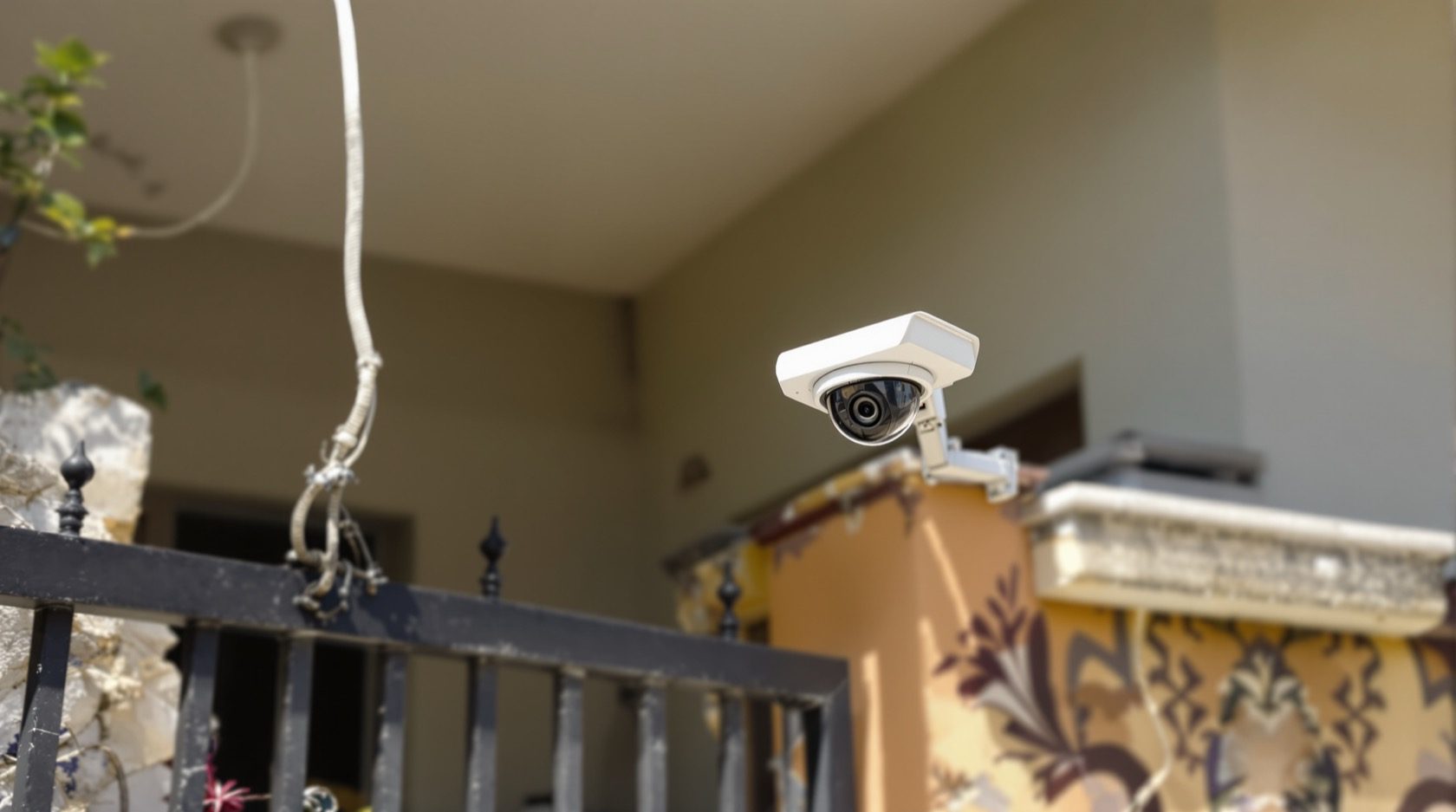
CCTV Placement at the Entrance and Gate in India (2026): Capturing Every Visitor
The gate is your most important camera. Face arriving visitors, not the road: an ID camera near eye level for faces plus a high overview for context, backlight handled, a video doorbell at the door — planned for an Indian home.
 Parking64
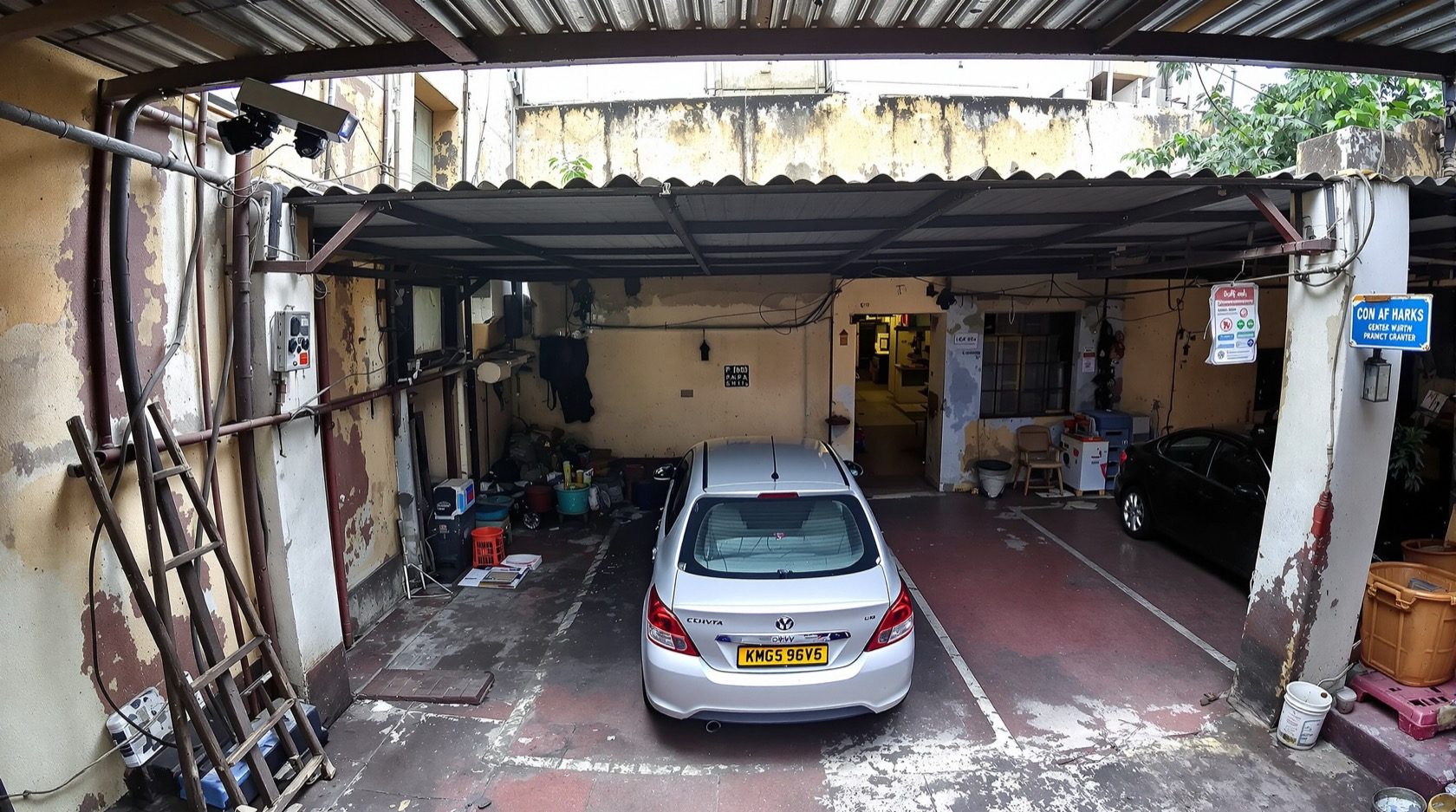
CCTV Placement Parking and Driveway in India (2026): Cover the Car and the Person
Parking cameras that only read number plates miss the point. Position them to capture the vehicle and the person getting out, choose wide or varifocal lenses, beat headlight glare at night, and get the angles right for a society stilt or basement bay.
 Perimeter65
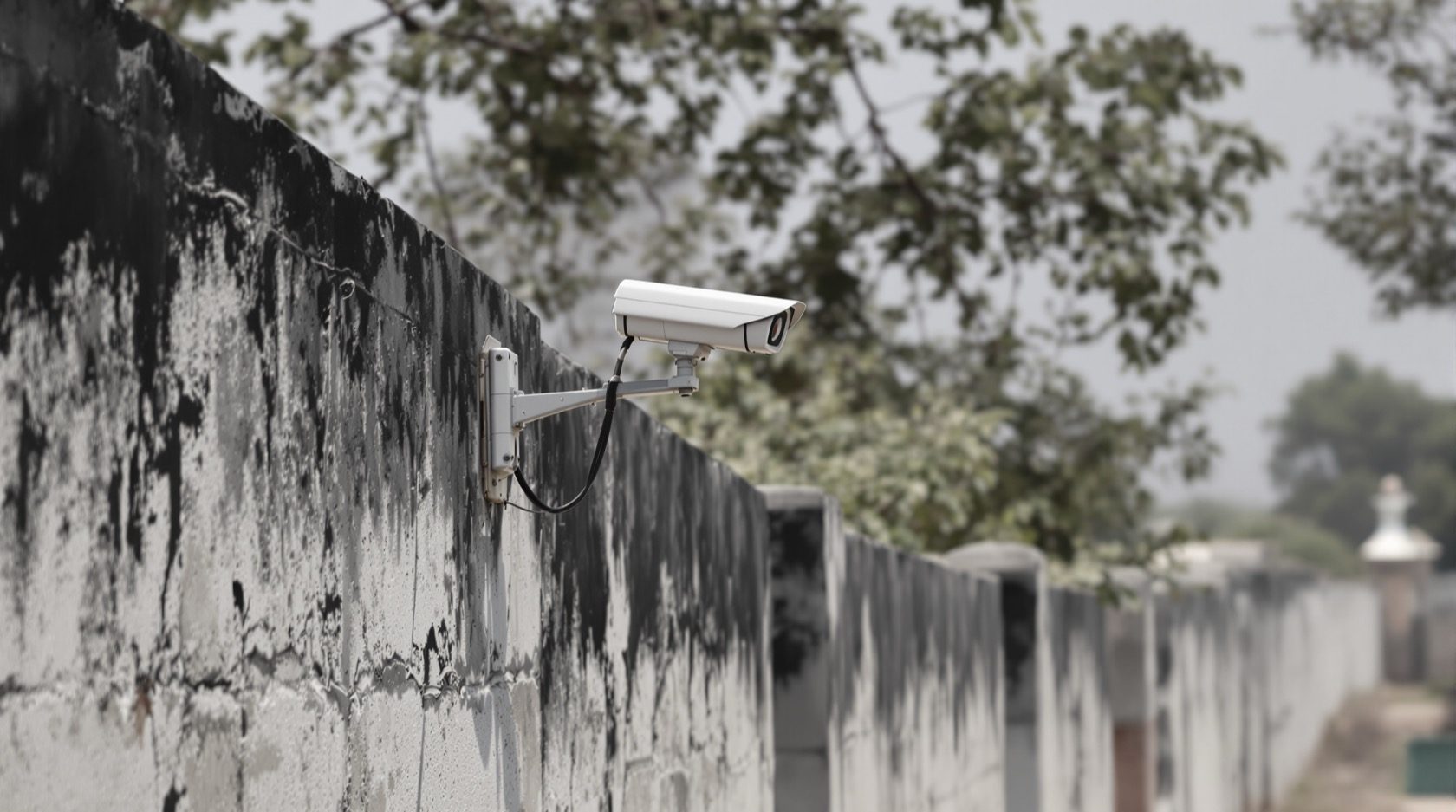
CCTV Placement Perimeter and Compound Wall in India (2026): Watch the Line
Aim perimeter cameras ALONG your compound wall at a grazing angle, not across into a neighbour, so you see anyone approaching or climbing the line. Pair with line-crossing detection, light the boundary, overlap corners and gates, and stay strictly on your own side.
 Staircase66
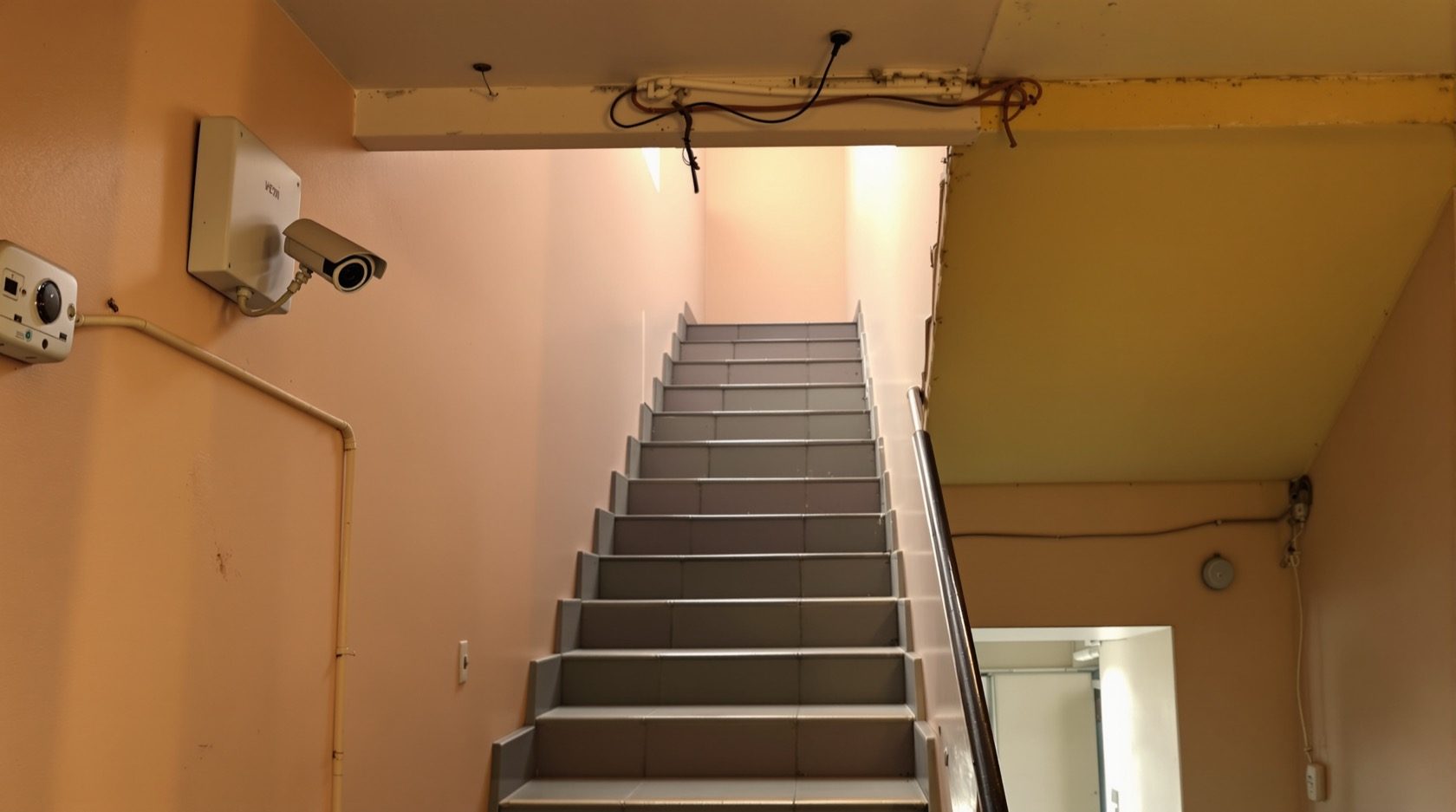
CCTV Placement Staircase Guide (India 2026): Watch the Flight Without Blocking the Escape
Mount a staircase camera on the landing wall so it reads faces going up and down the flight, never blocking the escape route or handrail. How to place it, beat the dim backlit stairwell, and handle society common-stair consent.
 Lift lobby67
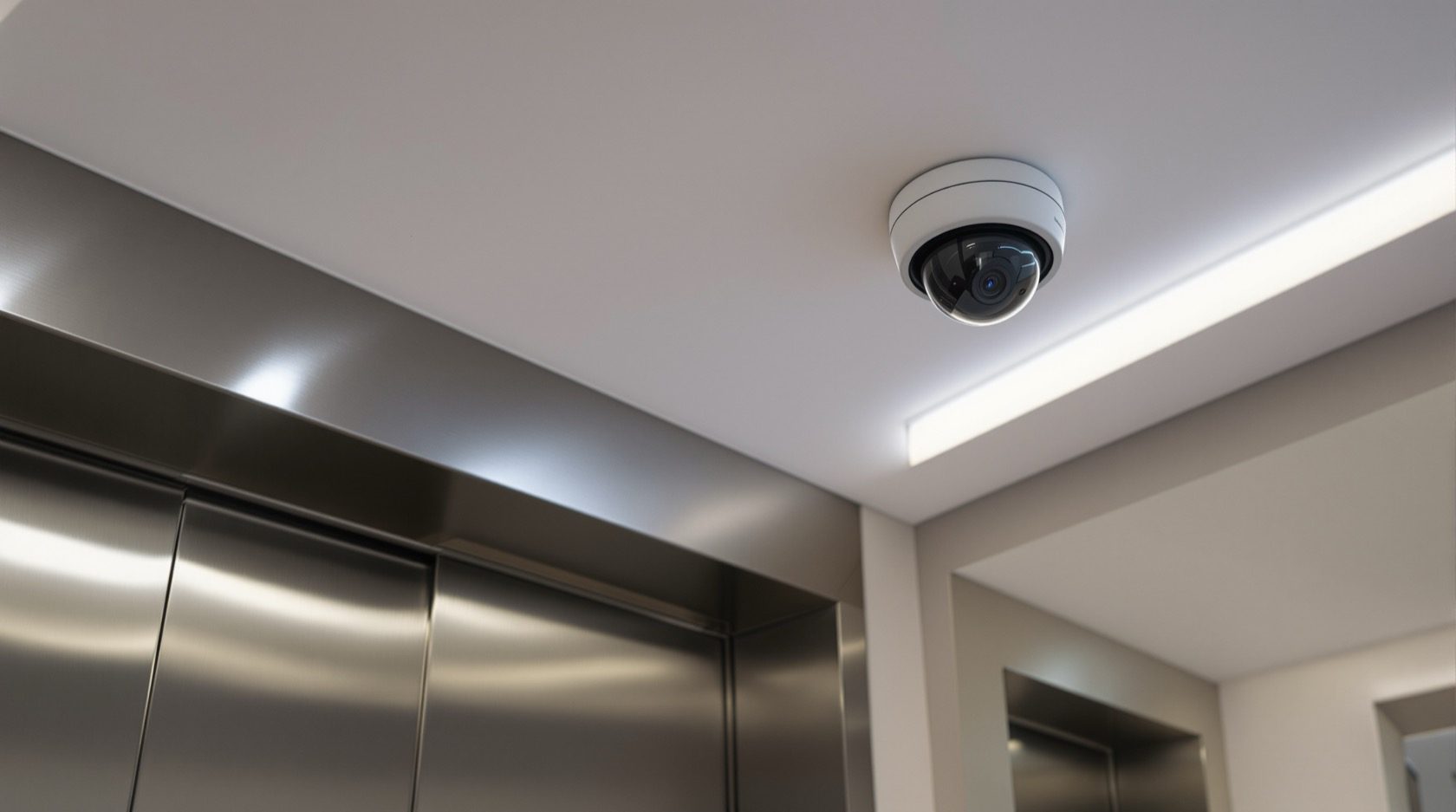
CCTV Placement for the Lift Lobby in India (2026): Faces at the Doors
A camera in the lift lobby should sit in the far corner as a vandal-resistant dome, angled at the lift doors so it captures the face of everyone waiting. Height, angle, lighting, RWA consent and privacy for a shared common area, India-grounded.
 Corridor68
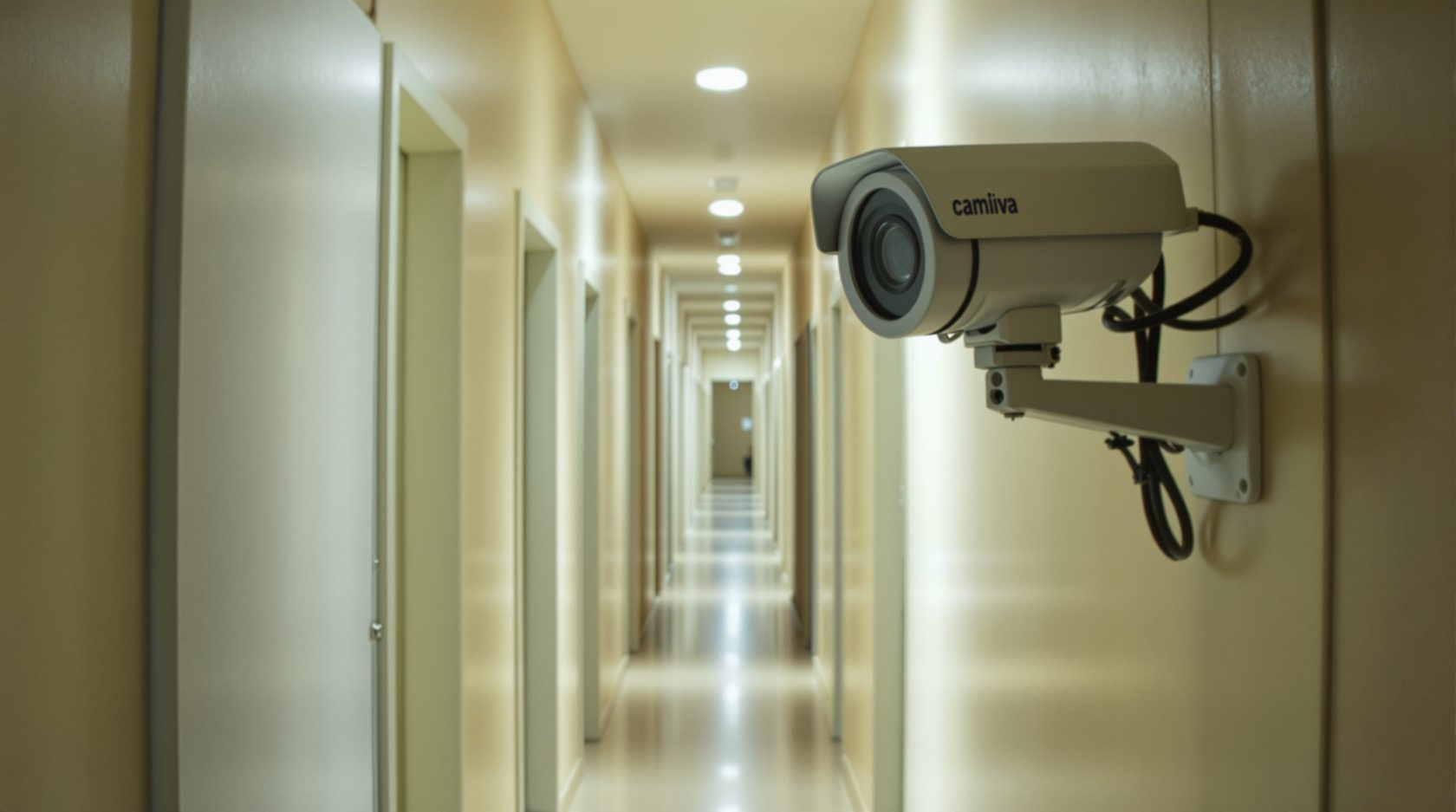
CCTV Placement for Corridors and Passages in India (2026): See the Length, Not the Wall
A corridor is long and thin, so aim one camera down its length, not across it. Add a second at the far end for two-way coverage with no blind spot, catch doors opening into frame, and keep the fire-escape path clear.
 Terrace69
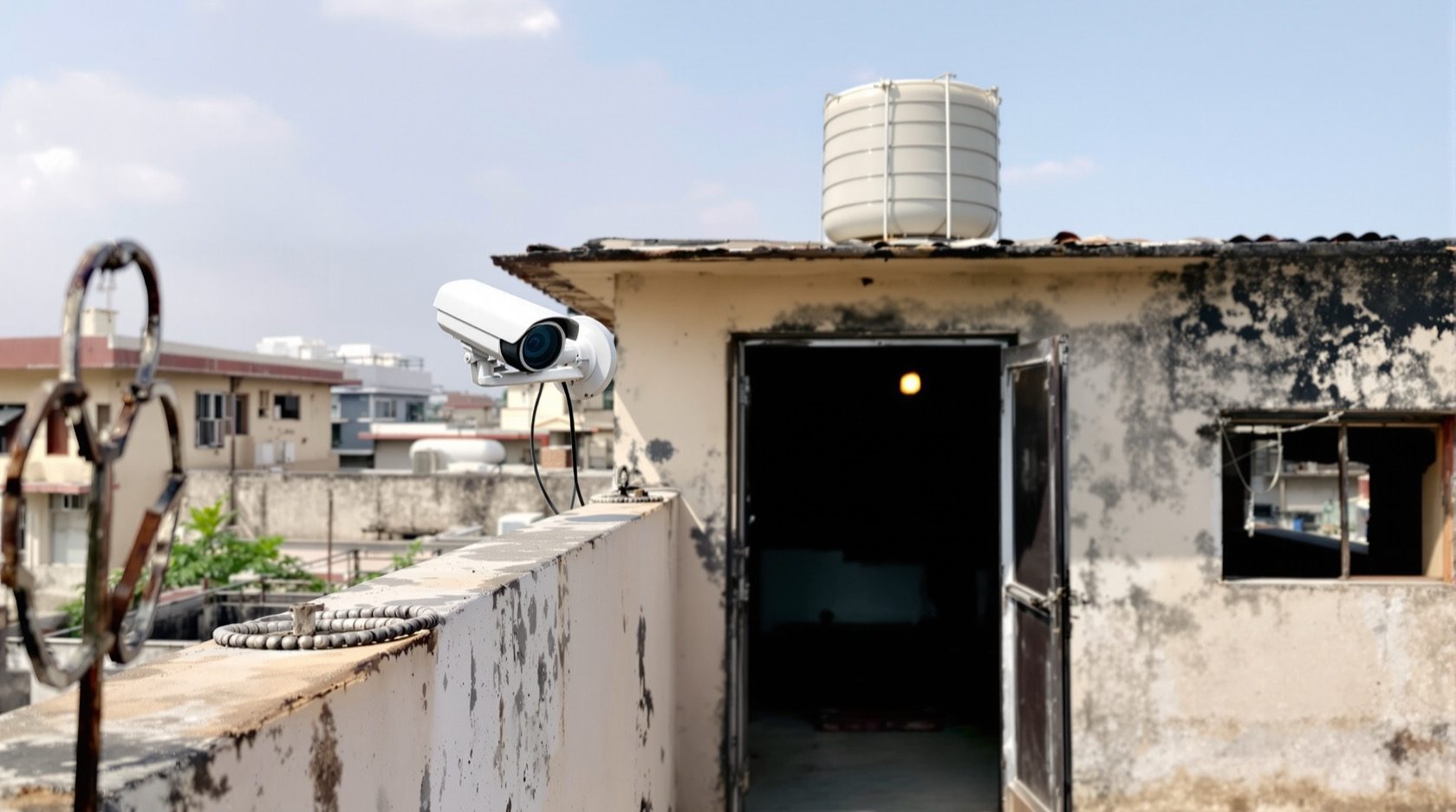
CCTV Placement Terrace Roof in India (2026): The Overlooked Entry Point
The terrace is a genuine entry route via adjoining roofs and low parapets, yet most homes leave it unwatched. How to cover the access door and open roof, weatherproof a fully exposed camera, and mount safely on a parapet.
 Cabling70
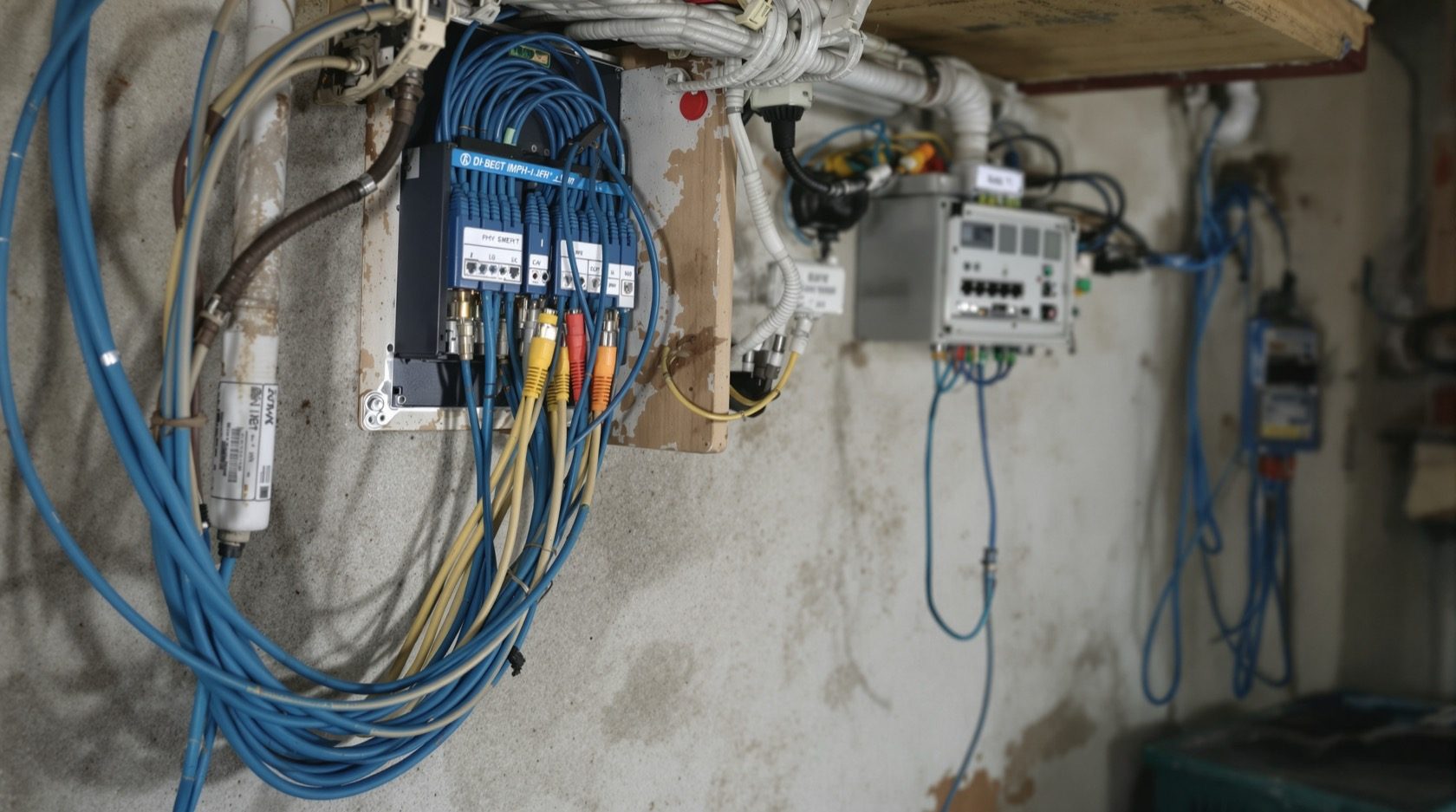
CCTV Cabling and Wiring in India (2026): Cable Types, Runs and How to Spec Them
How to specify CCTV cabling for an Indian home: coax vs Cat5e/Cat6, the ~90-100 m Ethernet run limit, outdoor UV and armoured cable, conduit, drip loops, keeping data away from mains, and labelling. Plan it here; a licensed pro pulls the runs.
 Network & PoE71
CCTV Network Switch and PoE Budget in India (2026): Sizing the Backbone
The network switch is the backbone of an IP CCTV system. This guide sizes PoE vs PoE+ vs PoE++ per port, the total watt budget against switch capacity, managed vs unmanaged, uplink to the NVR, and why cameras belong on an isolated VLAN.
 NVR vs DVR72
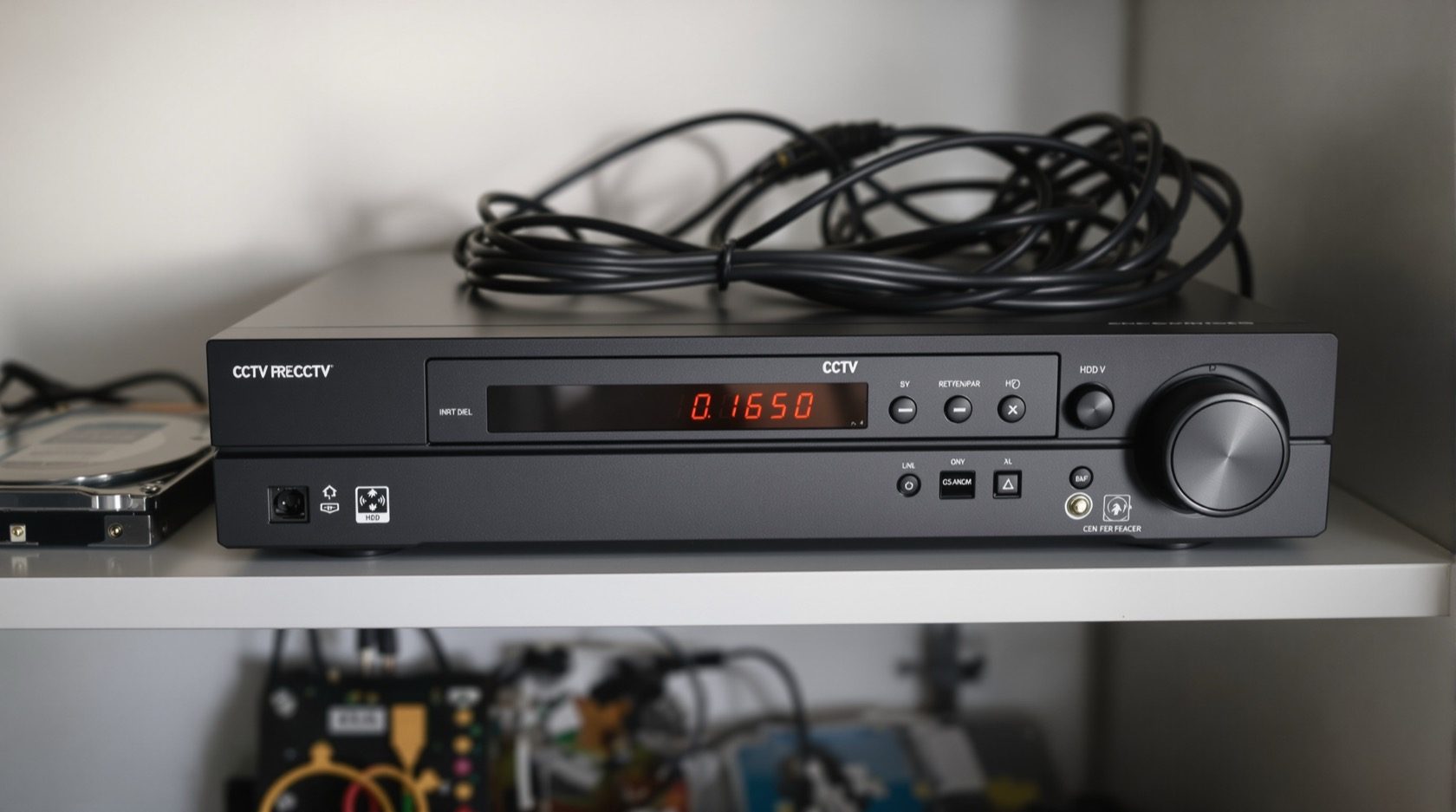
CCTV NVR vs DVR in India (2026): Choosing the Right Recorder
The recorder decides which cameras you can use, how many, and at what quality. This is the plain-English guide to DVR vs NVR vs hybrid for an Indian home: wiring, channels and headroom, bandwidth limits, HDD bays, and how to match the box to your cameras.
 Storage73
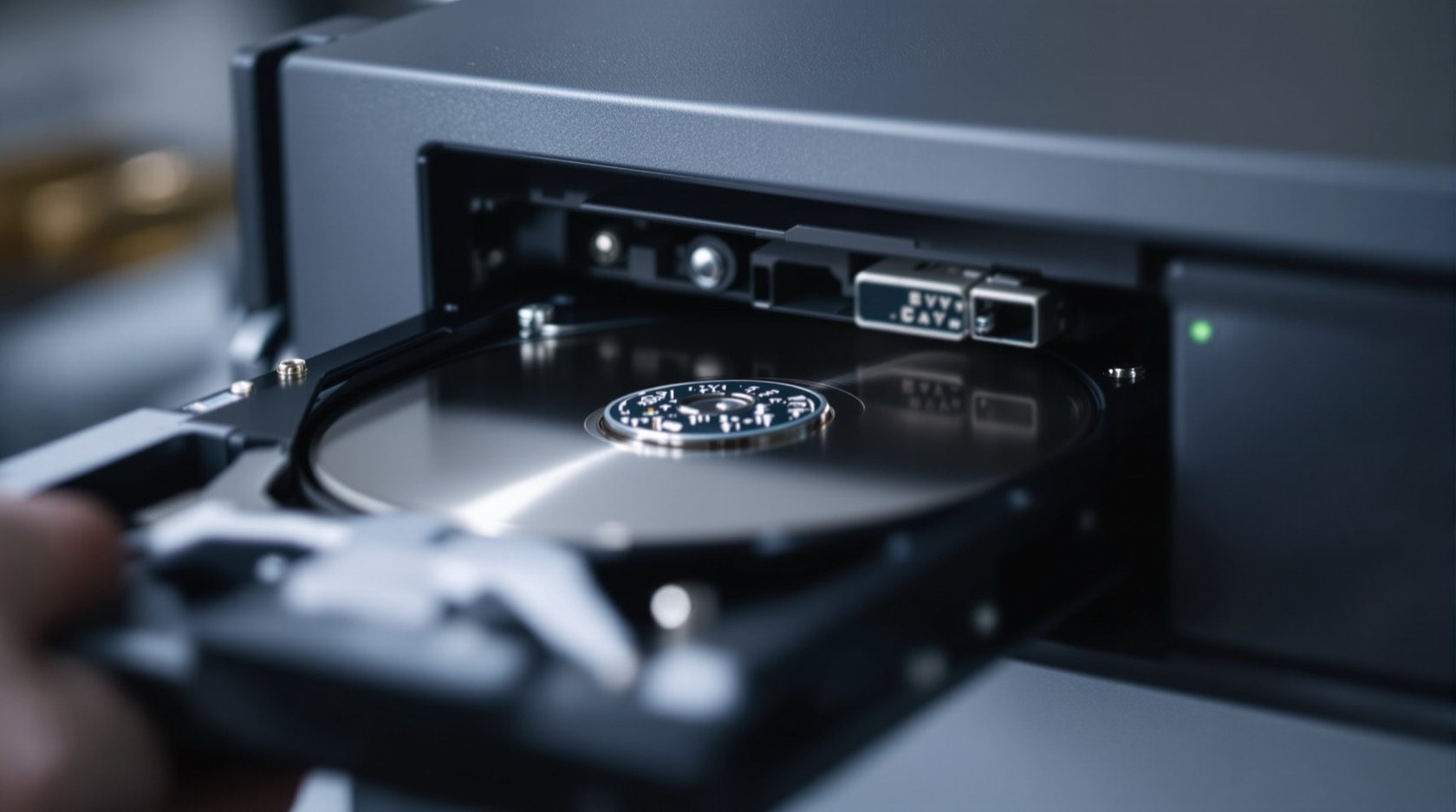
CCTV Storage and HDD Sizing in India (2026): Getting the Days You Need
How to size CCTV storage for an Indian home: why a surveillance-grade drive beats a desktop one, sizing the HDD by retention and bitrate, how many bays you need, when RAID is worth it, loop recording and keeping drives healthy.
 Power & UPS74
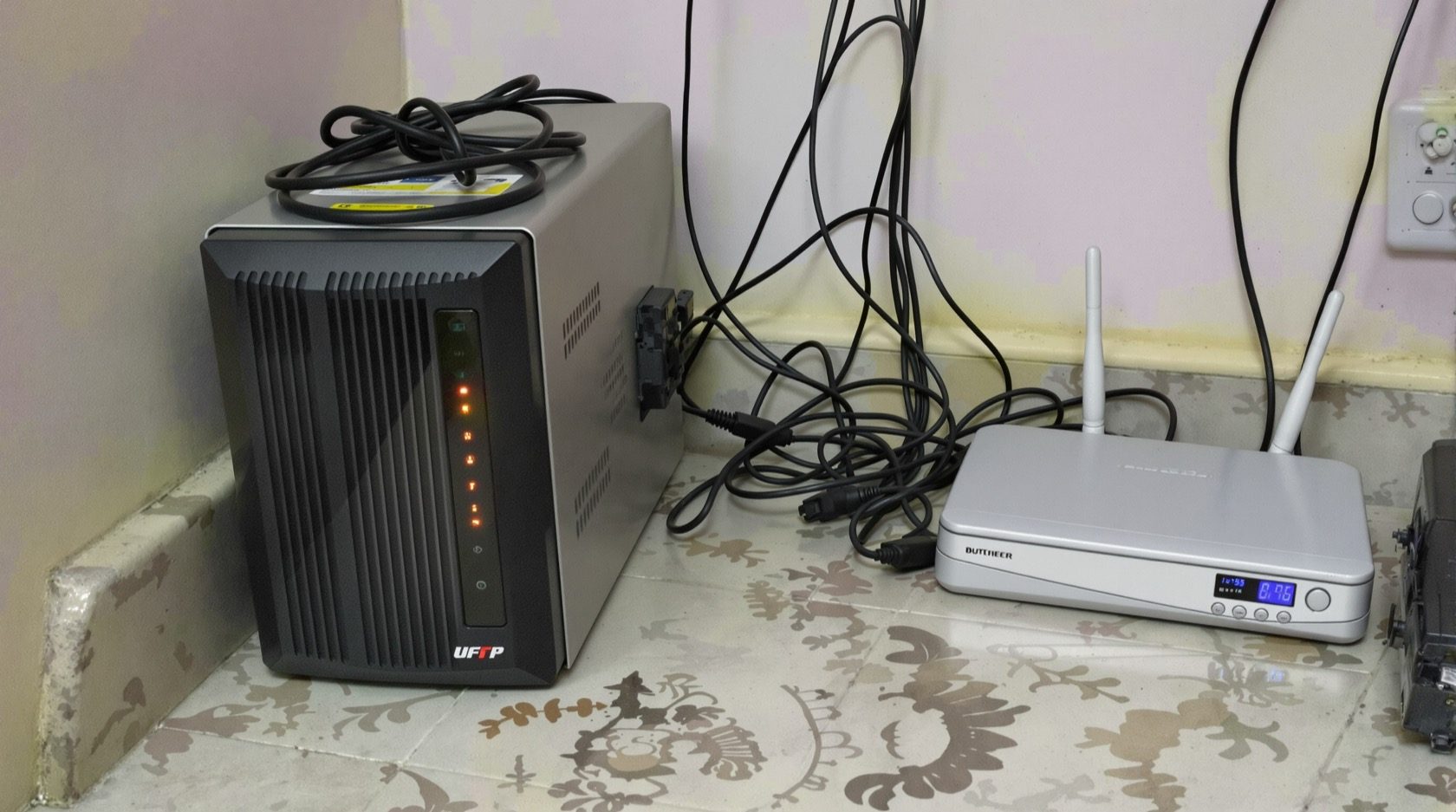
CCTV Power Supply and UPS Backup in India (2026): Keep Watching Through a Power Cut
A power cut kills your CCTV unless the recorder, PoE switch and router all sit on a UPS or inverter - so recording and remote view survive the outage. How to power cameras (12V vs PoE), size backup runtime, and protect against spikes and lightning.
 Remote access75
CCTV Remote Access in India (2026): Watch From Your Phone, Safely
Viewing your own CCTV from your phone is easy and safe when set up right: change every default password, add 2FA, keep firmware current, use the vendor's secure cloud relay or a VPN instead of exposing the recorder, and segment the camera network. A defensive, privacy-first guide.
 Monitoring76
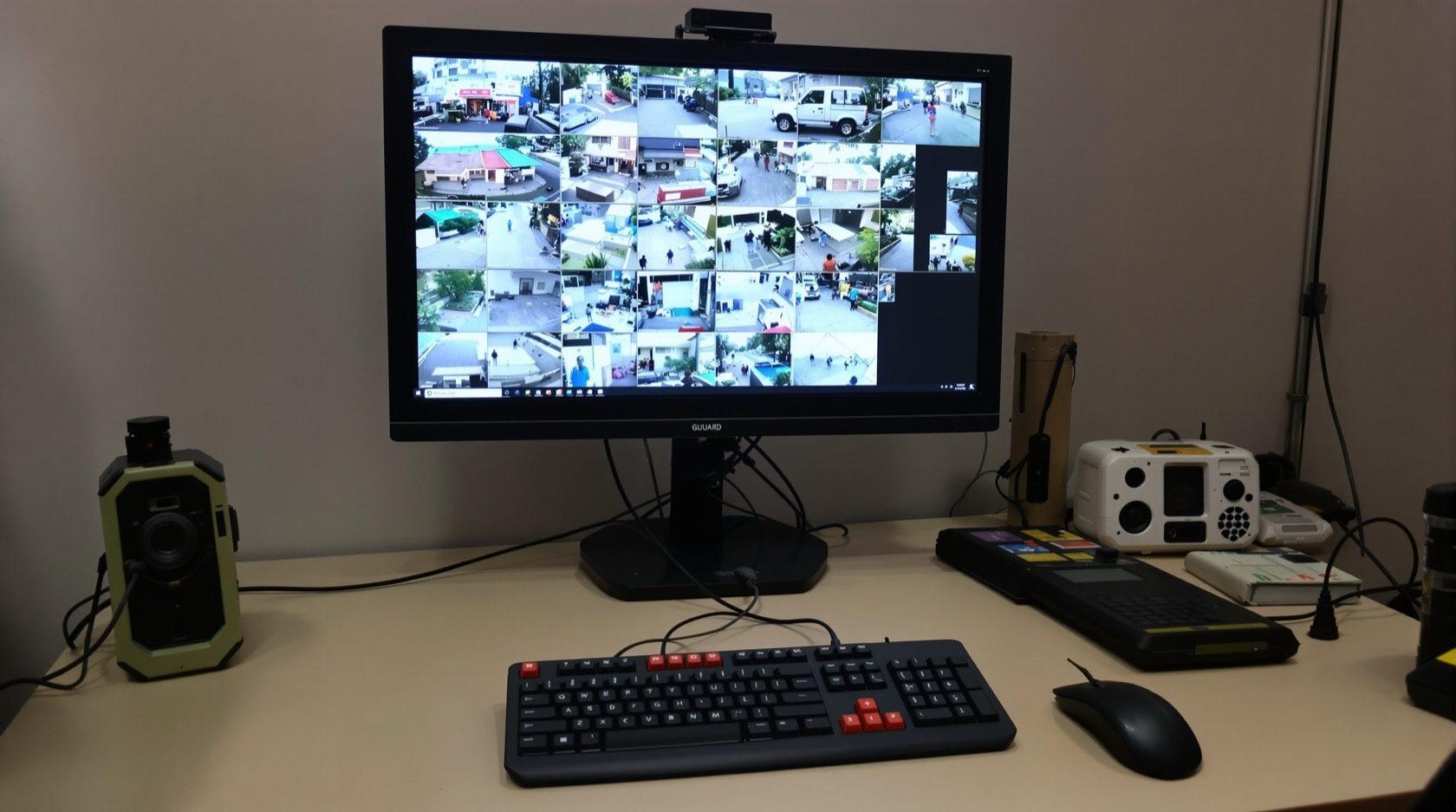
CCTV Control Room and Monitoring in India (2026): Who Actually Watches
Who actually watches your CCTV? The honest answer: for most Indian homes, nobody live — it is reviewed after an incident. This guide covers the viewing station, mobile alerts, multi-camera layout, and the society guard-desk with resident privacy.
 Commissioning77
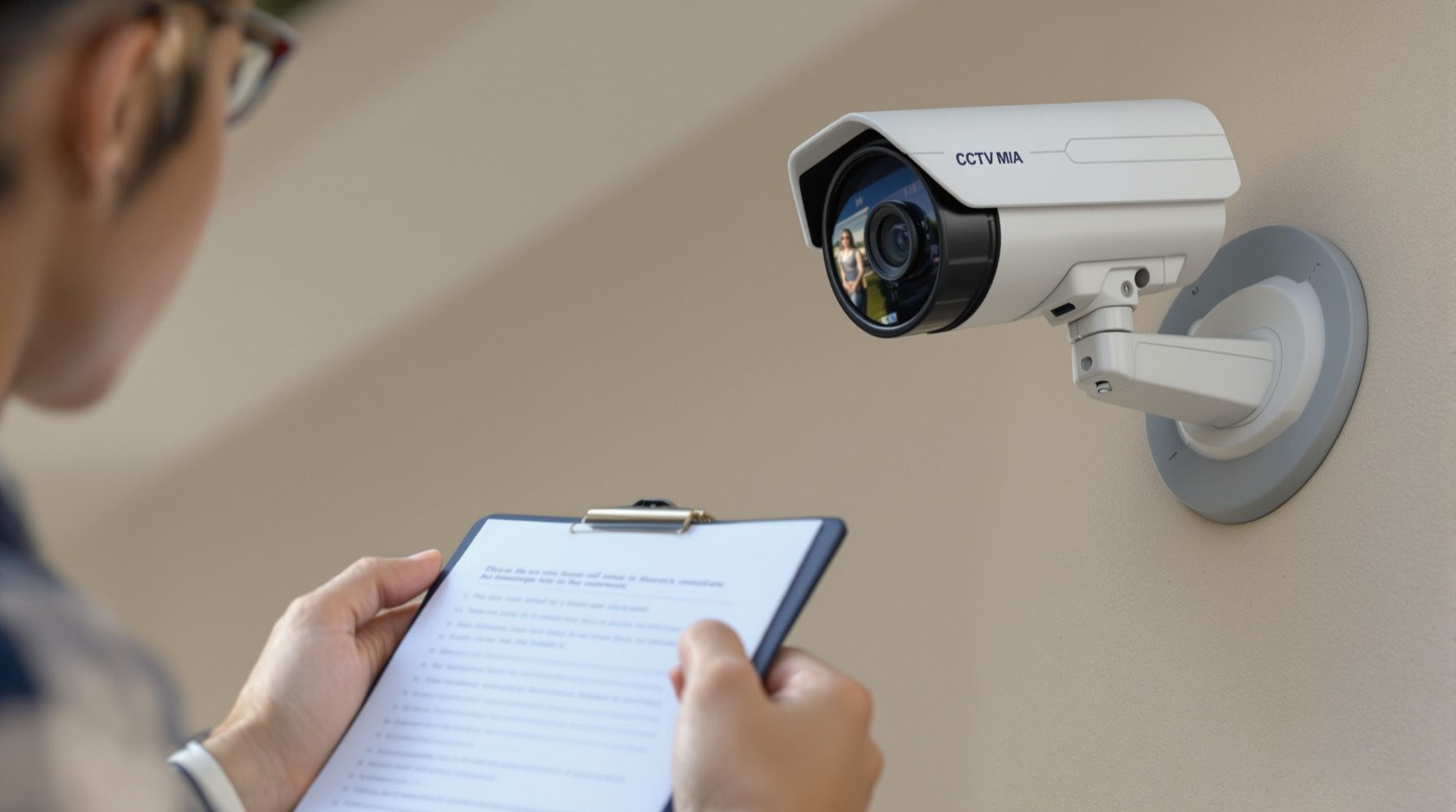
CCTV Commissioning and Testing in India (2026): The Go/No-Go Checklist Before You Pay
The acceptance walk-through to run before you clear the final CCTV bill: aim and focus every camera, check the picture day and night, prove recording and retention, test motion, alerts and remote viewing, and label every channel. A go/no-go checklist.
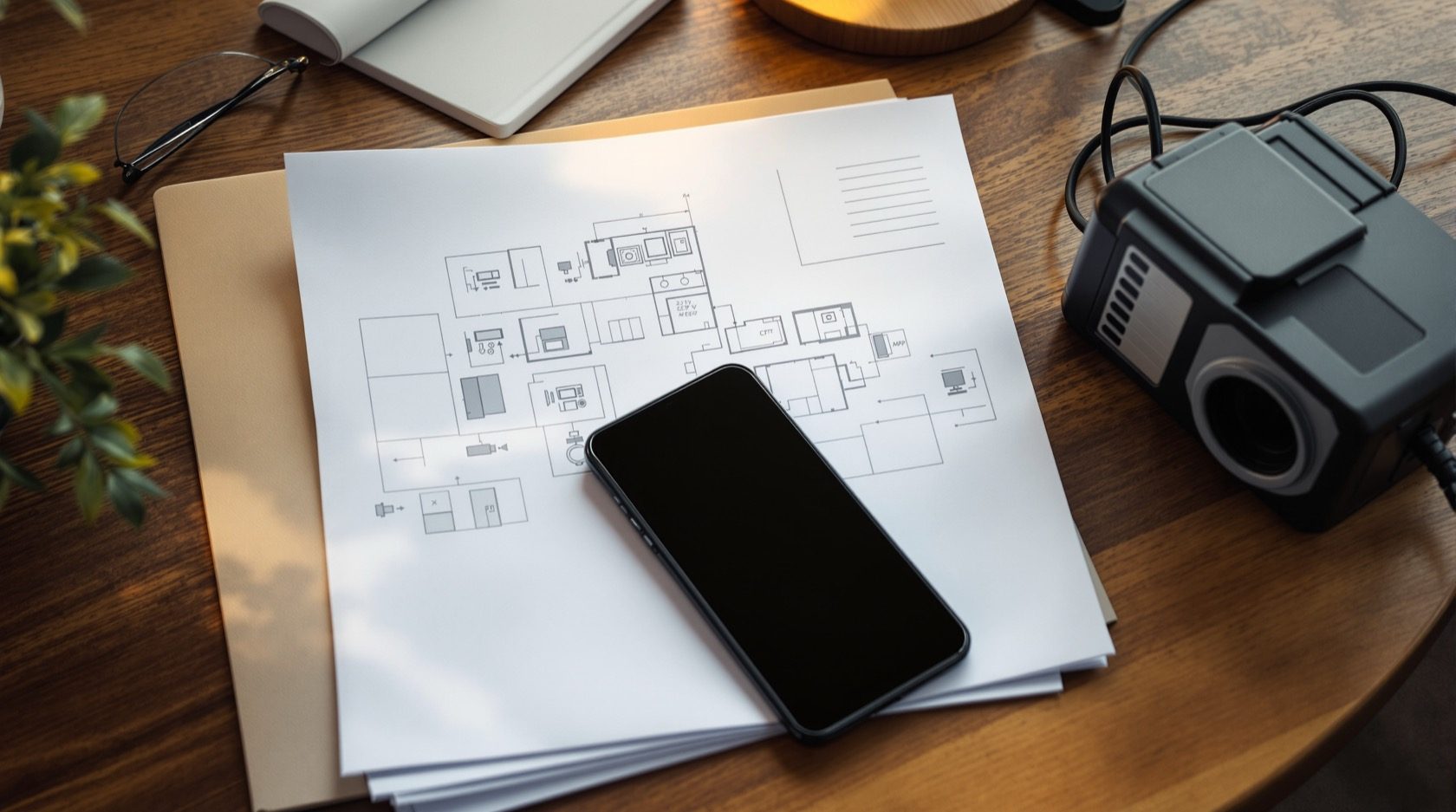 Handover78
CCTV Handover and Documentation in India (2026): What to Receive Before You Sign Off
At CCTV handover you must receive the as-built layout, recorder and network details, all passwords, warranties, bills, the app setup and playback training. Then change every default password, enable 2FA and remove installer remote access before you pay the final bill.
 Maintenance79
CCTV Maintenance and AMC in India (2026): Keeping the System Alive
A CCTV system quietly dies if no one tends it. This guide covers cleaning lenses and housings, checking every camera still records, watching drive health and retention, firmware updates, and whether an AMC is worth it, with a simple maintenance calendar and Indian cost bands.
From planning and placement through cabling, recorder, storage and power to commissioning, handover and maintenance — the design & installation of a CCTV system, end to end. That completes the CCTV library.
CCTV planning tools
CCTV System Type Selector
Answer a few questions and get the right analog / IP / hybrid, wired / wireless, local / cloud mix.
Camera SelectorCCTV Camera Type Selector
Dome, bullet, turret or PTZ — the right form factor for each spot.
Lens & FoVCCTV Lens & Field-of-View Calculator
Focal length to field-of-view angle, scene width and DORI range.
Night-VisionCCTV Night-Vision Selector
Infrared, low-light, colour night vision or thermal — the right one for the dark.
Solar SizingSolar CCTV Sizing Calculator
Panel wattage, battery Ah and kit cost for an off-grid camera at a farm, plot or perimeter.
Cloud vs LocalCCTV Cloud vs Local Cost Calculator
Compare a cloud subscription against a local NVR + HDD over five years.
Detection SelectorCCTV Detection Feature Selector
Motion, human/vehicle AI, line-crossing, zones, auto-tracking or analytics — the right one for each spot.
IP & IK RatingsCCTV IP & IK Rating Decoder
The minimum weatherproof (IP) and vandal-proof (IK) rating for each spot, with a full digit decode.
Storage & BitrateCCTV Storage & Bitrate Calculator
Resolution, frame rate, codec and retention days to bitrate and total NVR disk size.
CoverageCCTV Camera Coverage & Count Calculator
Camera count, NVR channels, storage and indicative cost.
Height & AngleCCTV Mounting Height & Angle Calculator
Downward tilt, the blind dead-zone below and where coverage begins and ends.
Placement PlannerCCTV Placement Planner
Pick your property and zones for a prioritised, zone-by-zone camera checklist.
Recorder SelectorCCTV Recorder Selector
DVR, NVR, NVR-with-PoE or hybrid — with channels, HDD bays and PoE ports.
Handover ChecklistCCTV Commissioning & Handover Checklist
The go/no-go list to run at handover, before you clear the final bill.
CablingSecurity Cabling & PoE Planner
Cable length, drops, PoE budget and switch size for the wiring.