
Fire SafetyVolume 1 · Issue 4 · September 2026
Get Everyone Out
Fire is the one risk that turns a building against the people inside it in minutes. Good fire safety is not one gadget — it is four things working together: prevent the fire, detect it early, hold it back, and get everyone out. This library makes each of those make sense for Indian homes and buildings — plainly, honestly, and always pointing statutory work to the licensed professionals and the Fire NOC.
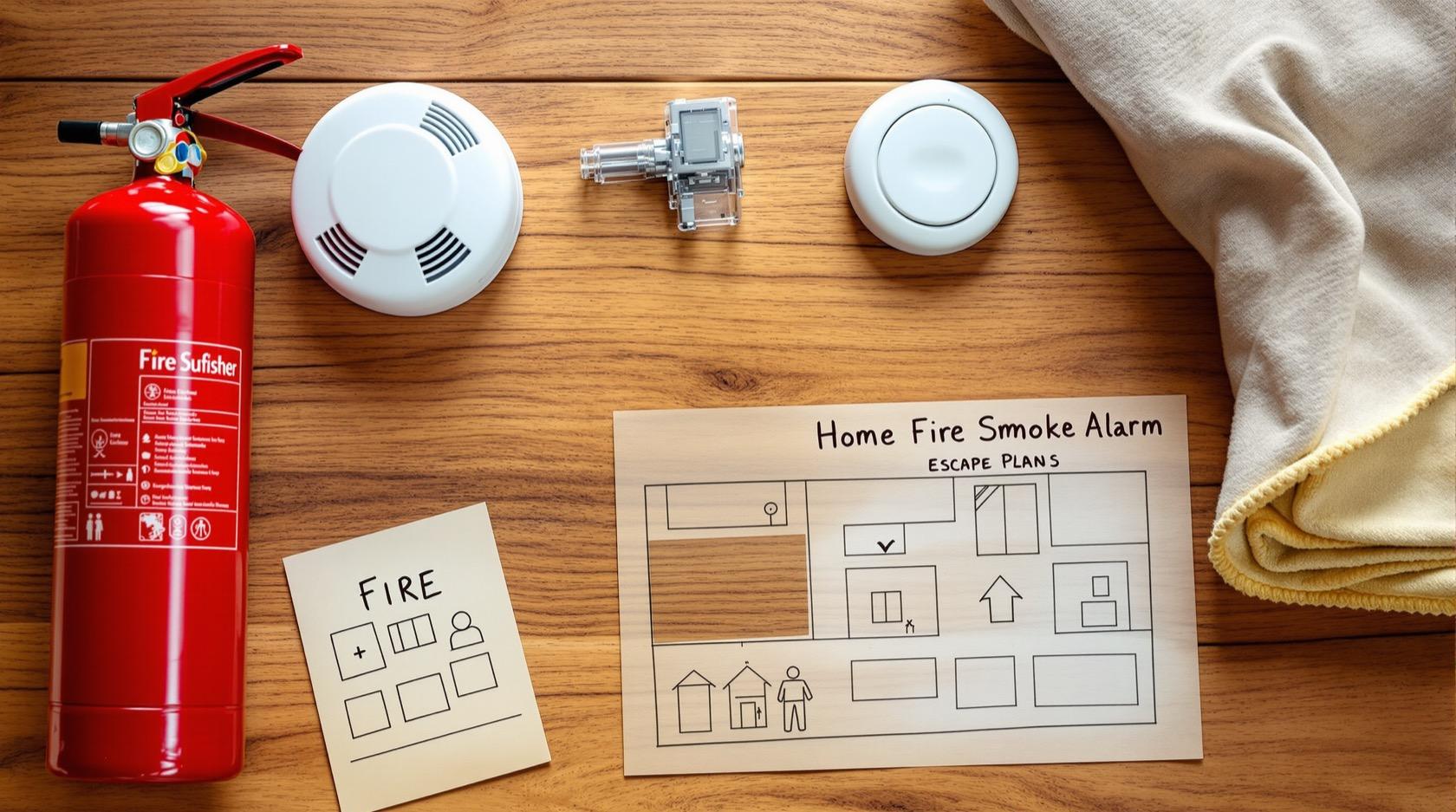
The Complete Guide to Fire Safety in India (2026): Prevention, Detection, Escape and Compliance
The definitive fire safety guide for Indian homes and buildings: how fires start and spread, the four pillars of prevent, detect, suppress and escape, the honest home baseline, and where the law and a licensed fire consultant must take over.
Read itFundamentals — by building
Home, apartment, office, school, hospital & hotel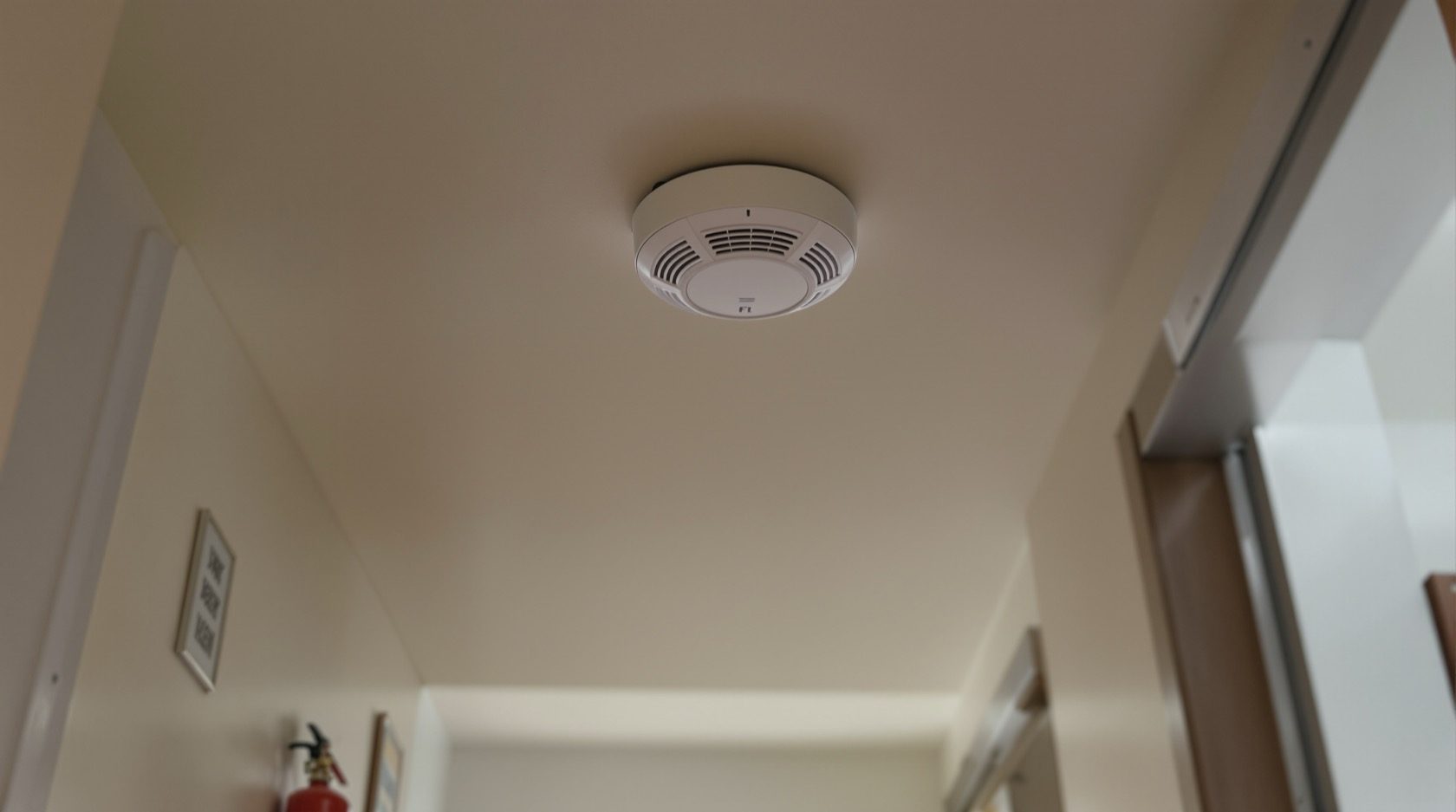 Home01
Home Fire Safety in India (2026): Alarms, Extinguishers and an Escape Plan
Most Indian homes have no smoke alarm and no extinguisher. This guide gives the achievable baseline: room-by-room prevention, where to place smoke alarms, one ABC extinguisher plus a fire blanket, the fire classes, and a two-way escape plan with a family meeting point you practise.
 Apartment02
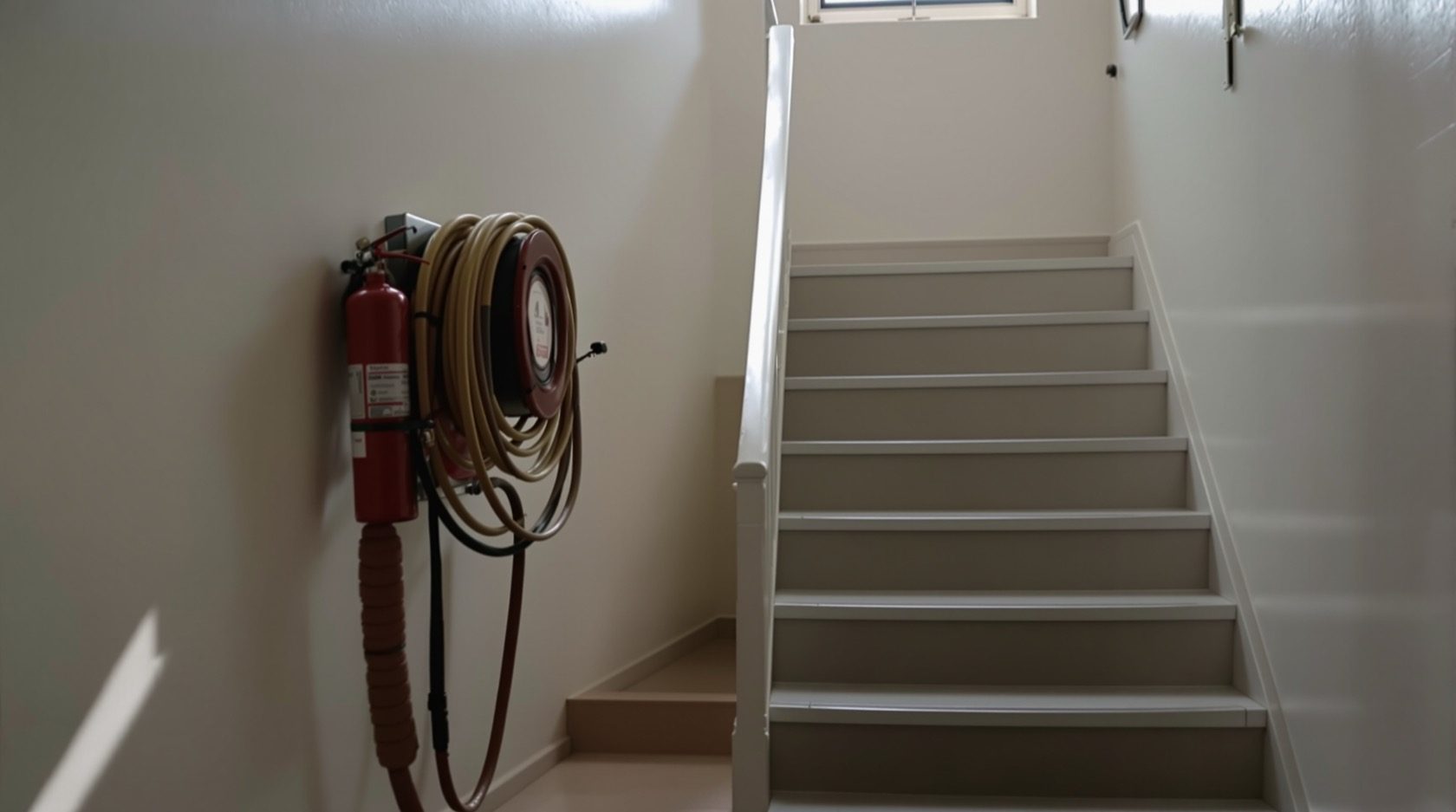
Apartment Fire Safety in India (2026): Flats, Common Areas & the RWA's Duties
Apartment fire safety is shared: the resident controls the flat (smoke alarm, extinguisher, escape plan, an unblocked door) while the society and RWA must provide and maintain common-area alarms, extinguishers, risers, protected stairs, refuge floors and a valid Fire NOC.
 Office03
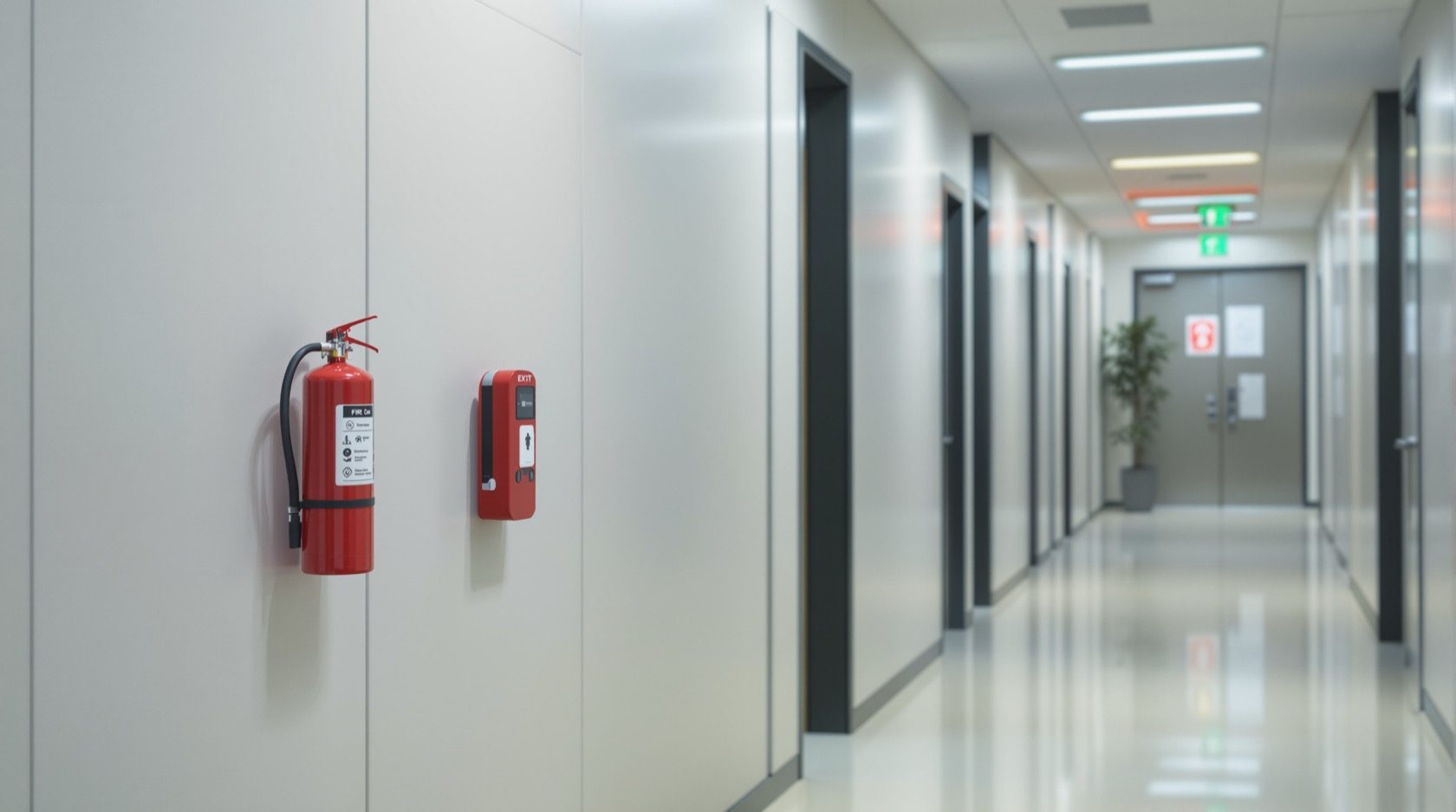
Office Fire Safety in India (2026): Detection, Extinguishers, Exits & Drills
An office fire is an employer's duty, not just a facilities line item. This guide maps the workplace essentials: two protected exits and escape-route capacity, the detection and extinguisher systems your risk needs, server-room fire, fire wardens, drills, and a current Fire NOC.
 School04
School Fire Safety in India (2026): Protecting Children, Exits, Drills & Fire NOC
Fire safety for schools and colleges is about protecting children who cannot always protect themselves: wide unlocked exits, alarms audible everywhere, the right extinguishers, an assembly ground, class-wise roll-call drills, and a valid Fire NOC. Here is how to plan, maintain and evacuate one safely.
 Hospital05
Hospital Fire Safety in India (2026): Evacuating Non-Ambulant Patients Safely
Hospitals face the hardest evacuation problem: patients who cannot move themselves. This guide covers the operational strategy - defend-in-place, horizontal evacuation across fire compartments, medical-gas and oxygen isolation, trained staff roles and the institutional Fire NOC.
 Hotel06
Hotel Fire Safety in India (2026): Protecting Sleeping, Unfamiliar Guests
A hotel is fire safety's hardest case: guests asleep in a building they do not know. This guide maps detection in every room, protected stairs, illuminated exits, sprinklers, kitchen-hood suppression, a trained night shift and the Fire NOC that keep unfamiliar sleeping guests alive.
Every building is different — a house, a housing society, an office, a school, a hospital, a hotel — but the four pillars are the same. Next: the spaces and installations that carry an outsized fire risk.
Settings & special risks
High-rise, basement, kitchen & the new hazards High-rise07
High-Rise Fire Safety in India (2026): Pressurised Stairs, Refuge Floors & Evacuation
Tall buildings are a distinct fire problem: the stack effect drives smoke up, no fire-tender ladder reaches the top, and escape is long. This guide covers the defences that answer it, pressurised stairs, refuge floors, risers, compartmentation, and a defend-in-place, phased-evacuation strategy routed to fire consultants and the Fire NOC.
 Basement08
Basement Fire Safety in India (2026): Smoke Extraction, Parking & Escape
A basement has no natural ventilation, limited daylight, often one shared ramp, and the building's heaviest fire loads. This professional guide covers what a basement needs: mechanical smoke extraction, protected escape stairs, sprinklers, compartmentation, detection, and a strictly clear, unstored space.
 Kitchen09
Kitchen Fire Safety in India (2026): LPG, Oil Fires and the Right Extinguisher
The kitchen starts most Indian home fires: LPG or PNG leaks and cooking-oil flare-ups. This guide covers safe leak detection, why you never throw water on an oil fire, and the small kit - a fire blanket plus the right extinguisher - that stops a flare-up spreading.
 Electrical10
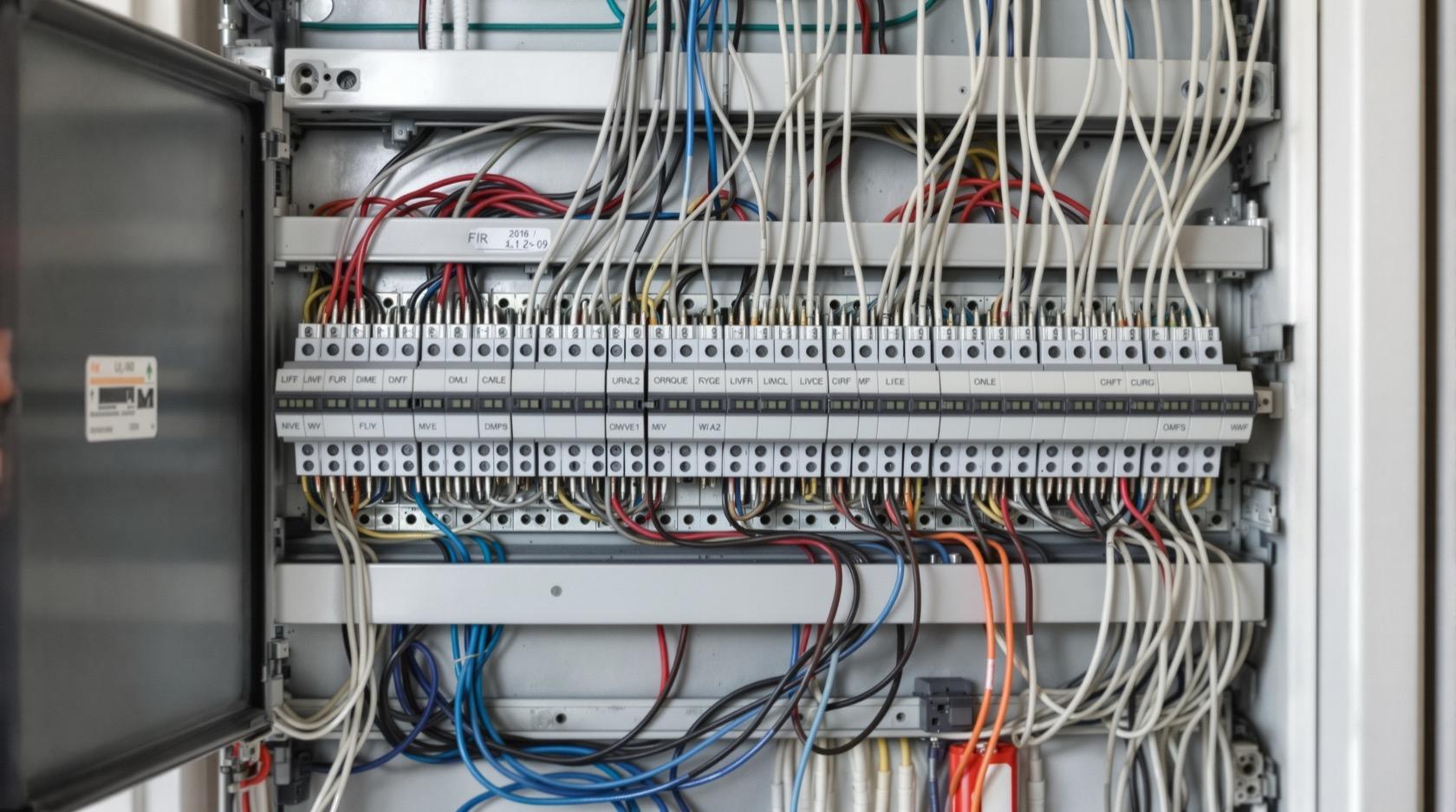
Electrical Fire Safety in India (2026): Overloads, Wiring and the Right Protection
Electrical faults are a leading cause of Indian building fires. Know the causes (overloading, loose connections, undersized or cheap wiring, missing protection) and the fixes: correct cable sizing and a board designed by a licensed electrician, MCB plus RCCB, and CO2 or DCP, never water, on a live fire.
 Solar11
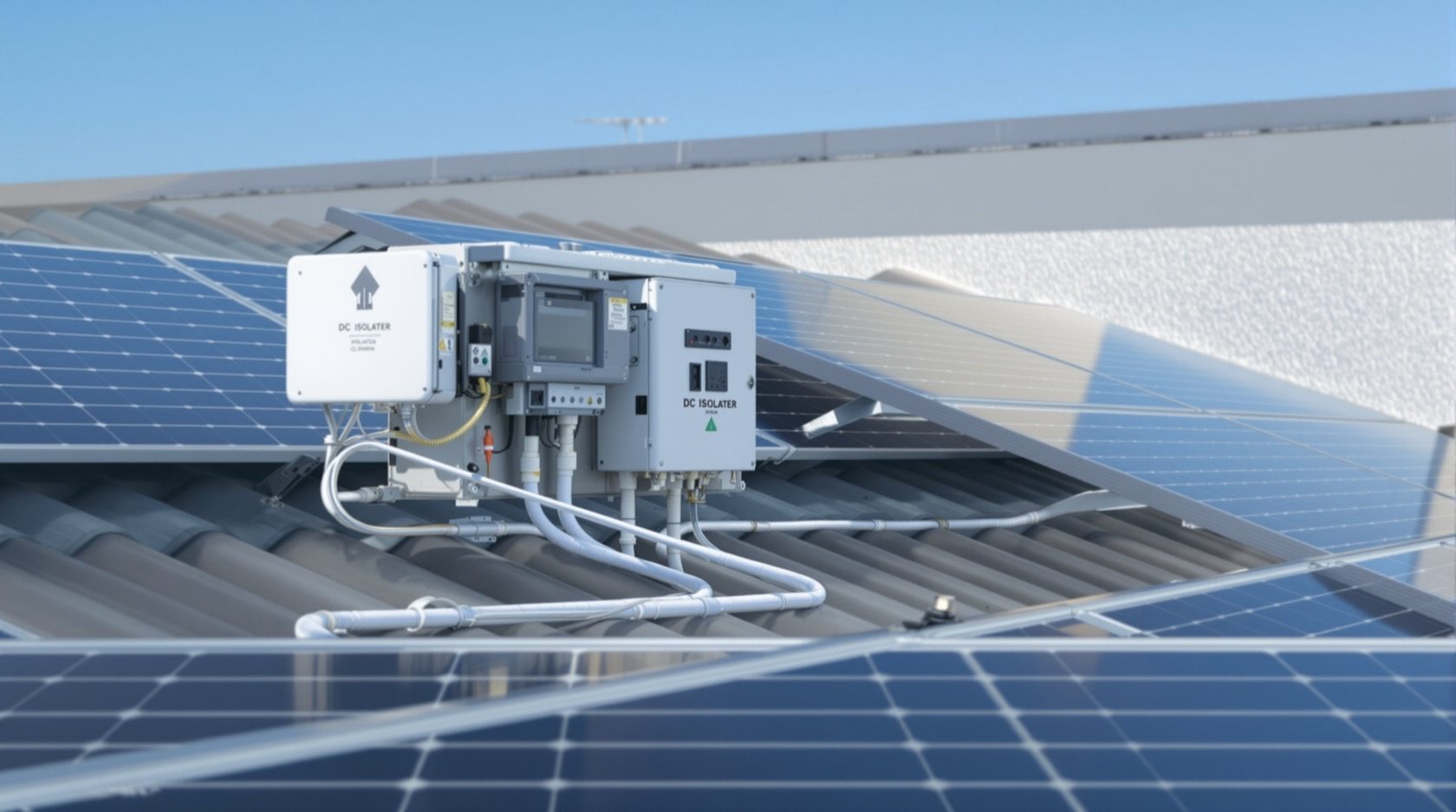
Solar System Fire Safety in India (2026): Rooftop PV, DC Arcs and Firefighter Access
Rooftop solar is booming in India but often retrofitted badly. Its DC side stays live in daylight even with the grid off, so you cannot just switch it off. This guide covers DC arc faults, isolators, rapid shutdown, earthing, firefighter access and safe roof layout.
 EV charging12
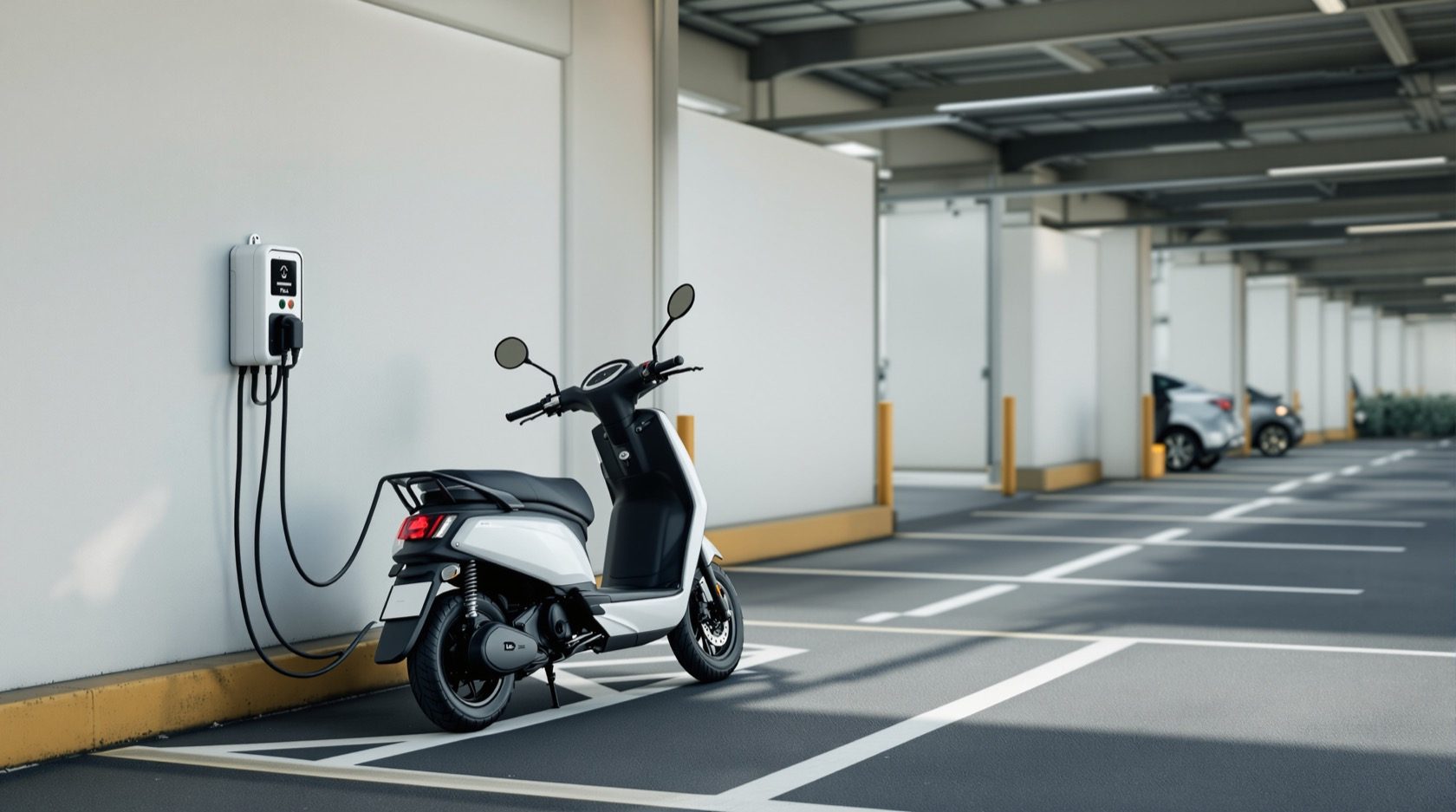
EV Charging Fire Safety in India (2026): Stop Li-ion Thermal Runaway at Home
Cheap e-scooter and e-rickshaw Li-ion packs charged unattended overnight indoors are a fast-rising Indian fire cause. Learn how thermal runaway works, and the safe way to charge: dedicated circuit, genuine charger, never on the escape route, never unattended, and the warning signs of a failing battery.
 Battery room13
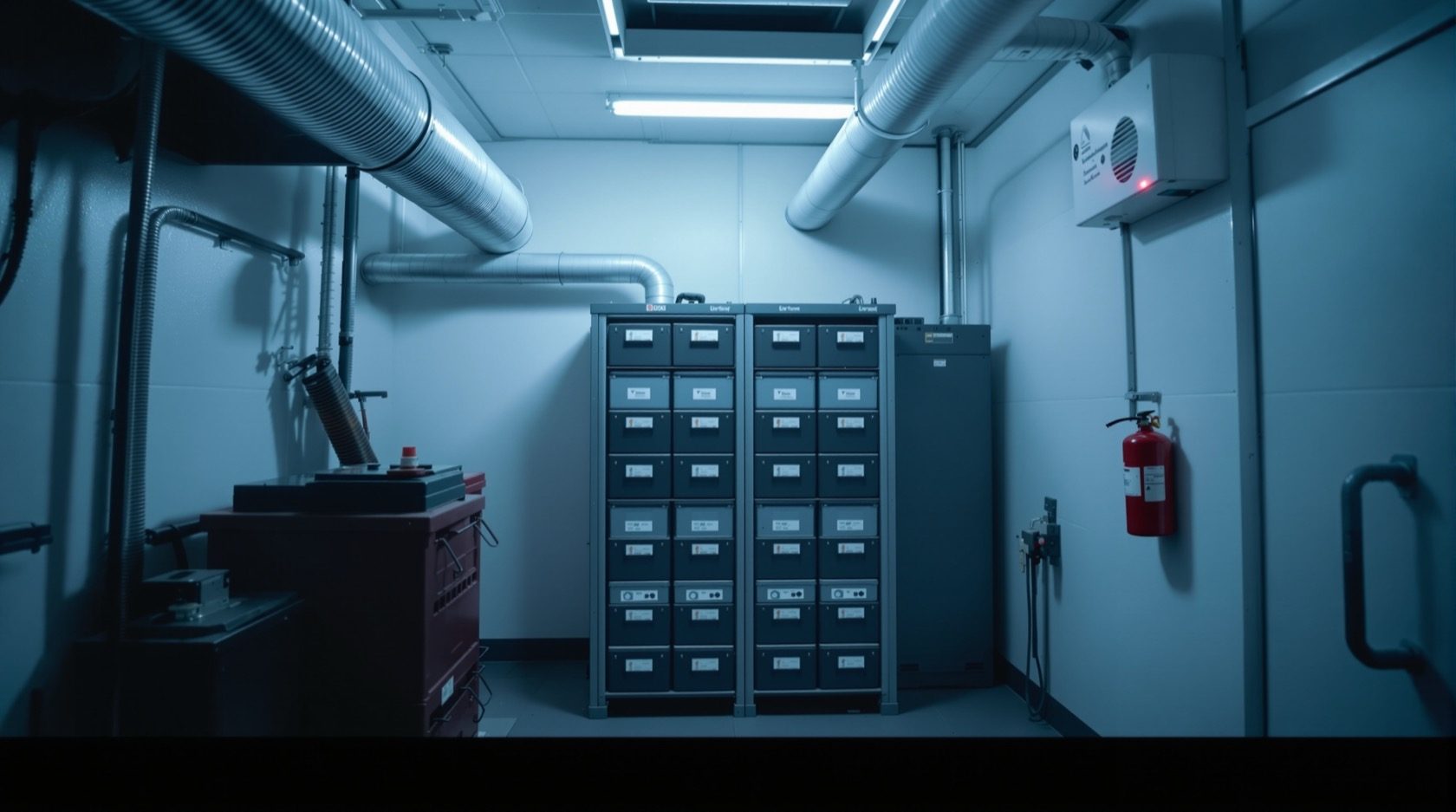
Battery Room Fire Safety in India (2026): Lead-Acid Hydrogen Venting and Lithium-Ion Thermal Runaway
The dedicated battery bank behind a building carries two hazards: lead-acid evolves explosive hydrogen while charging, lithium-ion risks thermal runaway. This guide covers the compartment, ventilation, detection, suppression, DC isolation and labelling each chemistry needs, and where a licensed professional and Fire NOC are mandatory.
High-rises and basements defeat the fire tender, kitchens start most home fires, and electrical, rooftop solar, EV charging and battery banks bring fast-rising new hazards — each needs its own precautions on top of the basics. With the fundamentals covered, the library turns to the systems that do the work — starting with detection.
Detection & alarm
The sensors that buy you time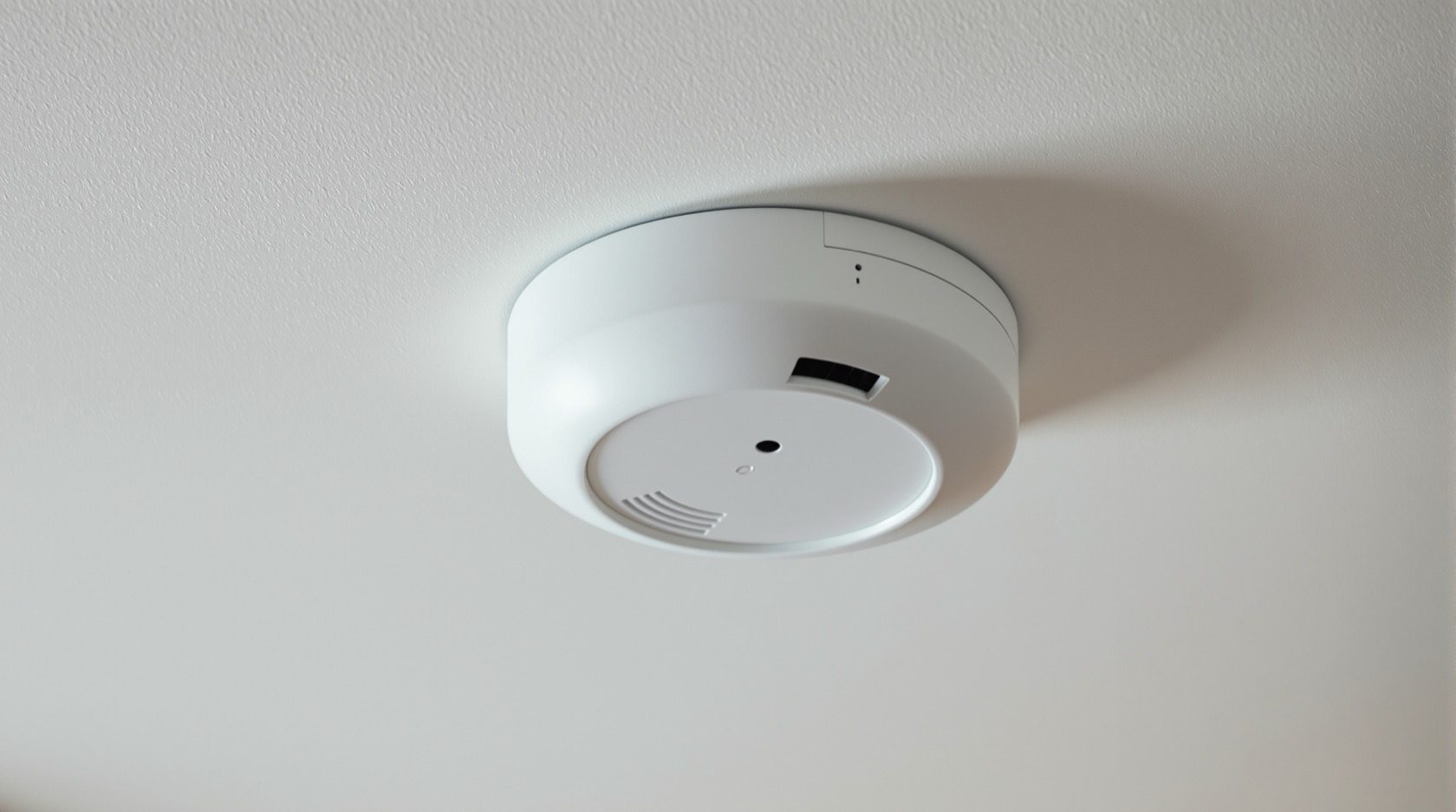 Smoke14
Smoke Detectors in India (2026): Photoelectric vs Ionisation, Placement & Testing
The smoke detector is the one fire-safety device every Indian home should own - it buys the time to escape. This guide explains photoelectric vs ionisation sensing, exactly where to fit alarms (never the kitchen), and how to test and maintain them so they never fall silent.
 Heat15
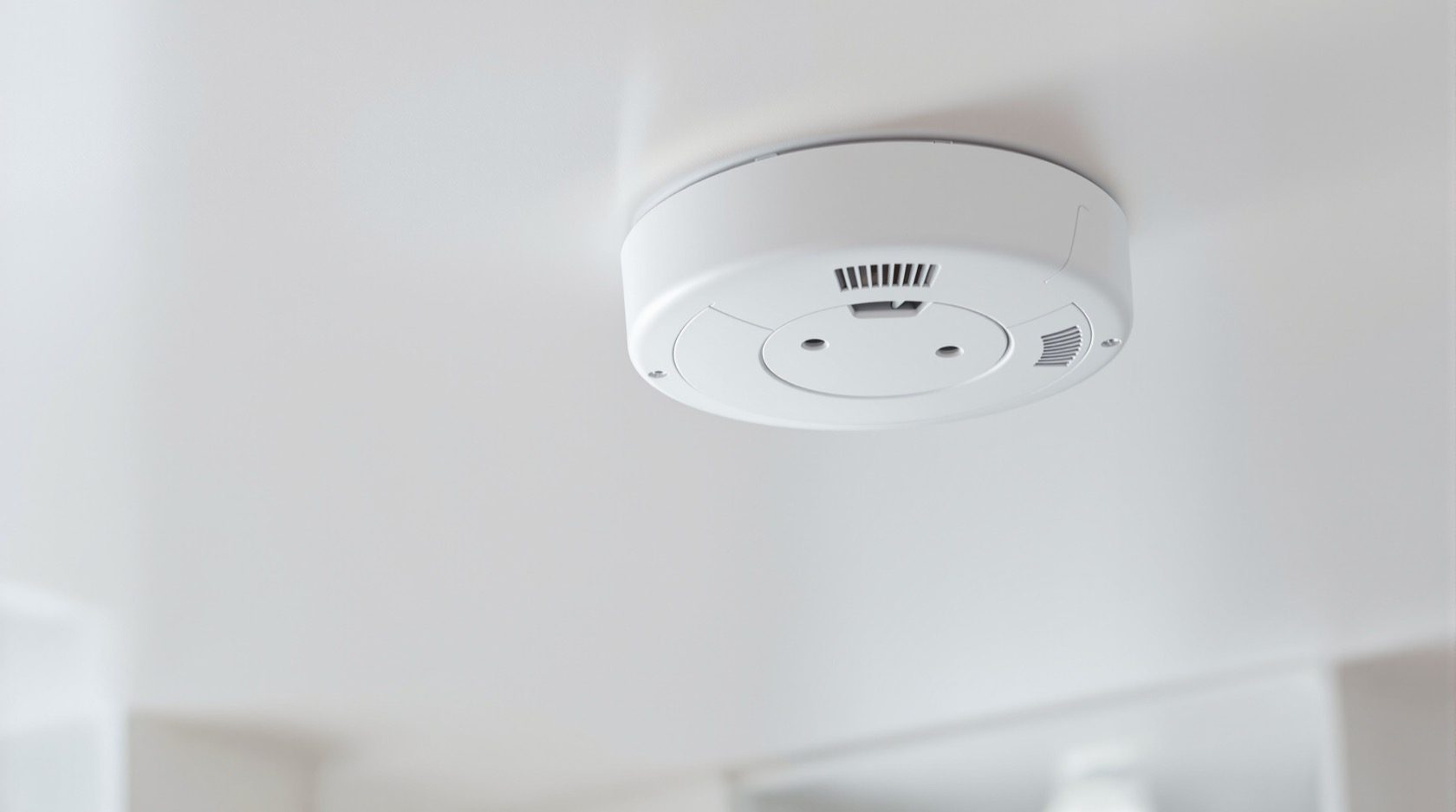
Heat Detectors in India (2026): Fixed-Temperature vs Rate-of-Rise and Where to Use Them
Heat detectors catch fire in places where smoke alarms nuisance-trip - kitchens, garages, boiler and DG rooms, dusty or steamy stores. This guide covers fixed-temperature vs rate-of-rise sensing, the right temperature rating per room, ceiling placement, and why a heat detector backs up, never replaces, smoke alarms.
 Flame16
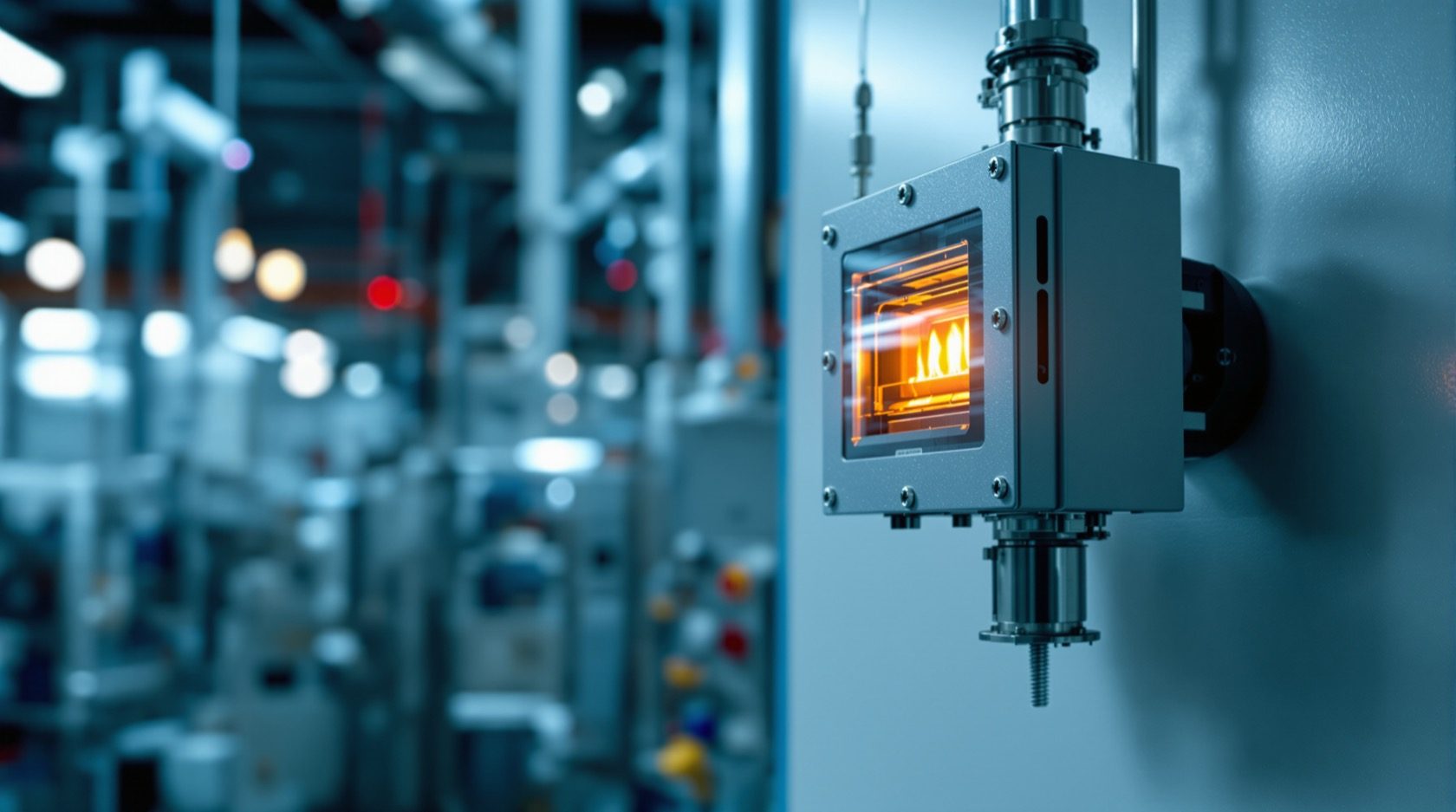
Flame Detectors in India (2026): UV, IR and Where High-Hazard Spaces Need Them
Flame detectors are the fast optical sensors for high-hazard spaces - fuel stores, gensets, boiler and paint areas - where a fire flares in seconds and smoke or heat detection is too slow. This guide explains UV and IR sensing, siting, and why they are a professional choice.
 Gas17
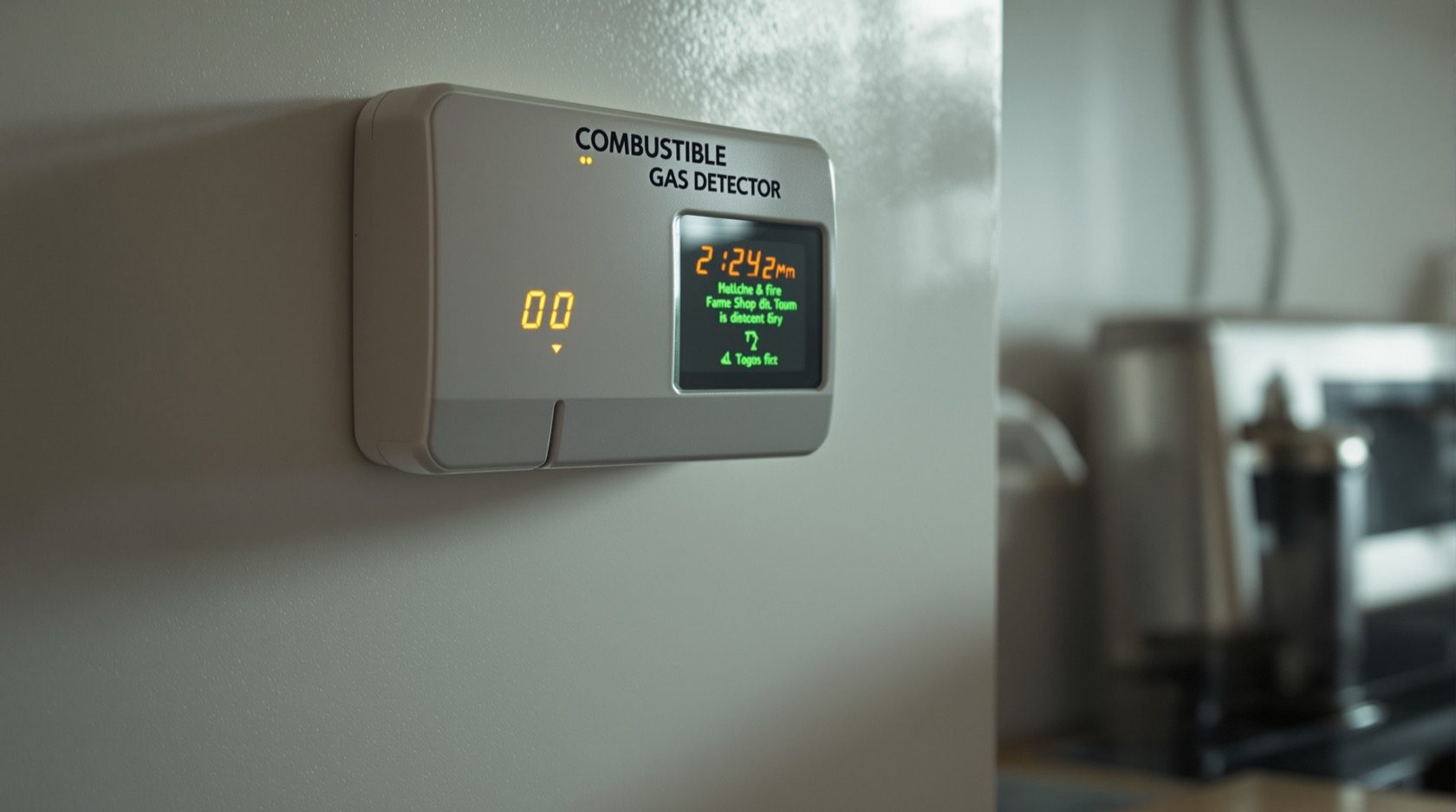
Gas17Gas Detectors in India (2026): Combustible-Gas Sensing, LPG vs PNG & the Mounting-Height Rule
Combustible-gas detectors sense a leak long before it can explode. The rule most people get wrong: LPG is heavier than air, so mount the detector LOW; PNG is lighter, so mount it HIGH. This guide covers how the sensor works, placement, auto shut-off valves, testing and upkeep.
 CO18
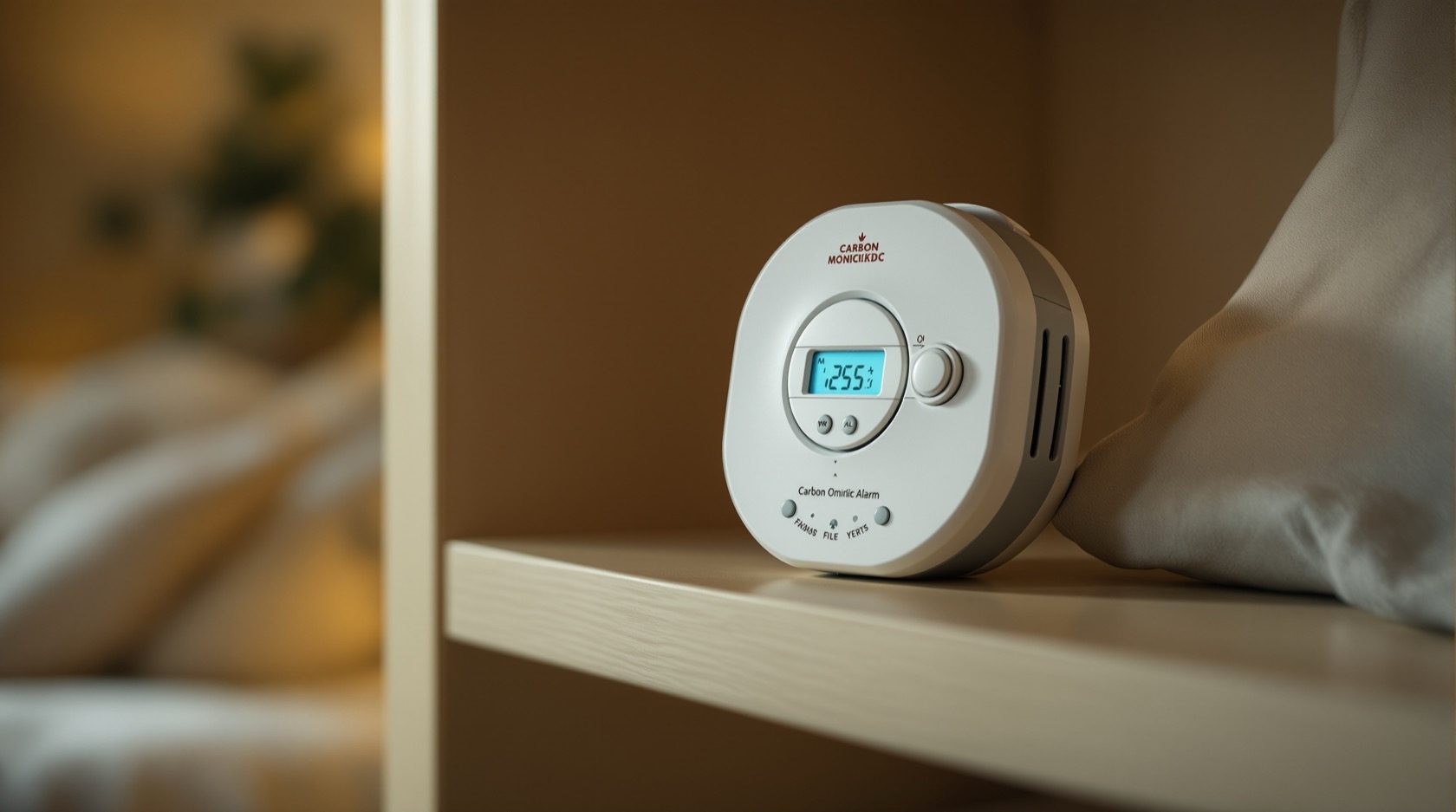
CO18Carbon Monoxide Detectors in India (2026): The Silent Killer You Cannot Smell
Carbon monoxide is a colourless, odourless gas from generators, gas geysers and indoor braziers that kills Indians silently. This guide explains why a CO alarm is a separate device from a smoke or gas-leak detector, how electrochemical sensors work, and how to place, test and respond to one.
 LPG19
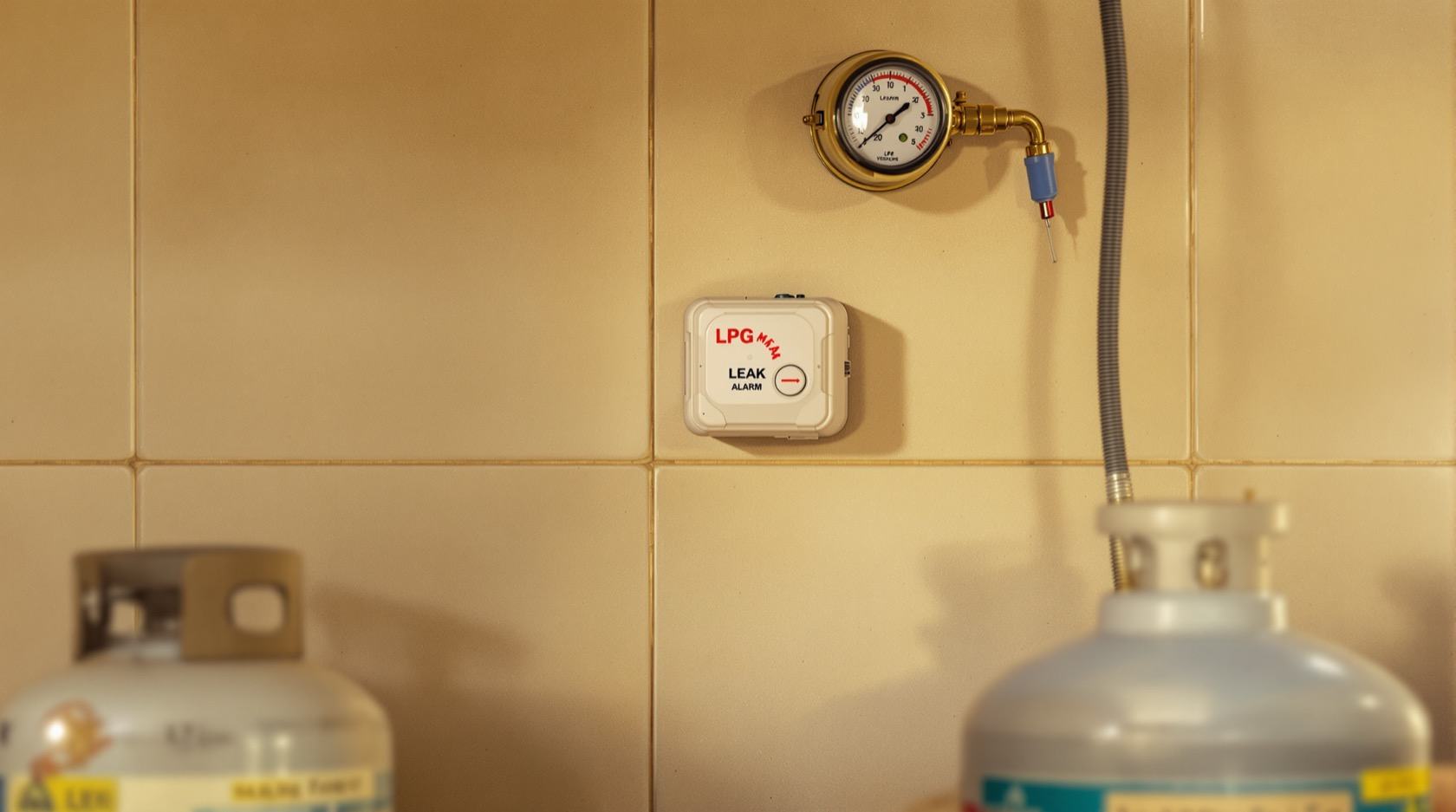
LPG19LPG Leak Detectors in India (2026): The Kitchen Gas Alarm Every Home Should Fit
Almost every Indian home cooks on gas, and a leak pools invisibly until a spark ignites it. This guide covers how an LPG leak detector works, the placement rule that decides whether it works (LPG alarms low, PNG alarms high), the three types, and what to buy.
 Addressable20
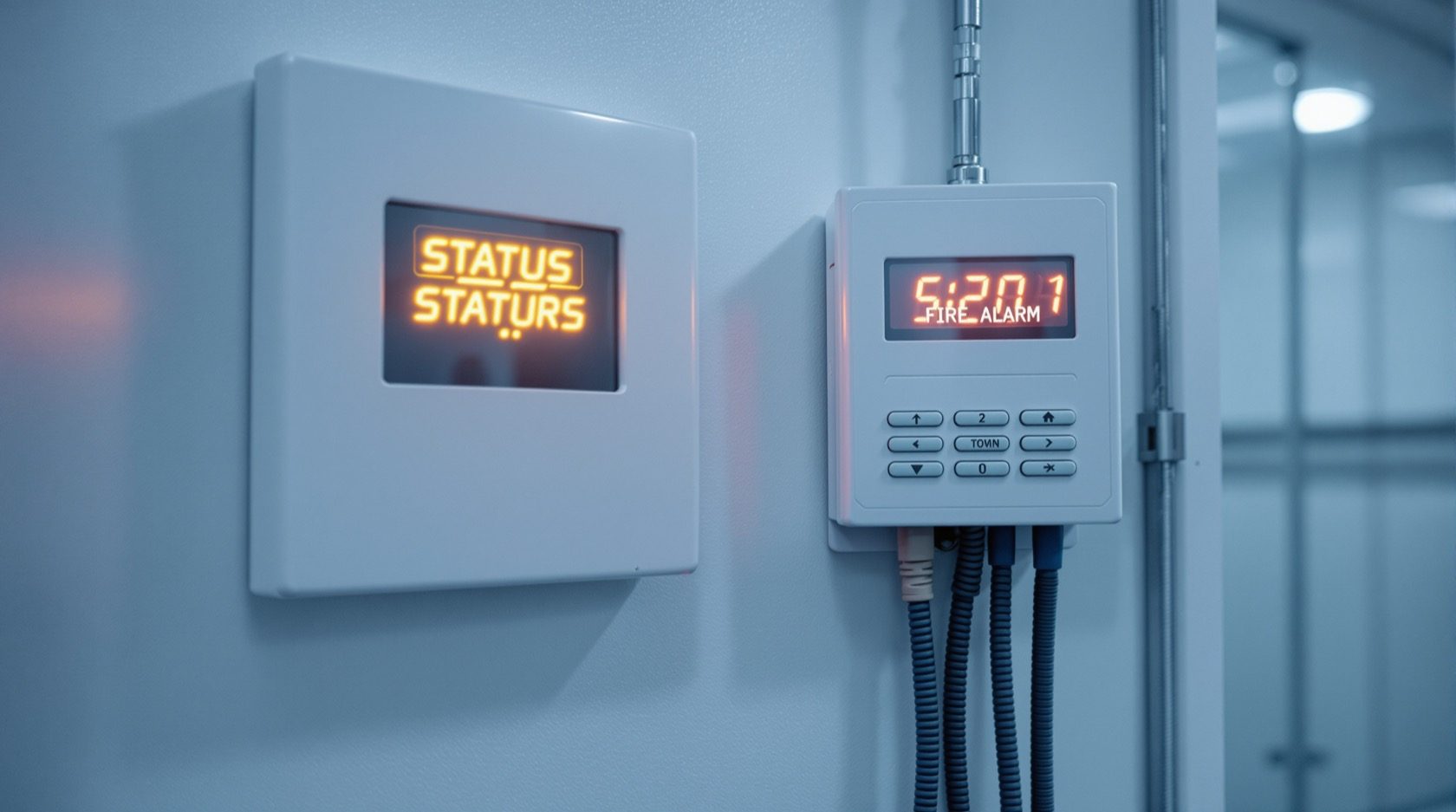
Addressable Fire Alarm Systems in India (2026): Loops, Exact Location & When You Need One
In a large building you must know exactly which device triggered. This guide explains how addressable fire alarm systems give every device a unique address on a wired loop, run cause-and-effect, and when the Fire NOC and IS 2189:2026 make one the right choice.
 Conventional21
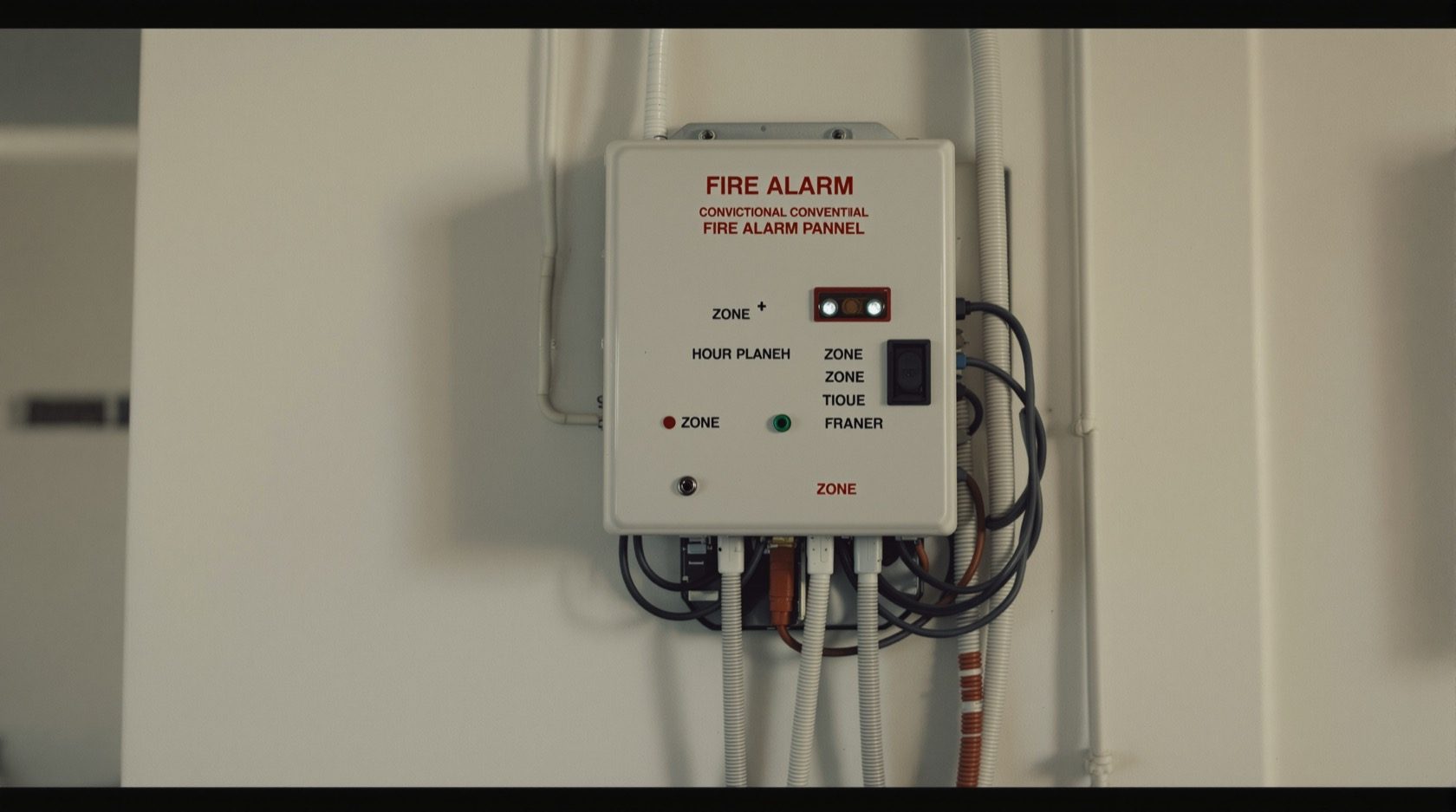
Conventional Fire Alarm Systems in India (2026): Zones, Cost & When They Fit
A conventional fire alarm system wires detectors and call points into zones, so the panel shows which zone is in alarm - not which device. This guide covers zone wiring, end-of-line resistors, battery standby, its cost advantage, and where it fits versus when to go addressable, per IS 2189:2026.
 Wireless22
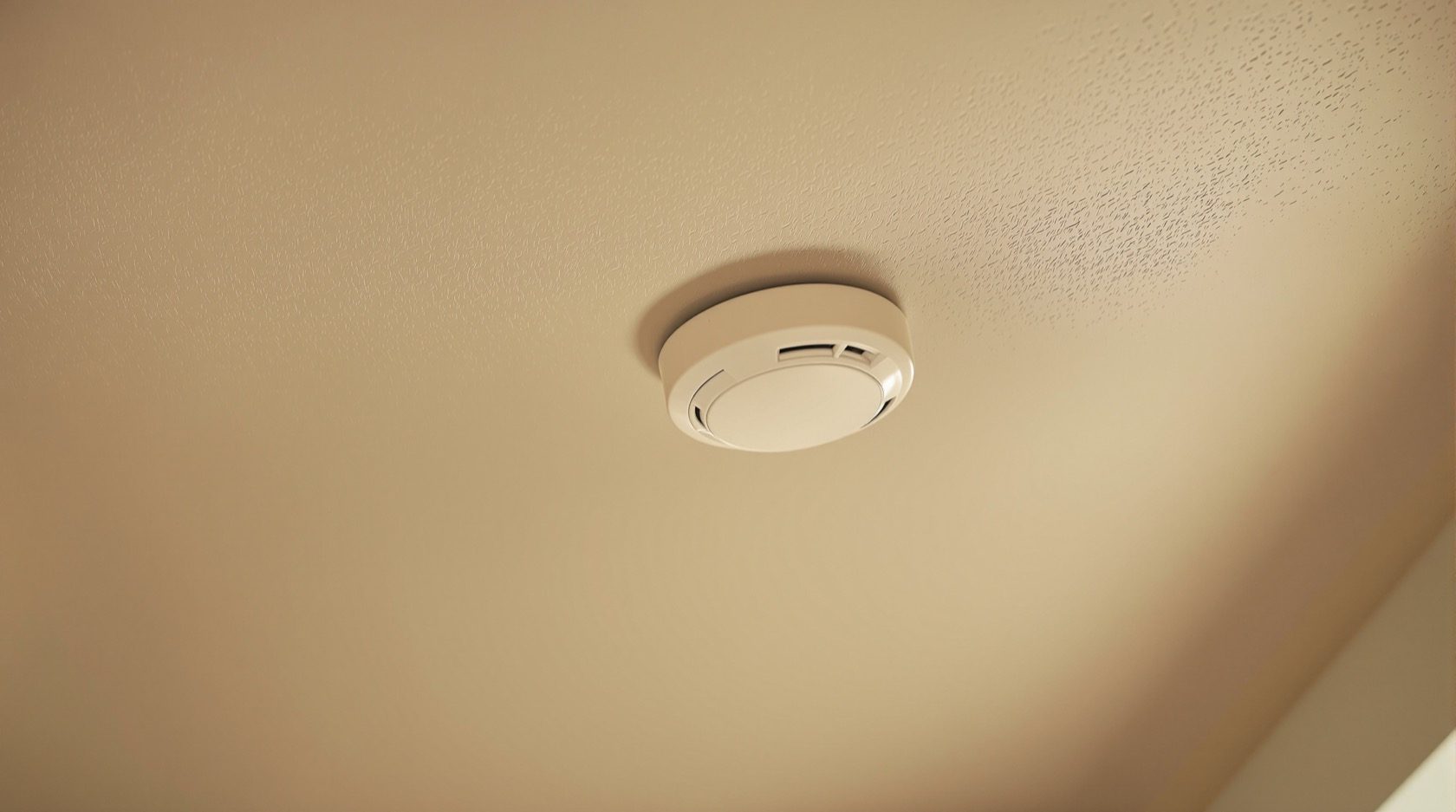
Wireless Fire Alarm Systems in India (2026): Radio Detectors for Retrofit, Heritage & Occupied Buildings
Wireless fire alarm systems link detectors, call points and sounders to the panel by supervised radio - ideal for retrofit, heritage and occupied buildings where cabling is disruptive or impossible. This guide explains how radio systems work, when they beat wired, and how to specify a compliant one.
 Call points23
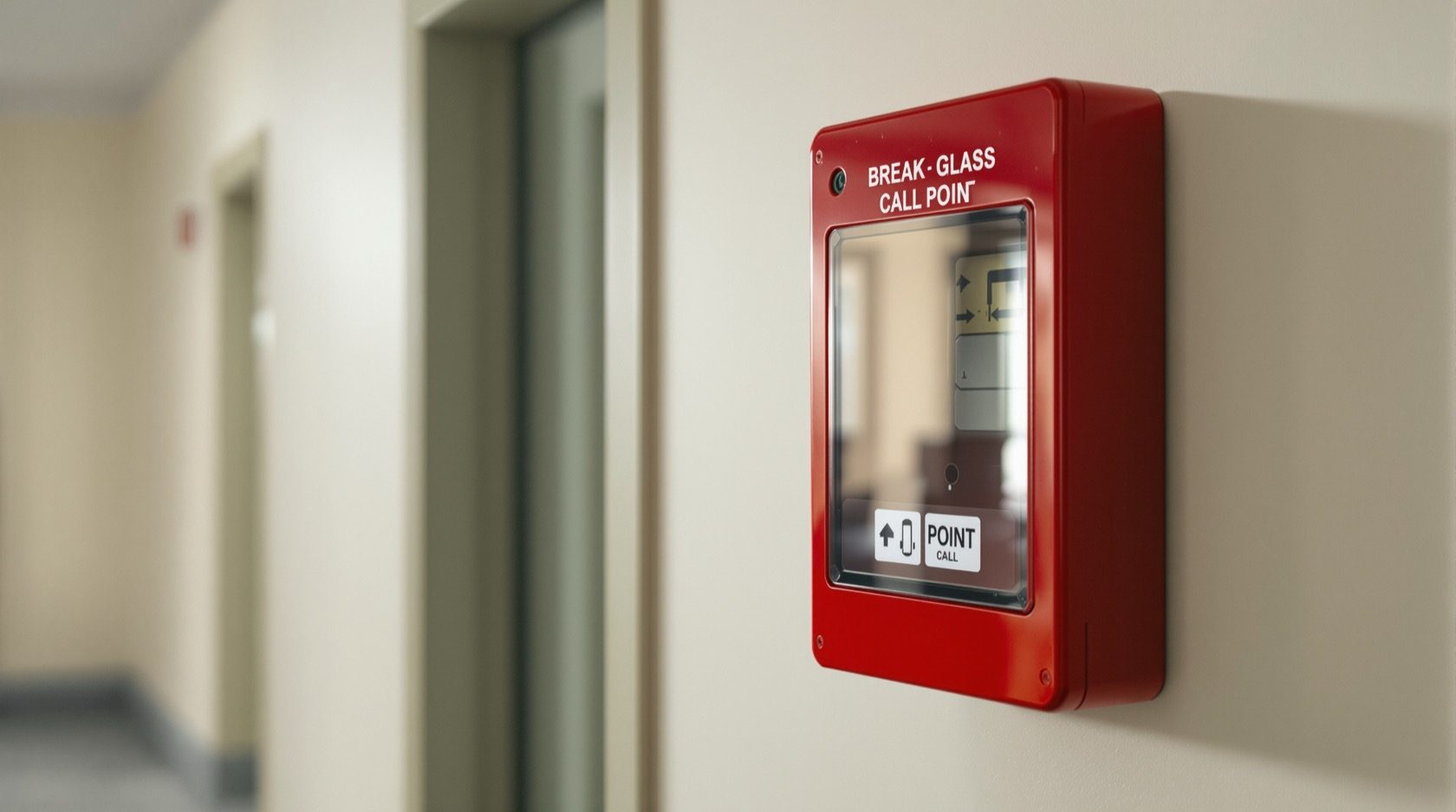
Manual Call Points in India (2026): Break-Glass Alarm Stations, Siting & Standards
The manual call point is how a person who sees a fire raises the alarm instantly, without waiting for a detector. This guide explains break-glass and resettable types, where IS 2189:2026 sites them on the escape route, mounting height, protective flaps, and why a call point must never be disabled.
 Panels24
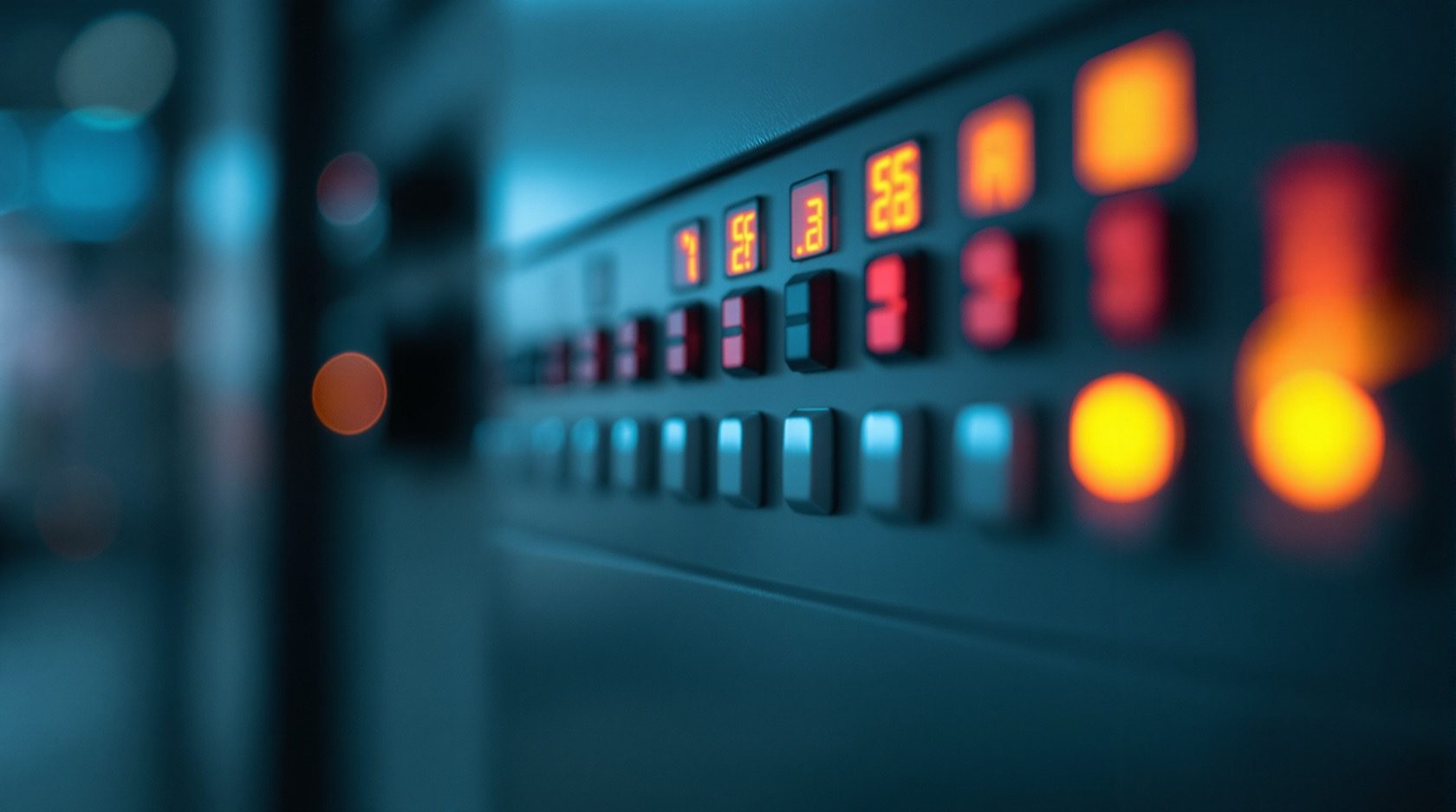
Fire Alarm Panels in India (2026): The FACP, Battery Standby & Reading Fault vs Fire
The Fire Alarm Control Panel is the brain of a building's fire system - it watches every detector and call point, drives the sounders and safety outputs, and must run on battery through a power cut. This guide explains the FACP and how to read FIRE, FAULT and DISABLE.
 Zoning25
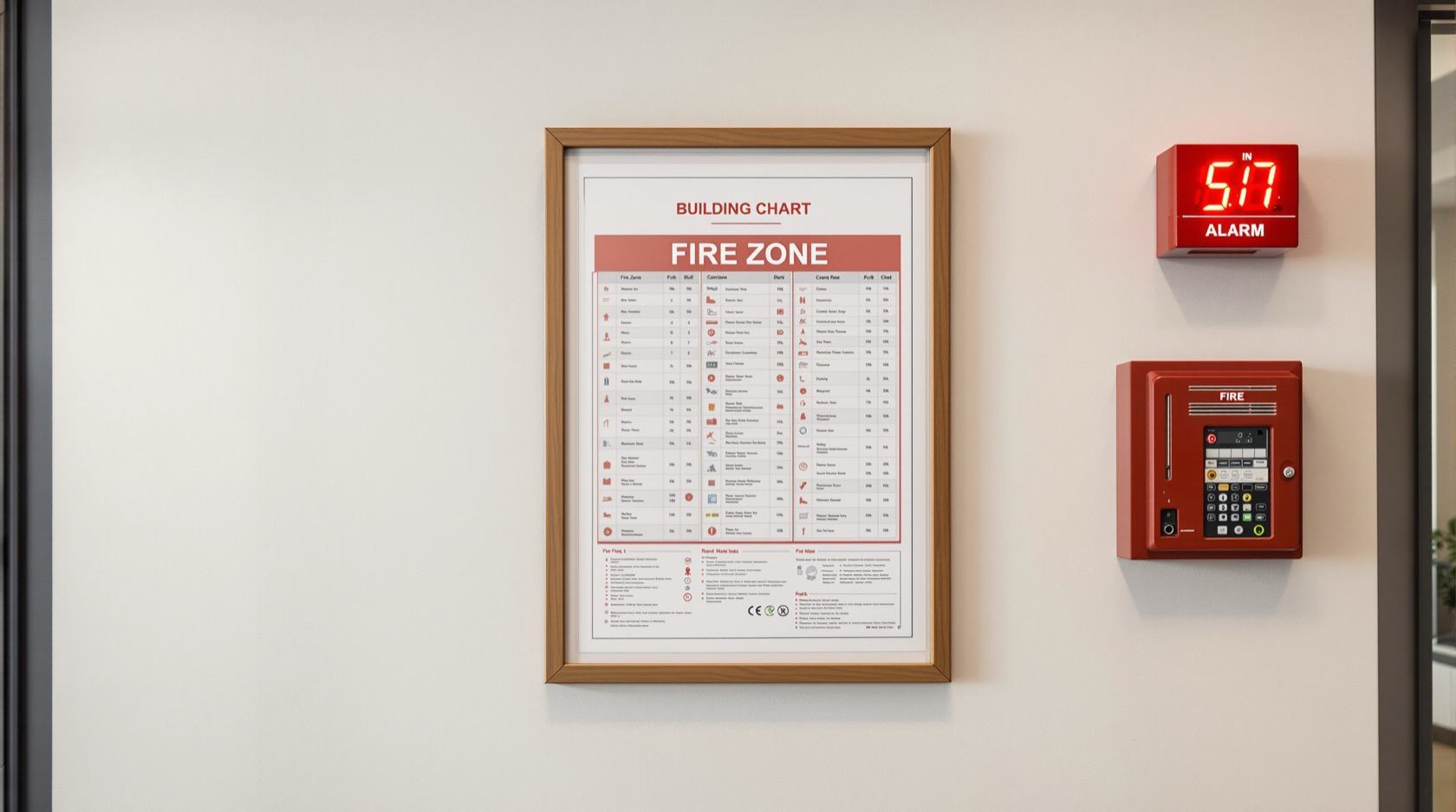
Fire Alarm Zoning in India (2026): Detection Zones, Search Limits & Phased Evacuation
Fire alarm zoning divides a building into detection zones so responders instantly know where the fire is. This guide explains the IS 2189:2026 zoning principles - area and search-distance limits, one-floor-per-zone, alignment with fire compartments - and how zoning drives the zone plan, phased evacuation and cause-and-effect.
 Voice evac26
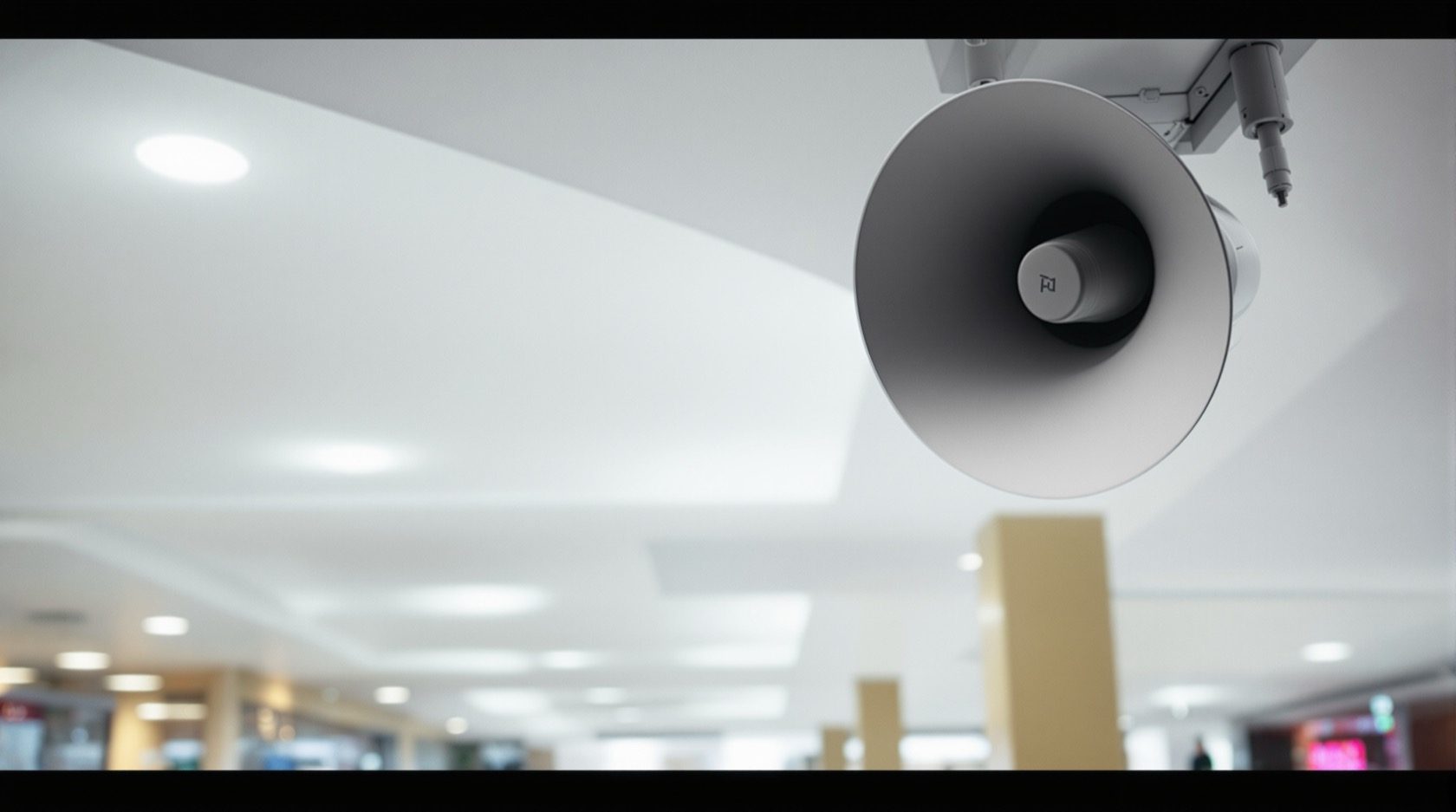
Voice Evacuation Systems in India (2026): PAVA, Phased Messages & Intelligibility
In a mall, hotel, hospital, airport or high-rise a bell alone causes confusion and delay. Voice evacuation systems (PAVA / EVAC) deliver clear spoken instructions, floor by floor - this guide explains intelligibility, zoning, panel integration, monitoring and standby power, and why they must never be value-engineered out.
 Emergency comms27
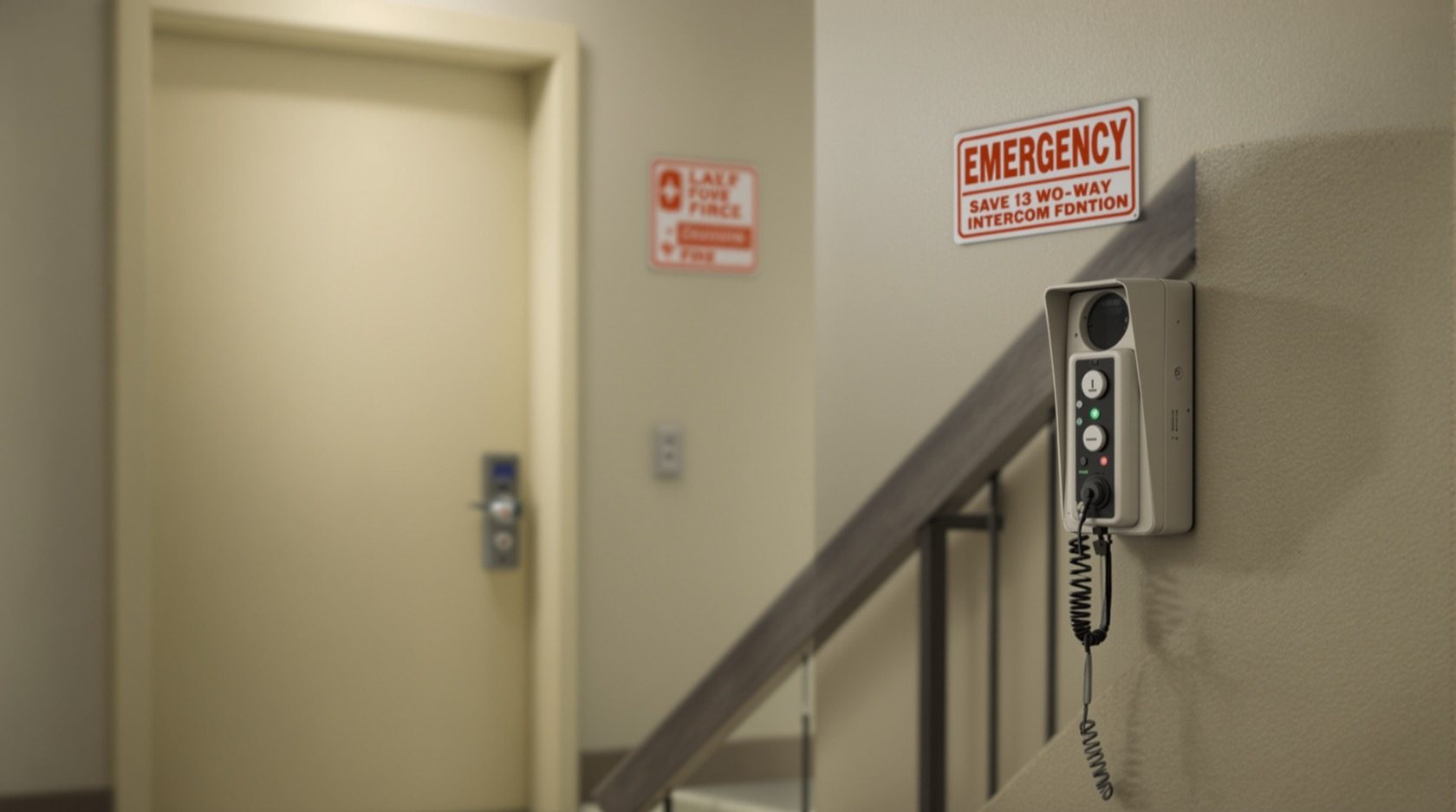
Emergency Communication Systems in India (2026): Refuge Phones, Warden Intercom & Mass Notification
Emergency communication systems are the two-way firefighter phones, area-of-refuge intercoms and mass notification that let a building coordinate a fire response - and let a person who cannot use the stairs talk to the control room and be accounted for. This guide explains each layer and how they integrate.
 Maintenance28
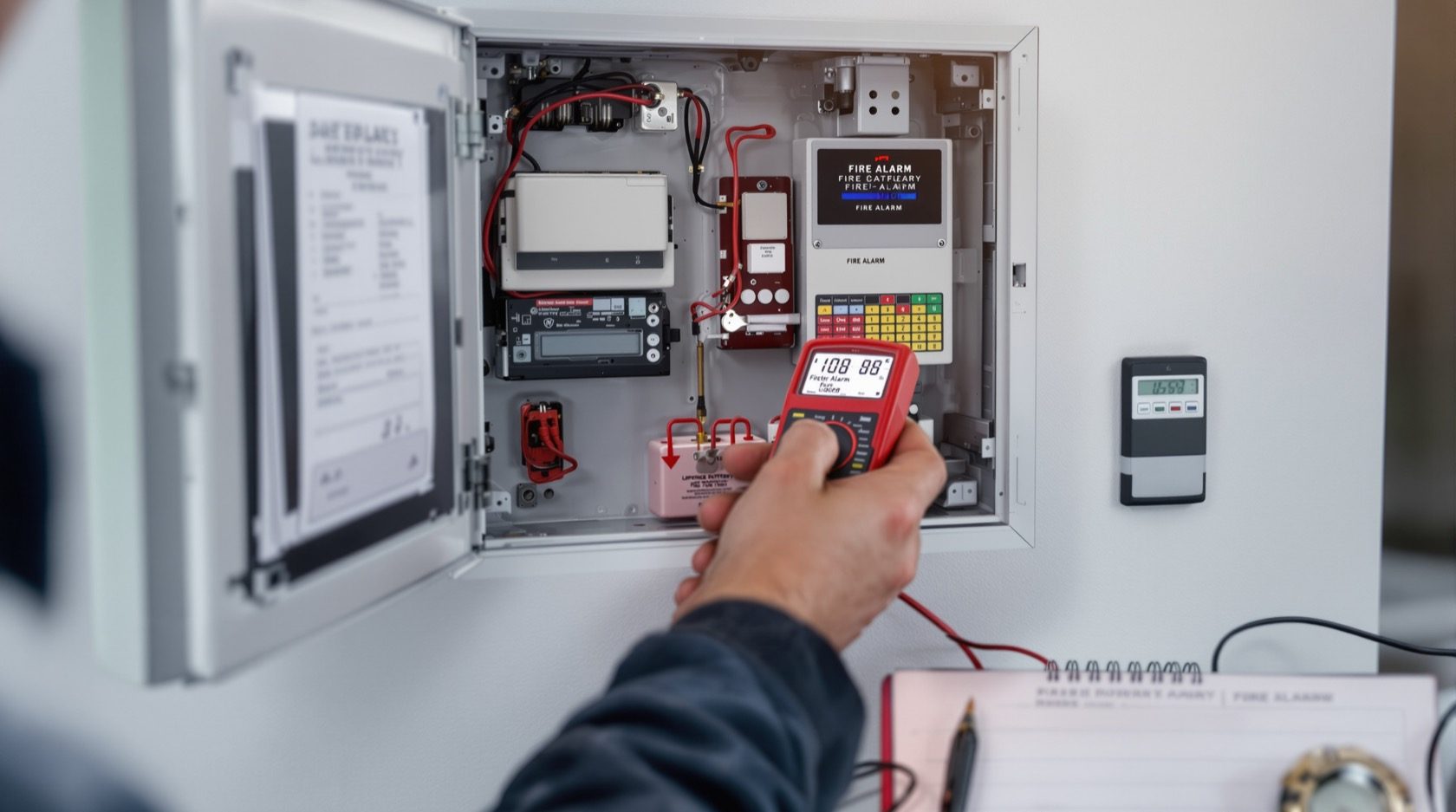
Fire Alarm Maintenance in India (2026): AMC, Battery Standby & Keeping It Alive
Most Indian fire-alarm systems are installed for the Fire NOC and then rot: dead batteries, painted detectors, isolated zones, a blank log book. Installed is not working. Proper maintenance per IS 2189 : 2026 means the AMC, battery standby checks, detector cleaning, the log book, and never disabling zones.
 Testing29
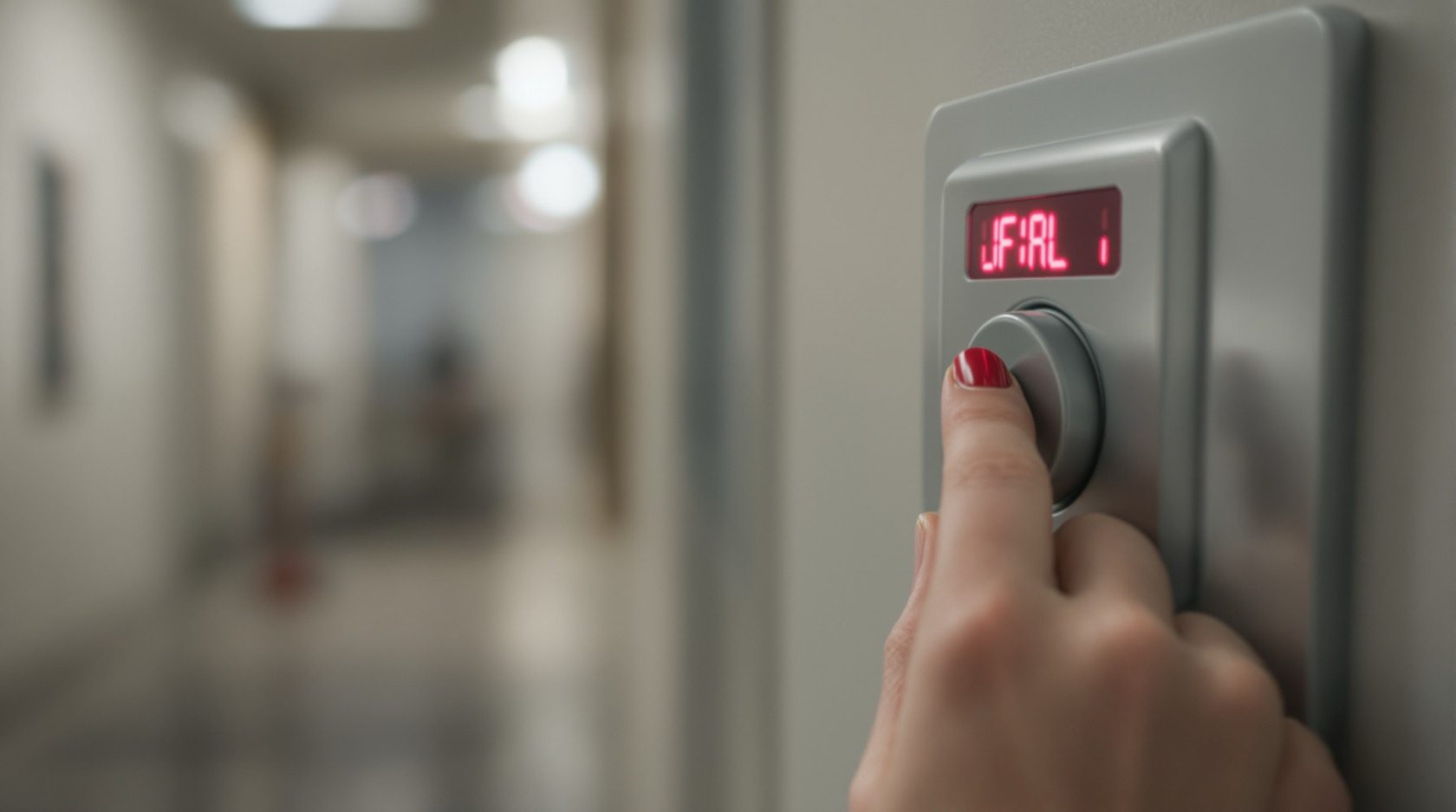
Fire Alarm Testing in India (2026): The Weekly Test, Battery Autonomy & Cause-and-Effect
A fire-alarm system is only real if it is tested. This guide sets out the routine regime - the weekly call-point test, functional detector and sounder checks, the battery standby test and cause-and-effect verification - and how to test without crying wolf, per IS 2189 : 2026.
Detection is what turns a fire you find too late into a fire you escape — sensors read the danger, the panel and zones tell everyone at once, voice evacuation says exactly what to do, and refuge and firefighter communication keeps faith with those who cannot rush the stairs. But installed is not working: only maintenance and testing keep the whole chain alive. Next: protection equipment and fire planning.
Protection equipment
Extinguishers, blankets & suppression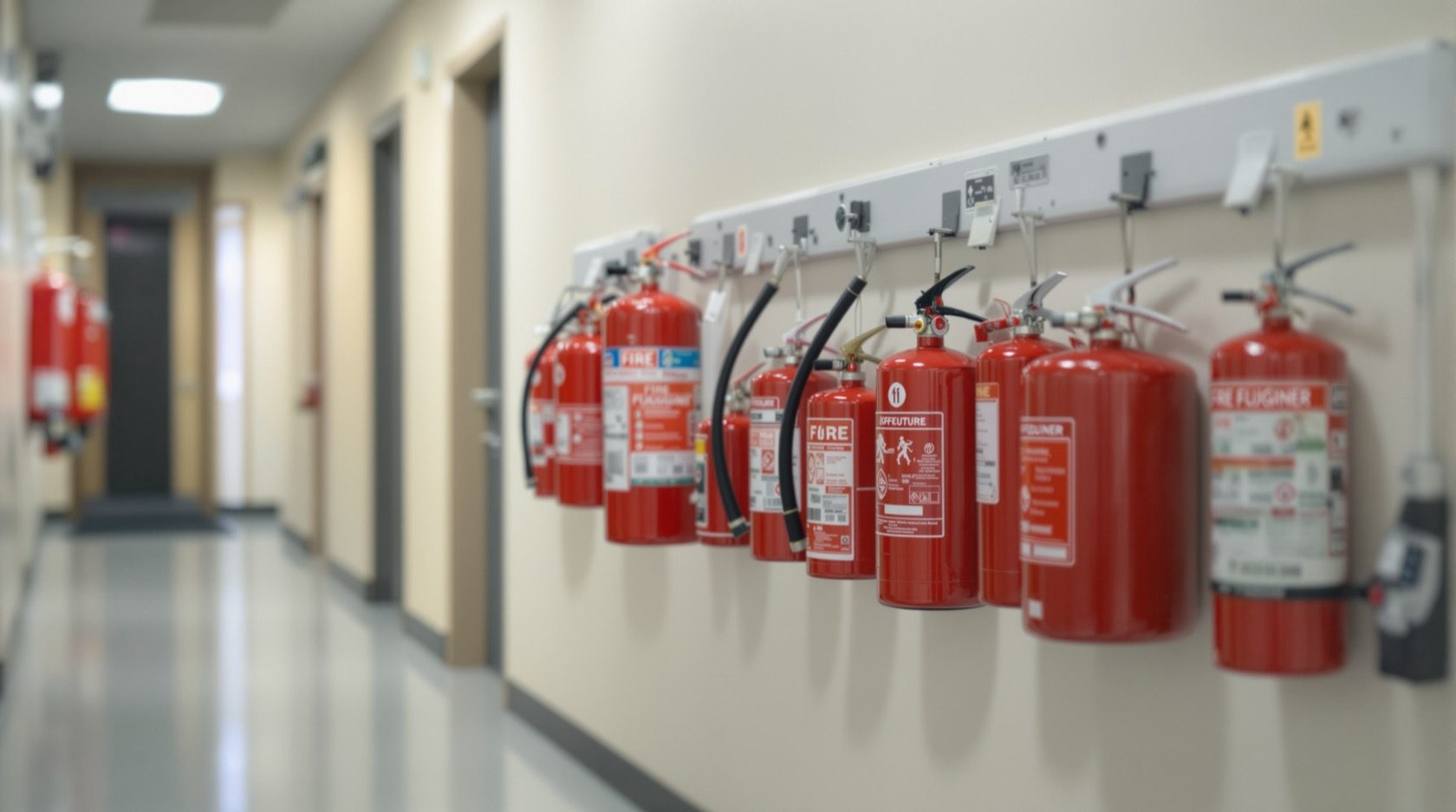 Extinguishers30
Fire Extinguishers in India (2026): Types, Fire Classes, PASS and the Right One to Buy
The umbrella guide to fire extinguishers in India: the fire classes A, B, C, D and K plus electrical, which agent kills which fire, the deadly wrong-agent mistakes, the PASS technique, ISI marks, and the realistic home kit - one ABC extinguisher and a kitchen blanket.
 Water31
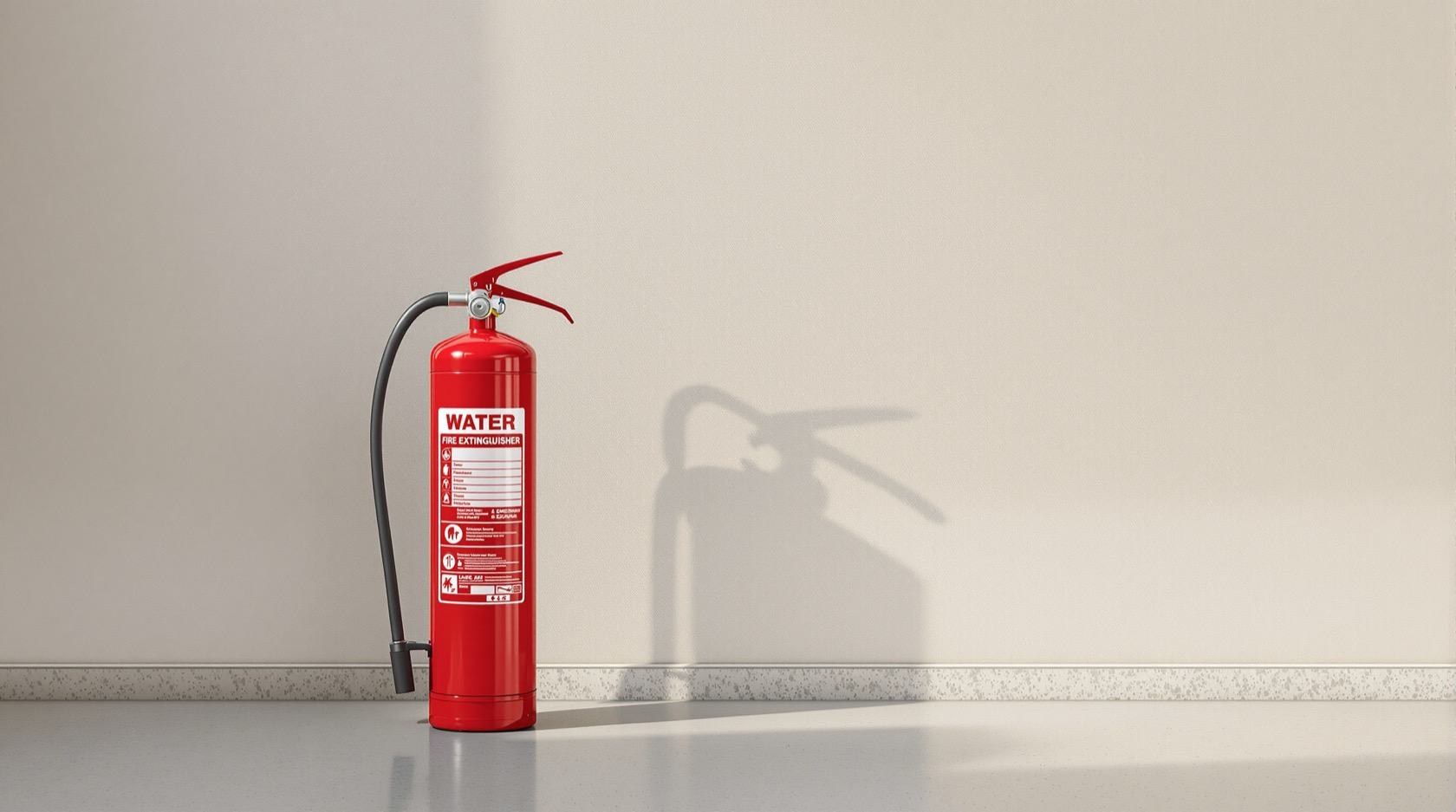
Water Extinguishers in India (2026): Class A Only — and the Deadly Wrong Uses
A water extinguisher is cheap, simple and excellent on Class A solids like wood, paper and cloth. But it must never touch cooking oil, flammable liquids or live electrical equipment. Here is where it fits, why the ABC powder suits most Indian homes, and how to keep one serviced.
 Foam32
Foam Extinguishers in India (2026): Class A & B, Where They Shine & the Electrical Caution
The AFFF foam extinguisher covers Class A solids and, importantly, Class B flammable liquids: the foam blanket floats on petrol, paint or solvent, smothers the flame and seals the vapour against re-ignition. This guide shows where it belongs and why it must never touch a cooking-oil or live-electrical fire.
 CO233
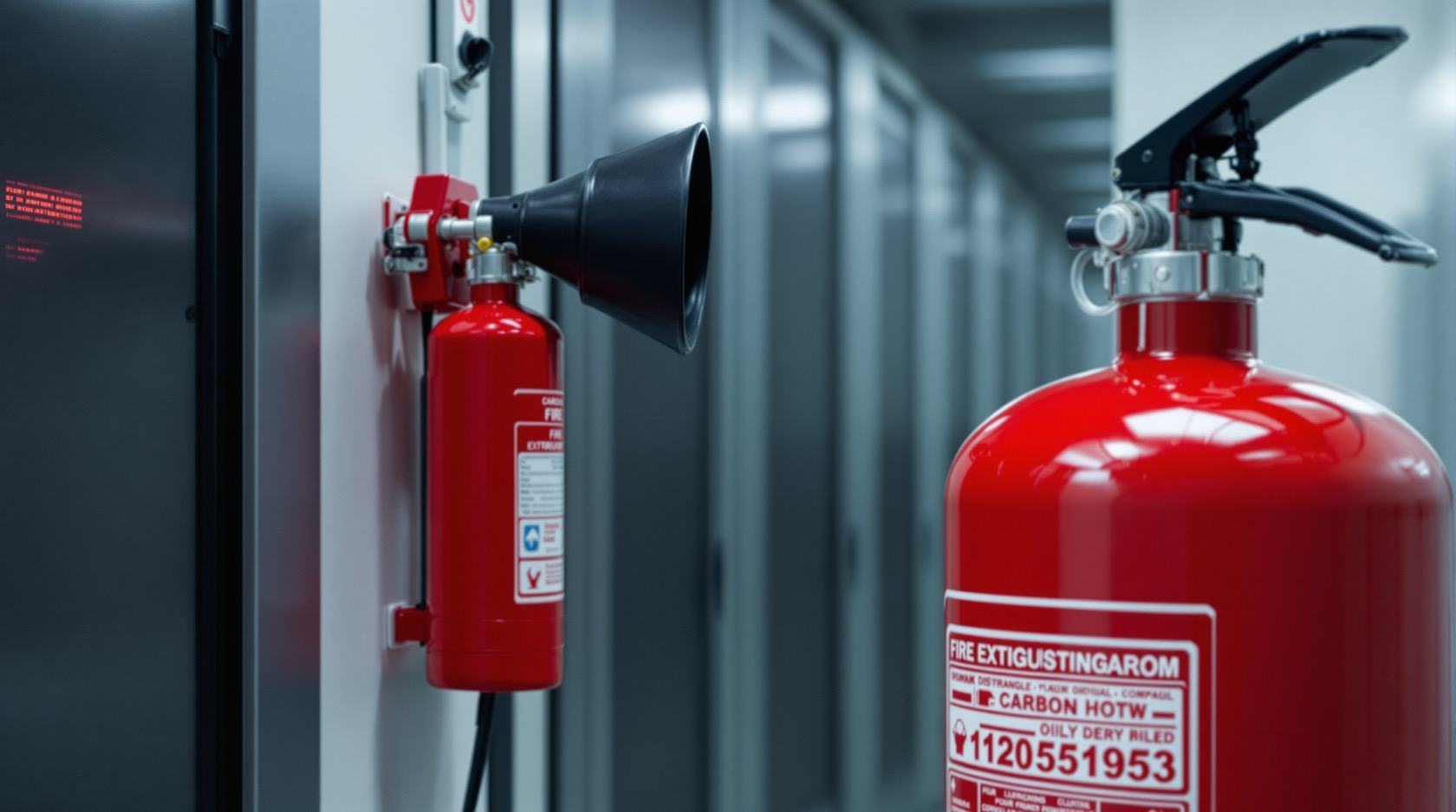
CO233CO2 Extinguishers in India (2026): The Safe Choice for Electrical & Electronics
The CO2 extinguisher leaves no residue and does not conduct, so it is the right choice for live electrical gear, servers, UPS and electronics. This guide covers where it shines, why it is poor on solids and cooking oil, the frostbite and asphyxiation cautions, and how to keep it.
 DCP / ABC34
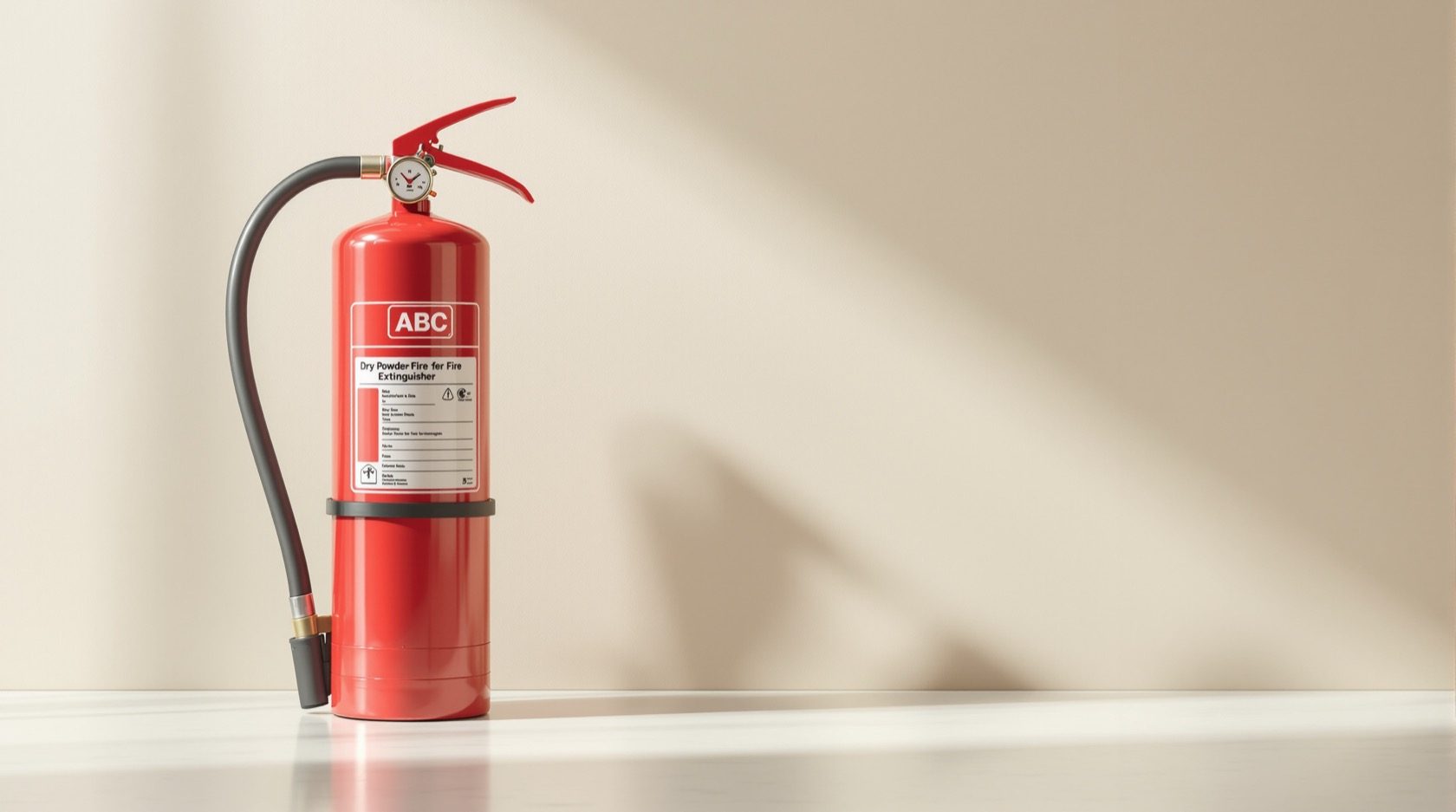
Dry Chemical Powder Extinguishers in India (2026): The ABC All-Rounder Explained
The ABC dry chemical powder is India's most common extinguisher and the right single one for most homes and shops: it fights solids, liquids and gas and is safe on live electrics. This guide covers what it does, its corrosive mess, ISI (IS 15683) buying and monthly upkeep.
 Wet chemical35
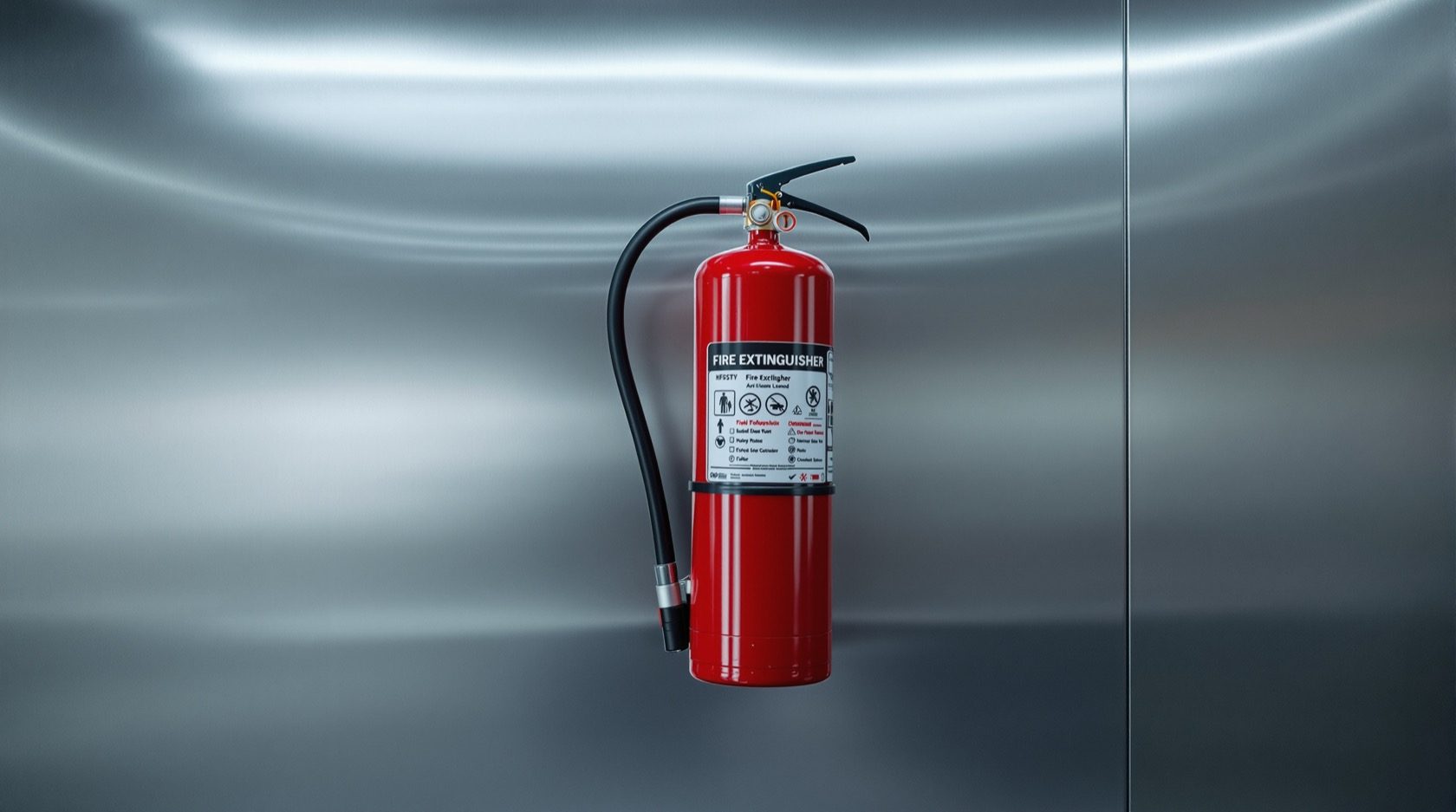
Wet Chemical Extinguishers in India (2026): The Class-K Answer for Cooking-Oil Fires
The wet-chemical (Class K) extinguisher is the specialist tool for cooking-oil and deep-fryer fires. This guide explains saponification, why water, foam, CO2 and powder all fail on hot oil, and where a commercial kitchen must carry one alongside a hood suppression system.
 Fire blanket36
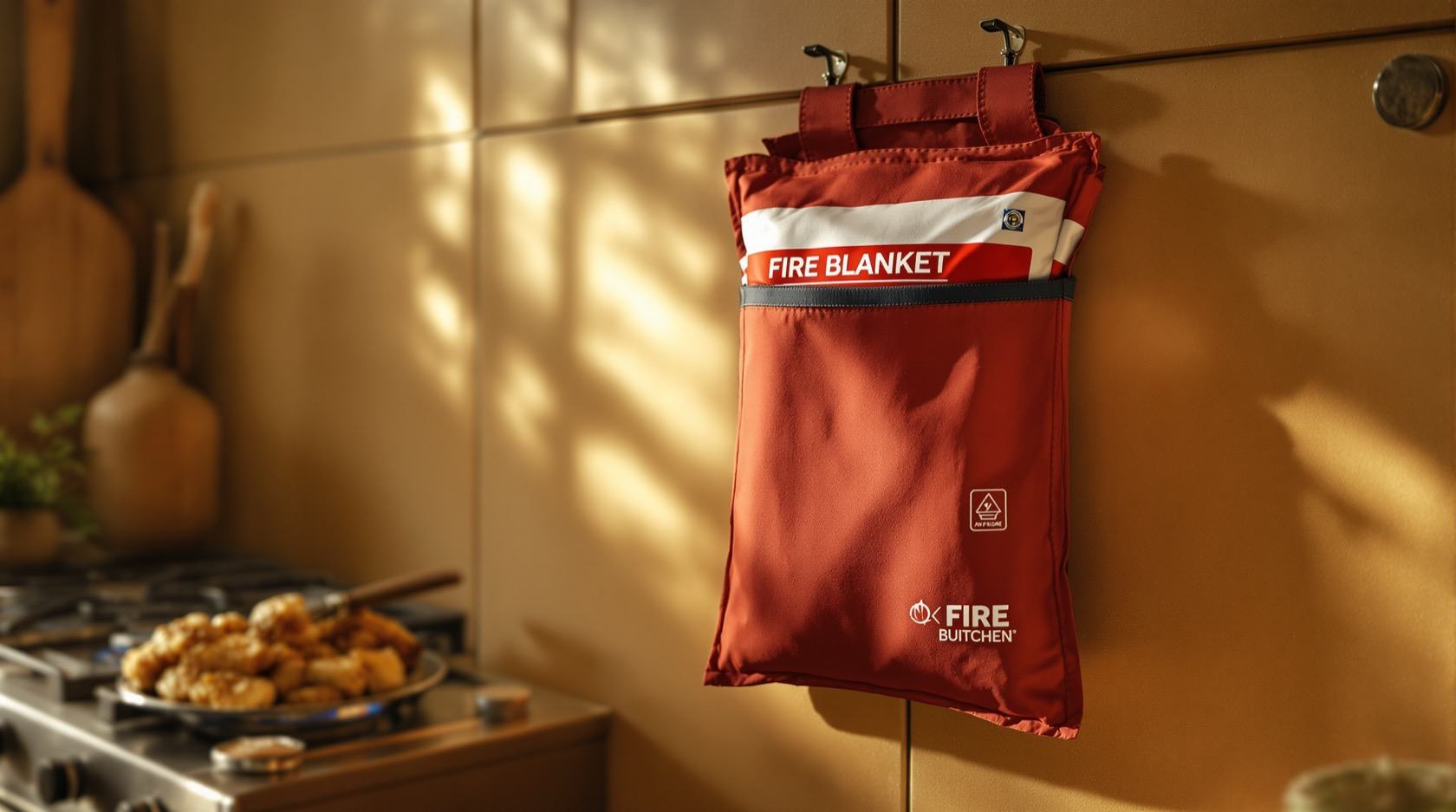
Fire Blankets in India (2026): The Simplest Kitchen Lifesaver Every Home Should Have
A fire blanket is the cheapest, simplest home fire-safety tool: a fibreglass sheet that smothers a small fire by cutting off its oxygen. This guide covers its star use, a cooking-oil pan fire, plus flames on a person, how to use one safely, and its buying, mounting and limits.
 Hose reels37
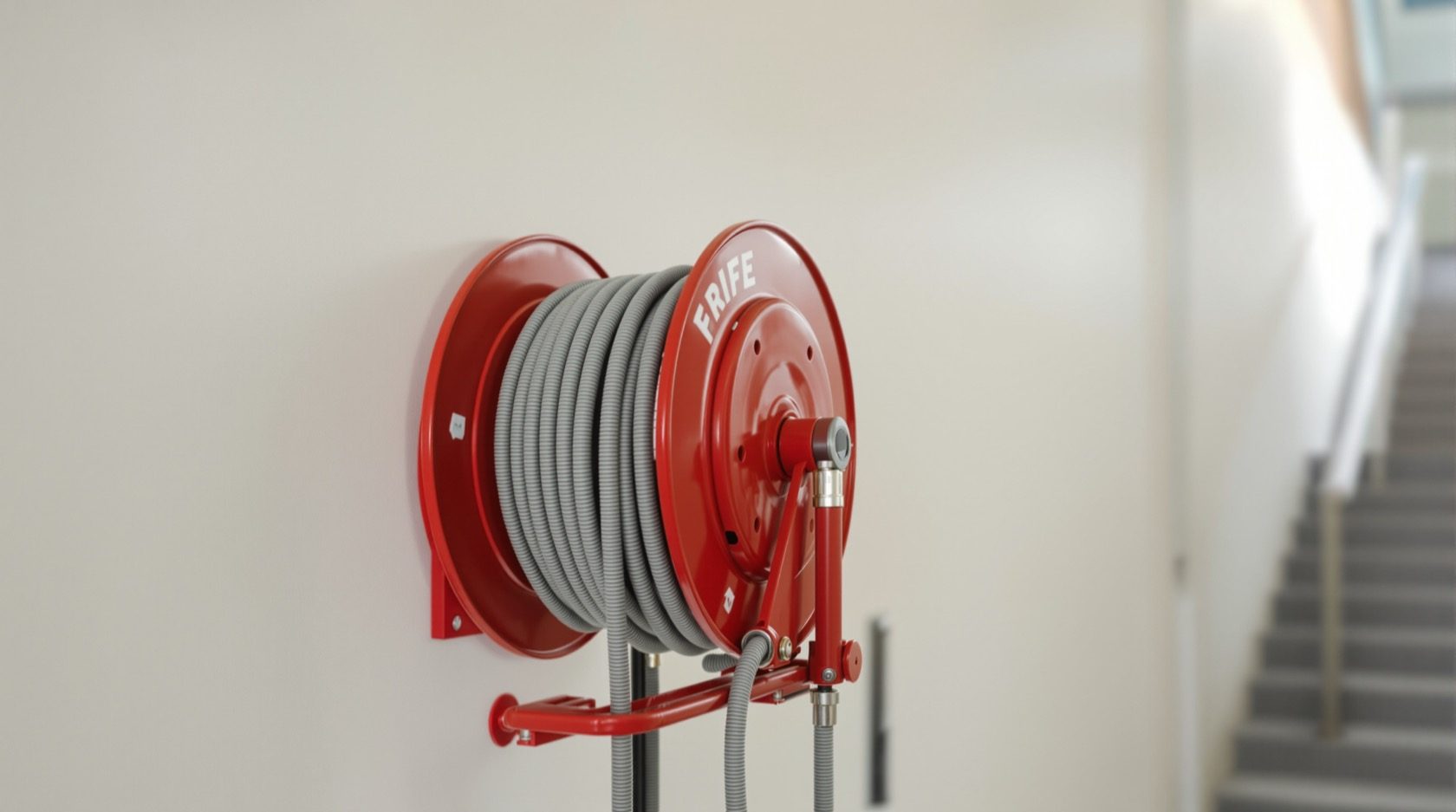
Fire Hose Reels in India (2026): First-Aid Firefighting on Every Floor
The fixed fire hose reel is first-aid firefighting on every floor - a semi-rigid rubber hose plumbed to the wet riser that a trained occupant can use on a small early Class A fire before the brigade arrives. How it works, where NBC needs it, and its honest water-only limits.
 Hydrants38
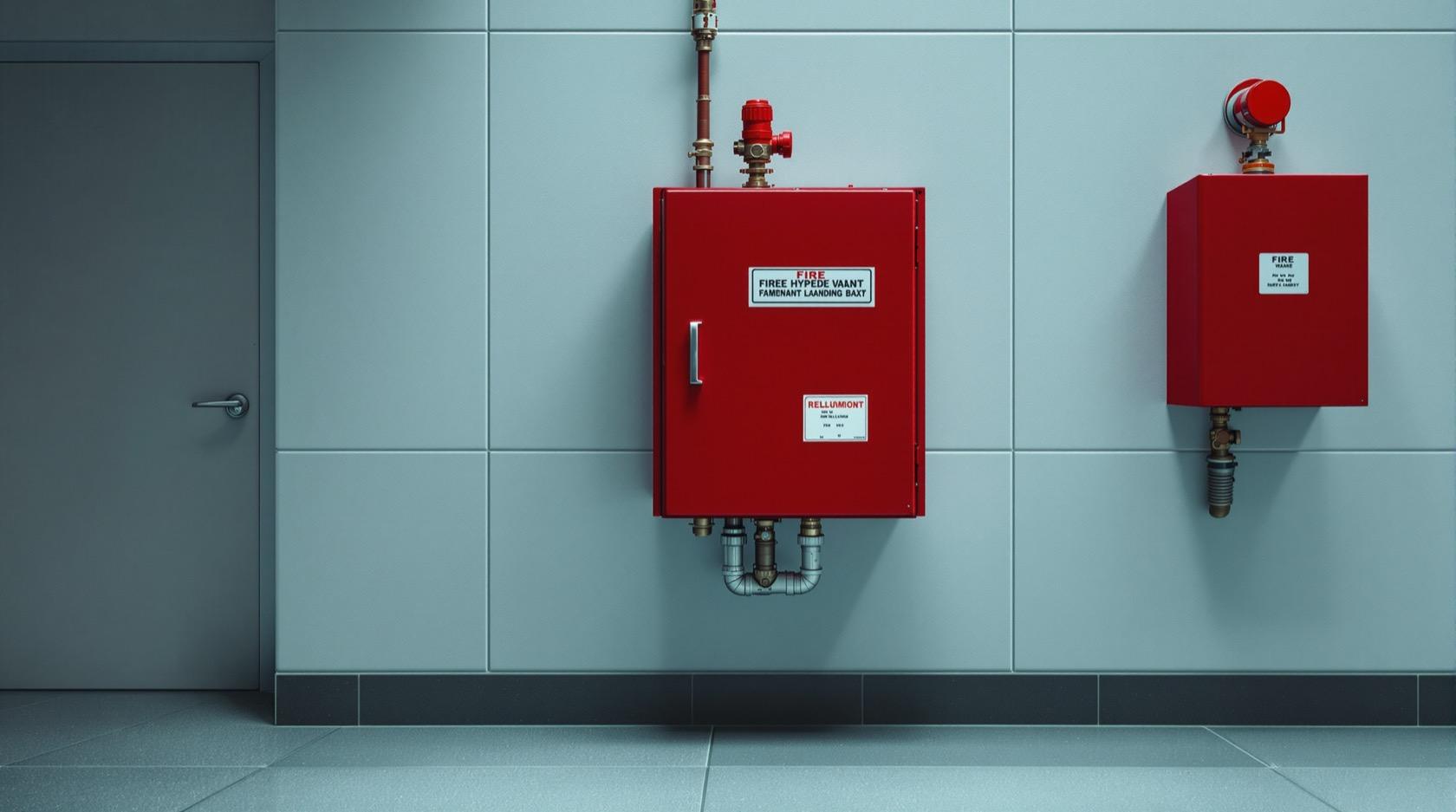
Fire Hydrants in India (2026): Internal Wet Risers, Yard Hydrants & Fire-Tender Connection
The building fire-hydrant system is the high-pressure water network the fire brigade fights a serious fire with - internal wet risers and landing valves on each floor, external yard hydrants around the perimeter, and a fire-service inlet so a tender can boost it. This guide explains how it all works.
 Sprinklers39
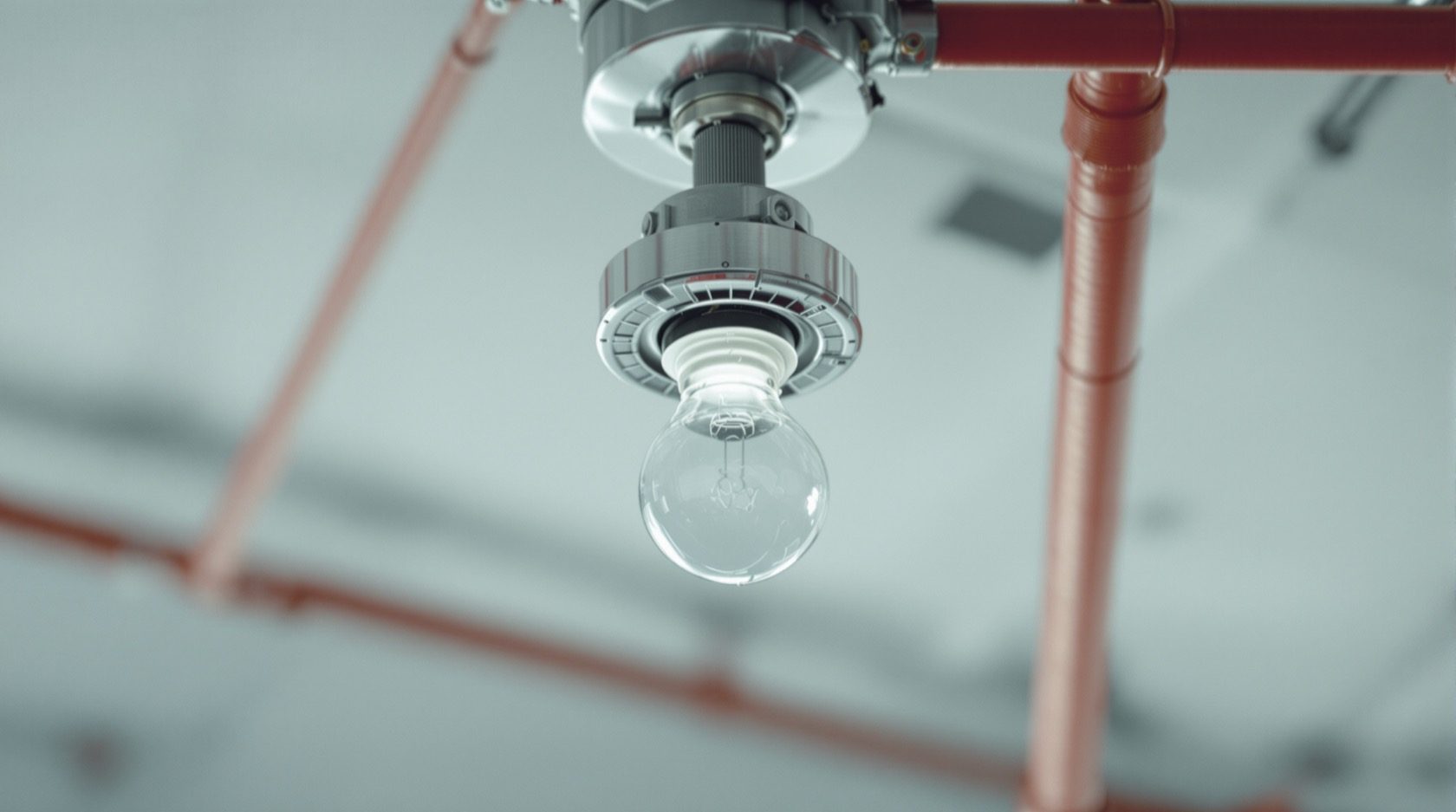
Fire Sprinkler Systems in India (2026): How They Work, Types & When NBC Requires Them
Automatic fire sprinklers control or extinguish a fire at its origin, day or night, occupied or not - and only the head over the fire opens, never the whole building. This guide explains wet, dry, pre-action and deluge systems, hazard classes, and where the NBC requires them.
 Water mist40
Water Mist Systems in India (2026): High-Pressure Fog That Fights Fire With Less Water
Water mist suppresses fire with an ultra-fine high-pressure fog that cools and steam-smothers using a fraction of a sprinkler's water - far less water damage for heritage, archives, data rooms, machinery and hotels. This guide explains how it works, where it fits, and why it is a fire engineer's design.
 Kitchen hood41
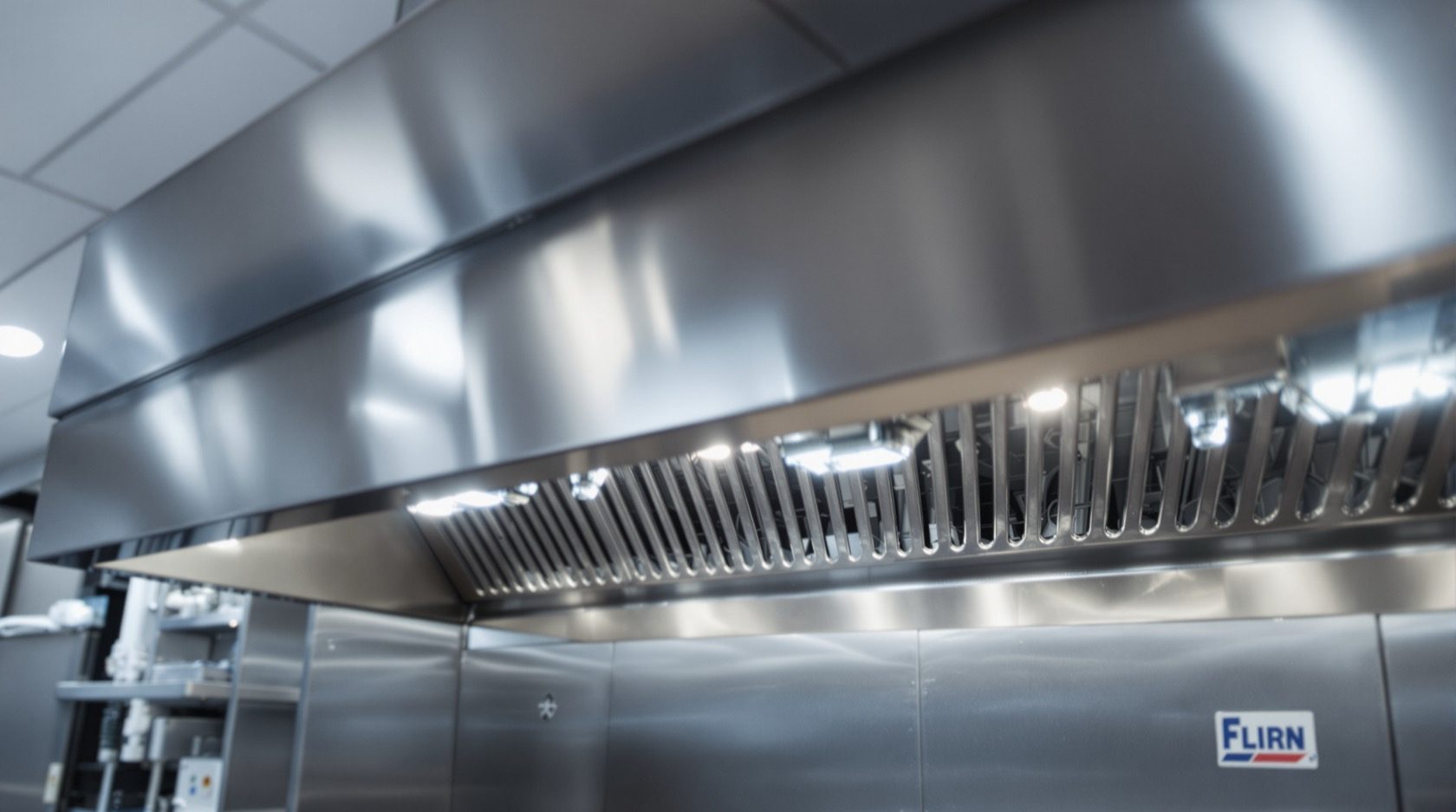
Kitchen Hood Suppression Systems in India (2026): Automatic Wet-Chemical Protection for Commercial Kitchens
The fixed fire-suppression system built into a commercial kitchen exhaust hood is the engineered answer to a deep-fryer fire. Heat-triggered nozzles flood the cooking line and duct with wet chemical, cut the gas and fan, and smother the oil. This guide explains how it works and how India neglects it.
 Clean agent42
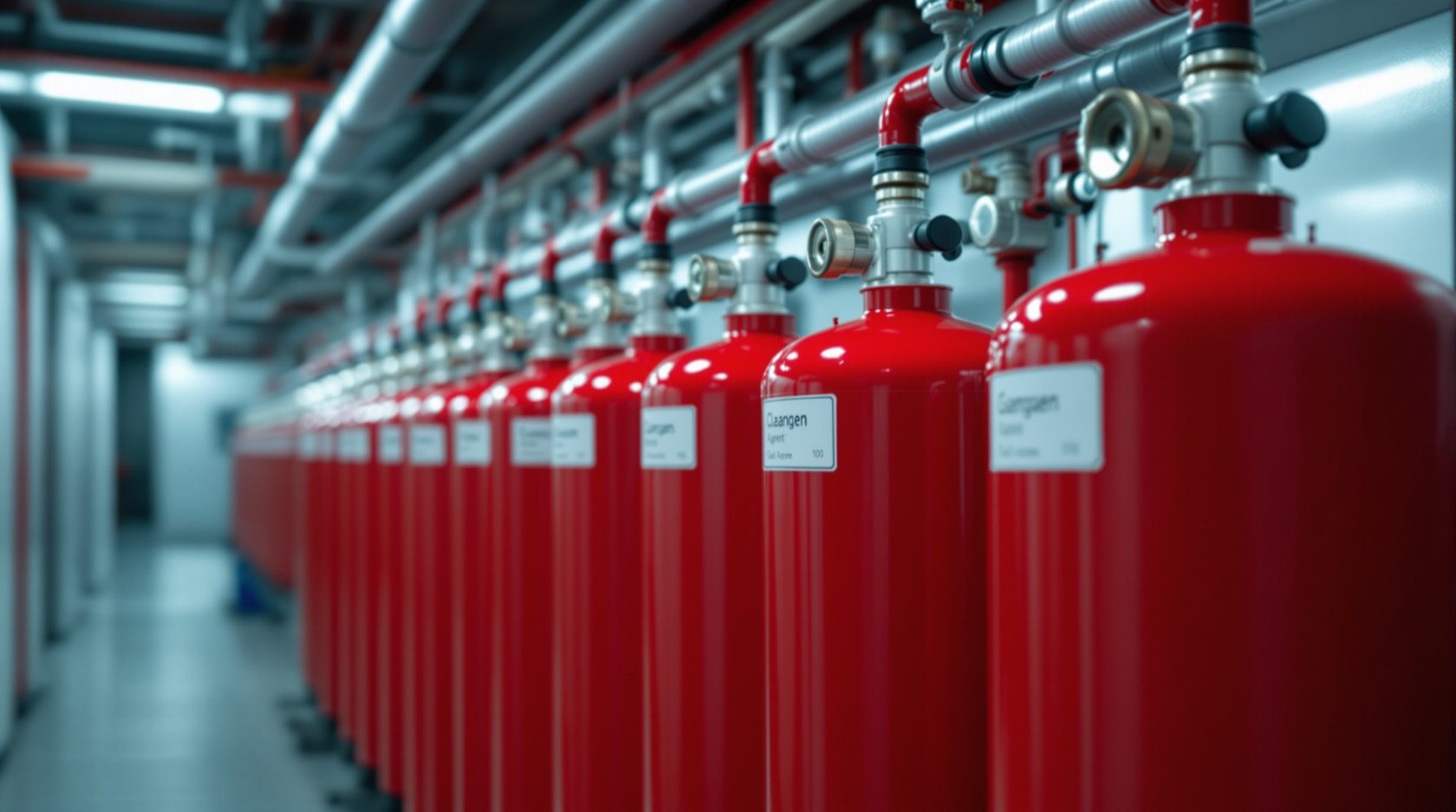
Clean Agent Fire Suppression in India (2026): Gas Protection for Server Rooms, Archives & Switchgear
Server rooms, archives, control rooms and switchgear hold assets a sprinkler would ruin. A clean-agent gas system floods the sealed space and extinguishes the fire without residue. This guide explains how it works, room integrity, occupant safety, and why so many Indian systems sit discharged.
 Fire pumps43
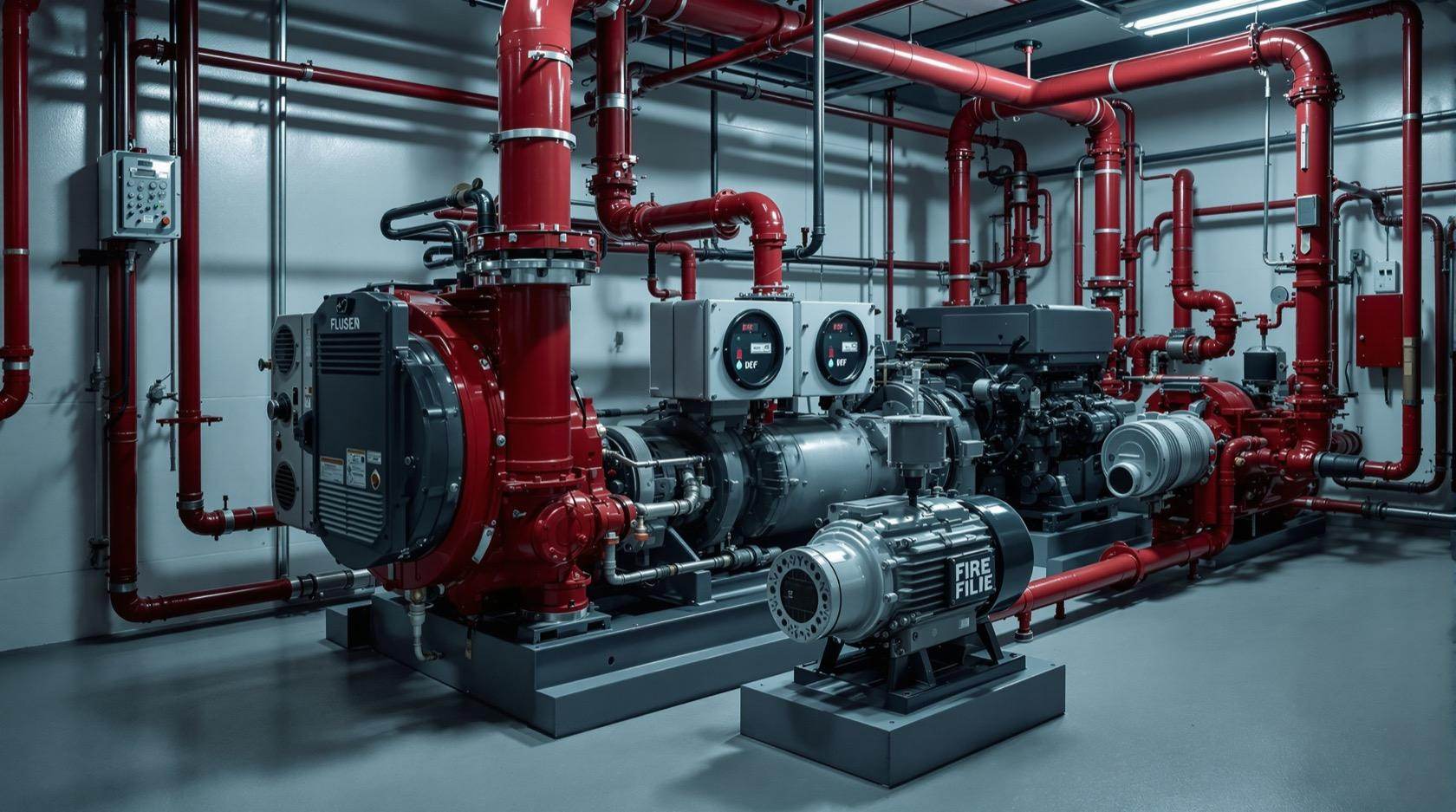
Fire Pumps in India (2026): The Pump Set That Powers Hydrants & Sprinklers
The fire pump set is the heart of a building's water-based fire protection - a main electric pump, a diesel-engine backup for power cuts, and a small jockey pump holding pressure. This guide explains the pump room, auto-start on pressure drop, and the testing that keeps it alive.
 Water tanks44
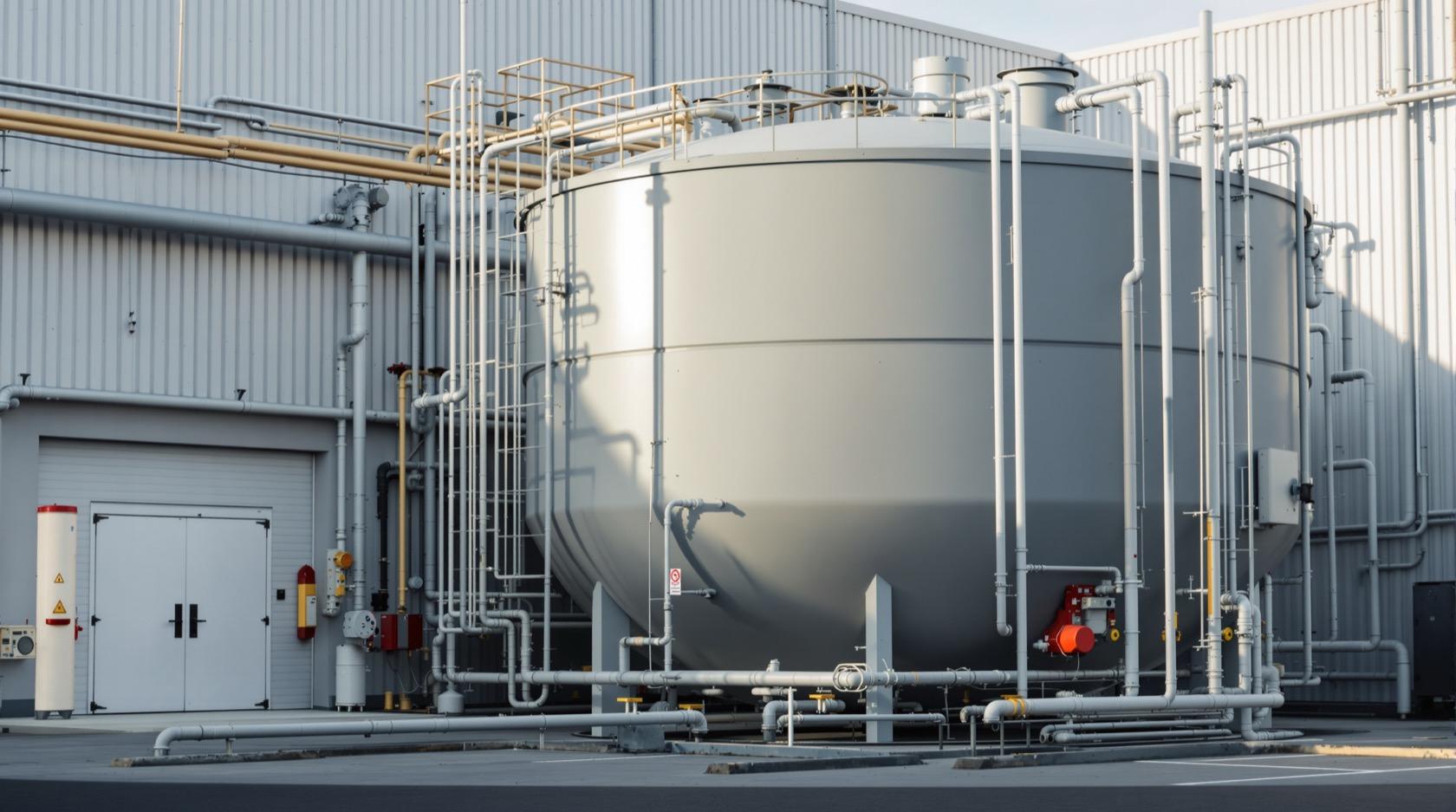
Fire Water Tanks in India (2026): The Dedicated Reserve That Feeds Everything
The fire-water tank is the dedicated reserve that must always be full so the pumps, hydrants and sprinklers have water the instant a fire starts. This guide explains the underground and overhead tanks, the ring-fenced fire volume, auto-fill and level alarms, and why a dry tank is deadly.
 Fire doors45
Fire Rated Doors in India: IS 3614 Ratings, Cost & Where They're Required (2026)
A professional India guide to fire-rated (fire-check) doors: how IS 3614 ratings of 30/60/90/120 minutes work, the certified core, intumescent seal, frame and hardware, where NBC 2016 makes them mandatory, 2026 costs, and why the whole assembly must be certified.
 Fire-rated walls46
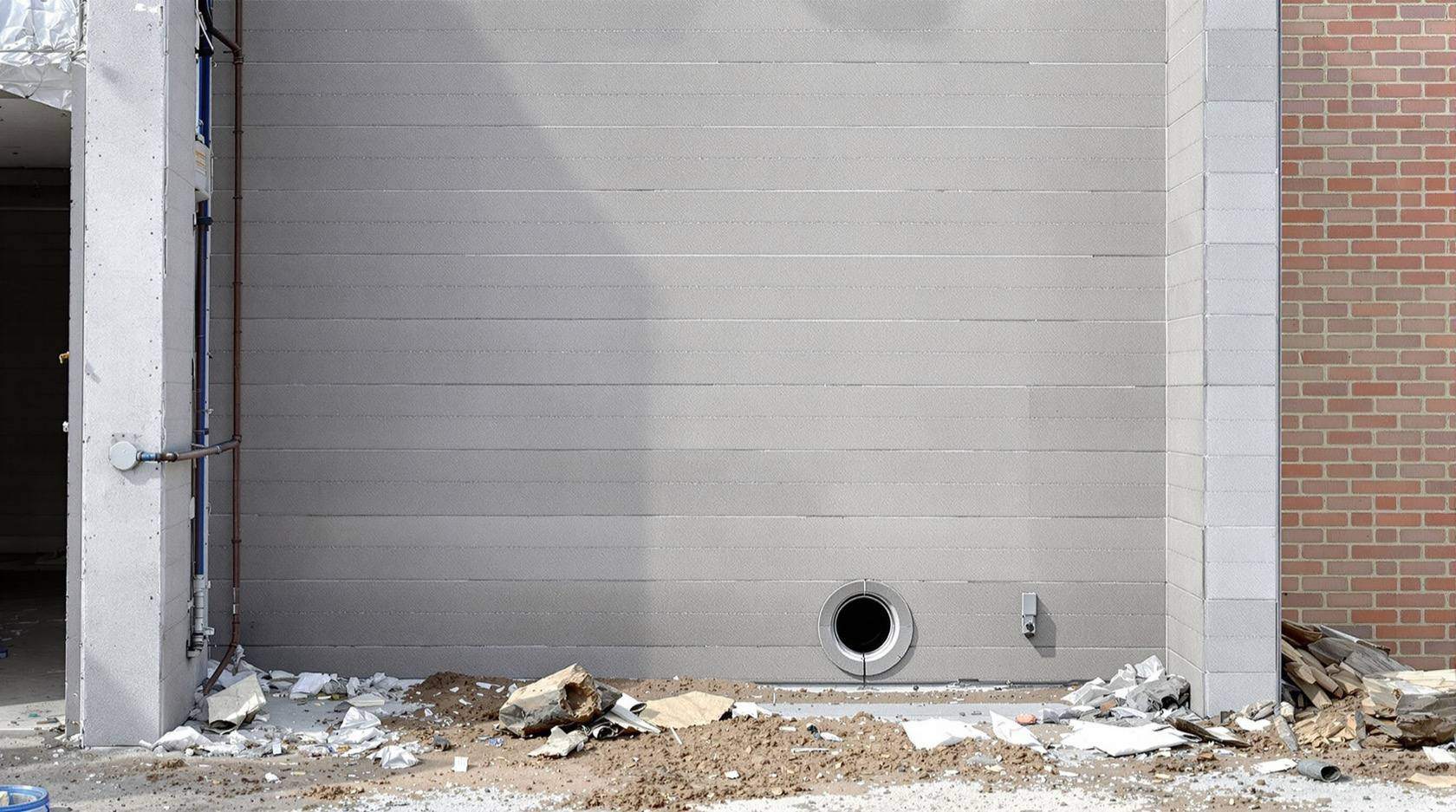
Fire Rated Walls in India (2026): Compartmentation, Ratings & Keeping the Barrier Intact
A fire rated wall divides a building into fire compartments so a fire in one part cannot spread to the rest. This guide explains how the fire-resistance rating works, what makes a wall rated, and why every un-sealed cable or pipe penetration breaches the barrier.
 Smoke barriers47
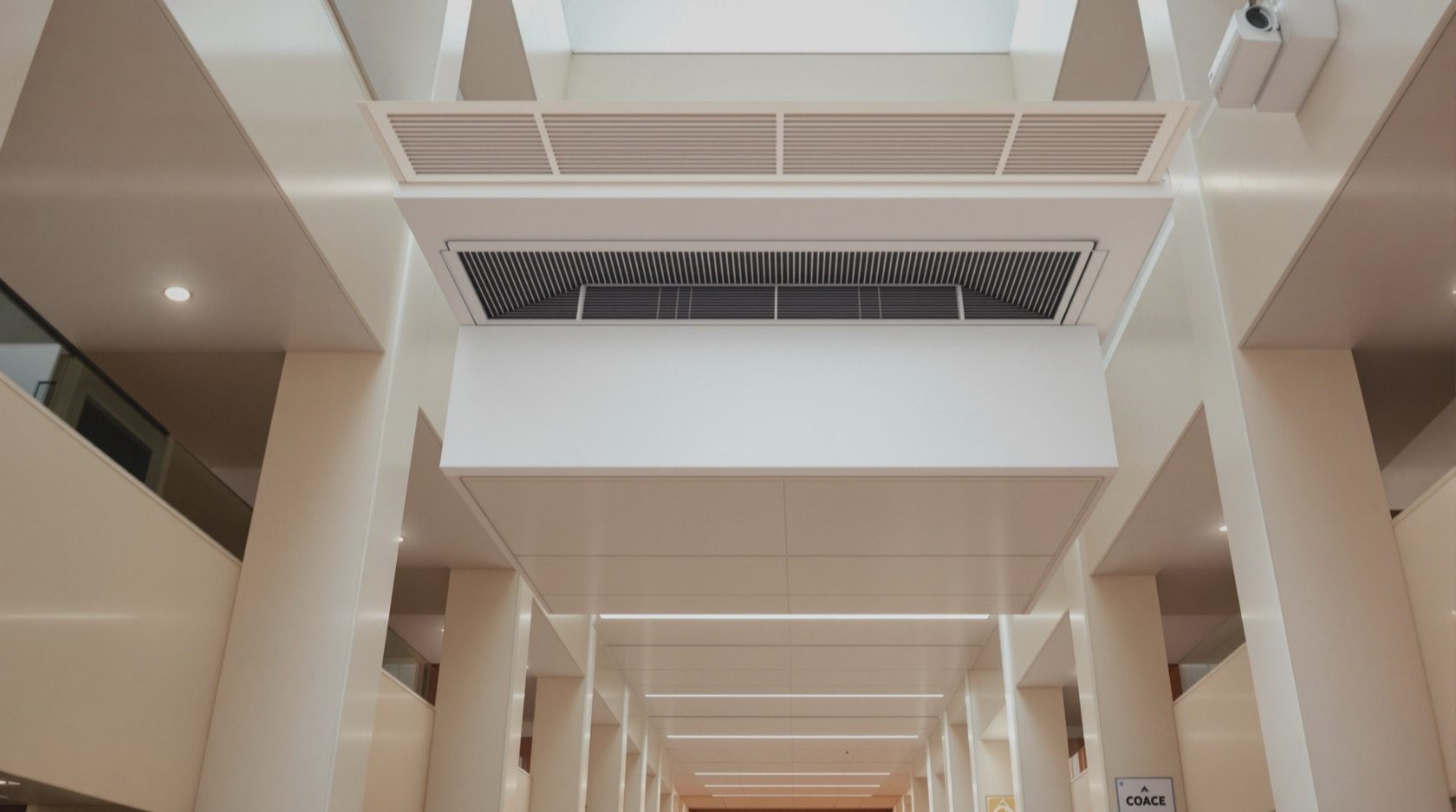
Smoke Barriers in India (2026): Holding Back the Smoke That Kills First
Smoke, not flame, disables and kills most fire victims and moves far faster and further. This guide explains smoke barriers: smoke-tight partitions, smoke-stop doors and deployable smoke curtains that subdivide a floor or atrium to keep escape routes tenable, plus how India breaches them.
 Fire dampers48
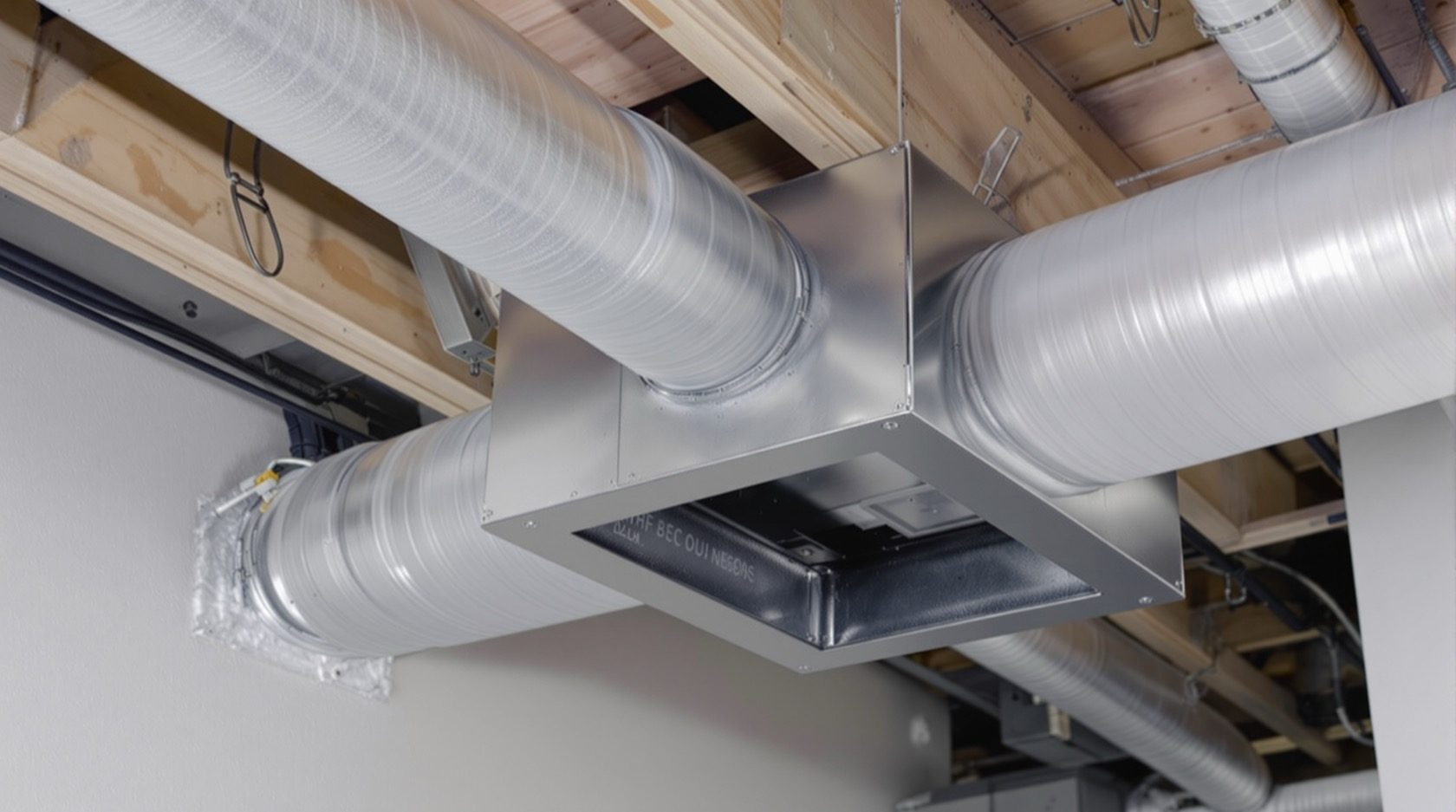
Fire Dampers in India (2026): Stopping Fire and Smoke Travelling Through the Ducts
Fire dampers close where HVAC ducts cross a fire-rated wall or floor, so the duct cannot become a hidden highway for fire and smoke between compartments. This guide explains fire, smoke and combination dampers, where they go, access and testing, and the India failure modes that breach it.
 Emergency lighting49
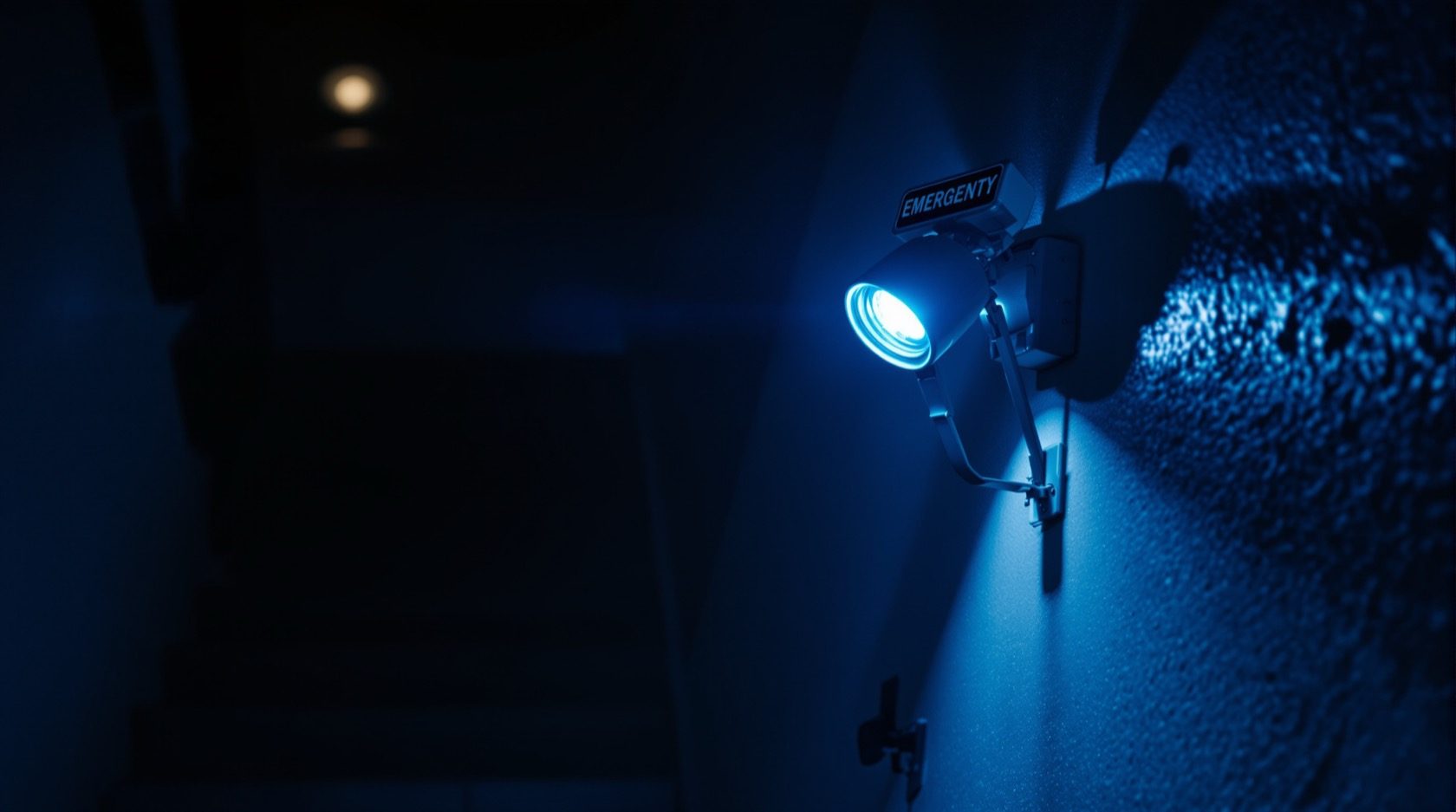
Emergency Lighting in India (2026): Seeing Your Way Out When the Power Fails
Emergency lighting is the battery-backed lighting that keeps escape routes visible when a fire or power cut kills the mains. This guide explains escape-route and open-area lighting, maintained vs non-maintained, self-contained vs central-battery, the code-set duration, and the flick and full-duration tests India so often skips.
 Exit signage50
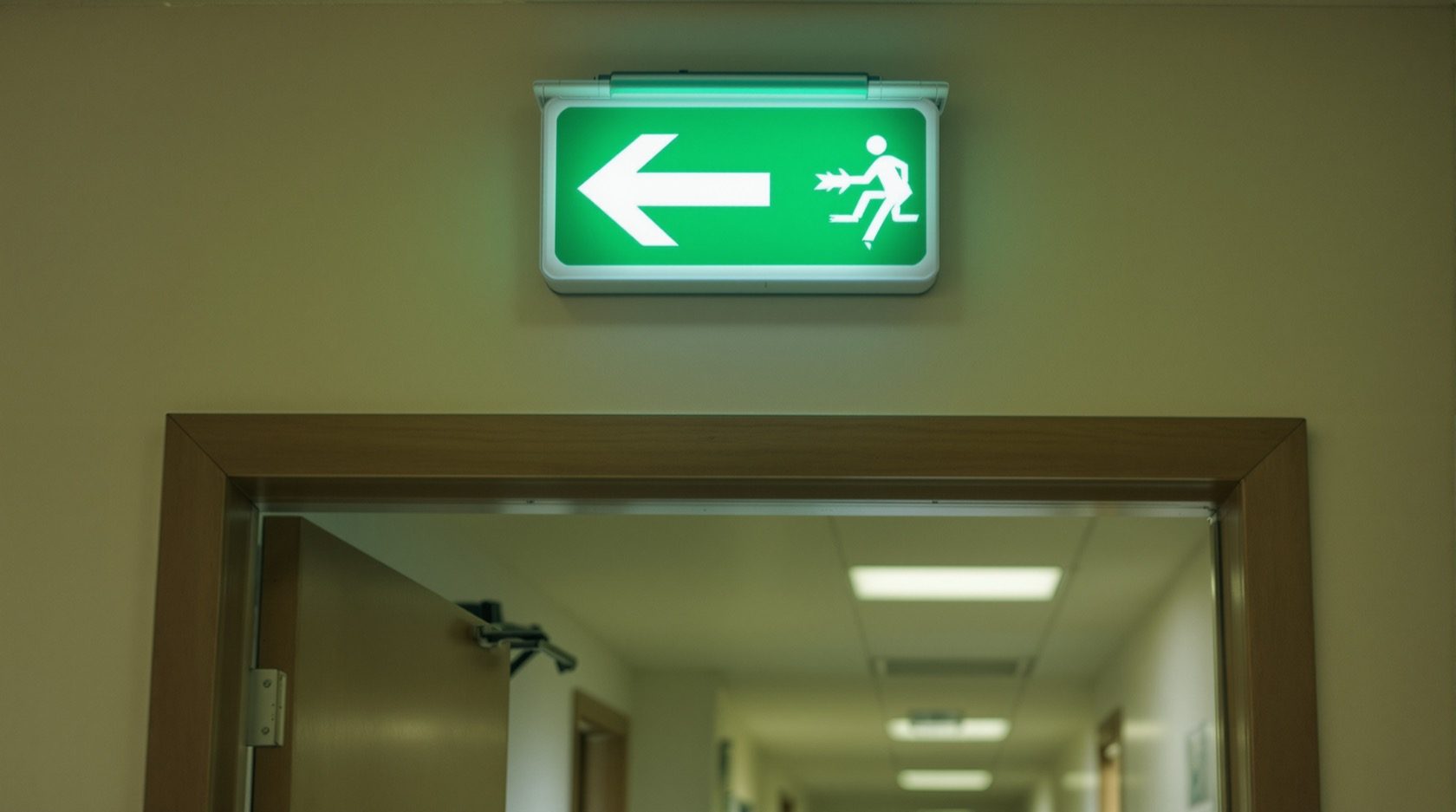
Exit Signage in India (2026): Guiding Everyone to the Nearest Way Out
Exit signage guides everyone - including visitors who do not know the building - to the nearest safe exit fast, even in smoke or darkness. This guide covers the running-man pictogram, arrows, placement, height, viewing distance and photoluminescent low-level way-guidance to NBC Part 4.
Active systems fight the fire; passive protection quietly buys the time everything else depends on. Fire-rated walls and doors hold a fire in one compartment, smoke barriers and dampers stop it travelling through corridors and ducts, and emergency lighting and exit signage carry people out through smoke and a power cut — as long as none of it is breached, blocked or left with a dead battery. With protection covered, the last chapter is fire planning: escape routes, refuge, compartmentation strategy, smoke control, drills and audits.
Fire planning
Getting everyone out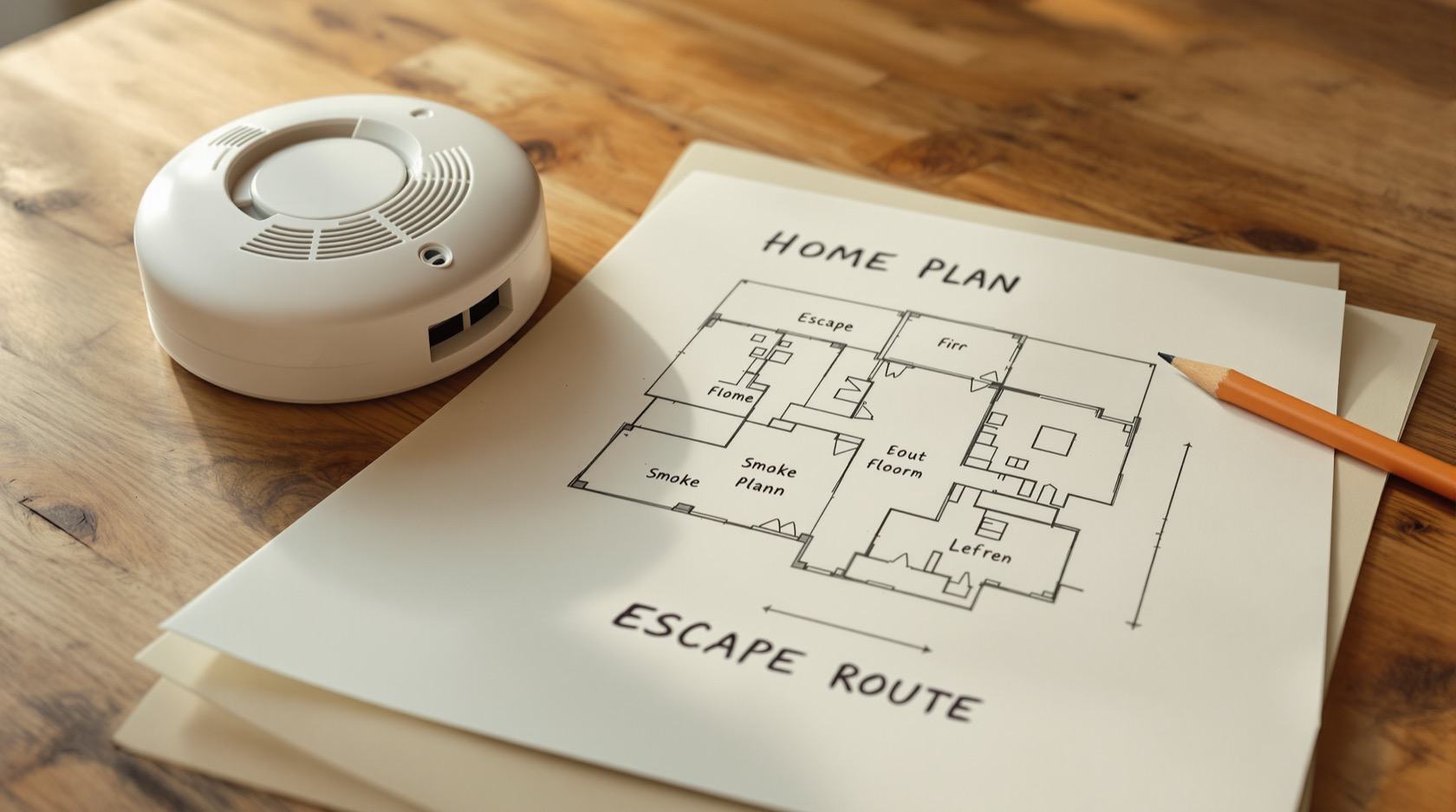 Escape plan51
Fire Escape Planning for Indian Homes (2026): Two Ways Out, a Meeting Point & Practice
A home fire escape plan is the most life-saving thing a family can do, and almost none do it. The core rules: two ways out of every room, one outside meeting point, get out and stay out, crawl low, feel doors. Do it this weekend.
 Exit planning52
Emergency Exit Planning in India (2026): Number of Exits, Travel Distance & Two-Way Escape
Every home escape plan sits inside a building's means of egress. This guide explains two-way escape, travel distance, exit width scaling with occupant load, outward-opening unlocked doors, and safe discharge, with exact figures set by NBC Part 4 and your fire engineer.
 Staircases53
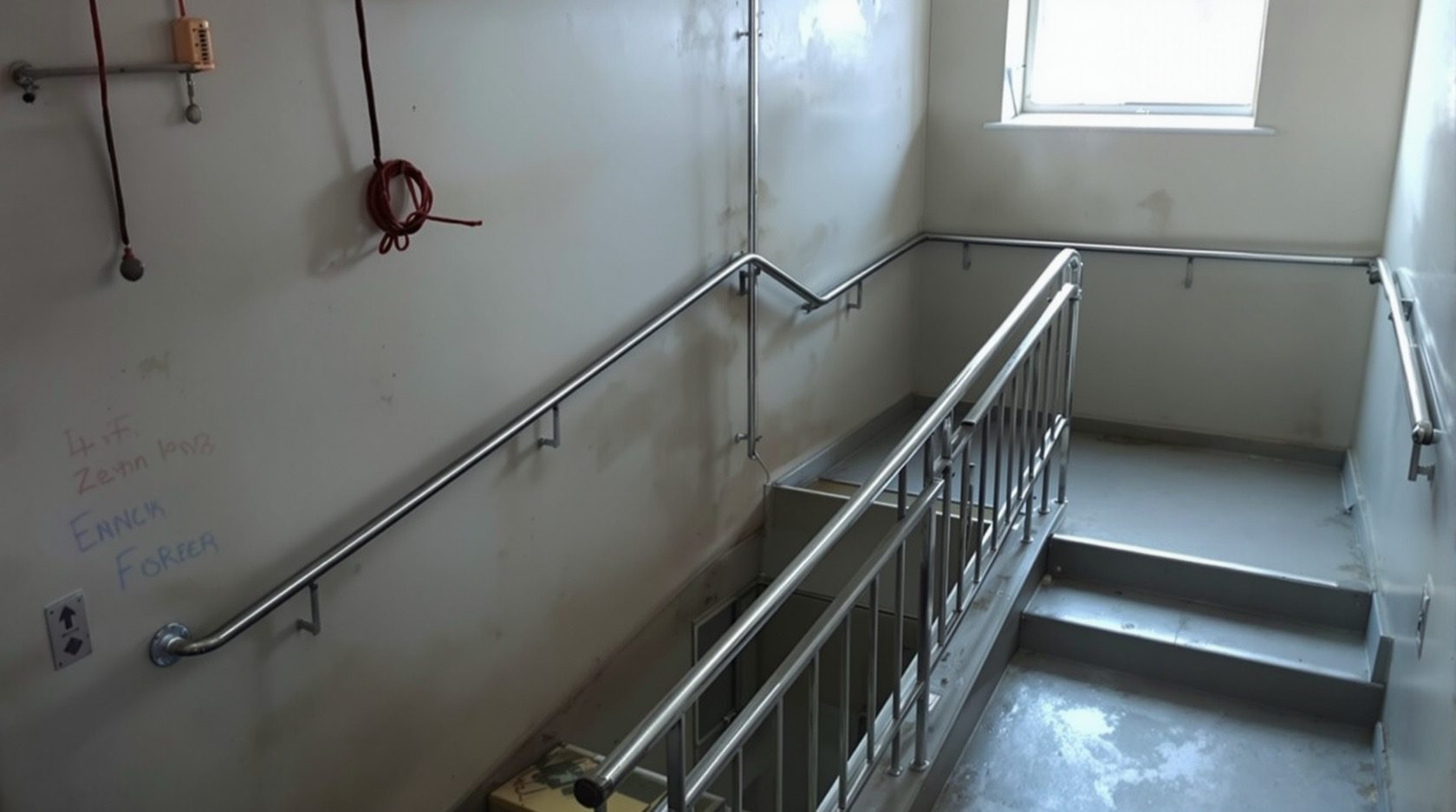
Staircase Fire Safety in India (2026): The Protected Stair That Gets Everyone Down
In a fire you never take the lift, so the staircase is your one way down. This guide explains the protected escape stair: fire-rated enclosure, self-closing fire doors, adequate width, non-combustible build, and the Indian habit that kills, blocking or locking the stair.
 Refuge areas54
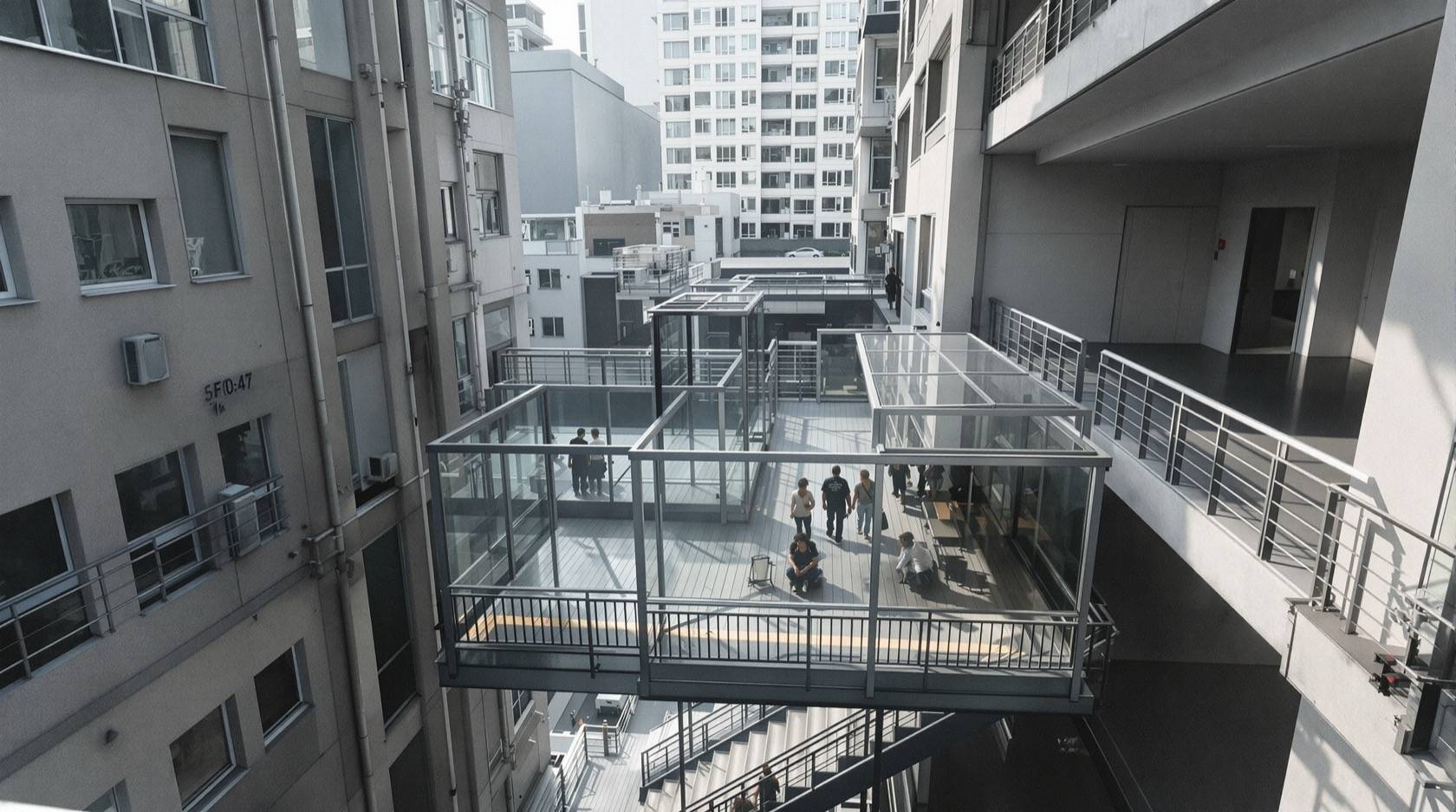
Refuge Areas in India (2026): The High-Rise Safe Haven Between You and the Ground
A refuge area is the protected, ventilated safe-holding space a tall building owes its occupants: somewhere to wait during a phased escape when everyone cannot descend at once and some cannot descend far. This guide covers what makes one valid, and the deadly Indian habit of converting it.
 Assembly areas55
Assembly Areas in India (2026): The Safe Muster Point Where Everyone Is Counted
Evacuation is not done when you are out the door - it is done when everyone is counted. This guide covers the assembly area: the safe muster point clear of the building where wardens do the roll-call and tell firefighters if anyone is still inside.
 Tender access56
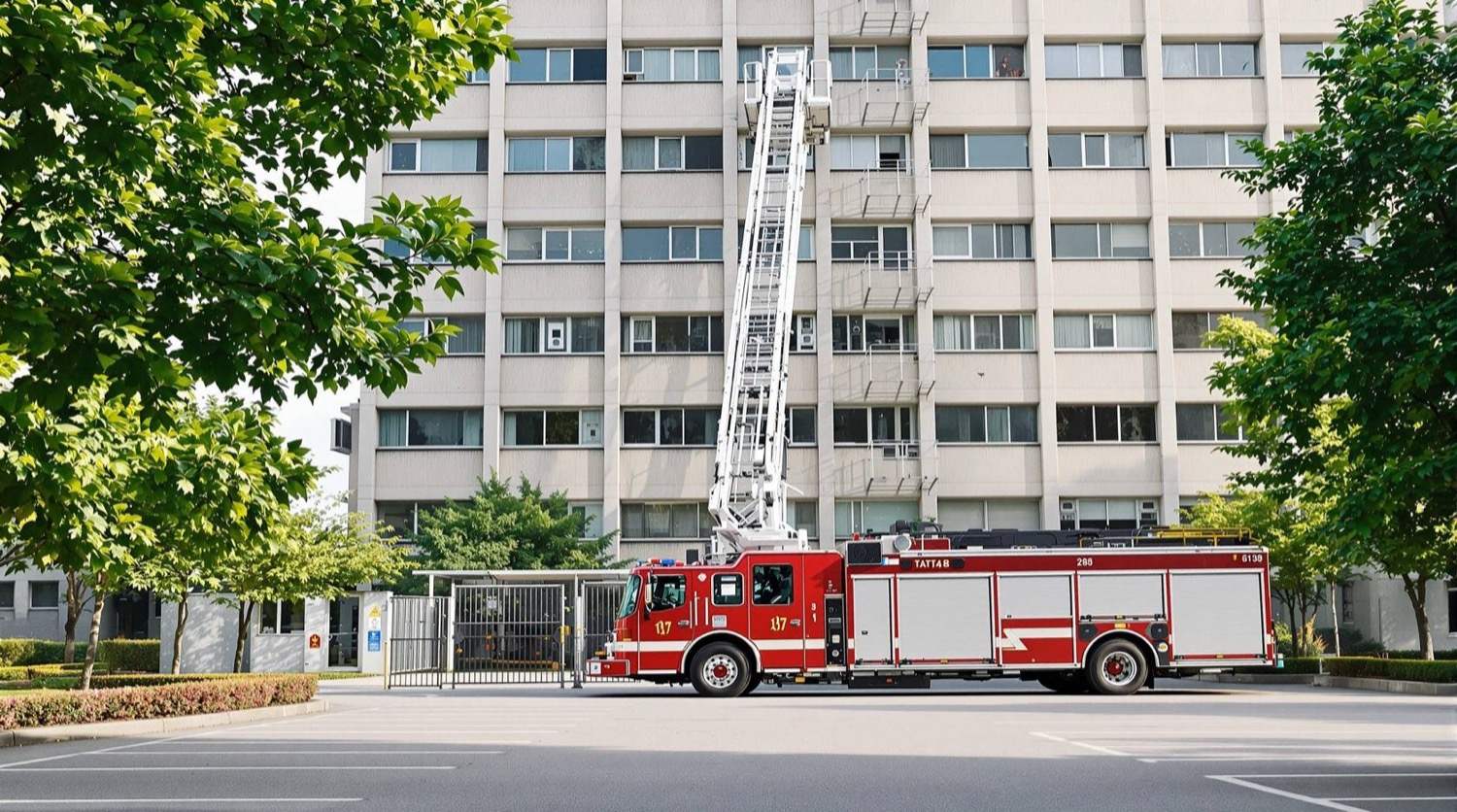
Fire Tender Access in India (2026): The Path That Lets the Fire Brigade Reach You
A fire engine that cannot reach the building is a fire engine that cannot help. This guide covers the all-weather access road, weight-bearing hardstanding, gate widths, turning space and permanently clear path a fire tender and its ladder need, routed to NBC Part 4 and the Fire NOC.
 Compartmentation57
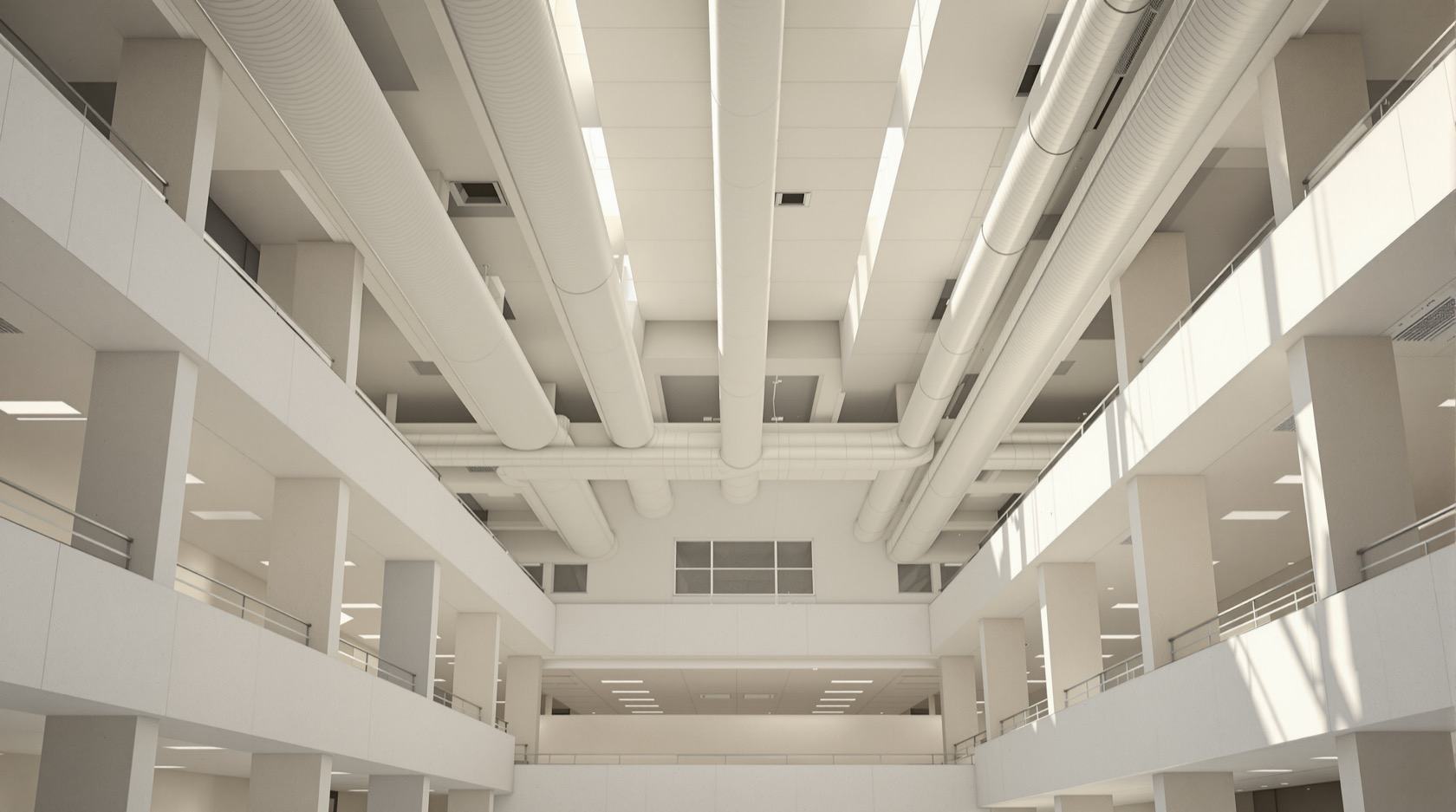
Fire Compartmentation in India (2026): Dividing a Building to Contain the Fire
Fire compartmentation is the strategy of dividing a building into fire-resisting cells so a fire and its smoke stay where they start. This guide explains horizontal and vertical compartments, the weakest-breach rule, defend-in-place, and India's designed-compliant-renovated-unsafe problem - per NBC Part 4 and IS 1642:2013.
 Smoke control58
Smoke Control Systems in India (2026): Keeping Escape Routes Breathable
Smoke, not flame, kills most fire victims and blocks escape. Smoke control systems keep routes breathable by either extracting smoke out of a space or containing it behind barriers and dampers - triggered by the fire alarm, backed by reliable power, engineered to NBC Part 4.
 Pressurization59
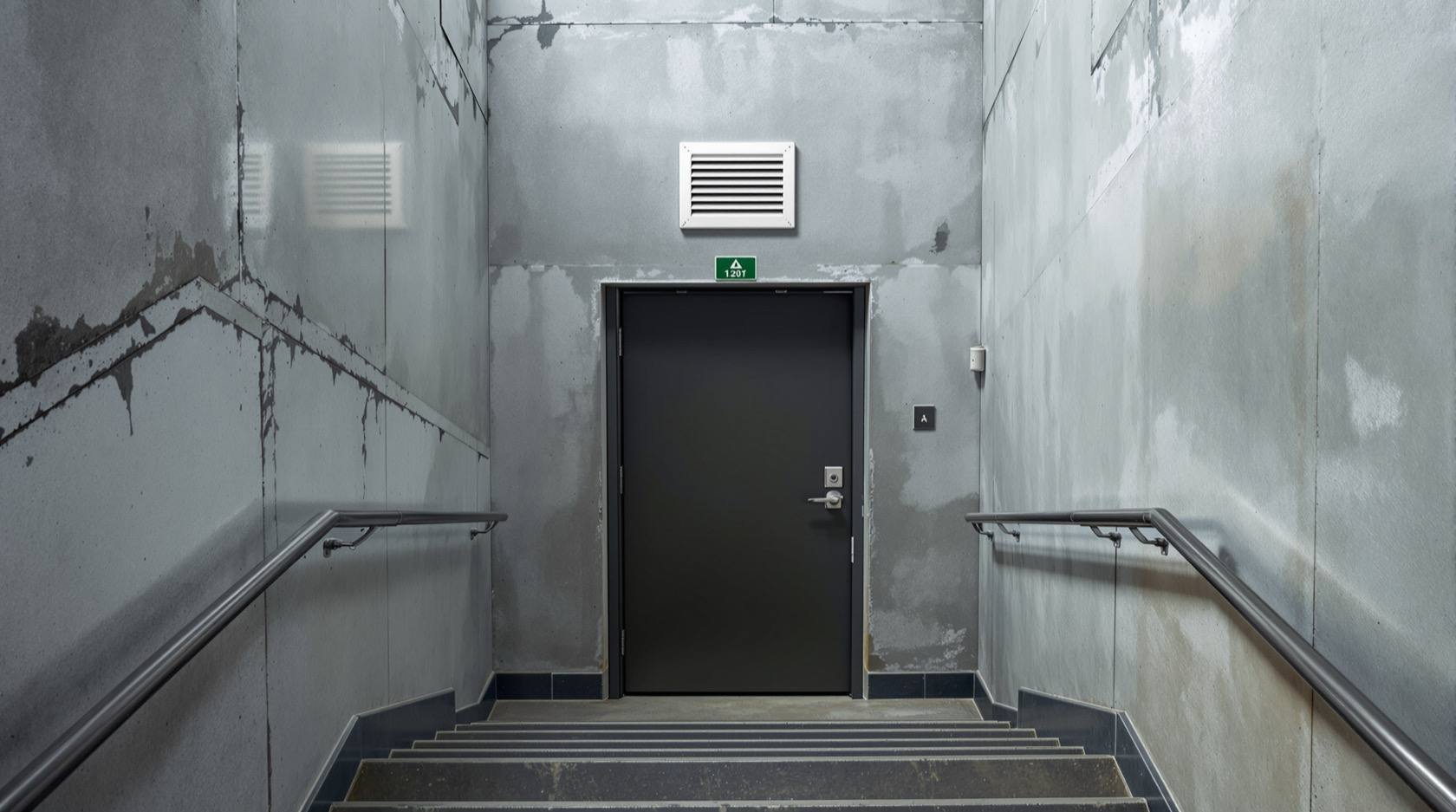
Staircase Pressurization in India (2026): Keeping the Escape Stair Smoke-Free
In a high-rise the protected stair is everyone's escape route and must stay breathable. Staircase pressurization runs a fan to hold the stair above the fire floor's pressure, so air flows out and smoke cannot flow in. It works only when commissioned, tested and on backup power.
 Smoke extraction60
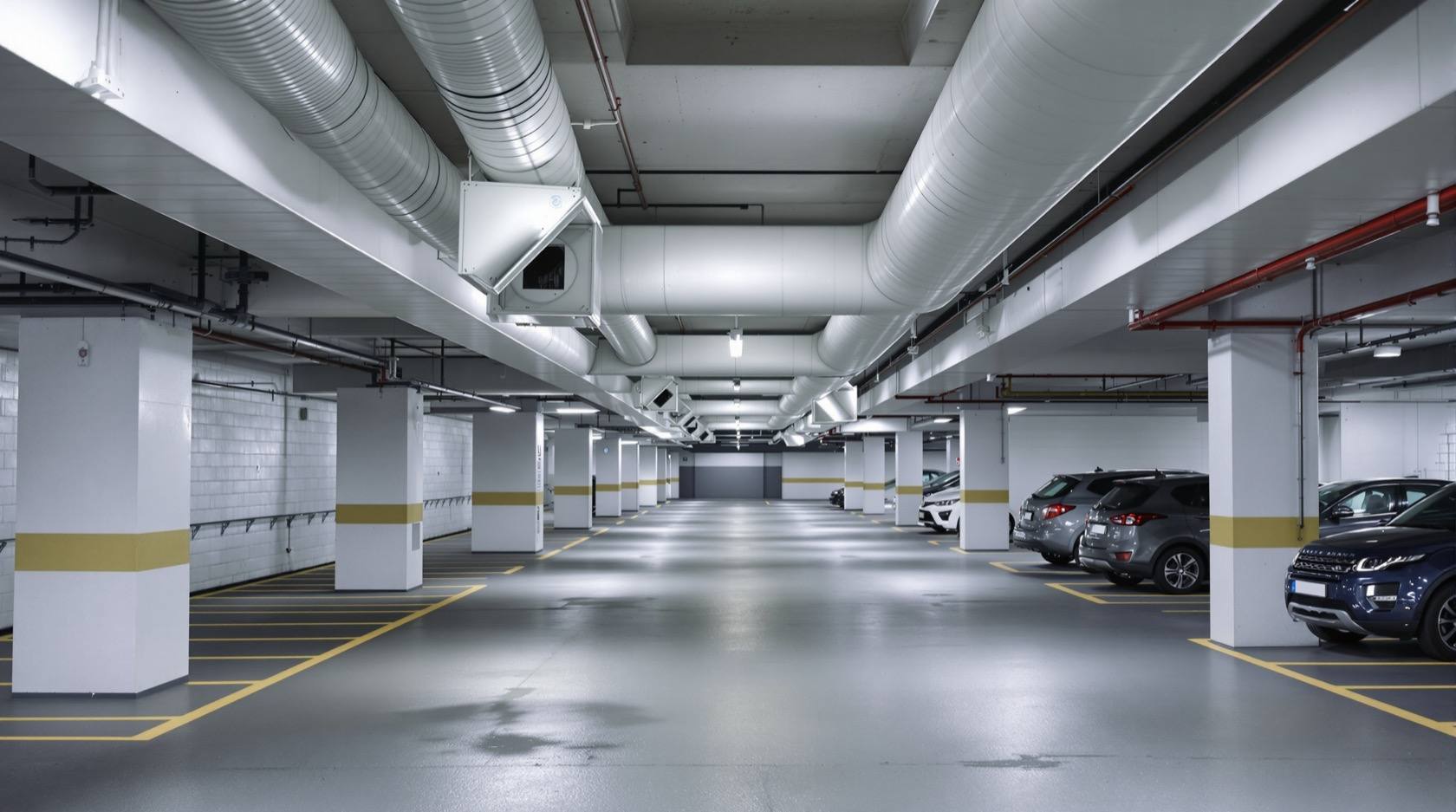
Basement Smoke Extraction in India (2026): Clearing the Smoke From the Most Dangerous Space
A basement has no windows, so smoke and heat build with nowhere to go, blinding the single escape ramp and stopping firefighters. Basement smoke extraction is the mechanical system that pulls smoke to atmosphere with make-up air, alarm-activated and on backup power, engineered to NBC Part 4.
 Fire drills61
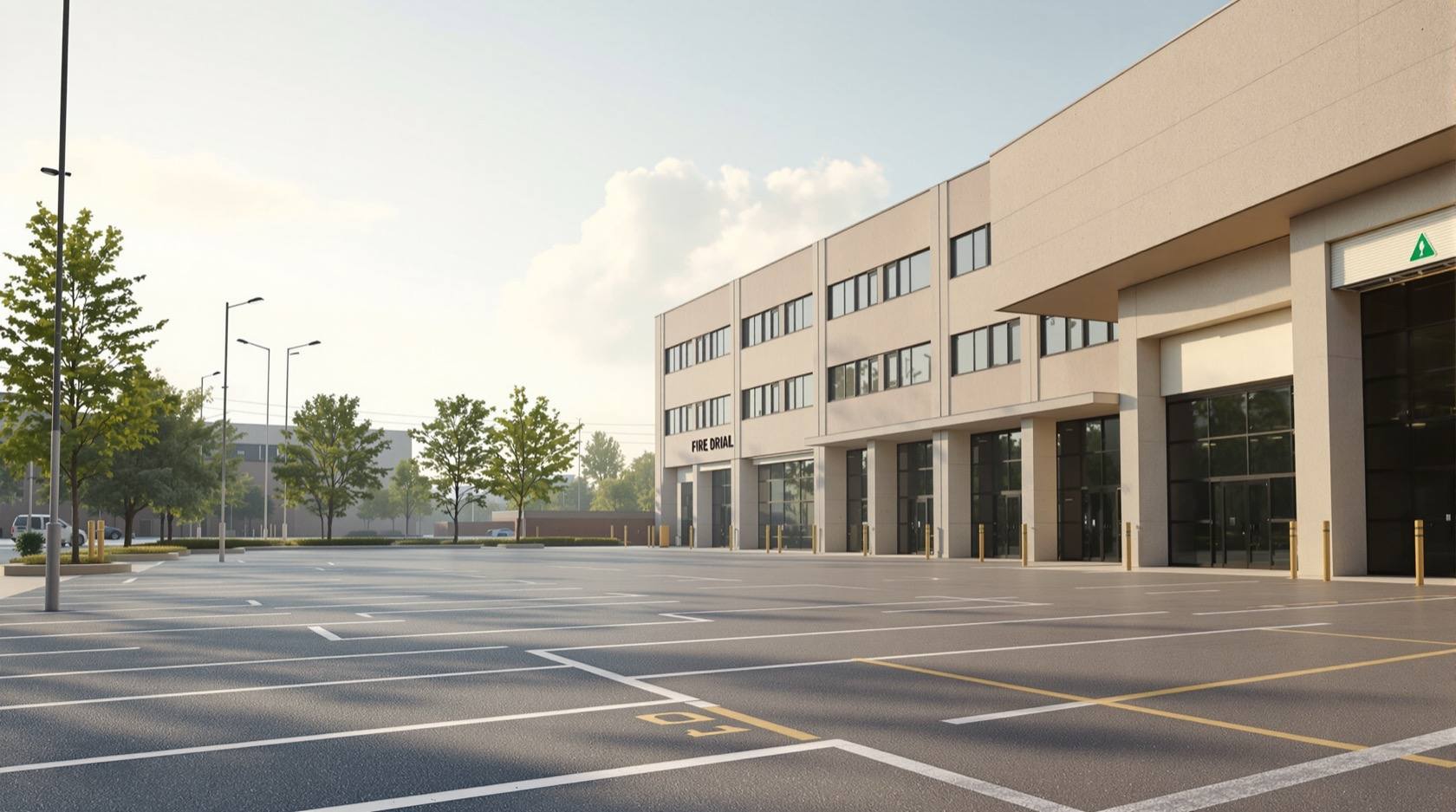
Fire Drills in India (2026): Rehearsing the Escape So It Works Under Real Panic
Under real smoke people do what they have rehearsed, not what a plan says. A proper fire drill sounds the real alarm, evacuates by the stairs, roll-calls everyone at the assembly area, times it, then debriefs and fixes what failed. Finding a problem makes it a success.
 Training62
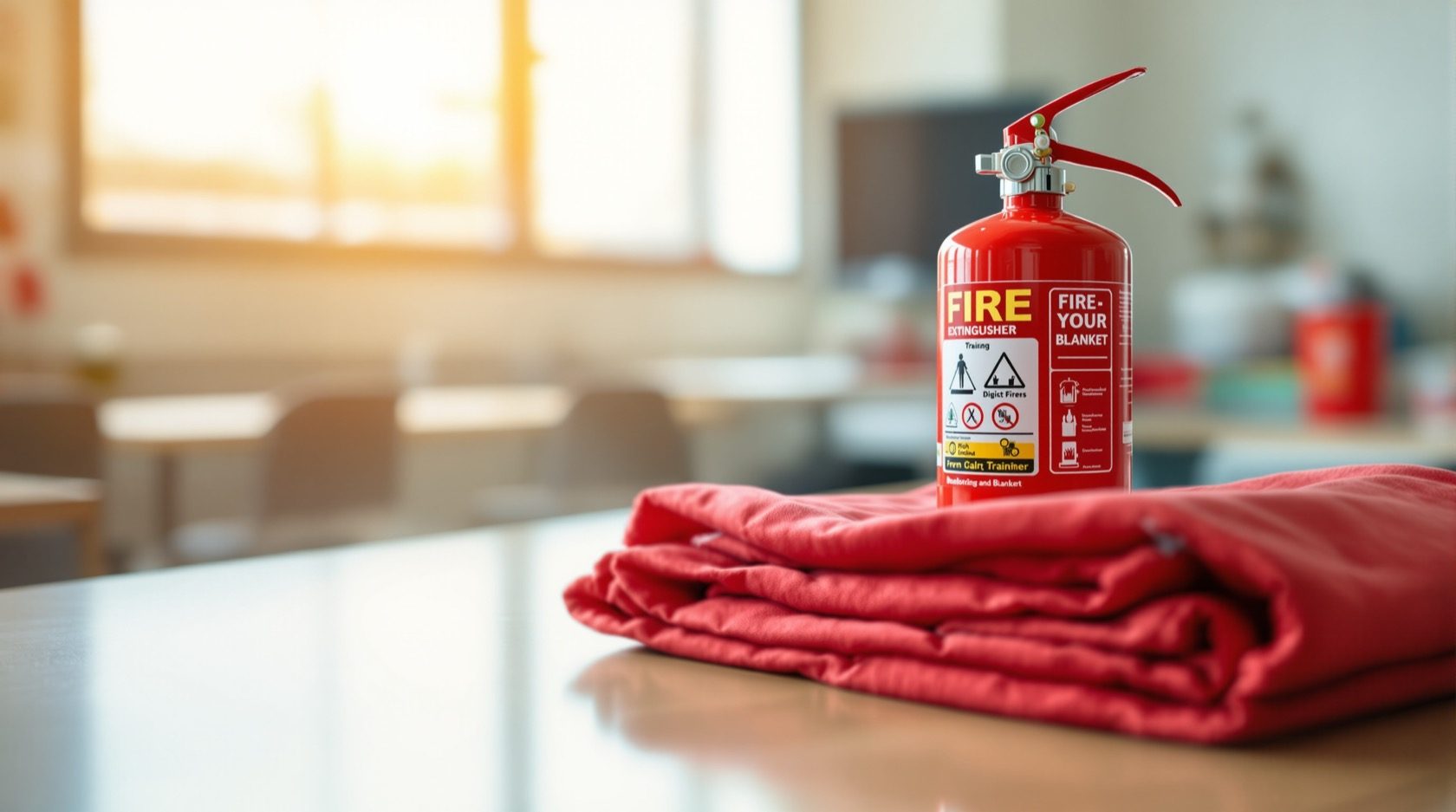
Fire Safety Training in India (2026): Teaching People to Prevent, React and Escape
A building can have every alarm, sprinkler and exit and still lose people if nobody knows what to do. Fire safety training makes the hardware work: awareness for all, extinguisher skills for staff, fire wardens who sweep and count, and role-specific training, refreshed and recorded.
 Inspection63
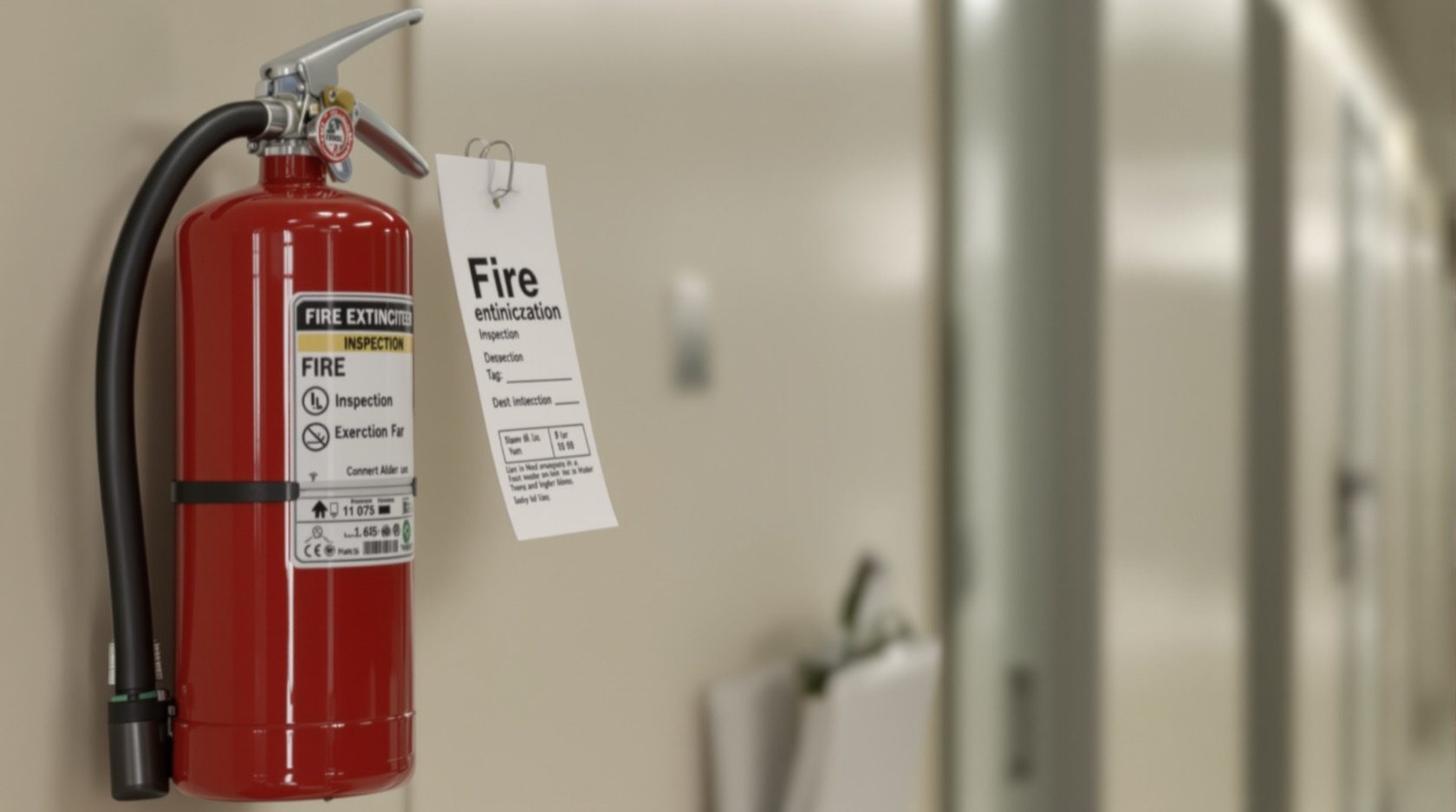
Fire Safety Inspection in India (2026): The Routine Checks That Catch Failures Early
A routine fire safety inspection is the cheap, frequent in-house walk-round - exits clear, extinguishers charged, alarm panel normal, fire doors closing, tender access open - that catches a failure before it matters. It is not the periodic formal audit. In most Indian buildings, nobody does it.
 Audit64
Fire Safety Audit in India (2026): The Independent Check That Proves You Are Actually Safe
A fire safety audit is the periodic, independent check of a building's whole fire provision against NBC Part 4 and the Fire NOC. It grades findings by risk and sets a corrective action plan, and is only worth anything if the findings are actually fixed, not filed.
 Maintenance calendar65
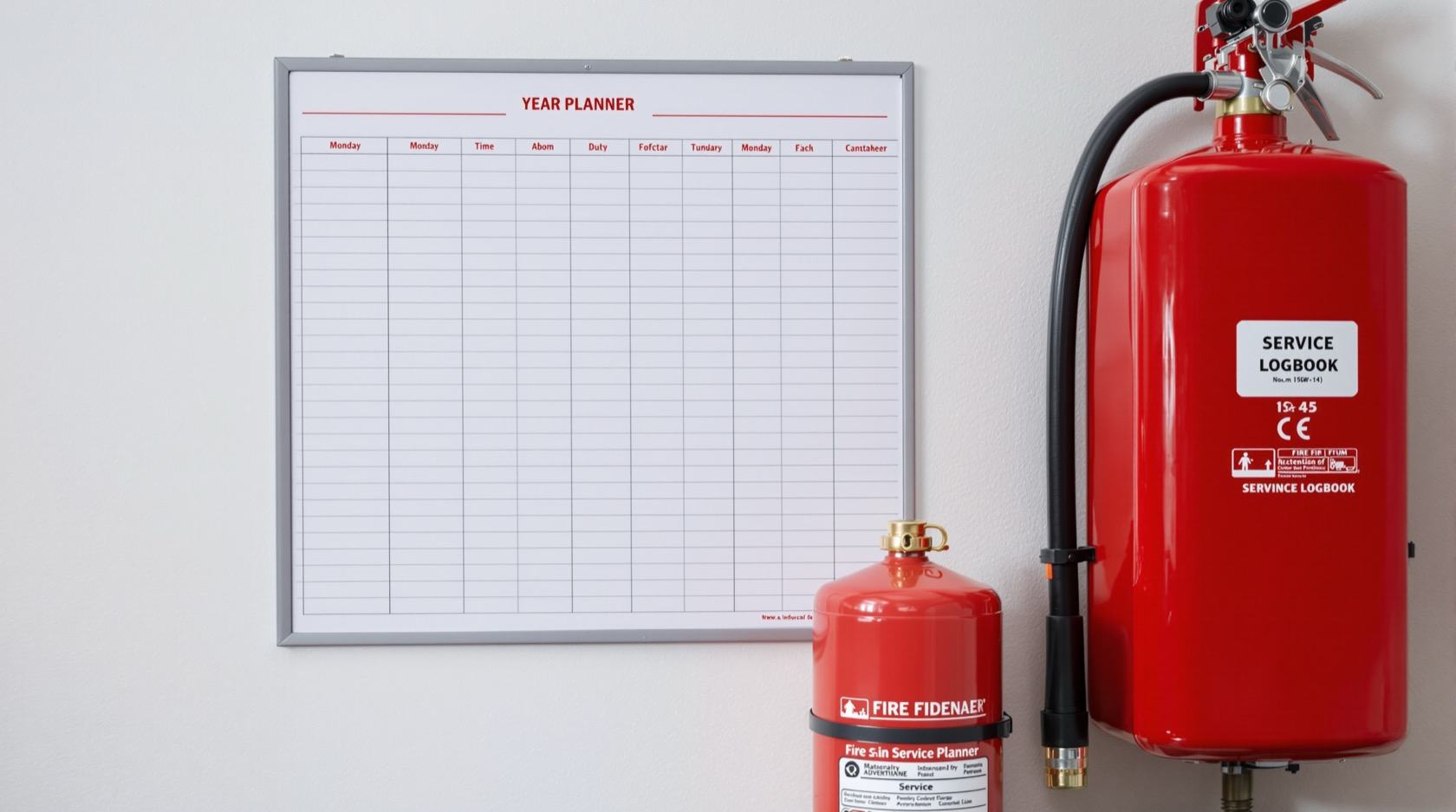
Fire Safety Maintenance Calendar for India (2026): The Year-Round Routine That Keeps It All Working
India's core fire-safety disease is installed for the NOC, then neglected. The cure is a written, owned maintenance calendar that says who checks what and when, so no fire-safety element ever silently fails. Here is the year-round routine, the owners and the log book that keep it alive.
Escape is what saves the life — two ways out and a meeting point at home; protected exits, clear staircases, refuge floors and a fire-tender path in a building, never a locked gate between anyone and the way out. Behind it sits the strategy that contains a fire and keeps escape routes breathable — compartmentation, smoke control, staircase pressurisation and basement extraction — and the governance that keeps it all honest: drills, training, inspection, audit and a year-round maintenance calendar. Because in India the hardest part of fire safety is not installing it, but keeping it alive. That completes the library — from the first smoke alarm to the last audit.
Fire-safety tools
Home Fire Safety Scorecard
Answer a few questions about detection, extinguishers, escape routes and habits, and get a scored fire-readiness rating with a prioritised action plan for your home.
DetectorFire Detector Selector
Smoke, heat, CO, gas or flame? Pick a space and its hazards and get the right detector to consider — with the placement rule that matters most, including LPG-low vs PNG-high.
Alarm SystemFire Alarm System Selector
Conventional, addressable or wireless? Answer three questions about your building's size, retrofit status and cabling, and get the right fire-alarm architecture to take to a licensed contractor.
ExtinguisherFire Extinguisher Selector
The wrong extinguisher makes a fire worse. Pick a space and get the right type — ABC powder, CO2, foam, wet-chemical, water or a blanket — matched to the fire class, with the never-use warnings.
SuppressionFire Suppression System Selector
Sprinklers, hydrants, a kitchen hood, clean-agent gas or water mist? Pick what you're protecting and see the fixed suppression a fire engineer would typically consider.
Escape PlanFire Escape Plan Builder
Build a tailored home fire escape plan in three questions — two ways out, a meeting point, quick-release grilles and the golden rules — to write up and practise.
Audit ChecklistFire Safety Audit Checklist
Self-audit your building against six pillars — detection, suppression, escape, passive, housekeeping and governance — for a readiness score and a printable list of gaps to fix.