
Regulations & StandardsVolume 1 · Issue 4 · September 2026
Know the rules
There is no single rulebook you can read off. What applies to your home, society or shop depends on the building, the city and the authority next door — the National Building Code (SP 7:2026), your state fire rules, the DPDP Act, PSARA, BIS standards and a stack of local bye-laws, all of which vary and change. This file will not make you a lawyer or a fire officer. It will help you understand what generally applies, who decides, and the right questions to ask — then send you to verify with the authority who does.
Compliance literacy, not legal advice. Requirements vary by state and city and change over time — always confirm the current position with the Authority Having Jurisdiction before you act.
Security and Fire Regulations Guide for India (2026): Know the Rules and How to Navigate Them
There is no single rulebook for home and building security and fire safety in India. This guide maps the four domains of regulation, shows who approves what, and gives a calm way to navigate compliance. Rules vary by city and change, so always verify with the authority.
Read itBuilding & fire regulations
NBC, occupancy, NOC, egress & fire systems NBC (SP 7:2026)01
NBC Security and Fire Safety Requirements in India (2026): What the Code Covers
What the National Building Code of India broadly covers for fire, life safety and security, why your local bye-law is the version that binds you, and why the numbers must be read with an architect, fire engineer and the fire service.
 Residential02
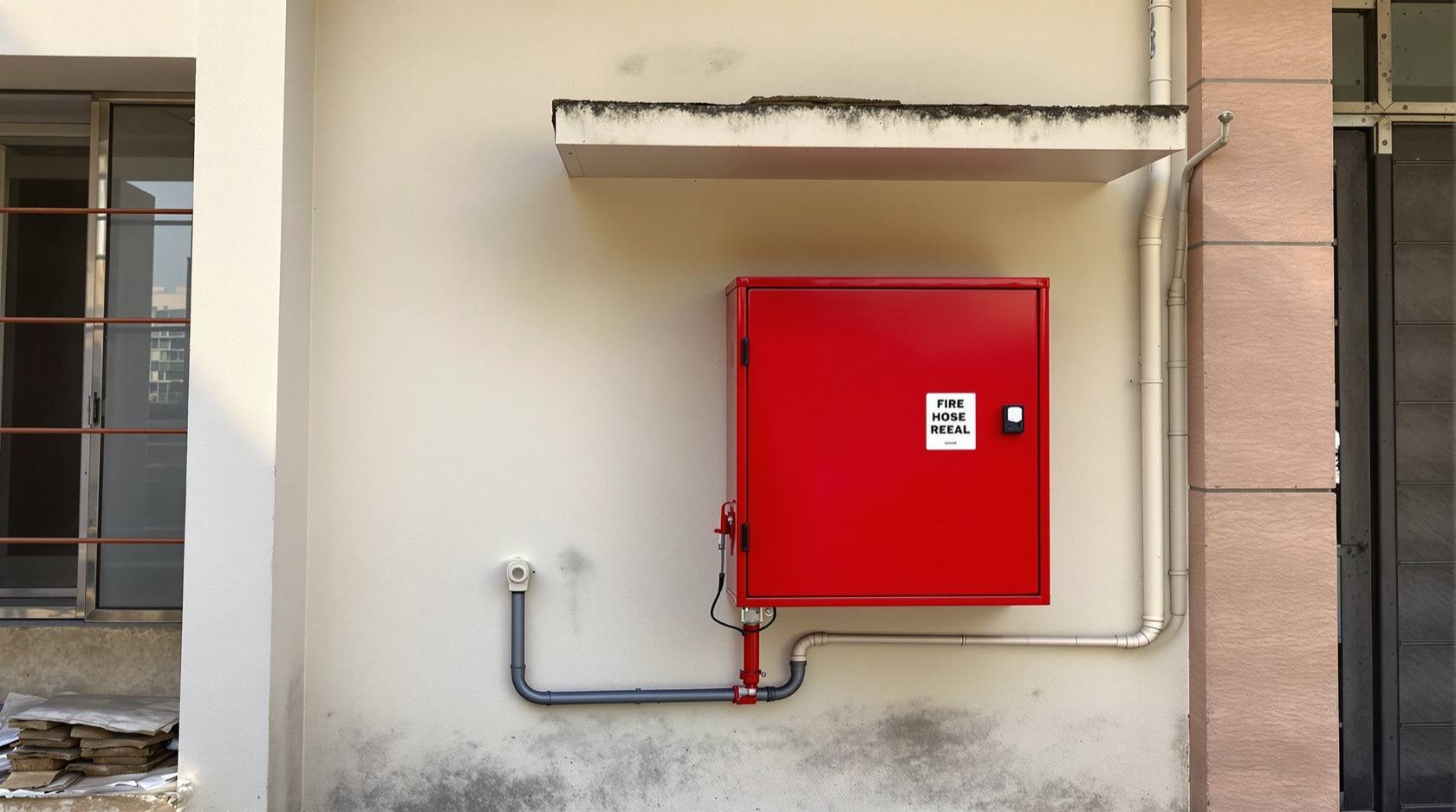
Residential Building Fire Safety Requirements in India (2026): Homes and Housing Societies
The fire and life-safety expectations for Indian homes and housing societies, framed as literacy not law. How requirements scale with height and size, what flat owners and RWAs each owe, and why exits must never be blocked. Verify locally with the fire service.
 High-rise03
High-Rise Fire Safety Requirements in India (2026): Why Height Changes Everything
As a building gets tall, a layer of fire and life-safety systems becomes mandatory, because you cannot simply walk everyone out. A professional guide to what generally kicks in with height in India, why, and who to verify the triggers with.
 Basements04
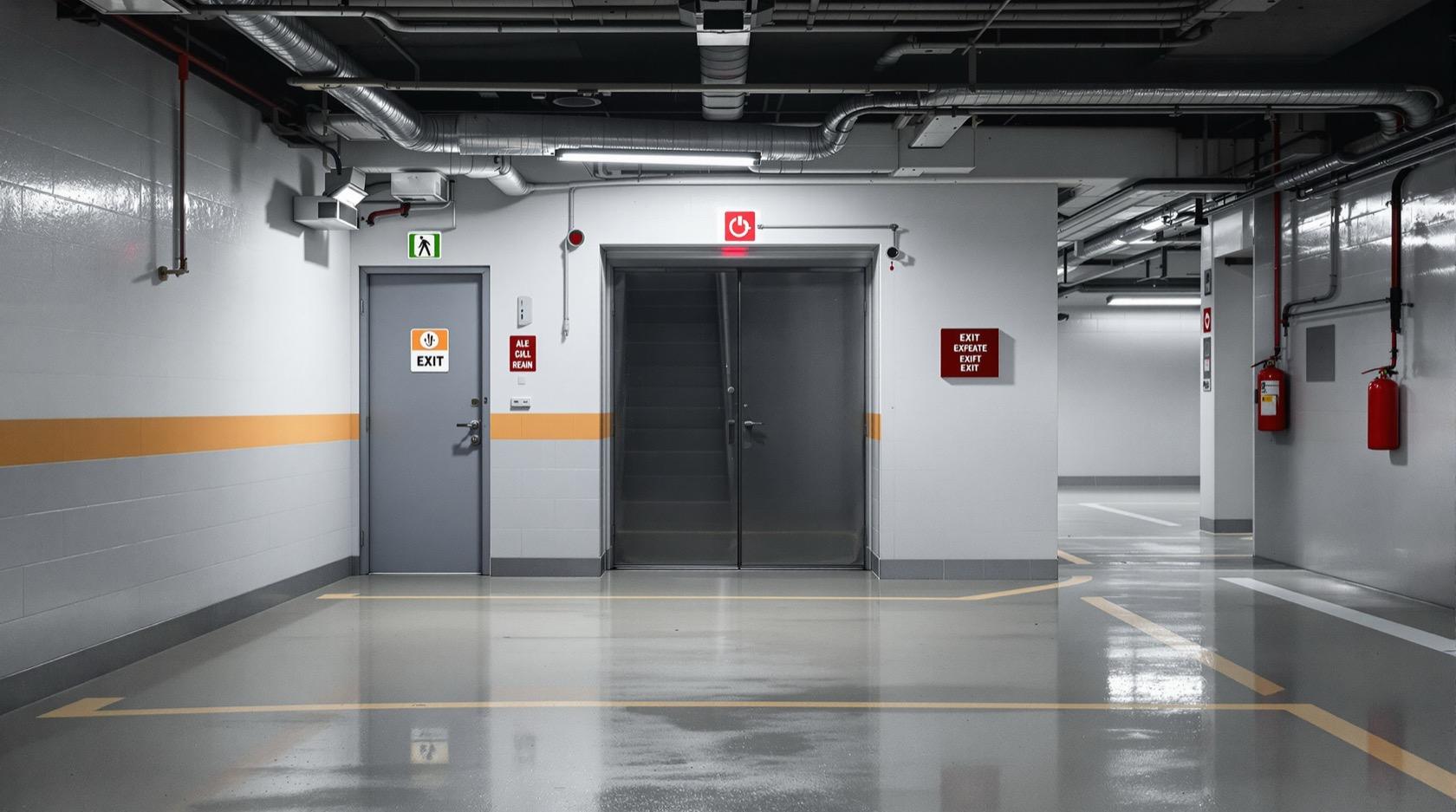
Basement Fire Safety in India (2026): Smoke Extraction, Parking & Escape
A basement has no natural ventilation, limited daylight, often one shared ramp, and the building's heaviest fire loads. This professional guide covers what a basement needs: mechanical smoke extraction, protected escape stairs, sprinklers, compartmentation, detection, and a strictly clear, unstored space.
 Assembly05
Assembly Areas in India (2026): The Safe Muster Point Where Everyone Is Counted
Evacuation is not done when you are out the door - it is done when everyone is counted. This guide covers the assembly area: the safe muster point clear of the building where wardens do the roll-call and tell firefighters if anyone is still inside.
 Hospitals06
Hospital Fire Safety in India (2026): Evacuating Non-Ambulant Patients Safely
Hospitals face the hardest evacuation problem: patients who cannot move themselves. This guide covers the operational strategy - defend-in-place, horizontal evacuation across fire compartments, medical-gas and oxygen isolation, trained staff roles and the institutional Fire NOC.
 Schools07
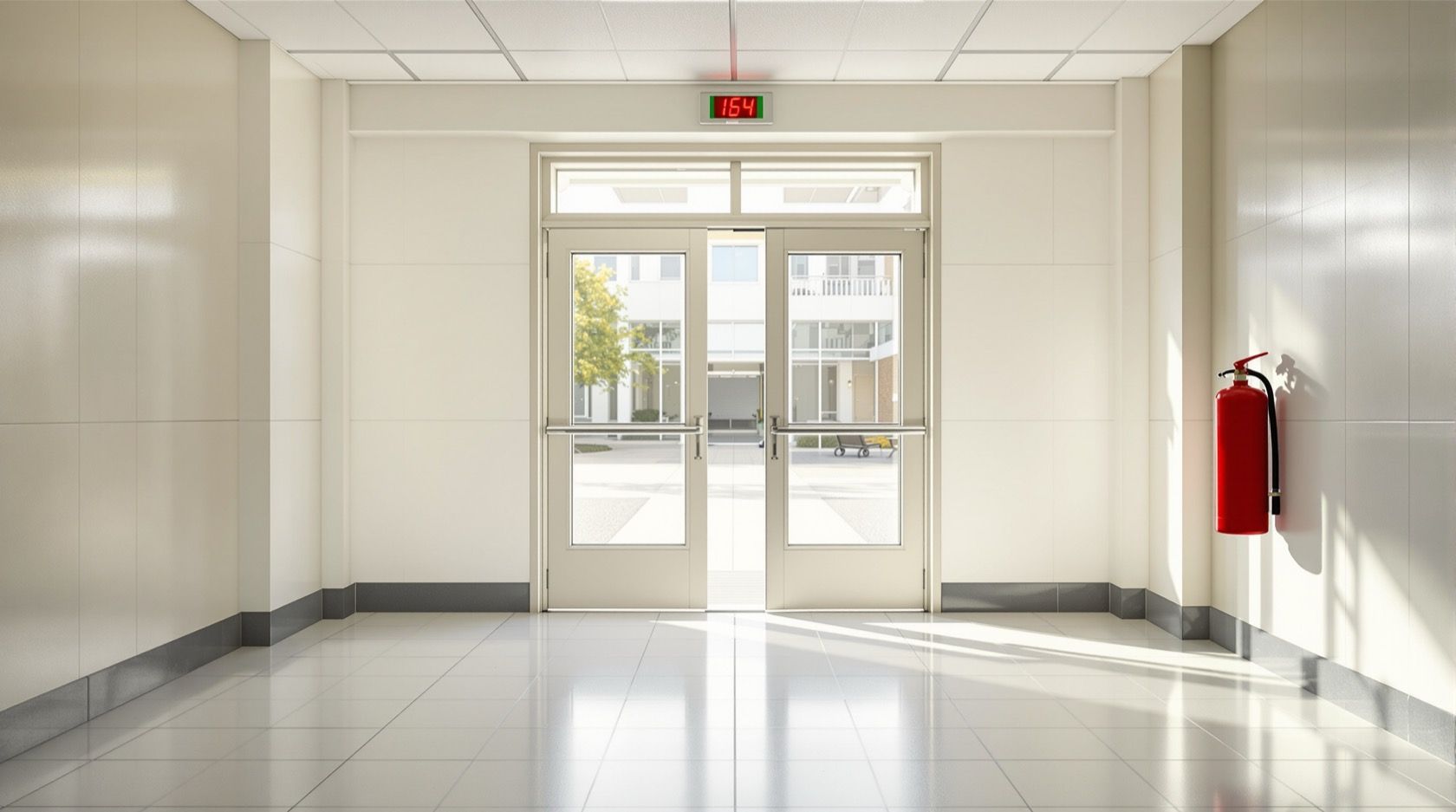
School Fire Safety in India (2026): Protecting Children, Exits, Drills & Fire NOC
Fire safety for schools and colleges is about protecting children who cannot always protect themselves: wide unlocked exits, alarms audible everywhere, the right extinguishers, an assembly ground, class-wise roll-call drills, and a valid Fire NOC. Here is how to plan, maintain and evacuate one safely.
 Fire NOC08
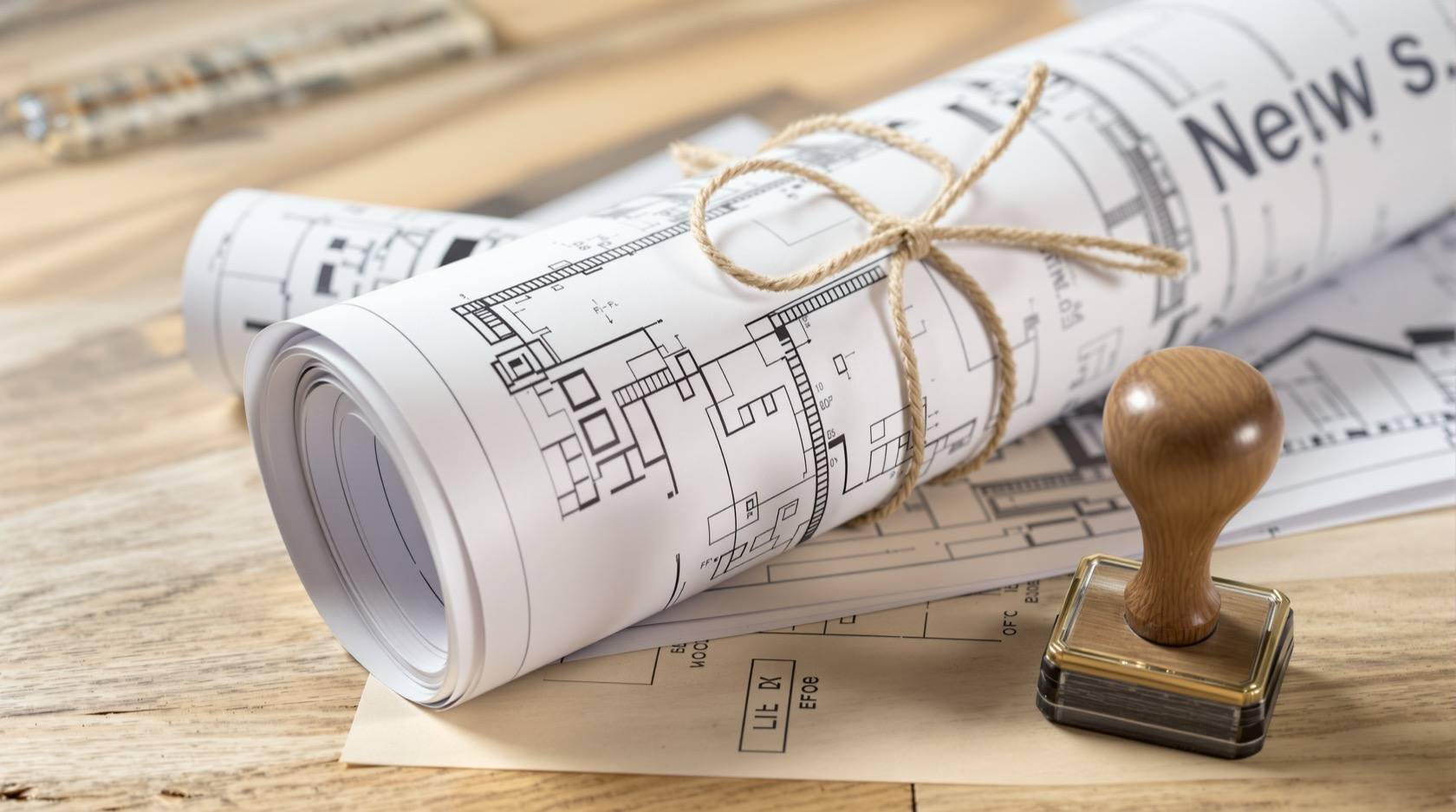
Fire NOC Process in India (2026): Getting the Fire No-Objection Certificate
What a Fire NOC is and how the clearance from your state fire service generally works, from the design-stage no-objection to the final certificate and periodic renewal. Practical process navigation for homeowners, builders and RWAs. Rules vary by state and change, so verify locally.
 System approval09
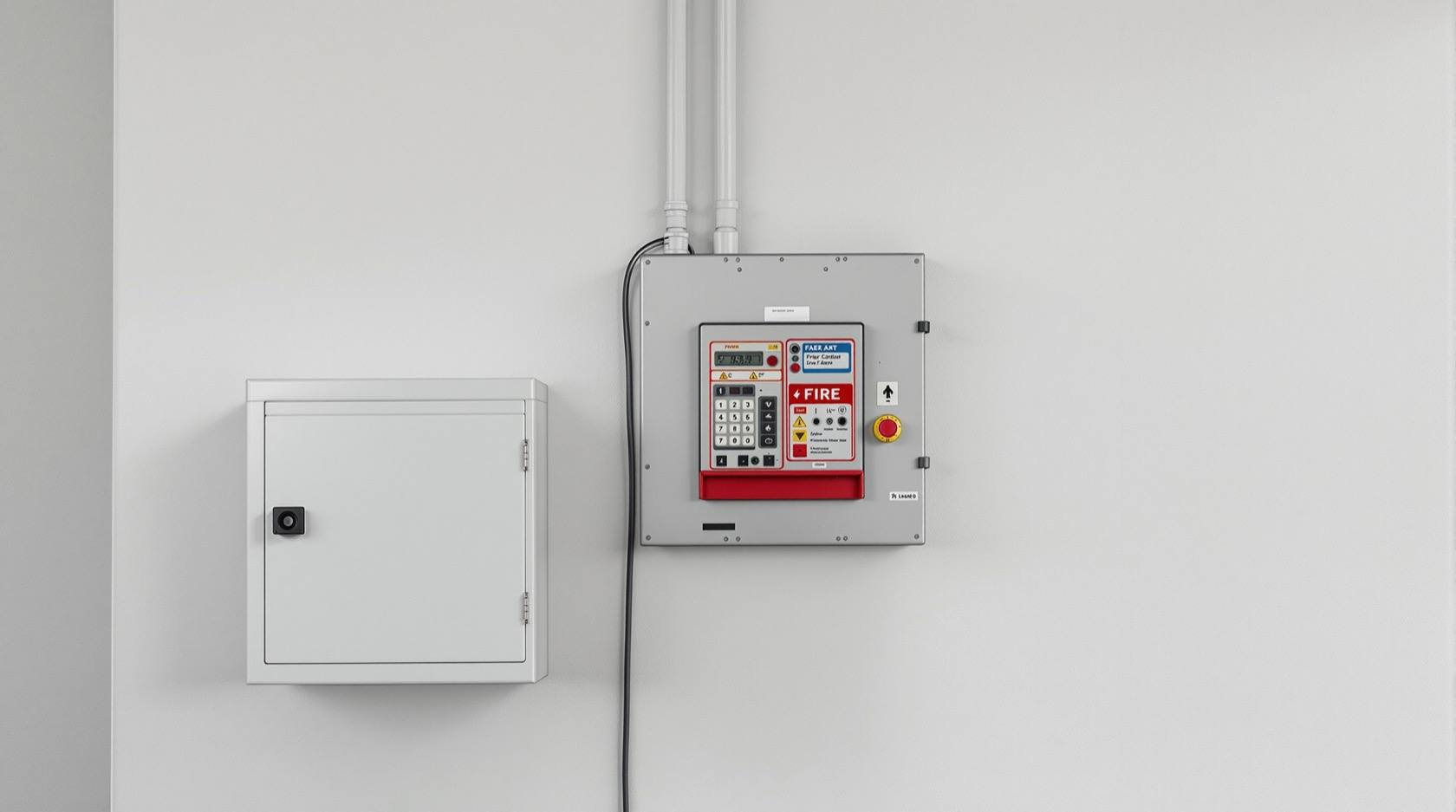
Fire System Approval Process in India (2026): Getting Your Fire Systems Signed Off
The fire NOC clears the building. This guide is about getting the actual fire systems, alarms, sprinklers, hydrants, pumps and emergency lighting, designed, installed, tested, inspected and signed off. Who is involved, the general flow, and why specifics vary by state and change.
 Emergency exits10
Emergency Exit Planning in India (2026): Number of Exits, Travel Distance & Two-Way Escape
Every home escape plan sits inside a building's means of egress. This guide explains two-way escape, travel distance, exit width scaling with occupant load, outward-opening unlocked doors, and safe discharge, with exact figures set by NBC Part 4 and your fire engineer.
 Exit signage11
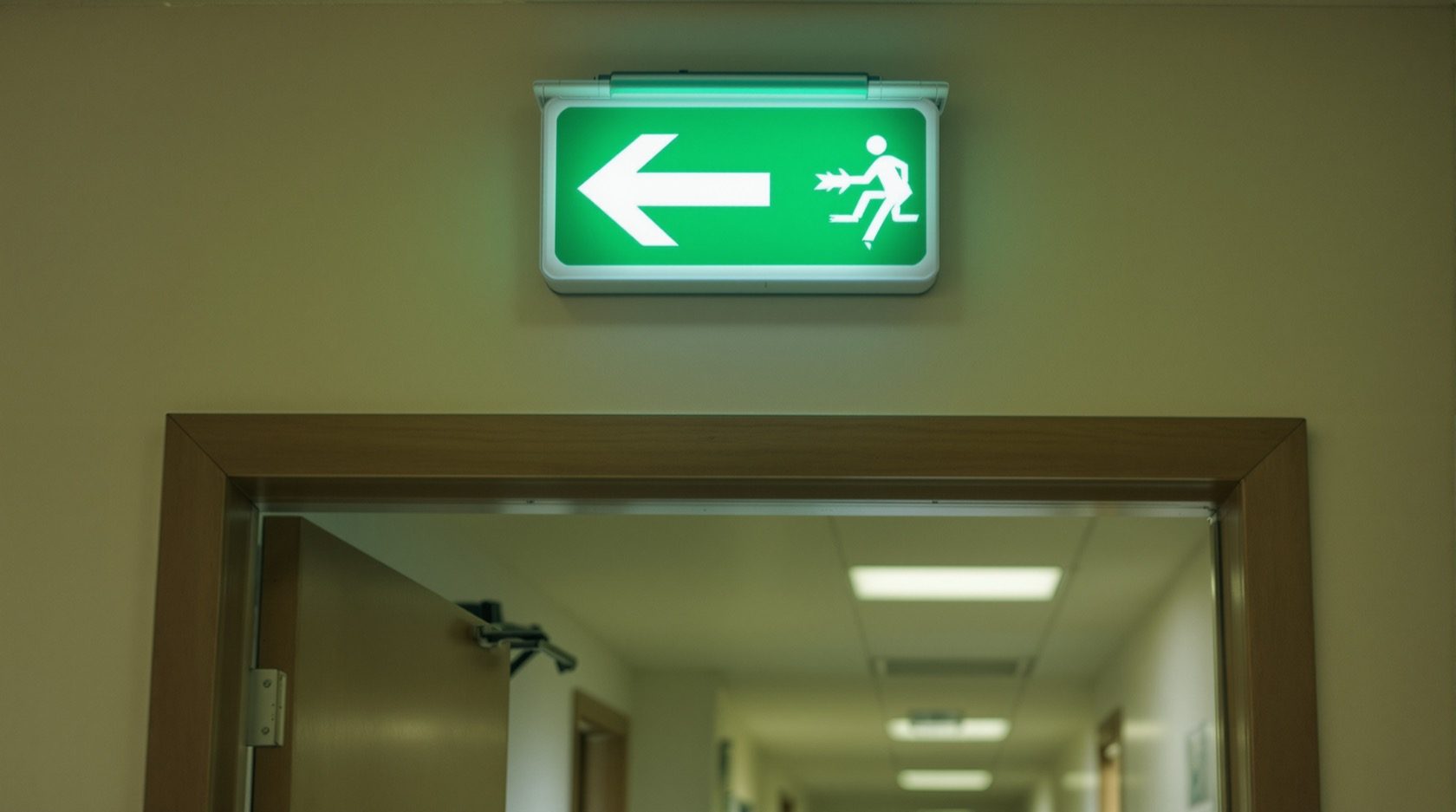
Exit Signage in India (2026): Guiding Everyone to the Nearest Way Out
Exit signage guides everyone - including visitors who do not know the building - to the nearest safe exit fast, even in smoke or darkness. This guide covers the running-man pictogram, arrows, placement, height, viewing distance and photoluminescent low-level way-guidance to NBC Part 4.
 Fire stairs12
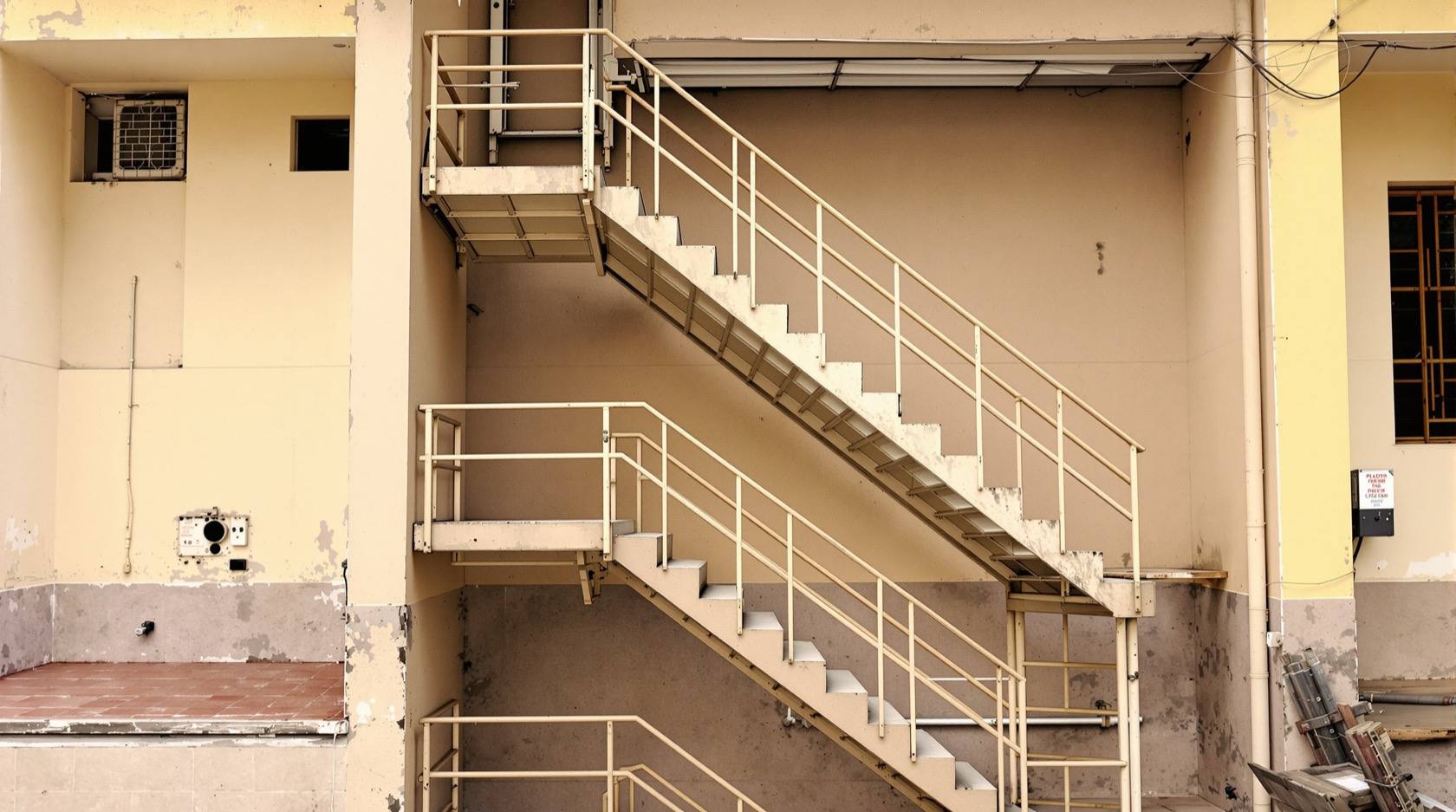
Fire-Stair Security in India (2026): Securing the Escape Stair Without Ever Locking People In
A fire-escape stair must open instantly for escape yet is abused as an intruder route, a loitering spot and a junk store. This guide sets out the lawful ways to secure it without defeating egress — and the one thing you must never do.
 Refuge areas13
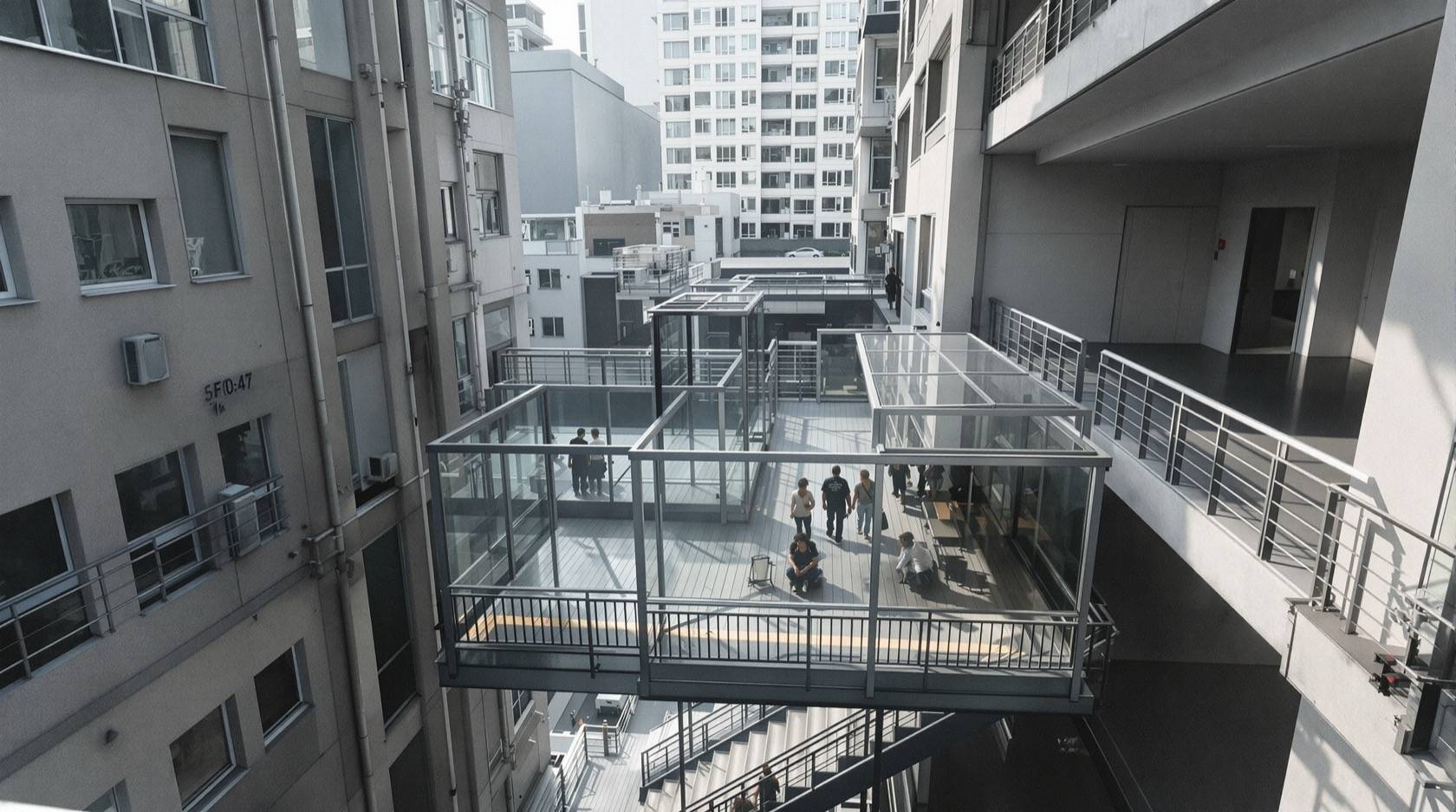
Refuge Areas in India (2026): The High-Rise Safe Haven Between You and the Ground
A refuge area is the protected, ventilated safe-holding space a tall building owes its occupants: somewhere to wait during a phased escape when everyone cannot descend at once and some cannot descend far. This guide covers what makes one valid, and the deadly Indian habit of converting it.
 Fire-tender access14
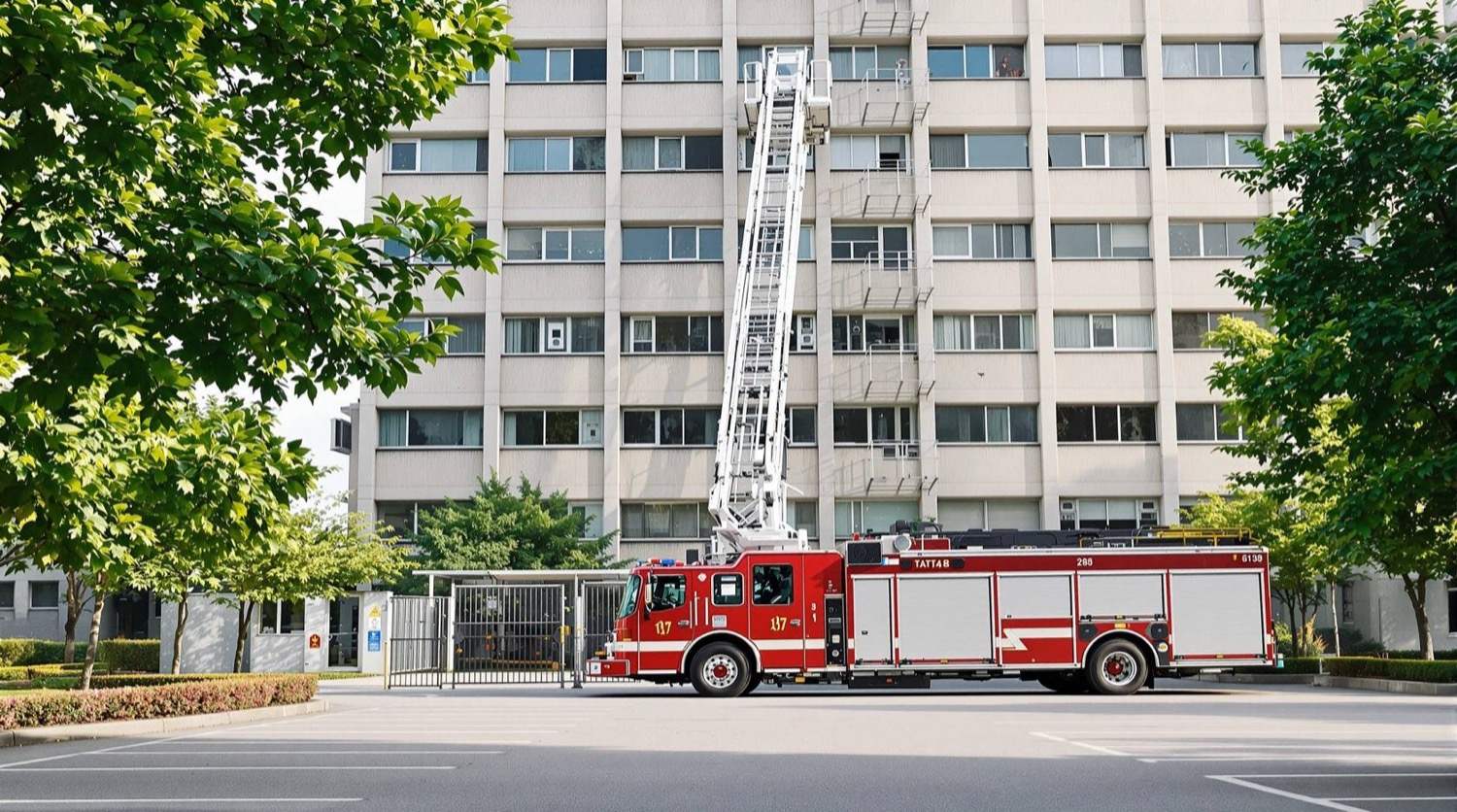
Fire Tender Access in India (2026): The Path That Lets the Fire Brigade Reach You
A fire engine that cannot reach the building is a fire engine that cannot help. This guide covers the all-weather access road, weight-bearing hardstanding, gate widths, turning space and permanently clear path a fire tender and its ladder need, routed to NBC Part 4 and the Fire NOC.
 Fire alarm15
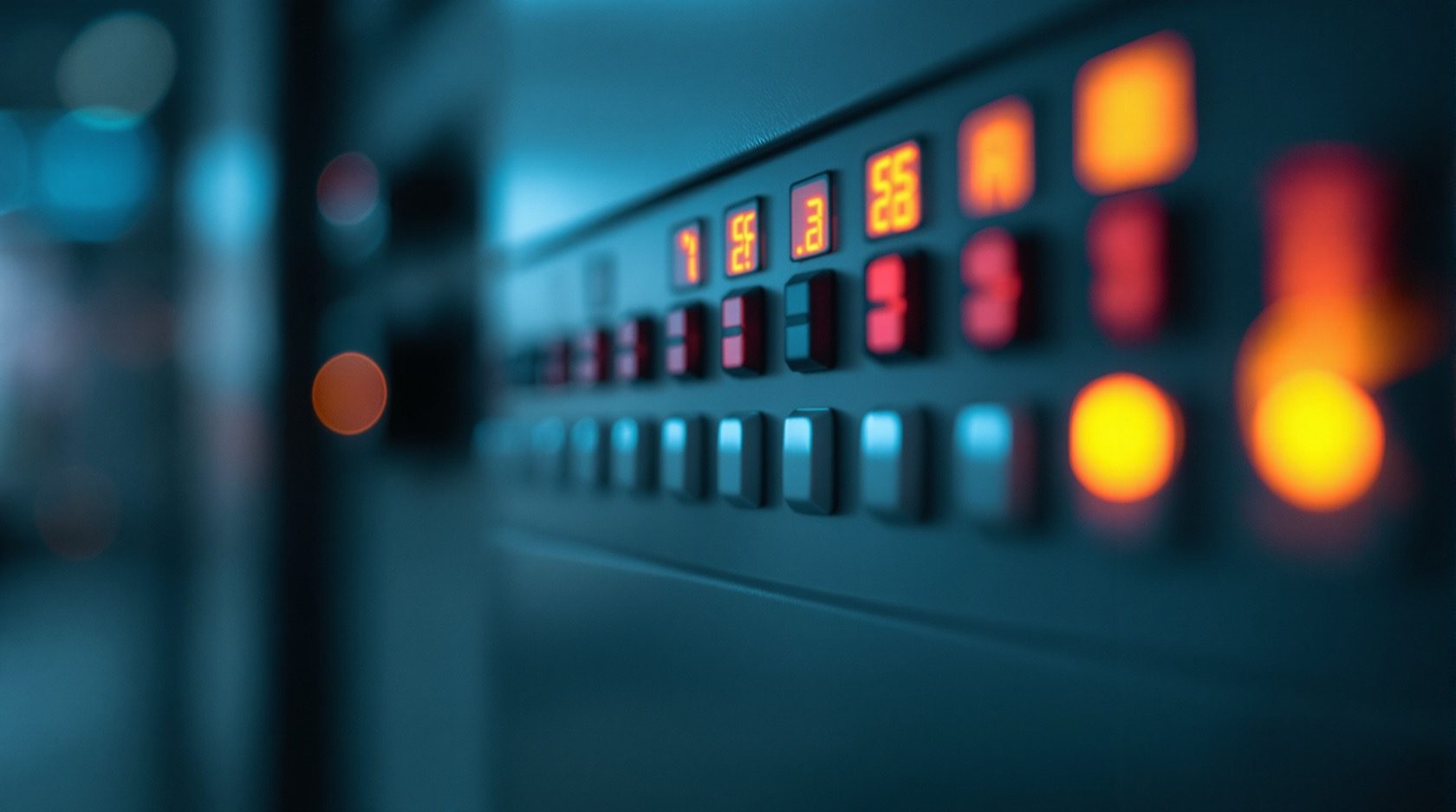
Fire Alarm Panels in India (2026): The FACP, Battery Standby & Reading Fault vs Fire
The Fire Alarm Control Panel is the brain of a building's fire system - it watches every detector and call point, drives the sounders and safety outputs, and must run on battery through a power cut. This guide explains the FACP and how to read FIRE, FAULT and DISABLE.
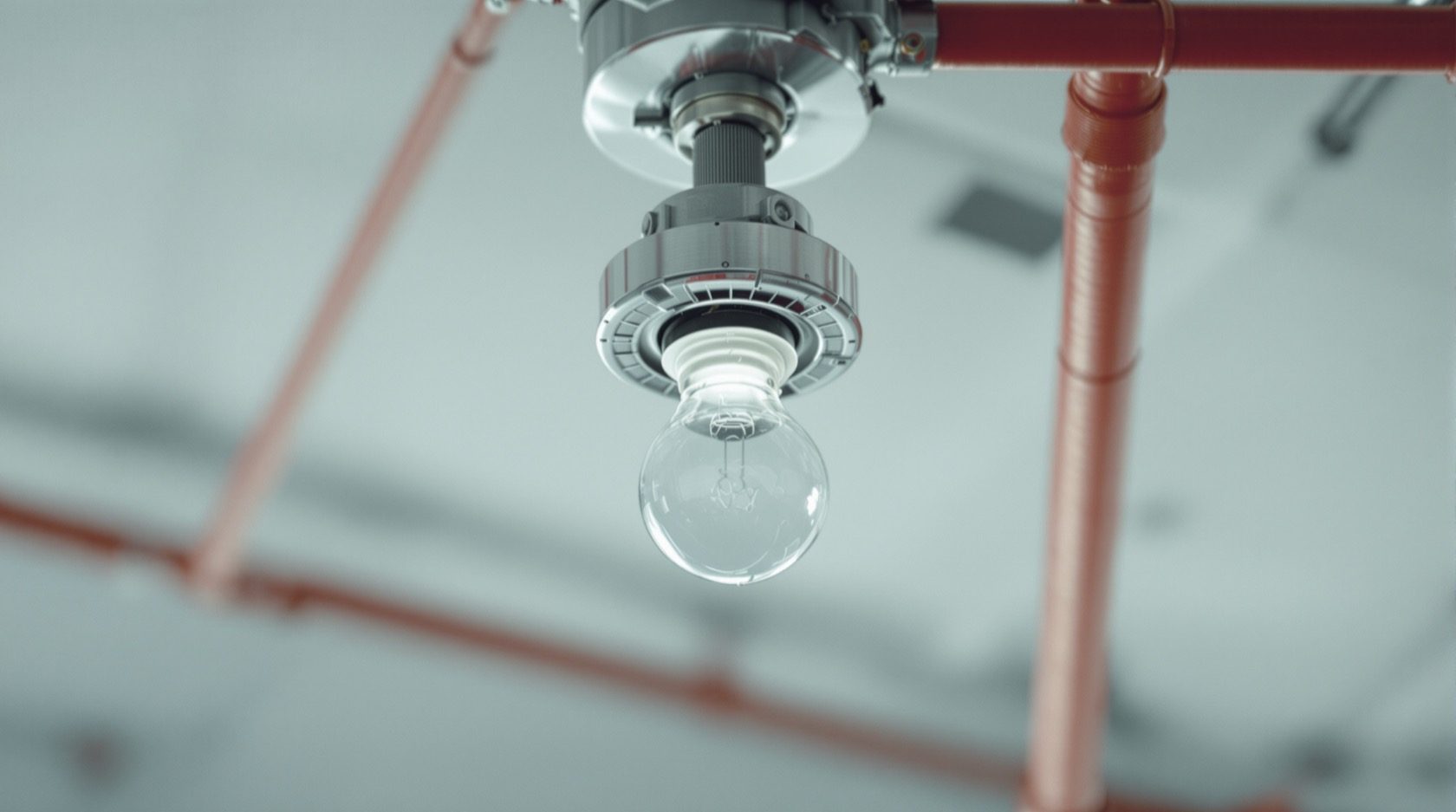 Sprinklers16
Fire Sprinkler Systems in India (2026): How They Work, Types & When NBC Requires Them
Automatic fire sprinklers control or extinguish a fire at its origin, day or night, occupied or not - and only the head over the fire opens, never the whole building. This guide explains wet, dry, pre-action and deluge systems, hazard classes, and where the NBC requires them.
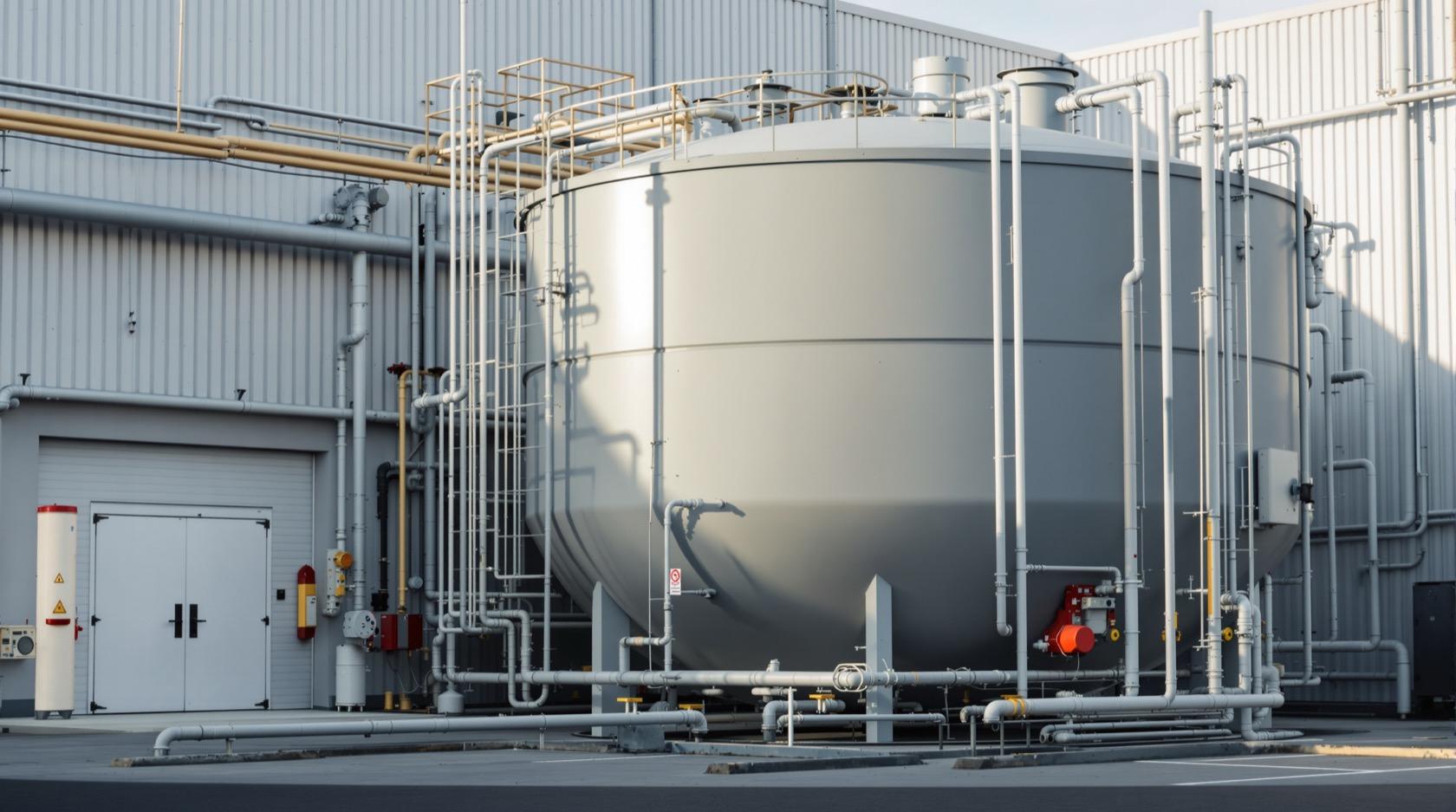 Fire-water storage17
Fire Water Tanks in India (2026): The Dedicated Reserve That Feeds Everything
The fire-water tank is the dedicated reserve that must always be full so the pumps, hydrants and sprinklers have water the instant a fire starts. This guide explains the underground and overhead tanks, the ring-fenced fire volume, auto-fill and level alarms, and why a dry tank is deadly.
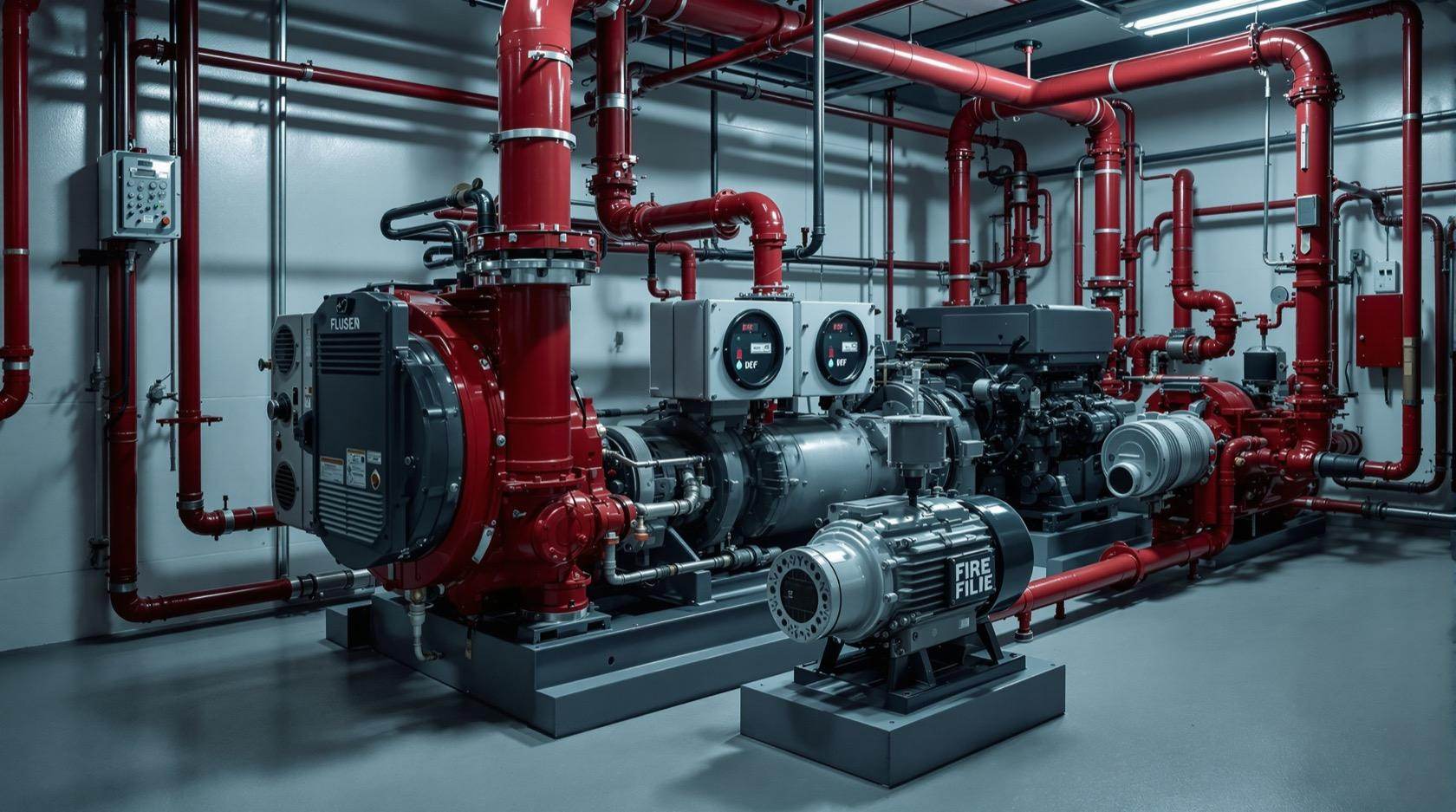 Fire pumps18
Fire Pumps in India (2026): The Pump Set That Powers Hydrants & Sprinklers
The fire pump set is the heart of a building's water-based fire protection - a main electric pump, a diesel-engine backup for power cuts, and a small jockey pump holding pressure. This guide explains the pump room, auto-start on pressure drop, and the testing that keeps it alive.
 Smoke control19
Smoke Control Systems in India (2026): Keeping Escape Routes Breathable
Smoke, not flame, kills most fire victims and blocks escape. Smoke control systems keep routes breathable by either extracting smoke out of a space or containing it behind barriers and dampers - triggered by the fire alarm, backed by reliable power, engineered to NBC Part 4.
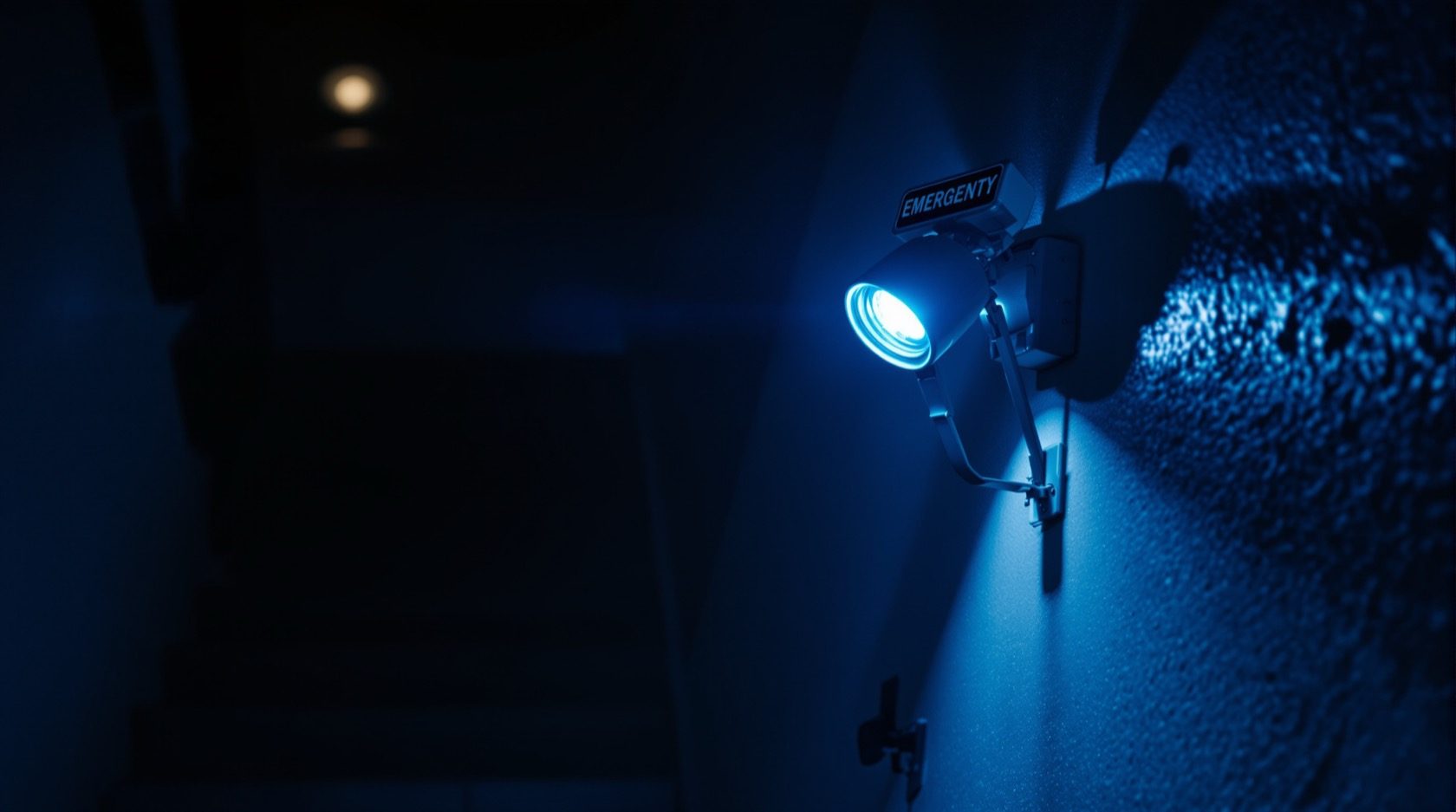 Emergency lighting20
Emergency Lighting in India (2026): Seeing Your Way Out When the Power Fails
Emergency lighting is the battery-backed lighting that keeps escape routes visible when a fire or power cut kills the mains. This guide explains escape-route and open-area lighting, maintained vs non-maintained, self-contained vs central-battery, the code-set duration, and the flick and full-duration tests India so often skips.
Fire and life-safety figures — heights, distances, capacities — are set by the code and your state rules, and enforced by the fire service. Read them with a licensed professional, never off a summary.
Electrical & product safety
Wiring, protection, batteries & BIS standards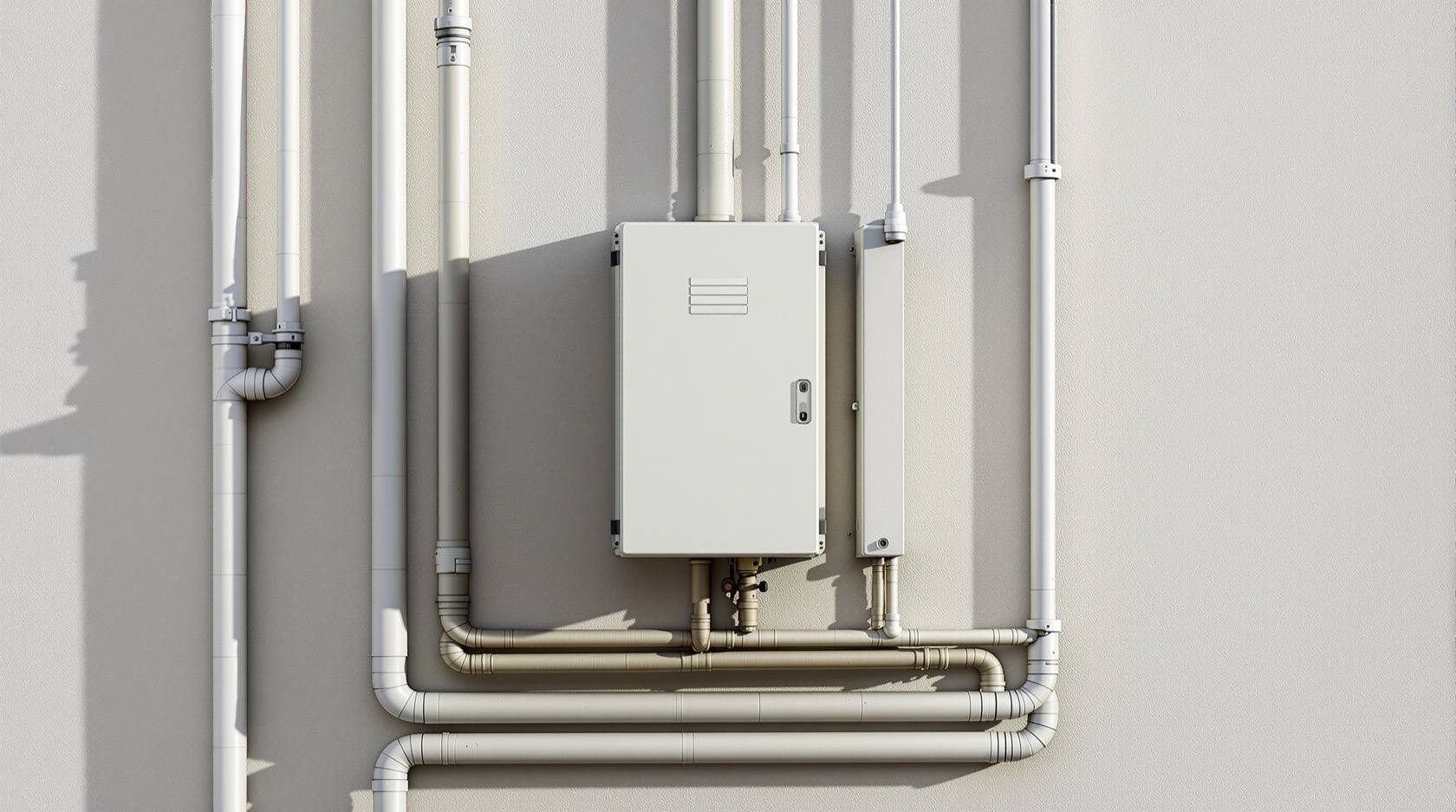 Electrical safety21
Electrical Safety for Security Systems in India (2026): Powering It Without Peril
The power side of your CCTV, alarms and gates can protect you or quietly become a shock and fire hazard. A homeowner's guide to a safe supply, MCB and RCD protection, earthing, surge and UPS done right, and why the mains work belongs to a licensed electrician.
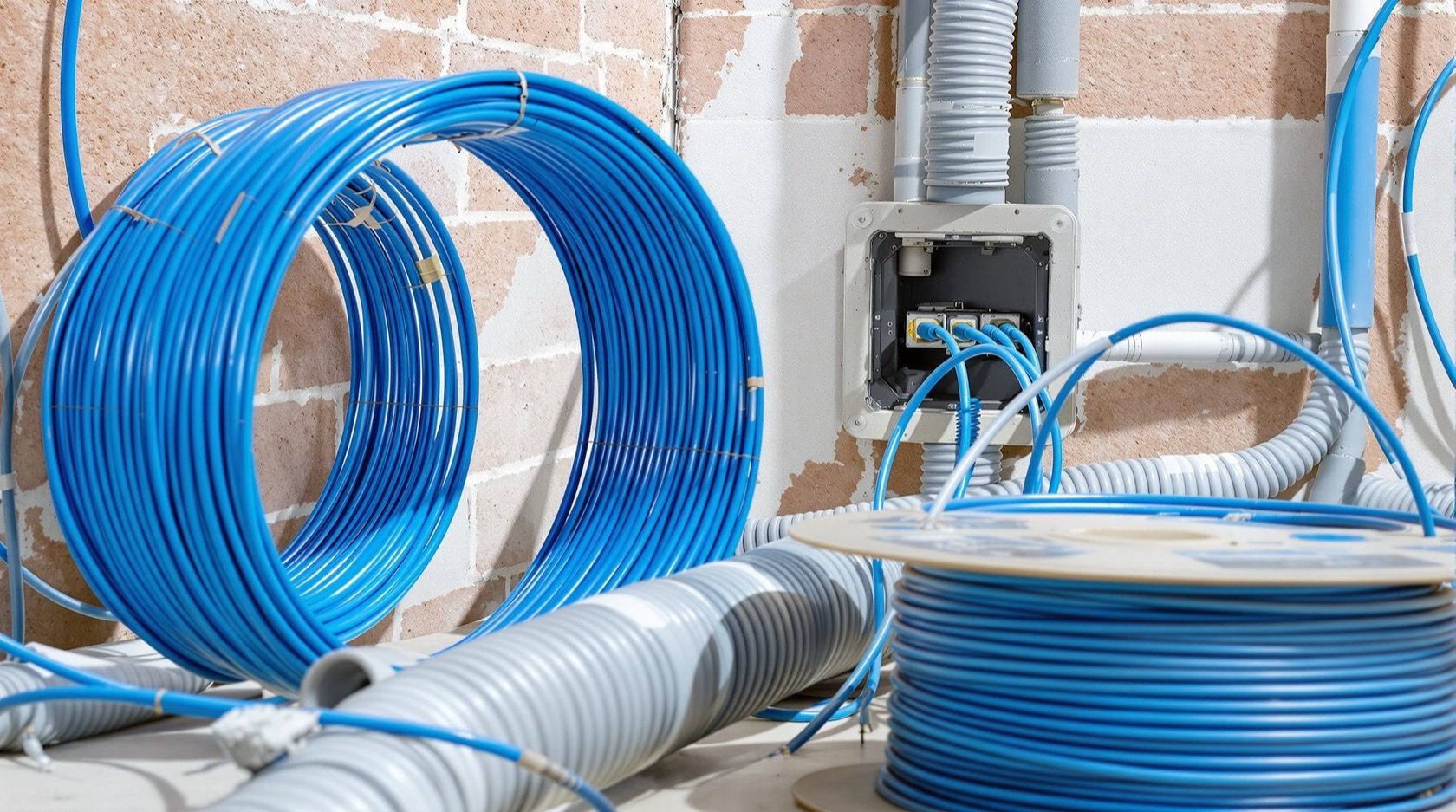 Low-voltage cabling22
Security Cabling Requirements for Indian Homes
Plan the wiring behind your home security system: which cable feeds cameras, alarms and PoE devices, the 90-metre ethernet rule, keeping data clear of mains, and why laying conduit during construction beats retrofitting surface trunking later.
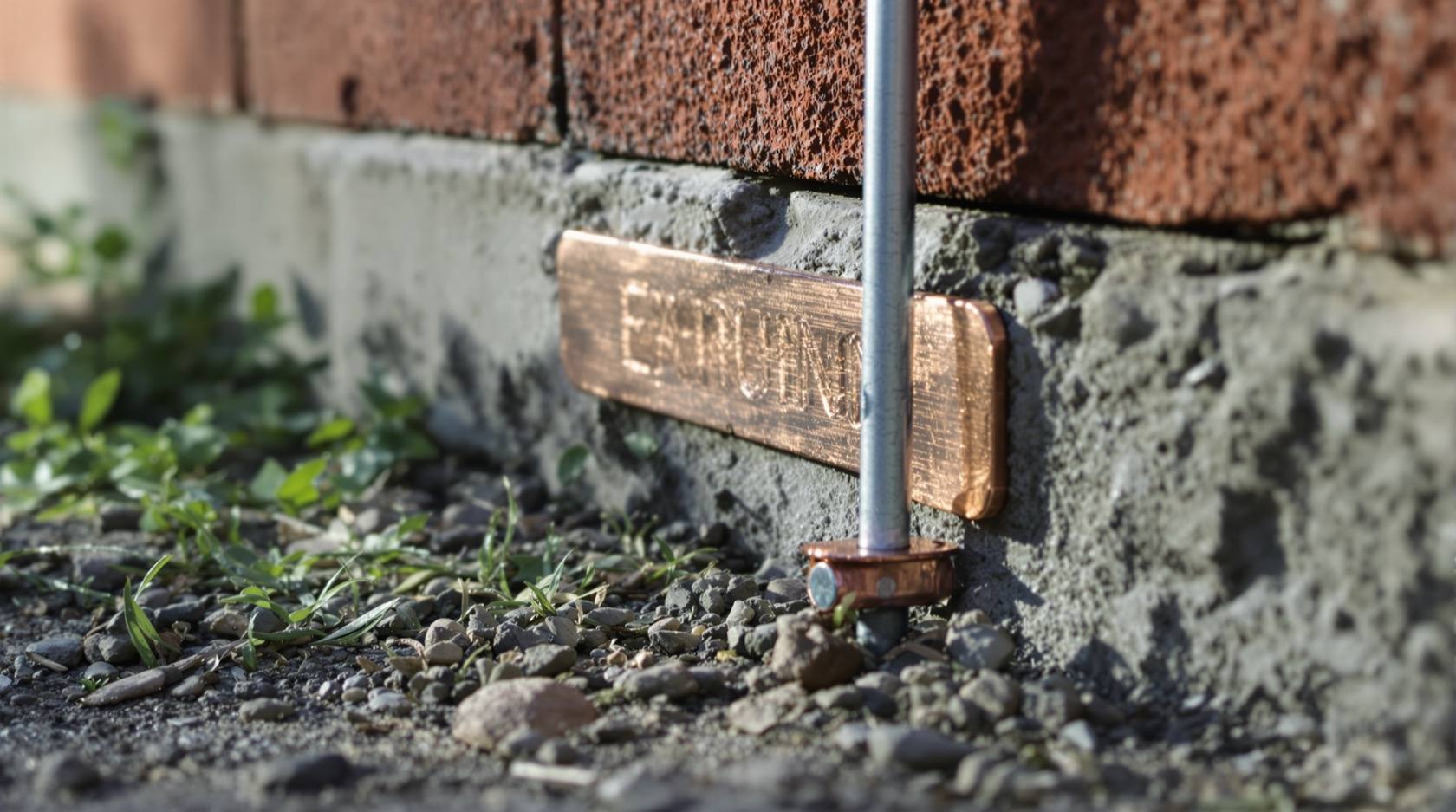 Earthing23
Earthing for CCTV and Security Equipment in India (2026): The Ground Truth
Proper earthing quietly keeps a security system safe, alive and clear. A plain-language homeowner's guide to why earthing matters three ways, what a good earth is, the signs of a bad one, and why it is a licensed electrician's job.
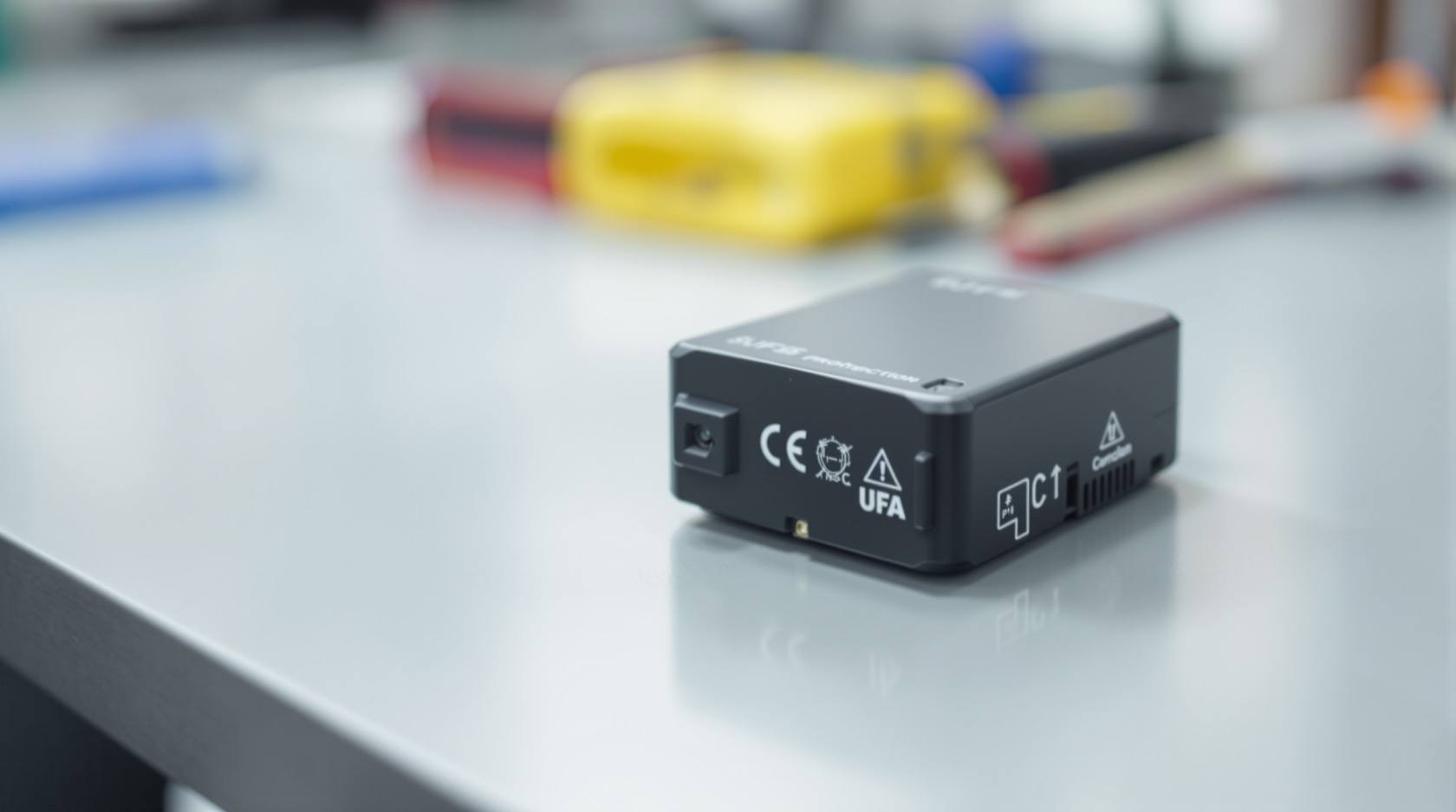 Surge protection24
Surge Protection for CCTV in India (2026): Stopping the Spike That Kills Cameras
Why voltage surges from lightning, grid switching and generators quietly kill CCTV cameras, NVRs and PoE switches in India, and the layered protection on both power and data lines, backed by good earthing, that keeps your system alive.
 Lightning protection25
Lightning Protection for Outdoor Cameras in India (2026): Keeping the Strike Out
A pole or boundary-wall camera is often the tallest, most exposed thing on your property, and lightning finds it. A homeowner's guide to the two threats, the coordinated protection, earthing and placement that help outdoor cameras survive an Indian monsoon.
 UPS & battery26
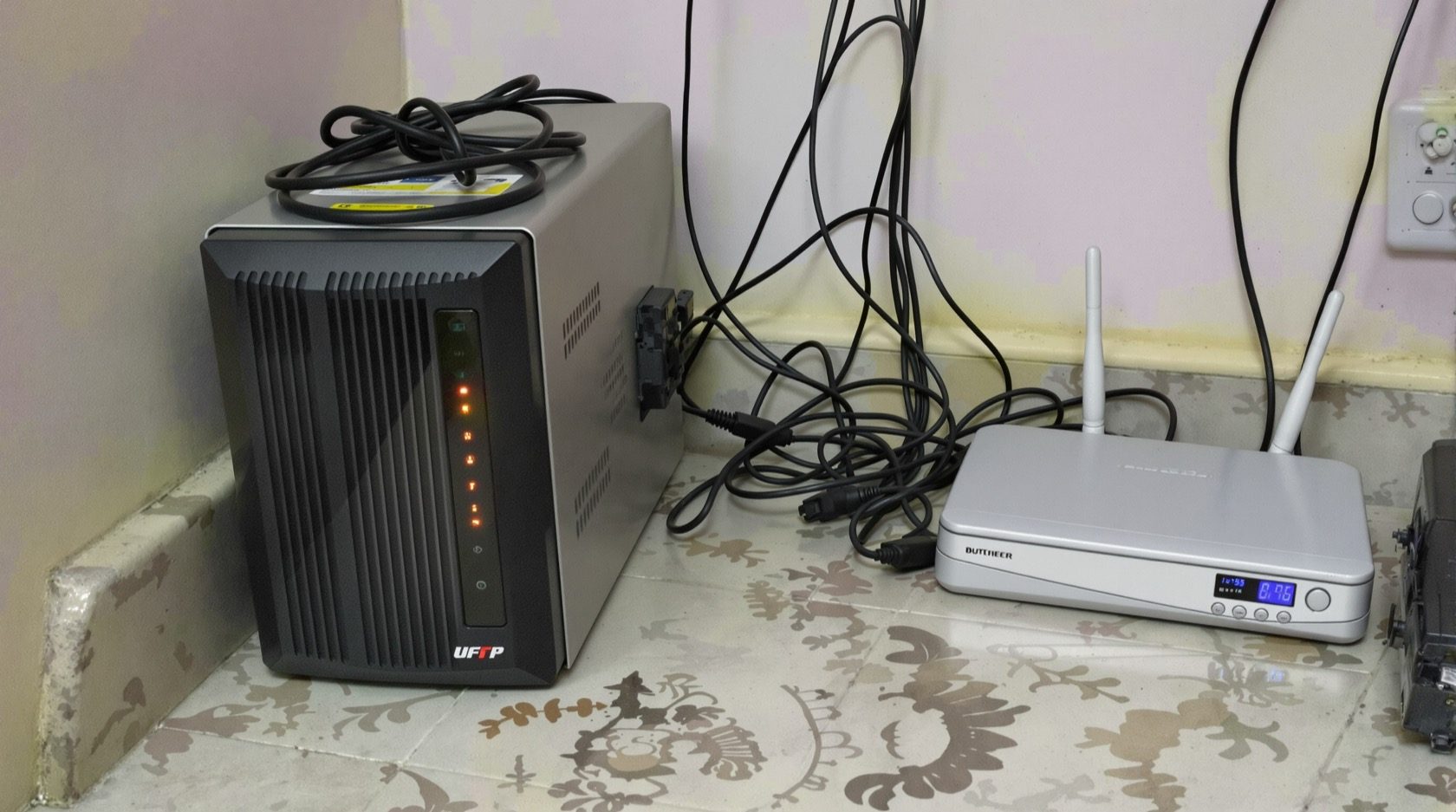
CCTV Power Supply and UPS Backup in India (2026): Keep Watching Through a Power Cut
A power cut kills your CCTV unless the recorder, PoE switch and router all sit on a UPS or inverter - so recording and remote view survive the outage. How to power cameras (12V vs PoE), size backup runtime, and protect against spikes and lightning.
 Lithium batteries27
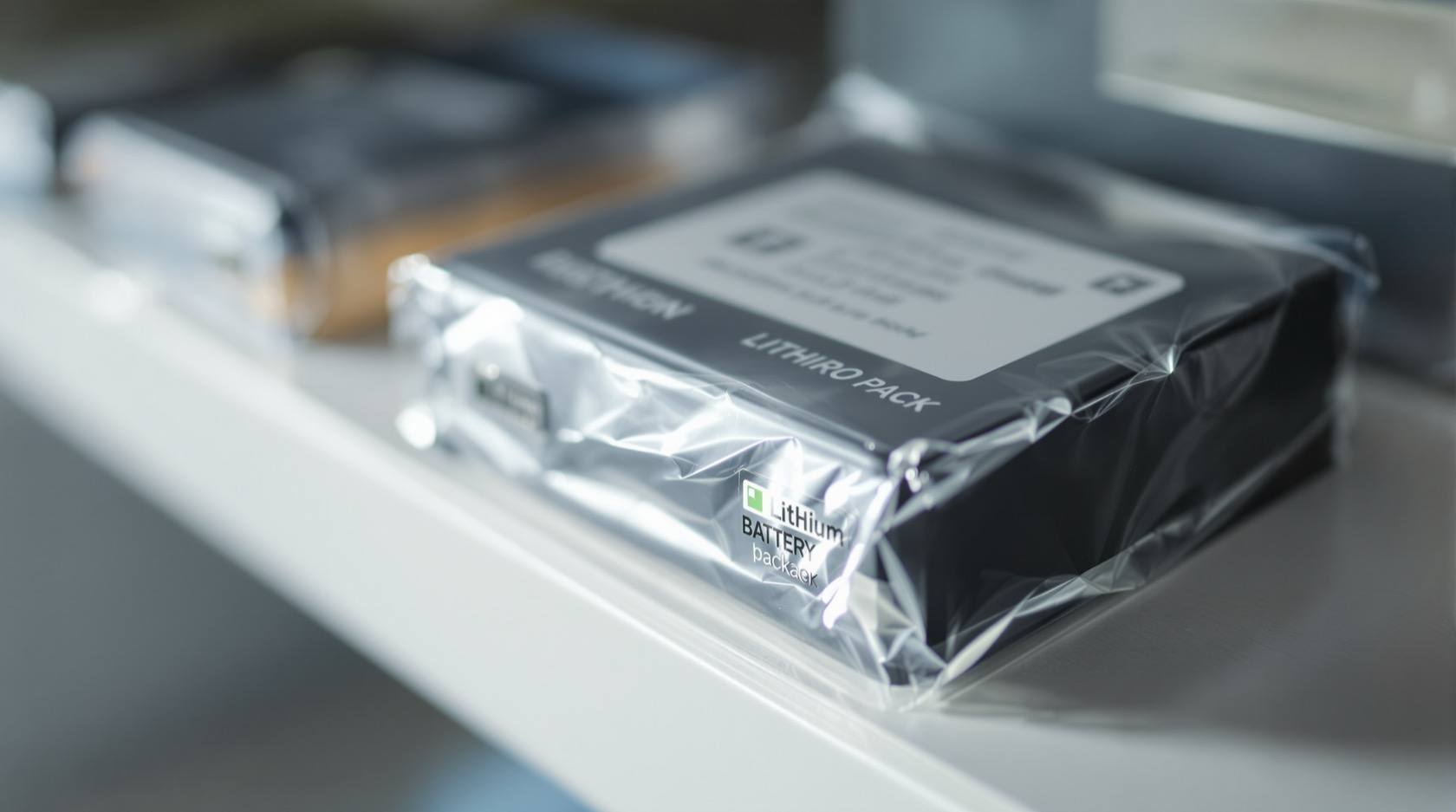
Lithium Battery Fire Safety in India (2026): Taming Thermal Runaway
The lithium batteries in your UPS, inverter, wireless cameras, doorbells and solar lights can fail differently from old lead-acid packs. A calm homeowner and RWA guide to preventing thermal runaway, spotting warning signs early, and knowing when to get everyone out and call the fire service.
 BIS standards28
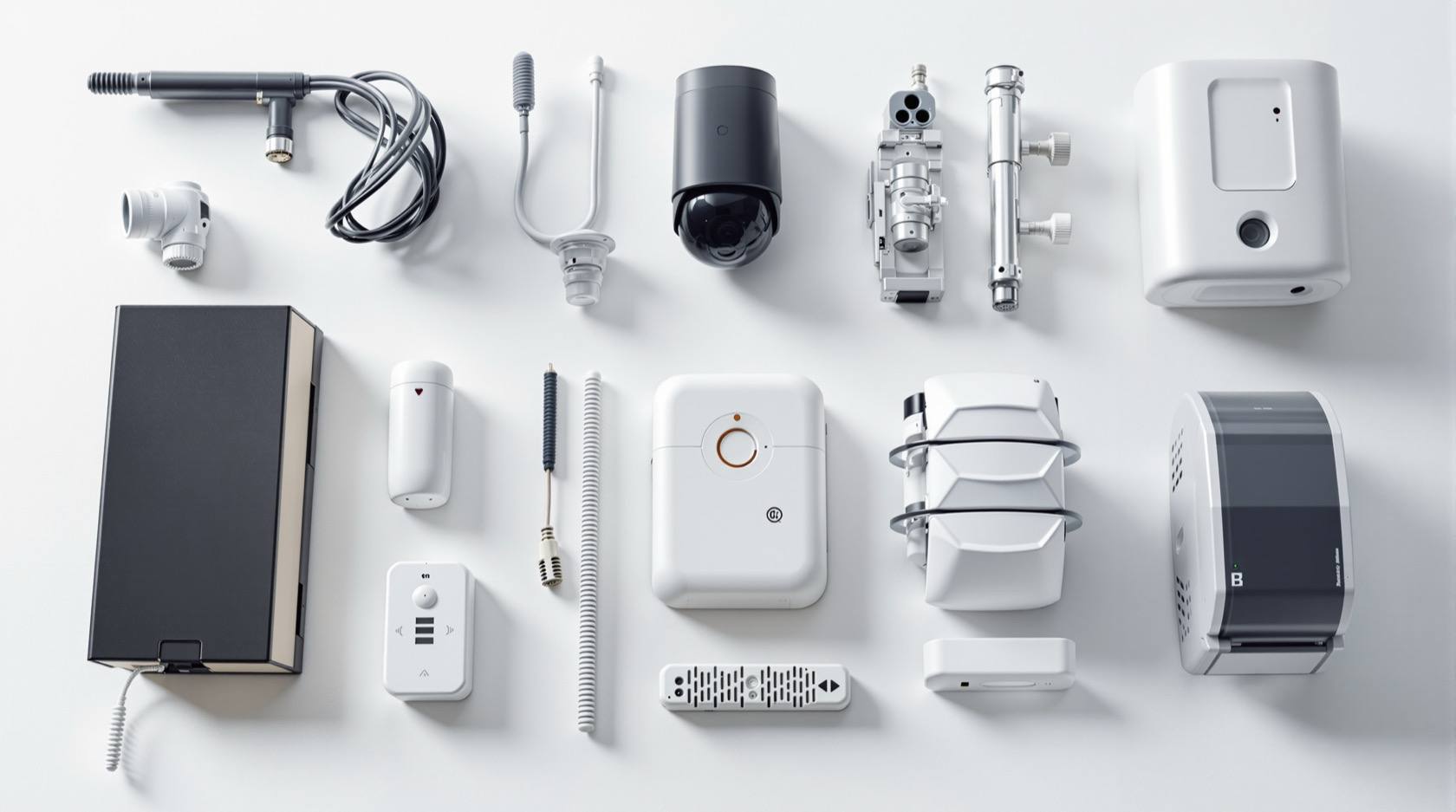
BIS Standards for Security Equipment in India (2026): The Marks That Matter
The Bureau of Indian Standards puts real marks on genuine security and fire gear, the ISI mark and the CRS registration. Learn what each promises, which products must carry one, and how to verify a mark on the BIS portal before you buy.
 Product certification29
Security Product Certification Guide (2026): Reading the Marks That Prove a Device Is Safe and Genuine
How to tell a genuinely certified, safe security product from an uncertified one in India. A homeowner's guide to the marks that matter, BIS/ISI, IP and IK ratings, fire listing, CE/UL and data assurance, why they are non-negotiable for life-safety, and how to verify one is real.
 Extinguisher standards30
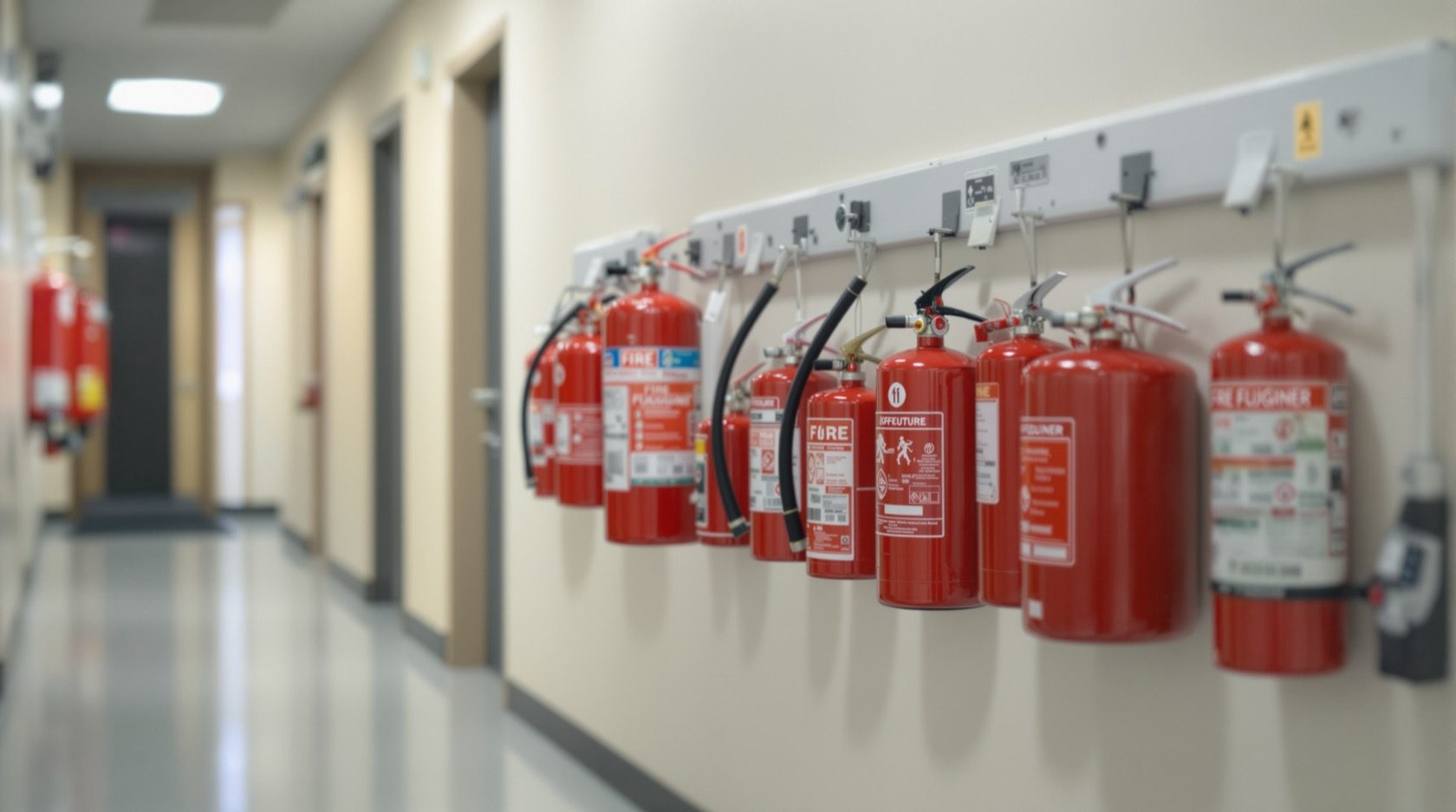
Fire Extinguishers in India (2026): Types, Fire Classes, PASS and the Right One to Buy
The umbrella guide to fire extinguishers in India: the fire classes A, B, C, D and K plus electrical, which agent kills which fire, the deadly wrong-agent mistakes, the PASS technique, ISI marks, and the realistic home kit - one ABC extinguisher and a kitchen blanket.
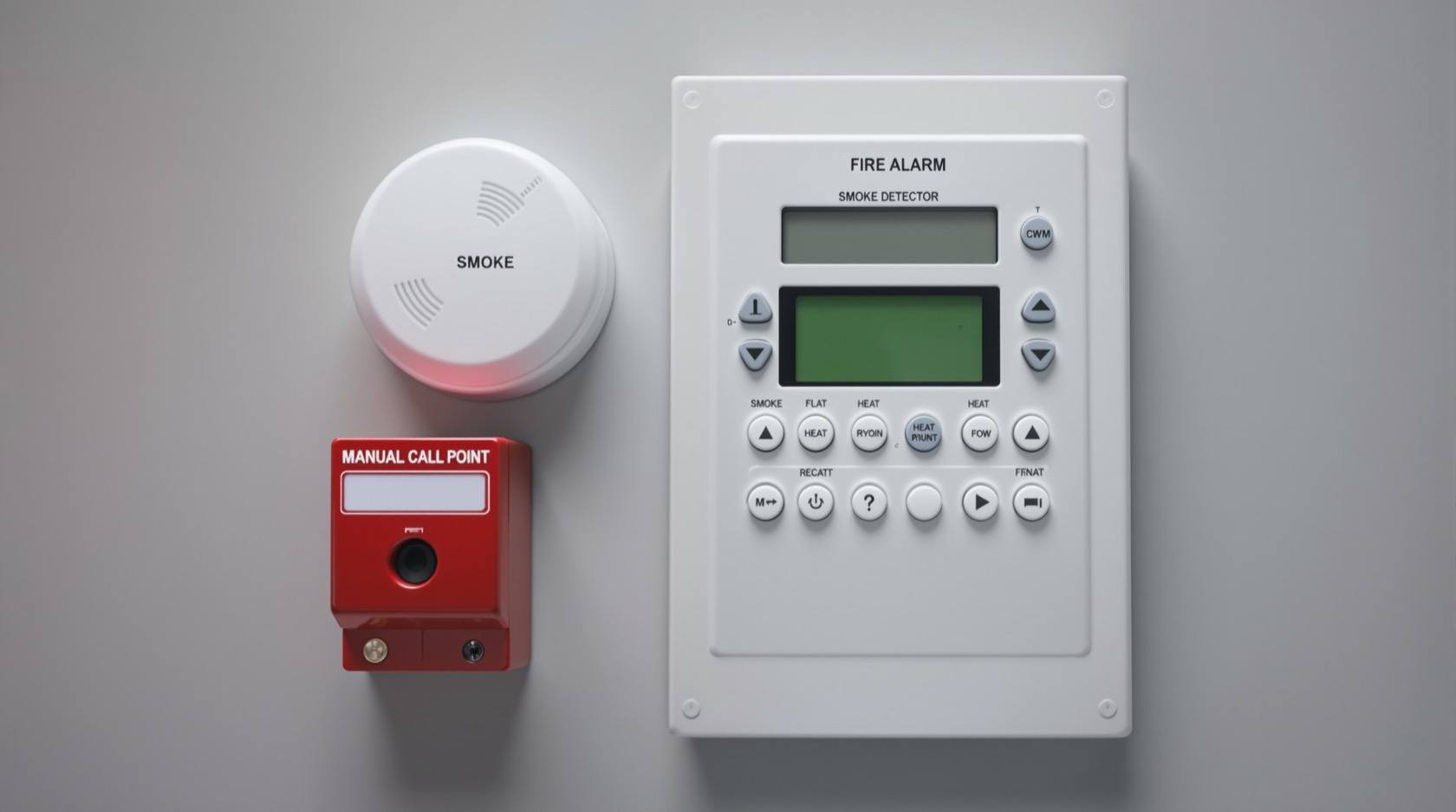 Fire-alarm standards31
How to Choose a Fire Alarm in India (2026): A Life-Safety, Code-Governed Buying Guide
A fire alarm is a life-safety purchase governed by code, not price. This professional guide shows how to choose the right system for your building: conventional versus addressable, the correct detector for each space, notification, the panel, and certification and code compliance as the first filter.
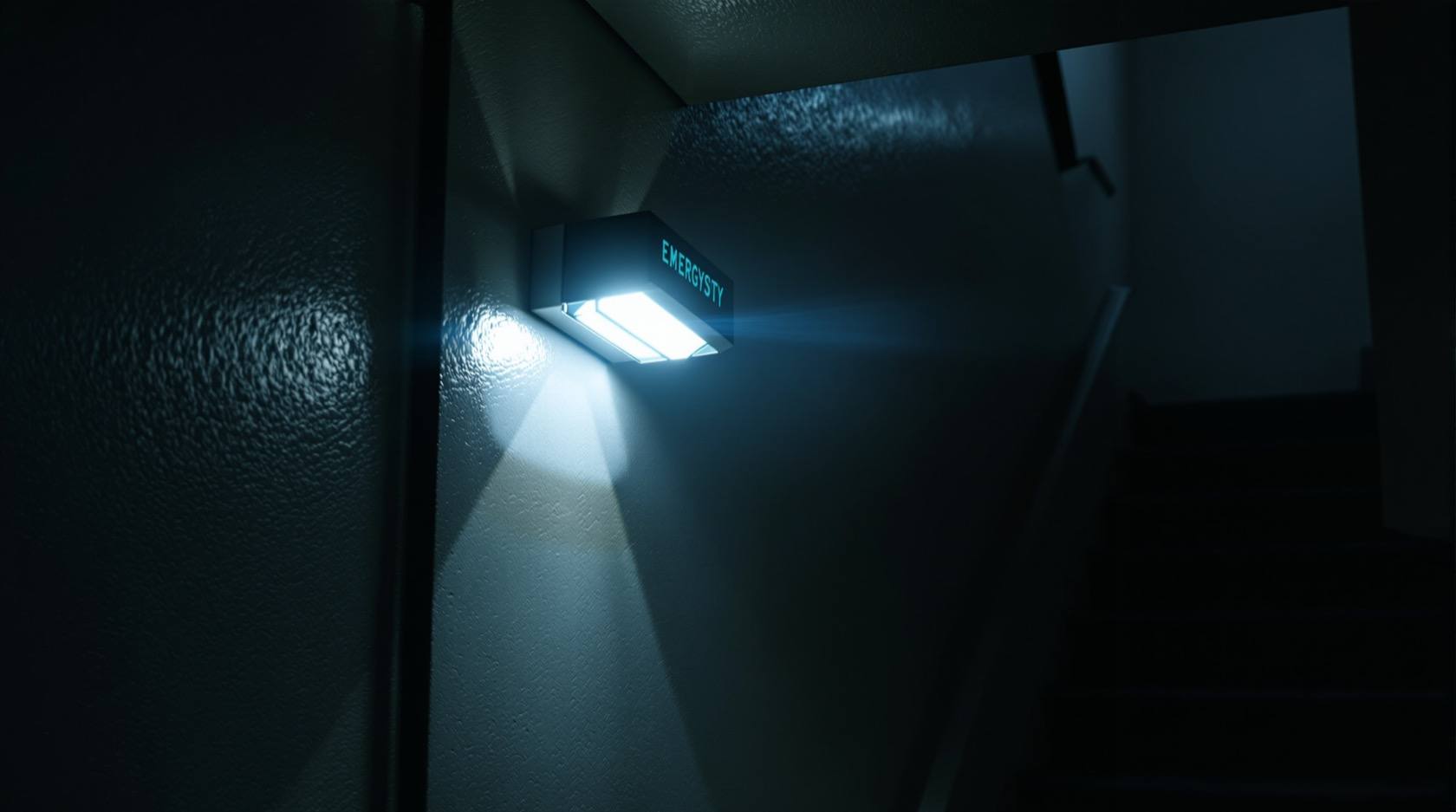 Emergency-light standards32
Emergency Lighting Testing in India (2026): The Function Test, the Duration Test and the Battery That Quietly Dies
Emergency lighting gets people out in a power cut or fire, and the battery is the consumable that quietly dies. This professional guide covers the two tests that matter, the frequent function test and the periodic duration test that catches failing batteries, plus records, roles and replacement.
 Cable fire-performance33
Cable Fire-Performance Requirements in India (2026): The Wiring That Behaves in a Fire
Ordinary PVC cable is fuel: it spreads flame and gives off dense, choking smoke. A plain-language guide to flame-retardant, FRLS, low-smoke zero-halogen and fire-survival cable, where each belongs, and how to keep cheap PVC out of a fire scheme.
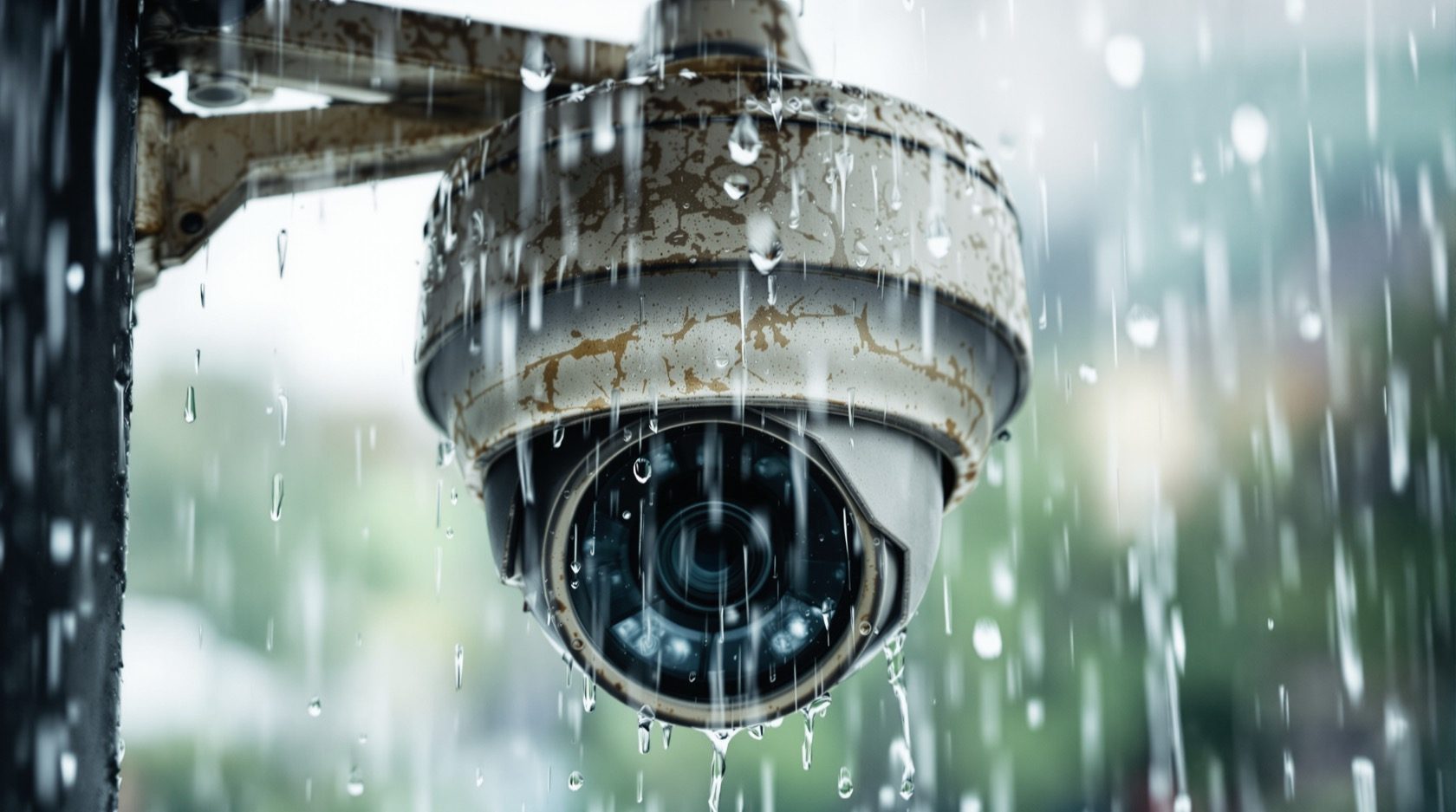 Weather & impact ratings34
CCTV Weatherproof IP Rating in India (2026): Decoding IP65, IP66 & IP67
The IP code on an outdoor CCTV camera is two digits: dust (0-6) then water (0-9K). Learn to read IP65, IP66 and IP67, why it matters for Indian monsoon, dust and salt air, and the minimum rating for each mounting spot.
Privacy & the law
DPDP, PSARA, agreements & guard compliance DPDP framework35
CCTV Privacy Guide for India (2026): Watching Responsibly, Lawfully and Decently
The footage of an identifiable person is personal data under India's DPDP Act 2023. This CCTV privacy guide shows homeowners, RWAs and small businesses how to watch responsibly, lawfully and decently, and where restraint matters most.
 Societies36
CCTV in Common Areas in India (2026): The RWA Privacy Playbook
Common-area cameras at the gate, lobby, lift and parking are normal and useful. The issues are governance and proportion. Learn how an RWA runs common-area CCTV lawfully under the DPDP Act, with signage, a custodian, retention limits and residents' rights.
 Employers37
CCTV in Workplaces in India (2026): Security Without Surveilling Staff
An employer can lawfully protect a shop, office or clinic with cameras, but staff keep their dignity and privacy. Learn where CCTV in workplaces is legitimate, where it must never go, and how to write a fair, DPDP-aligned monitoring policy.
 Retention policy38
CCTV Footage Retention in India (2026): How Long to Keep It, and When to Delete
Footage of identifiable people is personal data, so keep it only as long as its purpose needs, then delete. A minimisation-first guide to setting a CCTV footage retention window for a home, RWA or small office, and preserving only what an incident requires.
 Biometric compliance39
Biometric Data Protection in India (2026): Guarding What You Cannot Change
Your fingerprint and face cannot be reissued like a password. If a biometric lock, attendance system or RWA gate holds them, they must be handled with real care. Learn DPDP-aligned duties, minimisation, a non-biometric alternative, and your right to refuse and erase.
 Face-recognition law40
Facial Recognition Privacy in India (2026): The Face Is Not Just Another Password
A face is sensitive biometric data you cannot change if it leaks, and unlike a PIN it is captured passively, at a distance. Learn the consent, minimisation and erasure duties before enrolling anyone's face into a home, RWA or small-office system.
 Audio law41
CCTV Audio Recording in India (2026): The Law, Consent & When to Use It
Switching on your camera microphone raises privacy and consent questions in India. Learn the law and ethics of CCTV audio recording, how mics work, audio quality limits, and where sound genuinely helps versus where you should leave it off.
 Data agreements42
Security Data-Processing Agreements in India (2026): The Contract Behind Your Vendor
Hand footage, faces or visitor logs to a CCTV, cloud or monitoring vendor and they become your data processor — but you stay accountable. Learn what a security data-processing agreement should cover, who needs one, and the vendor red flags to catch.
 Cross-border data43
Cloud CCTV Data Protection in India (2026): Your Footage on Someone Else's Computer
When CCTV footage goes to the cloud, it lives on a company's servers and you stay responsible for it. Learn cloud CCTV data protection in India: DPDP-aligned duties, securing your account, and the questions to ask a provider before you subscribe.
 Provider obligations44
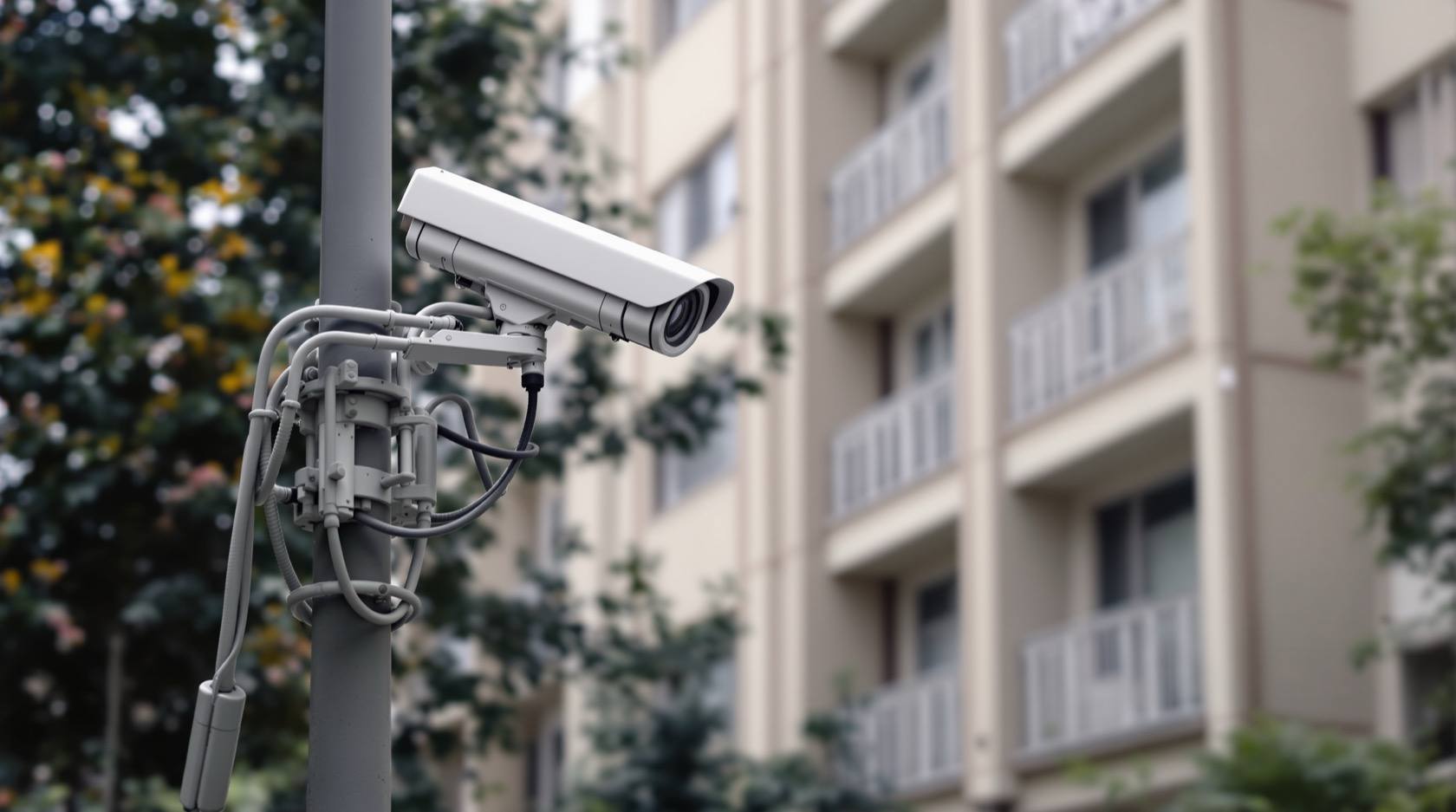
Complete Guide to Security System Cybersecurity in India (2026): Protecting the Systems That Protect You
The cameras, locks and alarms you install to feel safer are internet-connected computers that can be attacked, and an insecure one is worse than none. This pillar maps the whole attack surface — devices, network, accounts and data, operations — to the guides that harden it.
 Society CCTV policy45
Housing Society CCTV Policy in India (2026): Writing the Rules Everyone Signs Up To
A housing society CCTV policy is the written document that makes its cameras lawful, fair and accountable. Learn what the policy must contain section by section, how to adopt it in the general body, and the red flags to avoid under the DPDP Act.
 Visitor-data policy46
Visitor Data Protection in India (2026): The Gate Register Problem
Your gate collects visitors' names, phones, photos and often their ID cards. Most gates gather far more than they need. Learn how a home, RWA or office can minimise visitor data, use a gate app responsibly, and protect people under the DPDP Act 2023.
 Police verification47
Police Verification of Security Personnel in India (2026): Who Is Guarding You?
The people who guard your gate and work inside your home hold real access to your family. This guide explains police antecedent verification of guards and household staff in India, done properly, lawfully and with the person's knowledge and consent.
 PSARA48
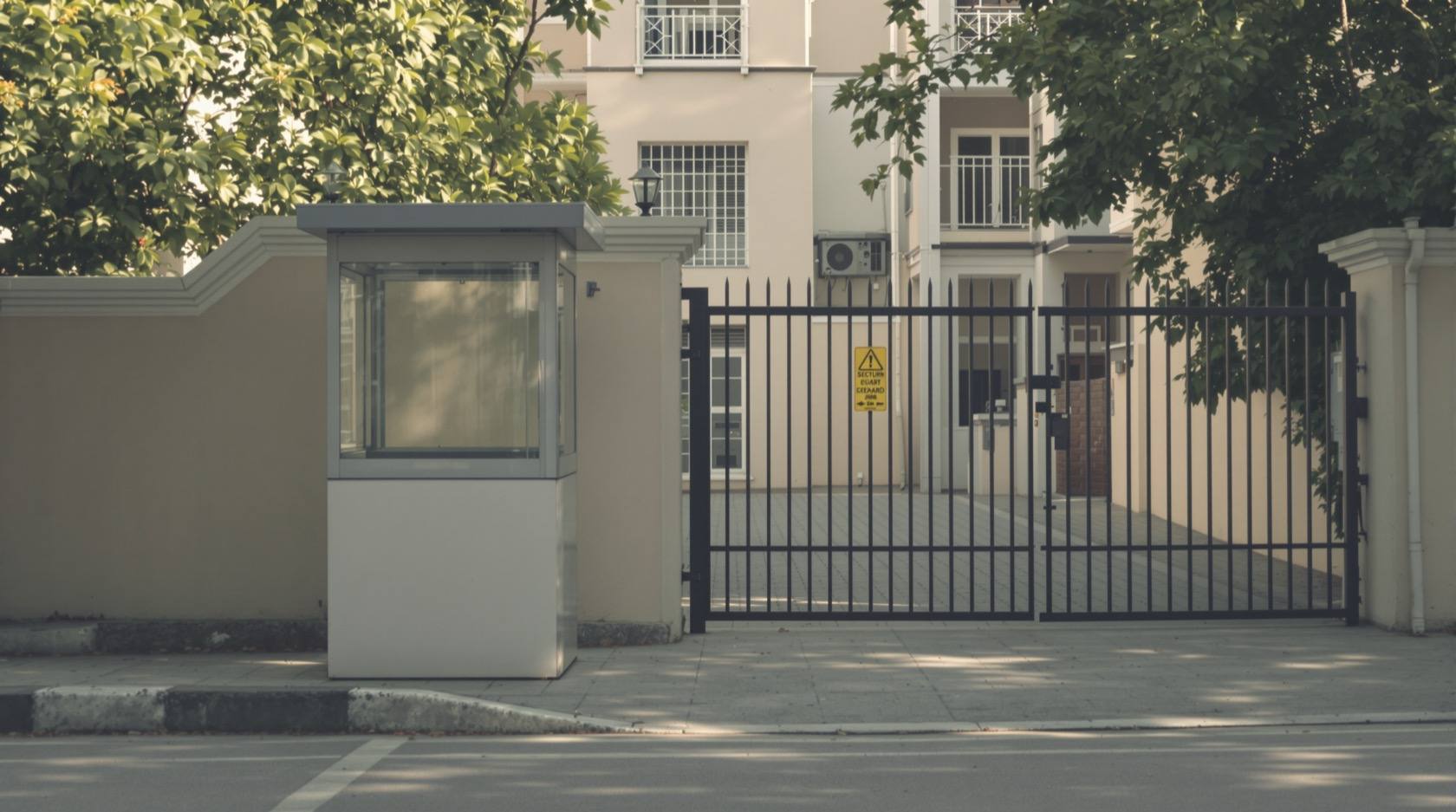
Private Security Agency Regulation in India (2026): PSARA Explained for Anyone Who Hires Guards
The companies that supply security guards in India are regulated under PSARA, the Private Security Agencies (Regulation) Act, 2005. A plain guide for RWAs, businesses and homeowners on why a licensed agency protects you, and how to check the one you are hiring is legitimate.
 Guard licensing49
Security Guard Licensing and Compliance in India (2026): The Rules Behind the Uniform
What actually makes a security guard compliant in India. A homeowner and RWA guide to the PSARA-licensed agency behind the guard, the verification and training each guard needs, the client checklist, guard welfare, and why cutting corners on compliance means cutting corners on the guard.
Local & project approvals
Society, landlord, gate, heritage & occupancy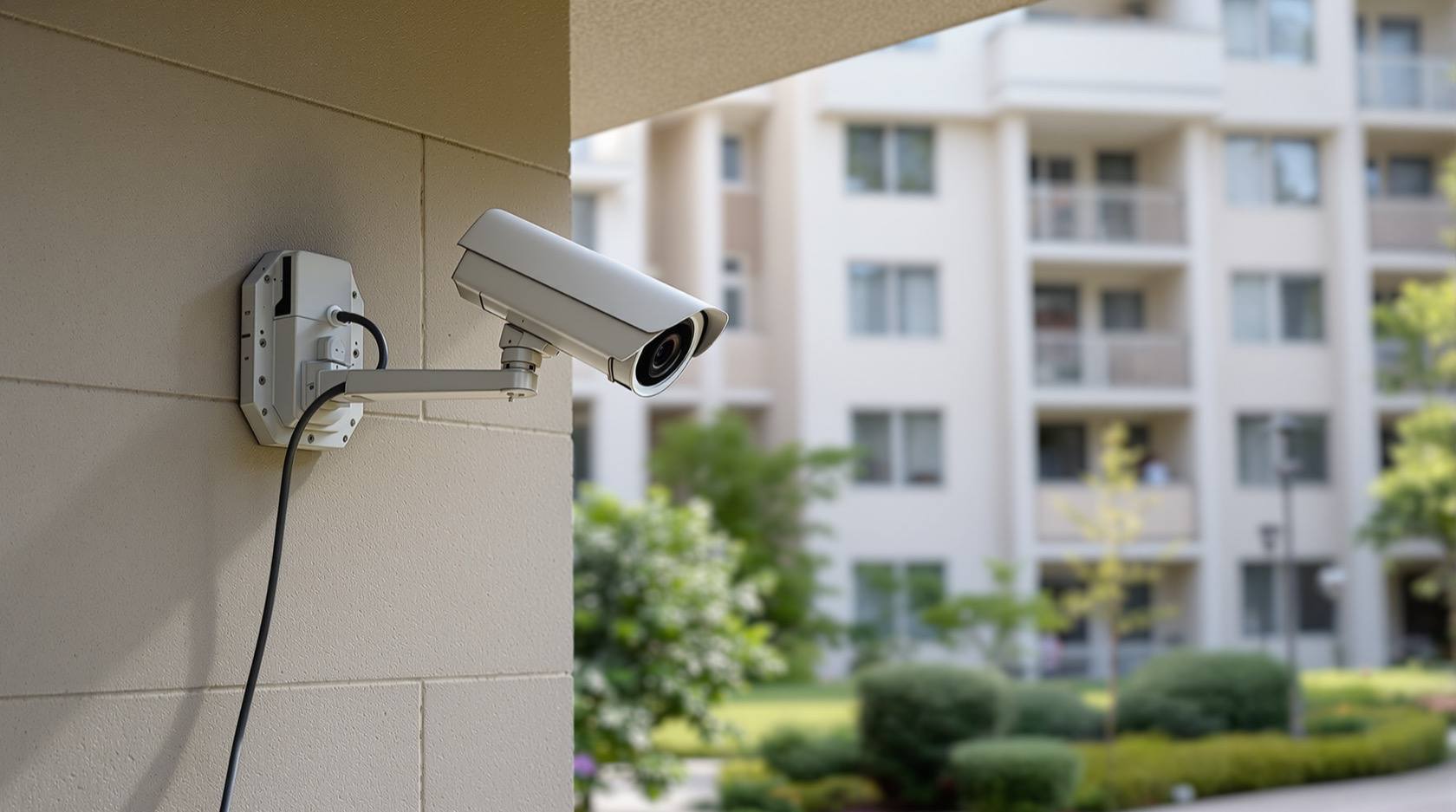 Society CCTV approval50
Housing Society CCTV Approval in India (2026): Getting the Committee's Nod
Putting a camera in a shared corridor or one that faces a neighbour needs the society's sanction, not a solo install. Learn how a society passes a CCTV resolution, how a resident gets committee permission, and how to settle disputes fairly under the DPDP Act.
 Landlord approval51
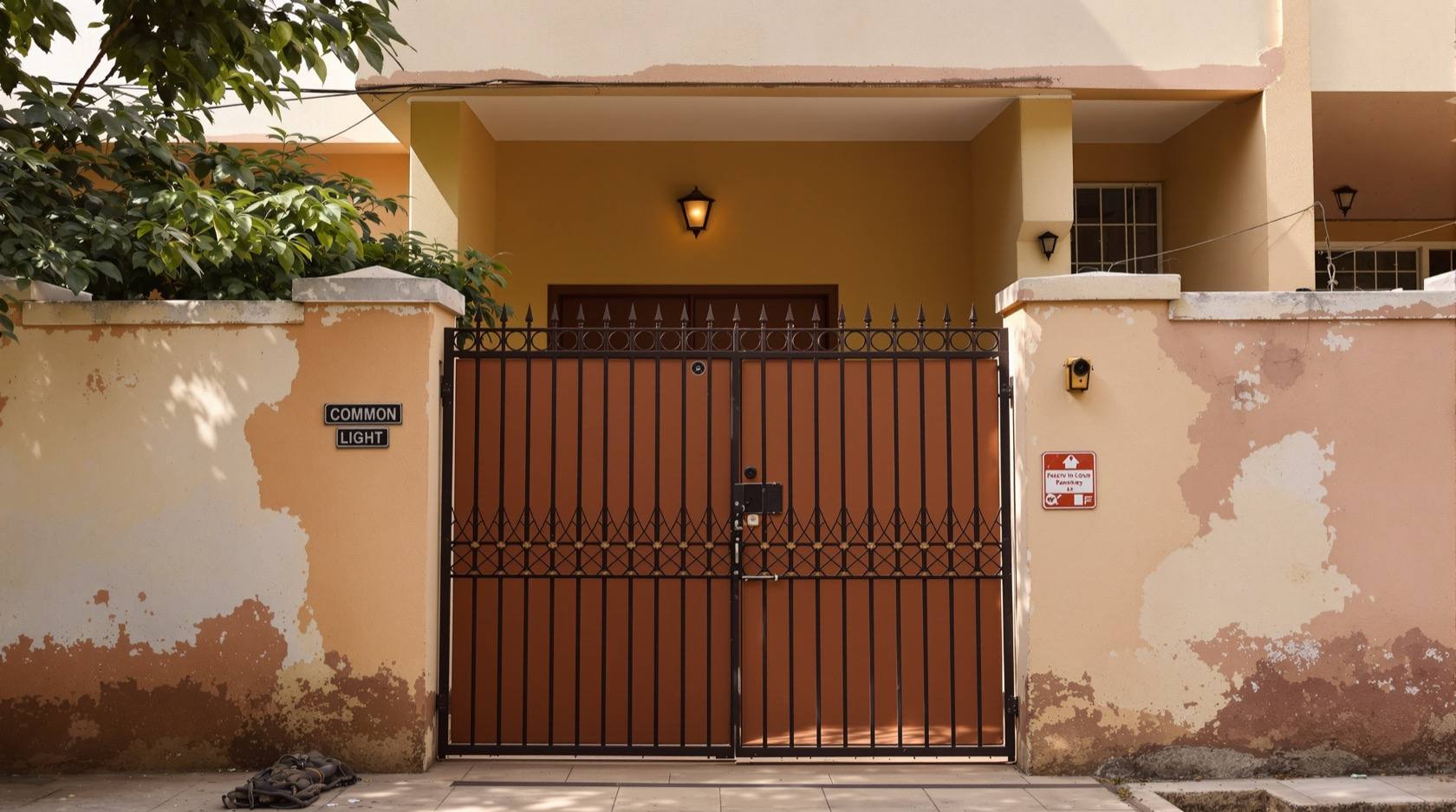
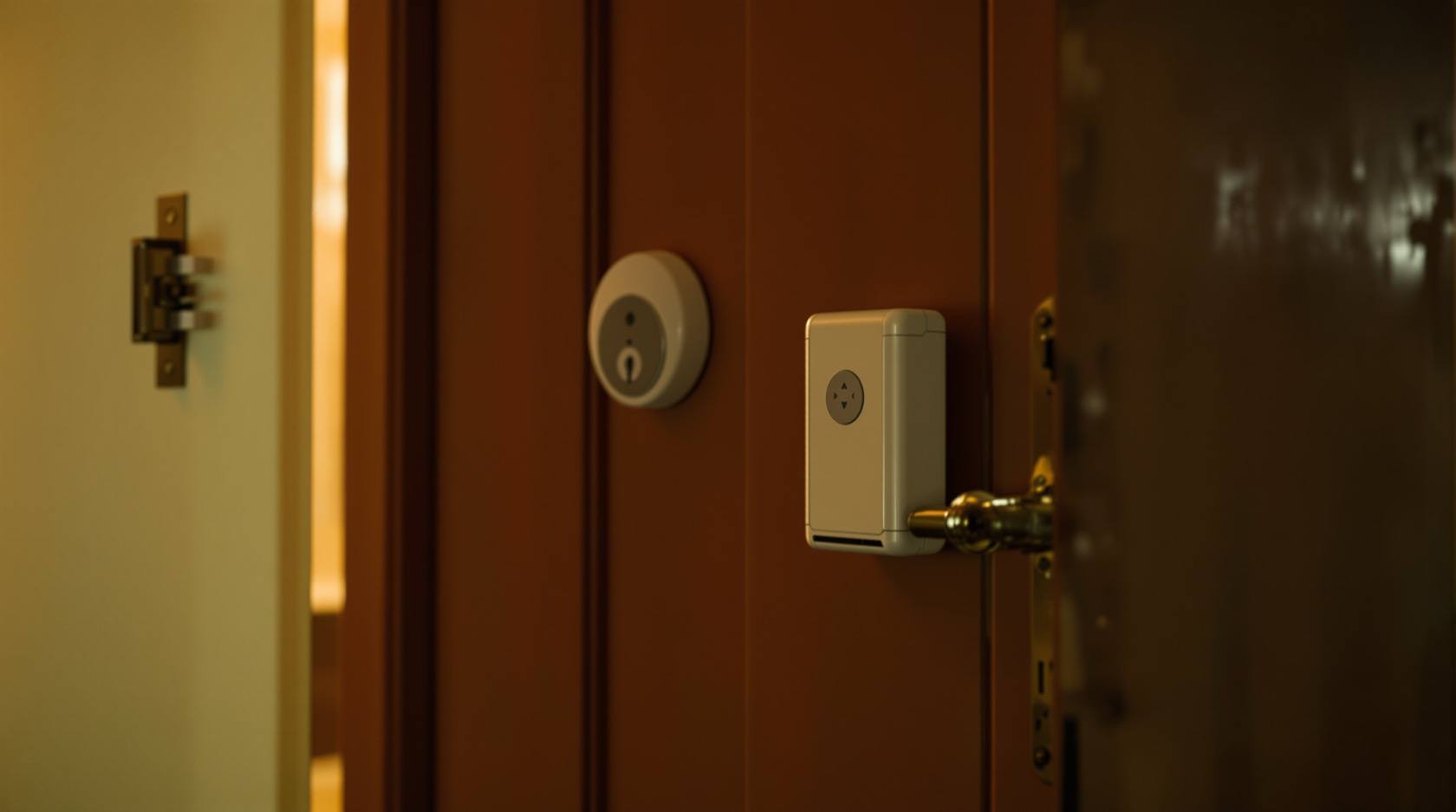
Security for Landlords in India (2026): Protect the Property, Respect the Tenant's Privacy
A landlord may secure a rented property's exterior, boundary, entrance and common areas - but never install cameras inside a tenant's home, enter without notice, or surveil the tenant. This guide draws that line under the DPDP Act 2023, with lawful verification, agreement clauses and rekeying between tenants.
 Tenant rights52
Security for Tenants in India (2026): Protect Your Rented Home and Your Privacy Without Losing the Deposit
A tenant's twin needs, handled honestly: secure a rented home with reversible, portable measures the lease allows, and stand on your privacy rights so a landlord cannot enter without notice or surveil you inside. Rekeying, permissions, agreements, deposits and shared-building security - on the renter's side.
 Fire inspection53
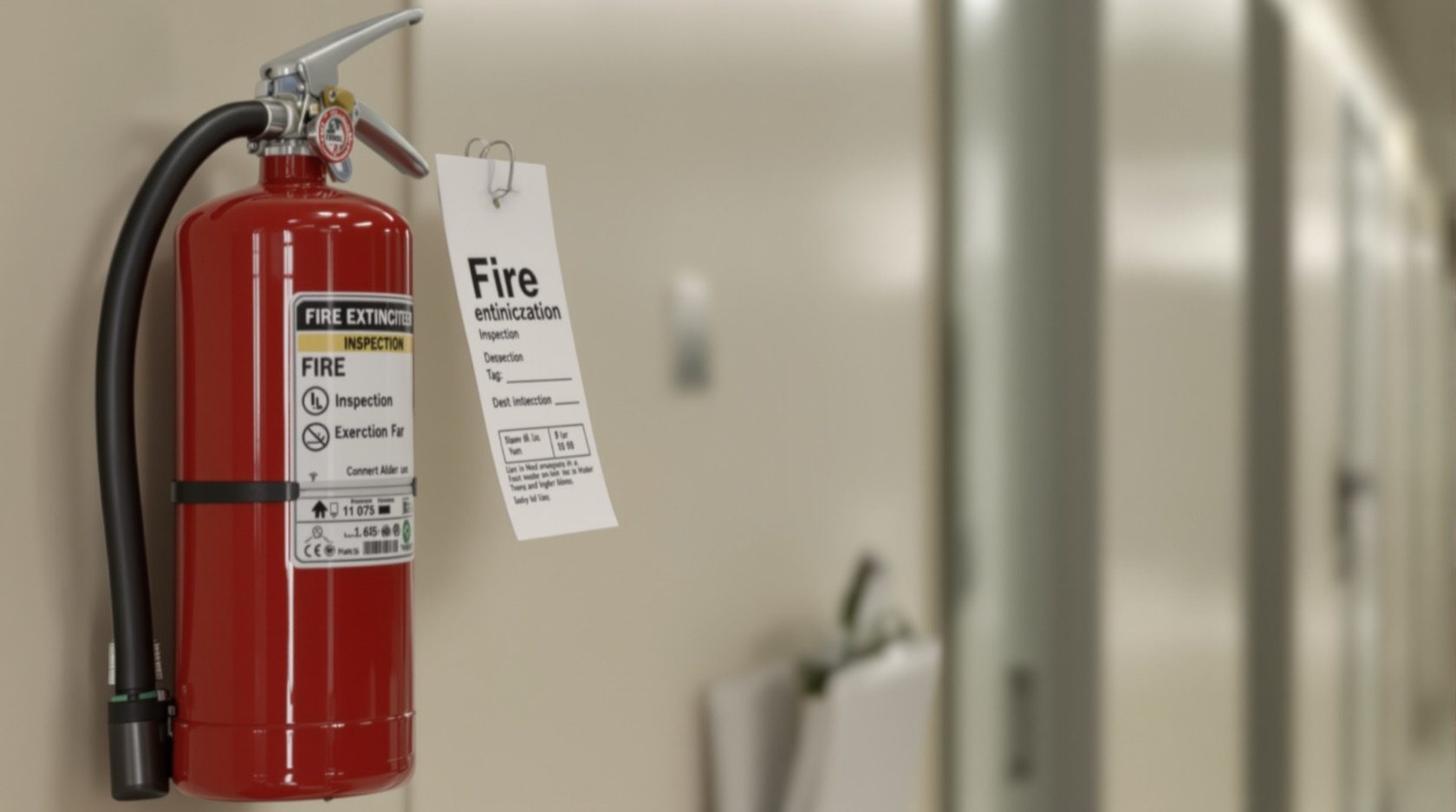
Fire Safety Inspection in India (2026): The Routine Checks That Catch Failures Early
A routine fire safety inspection is the cheap, frequent in-house walk-round - exits clear, extinguishers charged, alarm panel normal, fire doors closing, tender access open - that catches a failure before it matters. It is not the periodic formal audit. In most Indian buildings, nobody does it.
 Electric fencing54
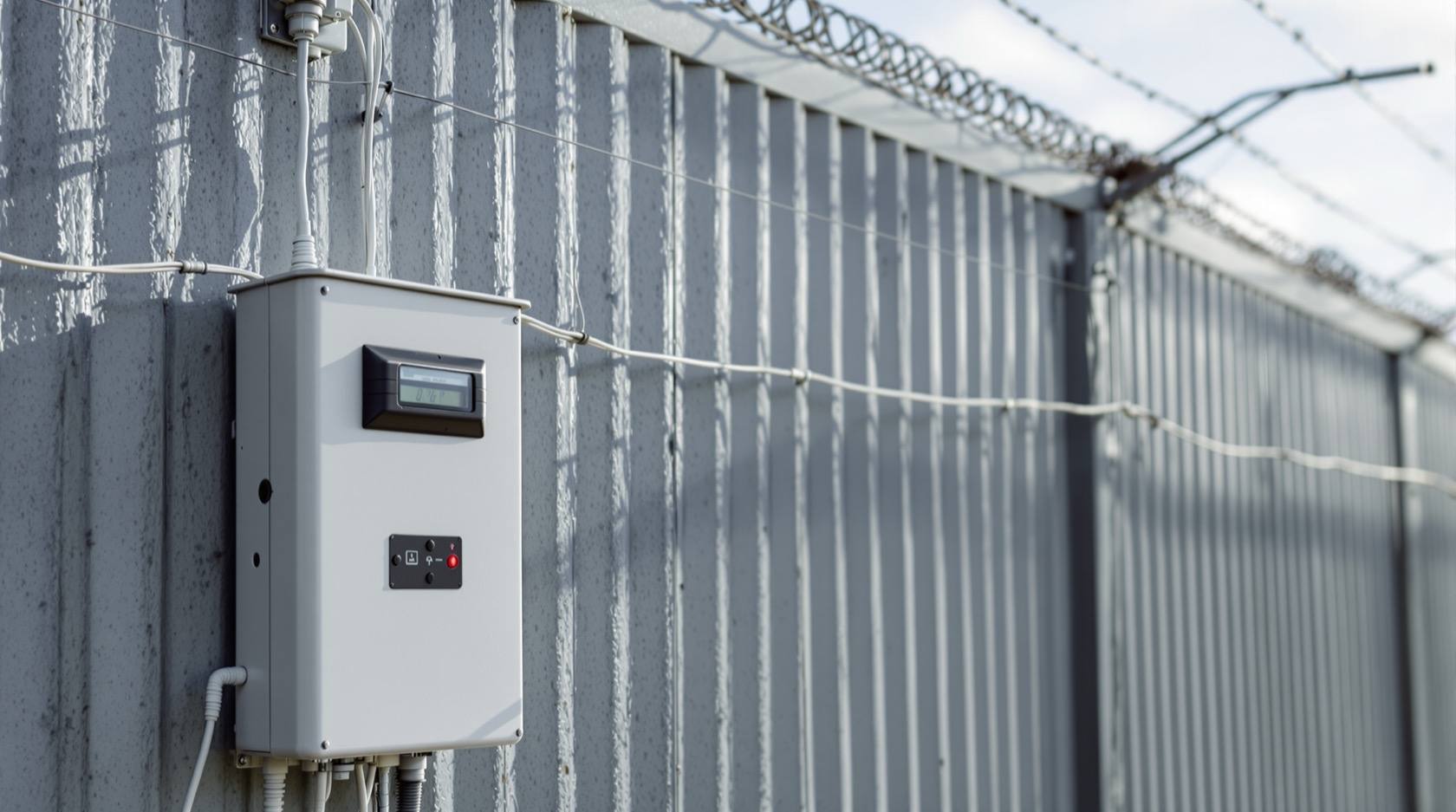
Electric Fencing Legal Requirements in India (2026): Deterrent, Not Deadly
A lawful security electric fence is a non-lethal deterrent that delivers a short, safe pulse, never a killing current. Learn what makes a fence legal in India: certified energizer, signage, earthing, permissions and owner liability, and why a lethal fence is a crime.
 Gate & boom barrier55
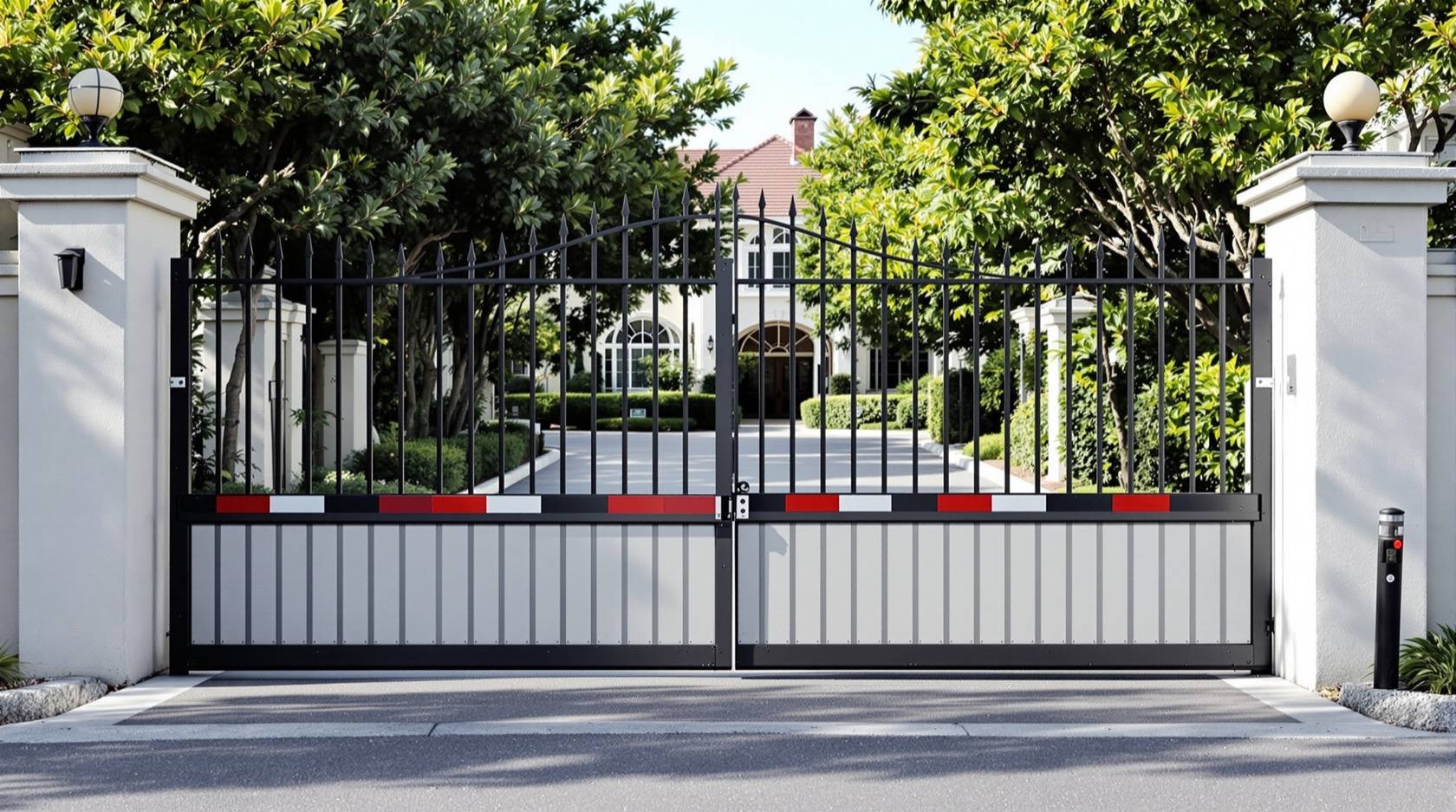
Gate and Boom-Barrier Approval in India (2026): Controlling the Entrance, Lawfully
How a society or building gets an automatic gate or boom barrier approved and installed lawfully in India: whose permission you need, why you cannot barricade a public road, and the line you never cross, blocking the fire path or emergency access.
 Footpath camera limits56
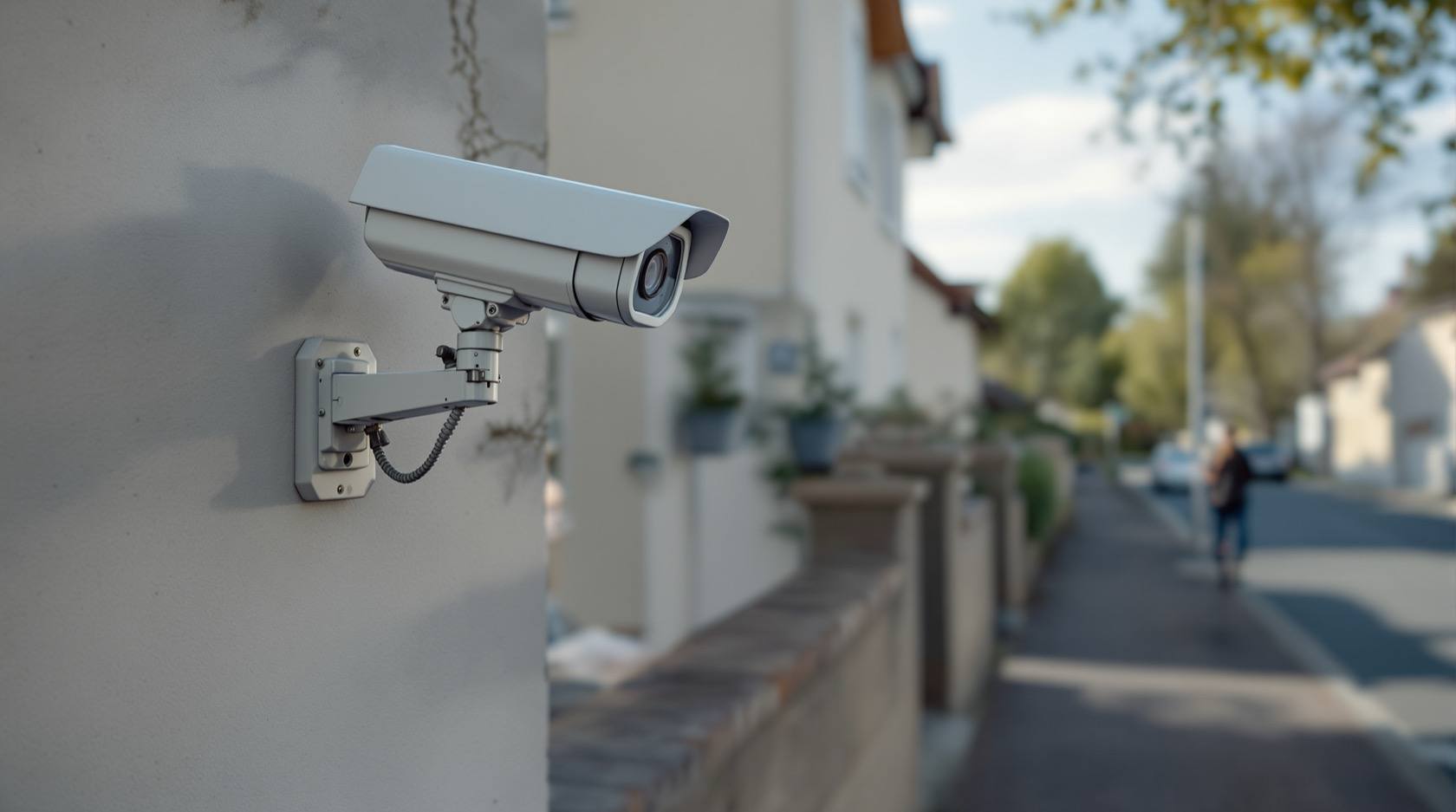
Public Footpath Camera Restrictions in India (2026): Your Camera, the Public's Street
Your camera sits on your property, but the footpath and street outside are public space full of passers-by who never consented. Learn the DPDP privacy rules, the proportionality test, masking, signage and how to point a footpath-facing camera fairly.
 Heritage buildings57
Heritage Building Security Approvals in India (2026): Protecting Without Damaging
Securing a listed or protected building in India means getting approval first and doing no harm. A conservation-aware guide to who approves heritage work, why intervention must be minimal and reversible, and how to protect precious fabric without damaging it.
 Rented buildings58
Security Systems in Rented Buildings in India (2026): Tenant, Landlord and the Fixtures
In a rented home or shop you do not own the building, so fitting cameras, smart locks or alarms usually needs the landlord's written permission. Learn fixtures versus portable kit, reversible options, deposit and privacy duties, and a fair renting-and-security checklist.
 Commercial occupancy59
Commercial Occupancy Security Requirements in India (2026): When Business Raises the Bar
The fire, security and compliance duties that switch on when a premises is used for business rather than a home. Why commercial occupancy raises the bar, which licences and the Fire NOC apply, the DPDP overlay, plus a checklist and who to ask.
Most disputes come from skipping a permission. Whether it is your society, your landlord, the fire department or the municipal body — get the right approval in writing before you drill the first hole.
The systems and rights behind the rules
Fire & Life-Safety
The systems the regulations require — alarms, sprinklers, pumps, water storage, refuge and egress — explained in depth, so you know what compliance actually looks like on the ground.
PrivacyPrivacy & Data Protection
The DPDP-grounded rights-and-dignity layer that sits behind the legal requirements: lawful, proportionate, decent use of cameras, biometrics and footage.