
Security Systems in Rented Buildings in India (2026): Tenant, Landlord and the Fixtures
You want your rented home or shop to feel secure, but you do not own the walls. Here is how tenants and landlords in India can add cameras, locks and alarms fairly — reversibly, respectfully, and always in writing.
Renting changes one simple fact about security systems in rented buildings: you do not own the walls you want to protect. Whether it is a family flat, a leased shop or a small office, the desire to feel safe is exactly the same as for an owner — but the moment a drill touches the wall, a lock is swapped, or a camera goes up, you are altering someone else's property. That is not a reason to go without security. It is a reason to do it the fair way: ask, agree, and get it in writing.
This guide is about the landlord-and-tenant angle of home and shop security in India — who may fit what, who owns it when the tenancy ends, and how to keep the property, the deposit and the neighbours all intact. It sits alongside the deeper how-to pages for tenants and landlords, and the wider security and fire regulations guide.
Scope & how to read this. This is practical compliance literacy, not legal advice or authoritative code. Requirements vary by state and city and change over time — always confirm the current position with the Authority Having Jurisdiction (your municipal body, the police, a lawyer or a licensed professional) and read your own lease before you act.
The core issue: you do not own the building
An owner can drill, rewire and re-lock a house on a whim. A tenant cannot. The premises belong to the landlord, and most tenancy agreements say — in one form or another — that you must not make structural changes or permanent alterations without consent. Mounting hard-wired cameras, chasing cables into a wall, bolting an alarm panel to the brickwork, or replacing the front-door lock can all count as alterations.
So the first move is never to shop for a camera. It is to talk to your landlord and get permission in writing. A landlord who understands you want to protect their property too is usually happy to agree; the friction comes almost entirely from surprise and from damage no one discussed. A short clause in the lease, or a signed consent note, removes both — it says what you may fit, where, who pays, who owns it at the end, and how the wall is put back.
Get it in writing — every time. A verbal yes is easy to forget, and easy to deny when a deposit is at stake. Whatever you agree, put it in the lease or a dated note both sides sign and keep. Writing protects the tenant and the landlord equally.
Fixtures versus portable: settle ownership before you drill
This is the question that causes most move-out disputes, and it is entirely avoidable if you settle it up front. Some security kit becomes part of the building; some stays yours. Decide which is which before anything goes up.
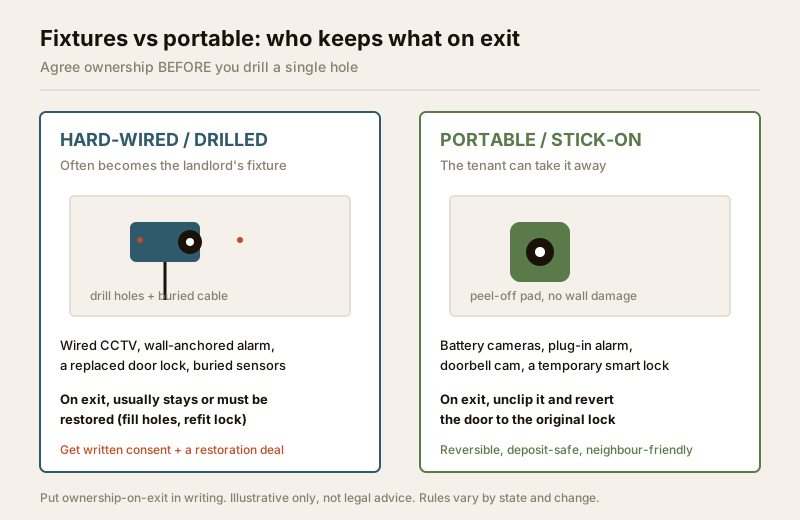
Hard-wired and drilled installs — wired CCTV with cabling chased into the wall, a wall-anchored alarm panel, buried sensors, or a replaced door lock — tend to become the landlord's fixture. They are attached to the property and cannot leave without damage. Unless your written agreement says otherwise, you may not be able to take them, and you may be asked to restore the surface (fill holes, make good the paint, refit the original lock).
Portable, battery and stick-on kit — a battery camera on an adhesive pad, a plug-in siren, a doorbell camera, a temporary smart lock that clamps over the existing one — stays yours. It clips off, leaves little or no mark, and travels to your next home. For a tenant, this is almost always the smarter category to invest in.
| Device | Typically a fixture? | On exit |
|---|---|---|
| Wired CCTV with chased cabling | Yes — attached and buried | Usually stays; restore the wall if asked |
| Wall-bolted alarm panel | Often | Remove and make good, per your agreement |
| Replaced door lock | Yes — part of the door | Refit the original lock; return spare keys |
| Battery / adhesive camera | No | Unclip and take it with you |
| Plug-in alarm or sensor | No | Unplug and take it with you |
| Temporary over-lock smart lock | No | Remove; the door reverts to the original |
If you keep the lock you removed and refit it at the end, and choose a smart lock designed to be reversible, you sidestep the single most common deposit fight. The choices and trade-offs are covered in the smart lock versus traditional lock guide.
Practical tenant options: reversible and damage-light
The good news for renters is that modern security has quietly become far more tenant-friendly. You rarely need to drill or rewire to be well protected. Aim for kit that respects the property and the people around it.
- Battery cameras on adhesive or clamp mounts. No cabling, no chasing, no mains work. They pop off cleanly and move with you. Point them only at your own doorway or your own shopfront.
- A doorbell camera that answers the door and records who calls, ideally one that fits over the existing bell or door frame without permanent fixing.
- A portable alarm — a plug-in or battery siren, door and window contact sensors on removable adhesive — that you can arm when out and take when you leave.
- A temporary smart lock that fits over the inside of the existing deadbolt, so the original lock and its keys stay untouched. When you move, you unclip it and the door is exactly as you found it.
The test for every device is simple: could you remove this in an afternoon and leave no trace? If yes, it is a good renter's choice. If it needs a drill or an electrician, it needs the landlord's written consent first — and, for any mains wiring, a licensed installer.
Getting permission in writing: the safe flow
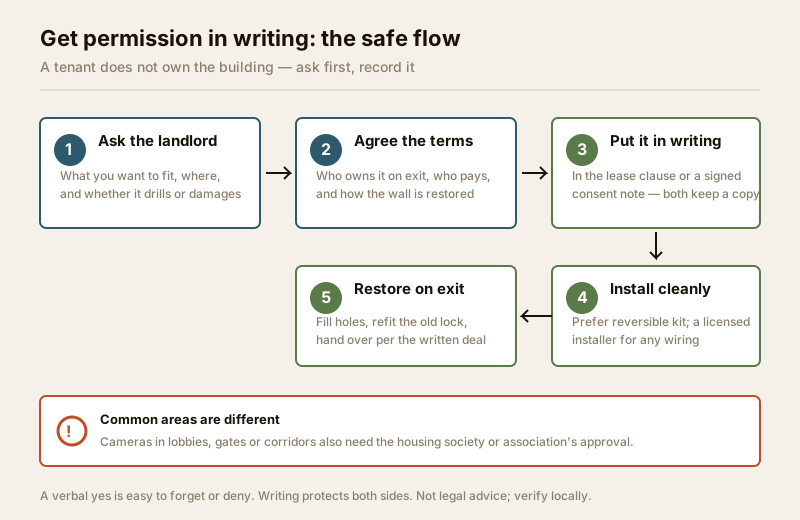
The process is short and worth following in order:
1. Ask the landlord — describe exactly what you want to fit, where, and whether it involves any drilling or damage.
2. Agree the terms — who owns it on exit, who pays for it, and how any surface is restored. Be specific.
3. Put it in writing — a clause in the lease, or a dated consent note both sides sign; each keeps a copy.
4. Install cleanly — prefer reversible kit; use a licensed installer for any wiring or mains work, and never let a device block a door, window or fire-escape route.
5. Restore on exit — fill holes, refit the original lock, hand over per the written deal, and remove your portable devices.
The landlord side: duties and limits
A landlord's role in security is real, but it has a firm boundary. On the helpful side, providing a sound door, a decent lock and working common-area lighting is reasonable, and allowing a tenant sensible, reversible security is good practice — it protects the property and keeps a good tenant. Agreeing restoration terms in advance, and returning the deposit fairly (minus only genuine, evidenced damage, not agreed installs), keeps the relationship clean.
The limit is privacy. A landlord who has let a property has given the tenant the right to occupy it privately. That means a landlord cannot place cameras inside the tenant's private space, and cannot enter or surveil the let premises at will. A camera watching a shared building entrance is one thing; a camera pointed into a tenant's living room, bedroom or shop floor is an intrusion the law does not welcome. The privacy expectations of people who live in a building — including tenants — are set out further in the CCTV in apartments guide.
Landlords: security is not a licence to watch. You may secure the building; you may not surveil the home or business you have let. Keep cameras on entrances and boundaries you are responsible for, never inside a tenant's private space, and always with clear notice.
Privacy and the footage: whoever runs the camera is responsible
Under the Digital Personal Data Protection Act, 2023 (DPDP Act), recorded images of people are personal data, and the person who decides why and how a camera records carries the responsibility for that footage. In a rented setting this matters both ways.
- A tenant running a camera at their own door is responsible for what it captures and stores. Keep it aimed at your own entrance, not the neighbour's door, the shared corridor or the street. Do not capture other tenants or passers-by beyond what your own security genuinely needs.
- A landlord running common-area cameras is responsible for that footage — clear purpose, visible notice, and no reach into any tenant's private space.
The DPDP spirit is the same for everyone: a clear, legitimate purpose, notice to the people affected, and collecting no more than you need.
Common areas still need society approval
Your own front door and your own shopfront are one thing. The lobby, the gate, the lift, the corridor and the compound are shared — and cameras there are not a tenant's or even a single owner's call. In an apartment building or a gated layout, common-area cameras need the housing society or resident association's approval, and the society is responsible for that footage. If your security plan reaches beyond your let premises into shared space, route it through the committee first. The approval route and what a society weighs is set out in the housing society CCTV approval guide.
Renting-and-security checklist
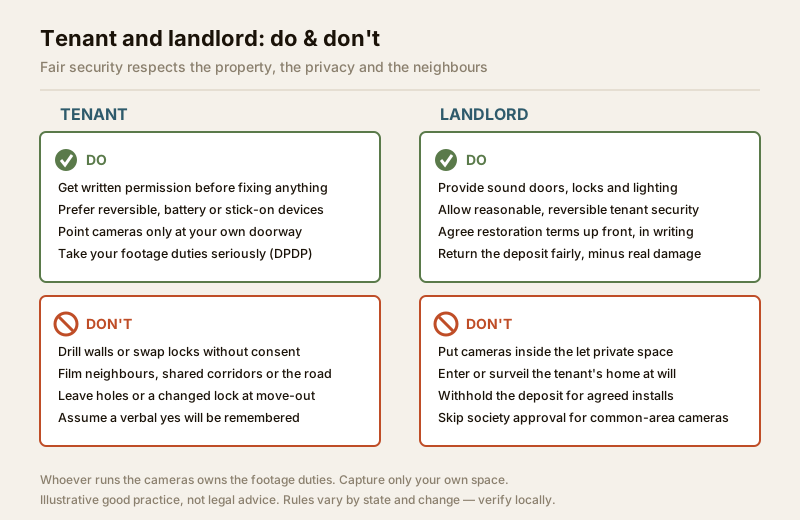
For the tenant:
- Read the lease clause on alterations before you buy anything.
- Ask the landlord and get written permission for anything fixed, drilled or re-locked.
- Prefer battery, plug-in and stick-on kit you can remove without a trace.
- If you swap a lock, keep the original and refit it at the end; a reversible over-lock is safer still.
- Aim cameras at your own doorway or shopfront only, and take your footage duties seriously.
- On exit, remove your devices, make good any holes, and hand back all keys.
For the landlord:
- Provide sound doors, locks and common-area lighting as a baseline.
- Allow reasonable, reversible tenant security, and say so in the lease.
- Agree ownership and restoration for any fixed install, in writing, before it happens.
- Never place cameras inside the let private space or surveil the tenant.
- Get society approval for any common-area cameras, and manage that footage responsibly.
- Return the deposit fairly — deduct for real damage, not for agreed installations.
A short "don't do this" list
- Do not drill walls, chase cables or swap the door lock without written consent.
- Do not point a camera at a neighbour's door, a shared corridor or the public road.
- Do not leave holes, exposed wiring or a changed lock behind at move-out.
- Do not rely on a verbal yes — put every permission in writing.
- Landlords: do not put cameras inside a tenant's home or business, and do not withhold the deposit for installs you agreed to.
Who to ask, and when to get help
Requirements around alterations, privacy and deposits sit across your tenancy agreement, state rent and tenancy rules, the DPDP Act and — for common areas — your society's bye-laws, and they vary by state and change over time. For a specific dispute, a deposit disagreement, or a lease you are unsure about, speak to a lawyer. For any wiring or mains work behind a fixed device, use a licensed installer or electrician. For the broader rules-and-approvals picture across home and building security, start from the security regulations overview.
Verify locally before you act. Nothing here is legal advice, and the position differs from state to state and changes over time. Read your own lease, confirm the current rules with the right authority or a qualified professional, and get every permission in writing.
Key takeaways
- You do not own the building — fixing cameras, locks or alarms in a rented home or shop generally needs the landlord's written permission.
- Settle fixtures versus portable up front — hard-wired, drilled installs often become the landlord's fixture; portable, battery and stick-on kit stays yours. Agree restoration before you drill.
- Prefer reversible, damage-light security — battery cameras, plug-in alarms, doorbell cams and a temporary over-lock protect the property, the deposit and the neighbours.
- Landlords may secure, not surveil — no cameras inside a tenant's private space, and return the deposit fairly.
- Footage is a responsibility — whoever runs the camera answers for it under the DPDP spirit; capture only your own space, and get society approval for anything in common areas.
- This is not legal advice — rules vary by state and change; read your lease, verify locally, and get help for real disputes.
References
- Digital Personal Data Protection Act, 2023 — recorded images are personal data; collect only for a clear, legitimate purpose, with notice, and no more than needed; verify the current text and rules before relying on it.
- Your tenancy agreement and state rent / tenancy rules — govern alterations, permissions and deposits; these vary by state and change, so read your own lease and confirm the current local position.
- Housing society or resident association bye-laws — govern cameras and security in shared common areas; approval and footage handling rest with the society.
This is an educational overview, not legal advice. Whether and how you may fit security in a rented property depends on your lease and your state's rules — read your agreement, verify the current local position, get permissions in writing, and engage a lawyer or licensed professional for real decisions.
Export this guide
Related Guides — Deep-dive reading
Security for Tenants in India (2026): Protect Your Rented Home and Your Privacy Without Losing the Deposit
Renting is home too. This guide covers a tenant's twin needs - securing a rented home with reversible, take-it-with-you measures the lease allows, and standing on your privacy rights so a landlord cannot surveil you inside your own walls. Practical, India-real, and firmly on the renter's side.
SecuritySecurity for Landlords in India (2026): Protect the Property, Respect the Tenant's Privacy
How an Indian landlord can lawfully secure a rented property - the exterior, boundary, entrance, common and shared areas - while never crossing the hard line into a tenant's private home. Verification done respectfully, agreement clauses that hold, rekeying between tenants, and common-area CCTV run within the DPDP Act.
SecurityPublic Footpath Camera Restrictions in India (2026): Your Camera, the Public's Street
You can put a camera on your own gate, but the footpath and road outside are public space full of people who never agreed to be filmed. Here is how to point your camera fairly, capture the least public space you need, and stay a good neighbour.
SecurityRelated Tools — Try Free
CCTV Placement Compliance Checker
A quick DPDP-grounded privacy and safety self-check for where a camera is pointed — flags the items to fix.
ComplianceStructural Modification Approval Checklist
41 items across structural assessment, society approval, municipal compliance, and safety.
Approval ChecklistDoor Lock Selector
Answer a few questions and get the right lock type — mortise, multipoint, deadbolt, privacy or smart — for any door.
Door Tool