
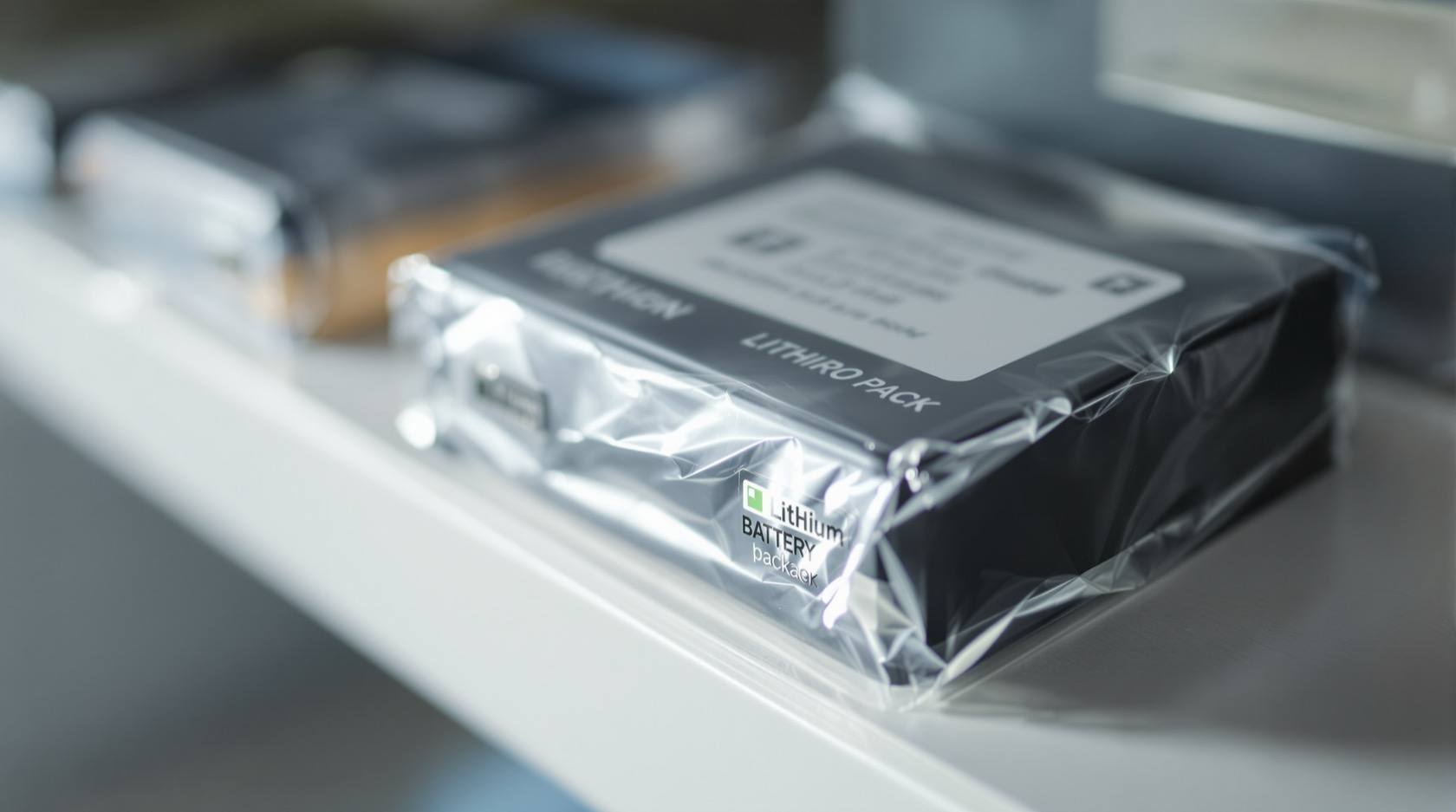
Lithium Battery Fire Safety in India (2026): Taming Thermal Runaway
A calm, practical guide to the lithium batteries in and around your home and RWA security kit, the UPS and inverter packs, wireless cameras, video doorbells and solar lights, why they can fail differently from old lead-acid batteries, how to prevent trouble, and what to do the moment you see a warning sign.
Lithium batteries have quietly moved into almost every corner of a modern home's security kit. The UPS behind your camera recorder, the inverter that keeps the gate and lights alive during a cut, the wireless cameras and video doorbells that run for months on a pack, the little solar lights and solar cameras on the boundary wall, all of them increasingly carry lithium-ion or lithium-iron-phosphate (LiFePO4) cells. They are lighter, last longer and charge faster than the old lead-acid batteries they replace, and that is exactly why they are everywhere. The trade-off is that when a lithium battery goes wrong, it can go wrong in a way lead-acid rarely did, and it is worth understanding that difference calmly, before anything ever happens.
This guide is not here to frighten you. The overwhelming majority of quality lithium batteries, bought sensibly and used as intended, run for years without drama. The point is simply to help a homeowner or a Resident Welfare Association (RWA) buy well, install and store these packs sensibly, recognise the early warning signs, and know exactly what to do in the rare moment something looks wrong. Prevention is almost the whole of the story here, and it is entirely within your control.
Scope and how to read this. This is practical safety literacy, not fire-fighting instruction and not a substitute for the fire service or a qualified electrician. A lithium battery fire is a genuine emergency to be handled by professionals, not a DIY job. Product designs, standards and local fire rules also change over time, so treat this as guidance to help you buy, use and store safely and to know when to call for help, and confirm anything specific with the manufacturer, a licensed electrician, or your local fire service.
Why lithium is different from the batteries you knew
An old lead-acid inverter battery, if abused, would mostly gas, corrode, leak acid or simply die. A lithium cell packs far more energy into far less weight, and that density is the whole reason it is worth using, but it also means there is more energy to release if the cell is damaged or faulty. The failure mode that makes lithium worth respecting is called thermal runaway.
Thermal runaway is a chain reaction. A cell that has been damaged, overheated, overcharged or badly made can begin to heat itself internally. That heat drives a reaction that produces more heat, which drives more reaction, and the cell can vent hot flammable gas, catch fire, and set neighbouring cells off in turn. The two things that make it different from an ordinary fire are that it can start from an internal fault with no outside flame at all, and that these fires are stubborn, they can reignite minutes or even hours after they seem to be out. That single fact, the tendency to reignite, is the reason the safe response leans so heavily on getting people away and calling the professionals rather than on any heroics.
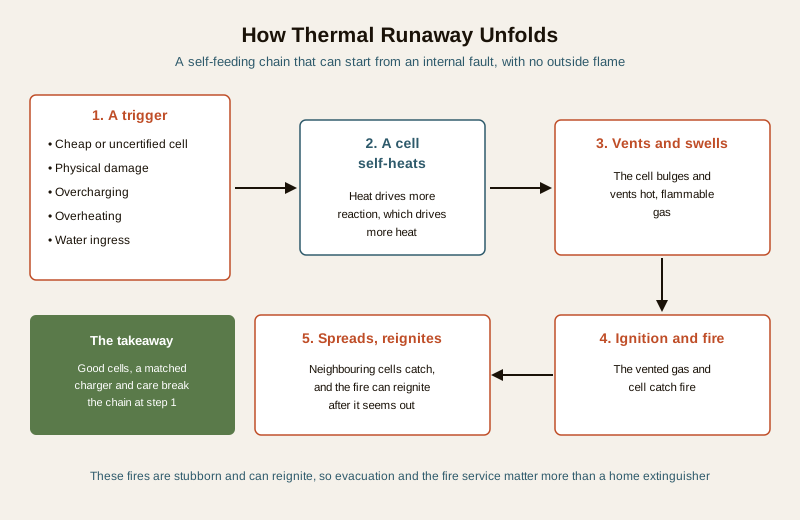
None of this means lithium is dangerous by nature. It means the safeguards built into a good battery, the protection circuit, the quality cells, the matched charger, are doing real work, and that cheap products which skip them are removing the very things that keep the chain reaction from ever starting.
What actually causes a lithium battery to fail
Thermal runaway almost never comes out of nowhere. It has causes, and nearly all of them are avoidable. Understanding them is most of prevention.
- Cheap, uncertified cells and chargers. The single biggest avoidable risk. Low-grade cells, absent or fake protection circuits, and mismatched or counterfeit chargers are where a large share of incidents begin. A bargain pack or a generic charger that saves a little money is a poor trade against this.
- Physical damage or puncture. A dropped, crushed, dented or punctured pack can be damaged internally even if it looks fine outside. Damaged cells can fail hours or days later, so a pack that has taken a hard knock should be treated with suspicion.
- Overcharging or the wrong charger. Charging beyond what a cell is designed for, or using a charger not matched to the pack, stresses cells and is a classic trigger. This is why the correct, supplied charger matters so much.
- Overheating. Heat is the enemy. A pack cooking in a sealed hot cabinet, an inverter battery in an unventilated cupboard, or a solar pack baking in direct afternoon sun is being pushed toward the edge. Indian summers make this a real and seasonal concern.
- Water ingress. Water inside a pack or its electronics can cause short circuits. Outdoor solar packs, balcony batteries and anything exposed to monsoon need to be genuinely weather-rated for their spot.
Notice how ordinary these causes are. There is no exotic risk here, just cheap parts, rough handling, heat, water and the wrong charger. Control those and you have controlled almost the entire problem.
Prevention, the part that is entirely in your hands
Good practice with lithium batteries is mostly common sense applied consistently. Treat the following as a standing habit for every lithium pack in and around your home or society, from the inverter down to the smallest doorbell.
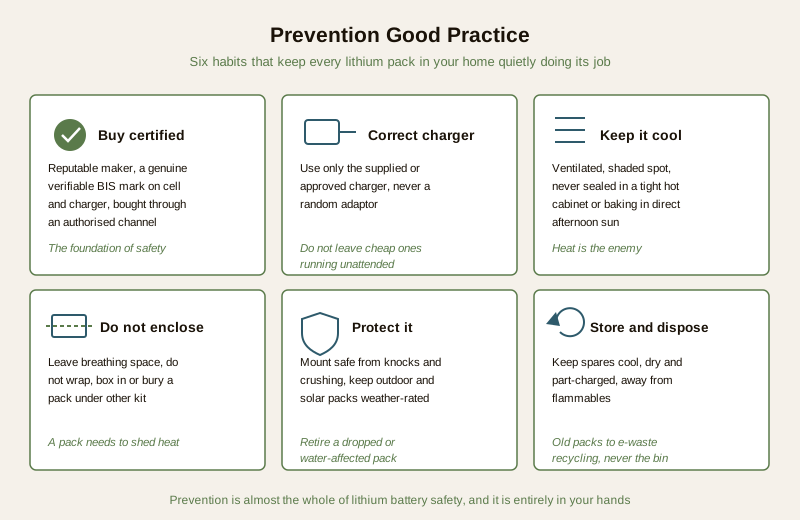
Buy quality, certified cells and chargers. This is the foundation. Prefer batteries and chargers from reputable makers that carry genuine Indian certification. In India many electrical and electronic goods fall under BIS certification and registration, and a real, verifiable mark is a signal that the product met a published safety benchmark rather than a factory's whim. For how these marks work and how to check one is genuine, see the guide to BIS standards for security equipment. A no-name pack with no traceable certification is exactly the kind of purchase to avoid for anything that charges and sits in your home.
Use only the correct charger. Use the charger supplied with the device, or an exact manufacturer-approved equivalent. Do not mix a random adaptor with a lithium pack because the plug fits. And do not leave a cheap or unfamiliar charger running unattended overnight, which is a common circumstance in reported incidents.
Give it air and keep it cool. Install inverter and UPS batteries in a ventilated, shaded spot, not sealed inside a tight cabinet, boxed in, or covered with cloth or clutter that traps heat. Keep solar packs out of relentless direct sun where you reasonably can. For camera power specifically, the CCTV power supply and UPS guide covers siting a backup sensibly.
Do not enclose tightly or bury it. A pack needs to shed heat. Cupboards crammed shut, packs wrapped in plastic, or batteries stacked under other equipment all work against that. Leave breathing space around anything with a lithium cell in it.
Protect from damage and water. Mount packs where they will not be knocked, crushed or stepped on, keep outdoor and solar packs genuinely weather-rated and above splash level, and retire any pack that has been dropped hard or has taken water. For solar security kit outdoors, the solar security lighting guide is a useful companion on siting and weatherproofing.
Do not overcharge, and store sensibly. Follow the maker's charging guidance, unplug chargers that are meant to be unplugged, and store spare packs in a cool, dry place at a partial charge rather than fully drained or fully stuffed, away from anything flammable. Whole-home and society battery installations have their own layer of good practice, gathered in the battery room fire safety guide.
Warning signs, and exactly what to do
A lithium pack that is heading for trouble usually tells you first. Learning these signs, and taking them seriously the instant you notice one, is what turns a potential emergency into a non-event.
The warning signs to act on immediately are: swelling or bulging of the pack or the device casing, unusual heat you can feel from a battery or charger, a hissing or crackling sound, a strange chemical or sweet odour, smoke or any leaking, or a device that suddenly behaves oddly while charging. Any one of these means stop, do not wait to see if it settles.
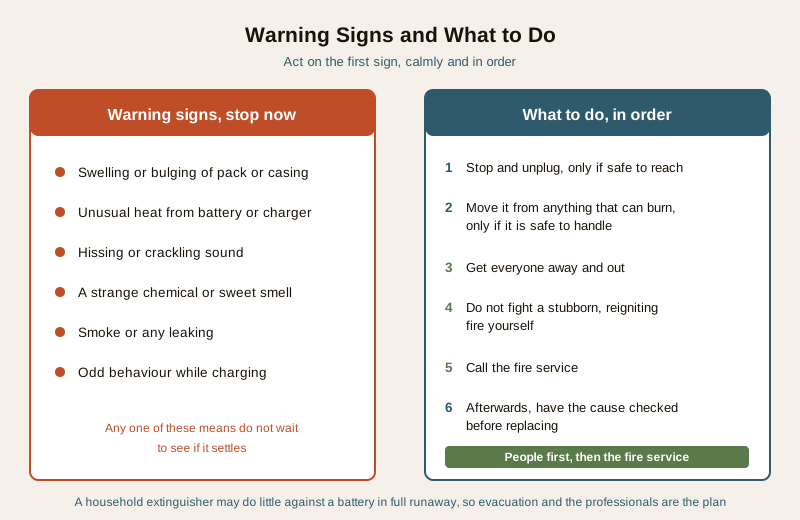
If you spot a warning sign, work through it calmly in this order:
1. Stop using it. Switch off and unplug the charger or device, but only if the plug or switch is safe to reach. Never grab a pack that is already hot, smoking or venting.
2. Isolate it if, and only if, it is safe. If the item is small, cool and merely suspect, moving it away from curtains, furniture and other flammables buys margin. If it is already hot, swelling fast, smoking or hissing, do not handle it.
3. Get people out. People come before property, always. Move everyone, including pets, away from the area and out of the space.
4. Call the fire service. A lithium fire is stubborn and can reignite after it appears to be out, which is precisely why it is a job for the fire brigade and not for you. A household extinguisher may do little against a battery in full thermal runaway, so do not stake your safety on one. Evacuation and the professionals are the plan.
5. Do not attempt to fight a battery in full runaway. Follow whatever instruction the fire service gives. Their guidance on the day, for that specific situation, overrides any general advice.
6. Afterwards, find out why. Once the fire service has made the situation safe, have the cause investigated by a qualified electrician before you replace anything, so the same fault does not repeat.
People first, then the fire service. Because lithium fires reignite and are hard to put out, the safe response is built around evacuation and professional help, not a home extinguisher. Get everyone out and call the fire brigade. For how home extinguishers fit into the wider picture, and their real limits, see the fire extinguishers guide, and for how fire rules sit alongside your security setup, the security and fire regulations guide.
Getting rid of old lithium packs safely
A worn-out or swollen lithium pack does not belong in the household bin. Damaged or crushed in a waste truck, it becomes a fire risk somewhere down the line, and lithium counts as electronic and hazardous waste that is meant to be handled through proper channels rather than general rubbish.
The safe route is to route dead packs to authorised e-waste or battery recycling, through your city's e-waste collection, a manufacturer or retailer take-back scheme where one exists, or an authorised recycler. Until you can hand it over, store an old or slightly swollen pack somewhere cool, dry and away from anything flammable, do not puncture it, do not try to open it, and do not throw it in with the regular waste. An RWA can make this markedly easier by arranging a periodic e-waste collection for the whole society, which also keeps stray batteries out of the general bins.
A lithium battery safety checklist
Run this quick check across every lithium pack in your home or society, the inverter and UPS, the wireless cameras and doorbells, and the solar lights and cameras.
| Area | What good looks like |
|---|---|
| Sourcing | Reputable maker, genuine verifiable certification, bought through an authorised channel |
| Charger | Correct supplied or manufacturer-approved charger only, never left running unattended if cheap or unfamiliar |
| Location | Cool, shaded, ventilated, not sealed in a tight hot cabinet or in relentless direct sun |
| Enclosure | Breathing space around the pack, not tightly boxed, wrapped or buried under other kit |
| Protection | Mounted safe from knocks and crushing, outdoor and solar packs genuinely weather-rated |
| Condition | No swelling, heat, odour, hissing or leaking, retired promptly if dropped hard or water-affected |
| Storage | Spares kept cool, dry, part-charged, away from flammables |
| Disposal | Old and swollen packs to authorised e-waste or recycling, never the household bin |
Never do this
- Never keep using a swollen, hot, hissing or smoking pack, retire it and act on the warning signs.
- Never charge a lithium pack with a random or mismatched charger just because the plug fits.
- Never leave a cheap or unfamiliar charger running unattended, especially overnight.
- Never seal a pack in a tight, hot, unventilated space, or cover it with cloth or clutter.
- Never puncture, crush, open or dismantle a lithium pack, or try to fix a damaged cell yourself.
- Never throw a lithium battery in the general household waste.
- Never try to fight a battery in full thermal runaway yourself, get people out and call the fire service.
Where this sits in your wider safety setup
Battery safety is one thread in the broader picture of keeping a security installation safe and compliant. The wiring that feeds these chargers and packs has its own good practice, gathered in the electrical safety for security systems guide, and how all of this fits within local rules and approvals is covered in the security regulations overview. Treat those as the surrounding frame, and this battery guidance as the specific, everyday habit that keeps the lithium in your kit quietly doing its job.
Key takeaways
- Lithium is worth respecting, not fearing. Its energy density is why it is everywhere, and thermal runaway, a self-feeding fire that can start from an internal fault and reignite, is why good products and good habits matter.
- Almost every cause is avoidable. Cheap uncertified cells and chargers, physical damage, overcharging, overheating and water ingress account for nearly all incidents, and each is within your control.
- Prevention is the whole game. Buy certified, use the correct charger, keep packs cool and ventilated, protect them from damage and water, do not overcharge, and store and dispose of them sensibly.
- Act on the first warning sign. Swelling, heat, hissing, odd smell, smoke or leaking mean stop now, and because these fires reignite, get everyone out and call the fire service rather than relying on a home extinguisher.
- Dispose through proper channels. Old and swollen packs go to authorised e-waste or recycling, never the household bin.
References
- Bureau of Indian Standards (BIS) — India's national standards body, responsible for the certification and registration of many electrical and electronic goods, including chargers and battery products; a genuine, verifiable mark is a meaningful safety signal. Verify a specific product's mark via the BIS portal: https://www.services.bis.gov.in/
- Your local state or city fire service — the authority to call in any battery fire or suspected thermal-runaway emergency, and the right source for local fire-safety guidance for homes and residential societies.
- The device or battery manufacturer — the authoritative source for the correct charger, charging limits, safe operating conditions and disposal or take-back guidance for that specific pack.
- Authorised e-waste and battery recyclers — lithium batteries are electronic and hazardous waste and should be routed to authorised recycling or manufacturer take-back, not the general waste stream.
This is an educational safety guide for homeowners and residential societies, not fire-fighting instruction, an installation manual, or a substitute for the fire service or a qualified electrician. Lithium battery designs, product standards and local fire rules change over time; always follow the manufacturer's instructions, engage a licensed professional for installation and investigation, and in any emergency get people to safety and call your local fire service.
Export this guide
Related Guides — Deep-dive reading
EV Charging Fire Safety in India (2026): Stop Li-ion Thermal Runaway at Home
Why e-scooter, e-rickshaw and EV charging is a fast-rising Indian fire cause, and the safe way to charge: dedicated circuit, genuine charger, never on the escape route, and never unattended overnight.
SecurityElectrical Safety for Security Systems in India (2026): Powering It Without Peril
A homeowner's guide to the power side of home and RWA security systems, CCTV, alarms, gates, access control and NVRs, done so it protects you instead of quietly becoming a shock or fire hazard. What makes a supply safe, what to insist on, and why the mains work belongs to a licensed electrician.
SecuritySecurity for People Living Alone in India (2026): Calm, Practical Habits When There Is No Second Person to Notice
Living alone is an ordinary and growing part of Indian life - the student in a new city, the working single, the elder whose children are abroad, the person after a separation. It does not call for fear. It calls for a few deliberate habits, because there is no second person in the home to notice trouble, raise the alarm, or catch an accident. This is calm self-reliance, layer by layer.
SecurityRelated Tools — Try Free
Security Backup Power Calculator
Size a UPS/inverter and battery to keep CCTV, NVR, router and alarm running through a power cut — load, Ah, VA and cost.
Backup PowerApartment Interior Planning Checklist
51-item checklist across structural, ceiling, lighting, furniture, storage, electrical, kitchen, bathroom.
ChecklistMonsoon-Readiness Checklist
Pre-rain home audit across 9 categories — terrace, drains, waterproofing, electrical, HVAC, pest, vehicles, documents.
Seasonal Audit