
Smart Locks & Access ControlVolume 1 · Issue 4 · September 2026
Beyond the Key
A lock is a life-safety device before it is a gadget. This library makes smart locks and access control make sense — every way to open a door, every form of lock, and the systems that manage who goes where — with the two rules that never bend: it must never trap anyone, and it must always keep a way in.
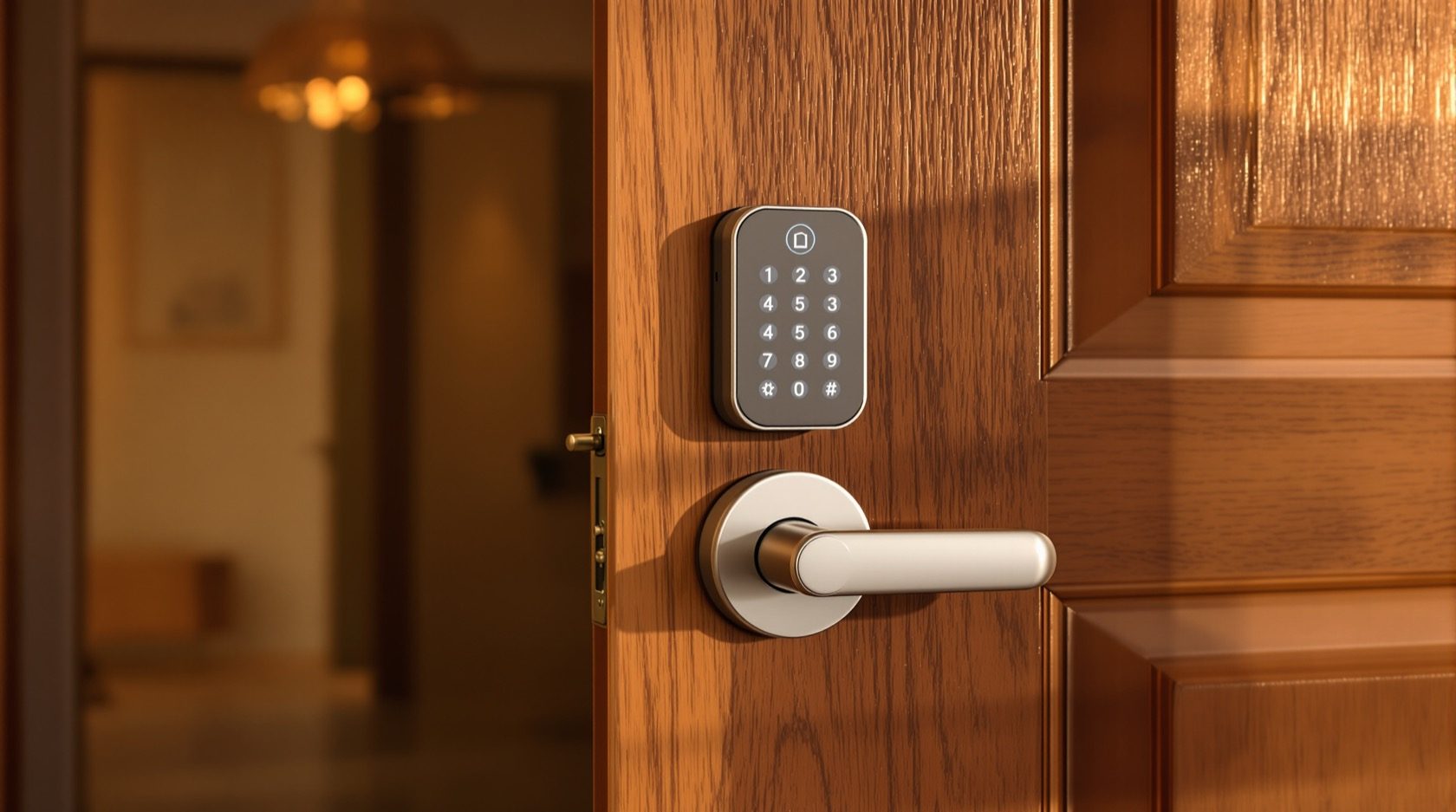
Smart Locks in India (2026): The Complete Guide to How They Work, How to Choose and How to Fit One Safely
A smart lock swaps the key for a credential you carry, type or keep in your phone. This umbrella guide maps the territory: how a smart lock works, the credential that opens it, the body it lives in, and the safety, power and privacy calls every Indian buyer faces.
Read itSmart locks — how you open it
Fingerprint, PIN, card, phone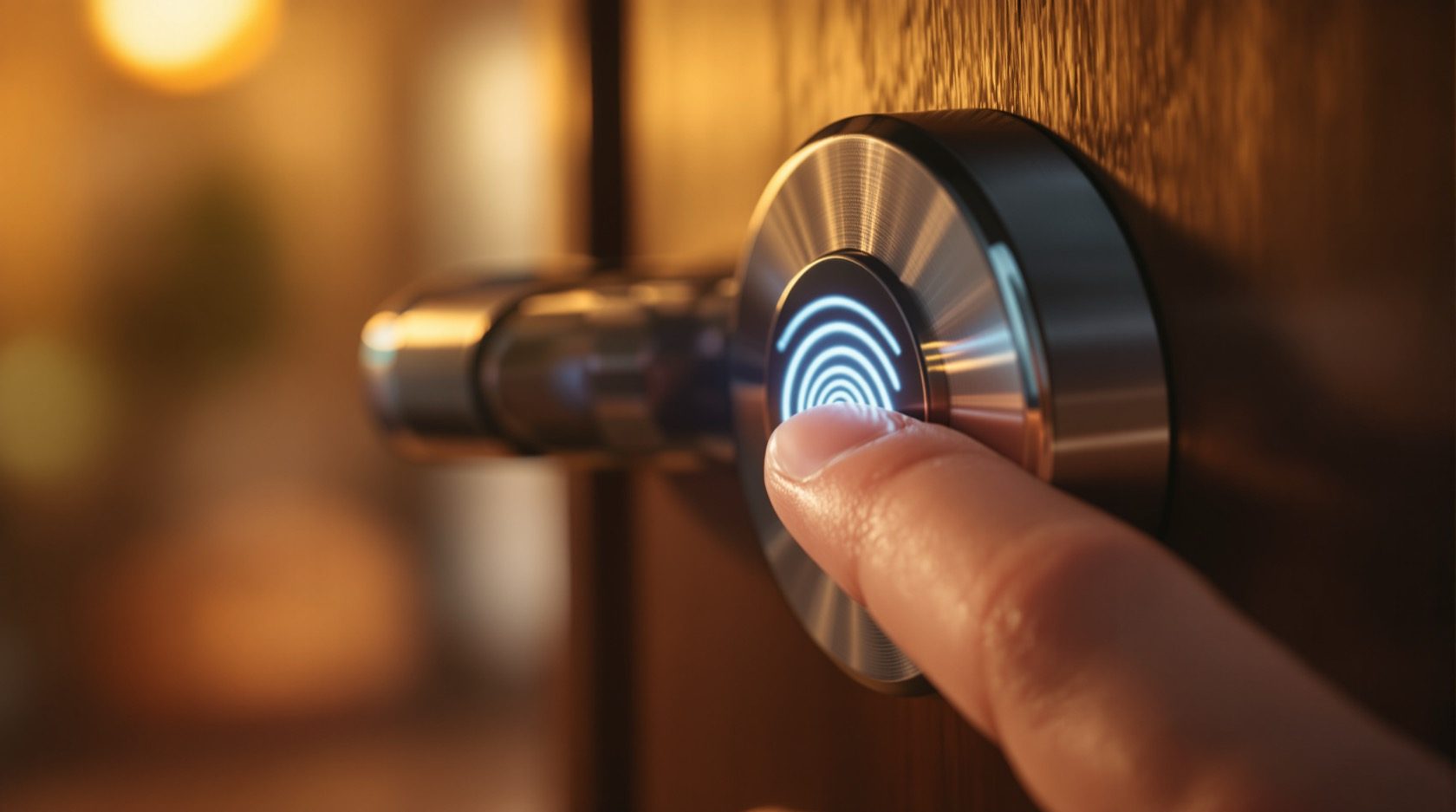 Fingerprint01
Fingerprint Locks in India (2026): How Biometric Door Locks Really Work, and Their Honest Limits
A fingerprint lock is fast and there is nothing to carry, but wet or worn hands fail to read, biometrics are sensitive data, and it must always keep a PIN and mechanical key backup. Here is how they work and how to choose honestly in India.
 PIN code02
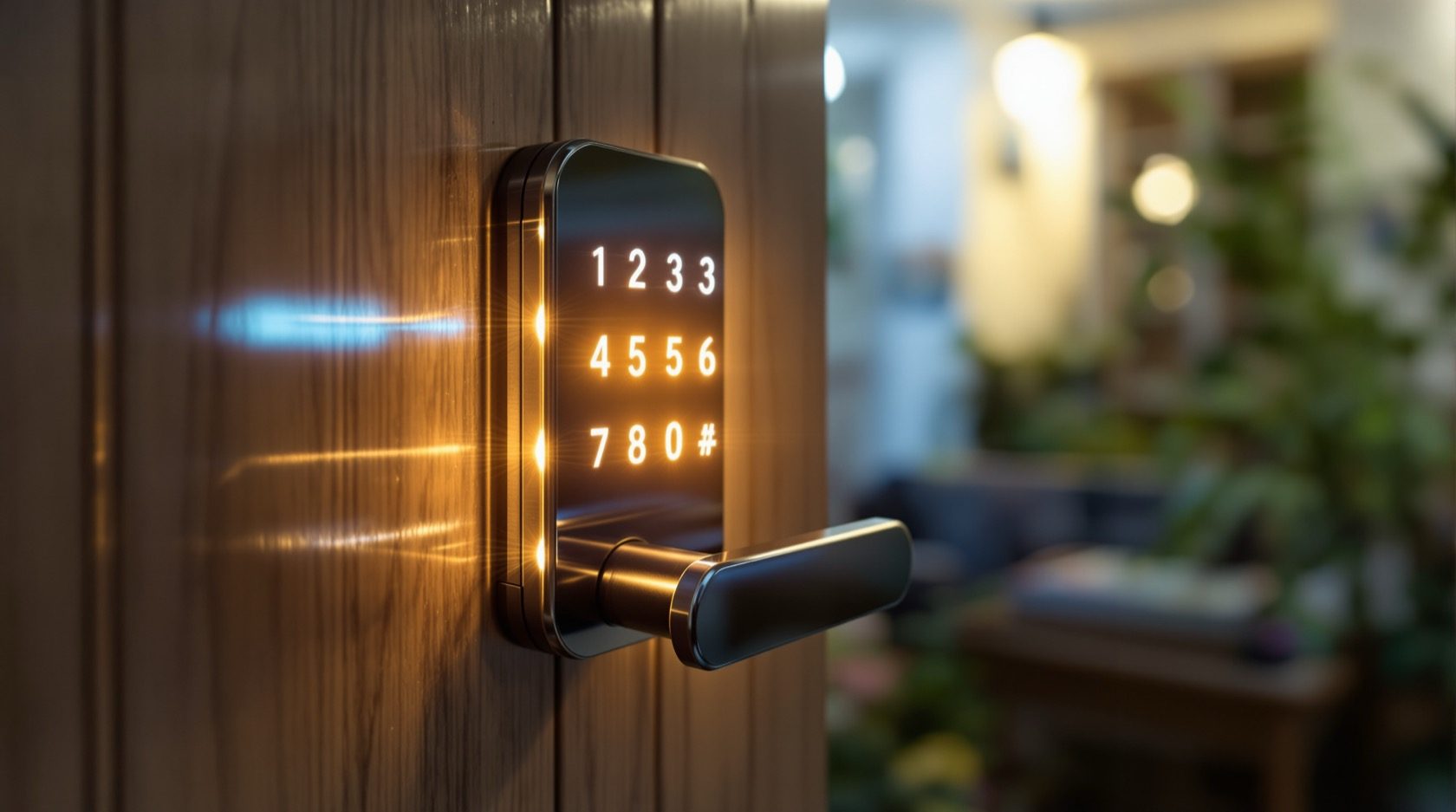
PIN-Code Locks in India (2026): The Keypad Smart Lock Buyer's Guide
Keypad smart locks open with a numeric code — no card, phone or fingerprint enrolment. This guide explains how they work, why they are India's favourite entry-level smart lock, and how to choose one: anti-peep codes, managing codes for family and maids, and getting in on a dead battery.
 RFID card03
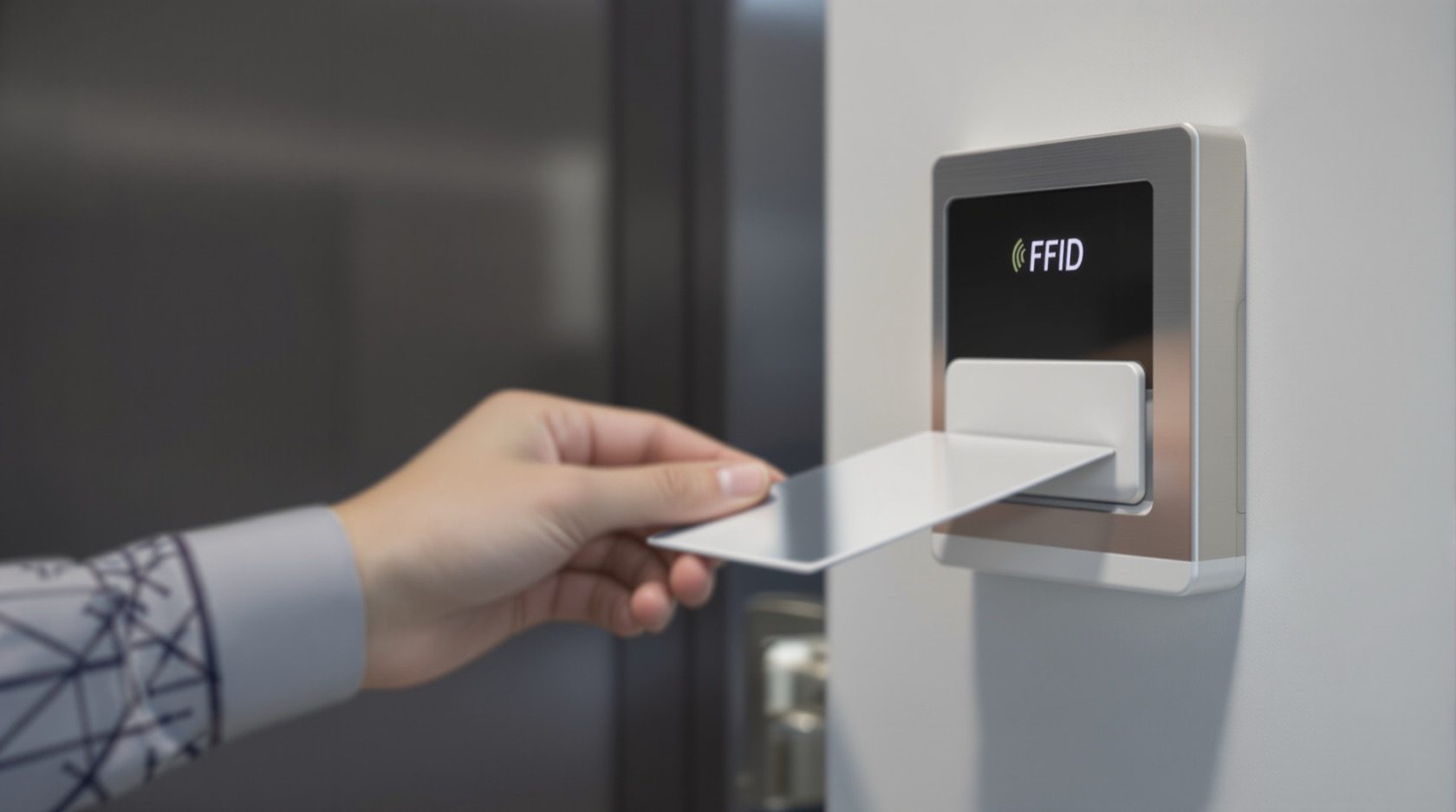
RFID Locks in India (2026): Cards, Fobs and Tags for Offices, PGs and Homes
RFID locks let you tap a card, fob or tag to open a door, and issue or revoke access in seconds. This guide explains how RFID works, why encrypted 13.56MHz cards beat cheap 125kHz ones, and how to manage credentials for offices, PGs, hostels and apartments in India.
 NFC / phone04
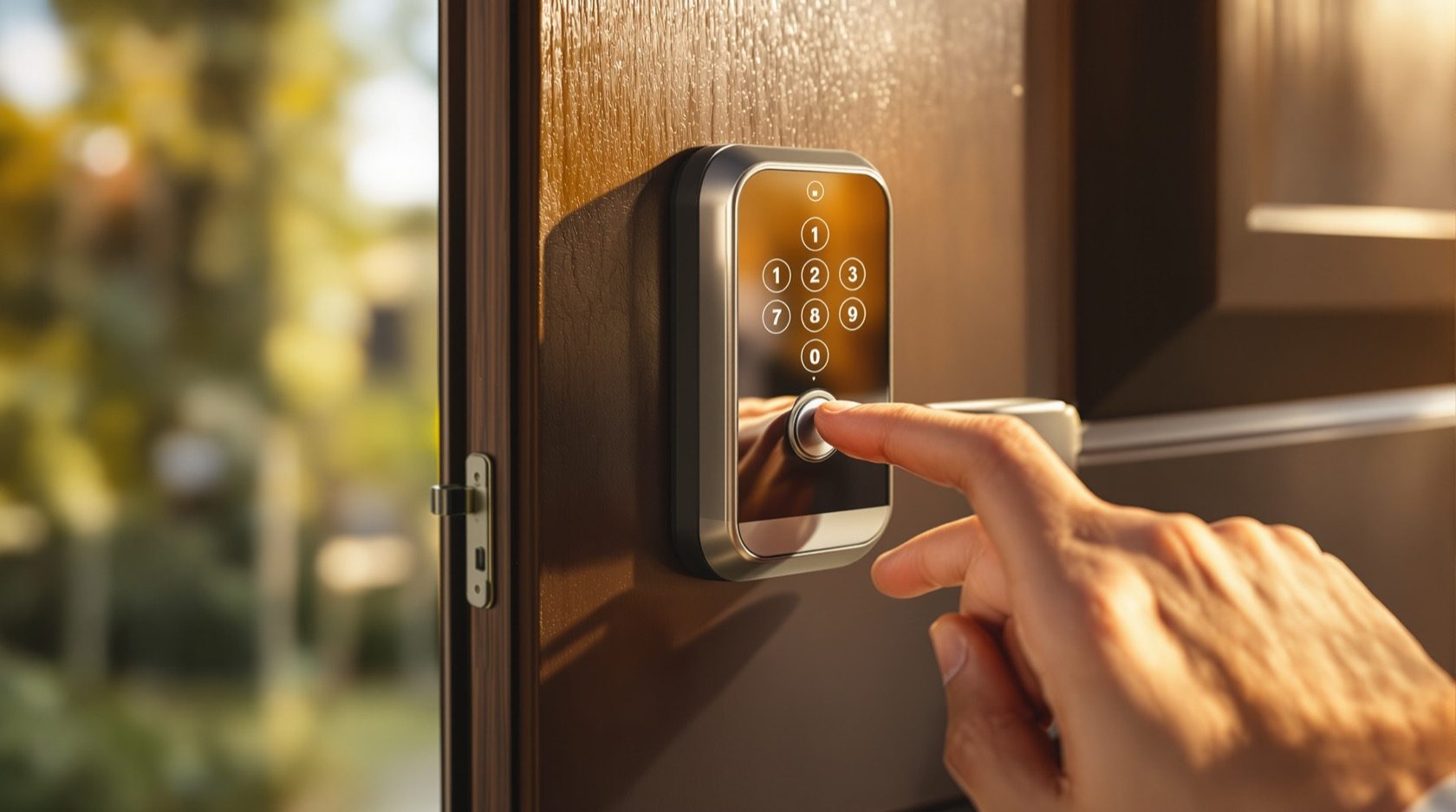
NFC Locks in India (2026): Tap Your Phone or Card to Open the Door
NFC smart locks turn your phone, an NFC card, or a sticker into a key you simply tap against the door. This guide explains how NFC works, how it differs from RFID and Bluetooth, and the India realities: phone differences, dead-battery backup, and cyber hygiene.
 Bluetooth05
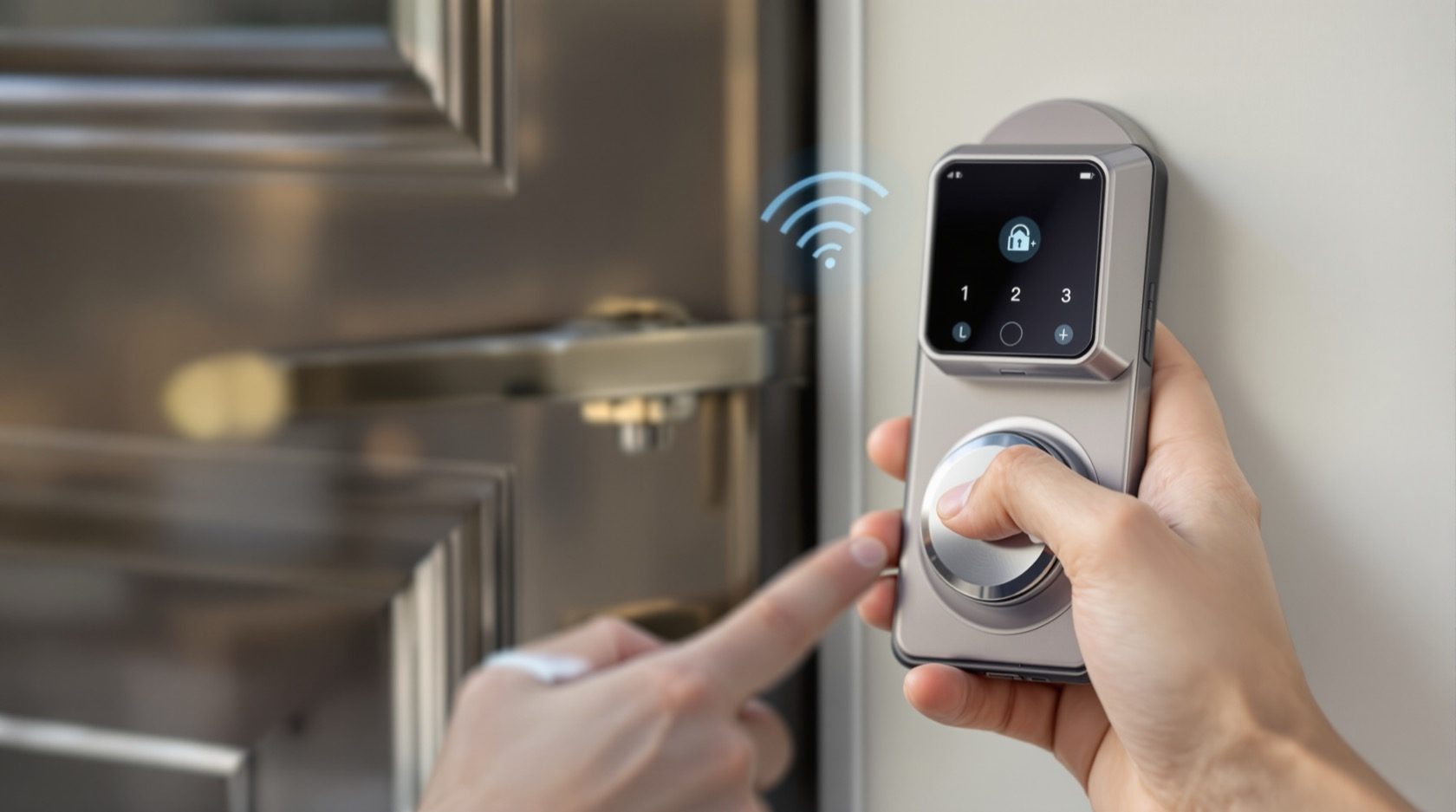
Bluetooth Locks in India (2026): How BLE Smart Locks Work, and Their Limits
Bluetooth smart locks unlock from a paired phone over short-range BLE, with no Wi-Fi or hub needed. This guide explains how they work, why they are cheaper and cloud-light, and the honest limits: no remote unlock without a bridge, phone dependence, and how to choose a secure one.
 Wi-Fi06
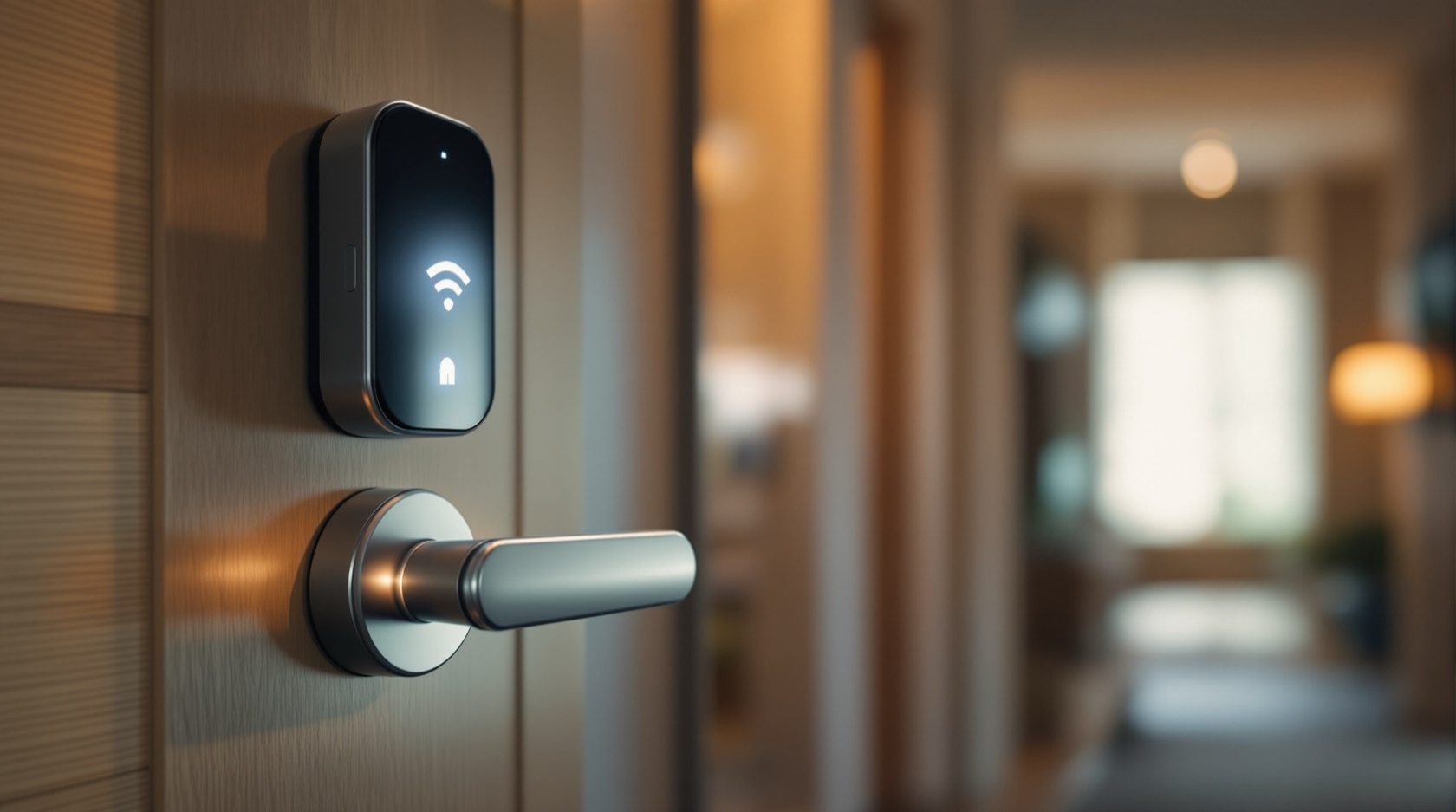
Wi-Fi Locks in India (2026): How Wi-Fi Smart Locks Give True Remote Access
Wi-Fi smart locks join your home network, so you get true lock and unlock from anywhere, live notifications, guest access and smart-home links. This guide explains how they work versus Bluetooth, and the honest India trade-offs: weak door signal, battery drain, power cuts and network security.
 Face07
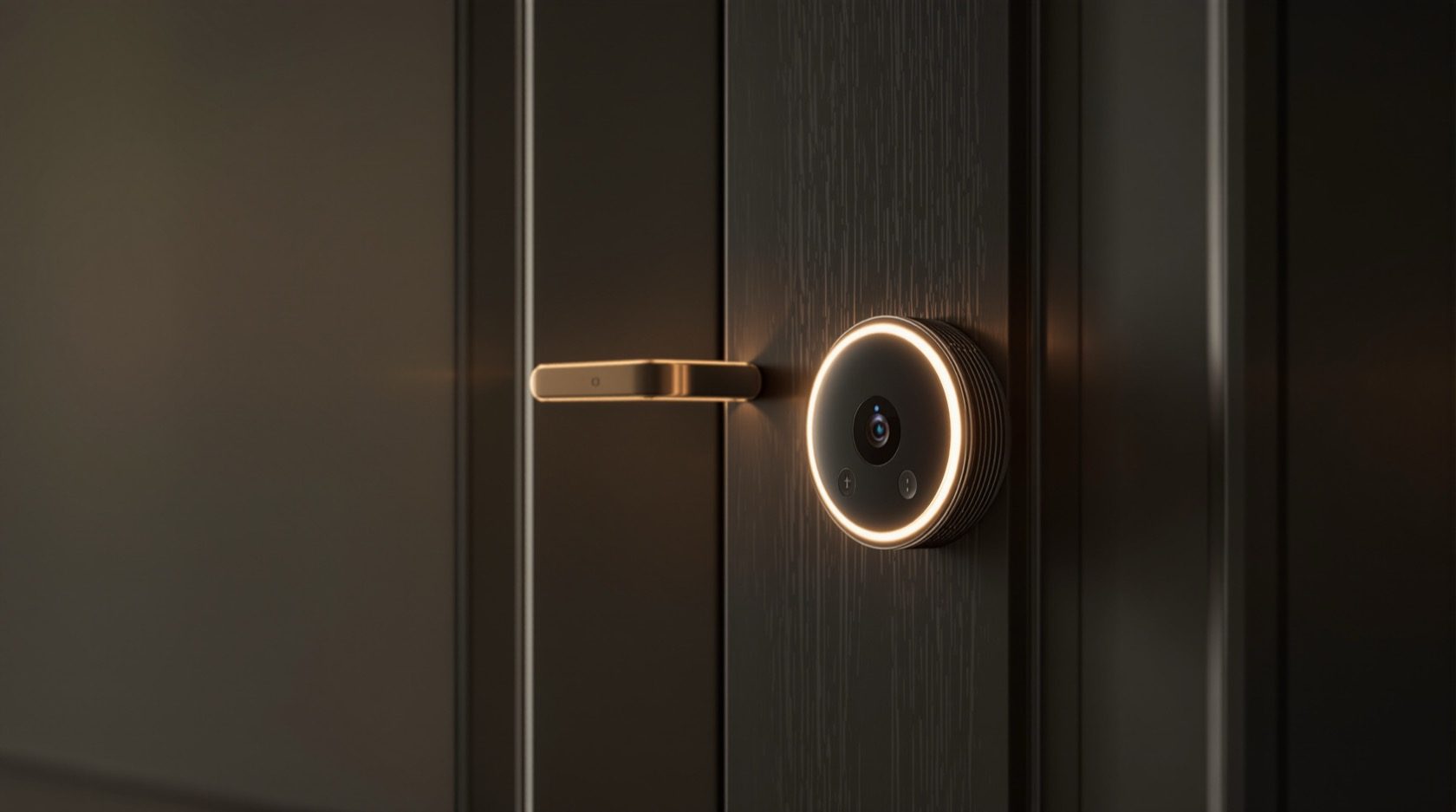
Face-Recognition Locks in India (2026): Proportionality, Privacy and the DPDP Act
A face-recognition lock opens the door when it recognises an enrolled face. This guide covers 2D versus 3D sensing, why the face template is sensitive DPDP data, honest accuracy limits, and why for most homes a good fingerprint, PIN and key setup is enough.
 Biometric08
Biometric Locks in India (2026): The Honest Umbrella Guide to Locks That Read Your Body
A biometric lock reads a body trait and matches it to a stored mathematical template, not a photo. This umbrella guide covers fingerprint, face and rarer types, false-accept vs false-reject, on-device vs cloud storage, the DPDP privacy duties, and whether your home needs one at all.
 App09
App09App-Controlled Locks in India (2026): What the Smartphone App Really Gives You
App-controlled smart locks put a phone app in charge of a Bluetooth or Wi-Fi lock: unlock, share time-limited digital keys, read an access log, set schedules and get alerts. This guide explains what the app gives you and the honest concerns: account security, data, app longevity and backups.
 Remote access10
Remote-Access Locks in India (2026): Locking and Granting Entry From Anywhere
Remote-access locks let you lock, unlock and grant entry from anywhere — for family, help, deliveries, a holiday home or short-let guests. This guide covers how the capability is built, the internet and power-cut requirements, the security you must harden, and why you never rely on remote-only.
That covers how you open it. Next — the lock itself.
The lock itself — form factors
Deadbolt, mortise, gate & more Deadbolt11
Deadbolt Smart Locks in India (2026): The Retrofit Format and Where It Fits
A smart deadbolt motorises the solid bolt your door already throws into the frame, making it the world's easiest retrofit smart lock. This guide explains how it works, single vs double cylinder, dead-battery access, and the India catch: most main doors need a mortise, not a deadbolt.
 Mortise12
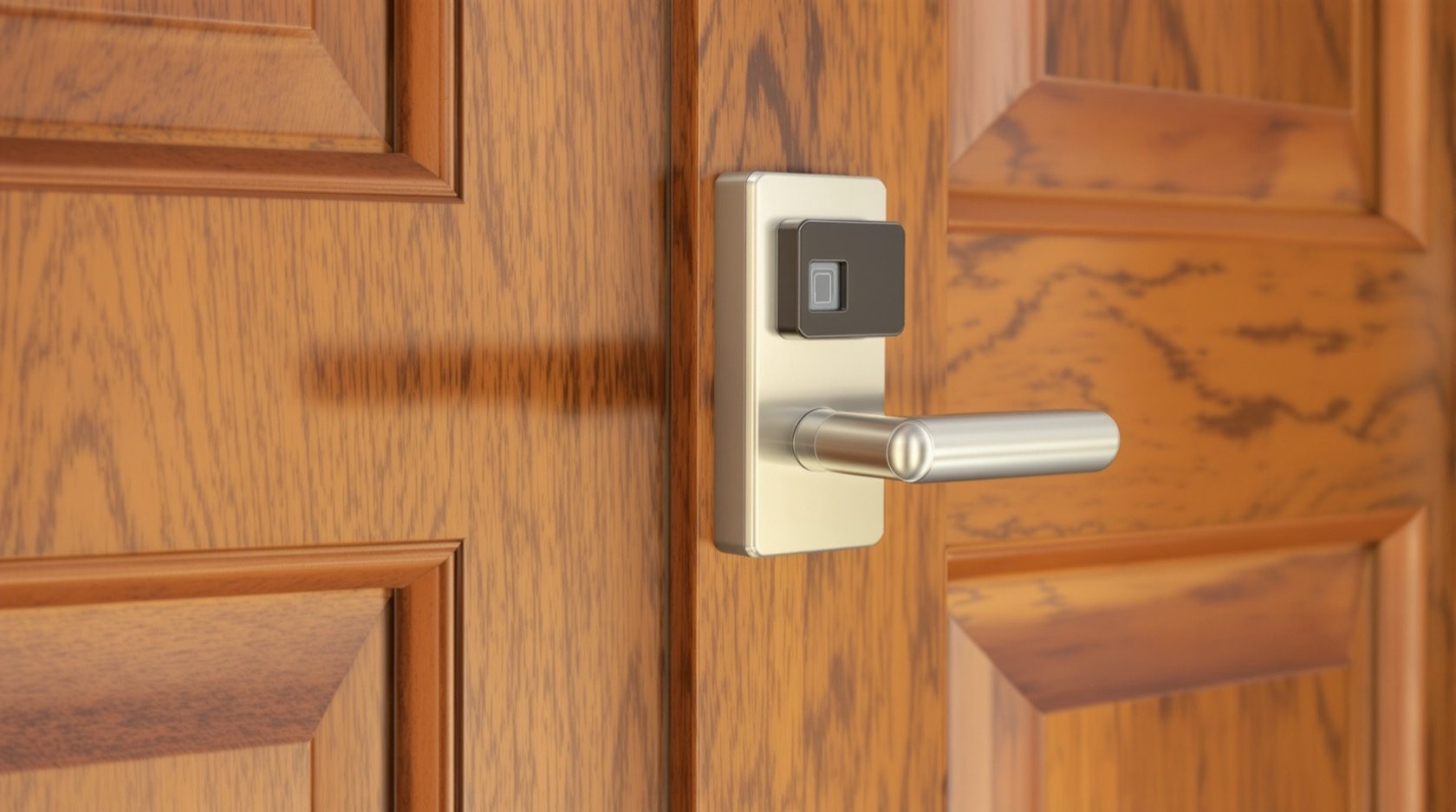
Mortise Smart Locks in India (2026): The Default Main-Door Choice
For most Indian main doors the smart mortise handle-set is the natural upgrade, because the door is already cut for a mortise. This guide explains how the case sits in the door edge, what to measure before you retrofit, auto-locking, and how you get in when the battery dies.
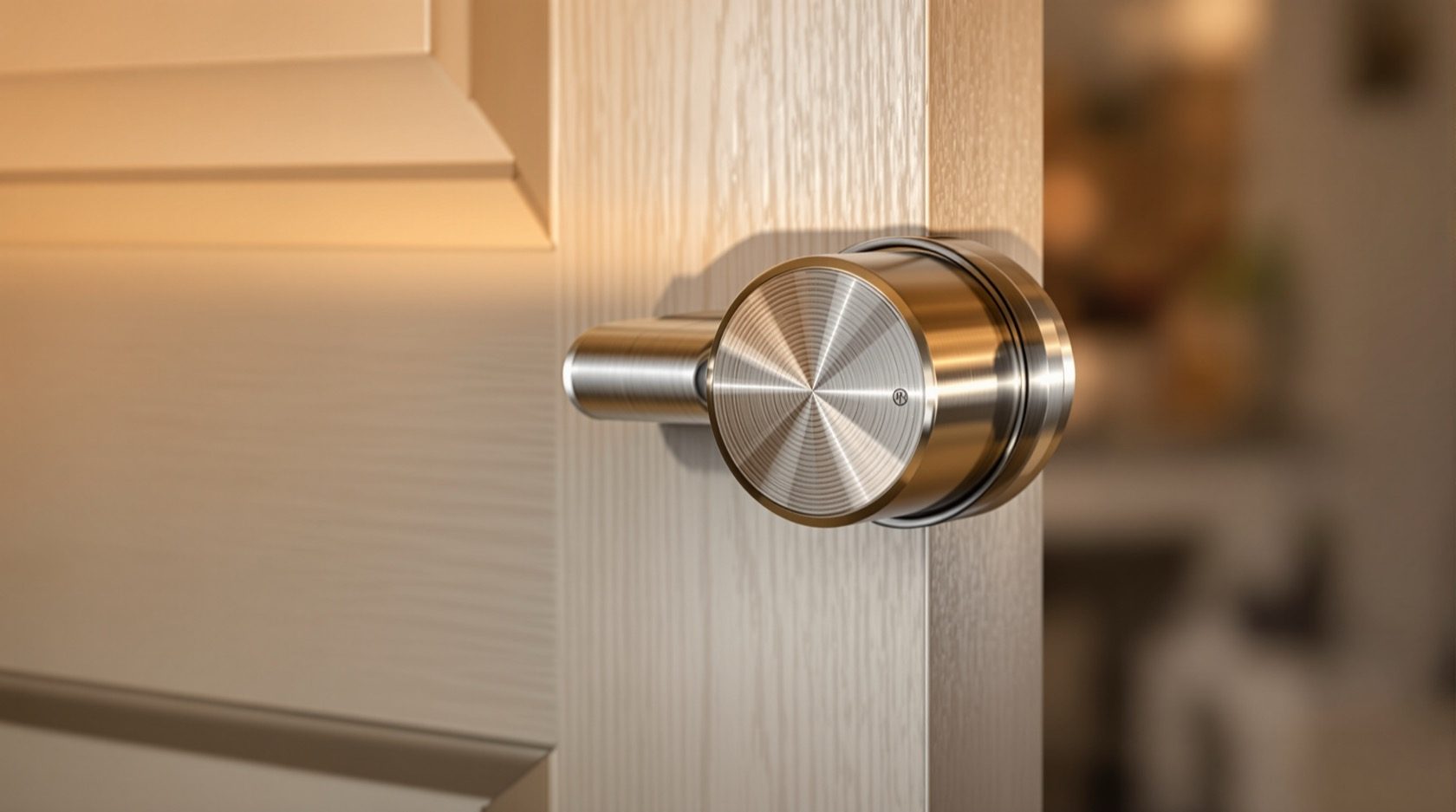 Rim13
Rim13Rim Smart Locks in India (2026): The Easiest Retrofit Smart Lock
Rim smart locks screw onto the inside face of the door instead of being cut into the edge, making them the easiest retrofit for renters, old doors and doors that cannot take a mortise. This guide covers how they work, where they fit, and their limits.
 Padlock14
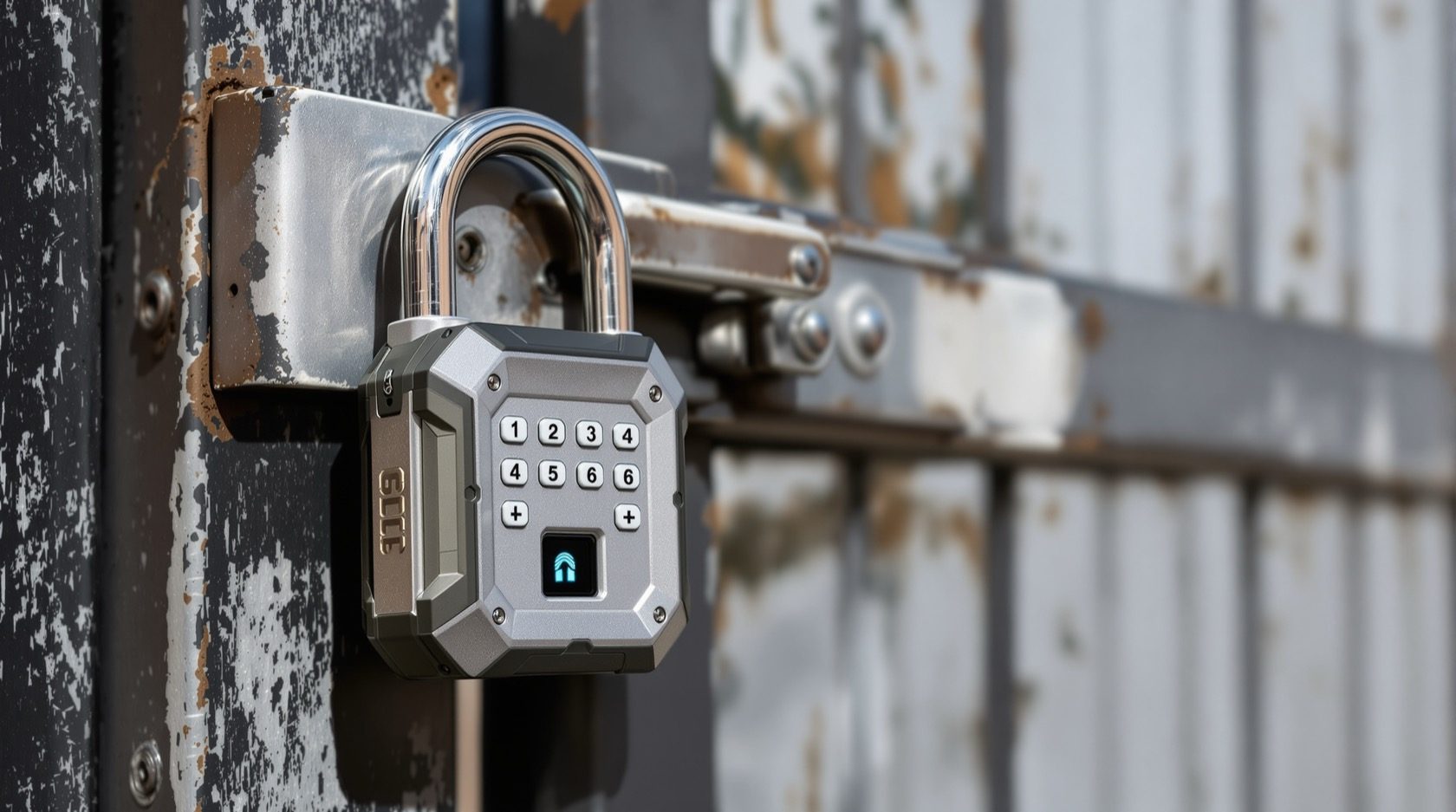
Smart Padlocks in India (2026): A Buyer's Guide to Fingerprint, Bluetooth and Code Padlocks
Smart padlocks open by fingerprint, phone or code and go anywhere a key padlock does: gates, sheds, godowns, lockers, luggage. This buyer's guide covers shackle strength, weatherproofing for Indian monsoon and dust, and the dead-battery backup to check before you buy.
 Cabinet15
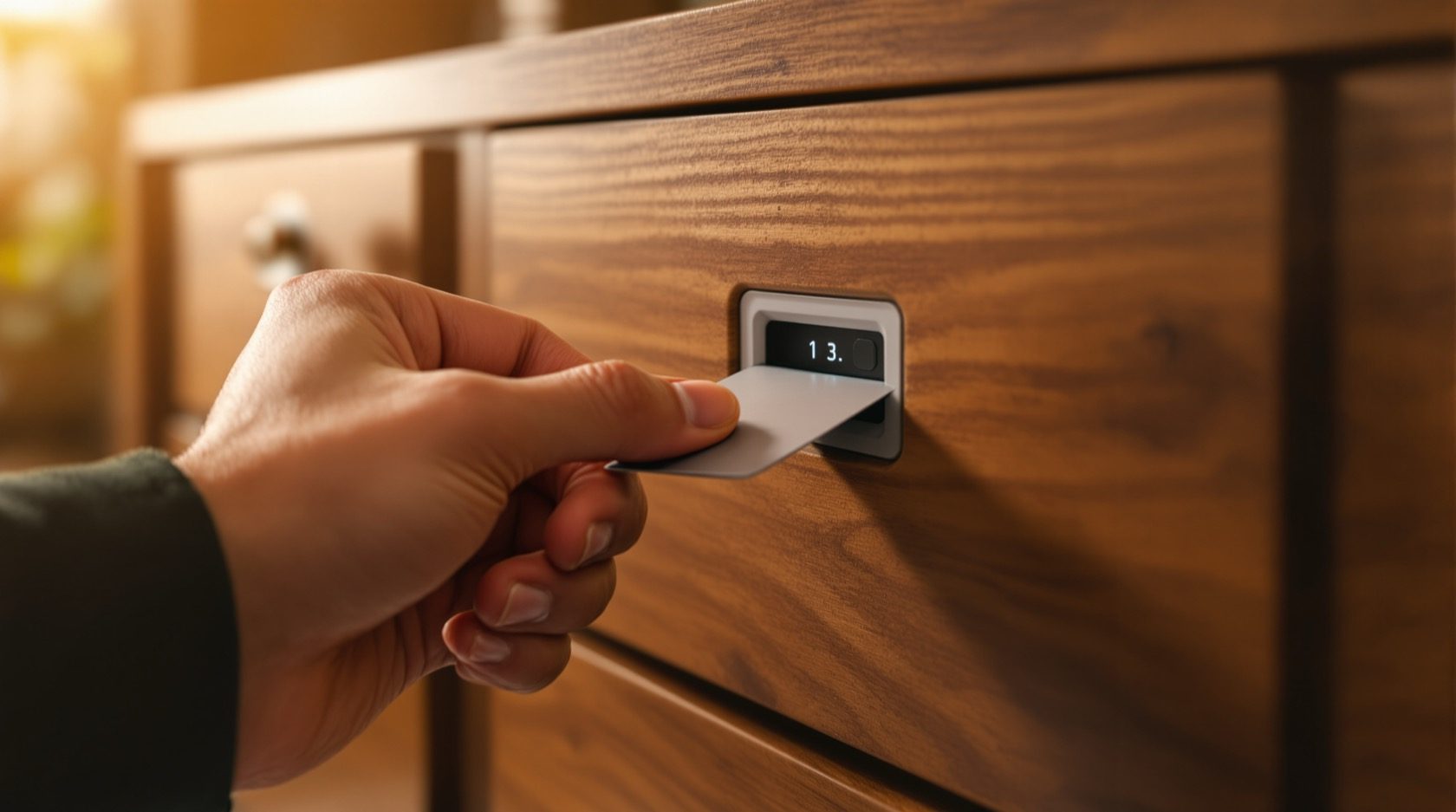
Smart Cabinet Locks in India (2026): Concealed Drawer, Wardrobe and Locker Locks
Smart cabinet locks are small concealed electronic locks that secure drawers, wardrobes, medicine cabinets and lockers by card, fingerprint, code or app. This guide covers the types, invisible install, India uses, child safety, and the dead-battery backup that decides which to buy.
 Gate16
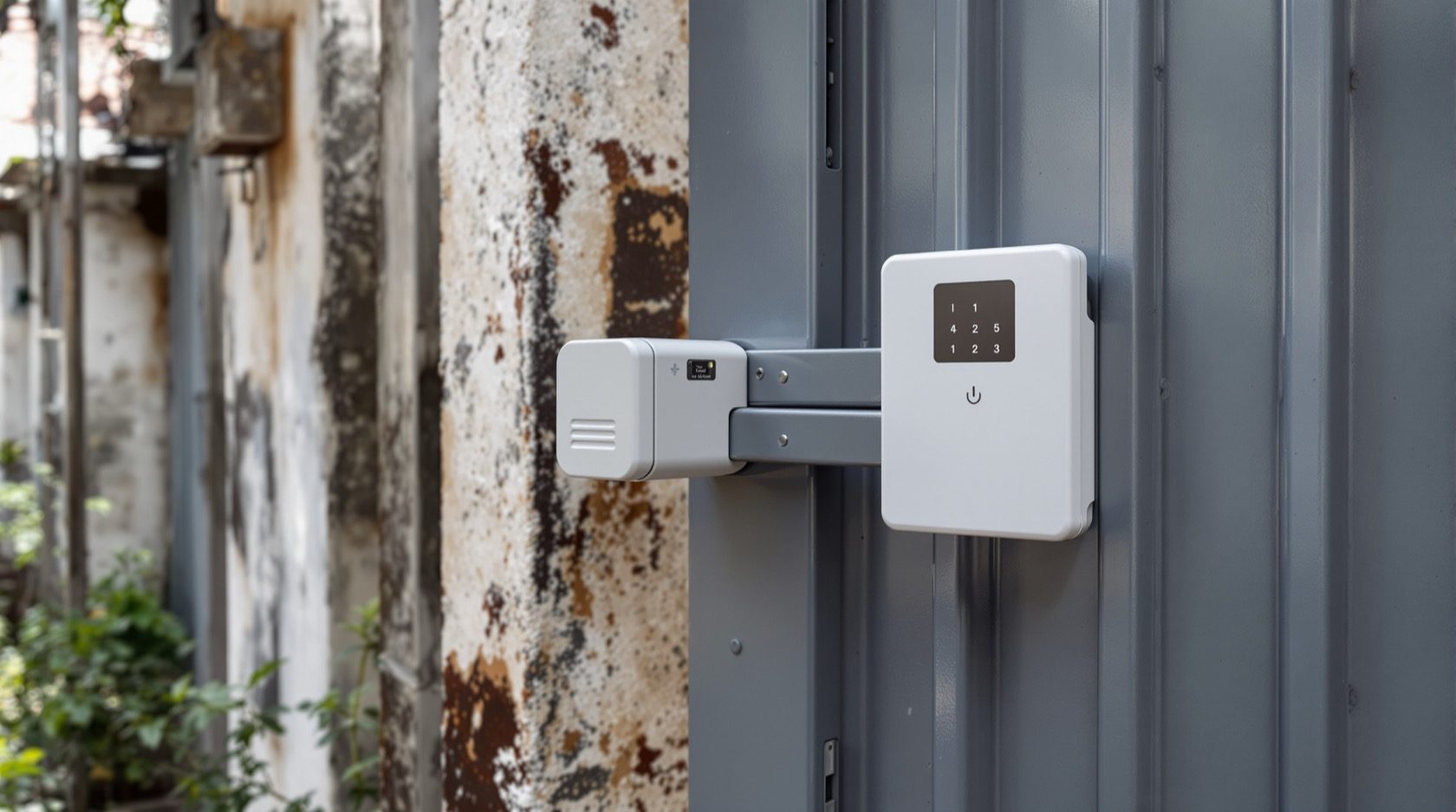
Smart Gate Locks in India (2026): Locking the Compound Gate the Right Way
A compound gate is not a front door: it lives fully outdoors in monsoon, dust and 45C heat, sits on metal, and must let people and vehicles out in an emergency. This guide covers lock types, weatherproofing, mounting, powering, and safe integration for Indian gates.
 Garage17
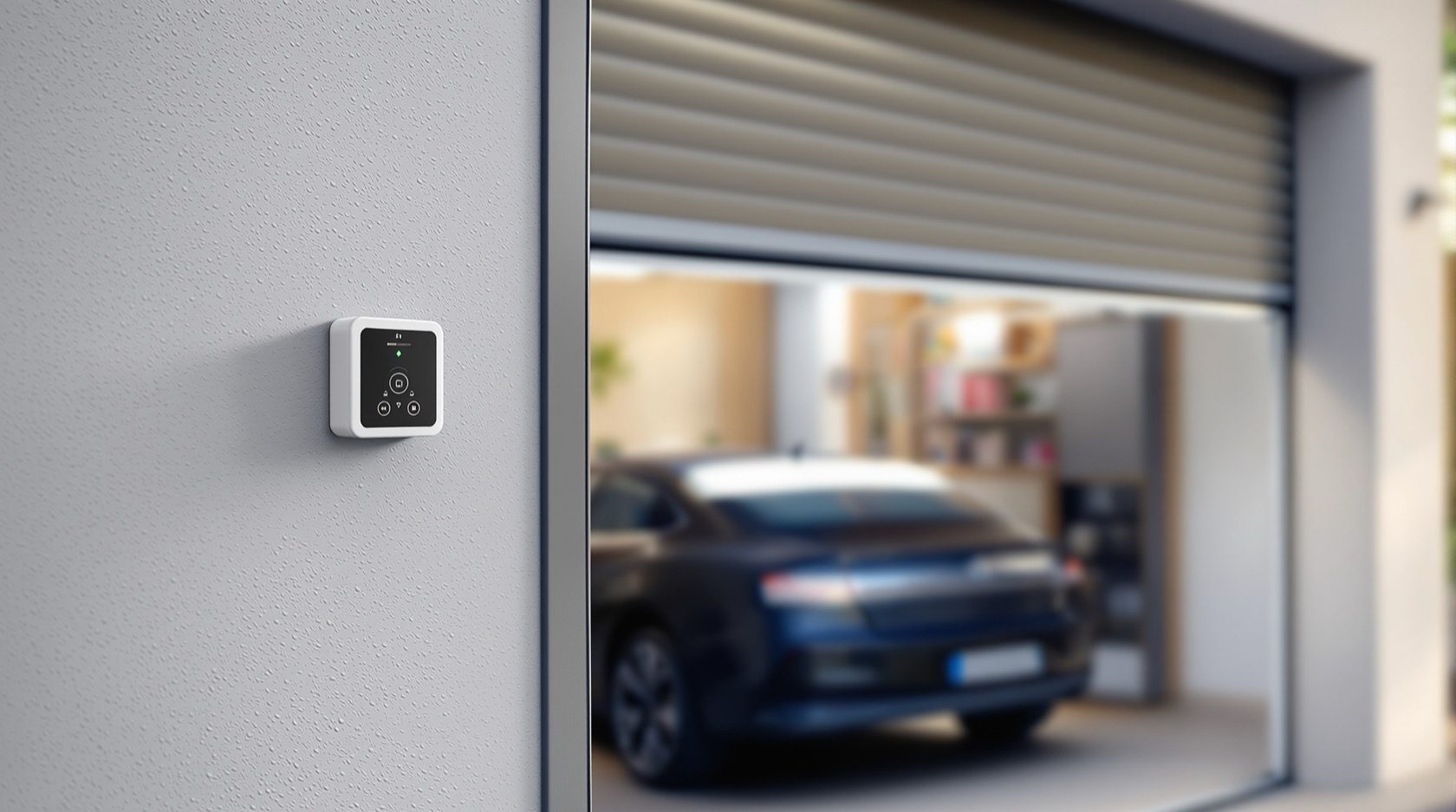
Smart Garage Locks in India (2026): Securing the Door and the Car Park
Securing a home garage in India has two halves: smart control of the garage door itself (open, close and check it from your phone) and a smart lock on the pedestrian side-door. This guide covers both, with pinch-protection, manual release and power-cut safety flagged throughout.
 Hotel-style18
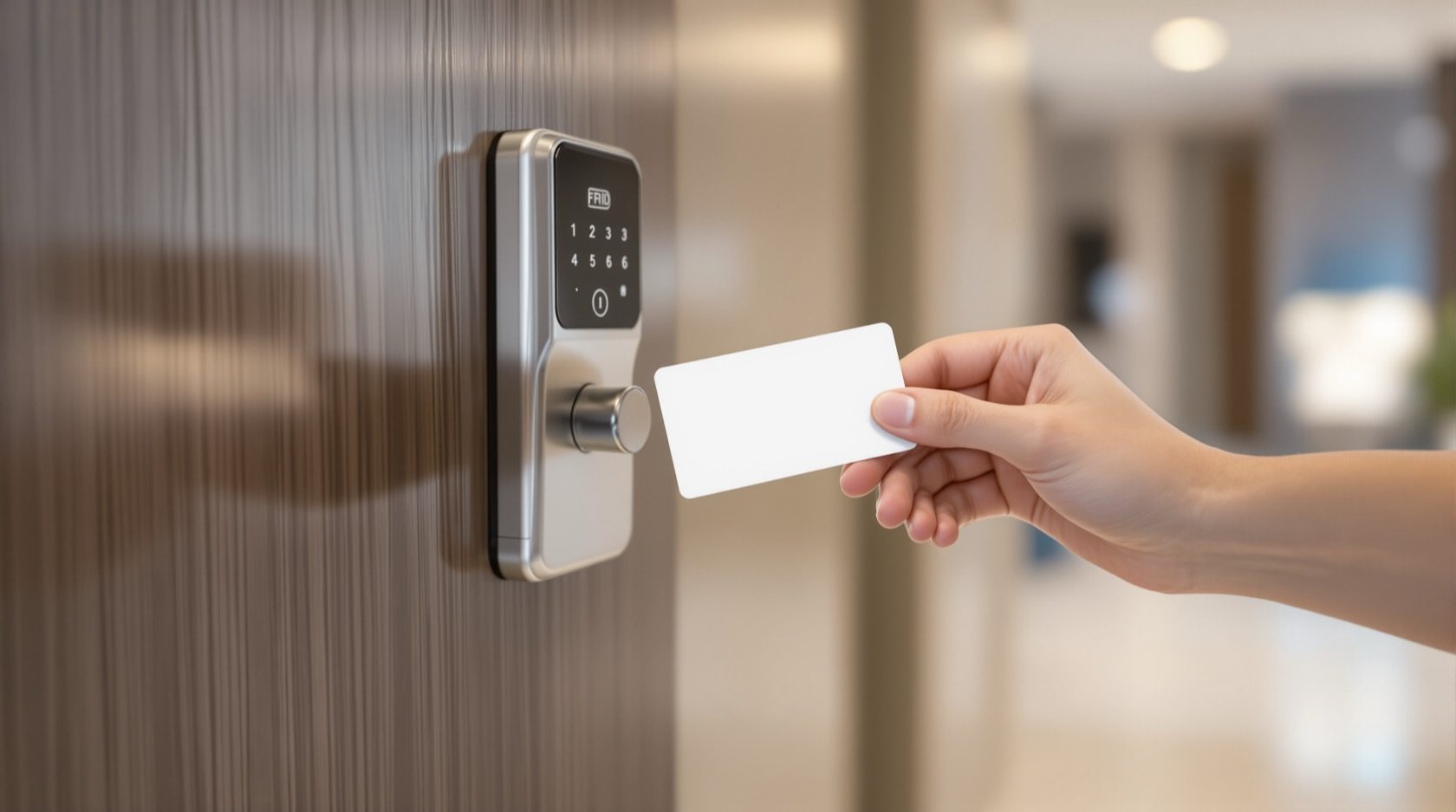
Hotel-Style Digital Locks in India (2026): Cards, Codes and the Front-Desk System
Hotel-style digital locks are built for many rotating guests: a front-desk encoder issues a per-stay card or code that auto-expires at checkout, with staff cards and a who-entered-when audit trail. Where they fit in India beyond hotels, how the offline system works, and the egress and privacy rules.
From the mortise lock that fits most Indian main doors to padlocks, gates, garages and hotel-style rooms — the physical lock and where it goes. Next, the systems that manage many doors and many people.
Access control — the system
Who goes where, and when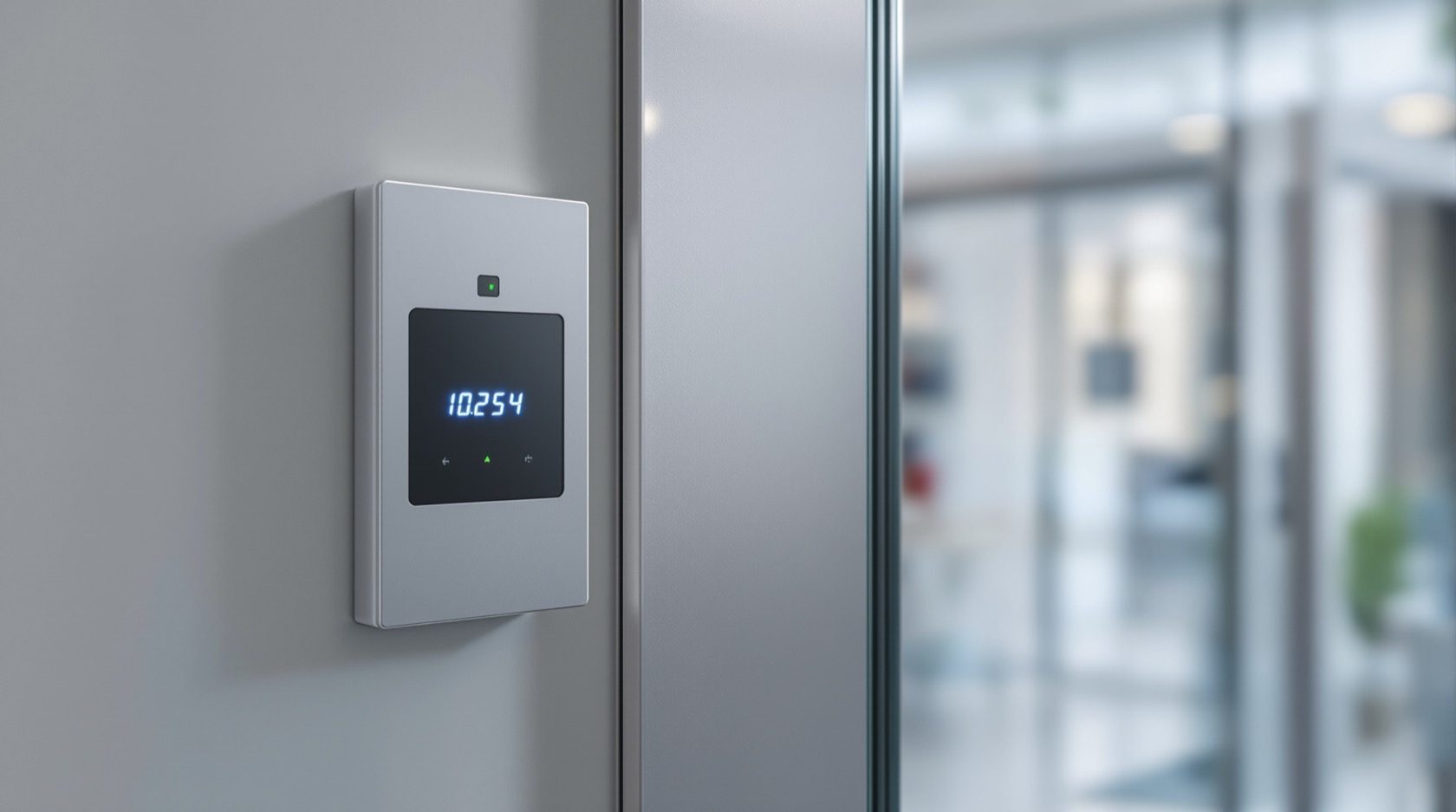 Complete guide19
Access Control Systems in India (2026): The Complete Guide
An access control system manages who goes where and when across many doors, with a record. This guide maps the credential-reader-controller-lock-software chain, how it differs from a single smart lock, the fire-egress fail-safe rules, DPDP duties, and the decisions that shape a design.
 Card-based20
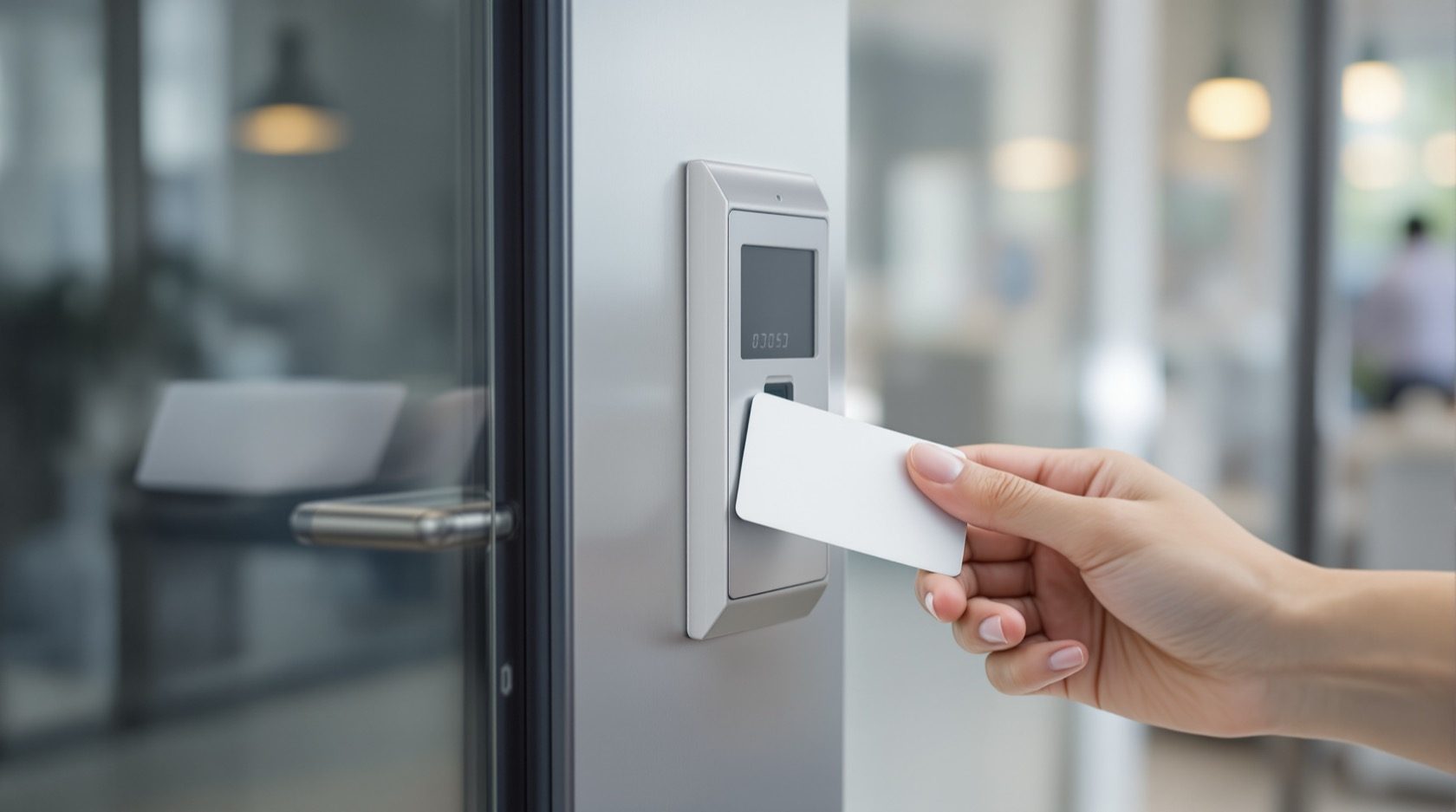
Card-Based Access Control in India (2026): RFID Cards, Readers, Controllers and the Audit Trail
Card-based access control is the workhorse of building entry: a card is tapped at a reader, a controller checks it and releases the door, and every tap is logged. This guide explains the chain, the card technologies, issuing and revoking cards, and keeping doors fail-safe for fire egress.
 Biometric21
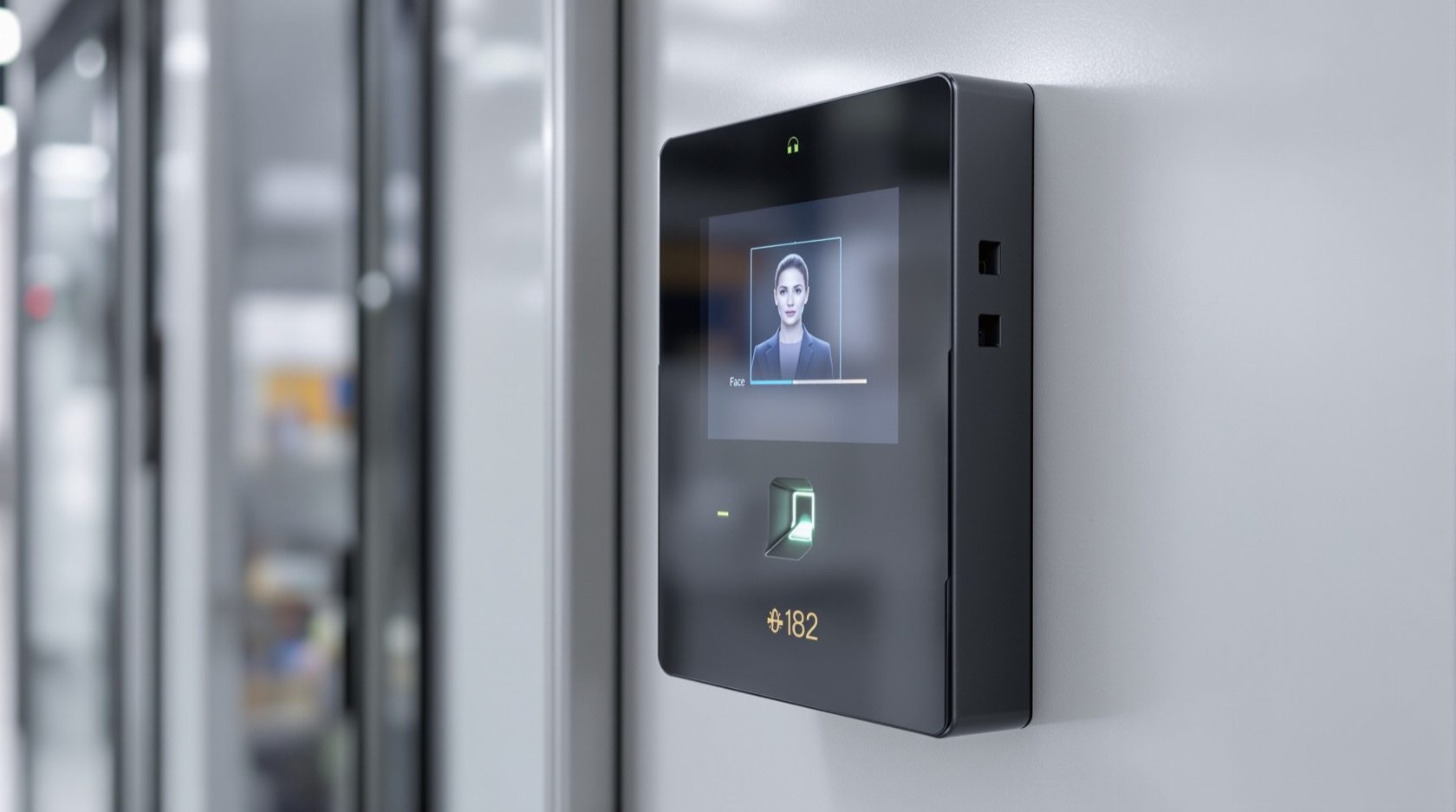
Biometric Access Control in India (2026): Fingerprint, Face and Palm Systems Done Right
Networked biometric access control puts fingerprint, face or palm readers on many building doors, usually tied to attendance. This professional guide covers how it differs from a single-door lock, the DPDP Act duties around employee and tenant biometrics, fire-egress fail-safe, honest field limits and when to bring in an integrator.
 Mobile22
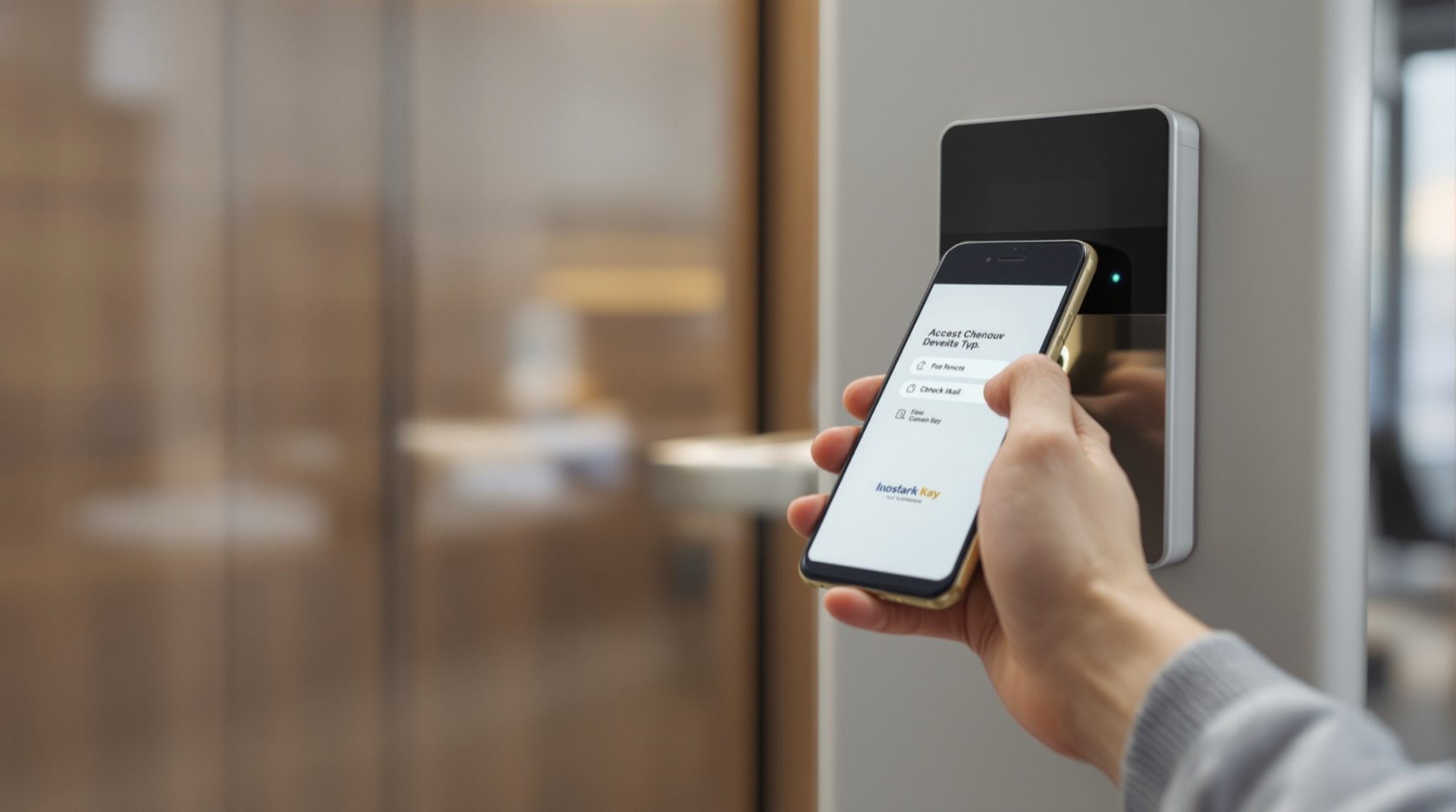
Mobile-Credential Access Control in India (2026): The Phone as the Card
Mobile-credential access turns the phone people already carry into their access card over BLE, NFC or a mobile wallet. This guide explains how it works, why it is replacing plastic cards, and the honest trade-offs on phone dependence, iOS vs Android, account security, privacy and fire-egress fail-safe.
 QR code23
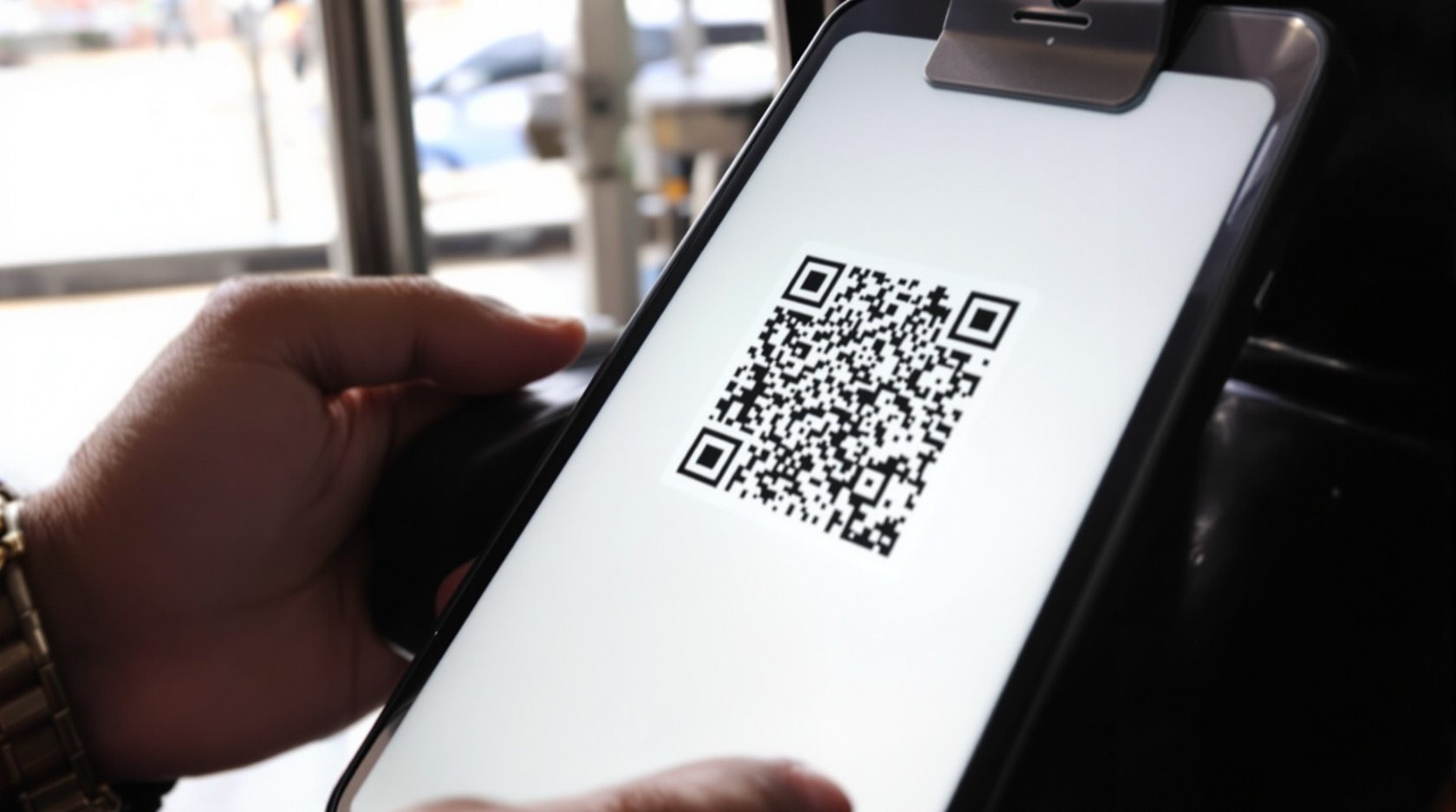
QR-Code Access Control in India (2026): Gate Passes, Visitor Access and How to Do It Securely
QR-code access control lets a phone or printed slip open a gate or door — perfect for society visitors, deliveries, events and day passes. This guide explains how it works, why dynamic expiring codes beat static ones, and the fire-egress and DPDP rules you must follow.
 Multi-factor24
Multi-Factor Access Control in India (2026): Two-Factor Doors, Anti-Passback and Mantraps Done Right
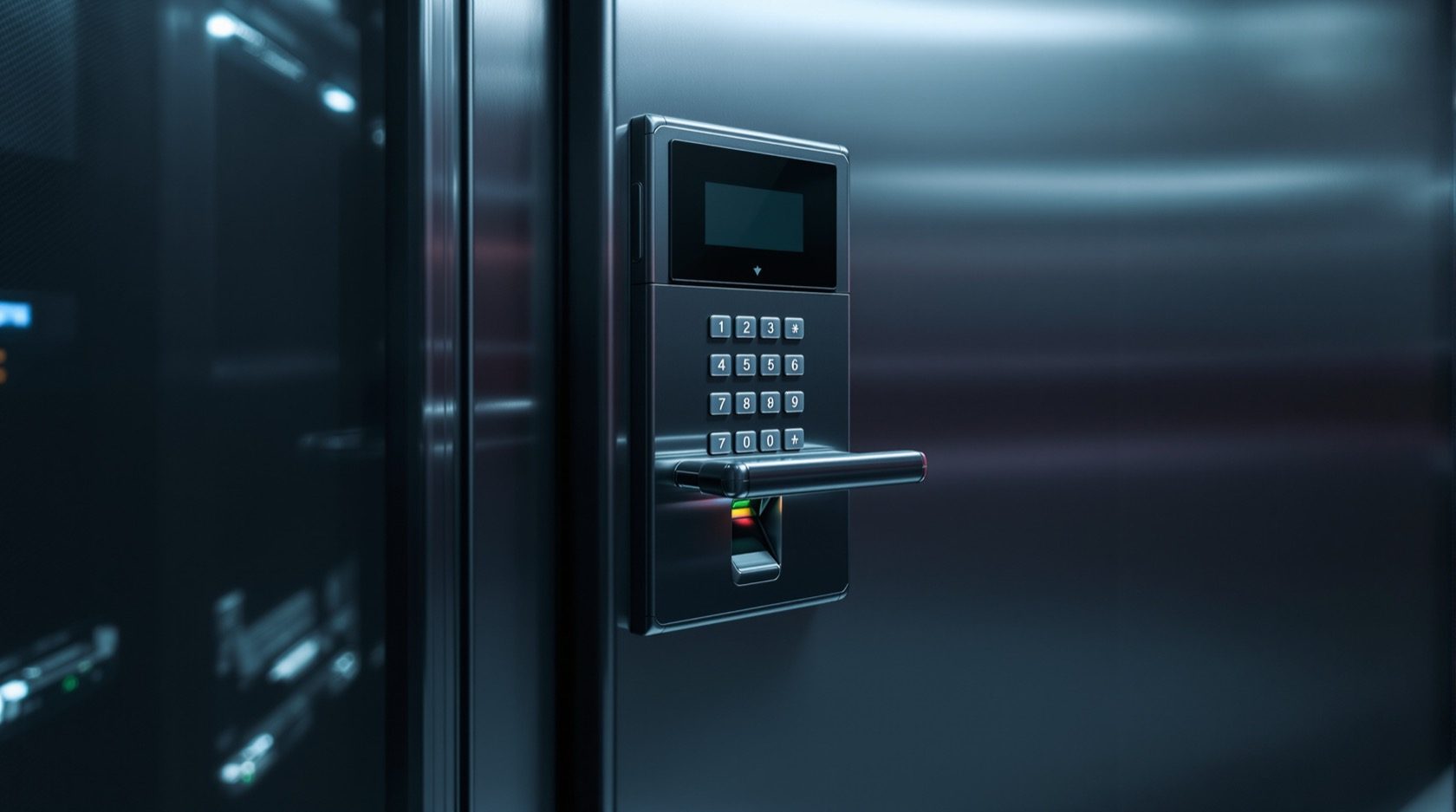
Multi-factor access control asks a door for two or more independent proofs before it opens: something you have, know, or are. This guide explains the factor categories, common combinations, where they are worth the friction, and why every such door must still free-exit on fire.
 Role-based25
Role-Based Access Control in India (2026): Access by Role, Not by Person
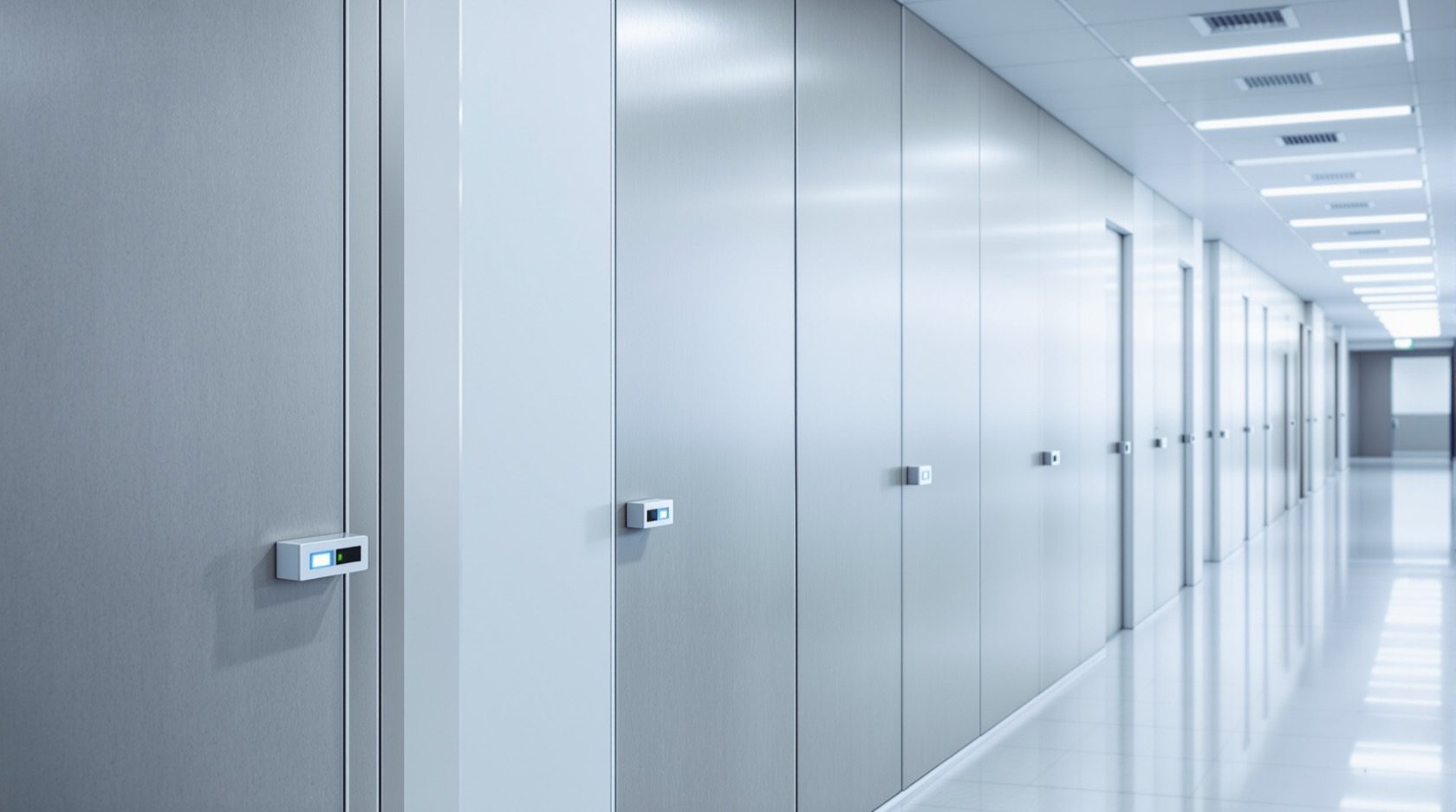
Grant access by role, not per person. Define roles like resident, staff, manager, contractor and visitor, map each to zones and time schedules, apply least privilege, and turn joining or leaving into assigning or removing one role instead of editing every door by hand.
 Cloud26
Cloud Access Control in India (2026): Manage Every Door from One Dashboard
Cloud access control runs your doors from a web or app dashboard instead of an on-site server, so you administer multiple branches from anywhere and revoke credentials instantly. This guide weighs that against internet dependence, DPDP data residency, subscription cost and cyber-security, honestly.
 Offline27
Offline Access Control in India (2026): Standalone Locks That Work Without a Network
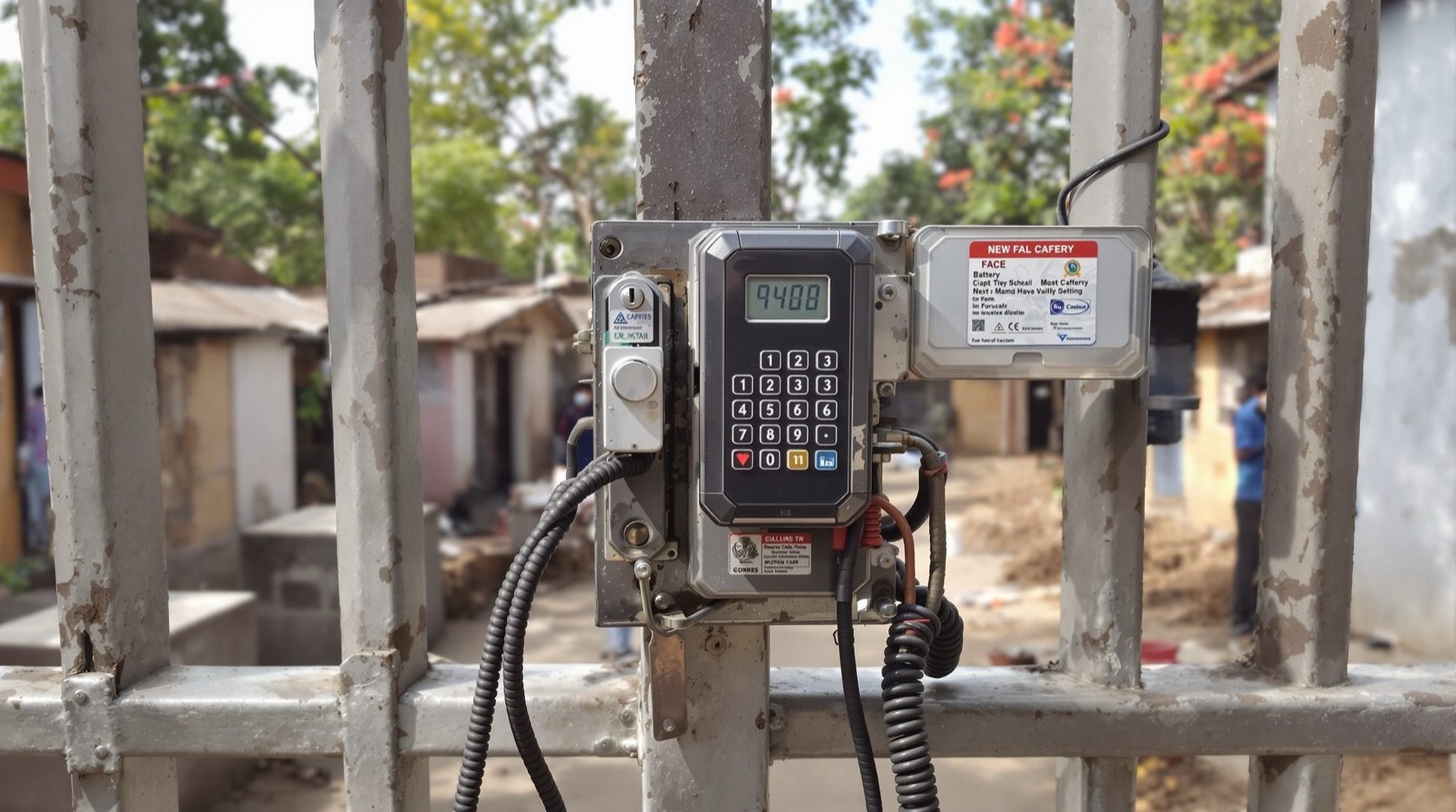
Offline access control works with no live network or server: the permission sits on the door or on the card. This guide covers the two standalone models, where offline wins, how you manage it, the honest trade-offs, and why even cloud systems must degrade gracefully to offline.
 Visitor mgmt28
Visitor Access Management in India (2026): Passes, Logs and Privacy at the Gate
Controlling and recording who comes in as a guest. This guide covers pre-registration, time-limited QR or OTP gate passes, guard or app approval, the visitor log, manual fallbacks for everyone, and handling a visitor's personal data the DPDP way, for Indian societies, offices and gated communities.
 Attendance29
Time-Attendance Integration in India (2026): One Reader for Door and Payroll, Done the DPDP Way
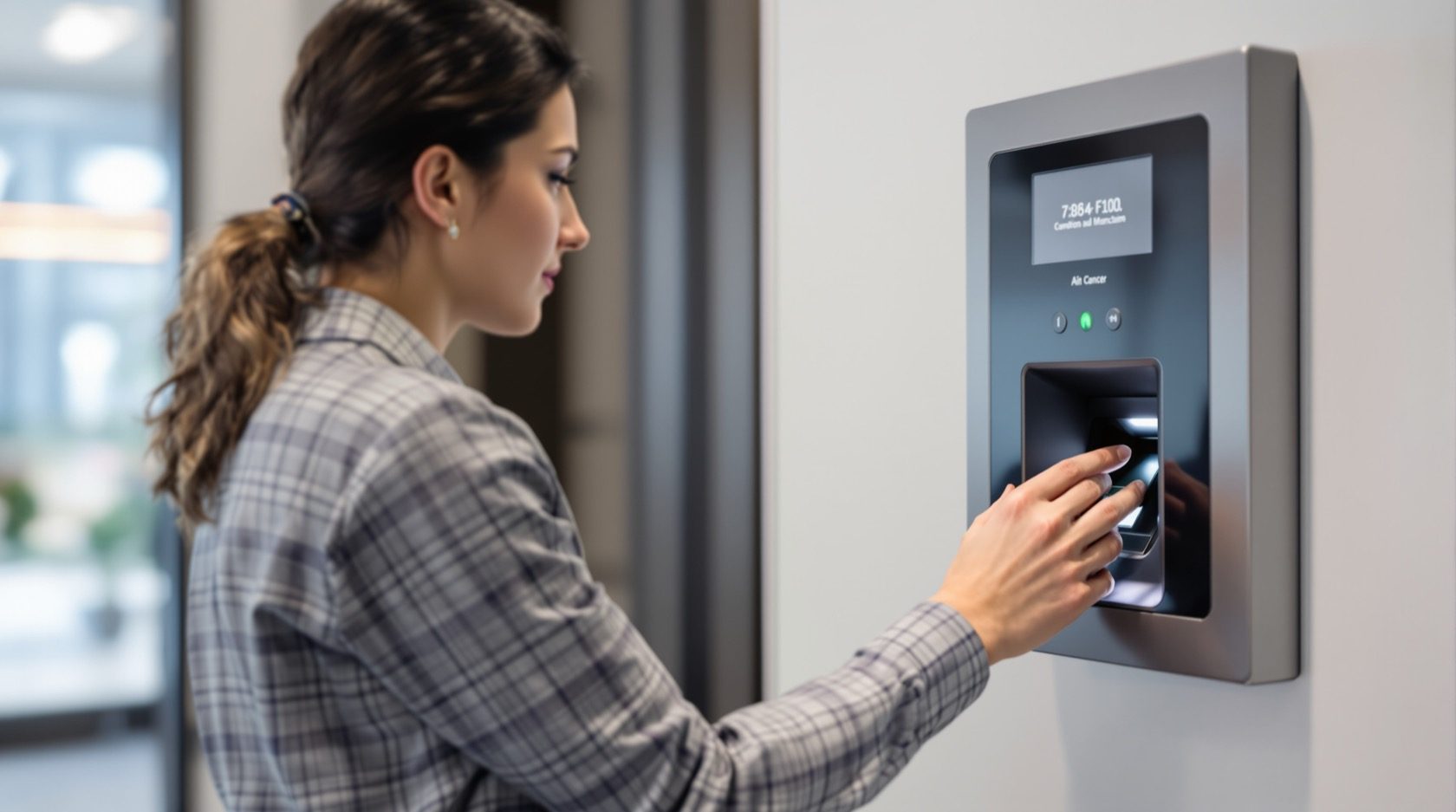
The fingerprint, face or card reader that opens a door can also clock staff in and out for payroll — no separate punch machine. This guide shows how attendance integration works, and how to run employee biometric data lawfully under the DPDP Act, 2023, with consent and a non-biometric alternative.
 Audit trails30
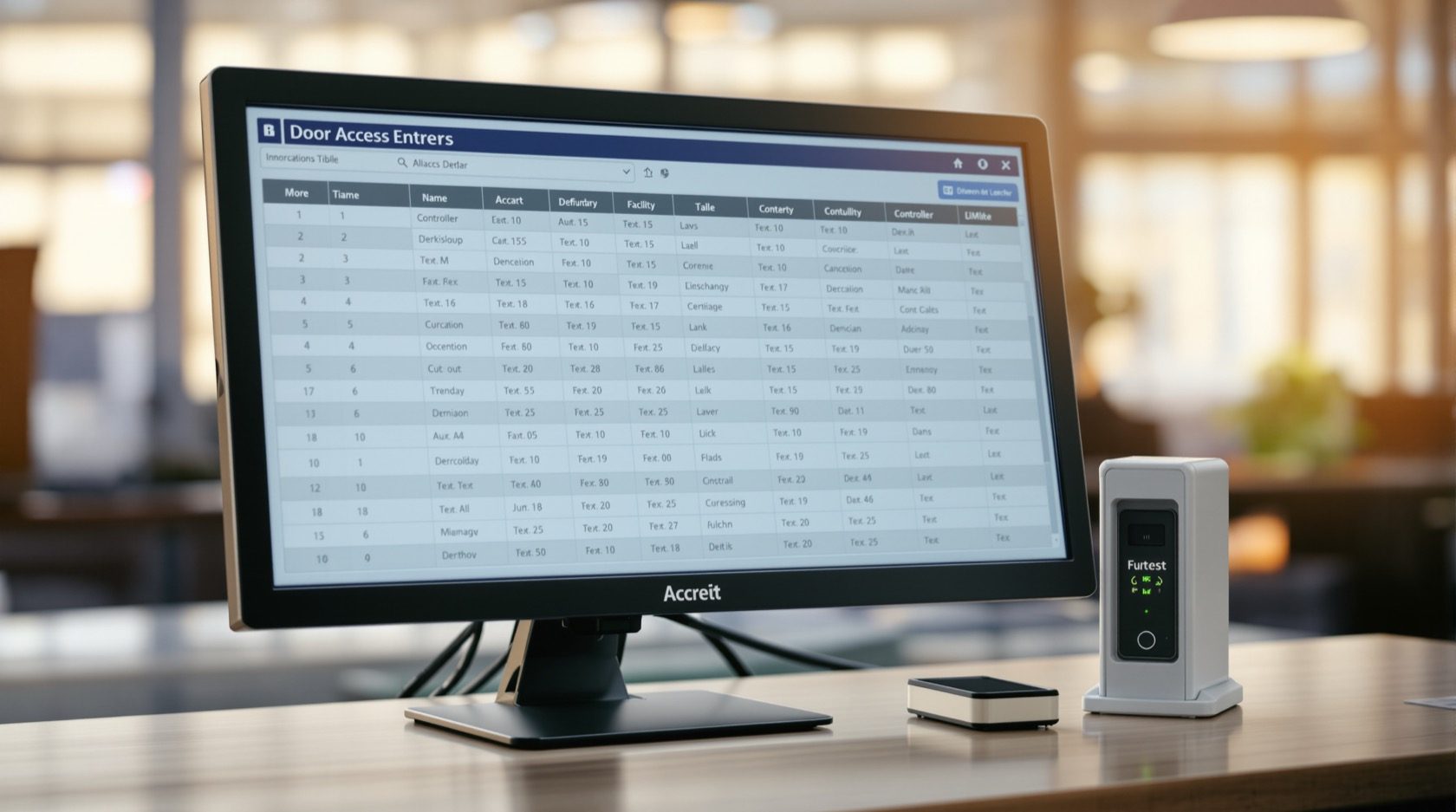
Access-Control Audit Trails in India (2026): The Log That Makes a Door System Accountable
An access system is only accountable if it keeps a trustworthy log. This guide covers what a good audit trail records, where it lives, tamper-resistance and time-sync, exporting a clean record for an incident, and using logs lawfully under the DPDP Act without over-surveilling people.
Where a smart lock guards one door, access control manages many — credentials, readers, controllers, the permission model, cloud or offline delivery, visitors, attendance and the audit record of who went where. Next, the same system applied to real settings.
Access control by setting
Apartment, office, gate & the safe exit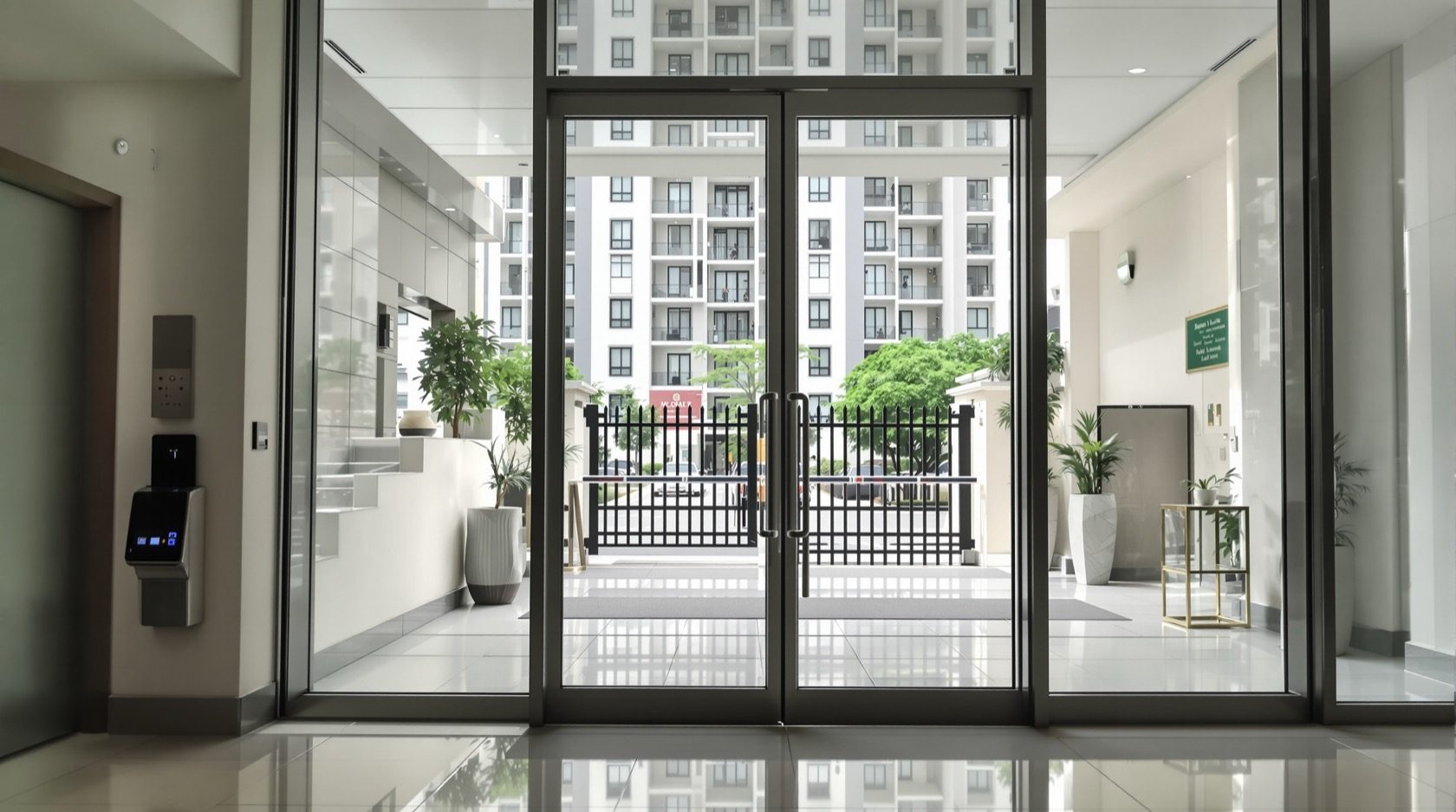 Apartment31
Apartment Access Control in India (2026): A Whole-Building Guide for Societies and RWAs
Access control for a whole apartment building is one connected system - gate, lobby, tower doors, lifts, parking and each flat. This guide covers what to install, how an RWA governs and budgets it, resident and staff roles, visitor passes, DPDP privacy, and fail-safe fire egress.
 Office32
Office Access Control in India (2026): Zones, Credentials and Fire-Safe Egress
A practical India guide to office access control: zoning reception, work floors, server rooms and cabins; choosing card, mobile or biometric credentials; attendance integration, visitor and tailgating control, audit logs, fire-release egress and indicative per-door and whole-office cost.
 Lift33
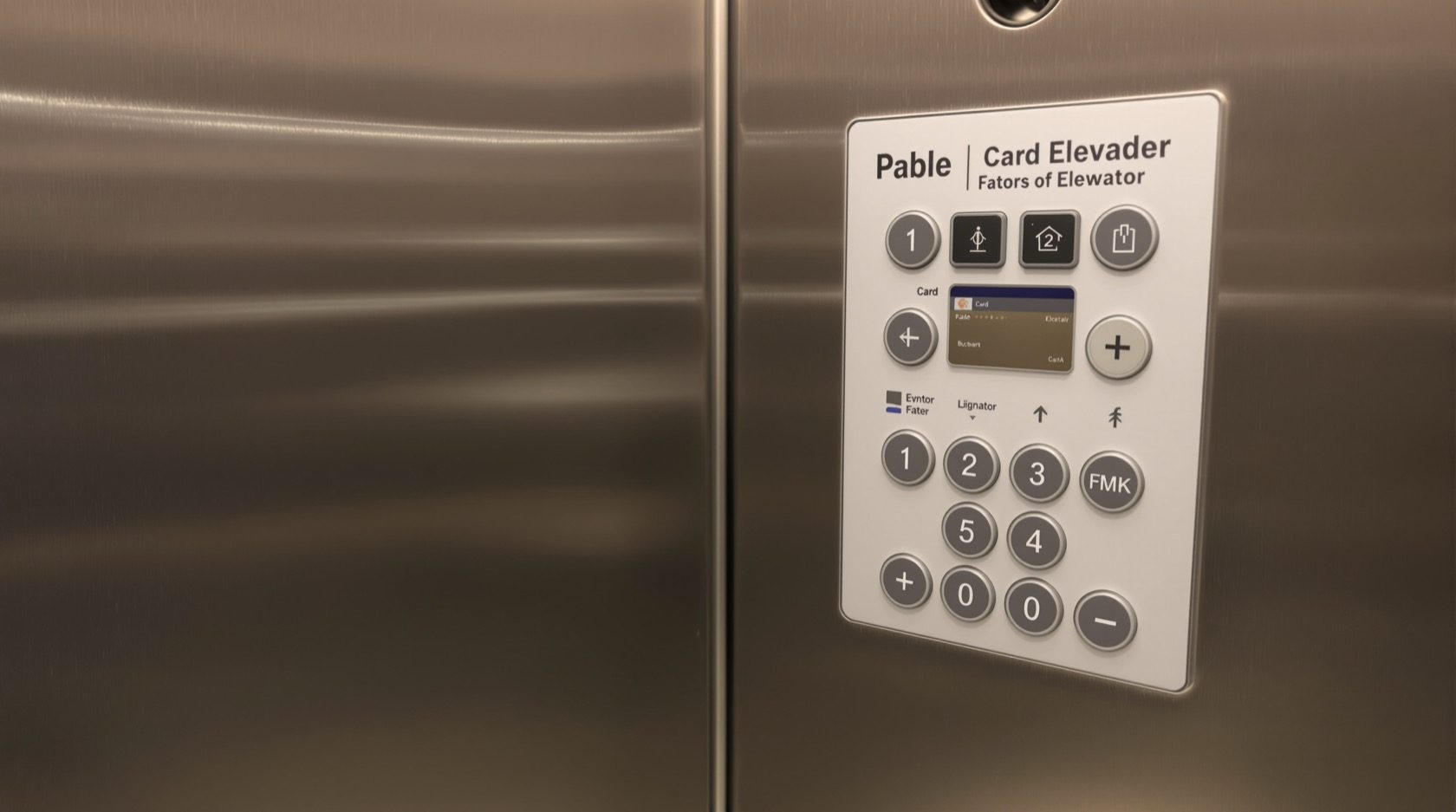
Lift Access Control in India (2026): Restricting Floors Safely
Lift access control restricts which floors a card, phone or biometric can reach, so a resident, employee or hotel guest gets only their floor plus common areas. This guide explains how it works, integration with the building system, and why fire recall and stair egress must always win.
 Parking34
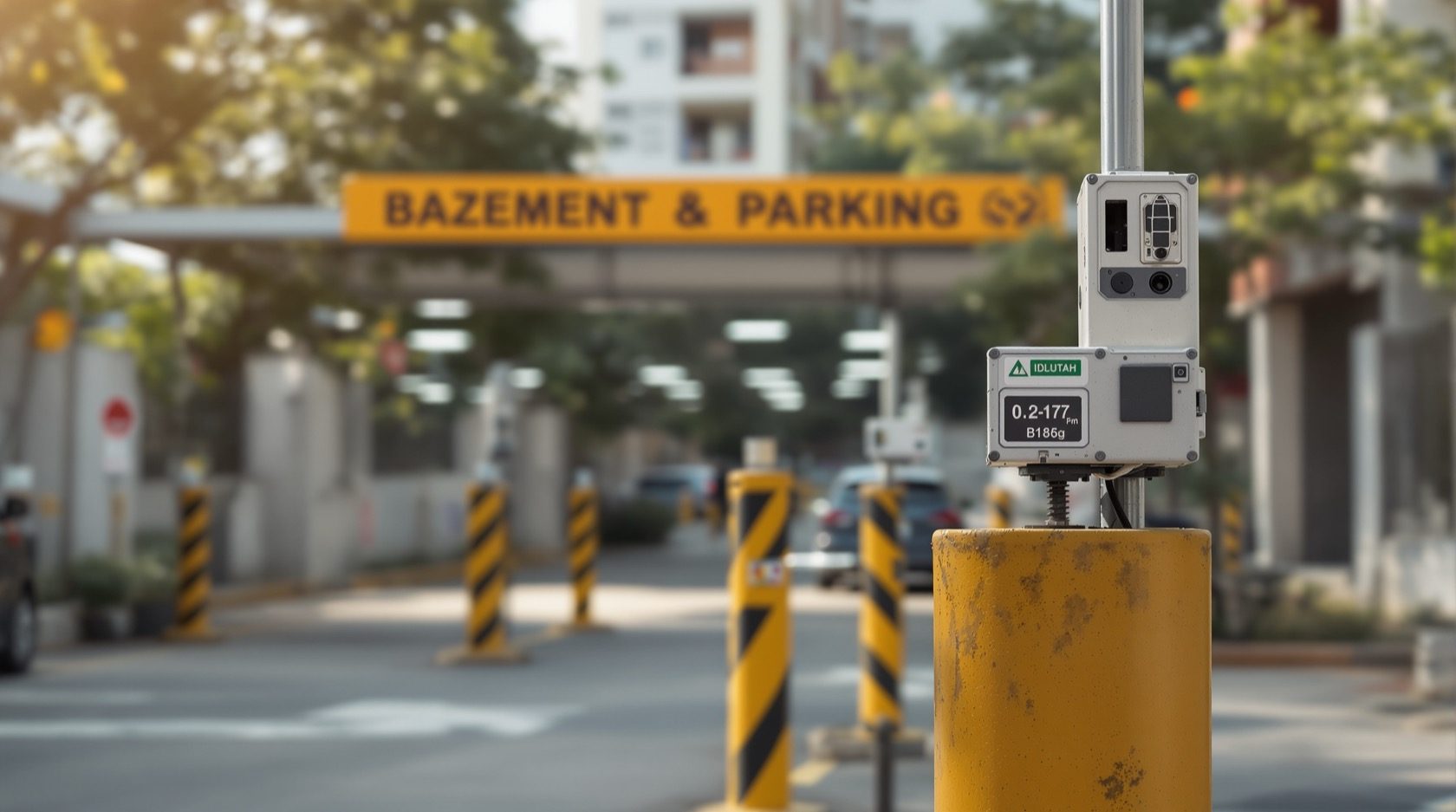
Parking Access Control in India (2026): Boom Barriers, RFID, ANPR and Safe Vehicle Entry
Controlling vehicle entry at a society, office or mall car park: long-range RFID tags, ANPR plate reading and QR for visitors, the boom barrier or bollard hardware, and the safety loops and fail-safe exit that keep a barrier from ever striking a vehicle or trapping anyone.
 Gate35
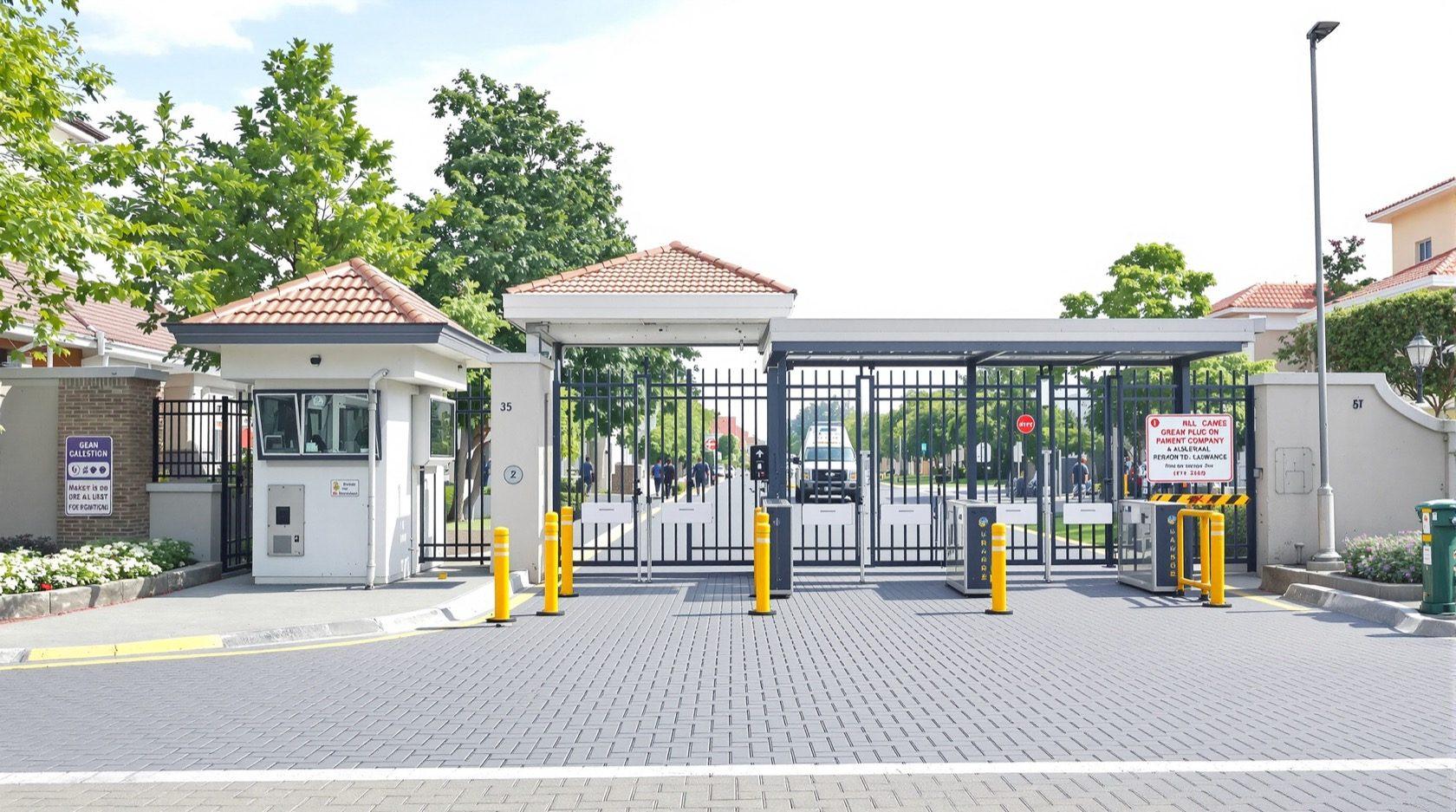
Gate Access Control in India (2026): The System at the Main Entrance
The main gate is where every person and vehicle first enters a society, villa or office. This guide covers the layered gate — guard, boom barrier, turnstile, cameras and intercom — how people and vehicle entry differ, and how to keep the gate a safe emergency exit.
 Turnstile36
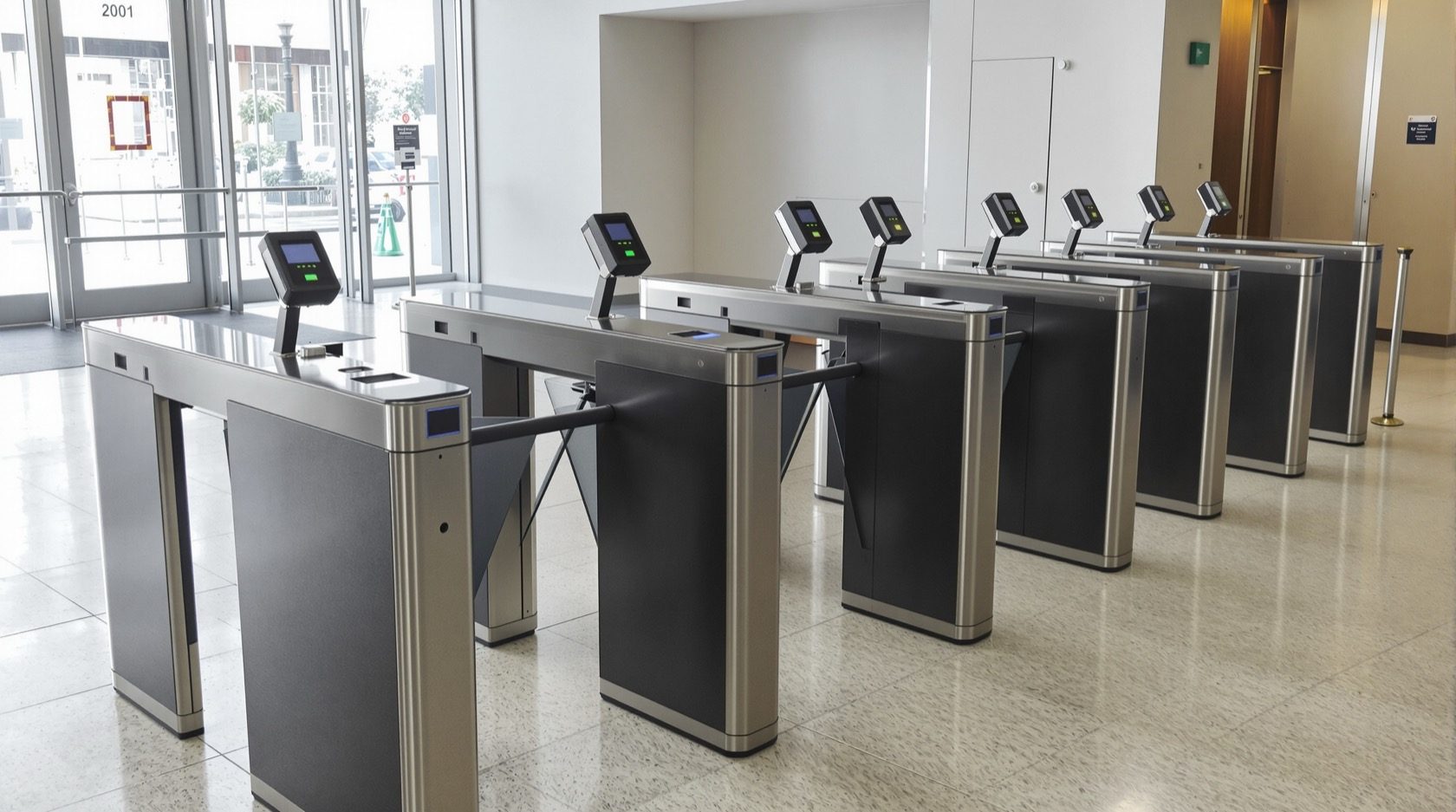
Turnstile Systems in India (2026): Types, Throughput and Safe Egress
Turnstile systems meter pedestrian flow at offices, metros, stadiums and factories. This guide covers the four families, how each pairs with a card, QR or biometric reader, throughput and one-way logic, and the fire-egress rule that every lane must free-wheel so a crowd is never trapped.
 Emergency release37
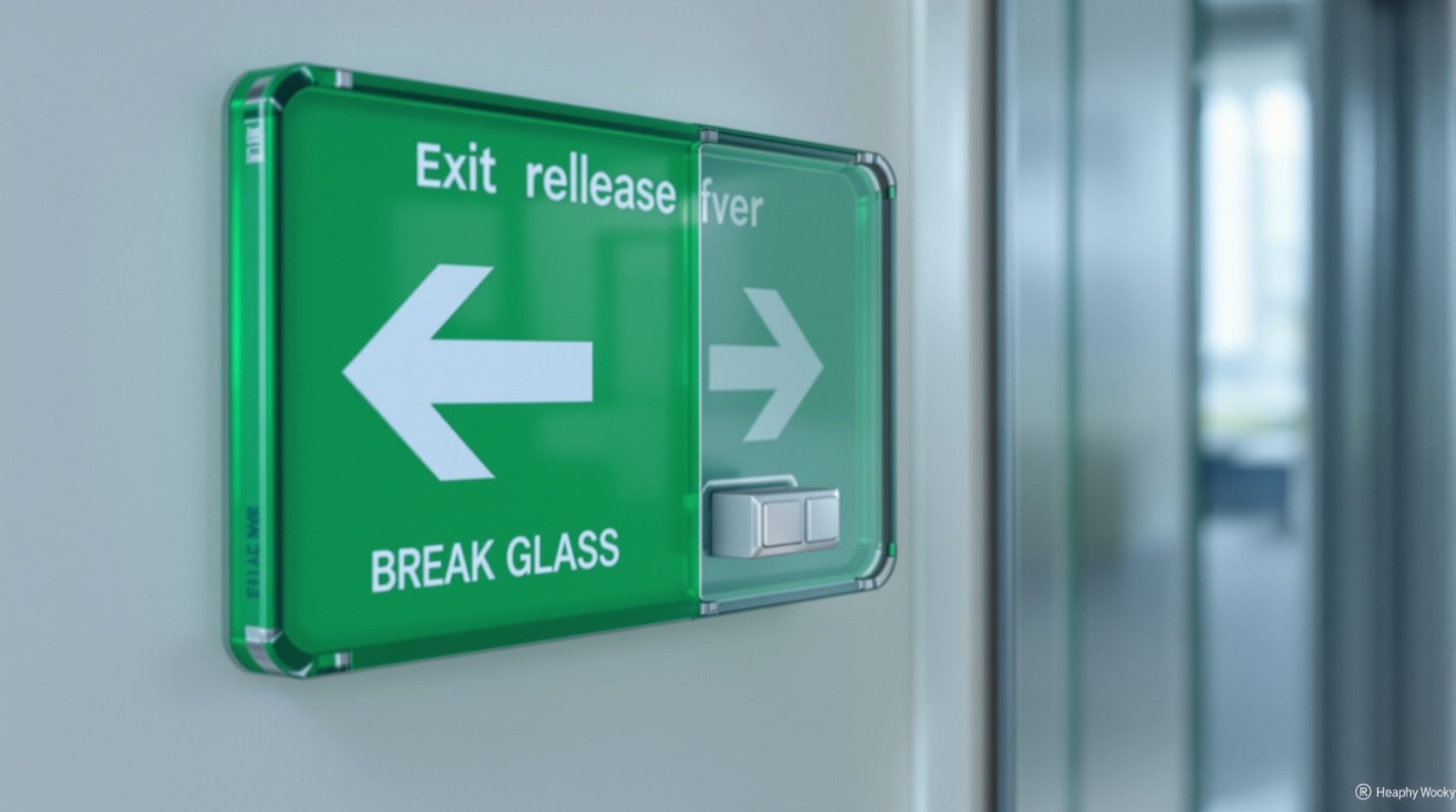
Emergency Door Release in India (2026): The One Device You Never Defeat
An emergency door release instantly unlocks an access-controlled door so people can escape, cutting lock power directly and independent of the controller. Learn what it is, why every escape-route door needs one, how it ties to the fire panel, where it goes, and the rule you never break.
The same system, tuned to the apartment, the office, the lift, the parking, the gate and the turnstile — and the emergency door release that must free every one of them in a fire. Last, getting it fitted right.
Installation & safety
Fit it right, keep it safe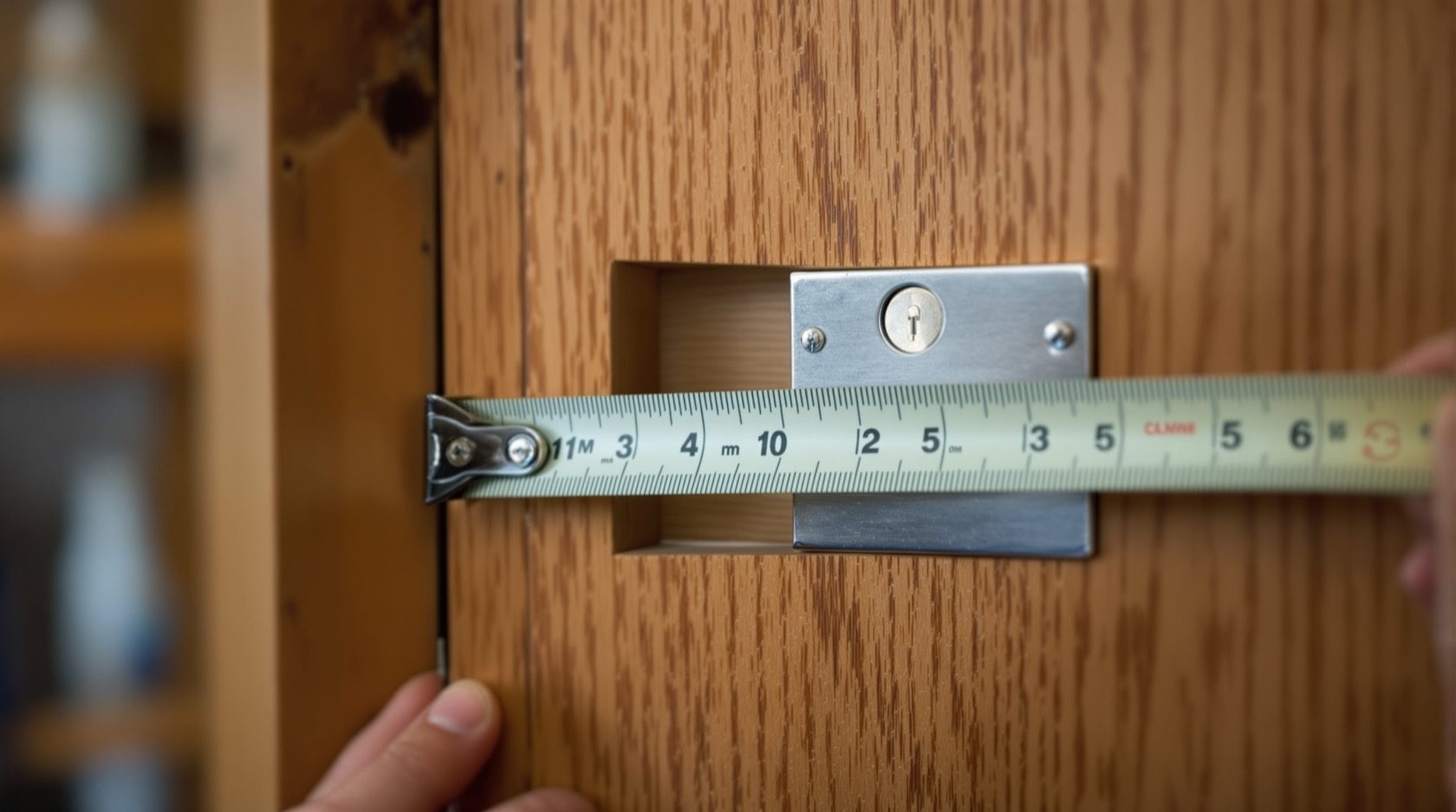 Compatibility38
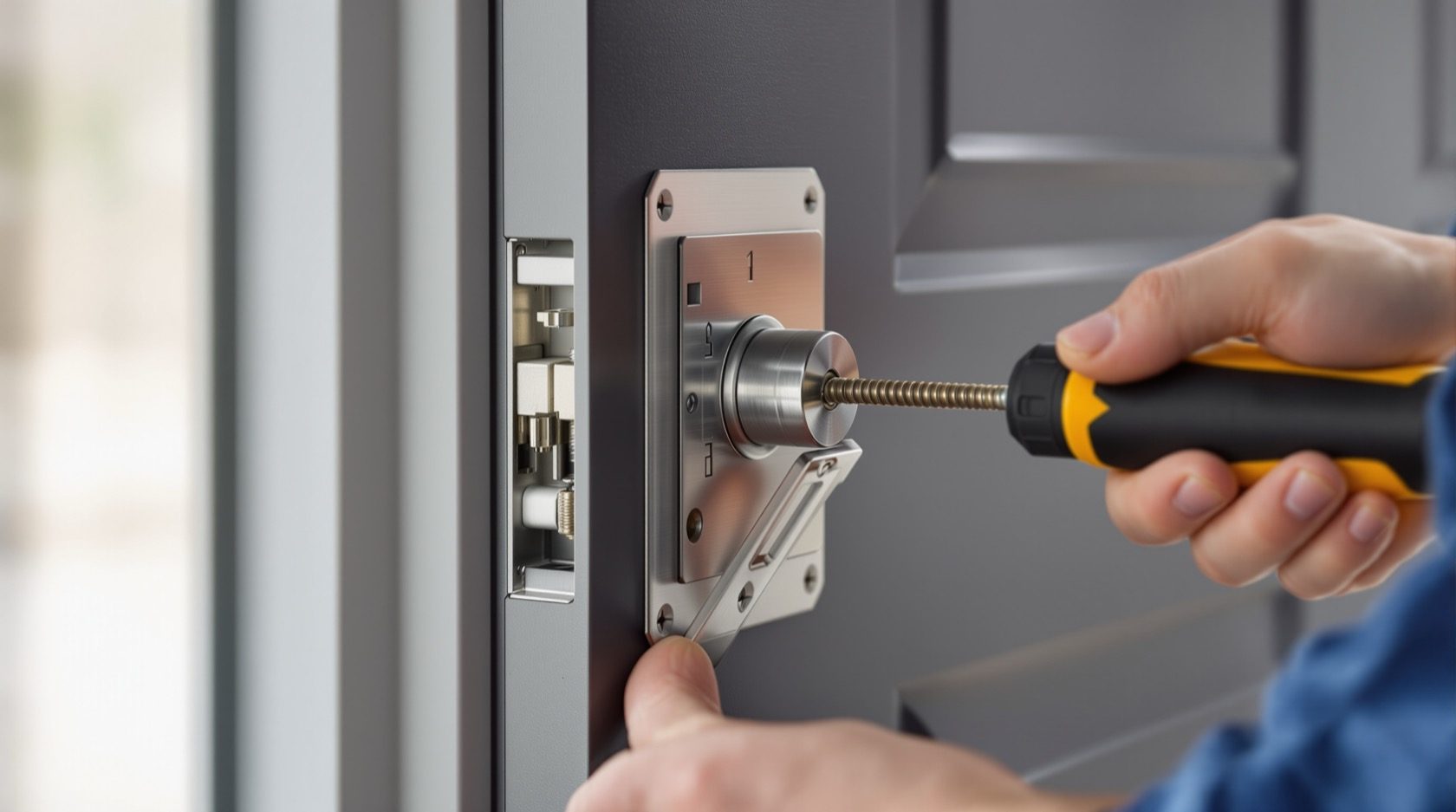
Smart-Lock Door Compatibility in India (2026): Will It Actually Fit Your Door?
Before you buy a smart lock, check it will physically fit. This guide covers the door facts that decide it: build, existing lock prep, thickness, backset, mortise case size, handing and cross-bore, then maps every Indian door situation to the right form factor.
 Install needs39
Smart-Lock Installation Requirements in India (2026): What to Plan Before You Fit One
Know what a smart-lock install truly requires before you buy: the door prep and backset, when it is battery-only versus wired, the network needs, the mechanical override and the fire-egress rules — plus a pre-install checklist and what a good installer should do.
 Power & battery40
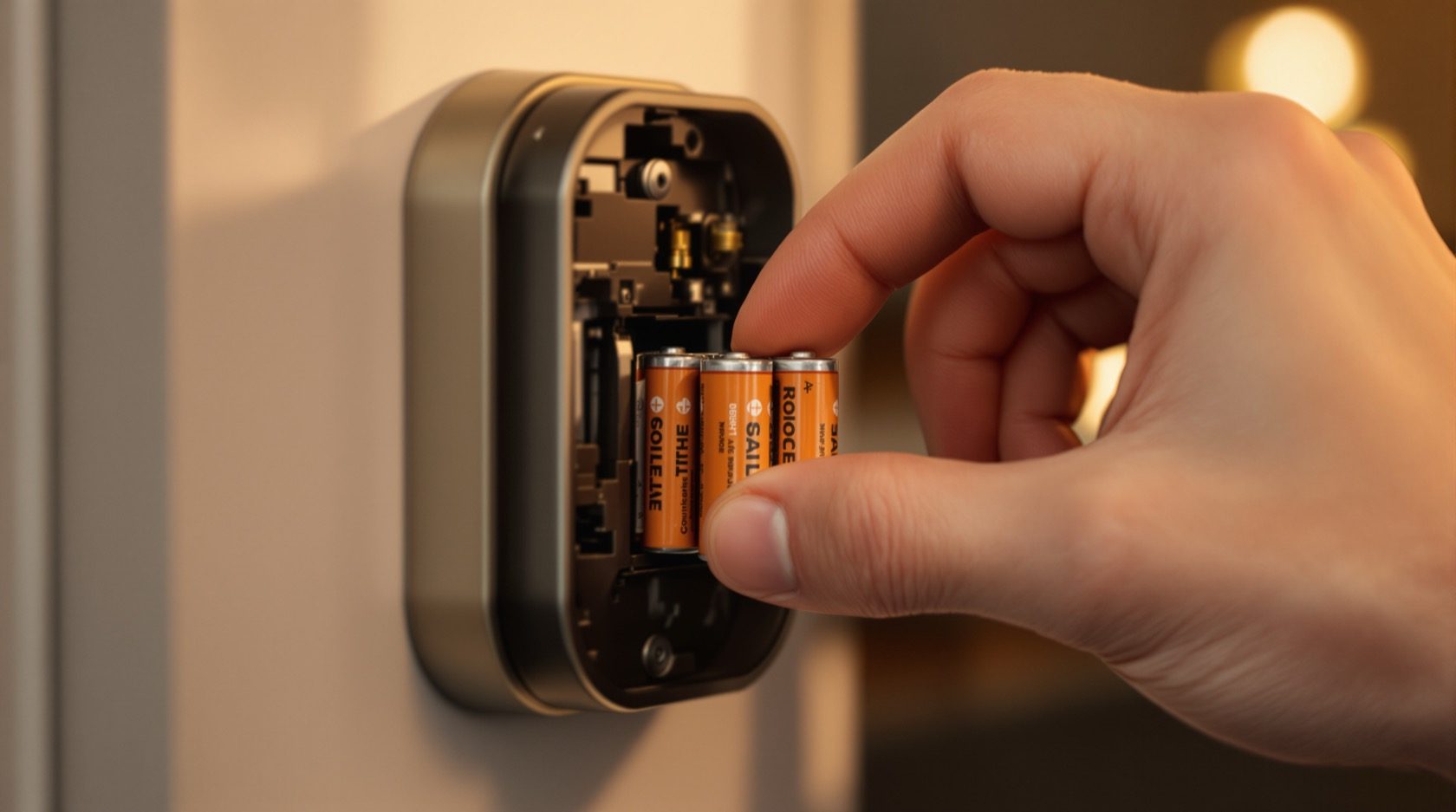
Smart-Lock Power Battery Planning in India (2026): How the Lock Is Fed and What Happens When Power Runs Out
How a smart lock is powered is an install-time decision, not an afterthought. This guide covers battery versus wired mains, sizing a UPS so a power cut does not lock anyone out, and always planning the dead-battery way in with a mechanical key, tuned for Indian power cuts and heat.
 Key override41
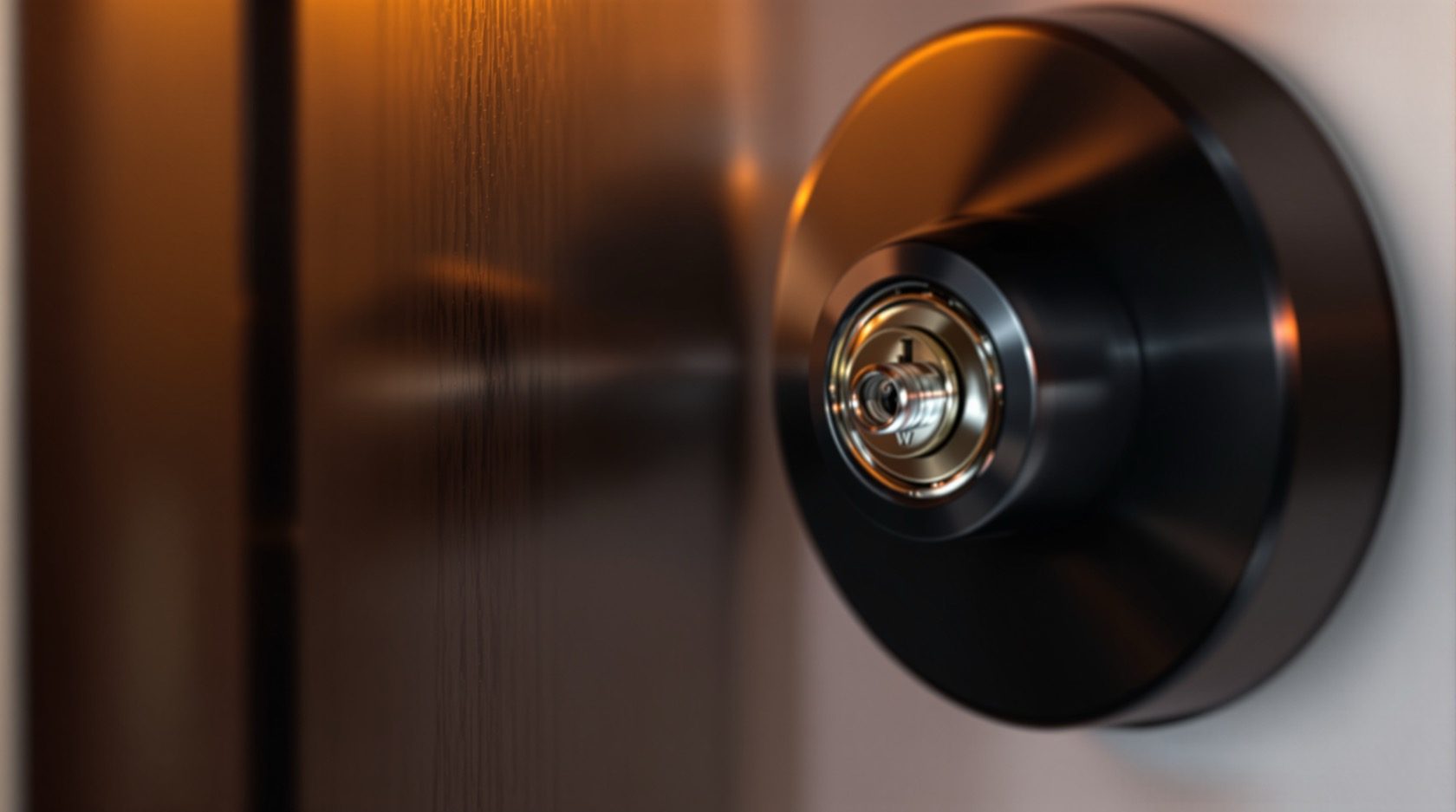
Mechanical Key Override on Smart Locks (India, 2026): Your Get-In-Anyway Backup
A smart lock is only as reliable as its worst day. The mechanical key override is the physical key or backup that lets you in when batteries die, firmware crashes, or a phone is lost, and why a home main door must never go without one.
 Emergency access42
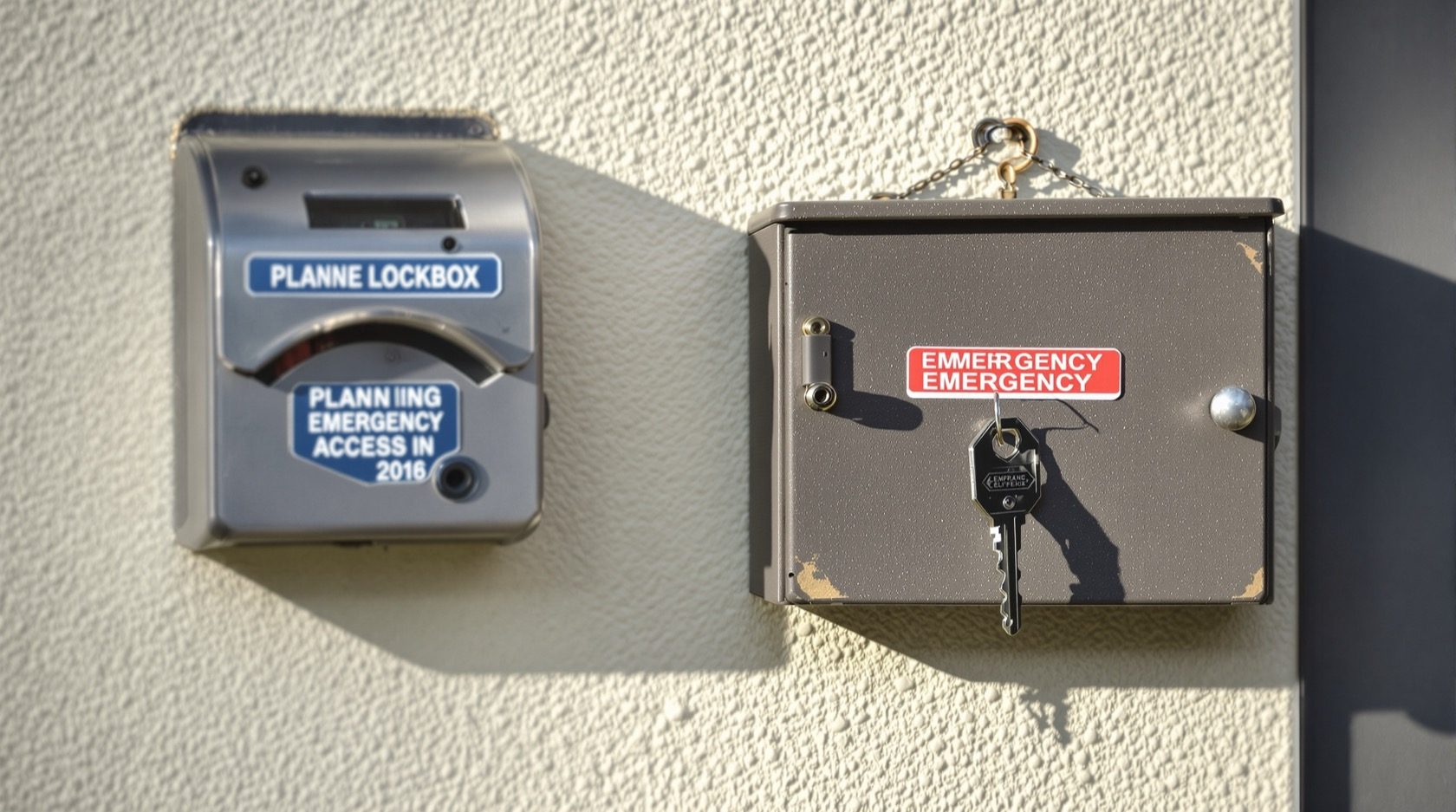
Emergency Access Planning for Indian Homes (2026): A Way In, A Way Out, Always
A lock is judged not on the day it works, but the day something goes wrong. Plan every way you and those who need to can still get in or out when a battery dies, a phone is lost, a resident is locked in, or help must reach someone.
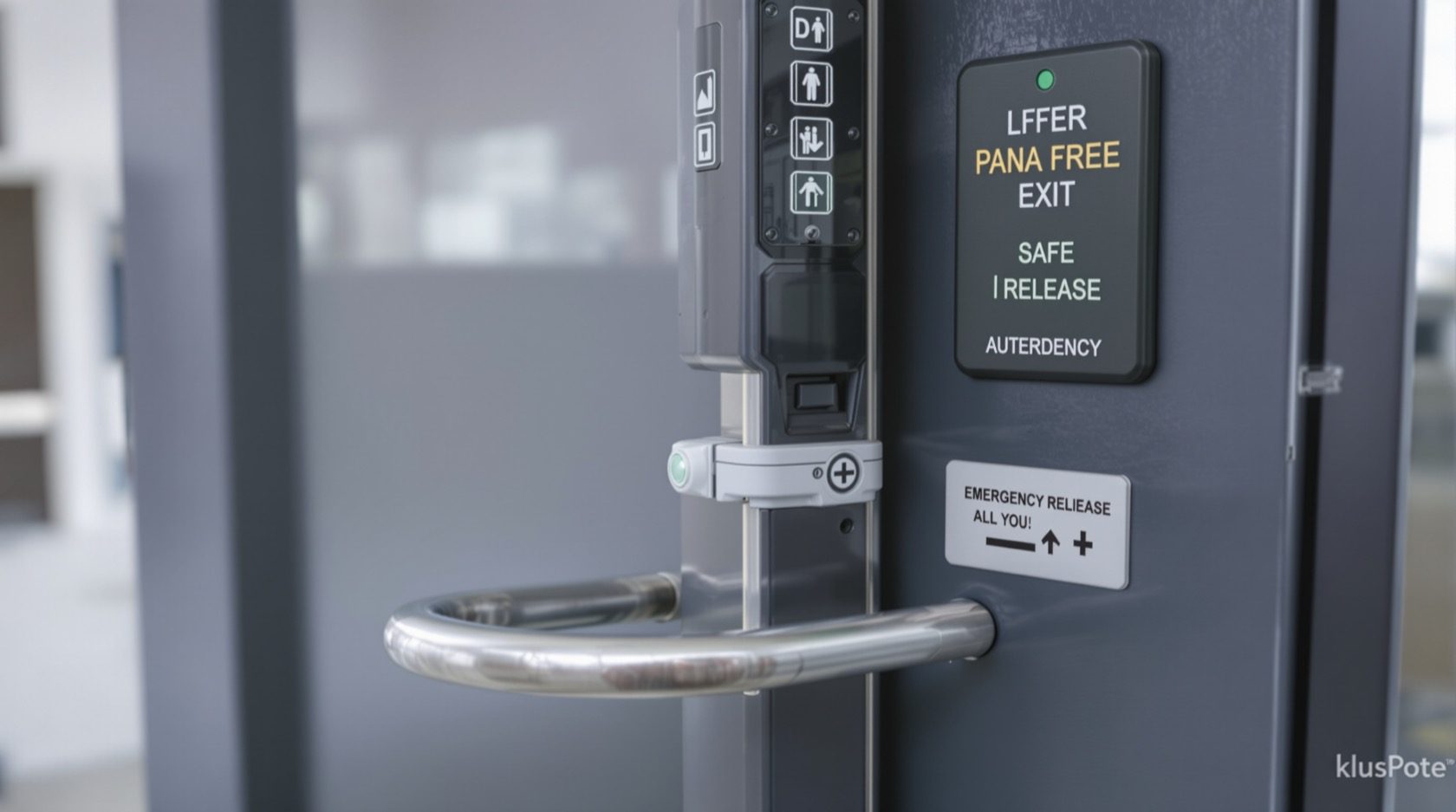 Fire egress43
Fire-Egress Compatibility for Smart Locks in India (2026): Never Trap Anyone
A smart lock on an escape-route door must never trap anyone in a fire. This guide covers fail-safe versus fail-secure hardware, free single-action egress, fire-rated doors, and the fire-alarm interlock, and why selection and wiring is a licensed fire-safety and electrician job under NBC.
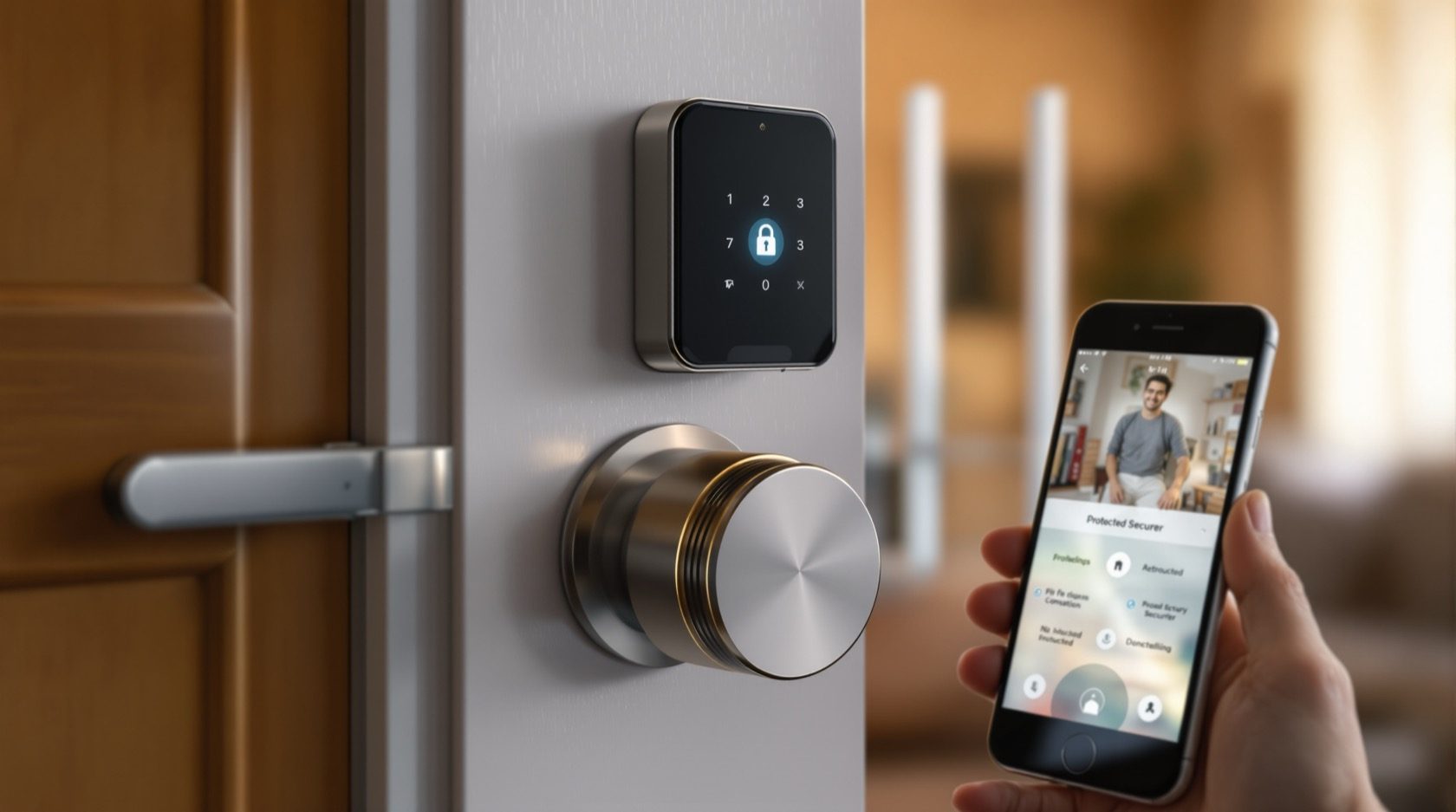 Cybersecurity44
Smart Lock Cybersecurity in India (2026): Your Account Is Now Your Front Door
A Wi-Fi or app-controlled lock is a computer on your network, and its account is your front door. Harden your own lock: a strong unique password with two-factor, current firmware and app, a secure home Wi-Fi, a reputable brand, and a non-networked mechanical backup.
 Privacy45
Smart Lock Privacy in India (2026): What Your Lock Knows and How to Keep It Minimal (DPDP)
A smart lock knows your fingerprint, a log of who opened your door when, and an app account tied to your identity. This guide applies the DPDP Act, 2023 to a home lock: keep templates on-device, collect the minimum, set retention, restrict access, and delete a departed user promptly.
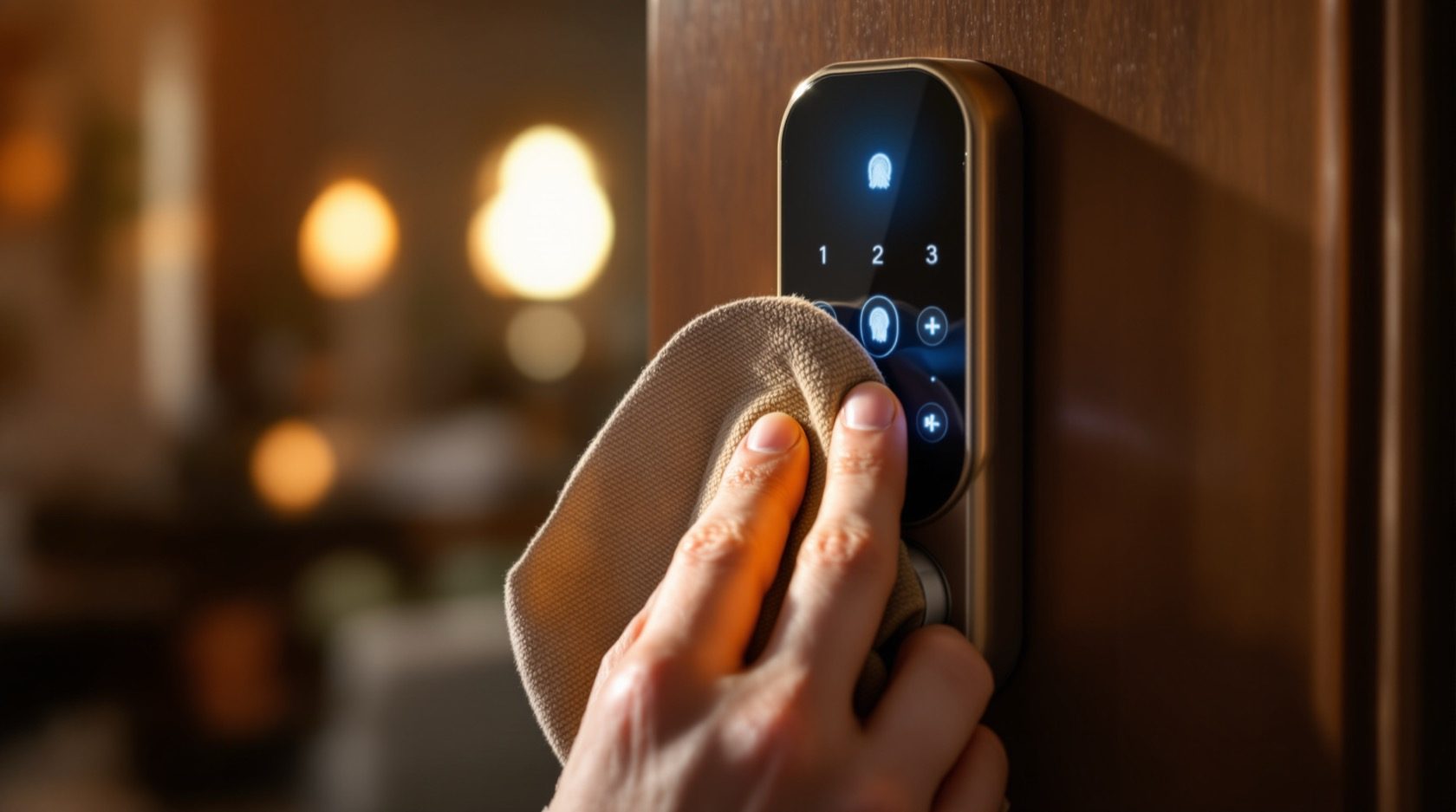 Maintenance46
Smart Lock Maintenance in India (2026): Keep It Working for Years
A smart lock lasts years if you tend it. This homeowner guide covers battery care, cleaning the fingerprint sensor and keypad, firmware, testing the mechanical override, light lubrication, strike alignment, and monsoon checks, with a DIY-versus-installer maintenance calendar for Indian conditions.
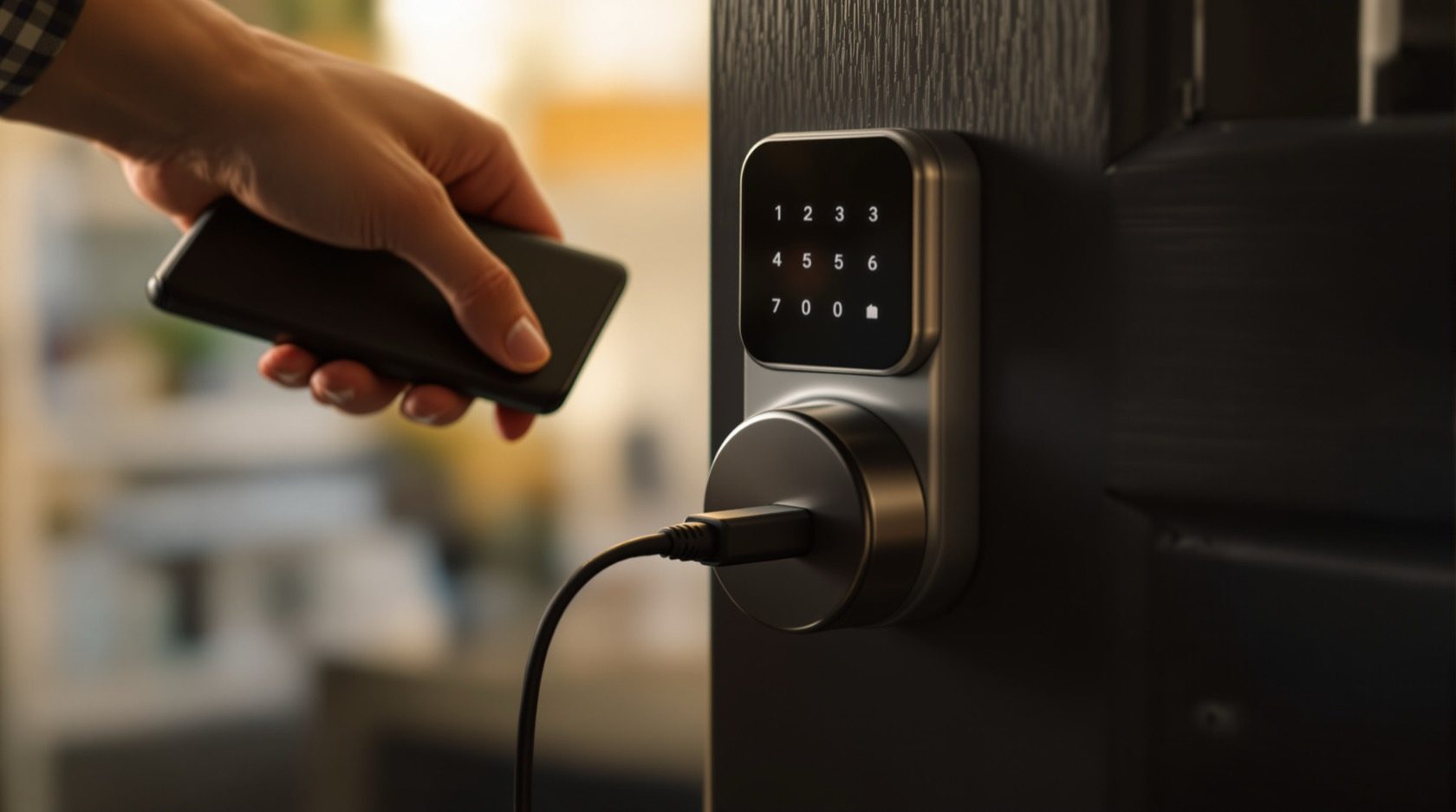 Troubleshooting47
Smart Lock Troubleshooting in India (2026): Fixing Your Own Lock
When your own smart lock will not open, the fingerprint stops reading, or the bolt jams, panic is optional. This guide walks each symptom to a safe fix, covers the two things that always get you back in, and shows when to call the installer.
 Buying48
Smart Lock Buying Guide India (2026): How to Choose and Buy the Right One
How to actually choose and buy a smart lock in India: confirm it fits your door, pick the right credential, choose only the features you will use, tick the non-negotiable safety must-haves, compare models on a spec checklist, choose a buying channel and spot the red flags before you pay.
 Cost49
Smart Lock Cost in India (2026): Honest Price Bands and Total Cost of Ownership
What a smart lock actually costs in India, in honest rupee bands by type, plus the forgotten running costs, installation, batteries, subscriptions and AMC. Includes worked totals for a single main door and a 3-4 door home, and why the cheapest lock upfront rarely stays cheapest over five years.
Will it fit your door, what the install needs, how it stays powered, the mechanical key that never fails, planning for emergencies and fire-egress — then the cybersecurity, privacy, maintenance, troubleshooting, buying and cost of it. The practical, safety-first end of the library, from fitting to five-year running cost. That completes the library.
Smart lock tools
Smart Lock Selector
Set your unlock methods, door, connectivity and must-haves and get the right smart-lock type, with an indicative ₹ band and the safety cautions.
Cost CalculatorSmart Lock Cost Calculator
Estimate the cost by access type, tier and number of doors — and compare it against a plain mechanical lock.
CompatibilitySmart Lock Door Compatibility Checker
Tell us your door and find out which smart-lock form factor fits — mortise, deadbolt, rim or a special case — plus the measurements to take.
System DesignerAccess Control System Designer
Design a door access-control system for your building and get the component list, topology and indicative cost.
Cost EstimatorAccess Control Cost Estimator
Estimate per-door and whole-building access-control cost in India, with the full component breakdown and GST.