
Recycled Building Materials in India: The Circular-Economy Guide (2026)
What recycled construction materials actually are, where they can and cannot go into a building, and how to specify recycled content without gambling on quality - a specify-and-select guide for Indian homes and projects.
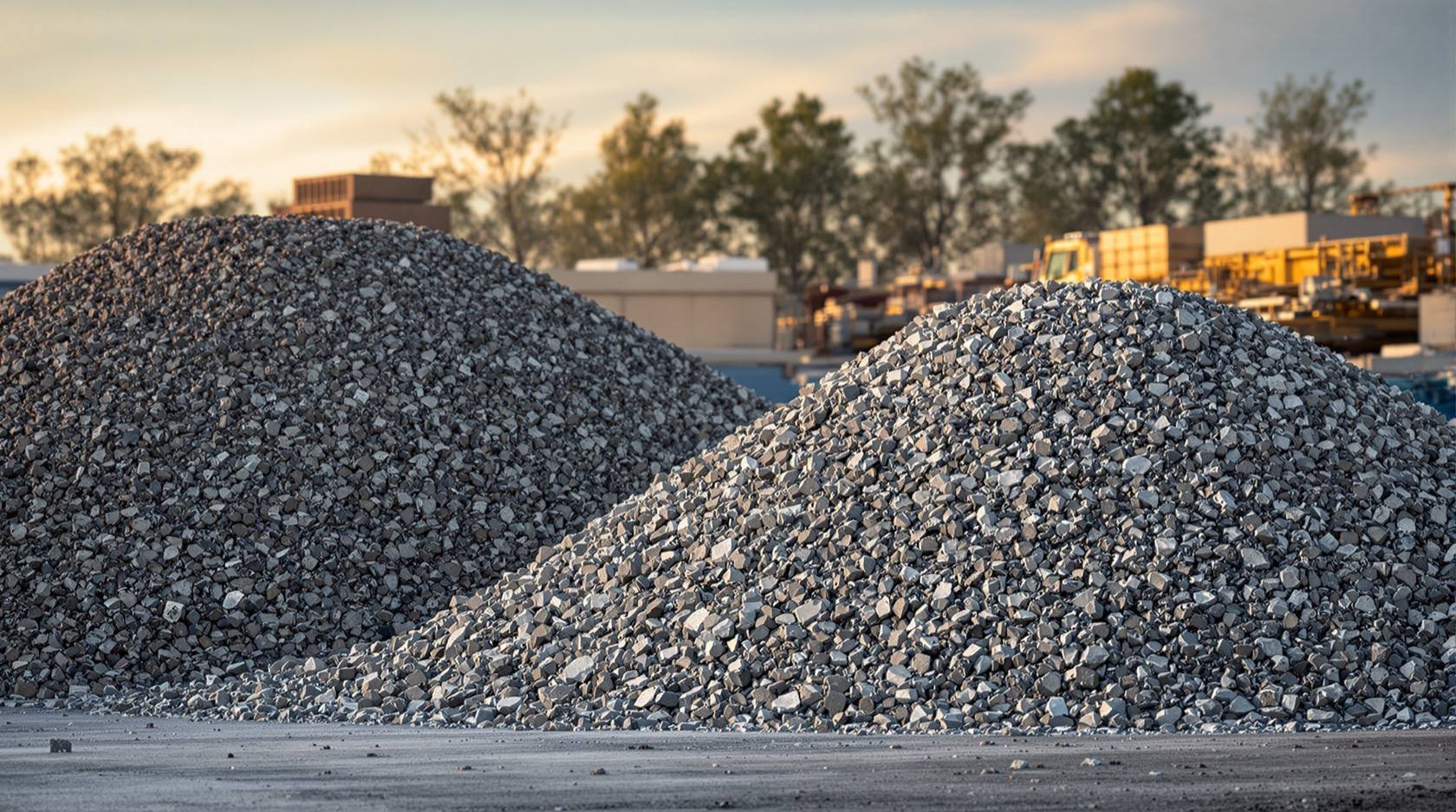
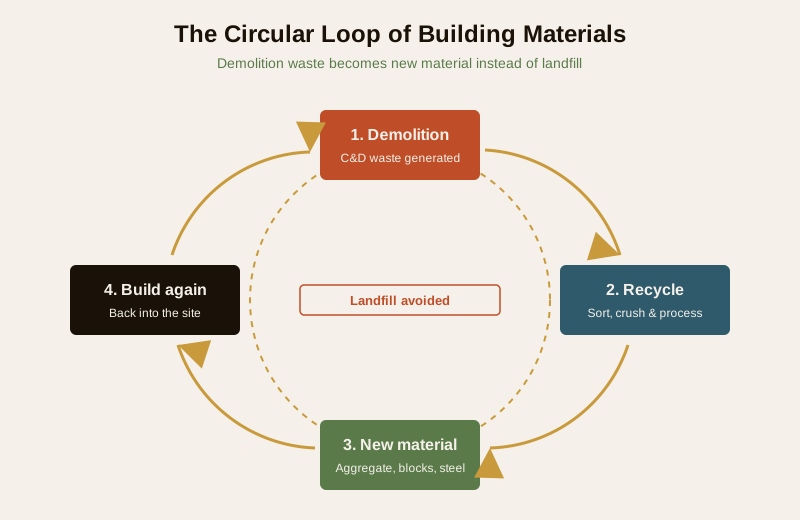
Every year Indian cities generate a mountain of construction and demolition (C&D) waste - broken concrete, brick rubble, cut steel, off-cut wood, packaging and shattered tiles - and the great majority of it still ends up dumped on open land or in low-lying areas rather than being reused. That is a double loss: it wastes finite resources like river sand and virgin rock, and it throws away the embodied carbon and energy already locked into materials that were made once and could serve again. Recycled building materials are the practical answer to both problems - closing the loop so that yesterday's demolition becomes today's sub-base, block or beam.
This guide is the recycling chapter of the Studio Matrx green building materials guide and the wider Building Materials hub. It sits alongside low-carbon construction materials and the industrial by-product story in GGBS and SCMs in concrete. The aim is to help you understand what can be recycled, specify recycled content with confidence, and know exactly where quality testing must take over - not to design a structure around salvaged material.
Scope and how to read this. This is a specify-and-select guide. It helps you choose recycled materials, ask suppliers the right questions, and claim green-rating credit. It is not a structural manual. Any load-bearing use of recycled concrete aggregate, any reuse of salvaged steel or reclaimed timber in a structure, and every mix-design decision belong to a qualified structural engineer testing to the relevant BIS standards. All prices and percentages are indicative for planning - get local quotes and site-specific test results. Recycled does not automatically mean structural, and no green credit is worth a compromised building.
The circular-economy case
A linear building economy takes raw material, uses it once, and throws it away. A circular economy keeps material in use: it designs for reuse, recovers what a demolition yields, and feeds it back as new input. India's C&D Waste Management Rules 2016 (named generally here) put the responsibility for segregating, storing and channelling C&D waste on the people who generate it, and pushed several cities to set up dedicated C&D recycling plants that crush concrete rubble into usable aggregate. The environmental logic is simple and strong.
- Resource saving. Recycling demolition concrete into aggregate reduces demand on quarried stone and river sand, both of which are under severe pressure in India.
- Embodied carbon. Reusing steel, aggregate or timber avoids re-manufacturing them, so it avoids the carbon and energy that manufacturing would have spent. You can estimate this with the embodied carbon calculator.
- Landfill diversion. Every tonne recycled is a tonne not dumped, easing the pressure on scarce urban land and open dumping sites.
The recycled materials, one by one
Recycled content is not one thing - it spans a spectrum from fully proven, everyday materials to salvage that needs careful judgement. Here is the honest landscape.
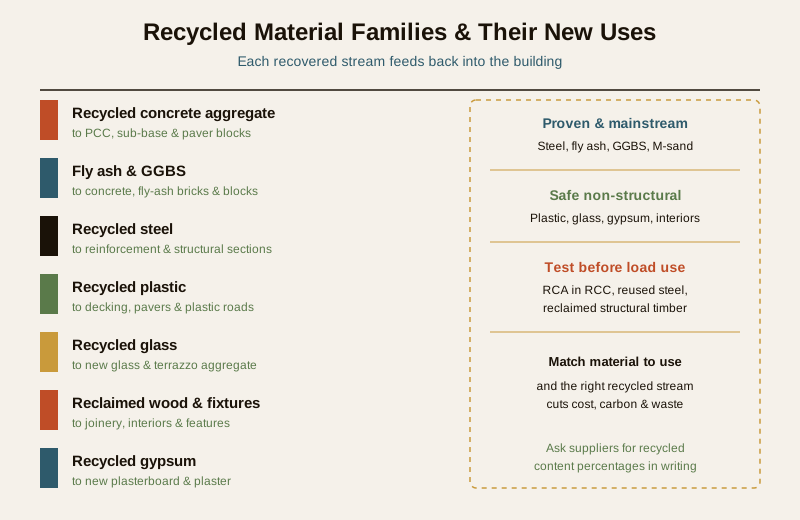
Recycled concrete aggregate (RCA). Demolished concrete is crushed and screened to produce coarse aggregate. RCA is well suited to plain cement concrete (PCC), road sub-base, backfill and paving blocks. Structural use in reinforced concrete is possible but limited - RCA absorbs more water, is a little weaker and more variable than virgin crushed stone, so it needs testing and a mix designed by an engineer. Read construction aggregates for the properties that decide whether any aggregate performs.
Manufactured aggregates and M-sand from waste rock. Crusher fines and quarry waste that were once discarded are now processed into manufactured sand and small aggregate, reducing river-sand extraction. This is closer to a mainstream product than a salvage material.
Fly ash and GGBS. These are the classic industrial by-products - fly ash from coal power plants and GGBS from steel slag - reused as supplementary cementitious materials in concrete and in blocks. They are covered in depth in GGBS and SCMs in concrete; treat them as the proven backbone of recycled-content concrete.
Fly-ash and recycled-content bricks and blocks. Fly-ash bricks and AAC blocks bind industrial by-product into walling units, cutting the clay and topsoil that traditional fired bricks consume. See fly-ash bricks vs clay bricks for how they compare.
Recycled steel. Steel is the great recycling success story - most structural and reinforcement steel already contains a large recycled fraction because scrap steel is remelted efficiently, and new steel is fully recyclable at end of life. Buying steel does not usually require you to hunt for "recycled" - the recycled content is built into the industry. Reusing whole salvaged sections in a new structure, however, is a different matter and needs engineering verification.
Recycled plastic products. Post-consumer plastic is turned into plastic "lumber" for outdoor decking and benches, paver blocks, and even added to bitumen for plastic roads. These are excellent non-structural uses that divert plastic waste, though they are not load-bearing building elements.
Recycled glass. Crushed waste glass (cullet) goes back into new glass and can be used as a decorative aggregate in terrazzo and surfaces, keeping glass out of landfill.
Reclaimed wood, doors and fixtures. Salvaged timber, old doors, windows, brackets and fittings carry character and avoid new felling. They are ideal for interiors and joinery, but reclaimed structural timber needs inspection for rot, borer and hidden cracks before any load use.
Recycled gypsum. Waste gypsum board and industrial gypsum can be recovered and reprocessed into new plasterboard and plaster, closing the loop on a common interior material.
Where each recycled material can go - and the caution
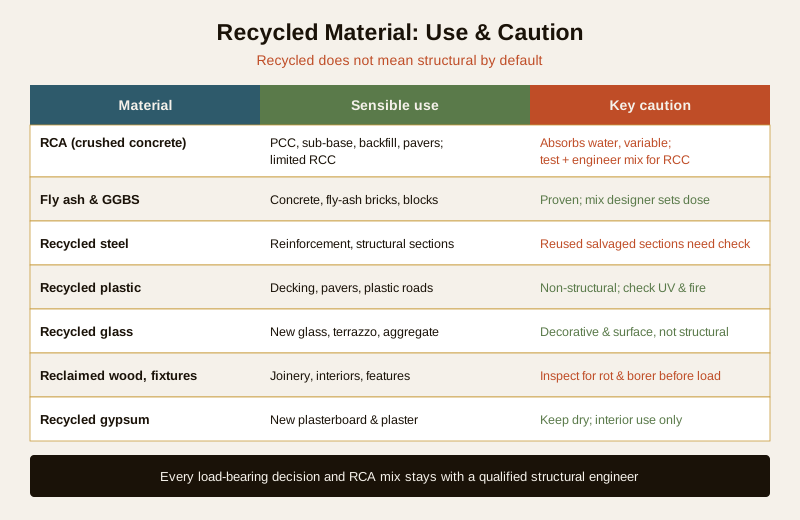
The single most important idea in this guide: recycled does not mean structural by default. Some recycled materials are as good as virgin; others are perfectly fine for non-structural work but must be tested or restricted before they carry load. This table maps material to source, sensible use and the caution that goes with it.
| Recycled material | Where it comes from | Where it can be used | Key caution |
|---|---|---|---|
| Recycled concrete aggregate (RCA) | Crushed demolition concrete | PCC, sub-base, backfill, paver blocks; limited RCC | Higher water absorption and variability; structural use needs testing and engineer-designed mix |
| Manufactured sand / aggregate | Quarry and crusher waste rock | Concrete and mortar as fine or coarse aggregate | Confirm grading and cleanliness like any aggregate |
| Fly ash and GGBS | Coal power and steel-slag by-product | Concrete, fly-ash bricks, AAC blocks | Proven; proportions set by the mix designer |
| Recycled steel | Remelted scrap steel | Reinforcement and structural sections | New steel is fine; reused salvaged sections need engineering check |
| Recycled plastic | Post-consumer plastic waste | Decking, pavers, benches, plastic roads | Non-structural only; check UV and fire behaviour |
| Recycled glass | Waste glass cullet | New glass, terrazzo, decorative aggregate | Decorative and surface uses, not structural |
| Reclaimed wood and fixtures | Salvaged timber, old doors, fittings | Joinery, interiors, non-structural features | Inspect for rot, borer and cracks before any load use |
| Recycled gypsum | Recovered plasterboard, industrial gypsum | New plasterboard and plaster | Keep dry; interior use only, like all gypsum |
The honest summary: RCA, reused steel and reclaimed structural timber are the three that most tempt people toward load-bearing use and most demand professional testing first. Everything else on the list is either a proven mainstream material or a safe non-structural application.
Quality control - the honest part
Recycled materials earn a bad reputation only when they are used blind. Demolition concrete varies from source to source; salvaged steel may be fatigued or corroded; reclaimed timber may hide borer damage. The discipline that makes recycling safe is the same discipline that governs any material - testing, grading and specification.
- Test RCA before structural use. Water absorption, grading, crushing value and any contamination must be checked to the relevant aggregate standard, and the concrete mix redesigned for RCA's characteristics. This is an engineer's job, not a site improvisation.
- Verify salvaged structural elements. Reused steel sections and reclaimed structural timber must be inspected and, where needed, load-tested before they are trusted in a structure.
- Keep recycled material clean and sorted. Contaminated, mixed C&D waste is far harder to recycle well; segregation at source, as the C&D Waste Management Rules 2016 intend, is what makes good recycled material possible.
- Match the use to the grade. Use RCA where it belongs - sub-base and PCC - and you get a robust, economical, low-carbon result. Force it into a structural slab without testing and you invite trouble.
This is exactly why the stance here is specify-and-select: you can confidently choose recycled content and demand recycled percentages, but the decision to put any recycled material into a load path stays with a qualified engineer working to test data.
Green-rating credit and how to specify it
Recycled content is one of the most rewarded ideas in green building. Rating systems such as GRIHA and IGBC (and LEED internationally) award credits for using recycled-content materials, for reusing salvaged materials, and for diverting C&D waste from landfill during construction. To turn that into real points on your project:
- Ask suppliers for recycled-content percentages in writing - for steel, aggregate, blocks, plasterboard and boards.
- Specify RCA for sub-base and PCC where an engineer confirms it, and specify fly-ash or GGBS blends in concrete.
- Set up C&D waste segregation on site so demolition and off-cut waste is sorted and sent to a recycling plant rather than dumped.
- Score and compare options with the green material scorecard, which weighs recycled content alongside other sustainability attributes.
For the wider sustainability picture, see the sustainability and green buildings hub and the material standards and certifications guide.
Key takeaways
- Indian cities landfill most of their C&D waste; recycling closes the loop, saving virgin resources and the embodied carbon already spent on making materials once.
- Recycled concrete aggregate is excellent for sub-base and PCC, but structural RCC use is limited and needs testing plus an engineer-designed mix.
- Steel is already highly recycled; fly ash and GGBS are proven recycled-content additions to concrete and blocks.
- Recycled plastic, glass, reclaimed wood and recycled gypsum are strong non-structural and interior choices - reused structural timber and steel must be verified first.
- Recycled does not mean structural by default: match the material to the right use, and leave every load-bearing decision and RCA mix to a qualified engineer.
- Recycled content earns GRIHA, IGBC and LEED credit - specify percentages in writing and segregate C&D waste on site.
References
- Construction and Demolition Waste Management Rules 2016, named generally for scope, not clause-cited.
- Bureau of Indian Standards - aggregate and concrete standards (IS 383, IS 456) named generally where recycled aggregate quality and concrete mixes are concerned.
- National Building Code of India, NBC (SP 7:2026), Bureau of Indian Standards.
- Green-rating context on recycled content and waste diversion: GRIHA, IGBC and LEED material-reuse and waste-management criteria.
- Studio Matrx companion guides on green building materials, low-carbon construction materials, GGBS and SCMs, construction aggregates and fly-ash vs clay bricks.
Export this guide
Related Guides — Deep-dive reading
Construction Aggregates in India: Sizes, Quality & Selection (2026)
What coarse aggregate actually does in concrete, how to pick the right nominal size (10mm, 20mm, 40mm), and the field and lab checks that separate strong stone from a bad load - a specify-and-select guide for Indian homes.
Building MaterialsCircular Economy in Construction: A Homeowner's Guide to Building Without Waste in India
How to move from take-make-waste to keeping materials in use, on your own plot
SustainabilityLow-Carbon Construction Materials in India: Cutting Embodied Carbon (2026)
What embodied carbon is in plain terms, why cement and steel dominate it, and the practical levers to cut it in Indian building - blended cement and SCMs, material efficiency, lower-carbon walling, local sourcing, durability, timber and bamboo, and recycled content. A specify-and-select guide.
Building MaterialsRelated Tools — Try Free
Green Building Water Score Calculator
Score a building's water efficiency 0–100 from treated-water reuse, rainwater harvesting, low-flow fixtures and metering, with an IGBC/GRIHA-style rating and your biggest improvement lever.
SustainabilityGreen Material Scorecard
An indicative green score for a material across six sustainability criteria - carbon, recycled content, local, durable, health, recyclable.
Material PlannerHealing View Impact Calculator
Evidence-Based Design dashboard quantifying the recovery impact of nature view + daylight factor on analgesic use, length of stay, and HCAHPS patient-experience uplift. Calibrated against Ulrich 1984 (Science), Park & Mattson 2008, and the CHD EBD evidence base.
EBD Calculator