
Digital Fabrication & RoboticsVolume 1 · Issue 5 · October 2026
Digital Fabrication & Robotics
Make physical things directly from digital models — CAD/CAM and toolpaths, laser cutting, CNC milling, 3D printing and large-scale additive, industrial robots and robotic fabrication, materials, and the parametric-to-fabrication workflow.
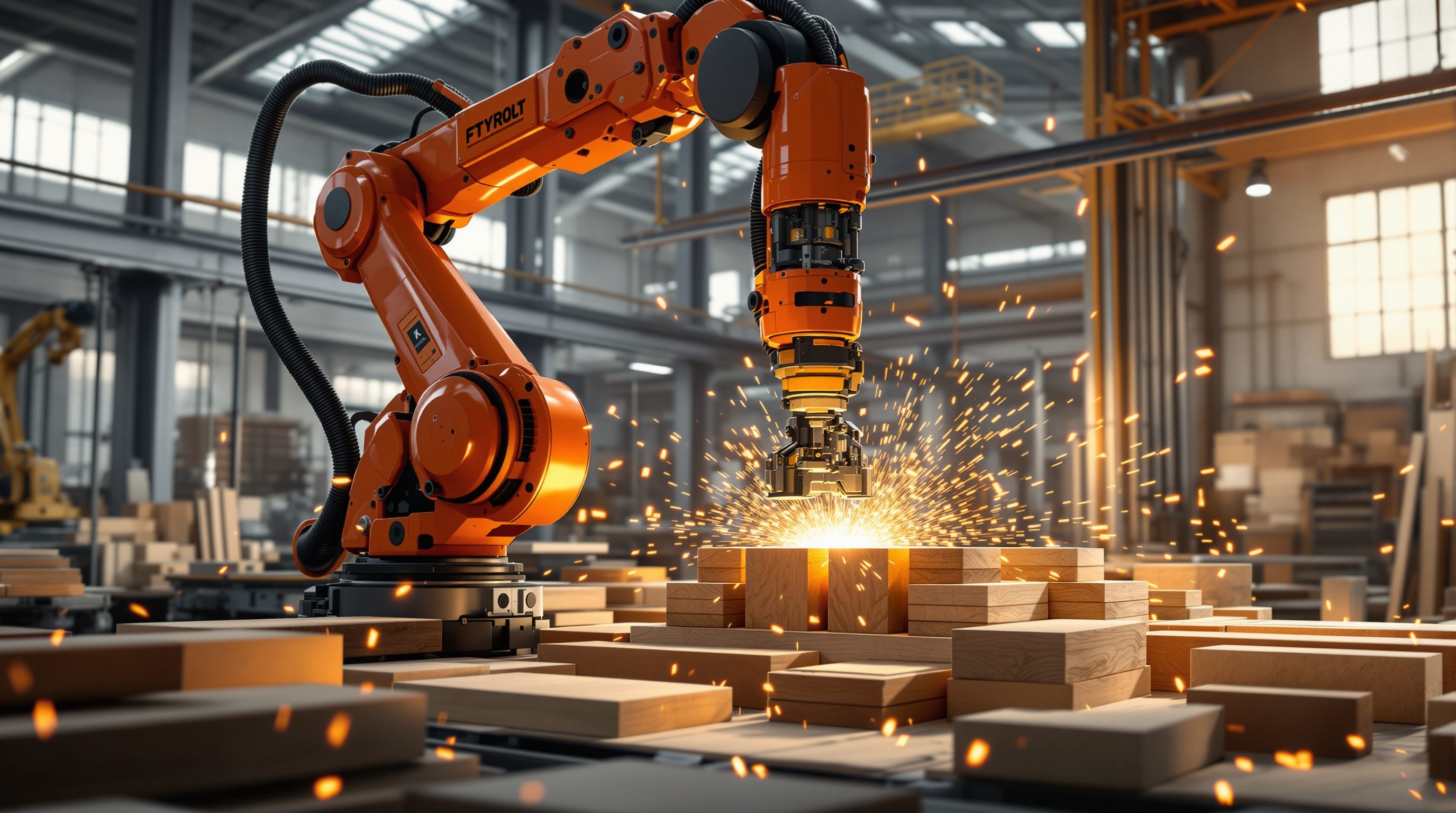
A free Studio Matrx Academy deep dive into digital fabrication and robotics — making physical things directly from digital models. The file-to-factory paradigm and the subtractive/additive/formative families; CAD/CAM and toolpaths; laser cutting; CNC milling and routing; 3D printing and large-scale additive (concrete, clay); industrial-robot fundamentals and robotic fabrication (milling, assembly, spatial printing); materials and bespoke systems; the parametric-to-fabrication workflow and digital twins; plus practice, ethics and career. Making-first and tool-aware — for architects, interior designers and students, worldwide.
Course byAmogh N P· Architect & interior designer11 modules · 44 lessons · ~14 hrs · 44 of 44 lessons live
 Module 0 · Foundations of Digital Fabrication
0.1 · What Digital Fabrication Is
Digital fabrication is making physical objects directly from a digital model - a machine cuts, prints or assembles what you designed, with no manual re-drawing in between. This lesson sets the mindset the whole course builds on: design and making become one continuous file-to-factory chain.
Read itStart with Module 0 — Foundations of Digital Fabrication
Free · open0.1 · What Digital Fabrication Is
Open0.2 · The File-to-Factory Paradigm
Open0.3 · Subtractive, Additive & Formative
Open0.4 · Reading Fabrication Data
Open0.✓ · Mastery check: Foundations of Digital Fabrication
OpenWhat you'll be able to do
Outcomes- 1See any process as the file-to-factory chain, and match subtractive/additive/formative to the job.
- 2Work confidently with CAD/CAM and toolpaths, laser cutting, CNC milling and 3D printing.
- 3Understand large-scale additive (concrete, clay), industrial robots and robotic fabrication.
- 4Connect parametric design to fabrication, choose materials well, and build a maker's portfolio.
The full course ahead
11 modules · 44 lessonsThe course opens with the foundations — what digital fabrication is and the file-to-factory idea — then works through CAD/CAM and toolpaths, laser cutting, CNC milling, 3D printing and large-scale additive, industrial robotics and robotic fabrication, materials and bespoke systems, and the parametric-to-fabrication computational workflow — closing with practice, ethics and the career that make it real.
0Module 0 · Foundations of Digital Fabrication
LiveBefore any machine: what digital fabrication is, the file-to-factory idea, the subtractive/additive/formative families, and how to read the data a machine actually needs.
Module 0 · Foundations of Digital Fabrication
LiveBefore any machine: what digital fabrication is, the file-to-factory idea, the subtractive/additive/formative families, and how to read the data a machine actually needs.
1Module 1 · CAD/CAM & Toolpaths
LiveThe bridge from model to machine: CAM and toolpaths, what G-code is, tolerances and fits, and designing so a thing can actually be made.
Module 1 · CAD/CAM & Toolpaths
LiveThe bridge from model to machine: CAM and toolpaths, what G-code is, tolerances and fits, and designing so a thing can actually be made.
2Module 2 · Laser Cutting & 2D Fabrication
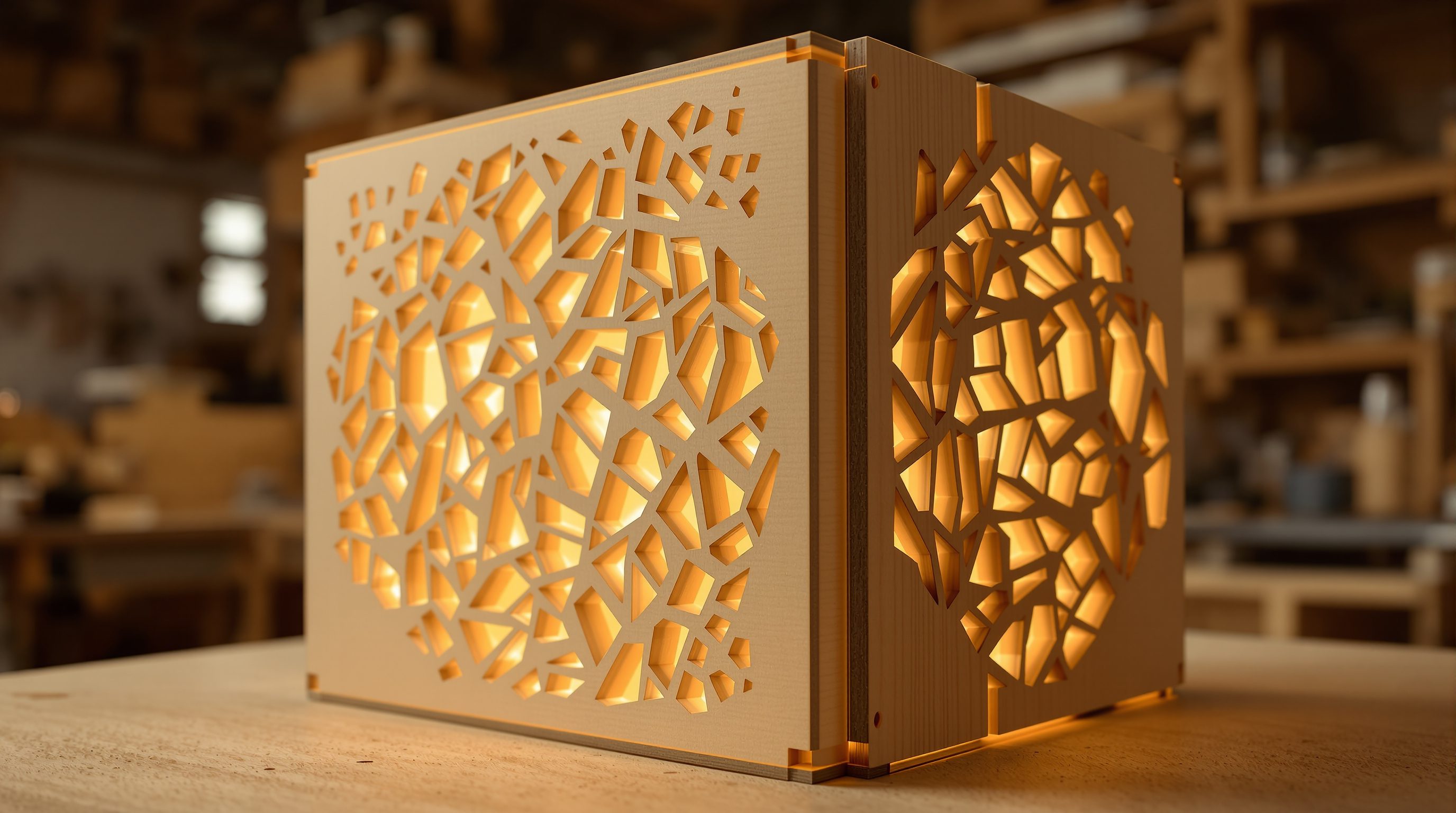
LiveThe workshop workhorse: how a laser cutter works, kerf and materials, nesting sheets efficiently, and press-fit joints and living hinges.
Module 2 · Laser Cutting & 2D Fabrication
LiveThe workshop workhorse: how a laser cutter works, kerf and materials, nesting sheets efficiently, and press-fit joints and living hinges.
3Module 3 · CNC Milling & Routing
LiveCutting away to a form: 3-axis milling, multi-axis machining, feeds, speeds and toolpaths, and making moulds and formwork.
Module 3 · CNC Milling & Routing
LiveCutting away to a form: 3-axis milling, multi-axis machining, feeds, speeds and toolpaths, and making moulds and formwork.
4Module 4 · 3D Printing & Additive
LiveBuilding up layer by layer: additive basics, FDM and material extrusion, resin and powder printing, and supports, orientation and failure.
Module 4 · 3D Printing & Additive
LiveBuilding up layer by layer: additive basics, FDM and material extrusion, resin and powder printing, and supports, orientation and failure.
5Module 5 · Large-Scale Additive
LivePrinting architecture: concrete 3D printing, clay and ceramic, large-format additive, and the layer logic that shapes what you can build.
Module 5 · Large-Scale Additive
LivePrinting architecture: concrete 3D printing, clay and ceramic, large-format additive, and the layer logic that shapes what you can build.
6Module 6 · Robotics Fundamentals
LiveThe industrial robot as a design tool: the robotic arm, kinematics and motion, end-effectors and tooling, and programming and simulation.
Module 6 · Robotics Fundamentals
LiveThe industrial robot as a design tool: the robotic arm, kinematics and motion, end-effectors and tooling, and programming and simulation.
7Module 7 · Robotic Fabrication
LivePutting the arm to work: robotic milling and cutting, assembly, spatial and extrusion printing, and multi-robot cooperative fabrication.
Module 7 · Robotic Fabrication
LivePutting the arm to work: robotic milling and cutting, assembly, spatial and extrusion printing, and multi-robot cooperative fabrication.
8Module 8 · Materials & Systems
LiveMatching material to method: how materials behave in fabrication, working wood, metal and composites, bespoke material systems, and sustainability.
Module 8 · Materials & Systems
LiveMatching material to method: how materials behave in fabrication, working wood, metal and composites, bespoke material systems, and sustainability.
9Module 9 · Computational Workflow
LiveClosing the loop: parametric-to-fabrication pipelines, digital twins and feedback, sensing and adaptive fabrication, and mass customization.
Module 9 · Computational Workflow
LiveClosing the loop: parametric-to-fabrication pipelines, digital twins and feedback, sensing and adaptive fabrication, and mass customization.
10Module 10 · Practice, Ethics & Career
LiveMaking it a practice: fablabs and makerspaces, Industry 4.0 and construction robotics, building a portfolio, and the digital-fabrication career.
Module 10 · Practice, Ethics & Career
LiveMaking it a practice: fablabs and makerspaces, Industry 4.0 and construction robotics, building a portfolio, and the digital-fabrication career.
The author
Amogh N P
Architect, interior designer, and creative polymath. Studio Matrx began in his notebooks — his vision of design made honest, useful, and open to everyone. Its Academy is written and taught in his memory, and free, forever.
More about Amogh →