
Vertical Farming & Building-Integrated AgricultureVolume 1 · Issue 4 · September 2026
Vertical Farming & Building-Integrated Agriculture
Growing food in and on buildings — bringing the farm to the building (when the building grows food; what BIA and vertical farming are; the landscape; the promise separated from the hype), why grow food in buildings (the food and city problem, freshness/local/resilience, the honest energy question), ways of growing (soil/container/rooftop, hydroponics, aeroponics and aquaponics, choosing a method), controlled-environment agriculture (what CEA is, light and grow-lights, climate/water/nutrients, the vertical farm), integrating food into architecture (rooftop farms, edible facades and living walls, greenhouses and conservatories, the productive building), the building systems (structure and loads, water and irrigation, energy and lighting, environmental integration), making it work (the economics of growing, crops and yields, operations and labour, food safety and quality), the bigger picture (urban food systems, community and social food, sustainability honestly, equity and access), making it real (from idea to a working farm, tools and partners, integrating into design, running and maintaining), reality/limits/honesty (vertical-farm-washing, the energy elephant, what it cannot feed, when not to grow indoors), and practice and the future. Rigorous and honest — growing food in buildings has genuine promise, but fully-indoor vertical farming replaces free sunlight with expensive electricity and is often less sustainable, viable only for high-value crops and unable to feed a city's staple calories, so sun-powered growing usually wins and the energy question must be faced squarely — for architects, interior designers and students. Defers the binding structural (roof and facade loads), waterproofing, water and drainage, electrical, food-safety and horticultural engineering to qualified engineers and specialists, verified data and the governing codes (NBC India, IS, food-safety regulation), treating yields, energy, cost and crop figures as illustrative. India-aware, strongly favouring sun-powered rooftop and terrace growing suited to abundant sunlight and a living tradition, and sceptical of energy-hungry indoor farms.
Course byAmogh N P· Architect & interior designer11 modules · 44 lessons · ~15 hrs · 44 of 44 lessons live

 Module 0 · Bringing the Farm to the Building
0.1 · When the Building Grows Food
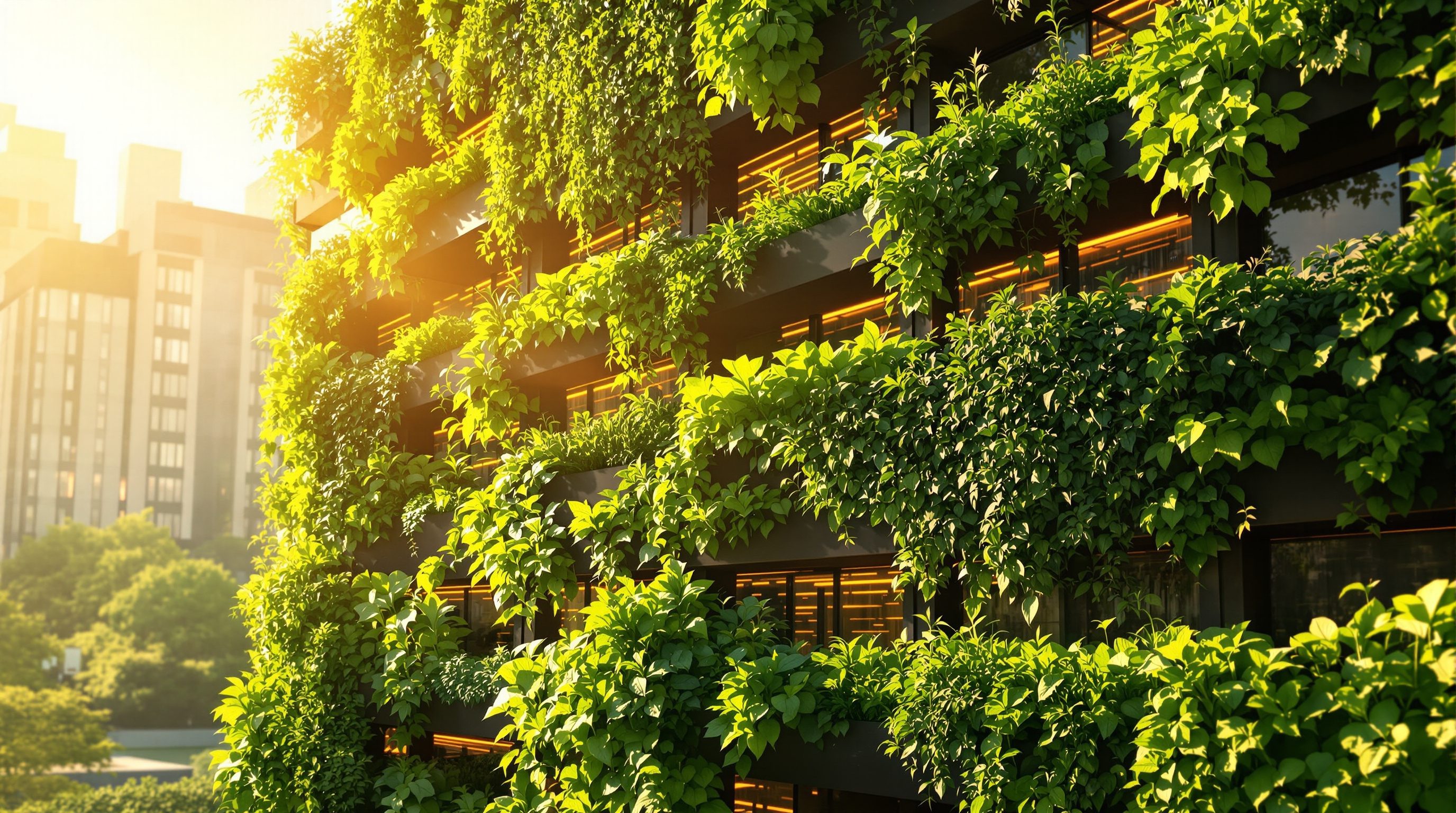
For all of history food was grown in distant fields and shipped to cities. Building-integrated agriculture and vertical farming bring food-growing into and onto the building - rooftops, facades, greenhouses, indoor farms.
Read itStart with Module 0 — Bringing the Farm to the Building
Free · open0.1 · When the Building Grows Food
Open0.2 · What BIA & Vertical Farming Are
Open0.3 · The Building-Agriculture Landscape
Open0.4 · The Promise & the Hype
Open0.✓ · Mastery check: Bringing the Farm to the Building
OpenWhat this course covers
The through-line- 1Why Grow Food in Buildings. The case, weighed honestly: the food and city problem, freshness, local and resilience, the honest energy question, and the honest caveats.
- 2Ways of Growing. How food is grown without a field: soil, container and rooftop growing, hydroponics, aeroponics and aquaponics, and choosing a growing method.
- 3Controlled-Environment Agriculture. The high-tech frontier: what controlled-environment agriculture is, light and grow-lights, climate, water and nutrients, and the vertical farm.
- 4Integrating Food into Architecture. Food as part of the building: rooftop farms, edible facades and living walls, greenhouses and conservatories, and the productive building.
The full course ahead
11 modules · 44 lessons11 modules and 44 lessons, from the foundations through to practice — each lesson with a three-tier read, a hands-on workshop, hand-drawn figures and a scored mastery check.
0Module 0 · Bringing the Farm to the Building
LiveBefore any growing system: when the building grows food; what building-integrated agriculture and vertical farming are; the landscape; and the promise separated honestly from the hype.
Module 0 · Bringing the Farm to the Building
LiveBefore any growing system: when the building grows food; what building-integrated agriculture and vertical farming are; the landscape; and the promise separated honestly from the hype.
1Module 1 · Why Grow Food in Buildings
LiveThe case, weighed honestly: the food and city problem, freshness, local and resilience, the honest energy question, and the honest caveats.
Module 1 · Why Grow Food in Buildings
LiveThe case, weighed honestly: the food and city problem, freshness, local and resilience, the honest energy question, and the honest caveats.
2Module 2 · Ways of Growing
LiveHow food is grown without a field: soil, container and rooftop growing, hydroponics, aeroponics and aquaponics, and choosing a growing method.
Module 2 · Ways of Growing
LiveHow food is grown without a field: soil, container and rooftop growing, hydroponics, aeroponics and aquaponics, and choosing a growing method.
3Module 3 · Controlled-Environment Agriculture
LiveThe high-tech frontier: what controlled-environment agriculture is, light and grow-lights, climate, water and nutrients, and the vertical farm.
Module 3 · Controlled-Environment Agriculture
LiveThe high-tech frontier: what controlled-environment agriculture is, light and grow-lights, climate, water and nutrients, and the vertical farm.
4Module 4 · Integrating Food into Architecture
LiveFood as part of the building: rooftop farms, edible facades and living walls, greenhouses and conservatories, and the productive building.
Module 4 · Integrating Food into Architecture
LiveFood as part of the building: rooftop farms, edible facades and living walls, greenhouses and conservatories, and the productive building.
5Module 5 · The Building Systems
LiveThe unglamorous essentials: structure and loads, water and irrigation, energy and lighting, and environmental integration.
Module 5 · The Building Systems
LiveThe unglamorous essentials: structure and loads, water and irrigation, energy and lighting, and environmental integration.
6Module 6 · Making It Work
LiveThe brutal practicalities: the economics of growing, crops and yields, operations and labour, and food safety and quality.
Module 6 · Making It Work
LiveThe brutal practicalities: the economics of growing, crops and yields, operations and labour, and food safety and quality.
7Module 7 · The Bigger Picture
LiveBeyond the single farm: urban food systems, community and social food, sustainability weighed honestly, and equity and access.
Module 7 · The Bigger Picture
LiveBeyond the single farm: urban food systems, community and social food, sustainability weighed honestly, and equity and access.
8Module 8 · Making It Real
LiveFrom idea to harvest: from idea to a working farm, tools and partners, integrating into design, and running and maintaining.
Module 8 · Making It Real
LiveFrom idea to harvest: from idea to a working farm, tools and partners, integrating into design, and running and maintaining.
9Module 9 · Reality, Limits & Honesty
LiveThe honest ledger: vertical-farm-washing, the energy elephant, what it cannot feed, and when not to grow indoors.
Module 9 · Reality, Limits & Honesty
LiveThe honest ledger: vertical-farm-washing, the energy elephant, what it cannot feed, and when not to grow indoors.
10Module 10 · Practice & the Future
LiveTurning food literacy into practice: the designer's role, getting started, building-integrated agriculture in India, and becoming a food-literate designer.
Module 10 · Practice & the Future
LiveTurning food literacy into practice: the designer's role, getting started, building-integrated agriculture in India, and becoming a food-literate designer.
The author
Amogh N P
Architect, interior designer, and creative polymath. Studio Matrx began in his notebooks — his vision of design made honest, useful, and open to everyone. Its Academy is written and taught in his memory, and free, forever.
More about Amogh →