
 Lesson 8.1
Lesson 8.1 · Making It Real
From Idea to Working Farm
A food-growing idea is easy and cheap; a food-growing system that actually works for years is hard, and the path between them has a reliable order - find the sun, read the site, choose an honest approach, match the crop, bring in real engineers and a real grower, and pilot before you build big
Anyone can imagine a rooftop full of vegetables. Getting from that daydream to a farm that still works in year three is the real skill.
The idea is the easy part. Almost everyone who sees a bare flat roof, a sunny terrace or a blank courtyard wall has the same happy thought - we could grow food here. The image arrives fully formed and free: rows of greens, herbs by the kitchen, tomatoes ripening where there was only concrete. Ideas like this cost nothing and promise a great deal, which is exactly why so many of them are announced with fanfare and quietly abandoned a year later. The gap between a food-growing idea and a food-growing system that actually works, and keeps working, is enormous, and crossing it is a discipline in its own right.
This lesson lays out the honest path across that gap. It has a reliable order, and the order matters. You assess the site and find the sun before anything else, because the sun is the free energy that decides what is even sensible. You choose an approach that fits the site and place it honestly on the sun-to-lit spectrum. You match the crop to the approach, not the other way round. You bring in the real specialists - structural, services and food-safety engineers, and above all a grower who has actually kept plants alive at scale - early, while the design can still change cheaply. And you pilot small, growing one real season, before you commit to building big. Skip these steps, in the ways this lesson catalogues, and you join the long list of glossy launches that became empty planters.
Idea (easy) -> SUN + site (loads/water/access/services) -> approach on spectrum -> crop to market -> engineers + grower EARLY -> pilot small -> scale only if it works. Skip a step = the classic failure.
Start with the sun, then read the whole site
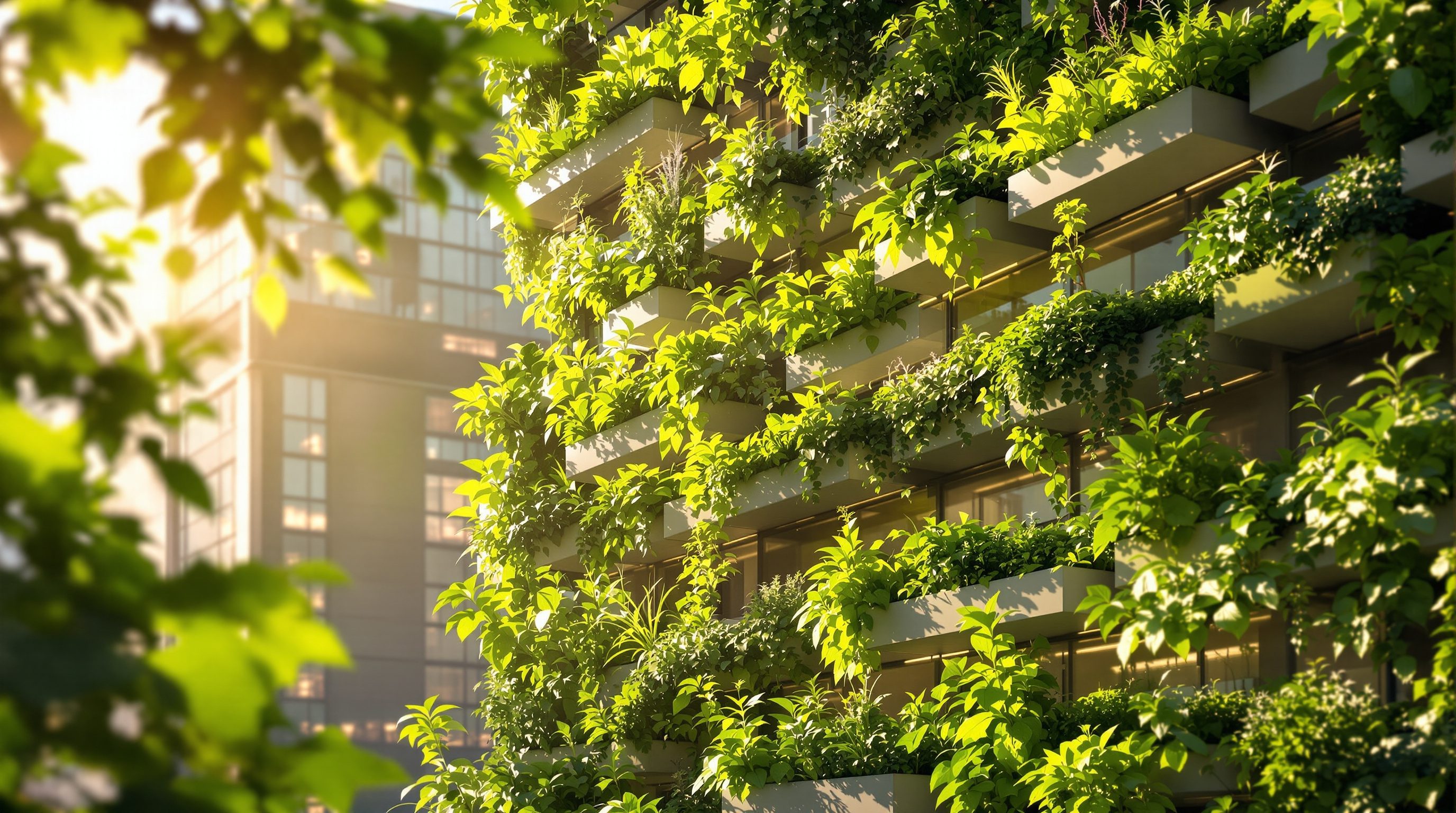
The single most common mistake is to start with the system and hunt for a place to put it. The discipline is the reverse: start with the site, and within the site, start with the sun. Before any product, any technology, any glossy render, walk the place and ask the plainest question in this whole field - where does good light actually fall here, and for how long each day and each season? Sunlight is the free energy that grows the plant, so a spot with generous sun is worth more than any amount of clever kit, and a spot in permanent shade cannot be rescued by wishing. Watch how a neighbouring tower, a water tank, a parapet or a tree throws shadow across the day; sun that looks abundant at noon may be gone by mid-afternoon, and a north wall in the northern hemisphere may never get enough. In India, most flat roofs and south-facing terraces are gloriously sunny, which is precisely why sun-powered rooftop and terrace growing fits the country so well.
Only once you understand the light do you read the rest of the site, and there are four more constraints that decide feasibility as firmly as the sun. Loads: a growing system holds soil or water and stays permanently wet, so it is heavy, and you must find out early whether the roof, terrace or facade can carry it - a question only a structural engineer can finally answer. Water: growing needs a reliable supply coming in and, just as importantly, drainage and waterproofing so the water goes safely away rather than into the rooms below. Access: someone has to reach the beds every day to tend and harvest, so safe routes, stairs, edge protection and a way to move heavy inputs and produce all matter. And services: what power, if any, the idea would need.
Reading the site in this order - sun, loads, water, access, services - turns a vague enthusiasm into a grounded brief. It also does something quietly valuable: it kills bad ideas early and cheaply. A shaded roof, a structure that cannot take the weight, or a spot with no water and no safe access is far better discovered on the first walk-round than after money has been spent. The site, honestly read, tells you most of what is possible before you have chosen a single piece of equipment.
Choose an honest approach, then match the crop to it
With the site understood, you choose an approach - and this is where the organising idea of the whole course does its work. Place every option honestly on the spectrum from sun-powered to fully-lit. Sun-powered approaches (a rooftop farm or garden, edible planting up a facade, a greenhouse on the terrace, containers on a sunny balcony) let the free sun do the light-energy work, so they start with an enormous advantage in cost, energy and sustainability and should be strongly preferred wherever the site allows. Fully-lit indoor growing under electric grow-lights should be reached for only when there is a specific, honest reason the sun-powered options cannot serve - and in India, with costly and often carbon-heavy electricity, that bar is high. Do not let the exciting image of glowing LED shelves drag you up the spectrum when a sunny roof is sitting empty overhead.
Then, and only then, match the crop to the approach - not the reverse. A great deal of grief comes from picking a crop first and forcing a system to grow it. What grows well depends on the light you have, the method you choose and, decisively, the market. Sun-powered rooftop and terrace systems can grow a genuinely wide range - leafy greens, herbs, tomatoes, beans, gourds, chillies, many vegetables familiar from Indian kitchen gardens. Fully-lit indoor systems are economically confined to high-value, fast, light, low-calorie crops: leafy greens, herbs, microgreens. Neither can sensibly grow the staples - the grains, pulses and roots that feed people their calories - because those need vast, cheap sunlit land. Remember the honest shorthand: building farms grow garnish, not dinner.
Matching also means being honest about who will eat or buy the produce. A crop only makes sense if there is a real home for it - a kitchen that will use the herbs, a cafe or box scheme that will pay for the greens, a community that wants the vegetables. High yields of something no one wants is not success. So the choice of approach and crop is really three questions answered together: what does the site (and its sun) support, what can this method actually grow well, and who genuinely wants the result? Answer those honestly and you have a proposal grounded in reality rather than in a brochure - the difference between a farm that earns its place and a planter that fills with weeds.
Bring in engineers and a grower early - then pilot small
A designer can frame a food-growing idea, place it on the spectrum and shape how it sits in the building, but a designer cannot make it stand up, keep it watered safely or keep the plants alive. Those depend on other people, and the timing of when you involve them decides whether the project succeeds cheaply or fails expensively. Bring the specialists in early, while the design is still soft and cheap to change. The structural engineer must confirm what the roof or facade can carry before the layout is fixed, because a growing system full of wet soil or water is heavy and its loads govern the design. The services engineer must plan water supply, drainage, waterproofing and any power from the start, not bolt them on afterwards. Where produce will be eaten or sold, a food-safety adviser should shape how it is grown, washed and handled. Calling any of these after the concept is frozen is how projects discover, too late, that the roof needs propping or the water has nowhere to drain.
The most under-appreciated partner is the grower. Keeping plants healthy and productive, week after week and season after season, is a real skill that most architects and designers simply do not have. A grower or operator who has actually run a productive system knows what the crop needs, how much labour it takes, what goes wrong and how to fix it. Involving them early keeps the design honest about operation, and having them committed to run it afterwards is often the difference between a living farm and an abandoned one.
Finally, pilot before you scale. It is tempting, once excited, to build the whole vision at once - and it is a classic way to lose a lot of money. Grow one real season at small scale first: a few beds, a modest greenhouse bay, a single facade panel. A pilot reveals what the spreadsheet cannot - the true yields on this site, the real labour, the pests and failures, whether anyone will actually eat or buy the produce, and whether there is someone willing to keep it going. Only if the pilot genuinely works, and can be run, do you scale up. Piloting turns confident guesses into evidence, and a working pilot is worth more than the most persuasive pitch.
The common ways it goes wrong
It is worth naming the failure modes plainly, because they repeat, and almost all of them come from skipping the order above. The first and most seductive is the tech-first trap: falling for the glowing image of an indoor vertical farm, buying the kit, and only then asking where to put it, what it will cost to run, whether the structure can take it and who will operate it. Started this way, projects meet the energy bill and the loading problem after the money is spent. Start from the sun and the site instead, and reach for technology last.
The second is choosing crops the market will not reward - growing large quantities of produce no one particularly wants, or growing, indoors and at great energy cost, something a sunny roof could have grown almost for free. The third is engaging engineers too late, so the structural, water and drainage realities arrive as expensive surprises that force redesign or propping. The fourth is building at full scale with no pilot, betting a large budget on untested assumptions about yield, labour and demand, and discovering the flaws only when they are costly to fix. The fifth, and the one this module returns to hardest, is underestimating the running cost, the labour and the simple question of who will keep the thing alive once the excitement fades - the subject of lesson 8.4.
Underneath all of these sits a single failure of honesty: believing the pitch instead of doing the arithmetic. This is a hyped field with a long trail of well-funded bankruptcies, and the antidote is not cynicism but discipline - face the sun and the energy question first, prefer sun-powered approaches, match crop to method and market, bring in real specialists early, pilot before you scale, and plan from day one for who will run and maintain the system. None of this is glamorous, and all of it is what separates the roof that is still feeding people in year three from the one whose planters filled with weeds by the second monsoon. The binding structural, water, electrical and food-safety judgements always rest with qualified engineers, verified data and the governing codes; your job is to walk this path in the right order and refuse to skip the unglamorous steps.
Sun and site first
Where feasibility is decided
Assess sun, then loads, water, access and services before choosing any system. The site, honestly read, kills bad ideas early and cheaply. Modules 0.1, 4, 5.
Approach on the spectrum
Choosing how to grow
Place every option on the sun-to-lit spectrum and prefer sun-powered where the site allows; match crop to approach and market. Modules 0.1, 2, 6.1.
Engineers and grower early
Who confirms feasibility
Structural (loads), services (water, drainage, waterproofing, power) and food-safety design belong to qualified engineers and the codes (NBC India, IS, food-safety regulation), engaged early. A grower must be committed to run it. Module 8.2.
Pilot before scale
De-risking the build
Grow one real season at small scale to reveal true yields, labour, pests and demand before committing a large budget. Illustrative figures are never a specification. Module 8.4.
Workshop — walk a real site from idea to a piloted proposal
Take a building or space you can actually visit and walk it through the honest path in order, ending with a small pilot you could really try. The point is to feel how the order kills bad ideas early and grounds good ones.
A visitable site, a notebook and a phone camera. No growing kit - this workshop is about walking the path in order by hand; the binding structural, water, electrical and food-safety design always stays with qualified engineers, and any yield or cost you estimate is illustrative only.
Goal: turn a vague food-growing idea into an ordered, honest proposal
Inputs: a site you can visit (roof, terrace, courtyard, wall or bright room) + this lesson + a notebook and phone camera
Time: ~60 minutes on site plus 30 to write up
- 1Find the sun: spend time observing (or reason from orientation and photos) where good light actually falls and for how long across the day and seasons; mark the sunniest and the shaded zones.
- 2Read the rest of the site: note honestly what you can about loads (roof or terrace - flag as an engineer's call), water supply and drainage, safe access, and any power - and where each is a problem.
- 3Choose and place an approach: pick one that fits the sunniest, most feasible zone and mark it SUN-POWERED or FULLY-LIT on the spectrum; justify why, preferring sun-powered.
- 4Match a crop and a market: name one or two crops the approach can actually grow well on this site, and say honestly who would eat or buy them.
- 5Design a pilot and name the team: describe the smallest real trial (a few beds, one bay, one panel), list which engineers and what kind of grower you would need, and flag every binding structural, water and food-safety question as one for specialists and the codes.
You’ll walk away with
A two-page ordered proposal: the site's sun and constraints, one approach placed on the spectrum with justification, a matched crop and market, and a small pilot with the team and the specialist questions named - all framed as your reasoning, not a specification.
Three altitudes on the same idea
Read the band that fits you — or all three.
Your leverage is at the start, in the order of decisions. When a client or your own enthusiasm proposes growing food on a building, resist jumping to the system; walk the site and find the sun first, then honestly read loads, water, access and services. Place the idea on the sun-to-lit spectrum and prefer sun-powered rooftop, greenhouse or facade growing wherever the site allows - it is cheaper, greener and far more likely to survive than an energy-hungry indoor farm. Match the crop to the approach and to a real market, not the reverse. Crucially, bring the structural engineer in before the layout is fixed (a wet growing system is heavy and its loads govern the design), coordinate water, drainage, waterproofing and any power with the services engineer from the concept stage, and involve a grower early so the design is honest about operation. Insist on a pilot before full-scale commitment. Defer every binding result - loads, waterproofing, drainage, electrical and food-safety design - to qualified engineers, verified data and the codes (NBC India, IS, food-safety regulation); own the sequence, the spectrum judgement and the refusal to skip steps.
The same order scales down to a herb wall or a cafe planting - and it saves the same grief. Before proposing edible planting indoors, find the light honestly: a bright windowsill or sunny cafe corner is one thing, a dim internal wall another, and no amount of decorative ambition replaces the light a plant needs (a modest grow-light can help a small herb wall, but growing real quantities indoors is the energy-hungry, specialist territory the course is honest about). Match the plants to the light you actually have, and to whether anyone will use them - herbs a kitchen will cook with, salad leaves a cafe will serve. Plan water supply, drainage, waterproofing, weight and maintenance access from the start, not as an afterthought, and coordinate the binding water, drainage, electrical and food-safety matters with specialists. Above all, decide who will tend it, because an edible interior that no one waters becomes a sad brown feature fast. Start small, prove it works, then grow the idea - the pilot logic fits a single herb wall as well as a rooftop.
Learn this path as a repeatable method - it is one of the most practical things this course gives you. The order is the lesson: (1) assess the site and find the sun first, because sunlight is the free energy that decides what is sensible; (2) choose an approach and place it honestly on the sun-to-lit spectrum, preferring sun-powered wherever you can; (3) match the crop to the approach and to a real market, remembering building farms grow garnish, not dinner; (4) engage structural, services and food-safety engineers and a real grower early, while the design is cheap to change; (5) pilot one small season before scaling. Then memorise the failure modes - tech-first, wrong crops, engineers too late, no pilot, no one to run it, believing the pitch over the arithmetic - because you will see every one of them in real projects and in breathless news stories. Being able to walk a site and reason through this sequence honestly, and to spot which step a failed project skipped, is exactly the food-literacy that sets you apart.
“If the idea is good and the technology exists, building the farm is basically an engineering formality - you decide to grow food on the roof, buy the system, install it, and you have a working farm. The hard part is having the vision; execution follows.”
Do it yourself
No tools needed — reason it through.
- 1Why does the honest path start with the sun and the site rather than with the growing system?
- 2List the four site constraints, beyond sunlight, that decide whether a food-growing idea is feasible.
- 3Explain why you match the crop to the approach and market, and not the approach to a favourite crop.
- 4Why must structural, services and food-safety engineers and a grower be engaged early rather than after the design is fixed?
- 5Name three of the common ways a building-farm idea goes wrong, and say which step of the path each one skipped.
The one line to carry out
Peer-reviewed journals & authoritative standards
- 01Rooftop farming — Wikipedia — Rooftop farming, 2026.
- 02Building-integrated agriculture — Wikipedia — Building-integrated agriculture, 2026.
- 03Vertical farming — Wikipedia — Vertical farming, 2026.
- 04Urban agriculture — Wikipedia — Urban agriculture, 2026.
Walking this path makes one thing unavoidable: the designer cannot do it alone. Next we meet the tools and the partners a working farm needs - the engineers, the grower, the suppliers - and why specifying by requirement beats chasing products.
The author
Amogh N P
Architect, interior designer, and creative polymath. Studio Matrx began in his notebooks — his vision of design made honest, useful, and open to everyone. Its Academy is written and taught in his memory, and free, forever.
More about Amogh →