
Sustainable & Regenerative ArchitectureVolume 1 · Issue 5 · October 2026
Sustainable & Regenerative Architecture
Design buildings that do active good, not just less harm — passive and bioclimatic strategy, energy and net-zero, embodied carbon and life-cycle, sustainable materials and circularity, water and biodiversity, health and wellbeing, green-building certifications (LEED, GRIHA, IGBC, WELL, Passivhaus), regenerative design, deep retrofit and adaptive reuse, and sustainable practice.
Course byAmogh N P· Architect & interior designer11 modules · 44 lessons · ~15 hrs · 44 of 44 lessons live
 Module 0 · Foundations: From Sustainable to Regenerative
0.1 · What Regenerative Architecture Is
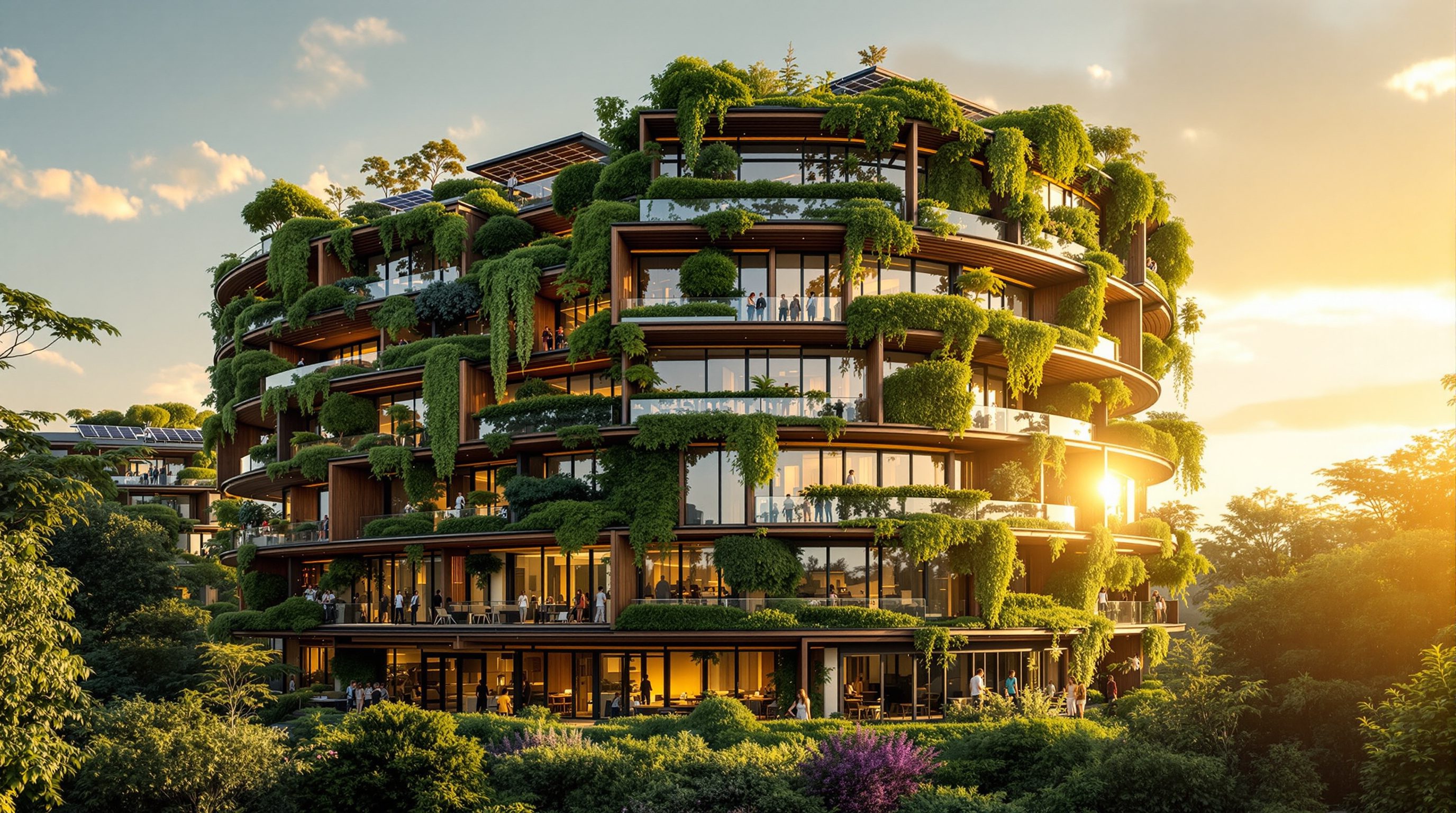
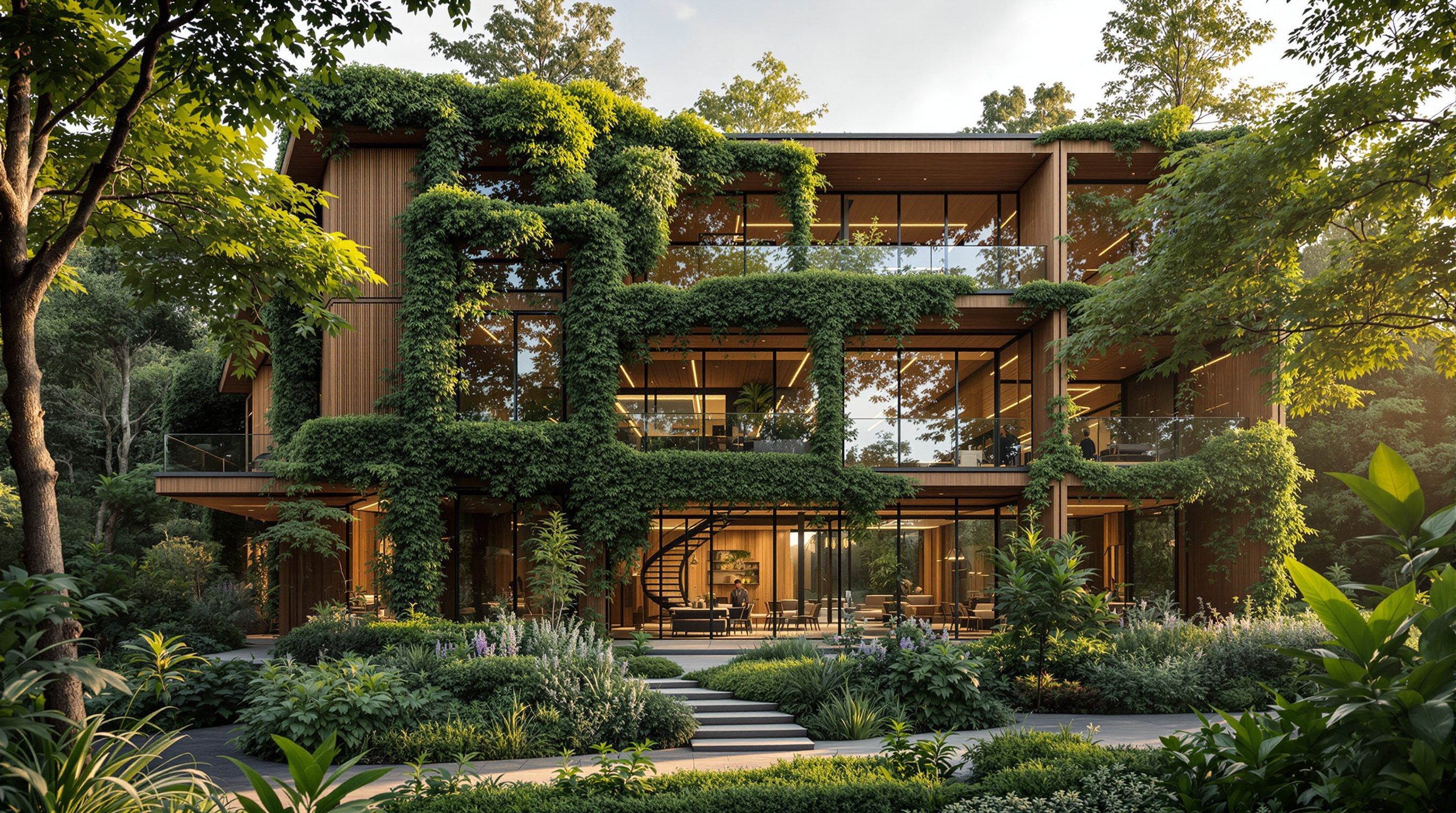
Sustainability aims for neutral - use less, waste less, harm less. Regenerative design aims higher: buildings that give back more than they take, producing clean energy, water and habitat and leaving their place healthier. This lesson sets the mindset the whole course builds on: the goal is net-positive.
Read itStart with Module 0 — Foundations: From Sustainable to Regenerative
Free · open0.1 · What Regenerative Architecture Is
Open0.2 · The Climate & Ecological Imperative
Open0.3 · From Efficient to Net-Positive
Open0.4 · Whole-Systems & the Integrated Process
Open0.✓ · Mastery check: Foundations: From Sustainable to Regenerative
OpenWhat this course covers
The through-line- 1Climate, Site & Passive Design. Designing with the climate, not against it: bioclimatic fundamentals, site, orientation and form, passive heating, cooling and ventilation, and daylight and shading.
- 2Energy & Net-Zero. Slashing operational energy: the energy hierarchy, building energy efficiency, renewables and electrification, and net-zero energy buildings.
- 3Carbon & Life-Cycle. The carbon that really counts: operational versus embodied carbon, life-cycle assessment, whole-life carbon accounting, and designing for low carbon.
- 4Materials & Circularity. Building with less, and building to last and return: sustainable material selection, low-carbon and bio-based materials, the circular economy in building, and design for disassembly and reuse.
The full course ahead
11 modules · 44 lessons11 modules and 44 lessons, from the foundations through to practice — each lesson with a three-tier read, a hands-on workshop, hand-drawn figures and a scored mastery check.
0Module 0 · Foundations: From Sustainable to Regenerative
LiveBefore any strategy: what regenerative architecture really is, the climate and ecological imperative, the spectrum from efficient to net-positive, and the whole-systems, integrated way sustainable projects are actually delivered.
Module 0 · Foundations: From Sustainable to Regenerative
LiveBefore any strategy: what regenerative architecture really is, the climate and ecological imperative, the spectrum from efficient to net-positive, and the whole-systems, integrated way sustainable projects are actually delivered.
1Module 1 · Climate, Site & Passive Design
LiveDesigning with the climate, not against it: bioclimatic fundamentals, site, orientation and form, passive heating, cooling and ventilation, and daylight and shading.
Module 1 · Climate, Site & Passive Design
LiveDesigning with the climate, not against it: bioclimatic fundamentals, site, orientation and form, passive heating, cooling and ventilation, and daylight and shading.
2Module 2 · Energy & Net-Zero
LiveSlashing operational energy: the energy hierarchy, building energy efficiency, renewables and electrification, and net-zero energy buildings.
Module 2 · Energy & Net-Zero
LiveSlashing operational energy: the energy hierarchy, building energy efficiency, renewables and electrification, and net-zero energy buildings.
3Module 3 · Carbon & Life-Cycle
LiveThe carbon that really counts: operational versus embodied carbon, life-cycle assessment, whole-life carbon accounting, and designing for low carbon.
Module 3 · Carbon & Life-Cycle
LiveThe carbon that really counts: operational versus embodied carbon, life-cycle assessment, whole-life carbon accounting, and designing for low carbon.
4Module 4 · Materials & Circularity
LiveBuilding with less, and building to last and return: sustainable material selection, low-carbon and bio-based materials, the circular economy in building, and design for disassembly and reuse.
Module 4 · Materials & Circularity
LiveBuilding with less, and building to last and return: sustainable material selection, low-carbon and bio-based materials, the circular economy in building, and design for disassembly and reuse.
5Module 5 · Water, Land & Biodiversity
LiveThe living site: water efficiency and reuse, rainwater and stormwater, landscape and biodiversity, and blue-green infrastructure.
Module 5 · Water, Land & Biodiversity
LiveThe living site: water efficiency and reuse, rainwater and stormwater, landscape and biodiversity, and blue-green infrastructure.
6Module 6 · Health, Comfort & Wellbeing
LiveBuildings for people: indoor environmental quality, thermal, visual and acoustic comfort, biophilic design, and healthy materials.
Module 6 · Health, Comfort & Wellbeing
LiveBuildings for people: indoor environmental quality, thermal, visual and acoustic comfort, biophilic design, and healthy materials.
7Module 7 · Green Building Certifications
LiveMeasuring and proving performance: how green rating systems work, LEED, BREEAM and global systems, GRIHA, IGBC and Indian systems, and Passivhaus, WELL and net-zero standards.
Module 7 · Green Building Certifications
LiveMeasuring and proving performance: how green rating systems work, LEED, BREEAM and global systems, GRIHA, IGBC and Indian systems, and Passivhaus, WELL and net-zero standards.
8Module 8 · Regenerative Design in Practice
LiveBeyond neutral to net-positive: net-positive energy, water and carbon, the Living Building Challenge, ecosystem services and biodiversity gain, and regenerative frameworks rooted in place.
Module 8 · Regenerative Design in Practice
LiveBeyond neutral to net-positive: net-positive energy, water and carbon, the Living Building Challenge, ecosystem services and biodiversity gain, and regenerative frameworks rooted in place.
9Module 9 · Retrofit, Reuse & the Existing Stock
LiveThe greenest building is the one that already exists: the existing-building imperative, deep energy retrofit, adaptive reuse, and the retrofit-versus-rebuild decision.
Module 9 · Retrofit, Reuse & the Existing Stock
LiveThe greenest building is the one that already exists: the existing-building imperative, deep energy retrofit, adaptive reuse, and the retrofit-versus-rebuild decision.
10Module 10 · Practice, Delivery & Career
LiveMaking it real and honest: the business case for sustainability, avoiding greenwashing, the sustainability consultant, and the regenerative-design career.
Module 10 · Practice, Delivery & Career
LiveMaking it real and honest: the business case for sustainability, avoiding greenwashing, the sustainability consultant, and the regenerative-design career.
The author
Amogh N P
Architect, interior designer, and creative polymath. Studio Matrx began in his notebooks — his vision of design made honest, useful, and open to everyone. Its Academy is written and taught in his memory, and free, forever.
More about Amogh →