
Cybersecurity for Security SystemsVolume 1 · Issue 4 · September 2026
The Unseen Doors
Every camera, lock, doorbell and alarm you install to feel safer is also a small internet-connected computer — and an insecure one is worse than none: it streams your home to a stranger, or hands over the keys. The cheap cloud camera on a default password, the DVR still on admin/admin, the society NVR nobody ever updated — these are the unseen doors. This library shows how to shut them: harden every device, lock down the network, secure the accounts and data, and plan for the day something goes wrong. Strictly defensively — how to protect, never how to attack.
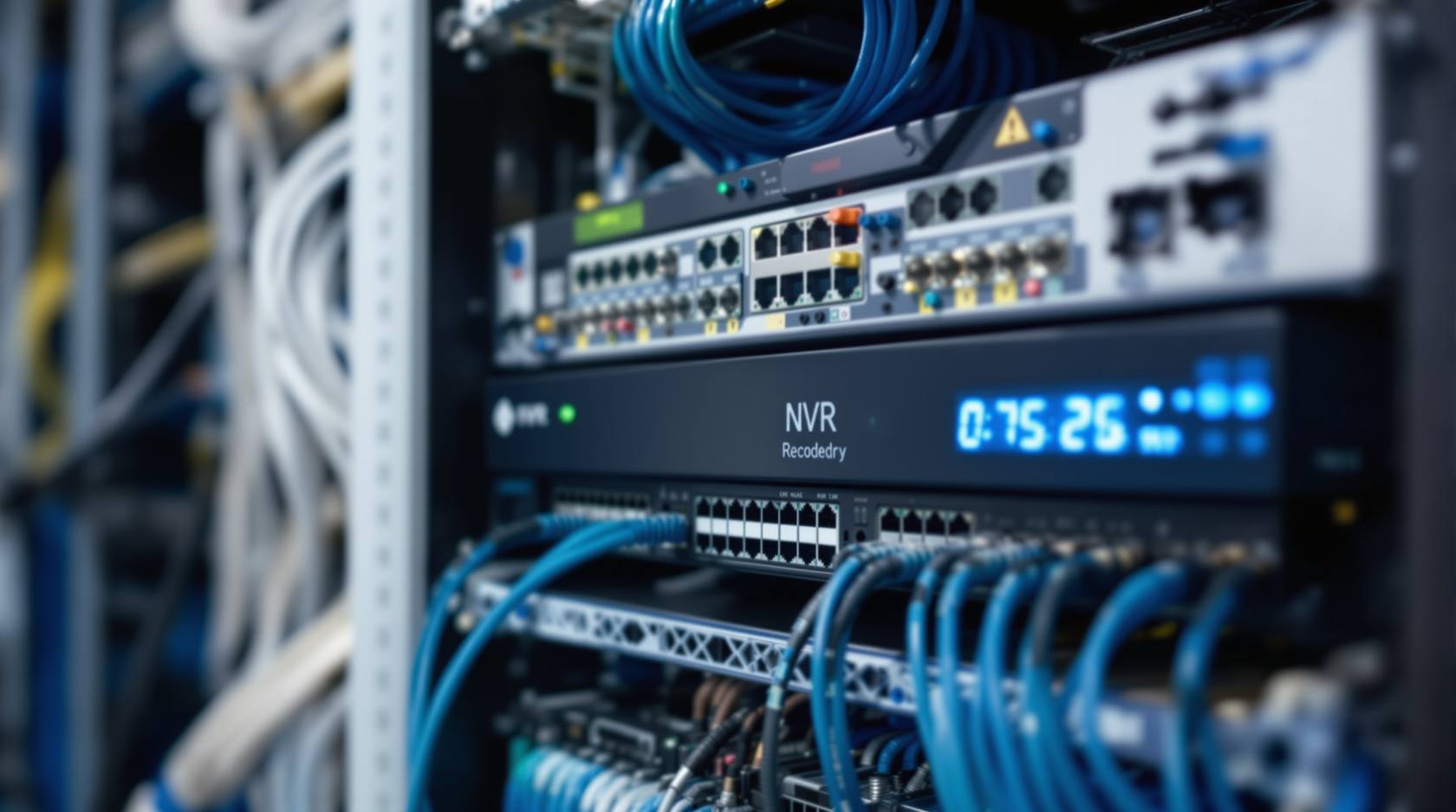
Complete Guide to Security System Cybersecurity in India (2026): Protecting the Systems That Protect You
The cameras, locks and alarms you install to feel safer are internet-connected computers that can be attacked, and an insecure one is worse than none. This pillar maps the whole attack surface — devices, network, accounts and data, operations — to the guides that harden it.
Read itPer system
CCTV, locks, door phones & alarms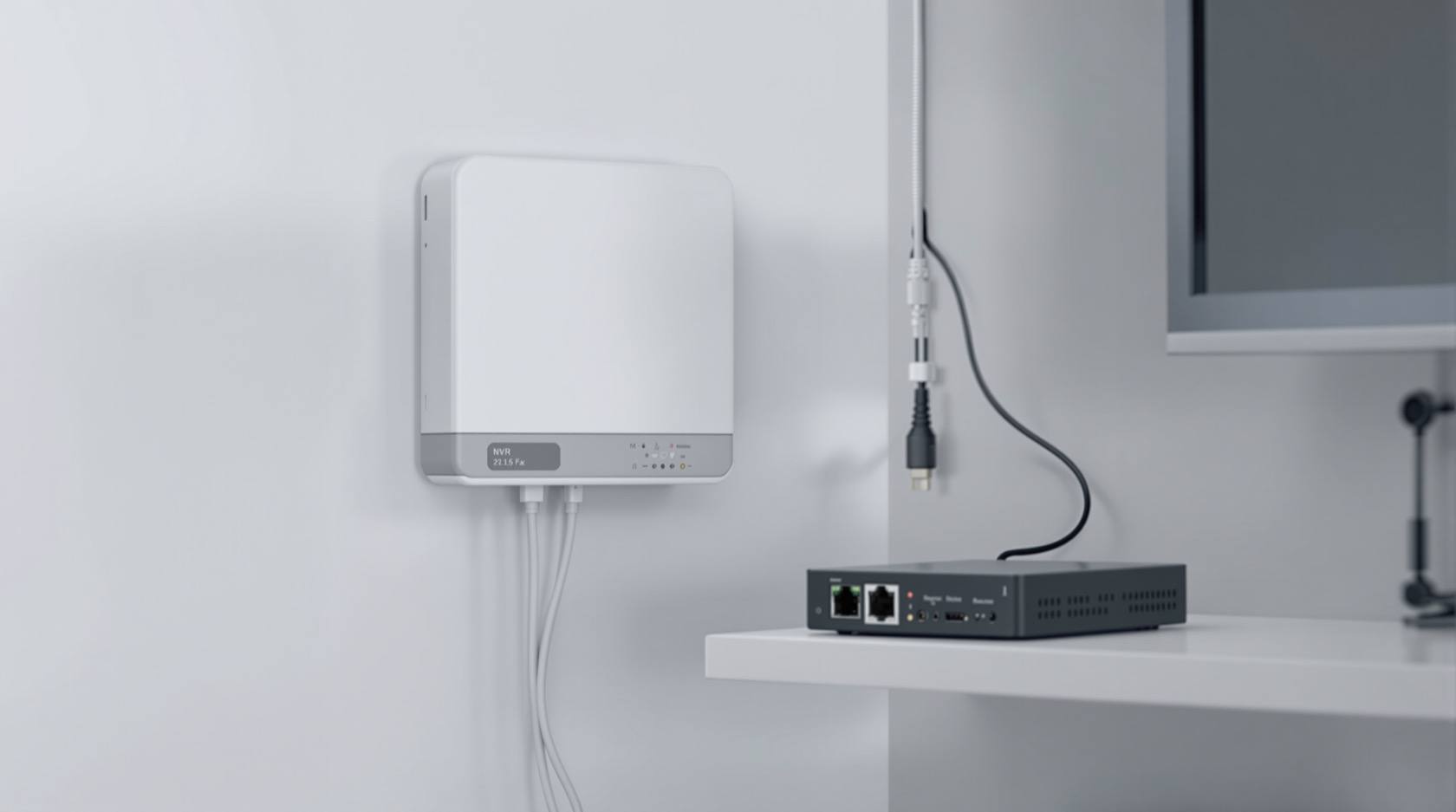 CCTV01
CCTV Cybersecurity in India (2026): Hardening Cameras, DVRs and NVRs Against Attack
The camera watching your building is the most-attacked device in it. Harden a CCTV system defensively: change every default password on cameras, DVR/NVR and app; stop needless internet exposure; segment the cameras; update firmware; encrypt footage; and buy reputable hardware.
 Smart locks02
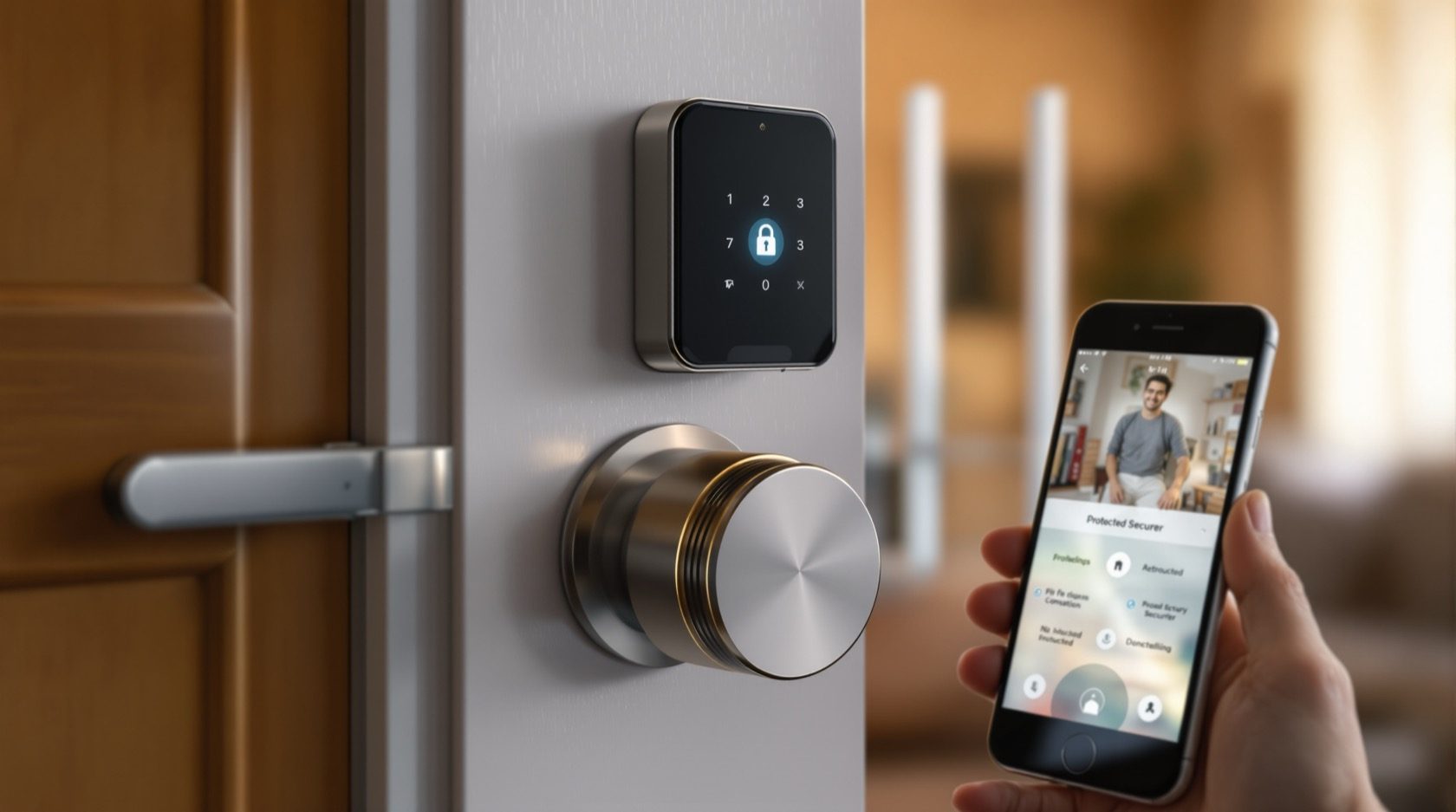
Smart Lock Cybersecurity in India (2026): Your Account Is Now Your Front Door
A Wi-Fi or app-controlled lock is a computer on your network, and its account is your front door. Harden your own lock: a strong unique password with two-factor, current firmware and app, a secure home Wi-Fi, a reputable brand, and a non-networked mechanical backup.
 Video door phones03
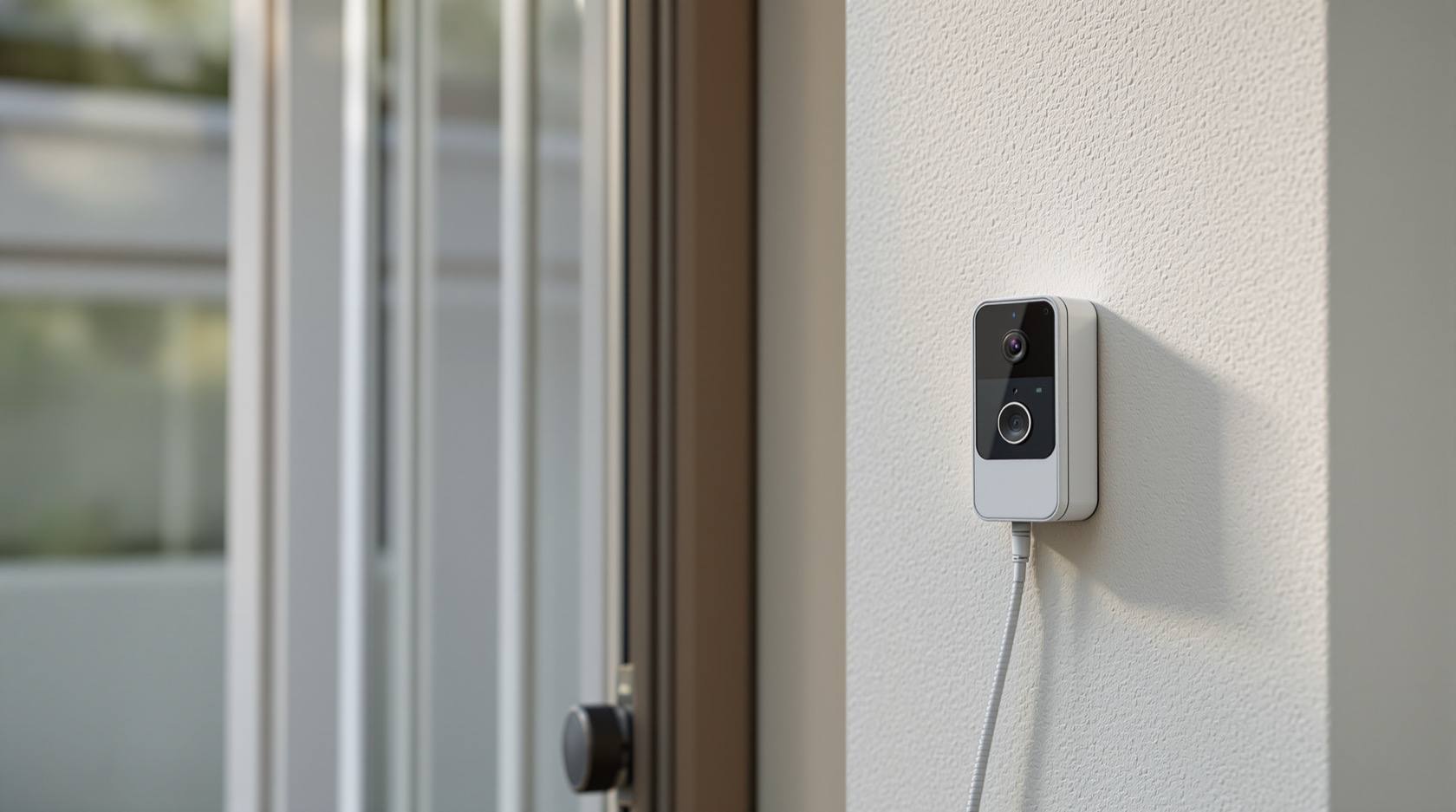
Video Door Phone Cybersecurity in India (2026): Harden the Camera at Your Gate
A video door phone is a camera, microphone and often a door-release at your entrance, tied to an app and a vendor cloud. Harden your own unit: a strong account with MFA, current firmware, a reputable vendor, a segmented network, a well-guarded door-release and honest privacy.
 Alarm systems04
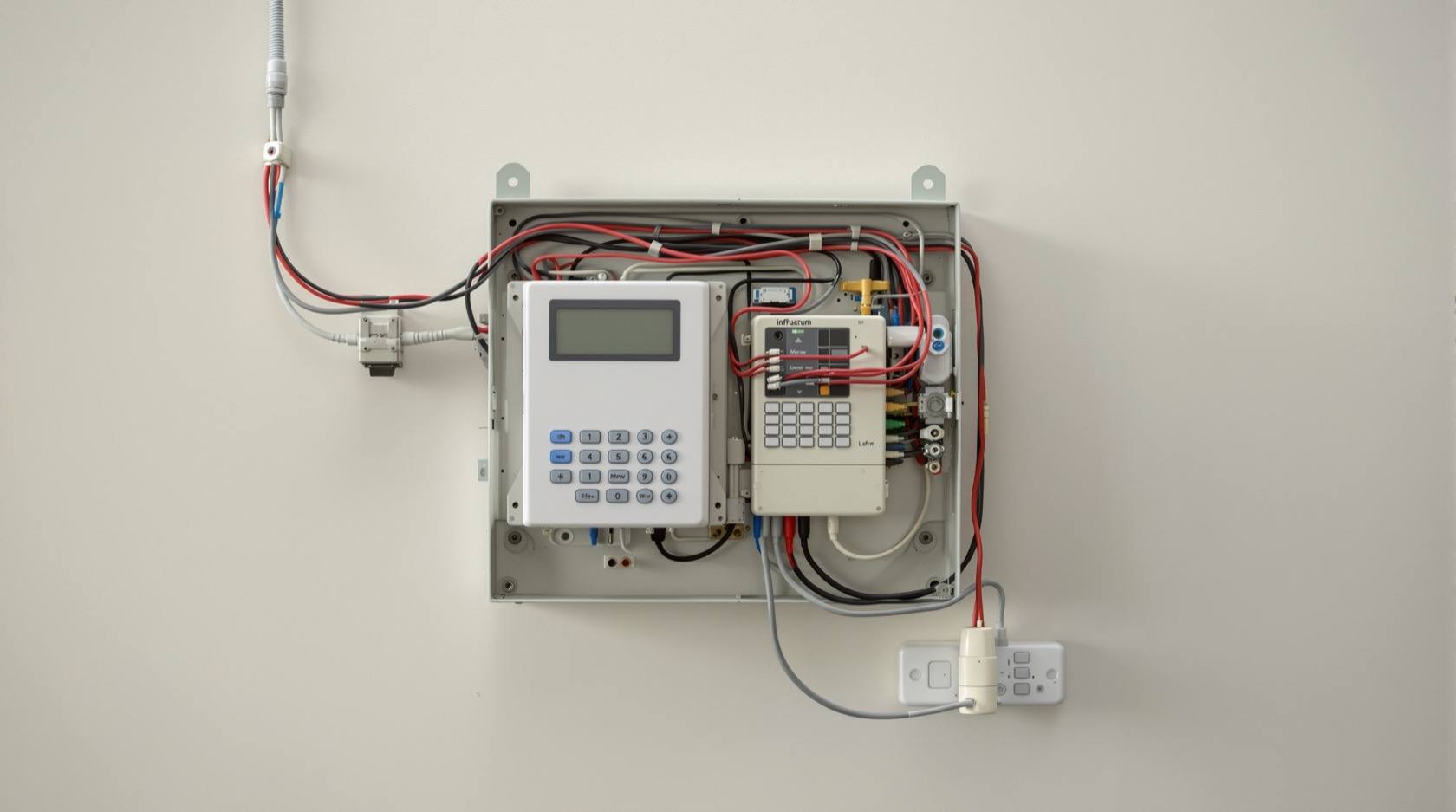
Alarm System Cybersecurity in India (2026): Protecting the Alert Path and the Arming Account
An intrusion alarm only protects you if it reliably detects and reliably delivers the alert. Alarm system cybersecurity hardens both: a strong MFA-protected arming account, a backup GSM path with a local siren, encrypted supervised sensors, current firmware, a segmented network, and disciplined monitoring access.
Each device is attacked differently — a camera for its footage, a lock and doorbell for the door they can open, an alarm for the alert it can silence. Harden each on its own terms: change the defaults, patch it, and never let a weak cloud account be the only thing standing between an attacker and your home.
Network & access
The wires they ride and the way in Secure Wi-Fi05
Secure WiFi for Security Devices in India (2026): The Road Every Camera, Lock and Sensor Rides On
Every wireless camera, lock, sensor and doorbell rides on one road: your Wi-Fi. Secure Wi-Fi means hardening the router first, using WPA3 or WPA2 encryption, and putting security devices on their own separate network so a hacked bulb cannot reach your cameras.
 IoT segmentation06
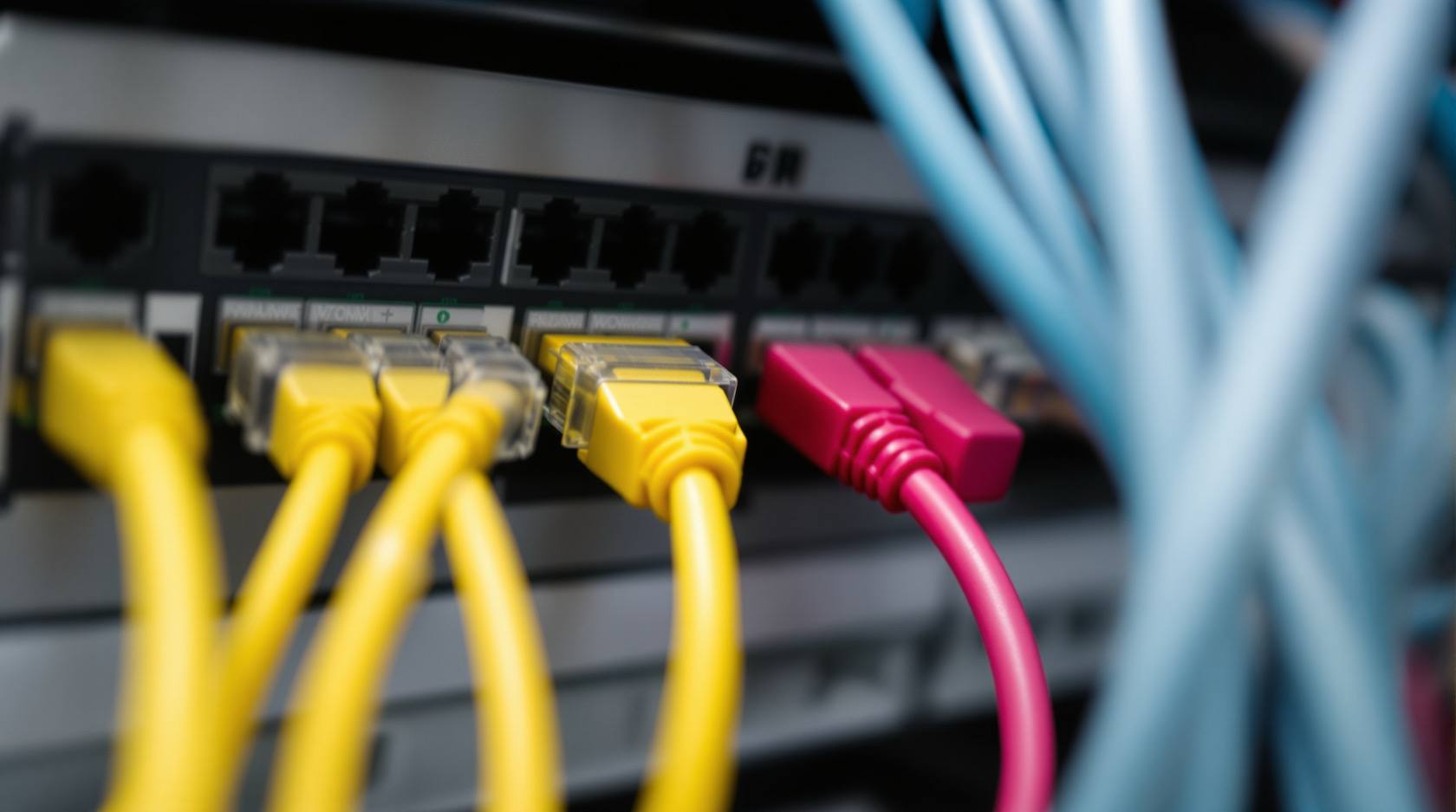
Network Segmentation for IoT Security Devices in India (2026): Contain the Blast Radius
Network segmentation is the highest-value cyber control for a home or building full of cheap IoT gadgets: a hacked camera or bulb should reach nothing else. This guide covers a guest-SSID split, VLANs, firewall rules and default-deny zones for cameras, NVR, access control and IoT.
 Remote access07
CCTV Remote Access in India (2026): Watch From Your Phone, Safely
Viewing your own CCTV from your phone is easy and safe when set up right: change every default password, add 2FA, keep firmware current, use the vendor's secure cloud relay or a VPN instead of exposing the recorder, and segment the camera network. A defensive, privacy-first guide.
 Camera hacking08
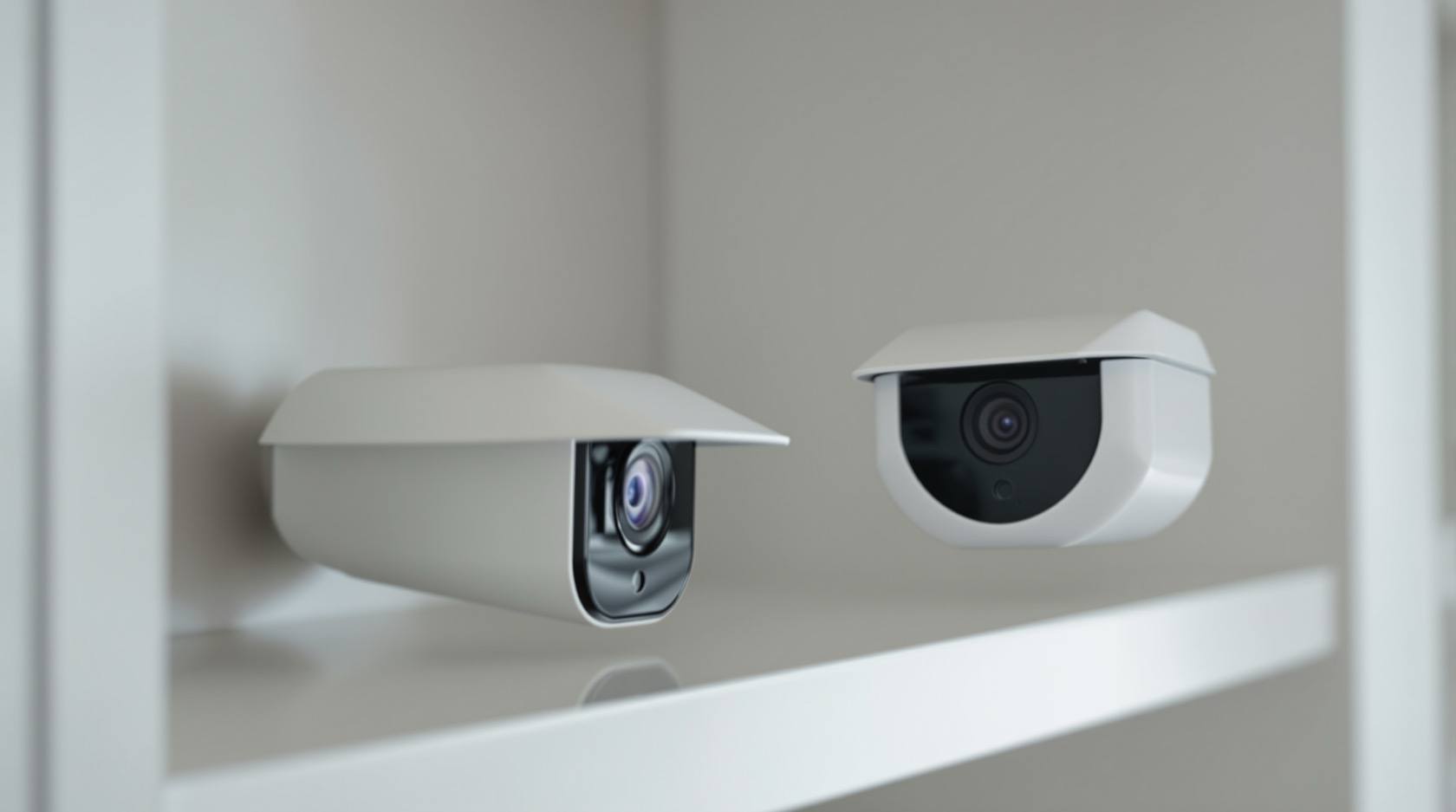
Preventing Camera Hacking in India (2026): A Homeowner's Protection Guide
Preventing camera hacking is about layers, not luck: a unique strong password, MFA, current firmware, a reputable brand, no naive port-forwarding, a segmented network, careful placement, and knowing the warning signs. This homeowner guide gives you a checklist so no stranger ever watches through your camera.
Every device rides a network — so the network is where much of the defence lives: a secure Wi-Fi, cameras walled off on their own segment so a hacked one cannot reach anything else, remote access done safely rather than a DVR flung open to the internet.
Accounts & data
Passwords, MFA, firmware, encryption & storage Passwords09
Security Password Management in India (2026): The Cheapest, Biggest Win for Your Whole System
Default and reused passwords are the commonest, cheapest way a security system gets taken over. Security password management fixes it: change every default, one unique strong password per device, a password manager to remember them, MFA on top, and change all admin passwords after the installer leaves.
 MFA10
MFA10Multi-Factor Authentication for Security Systems in India (2026): The Second Lock on Your Cameras, Locks and Monitoring Accounts
A stolen or leaked password alone should not open your cameras, hub, locks or monitoring account. Multi-factor authentication adds a second factor. This defensive guide ranks factor types honestly, shows where to switch it on, and keeps you from getting locked out.
 Firmware11
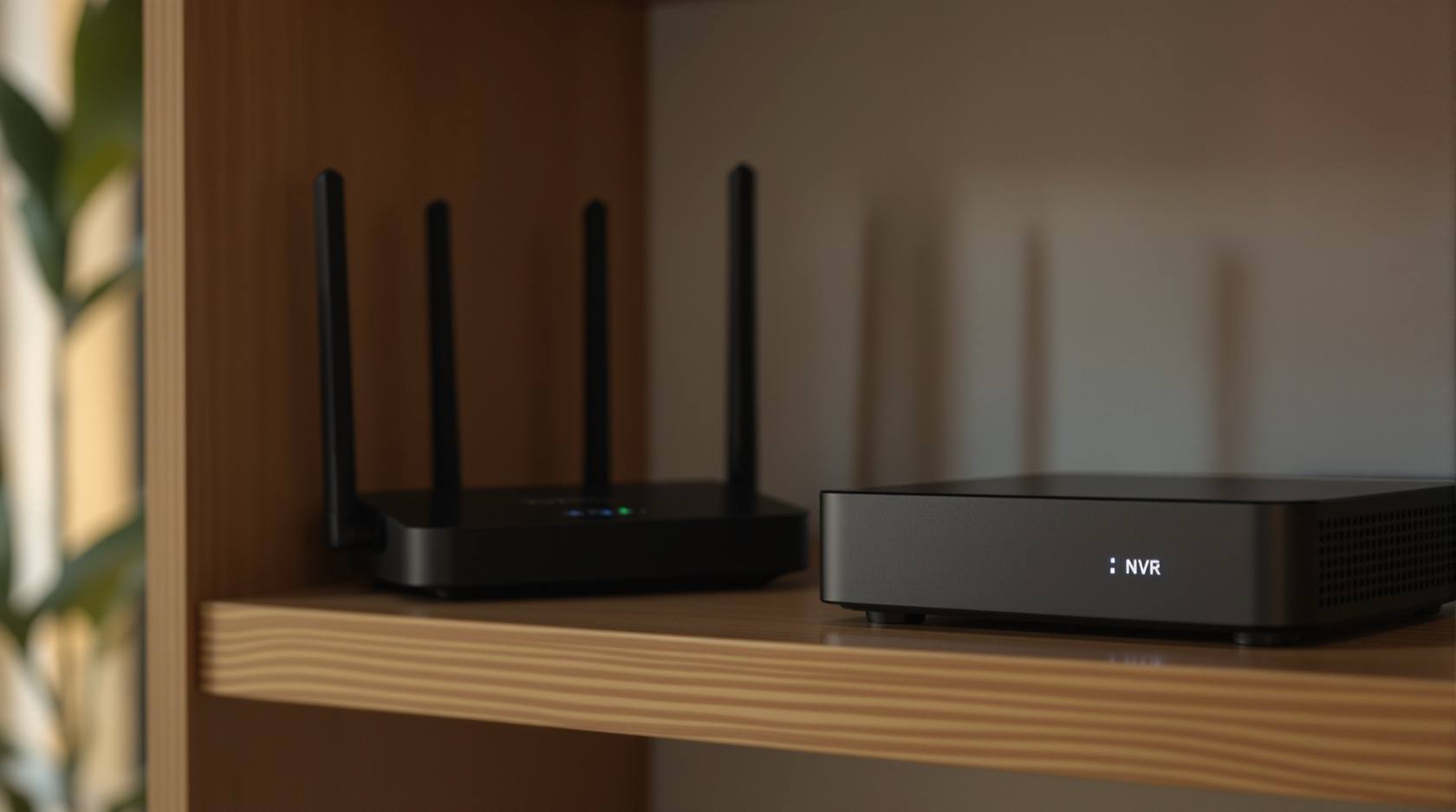
Firmware Updates for Security Systems in India (2026): Patch the Known Holes, Retire What Cannot Be Patched
Firmware is the software inside every camera, DVR, lock, hub and router. Keeping it updated patches the known holes vendors have already fixed. Firmware updates hardening means patching every device and the router, using auto-update safely, installing only authentic firmware, and retiring end-of-life gear.
 Encryption12
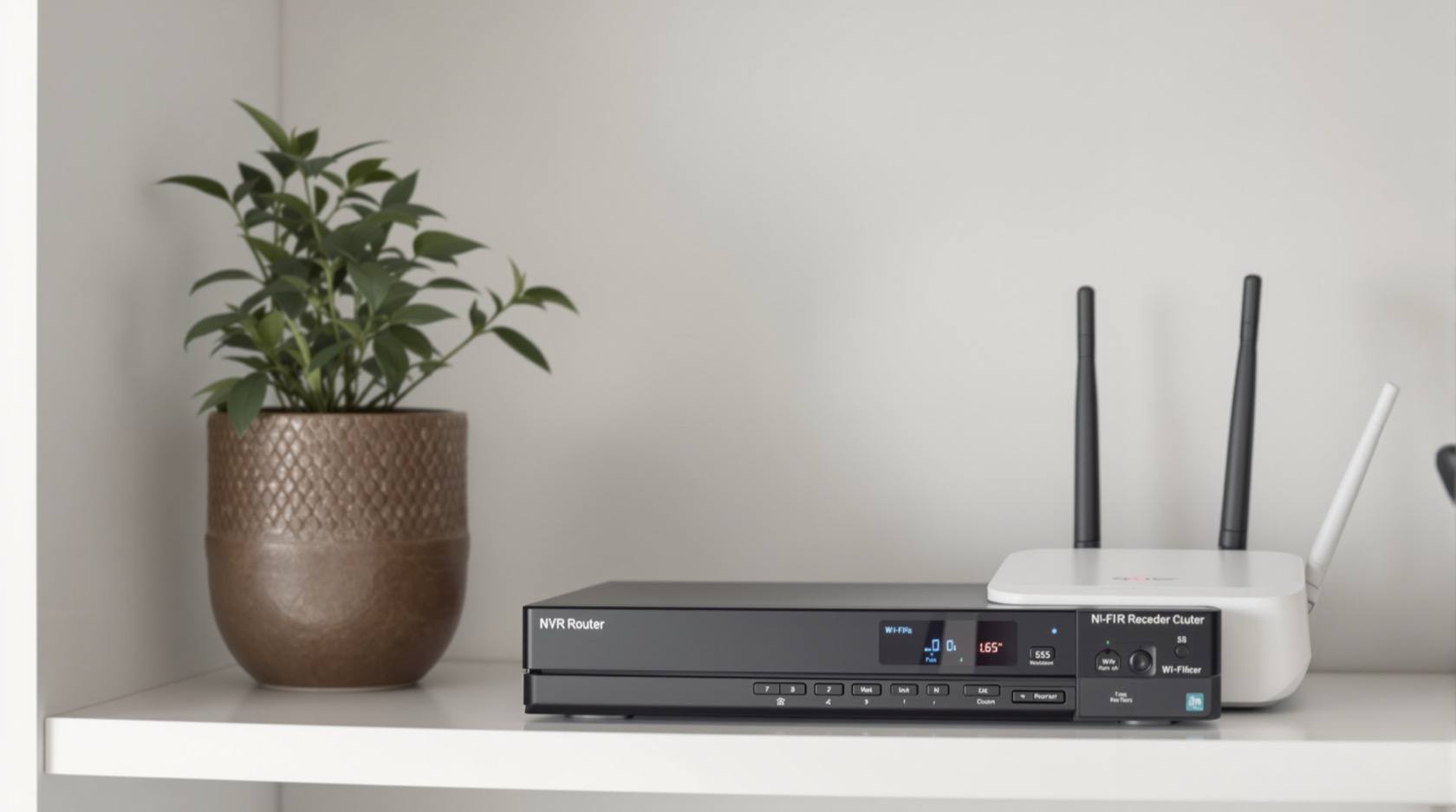
Data Encryption for Security Systems in India (2026): Keeping Your Footage Unreadable to Strangers
A security system holds video of your family, access logs and biometrics. Data encryption keeps that unreadable to anyone who intercepts the stream or steals the disk. This guide explains encryption in transit and at rest, their honest limits, and what a homeowner or RWA can actually do.
 Cloud storage13
Cloud Storage Security for Security Systems in India (2026): Keeping Your Camera Footage Safe in the Cloud
Cloud footage is only as safe as the vendor's cloud and your account. Cloud storage security means an MFA-protected account, encryption in transit and at rest, honest data-residency and vendor checks, disciplined retention and deletion, and a local copy so you are never wholly cloud-dependent.
 Local vs cloud14
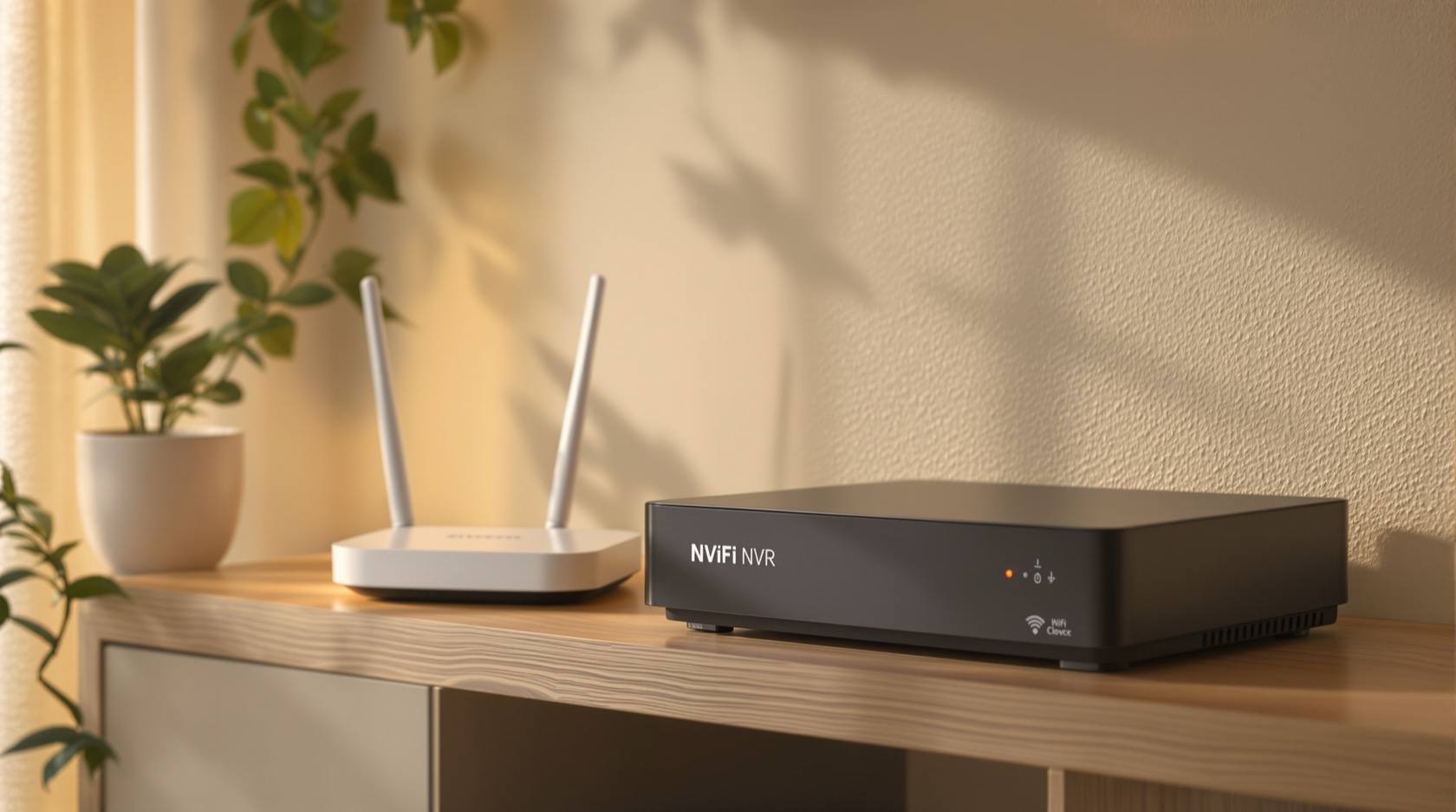
Local versus Cloud Security for Security Systems in India (2026): Where Should Your Footage Live?
The biggest cyber choice for a home camera or alarm is where its footage lives: on-site in your control, in a vendor's cloud, or both. This guide weighs local versus cloud security on privacy, resilience, convenience and cost, and explains why hybrid is often best.
The account is the front door of a connected system, and the footage is the crown jewels. Unique passwords and MFA on every account, firmware kept current, data encrypted in transit and at rest, and a clear-eyed choice between cloud convenience and local control.
Operations & lifecycle
Backup, response, vendors & disposal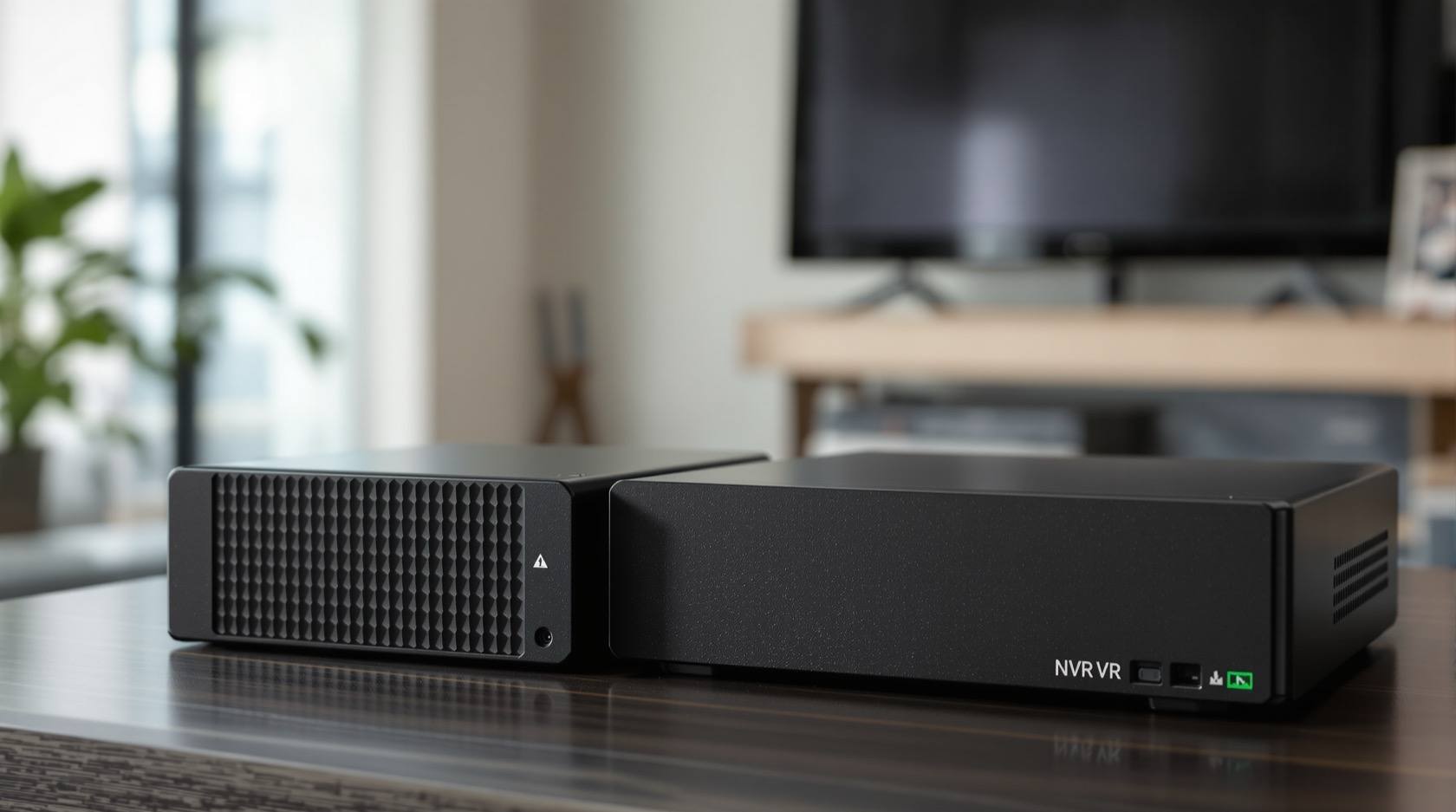 Backup15
Security System Backup in India (2026): Protecting the Footage and the Settings from a Single Point of Failure
A single NVR in a cupboard is a single point of failure: one dead, stolen or ransomed box and months of evidence vanish. Security system backup protects two things — the footage and the config — with a redundant, off-site, tested copy, applying the 3-2-1 idea defensively.
 Incident response16
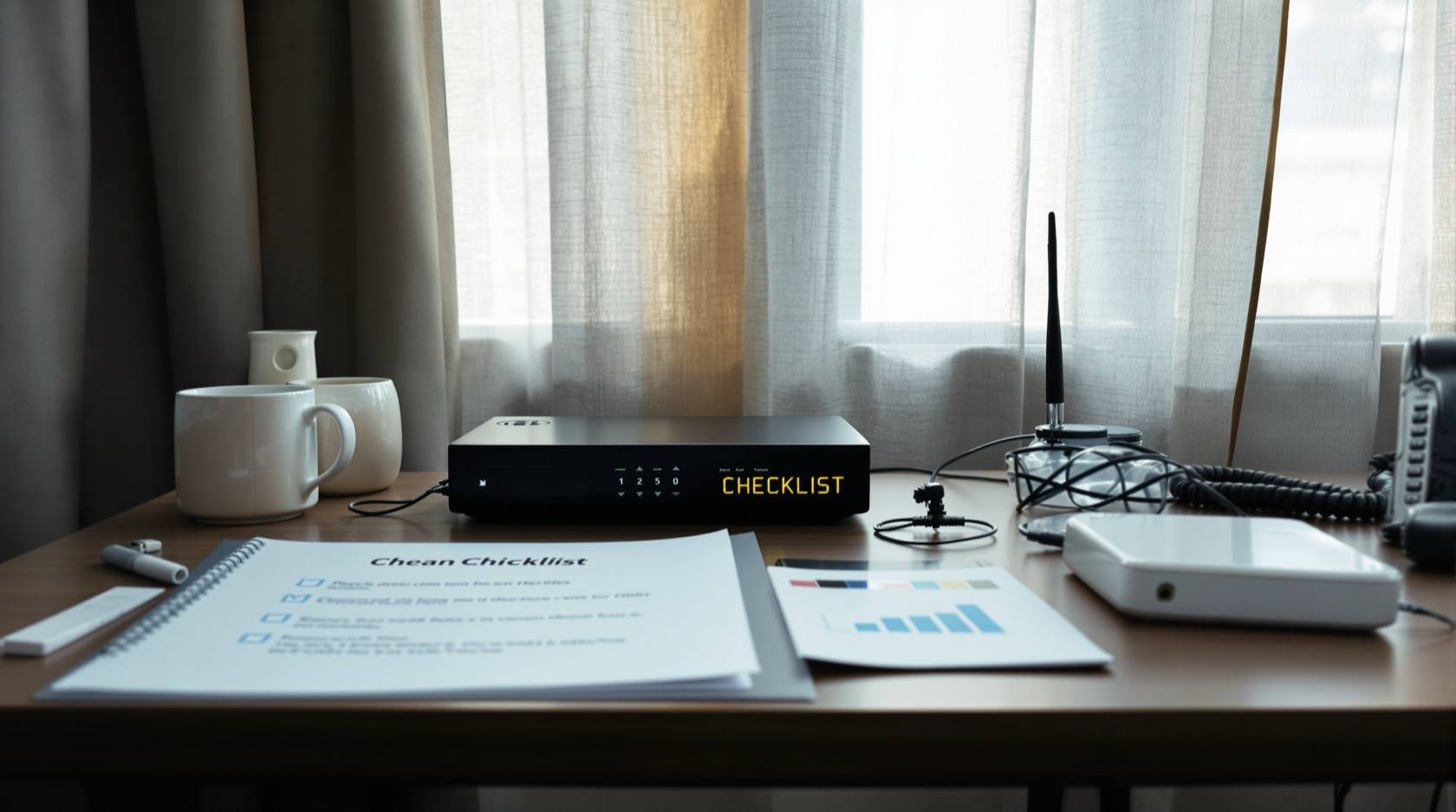
Incident Response Planning for Security Systems in India (2026): A Calm Playbook for When a Camera, Lock or NVR Is Breached
When a security system is hacked, stolen or fails, a plan made in advance turns panic into calm action. Incident response planning gives you a five-phase playbook — detect, contain, eradicate, recover, review — a who-to-call list, evidence preservation and the DPDP breach duty, ready in advance.
 Vendor assessment17
Vendor Cybersecurity Assessment in India (2026): Judging a Brand, a Cloud and an Installer Before You Buy
The cheapest security quote often carries the biggest cyber liability. A vendor cybersecurity assessment judges the brand, its cloud and the installer before you commit — on track record, security features, update commitment, data practices and installer hygiene — with a scorecard, questions and red flags.
 Secure disposal18
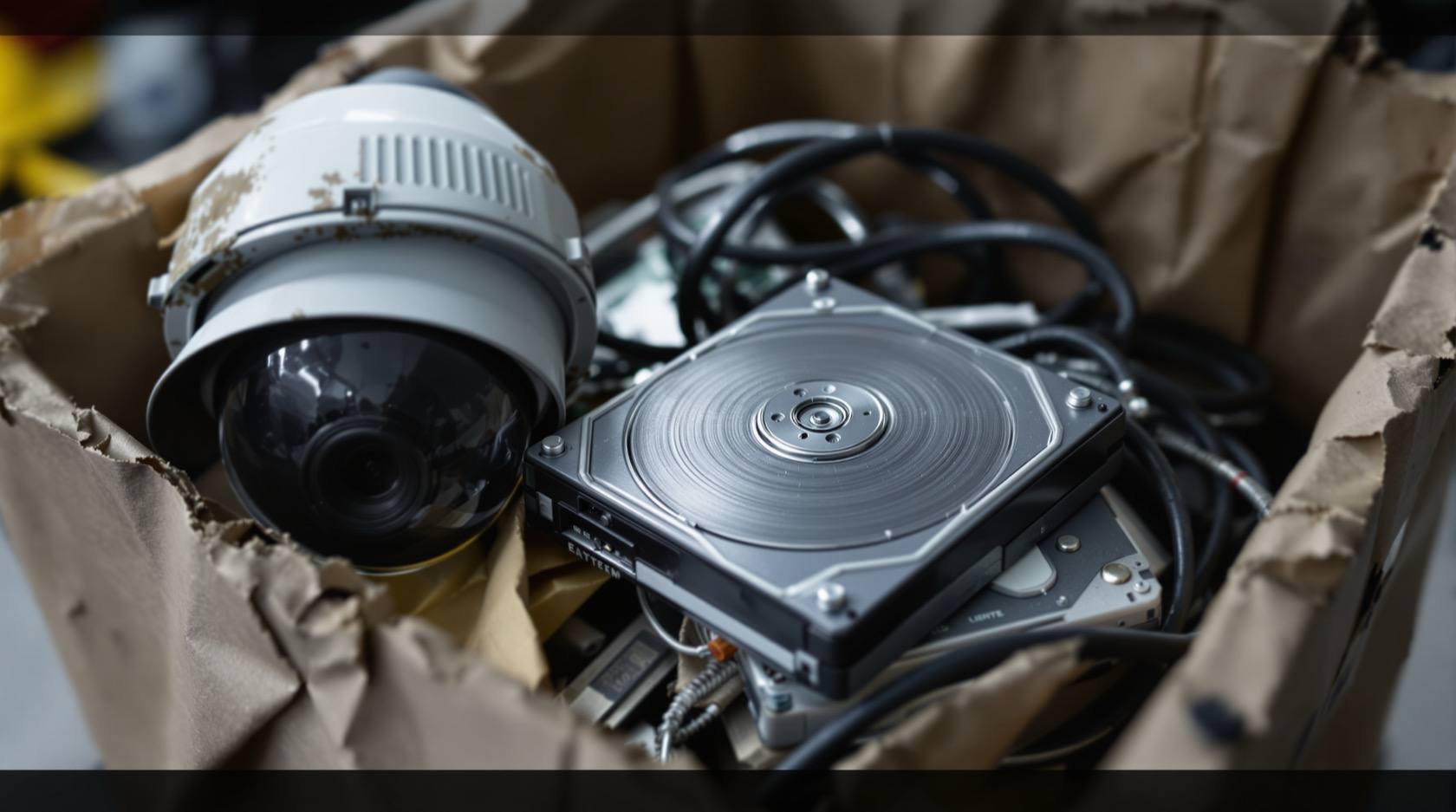
Secure Device Disposal for Security Systems in India (2026): Wipe Before You Sell, Return or Bin It
A security camera, NVR or DVR you sell, return or bin still holds months of footage, saved Wi-Fi and account passwords, and a live cloud link. Secure device disposal is the decommission checklist: deregister, factory reset, wipe or destroy storage, remove SIMs, then e-waste it responsibly.
Security is a practice, not a purchase: back up the footage and config, have a plan for the day you are breached, judge a vendor’s cyber track record before you buy, and wipe a device before you throw it away — a discarded camera still holds your home. That completes the library — from the first default password to the last wiped disk.
Security assessment tools
Home Security Risk Scorecard
A whole-of-home, six-layer self-assessment that puts your connected devices and their cyber-hardening in context with the rest of your security.
AssessmentSite & Perimeter Security Assessment
Score the physical layers your networked systems sit on — boundary, gate, lighting, detection and approach — as Good, Weak or Absent.