
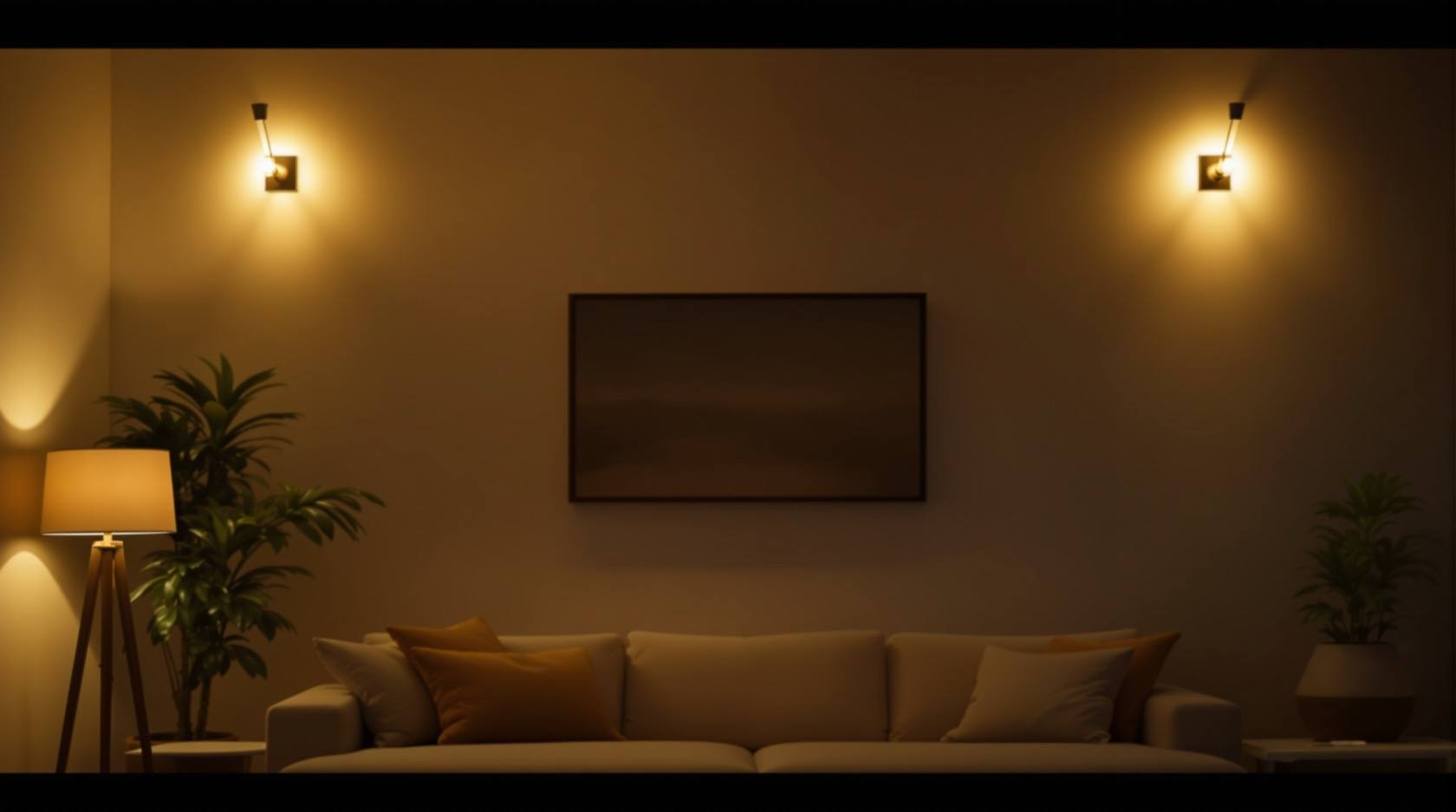
How to Choose a Lighting Style for Your Home (2026)
The start-here decision guide for the style act of the Lighting hub — how to find a lighting style that fits your interior, read the signature of each look, follow the golden rules that cross every style, and mix styles without a clash.
Fixtures are the jewellery of a room. Long after the sofa fabric and the wall colour have faded into the background, the shape of a pendant over the dining table, the glint of a sconce beside a mirror, the silhouette of a floor lamp in the reading corner — these are what the eye keeps returning to. And they do a second, quieter job the jewellery metaphor misses: the quality of light they throw, warm or cool, soft or sharp, pooled or flat, sets the entire mood of the home. Choose the style well and a room feels considered and calm; choose it carelessly and even expensive furniture looks unresolved.
This is the start-here guide for the style act of the Studio Matrx Lighting hub. It helps you find a lighting style that belongs to your home, understand the signature of each of the main looks, and — the part people find hardest — mix styles without a clash. When a look calls for it, we point you to the deep sibling guides: modern and contemporary, minimalist and Scandinavian, traditional Indian, luxury and statement and industrial and rustic lighting.
Scope & how to read this — design, not wiring. This guide is about the look and feel of light: fixture forms, finishes, colour temperature and how styles combine. It is not a wiring manual. Any actual electrical work — circuits, load, dimmer installation, earthing, the switchboard — is safety-critical and belongs to a licensed electrician, no exceptions. Automation lives in the Smart Home hub and the smart lighting guide; the deep lumens, CRI and LED-buying technicals live in the Electrical hub. Every cost cue here is an indicative band to help you brief and budget — get local quotes.
Why lighting style matters more than the price tag
A single beautiful fixture in the right finish, throwing warm dimmable light, will do more for a room than a ceiling full of harsh cool-white downlights. Style is not decoration bolted on at the end — it is two decisions working together:
- The fixtures as objects. Their shape, material and finish are furniture for the eye. A room reads its fixtures the way you read a person's watch and shoes — small things that signal the whole.
- The quality of the light. Colour temperature (warm 2200-2700K versus neutral 3500-4000K), how soft or directional the beam is, and whether it pools into inviting islands or floods flatly — this is what actually sets the mood, and it is invisible in a shop but unmissable at home.
Get both aligned to your interior and the home feels intentional. That is why style is worth thinking about before you buy, not after.
How to find your lighting style
You rarely start from a blank page. You start from a home that already has a character — the furniture, the finishes, the architecture. The reliable move is to match the lighting to what is already there, not to import a look from a foreign magazine that fights your teak, your marble or your Indian light.
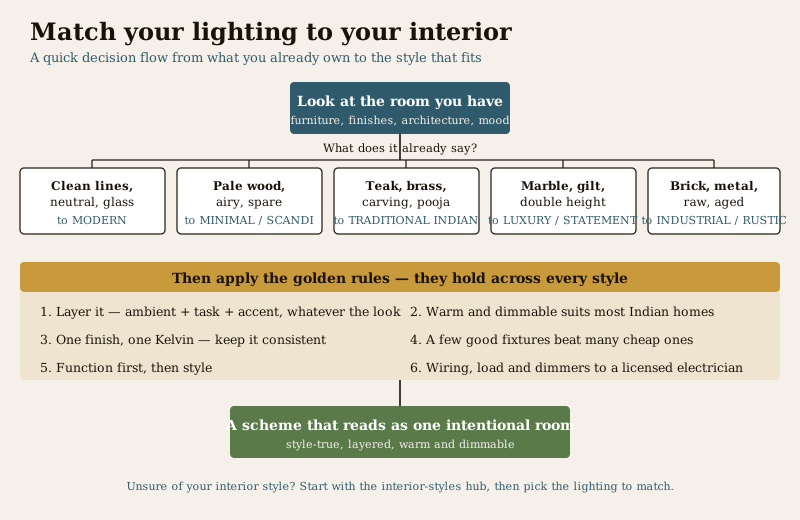
Read your room honestly and let it point the way:
- Clean lines, neutral palette, glass and lacquer point to a modern or contemporary scheme.
- Pale wood, spare furniture, an airy feel point to minimalist or Scandinavian.
- Teak, brass, carved detail, a pooja niche point to a traditional Indian look.
- Marble, gilt, double-height volume, a formal drawing room point to luxury and statement.
- Exposed brick, metal, raw or aged surfaces point to industrial or rustic.
If you are not sure what your interior style even is, that is the first thing to settle — start with the interior styles hub and the broader home decor hub, then come back and pick the lighting to match. A moodboard of rooms you love will surface the thread faster than words. Four things carry every look, so learn to read them: the light quality (warm or cool, soft or sharp), the fixture forms (linear, domed, ornate, caged), the finishes (black, brass, chrome, wood, rattan), and the colour temperature. Nail those four and the style follows.
A quick tour of the main lighting styles
Here is the shortlist as signatures — what to buy, in what finish, at what colour temperature, and the feeling each creates. Use it to place yourself, then go deep in the sibling guide.
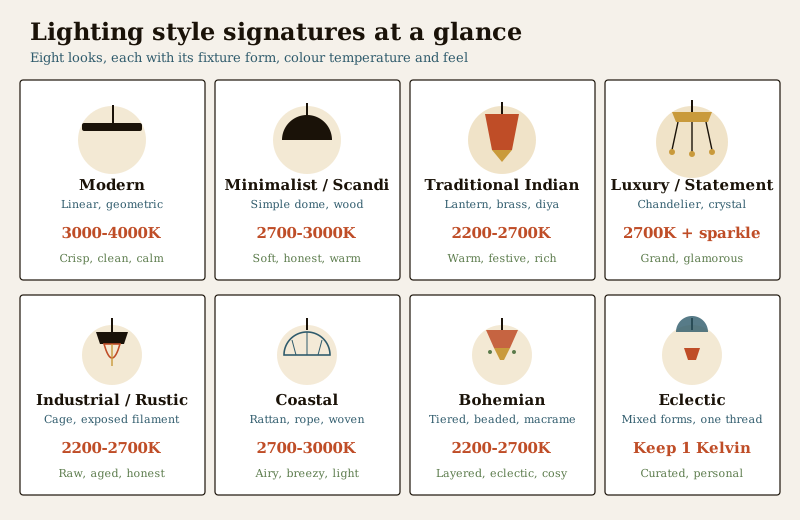
| Style | Signature fixtures | Typical finishes | Colour temp | The feeling |
|---|---|---|---|---|
| Modern / contemporary | Linear pendants, geometric flush mounts, slim tracks | Matte black, brushed nickel, smoked glass | 3000-4000K | Crisp, clean, confident |
| Minimalist / Scandinavian | Simple domes, paper shades, one honest pendant | Pale wood, white, muted metal | 2700-3000K | Soft, quiet, warm |
| Traditional Indian | Brass lanterns, hanging diyas, jaali and etched shades | Antique brass, copper, coloured glass | 2200-2700K | Warm, festive, rich |
| Luxury / statement | Chandeliers, oversized sculptural pendants, crystal | Polished brass, gold, crystal, alabaster | 2700K plus sparkle | Grand, glamorous |
| Industrial / rustic | Cage lights, exposed filament, metal shades, wood | Raw iron, gunmetal, aged brass, reclaimed wood | 2200-2700K | Raw, honest, aged |
| Coastal | Rattan and rope pendants, woven shades, lanterns | Natural fibre, white, weathered wood | 2700-3000K | Airy, breezy, relaxed |
| Bohemian | Tiered, beaded, macrame and mixed-texture shades | Warm metals, colour, natural texture | 2200-2700K | Layered, cosy, personal |
| Eclectic | A deliberate mix — held by one common thread | Pick one metal, repeat it | Keep one Kelvin | Curated, characterful |
Two style families reward extra reading. The luxury and statement look is about one commanding piece done properly — see the luxury and statement lighting guide and the wider luxury interiors hub. The traditional Indian look carries real cultural weight — the pooja room, the festival of Diwali, brass and diya forms — and gets its own treatment in traditional Indian lighting. Coastal, bohemian and eclectic are variations you can build from the same principles once the fundamentals are in place.
The golden rules — true across every style
Whatever look you land on, these hold. They are the difference between a room that photographs well and one that merely has expensive fixtures in it.
1. Layer, regardless of style. Every good scheme has ambient, task and accent light, no matter the aesthetic. Style decides how the layers look; it never removes the need for them. The layered lighting guide and functional vs ambient vs accent lighting explain the craft.
2. Warm and dimmable suits most Indian homes. Our evenings, our skin tones and our festival moods flatter warm light. 2700-3000K on dimmers is the safe home default; save cooler 4000K for task zones like the kitchen and study.
3. Consistency of finish and colour temperature. Pick one metal finish and one Kelvin and repeat them. Mixing 2200K bulbs beside 4000K downlights, or chrome beside brass beside black, is what makes a room feel accidental.
4. A few good fixtures beat many cheap ones. One well-made statement piece plus honest background light reads richer than a ceiling studded with bargain spotlights. Spend where the eye lands.
5. Function first, then style. Decide what each zone must do — read, cook, gather, relax — then choose fixtures that serve it beautifully. A gorgeous pendant that leaves the dining table in shadow has failed. The lighting design principles and common lighting mistakes guides keep you honest here.
For the colour-temperature decisions specifically, the colour temperature selector tool lets you compare Kelvin choices room by room, and the colour temperature and CRI guide covers the technical side of getting light that shows colours truthfully.
How to mix lighting styles without a clash
Most real homes are not pure anything — they are a modern sofa under a grandmother's brass lamp, a rustic dining table below a sleek pendant. Mixing is normal and can be wonderful; it goes wrong only when there is no thread holding it together.
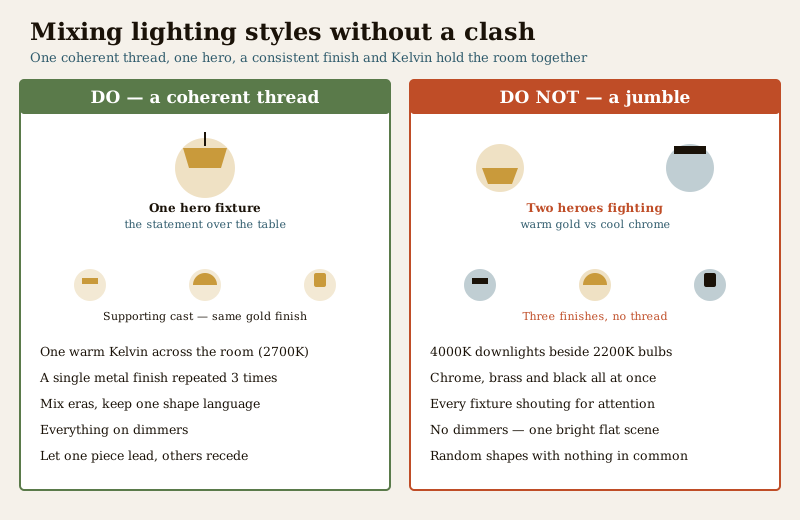
The technique is simple to state and hard to resist breaking:
- Run one coherent thread. Choose a single unifying element — usually a shared finish (all brass, or all matte black) or a shared colour temperature — and let it run through every fixture. That thread is what tells the eye the mix is deliberate.
- One hero, a supporting cast. Let one fixture be the star — the chandelier, the sculptural pendant — and keep everything else quiet and complementary. Two heroes in one room fight, and both lose.
- Mix eras, keep a shape language. A traditional lamp beside a modern pendant works when they rhyme in some way — a curve, a proportion, a material. Random shapes with nothing in common read as clutter.
- Eclectic done right is curated, not accidental. The eclectic look is the hardest because it must feel collected over time yet intentional. The trick is restraint: pick one metal, hold one Kelvin, and add only pieces that earn their place.
| Mixing styles | Do | Do not |
|---|---|---|
| The thread | Repeat one finish or one Kelvin everywhere | Let finishes and colour temps run wild |
| Hierarchy | Choose one hero, keep the rest supporting | Put two statement fixtures in one room |
| Colour temperature | Hold a single warm Kelvin across the space | Mix 2200K bulbs beside 4000K downlights |
| Fixtures | Pick a few good pieces that rhyme | Buy many cheap fixtures with nothing in common |
| Control | Put everything on dimmers to blend scenes | Leave one flat bright scene with no flexibility |
Matching fixtures to your architecture — and your budget
Style also has to answer to your rooms and your wallet. A double-height living room can carry a large chandelier that would overwhelm a low apartment ceiling; a compact flat is happier with slim flush mounts and cove light. Read the volume before you fall for a fixture — the residential lighting design guide and the room-by-room hub help you size looks to real Indian homes, and browsing living room design ideas shows styles in situ.
You do not need a large budget to get a look. Style is mostly about coherence, not cost:
- Spend on the hero, save on the rest. One good statement fixture where the eye lands, honest affordable background light everywhere else.
- Let finish carry the style cheaply. A matte-black or antique-brass fixture reads far more expensive than a glossy builder-grade one at a similar price.
- Layer with lamps, not renovation. A well-placed floor or table lamp adds mood and style without any wiring work — the cheapest style upgrade there is.
- Choose good LEDs and dimming. Warm, dimmable, high-CRI LEDs make every fixture look better; the LED lighting guide covers buying well without overspending.
How it connects
- Anchor everything in the complete guide to lighting — the pillar for the whole hub — and get the craft from layered lighting and lighting design principles.
- Go deep on the look you chose: modern and contemporary, minimalist and Scandinavian, traditional Indian, luxury and statement or industrial and rustic lighting.
- Set the atmosphere with mood and scene lighting, and take the style outdoors with facade and exterior lighting.
- Find your interior style first via the interior styles hub and home decor hub; gather references on moodboards.
- Get the colour temperature right with the colour temperature selector and the colour temperature and CRI guide.
Key takeaways
- Fixtures are the jewellery of a room, and light quality sets the mood — style is both objects and the warmth and softness of the light they throw.
- Find your style by reading the room you already have — match the lighting to your furniture, finishes and architecture rather than importing a foreign look.
- Learn the four carriers of any style — light quality, fixture form, finish and colour temperature — and the style follows.
- The golden rules cross every style — layer it, favour warm and dimmable for Indian homes, keep finish and Kelvin consistent, buy a few good fixtures, and put function first.
- Mix styles with a thread — one shared finish or colour temperature, one hero fixture, a rhyming shape language, and everything on dimmers.
- Style beats budget — coherence and a single good hero matter more than spending; lamps and finish upgrade a look cheaply.
- Wiring stays with a licensed electrician — design the look here; leave circuits, load and dimmer installation to the professional.
References
- National Building Code of India, NBC (SP 7:2026), Bureau of Indian Standards — general illumination and lighting provisions (named generally).
- IS 3646 — code of practice for interior illumination and recommended lux levels for domestic spaces (named generally).
- IS 16107 and IS 10322 / IEC 60598 — LED luminaire performance and luminaire safety (named generally).
- Bureau of Energy Efficiency (BEE) star rating for LED lamps, and ECBC lighting power density guidance — for efficient fixture selection.
- A licensed electrician for all wiring, circuits, load and dimmer installation, and the Studio Matrx Electrical hub for the deep lumens, CRI and LED-buying technicals.
Every colour-temperature cue, finish note and cost band here is an indicative design aid only; confirm illumination levels against IS 3646 and NBC (SP 7:2026), get local quotes for fixtures, and have all electrical work designed and installed by a licensed electrician.
Export this guide
Related Guides — Deep-dive reading
Luxury & Statement Lighting: Drama, Sculpture & Scale (2026)
How to design lighting that actually feels luxurious in an Indian home — layered scenes, deep shadow-and-highlight contrast, hidden sources and premium materials — and how to place one sculptural statement fixture as the jewel of a room without over-lighting the whole thing.
LightingThe Complete Guide to Home Lighting Design in India (2026)
The start-here master guide to designing light for an Indian home — what good lighting really does, the layered-design mindset that replaces the single ceiling tubelight, the decision sequence from tasks to budget, and where the design work hands off to a licensed electrician.
LightingBathroom Lighting India: The Complete Guide to Layers, Lux, Colour Temperature & IP Safety Zones (2026)
How to light an Indian bathroom properly — the three layers of ambient, task and accent light, the right lux levels and a neutral ~4000K colour temperature for grooming, the IP safety zones near water that decide which fitting goes where, waterproof fixtures, dimming and scenes, mirror lighting done right, motion sensors and energy.
BathroomsRelated Tools — Try Free
Electrical Safety & Load Audit
Home electrical audit — 10 categories, 65+ checkpoints across earthing, RCCB, MCB, wiring, switchboards, appliance circuits, DG/inverter backup.
Safety AuditCircadian Light Meter
Patient-centric circadian lighting visualizer for Indian healthcare design — time-of-day × intensity → CCT, melanopic lux (EML / mEDI), melatonin suppression, and an alertness curve. Calibrated against WELL v2 L03 Circadian Lighting Design, CIE S 026:2018, Brainard 2001, and Lucas et al. 2014.
Circadian ToolApartment Furniture Size Chart
Standard furniture dimensions for Indian apartments — sofas, beds, tables, dining, storage.
Reference Chart