
Window Planning and DesignVolume 1 · Issue 4 · September 2026
Planning Windows That Actually Work
A window in the wrong place is a lifetime of glare, heat or gloom. Placement, size, ventilation, daylight, orientation, Vastu and access all decide how a room feels. This is the 18-guide planning library — every window decision worked through for Indian homes, the NBC and the Eco-Niwas Samhita code.
Window Placement Guide for Indian Homes (2026): Where Windows Should Go
Where you place a window matters more than what you spend on it. This planning pillar covers orientation, the inlet-outlet pair, daylight reach, sill heights by room, WWR balance, vastu and a room-by-room placement checklist for Indian homes.
Read itLight, air and ratio
Sizes, ventilation and daylight Sizes & sills02
Window Size Standards for Indian Homes (2026): Dimensions, Sills and the 10 Percent Rule
Standard Indian window sizes by room, sill and head heights, and the NBC rule that openable area should be at least 10 per cent of carpet area, plus how to draw a W1, W2 window schedule and tie size to WWR.
 WWR03
WWR03Window-to-Wall Ratio Explained (India): Balancing Light, View and Heat
Window-to-wall ratio is the dial between daylight and heat. Learn how WWR is calculated, why the Eco-Niwas Samhita demands lower-SHGC, minimum-VLT glass as it rises, the 20 to 40 per cent sweet spot, and how orientation changes everything.
 Cross ventilation04
Window Design for Cross Ventilation (India): Inlet, Outlet and the Path of the Breeze
Design windows for cross ventilation in Indian homes: inlet and outlet on opposite walls, outlet larger than inlet to pull air, casement or louvre over sliding, a clear breeze path, and stack ventilation when you have only one wall.
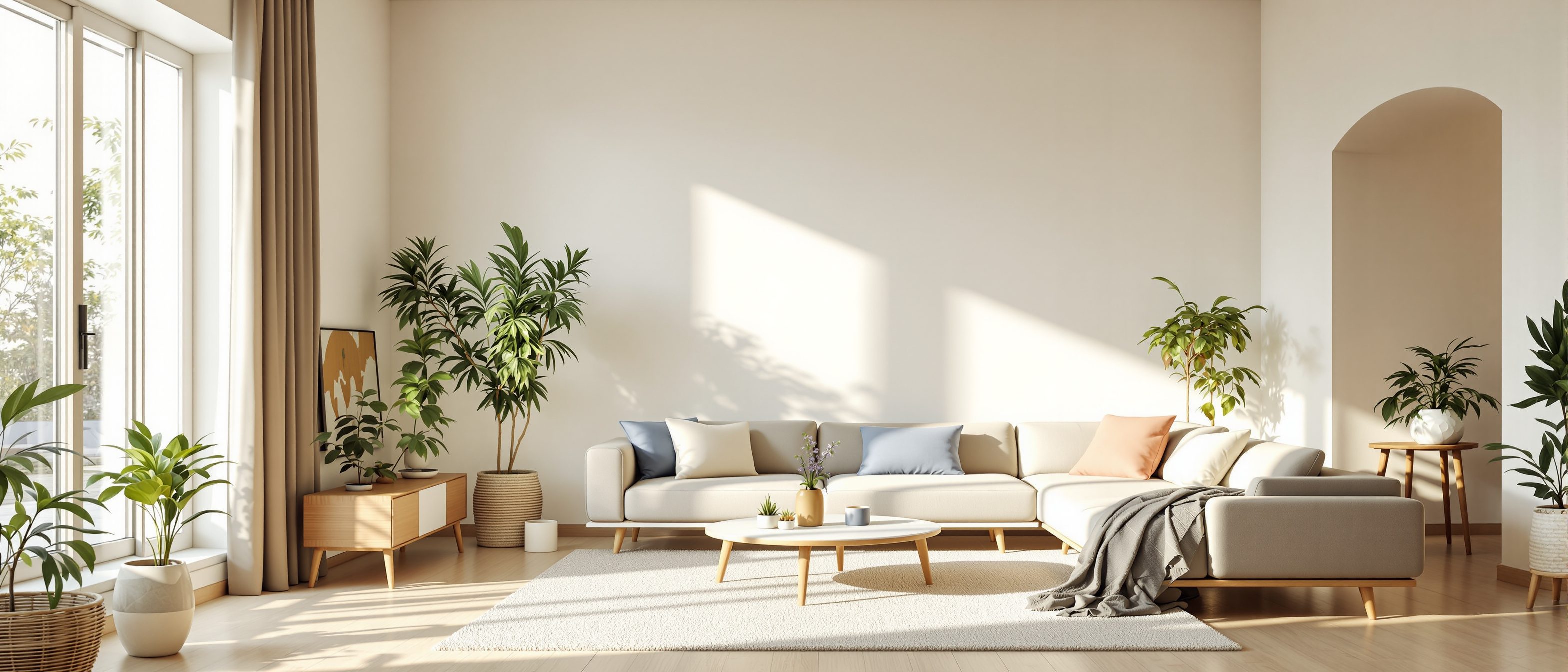 Natural light05
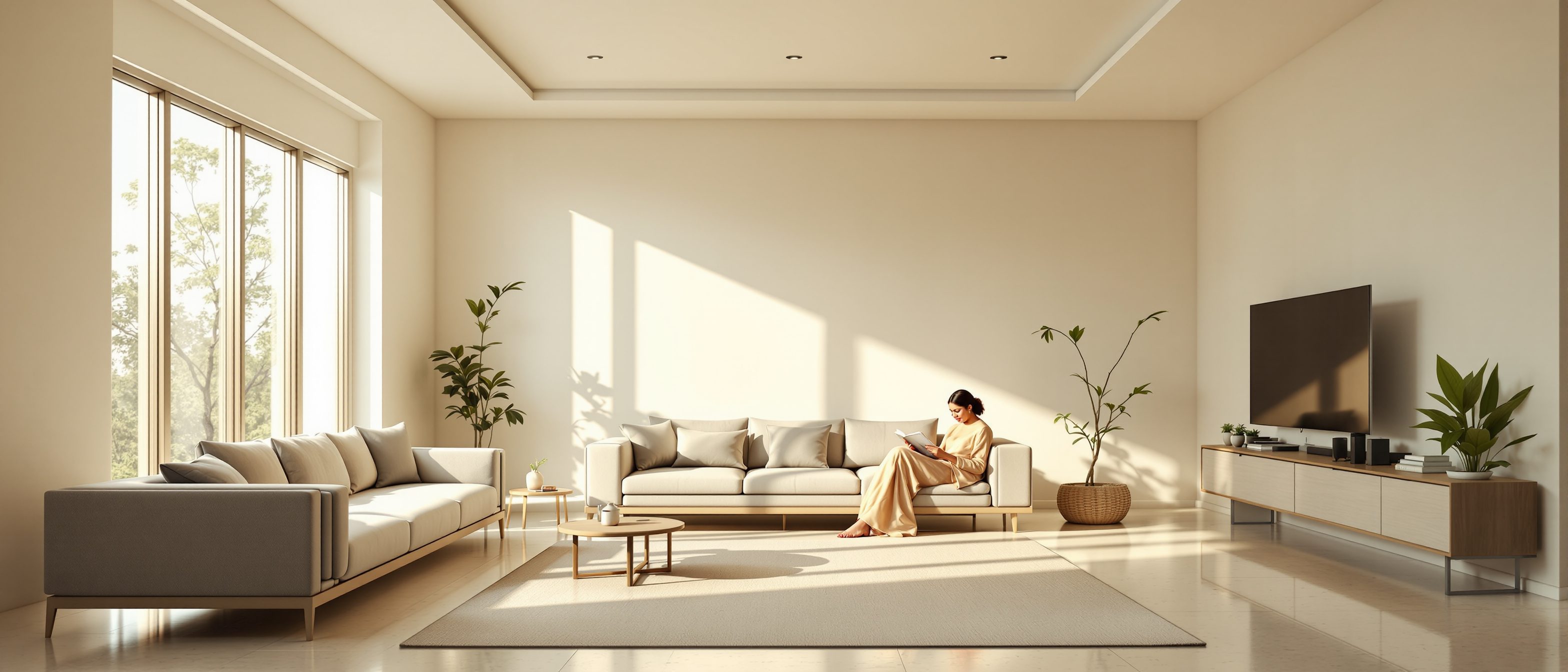
Window Design for Natural Light (India): A Brighter, Evenly Lit Home
Bright is easy, evenly bright is the design problem. Learn how window size, sill, head height, glass VLT, orientation, pale surfaces, dual-aspect placement and treatments give an Indian home soft, glare-free daylight all day.
 Daylighting06
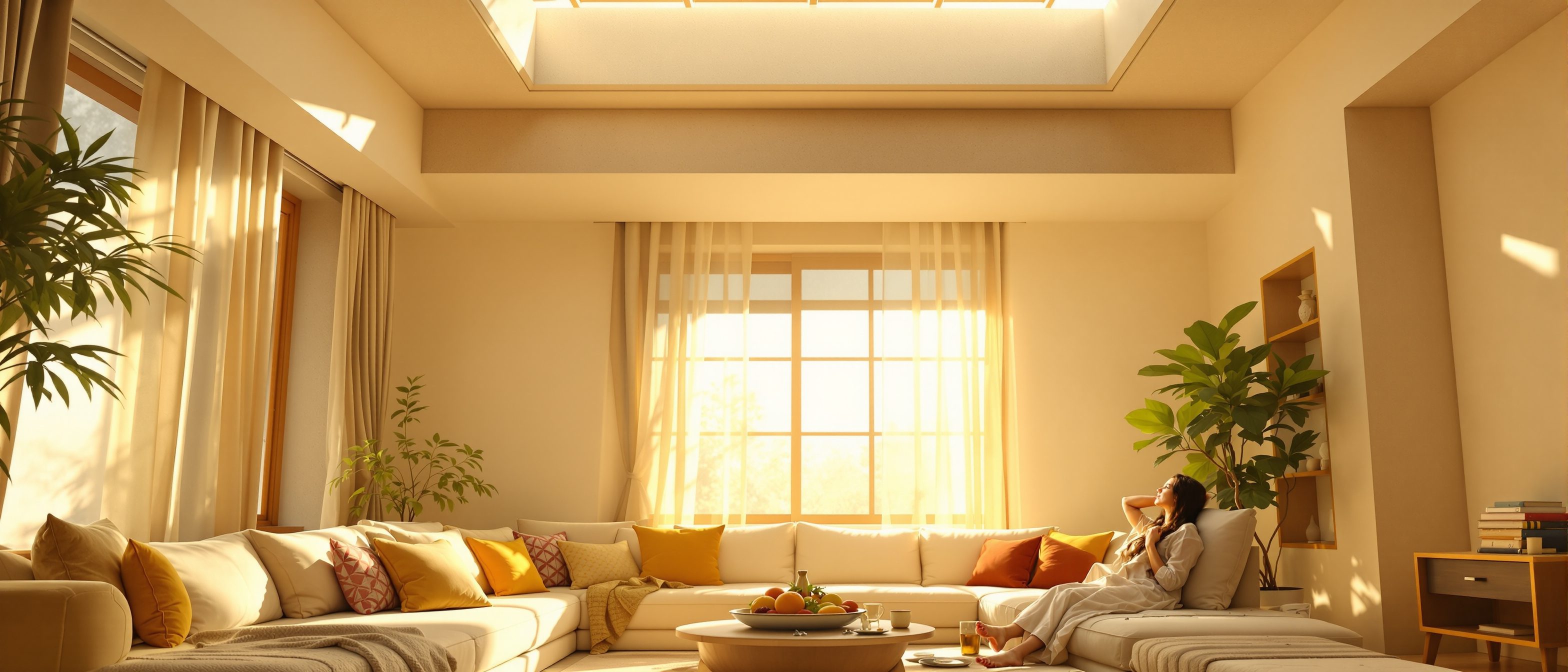
Daylighting Design Using Windows (India): Getting Light Deep Into a Room
Daylight from a side window reaches only about 2 to 2.5 times the window head height. Learn the designer's daylighting rules: tall beats wide, light shelves and top-light for deep rooms, Daylight Factor targets, glare and heat control.
 Passive cooling07
Passive Cooling Through Windows (India): Cool a Home Without the AC
The window is your biggest lever for cooling a home without AC. How cross and stack ventilation, night purge, sun-angle shading, operable area and low-SHGC glass combine by Indian climate, with a worked west-bedroom example.
By the home you have
Narrow plot, apartment, villa, courtyard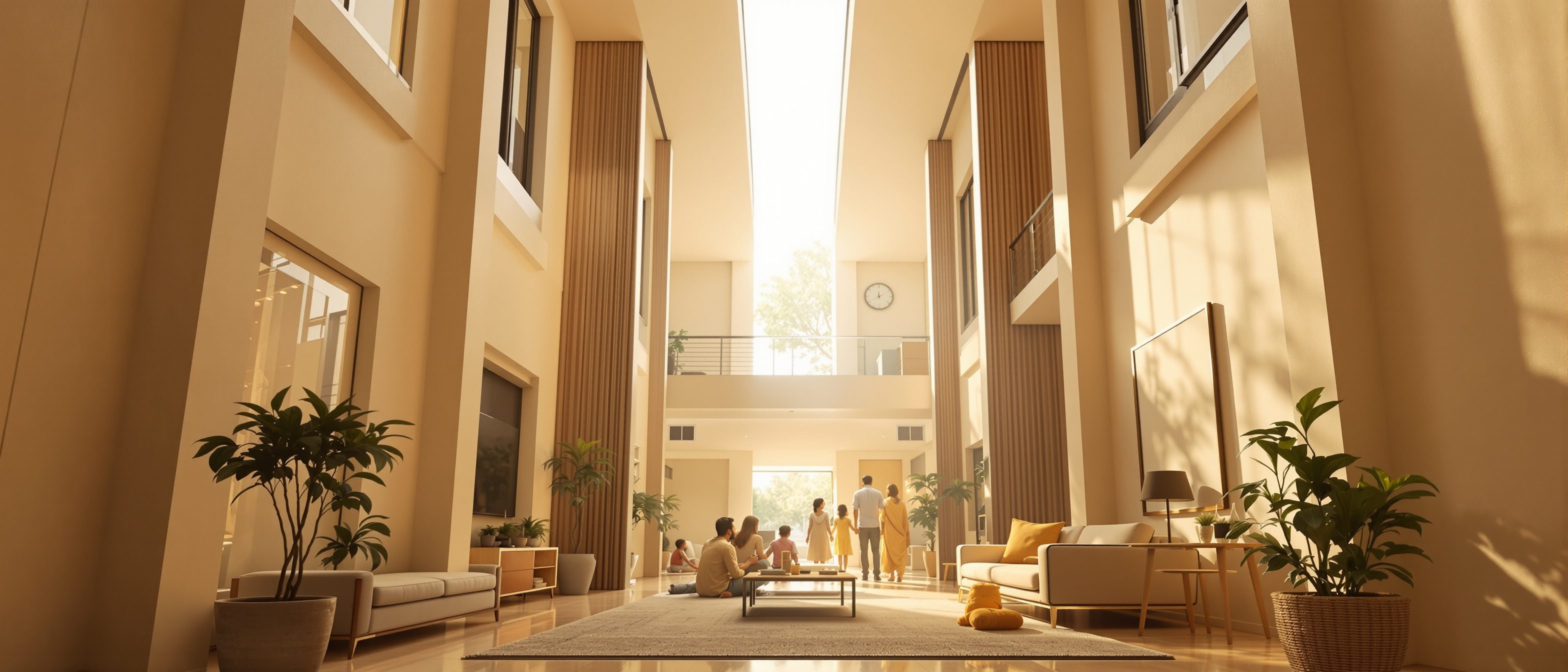 Narrow plots08
Window Design for Narrow Plots (India): Light and Air When Only Two Walls Are Free
On narrow Indian plots the side walls sit on the boundary, so light and air must come from the front, rear and roof. A practical guide to tall end windows, clerestories, skylights, light-wells, jali and borrowed light.
 Apartments09
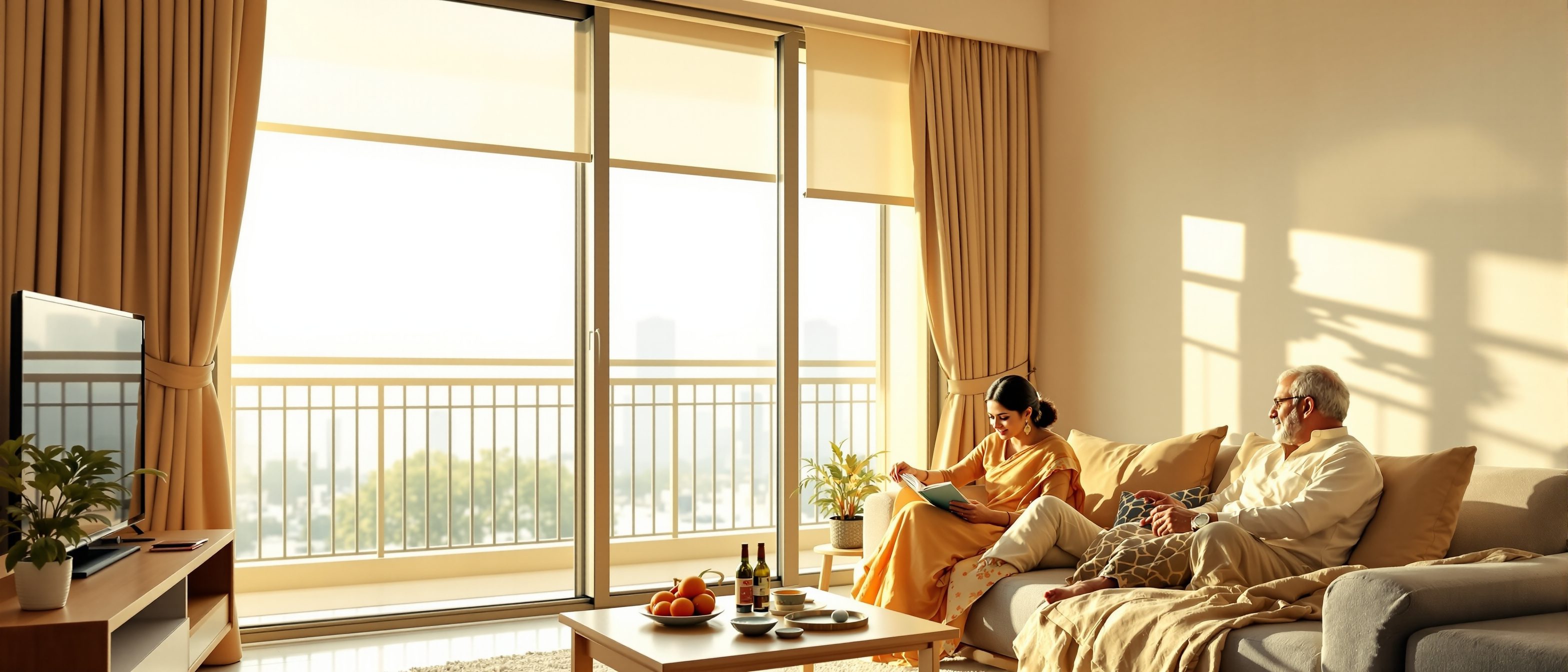
Window Design for Apartments (India): Working With Openings You Cannot Move
In a flat you usually cannot move the openings, so design happens at the glass and balcony. Allowed retrofits, mesh and child-safety grilles, single-aspect cross ventilation, privacy in close towers, and renting versus owning.
 Villas10
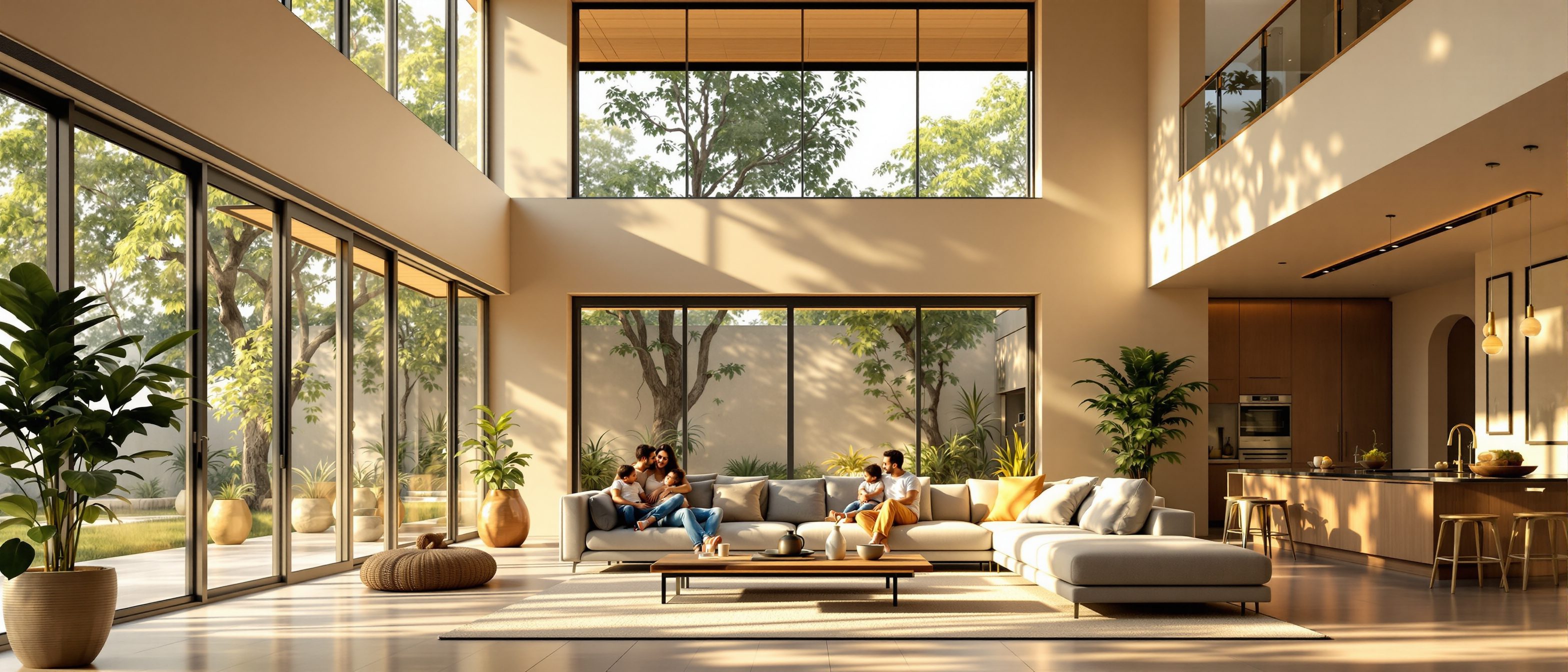
Window Design for Villas (India): Using the Freedom of All Four Sides
A villa lets you choose every window: north light for studies, east for bedrooms, shaded south for living, minimal west. A room-by-room strategy for orientation, feature windows, dual-aspect rooms, clerestory and stairwell glazing, with honest budgeting for shading and good glass.
 Courtyard11
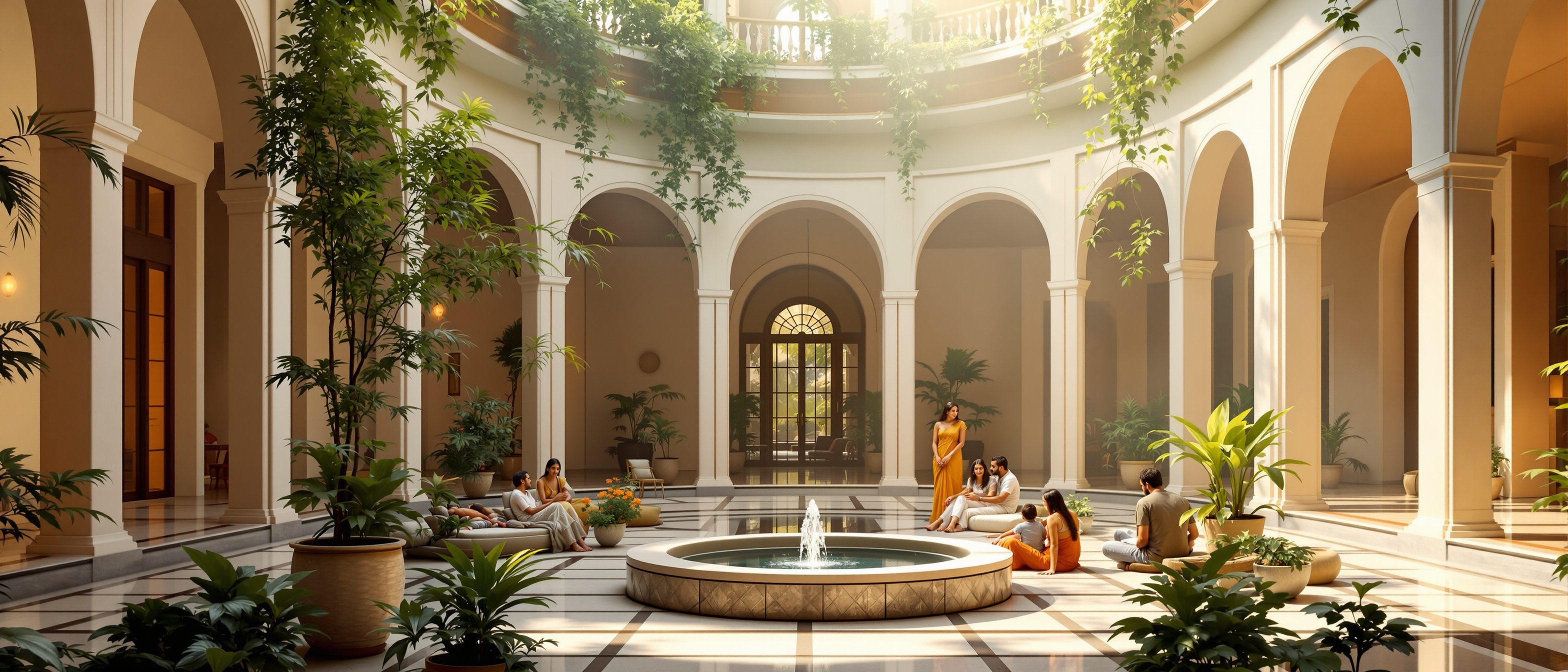
Windows for Courtyard Houses (India): The Inward Light-and-Air Well
The central court is an inward light-and-air well. Learn where to place inward-facing windows for daylight, cross and stack ventilation and privacy, balance court glazing against street windows, and shade the court for the monsoon.
By which way the wall faces
North, south, east and west North12
North-Facing Window Design (India): The Best Light With the Least Heat
A north wall in India sees almost no direct sun, so its light is soft, even, glare-free and cool. Design large, high-VLT windows here for studies, studios, art and kitchens, with minimal shading and good insulating glass.
 South13
South-Facing Window Design (India): High Sun You Can Actually Shade
The south wall's high midday sun is the easiest of all to shade. Learn how a horizontal chajja sized to your latitude blocks summer sun and admits winter sun, and how large south glass works with low-SHGC Low-E glazing.
 East14
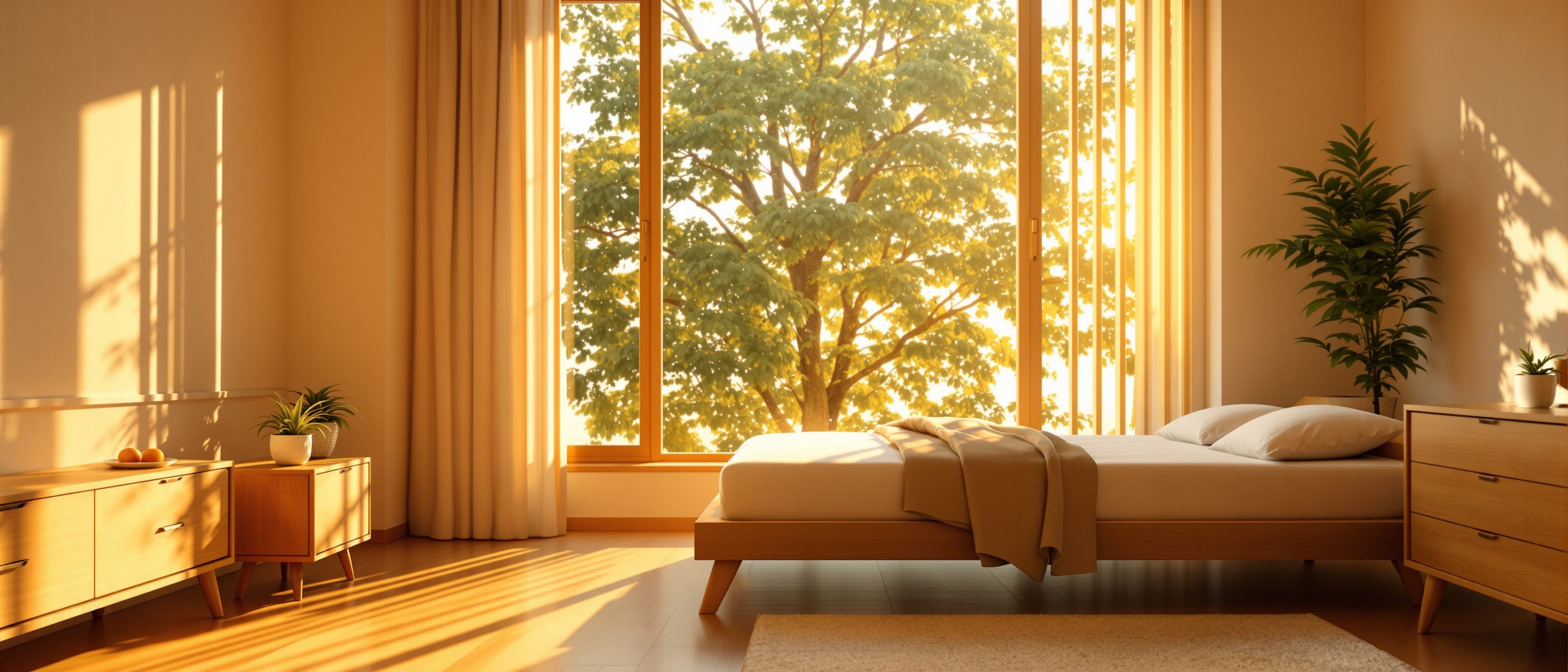
East-Facing Window Design (India): Gentle Morning Sun, Tricky to Shade
East windows give gentle golden morning sun, ideal for bedrooms, breakfast nooks and pooja rooms. But low-angle dawn sun slips under chajjas, so shade with vertical fins, louvres or trees. Vastu strongly favours east.
 West15
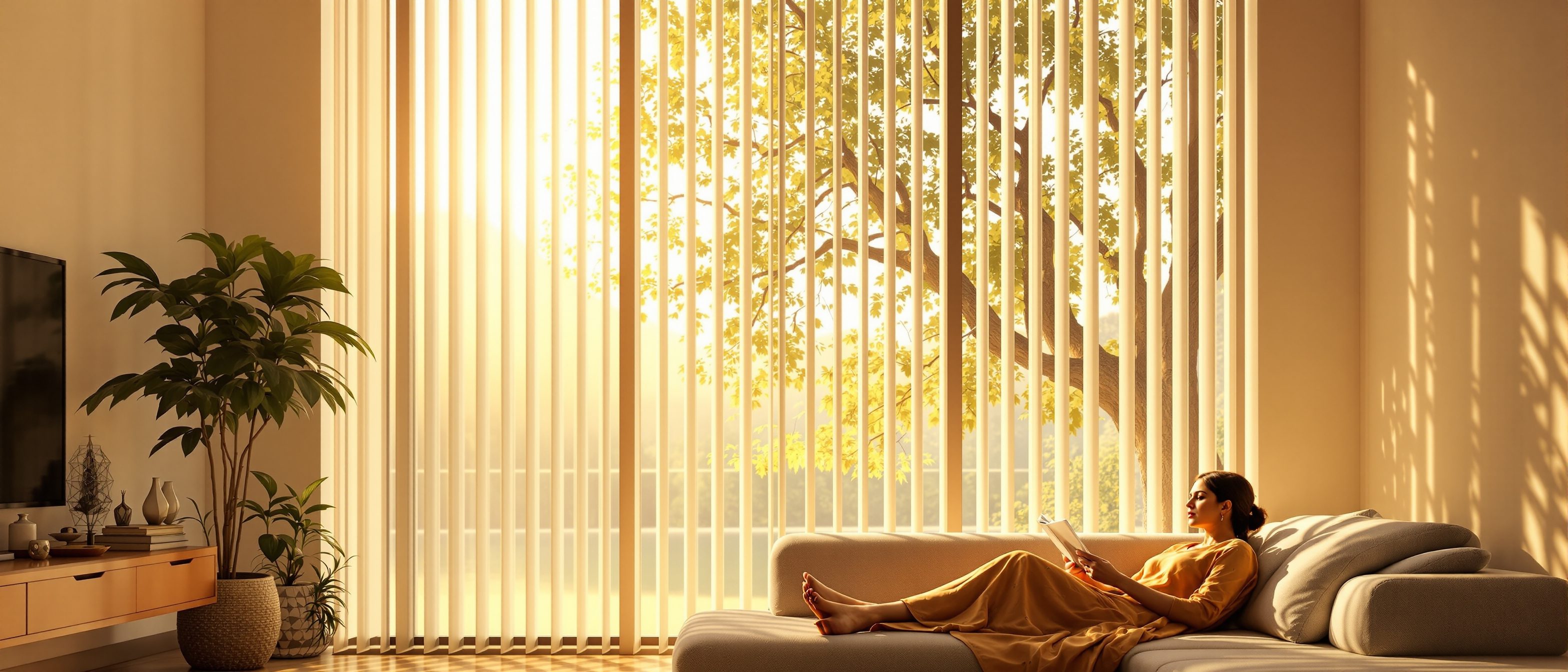
West-Facing Window Design (India): Taming the Harsh Afternoon Sun
The west wall takes harsh low afternoon sun at the hottest hour, which horizontal chajjas cannot shade. Minimise west glass, specify low-SHGC solar-control glazing, add vertical fins, louvres and deciduous trees, and bank buffer rooms on the west.
Vastu and accessible design
Direction, ageing and all abilities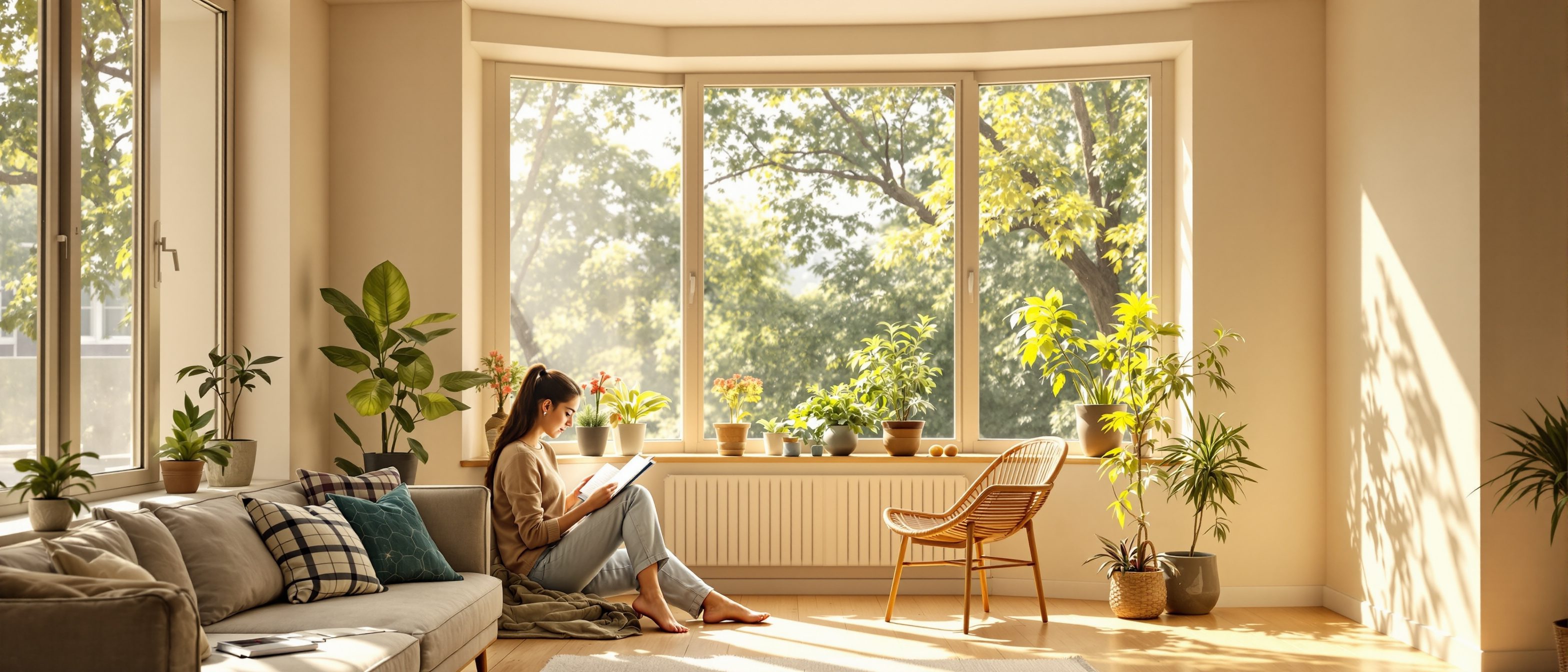 Vastu16
Vastu for Home Windows (India): Direction, Size and Placement
A window-specific Vastu guide for Indian homes: bigger windows north, east and north-east, smaller west and south, almost none south-west, plus room-by-room placement. Reconciled with sun-path and NBC, because Vastu and climate largely agree.
 Senior-friendly17
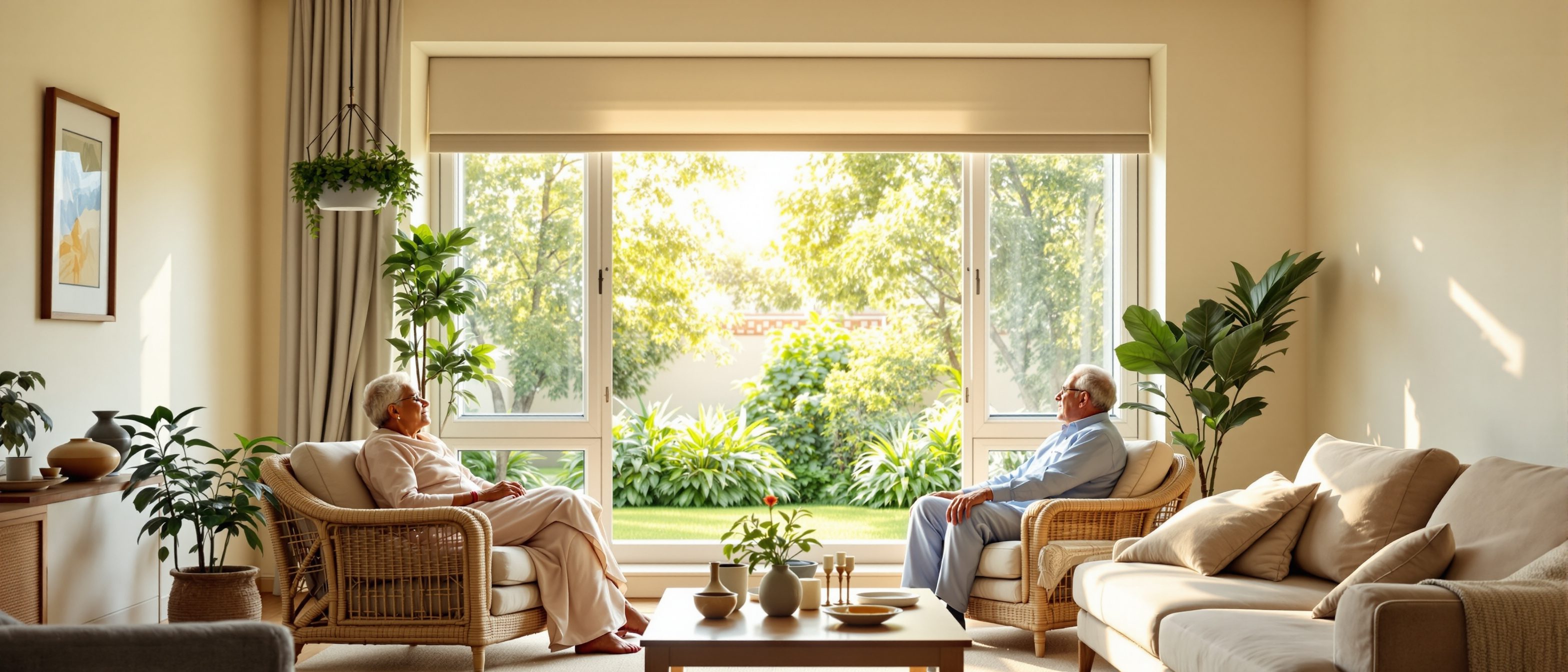
Window Planning for Senior-Friendly Homes (India): Easy, Safe, Bright
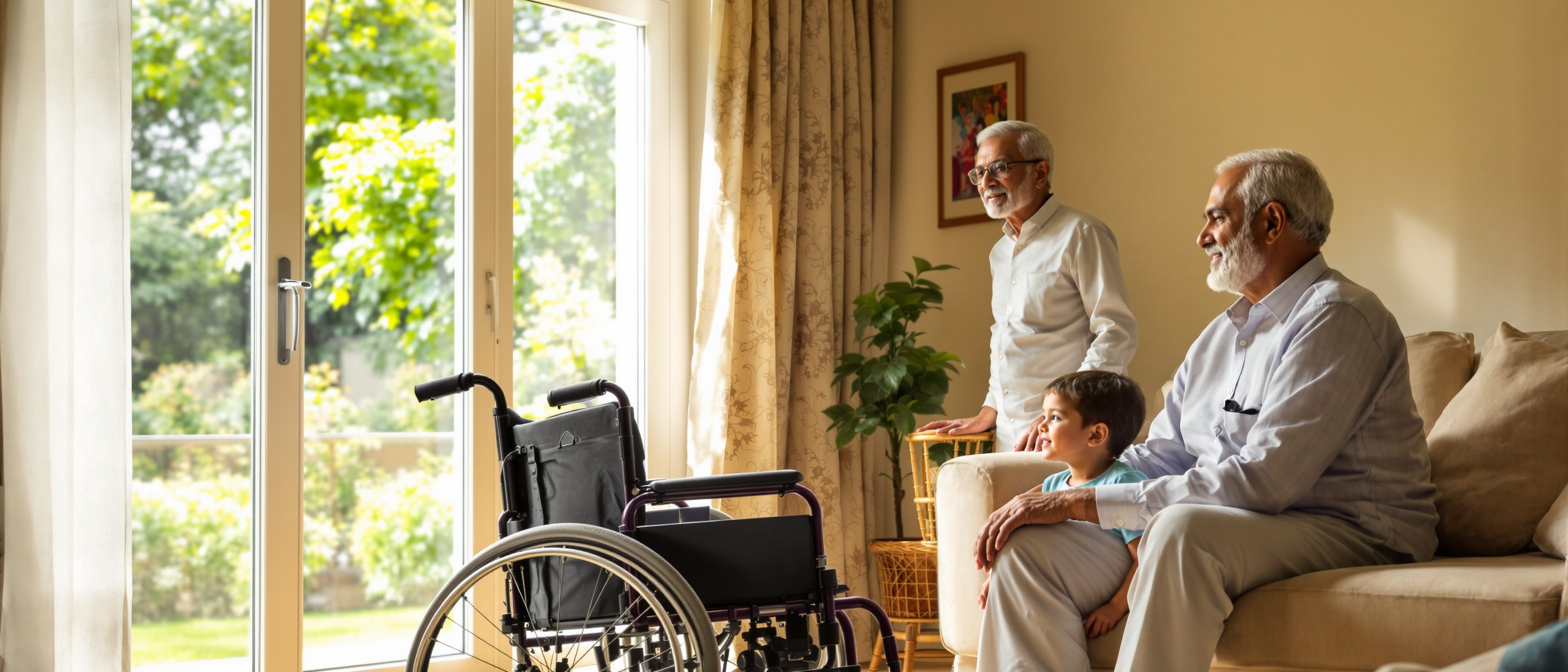
How to plan windows for older residents in India: lower 600 mm sills for a seated view, low-effort lever and motorised hardware at 800 to 1000 mm reach, brighter glare-controlled daylight, and safe toughened or laminated glass with fall restrictors.
 Universal design18
Universal Design and Windows (India): Openings That Work for Every Age and Ability
Apply the seven Universal Design principles to windows in Indian homes: reachable lever handles, low operating force, sills of 450 to 600 mm for a seated view, glare control, and safe glazing — tied to RPwD Act 2016 and CPWD guidelines.