
Security for Specific UsersVolume 1 · Issue 4 · September 2026
Everyone Under This Roof
Security built for a fit, tech-savvy adult can fail, exclude or even endanger the people who actually live in the home — the elder alone while the children are abroad, the child, the wheelchair user who cannot reach the keypad, the person living alone, the domestic worker treated as a suspect, the tenant watched by a landlord. This library tailors home security to who lives there, on three unbending principles: dignity and rights first, life-safety and accessibility always, and never surveillance of the vulnerable.
Security for Specific Users: Tailoring Home Security to Who Lives There
The pillar for tailoring home security to who actually lives there. Seniors, children, people with disabilities, people living alone, staff, tenants, landlords and empty homes each need different choices — grounded in dignity, life-safety, accessibility and lawful privacy.
Read itCare & accessibility
Seniors, children, disabilities & help buttons Senior citizens01
Security Guide for Senior-Citizen Homes
A dignity-first security guide for senior-citizen homes in India — verify who is at the door, choose simple one-touch systems, link security with fall and medical alerts, reassure family respectfully, vet caregivers and help, and keep tech simple enough that it never gets switched off.
 Children02
Security Guide for Children's Safety
A protective guide to children's safety at home in India: control who gets in, teach age-appropriate safe habits, make balconies and window grilles fall-safe without blocking fire escape, secure gates and pools, monitor shared spaces respectfully, and know your child's whereabouts.
 Disabilities03
Security for People with Disabilities
Design home security that empowers a person with a disability, not one that excludes or endangers them. Tailored by disability type — mobility, vision, hearing, cognitive — with reachable controls, multi-sensory alerts, a reliable help path, dignity, and accessible escape that is never traded for a lock.
 Accessible alarms04
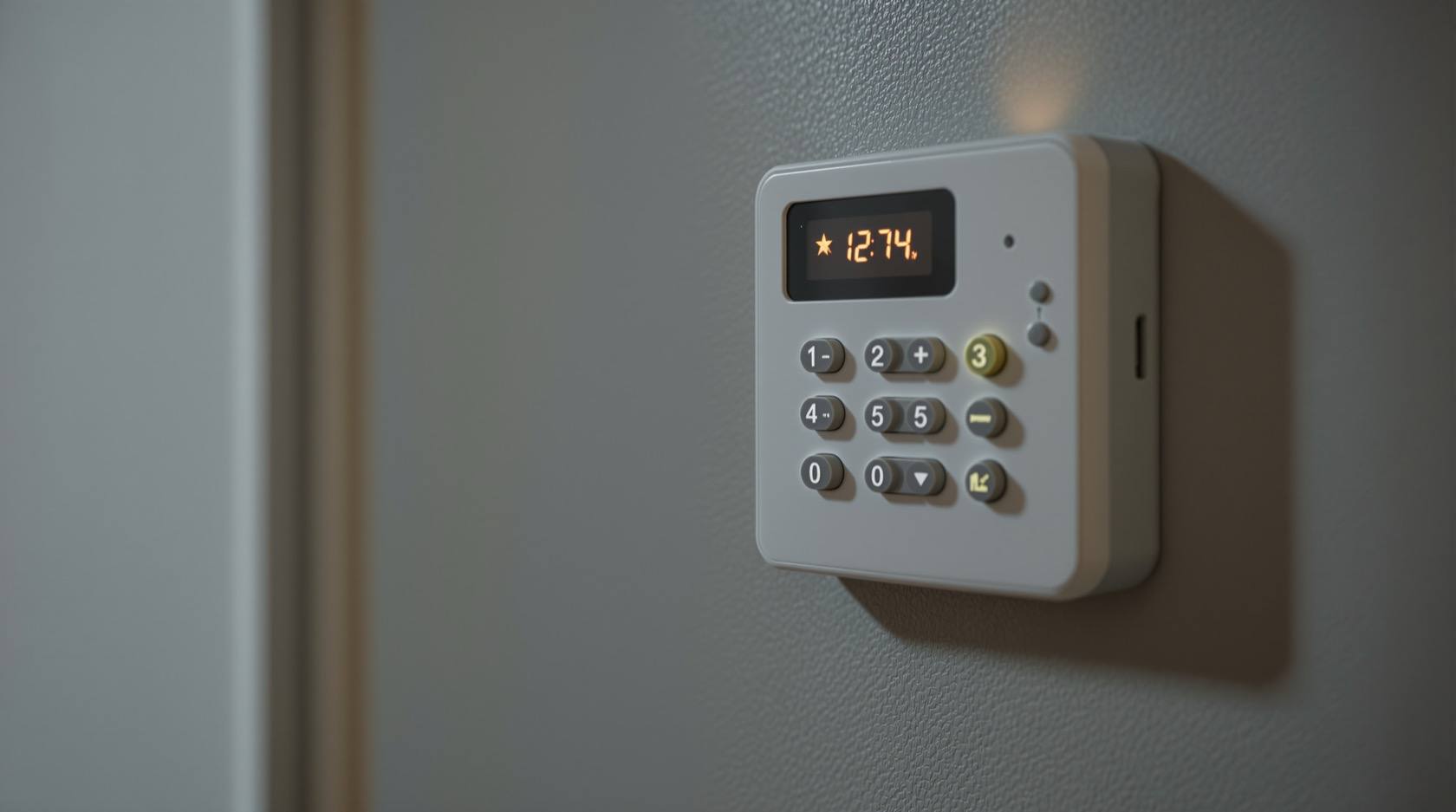
Accessible Alarm Systems for Indian Homes (2026): Alerts Everyone Can Perceive, Understand and Operate
An alarm only protects if the household can perceive it, understand it and operate it. This guide makes an Indian home alarm accessible for deaf, blind, elderly, cognitively disabled and wheelchair-using residents - multi-sensory alerts, reachable controls, a help path, and escape that is never blocked.
 PERS05
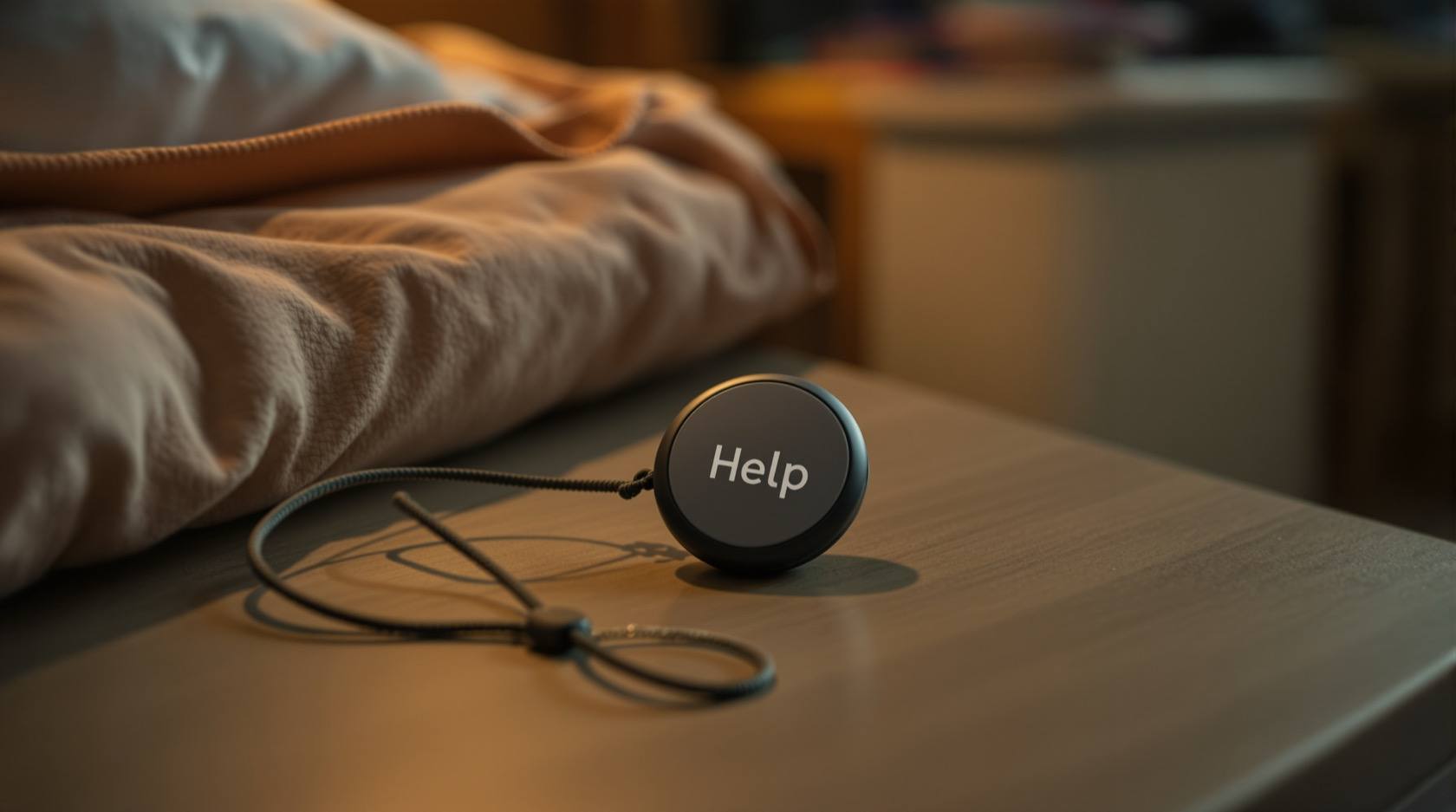
Personal Emergency Response Systems for Indian Homes (2026): The Help Button When a Phone Is Out of Reach
A personal emergency response system is the wearable or bedside button that summons help fast when a vulnerable person cannot reach a phone. This guide covers how it works, fall detection, two-way voice, and the one thing that makes it real: a response that actually comes.
 Medical buttons06
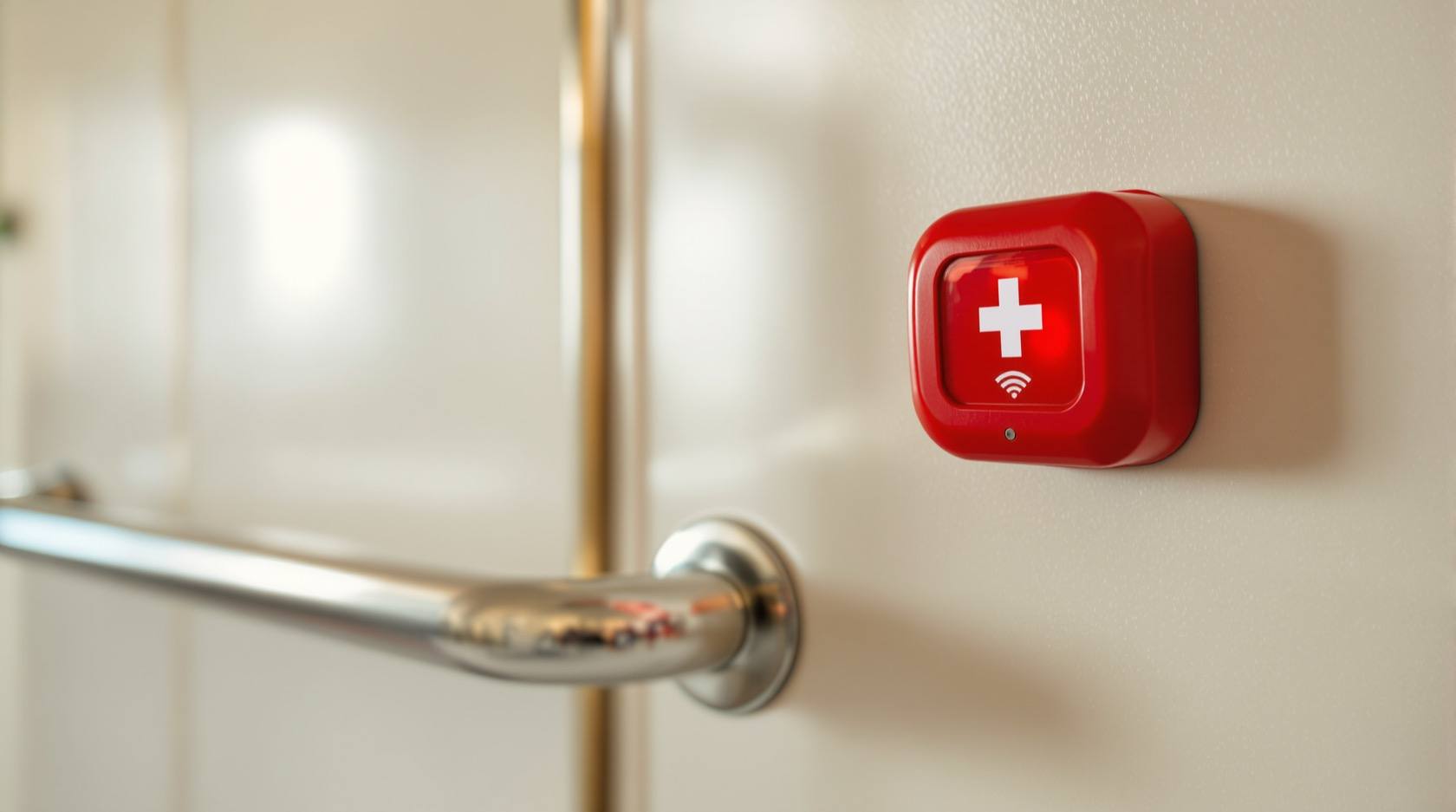
Medical Emergency Buttons for Indian Homes (2026): The One-Press Lifeline for a Fall, a Heart Event or a Medical Crisis
A medical emergency button is the one-press lifeline that summons medical help during a fall, a cardiac event or a medical crisis. This guide covers the button, where to place it - including the bathroom - and the response that makes it real: someone who answers and comes.
For the people who most need security to work, it most often fails them — an audible-only alarm a deaf person cannot hear, a keypad an elder cannot follow, a control a wheelchair user cannot reach, a help button that reaches no one. Build it reachable, perceivable, reliable — and never a cage. Next: living alone.
Living alone
Personal safety, help at hand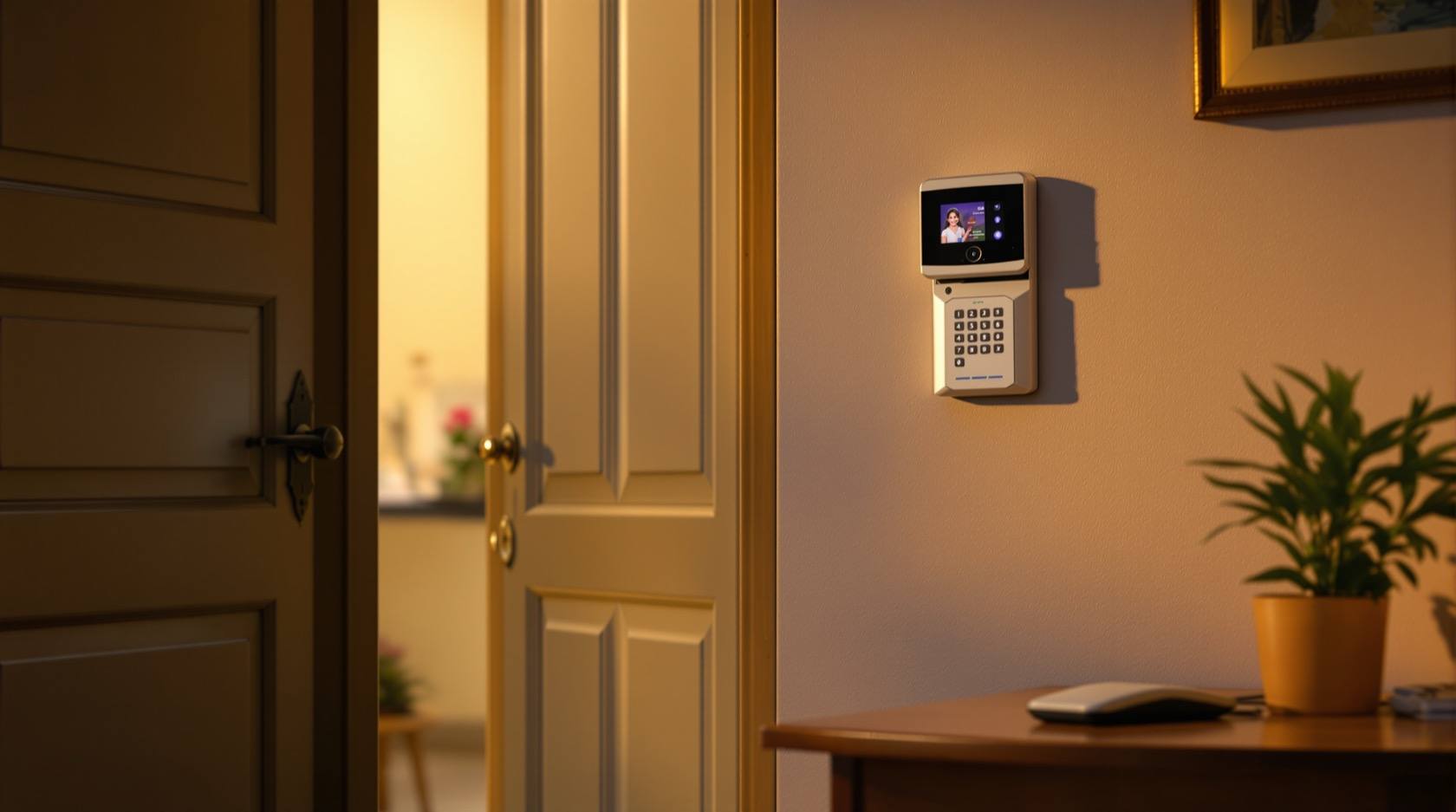 Living alone07
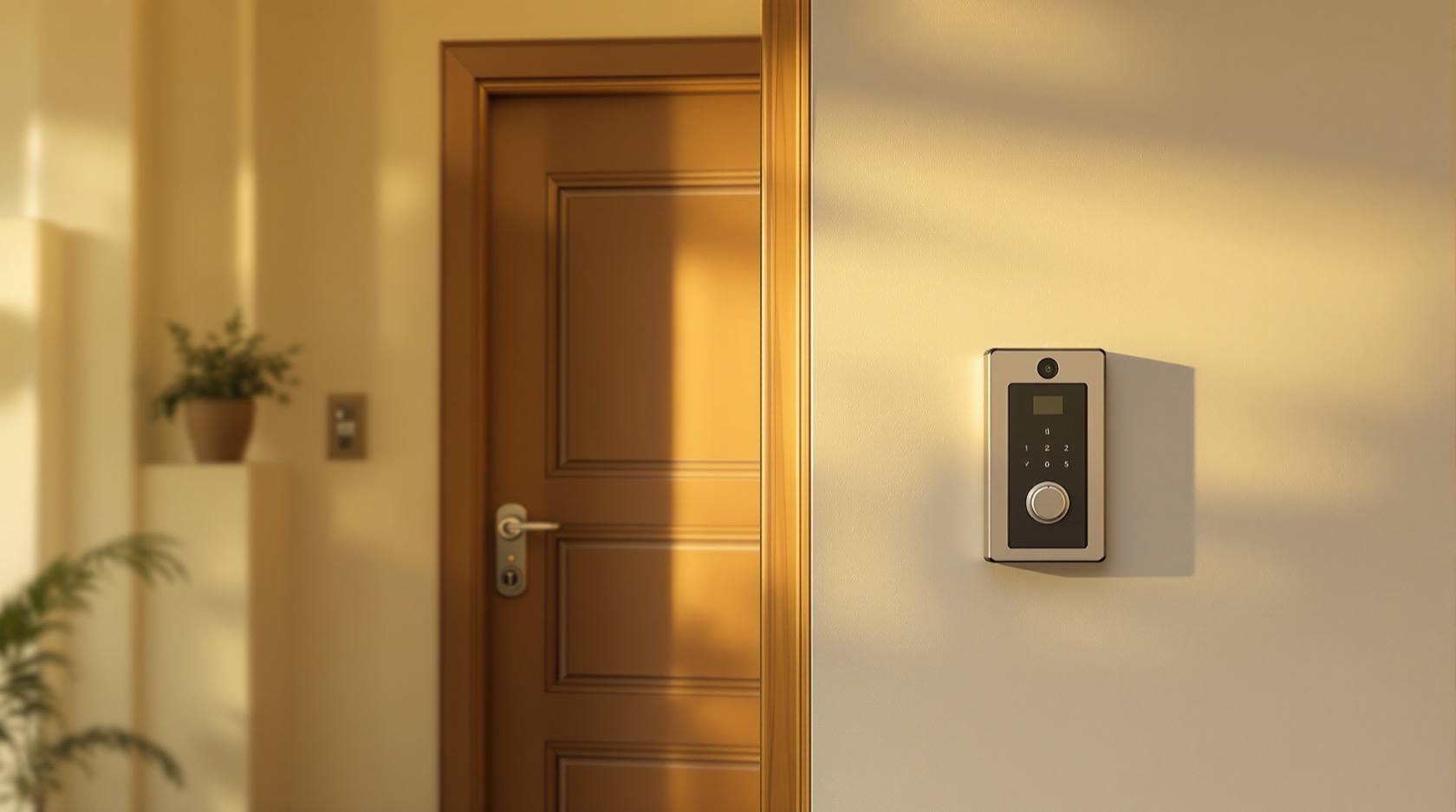
Security for People Living Alone in India (2026): Calm, Practical Habits When There Is No Second Person to Notice
Living alone in India is ordinary and growing, and it calls for calm habits rather than fear. A practical, layer-by-layer guide - strong entry, verify before you open, help within reach, a daily check-in, safe deliveries and coming home - for anyone who lives on their own.
 Women living alone08
Security for Women Living Alone
Empowering, practical home security for a woman living alone in India: a strong door and verify-before-open, quiet everyday habits that are your choice, calm delivery safety, personal-safety tools you control, a check-in network and privacy by right. Freedom and confidence, never a cage.
Living alone is not a vulnerability to fear-monger — it is a situation to design for calmly: layered entry security, help within reach, a verified way to know who is at the door, and privacy respected. Next: the household and who holds the keys.
Household & tenure
Staff, tenants, landlords & home offices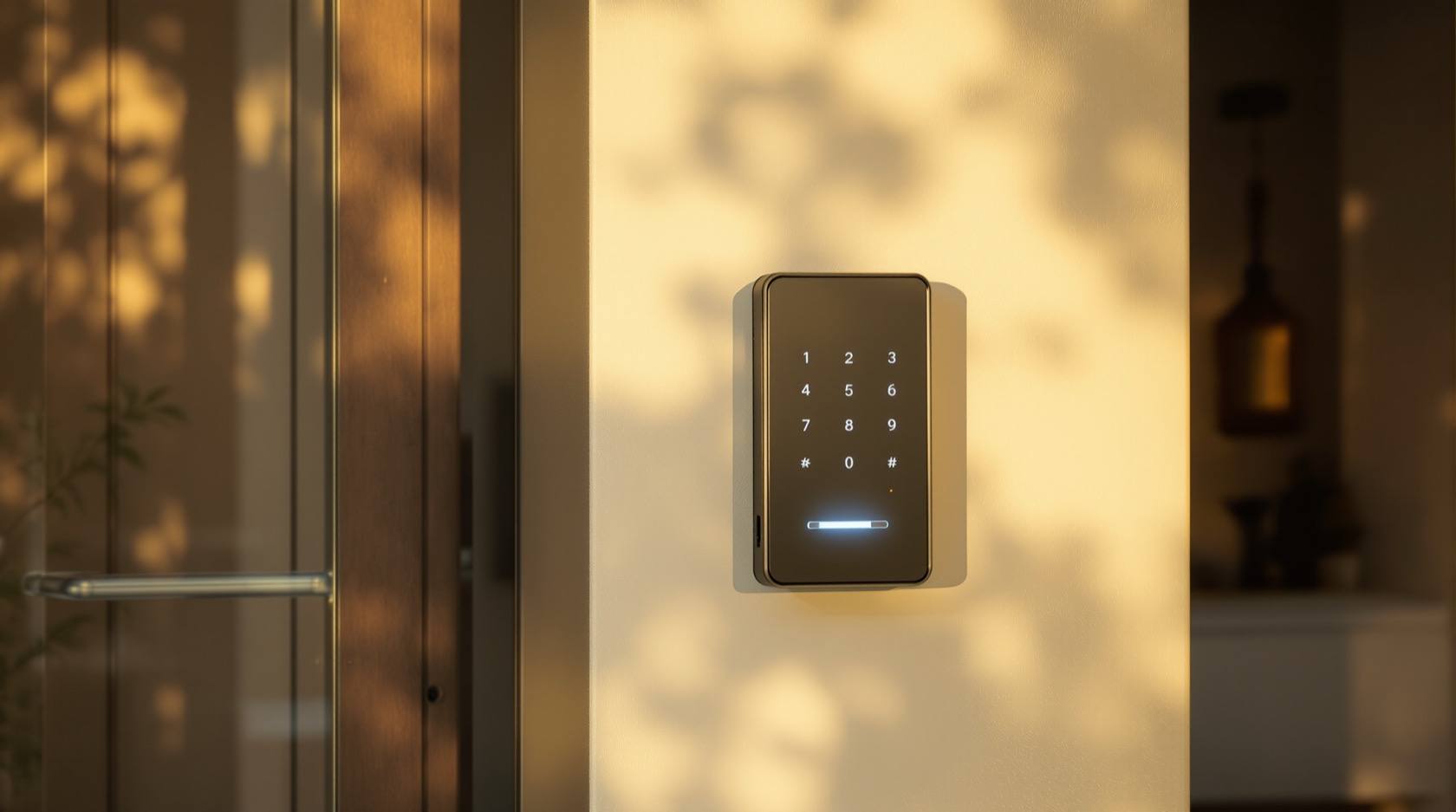 Domestic staff09
Security for Domestic Staff in Indian Homes (2026): Protecting the Home and the Worker's Dignity Together
Many Indian homes employ domestic staff. Good practice keeps the home secure AND treats the worker with dignity and rights - never as a suspect. Lawful verification, a dignified personal credential, the DPDP line on cameras, trust over surveillance, and a fair exit process.
 Tenants10
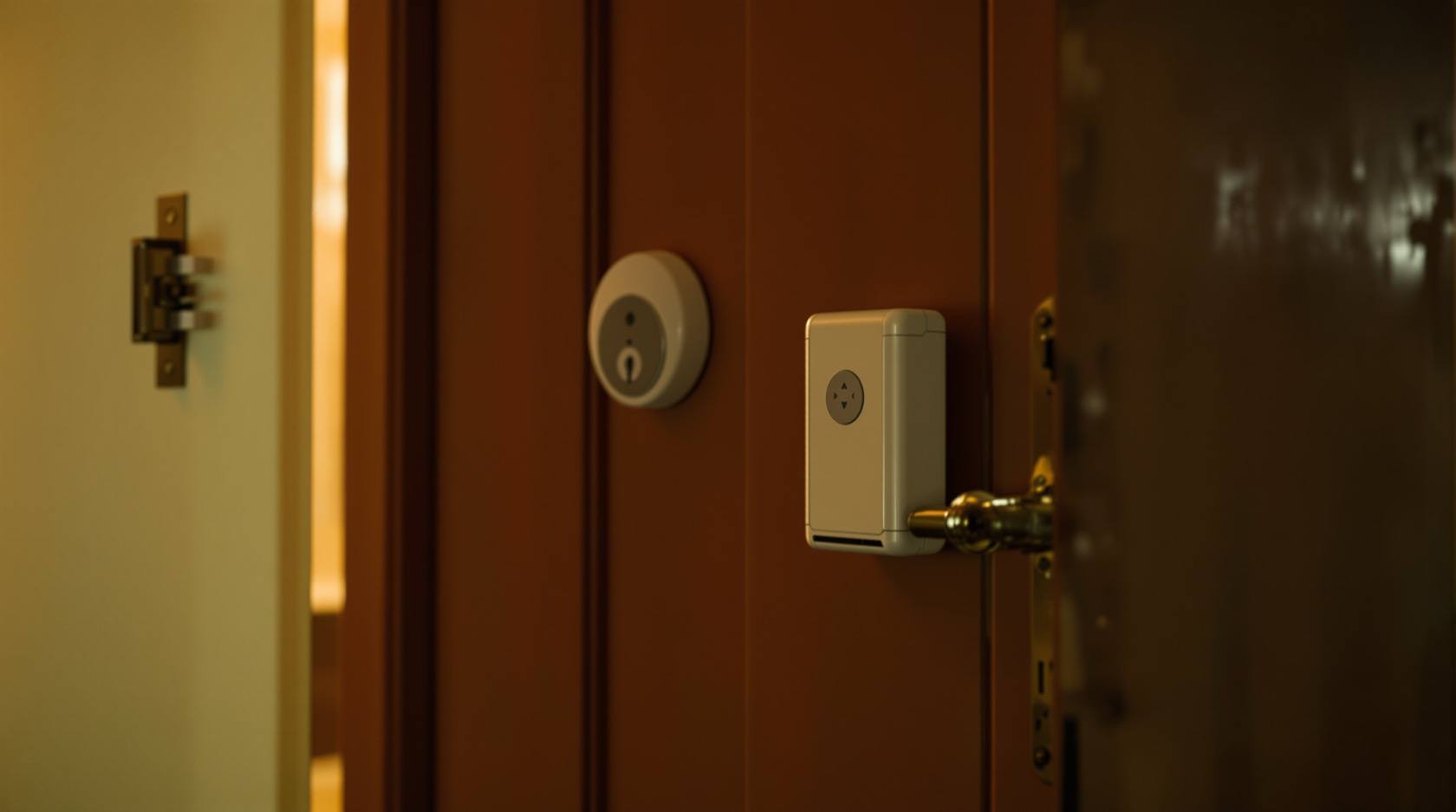
Security for Tenants in India (2026): Protect Your Rented Home and Your Privacy Without Losing the Deposit
A tenant's twin needs, handled honestly: secure a rented home with reversible, portable measures the lease allows, and stand on your privacy rights so a landlord cannot enter without notice or surveil you inside. Rekeying, permissions, agreements, deposits and shared-building security - on the renter's side.
 Landlords11
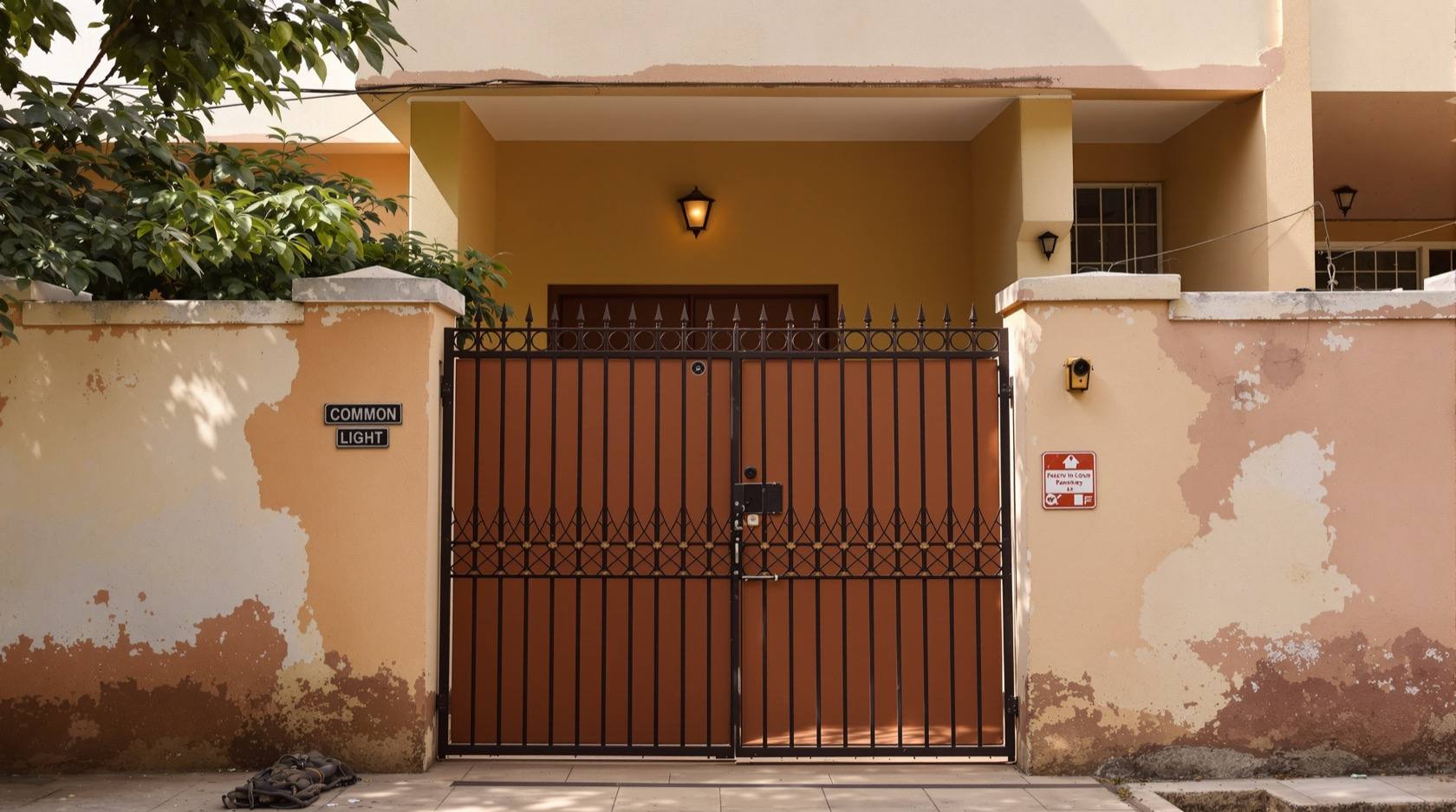
Security for Landlords in India (2026): Protect the Property, Respect the Tenant's Privacy
A landlord may secure a rented property's exterior, boundary, entrance and common areas - but never install cameras inside a tenant's home, enter without notice, or surveil the tenant. This guide draws that line under the DPDP Act 2023, with lawful verification, agreement clauses and rekeying between tenants.
 Home offices12
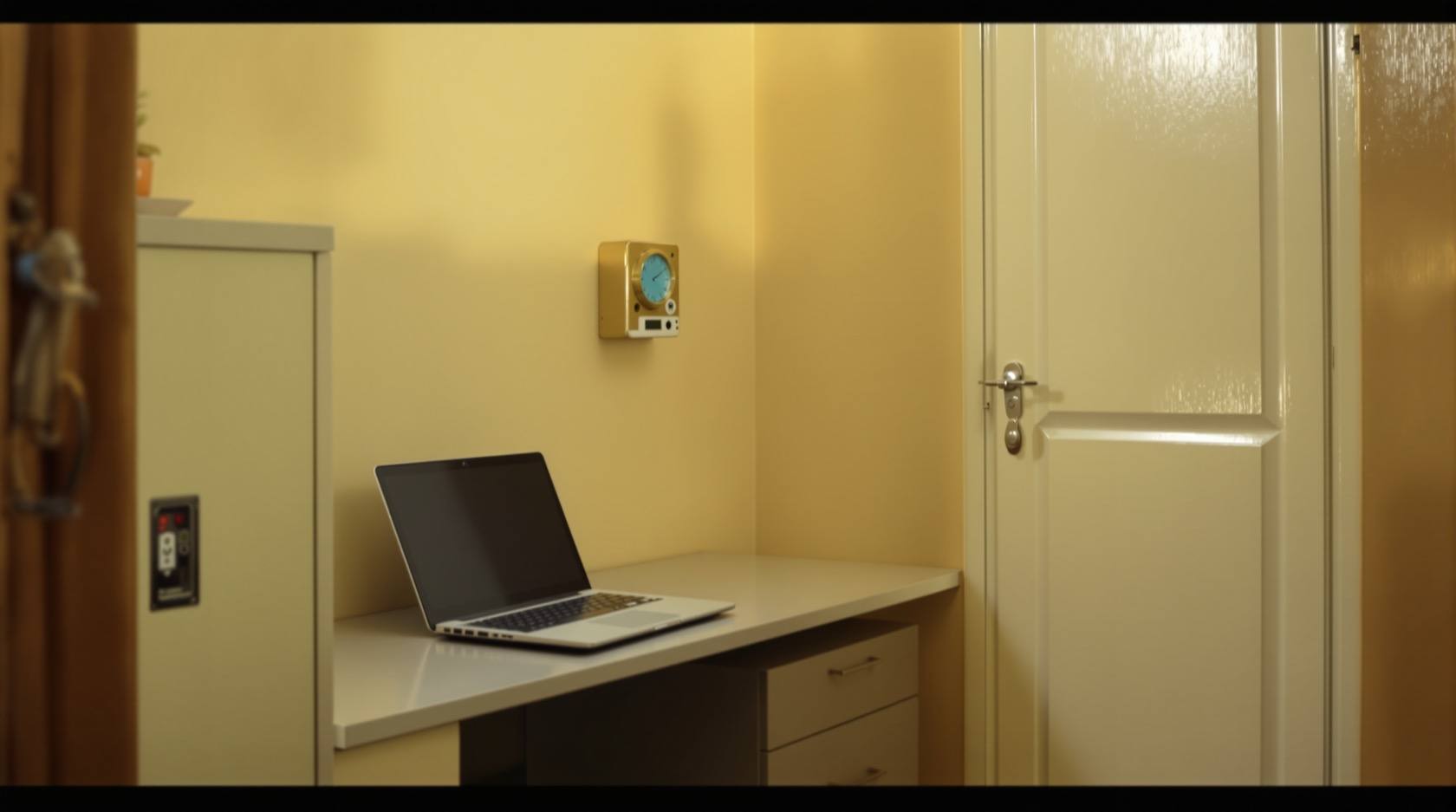
Security for Home Offices in India (2026): Locking Down the Room, the Kit and the Client Data
A home office is a home and a small workplace, so security has two halves: the physical office - a lockable room and cabinet for the kit - and the data: secure work Wi-Fi, VPN, confidentiality, backups, plus visitors, insurance and the work-home line.
Where more than one party shares a home’s security — a family and its domestic staff, a tenant and a landlord — security becomes a question of rights as much as hardware: verification with dignity, consent, no over-surveillance, and clear lines about who controls the cameras and the keys. Last: the home when no one is there.
Away & companions
Holiday homes, vacant properties & pets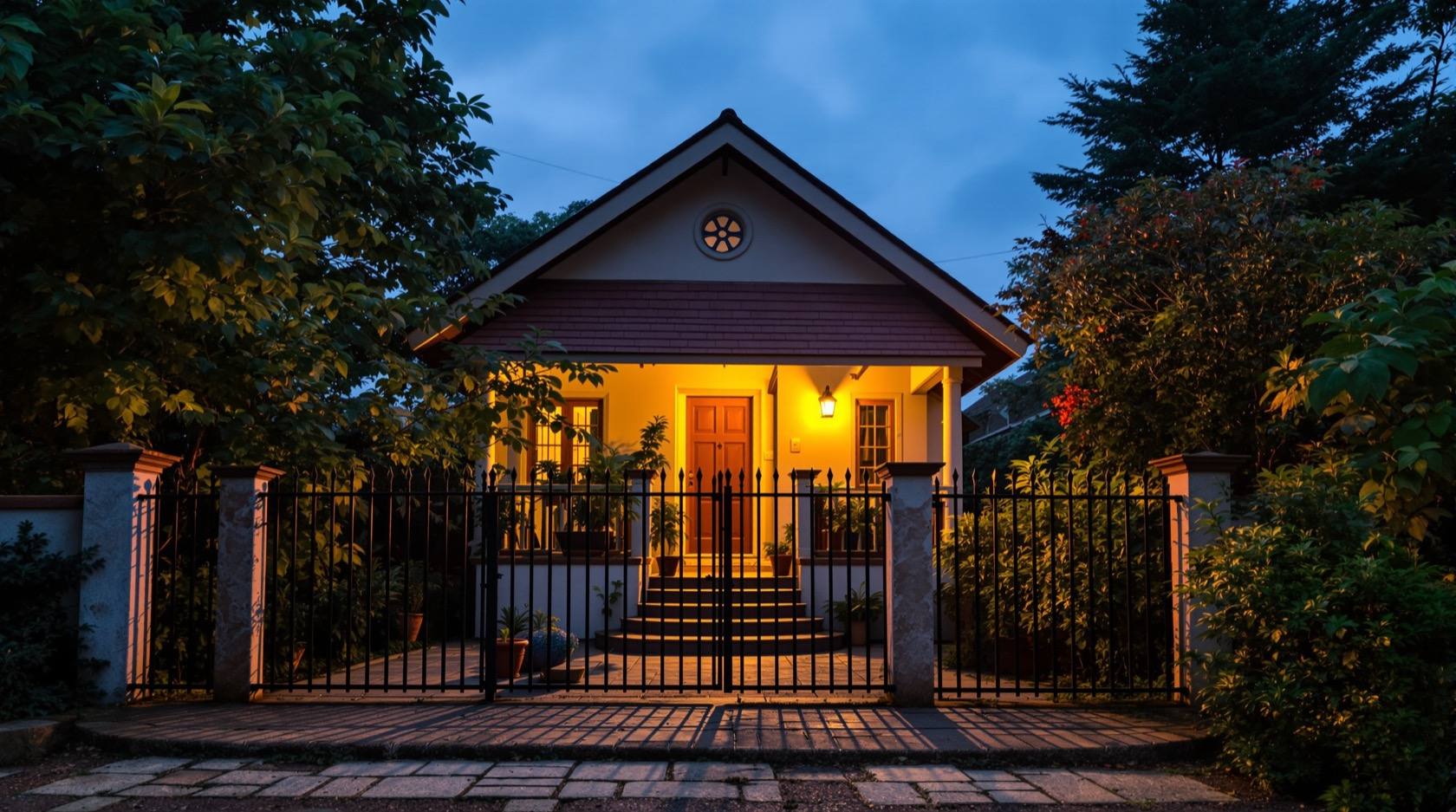 Holiday homes13
Security for Holiday Homes in India (2026): Protecting a Second Home That Sits Empty — Make It Look Lived-In, Put Someone Local In Charge, and Watch It From Afar
A second home used a few times a year is a target: empty for long stretches and far from you. Make it look lived-in, put a trusted local presence in charge, monitor it remotely, harden it against break-ins and burst pipes, and check your vacancy insurance.
 Vacant properties14
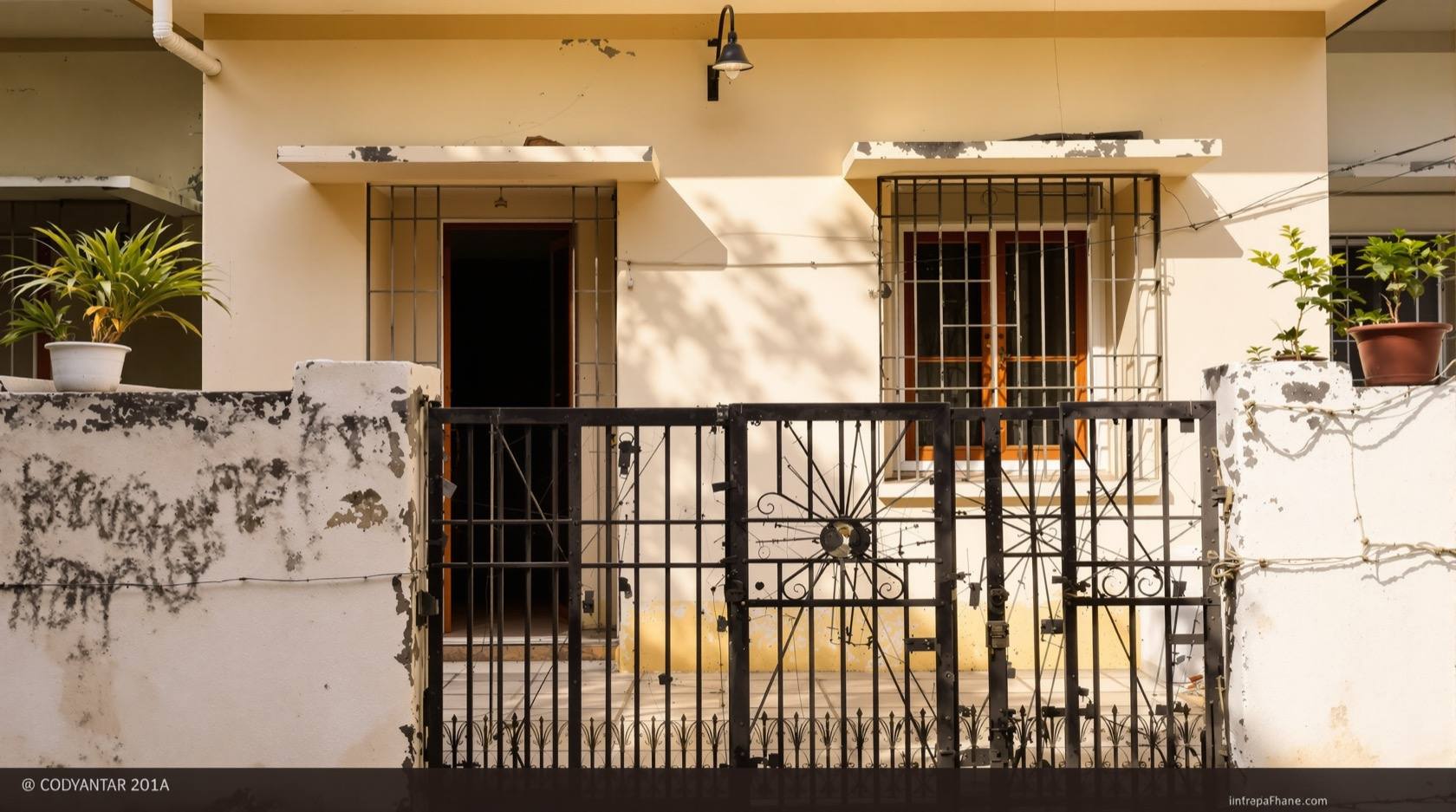
Security for Vacant Properties in India (2026): Protecting an Empty Building from Theft, Squatting and Decay
A known-empty building invites burglary, vandalism, squatting, metal and fittings theft, and undetected decay. This guide secures every opening, keeps the property looking lived-in, alarms and monitors it with utilities off, keeps a lawful caretaker, and holds vacant-property insurance - not legal advice.
 Pets15
Security for Pets in Indian Homes (2026): Keeping Pets Safe Within a Security Setup - and Stopping Them Undermining It
Pets are family, and home security runs two ways with them. Stop the dog or cat triggering the alarm every day, keep the pet safe while you are out, and mind the entry, escape and theft risks - warmly, with the pet's own safety first.
An empty home is a target — a holiday house, a property between tenants — and the pets left in an occupied one deserve a security setup that keeps them safe too. Simulate presence, watch remotely, keep a caretaker, and never advertise that you are away. That completes the library — a home secured for everyone in it, and for when no one is.
Assessment tools
Home Security Risk Scorecard
A whole-of-home, six-layer self-assessment that helps you see where your security fits — or fails — the specific people who actually live in the home.
AssessmentSite & Perimeter Security Assessment
Score the boundary, gate, lighting, detection and approach — the shared layers every household, tenant and holiday home sits inside — as Good, Weak or Absent.