
Security LightingVolume 1 · Issue 4 · September 2026
After Dark
Light is a security layer — a lit approach deters, and most cameras cannot see without it. But light done badly does the opposite: it dazzles your own CCTV, throws shadows an intruder hides in, spills into a neighbour’s window, and dies in the power cut exactly when it is needed. This library shows how to light every part of a property for security — entrance, boundary, parking and stairs — so it deters, lets the camera read a face, and never blinds anyone. And it keeps the mains work where it belongs: with a licensed electrician.
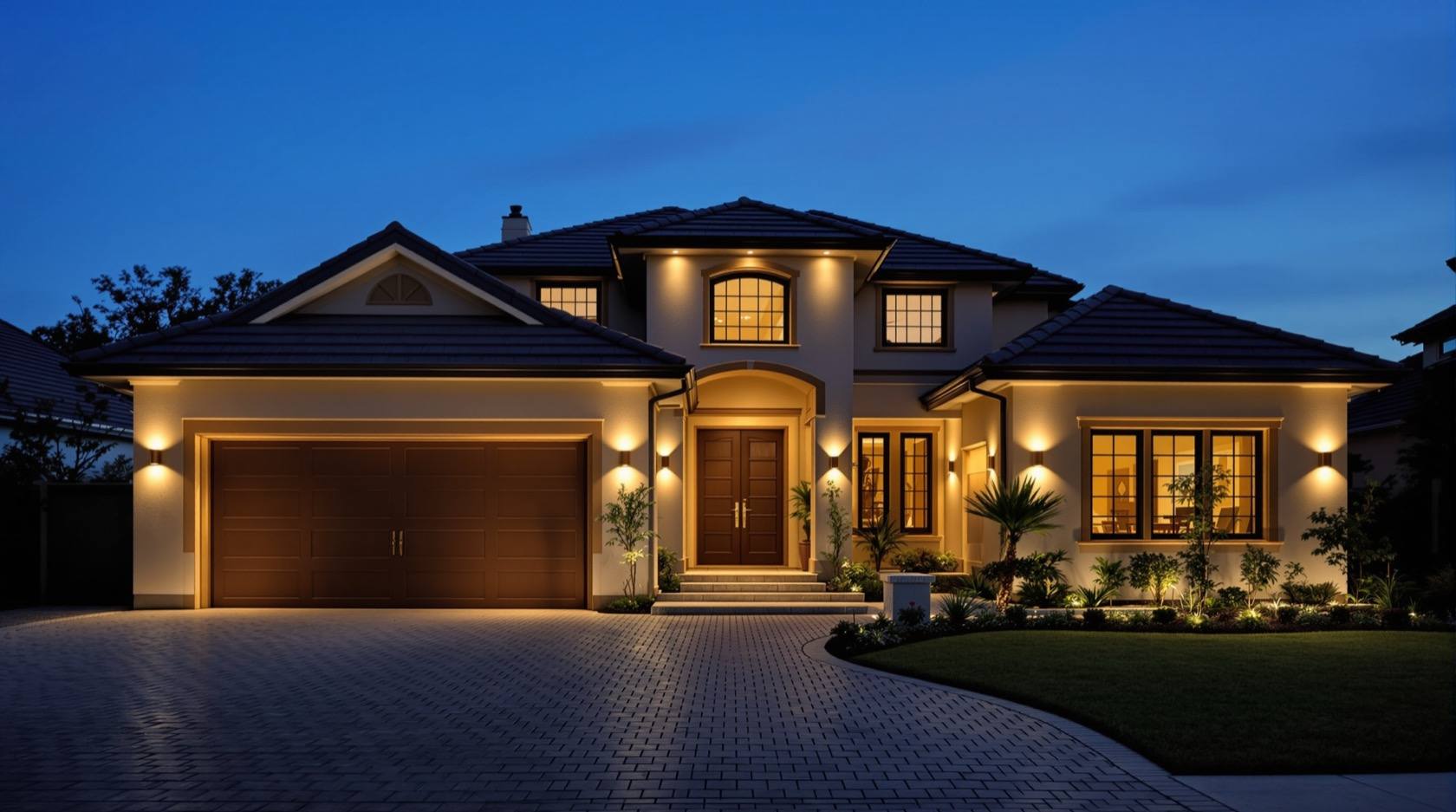
Security Lighting Design for the Whole Property (India 2026): The Principles, the Zones and the Library Map
Light is a security layer: a lit property deters, and most cameras need it to see. This pillar sets out the four design principles, maps the zones to cover, and links every deeper guide — so you light the whole property well, not against your own camera.
Read itLight the property
Entrance, perimeter, parking & stairs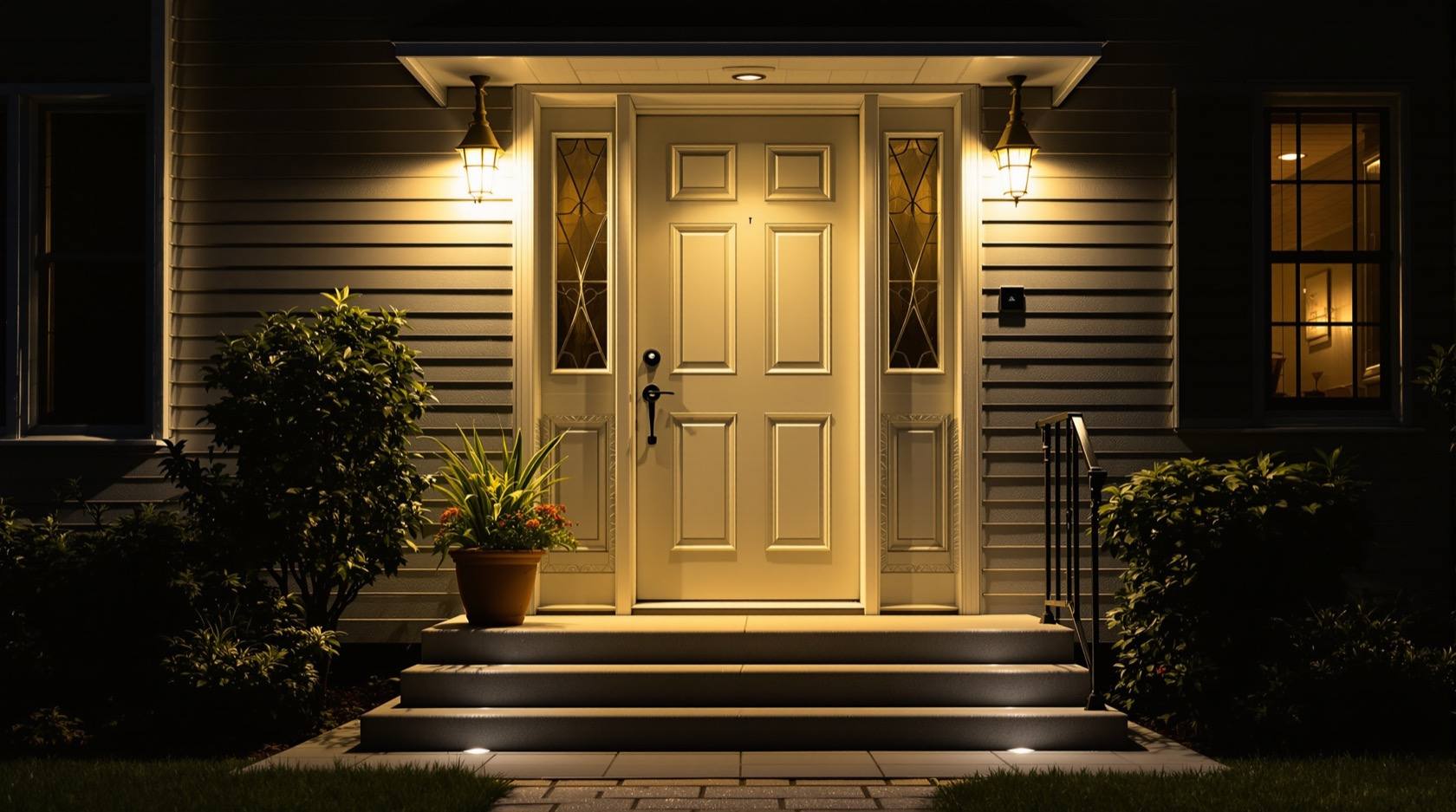 Entrance01
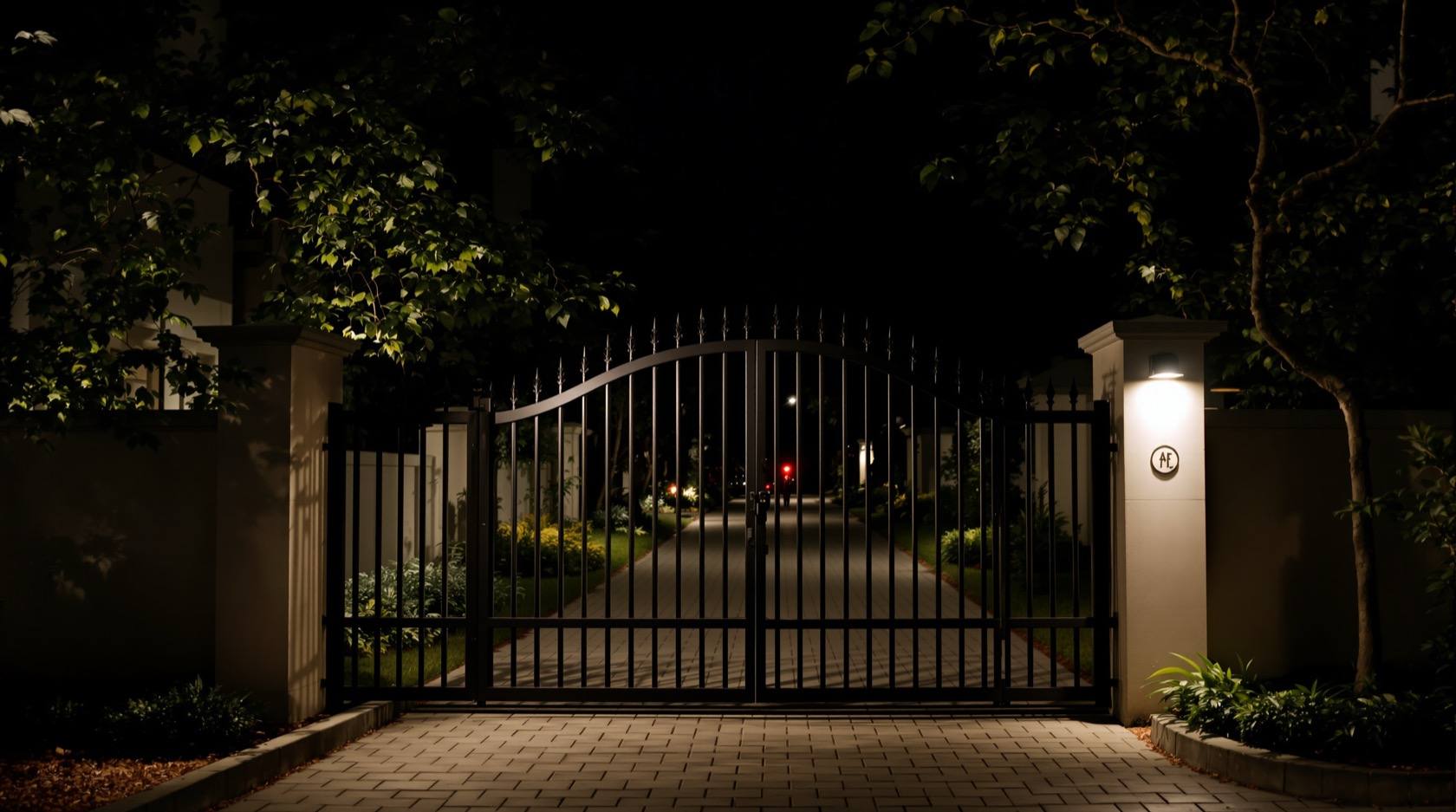
Entrance Lighting for Security in India (2026): Lighting the Gate, Approach and Door So an Arriving Visitor Is Clearly Seen
The entrance is where you verify who is at your door. Light it so the caller's face is legible to you, the camera and the VDP, not blacked out by a light behind them. This guide shows how to light the gate, approach and door well.
 Perimeter02
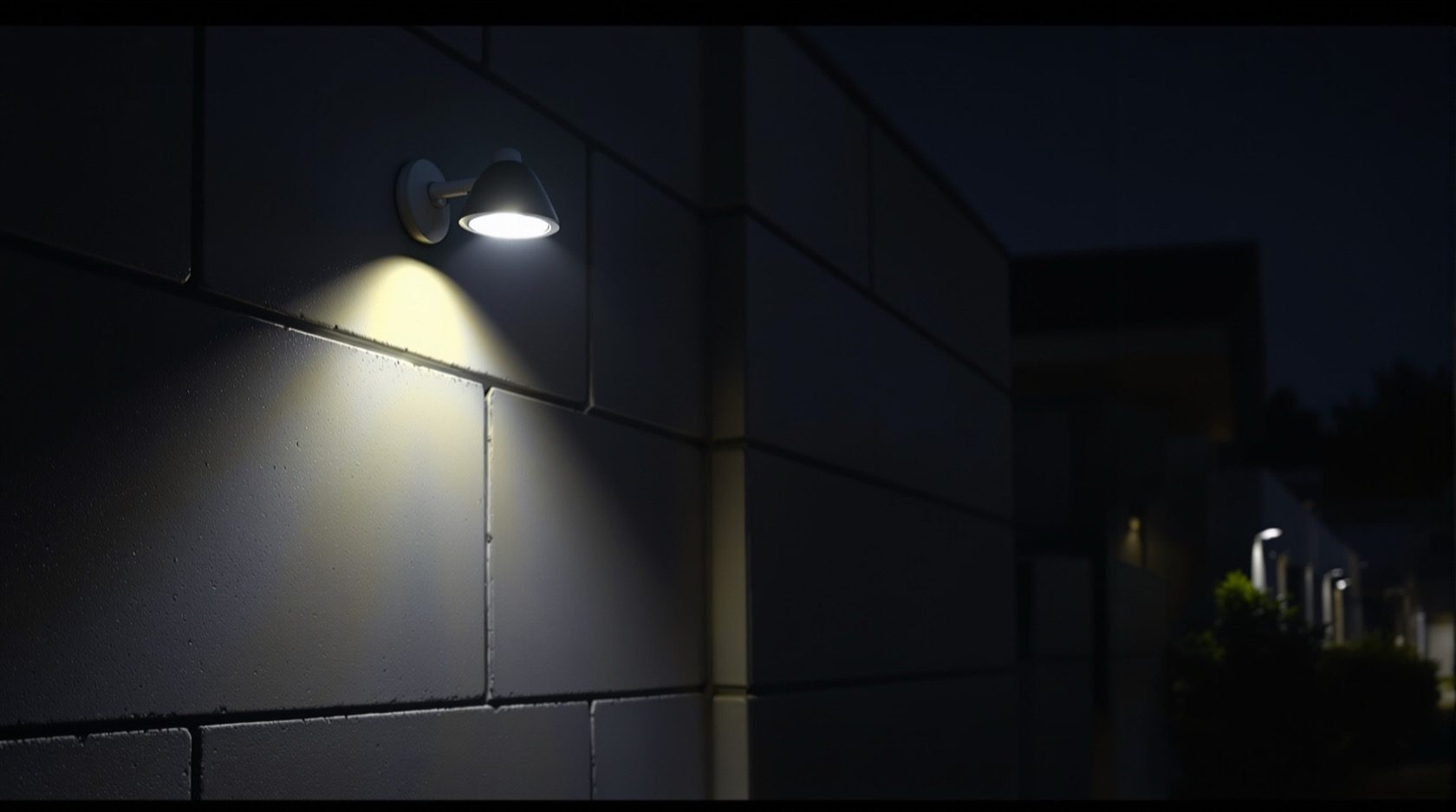
Security Lighting in India (2026): Lighting the Boundary Without Dazzling the Camera or the Neighbour
Light is a security layer: a lit boundary deters, and most cameras need it to see. But done badly it dazzles your own CCTV, throws shadows an intruder hides in, and spills into a neighbour's window. This guide shows how to light a boundary well.
 Parking03
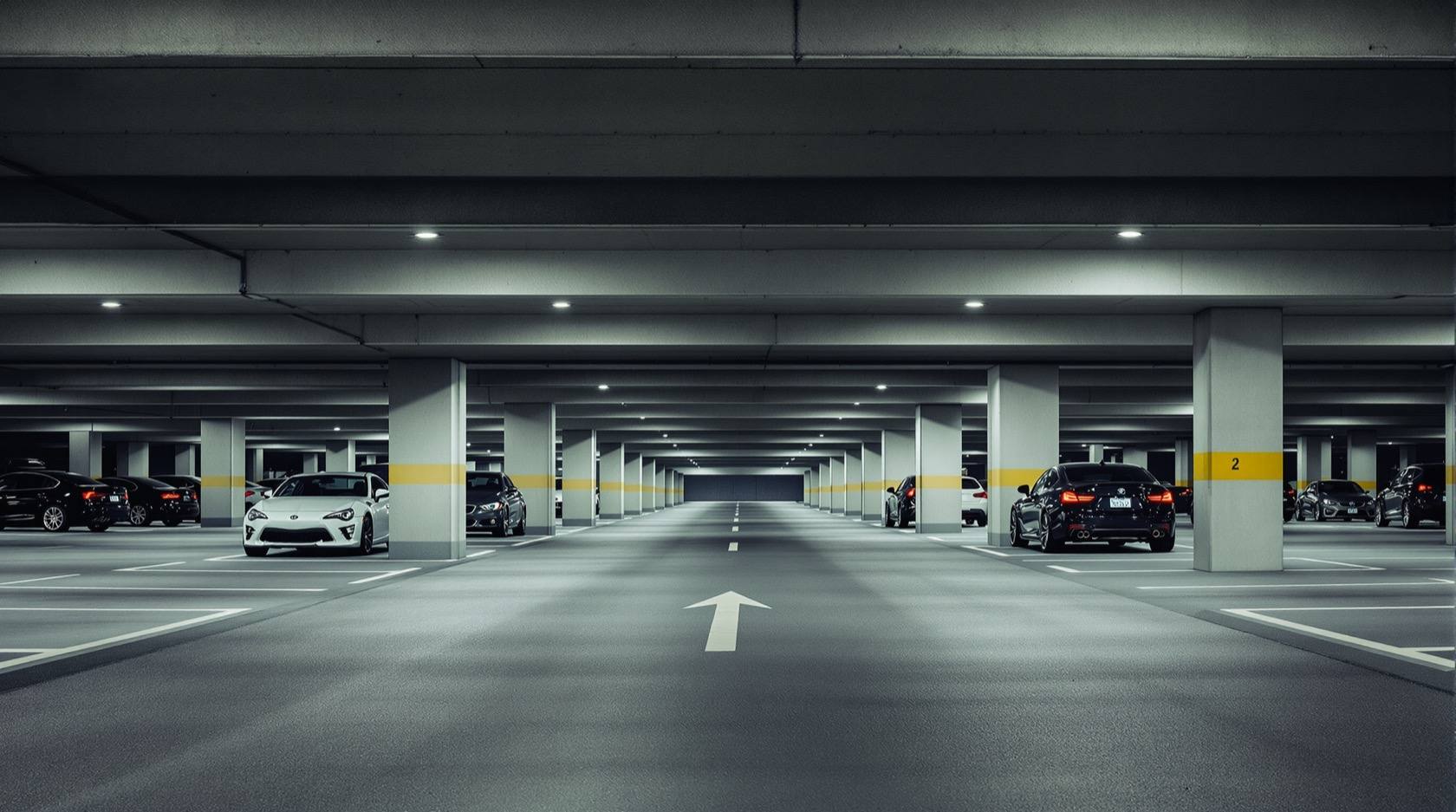
Parking Security Lighting in India (2026): Lighting Basement, Stilt and Open Parking So Nothing Hides in the Dark
Parking is a security weak spot: out of sight, full of pillar and vehicle shadows, dark at the corners and ramps. This guide shows RWAs, facility teams and architects how to light basement, stilt and open parking uniformly for people, plates and cameras, without compromising life-safety lighting.
 Stairs & corridors04
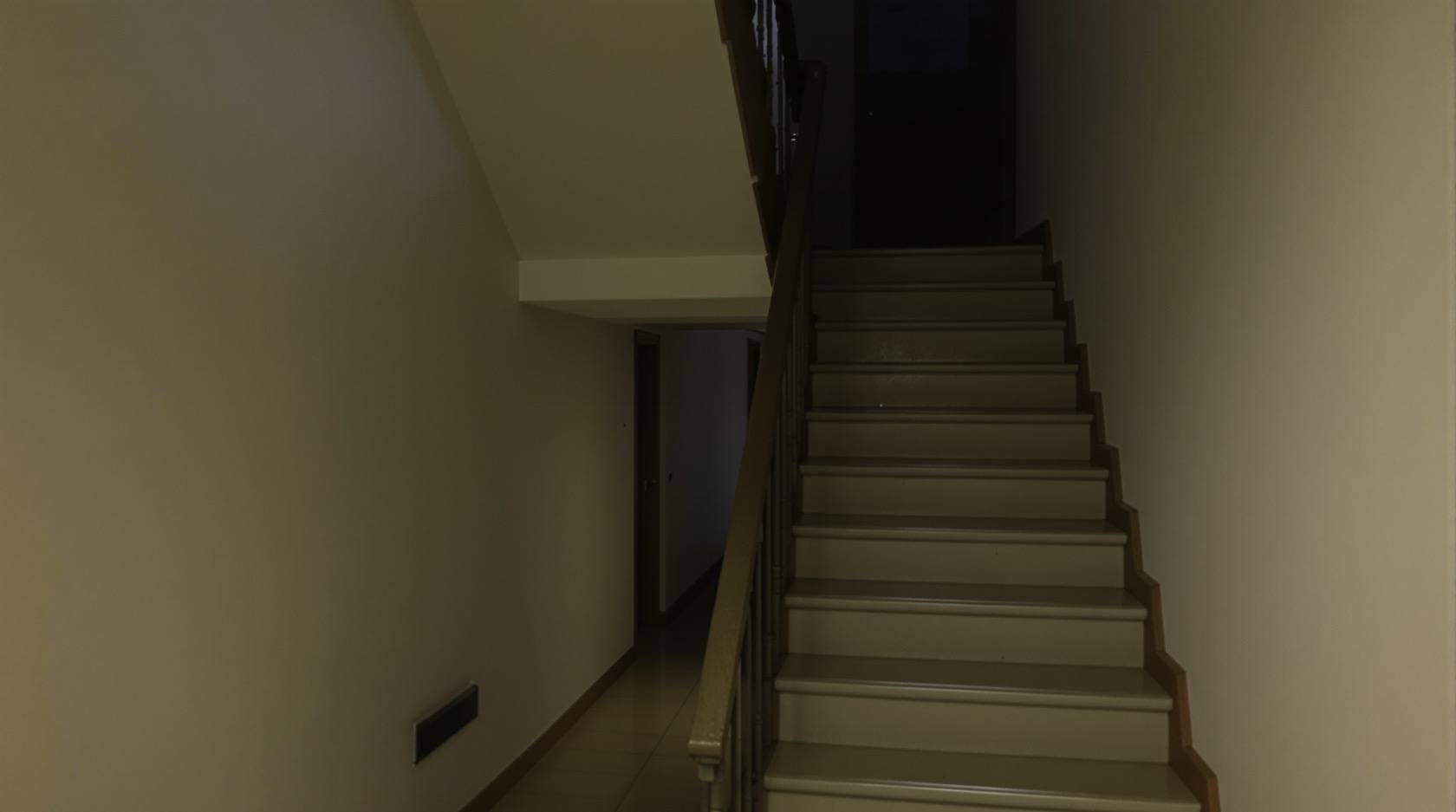
Staircase and Corridor Security Lighting in India (2026): Even Light, No Dark Half-Landings, Never Switched Off Mid-Flight
A dark corridor or stair half-landing is where someone waits unseen, and an unlit stair is where people fall. This guide shows how to light shared circulation evenly, with sensors that never leave you dark mid-flight, without touching the code emergency lighting.
Every zone has a different job: the entrance must light a face for the door camera, the boundary must be even with no dark span, the parking and stairs must have no shadow pocket where someone can wait unseen. Light each zone for what happens there — then decide how it switches and where its power comes from.
How it switches & powers
Motion, dusk-to-dawn, solar & energy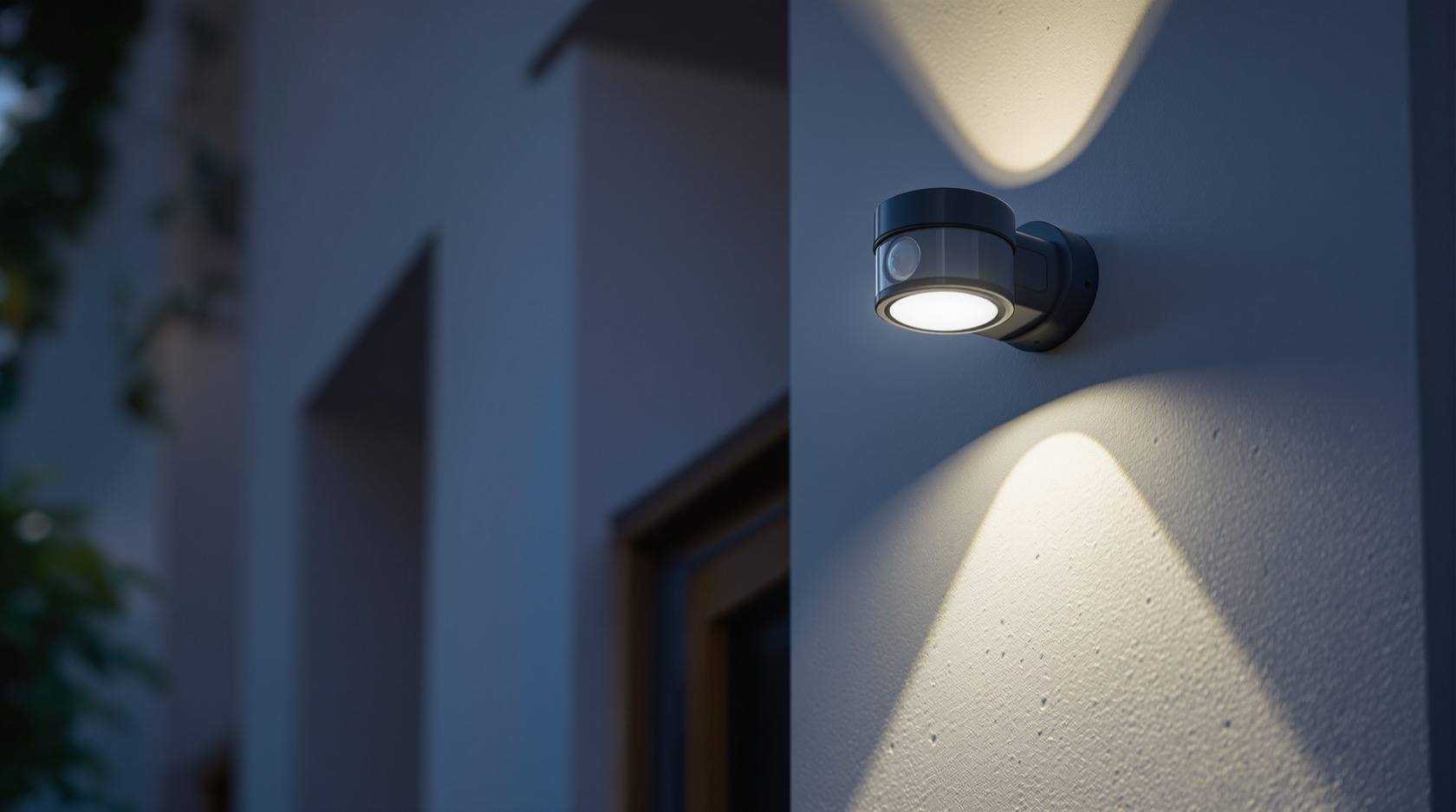 Motion-activated05
Motion-Activated Security Lighting in India (2026): Sensor Types, the False-Trigger Problem, and Pairing Motion With a Base Light So Your Camera Never Goes Blind
A sudden light says you are seen and startles an intruder, and it saves power versus flooding all night. But motion-only leaves a camera dark until triggered. This guide covers PIR, microwave and dual-tech sensors, taming false triggers, and pairing motion with a base light.
 Dusk-to-dawn06
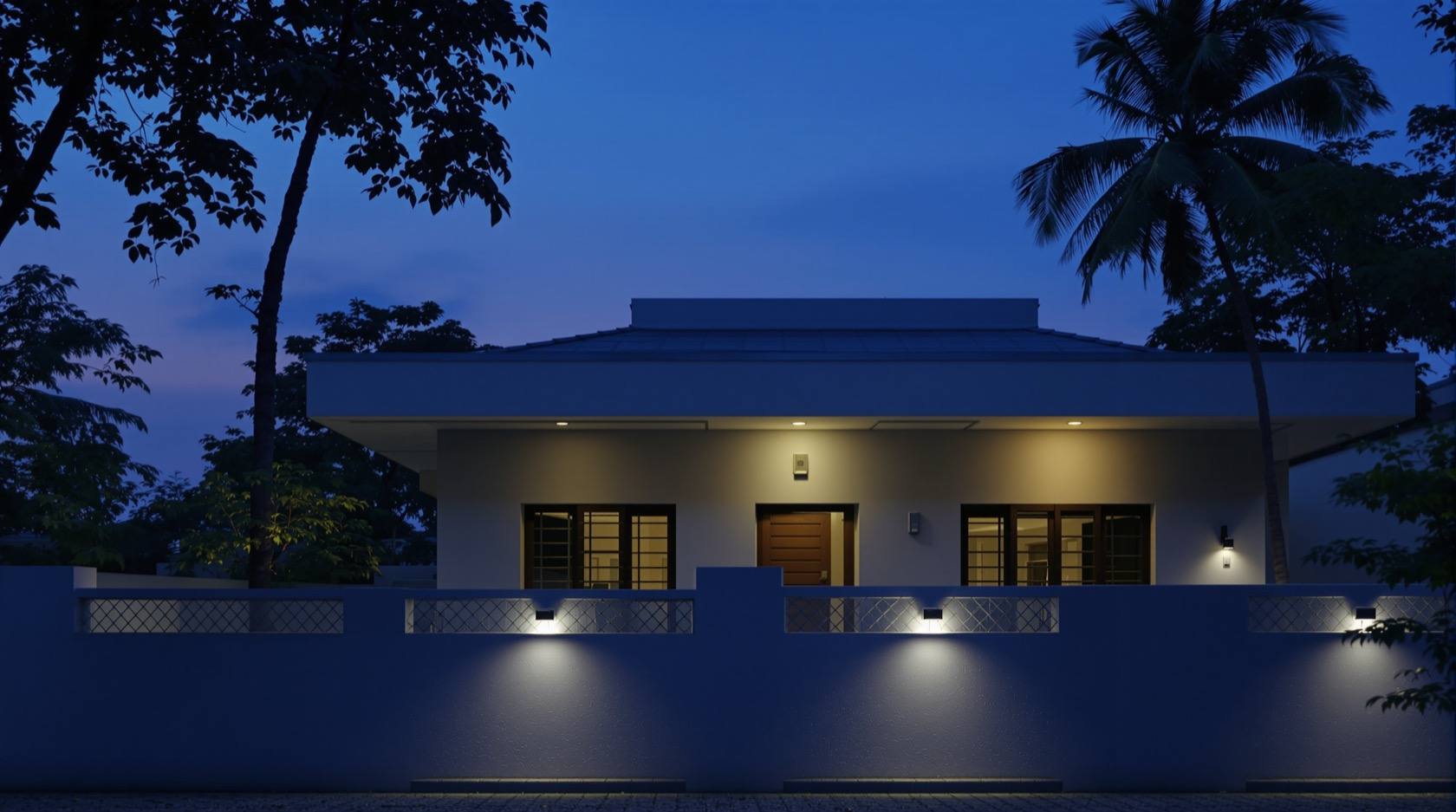
Dusk-to-Dawn Security Lighting for Indian Homes (2026): The Photocell, the Low Base and the Motion Boost
A photocell turns your security light on at dusk and off at dawn automatically, so the property is never left dark by a forgotten switch. Here is how it works, why a steady low base helps your camera, and how to place the sensor right.
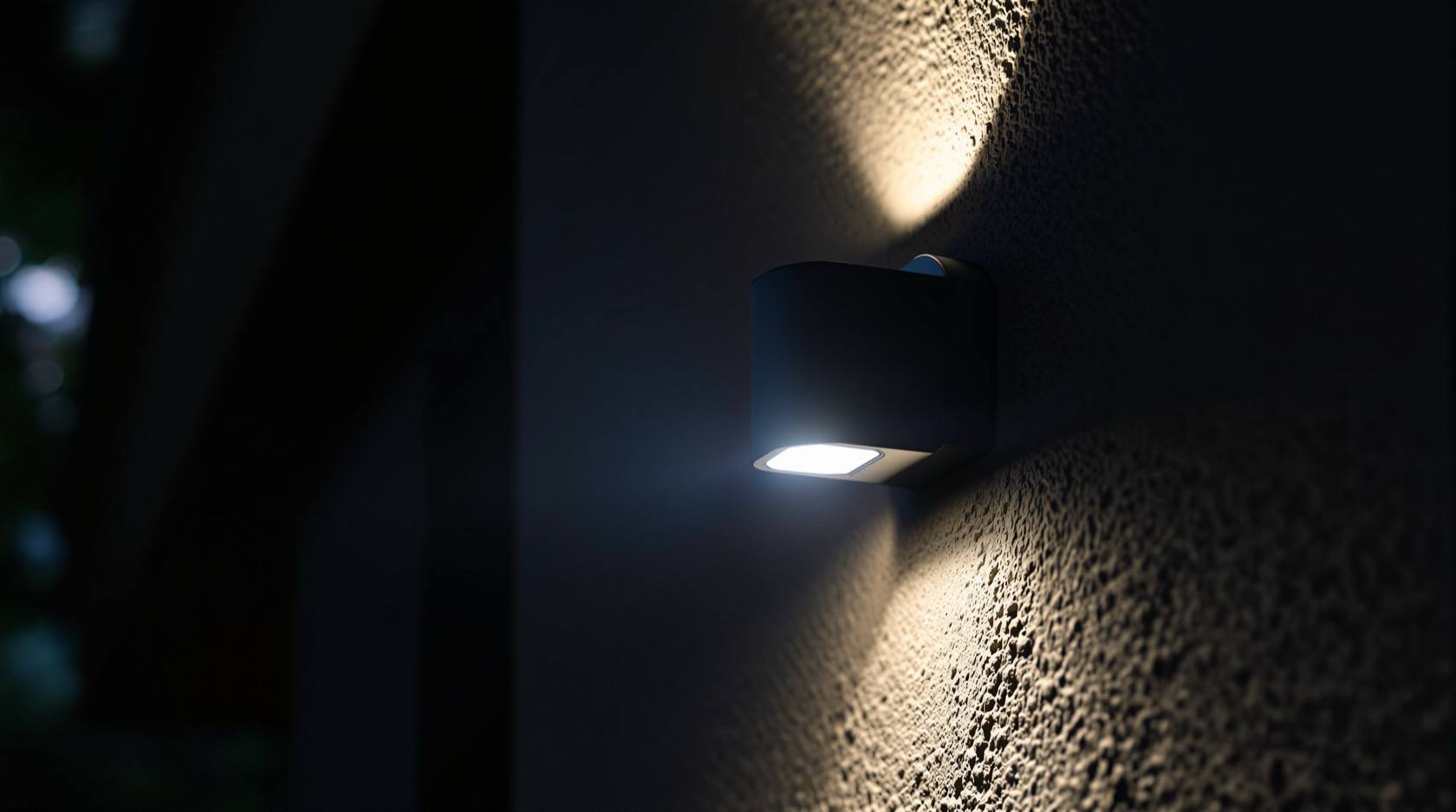
 Solar07
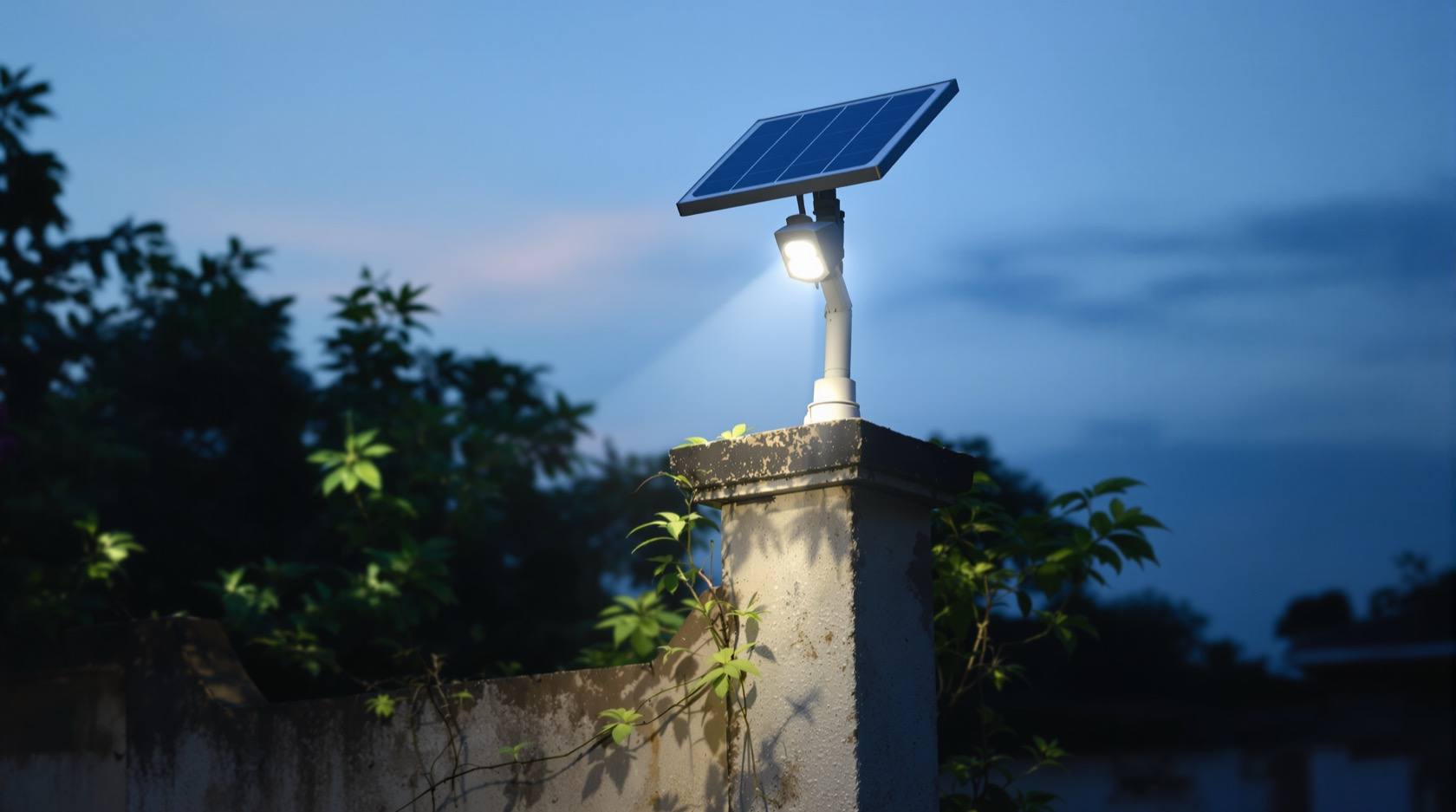
Solar Security Lighting in India (2026): Where It Genuinely Works, and the Honest Reasons It Fades in the Monsoon
Solar security lights need no cabling and no running cost, but they are only as good as the charge they get, so cheap ones die at 2am and fade through the monsoon. This guide shows a homeowner where solar fits and how to buy honestly.
 Energy use08
Security Lighting Energy Use in India (2026): Keeping Your Home Lit and Safe Without Running Up the Bill
Will security lighting run up your bill? Done as blazing all-night floods, yes, and it is worse for security too. Done with efficient LEDs, motion and dusk-to-dawn switching, zoning and right-sizing, a home stays safe on a fraction of the energy. Here is how to think about it.
A security light is only useful when it is on at the right moment and survives the power cut. A dusk-to-dawn base with motion accents catches movement without lighting an empty compound all night; solar buys independence but must be sized for the monsoon and winter; and switching and zoning are what keep the electricity bill honest. Next: making sure all that light actually helps the camera.
Light for the camera & the eye
Glare-free, CCTV-compatible & facial ID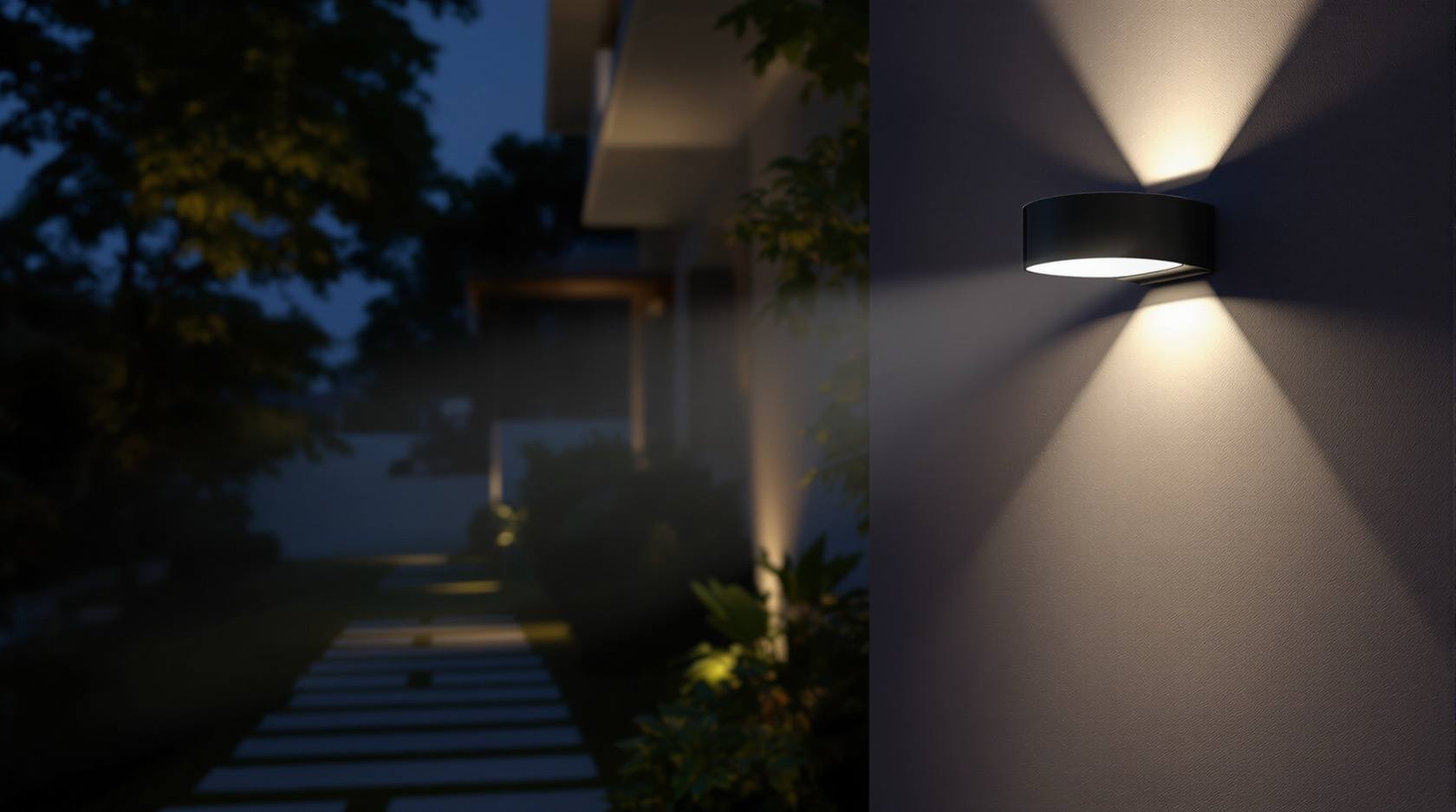 Glare-free09
Glare-Free Security Lighting in India (2026): Why the Bright Light You Bought Is Hiding the Intruder
The brightest floodlight often makes a boundary less safe: glare in the eye or the camera lens hides the intruder standing in the dark behind the source. This guide shows how to shield, aim and mount security light so it reveals rather than dazzles.
 CCTV-compatible10
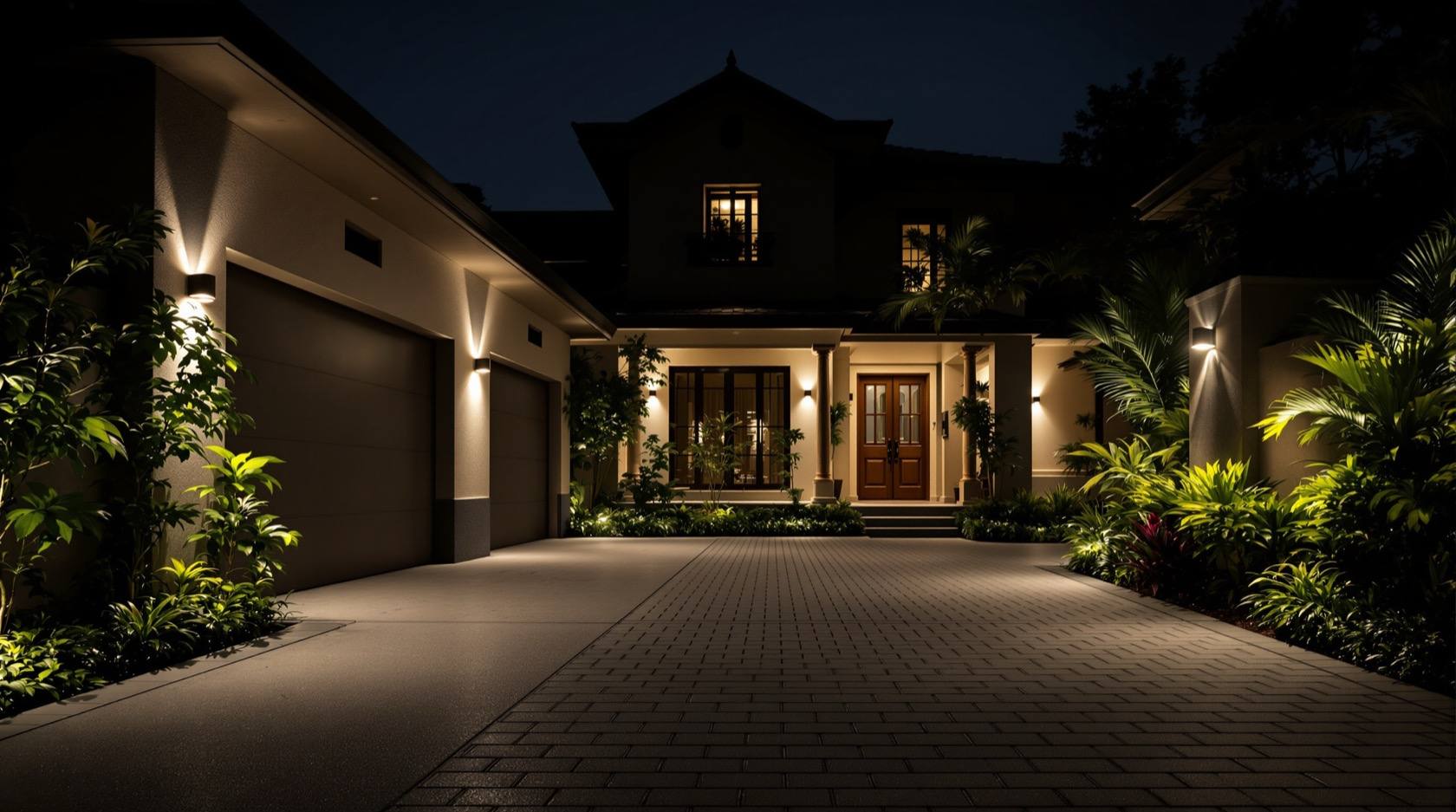
CCTV-Compatible Lighting for Indian Homes (2026): How to Light a Scene So the Camera Actually Sees It
A scene that looks fine to your eye can still be useless CCTV footage. Here is how to light so the camera sees well — even coverage, no light in the lens, the right white, flicker-free drivers — the bridge between your lighting and your cameras.
 Camera illumination11
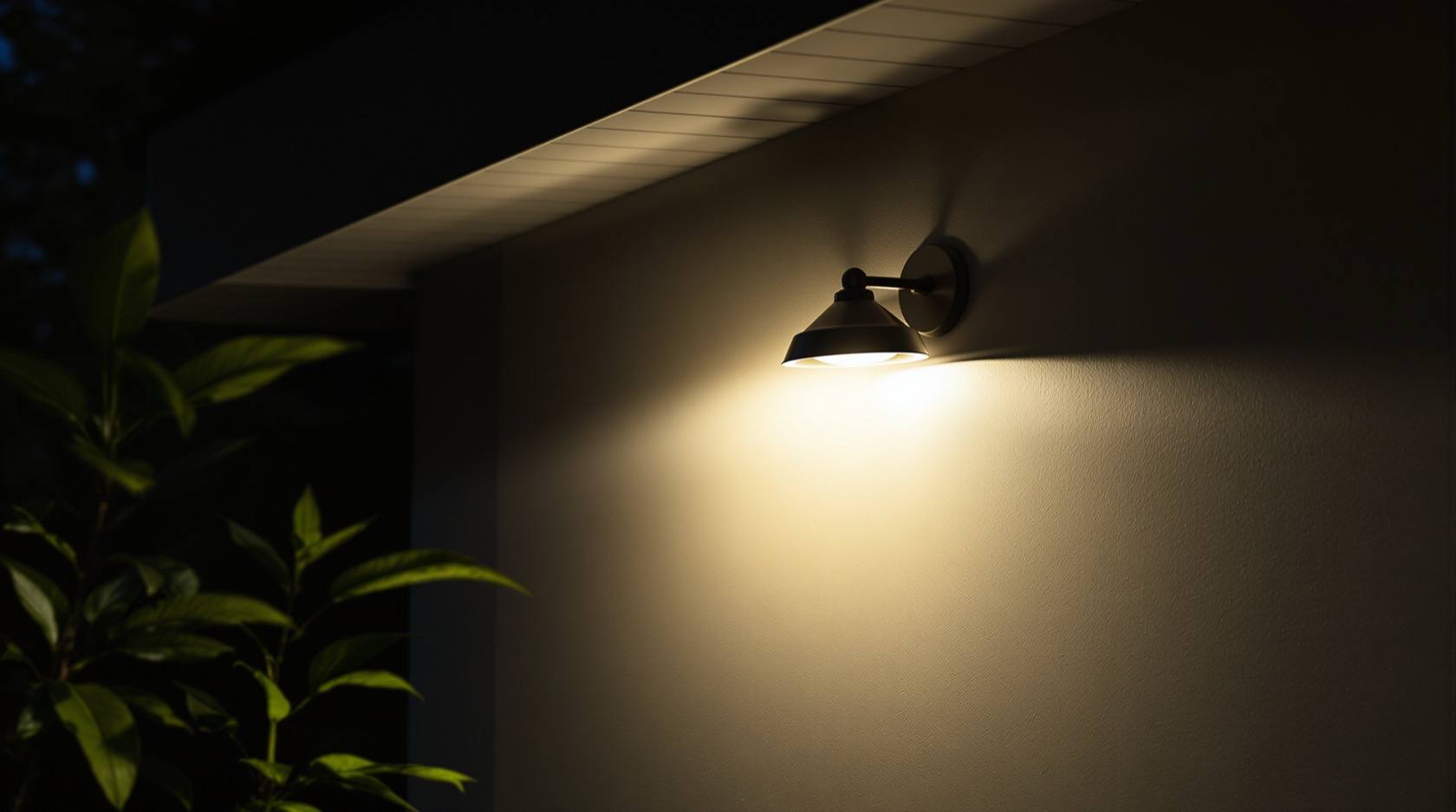
Low-Light Camera Illumination in India (2026): The IR and White-Light Illuminators That Let a Camera See in the Dark
The extra light a night camera needs comes from an illuminator, not the sensor. This guide compares infrared (invisible, monochrome) and white-light (visible, colour) illuminators, the pitfalls of each, and how to match one to your scene without blinding your own lens.
 Facial ID12
Lighting for Facial Identification in India (2026): How Light Turns CCTV Footage From a Hooded Shape Into a Face You Could Name
Most home and society CCTV only ever captures a hooded shape, because the light was wrong. This guide shows how to light a choke-point so a camera records an identifiable face — front-lit, even, colour-true — strictly as defensive evidence.
A camera you spent good money on is only as good as the light you give it. The commonest failure is a bright floodlight aimed back at the lens, so the footage is a glare with a silhouette in it. Light so the face is lit and the camera is not — control glare, match the light to the camera, and if the scene is truly dark, add the right illumination rather than a brighter dazzle. Last: the light that must never fail, and keeping it all working.
Safety & upkeep
Emergency lighting & keeping it alive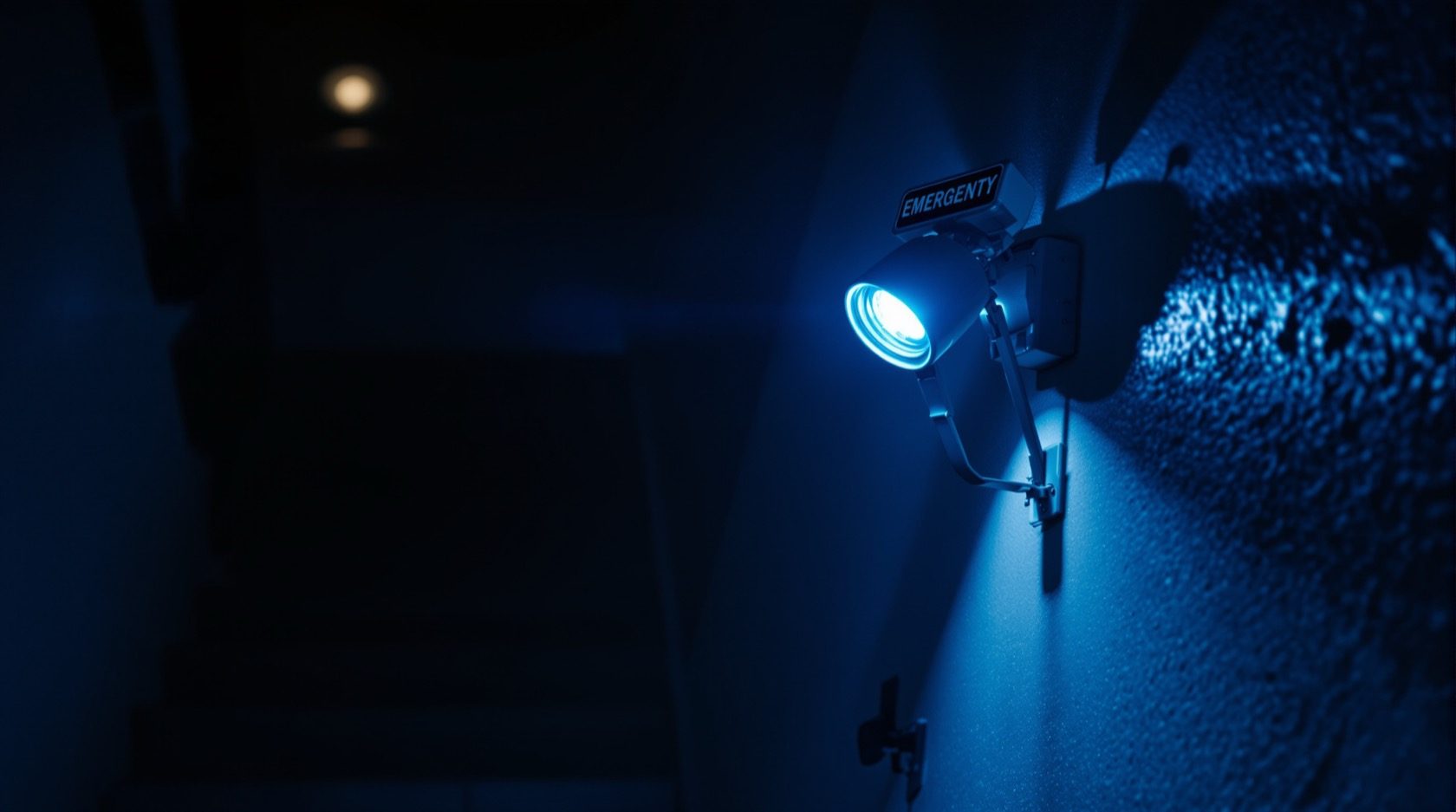 Emergency lighting13
Emergency Lighting in India (2026): Seeing Your Way Out When the Power Fails
Emergency lighting is the battery-backed lighting that keeps escape routes visible when a fire or power cut kills the mains. This guide explains escape-route and open-area lighting, maintained vs non-maintained, self-contained vs central-battery, the code-set duration, and the flick and full-duration tests India so often skips.
 Maintenance14
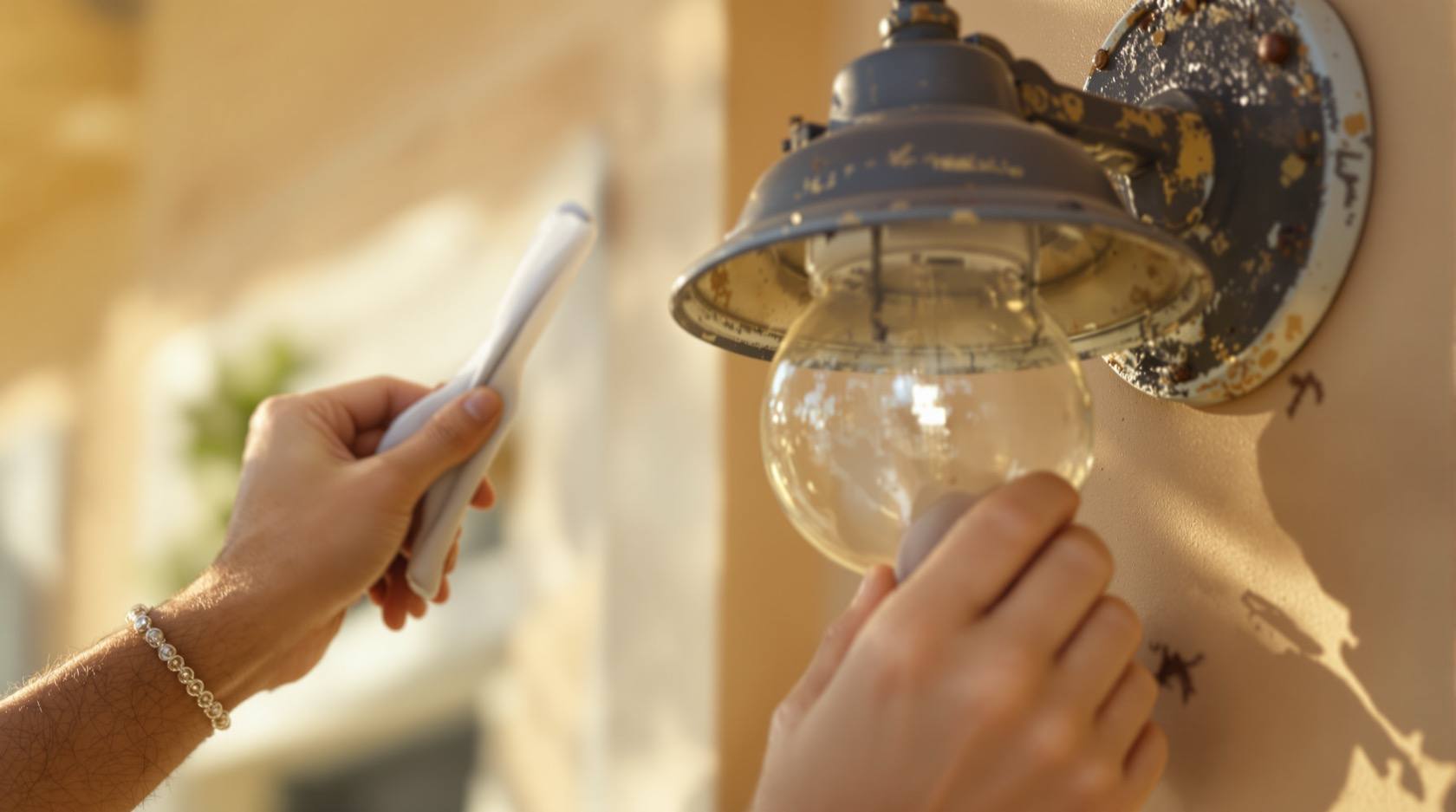
Security Lighting Maintenance in India (2026): Keeping the Whole Scheme Alive, Because a Dark Patch Is a Security Hole
The best security lighting is worthless the day a lamp fuses, a sensor clogs with cobwebs, a solar panel dusts over or a fitting fills with monsoon water. This guide gives a homeowner the simple routine that keeps every part alive, so no dark patch opens up unnoticed.
Security lighting must never compromise the code emergency lighting that gets people out in a fire or a power failure — the two are layers on the same wall, not rivals. And the best-designed scheme is worthless once the bulbs fuse, the sensor clogs and half the compound goes dark: a lighting system is only as good as the day it is maintained. That completes the library — from the first design principle to the last replaced lamp.
Security lighting tools
Home Security Risk Scorecard
A whole-of-home, six-layer self-assessment that puts your lighting in context with the rest of your security and returns a prioritised action plan.
AssessmentSite & Perimeter Security Assessment
Score your boundary across wall/fence, gate, lighting, detection and approach as Good, Weak or Absent — and see where the light leaves a dark gap an intruder can use.