
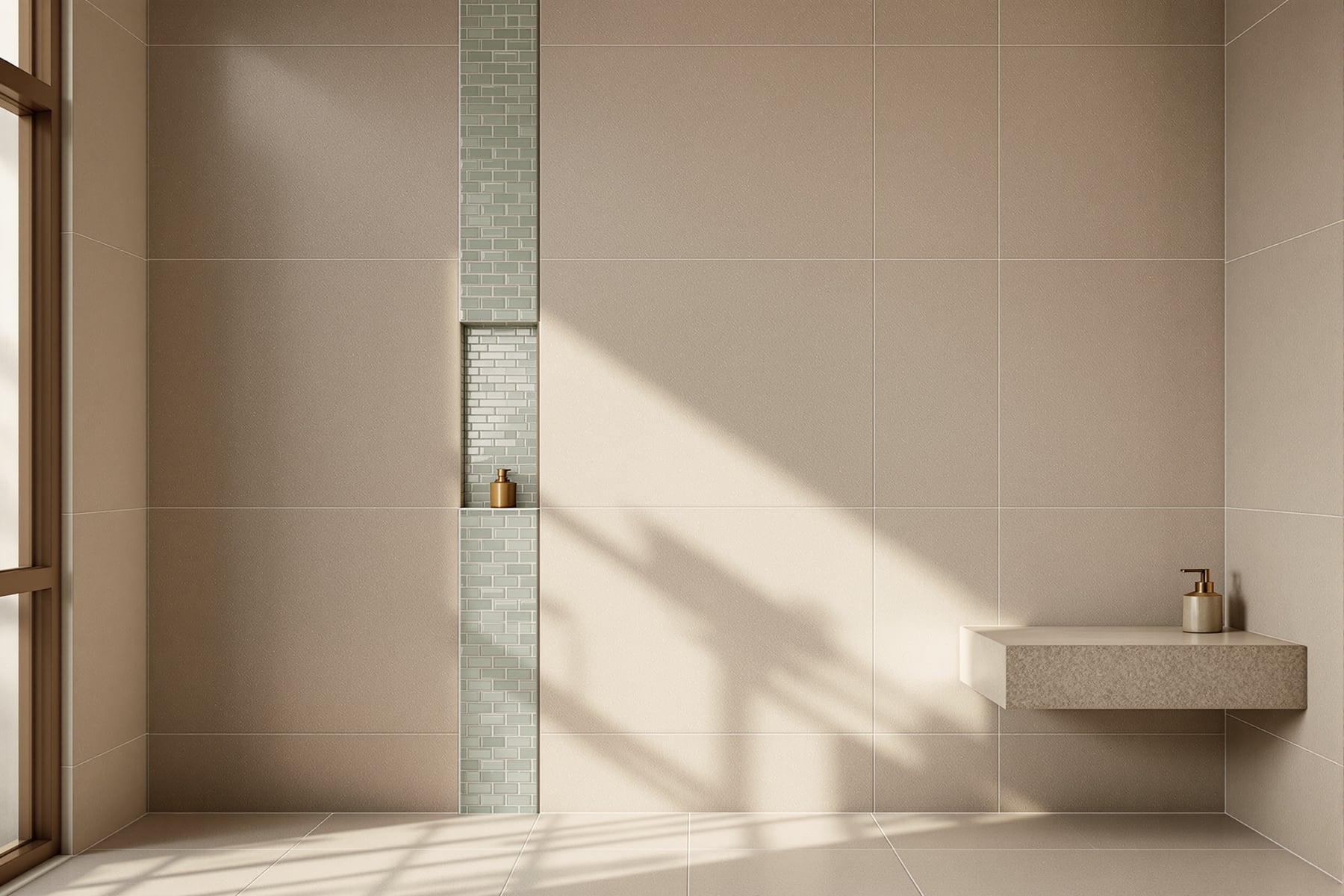
Wall Tiles: The Complete Guide for Indian Homes
The champion of wet and hard-worked walls — the whole tile family, where each belongs, the waterproofing and adhesive that actually matter, how many boxes to buy, and how layout, size and grout change the whole look.
Every home has walls that ordinary finishes fear — the shower that runs with water twice a day, the kitchen backsplash spattered with oil and steam, the utility wall scrubbed weekly. This is tile's territory. No paint, wallpaper or plaster matches ceramic and porcelain for shrugging off water, grease and daily abuse, which is why tile has clad the wet and working walls of Indian homes for generations. But a tiled wall is more than the tile you see: its success is decided by the waterproofing and adhesive bed hidden behind it, and its beauty by the size, layout and grout you choose.
This is the complete guide to wall tiles for Indian homes — a deep dive under the master wall-finishes guide into the finish that owns the wet rooms. (For tiles underfoot, see the flooring guides on vitrified and ceramic vs porcelain tiles; this page is about the walls.) We will sort the tile family, map where each type belongs, open up the critical hidden layers behind a wet wall, work out how many boxes to buy, and show how layout, size and grout transform the same tile into completely different walls.
The wall-tile family
Not all tiles are alike — they range from soft-bodied budget ceramic to dense porcelain and precious natural stone, and the differences decide where each can safely go. Seeing the family first keeps you from putting a thirsty tile where water will find it.
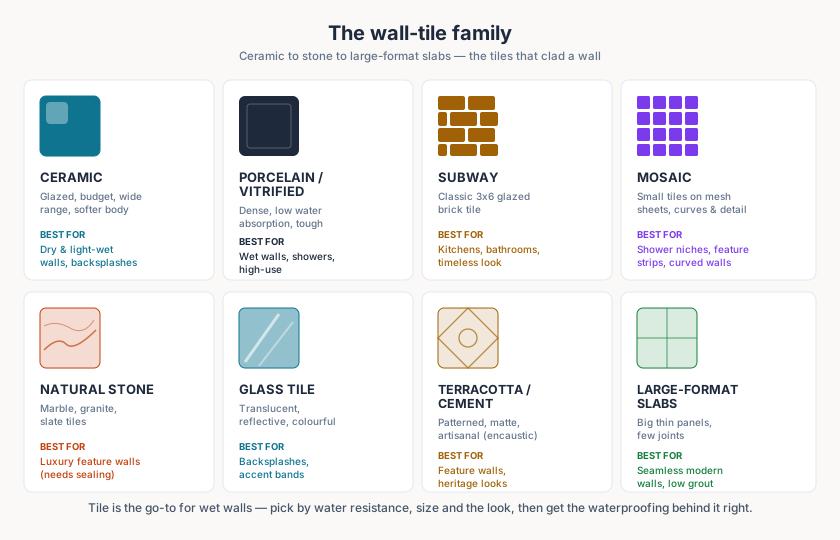
- Ceramic — glazed, affordable, huge range; a softer body best kept to dry and light-wet walls and backsplashes.
- Porcelain / vitrified — dense and near-impervious (very low water absorption); the right choice for showers, wet walls and high use.
- Subway — the classic 3×6 glazed brick tile; timeless in kitchens and bathrooms.
- Mosaic — small tiles on mesh sheets that turn corners and curves; perfect for shower niches and feature strips.
- Natural stone — marble, granite and slate tiles for luxury feature walls (they need sealing).
- Glass tile — translucent and reflective, for backsplashes and accent bands.
- Terracotta / cement / encaustic — patterned, matte and artisanal, for heritage and feature looks.
- Large-format slabs — big thin panels with very few joints, for a seamless modern wall.
The headline: tile is the go-to for wet walls — pick by water resistance first, then size and look, and get the waterproofing behind it right.
Where wall tiles earn their place
Tile is not a whole-home finish; it is a specialist that dominates specific walls. Knowing exactly where it belongs — and which tile suits each — is most of the decision.
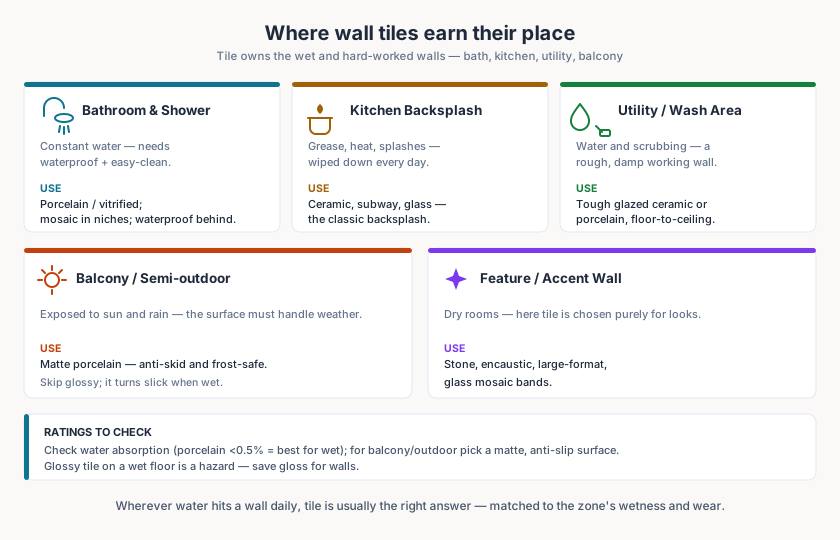
Bathrooms and showers face constant water and need waterproof, easy-clean surfaces — porcelain and vitrified on the walls, mosaic in the niches, with waterproofing behind. Kitchen backsplashes take grease, heat and daily wiping — the home of ceramic, subway and glass. Utility and wash areas want tough glazed ceramic or porcelain, floor to ceiling. Balconies and semi-outdoor walls need matte, frost-safe porcelain that handles sun and rain. And dry feature walls use tile purely for looks — stone, encaustic, large-format or a glass-mosaic band.
One rule on ratings: check water absorption (porcelain under 0.5% is best for wet zones), and for anything underfoot or outdoors choose a matte, anti-slip surface — glossy tile belongs on walls, never on a wet floor.
What's behind a tiled wall
Here is what separates a bathroom that stays dry for twenty years from one that rots behind the tiles in five: the layers you cannot see. The tile is the easy part; the waterproofing and the adhesive bed are what last.
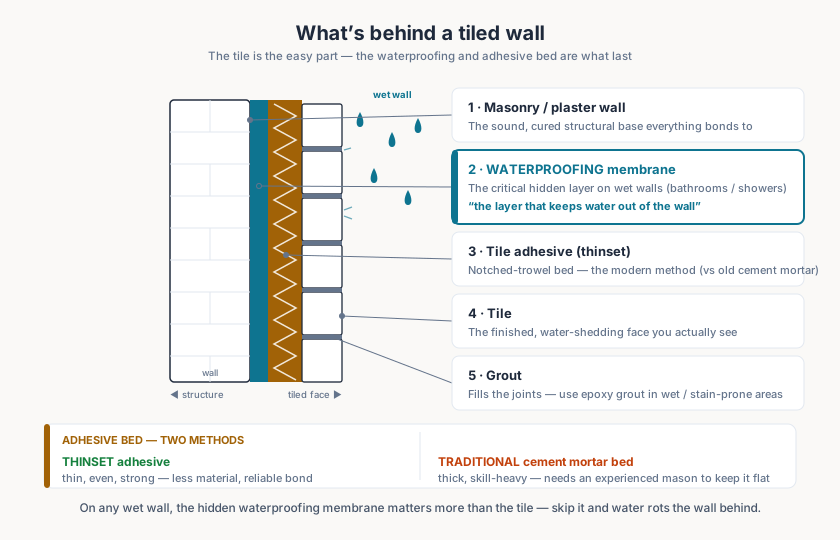
From the wall out: a sound, cured masonry and plaster base; then — on any wet wall — a waterproofing membrane, the critical hidden layer that keeps water out of the wall itself; then tile adhesive (a thin, even notched-trowel bed — the modern method, stronger and more reliable than the old thick cement-mortar bed that depends entirely on the mason's skill); then the tile; and finally grout to fill the joints, ideally epoxy grout in wet and stain-prone areas because it won't absorb water or grow mould.
The point that saves homeowners the most grief: on any wet wall, the waterproofing behind the tile matters more than the tile. Skip it to save a little, and no amount of beautiful tile will stop water seeping into the wall behind — see our waterproofing guide and the plaster base it all sits on.
How many tiles — and boxes — to buy
Tiles are sold by the box and priced by area, and buying wrong means either a second trip mid-job or unopened boxes you can't return. A little arithmetic and one batch rule prevent both.
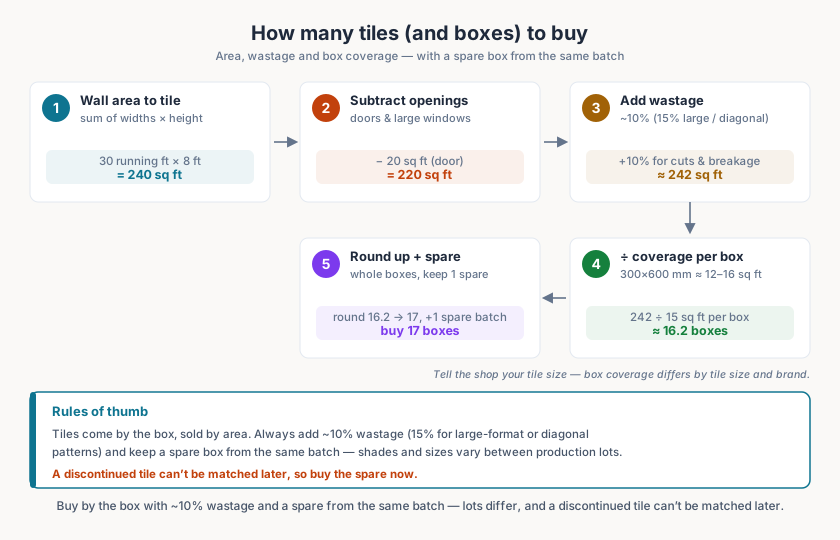
The method: take the wall area (running length × height), subtract door and large openings, add wastage for cuts and breakage (about 10%, or 15% for large-format and diagonal or herringbone layouts), divide by the coverage of a box (which varies by tile size — a box of 300×600 mm tiles is roughly 12–16 sq ft), then round up to whole boxes and keep one spare. A typical bathroom works out to around 17 boxes.
Two rules matter. Always keep a spare box from the same batch — shades and sizes drift between production lots, and a discontinued tile can never be matched for a future repair. And tell the shop your tile size, because box coverage differs by tile and brand. The estimator on this page turns your wall straight into boxes and material cost, spare included.
Laying it out: pattern, size and grout
The same tile can produce completely different walls depending on three choices made together — the layout, the tile size, and the grout. This is where a tiled wall becomes design rather than mere cladding.
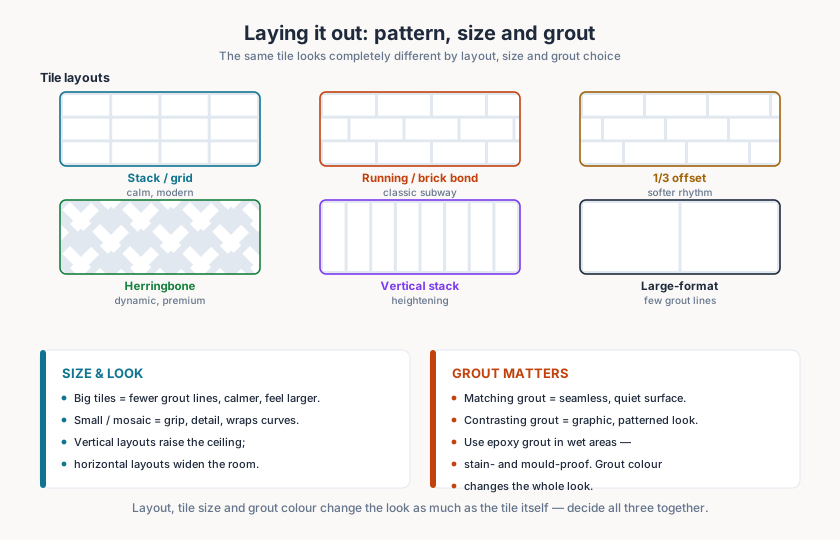
On layout: a stack grid reads calm and modern; running (brick) bond is the classic subway look; herringbone feels dynamic and premium; a vertical stack visually raises a low ceiling; and large-format minimises grout lines for a seamless look. On size: big tiles mean fewer joints and a calmer, larger-feeling wall, while small and mosaic tiles add grip, detail and the ability to turn curves. On grout: a matching grout disappears for a seamless surface, while a contrasting grout turns the joints into a graphic pattern — and in wet areas, epoxy grout keeps it stain- and mould-proof. Decide all three together, because grout colour and layout change the look as much as the tile itself.
Tile is the most practical wall finish in the Indian home — the one that laughs at water and wear — and, chosen well, one of the most beautiful. Get the tile, the hidden waterproofing and the layout right, and a wall works hard and looks effortless for decades. When a wall is dry and you want warmth or pattern instead, step back to the master wall-finishes guide and weigh tile against paint, wallpaper, cladding and decorative plaster.
Interactive · Wall tile quantity + cost
18 boxes · ₹22,275 material
Boxes to buy
0 boxes
248 sq ft (incl. 10% wastage) · incl. 1 spare
Export this guide
Related Guides — Deep-dive reading
Bathroom Wall Tiles in India: The Complete Guide to Wall Finishes
Ceramic vs porcelain wall tiles, sizes and large-format, full-height vs dado, highlighter walls, layout and setting-out, adhesive vs cement, grout and epoxy grout — plus paint, panels, stone and glass alternatives. India-first, with ₹ costs and IS codes.
BathroomsMosaic Bathroom Flooring in India: Glass, Ceramic, Stone & Pebble Mosaics
Small-format mosaic tiles turn more grout lines into more grip — which is exactly what a wet Indian shower floor wants. A brand-neutral guide to glass, ceramic, stone and pebble mosaics: sheets vs loose, grout choice and sealing, decorative use, cost and maintenance.
BathroomsAnti Slip Flooring for Bathroom and Wet Areas in India: R-Ratings, Finishes and Genuinely Safe Tile Choices
How to choose genuinely safe flooring for bathrooms, kitchens, balconies, pools, entrances and elderly- or child-friendly homes — the R-rating system, finishes that grip wet feet, anti-skid natural stone, slope to drains and the tiles to avoid.
Flooring & SurfacesRelated Tools — Try Free
Flooring Cost Calculator
Estimate the all-in cost of a floor — material, laying, wastage, skirting and GST — by area and material.
Flooring CalculatorFalse Ceiling Cost Estimator
Live ₹/sqft across 8 ceiling types — POP, gypsum, designer, metal, PVC, wooden — with cove and spot lighting for 20 Indian cities.
Cost CalculatorCross-Ventilation Analyzer
Estimate airflow and air changes per hour (ACH) from room size, window areas, layout, and local wind — with NBC 2016 Part 8 compliance check.
Ventilation Calculator