
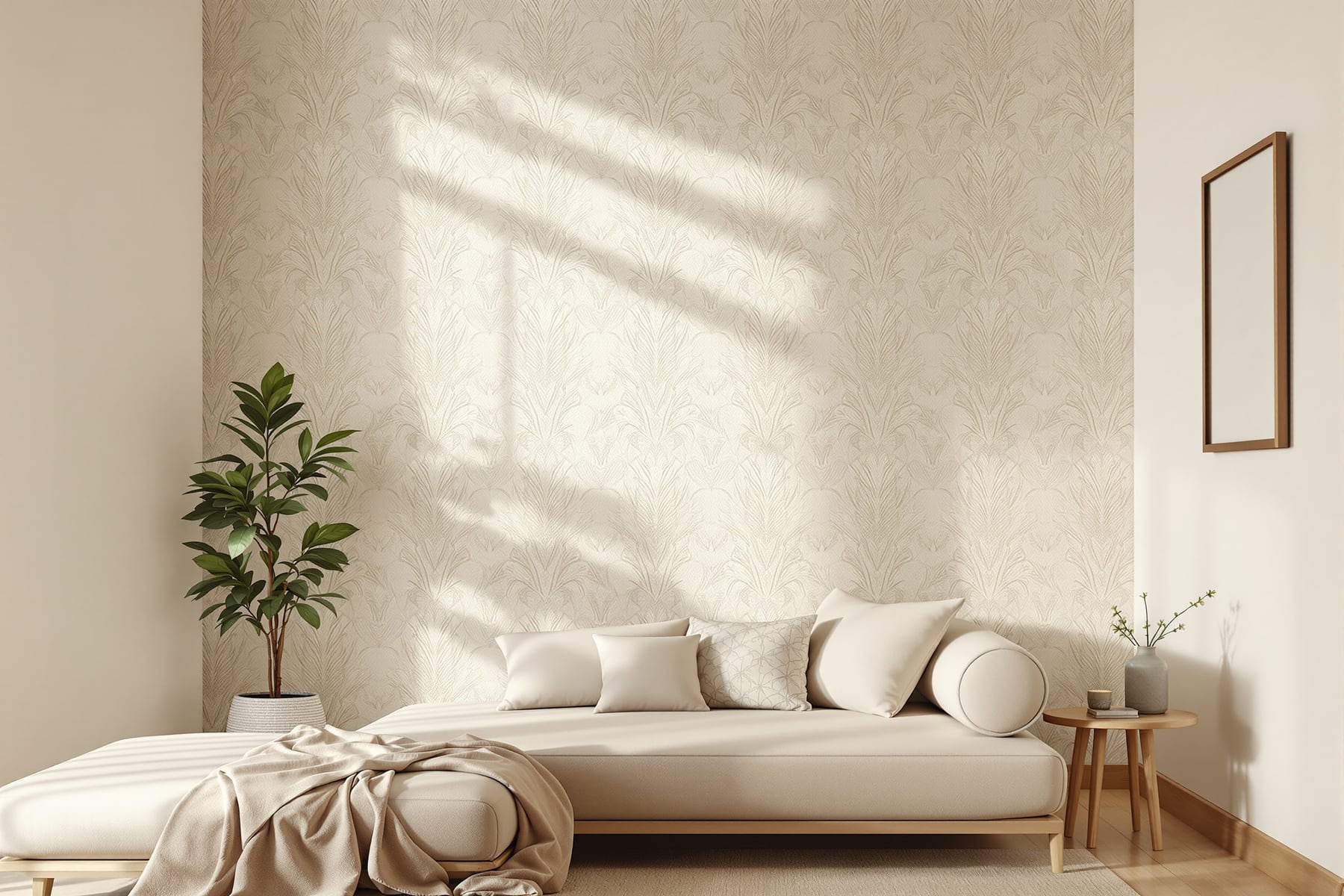
Wallpaper: The Complete Guide for Indian Homes
The one finish that brings pattern and texture no paint can — the six types, where it works and where India's humidity destroys it, how to read a pattern repeat, how many rolls to buy, and how it really compares with paint.
Wallpaper does one thing no tin of paint can: it puts pattern, depth and real texture on a wall in a single afternoon. A grasscloth weave, a hand-drawn botanical, a subtle metallic damask — these are effects paint can only hint at, and they turn an ordinary room into one with a point of view. Yet wallpaper also carries a reputation in India for bubbling, peeling and growing mould, and that reputation is earned — not by the wallpaper, but by putting it on the wrong wall in a country where humidity is the real decider. Choose the right type for the right room and it lasts fifteen years; choose wrong and it lifts in one monsoon.
This is the complete guide to wallpaper for Indian homes — a deep dive under the master wall-finishes guide into the finish most people use for exactly one dramatic wall. We will sort the six types and what each is good for, map honestly where wallpaper works and where India's climate destroys it, decode the pattern repeat that decides how much you waste, work out how many rolls your wall actually needs, and settle the eternal question of wallpaper versus paint.
The six types of wallpaper
"Wallpaper" spans everything from a delicate printed paper to a tough scrubbable vinyl, and the differences matter enormously in a humid climate. Knowing the family is how you avoid buying a beautiful grasscloth for a wall that will kill it.
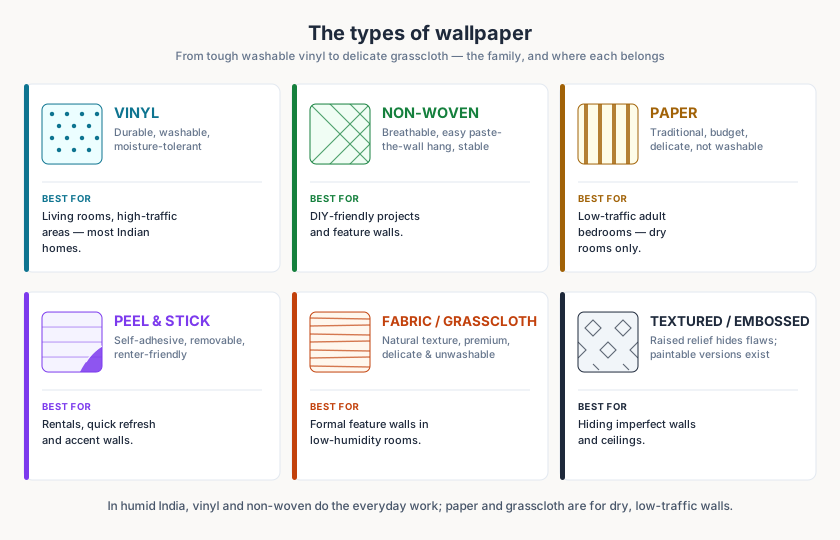
- Vinyl — durable, washable and the most moisture-tolerant; the workhorse for most Indian homes and any wall that gets touched.
- Non-woven — breathable and dimensionally stable, hung "paste-the-wall" (paste goes on the wall, not the paper), which makes it the most DIY-friendly and the easiest to remove later.
- Paper — the traditional, budget option: lovely but delicate and not washable. Dry, low-traffic adult bedrooms only.
- Peel-and-stick — self-adhesive and removable, made for renters and quick refreshes; ideal for an accent wall you will change in a year or two.
- Fabric / grasscloth — natural fibres with gorgeous texture, but premium, delicate and unwashable; a formal feature wall in a controlled, low-humidity room.
- Textured / embossed — raised relief that hides minor wall imperfections; some versions are paintable, useful on less-than-perfect walls and ceilings.
The rule for India: vinyl and non-woven do the everyday work; paper and grasscloth are reserved for dry, low-traffic, ideally air-conditioned walls.
How wallpaper goes on the wall
Two things separate a wallpaper job that looks seamless from one that bubbles and gaps: the wall underneath and the pattern match. Both are worth understanding before you buy, because they decide both the result and the quantity.
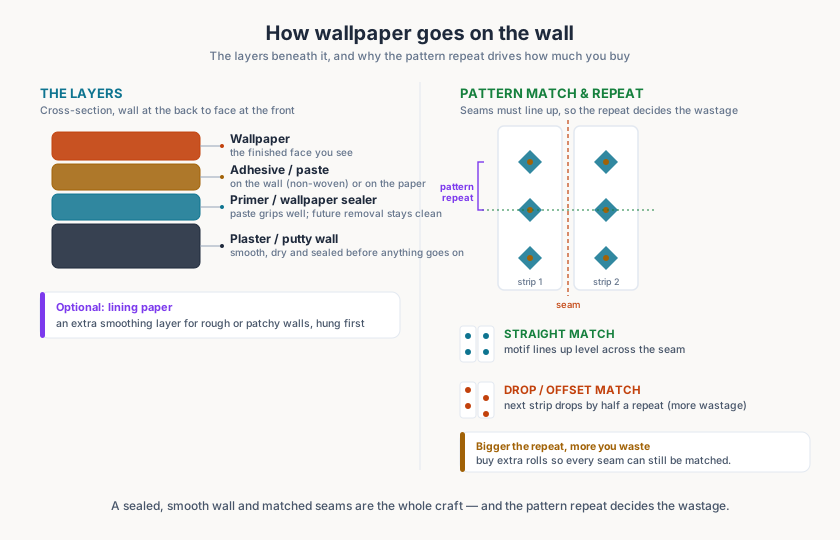
Underneath, wallpaper wants the same thing paint does — a smooth, dry, sealed wall: sound plaster and putty, then a primer or wallpaper sealer so the paste grips and, crucially, so the paper can be stripped cleanly years later without tearing the plaster off with it. On a rough wall, an optional lining paper goes on first. Then the adhesive — pasted on the wall for non-woven, on the paper for traditional types — and the wallpaper itself.
The other half of the craft is the pattern repeat: the vertical distance over which the design repeats. Where two strips meet at a seam, the motif must line up, and how it lines up defines the match type — a straight match (motif level across the seam) wastes little, while a drop or offset match (each strip drops by half a repeat) wastes more. The bigger the repeat, the more you trim away to align it — which is exactly why you always buy more than the bare wall area suggests.
Where wallpaper works — and where it fails in India
This is the section that saves the most regret. Wallpaper is an indoor, dry-wall finish, and India's humidity, monsoon and damp walls are its natural enemies. Put it in the wrong place and no product survives.
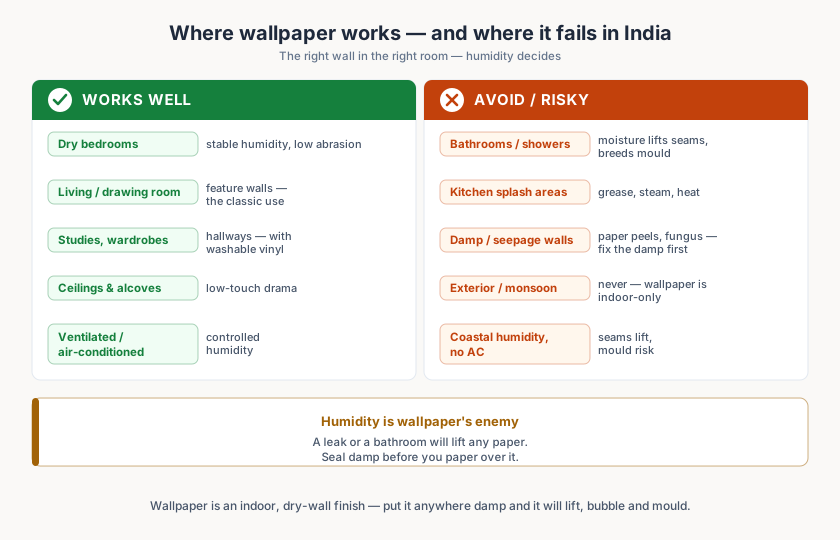
Wallpaper works well on dry bedroom walls, living- and drawing-room feature walls (the classic use), studies, wardrobes and hallways in washable vinyl, low-touch ceilings and alcoves, and any well-ventilated or air-conditioned room where humidity stays controlled.
Avoid it in bathrooms and shower zones (moisture lifts the seams and breeds mould), kitchen splash areas (grease, steam and heat), any damp or seepage-prone wall (fix the leak first — papering over damp guarantees fungus), coastal high-humidity rooms without air-conditioning, and — without exception — exterior and monsoon-facing walls, where wallpaper simply does not belong.
The single sentence to remember: humidity is wallpaper's enemy. A leak or a bathroom will lift any paper, however premium. Seal and dry the wall before you ever paper over it, and keep wallpaper to the dry, calm rooms where it can last.
How many rolls will you need?
Nothing about wallpaper frustrates more than running one roll short and finding the next lot is a slightly different shade. A little arithmetic — and one firm rule about batches — prevents it.
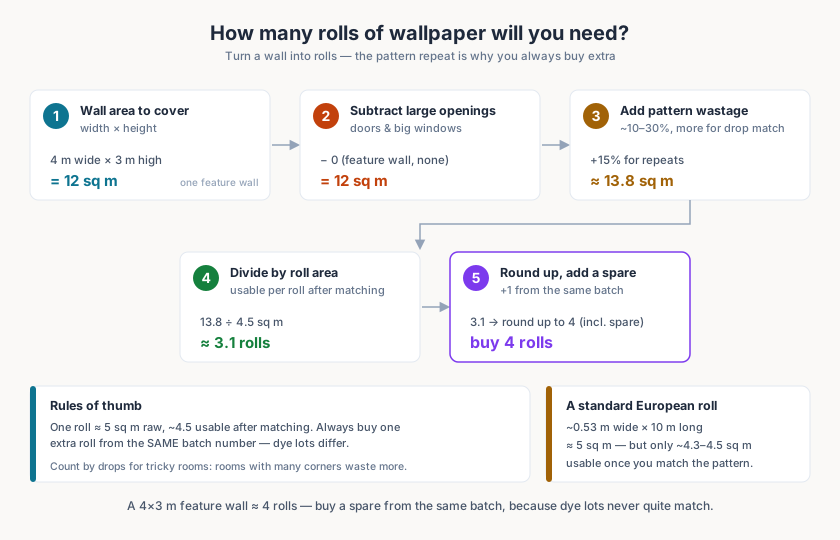
The method: take the wall area (width × height), subtract large openings, add pattern-repeat wastage (roughly 10–30%, more for big repeats and drop matches), divide by the usable area of a roll (a standard roll is about 0.53 m × 10 m ≈ 5 m², of which perhaps 4.5 m² is usable after matching), then round up to whole rolls and add one spare. A typical 4 × 3 m feature wall works out to about four rolls.
Two rules make or break it. First, always buy one extra roll from the same batch (dye-lot) number — different batches vary subtly in colour, and a mid-wall mismatch is glaring and unfixable later. Second, rooms with many corners and openings waste more than a single clean feature wall, so lean generous. The interactive estimator on this page does the whole calculation for you — enter the wall, the match type and the roll price, and it returns the rolls to buy and the paper cost, spare included.
Wallpaper versus paint
The question everyone asks is framed as a duel, but it is really a division of labour: the two finishes are partners that win different walls.
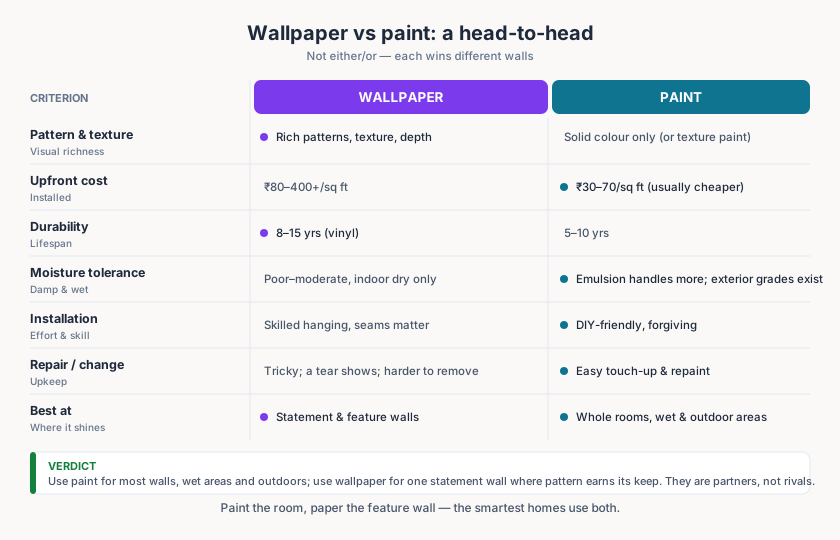
Paint is cheaper (₹30–70/sq ft against wallpaper's ₹80–400-plus installed), DIY-friendly, easy to touch up and repaint, and it handles moisture, wet areas and the outdoors that wallpaper cannot touch. Wallpaper wins decisively on pattern, texture and depth, lasts well in vinyl (8–15 years), and turns one wall into a genuine focal point — but it needs skilled hanging, matched seams, a dry indoor wall, and it is fiddly to repair or remove.
So the smart answer is both: paint the room, paper the feature wall. Use durable interior emulsion for the everyday walls, the wet rooms and the ceilings, and spend the wallpaper budget on the one wall where pattern earns its keep — behind the bed, behind the sofa, in an alcove. When you want the rest of the finish palette — stone, texture, panelling, microcement — that a feature wall might use instead of paper, step back to the master wall-finishes guide and let the wall's job point you to the right one.
Get the type, the room and the roll count right, and wallpaper does what nothing else can — it gives a single wall a character the whole room borrows from, and holds it for years.
Interactive · Wallpaper rolls to buy
4 rolls · ₹7,200 of wallpaper
motif lines up level
Rolls to buy
0 rolls
130 sq ft to cover · +15% pattern wastage · incl. 1 spare
Export this guide
Related Guides — Deep-dive reading
Interior Wall Paint: The Complete Guide for Indian Homes
Everything under the colour — the layers beneath the paint, the five types to choose from, why sheen matters more than you think, how much you actually need, and the order of work that separates a job that lasts from one that peels.
Wall FinishesKitchen Wall Finishes: The Complete Guide for Indian Homes
Grease, heat and steam every day — the kitchen's wall zones, the best backsplash options, what to use on the other walls, the five hygiene-and-heat rules, and three budget combinations.
Wall FinishesUltimate Guide to Wall Finishes for Indian Homes
Paint, wallpaper, panels, stone, plaster, microcement and more — the whole family of wall finishes, a five-question way to choose, and the real cost, climate and maintenance trade-offs.
Wall FinishesRelated Tools — Try Free
Full-Room BOQ — Living, Bedroom, Kitchen, Bath
Room-wise BOQ across living, bedrooms, kitchen, utility, and bathrooms with line-item pricing.
Full-Room BOQCross-Ventilation Analyzer
Estimate airflow and air changes per hour (ACH) from room size, window areas, layout, and local wind — with NBC 2016 Part 8 compliance check.
Ventilation CalculatorDoor Paint Calculator
Estimate paint and primer litres and cost to paint your doors by size, number of doors, coats and paint type.
Door Calculator