
New Urban Residential Layout ModelsVolume 1 · Issue 4 · September 2026
New Models for the Urban Community
The gated enclave of identical towers and car parks is not the only future. This is the 9-guide library on the new ways to organise where Indians live — the future township and the community models that fill it: community-centric, co-housing, cluster, car-free, sustainable, net-zero, smart and resilient. Visionary, but grounded in what India can actually build.
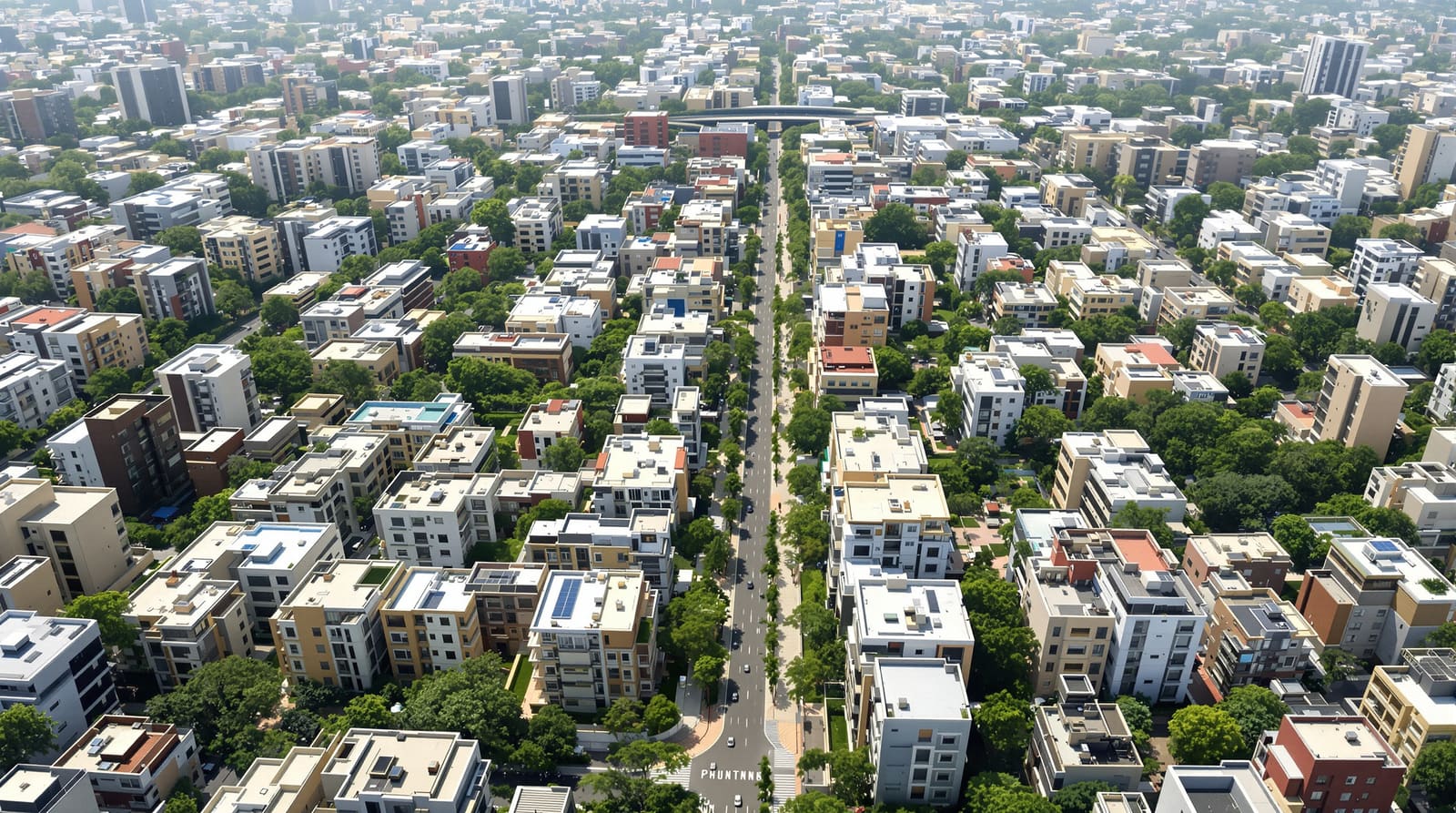
The Future Indian Township
What the next-generation Indian township should be — integrated, mixed-use, walkable, sustainable, smart and resilient, rooted in Indian climate and affordability. The vision tying eight community models together, with honest lessons from GIFT City, Lavasa, Magarpatta and Aranya Indore.
Read itPeople-first models
Built around community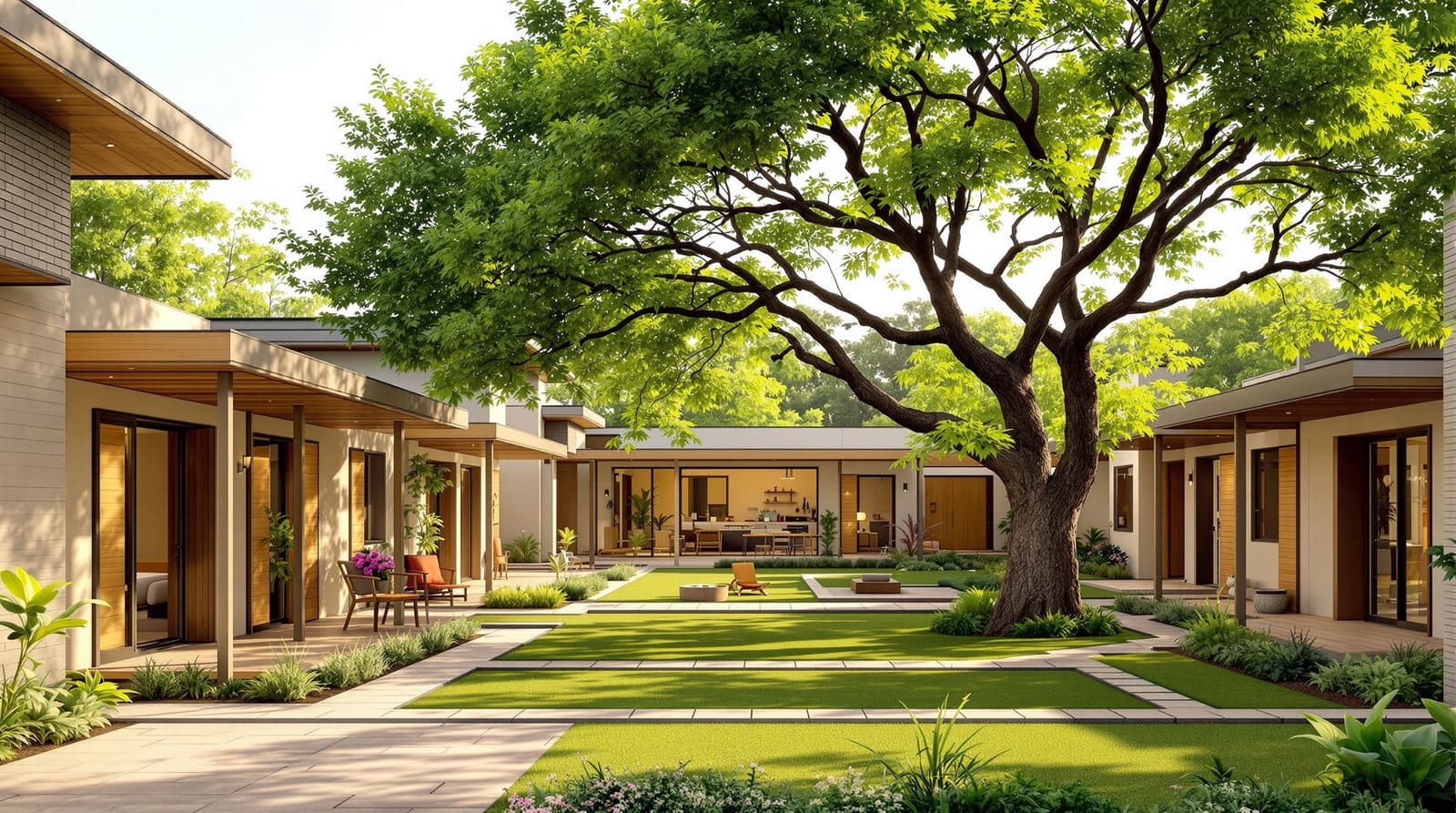 Community01
Community-Centric Housing
Housing designed around shared community life rather than the isolated unit — the public-to-private gradient, the courtyard and common spaces, the social infrastructure that builds belonging, and homes that serve every age. What the old mohalla did right, brought into modern Indian housing.
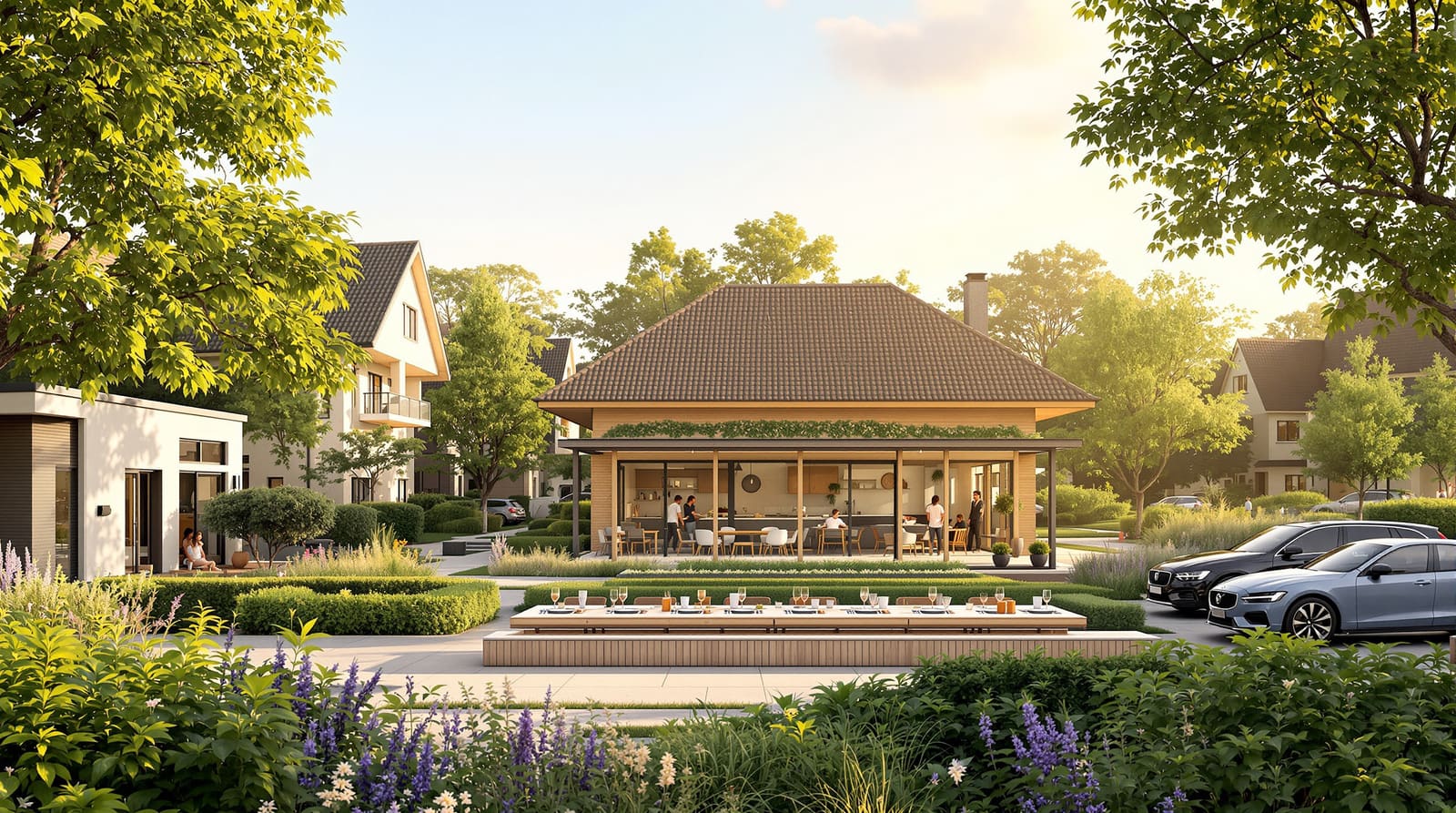 Co-housing02
Co-Housing Models
Co-housing — the intentional model where residents keep private homes but share extensive facilities and govern together. Its Danish origin and core ingredients, the senior, multigenerational and eco variants, how it differs from a gated society or a commune, and why it is emerging in India.
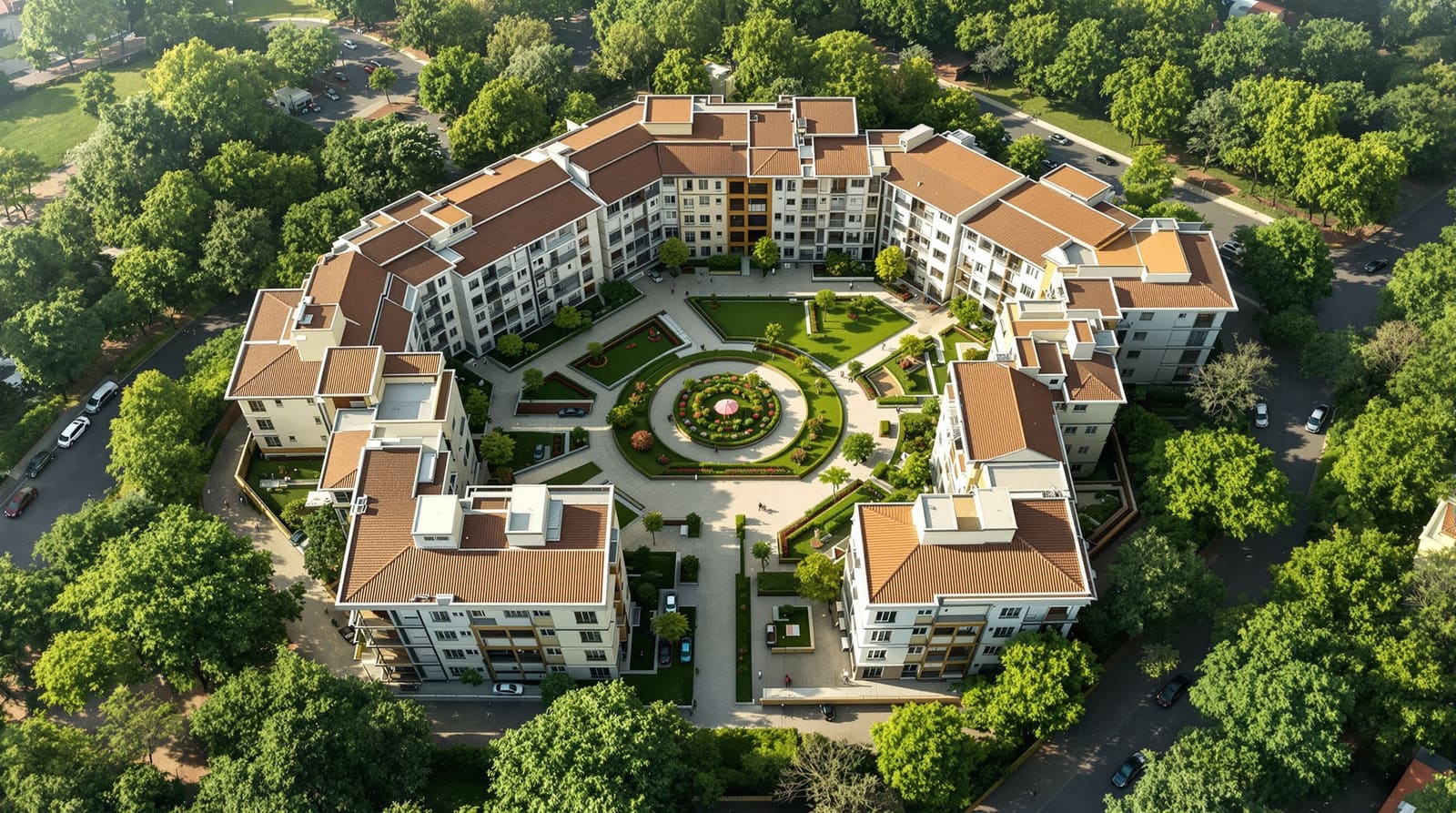 Cluster03
Cluster Housing Explained
Cluster housing — grouping six to twenty homes around a shared court instead of stringing them along roads. The cluster as a planning unit, low-rise high-density without towers, the usable open space it frees, and the lineage from the Indian courtyard to Doshi's Aranya Indore.
Green & car-free
Sustainable, net-zero, car-free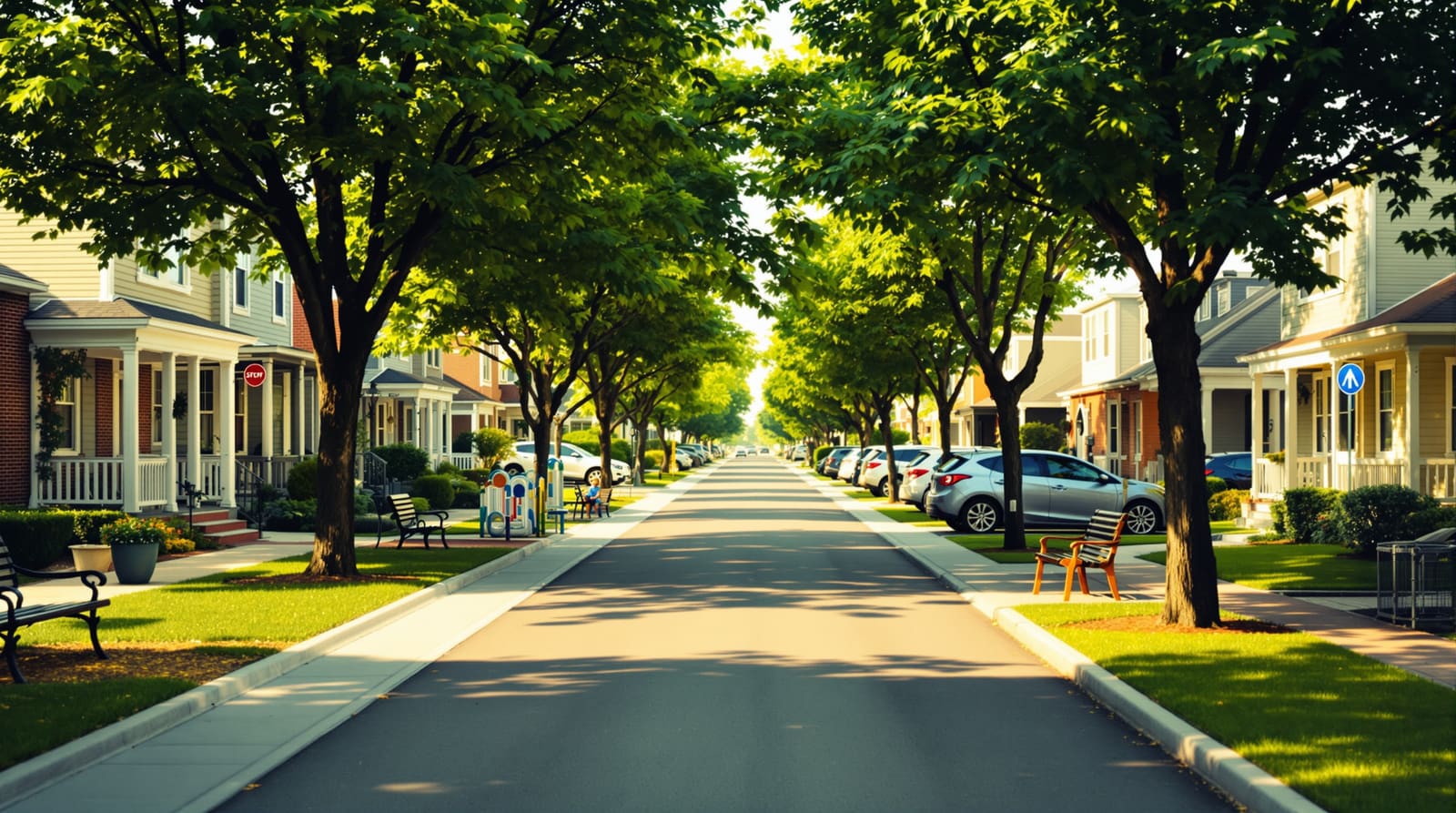 Car-free04
Car-Free Neighborhood Design
How to design a neighbourhood where the car is a guest, not the master — the car-free-to-car-light spectrum, pushing parking to the edge, the land that comes back as greens and play when the car steps back, and an honest take on what is feasible in car-aspiring, hot India.
 Sustainable05
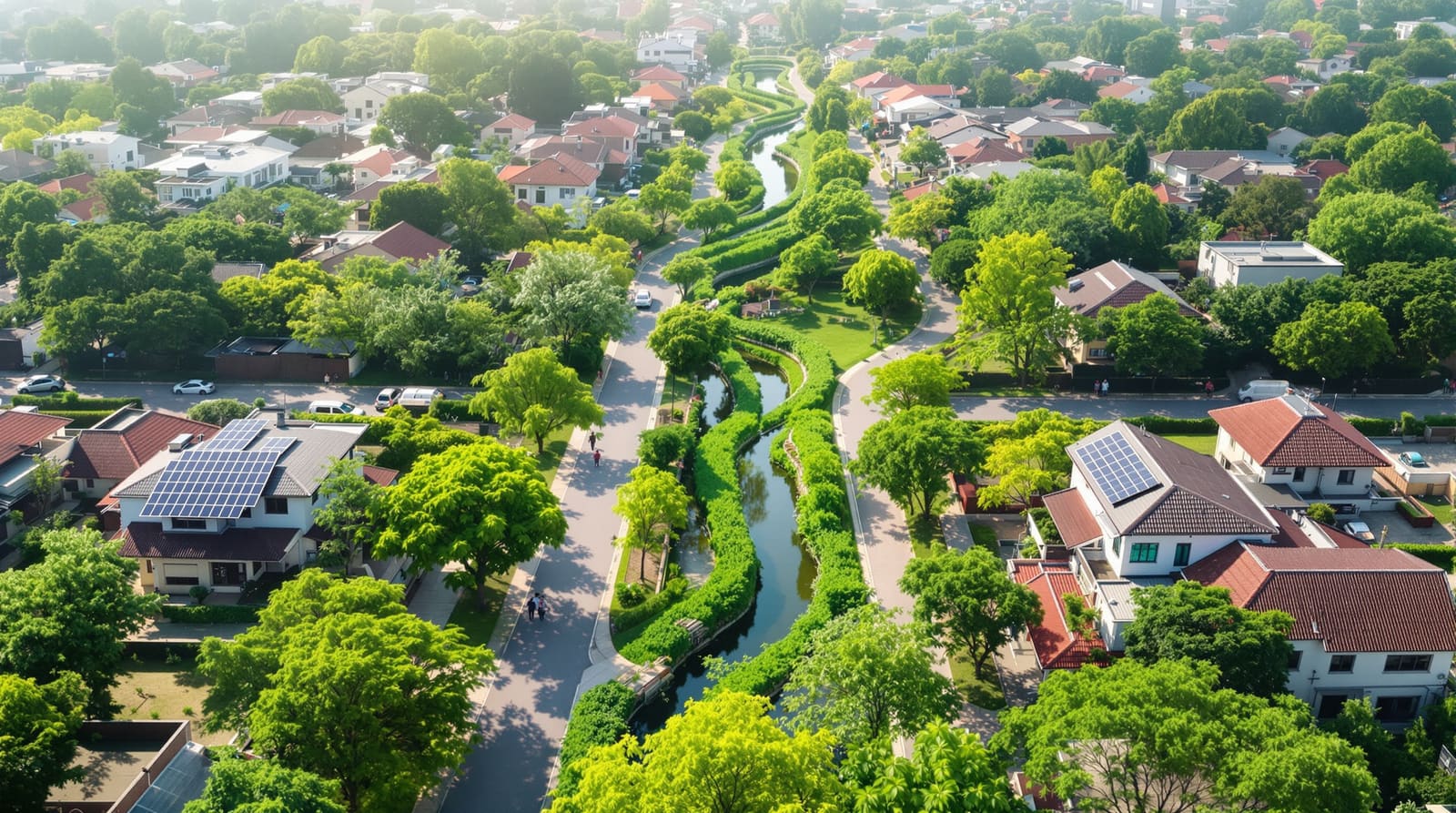
Sustainable Neighborhood Design
Sustainability at the neighbourhood scale — the shared energy, water, waste, mobility and ecology systems a single green home cannot achieve. The dimensions of a sustainable neighbourhood, the IGBC Green Townships and LEED-ND frameworks, and why social sustainability matters as much as green tech.
 Net-zero06
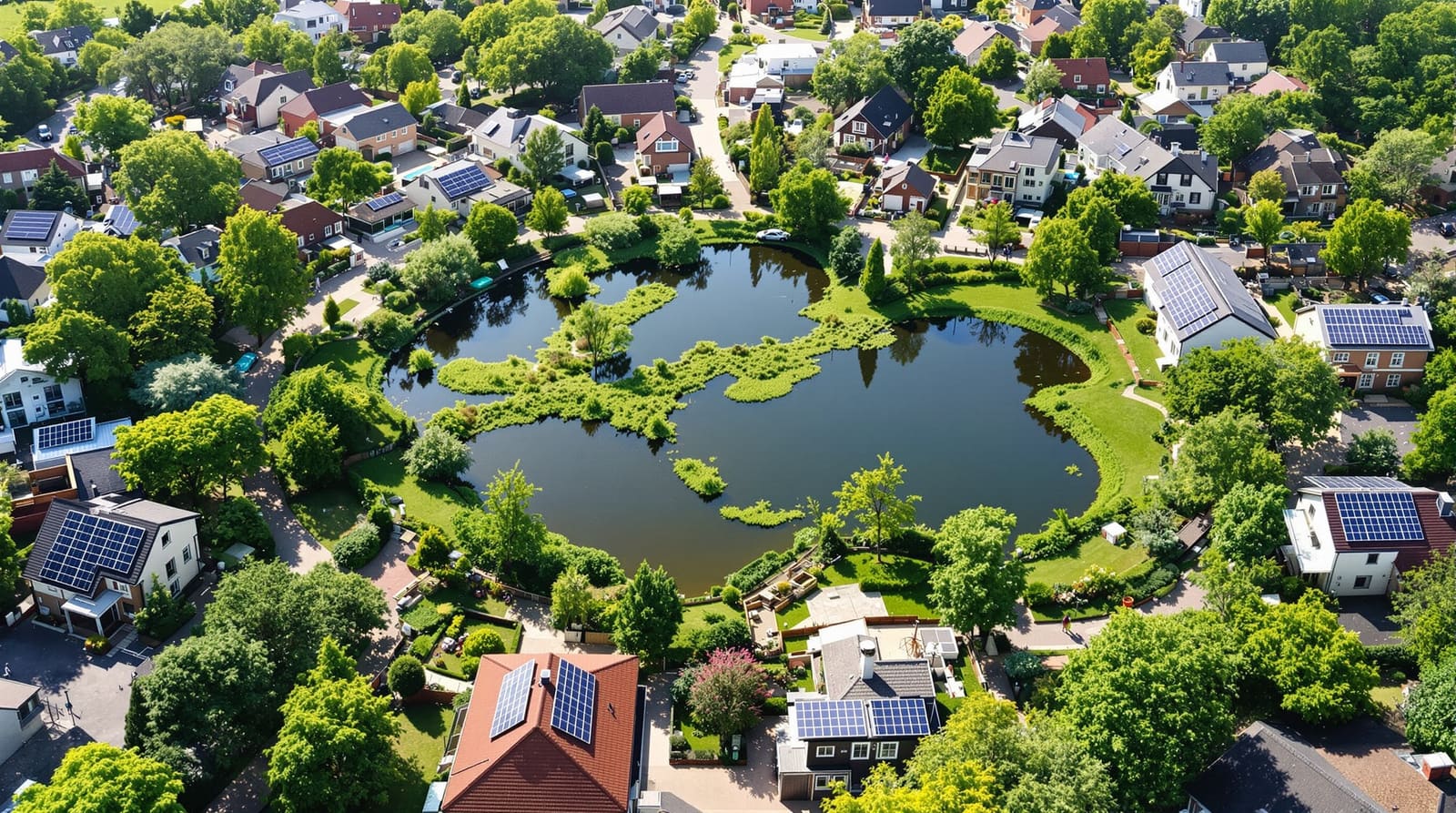
Net-Zero Residential Communities
Net-zero at the community scale, honestly explained — the four net-zeros (energy, water, waste, carbon) and why community scale unlocks what a single home can't, the demand-first principle, shared generation and microgrids, and the honest annual accounting that the monsoon tests.
Smart & resilient
Ready for what comes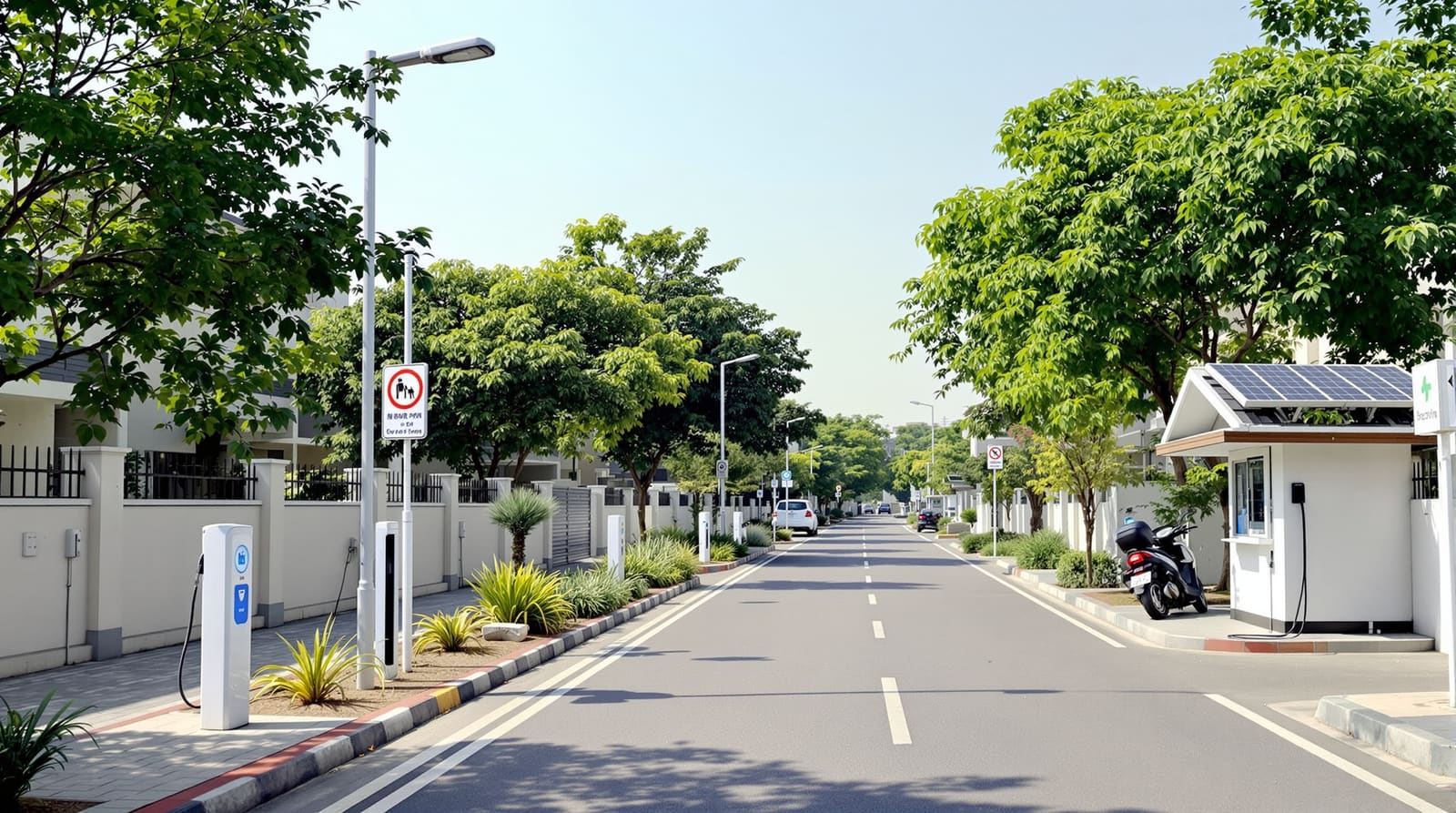 Smart07
Smart Residential Layouts
The smart residential community, honestly assessed — what digital and connected infrastructure genuinely adds at the layout scale, the foundations-first rule, how to design a smart-ready layout with conduits and capacity, and a clear-eyed sort of useful systems from gimmicks.
 Resilient08
Resilient Community Planning
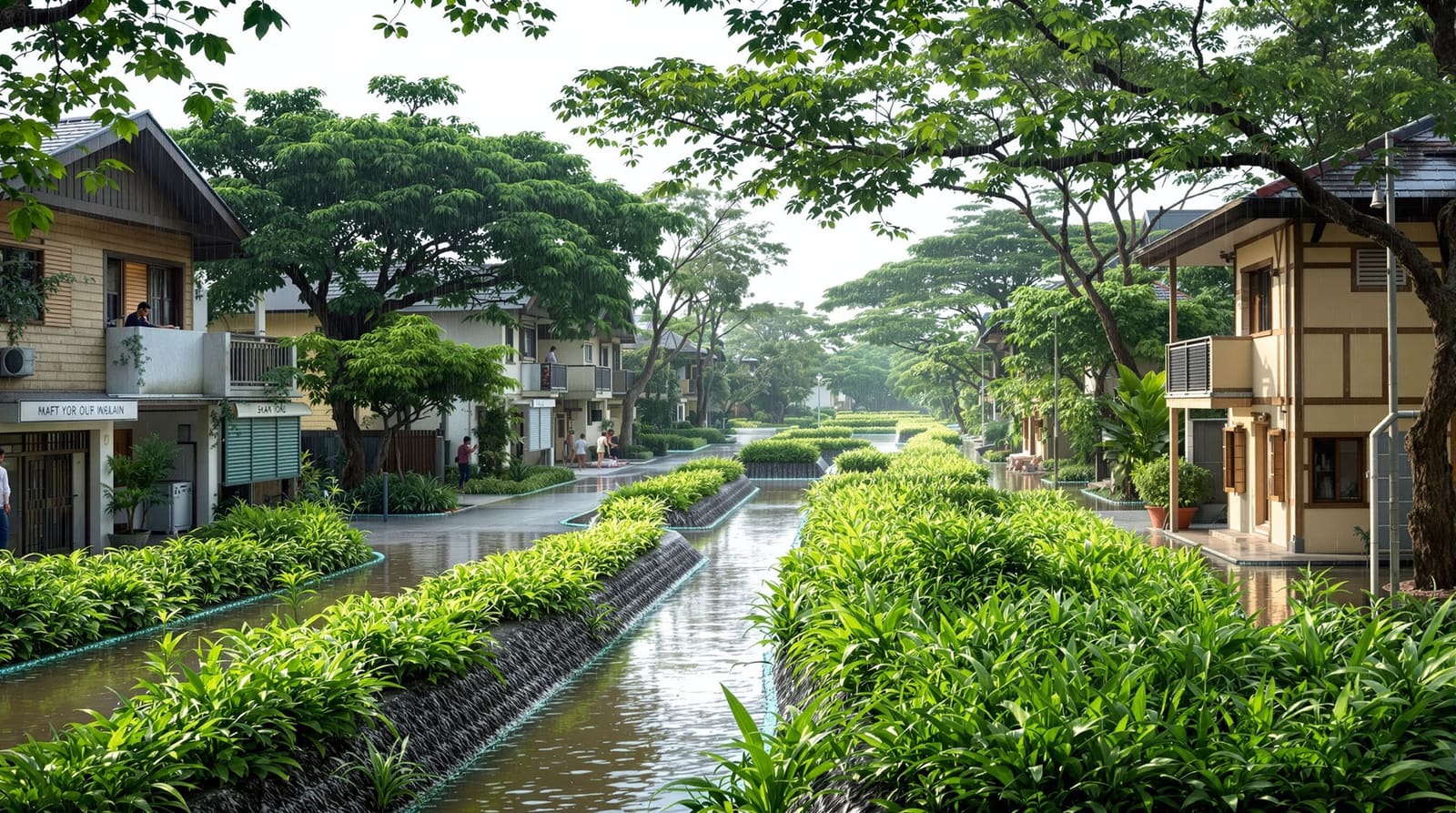
Planning a residential community to absorb shocks and keep functioning — climate and disaster resilience, redundancy and decentralisation so one failure isn't catastrophic, and the social cohesion that saves lives. Grounded in India's floods, heatwaves and the lessons of the pandemic.