

How to Hire an Architect in India: A Homeowner's Guide (2026)
A plain-language walkthrough for homeowners - whether you even need an architect, what one does across the stages, how to find and shortlist, how architects charge, what the scope and agreement should cover, and how to work well together.
Building a home is the largest, most personal project most families in India ever take on, and the architect is the professional who turns a vague wish into a buildable, sanction-ready, liveable design. Yet most first-time homeowners have never hired one and do not know what to expect: what an architect actually does, how they charge, what a fair scope looks like, or how to tell a good one from a confident talker. This guide is the homeowner's map. It walks the whole journey - deciding whether you need an architect at all, understanding the stages of work, finding and shortlisting candidates, comparing fee models, reading the scope and agreement, and then working together well so the relationship stays productive from first sketch to handover.
It is deliberately a homeowner's view. The professional academy pieces on this site cover the same ground from the architect's side - how firms structure their fee models and scope of services - and you can read those "for professionals" to understand the other side of the table. This guide keeps you, the person paying and living in the result, at the centre.
Scope and a plain disclaimer. This is an explainer to help you choose, contract with and manage an architect so you are not taken advantage of - it is not legal advice and not a fee schedule. Every fee, percentage, payment stage and process note below is INDICATIVE and varies widely by city, project scale, service level and the individual professional. Get real numbers from actual local quotations, never from a figure on this page. Have the binding agreement wording drafted or reviewed by a lawyer, and leave structural and technical calls to the architect and engineer. Confirm everything in writing before you commit.
Key takeaways
- Not every project needs a full-service architect - use the do you need an architect, designer or AI decision guide first, then come back here.
- An architect works in stages - concept, design development, working drawings, approvals help, tendering and site supervision - and you should sign off at each gate.
- Find candidates through built work you can visit and clients you can call, then shortlist on style fit, references and Council of Architecture (CoA) registration.
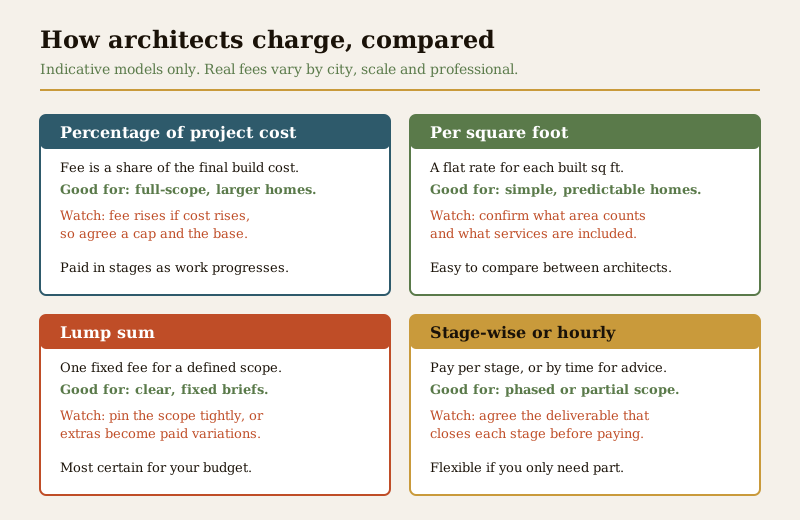
- Architects charge by percentage of cost, per square foot, a lump sum, or stage-wise - each has trade-offs; the numbers here are indicative and you get real ones from quotes.
- The agreement should state scope, what is excluded, how many revisions are included, the supervision level and the payment stages - and a lawyer should check the wording.
First: do you even need an architect?
Not every project justifies a full-service architect, and it is honest to say so. A small, standard, single-floor home in a plotted layout with a competent draughtsman and an experienced contractor may not need one; a complex plot, a tight budget you want protected, an unusual brief, or a multi-floor home almost always does. Rather than repeat that decision here, start with the dedicated do you need an architect, designer or AI guide, which weighs your situation, and the architect vs interior designer vs contractor comparison, which clarifies who does what. If you are still mapping the whole build, the planning your project hub sets the sequence, and buying land and home finance cover the steps that usually come before you engage a designer. Assuming you have decided an architect is worth it, the rest of this guide is for you.
What an architect actually does, stage by stage
An architect does far more than "draw the plan". The work unfolds as a sequence of stages, each producing a deliverable you review and approve before the next begins. Understanding these stages is the single best defence against being under-served: you can see exactly what you are paying for and what should arrive when.
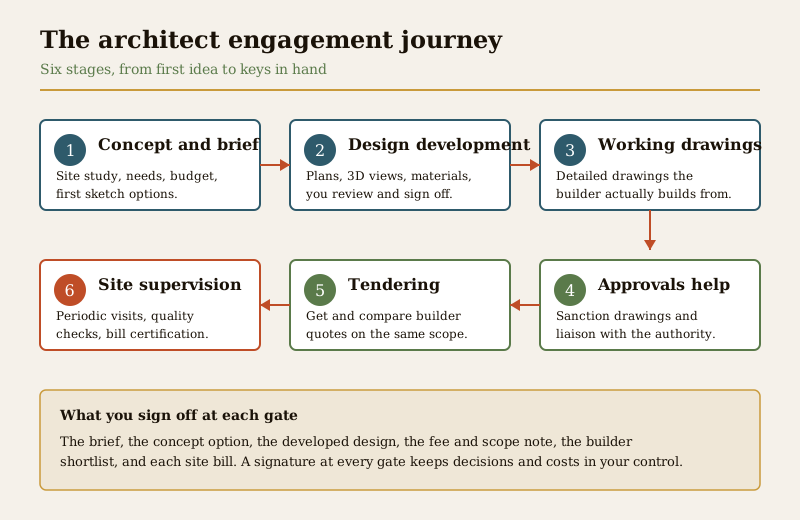
The table below sets out the typical stages and what each one should deliver. Titles vary between firms, and a smaller commission may combine or trim stages - what matters is that your agreement names which of these you are getting.
| Stage | What the architect does | What you receive |
|---|---|---|
| Concept and brief | Studies the site, your needs, budget and local rules; explores first options | A written brief and one or more concept sketches or options |
| Design development | Develops the chosen option into plans, elevations, 3D views and material choices | Developed drawings and views you sign off before detailing |
| Working drawings | Prepares the detailed, dimensioned drawings the builder actually builds from | A working-drawing set: plans, sections, details, schedules |
| Approvals help | Prepares sanction drawings and helps liaise with the local authority | Submission-ready drawings and support through the approval |
| Tendering | Helps invite, compare and negotiate builder quotes on a common scope | A like-for-like comparison to pick a contractor fairly |
| Site supervision | Visits site periodically, checks quality against drawings, certifies bills | Periodic reports and certification of work and payments |
Two points deserve emphasis. First, approvals and structural design usually involve other professionals - a structural engineer for the design that keeps the building standing, and often a separate liaison for the authority. A good architect coordinates them; confirm who is responsible for what. Second, supervision comes in levels, from occasional visits at key milestones to a full-time site presence (which is closer to project management). The what is a PMC guide explains the fuller, dedicated management role if you want more oversight than an architect's periodic visits provide.
How to find and shortlist an architect
Finding an architect is easier than vetting one. Referrals from people who have recently built, local firms whose completed homes you can see, and professional directories all produce names. The discipline is in the shortlist. Do not choose on a glossy website or a low quote alone.
Work through a real shortlist test for each candidate. Look at built work of a similar size, budget and type to yours - not just their most photogenic project. Ask to visit a finished home and, ideally, one under construction, so you see both the result and how their sites are run. Call past clients and ask the plain questions: did the budget hold, were revisions handled fairly, did site visits actually happen, would they hire them again? Check that the architect is registered with the Council of Architecture (CoA), the statutory body for the profession in India - the how to vet an architect and CoA credentials guide walks through that verification in detail. And judge style fit honestly: an architect whose signature look is not what you want to live in is the wrong architect, however talented.
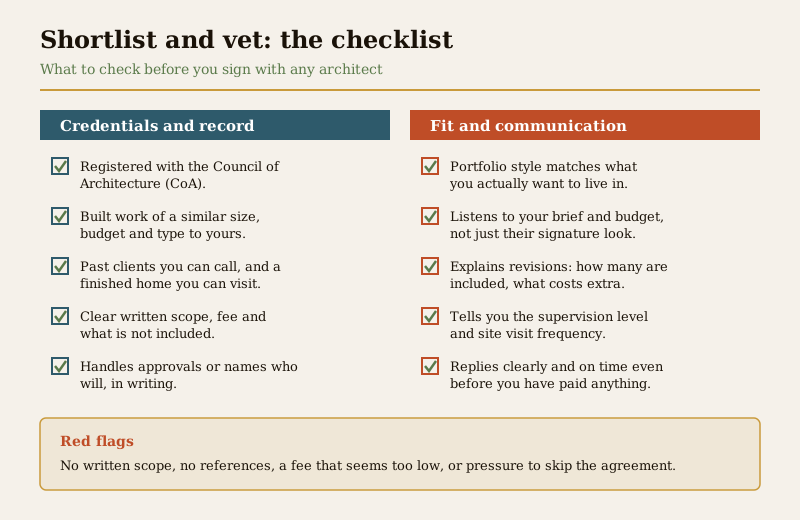
Communication is a credential too. In the first few conversations, notice whether they listen to your brief and budget or only push their own agenda, whether they reply clearly and on time before you have paid anything, and whether they explain their fee and revisions without being cornered. How someone behaves while courting you is usually the best version of how they will behave once engaged.
How architects charge
Architects use a handful of fee models, and none is universally "cheaper" - each shifts risk and predictability differently. The comparison below is indicative only; your actual fee comes from real quotes for your specific scope, city and scale. The professional-side architect fee structures guide explains how firms build these from their cost base.
| Fee model | How it works | Best suited to | Watch for |
|---|---|---|---|
| Percentage of project cost | A share of the final construction cost, paid across stages | Full-scope, larger or bespoke homes | Fee rises if cost rises - agree a cap and what the base excludes |
| Per square foot | A flat rate for each built square foot | Simpler, predictable homes | Confirm which area counts and which services are included |
| Lump sum | One fixed fee for a clearly defined scope | Clear, fixed briefs | Pin the scope tightly, or extras become paid variations |
| Stage-wise or hourly | Pay per completed stage, or by time for advice only | Phased or partial engagements | Agree the deliverable that closes each stage before you pay |
Whichever model you choose, tie payments to delivered stages, not to the calendar, and get the fee, the inclusions and the exclusions in writing. To sanity-check whether a builder quote or a percentage-based fee is reasonable against a realistic build cost, run your own numbers with the house construction cost calculator rather than trusting a round figure. Remember that the architect's fee is a small fraction of the total; a good design that saves waste and prevents rework usually pays for itself many times over.
Scope and the agreement
The most common source of disputes is not the fee - it is the scope. Before any money changes hands, get a written note that states exactly what is included, what is excluded, how many design revisions are covered before extra charges begin, and the level of site supervision (how often the architect visits, and whether they certify bills). Structural, MEP and interior work may or may not be part of the architect's scope; if they are excluded, ask who provides them and how they are coordinated. The scope boundaries between architect, designer and contractor guide is useful for drawing these lines cleanly.
Turn that scope note into a proper written agreement, and here is the firm boundary of this guide: the binding wording, liability, termination, dispute resolution and payment-default clauses should be drafted or reviewed by a lawyer, not copied from a template or a page like this one. What you can control is that the agreement reflects everything you discussed - scope, exclusions, revisions, supervision, fee, payment stages and timelines - so nothing important lives only in a conversation. If your project runs design and build together, the design-build versus hiring separately guide explains how that changes the contracting picture.
Working well together
Once you have hired, the quality of the outcome depends on the relationship as much as the drawings. Give a clear brief up front - how you live, what you need, what you dislike, and your genuine budget. Be honest about money: an architect who knows the real budget can design to it, while one kept in the dark designs something you then have to painfully cut. Make decisions promptly and in writing at each gate, because indecision and verbal changes are what blow timelines and costs. Keep a single record of what was agreed. And respect the division of expertise: trust the architect on design and the engineer on structure, while holding them to the scope and quality you agreed. That balance - engaged but not interfering, trusting but not passive - is what a good architect wants from a client too.
Where to go next
This guide is the anchor of the hiring professionals journey. Once you have your architect, the same care applies to the builder: read how to hire a building contractor, understand labour contract versus item-rate versus turnkey, get the construction agreement with your contractor right, learn to read a construction quotation, keep control through managing your contractor and site supervision, and know the red flags when hiring a contractor. Together these turn a daunting, unfamiliar process into a series of clear, checkable steps.
References
- Council of Architecture (CoA) - the statutory body regulating the profession and architect registration in India (general reference; verify current registration directly).
- Studio Matrx professional guides: architect fee structures and architect scope of services (CoA) - the profession's own framing of fees and scope.
- Studio Matrx decision guides: do you need an architect, designer or AI and architect vs interior designer vs contractor.
- Studio Matrx planning hubs: planning your project, buying land, home finance and cost and budget.
- Studio Matrx tools: house construction cost calculator - for running your own indicative build-cost numbers.
Export this guide
Related Guides — Deep-dive reading
How to Hire a Building Contractor in India: Find, Shortlist, Compare Quotes and Vet the Right Builder (2026)
A homeowner's guide to choosing the main civil contractor who will build your house - where to find them, how to shortlist and evaluate on experience and finances, how to get comparable quotes on one scope, which contract type suits you, what to verify, and how to set clear expectations - with an evaluation scorecard and a questions-to-ask table.
Hiring ProfessionalsDesign/Build vs. Hiring Separately: What Indian Homeowners Should Know
The procurement-model decision behind every home project — one turnkey firm that designs and builds, or an independent designer and a separately appointed contractor — and how to choose the one that fits your time, budget, and appetite for control.
Planning Your ProjectThe Complete Guide to Planning Your Home Before You Spend a Rupee
Why the cheapest, most powerful work happens on paper — a planning playbook for Indian homeowners before any money moves
Home PlanningRelated Tools — Try Free
Contract Studio
AI generates professional architecture service agreements with milestones and scope.
ArchitectAIInterior Contract Clause Checklist
16 sections and 98 checkboxes covering scope, BOQ, milestones, penalties, warranty, and disputes.
Contract ChecklistInterior Contract Template — India
Legally-refined contract template with payment milestones, timeline, warranty, and jurisdiction fields.
Contract Generator